
Bamboo Bath Mat vs Stone vs Fabric: Which Keeps Your Floor Drier?
Thinking about a bathroom bamboo mat? It's worth comparing it with the other two options before you buy: a fabric mat and a stone (diatomite) mat. All three look good in a modern bathroom, but they handle water in completely different ways, and that decides whether your floor actually stays dry.
The short version: a bamboo mat sheds water, a fabric mat holds it, and a stone mat absorbs it and lets it evaporate. That difference matters most in a small apartment bathroom with one weak exhaust fan and no window, which describes a lot of rentals in Melbourne, Sydney, Toronto and Vancouver. This guide compares all three on where the water goes, grip on wet tile, care and style, so you can pick the right one for your bathroom.
Table of Contents
Bamboo vs Fabric vs Stone at a Glance
| Material | Where water goes | Surface feels dry | Typical care |
|---|---|---|---|
| Sealed bamboo | Runs off onto the floor | About a minute | Wipe slats, re-oil the seal |
| Raw bamboo | Into the grain | Hours | Air dry upright, watch for swelling |
| Cotton or microfibre | Held in the fibres | Hours to a day | Machine wash weekly |
| Diatomite stone | Into the pores, then evaporates | Seconds | Wipe weekly, sand every 3-4 months |
What Each Mat Does With Water
Bamboo mats
Sealed bamboo has a coating that keeps moisture on the surface, so water beads and runs off into the grout. The mat itself looks dry within a minute; the floor around it does not. Raw or worn bamboo is the opposite problem: water soaks into the grain, the slats swell at the edges, and you get dark patches and water marks that no amount of wiping removes.
Fabric and microfibre mats
Fabric mats work the other way again. The water sits inside the fibres, so the mat feels damp hours later, and in a bathroom with poor airflow it can still be wet by the next shower.
Stone (diatomite) mats
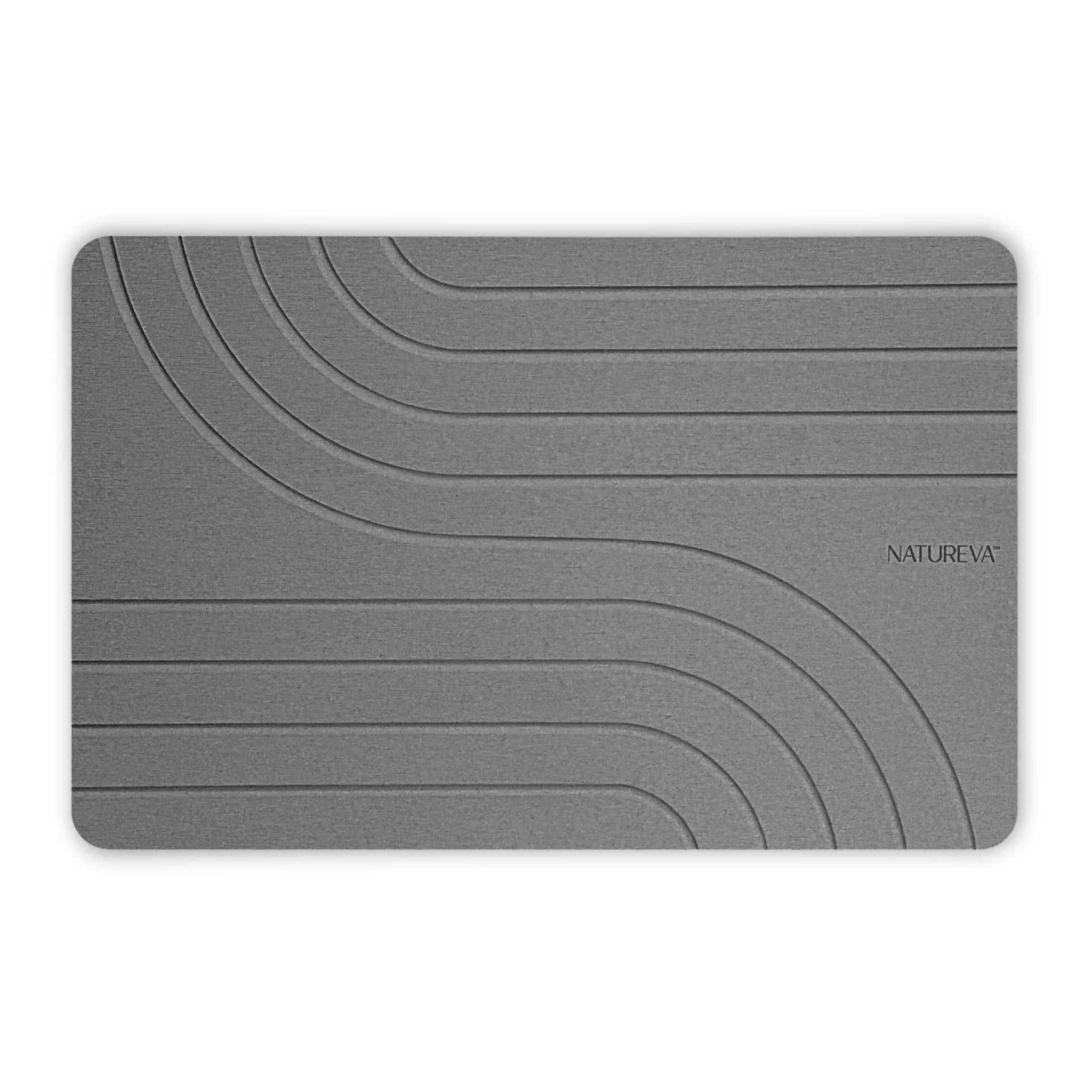
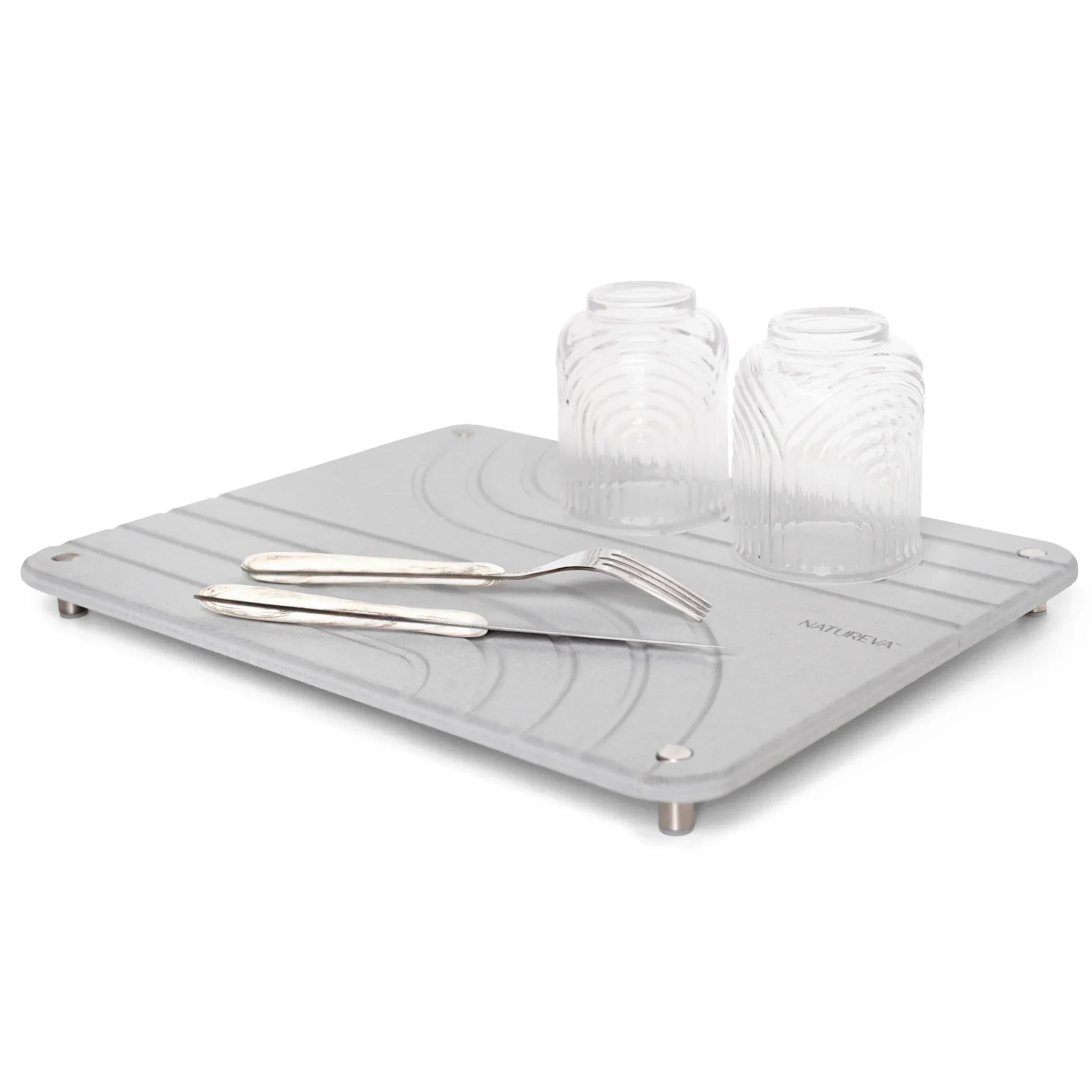
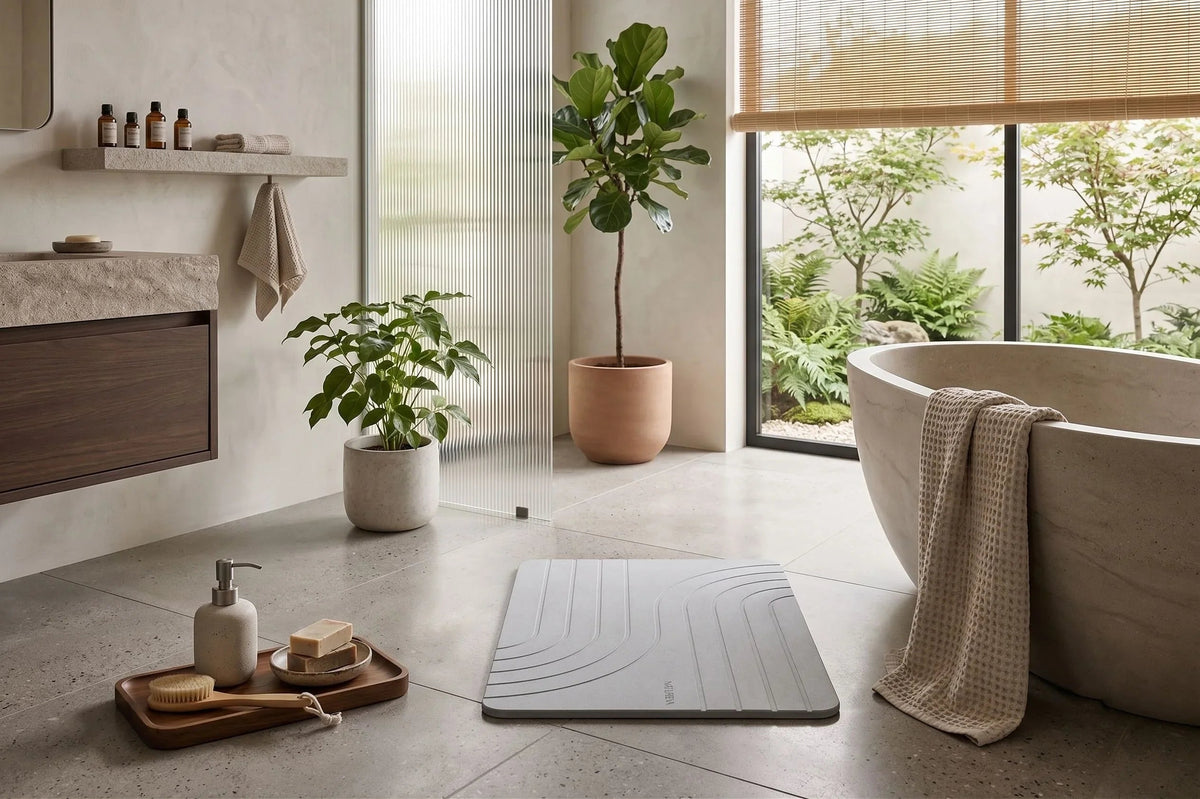
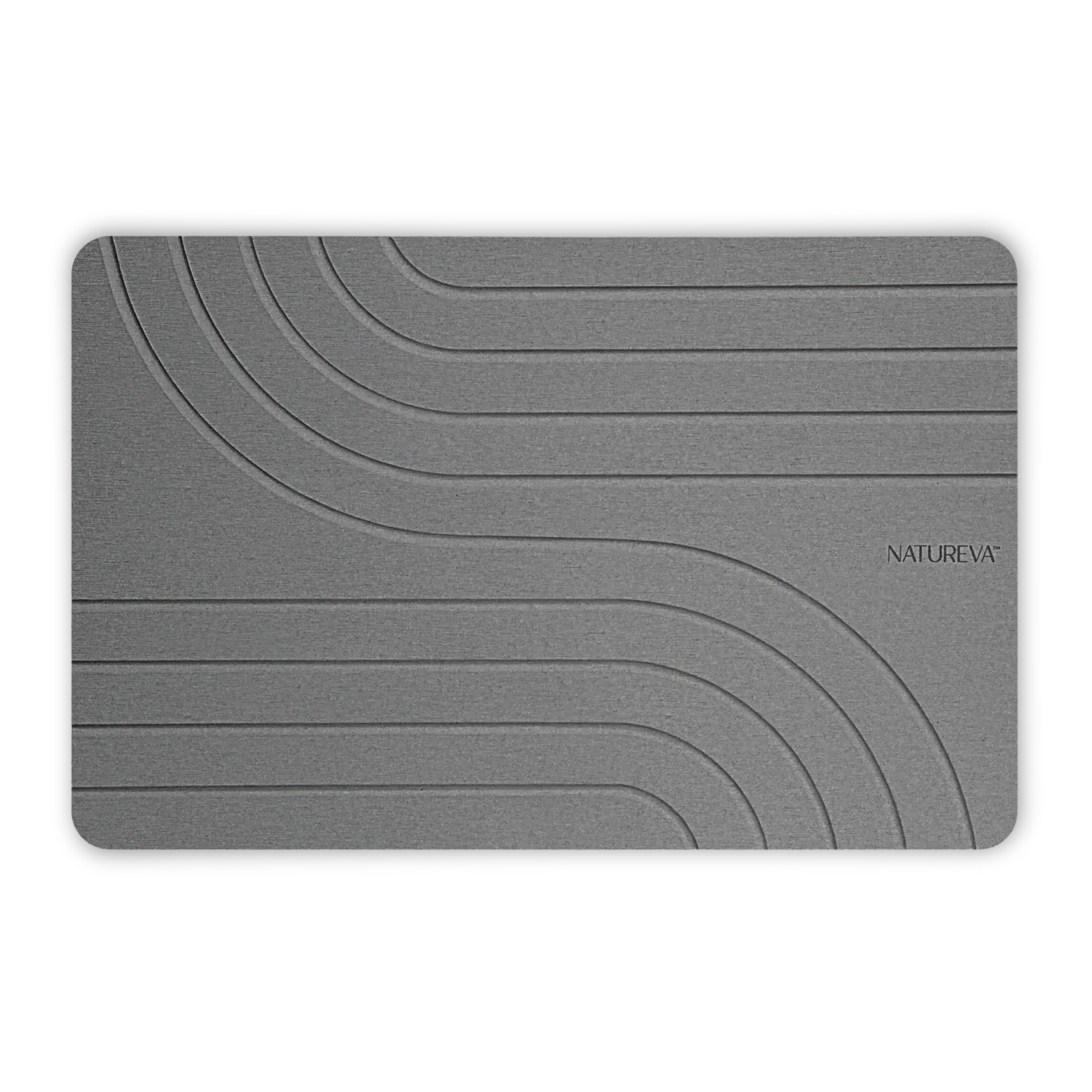
Diatomite is fossilised algae, full of microscopic pores that pull water in the second your feet touch it, so the surface feels dry within seconds, then release it back into the air through evaporation. Homes To Love tested the Natureva stone bath mat and found it dried fully in under 8 minutes.
Stone Bath Mat - Tide
Slatted, Roll-Up and Solid Bamboo Mats
If you're leaning towards bamboo, three builds dominate the category, and each one handles runoff differently. The build you pick decides where the water goes once it leaves the slats, not whether it disappears.
Slatted duckboard mats sit on short rubber feet and lift you above the puddle, which is useful in a shower-over-bath setup. The trade-off is that the water collects on the tile underneath, so you are drying the floor by hand or leaving it to a slow fan. Roll-up slat mats solve storage in a small rental because they fold into a cupboard, but the fabric webbing between the slats holds damp long after the timber looks dry. Solid glued-panel mats read as furniture next to a timber vanity, though repeated soaking can lift the edges or separate the glue lines.
Before you buy, check these three specs on the listing or in the photos:
- Edge finish: sealed and sanded, or raw end grain that will drink water
- Slat gap width: wide enough to drain, narrow enough that toes don't catch
- Rubber foot quality: bonded pads, not glued-on dots that peel off wet tile
None of the three absorb a drop. With bamboo, you are choosing a drainage path. With stone, the water is taken off the floor altogether.
Grip and Safety on a Wet Tiled Floor
Wet bamboo gets slick. The sealed surface holds a film of water instead of taking it in, so your foot lands on that film rather than on timber, which is the same reason a sealed deck board goes slippery in rain.
Movement is the other half of the problem. A light mat on four small rubber feet can skate sideways on polished porcelain when you step onto one corner instead of the middle. Fabric mats fail differently: they bunch, curl at the corners once soaked, and the raised edge becomes something to catch a heel on.
What actually keeps a mat still on wet tile:
- Weight, so the mat resists a sideways shove
- A full base pad rather than four isolated feet
- A rigid body that cannot fold or ride up
- A surface that takes water off the sole instead of holding it
A Natureva stone bath mat weighs about 1.8 kg with a full rubberised non-slip base pad, and the firm, cool surface stays where you put it.
The next generation of home essentials: naturally made, cleaner by design, sustainable by nature.
SHOP ALLMatching Your Mat to Your Bathroom
Honey-toned bamboo warms up cool grey porcelain nicely, which is why it works in a lot of new builds. It fights with yellow-beige travertine and warm oak vanities, where two warm tones sit close enough to look like a mismatch rather than a pairing. Bamboo also yellows and silvers unevenly under steam and direct sunlight, so the shade in the product photo is not the shade you live with in year two.
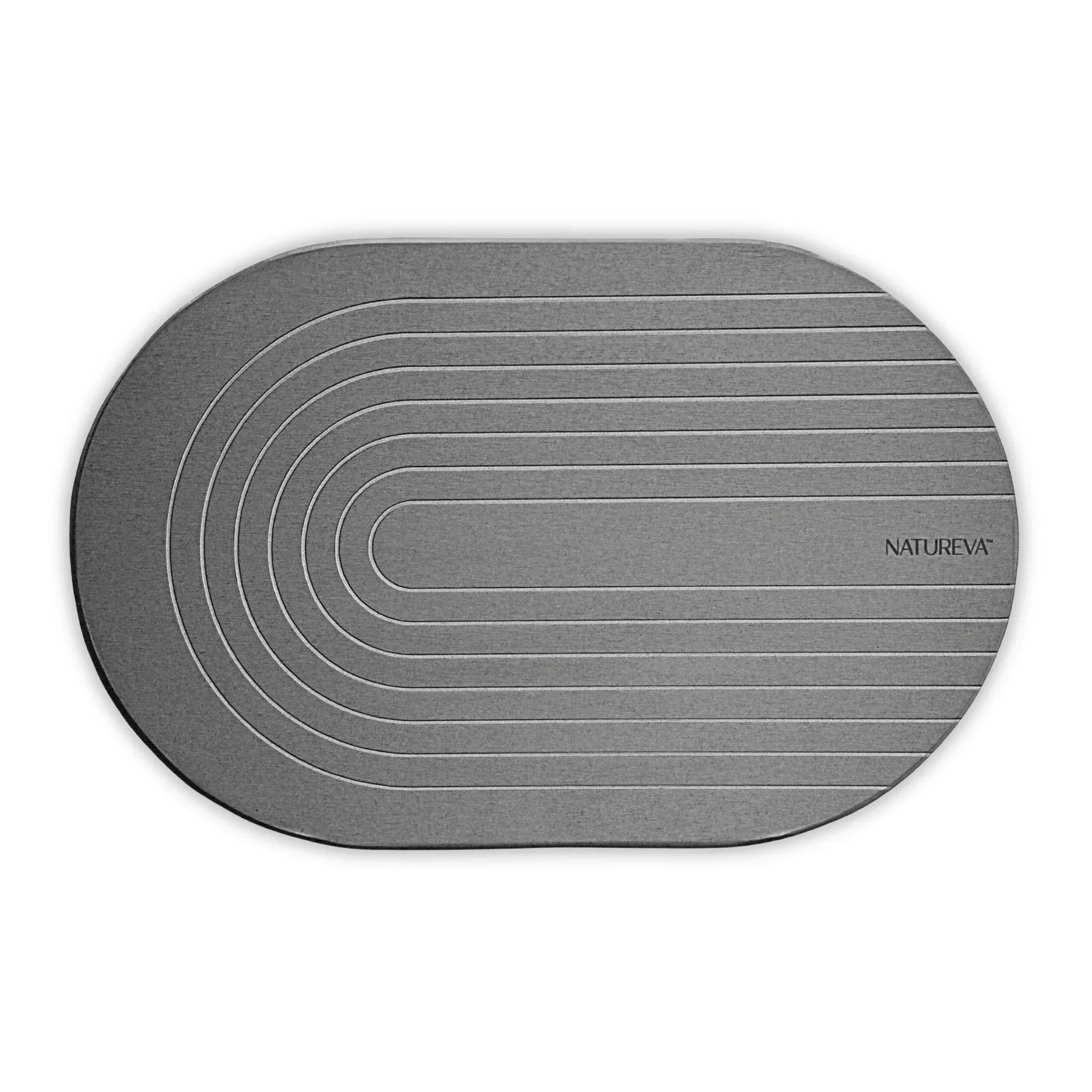
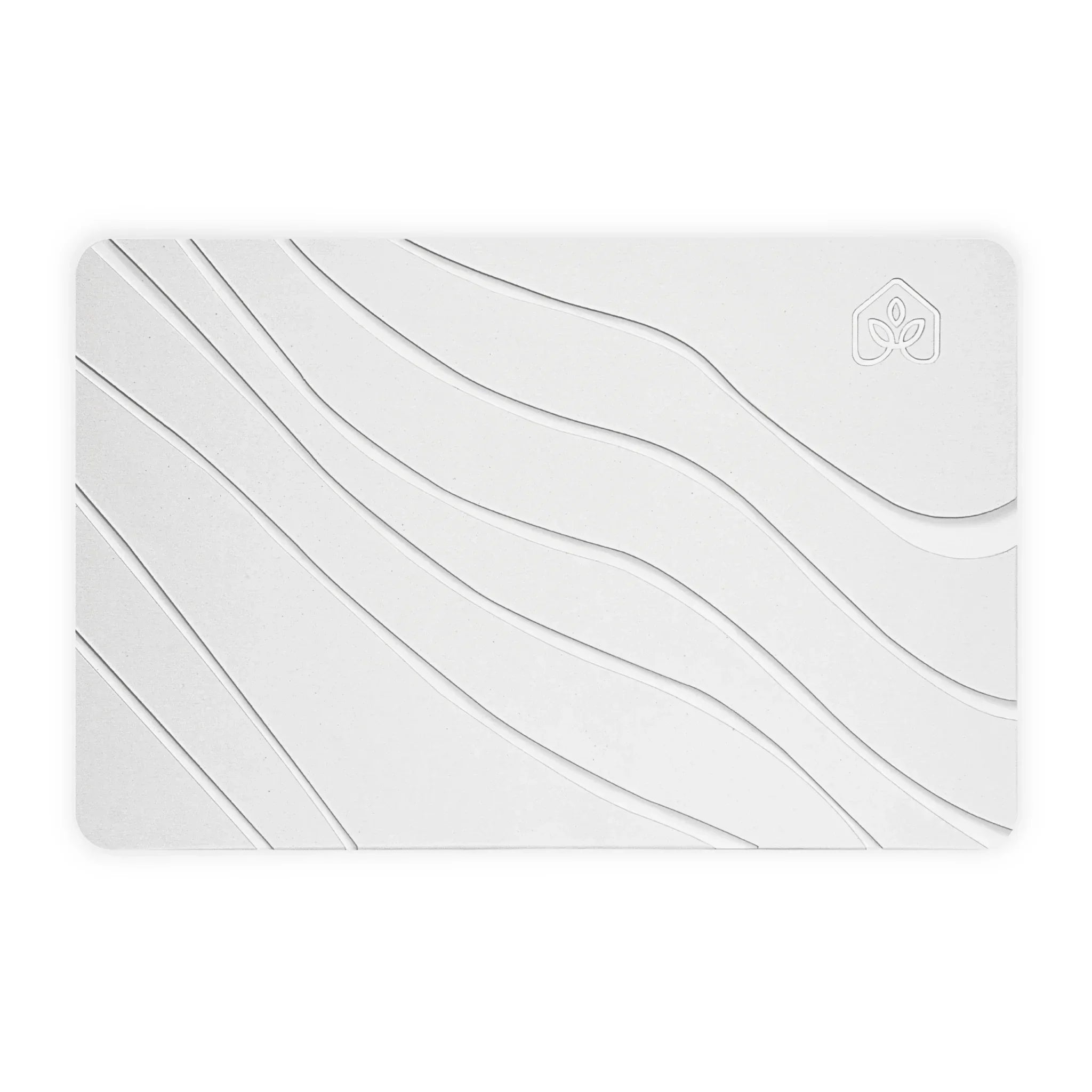
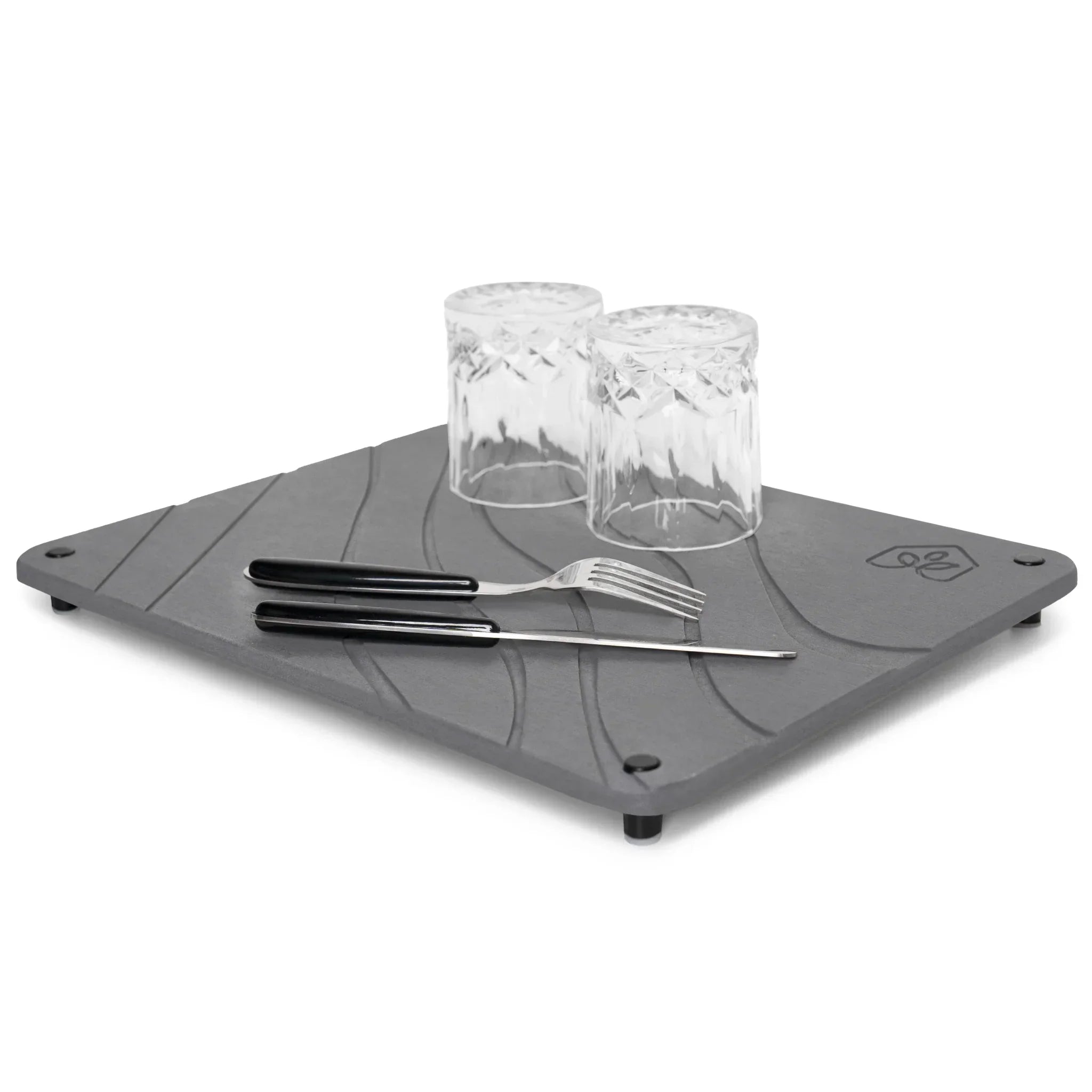
Fabric mats come in every colour but fade and go grey with frequent washing. Neutral stone reads calmer in a small room: Natureva's stone mats come in Graphite, Slate and Chalk, with engraved Tide, Flow and Arch surfaces that hold their colour.
Build the look from the floor up, in this order:
- Pick the mat first, since it is the largest single block of colour
- Match the rest of the room to it, not to the tile
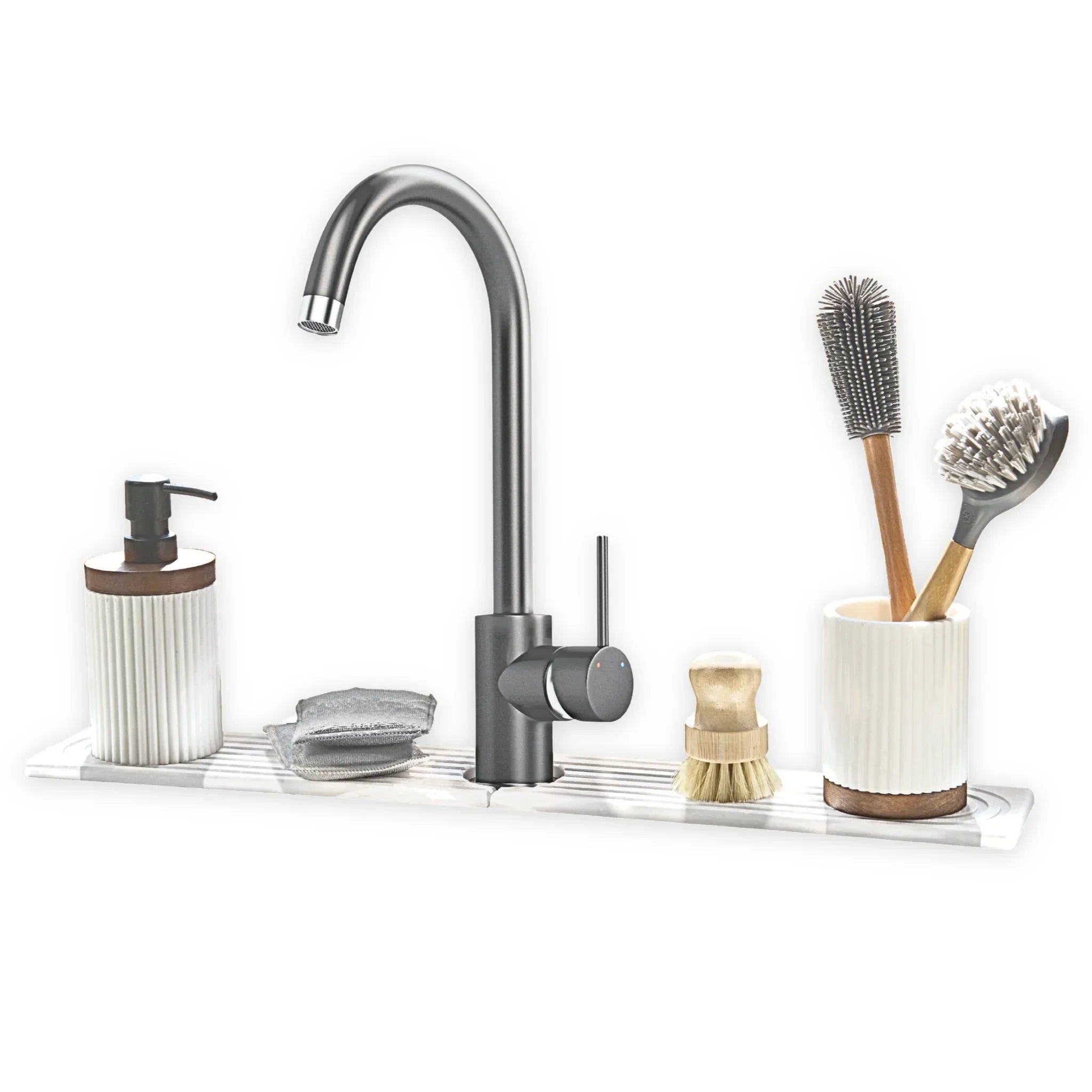
- Add small pieces last, like a matching stone faucet mat at $29
Care and Mould: Bamboo, Fabric and Stone
Bamboo
Bamboo needs a daily habit, not a weekly one. Lift the mat and stand it upright after every shower so the underside and the tile below both get air, because that trapped layer is where black spotting starts. Weekly, wipe the slats with a diluted vinegar solution. Skip bleach entirely: it lightens the timber and dries it out, which opens the grain to more water. Once or twice a year, re-oil or re-seal raw bamboo, and look closely where the slats meet the webbing or the glue lines, since that is the first place mould shows.
Fabric
A fabric mat needs a hot wash every week and a full dry before it goes back down. Miss a fortnight in a humid bathroom and the fibres hold enough damp to start smelling.
Stone
Stone asks for less. Because it absorbs water instantly and dries in seconds, there's no lingering damp for mould or odour to develop. Here is the routine:
- Weekly: warm damp cloth with a 1:1 vinegar-water mix, then air dry
- After heavy use: prop it upright against the wall
- Every 3 to 4 months: light sand with the included P320 tool
Sanding reopens the pores so the mat keeps absorbing. Do it with the mat slightly damp, or outdoors or in a well-ventilated spot, since it is best not to breathe in the dust. Natureva stone products are also tested and certified asbestos-free by a NATA-accredited Australian laboratory. See our step-by-step stone bath mat cleaning guide for the full routine.
Which Mat Suits Your Bathroom?
Bamboo earns its place where the room already works. A window that opens, or a fan that clears steam in ten minutes, gives the timber the air it needs, and nothing else gives you that warm grain underfoot. It is the wrong buy if you cannot be bothered standing it up after every shower.
Fabric suits one household only: the one that runs a mat through the wash every week without being reminded. Miss a fortnight in a humid flat and the fibres hold enough damp to turn the mat sour, which is why most renters quietly give up on them.
Stone is the answer when the room itself cannot be fixed. Homes To Love rated the Natureva Stone Bath Mat 9 out of 10 and found it dried fully in under 8 minutes, and it's a Bronze Winner in the Clean + Conscious Awards 2026. You pay for that in feel, since the surface is firm and cool rather than soft.
| Your bathroom | Best mat | Main trade-off |
|---|---|---|
| Window and working fan | Sealed bamboo or stone | Bamboo: dry the tile daily |
| Fan only, no window | Stone | Firm underfoot |
| Internal, no fan | Stone | Light sanding every 3-4 months |
| Two showers each morning | Stone | Costs more upfront |
| You love a soft mat and wash weekly | Fabric | Weekly washing |
Start With Your Fan, Then Measure the Floor
Stand in your bathroom after a shower and give it ten minutes. If the mirror clears on its own, bamboo is on the table. If it does not, the material question is already answered for you and stone is the sensible buy. Either way, measure the clear floor outside the shower before you order, since a 60 cm mat needs 60 cm of tile that a vanity door or a swing-out screen is not using.
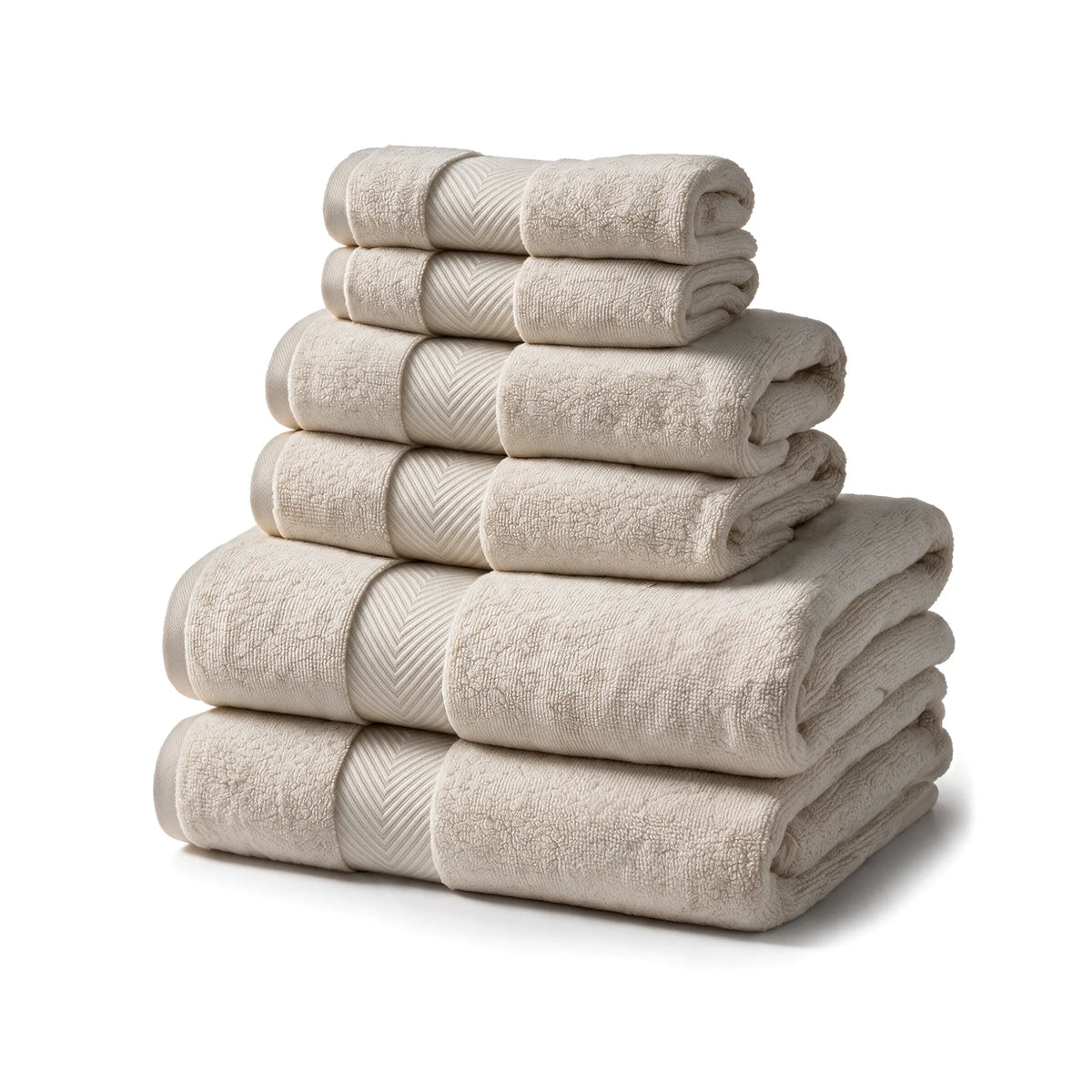
Natureva's Stone Bath Mat is $59 in Graphite, Slate and Chalk. If you're refreshing the whole bathroom, our OEKO-TEX Made in Green bamboo cotton towels pair well with it, and together they come in over the $100 mark for free shipping in Australia and Canada.
The next generation of home essentials: naturally made, cleaner by design, sustainable by nature.
SHOP ALLBamboo vs Stone Bath Mat Questions
Is a bamboo bath mat better than a stone bath mat?
It depends on your bathroom. Bamboo looks warm and works well in a bathroom with a window and a strong fan, but it sheds water onto the floor rather than absorbing it. A stone bath mat absorbs water instantly and the surface dries in seconds, so it suits damp, poorly ventilated bathrooms better.
Will a bamboo mat splinter or snag bare feet after a year of daily showers?
It can, once the seal wears thin. Steam and foot traffic open the grain along the slat ends first, and that rough edge is what catches skin. Run your hand along the slats every few months. If it feels fuzzy or catches, sand it back lightly and re-seal before the fibres lift any further.
Does a stone bath mat feel too cold underfoot through a Canadian winter?
It feels cool for the first second or two, then your feet warm the surface. Diatomite is firm and cool by nature, not soft, so a heated bathroom floor or a quick step-and-move routine suits it best. If you linger at the vanity in a cold room, keep a pair of slippers by the door.
Can I use a bamboo mat and a stone mat in the same bathroom?
Yes, and it works well in a shared bathroom. Put the stone mat at the shower exit where the water actually lands, and keep the bamboo by the vanity or bath where feet are mostly dry. That way the timber never sits in a puddle, which is what shortens its life in the first place.
Will wet dog paws damage a bamboo or stone bathroom mat?
Paws are hard on bamboo and fine on stone. Nails scratch through a sealed timber surface and the damp left behind sinks into those scratches. Diatomite marks less and dries off quickly, and light sanding lifts any dirt that works into the pores. For feeding bowls, a dedicated stone pet mat is the better spot, and pets should not chew it.