
Pick a Faucet Mat to Keep Sink Splashes Off Your Bench
A faucet mat earns its spot the first week you use it, because the sink area gets splashed dozens of times a day from washing hands, rinsing dishes, and filling pots. Each splash leaves a small puddle on the counter that sits there until someone wipes it up. Over weeks, that standing water can dull stone counters, warp wood edges, and leave mineral spots behind. A mat placed right under the spout catches the drips before they spread, so the puddle never forms in the first place.
Picking the right one comes down to how fast it dries and how well it holds up near water all day. A mat made from diatomaceous earth pulls water in fast and releases it back into the air just as fast, so it stays dry to the touch between uses. That matters more than color or shape, since a mat that stays damp can grow mildew and start to smell. The right choice stops splashes cold without becoming one more wet thing to clean.
Table of Contents
Why Your Counter Stays Wet All Day
The sink area takes more than 20 splashes a day in a typical kitchen, counting hand washing, dish rinsing, and pot filling. Each hit adds a few drops to the pool forming near the spout. By evening, that adds up to a counter that never fully dries unless something is pulling the water away.
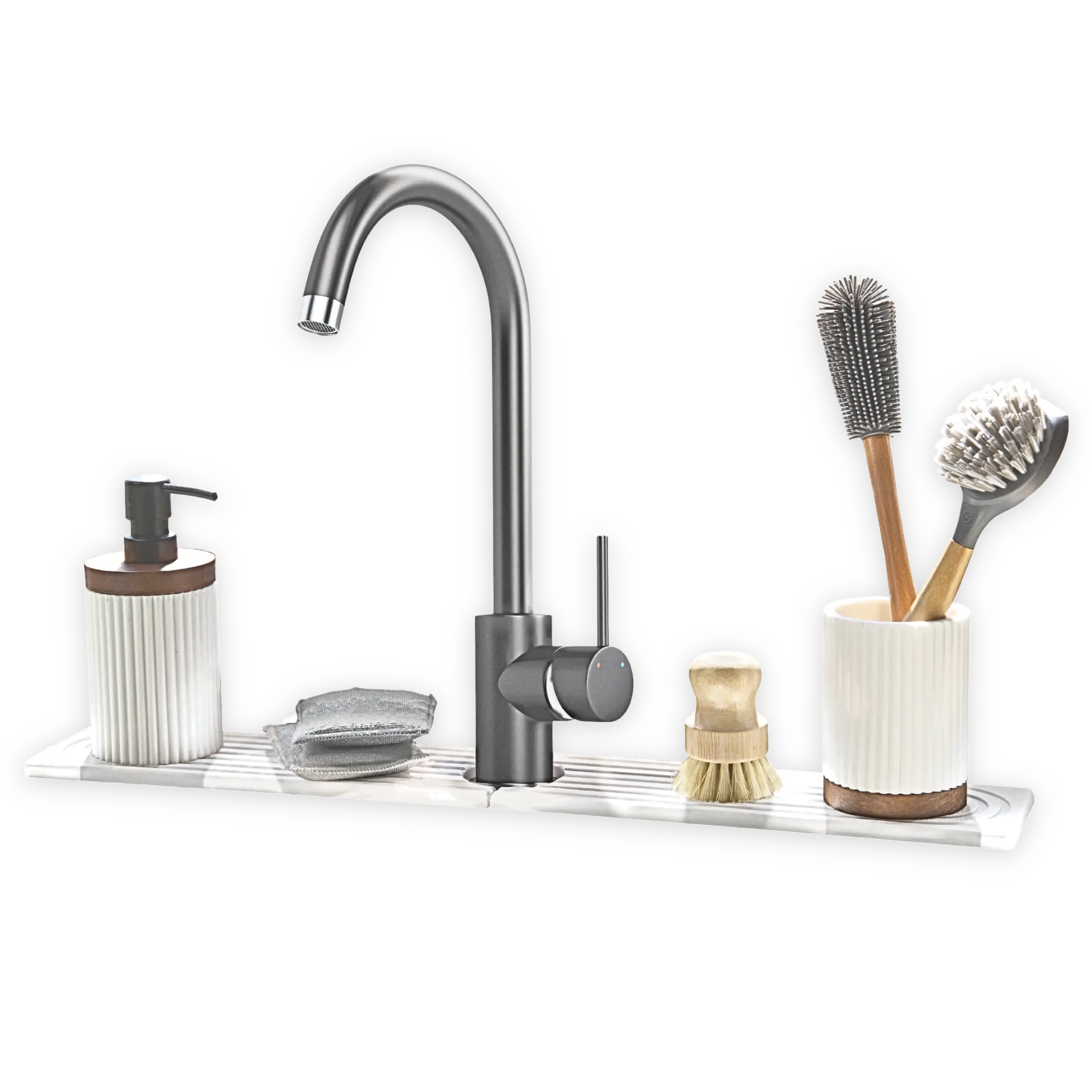
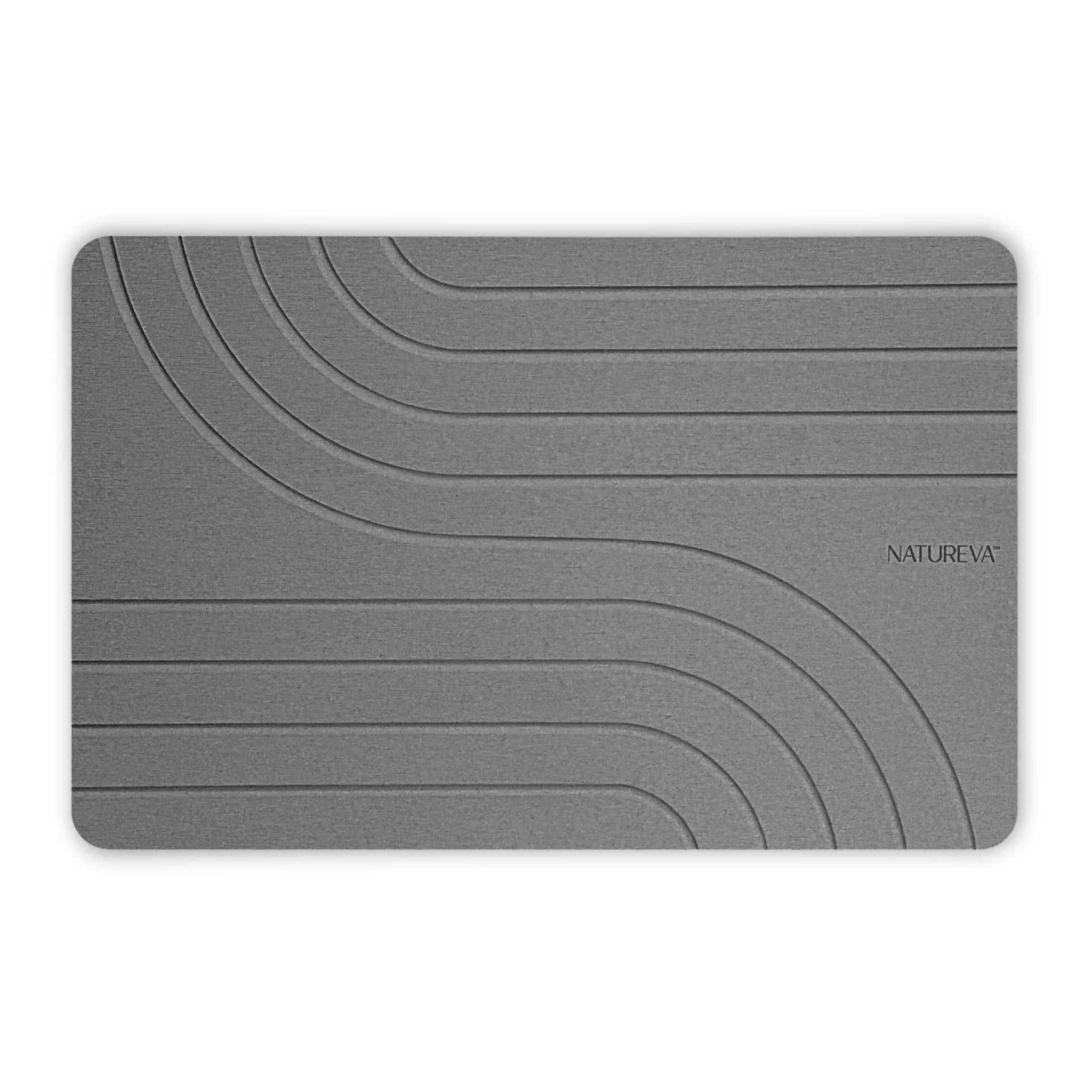
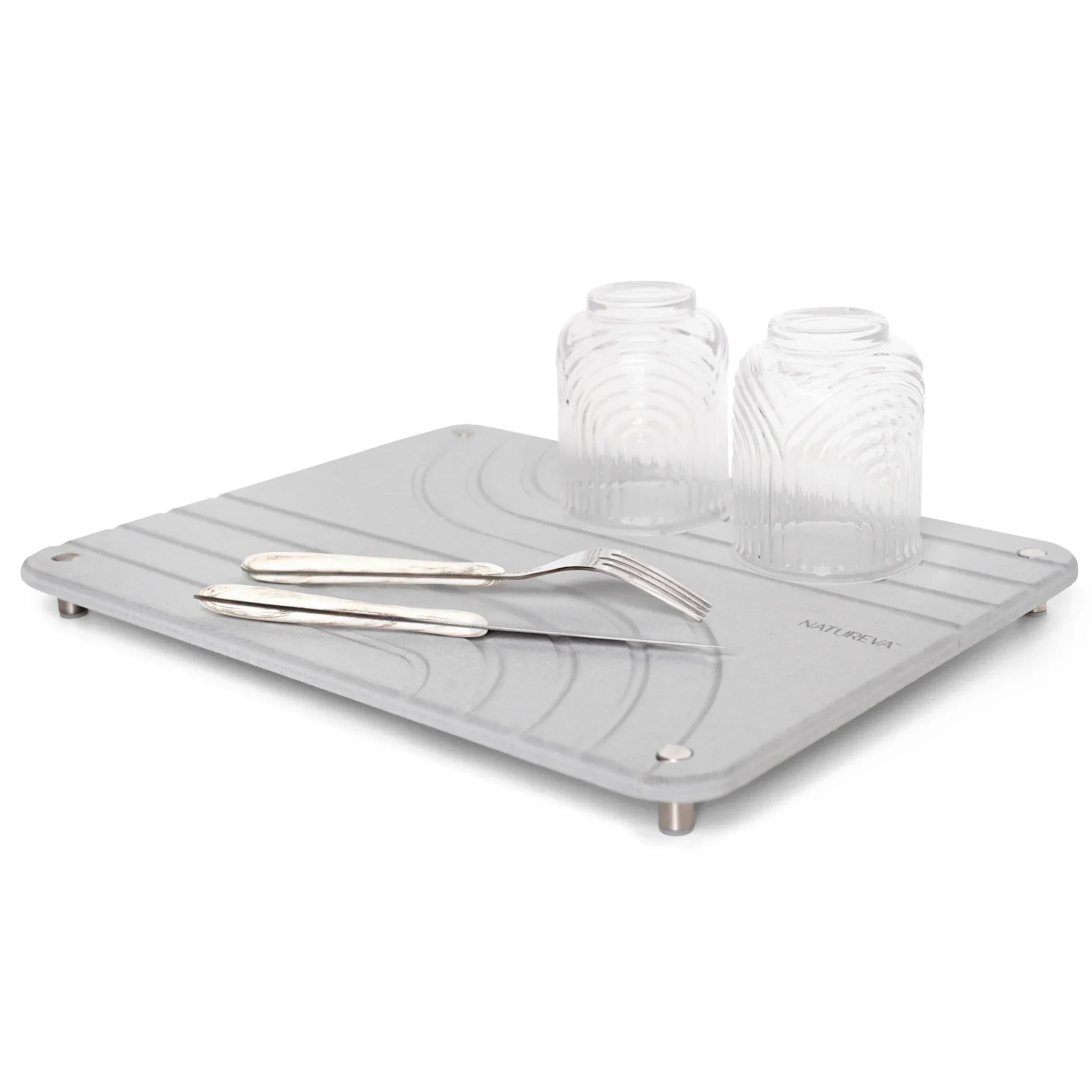
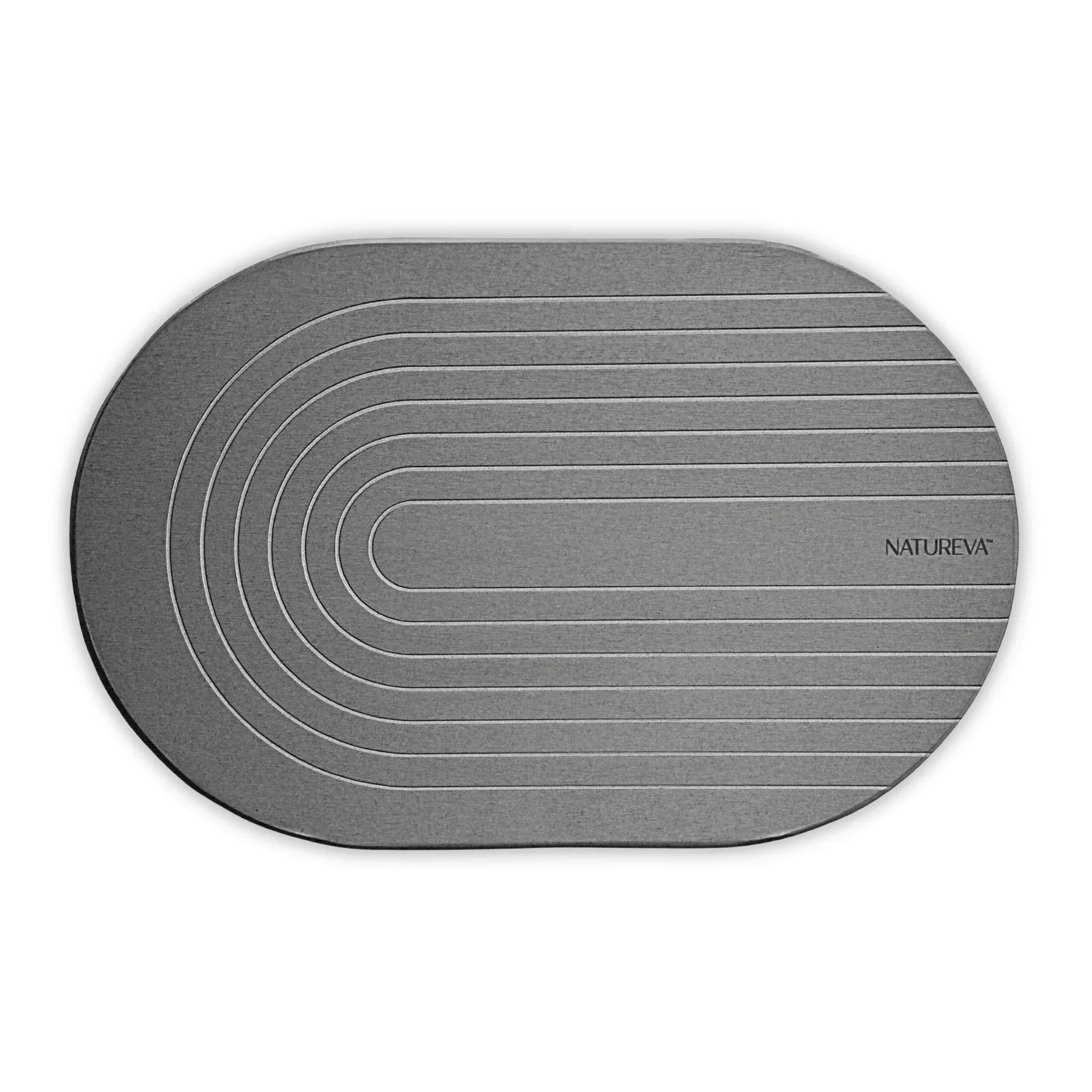
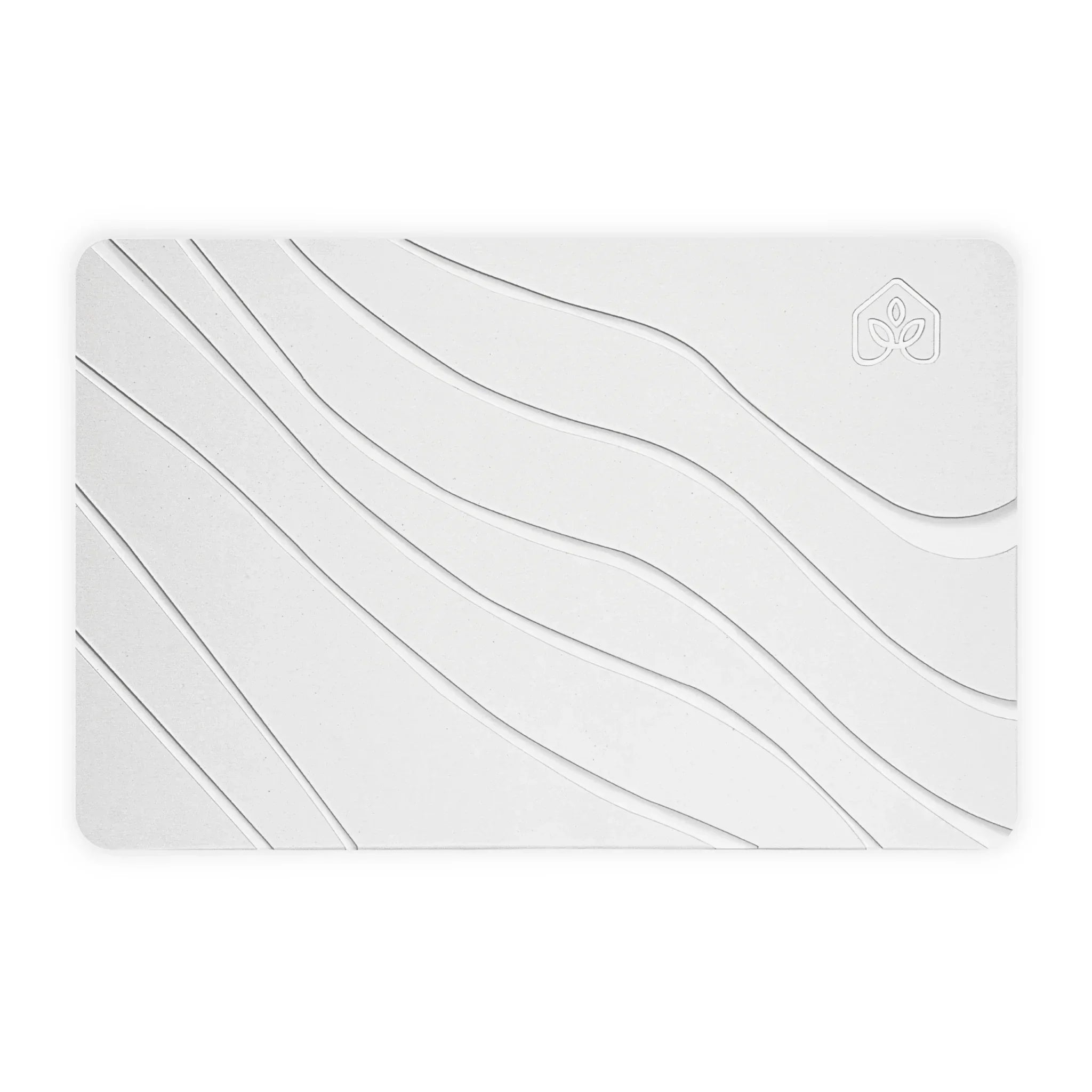
Stone Faucet Mat - Arch
Standing water does more than look messy. Bacteria can start growing in a damp spot within hours, especially where food scraps or soap residue sit in the mix. Fabric mats that stay wet all day give germs a longer window to build up than mats that dry fast.
Drying speed depends almost entirely on what the mat is made from, not its size or shape. Here's how common materials compare:
| Material | Typical Dry Time | Water Pulled In |
|---|---|---|
| Cotton | 4-6 hours | Low |
| Silicone | Doesn't absorb | None |
| Diatomaceous earth | 30-60 minutes | High |
A mat that dries within the hour, like the Stone Faucet Mat, keeps bacteria from getting the time it needs to multiply. That single factor, dry speed, decides whether a mat actually solves the splash problem or just moves it somewhere else.
Top Faucet Mats Worth Buying Right Now
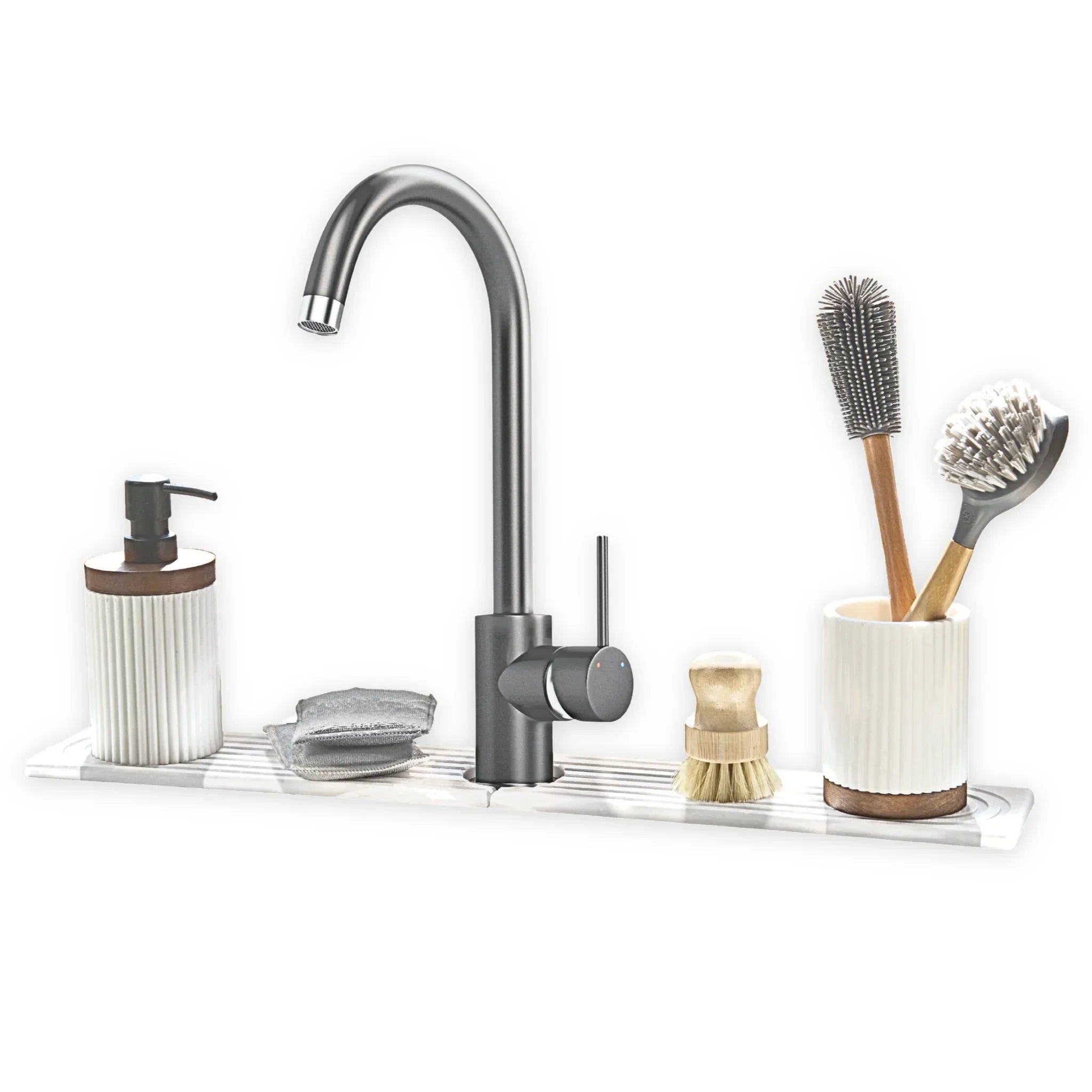
The best faucet mat for most kitchens depends on your sink size and how much splash you get each day. A stone mat like the Stone Faucet Mat Arch covers the area right under the spout for $29 and uses diatomite to pull water in fast, then release it back out within the hour. That price sits in the middle of the market, between basic silicone pads and larger stone pieces made for double sinks.
Compact silicone mats run $12 to $18 and fit tight single-bowl setups where counter space is limited. Larger fabric mats, priced $20 to $28, suit double sinks or kitchens that see heavy daily use, though they take longer to dry than stone. Budget silicone starts under $15, while premium stone mats can run $35 to $45 depending on size and finish.
- Stone Faucet Mat Arch, diatomite, $29, dries in under an hour
- Compact silicone pad, $12 to $18, fits single-bowl sinks
- Large fabric mat, $20 to $28, suits double-sink setups
- Premium oversized stone mat, $35 to $45, covers wider counters
Checking the full faucet mat lineup side by side makes the size and price trade-offs easier to see before you order.
Matching Mat Size and Shape to Your Faucet
Getting the right fit starts with a tape measure, not a guess. Measure the width of the counter directly behind your faucet base before you order, since most kitchen faucet bases span 6 to 10 inches across and the mat needs to clear that zone on both sides.
Arch-shaped mats curve to match a round faucet base, so there's no gap where water can slip through on either side. Rectangle mats work better for wide double-faucet setups, like a main faucet paired with a pot filler, where a curved cutout would leave one side unprotected.
- Measure the counter width behind the faucet base first
- Pick an arch shape for a single round faucet base
- Pick a rectangle for double-faucet or pot-filler setups
- Go oversized only if you have extra counter depth to spare
A mat that's even one size too small leaves the edges of the splash zone exposed, which defeats the point of having one at all. Oversized mats catch more water but eat into counter space you might need for prep.
The next generation of home essentials: naturally made, cleaner by design, sustainable by nature.
SHOP ALLStone or Silicone Which Material Wins
Diatomite stone wins on speed: it pulls water in almost the moment it lands and dries within the same 30 to 60 minute window covered earlier, so the surface stays dry to the touch between uses. Silicone takes the opposite approach. It resists cracking and holds up to years of use, but water sits on top instead of soaking in, so it has to be wiped or tipped out by hand.
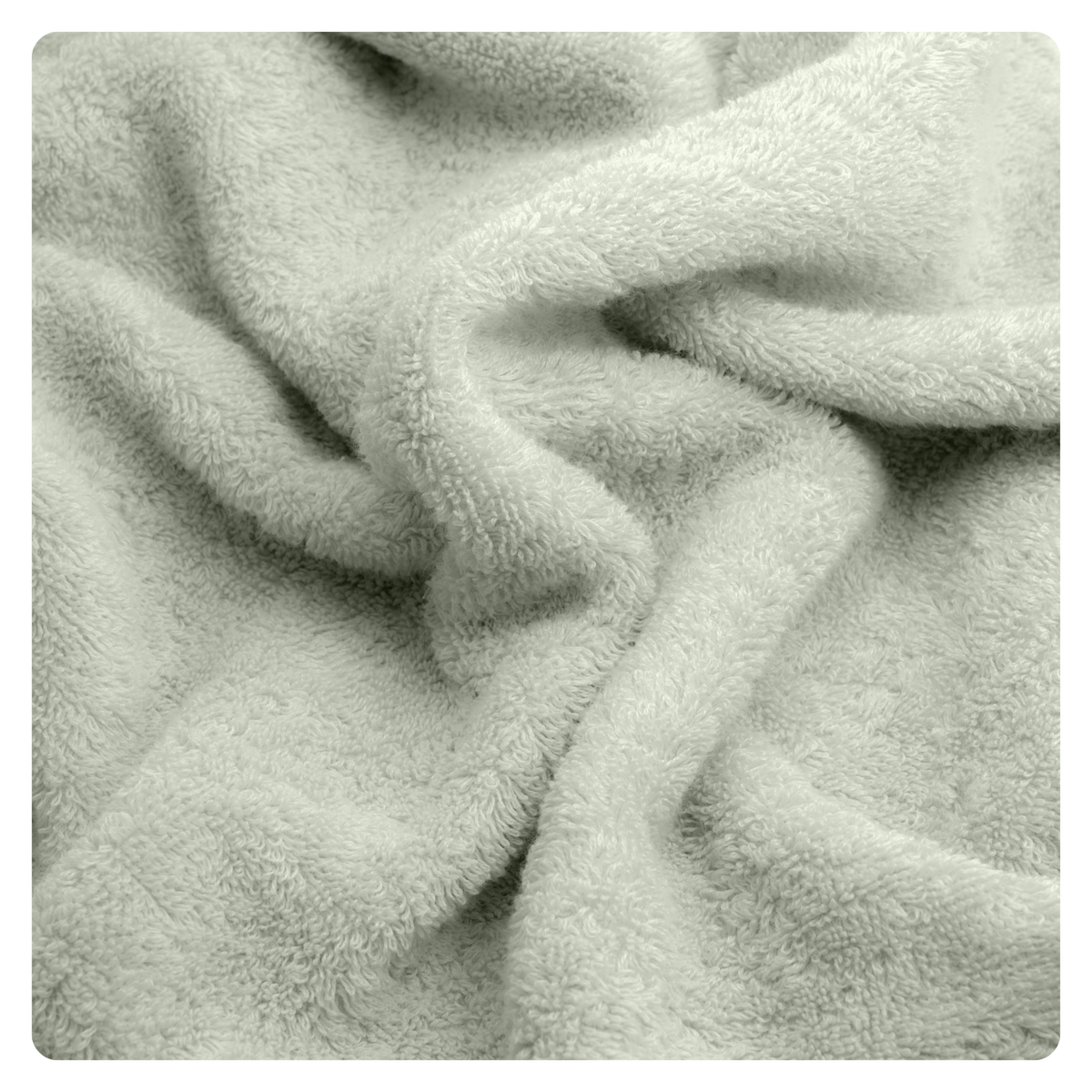
Fabric mats land in the middle. They absorb well at first, but they take hours to fully dry and can pick up a damp smell if they sit wet overnight. Stone mats need a light sanding every few months to keep the surface pulling water in at full speed.
- Diatomite stone: fastest drying, needs occasional sanding
- Silicone: no absorption, wipes clean, very durable
- Fabric: good absorption, slow to dry, can hold odor
Choosing between them comes down to whether you'd rather sand a mat a few times a year or wring one out every evening, a trade-off worth weighing against advice on preventing water stains around the sink.
Keeping Your Mat Working Longer
A faucet mat lasts longer when it gets a quick wipe instead of being left to soak overnight. Run a dry towel over it after heavy use, like a big dinner cleanup, to stop soap film and mineral buildup from settling into the surface.
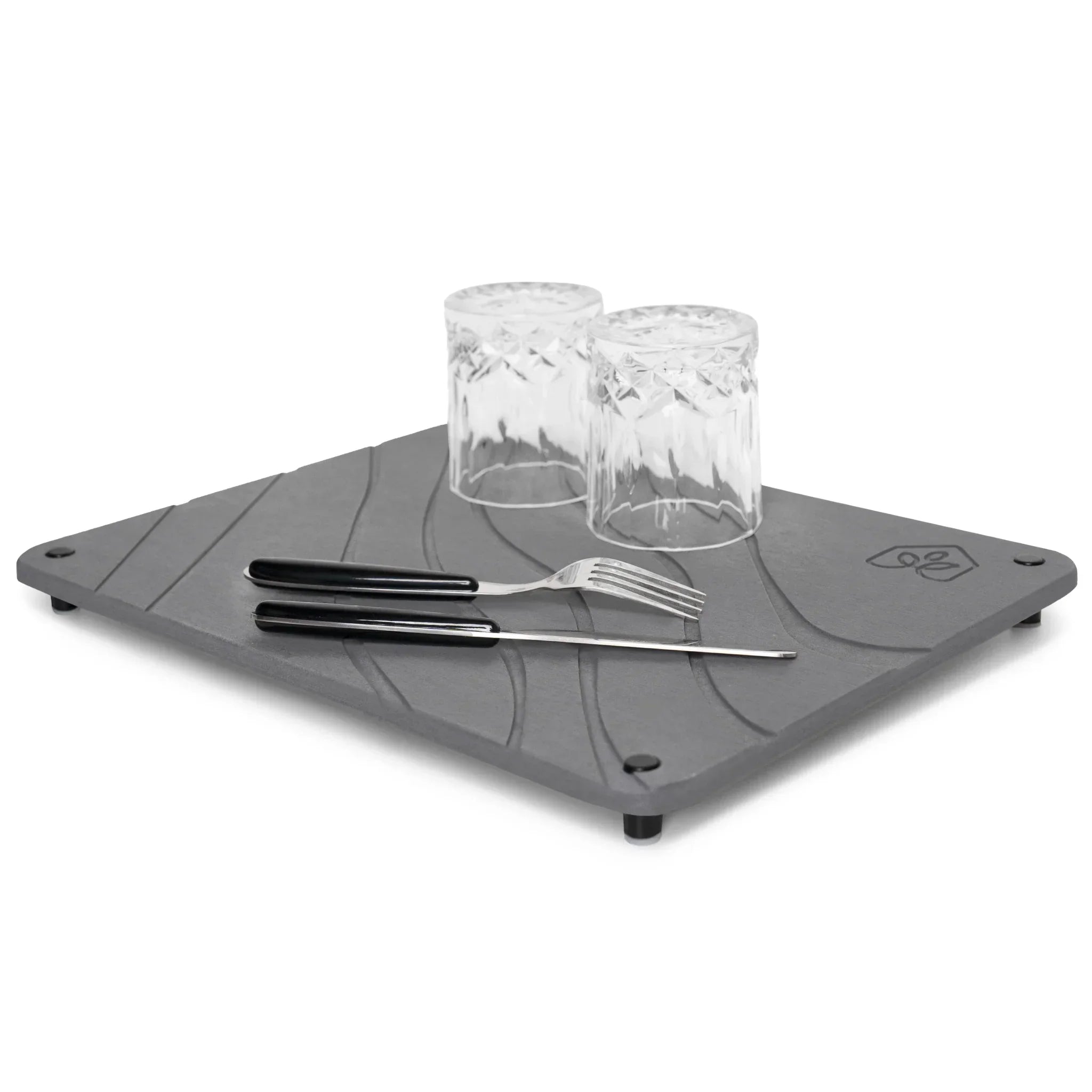
Stone mats should stand upright or lean against something while they finish drying, since air reaches both sides that way instead of just the top. Avoid setting wet sponges or soap bottles directly on a stone mat, since a damp spot under an object can't release moisture into the air the way the open surface does.
- Wipe the mat dry after heavy sink use
- Stand stone mats upright between uses so air reaches both sides
- Keep wet sponges and soap bottles off the mat surface
- Sand the stone surface lightly every few months to restore absorption
A stone mat that stops drying fast almost always needs sanding, not replacing. A pot scrubber or fine sandpaper run over the surface for a minute or two opens the pores back up and brings the quick-dry effect back.
Counter Space or a Dry Counter Which Matters More
Replacing water-damaged laminate runs $300 to $600 per section, and refinishing wood counters costs even more once warping sets in. A $29 mat is a rounding error next to that bill, and it works from day one instead of after the damage shows up.
Wiping the counter by hand after every wash or rinse adds up over a year. At even thirty seconds a wipe, ten times a day, that's close to thirty hours of standing at the sink with a rag, time a self-drying mat gets back since it needs nothing more than an occasional stand-up to air out.
A stone mat pays for itself within a few months of normal kitchen use, once you count the wiping time saved and the counter damage avoided. After that, the only ongoing cost is a light sanding a few times a year to keep it pulling water in fast.
| Counter Size | Best Fit | Why |
|---|---|---|
| Small single-bowl | Slim arch mat | Covers spout zone without eating prep space |
| Medium single sink | Standard arch mat | Balances coverage and counter room |
| Large or double sink | Rectangle or oversized mat | Needs wider catch zone for two faucets |
Small counters lose the most usable space to a bulky mat, so a slim arch shape makes more sense there than a rectangle built for a double sink. Anyone working a tight galley kitchen gets better odds of keeping prep room clear with the narrower cut.
Pick Your Mat Size and Material Now
Grab the measurement you took of your faucet base and match it straight to a mat before you close this tab. Stone wins if drying speed matters most to you, silicone wins if cost is the deciding factor, and fabric only makes sense for a double sink you're willing to wring out by hand. For most single-bowl kitchens, the Stone Faucet Mat Arch is the default pick: it fits a standard round faucet base, dries within the hour, and stops the daily wipe-down for good. Order it today and the next splash is the last one that sits on your counter.
The next generation of home essentials: naturally made, cleaner by design, sustainable by nature.
SHOP ALLFaucet Mat Questions People Still Ask
Will a stone faucet mat chip if I drop a pot on it?
Yes, a hard drop from a heavy pot or cast iron pan can chip the edge, since diatomite is a firm, porous material rather than a flexible one. A chipped corner usually still works for absorbing water, but it won't look as clean. Setting pots in the sink basin instead of on the mat avoids this entirely.
Can I place a soap dispenser or sponge caddy directly on the mat?
You can, but it slows down drying under that object since air can't reach the covered spot. Over time this can leave a permanently damp ring that stops pulling in water as fast as the rest of the surface. Setting the dispenser just beside the mat instead keeps the whole surface drying evenly.
Does the mat slide around on granite or quartz countertops?
A stone faucet mat sits heavier than fabric or silicone, so it stays in place better on smooth granite or quartz than a lightweight pad would. It won't shift during normal use like washing hands or rinsing dishes. If you push it hard while wiping the counter, it can slide a little, so a quick nudge back into place is all it needs.
How long does a stone faucet mat typically last before needing replacement?
A stone faucet mat, like the Stone Faucet Mat Arch, can last several years with regular sanding to keep the surface absorbing water fast. The material itself doesn't wear out the way fabric frays or silicone cracks. Most people replace one only if it chips badly or they want a different size for a new sink.