
Comparing Dish Rack Tray Materials for Fast Drying
A dish rack tray that never dries out is one of the dampest spots in your kitchen, and damp is exactly what mold and bacteria need to grow. The material your dish rack tray is made from determines whether water evaporates in minutes or sits there breeding mold and bacteria for hours. Understanding how different materials handle moisture can help you keep your kitchen cleaner and save you from constantly wiping down soggy countertops.
Dish Rack Tray Materials at a Glance
Most drying racks and dish rack trays are made from plastic, silicone, stainless steel or coated steel, and many people put a fabric, microfiber or stone mat underneath. Each material handles water differently. It pools on plastic and silicone, drains through metal, soaks into fabric and stays there, or soaks into stone and evaporates. That one difference decides how fast your rack dries, how often you clean it and whether your counter stays dry.
| Material | Drying speed | How water is handled | Cleaning effort | Mold risk | Counter stays dry? | Best use |
|---|---|---|---|---|---|---|
| Plastic | Slow | Collects in grooves and ridges | High | High | Often damp | A drip tray you can empty and wash often |
| Silicone | Slow | Sits on the surface | Medium | Medium to high | Often damp | A flexible mat you can roll up and wash |
| Stainless steel | Slow (drains rather than dries) | Drains through mesh or holes into a catch tray or onto the counter | Medium | Low to medium | Only over the sink | A rack that sits over the sink; resists rust |
| Coated steel | Slow (drains rather than dries) | Drains through; rusts once the coating chips | Medium | Medium | Only over the sink | Short-term use over the sink |
| Fabric or microfiber | Very slow | Absorbs water and holds onto it | Very high | High | Damp once soaked | Occasional extra drying space |
| Diatomaceous earth (stone) | Very fast | Absorbs water into its pores, then evaporates it | Low | Low | Yes | Everyday counter drying, or under a rack instead of a drip tray |
Table of Contents
- The Science Behind Water Absorption and Evaporation
- Plastic and Silicone Dish Rack Trays
- Stainless Steel and Metal Mesh Options
- Diatomaceous Earth Stone Dish Mats
- Silicone vs Microfiber vs Stone Dish Drying Mats
- What Fast Drying Really Means for Your Kitchen
- Choosing the Right Material for Your Needs
- Natural and Non-Toxic Dish Rack Materials
- Dish Rack Tray Materials for Small Kitchens and RVs
- Common Questions About Dish Rack Tray Materials
- Final Thoughts: The Best Material for Your Dish Rack
The Science Behind Water Absorption and Evaporation
Water doesn't just sit on every surface the same way. Some materials soak it up like a sponge, while others let it pool and linger for hours. The difference comes down to how materials are built at a microscopic level. Porous materials have tiny holes and channels that pull water in, while non-porous surfaces keep water sitting on top. Think about how a paper towel works compared to a plastic cutting board. One drinks up the water, the other just lets it slide around.
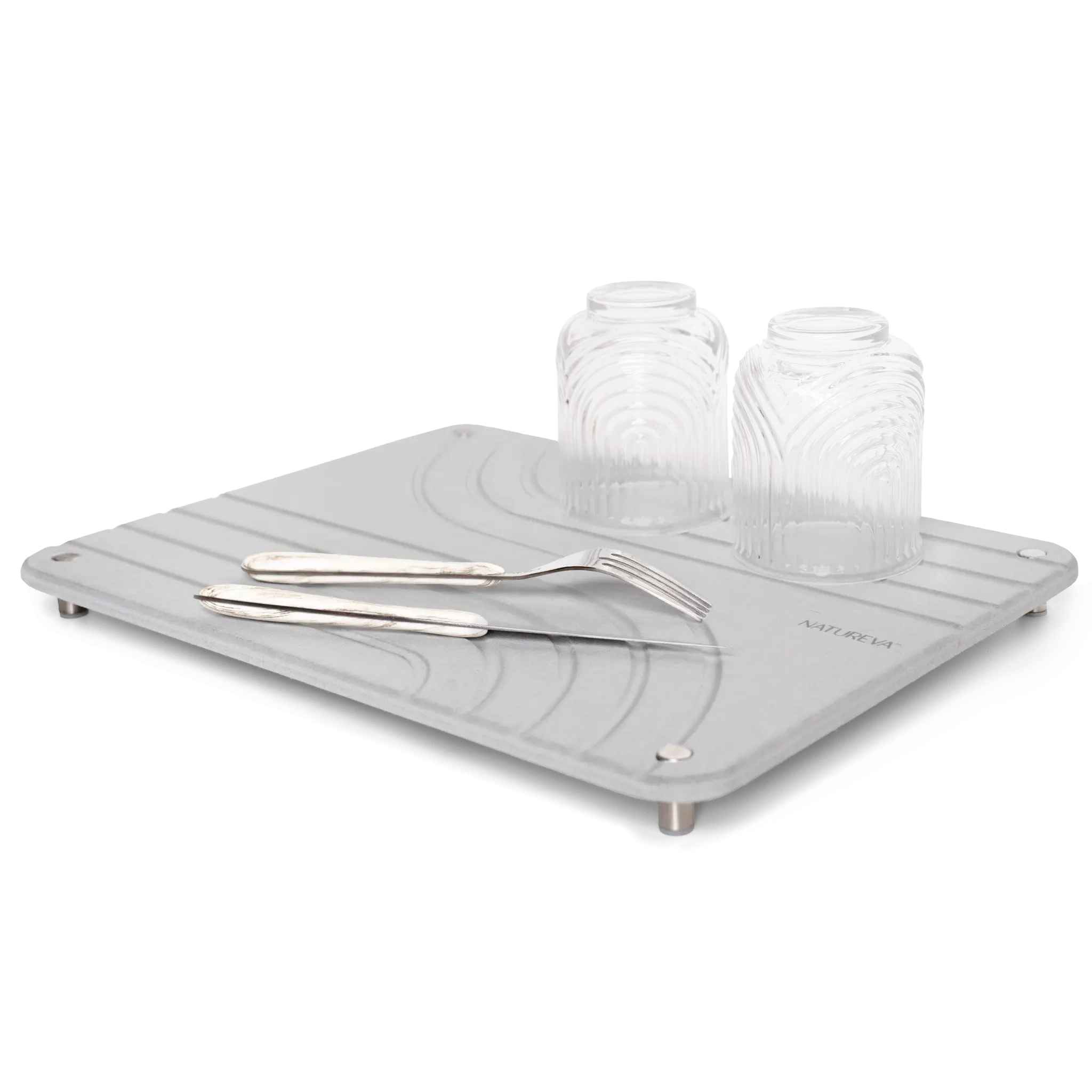
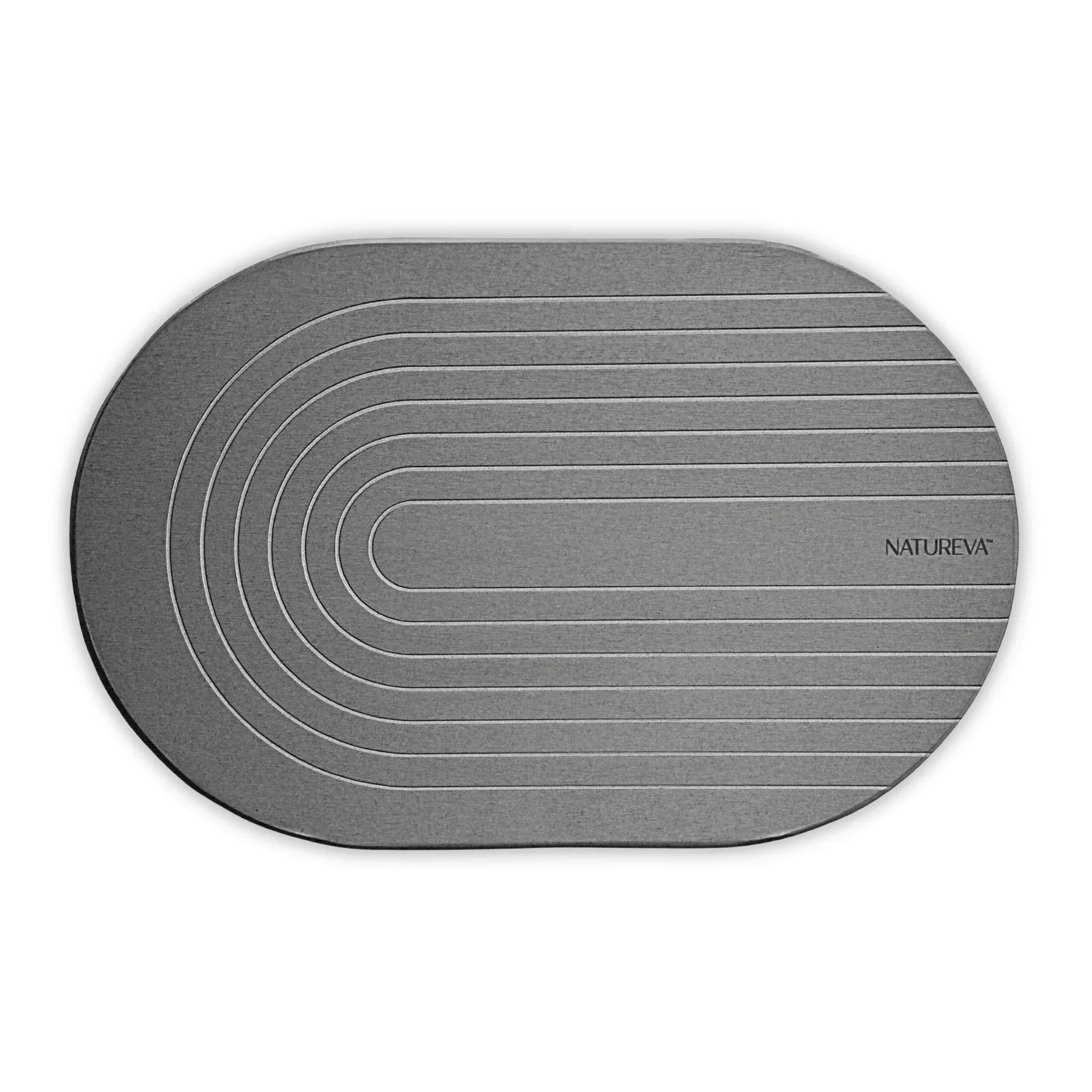
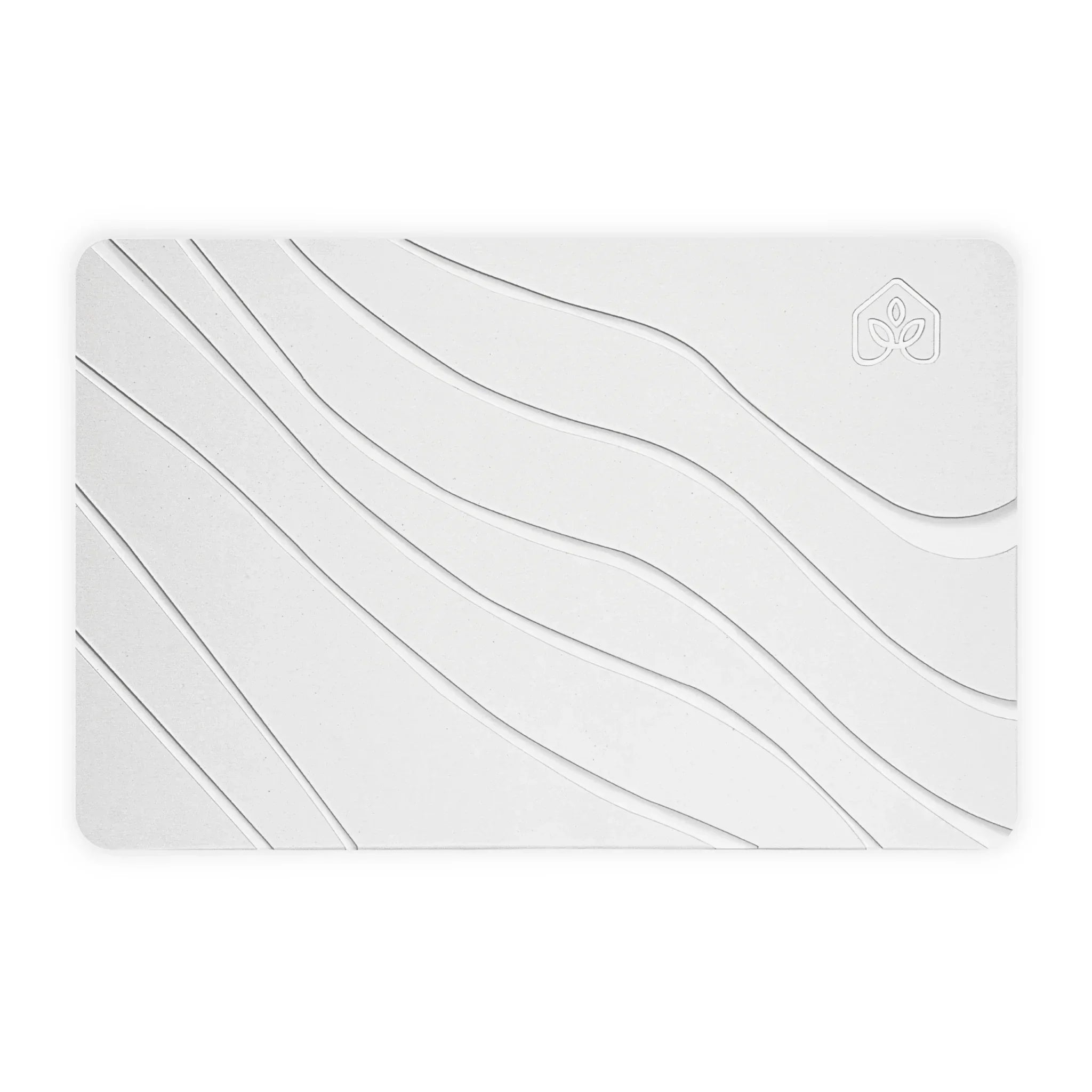
Stone Dish Mat - Tide
How Materials Handle Moisture
The speed at which your dish rack tray dries depends on three main factors. Material density plays a huge role in whether water gets trapped or evaporates quickly. Air circulation around and through the material helps moisture escape faster. Surface area matters too because more exposed surface means more places for water to evaporate from.
Here's what happens with different material types:
- Dense materials like plastic or metal keep water on the surface where it slowly evaporates
- Porous materials like diatomaceous earth pull water into millions of tiny channels
- Fabric materials absorb water but hold onto it, staying damp for extended periods
- Silicone creates a non-stick surface but doesn't help water dry any faster
Common Dish Rack Tray Materials Compared
The material your tray is made from directly impacts how quickly your dishes dry and how much maintenance you'll need to do.
| Material | Absorption Rate | Drying Speed | Maintenance Level |
|---|---|---|---|
| Plastic | None | Slow | High |
| Stainless Steel | None | Slow | Medium |
| Fabric/Microfiber | High | Very Slow | Very High |
| Silicone | None | Slow | Medium |
| Diatomaceous Earth | Very High | Very Fast | Low |
Materials like diatomaceous earth work differently than traditional options. Our Stone Dish Mat uses natural diatomaceous earth with millions of microscopic pores that actively pull water in and release it into the air. The water doesn't just sit there waiting to evaporate slowly.
Why Some Trays Stay Wet Forever
Ever notice how some dish rack trays never seem to fully dry? That's because most traditional materials weren't designed with evaporation in mind. They're built to catch water, not help it disappear.
The problem with non-porous materials includes:
- Water pools in corners and grooves with nowhere to go
- Limited surface area means slow evaporation rates
- No internal structure to help moisture escape
Dense materials also trap humidity underneath, creating the perfect environment for mold and bacteria. This is why you end up wiping down plastic trays multiple times a day or dealing with that musty smell from fabric mats that never fully dry between uses.
Plastic and Silicone Dish Rack Trays
Most kitchens have a plastic dish rack tray sitting by the sink right now. These trays are everywhere because they're cheap and easy to find at any home goods store. But there's a reason your counter always feels damp after doing dishes. Plastic trays don't absorb water at all, they just collect it in little grooves and ridges that never seem to fully dry out.

Plastic and Silicone Dish Rack Trays
Silicone mats seemed like they'd solve this problem when they first showed up. They're flexible and look modern, but they have the same issue as plastic. Water sits on top instead of getting absorbed, which means you're basically just moving the wet spot from your dishes to your mat.
- Water pools in grooves and stays there for hours
- Mold and mildew grow in damp crevices
- Countertops underneath get soaked
- Constant wiping and cleaning required
- Unpleasant smells develop over time
The maintenance on these materials is honestly a pain. You need to wash them regularly to prevent that gross slimy feeling, and even then, mold loves to hide in the textured surfaces. Plastic trays are popular mainly because they're inexpensive to produce, not because they work well at keeping your kitchen dry.
| Material | Price Range | Durability | Drying Speed |
|---|---|---|---|
| Plastic | $5-15 | 1-2 years | Very slow |
| Silicone | $10-25 | 2-3 years | Slow |
The low price point is tempting, but you end up replacing these every year or two when they get stained and gross. That wet, sticky feeling never really goes away no matter how much you clean them.
Stainless Steel and Metal Mesh Options
Metal dish rack trays take a different approach to the water problem. Instead of trying to absorb moisture, they let it drain through holes or mesh patterns. This sounds good in theory, but the water has to go somewhere. Most of the time, it just pools underneath the tray on your counter or in a separate catch basin that you have to empty constantly.
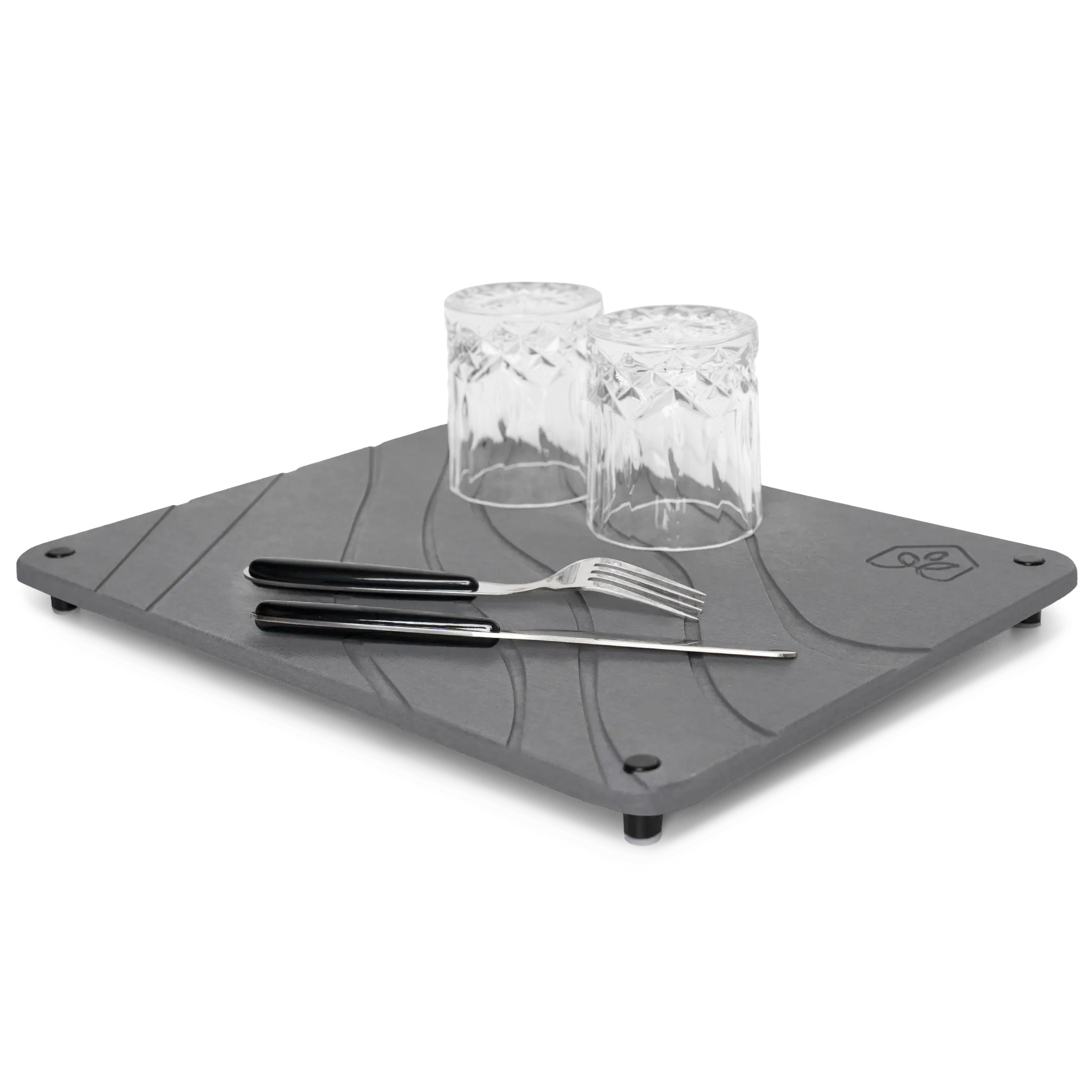
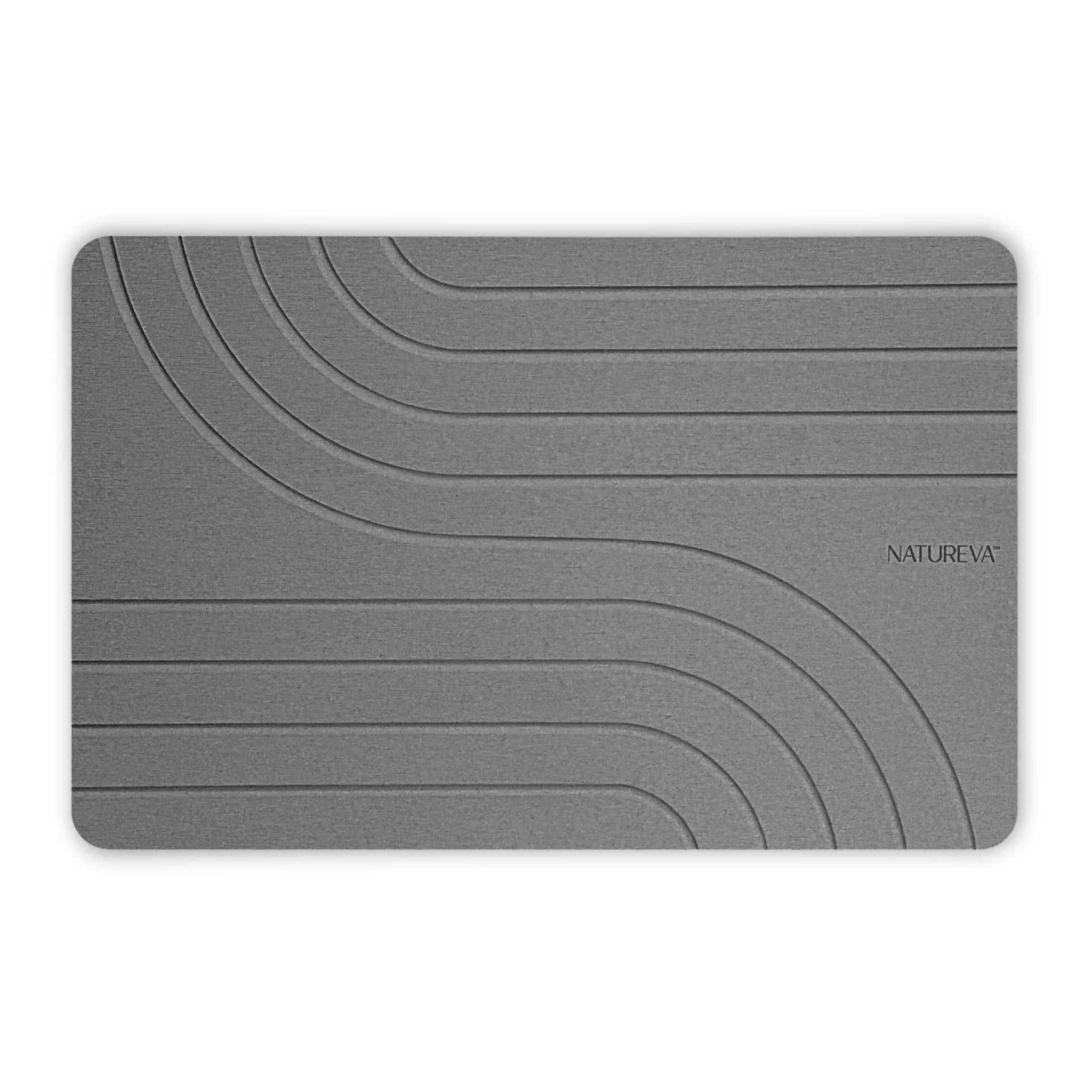
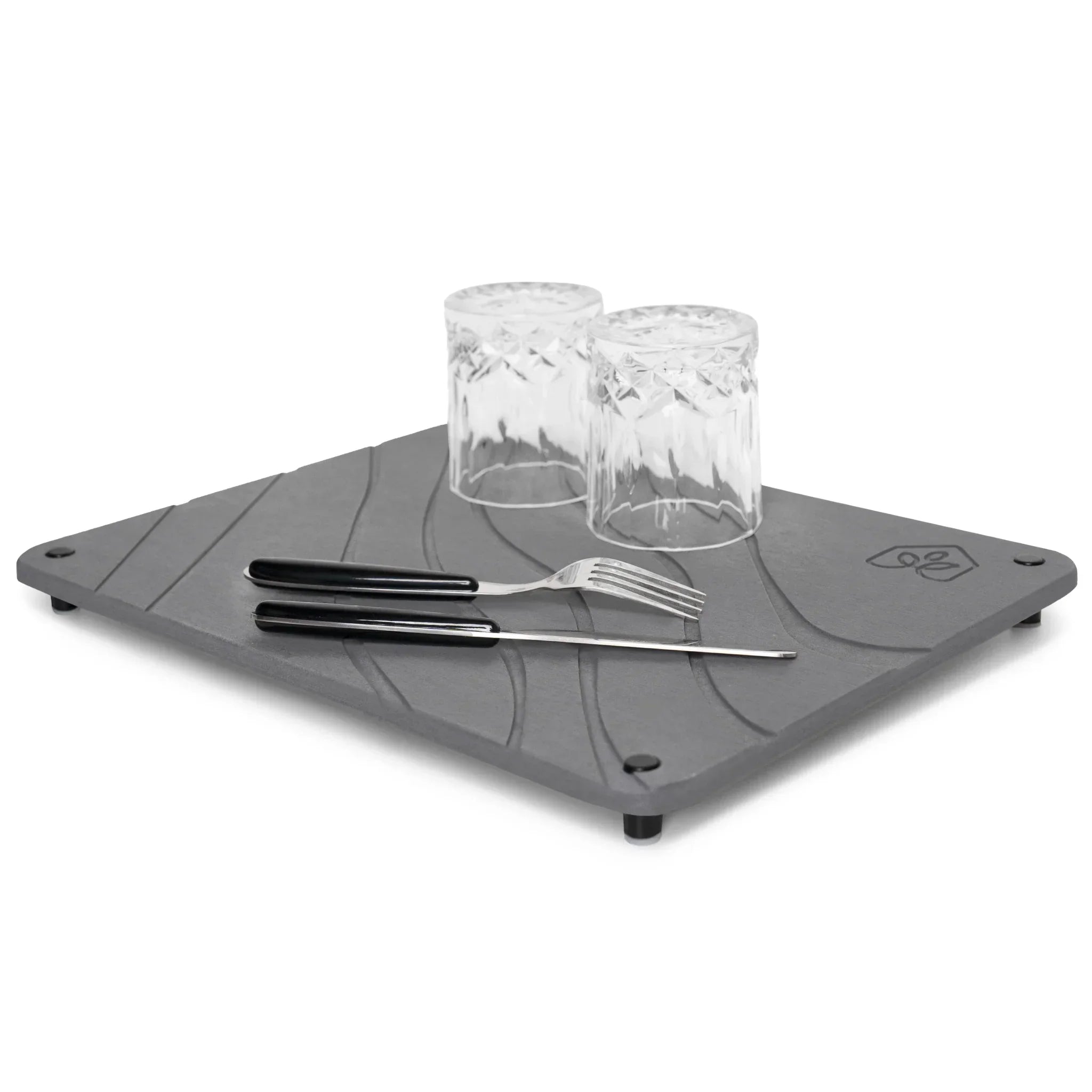
Stone Dish Mat - Flow
Metal mesh trays are better than solid plastic because air can flow through them. Your dishes dry faster when they're sitting on mesh compared to solid surfaces. But the counter situation doesn't improve much since drainage isn't the same as absorption.
- Requires a separate drip tray or towel underneath
- Cheaper metals rust quickly around water
- Stainless steel options cost significantly more
- Still leaves counters wet from dripping water
- Works best over the sink, not on countertops
Rust is a real issue with lower-quality metal trays. Even coated metals can chip and corrode over time when they're constantly exposed to water. Stainless steel solves the rust problem but comes with a higher price tag, and you still need something to catch all that draining water.
| Metal Type | Rust Resistance | Price Range | Best Use |
|---|---|---|---|
| Coated Steel | Low | $15-30 | Over sink |
| Stainless Steel | High | $30-60 | Over sink |
Metal trays work well if you can position them directly over your sink so water drains away. But for counter drying, they don't solve the fundamental problem of keeping surfaces dry.
Diatomaceous Earth Stone Dish Mats
Stone dish mats work completely differently from traditional dish rack tray materials. They're made from diatomaceous earth, which is basically fossilized algae that's been compressed over millions of years. The structure of this material is what makes it special. Millions of microscopic pores cover the surface, and these tiny holes instantly pull water in through capillary action. Instead of water sitting on top like with plastic or draining through like with metal, it gets absorbed into the stone itself.
The absorption is just the first part. What happens next is where stone mats really stand out from other materials. Those same microscopic pores that pulled the water in now let air flow through the stone, which means the water evaporates naturally and quickly. You can pour water on a stone mat and watch it disappear in seconds, then touch the surface a few minutes later and it feels completely dry.
The next generation of home essentials: naturally made, cleaner by design, sustainable by nature.
SHOP ALL- Microscopic pores instantly pull water into the material
- Air flows through the porous structure continuously
- Water evaporates from inside the stone to the air
- Surface stays dry to the touch within minutes
- No water pools underneath or on countertops
This natural evaporation process is why stone mats prevent mold and bacteria growth better than other materials. Mold needs moisture to grow, and stone mats don't stay wet long enough for mold to take hold. Compare that to a plastic tray that stays damp for hours, creating the perfect environment for bacteria.
The drying speed difference is pretty dramatic. A plastic dish rack tray might take 4-6 hours to fully dry after washing dishes. Metal mesh cuts that down to maybe 2-3 hours. Stone mats like the Natureva Stone Dish Mat absorb water instantly and feel dry within 15-20 minutes.
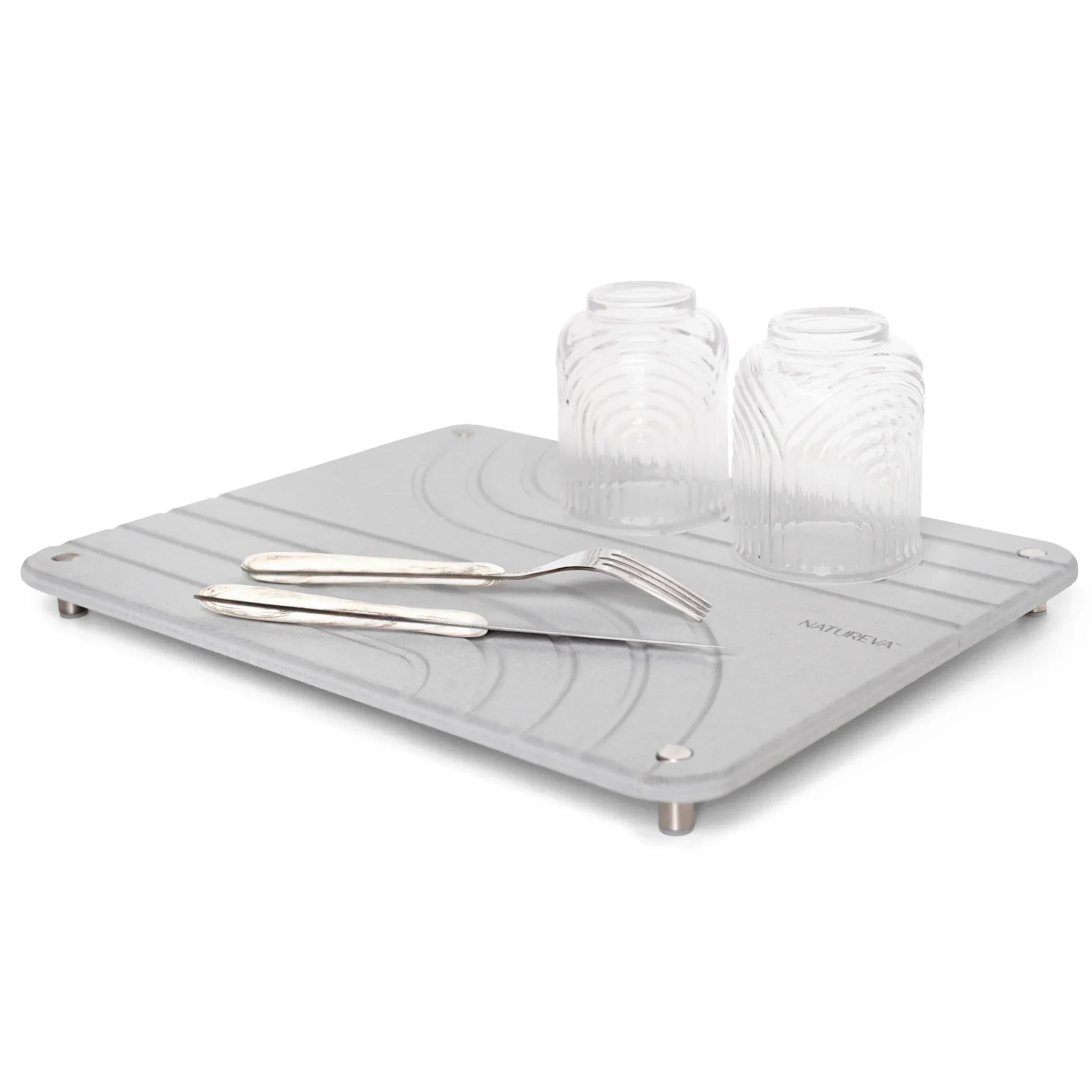
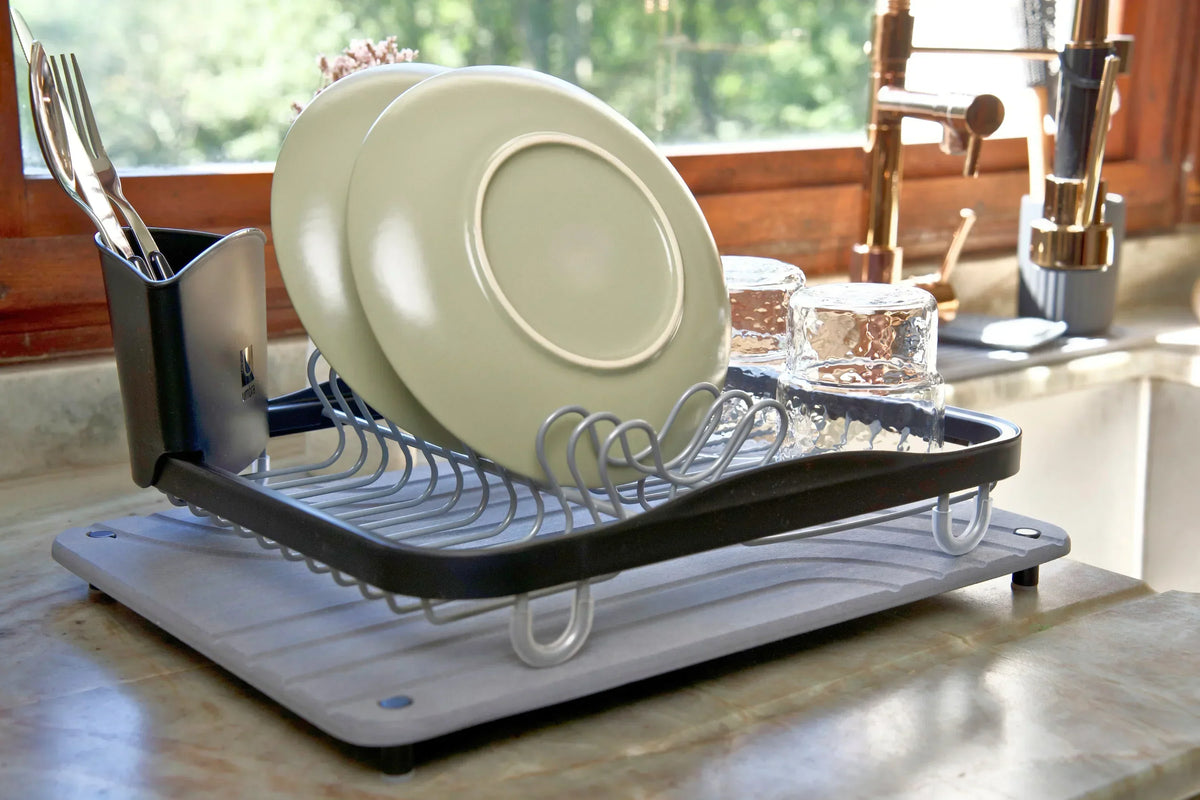
Stone dish mats also work perfectly as a replacement for the plastic drip tray that comes with most dish racks. Simply place your existing dish rack directly on top of the stone mat and let it catch all the dripping water. Instead of pooling in a plastic tray that you have to empty and wipe down, the water gets absorbed and evaporates on its own. It's a simple swap that eliminates one of the most annoying parts of doing dishes.
- Keeps countertops completely dry
- Dries before mold and mildew can take hold
- Minimal cleaning required
- Lasts for years with proper care
- Natural antibacterial properties
- Works as a dish rack tray replacement
Taking care of stone dish mats is simpler than you'd think. You don't need to wash them constantly like plastic trays. Just wipe them once a week with a soft cloth dampened with equal parts white vinegar and water. Every 3-4 months, or sooner if water sits on the surface for more than a few seconds, lightly sand the mat with the included P320 tool to open up the pores again. Keep the mat slightly damp while you sand, or sand it outdoors or somewhere well ventilated, so you don't breathe in the dust. The care instructions are straightforward and take minimal effort.
Stone mats cost more upfront than basic plastic trays, but they last significantly longer and actually solve the wet counter problem instead of just managing it. You can check out options like the Flow design or Tide pattern depending on your kitchen style.
Silicone vs Microfiber vs Stone Dish Drying Mats
Not everyone uses a rack. If you dry dishes straight on the counter, the choice usually comes down to three kinds of dish drying mat for the kitchen: silicone, microfiber and stone. Each one deals with water in a different way.
- Silicone: water sits on top and runs into the grooves. Nothing is absorbed, so the mat stays wet until it air-dries, and it needs regular washing to stop slime building up.
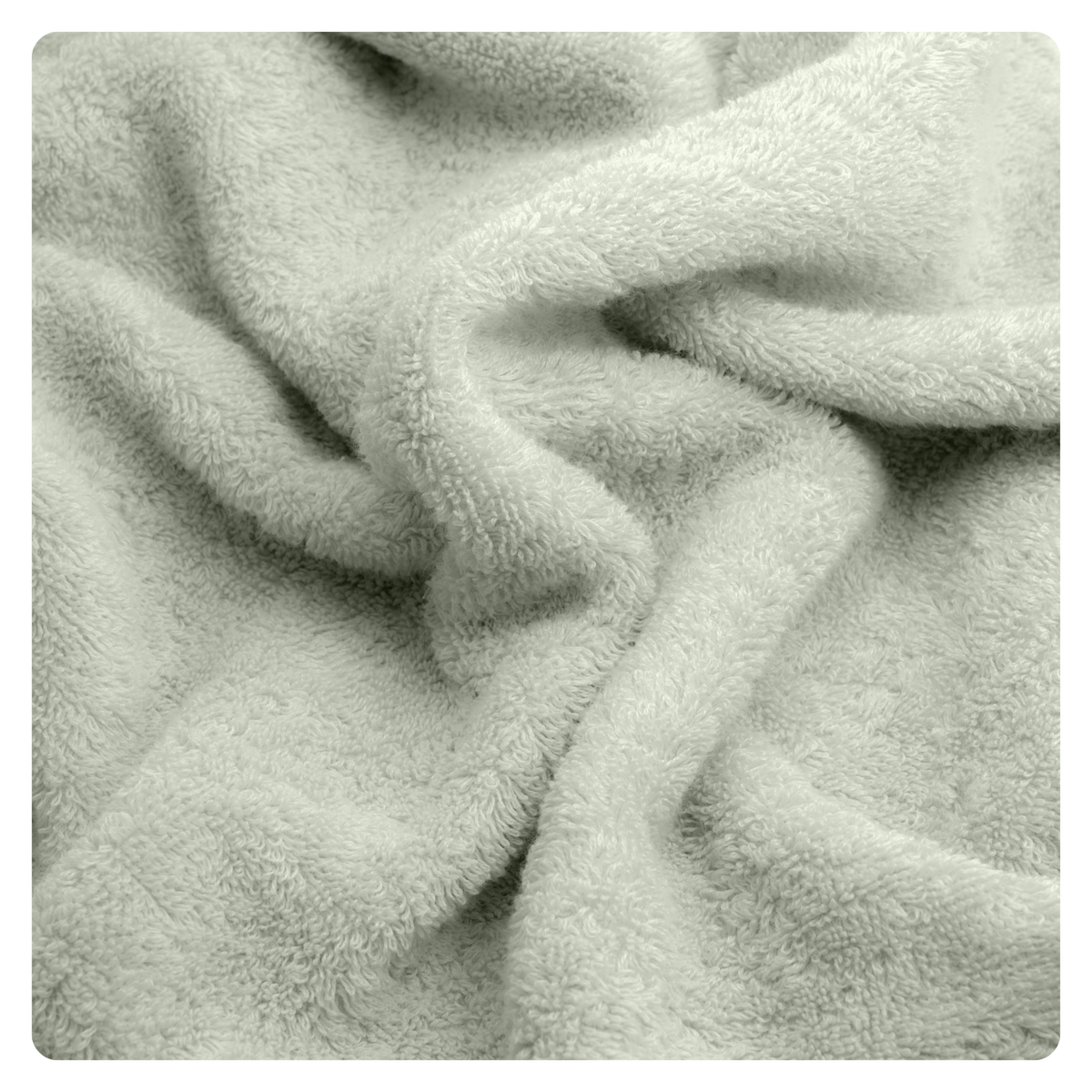
- Microfiber: soaks up water fast but holds onto it. After a full load it can stay damp for hours, which is where the musty smell comes from, so it needs frequent washing.
- Stone (diatomaceous earth): pulls water into its pores and lets it evaporate, so the surface feels dry again within minutes. Upkeep is a weekly wipe and a light sand every few months.
Which one suits you depends on how many dishes you wash and how much time you want to spend cleaning the mat. For a closer look, see our guides to the best dish drying mat materials and stone vs microfiber dish mats.
What Fast Drying Really Means for Your Kitchen
Wet surfaces give bacteria and mold the moisture they need to multiply, which means that soggy dish rack tray sitting on your counter isn't just annoying. The speed at which your drying mat or tray dries directly affects how many germs are growing in your kitchen right now. Most people think a wet mat is just a minor inconvenience, but the reality is that moisture creates the perfect breeding ground for mold, mildew, and harmful bacteria that can contaminate your clean dishes. When you understand the real impact of drying speed, choosing the right material becomes less about preference and more about protecting your family's health.
The Hidden Costs of Slow Drying Materials
Traditional fabric and silicone mats can stay damp for hours, sometimes even overnight. This extended moisture exposure doesn't just encourage bacterial growth, it also means you're spending more time on maintenance and replacement.
- Cleaning frequency increases dramatically with slower-drying materials that trap moisture
- Countertop damage from prolonged water exposure can lead to expensive repairs or replacements
- Water stains and mineral deposits build up faster on surfaces that don't dry quickly
- Replacement costs add up when mats develop mold or permanent odors within months
| Material Type | Average Drying Time | Cleaning Frequency | Expected Lifespan |
|---|---|---|---|
| Fabric/Microfiber | 4-8 hours | Every 2-3 days | 3-6 months |
| Silicone | 2-4 hours | Weekly | 1-2 years |
| Plastic Trays | 1-3 hours | Every 3-4 days | 1-2 years |
| Diatomaceous Stone | 15-30 minutes | Weekly wipe | 3-5 years |
Time Savings That Actually Matter
The difference between a mat that dries in 30 minutes versus one that takes 4 hours might not seem huge at first. But when you add up the time spent dealing with wet mats, cleaning them more often, and replacing them sooner, the numbers tell a different story.
- Fast-drying materials like diatomaceous stone cut the time you spend wiping counters and washing mats
- Reduced cleaning frequency means less scrubbing and fewer harsh chemicals needed
- Longer lifespan translates to fewer shopping trips and less waste
Our Stone Dish Mat uses natural diatomaceous earth that actively evaporates moisture through millions of tiny pores. This means your countertop stays dry and your dishes are sitting on a clean surface every single time. The same rapid drying principle applies across all diatomite stone products, from kitchen mats to bathroom essentials.
Choosing the Right Material for Your Needs
The material you pick for your dish rack tray really comes down to how you use your kitchen. Traditional materials like plastic and silicone hold onto water, which means you're wiping them down constantly or dealing with that musty smell. Metal trays drain better but they rust over time and still leave puddles on your counter. Stone materials made from diatomaceous earth work differently because they actually absorb and evaporate water through millions of tiny pores, which is why our Stone Dish Mat stays dry to the touch even after a full sink of dishes.
If you wash dishes multiple times a day or have a small kitchen with limited counter space, fast-drying materials make a bigger difference than you might think. You're not constantly moving wet mats around or worrying about water damage to your cabinets.
The hygiene factor matters too. Materials that stay wet become breeding grounds for bacteria and mold, especially in the grooves where water collects. Stone dish mats dry so quickly that bacteria doesn't get the chance to grow, which means less scrubbing and replacing mats every few months.
Long-term, investing in a material that actually dries saves you money on replacements and keeps your kitchen cleaner with less effort. The same diatomite technology works across your whole home, from our kitchen collection including stone sink caddies and faucet mats, to stone bath mats that keep your bathroom floor dry. Learn more about how the absorption process works.
Natural and Non-Toxic Dish Rack Materials
If you're looking for a non toxic dish rack or a natural dish drying mat, you're really choosing between synthetic and natural materials. Here's how the options on this page compare.
- Plastic and silicone are synthetic and non-porous, so water stays on the surface. Choose food-safe materials, and replace a tray once it cracks, stains or starts to smell, since mold hides in worn grooves.
- Stainless steel needs no coating, so there's nothing to chip or flake off, and it resists rust. You'll still need something underneath to catch the drips.
- Coated steel is only protected while the coating is intact. Once it chips, the metal underneath starts to rust.
- Diatomaceous earth is a natural mineral formed from fossilized algae, and it's the only material here that dries itself. If you choose a stone mat, look for independent asbestos testing. Natureva's stone mats are tested and certified asbestos-free by a NATA-accredited Australian laboratory, and regularly retested.
For the most natural setup, pair a stainless steel rack with a stone mat underneath: no plastic, no coating to chip, and a counter that stays dry. You can read Natureva's independent asbestos test results here.
Dish Rack Tray Materials for Small Kitchens and RVs
Compact Kitchens
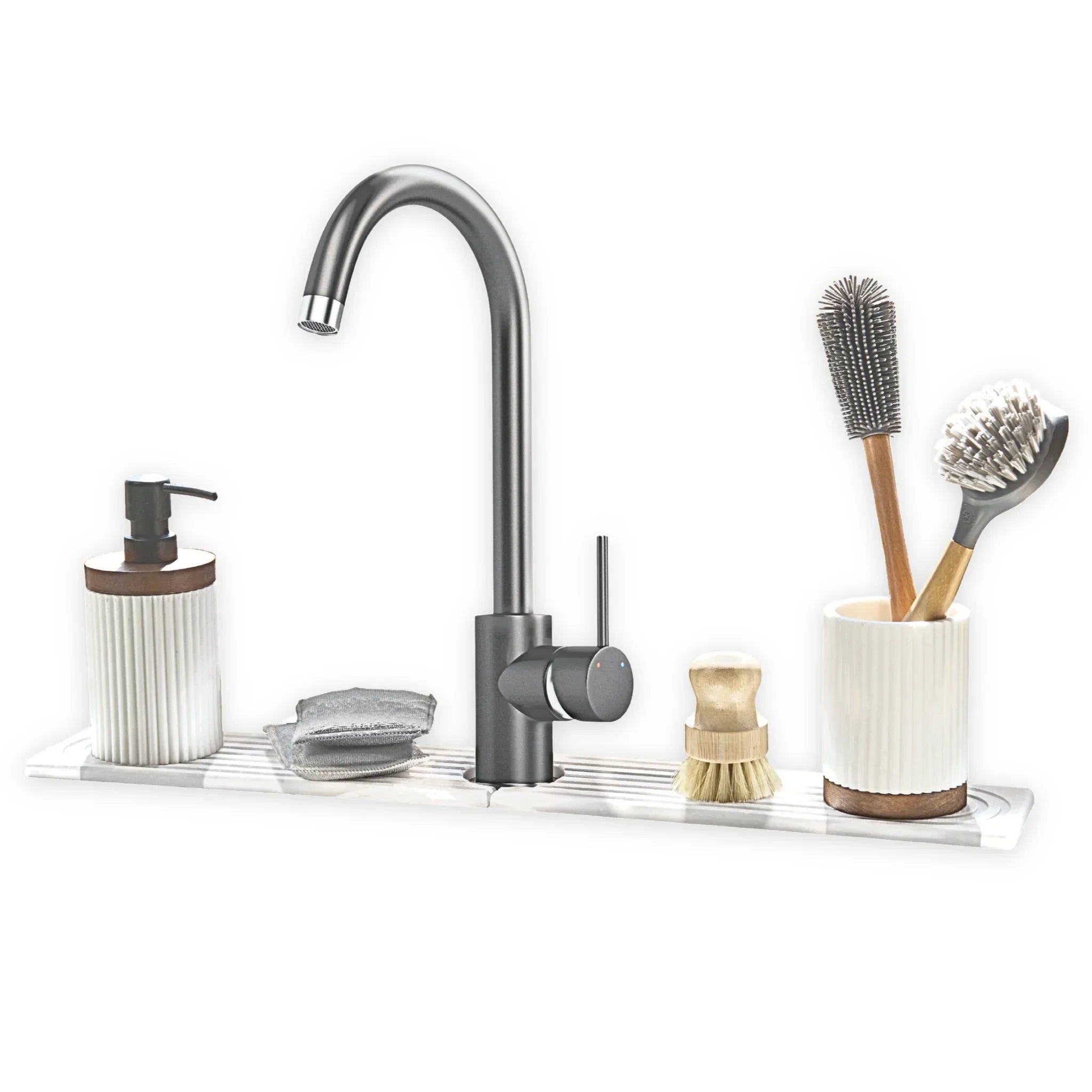
When counter space is tight, a bulky rack with a plastic drip tray takes up room and leaves a wet patch behind. A stone dish mat does the same job lying flat: dishes dry straight on it, and the water soaks in and evaporates instead of pooling. If you'd rather keep a rack, a stainless steel rack over the sink keeps the counter free, and a stone mat under a counter rack stops the drips from spreading.
Best RV Dish Rack Materials to Prevent Rust
What materials are best for RV dish racks to prevent rust? In a small, humid space, skip coated steel, because it rusts as soon as the coating chips. Stainless steel resists rust, so it's the better choice for the rack itself. Then set the rack on a stone mat instead of a plastic drip tray. The drips soak into the stone rather than sitting around the base of the rack, so there's less standing water for rust or mold to start in.
Common Questions About Dish Rack Tray Materials
Choosing the right dish rack tray can feel confusing with so many options out there. People often wonder if they're making the best choice for their kitchen, especially when it comes to drying speed and cleanliness. These questions come up all the time, so let's clear up the confusion with some straight answers.
How long should a dish rack tray take to dry completely?
Most plastic and silicone dish rack trays take 2-4 hours to dry completely, depending on how much water they collect. Metal trays dry faster at around 30-60 minutes since water runs off instead of pooling. Stone mats made from diatomaceous earth dry in about 15-30 minutes because they actively evaporate moisture through millions of tiny pores.
Can I put dish rack trays in the dishwasher?
Plastic and silicone trays are usually dishwasher safe, but check the manufacturer's instructions first. Metal trays can go in the dishwasher too, though hand washing prevents water spots and rust over time. Stone dish mats should never go in the dishwasher since the heat and detergent can damage their absorbent properties.
Which material is most hygienic for dish drying?
Stone mats are the most hygienic option because they dry so quickly that bacteria and mold don't have time to grow. Plastic and silicone trays stay wet longer, creating the perfect environment for germs to multiply. Metal trays fall somewhere in between, but water can get trapped in corners and seams where bacteria hide.
How often should I replace my dish rack tray?
Replace plastic trays every 6-12 months when you notice discoloration, cracks, or a musty smell that won't go away. Metal trays last 2-3 years if you prevent rust by drying them regularly. Stone mats can last several years with proper care, though you might need to sand them lightly if absorption slows down.
Do stone dish mats really dry faster than plastic?
Yes, stone mats dry significantly faster because of how the material works. While plastic just sits there holding water on its surface, stone actively pulls moisture in and releases it into the air. Our Stone Dish Mat uses natural diatomaceous earth that dries in minutes instead of hours, keeping your counter cleaner throughout the day.
Can I use a stone dish mat under my existing dish rack?
Yes, stone dish mats work perfectly underneath a standard dish rack. Just place your rack directly on top of the mat and it will catch and absorb all the dripping water, replacing the plastic drip tray entirely. The mat absorbs water on contact and dries on its own, so you never have to empty a tray or wipe down your counter again.
What are the most popular dish drying mat options and customer reviews in Australia?
The main options you'll find in Australia are the ones compared on this page: silicone, microfiber and stone (diatomaceous earth) mats, plus plastic and metal dish rack trays. When you read customer reviews, look past the star rating for comments about slow drying, mold or musty smells, having to wipe the mat or counter, rust on metal racks, and counters staying wet underneath. Those complaints show how a material behaves after a few weeks of daily use. For a closer look at the mats sold here, see our guide on how to choose a dish drying mat in Australia.
What's the best way to clean different dish rack tray materials?
Clean plastic and silicone trays with warm soapy water weekly, and use a vinegar solution monthly to remove buildup. Wipe metal trays daily and dry them completely to prevent rust spots. For stone mats, never rinse or soak them. Wipe them weekly with a soft cloth dampened with equal parts white vinegar and water, and lightly sand them with the included P320 tool every 3-4 months, or sooner if water sits on the surface for more than a few seconds.
Final Thoughts: The Best Material for Your Dish Rack
There's no single best material for every dish rack, but there is a best fit for the way you use your kitchen.
- Plastic or silicone suits you if you want a light tray and don't mind emptying and washing it often.
- Stainless steel suits a rack that sits over the sink, or anywhere rust is a worry, like an RV.
- Coated steel works short term, as long as you replace it once the coating chips.
- Fabric or microfiber suits occasional use, if you can wash it every few days.
- Stone (diatomaceous earth) suits anyone who wants a dry counter with the least upkeep, whether dishes sit straight on the mat or in a rack on top.
You don't need a new rack to get a dry counter. If you like the rack you have, swap its plastic drip tray for a stone mat: set the rack on top, and the drips soak in and evaporate instead of pooling. Measure your rack's base first, as Natureva's stone dish mat is 39.5 x 29.5 cm. Then choose the Tide or Flow pattern to suit your kitchen.
The next generation of home essentials: naturally made, cleaner by design, sustainable by nature.
SHOP ALL