
The Complete Guide to Diatomite: The Natural Material Behind Stone Bath Mats
Most people step onto a stone bath mat and think: that's clever. But few stop to ask why it works – or what's actually in it. The answer is diatomite, one of the more extraordinary natural materials on Earth. Understanding what diatomite is explains everything: the instant absorption, the fast dry time, the clean surface, and why it performs so differently from every fabric mat you've owned.
Key Insights
- Diatomite is a naturally occurring sedimentary rock formed from millions of years of accumulated fossilised algae
- Its structure is 35–65% porous, more porous than almost any other natural mineral
- It can absorb up to 1.5 times its own weight in water, and begins evaporating it almost immediately
- Its antibacterial properties are physical, not chemical
- Beyond bath mats, diatomite is used in kitchen mats, coasters, water filtration, cosmetics, and more
What is Diatomite?
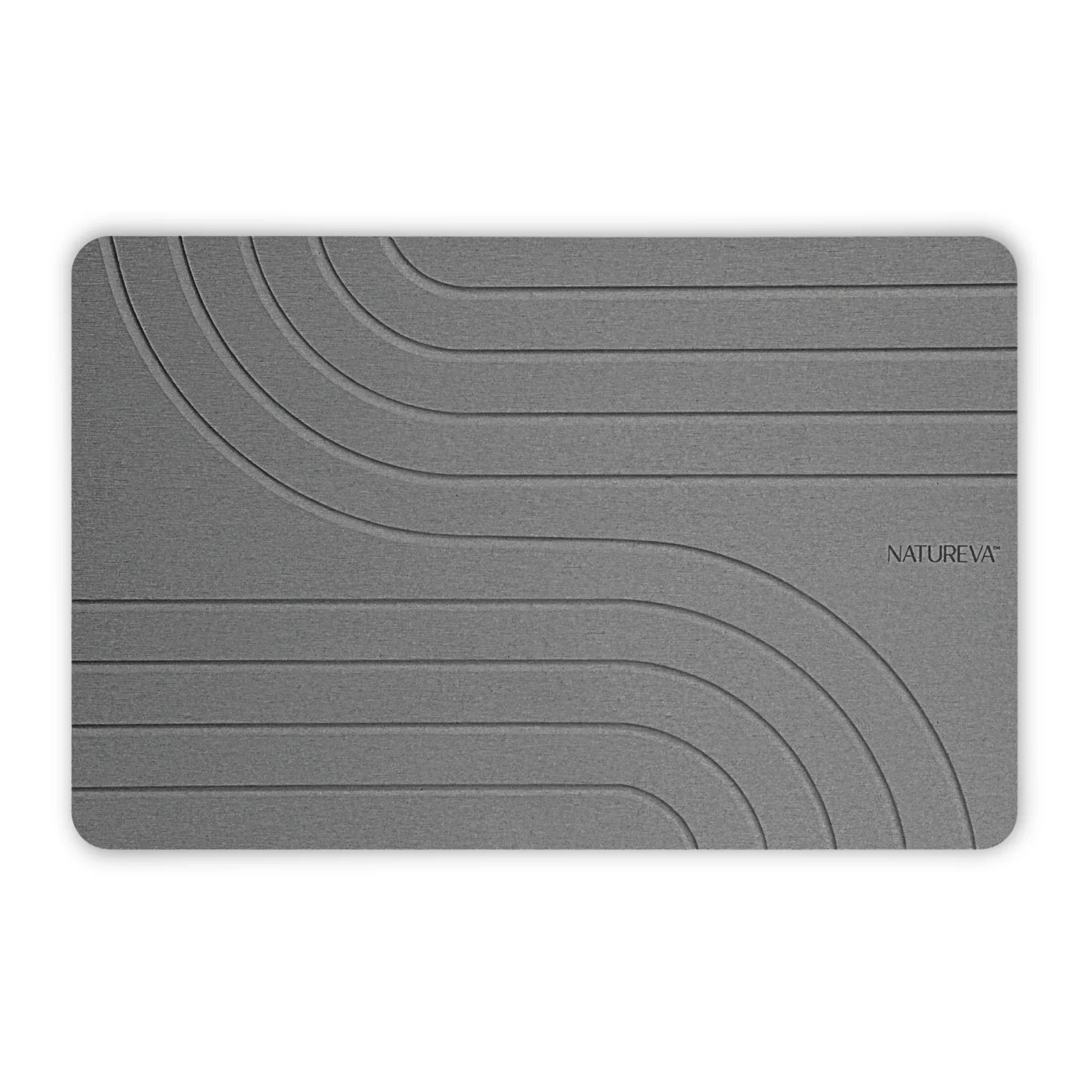
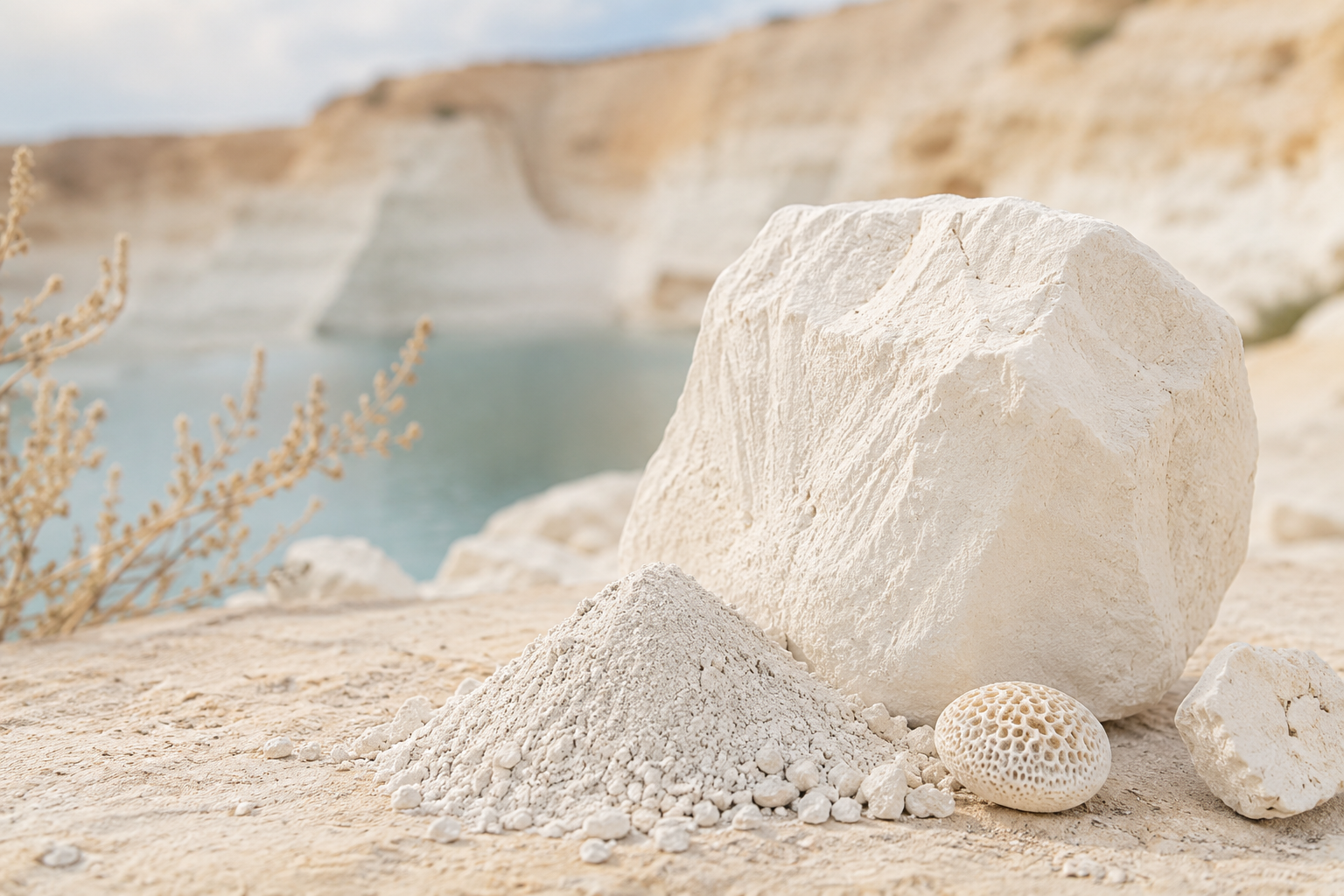
Diatomite is a soft, lightweight sedimentary rock composed almost entirely of the fossilised skeletal remains of diatoms – microscopic single-celled algae that lived in lakes and oceans. These skeletons form a unique honeycomb silica structure, peppered with thousands of tiny holes. No synthetic material replicates this naturally. The typical chemical composition of diatomite is 80–90% silica, with small amounts of alumina and iron oxide.
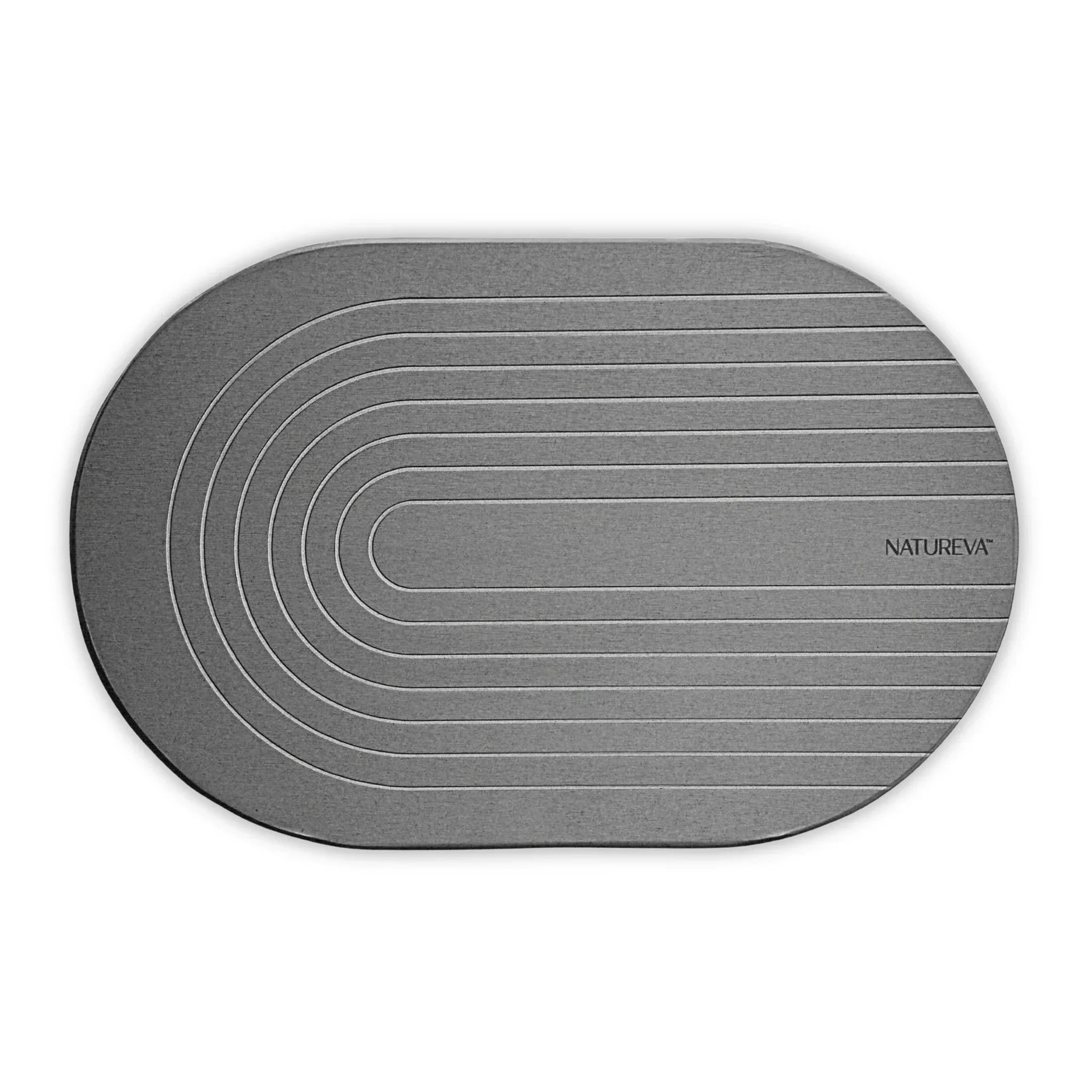
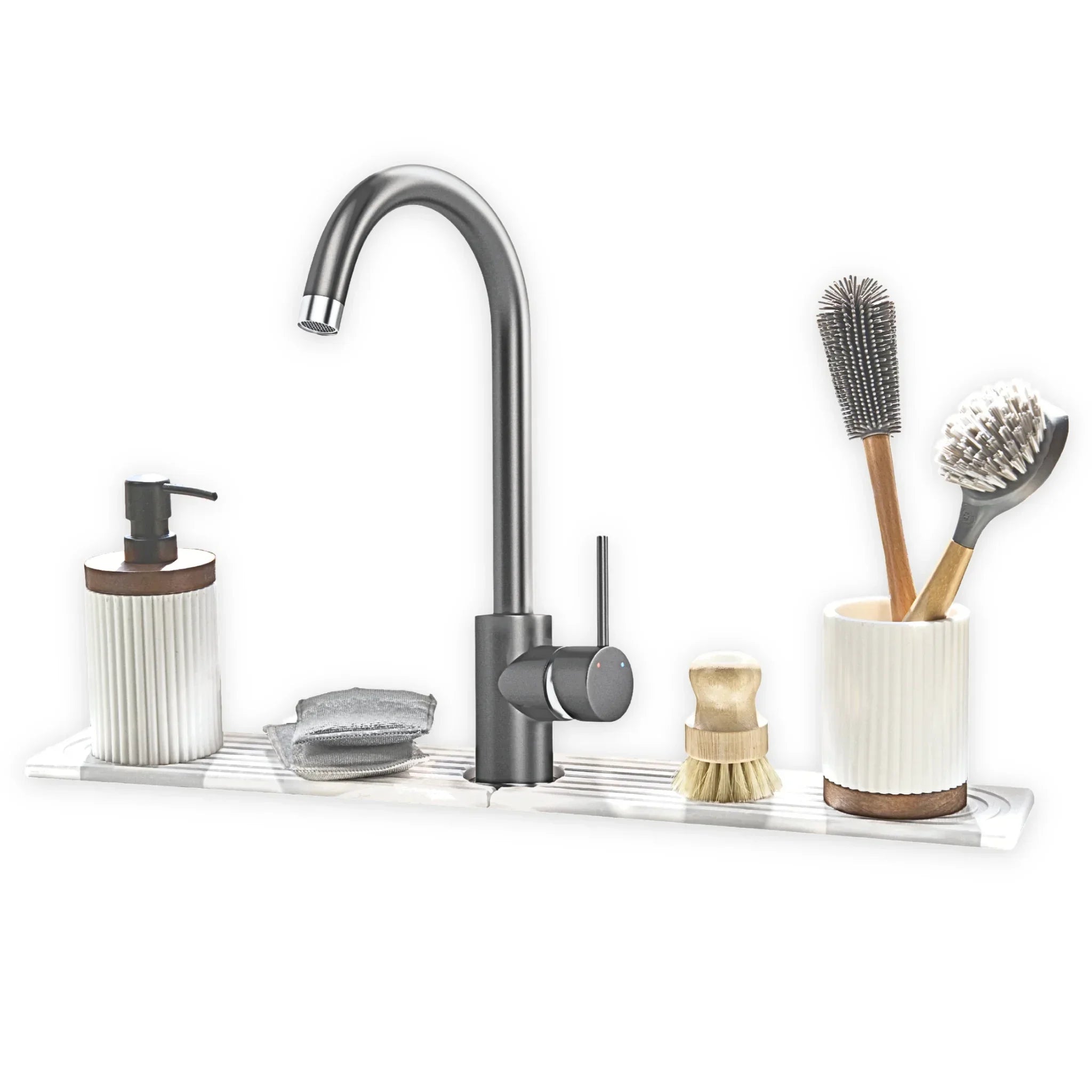
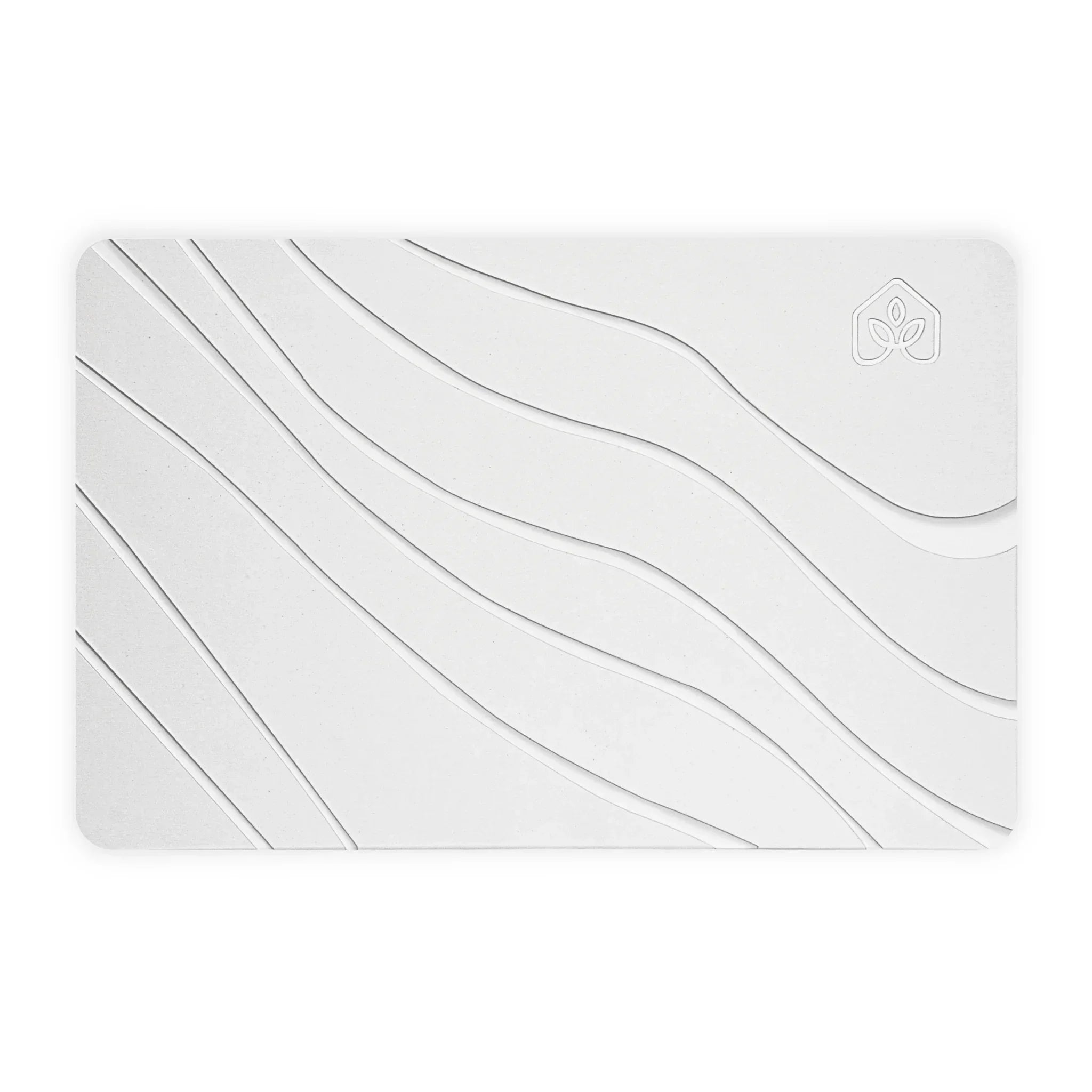
You may also see it referred to as diatomaceous earth, kieselgur, or DE – they're the same material in different forms. When compressed and shaped, it becomes the smooth stone slab behind products like diatomite bath mats, sink caddies, dish mats, faucet mats, and coasters. When ground into a fine powder, it's used in everything from water filtration to cosmetics.
Millions of Years in the Making
The story of diatomite starts long before humans existed. Diatoms are among the oldest life forms on Earth, and they've been accumulating on ocean and lake floors for hundreds of millions of years. Over the eons, their remains settled and were joined by succeeding generations, forming deep-bedded deposits on ocean and lake floors.
Diatomite formation appears to have been particularly prevalent during the Miocene and Plio-Pleistocene periods. The result is vast geological deposits. In 2024, the United States alone produced an estimated 880,000 tonnes of diatomite. World reserves of crude diatomite are considered adequate for the foreseeable future.
What makes this origin story relevant to your bathroom is simple: diatomite's performance isn't engineered. It's the direct result of millions of years of biological architecture, refined at a microscopic scale.

Why Diatomite Absorbs Water So Well
The absorption capacity of diatomite is determined by its structure. Diatomite has a porosity of 35–65% and high permeability, meaning the material has more space than solid. When you step onto a diatomite mat with wet feet, water moves into millions of microscopic pores almost instantly through capillary action. It doesn't sit on the surface, but disappears into the material.
The result is a surface that feels dry even moments after contact with water. And that absorbed moisture? It evaporates faster than any woven fabric can manage.
This is what makes a diatomite bath mat so effective, and why it's become known as the ultimate quick drying bath mat. A cotton mat can stay damp for hours after use, creating ideal conditions for mould and bacteria. Diatomite removes the moisture before that cycle can begin.
The Natural Antibacterial Effect
One of the most misunderstood qualities of diatomite is its antibacterial nature. It has no chemical treatment, no added silver ions, and no antimicrobial coating. The effect is entirely physical.
The antimicrobial nature of diatomaceous earth is a result of its physical properties rather than any chemical or toxic agents. Bacteria require moisture to survive and multiply. A diatomite surface absorbs and evaporates water so rapidly that it simply doesn't stay wet long enough to support microbial growth.
Diatomite is biologically inert, making it safe for use in applications such as food and beverage processing, pharmaceuticals, and cosmetics. For a home product, this matters in a specific way. You're not relying on a surface treatment that wears off. The material's antibacterial behaviour is built into its chemistry and structure at a fundamental level.
Diatomite Beyond the Bathroom
The bath mat is the most visible application of diatomite in the home right now – but the material has been quietly useful for far longer, across a much wider range of industries.
Diatomite is found in thousands of everyday products. Its high permeability and porosity, small particle size, low density, and high surface area make it a versatile material for a wide range of applications. That list includes water filtration systems, beer and wine production, pool maintenance, pharmaceutical manufacturing, and cosmetic formulations.
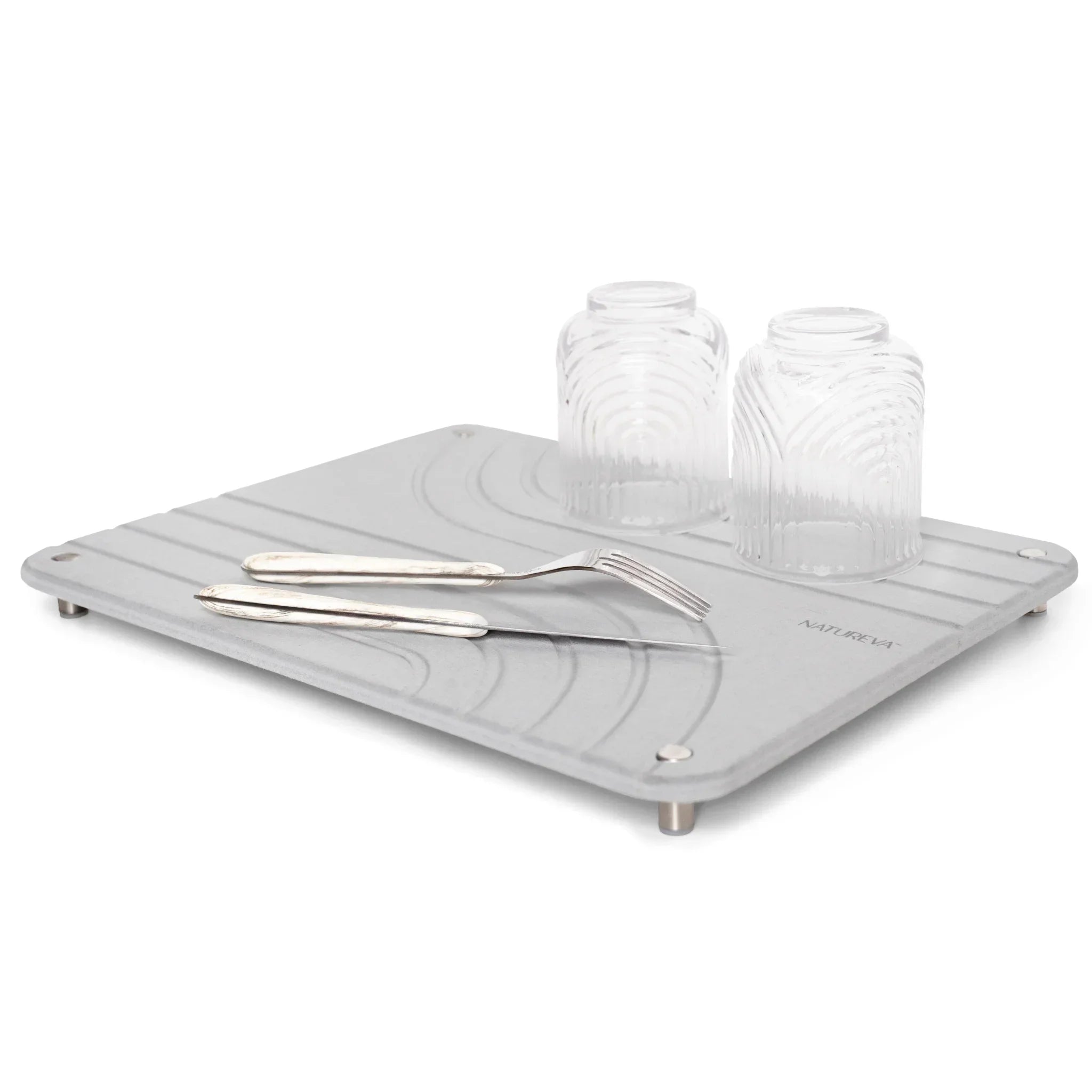
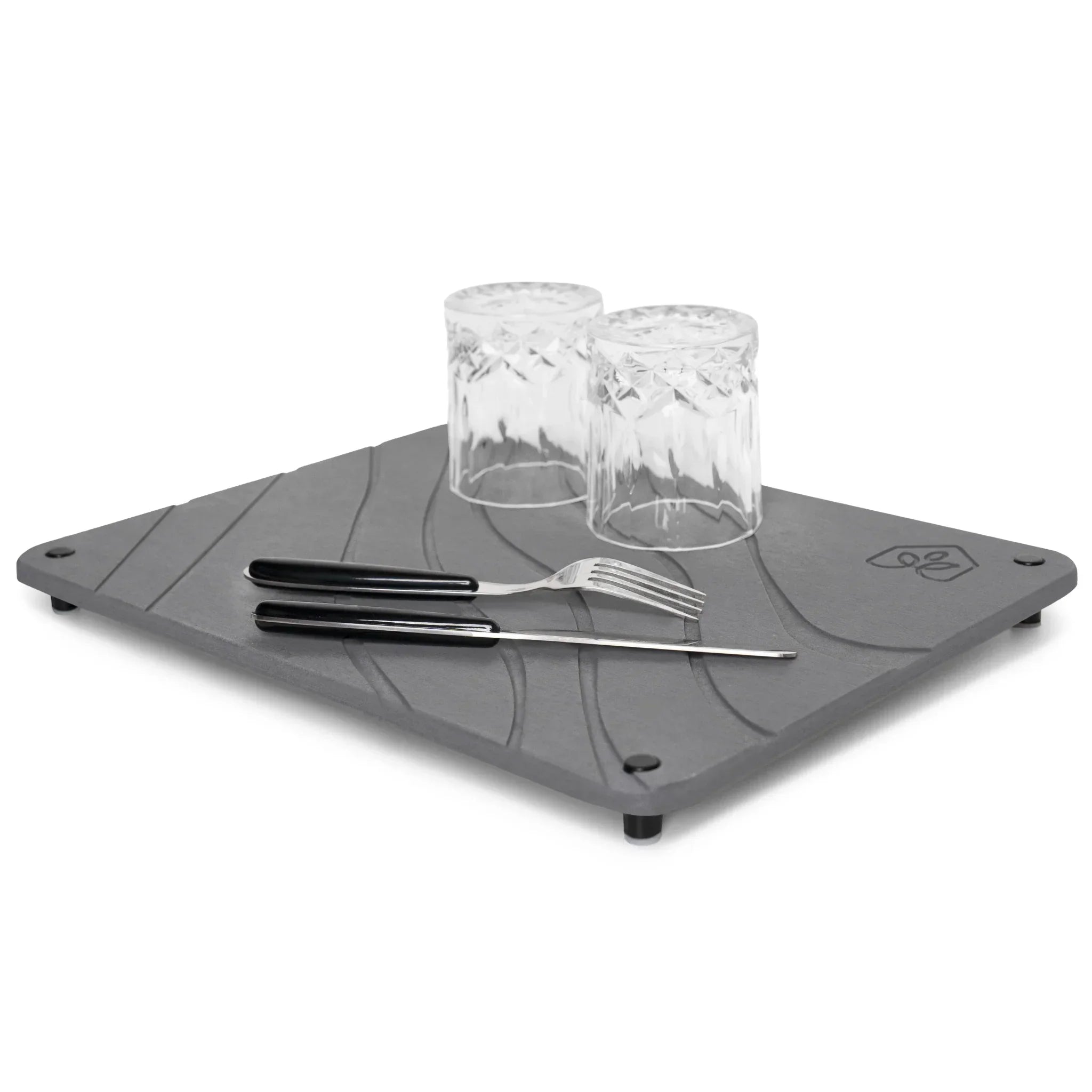
In the home, its properties translate naturally to kitchen applications too. Diatomite dish mats, stone sink caddies, and drink coasters work on the same principle as bath mats: instant absorption, fast evaporation, no lingering moisture, zero odour. A stone coaster that genuinely absorbs condensation rather than just redirecting it is a more elegant solution than a felt pad or a silicone disc.
The same material that processes your drinking water also keeps your bathroom floor dry. That's a useful thing to know when you're deciding what belongs in your home.
A Material Worth Understanding
Diatomite is one of those materials that becomes more interesting the more you learn about it. It's ancient, abundant, chemically inert, and performs in ways that synthetic alternatives have struggled to match. The appeal of stone bath mats isn't aesthetic novelty. It's that the material genuinely solves a hygiene problem that fabric never quite could.
Natureva's stone bath mats, sink caddies, dish mats, and coasters are made from high-quality diatomite, shaped and finished to suit modern homes without compromising performance. Explore our selection and find out what the right material actually feels like underfoot.