
Plant Trays Comparison for Overflow Protection
Water rings on your wooden table, warped floors beneath your favorite fiddle leaf fig, and that musty smell from constant moisture buildup. Most plant trays just sit there collecting water like a tiny swimming pool, which means your surfaces are still at risk every time you water. The material your tray is made from actually determines whether it protects your home or just delays the damage.
Table of Contents
The Real Cost of Plant Water Damage
Water damage from houseplants costs homeowners thousands of dollars every year, yet most people don't realize the problem until it's too late. That small puddle under your fiddle leaf fig might seem harmless, but water seeping into floors and furniture causes damage that adds up fast. The worst part is that regular plant trays often make the problem worse by trapping water instead of letting it dry properly.
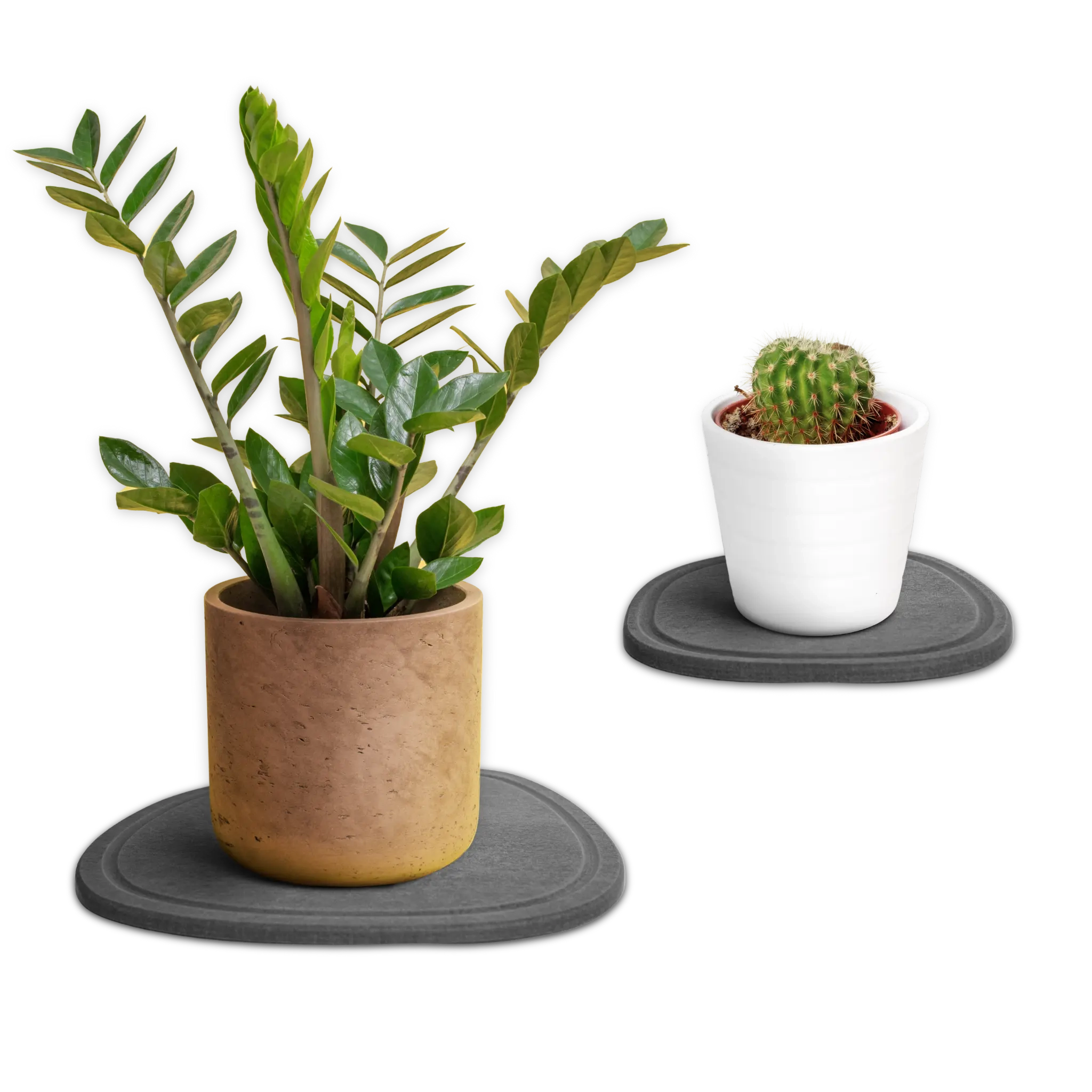
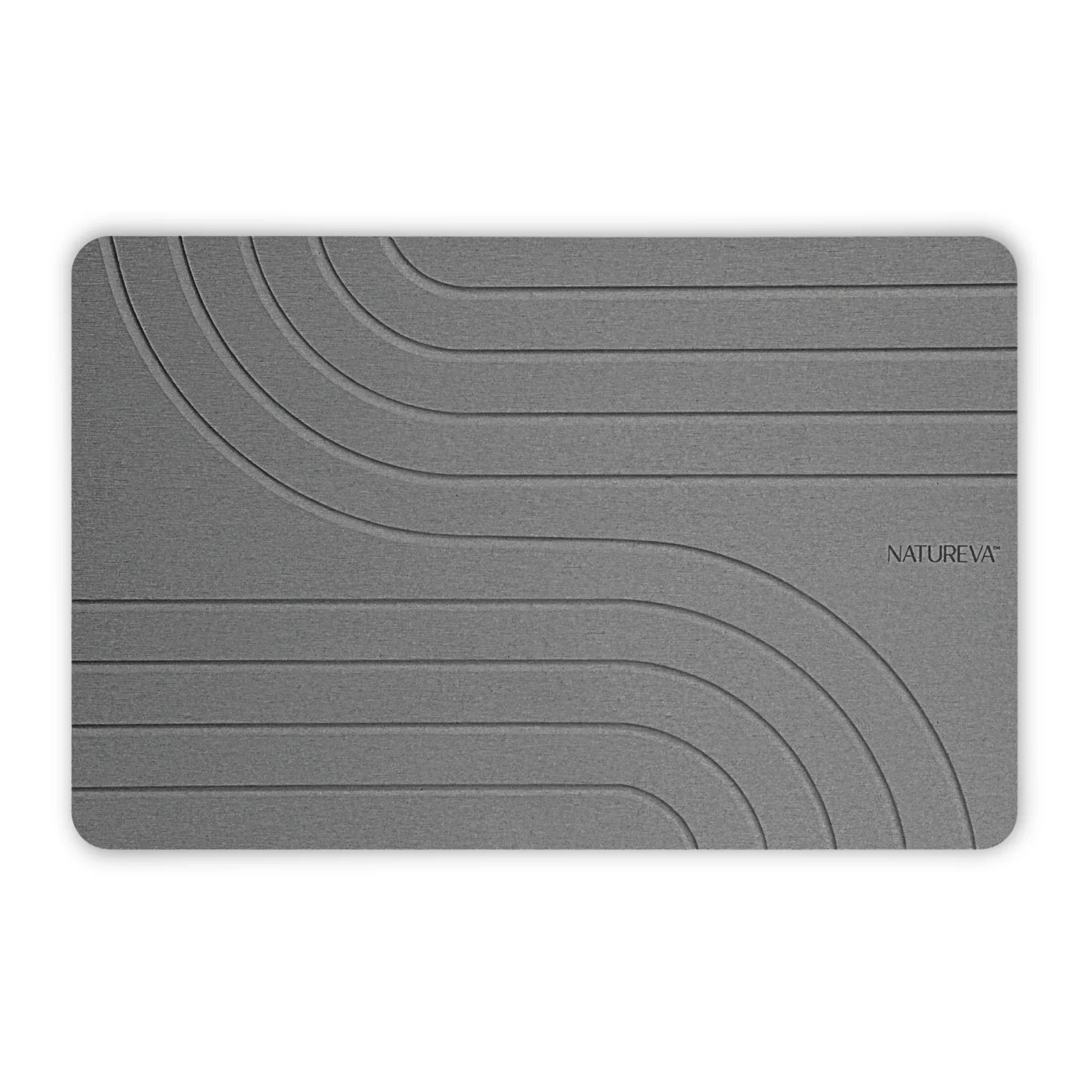
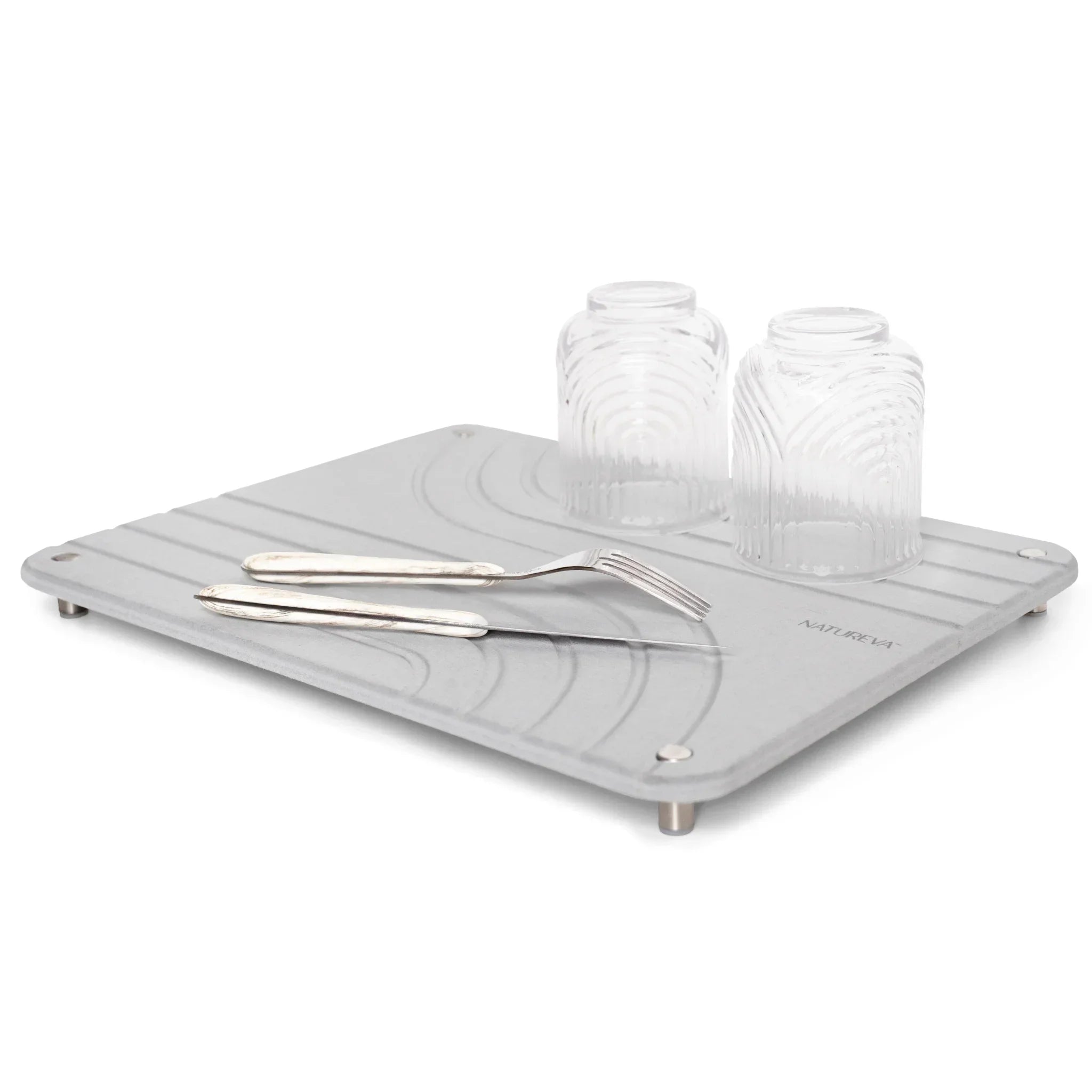
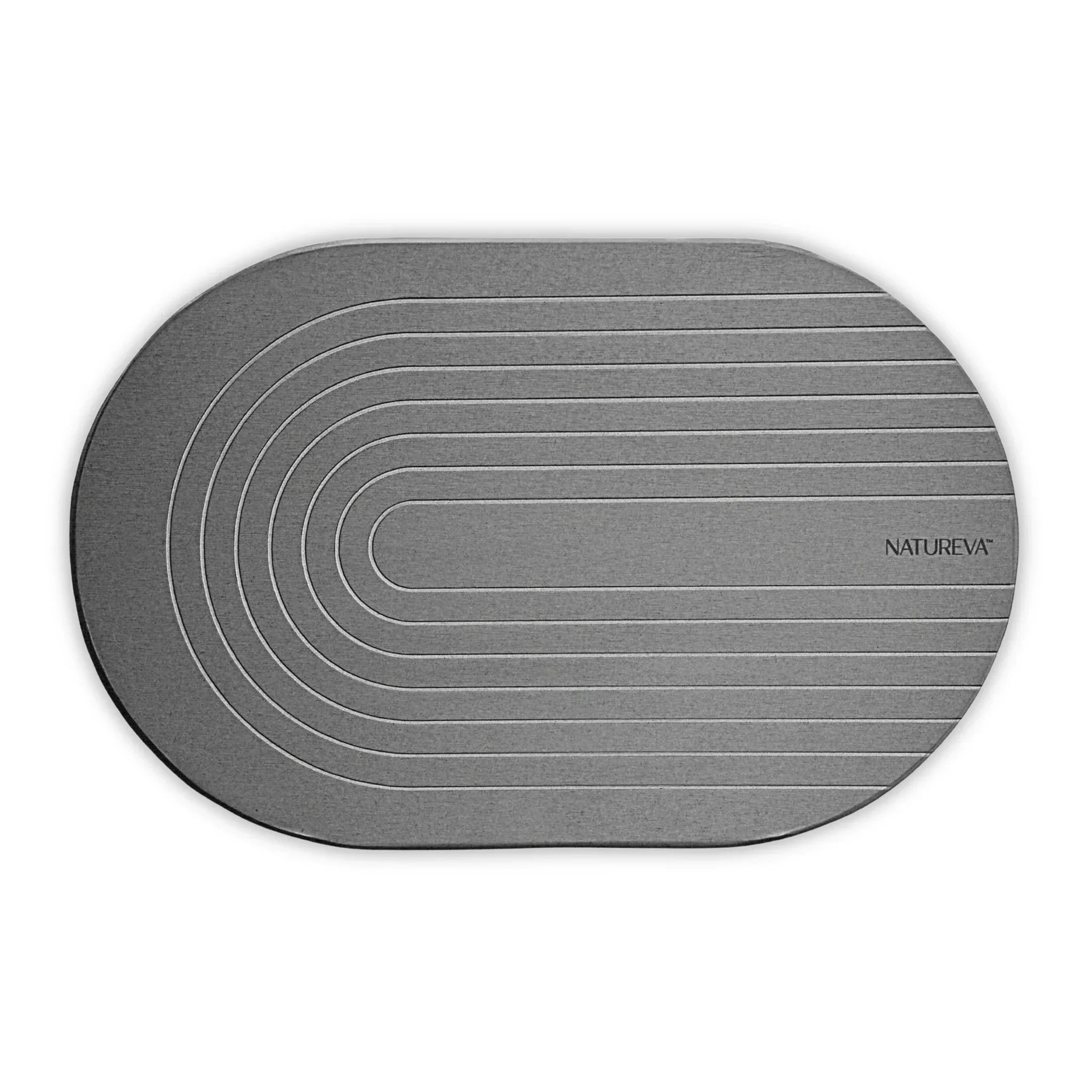
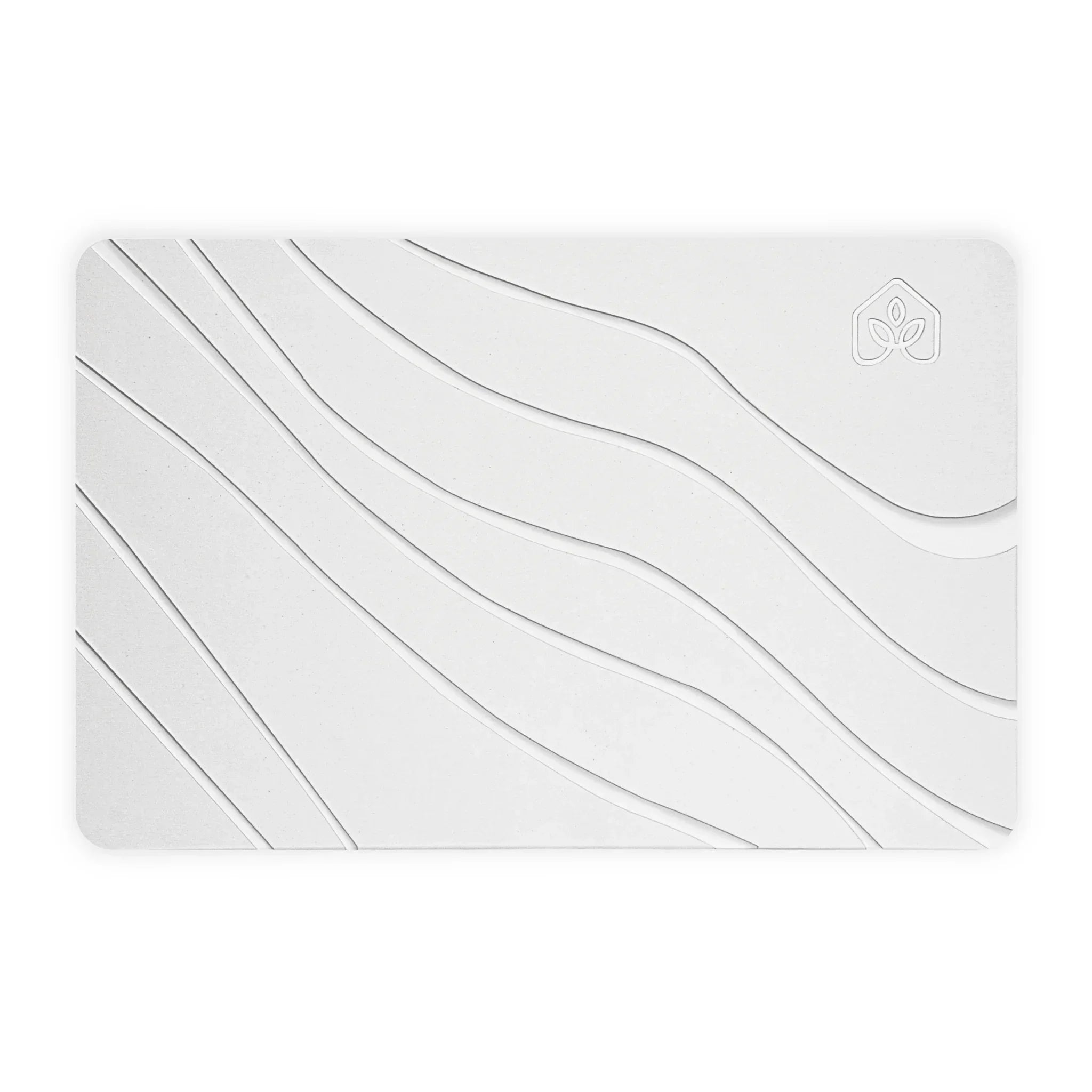
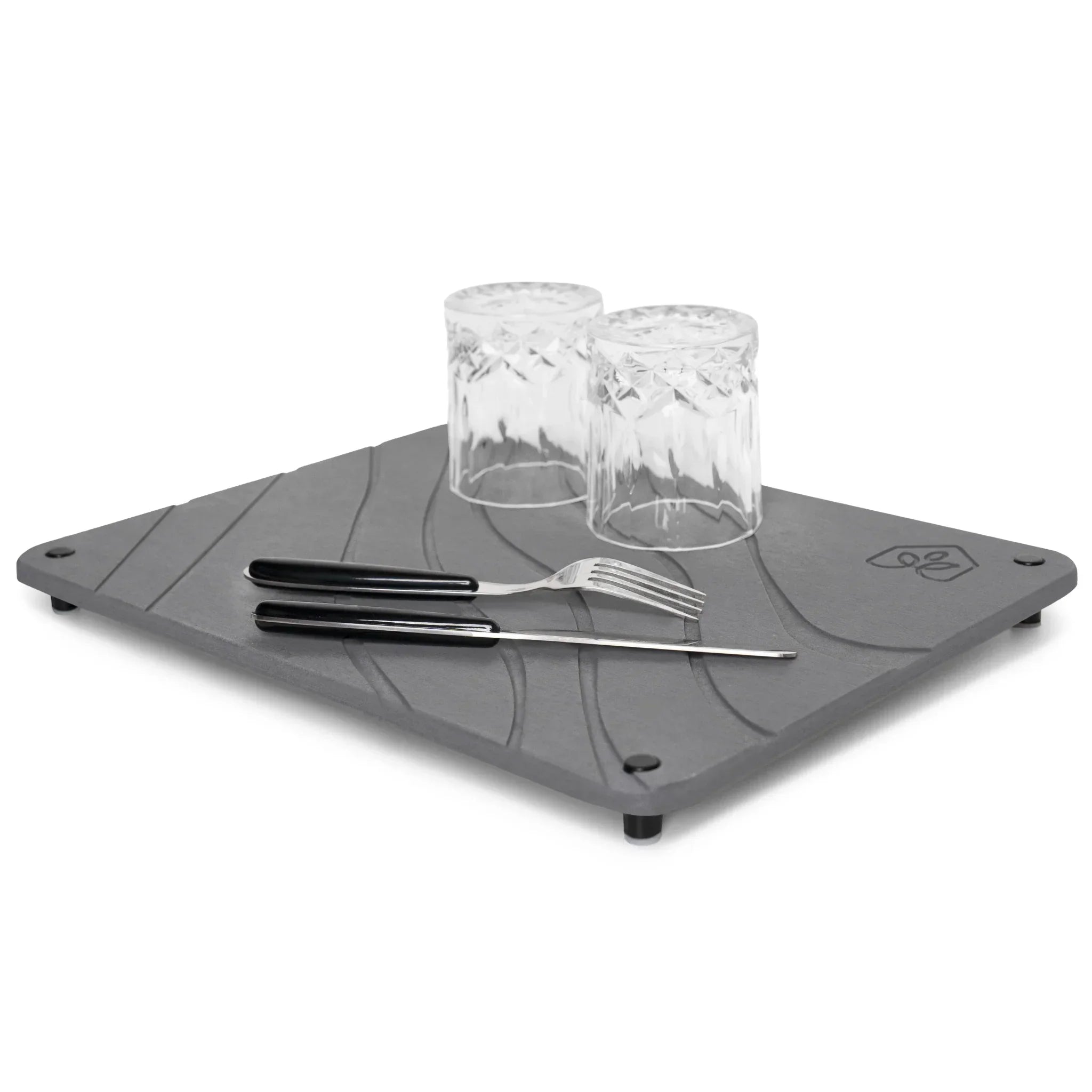
Stone Plant Saucers - Set of 2
What Surfaces Take the Biggest Hit
Different materials in your home react to plant water in different ways. Some surfaces show damage right away, while others hide the problem until it becomes serious.
- Hardwood floors develop dark stains and warping that spread beyond the original wet spot
- Laminate flooring swells at the seams and creates permanent bubbles
- Carpets and rugs grow mold underneath where you can't see it
- Wood furniture gets white rings and black spots that won't come out
- Stone countertops absorb water and develop stains that penetrate deep into the material
The damage happens faster than you think. Water can penetrate wood in just a few hours, and mold starts growing within 24 to 48 hours of exposure.
The Price Tag Nobody Expects
Fixing water damage isn't cheap. Here's what you're looking at if your plant trays fail to protect your surfaces.
| Surface Type | Damage Type | Repair Cost |
|---|---|---|
| Hardwood Floor | Stain removal and refinishing | $300-$800 per room |
| Laminate Floor | Board replacement | $400-$1,200 |
| Wood Furniture | Refinishing tabletop | $200-$500 |
| Carpet | Section replacement and padding | $250-$600 |
| Stone Countertop | Professional stain removal | $150-$400 |
Why Regular Saucers Don't Work
Most people use plastic or ceramic saucers under their plants, thinking they're protected. The problem is these traditional plant trays just collect water in a pool that sits there for days. That standing water creates humidity around your plant's base and eventually overflows or gets knocked over.
- Plastic saucers crack and leak as they age
- Ceramic dishes hold water but never dry it out
- Metal trays rust and stain surfaces underneath
- Cork mats absorb water but stay wet for days
The science is simple. Water needs somewhere to go, and it needs to evaporate quickly. Materials with high porosity and surface area dry faster because air can reach more of the water at once. That's why our Stone Plant Saucers use natural diatomaceous earth with millions of tiny pores that pull water in and let it evaporate in hours instead of days.
Understanding how water moves and dries helps you see why the right plant trays matter so much. When water can't escape, it finds its way into places you don't want it to go.
Plastic Plant Trays and Their Limitations
Most people grab a plastic saucer when they buy a new plant because it's cheap and seems like it'll do the job. The thing is, plastic plant trays don't actually stop water damage. They just collect the water that drains through your pot and hold it there, which creates a whole new set of problems you probably didn't sign up for. If you've ever lifted a plant and found a puddle underneath, or worse, a water ring stained into your wood furniture, you know exactly what I'm talking about.
Plastic Plant Trays and Their Limitations
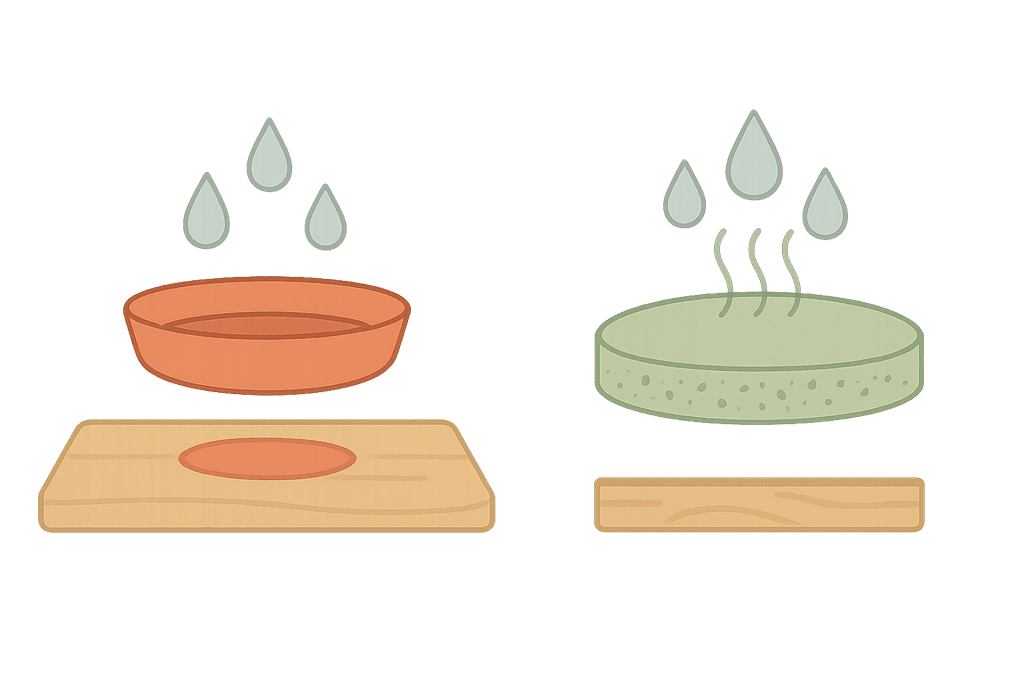
The overflow problem is where plastic really fails. When you water your plants, the excess drains into that plastic tray and just sits there. If you pour a little too much water, it spills over the edge and onto whatever surface you were trying to protect in the first place.
- Water sits in plastic trays for days or even weeks
- Standing water becomes a breeding ground for mold and bacteria
- Mosquitoes can lay eggs in the stagnant water
- The constant moisture can damage plant roots from below
- Plastic doesn't breathe, so evaporation takes forever
That stagnant water isn't just gross to look at. It can actually harm your plants and create health issues in your home. Mold spores love damp, dark places, and the underside of a plant pot sitting in water is basically a five-star hotel for them.
| Feature | Plastic Trays | Better Options |
|---|---|---|
| Water Absorption | None | High |
| Evaporation Speed | Very Slow | Fast |
| Mold Risk | High | Low |
| Surface Protection | Poor | Excellent |
Plastic trays do make sense for outdoor use where drainage and airflow aren't as big of a concern. But inside your home, they're creating more problems than they solve.
Ceramic and Terra Cotta Options
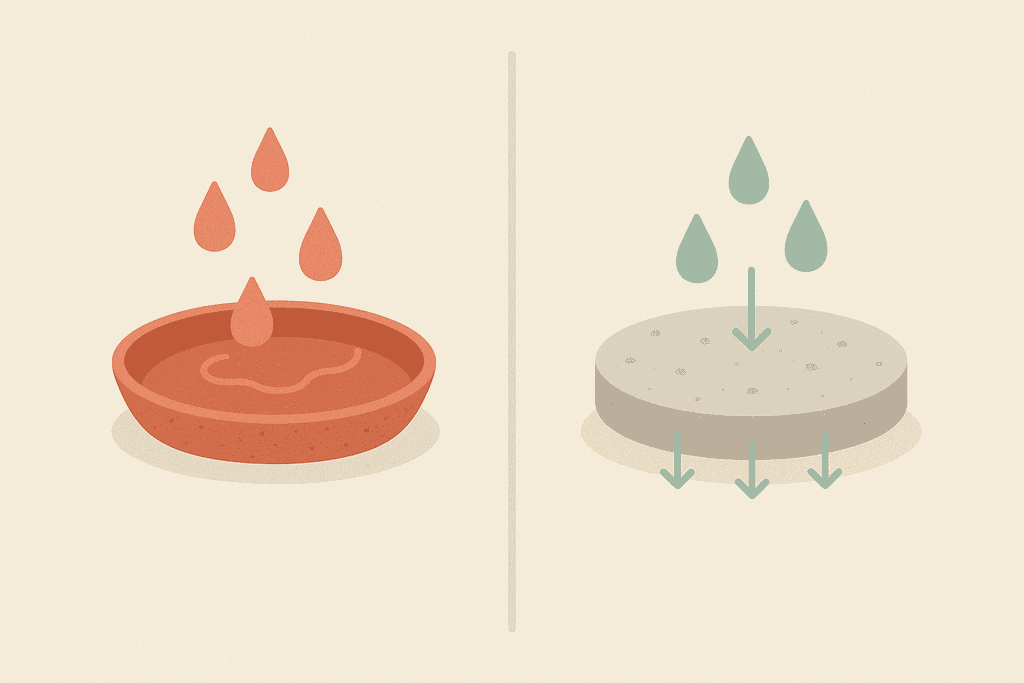
Terra cotta saucers are a step up from plastic because they actually have some natural absorption properties. The porous clay material can soak up small amounts of water, which helps a bit with the standing water problem. But here's where it gets tricky: terra cotta absorbs water so slowly that you'll still end up with puddles if you're a generous waterer. Plus, that absorbed moisture has to go somewhere, and it often ends up seeping through to your furniture anyway.
Ceramic and Terra Cotta Options
Ceramic saucers look beautiful and come in tons of styles, but they're basically just fancy plastic when it comes to function. Most ceramic is glazed, which means it's sealed and can't absorb anything. You get the same water collection issues as plastic, just in a prettier package.
| Material | Absorption | Weight | Breakability | Price Range |
|---|---|---|---|---|
| Terra Cotta | Slow | Medium | High | $5-15 |
| Glazed Ceramic | None | Heavy | Very High | $10-30 |
The weight factor is real with both of these options. A large ceramic or terra cotta saucer can be surprisingly heavy, especially when you add water to the mix. This makes them harder to move around when you're cleaning or rearranging your space.
Breakability is another concern that anyone with kids or pets knows about. Drop a ceramic saucer and you're sweeping up pieces for the next week. Terra cotta chips and cracks easily too, especially around the edges where it's thinnest.
Even with their absorption properties, terra cotta saucers have slow evaporation rates. The water they do absorb can take days to fully dry out, which means your surfaces are still at risk. According to plant care experts, proper drainage systems should promote quick evaporation to prevent moisture damage.
Stone and Diatomaceous Earth Saucers
Diatomaceous earth is made from fossilized algae that lived in oceans millions of years ago. When these tiny organisms died, their silica-based skeletons accumulated on the ocean floor and eventually became the material we use today. What makes it special for plant trays is its structure: millions of microscopic pores that act like tiny sponges. Unlike plastic that just holds water or terra cotta that slowly absorbs it, diatomaceous earth instantly soaks up moisture and then releases it into the air through rapid evaporation.
The difference between instant absorption and water collection is huge when you're trying to protect your floors and countertops. When water hits a stone saucer made from diatomaceous earth, it disappears into those millions of pores within seconds. There's no puddle sitting there waiting to spill over or breed bacteria.
- Absorbs water instantly on contact
- Millions of microscopic pores create massive surface area
- Evaporates moisture in hours instead of days
- Keeps surfaces completely dry underneath
- Natural material with no chemicals or treatments
Rapid evaporation happens because all those tiny pores expose the absorbed water to air from every angle. It's like the difference between a puddle on a flat surface versus water spread across a giant sponge. The Stone Plant Saucers we offer use this natural process to keep your plant areas clean and dry without any effort on your part.
The next generation of home essentials: naturally made, cleaner by design, sustainable by nature.
SHOP ALLThese saucers protect floors and countertops in a way that other materials simply can't match. The stone stays dry to the touch even after absorbing water, so there's no moisture transfer to whatever surface it's sitting on. You can place them on wood furniture, carpet, or any other surface without worry.
Long-term durability is another benefit that makes stone saucers worth considering. They don't crack like ceramic, don't degrade like plastic, and don't crumble like terra cotta. The material naturally resists mold and bacteria growth because water doesn't sit on the surface. Maintenance is simple: just wipe them down occasionally and let them air dry completely if they get saturated. You can check out more about proper care and cleaning to keep them working perfectly for years.
The natural properties of diatomaceous earth mean you're not adding any synthetic materials or chemicals to your home. It's just fossilized algae doing what it does best: managing moisture efficiently and naturally.
Which Plant Tray Material Works Best
The numbers tell a pretty clear story when you line up different plant trays side by side. Most people grab whatever tray comes with their pot or pick the cheapest option at the store, but that decision costs them more in the long run. Water damage to wood floors can run into thousands of dollars, and even minor stains on furniture drop resale value fast. The right plant tray material makes the difference between constant cleanup and actually forgetting your plants are even sitting there.
Here's what actually matters when comparing materials. Absorption speed determines whether water sits on your surface or gets pulled away immediately, which is why plastic trays fail so often despite being waterproof.
| Material | Absorption Speed | Evaporation Rate | Lifespan | Cost Per Year |
|---|---|---|---|---|
| Plastic | None (pools water) | Slow | 2-3 years | $4-6 |
| Ceramic | None | Very slow | 5-7 years | $3-5 |
| Terra Cotta | Moderate | Moderate | 3-5 years | $2-4 |
| Stone (Diatomite) | Instant | Very fast | 8-10 years | $4-5 |
The evaporation rate matters just as much as absorption. A tray that soaks up water but holds onto it for days creates humidity problems and mold growth underneath.
Best Use Cases by Material
- Plastic trays work fine for outdoor plants where overflow doesn't matter
- Ceramic looks nice but needs constant emptying for indoor use
- Terra cotta handles light watering but cracks easily in cold weather
- Stone trays like our Stone Plant Saucers handle heavy watering indoors without any maintenance
Durability changes the math completely. A $20 plastic tray replaced every two years costs more over a decade than a $40 stone tray that lasts ten years. Plus you're not adding more plastic waste to landfills every few years.
Environmental Impact Breakdown
- Plastic trays release microplastics as they degrade and rarely get recycled
- Ceramic production requires high-temperature kilns with significant energy use
- Terra cotta is natural but breaks easily, creating disposal issues
- Diatomaceous earth stone is natural, biodegradable, and lasts years longer
The real test comes down to what happens when you overwater. Stone plant trays pull moisture away in seconds while other materials leave you scrambling for towels. That instant response is what actually prevents damage instead of just containing it.
Protecting Your Surfaces Starts With the Right Tray
Here's what most people get wrong about plant trays. They think any saucer will do the job, but the material matters way more than the size or shape. A plastic tray just holds water in place, which means it sits there until you remember to empty it. That's when the real damage happens, because water finds a way to seep out or overflow when you're not looking.
The secret to real protection is absorption and evaporation working together. When water gets soaked up immediately and then dries quickly, your surfaces never get that chance to develop rings, stains, or worse. This is where stone plant saucers make all the difference compared to traditional options.
Think about it this way. You could keep replacing damaged furniture or wiping up puddles every few days. Or you could invest in quality plant trays once and forget about the problem. The Stone Plant Saucers use natural diatomaceous earth that pulls moisture away from your surfaces in seconds, not hours.
The same material works across your home too. If you've had success with stone bath mats or drink coasters, you already know how well this absorption method handles water. Your plants deserve the same protection.
Now you probably have some questions about how these work in different situations. Let's get into the details.
Common Questions About Plant Trays
Plant trays seem simple enough, but people have a lot of questions about how they actually work and whether they're worth the investment. The truth is that not all plant trays are created equal, and understanding the differences can save you from water damage headaches down the road. Here are the most common questions we hear from plant owners trying to protect their homes.
Do I really need a plant tray for indoor plants?
Yes, unless you enjoy water rings on your furniture and potential mold growth underneath your pots. Every time you water your plants, excess moisture needs somewhere to go. Without a proper tray, that water seeps onto your surfaces and can cause permanent damage to wood floors, countertops, and windowsills. Even if you're careful with watering, drainage holes exist for a reason, and that water has to go somewhere.
How often should I empty water from plant trays?
With traditional plastic or ceramic trays, you should empty them within 30 minutes after watering to prevent root rot and mosquito breeding. This is honestly a pain and most people forget to do it. Stone plant trays made from diatomaceous earth work differently because they absorb and evaporate water naturally, so you don't need to constantly monitor them. Our Stone Plant Saucers handle this automatically through millions of tiny pores that promote rapid evaporation.
Can plant trays prevent all water damage?
Most plant trays just catch water, but they don't actually prevent damage if you forget to empty them or if they overflow. The key is choosing trays that actively manage moisture rather than just collecting it. Absorbent materials work better than waterproof ones because they pull moisture away from your surfaces immediately instead of letting it pool.
What size tray do I need for my plant pot?
Your tray should be at least one inch wider than your pot's diameter to catch any water that runs down the sides during watering. Too small and water spills over the edge, too large and it looks awkward and takes up unnecessary space. Measure your pot's base and add that extra inch for the best fit.
Are expensive plant trays worth the cost?
Cheap plastic trays cost less upfront but they crack easily, look terrible, and still require constant emptying. Investing in quality absorbent trays saves you money long-term by protecting expensive furniture and flooring from water damage. Think about it this way: replacing a water-damaged hardwood floor costs hundreds or thousands of dollars, while a good set of plant trays costs around $39.
How do I clean different types of plant trays?
Plastic and ceramic trays need regular scrubbing with soap and water to remove mineral deposits and algae buildup. Stone trays made from diatomaceous earth are naturally antimicrobial and just need occasional rinsing with water. Avoid using soap on absorbent stone materials because it can clog the pores that make them work so well.
The next generation of home essentials: naturally made, cleaner by design, sustainable by nature.
SHOP ALL