
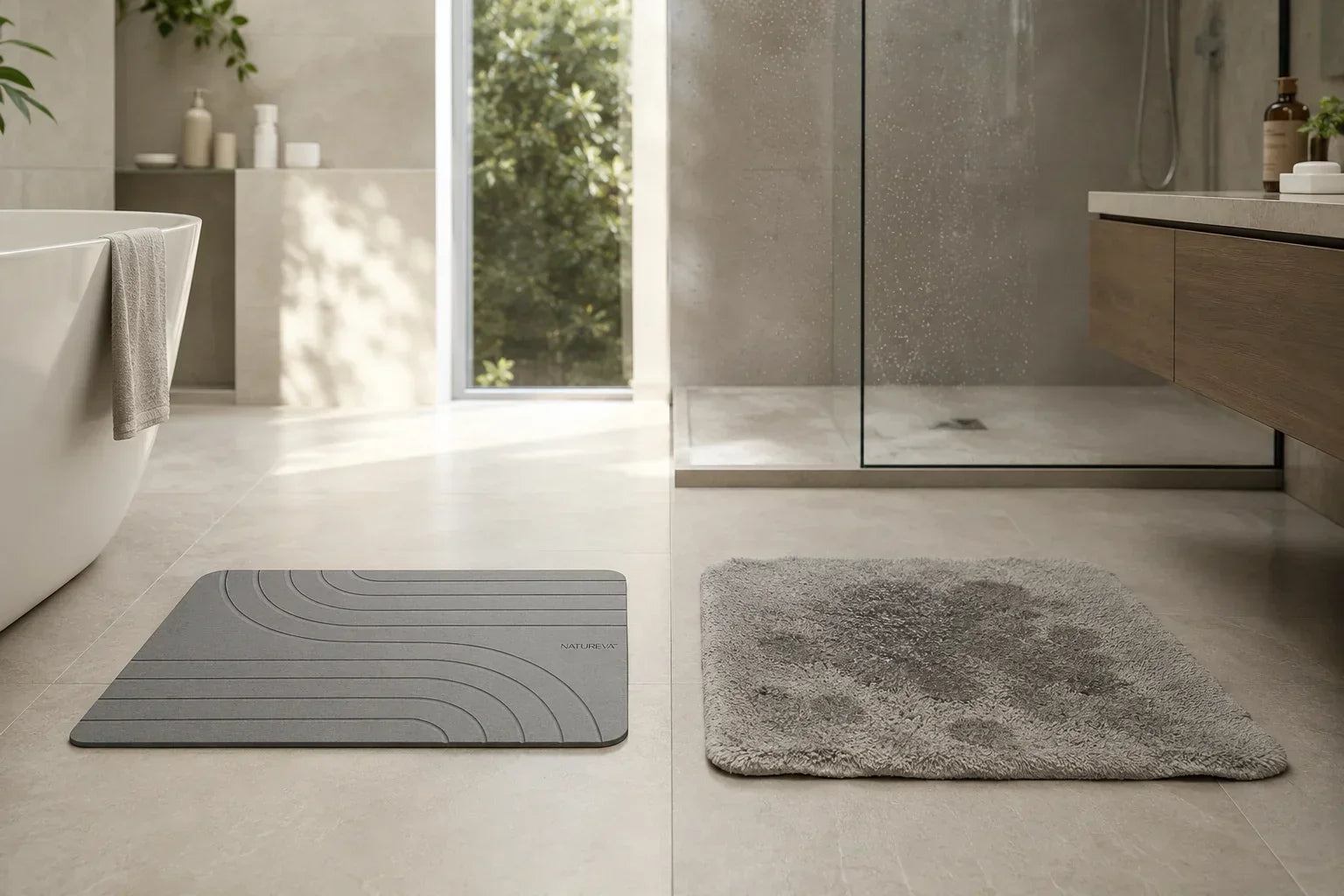
Stone Bath Mat vs Traditional Options: Which Performs Better
You step out of the shower onto your fabric bath mat, and it's still damp from this morning. That cold, soggy feeling under your feet isn't just unpleasant — it's a sign that traditional mats have some serious performance issues. Stone bath mats made from diatomite work on a completely different principle. Instead of absorbing water into fibres that stay wet for hours, they use natural diatomaceous earth that pulls moisture in and releases it almost immediately. Let's compare both types honestly to see which actually performs better in real-world bathroom conditions.
Table of Contents
Drying Speed: The Biggest Difference
The performance gap between stone and fabric starts with one simple question: how quickly does the mat dry after you step off it? This matters more than most people realise, because drying speed determines everything else — whether mould grows, whether odours develop, and whether the mat is ready for the next person.
How Stone Bath Mats Absorb Water
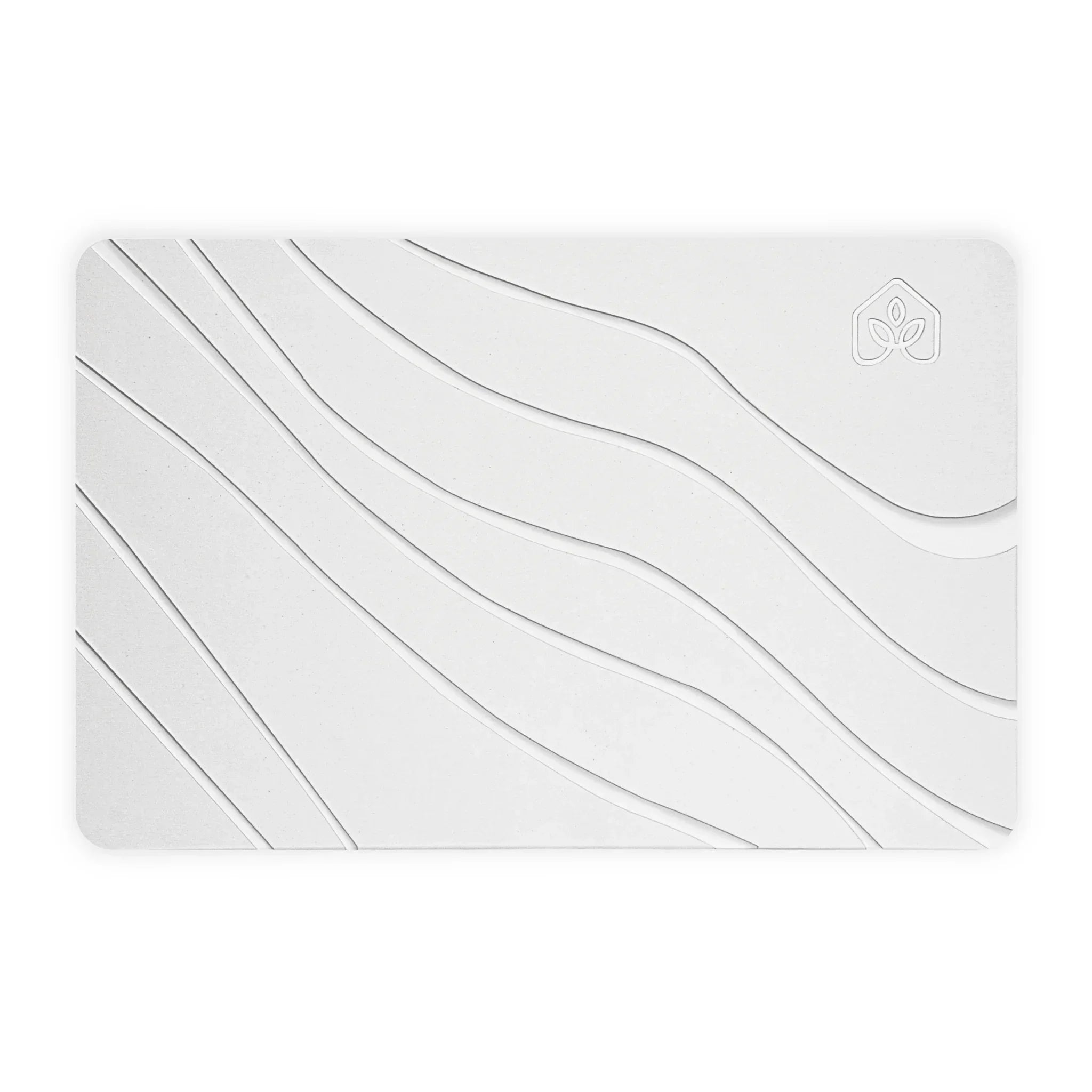
When you step onto a diatomite stone bath mat, water disappears from your feet in seconds. The natural stone contains millions of microscopic pores that pull moisture in through capillary action. That moisture then evaporates back into the air within minutes, leaving the surface completely dry and ready for the next use.
This isn't gradual absorption like fabric — it's instant. Your footprints visibly fade within seconds, and the entire mat surface is dry to the touch within 5 to 10 minutes. Even after multiple family members use it back-to-back, a stone bath mat recovers far faster than any fabric alternative.
Why Traditional Mats Stay Damp
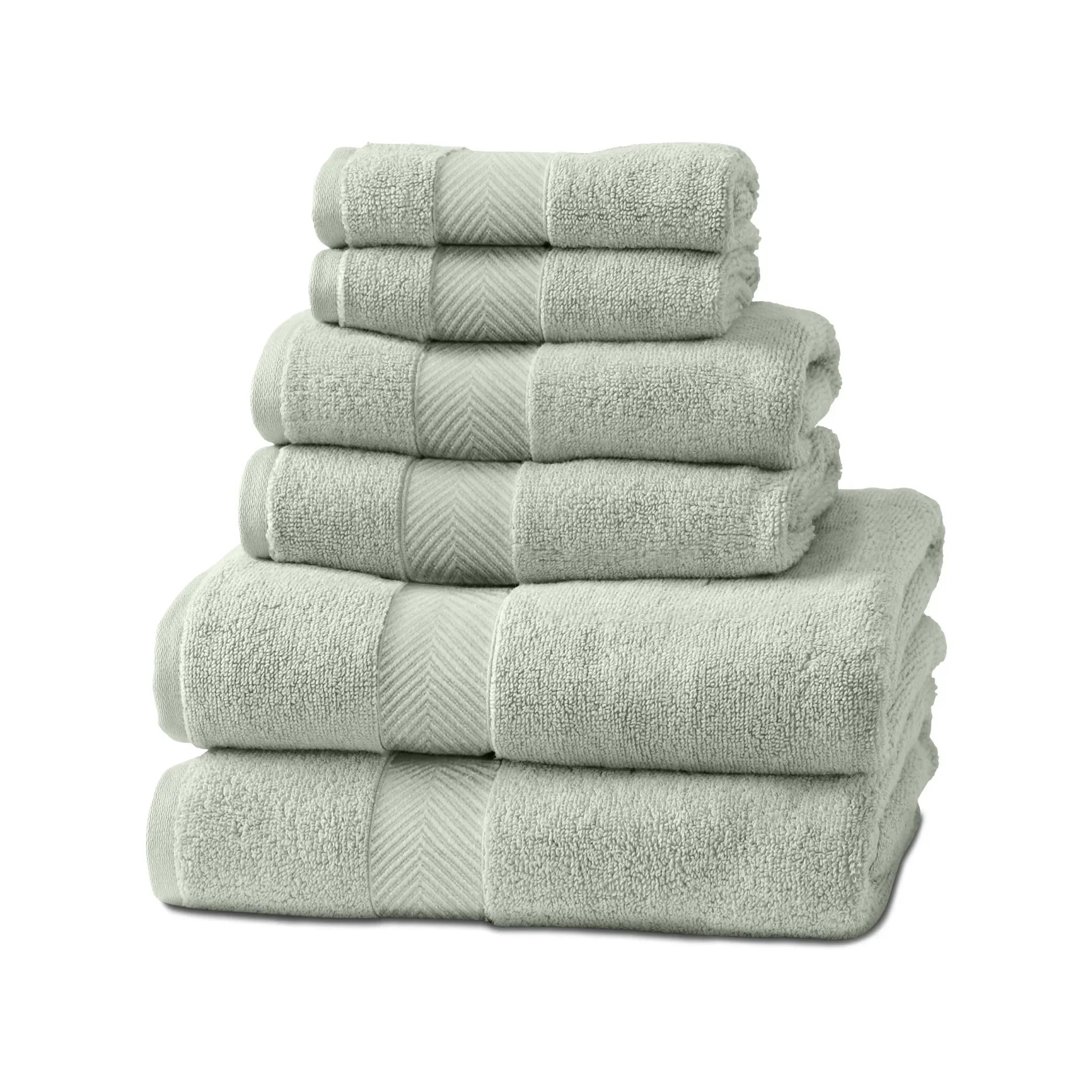
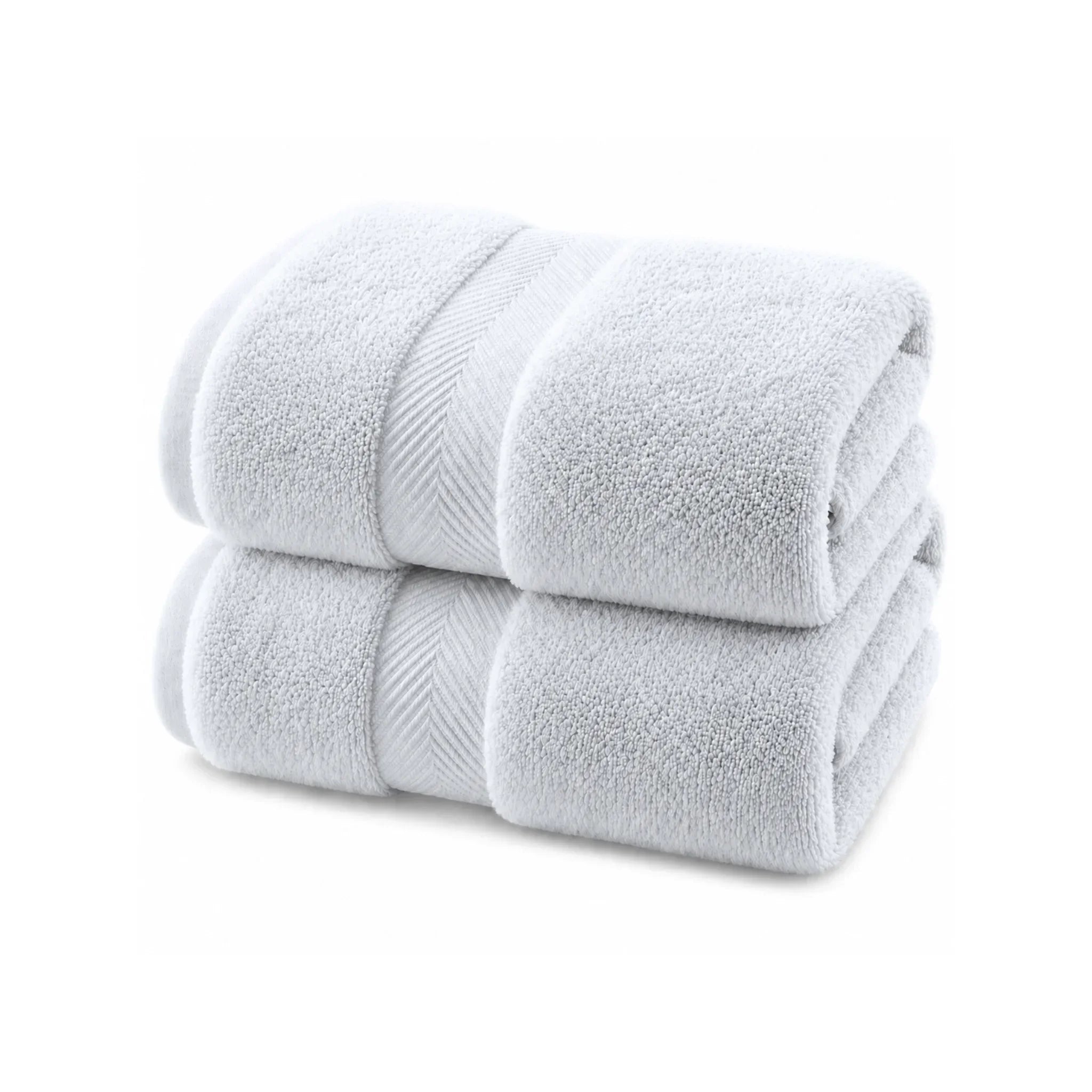
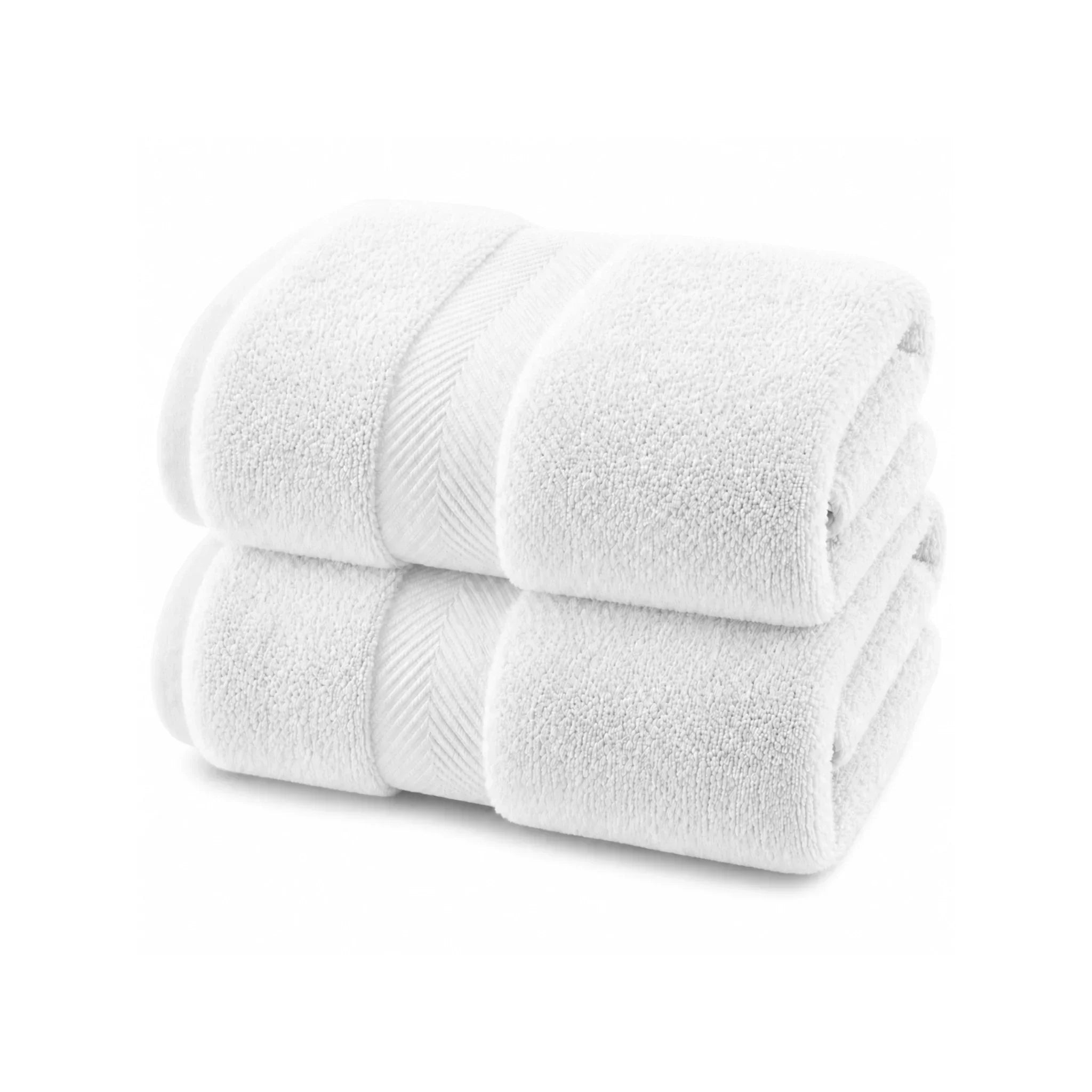
Fabric bath mats are designed to absorb water, but they have no mechanism for rapid moisture release. The water sits in the fibres until it slowly evaporates over many hours. Thick, plush mats hold even more water and take longer to dry. Rubber backing prevents airflow from underneath. And bathroom humidity slows the already-slow drying process.
The result? Each use adds more moisture before previous water has evaporated. By evening, a mat used during morning showers is often still damp.
Side-by-Side Drying Comparison
| Performance Metric | Stone Bath Mat | Traditional Fabric Mat |
|---|---|---|
| Water absorption speed | 5-10 seconds | 30-60 seconds |
| Full surface drying time | 5-10 minutes | 4-8 hours |
| Ready for next user | Within minutes | Hours (or never fully) |
| Performance in humidity | Unaffected | Significantly slower |
| Performance in small bathrooms | Excellent (dries without ventilation) | Poor (stays damp longer) |
Hygiene: Mould, Bacteria, and Odour
Drying speed isn't just about comfort — it directly impacts how hygienic your bath mat is. Bacteria and mould need sustained moisture to grow. A mat that dries in minutes simply can't support microbial colonies, while a mat that stays damp for hours becomes a breeding ground.
Why Stone Mats Stay Hygienic
The antibacterial properties of diatomite bath mats come from moisture elimination, not chemical additives. Because the surface dries so rapidly, bacteria never get the sustained dampness they need to multiply. This means:
- No black mould spots developing in corners or edges
- No musty smell — ever
- Safe for people with mould allergies or sensitivities
- No antimicrobial chemicals needed
- Your feet step onto a clean, dry surface every time
Why Fabric Mats Develop Problems
Traditional mats create the ideal environment for microbial growth: warmth, moisture, and organic fibres for bacteria to feed on. Even with weekly washing, fabric mats spend most of their time damp enough to support bacterial colonies. That distinctive musty smell that develops after a few days? That's your nose detecting the presence of mould and bacteria.
| Hygiene Factor | Stone Bath Mat | Traditional Fabric Mat |
|---|---|---|
| Mould risk | Minimal to none | High, especially in humid bathrooms |
| Bacteria growth | Naturally resistant (dries too fast) | Common within 24-48 hours of use |
| Odour development | None | Within days without washing |
| Chemical treatments needed | None | Detergent, sometimes bleach |
| Hygiene between washes | Stays clean naturally | Deteriorates daily |
Maintenance and Long-Term Costs
The day-to-day effort of maintaining each mat type is where the practical difference really shows. One requires a regular laundry cycle, the other doesn't.
Stone Bath Mat Maintenance
A diatomite stone bath mat needs minimal care to stay performing at its best:
- Weekly: Wipe with a damp cloth and vinegar-water mixture
- For stains: Scrub with a sponge and clear, non-coloured dishwashing liquid, then rinse well
- Stubborn stains: Apply hydrogen peroxide, gently scrub
- If absorption slows: Use the included P320 sanding tool to restore performance (every 3-6 months)
That's it. No machine washing, no detergent, no drying time. For full details, visit our care and cleaning guide.
Fabric Mat Maintenance
Traditional bath mats require washing every 1-2 weeks to stay hygienic and smell-free. That's 26-52 loads of laundry per year just for your bath mat. Each wash uses water, electricity, and detergent. You need backup mats to use while one is in the wash. And frequent washing degrades fabric quality over time, shortening lifespan.
Total Cost of Ownership
| Cost Factor | Stone Bath Mat (3 years) | Fabric Mats (3 years) |
|---|---|---|
| Purchase cost | $59 (one-time) | $25-40 × 3-4 replacements = $75-160 |
| Laundry costs | $0 | $50-100+ (water, energy, detergent) |
| Maintenance products | White vinegar ($5) | Detergent, bleach ($30+) |
| Time spent on care | ~2 minutes/week | ~20 minutes/week (wash/dry cycle) |
| Estimated 3-year total | ~$64 | ~$155-290 |
The upfront cost of a stone bath mat is higher, but the total cost over three years is significantly lower. You're also saving hours of time each year on laundry.
The next generation of home essentials: naturally made, cleaner by design, sustainable by nature.
SHOP ALLWhich Mat Is Right for You
After comparing performance across every important metric, diatomite stone bath mats outperform traditional fabric options in nearly every practical way. They dry faster, stay cleaner, last longer, and require less maintenance. The only area where fabric wins is initial softness underfoot — stone feels firm, which some people need a day or two to adjust to.
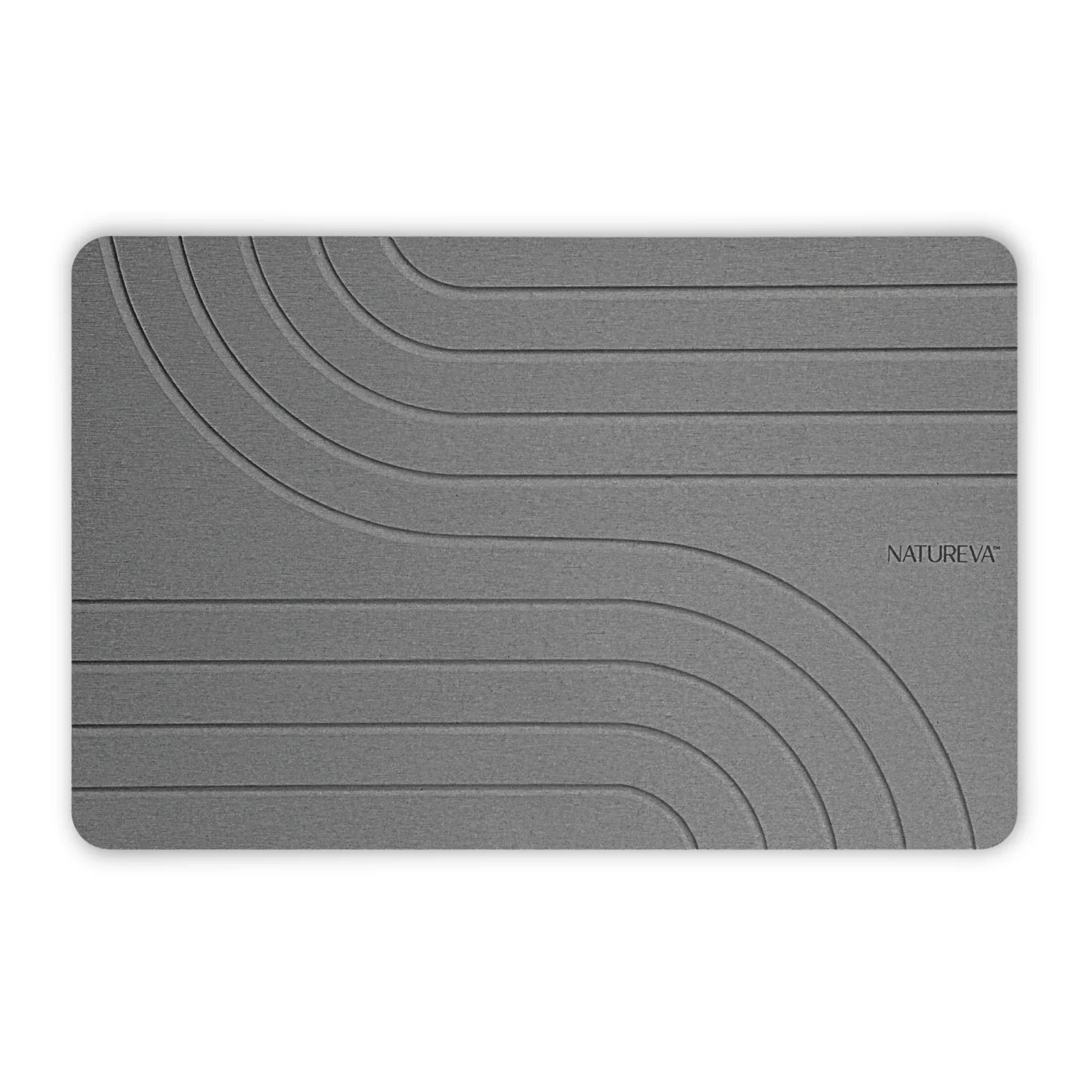
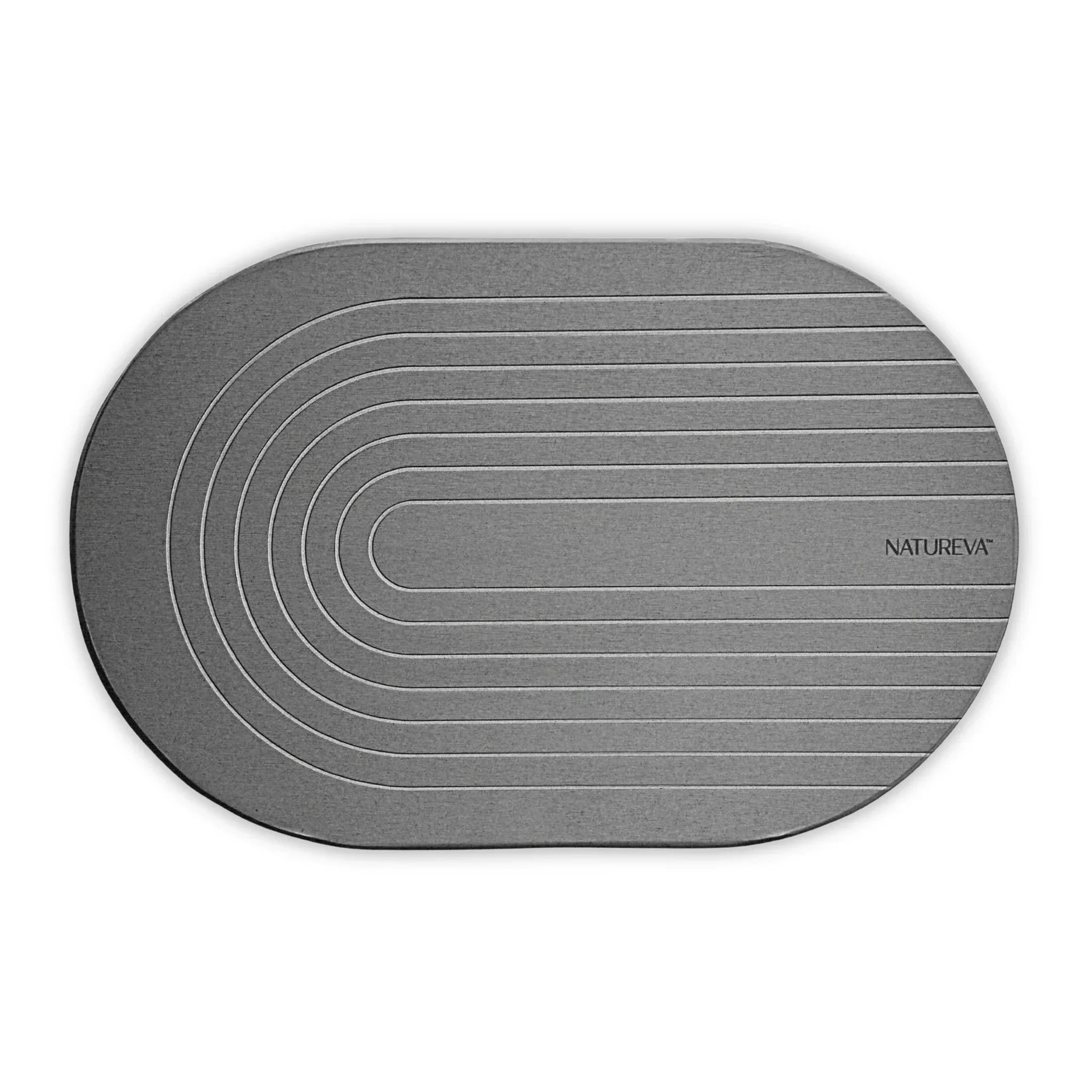
Our Natureva diatomite bath mats come in five designs — Tide, Flow, Arch, Rain, and Aura — each in three colours (Graphite, Slate, and Chalk). All perform identically at $59, so you're choosing based on pattern and colour preference, not function. For help choosing, read our guide on five features to check before buying a diatomite bath mat.
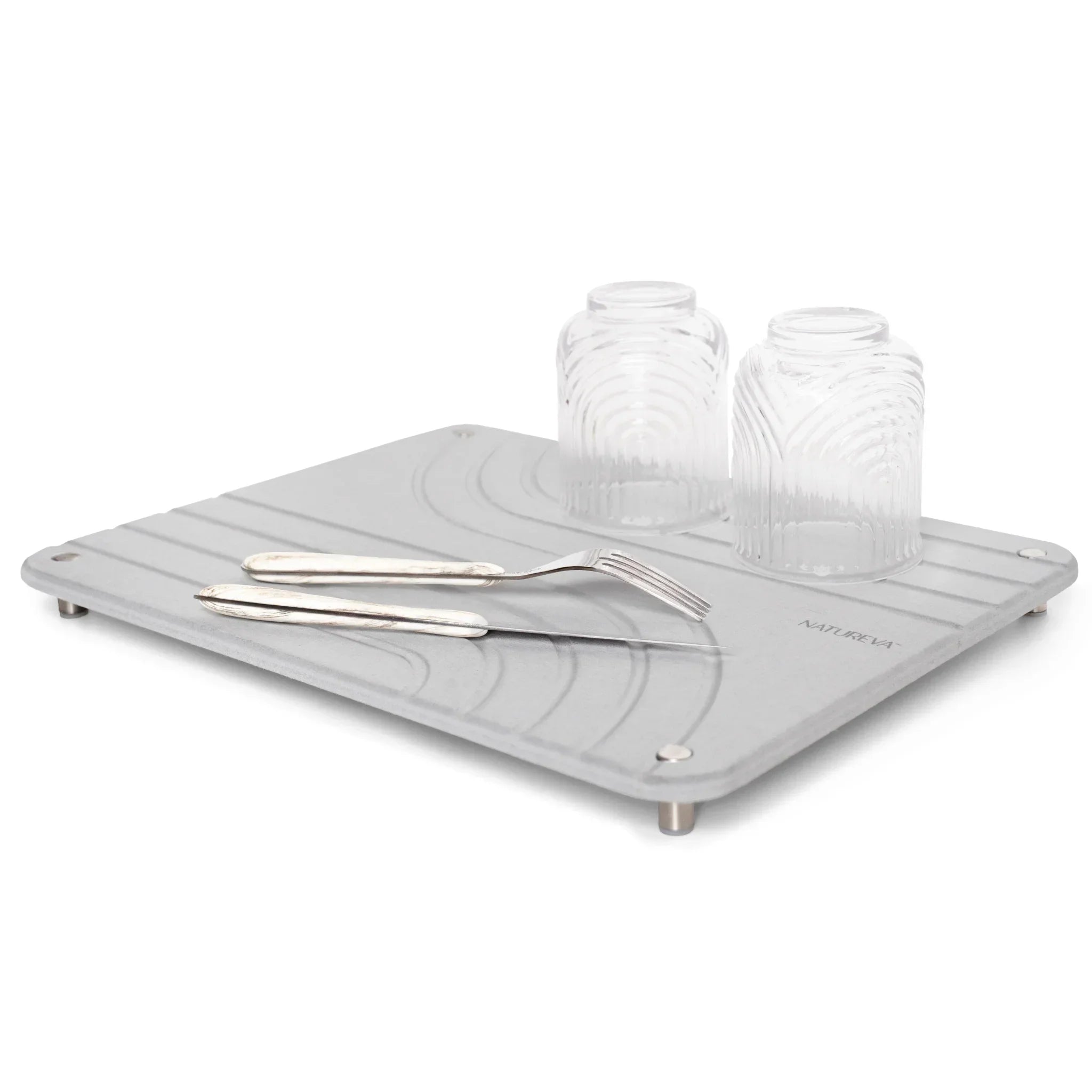
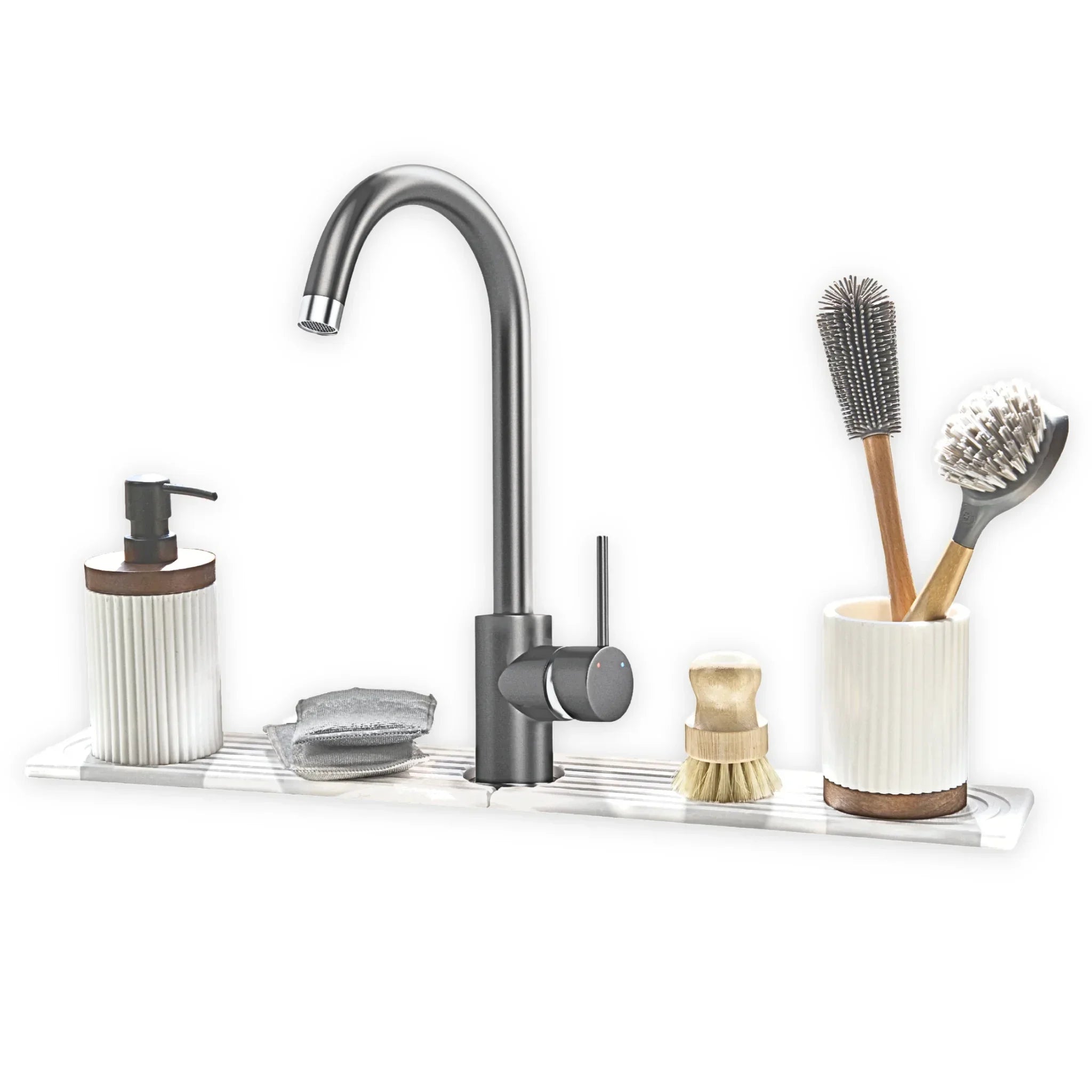
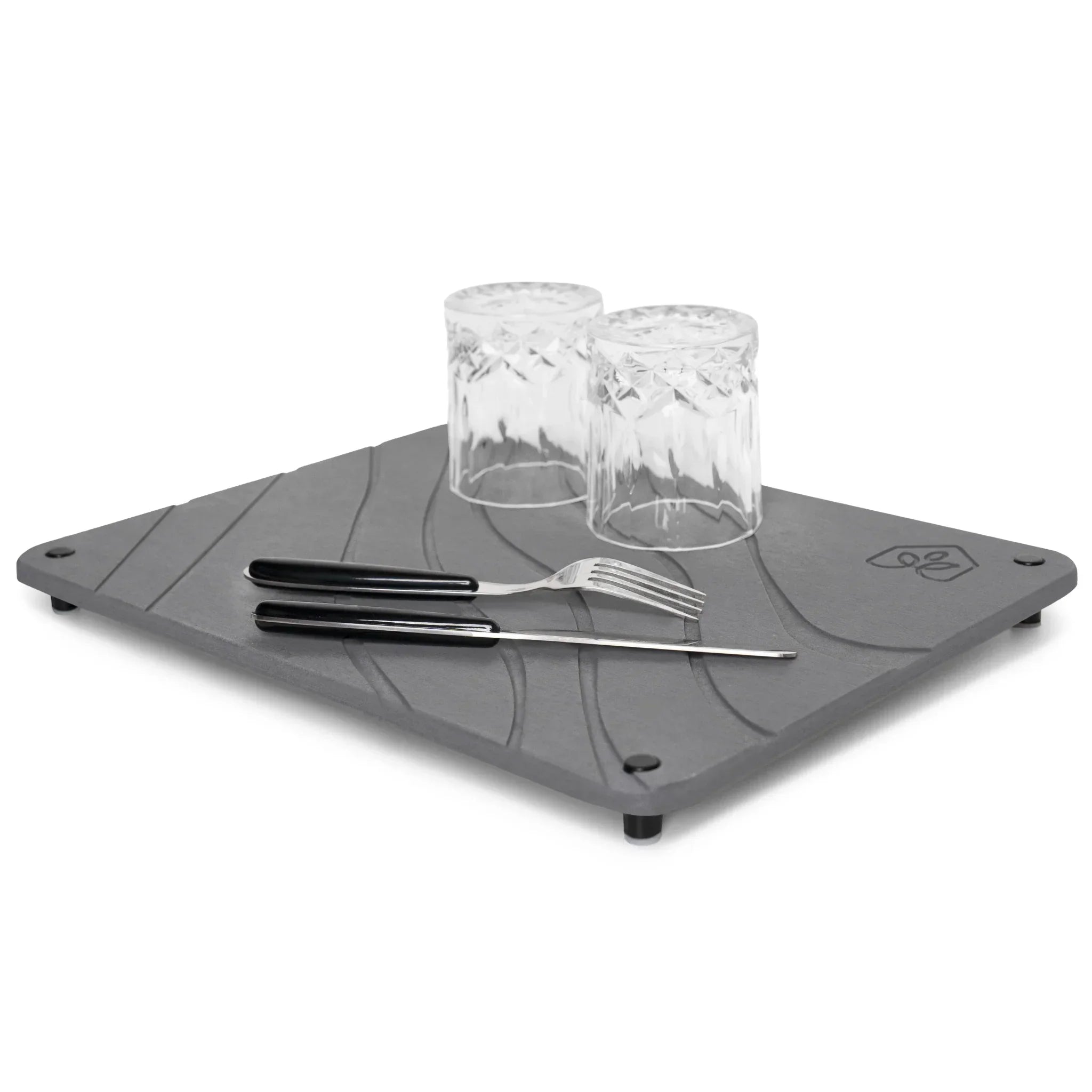
The same diatomite technology works throughout your home too. Our dish mats keep kitchen benchtops dry, stone sink caddies prevent water pooling around taps, and faucet mats protect the area around your sink. If you're switching to stone in the bathroom, it's worth considering the kitchen too.
Browse our complete stone bath mat collection to find the right design for your bathroom.
Common Questions: Stone vs Traditional Bath Mats
Switching from fabric to stone raises practical questions. Here are the most common ones we hear from people making the switch.
Does a stone bath mat feel cold underfoot?
It feels cool initially, similar to stepping onto tile, but the surface warms up quickly to room temperature. Most people find it refreshing, especially in summer. The firm surface feels different from plush fabric, but users typically adjust within a few days.
Can a stone bath mat handle a family of four?
Yes. The mat absorbs water instantly and starts evaporating it right away. Even with multiple people showering back-to-back, the surface recovers within minutes. Compare that to a fabric mat that gets progressively soggier with each person.
How do you clean a stone bath mat?
Wipe weekly with a damp cloth and vinegar-water mixture. For stains, scrub with a sponge and clear, non-coloured dishwashing liquid under running water. If stains persist, try hydrogen peroxide. If absorption slows over time, use the included sanding tool to restore performance. Visit our care and cleaning guide for detailed instructions.
Are stone bath mats safe on heated floors?
Yes, they work perfectly on heated floors and actually dry even faster thanks to the warmth underneath. The non-slip base pad included with every Natureva mat allows air circulation while keeping the mat securely in place.
How long does a stone bath mat last compared to fabric?
A quality diatomite bath mat lasts 2-3 years or more with proper care. Most fabric mats need replacing every 6-12 months as they become worn, permanently musty, or lose absorbency from repeated washing.
Is the higher price worth it?
When you factor in replacement costs (fabric mats every 6-12 months), laundry expenses, and your time, the total cost of ownership over three years is actually lower with stone. You also get a genuinely better performing product that stays hygienic without constant effort.
What if it cracks or breaks?
Stone bath mats are durable under normal daily use. They can crack if dropped from height or if heavy objects fall on them. Handle them with reasonable care when moving, and avoid placing heavy items like bathroom scales on top for extended periods.
The next generation of home essentials: naturally made, cleaner by design, sustainable by nature.
SHOP ALL