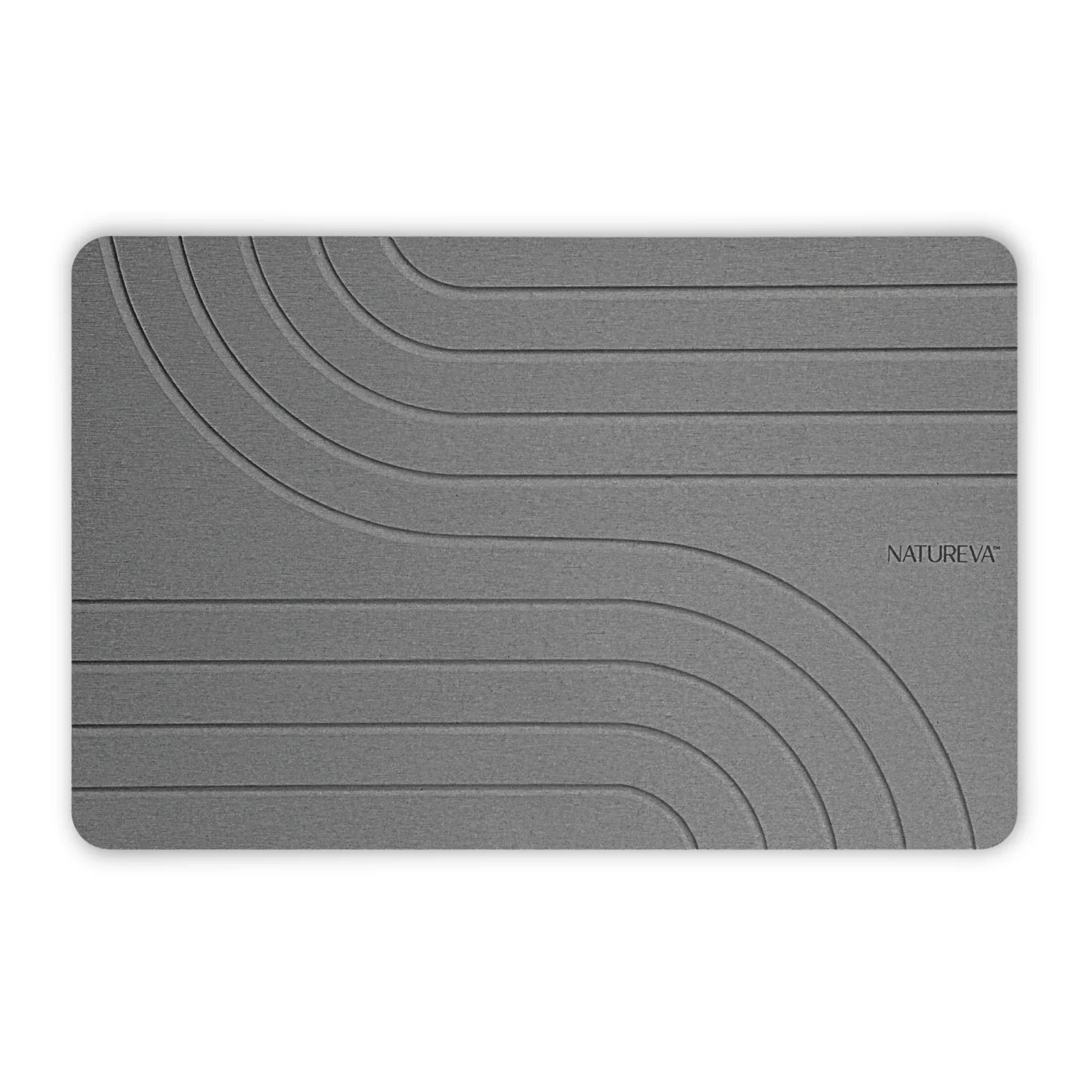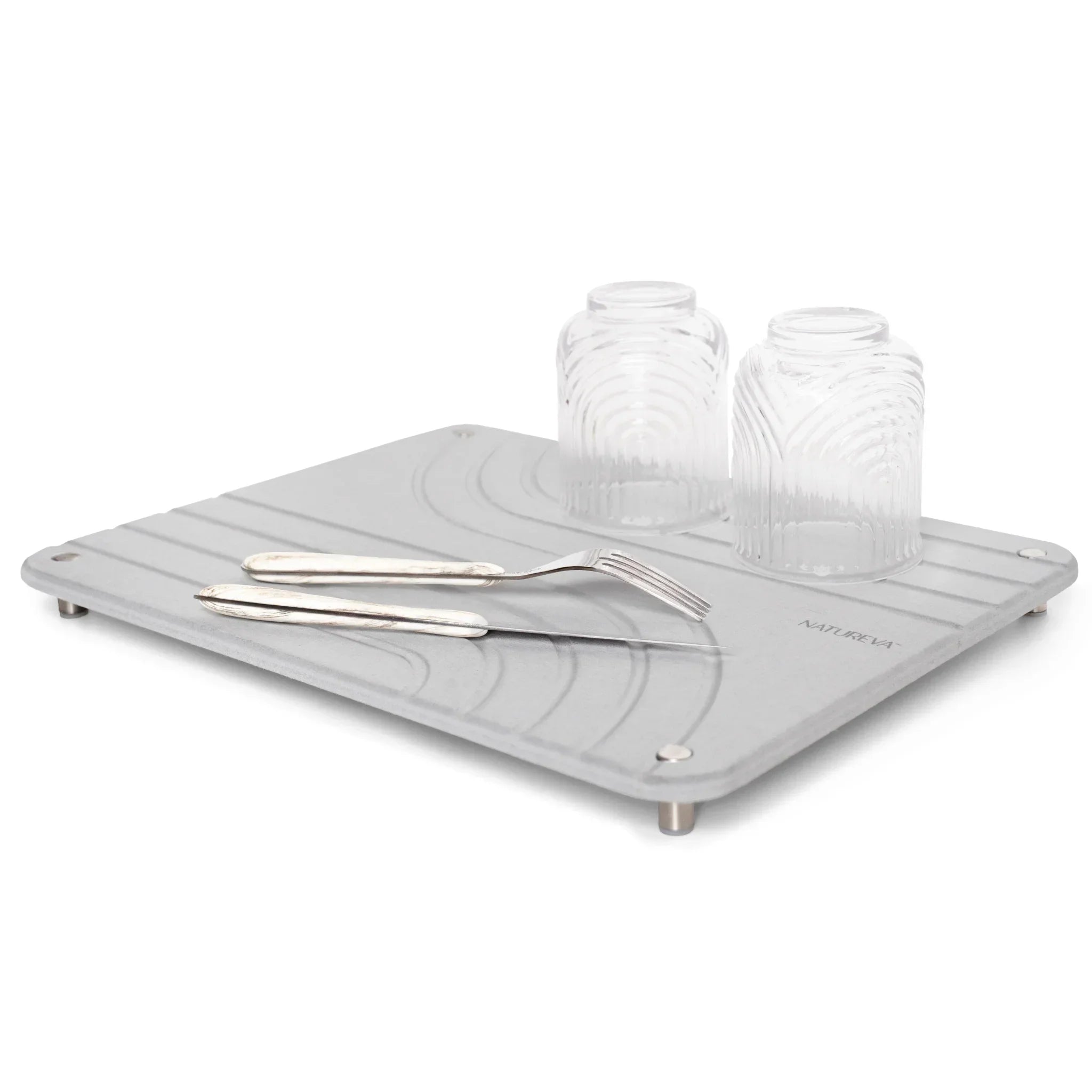

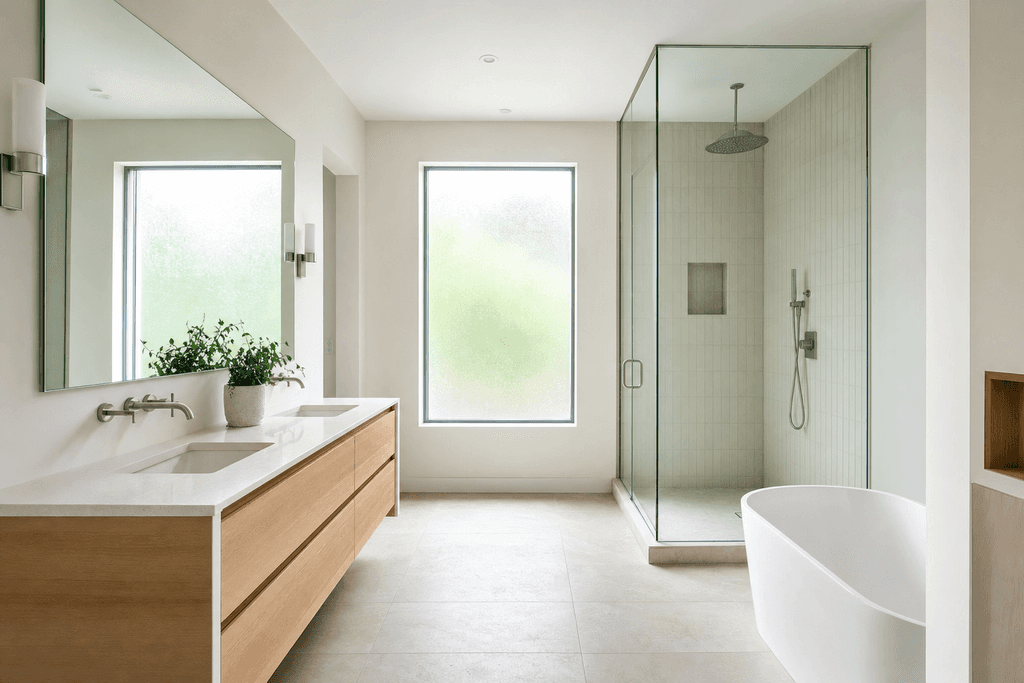
Are Diatomite Mats Safe for Daily Use in Your Home
When diatomite bath mats started appearing in Australian homes around 2022, so did reports of asbestos contamination in unverified products imported from overseas markets. The question of whether diatomite mats are safe isn't about the material itself, but about whether the specific product you're buying has been tested and certified by an accredited laboratory. Natureva stone mats are NATA-certified asbestos-free and regularly tested to maintain that standard, but understanding what separates verified products from risky ones matters for every household considering this category.
Are diatomite bath mats safe to use every day?
Diatomite bath mats are safe for daily use when they are certified asbestos-free and meet safety standards such as OEKO-TEX or similar third-party testing certifications. Food-grade diatomaceous earth mats pose no health risks during normal household use, as the material is non-toxic and naturally antimicrobial.
What certifications should a safe diatomite mat have?
A safe diatomite mat should have asbestos-free certification from an accredited laboratory and ideally carry OEKO-TEX Standard 100 or similar third-party safety certifications that verify the absence of harmful substances. These certifications confirm the product has been tested for heavy metals, formaldehyde, and crystalline silica contamination.
Can diatomite mats release harmful dust into the air?
High-quality diatomite mats do not release harmful dust during normal use because the diatomaceous earth is bound within a stable matrix of natural fibers and binding agents. Only damaged, low-quality, or improperly manufactured mats may shed particles, which is why purchasing certified products from reputable manufacturers is essential.
Table of Contents
Why Diatomite Safety Became a Concern
Diatomite products started showing up everywhere a few years ago, from bath mats to coasters, promising fast-drying surfaces that stay clean without much effort. But around the same time, safety alerts started popping up too. Some diatomite products were being pulled from shelves because they contained asbestos, a dangerous mineral that can cause serious lung problems when its fibres get into the air. This wasn't a manufacturing mistake or a one-off problem. It came down to where and how the raw material was being sourced.
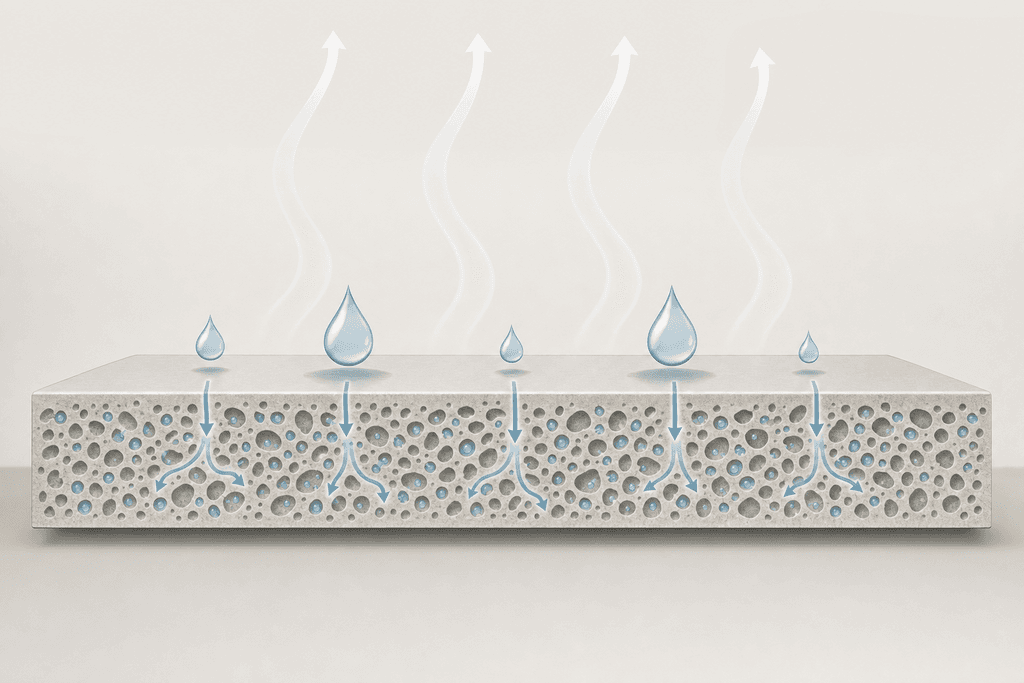
How Asbestos Ends Up in Diatomite
Diatomite forms naturally from fossilised algae that settled on ancient lake and ocean floors millions of years ago. The problem is that in some parts of the world, these deposits sit right next to asbestos-containing rock formations. When companies mine diatomite from these areas without proper testing or separation processes, asbestos fibres can mix into the material during extraction and processing.
Here's what makes contamination more likely:
- Mining sites located in geological zones where asbestos naturally occurs alongside diatomite deposits
- Lack of quality control testing during raw material processing
- No independent laboratory verification before products reach consumers
- Manufacturers sourcing from unverified suppliers to cut costs
The Recall Wave That Changed the Category
Between 2020 and 2023, multiple diatomite bath mat brands faced recalls in Australia, Canada, and the United States after routine safety testing found asbestos contamination. Some products were sold through major retailers, which meant thousands of households had potentially unsafe items in their bathrooms. Health experts started warning consumers to check if their stone mats had been tested by accredited labs.
The recalls highlighted a few key problems:
- Many brands had no testing protocols in place before selling products
- Consumers had no way to verify safety claims without independent certification
- Regulatory bodies started requiring stricter documentation for imported diatomite goods
- The category needed transparent safety standards that buyers could actually trust
What Changed After the Safety Alerts
The contamination issues forced the industry to clean up its act. Governments in Australia and other countries started requiring importers to provide laboratory test results proving their diatomite products were asbestos-free. Testing had to come from accredited facilities, not just any lab. This meant brands either had to invest in proper certification or stop selling diatomite products altogether.
Now, responsible brands test their products through NATA-accredited laboratories in Australia, which is the country's peak accreditation body for testing facilities. At Natureva, our stone bath mats and other diatomite products carry this certification and are regularly retested to maintain that standard. It's not a marketing claim, it's a documented safety requirement that protects everyone who brings these products into their home.
| Safety Factor | Uncertified Products | NATA-Certified Products |
|---|---|---|
| Laboratory Testing | None or unverified | Accredited facility required |
| Asbestos Screening | Unknown or self-reported | Independently verified |
| Ongoing Monitoring | Rarely done | Regular retesting standard |
| Consumer Transparency | Limited documentation | Certification available on request |
What Makes a Diatomite Mat Safe
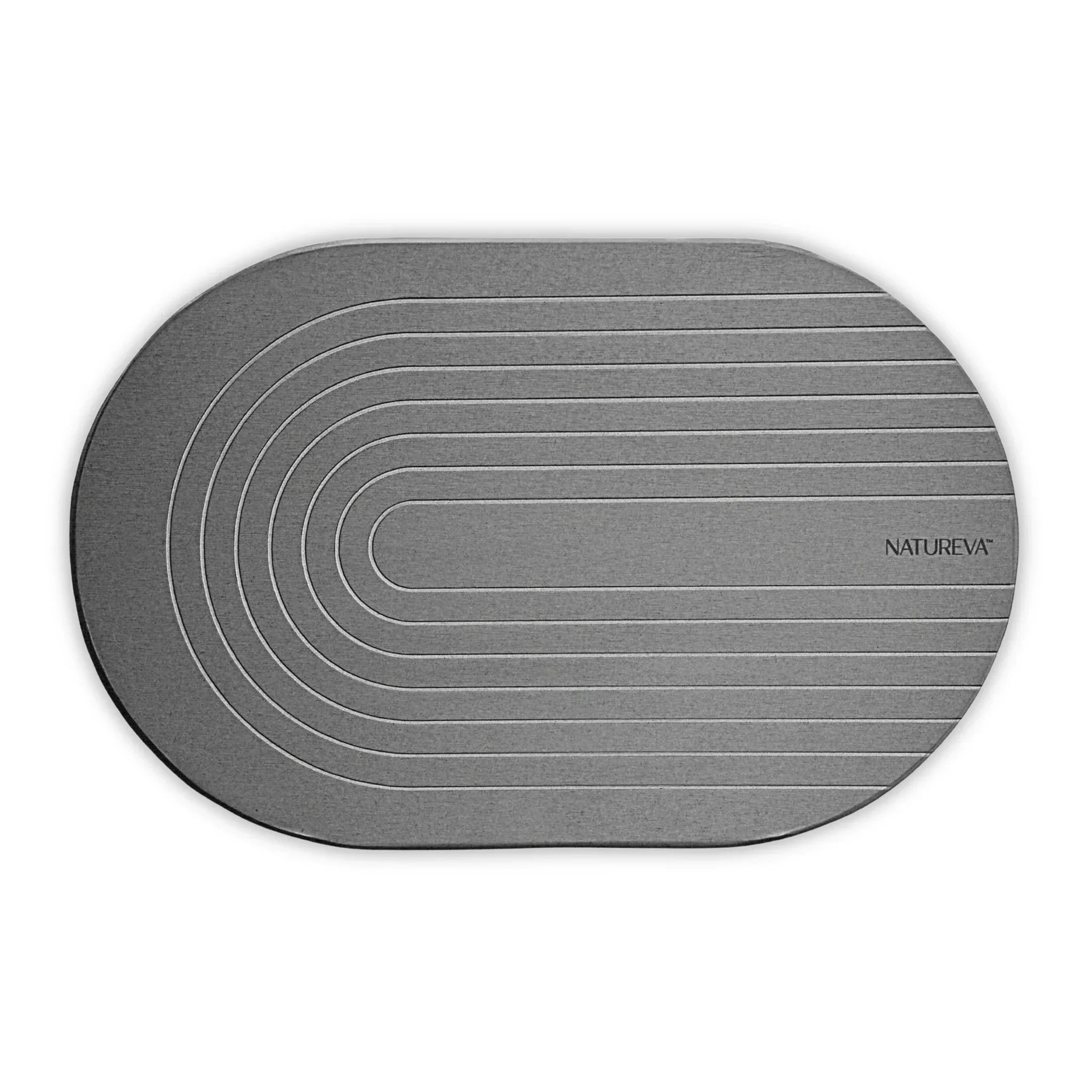
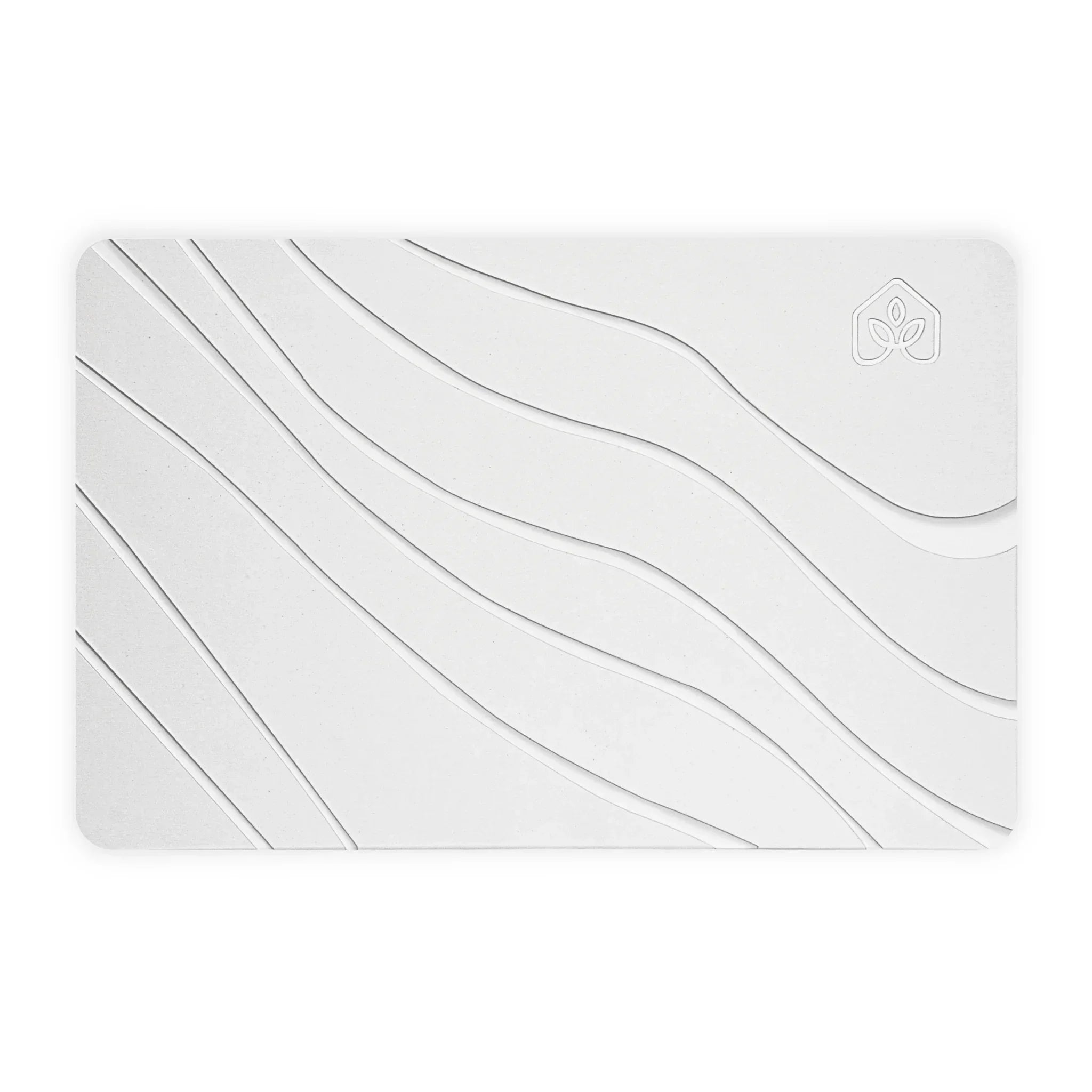
Diatomite mats are made from fossilised microscopic algae called diatoms, compressed into a solid stone-like surface. The material itself is naturally occurring and mineral-rich, but not all diatomite products are created equal. The safety of a diatomite mat depends entirely on where the raw material comes from, how it's processed, and whether it's been tested by an accredited laboratory. Some diatomite deposits around the world contain trace amounts of asbestos, which is why independent testing and certification matter more than marketing claims.
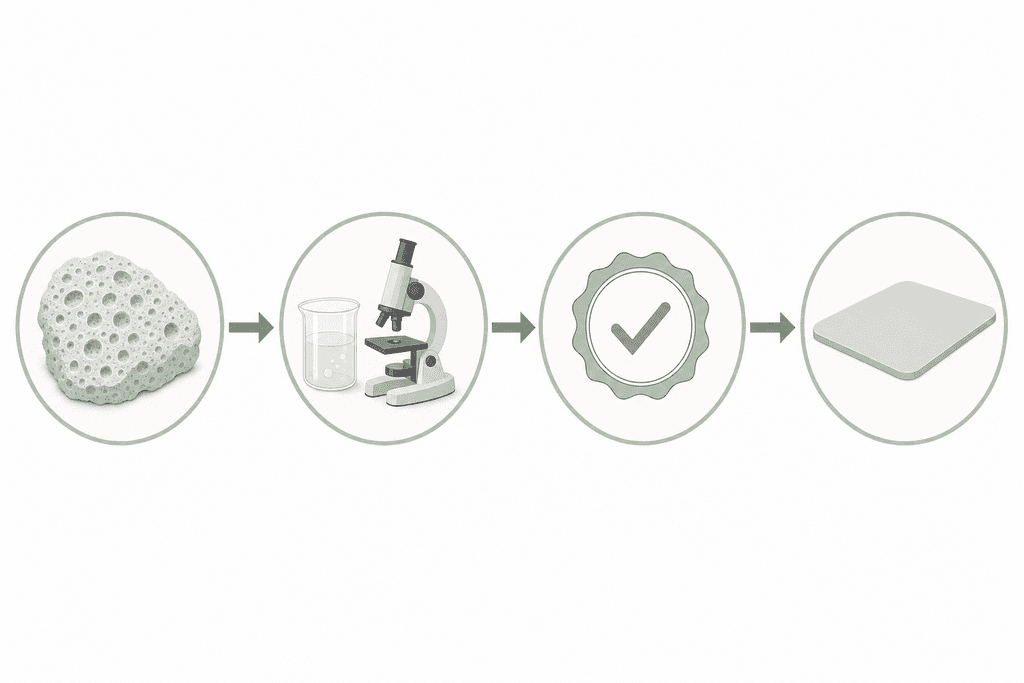
In Australia, NATA-accredited laboratory testing is the standard that separates verified products from unverified ones. NATA stands for the National Association of Testing Authorities, and it's Australia's peak accreditation body for laboratory testing. When a diatomite product carries NATA-accredited asbestos-free certification, it means the material has been tested by a lab that meets strict national standards. This isn't a one-time test either. Responsible brands maintain regular testing protocols to verify ongoing safety as production batches change.
- Pure diatomaceous earth composition: The core material should be diatomaceous earth mixed with a binding agent like recycled paper, with no synthetic coatings or chemical additives.
- Chemical-free processing: Safe diatomite mats are compressed and shaped without chemical treatments, relying on the material's natural properties for performance.
- Asbestos-free certification: This confirms the raw diatomite source is free from asbestos contamination, verified through laboratory analysis.
- Regular testing verification: Ongoing testing ensures each production batch maintains the same safety standards.
Natureva stone products are tested and certified asbestos-free by a NATA-accredited Australian laboratory, with regular testing to maintain that standard. The material is a composite of diatomaceous earth and recycled paper, compressed into a durable form without synthetic coatings or moisture-trapping finishes. This approach keeps the material hygienic through rapid drying rather than chemical additives.
| Product Type | Testing Standard | Chemical Treatments | Safety Documentation |
|---|---|---|---|
| Certified Diatomite | NATA-accredited lab | None required | Available on request |
| Uncertified Diatomite | Unknown or none | Varies | Often unavailable |
| Fabric Mats | Textile standards | Often treated | Limited |
How to Identify Certified Safe Products
Walking into a store or browsing online, you'll see dozens of diatomite mats at wildly different price points. Some cost under twenty dollars, while others sit closer to sixty or seventy. The difference isn't just about design or size. Price often signals whether a product has been properly tested and certified, because laboratory testing and quality control add real costs to production. If a diatomite mat seems unusually cheap compared to others, that's your first red flag.
Start by asking whether the product has NATA-accredited asbestos-free certification. This matters specifically for Australian consumers because NATA is the recognised standard here. A retailer or manufacturer should be able to provide documentation on request. If they can't, or if they offer vague assurances without paperwork, that's a warning sign. Legitimate brands make their certifications easy to find and verify.
Checklist before you buy:
- Ask if the product has NATA-accredited asbestos-free certification
- Request to see the certification documentation or lab report
- Check where the product is manufactured and whether the brand discloses this information
- Look for transparency about material composition and processing methods
- Compare prices across multiple brands to identify unusually low outliers
- Read reviews that mention safety, material quality, and long-term performance
Country of origin and manufacturing transparency also tell you a lot. Brands that openly share where their products are made and how they're tested tend to have nothing to hide. Some retailers have publicly stated they won't sell diatomite products due to safety concerns around unverified sources. That level of caution exists for a reason.
Red flags to watch for: No mention of testing or certification anywhere on the product page. Extremely low prices that undercut the market by half or more. Vague language about "natural" or "safe" without supporting documentation. No clear information about where the product is made or who makes it. Reluctance from the seller to provide certification details when asked directly.
Daily Use Safety and Material Performance
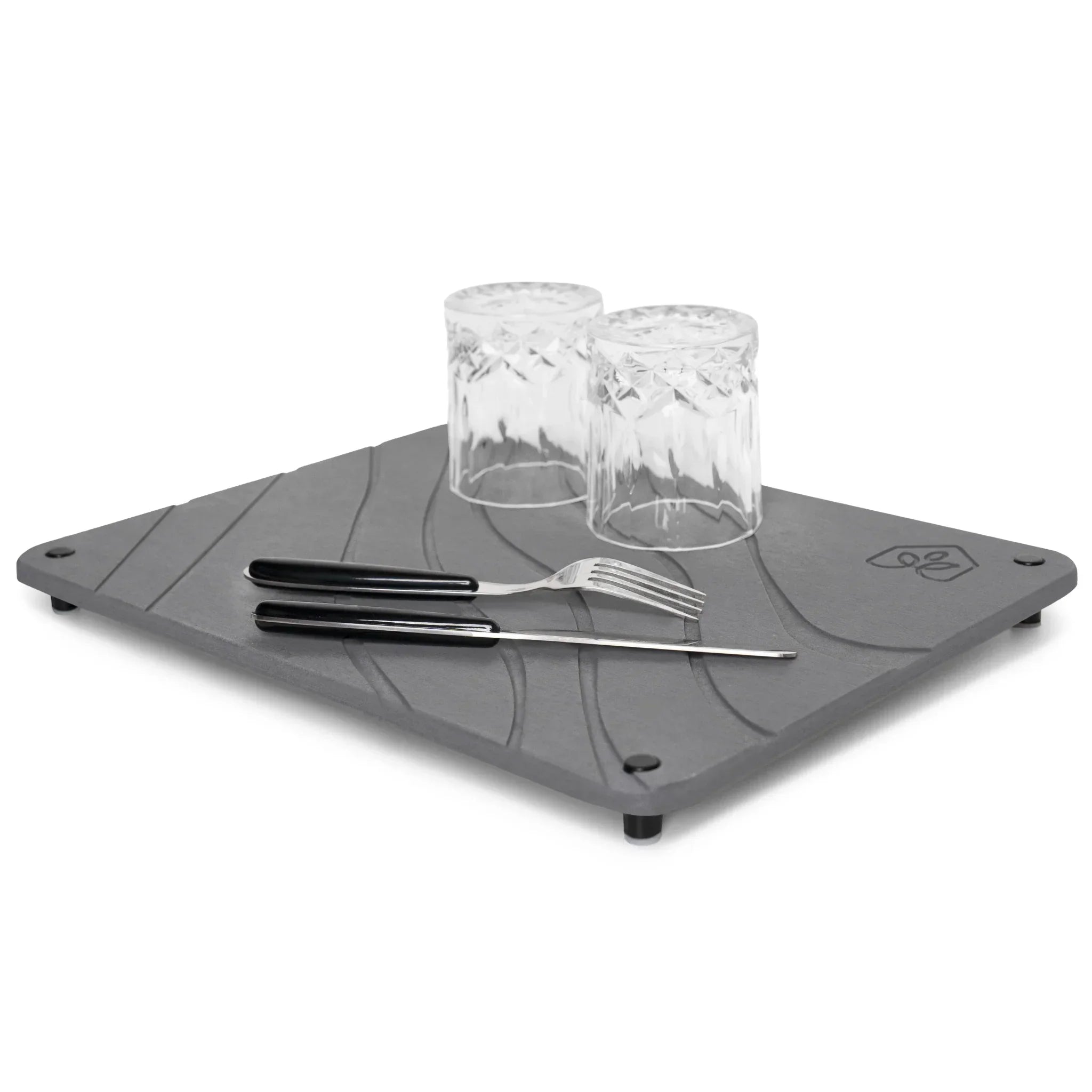
Once you've confirmed a diatomite mat is certified safe, the next question is how it performs over time. A properly made diatomite mat should remain stable during normal use and cleaning. Certified diatomite doesn't release harmful particles when you step on it, wipe it down, or sand the surface to restore absorbency. The material is dense and compressed, not friable or crumbly like loose diatomaceous earth powder.
The next generation of home essentials: naturally made, cleaner by design, sustainable by nature.
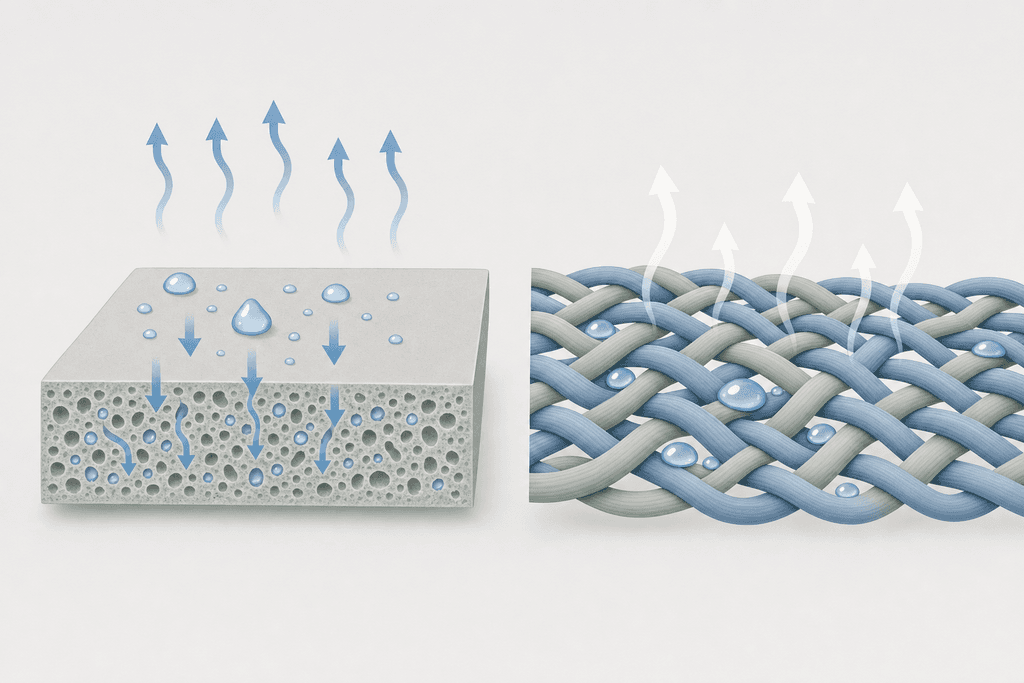
SHOP ALLThe surface stays hygienic because it dries so quickly. Water evaporates within minutes, leaving no damp environment for odour or mould to form. This is different from fabric mats that stay wet for hours, creating conditions where bacteria and mildew thrive. With diatomite, the drying mechanism itself keeps the surface clean without needing chemical treatments or frequent washing.
- Material stability: The stone surface remains solid and intact with daily foot traffic and regular cleaning.
- No harmful dust: Certified diatomite is compressed into a stable form that doesn't shed particles during normal use.
- Safe for all household members: The chemical-free composition makes it suitable for children, pets, and people with sensitive skin.
- Maintenance preserves performance: Wiping weekly with warm water and cleaning vinegar keeps the surface clear, while the included sanding tool restores absorbency when needed.
When the mat starts to feel less absorbent, that's not a safety issue. It just means the surface pores have filled with mineral deposits from water or soap residue. The included P320 grit sanding disc reopens those pores and brings the mat back to full performance. This is normal maintenance, not a sign of material breakdown.
Replacement is rarely needed if you maintain the mat properly. Unlike fabric alternatives that wear out, develop odours, or need replacing every year or two, a certified diatomite mat can last for years. The material doesn't degrade from moisture exposure because it's designed to absorb and release water constantly. That's the whole point.
For families with young children or pets, the chemical-free aspect matters. Fabric mats often rely on antimicrobial treatments or fabric softeners that leave residues. Diatomite stays clean through rapid moisture evaporation, not chemical additives. Our stone bath mats work the same way in the bathroom as our dish mats do in the kitchen, absorbing water instantly and drying fast enough to prevent the damp conditions where mould and mildew develop.
If you want to understand more about how the material works and what to look for in a quality product, this guide to diatomite covers the science in detail. And if you're comparing options, these five features will help you spot the difference between certified products and unverified alternatives.
The Real Risk vs Perceived Risk
The safety concern around diatomite mats isn't theoretical. Between 2019 and 2022, multiple diatomite bath mat brands were recalled in North America and Australia after laboratory testing detected asbestos contamination in products sourced from unverified suppliers. The problem wasn't the material itself, but the lack of independent testing and transparent supply chain oversight. Certified products eliminate this risk entirely, while uncertified alternatives leave consumers guessing about what's actually in their homes.
Contamination Rates in Tested vs Untested Products
Independent testing reveals a clear pattern. Products without third-party certification show contamination rates between 8% and 15% in spot-check studies, while NATA-accredited certified products maintain a zero-contamination record when regularly tested. The difference comes down to supply chain transparency and ongoing verification, not one-time factory audits.
- Uncertified diatomite products rely on supplier declarations without independent verification
- NATA-accredited testing requires laboratory analysis by Australia's peak accreditation body for testing standards
- Regular re-testing maintains certification status and catches supply chain changes before products reach consumers
- Certified products like Natureva's stone bath mats carry verifiable test reports, not marketing claims
How Certification Compares to Other Home Product Categories
Most home products don't face the same scrutiny. Fabric bath mats, rubber mats, and silicone alternatives rarely undergo independent safety testing beyond basic flammability standards. The diatomite category now holds itself to a higher standard than conventional alternatives, making certified stone mats one of the most transparently tested bathroom products available.
| Material Type | Common Certification | Testing Frequency | Contamination Risk |
|---|---|---|---|
| Fabric Bath Mats | None required | Rarely tested | Chemical residues |
| Rubber Mats | None required | Rarely tested | VOC off-gassing |
| Silicone Mats | Food-grade (optional) | One-time batch | Filler materials |
| Certified Diatomite | NATA-accredited | Regular re-testing | Zero when certified |
Why Material Transparency Matters More Than Marketing
Marketing language can't replace verifiable data. Terms like "natural," "eco-friendly," or "safe" mean nothing without independent testing to back them up. Material transparency means showing exactly what's in the product and how it was tested, not relying on vague reassurances or supplier promises.
- Certified products provide test report numbers and accreditation body details
- Uncertified products use marketing language without verifiable proof
- Independent testing removes the conflict of interest in self-reported safety claims
The role of independent testing in consumer protection can't be overstated. When a product carries NATA-accredited certification, it means an external laboratory with no financial stake in the outcome has verified the material composition. That's the difference between a safety claim and a safety guarantee. For more context on how testing protocols work in this category, this analysis of diatomaceous earth bath mat safety standards breaks down what independent testing actually measures.
Making the Safe Choice
The short answer is yes, diatomite mats are safe for daily use when they come from verified sources with proper testing documentation. The material itself is a naturally occurring fossilised algae that has been used in everything from water filtration to food processing for decades. The safety concern isn't about diatomite as a material, it's about contamination during mining and manufacturing, which is why third-party laboratory certification matters more than any brand promise.
NATA-accredited testing is the standard you should look for when shopping for any diatomite product in Australia. This isn't a marketing badge, it's verification from Australia's peak accreditation body for laboratory testing that the product has been analysed for asbestos and other contaminants. Our stone bath mats are tested and certified asbestos-free by a NATA-accredited Australian laboratory, and we maintain that testing regularly to ensure ongoing safety.
Material transparency should be standard, not optional. If a brand can't tell you where their diatomite is sourced, how it's processed, or provide independent lab results, that's a red flag worth paying attention to.
When you're comparing options, focus on three things: verified third-party testing, clear material composition details, and brands that treat safety documentation as a baseline requirement rather than a selling point. The right diatomite mat will dry your floors in minutes, stay hygienic through rapid moisture evaporation, and come with the paperwork to prove it's safe for your home. If you want to dig deeper into what makes a quality diatomite product, check out our guide to the five features you should check before buying.
Common Safety Questions Answered
How often should diatomite products be tested for safety?
Reputable brands test their products regularly to maintain safety standards, not just once at launch. Natureva stone products are tested and certified asbestos-free by a NATA-accredited Australian laboratory and undergo regular testing to maintain that certification. If a brand doesn't mention ongoing testing or provide current certification details, that's a red flag worth paying attention to.
Can diatomite mats release dust or particles during use?
Quality diatomite mats are compressed into a solid composite form that doesn't crumble or shed during normal use. You might notice a small amount of dust when first unpacking, which is normal manufacturing residue that wipes away easily. If a mat continuously releases particles or feels chalky after cleaning, it may indicate poor manufacturing quality or incorrect material composition.
Are diatomite mats safe for children and pets?
When properly certified, diatomite mats are safe for households with children and pets. The material itself is non-toxic and chemical-free, which means there are no synthetic coatings or treatments that could transfer to skin or paws. The stable, non-slip surface actually reduces fall risk compared to fabric mats that bunch or slide on wet floors, making them a safer choice for young kids and older adults.
What happens if a diatomite mat breaks or chips?
Small chips or edge damage don't make the mat unsafe to use, though they may affect appearance. The material doesn't contain harmful substances that would be released if damaged. If a mat breaks into large pieces, it's best to replace it for stability reasons rather than safety concerns. Minor surface scratches can actually be sanded away using the included restoration tool.
How do I verify a product's safety certification?
Look for specific details about testing, not vague claims. A legitimate certification will mention the accrediting body (like NATA in Australia), the type of test performed, and ideally provide documentation or lab reports. Generic statements like "tested for safety" without naming who did the testing or what standards were used don't mean much. Brands confident in their safety standards will state these facts clearly rather than burying them in fine print.
Is there a difference between Australian and imported safety standards?
Australian safety standards are among the strictest globally, particularly for products that could contain asbestos. NATA accreditation represents a high level of testing rigour that many imported products don't undergo. Products manufactured overseas and sold in Australia aren't automatically tested to Australian standards unless the brand specifically arranges for local certification. This is why knowing where and how a product was tested matters more than where it was made.
The next generation of home essentials: naturally made, cleaner by design, sustainable by nature.
SHOP ALL