

Bathroom Runner Mats Guide for Safer, Drier Floors
A bathroom runner mat is just a long, narrow mat, usually placed in front of a double vanity, along a shower line, or down a hallway between two wet areas. It covers more floor than a standard bath mat, which sounds useful until the extra length starts working against you. A longer mat holds more water across a wider surface, and most fabric runners take well over an hour to dry through in the middle, even when the edges look fine. That trapped moisture sits against the floor the whole time, which is exactly the setup mould needs.
The real issue isn't the shape, it's what the mat is made from. A cotton or microfibre runner soaks up water and holds it in its fibres until air slowly pulls it back out, and in a closed bathroom with poor airflow that can stretch the drying time out for most of a day. A mat made from a fast-evaporating material handles the same length of floor without holding water underneath it, because the moisture doesn't sit in woven fibres in the first place. Length is easy to shop for. Drying time and what happens under your feet an hour later are the things that actually decide whether a runner keeps your floor safer and cleaner.
Table of Contents
Why Bathroom Floors Stay Wet Longer Than You Think
A shower run adds warm moisture to the air, wet feet track more water onto the floor, and most bathrooms have one small extractor fan that can't clear all of it fast. That combination keeps tiles and any mat covering them damp for hours after the last person has showered, especially in bathrooms without a window. Poor ventilation is the multiplier, it doesn't cause the puddle but it decides how long the puddle sticks around.
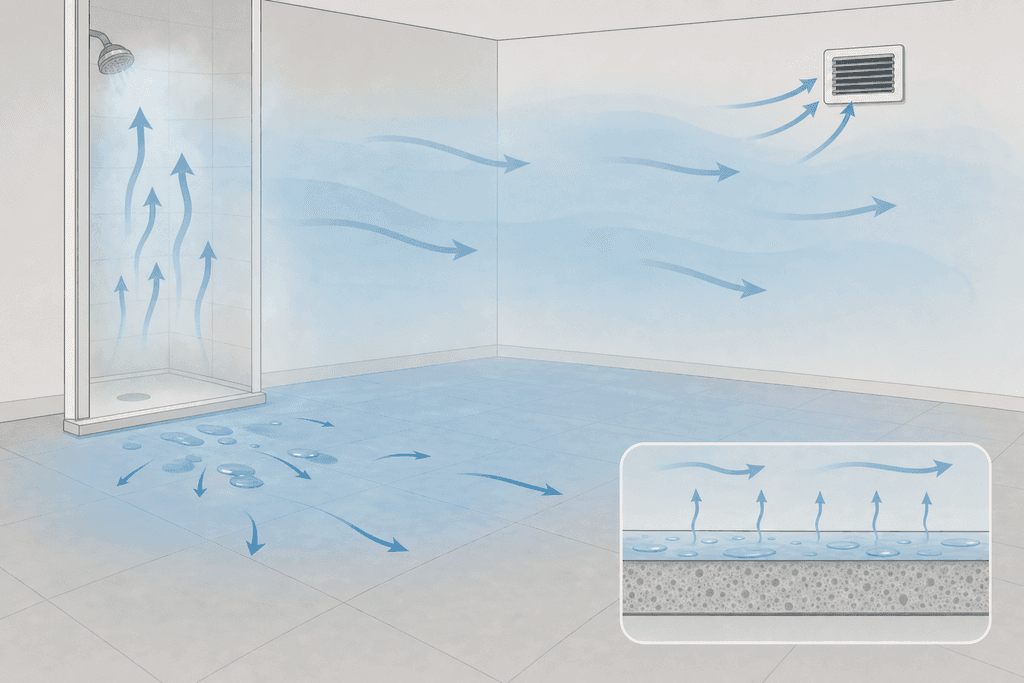
Fabric and rubber runners make this worse because of how they're built. Woven fibres hold water inside the weave rather than letting it evaporate, and a rubber backing seals moisture against the tile underneath, so the floor stays wet even after the mat surface looks dry. That combination of damp fibre and no airflow underneath is the exact condition mould and mildew need to take hold.
The table below compares how the three common runner materials behave once they're wet.
| Material | Typical drying time | Slip risk when wet | Mould risk |
|---|---|---|---|
| Fabric (cotton/microfibre) | Over an hour, often most of a day | High, edges curl and shift | High |
| Rubber | Slow, water trapped beneath | Moderate, can slide on tile | High |
| Diatomite stone | Minutes | Low, stable and non-slip base | Low |
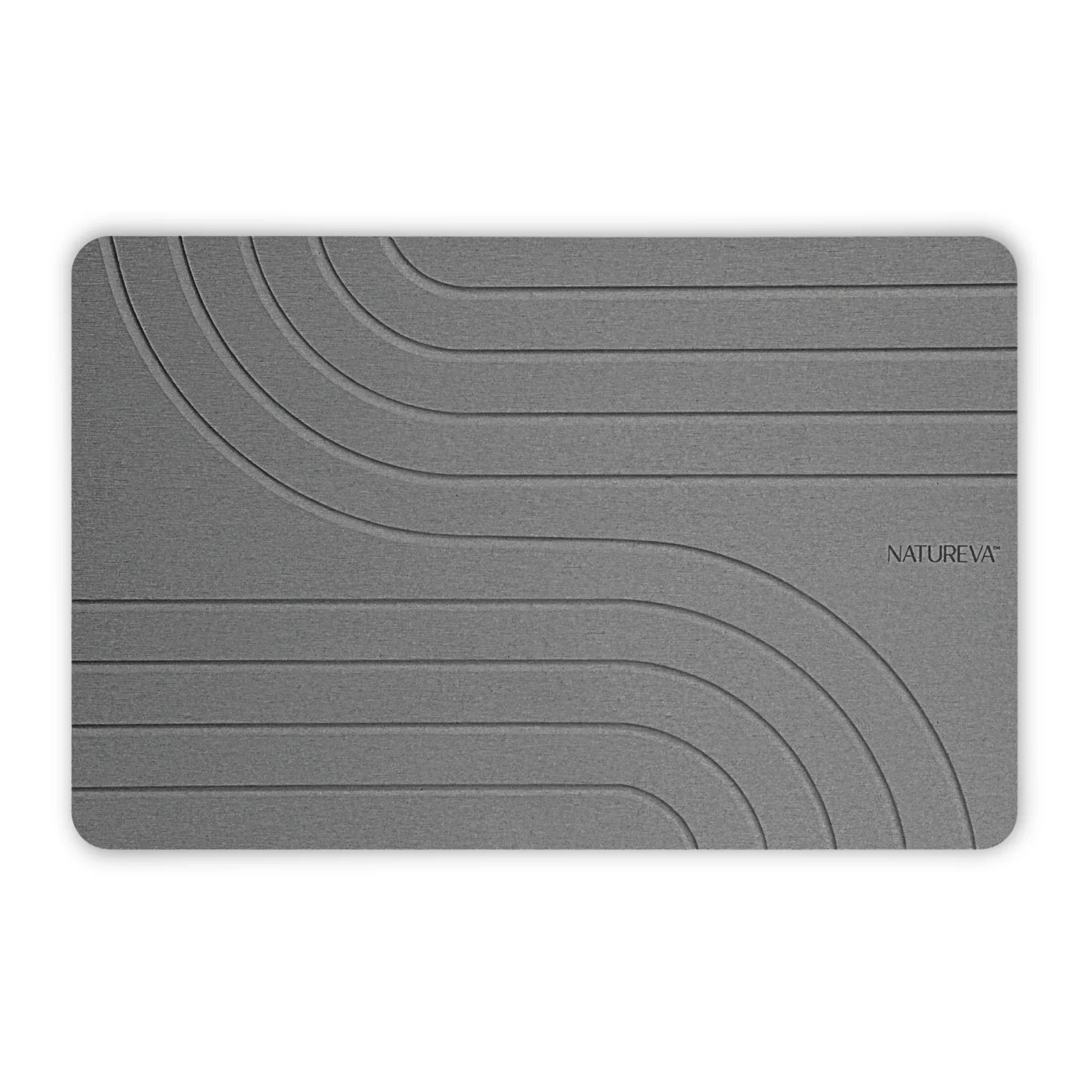
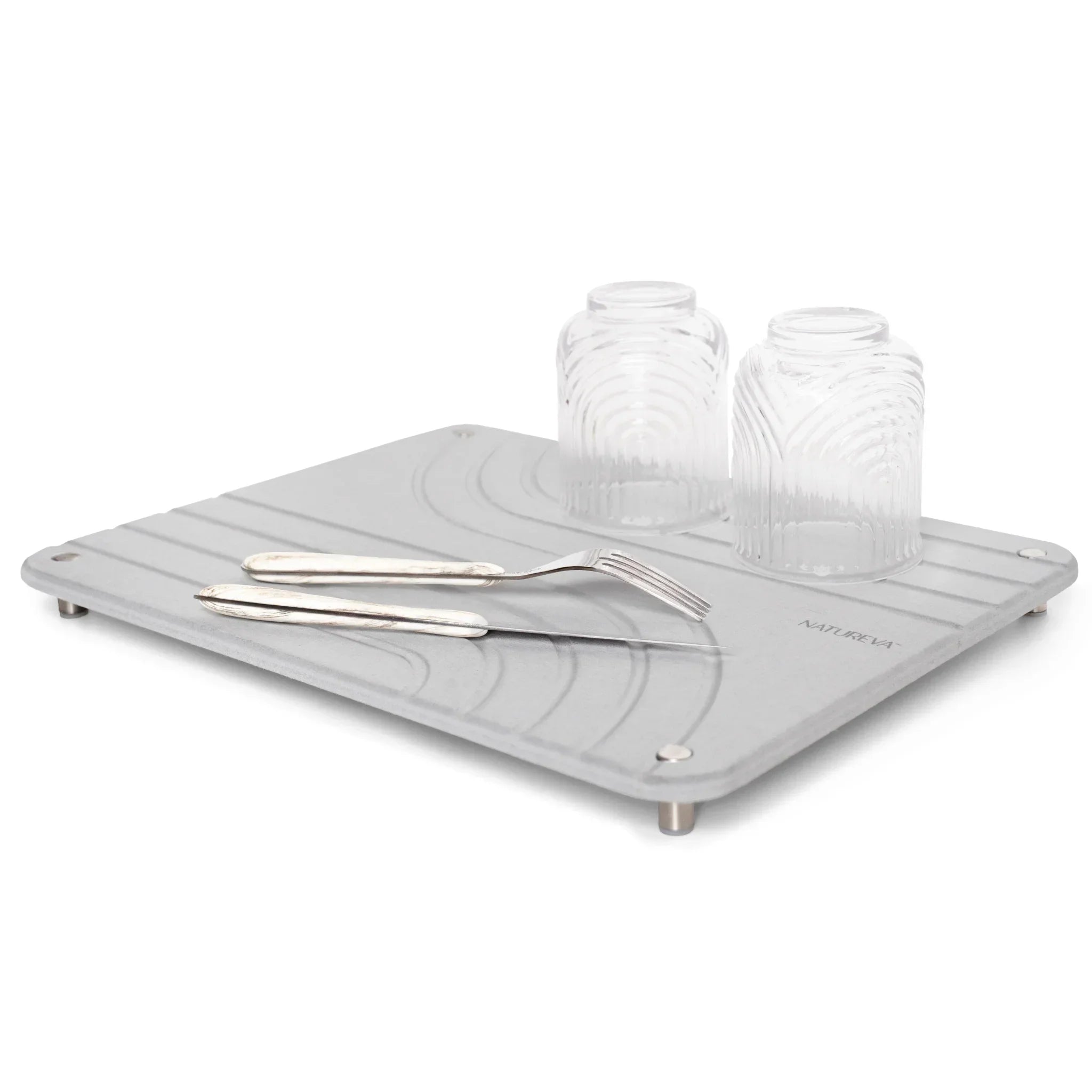
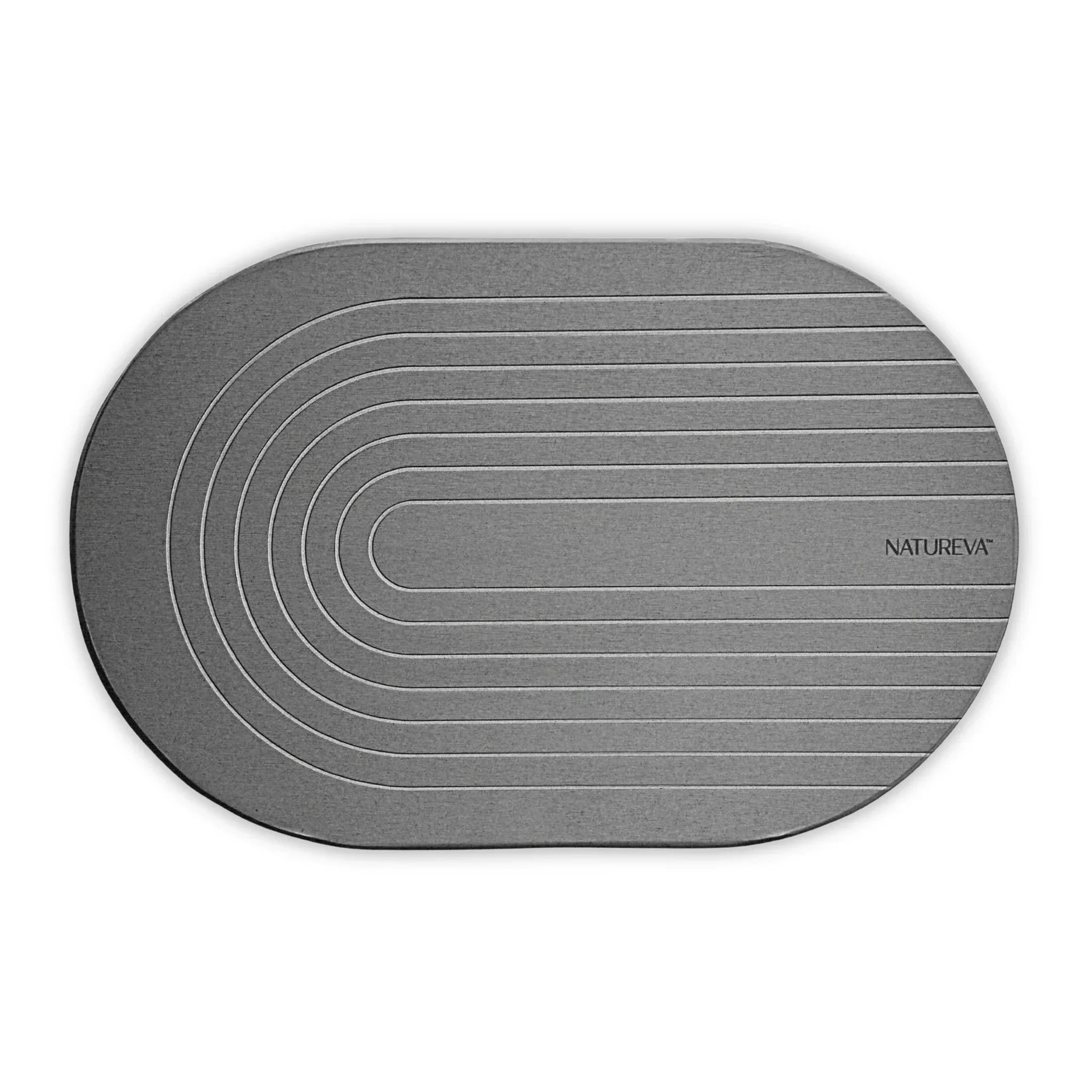
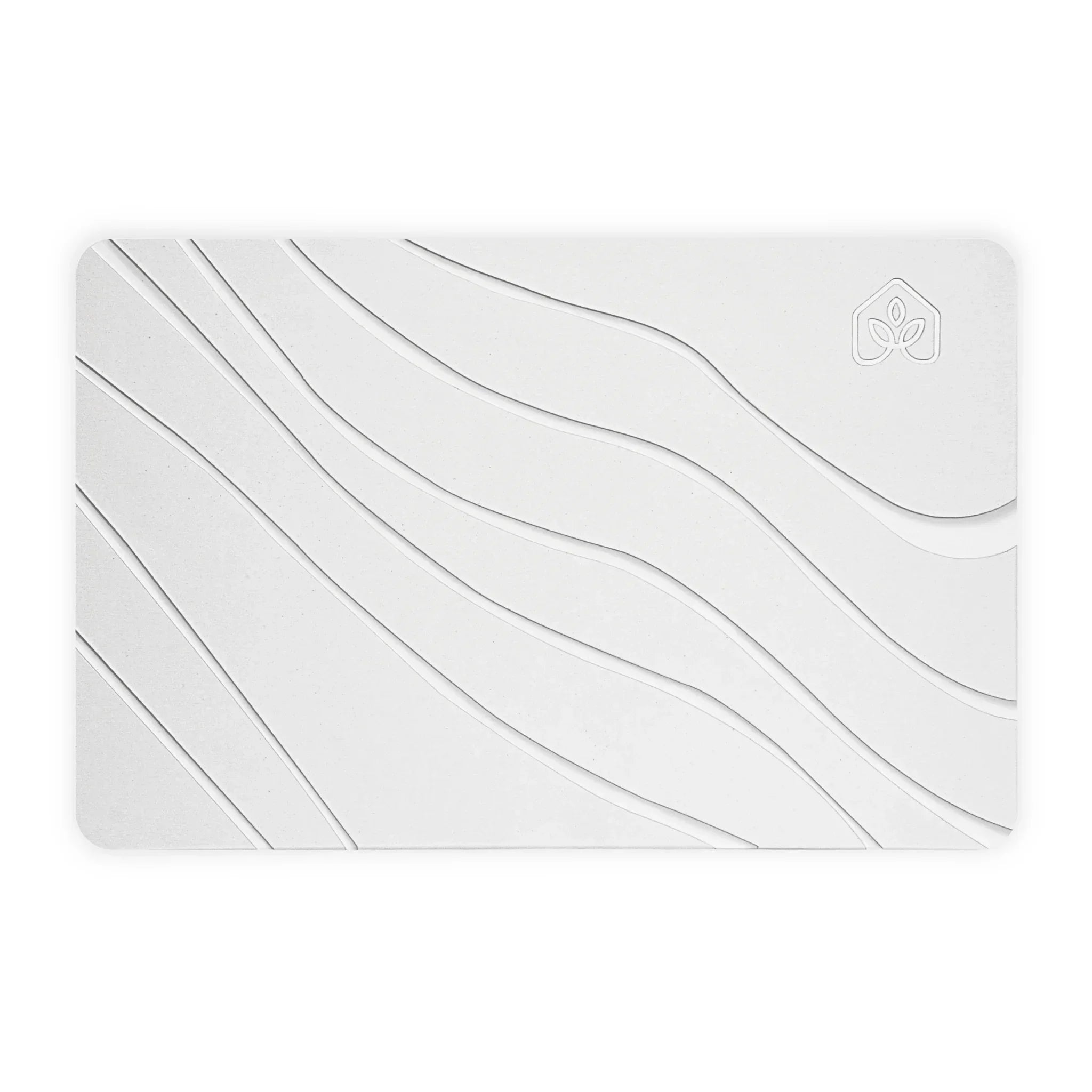
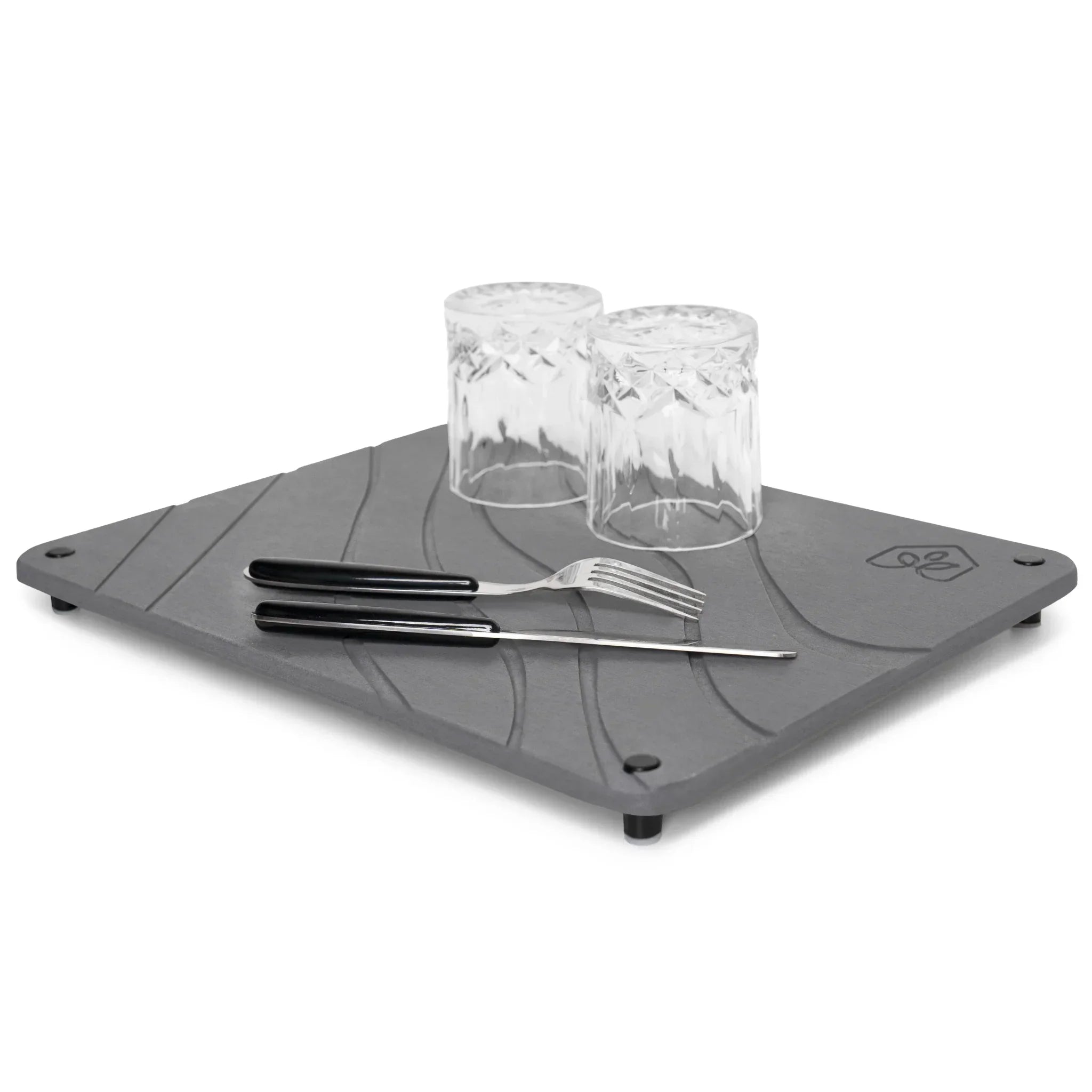
Stone runners work differently because the material itself pulls water in on contact and releases it back into the air through evaporation, which is the same mechanism behind the Rain stone bath mat. That's a fast-drying surface that reduces the conditions where mould and mildew develop, rather than a coating trying to mask them.
What Makes a Bathroom Floor Actually Safe
A safe bathroom floor starts with what stays underneath your feet the moment it gets wet, not how soft the mat feels. Fabric runners bunch, curl, and slide across tile, and the problem gets worse the longer the runner is, since there's more loose material to shift when a foot lands on it. For older adults and children, a stable base that won't slide matters more than cushioning, because a fall on tile happens in the half second before anyone notices the mat has moved.
Stone bath mats stay flat and fixed because of a non-slip base pad bonded to the underside, so the mat doesn't need to be heavy to stay put, it just needs to grip. Weight and rigidity still play a role: a rigid slab can't bunch the way woven fabric can, and that rigidity is what keeps the surface flat even when one edge gets wetter than the other.
- Check for a bonded non-slip base, not just a textured top surface
- Test how the mat sits on your specific tile, since grip varies by floor finish
- Favour rigid materials over loose weave for longer runner lengths
- Look for a flat profile with no curling edges at the corners
How Long a Wet Floor Really Stays Wet
Absorbency and drying speed are not the same thing, and drying speed is what actually keeps a floor safe. Cotton and microfibre runners pull water into their fibres and hold it there, staying damp for hours after the last shower, which is long enough for bare feet to track moisture straight back onto the tile. Rubber-backed mats have a different problem: the backing seals moisture underneath the mat, creating a hidden damp layer against the floor that you won't see until you lift the mat up.
Diatomite stone works on a different mechanism entirely. It absorbs water on contact and releases it back into the air through rapid evaporation, so the surface dries within minutes rather than hours. That speed is the whole point: a fast-drying surface reduces the conditions where mould and mildew develop without any chemical treatment added to the mat.
- Cotton and microfibre: absorb well, dry slowly, stay damp for hours
- Rubber-backed mats: trap water underneath, hide a damp layer against the tile
- Diatomite stone: absorbs on contact, evaporates within minutes
The next generation of home essentials: naturally made, cleaner by design, sustainable by nature.
SHOP ALLMatching Mat Length to Your Bathroom Layout
Start by measuring the walkway or vanity front you're covering, since guessing the length leads to overhang near doors or a runner that doesn't reach the full wet zone. A single long runner is harder to lift, dry fully, and store once it's saturated, especially in a small bathroom with nowhere to prop up a large mat.
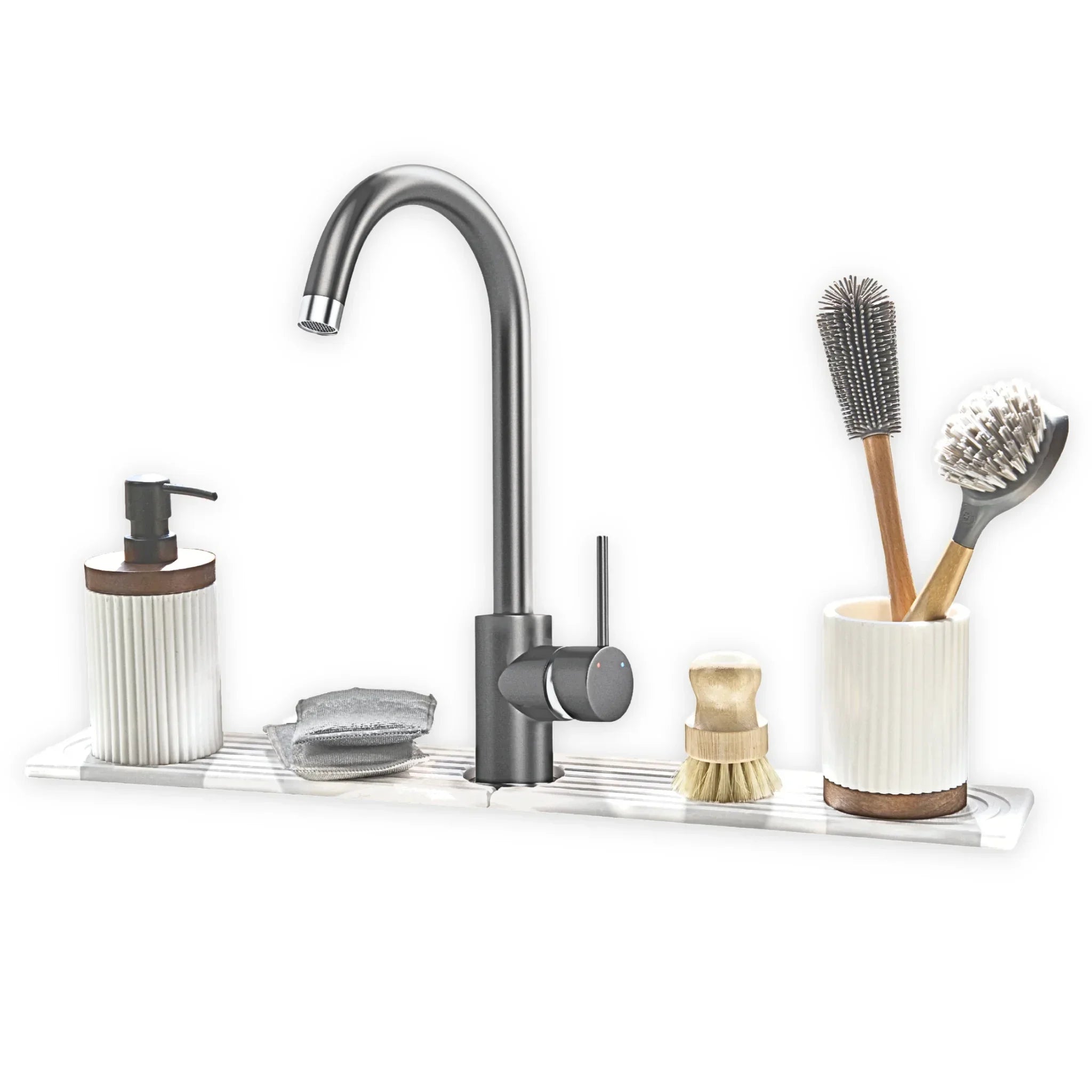
Placing two or three shorter stone mats end to end covers the same footprint as one long runner, and each piece dries on its own, so you're never waiting on one giant slab to finish evaporating. This also solves the storage problem, since a single stone mat is easier to stand upright against a wall than a long fabric runner. Coordinated patterns like Tide, Flow, Arch, and Rain, shown across the diatomite bath mat collection, let multiple shorter mats sit side by side without looking like mismatched pieces.
- Measure the exact walkway or vanity front before ordering
- Choose two or three shorter mats over one long runner for a double vanity
- Pick matching patterns so the combination reads as one design, not spare parts
- Leave a small gap between mats for airflow on both edges
Keeping Any Runner Mat Working Long Term
Maintenance effort is where materials separate the most over a year of daily use. Fabric runners need frequent machine washing to stop odour and mildew building up in the fibres, which adds a recurring load to your laundry routine that most people underestimate when they buy one. Rubber-backed mats have their own failure point: the backing can crack or degrade over time, and grime works its way underneath where you can't easily clean it.
Stone mats need only a weekly wipe with a damp cloth and cleaning vinegar, plus occasional use of the included sanding tool to reopen surface pores and restore full absorbency, a process covered in more detail in the diatomite care guide. That lower weekly effort is the real comparison point against a higher upfront cost: a mat you wash once a week instead of washing a runner every few days adds up over a year.
- Fabric runners: wash every few days to control odour and mildew
- Rubber-backed mats: check underneath regularly for cracking and trapped grime
- Stone mats: wipe weekly, sand occasionally to restore absorbency
- Compare total yearly upkeep, not just the price tag on day one
Fabric Or Stone, Where Each One Belongs
A fabric runner still makes sense outside the wet zone, in a hallway leading to the bathroom or across a dry section of floor that never sees splash. Soft underfoot is a real benefit there, and drying time barely matters if the mat never gets properly wet in the first place.
Right beside a shower, tub, or double vanity, the calculation flips. That patch of floor gets soaked daily, so drying speed and a stable base matter more than cushioning, and a mat that curls or slides at the exact spot where wet feet land is a hazard, not a comfort feature.
| Factor | Fabric runner | Stone mat |
|---|---|---|
| Feel underfoot | Soft, cushioned | Firm, solid |
| Behaviour at splash zones | Curls, holds water | Stays flat, dries fast |
| Weekly upkeep | Frequent washing | Damp wipe only |
| Upfront cost | Lower | Higher |
The most practical setup in a lot of bathrooms uses both. A stone mat sits at the shower exit and in front of the vanity, where the arch bath mat's oval shape works well beside a freestanding tub, and a fabric runner covers the dry stretch leading to the door where softness has no downside.
Neither material is wrong on its own, the mismatch happens when a fabric runner ends up at the one spot in the room that gets soaked every single day.
Pick Your Wet Zones Before You Pick a Mat
Walk your bathroom and mark where water actually lands: the shower exit, the strip in front of the vanity, the gap beside the tub. Measure those spots first, not the longest open stretch of floor, since a runner that covers empty tile but misses the splash zone hasn't solved anything. Once you know the wet zones, choose the material for how fast it dries and how stable it sits underfoot, then worry about length, colour, and pattern last. A rigid, fast-evaporating surface at the shower exit does more for a dry, safe floor than an extra 30cm of fabric down the hallway. Natureva's stone bath mats are built for exactly those splash zones, drying within minutes instead of hours.
The next generation of home essentials: naturally made, cleaner by design, sustainable by nature.
SHOP ALLBathroom Runner Mat Questions
Can a stone mat be cut or trimmed to fit an odd-shaped bathroom space?
No, stone mats cannot be cut or trimmed. The diatomite composite is a rigid, compressed material, and cutting it would crack the surface and expose the raw material at the edge. If your space is an odd shape, use two or three smaller mats arranged around the fixtures instead of one large piece cut to size.
Will a stone mat crack if it's dropped or stepped on with wet, heavy force?
A stone mat can chip or crack from a hard drop onto a corner or edge, the same way a ceramic tile would. Normal foot traffic, including stepping on with wet feet, is what the mat is built for and won't damage it. The risk comes from impact, not weight or moisture, so treat it the way you'd treat a tile on the floor rather than a fabric mat.
Do I still need a fabric runner if I already have a stone mat by the shower?
Not at the shower itself, but a fabric runner still has a place on the dry stretch of floor between the bathroom door and the wet zone. The stone mat handles the splash area where drying speed and grip matter most. A fabric runner in a dry hallway adds softness without the mould risk, since it never gets properly soaked there.
How many stone mats do I need to cover a long bathroom walkway?
Most double vanities or long walkways need two to three stone mats placed end to end rather than one custom-length runner. Measure the walkway in sections and match mats to each wet zone, leaving a small gap between pieces for airflow. Natureva's Tide, Flow, Arch, and Rain patterns are designed to sit side by side as a matching set, so multiple mats read as one layout.