

Microfiber Bathroom Mats vs Stone Bath Mats
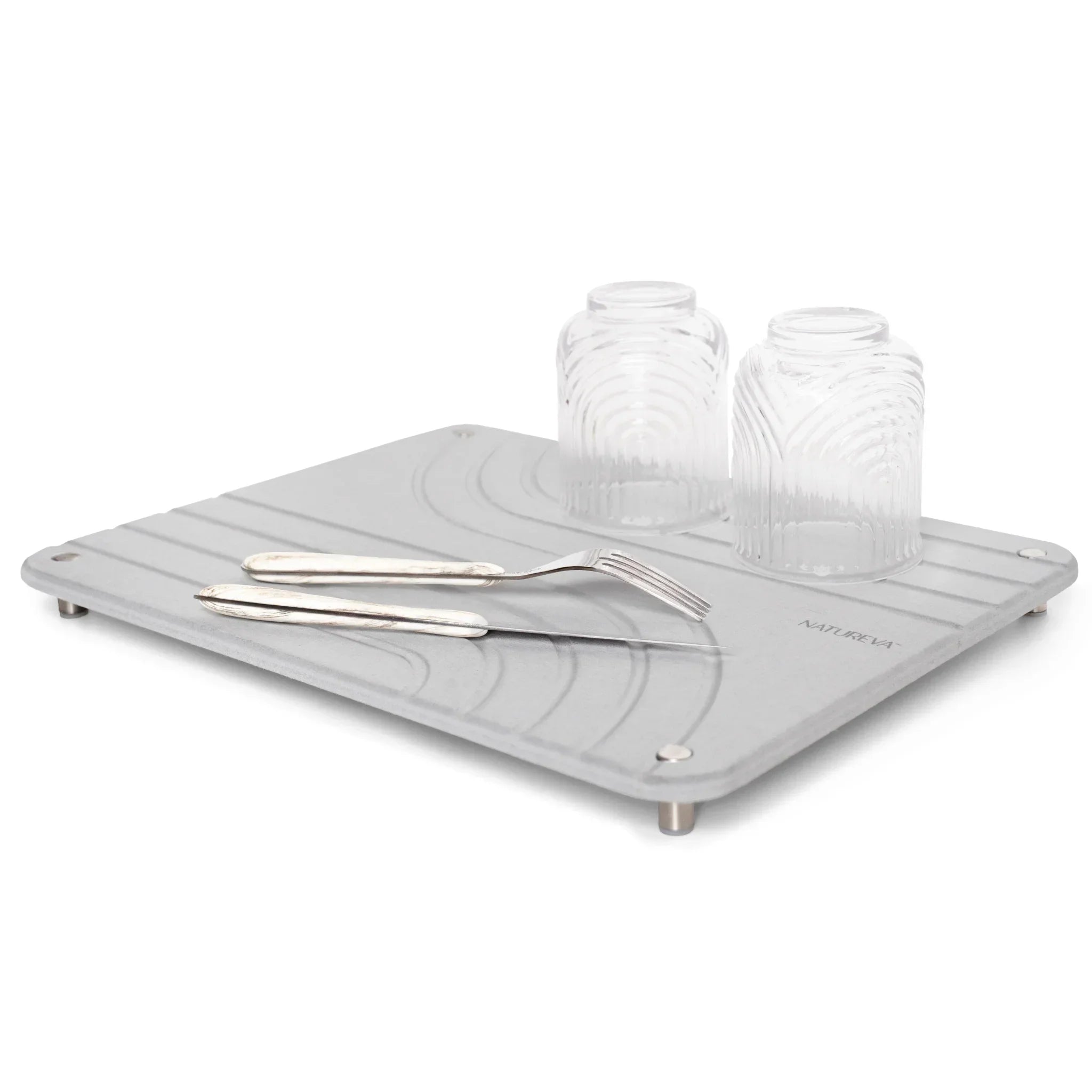
Stone dries a bath mat in seconds, a microfiber bathroom mat can stay damp for hours after the same shower. That gap is the whole decision. Microfiber soaks up water fast, which feels good underfoot at first, but the fibers hold onto moisture, so the mat sits wet until it fully air dries. Stone works the opposite way: it pulls water in and lets it evaporate off the surface almost right away, so the floor under it stays dry too.
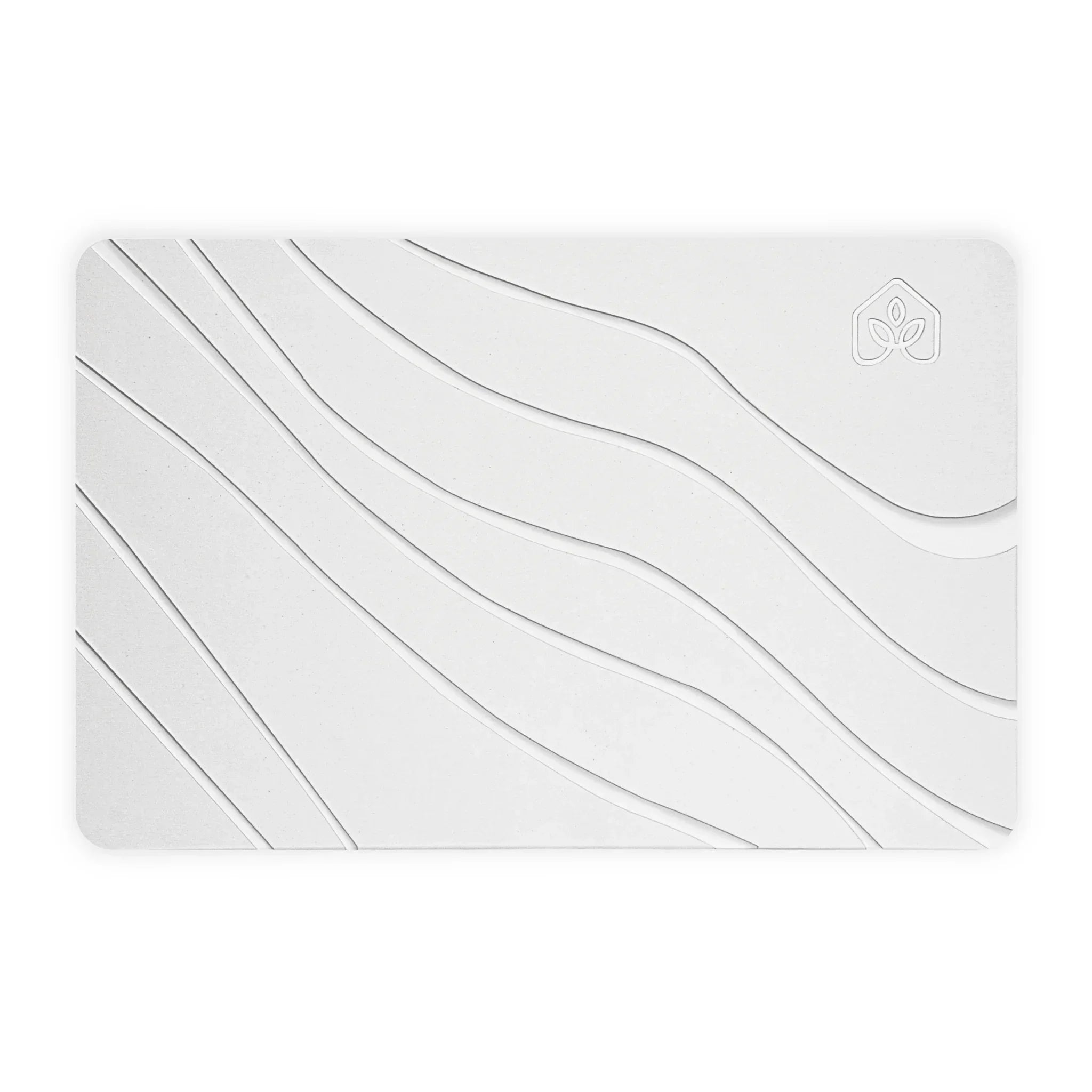
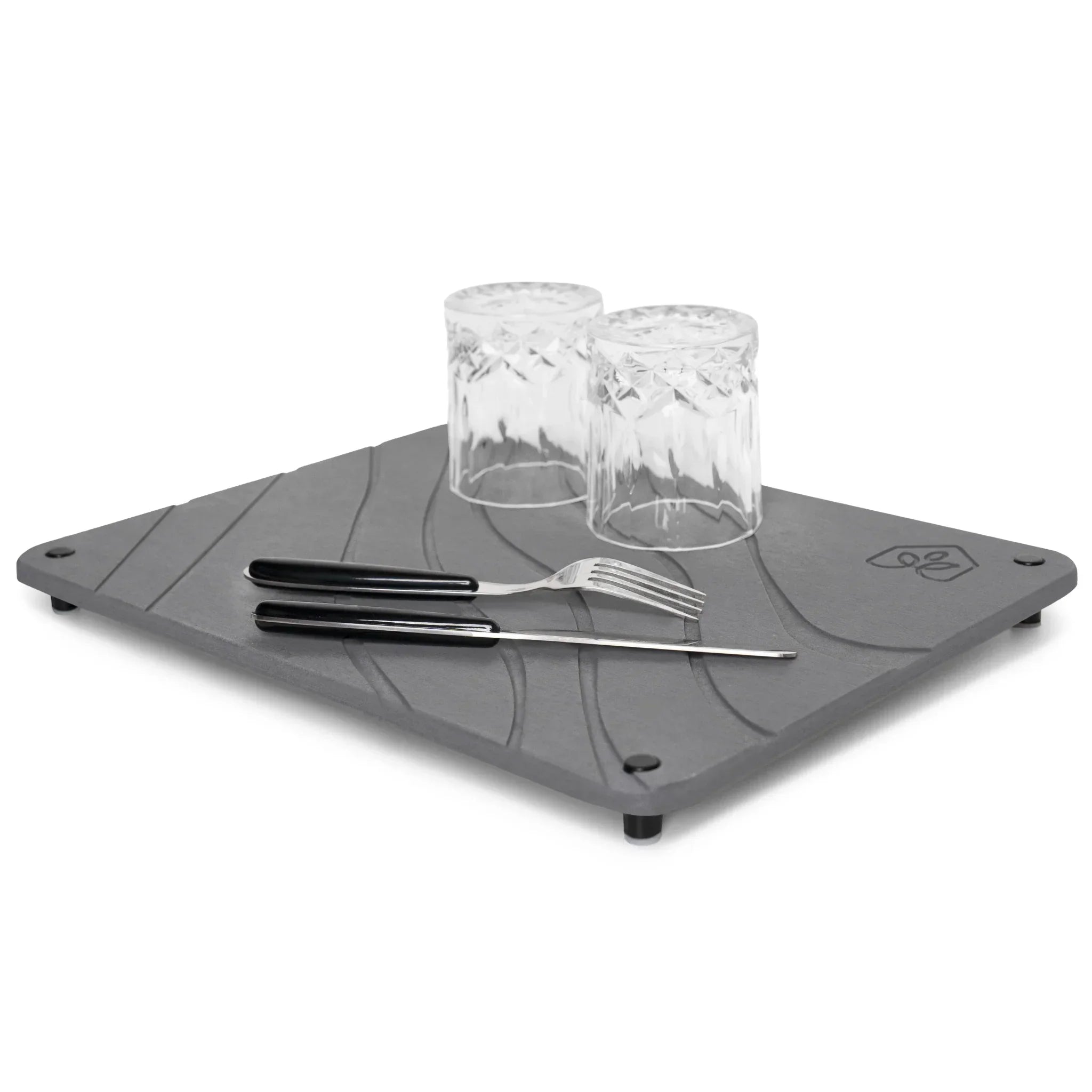
Picking the right mat comes down to size, color and style more than anything else, and you can filter for all three below to match your bathroom. Three stone mat styles are ready to ship right now at 59 dollars each: Tide, Arch, and Rain. Each one is cut from natural diatomaceous earth stone, so the drying speed is the same across all three, and the choice between them is really just about which pattern fits your space.
Table of Contents
Match Mat Size Color And Style To Your Bathroom
Most bath mats fall into three size categories. A small mat runs about 16x24 inches and fits in front of a sink or shower stall, a runner stretches to 20x32 inches for a double vanity or long tub, and a contour cut wraps around the base of a toilet.
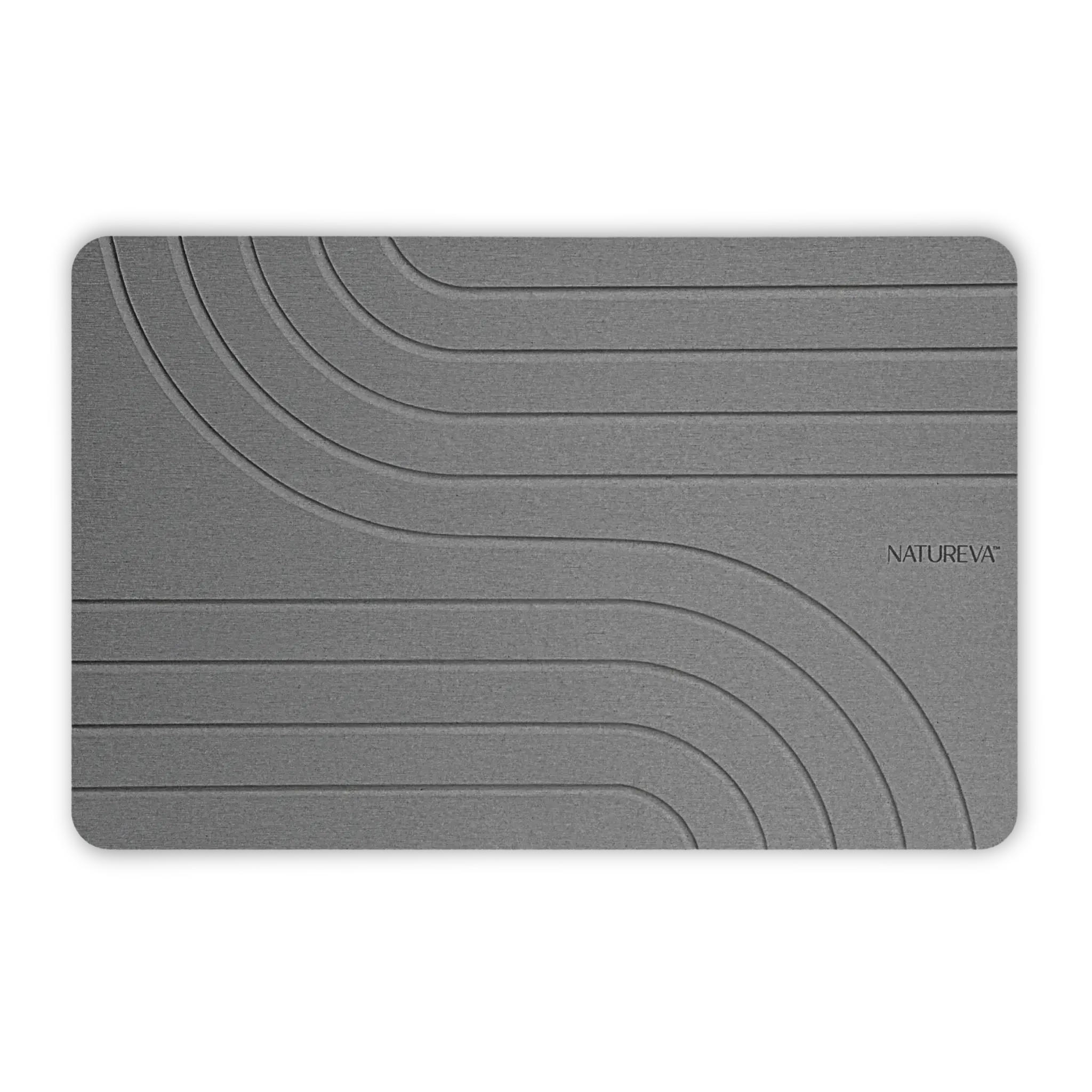
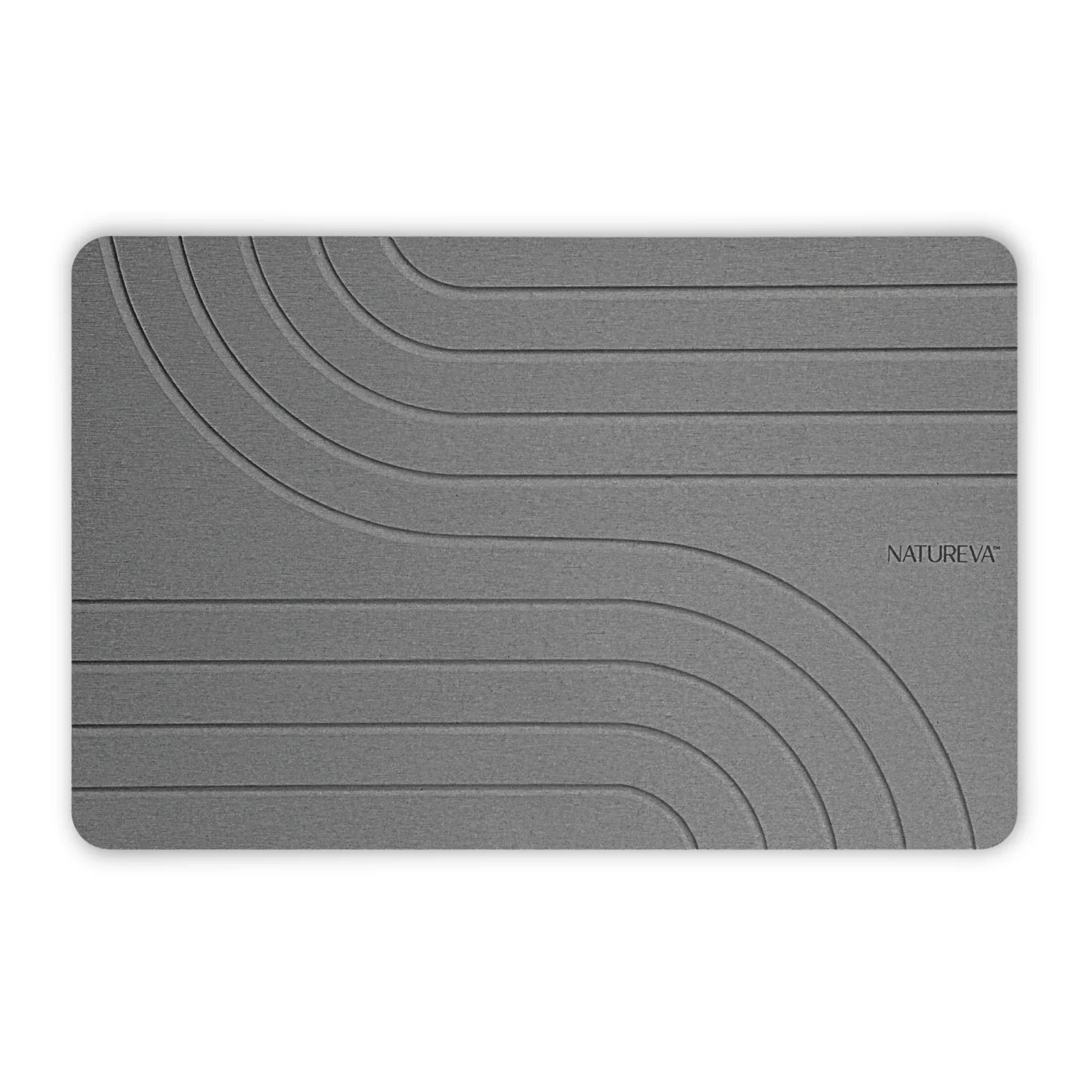
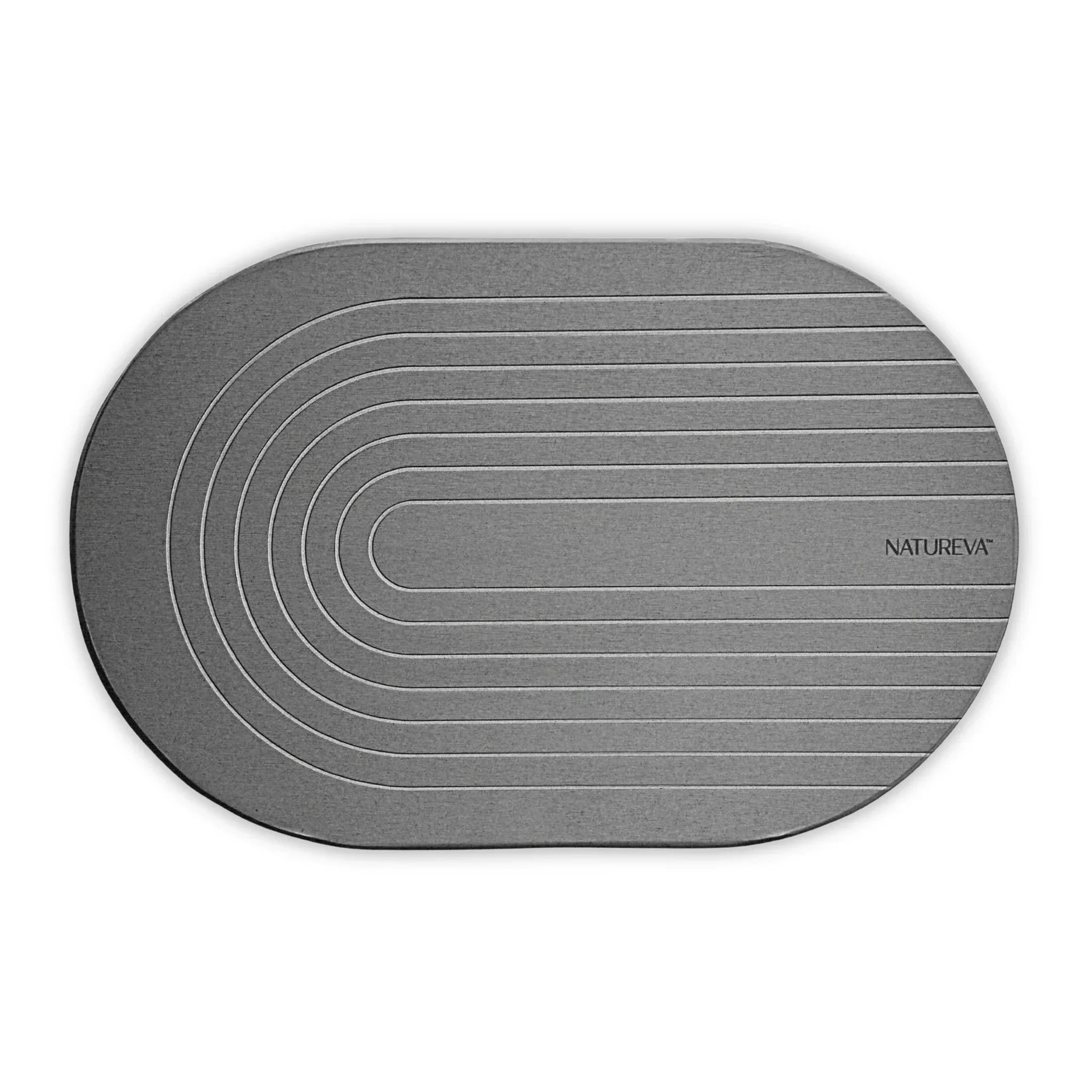
Stone Bath Mat - Tide
Color choice separates the two materials fastest. Microfiber comes dyed in almost any shade you can name, since the fabric takes color well, while stone mats stay closer to their natural mineral tones, shown in options like Tide grey, Arch cream, and Rain charcoal.
| Style | Material | Best fit |
|---|---|---|
| Memory foam microfiber | Foam core, fiber top | Cushioned step, needs regular washing |
| Chenille sets | Looped fabric | Matching multi-piece bathroom sets |
| Contour mats | Fabric or foam | Fits around toilet base |
| Solid stone slabs | Diatomaceous earth | Fixed shape, no cushioning |
Solid stone slabs don't flex or bunch like fabric, so measure your floor space before ordering since the shape is fixed once it arrives, unlike a folding fabric mat you can tuck or trim to fit. The diatomite bath mat collection lists exact dimensions for each pattern if you want to check sizing before you settle on a color.
Microfiber Bathroom Mats Sizes Colors And Styles
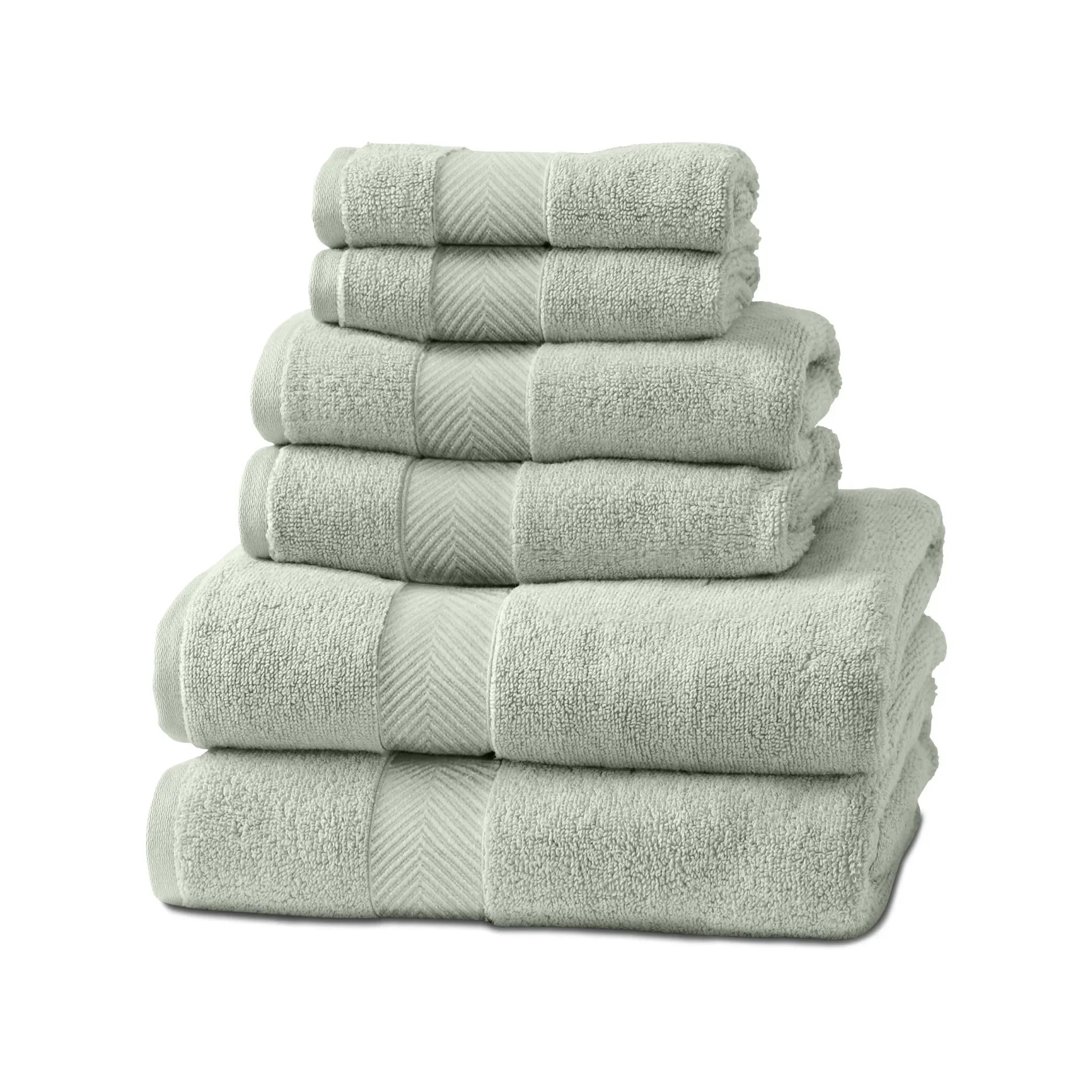
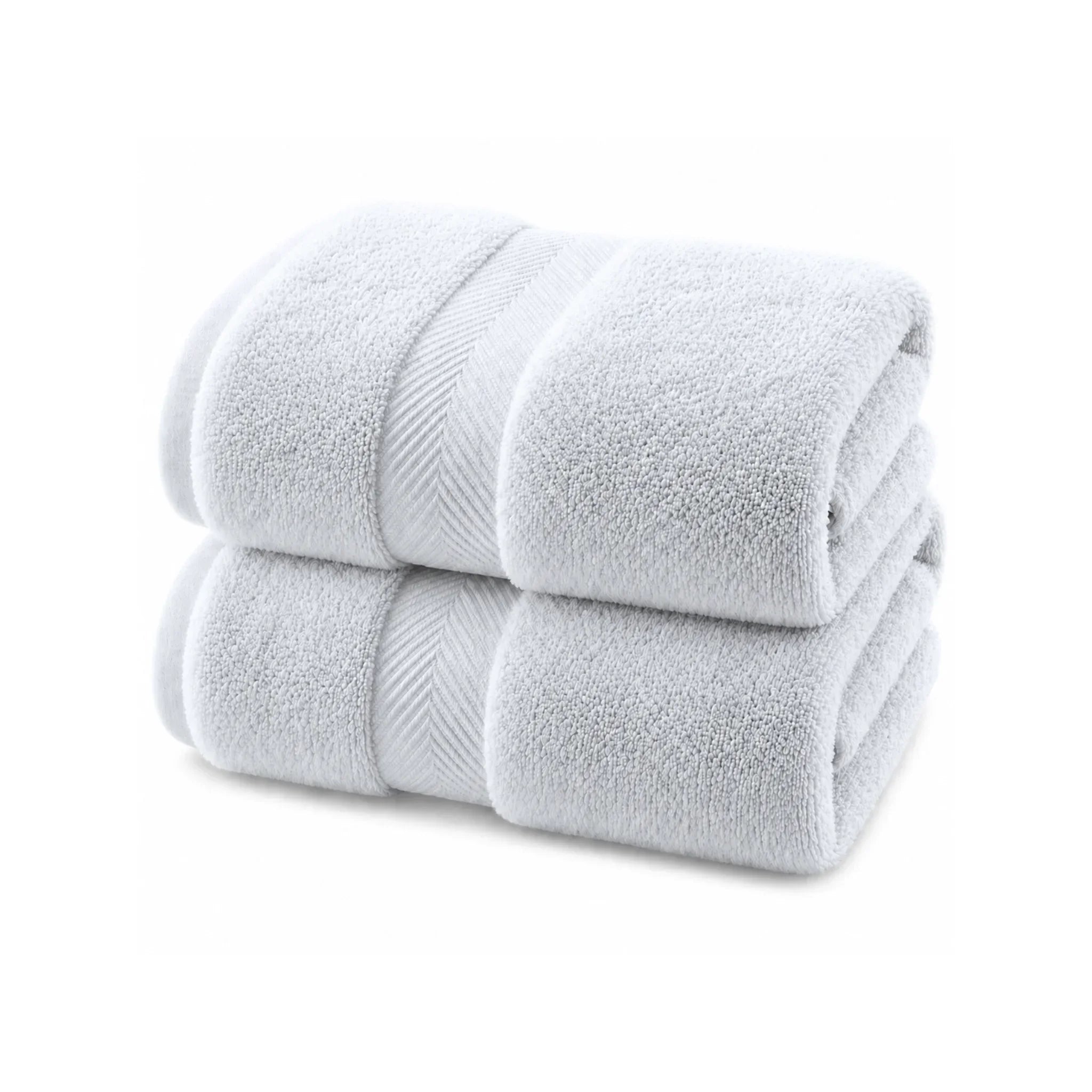
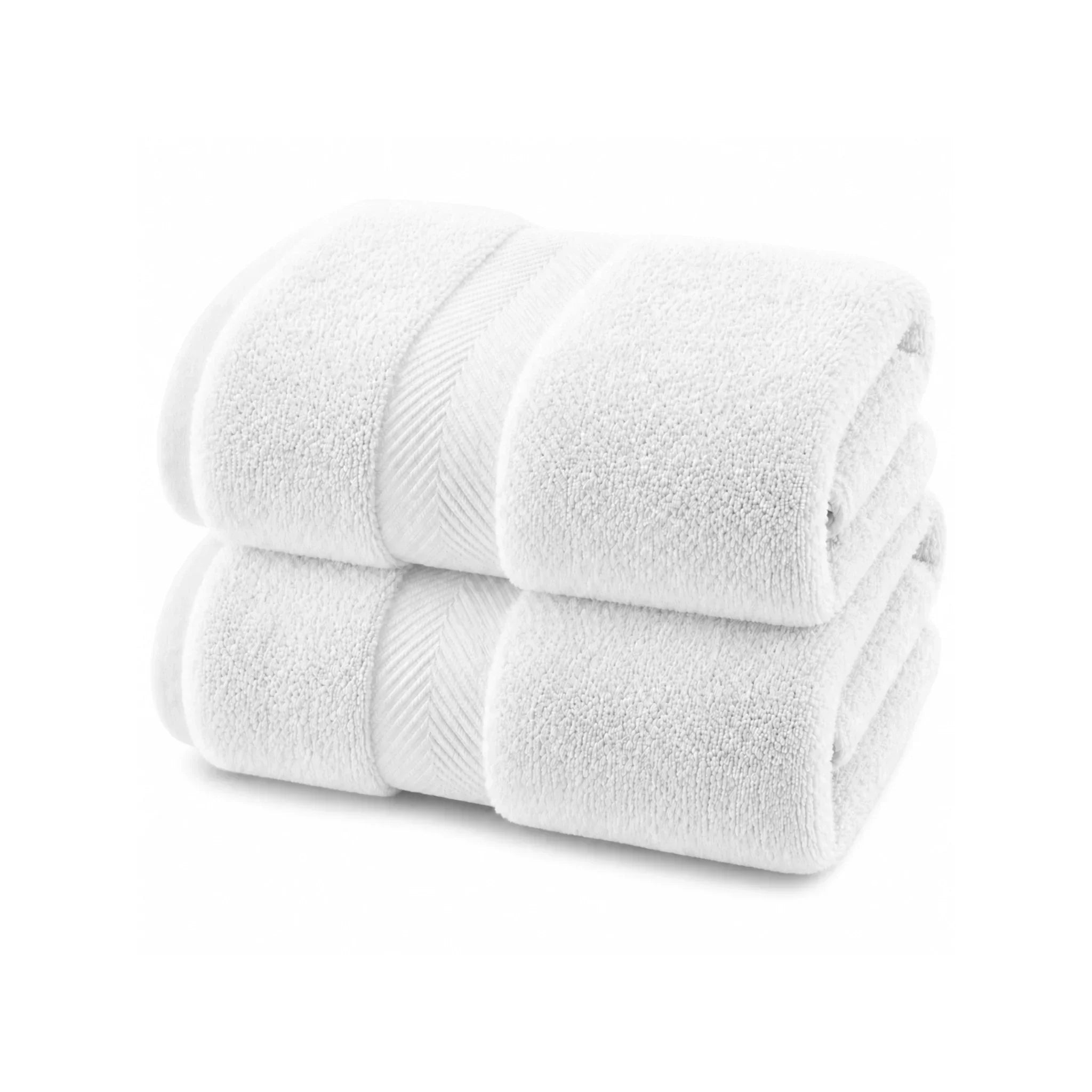
Shoppers searching for a microfiber bathroom mat usually land on the same three style groups. Memory foam versions add a cushioned core under the fiber top, chenille mats use a looped weave that feels soft but traps water at the base, and set-of-two bundles pair a bath mat with a smaller contour piece for the toilet.
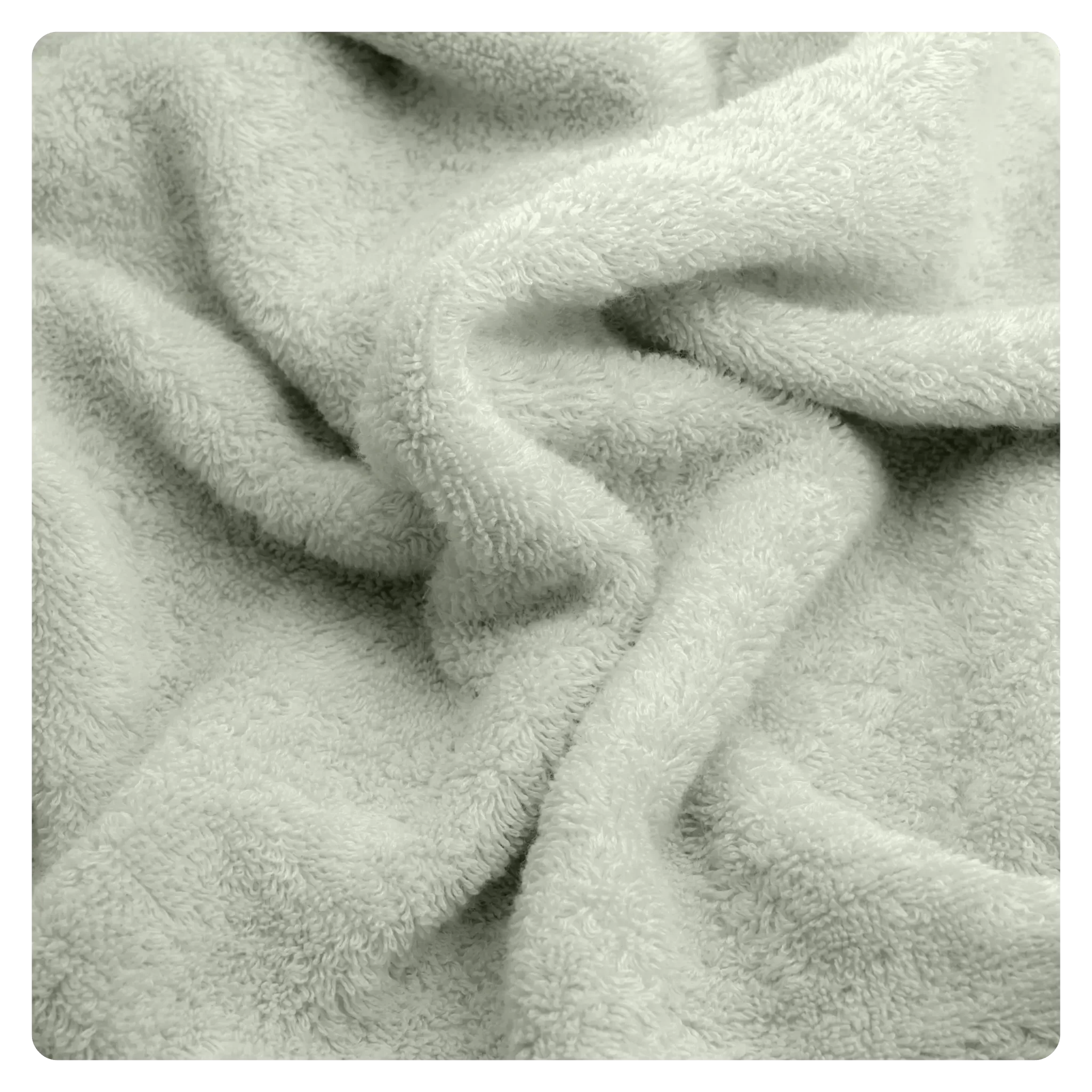
The most common complaint across reviews is the same one: fabric stays damp long after the shower ends, and that dampness invites mildew smell within a day or two if the mat sits in a closed bathroom. Washing every 3 to 4 days is the usual fix owners land on, which means a spare mat is almost required if you want one drying while the other is in use.
- Memory foam: soft step, holds moisture longest
- Chenille loop: quick dry surface, slower core dry
- Set-of-two bundles: matched color, doubles the laundry
- Contour cut: fits toilet base, still needs weekly wash
None of these styles change the core problem, which is that fabric absorbs water and then holds it until air or a dryer pulls it back out.
Meet The Natureva Stone Mat Collection
Natureva sells three stone bath mat patterns, and each one costs the same $59.00 USD. Tide, Arch, and Rain are all cut from natural diatomaceous earth, a mineral stone that pulls water into its surface and lets it evaporate almost right away instead of sitting on top like fabric does.
All three come in one slab size built to fit a standard bathroom floor footprint, so the choice between them is really about which surface pattern matches your space, not about performance differences. Every pattern absorbs water at the same rate, since the stone itself, not the design pressed into it, does the drying work.
- Shop the Tide stone mat for a lighter, wave-textured finish
- Shop the Arch stone mat for a rounded, softer edge line
- Shop the Rain stone mat for a fine dotted surface pattern
The next generation of home essentials: naturally made, cleaner by design, sustainable by nature.
SHOP ALLMicrofiber Vs Stone Mats Side By Side
Microfiber and stone mats differ most in how long water sits on the surface after you step off. A microfiber mat can take two to four hours to dry fully, while a stone slab clears within seconds, since the mineral pulls moisture in and releases it into the air right away.
That drying gap changes everything else about upkeep. Mold and odor risk stays low on stone because there's no standing moisture for bacteria to grow in, while a damp fabric mat left overnight is exactly the setup mildew needs.
| Factor | Microfiber | Stone |
|---|---|---|
| Dry time | 2 to 4 hours | Seconds |
| Cleaning | Machine wash weekly | Wipe clean, occasional sanding |
| Odor risk | High if not washed often | Low, no standing moisture |
| Lifespan | Fibers flatten over months | Holds up with normal care |
Consumer testing has reached similar conclusions on drying speed for stone surfaces, as noted in independent stone bath mat testing.
Which Mat Style Fits Your Daily Routine
Your household habits decide which mat type actually works day to day, not the marketing on the box. A busy bathroom with kids or two people showering back to back needs a surface that clears water fast, which points straight at a stone slab over a fabric mat that stays wet between uses.
Small bathrooms also favor a single stone piece since there's no bulky set to store or launder, while a spa-style or minimalist bathroom pairs naturally with a plain stone finish like Tide or Rain. Renters or anyone on a tight budget may still lean toward microfiber sets, since they're cheap to replace and easy to swap out at move-out.
- Two or more daily showers: stone mat dries between uses
- Small floor space: one slab beats a multi-piece fabric set
- Minimalist decor: plain stone finish over patterned fabric
- Short-term rental: swappable microfiber set is cheaper to replace
Which Mat Fits Your Bathroom Budget
Price and drying time split the decision into two camps. Microfiber sets run $15 to $40 and cover a bath mat plus a contour piece, while a stone slab is a flat $59 no matter which pattern you pick. That gap of roughly $20 to $44 buys you seconds-fast drying instead of a two to four hour wait.
Daily traffic bathrooms favor stone because the surface clears between back to back showers, which a fabric mat can't do without sitting damp. A guest bathroom used a few times a month, or a tight budget, points the other way, since a cheap microfiber set is easy to replace and doesn't need to survive daily soaking. Renters weighing move-out costs land here too.
| Scenario | Price | Better pick |
|---|---|---|
| Daily family bathroom | $59 flat | Stone |
| Guest bathroom, occasional use | $15 to $40 | Microfiber |
| Odor control priority | $59 flat | Stone |
| Short-term rental turnover | $15 to $40 | Microfiber |
Owner reviews on stone mats consistently mention no lingering smell, which tracks with the no-standing-moisture point covered earlier. That review pattern is one reason independent testing, like this stone bath mat guide, keeps landing on the same drying-speed conclusion. If odor is your main complaint with your current mat, that's the clearest signal to switch materials rather than just buy a new one in the same fabric.
Pick Your Bath Mat And Check Out Today
Stand in your bathroom and time how long water sits on the floor after a shower. If it's still wet after a few minutes, that's your answer: order a stone slab. Natureva has three ready to ship, Tide, Arch, and Rain, all $59 and all cut from the same diatomaceous earth, so pick the one whose color and pattern match your tile, not the one you think dries faster, since they all dry at the same speed. If your bathroom sees light use, a guest room, or you're renting and need something cheap to replace, grab a microfiber set instead. Either way, stop weighing options and add one to your cart now.
The next generation of home essentials: naturally made, cleaner by design, sustainable by nature.
SHOP ALLBath Mat Buying Questions
Will a stone bath mat feel too hard or cold on bare feet?
Yes, it feels firm and cool, since it's a solid mineral slab rather than a cushioned surface. There's no give like a memory foam mat has. Most people find the cool touch pleasant after a warm shower, and it warms slightly once your feet are on it for a few seconds. If you want cushioning underfoot, that's a fabric mat trait stone doesn't offer.
Can a stone mat slip on tile the way some microfiber mats do?
A stone slab sits flat and heavy on the floor, so it doesn't shift the way a light fabric mat can when it bunches up wet. Weight keeps it in place during normal use. Check that your specific bathroom floor is level where you place it, since an uneven spot under any hard mat can create a slight rock.
Is $59 worth it compared to a cheap microfiber set from a big box store?
It's worth it if you shower daily and want to stop washing mats every few days. A $59 stone slab from Natureva replaces the ongoing cycle of laundering and eventually replacing flattened fabric mats, so the flat price covers years of daily use rather than one wash cycle. A $15 microfiber set still wins for occasional guest bathrooms or short-term rentals.
Can microfiber and stone mats be used together in the same bathroom?
Yes, plenty of bathrooms use both, placing stone in front of the shower or tub where water pools most and microfiber near the sink or toilet where less water lands. This splits the workload so the high-traffic wet spot dries in seconds while the lower-traffic areas keep a softer step. There's no compatibility issue between the two materials.