

Water Absorbent Sheets Explained and How to Choose One
A water absorbent sheet is a flat material designed to soak up liquid and hold it, or release it quickly, depending on what it's made from. That one difference, how the material handles moisture once it hits the surface, matters more than how thick the sheet is. A thin sheet with the right internal structure can outperform a thick one made from the wrong fibre or foam.
Thickness alone does not predict how well a sheet absorbs or dries. What matters is the structure inside the material: how porous it is, how the fibres or particles are arranged, and whether moisture gets trapped or released back into the air. A loosely woven cotton sheet holds water differently than a dense foam pad, and a mineral based sheet behaves differently again, even at the same size. This is why two sheets that look almost identical can perform in completely different ways once they get wet.
The right sheet depends on where it will sit and how often it gets used. A sheet that dries fast and resists damp is a better fit for a bathroom floor or a kitchen counter than one that stays wet for hours, even if both start out absorbing the same amount of liquid. Daily use in a humid room calls for different properties than an occasional spill in a dry pantry.
Table of Contents
What Makes A Surface Count As Absorbent
Absorption works through three physical paths: fibres that pull water into their weave, foam cells that trap it in air pockets, or pores that draw it in through capillary action. Cotton and microfibre rely on fibre structure, foam relies on its cell network, and mineral materials like diatomite rely on millions of microscopic pores. Each path moves water into the material at a different rate and holds it in a different way.
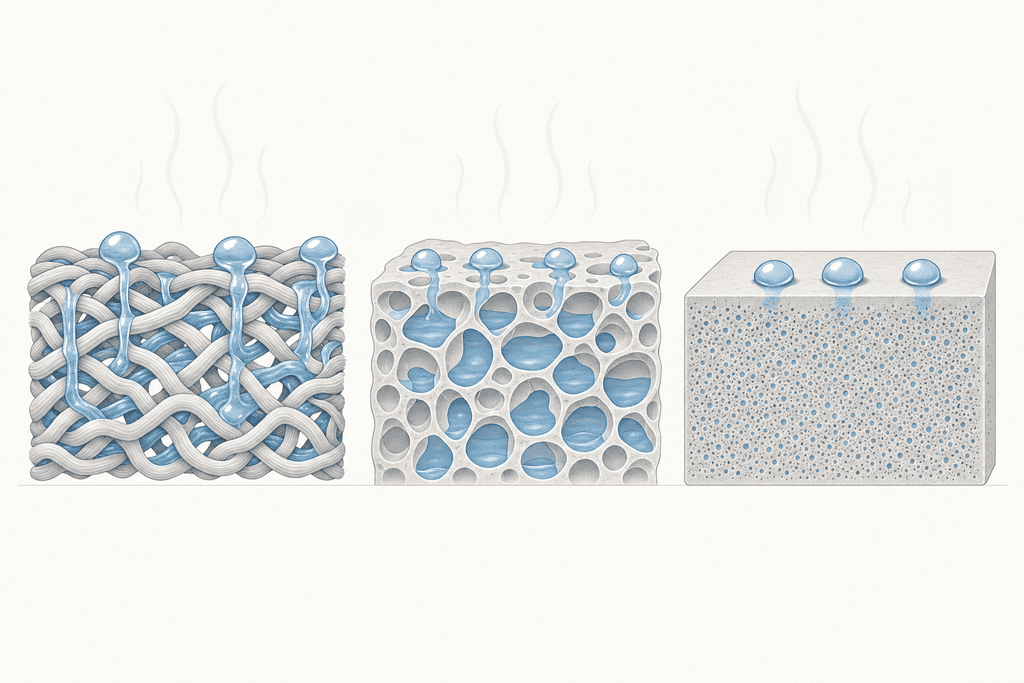
How fast a sheet dries depends on how easily that trapped water can escape back into the air. A sheet that locks moisture inside its fibres or foam stays damp for hours, while a porous structure lets water evaporate almost as fast as it was pulled in. This single factor, how easily moisture gets released, decides whether a sheet smells musty after a few uses or stays ready for the next spill.
| Material | Absorption method | Typical dry time |
|---|---|---|
| Cotton | Woven fibres | Several hours |
| Microfibre | Split synthetic fibres | 1 to 2 hours |
| Silicone | Surface channels, not true absorption | Near instant, water pools instead of soaking in |
| Foam | Trapped air cells | Several hours, often longer if saturated |
| Diatomite stone | Microscopic pores | Minutes |
Silicone is worth noting separately because it does not actually absorb in the way the other four materials do. It channels water into grooves or off the edge of the sheet, which is useful for directing spills but leaves the surface wet to the touch until the water runs off or evaporates on its own.
How Different Materials Soak Up Water
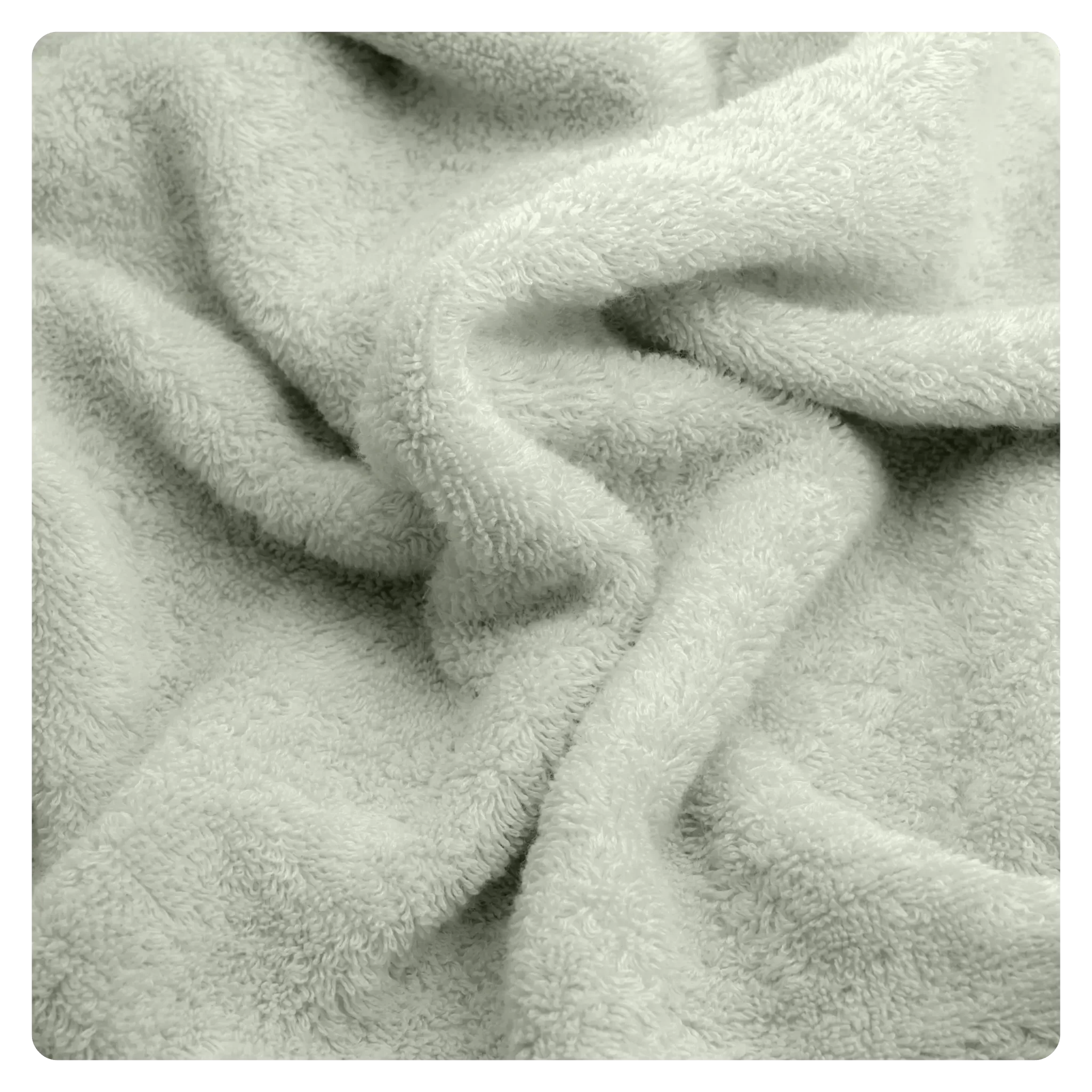
Fabric sheets hold water between woven fibres, and that water stays put until the fibres are squeezed out or left in open air to dry. This is why a wet bath mat often feels damp again within an hour of drying, the fibres release moisture slowly and unevenly. Foam and silicone mats behave differently again, they hold water on the surface or in trapped air cells rather than drawing it inward, so the top looks dry while moisture sits just underneath.
Diatomite works through a different mechanism entirely. It is a fossilised algae material packed with millions of microscopic pores, and those pores pull moisture in on contact rather than letting it sit on top. Pore structure, not surface area, is what actually determines how much water a material can absorb and how fast it lets that water go again. A sheet can look large and thick and still underperform a smaller one with the right internal structure, as explained in the complete guide to diatomite.
- Fabric: absorbs by trapping water in fibres, slow to release
- Foam or silicone: holds moisture at the surface, prone to trapping
- Diatomite: pulls water into pores, releases it through evaporation
Why Some Sheets Stay Damp For Hours
A sheet stays damp for hours when the material traps moisture instead of releasing it, and that trapped moisture is exactly what creates the conditions where mould and mildew develop. Fabric and foam are both prone to this, since the water that gets pulled in has nowhere to go except back out through slow evaporation. A sheet sitting flat on a tiled floor with no airflow underneath dries even slower, because the moisture has no path to escape from below.
Thickness does not fix this problem on its own. A thicker sheet that holds more water without releasing it will stay wet longer than a thinner one built from a fast-drying material. This is also why odour builds up, a damp surface left overnight gives bacteria and mould spores a place to settle, while a fast-drying surface reduces odour because there is no lingering damp environment for it to form in.
- Check what sits underneath the mat, not just the top surface
- Elevated or ventilated designs dry faster than flat mats on tile
- A mat that smells after a few uses is holding moisture, not releasing it
The next generation of home essentials: naturally made, cleaner by design, sustainable by nature.
SHOP ALLWhere These Sheets Actually Get Used
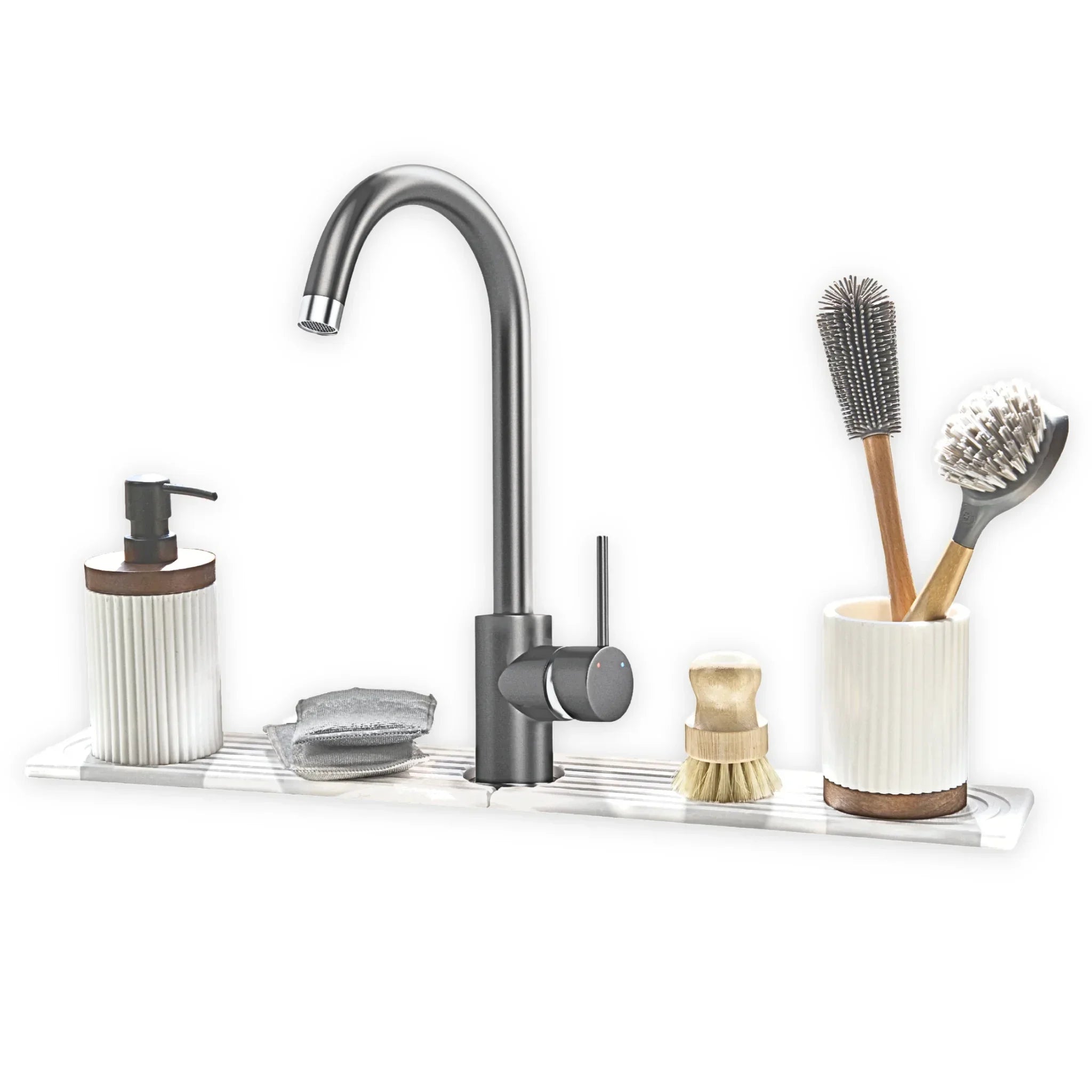
Bathroom floors beside the shower are the most common spot, where feet drip immediately after washing and a slow-drying mat becomes a slip risk within minutes. Kitchen counters near the sink see the same problem on a smaller scale, with water pooling under dish racks and drying racks all day long. Any surface that gets wet more than once a day benefits from a material that dries in minutes rather than hours.
Pet feeding stations face constant splash from bowls, and a mat that stays wet underneath a bowl becomes a daily mess rather than an occasional one. Plant saucers and entryways deal with a different kind of moisture, runoff from watering or wet shoes, where a flat absorbent surface keeps water from spreading onto flooring.
- Bathroom floor beside the shower or tub
- Kitchen counter near the sink or dish rack
- Pet feeding station catching bowl splash
- Entryway or plant saucer catching runoff
What To Check Before You Buy One
Check the material composition listed on the product, not just the word "absorbent" on the packaging, since that word is not regulated and gets applied loosely across very different materials. Mineral-based sheets like diatomite carry a specific risk worth checking for directly, as diatomite from unverified sources can carry asbestos contamination if it has not been tested. Look for independent laboratory certification, not a brand's own claim, before buying any stone-based absorbent sheet.
Favour designs that build in airflow rather than sitting flat against a wet surface, raised legs or non-slip pads underneath let moisture escape from below instead of pooling. Confirm whether the sheet is restorable or disposable, since a surface that can be refreshed with a sanding tool lasts years longer than one that gets thrown out once it stops absorbing well, a point covered in five features to check before buying a diatomite bath mat.
- Material composition stated clearly, not just marketing language
- Independent safety certification for mineral-based materials
- Raised legs or pads underneath for airflow
- Restorable surface versus a one-time disposable sheet
Fabric, Foam, Or Stone For Daily Use
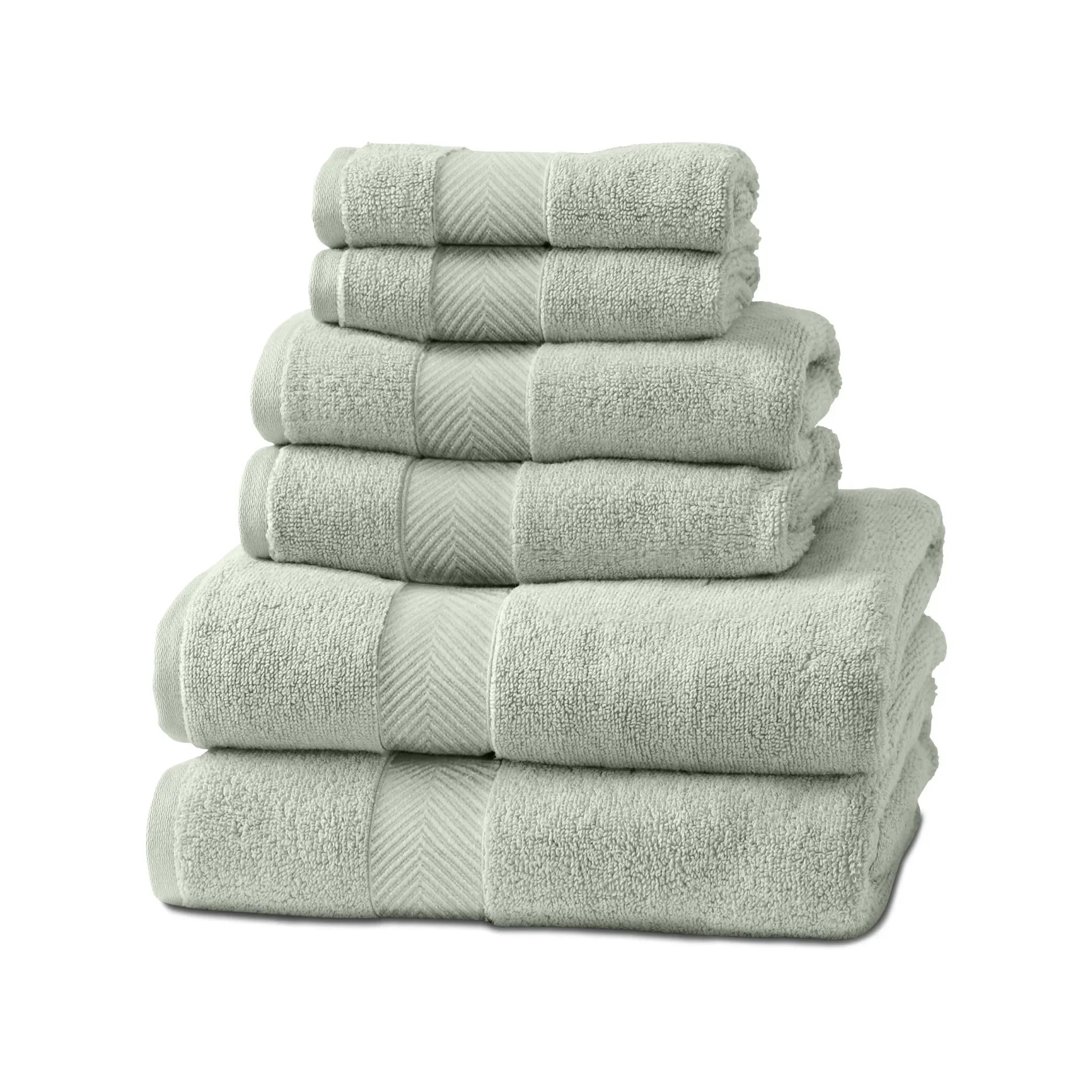
Fabric sheets need a wash every few days to stay hygienic, and that's the real cost of choosing one. Skip the wash and the fibres hold onto moisture long enough to build odour, which means the ongoing effort never really stops.
Foam and silicone mats look low maintenance but hide a different problem underneath. Water sits in trapped air cells or pools at the surface, so the top can feel dry while a damp patch forms below, out of sight until it starts to smell.
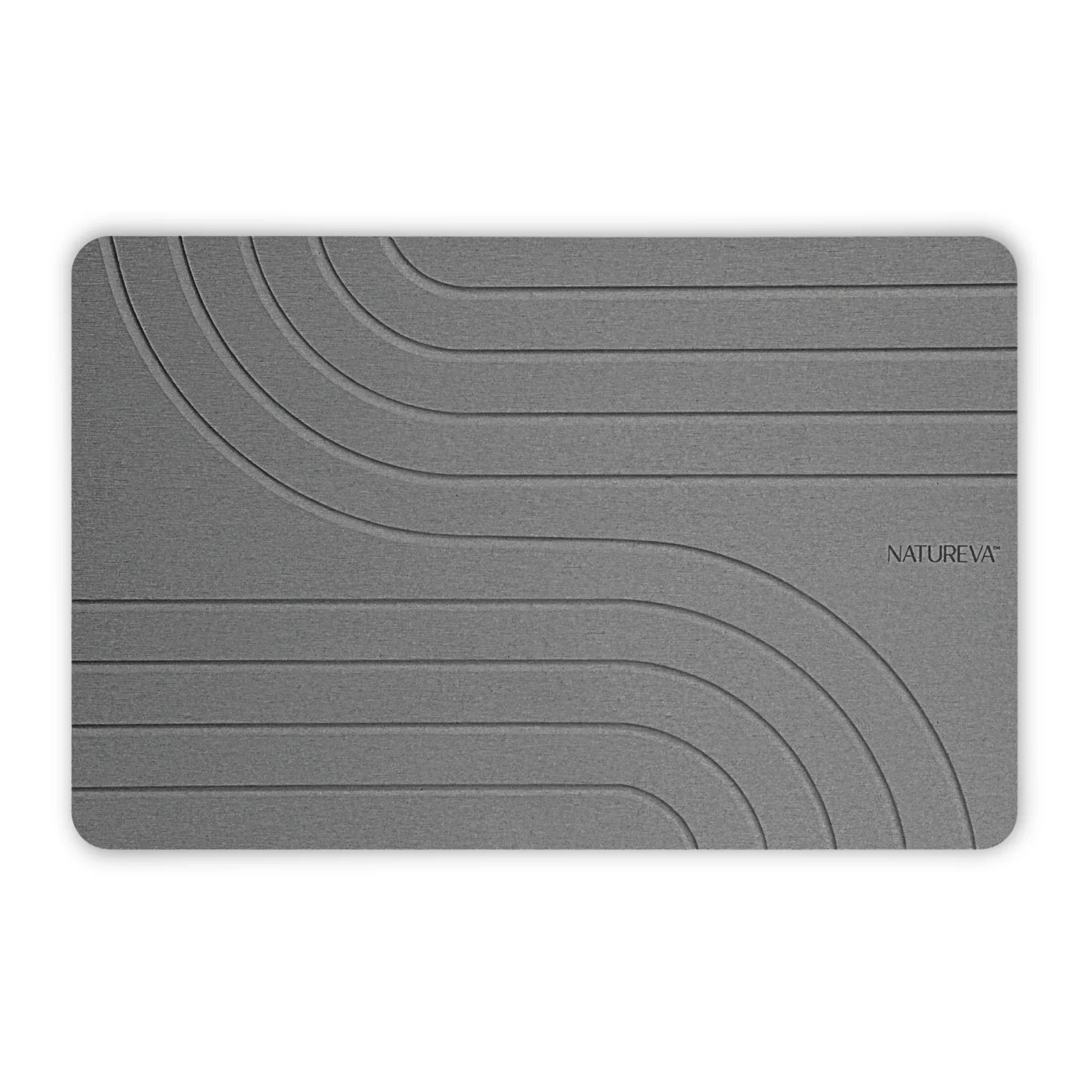
Stone-based sheets made from diatomite handle repeated daily use differently because of what's happening inside the material. The pores pull water in on contact and release it back out through evaporation, so the sheet dries within minutes instead of sitting wet for hours.
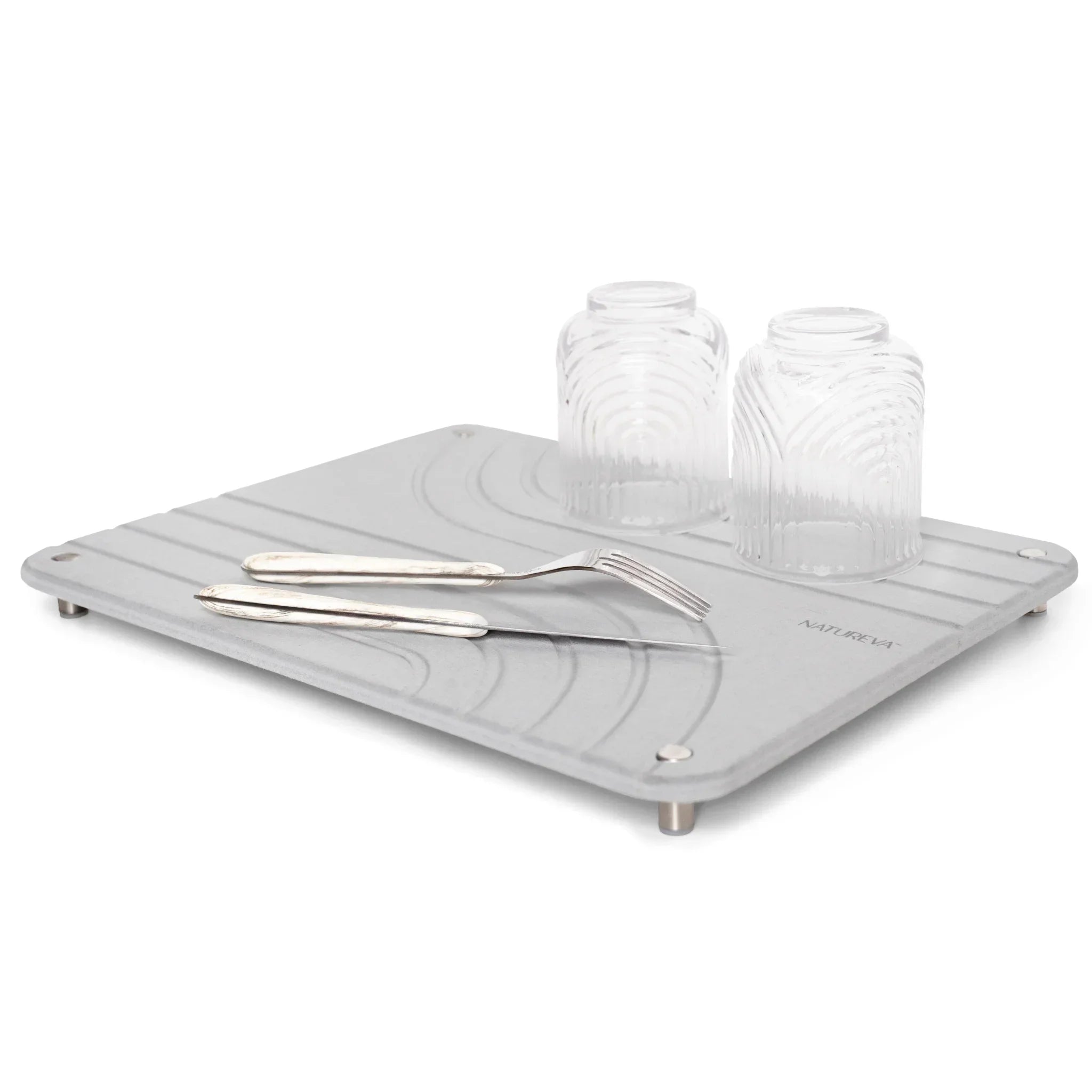
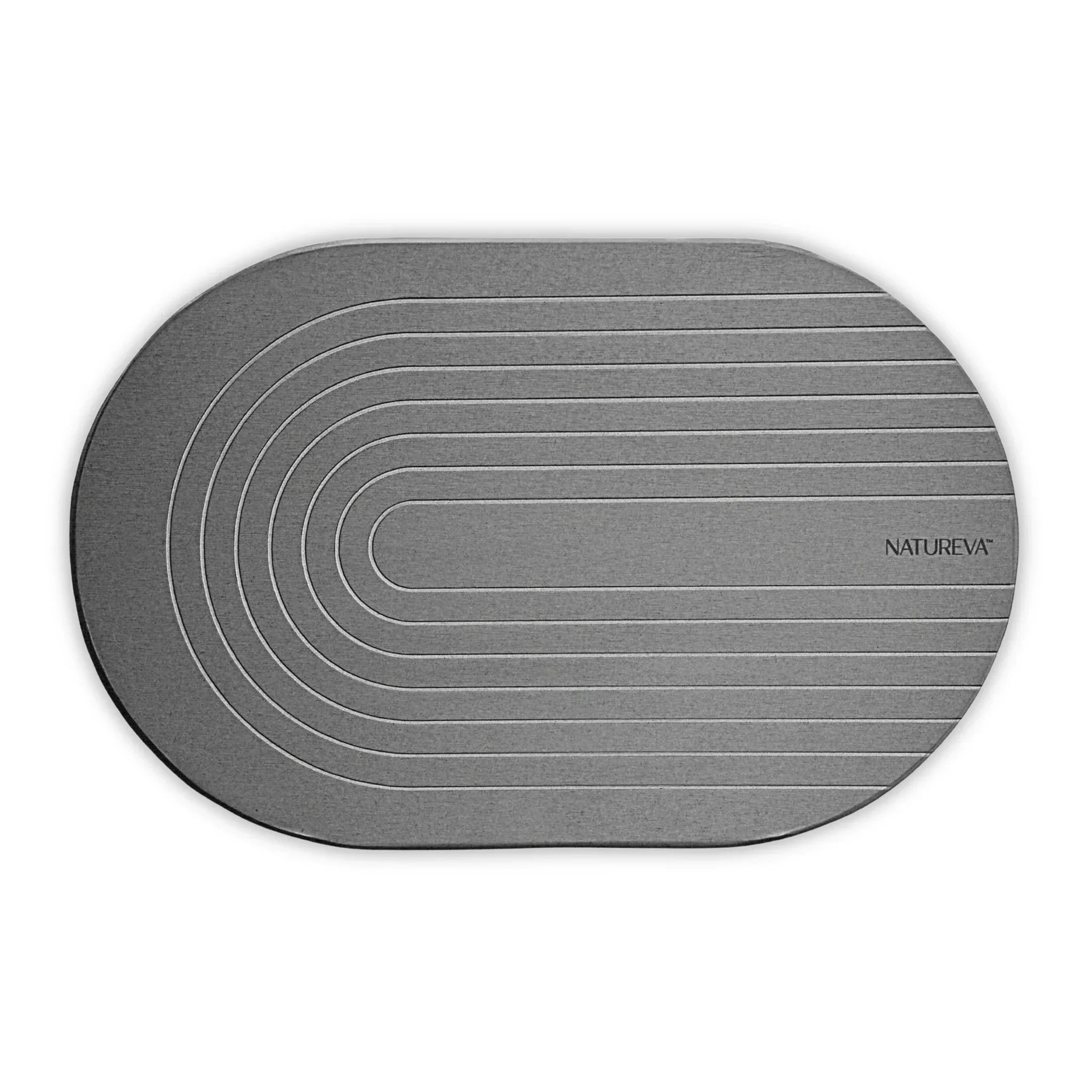
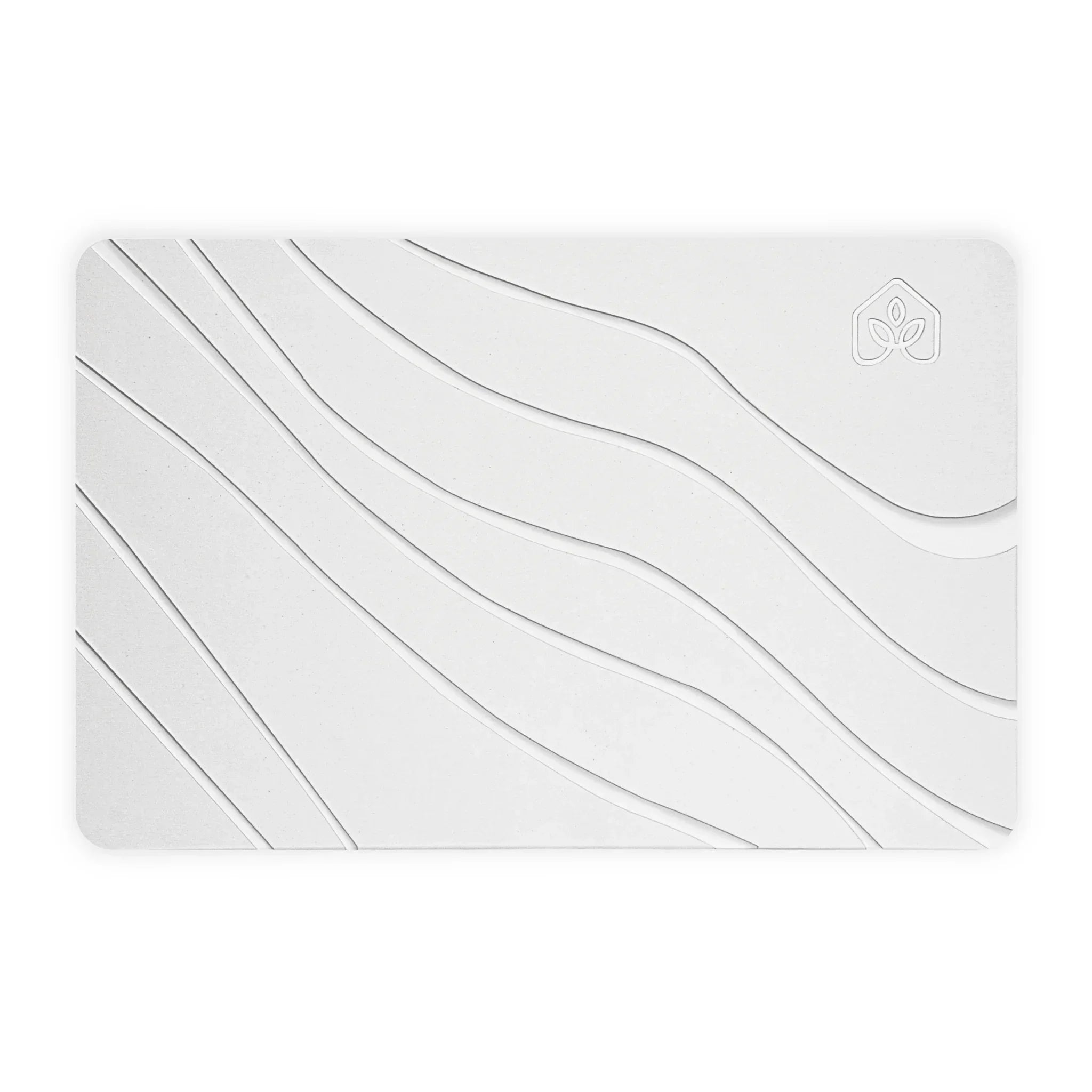
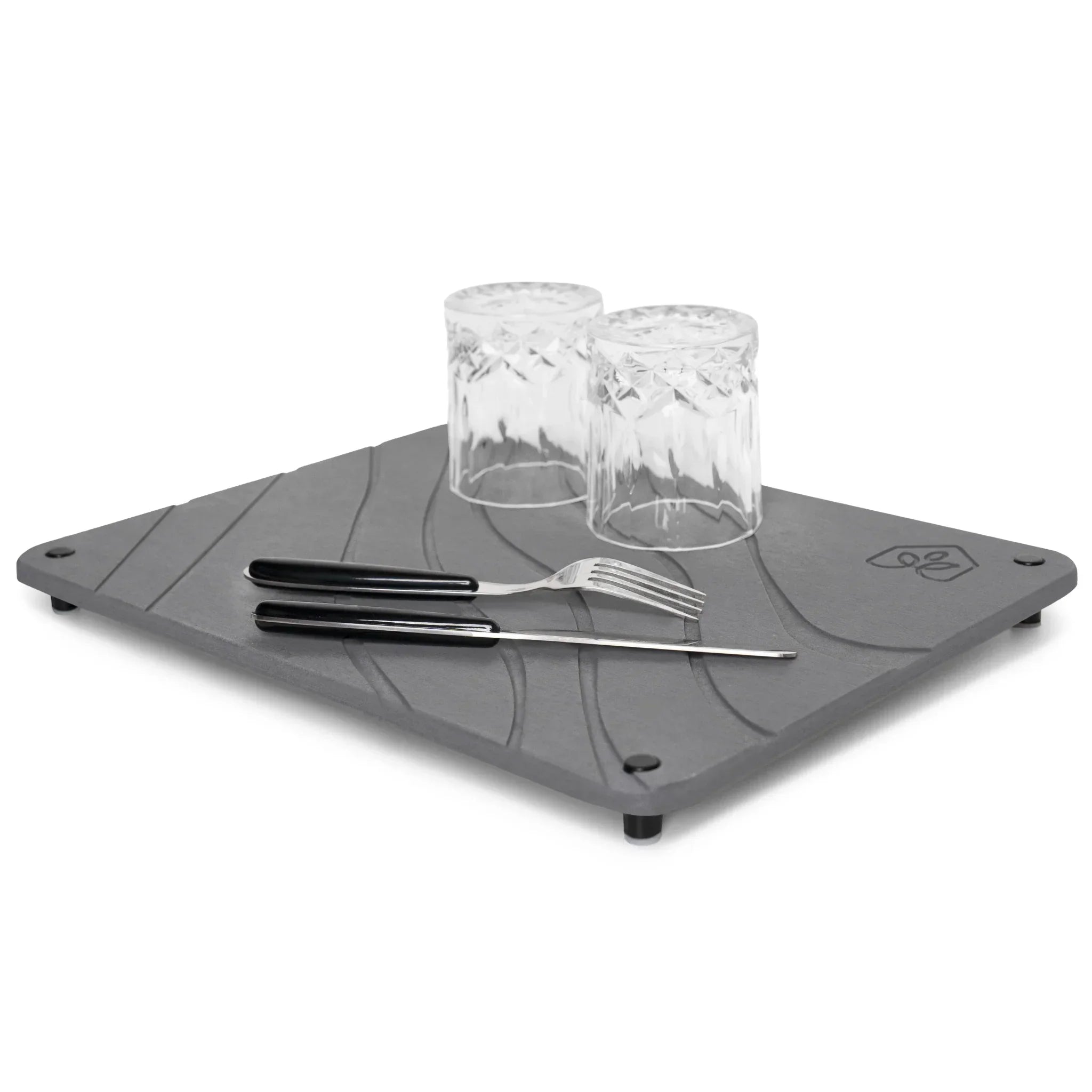
That's the mechanism behind products like the diatomite stone bath mat and the stone dish drying mat, both paired with non-slip bases or raised legs so air can reach the underside, not just the top. That combination is what lets a stone sheet skip the daily wash cycle a fabric mat needs.
| Material | Ongoing effort | What happens underneath |
|---|---|---|
| Fabric | Wash every few days | Fibres hold moisture, slow release |
| Foam or silicone | Low washing, but traps damp | Hidden wet patch under dry-looking surface |
| Diatomite stone | Wipe weekly, no frequent washing | Pores release moisture through evaporation |
Fabric suits someone who doesn't mind laundry and wants a soft underfoot feel. Foam and silicone suit light, occasional spills rather than daily wet zones. Stone suits a bathroom floor or kitchen counter that gets wet more than once a day and needs to dry without constant upkeep.
Match The Sheet To The Wet Zone You're Solving
Pick a sheet based on the exact spot it will sit, not the price tag or the size chart. A shower floor that gets wet five times a day needs a material that dries in minutes, a plant saucer catching occasional runoff does not. Once you know the zone, check two things before paying: how fast the material actually dries, and whether that claim is backed by independent testing rather than the word "absorbent" on the box. Natureva's stone bath mats, for example, are NATA-certified asbestos-free and built with airflow underneath so the surface clears in minutes, not hours. Buy for the wet zone first, then let drying speed and certification settle the rest.
The next generation of home essentials: naturally made, cleaner by design, sustainable by nature.
SHOP ALLCommon Questions About Absorbent Sheets
Do water absorbent sheets wear out or lose their absorbency over time?
Yes, any absorbent surface can lose performance as its pores or fibres clog with residue, soap scum, or skin oil. Fabric mats lose absorbency through fibre breakdown and repeated washing, while stone sheets lose absorbency when surface pores get sealed over. A stone sheet can be sanded back to restore the open pore structure, which is not possible with fabric or foam once the fibres wear down.
Can a water absorbent sheet be used outdoors or in a garage?
Fabric and foam sheets are not built for outdoor use, since they trap moisture and stay wet in open air with no sun or airflow to speed up drying. A dense mineral sheet with raised legs or a non-slip base copes better in a garage or covered outdoor spot, because it pulls water in fast rather than letting it pool on the surface. Direct rain exposure or constant ground moisture will still shorten the life of any absorbent material.
Is it normal for an absorbent sheet to feel slightly rough or chalky when new?
Yes, a stone-based sheet often feels slightly rough or chalky straight out of the box, and this texture is a sign of the open pore structure doing its job. A smooth, sealed surface would absorb poorly, so the rough feel is functional rather than a defect. This texture softens slightly with normal use as fine dust settles, but the pores stay open underneath.
How do I know if a sheet is actually drying or just hiding moisture underneath?
Lift the sheet and check the underside after use, since a surface that looks dry on top but feels damp or cool underneath is trapping moisture rather than releasing it. A sheet with raised legs or spaced pads lets you check airflow by sliding a finger under the edge to feel for dampness. Natureva's dish mats and bath mats use stainless steel legs or non-slip bases set slightly off the surface so the underside gets the same airflow as the top.