

How a Self Drying Sink Caddy Keeps Benches Cleaner
That puddle of soapy water spreading across your kitchen bench didn't appear by accident. Every soap dispenser, dish brush, and wet sponge sitting beside your sink is quietly dripping moisture onto the surface below, and most sink organisers make the problem worse by trapping that water underneath. A self drying sink caddy flips this script entirely by absorbing spills on contact and evaporating moisture within minutes, keeping your benchtop dry without constant wiping.
How does a diatomite sink caddy keep countertops dry?
A diatomite sink caddy absorbs water from wet items and evaporates moisture within 30 to 60 minutes due to the porous structure of diatomaceous earth stone, which contains millions of microscopic holes that wick away liquid. This natural absorption process prevents water from pooling on countertops and eliminates the need for drip trays or constant wiping.
What is the best material for a self-drying sink caddy?
Diatomite stone is the best material for a self-drying sink caddy because it absorbs up to 150% of its weight in water and evaporates moisture naturally, unlike silicone which traps water underneath items or fabric which stays damp and breeds bacteria. Stone caddies require no washing or drying between uses, making them the lowest-maintenance option for sink storage.
How long does it take for a diatomite sink caddy to dry?
A diatomite sink caddy typically dries completely within 30 to 60 minutes after absorbing water from soap bottles, sponges, and brushes. The evaporation speed depends on room humidity and ventilation, but the porous diatomaceous earth structure ensures the surface returns to a dry state faster than plastic, silicone, or fabric alternatives.
Table of Contents
Why Traditional Sink Storage Creates Mess
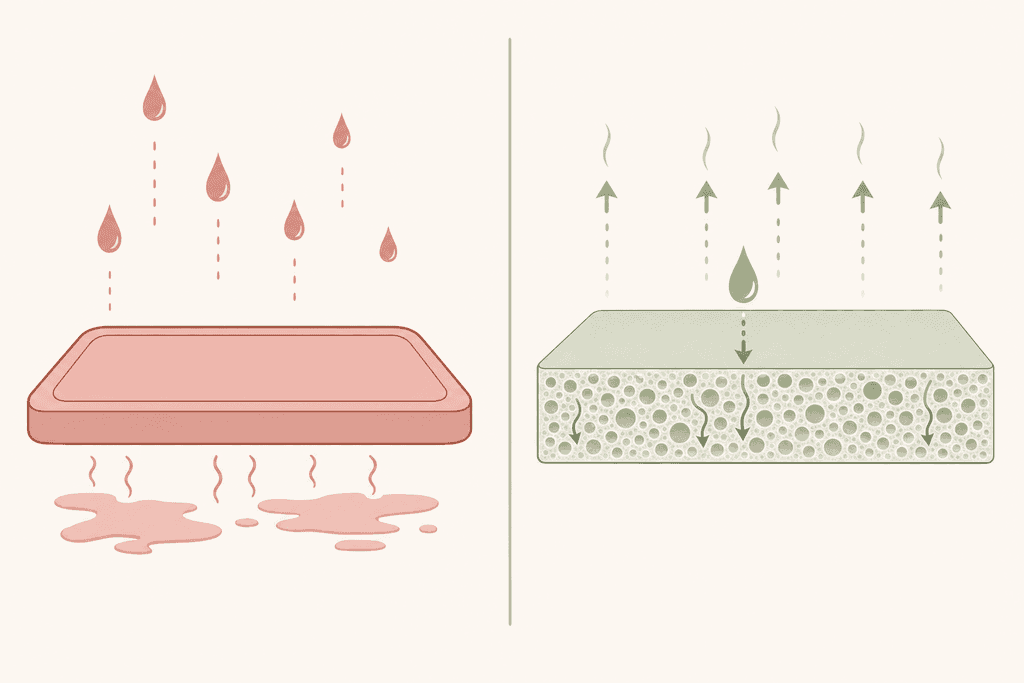
Most kitchen sinks have some kind of organiser sitting next to the faucet, holding dish soap, sponges, and scrub brushes. The problem is that almost every single one of these organisers is designed to hold your cleaning supplies, but not actually stay clean itself. Water drips constantly in this area, whether it's from wet hands reaching for soap or a sponge being put back after use. That moisture has to go somewhere, and with most sink caddies, it just sits there, creating exactly the kind of damp mess you're trying to avoid in the first place.
Fabric Mats Stay Wet for Hours
Fabric sink mats seem like a smart choice because they absorb water quickly. The issue is what happens after that initial absorption. These mats hold onto moisture for hours, sometimes staying damp well into the next day if your kitchen doesn't get much airflow. You end up with a soggy piece of fabric sitting on your bench that never really dries between uses.
The constant dampness means you're basically keeping a wet cloth on your counter all day. It starts to smell within a few days, and you have to throw it in the wash constantly just to keep it from getting gross. That's extra laundry for something that's supposed to make your life easier.
Silicone and Rubber Trap Moisture Underneath
Silicone and rubber organisers are popular because they're waterproof and easy to wipe down. But waterproof also means water can't escape. Any moisture that gets underneath these caddies stays trapped between the organiser and your benchtop, with zero airflow to help it dry. You don't see the problem until you lift the caddy up and find a wet patch that's been sitting there for who knows how long.
This trapped moisture creates the perfect environment for mould and mildew to develop. Even if you wipe down the top of your silicone mat regularly, that hidden dampness underneath keeps working against you. The material that's supposed to protect your bench is actually creating a moisture problem you can't see.
Plastic Caddies Collect Standing Water
Traditional plastic sink caddies usually have a flat bottom with maybe a few drainage holes. Water drips down from your soap bottles and sponges, and instead of drying, it just pools at the bottom of the caddy. You end up with a little reservoir of dirty water that you have to dump out and wipe clean every few days.
That standing water isn't just annoying. It's a breeding ground for bacteria because it's mixing with soap residue and whatever else dripped off your sponges. The whole point of having a sink organiser is to keep things tidy, but you're actually creating more cleaning work for yourself.
Comparing Moisture Retention Across Materials
Different sink organiser materials handle moisture in completely different ways. Here's how long water typically sticks around with each type:
| Material Type | Drying Time | Airflow | Maintenance Needed |
|---|---|---|---|
| Fabric Mat | 4-8 hours | None | Weekly washing |
| Silicone/Rubber | Never fully dries | None | Daily wiping |
| Plastic Caddy | Pools indefinitely | Minimal | Every 2-3 days |
| Stone (Elevated) | Under 10 minutes | Full circulation | Weekly wipe |
The numbers make it pretty clear that material choice matters more than how often you clean. You can wipe down a silicone mat twice a day and still have moisture problems because the design itself works against you. Stone organisers like our Flow and Rain sink caddies solve this by combining a naturally porous surface with elevated legs that create 2.5 cm of airflow underneath, so water evaporates in minutes instead of sitting around for hours.
The Real Problem is Design, Not Effort
Most people think they just need to clean their sink area more often. They blame themselves for not staying on top of it. But the truth is that conventional sink organisers are designed in a way that makes moisture problems inevitable. When you use materials that trap water and designs that block airflow, you're fighting a losing battle no matter how diligent you are.
The solution isn't more cleaning. It's choosing a sink caddy that's designed to stay dry on its own. A self drying sink caddy eliminates the moisture problem at the source by using materials that release water quickly and structures that promote constant air circulation. That's the difference between managing a mess and preventing it from happening in the first place.
How Diatomite Stone Absorbs and Evaporates Water
The area around your kitchen sink stays wet because most organisers trap moisture instead of managing it. A self drying sink caddy works differently because it's made from diatomite, a naturally occurring material formed from fossilised microscopic algae called diatoms. These ancient organisms left behind a mineral-rich structure filled with millions of tiny pores that you can't see but that work constantly to pull water away from whatever sits on top. The moment a wet soap bottle or dripping sponge touches the surface, those microscopic channels absorb the moisture on contact.
Water doesn't just sit there after absorption. The porous structure of diatomite releases moisture back into the air through rapid evaporation, usually within minutes of contact. This means the caddy returns to a completely dry state without any effort on your part, and more importantly, without leaving your bench covered in puddles.
The material creates a hygienic environment through its drying mechanism alone, no chemicals or synthetic coatings needed. Because moisture evaporates so quickly, the conditions where mould and mildew typically develop simply don't exist. Natureva Stone Sink Caddies use this natural absorption process to keep your benches dry without the constant wiping that flat plastic or silicone organisers demand.
Traditional sink storage options like plastic caddies or silicone mats don't have this porous structure, so water just pools on the surface or underneath until you manually clean it up.
Elevation Design Prevents Moisture Buildup
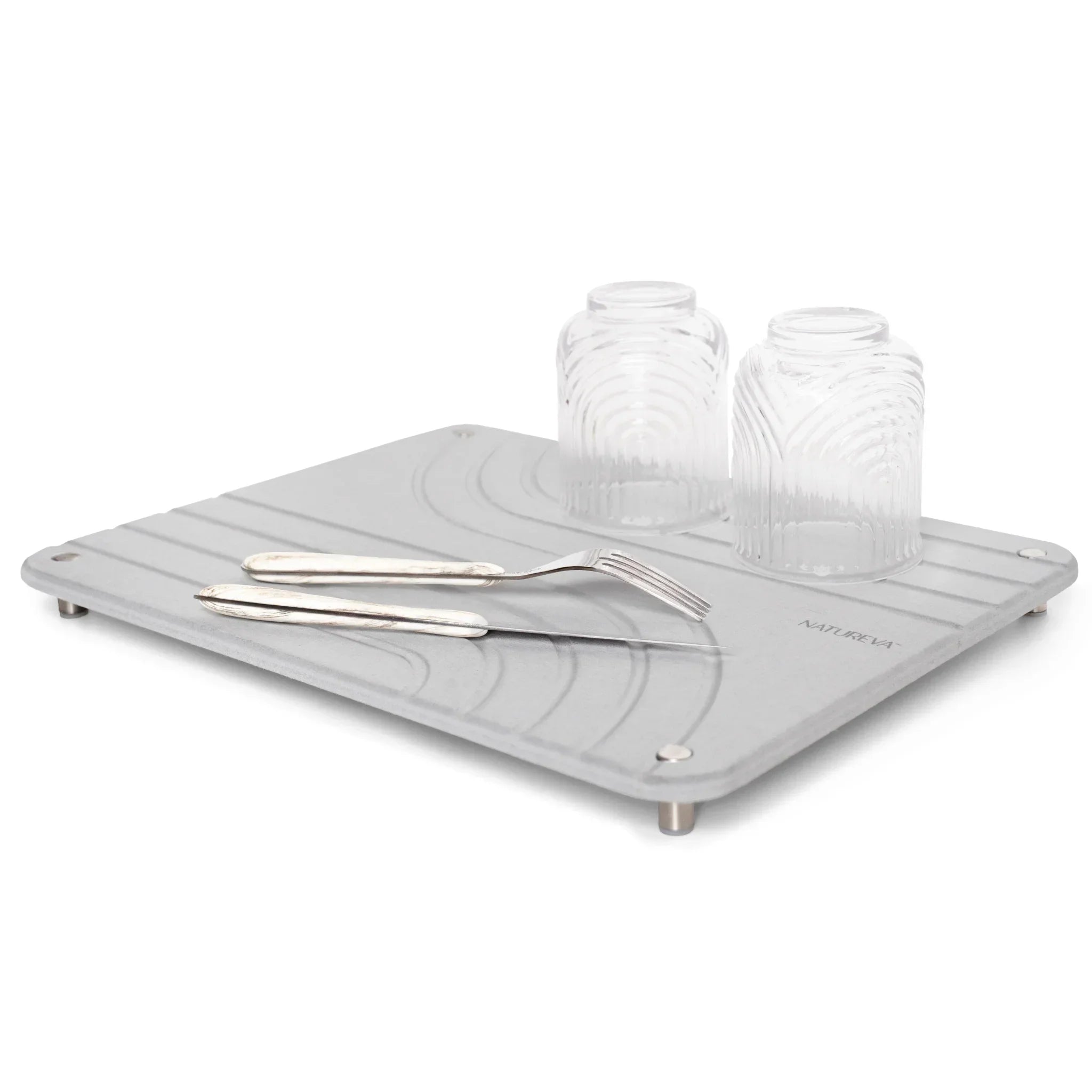
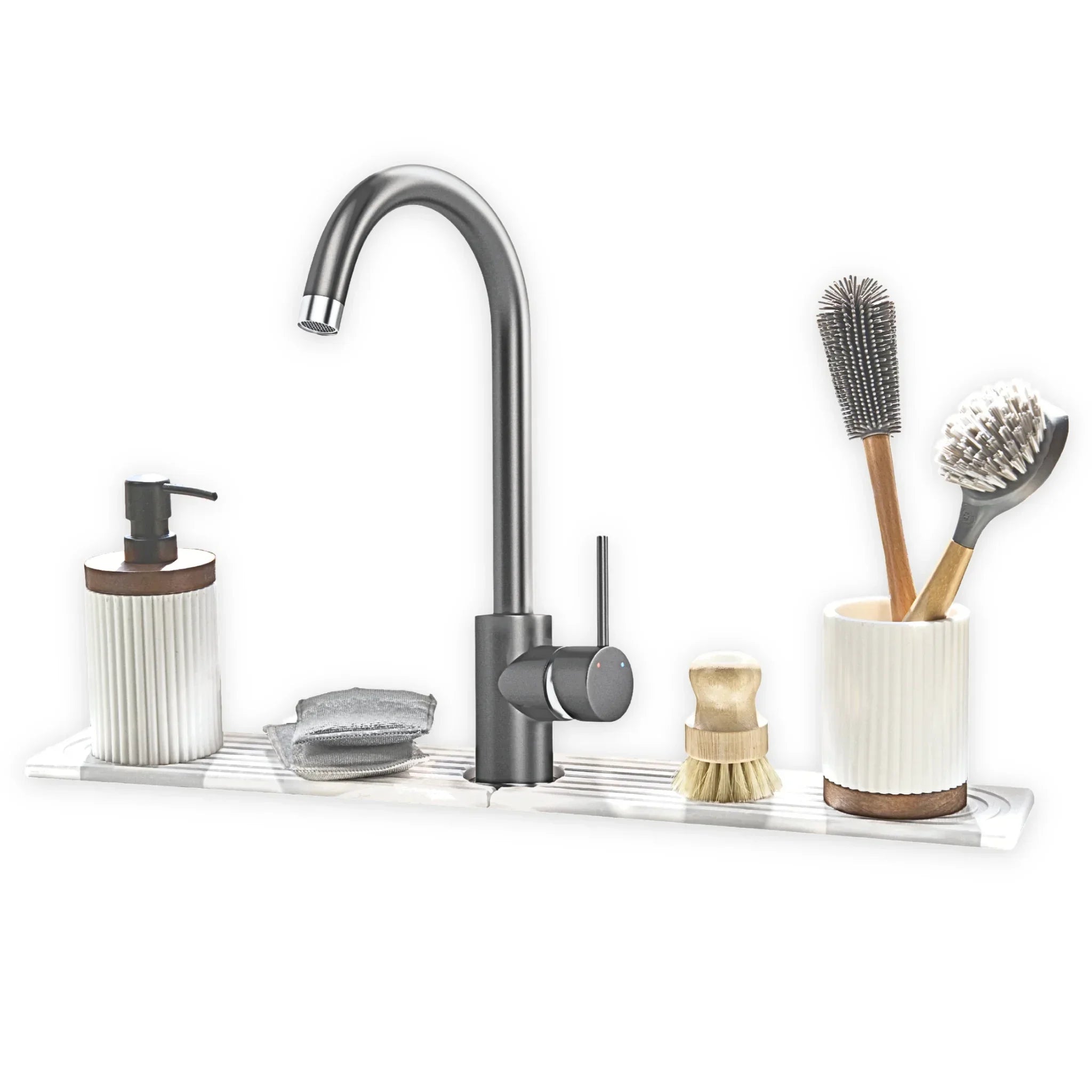
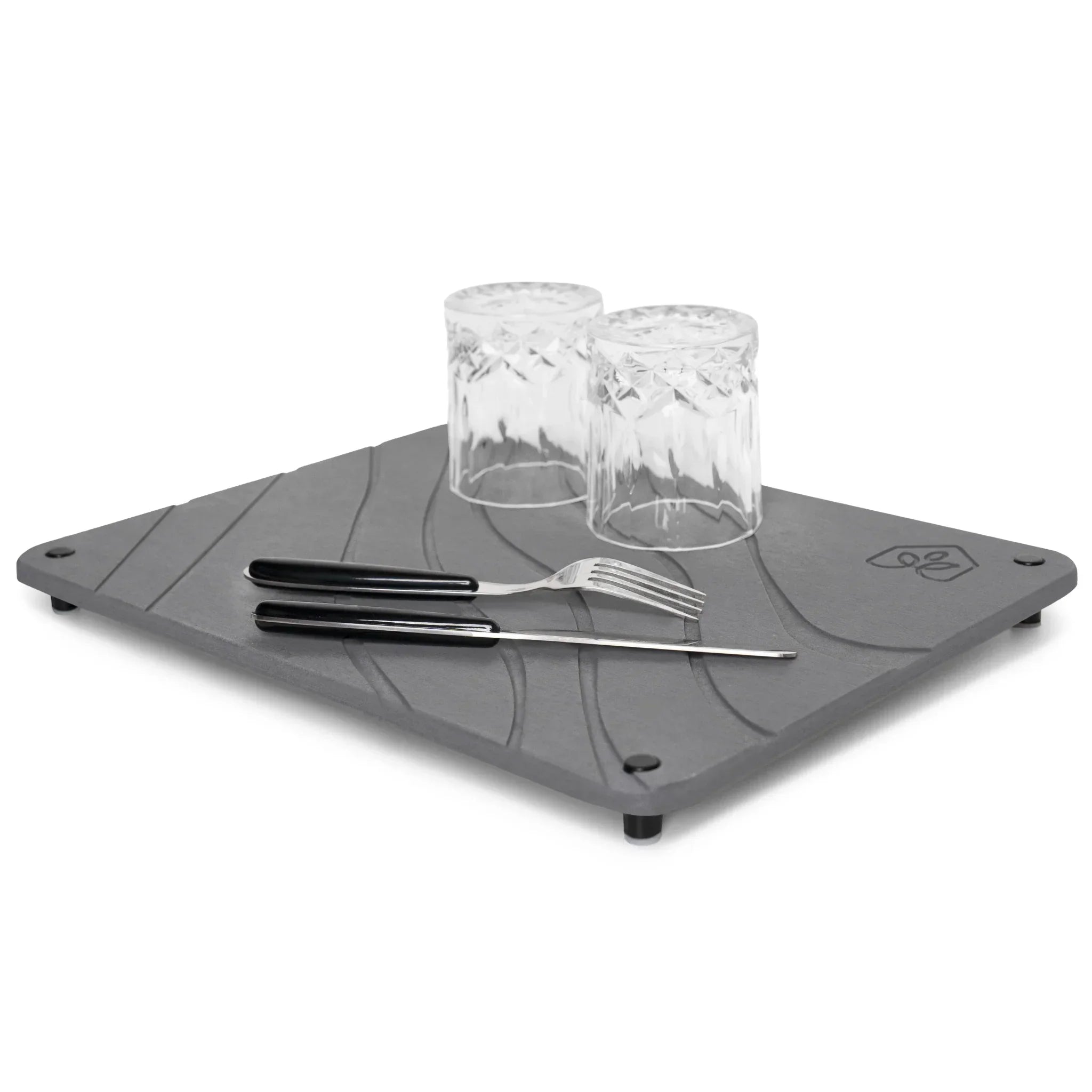
Even the most absorbent material can fail if moisture gets trapped underneath it. That's why the design of a self drying sink caddy matters just as much as the material itself. Natureva's sink caddies sit on stainless steel legs that elevate the entire platform 2.5 cm above your bench surface, creating a gap that allows air to circulate freely underneath. This airflow prevents the moisture trap problem that flat organisers create when water seeps beneath them and has nowhere to go.
The legs aren't just about elevation. Each one sits on a precision-sized silicone pad that protects your countertop from scratches while keeping the caddy stable, even when wet. Water that drips through evaporates into the air rather than pooling between the caddy and your bench, which is exactly where mould loves to grow on traditional storage solutions.
- Stainless steel legs create 2.5 cm of clearance for constant airflow
- Silicone pads under each leg prevent scratching and slipping
- Moisture evaporates from both top and bottom surfaces
- No trapped water means no hidden mould growth
The combination of absorbent stone on top and elevated design underneath eliminates the damp conditions where bacteria and mildew typically develop. You're not just moving the mess around, you're actually preventing it from forming in the first place.
Keeping Soap Bottles and Sponges Dry Between Uses
The next generation of home essentials: naturally made, cleaner by design, sustainable by nature.
SHOP ALLDish soap dispensers drip. Sponges leak. Scrub brushes leave puddles. These aren't occasional problems, they happen every single time you use them, which means your bench is constantly dealing with moisture throughout the day. When these items sit on a regular plastic tray or directly on your counter, that water spreads out and creates a film that attracts dust and grime. A self drying sink caddy absorbs those drips the moment they happen instead of letting them spread across your workspace.
The stone surface pulls moisture away from the bottom of bottles and sponges immediately, which means items dry faster between uses. A sponge sitting on absorbent stone releases its water into the material below rather than staying damp on a non-porous surface like silicone or plastic.
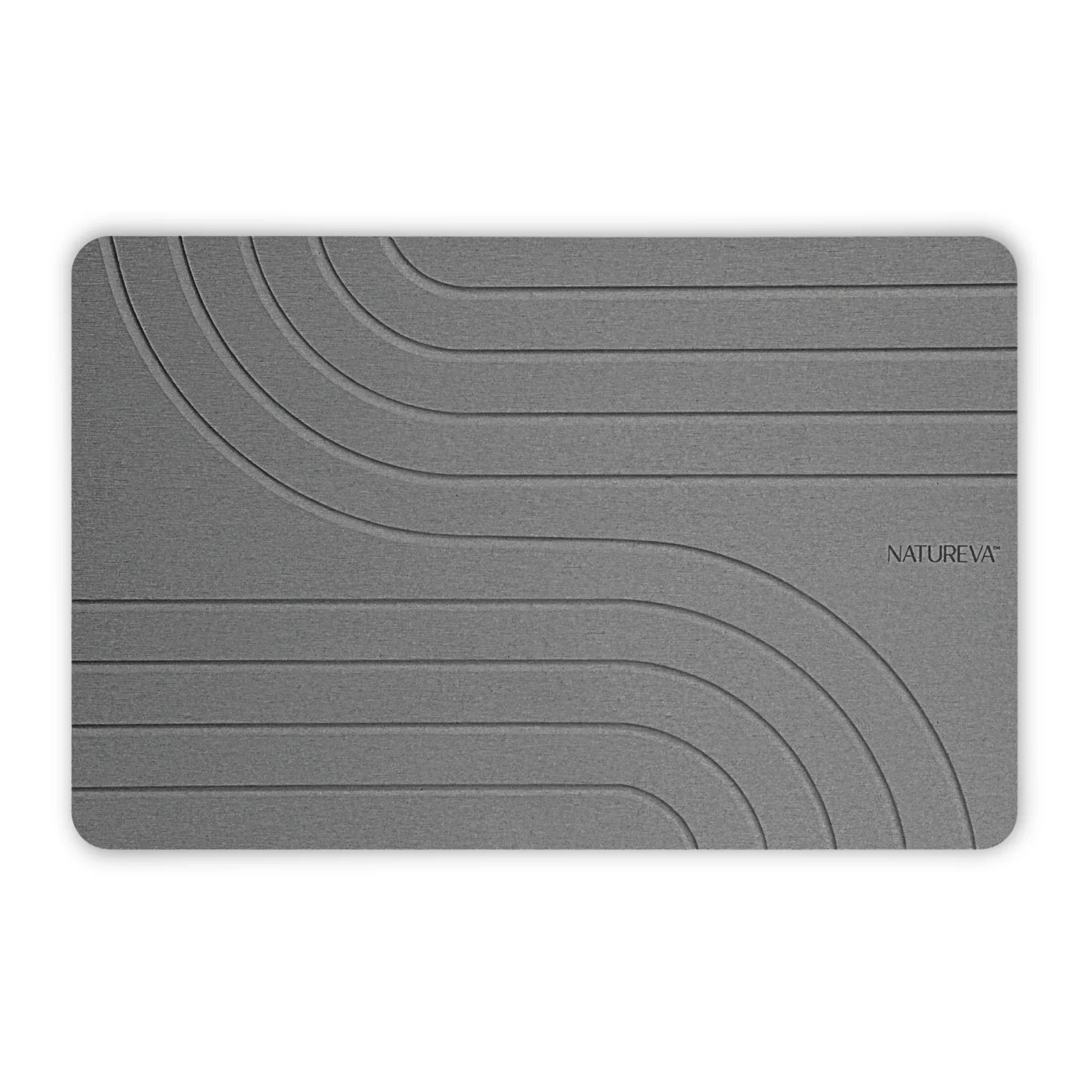
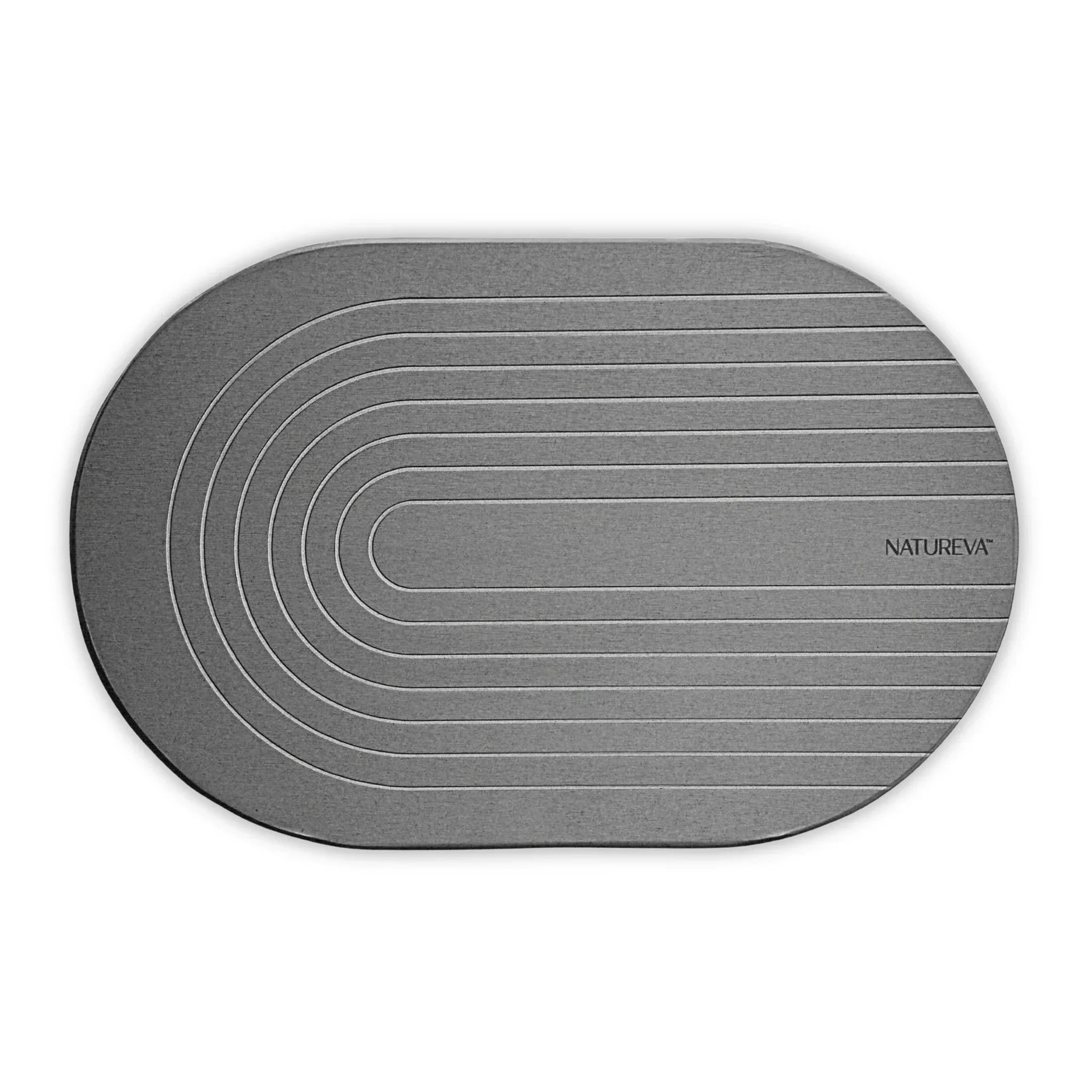
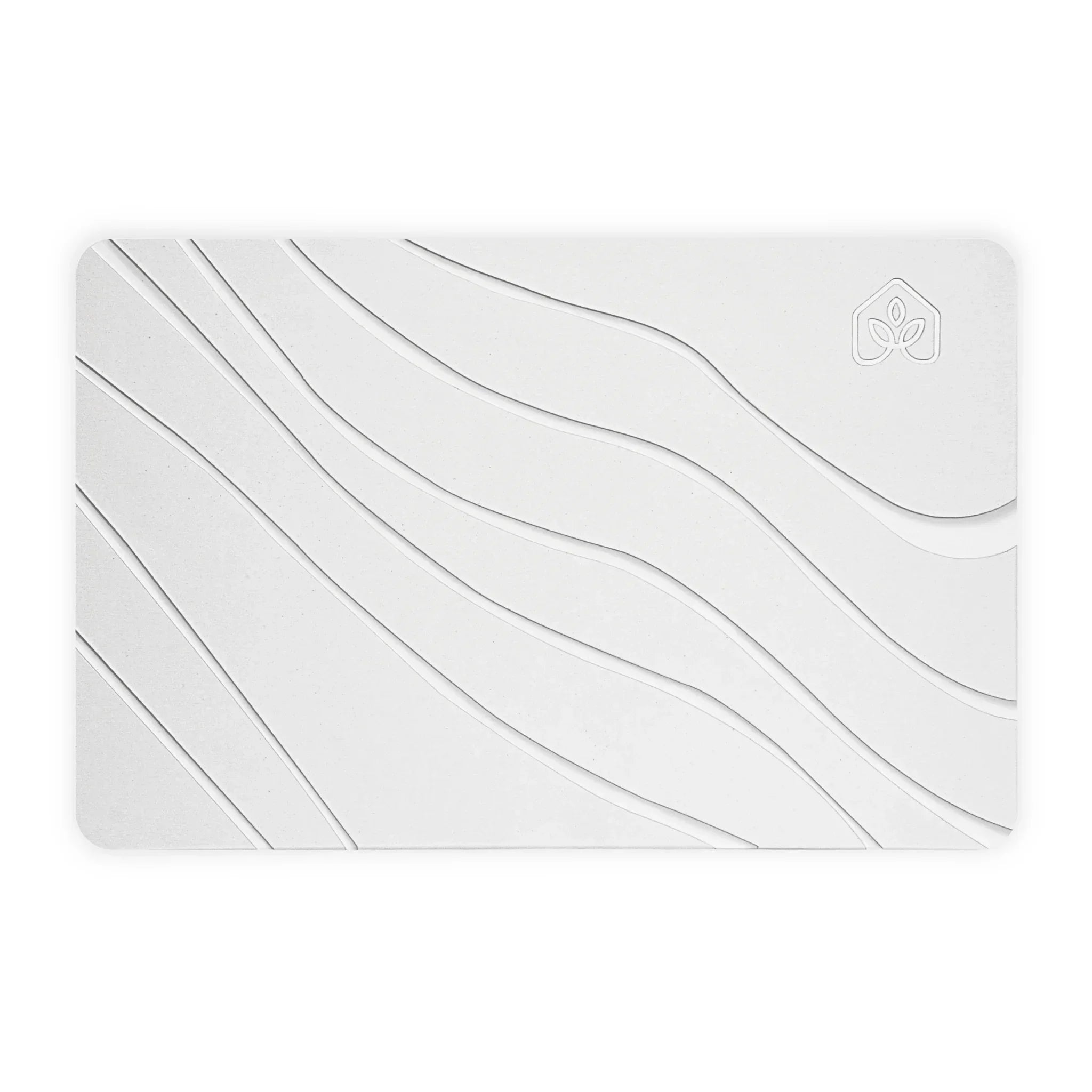
The carved surface patterns on Natureva's caddies aren't just decorative. The Flow design features diagonal wave channels that guide water along engineered paths, while the Rain pattern uses vertical line segments to create drainage routes. These engravings increase surface area and direct moisture into specific channels where evaporation happens even faster.
Items stay cleaner because they're not sitting in their own moisture all day. That means less frequent washing of your dish brush, fewer smelly sponges, and soap bottles that don't leave sticky rings on your counter. The caddy does the moisture management work so your cleaning tools can actually stay clean.
Less Cleaning, Less Maintenance, Less Thought
The real benefit of a self drying sink caddy isn't just that it absorbs water, it's that you stop thinking about the mess around your sink entirely. There's no daily wiping ritual because water evaporates instead of pooling. There's no weekly scrubbing session because the material stays hygienic by design through rapid moisture evaporation. You just use your sink like normal and the caddy handles the moisture without any input from you.
Weekly maintenance takes about thirty seconds. A quick wipe with warm water and cleaning vinegar keeps the surface fresh. Stone doesn't harbour odours the way fabric mats do or develop that slimy mildew film that silicone organisers get when moisture sits too long.
- No daily wiping needed because moisture evaporates naturally
- Weekly cleaning is just warm water and vinegar
- Material doesn't trap odours or develop mildew
- Designed for households that want clean spaces without constant effort
This matters most for time-poor households where cleaning the cleaning tools feels like one task too many. The material does the work so you don't have to constantly monitor and maintain the area around your sink. You can find Natureva's stone sink caddies in both Flow and Rain designs, available in Graphite, Slate, and Chalk to match your kitchen aesthetic.
The same moisture-managing principle extends across Natureva's entire kitchen collection, including dish drying mats and faucet mats that work together to keep your entire sink area dry. When every surface around your sink is designed to absorb and evaporate moisture instead of trapping it, the whole space stays cleaner with less effort from you.
Stone vs Fabric vs Silicone Sink Storage
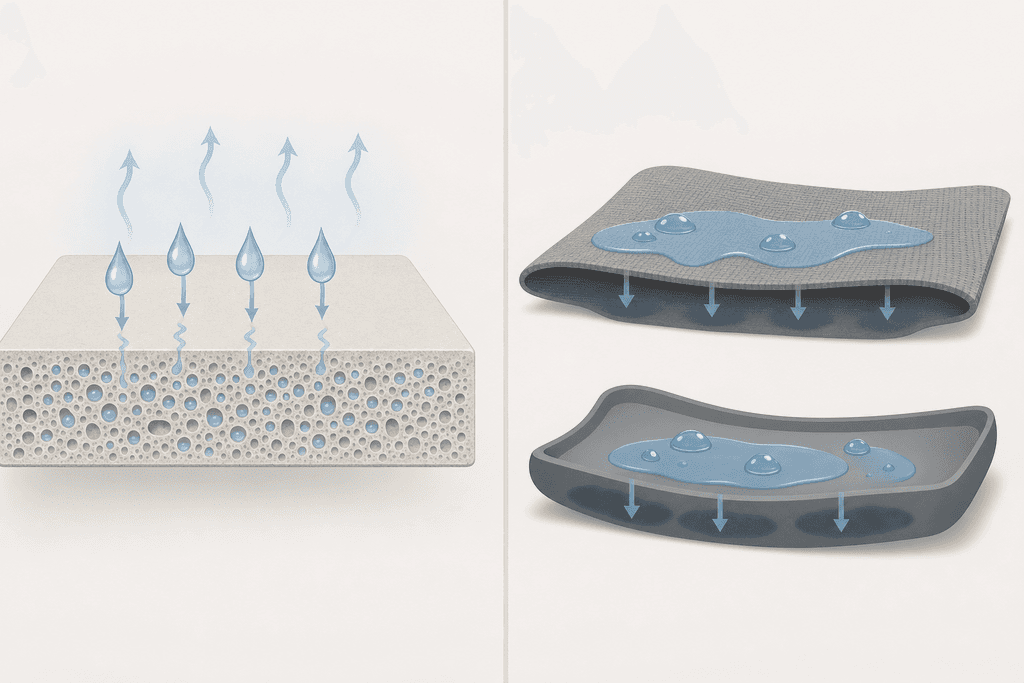
Most sink caddies fail because they trap the exact moisture they're supposed to manage. Fabric mats soak up water and hold it against your bench for hours, creating damp spots that smell musty by day three. Silicone organisers look clean on top but develop a slippery film underneath where water pools and bacteria multiply. Plastic caddies collect standing water in their base trays, turning into miniature breeding grounds that contaminate every sponge and brush you store. The material you choose determines whether your sink area stays dry or becomes a hygiene problem.
Fabric sink mats stay wet for 6 to 12 hours after a single dish session. That's half a day of moisture sitting on your benchtop, seeping into grout lines and creating the damp conditions where mould develops. You'll need to throw them in the washing machine weekly just to keep them from smelling, which means you're doing laundry for a dish mat.
| Material Type | Drying Time | Maintenance Frequency | Typical Lifespan |
|---|---|---|---|
| Fabric Mat | 6-12 hours | Machine wash weekly | 6-12 months |
| Silicone Organiser | Never fully dries | Deep clean every 3-5 days | 12-18 months |
| Plastic Caddy | Standing water remains | Empty and scrub daily | 12-24 months |
| Stone Caddy | Under 10 minutes | Wipe weekly | Years |
Silicone looks modern but performs worse than fabric in real conditions. Water gets trapped between the silicone base and your counter, creating a slippery biofilm layer that feels gross when you move it. You'll find yourself lifting it every few days to wipe underneath, which defeats the purpose of having an organiser in the first place.
Stone caddies dry within minutes because diatomite pulls moisture into millions of microscopic pores and releases it back into the air through rapid evaporation. The elevated design on stainless steel legs means airflow reaches every surface, so nothing stays damp. Our Stone Sink Caddies need only a quick wipe with vinegar and water once a week, no scrubbing or machine washing required.
- Fabric holds moisture against your bench for 6-12 hours after each use
- Silicone traps water underneath and develops slippery biofilm buildup
- Plastic caddies collect standing water that spreads bacteria to stored items
- Stone absorbs and evaporates moisture in under 10 minutes
The difference isn't about how often you clean. It's about whether the material itself stays dry between cleanings. Stone wins on drying speed, maintenance effort, and long-term hygiene because it eliminates the conditions where bacteria and mould develop instead of just hiding them.
Dry Benches Start With Better Materials
The puddles and soap residue around your kitchen sink aren't happening because you're messy or careless. They're happening because most sink organisers are made from materials that trap water instead of managing it. Fabric holders get soggy and stay damp for hours. Silicone trays collect pools of dirty water underneath. Plastic caddies sit flat against the bench and create sealed wet zones that never fully dry. The problem isn't your cleaning routine, it's the material sitting on your counter.
A self drying sink caddy works differently because it's built from diatomite stone, a naturally porous material that absorbs moisture on contact and releases it back into the air through rapid evaporation. The Natureva Stone Sink Caddy in Flow and Rain designs sits 2.5 cm above the bench on stainless steel legs, creating constant airflow underneath so nothing stays wet. Water drips from your dish soap or hand wash bottle get absorbed into the stone surface instead of pooling on your counter.
The result is less wiping, less scrubbing, and fewer gross moments when you reach for something and find it sitting in a puddle. The stone does the work so you don't have to. If you're looking for similar moisture-managing solutions across your home, the kitchen collection includes dish mats and faucet mats that work the same way.
Better materials solve problems better than better habits. That's the whole point.
Common Questions About Self Drying Sink Caddies
How long does it take for a stone sink caddy to dry completely?
A diatomite self drying sink caddy typically dries within minutes after water contact. The porous structure of the stone pulls moisture from the surface and releases it into the air through rapid evaporation. Most drips from soap bottles or sponges disappear in under five minutes, leaving the surface dry to the touch.
Will the stone caddy scratch my benchtop?
Stone sink caddies are designed with protective features to prevent surface damage. The Natureva Stone Sink Caddy sits on stainless steel legs that elevate it 2.5 cm above your counter, creating airflow underneath while keeping the stone from direct contact with your benchtop. Each caddy includes precision-sized silicone pads that fit flush underneath the legs to prevent scratching and add stability on wet surfaces.
How do you clean a diatomite sink caddy?
Weekly maintenance is simple and takes less than a minute. Wipe the surface with a warm damp cloth and cleaning vinegar to remove any soap residue or buildup. Avoid using coloured soaps directly on the stone as they can leave marks. For stubborn stains, rinse under water or use hydrogen peroxide, then let it air dry completely before placing it back near your sink.
Can stone sink caddies hold heavy soap bottles?
Yes, diatomite stone caddies are solid and stable enough to support full-size soap dispensers and cleaning bottles. The material is compressed into a dense, rigid form that doesn't flex or tip under weight. The elevated leg design and anti-slip pads keep everything secure even when the surrounding counter is wet.
Do stone caddies work better than silicone or plastic organisers?
Stone caddies solve the main problem that silicone and plastic organisers create, which is trapped water. Plastic trays collect puddles that need to be emptied and wiped regularly, while silicone mats stay damp for hours and develop that slippery film underneath. A self drying sink caddy absorbs moisture on contact and releases it through evaporation, so there's no standing water to breed mould or create mess. The elevated design also means air circulates underneath, keeping both the caddy and your counter dry.
What happens if the stone stops absorbing water?
If your stone caddy starts absorbing water more slowly, the surface pores have likely become clogged with soap residue or mineral deposits. This is easy to fix using the included sanding tool that comes with every Natureva stone product. A few light passes with the P320 grit sanding disc reopens the microscopic pores and restores full absorbency, bringing the caddy back to like-new performance.
The next generation of home essentials: naturally made, cleaner by design, sustainable by nature.
SHOP ALL