
Budget Dog Feeding Mats That Protect Kitchen Floors
Every time your dog takes a drink, a small puddle forms on your kitchen floor, and those constant spills add up to real damage over time. Dog feeding mats solve this problem by catching water and food debris before they reach your floors, protecting against stains and warping that can cost hundreds to repair. The good news is you don't need to spend a fortune to keep your kitchen safe, and options like the Stone Pet Mat use natural materials to absorb moisture instantly while staying within budget.
Table of Contents
The Real Cost of Unprotected Feeding Areas
Most dog owners don't realize that water and food spills can cause hundreds or even thousands of dollars in floor damage over time. Every time your pup takes a drink or munches their kibble, tiny splashes and crumbs land on your floor. These might seem harmless at first, but moisture sitting on flooring day after day creates problems that sneak up on you. What starts as a small water ring can turn into warped boards, stained grout, or even mold growth that requires professional remediation.
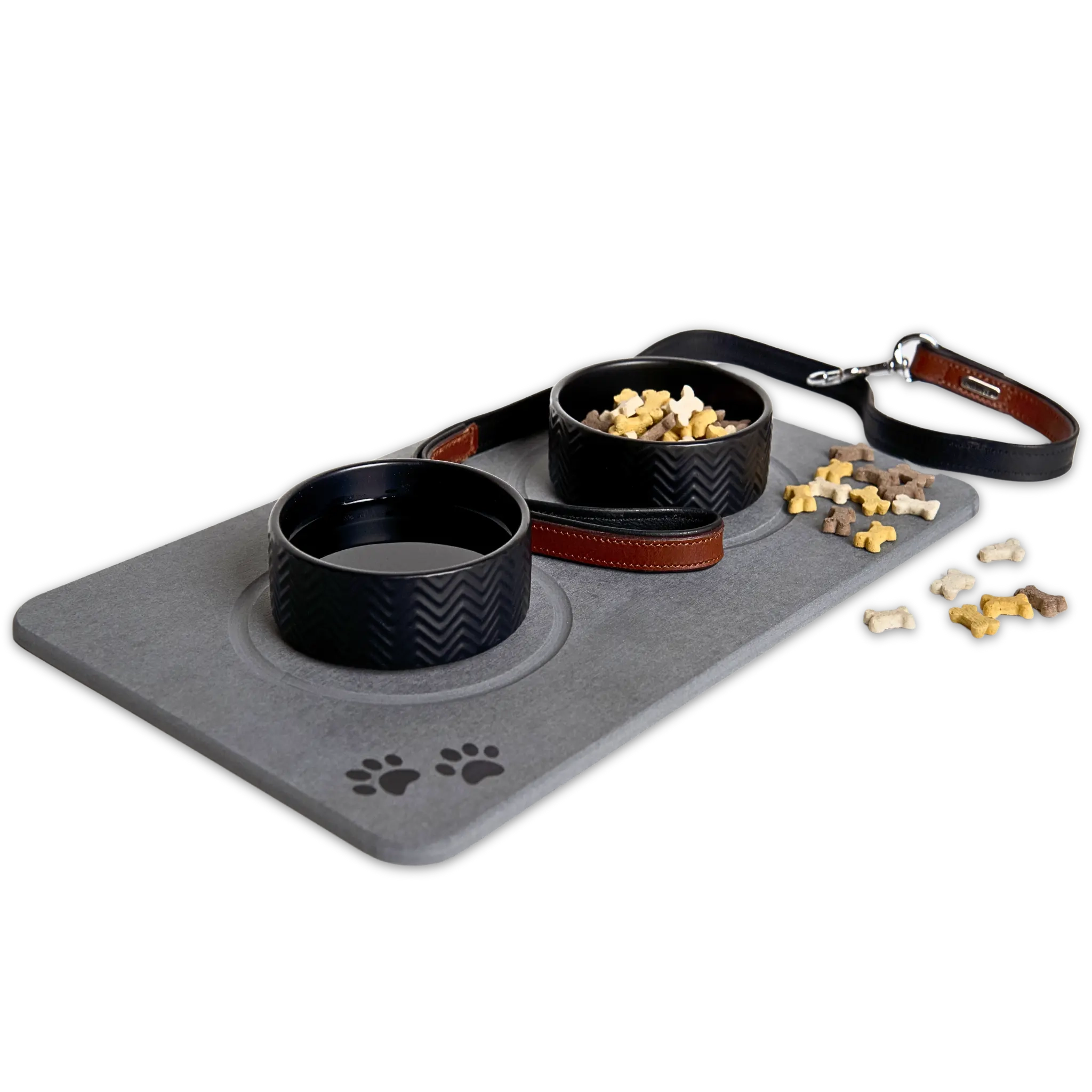
Stone Pet Mat
How Different Floors Handle Spills
Not all flooring materials react the same way to your dog's messy eating habits. Understanding what happens to your specific floor type helps you see why protection matters so much.
- Hardwood floors absorb moisture through tiny gaps between planks, causing boards to swell and warp
- Laminate flooring can bubble and separate at the seams when water seeps underneath
- Tile floors seem waterproof, but the grout between tiles acts like a sponge
- Vinyl and linoleum can develop permanent stains from food oils and discoloration from standing water
The experts at Twenty & Oak explain that even small amounts of daily moisture exposure can compromise floor integrity. The damage happens slowly, which is why many pet owners don't notice until it's too late.
The Hidden Bacteria Problem
Beyond visible damage, wet feeding areas create perfect breeding grounds for bacteria and mold. Tile grout is especially problematic because it's porous and traps moisture deep inside where you can't see it.
- Damp grout harbors E. coli and salmonella from raw food particles
- Mold spores develop in as little as 24-48 hours in moist environments
- Bacteria can spread from floor surfaces to your dog's paws and then throughout your home
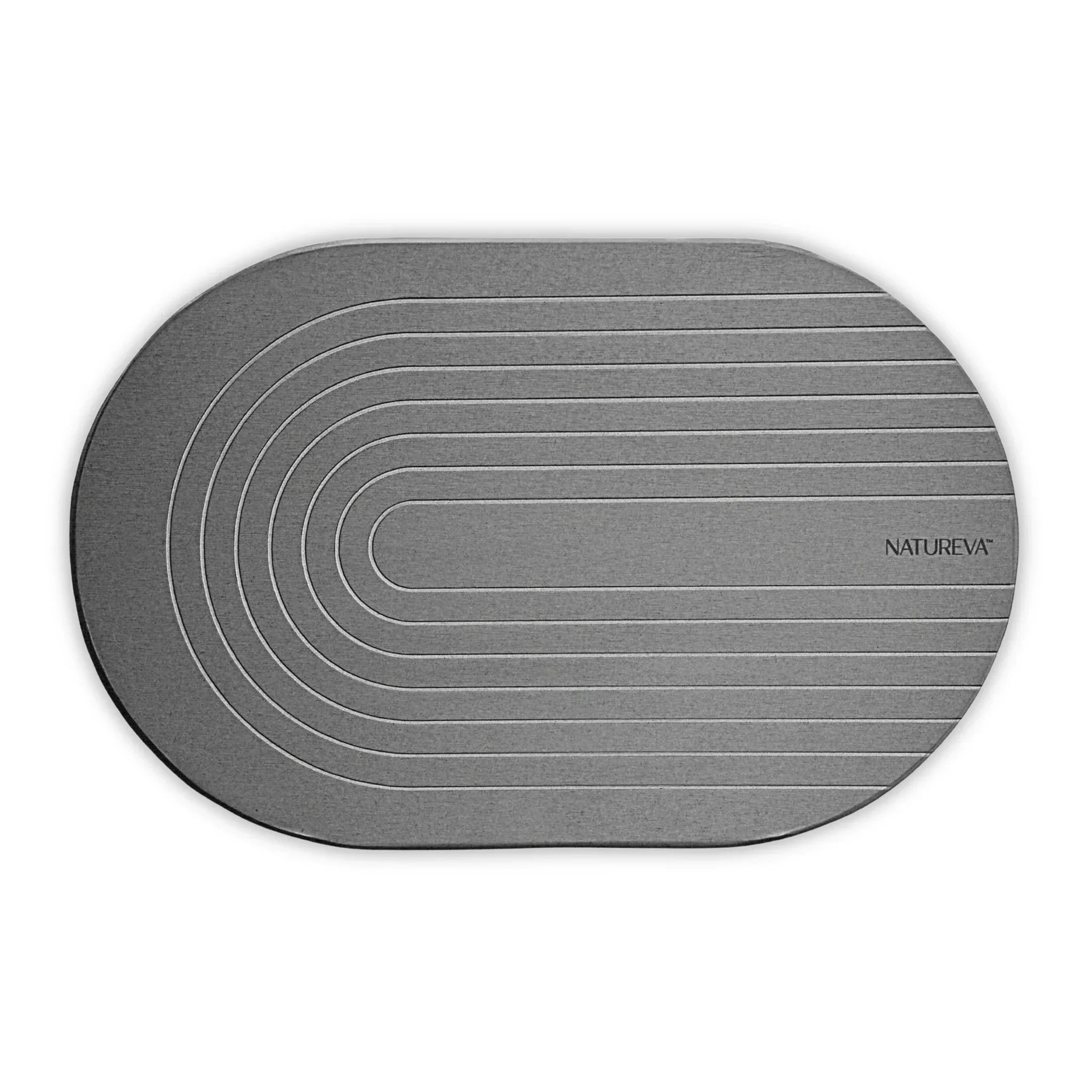
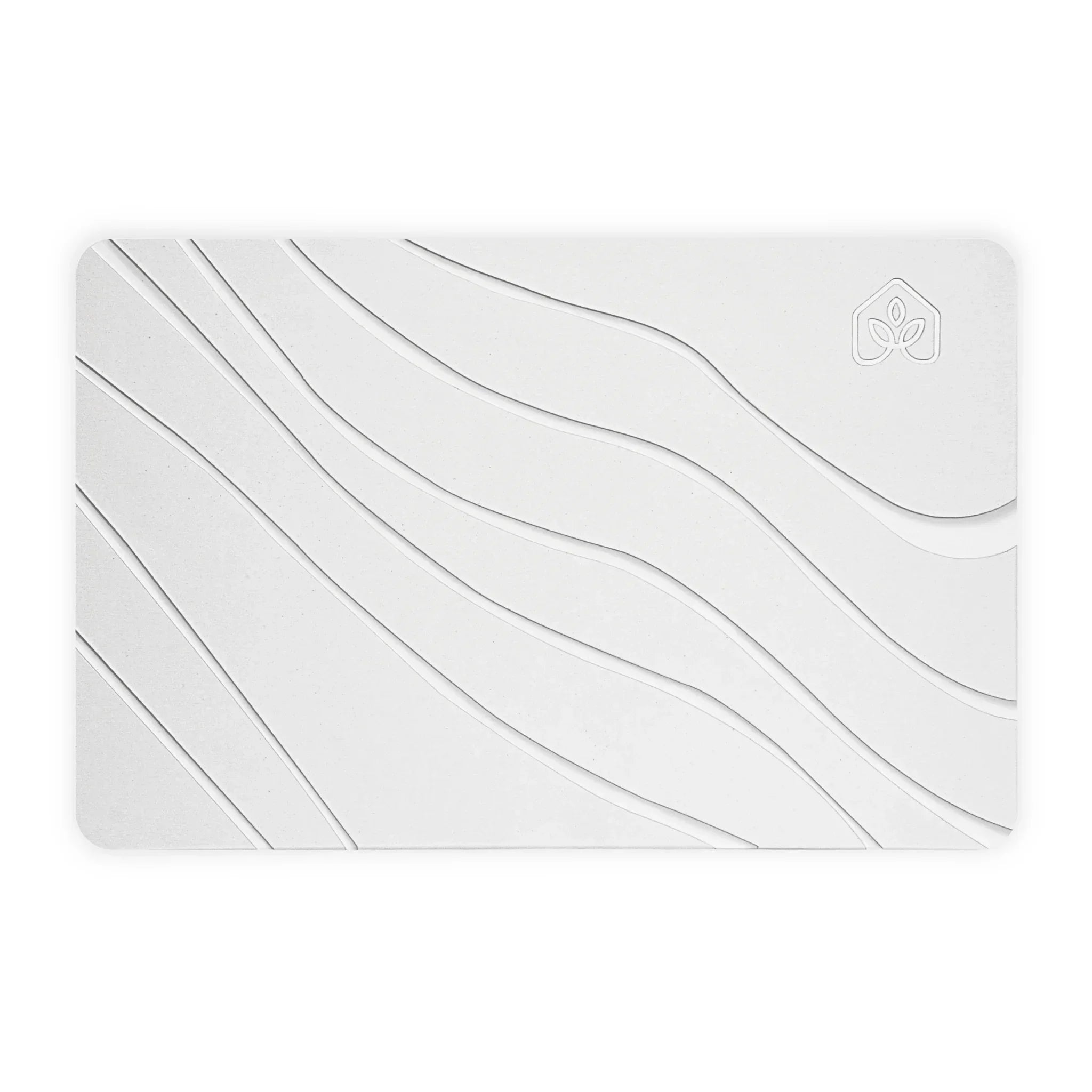
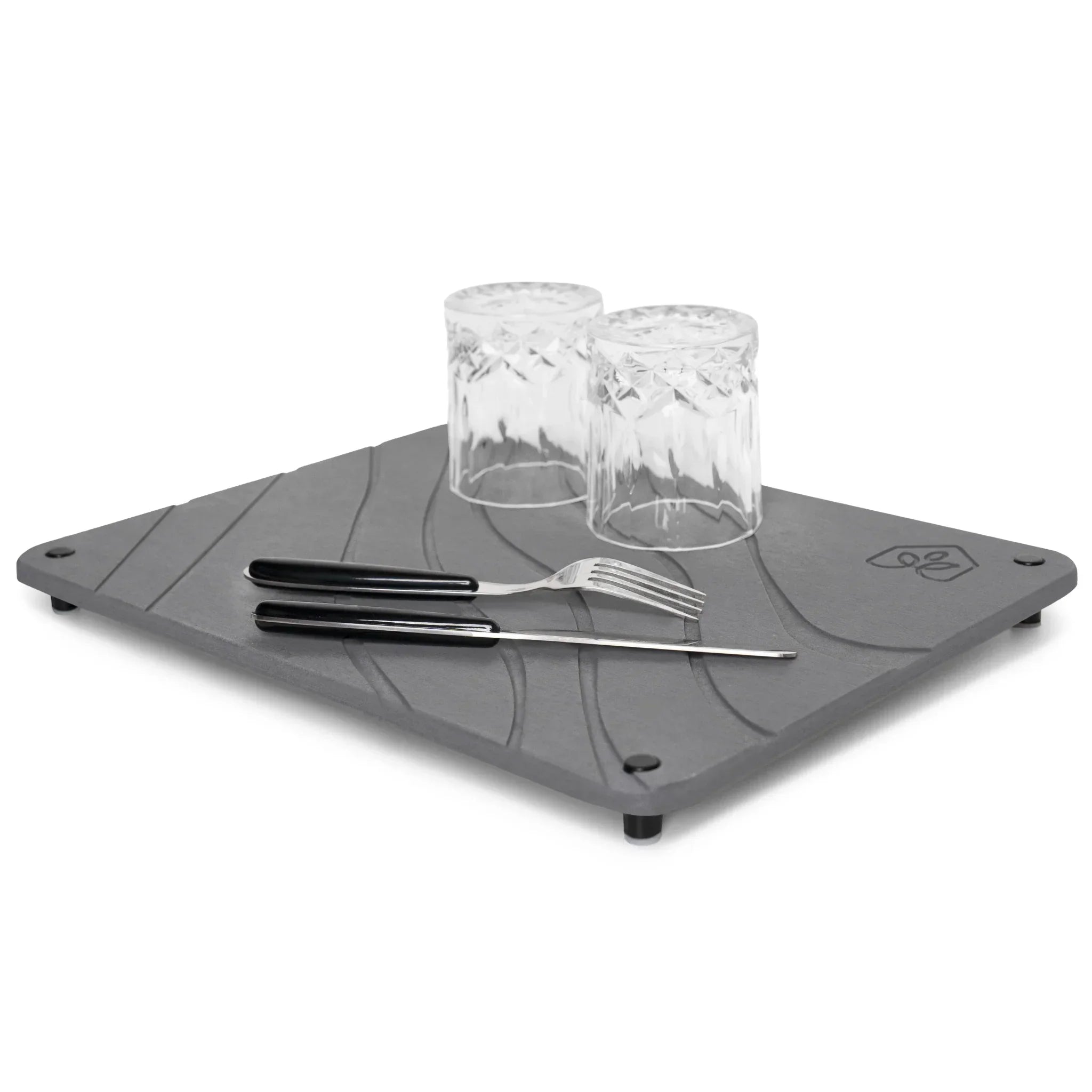
Dog feeding mats with proper absorption help stop this cycle before it starts. Our Stone Pet Mat uses natural diatomaceous earth that actively evaporates moisture instead of just sitting on top of it like rubber or silicone mats.
What Repairs Actually Cost
The numbers tell a clear story when you compare repair costs to prevention. Professional floor repairs aren't cheap, and insurance rarely covers damage from pet-related wear and tear.
| Floor Issue | Average Repair Cost | Prevention Cost |
|---|---|---|
| Hardwood warping (per board) | $200-$400 | $49 one-time |
| Grout replacement (10 sq ft) | $150-$300 | |
| Laminate plank replacement | $100-$250 | |
| Mold remediation | $500-$2,000 | |
| Full floor refinishing | $1,500-$5,000 |
A quality feeding mat costs less than replacing a single damaged hardwood plank. The math makes sense when you look at it this way. Plus, you avoid the hassle of moving furniture, living through construction dust, and dealing with contractors.
What Makes a Good Budget Dog Feeding Mat
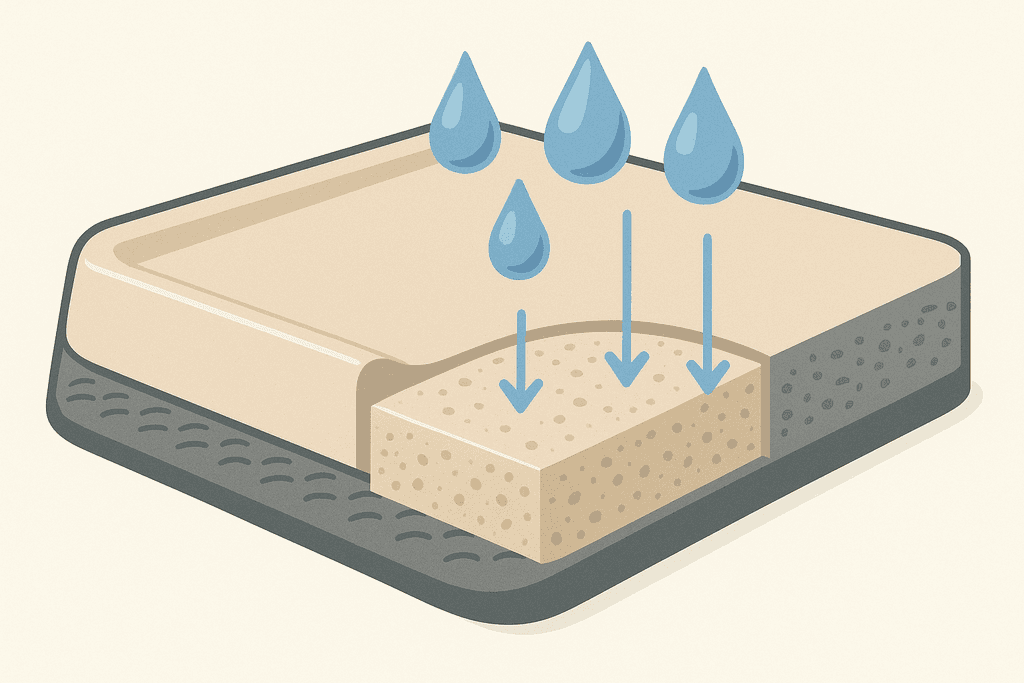
Most dog owners don't realize that water bowls can leak up to half a cup of water onto floors during a single meal. That's a lot of moisture seeping into your kitchen floor every single day. When you're shopping for dog feeding mats, the material you choose makes all the difference in how well your floor stays protected. Different materials handle spills in completely different ways, and understanding these differences helps you pick the right mat without wasting money on something that doesn't work.
What Makes a Good Budget Dog Feeding Mat
The best mats share a few key features that separate them from the cheap options that fall apart after a few weeks. Absorption speed is probably the most important factor because water that sits on top of a mat will eventually spread to your floor anyway. You also need to think about size, since a mat that's too small just pushes the mess to the edges where it defeats the whole purpose.
Essential Features Checklist
- Material quality determines how long the mat lasts and how well it absorbs spills
- Non-slip backing keeps the mat from sliding around when your dog gets excited at mealtime
- Adequate size should extend at least 2-3 inches beyond your bowls on all sides
- Easy cleaning means you can maintain hygiene without spending hours scrubbing
- Quick drying prevents mold and bacteria from growing in damp areas
The backing on your mat matters more than most people think. A mat that slides around creates more mess than it prevents, especially if you have an enthusiastic eater who pushes their bowl across the floor. Research shows that stability is one of the top concerns for pet owners when choosing feeding mats.
Material Comparison for Maximum Protection
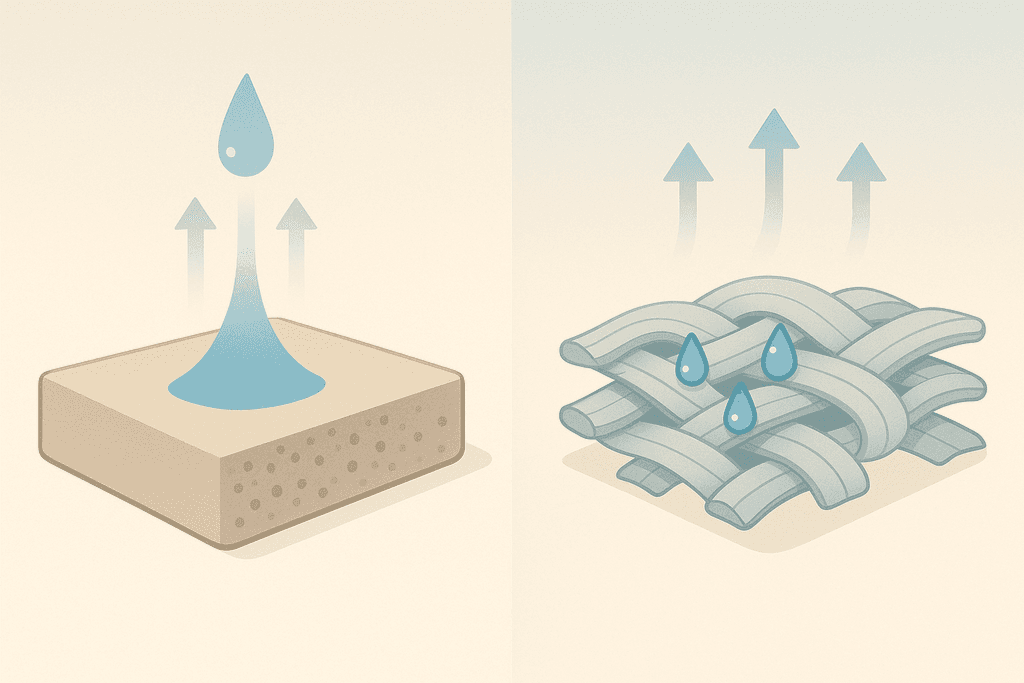
Each type of mat material handles water and food spills differently, which is why some mats work great for certain situations but fail miserably in others. Silicone mats are popular because they're waterproof and you can toss them in the dishwasher, but here's the catch: they don't actually absorb anything. Water just pools on top until you wipe it up, which means your floor is still at risk if you don't catch spills right away. Rubber mats offer good durability and grip, but they tend to hold onto smells over time, which gets pretty unpleasant in a feeding area.
Material Comparison for Maximum Protection
Diatomaceous earth mats work completely differently from traditional options. The material naturally pulls moisture into millions of tiny pores, so water disappears from the surface almost instantly. This means your dog can't step in puddles and track water across your kitchen floor.
| Material Type | Absorption | Durability | Price Range |
|---|---|---|---|
| Diatomaceous Earth | Excellent | Years | $40-60 |
| Silicone | None | Good | $15-30 |
| Rubber | Low | Very Good | $20-40 |
| Microfiber | Good | Fair | $10-25 |
Microfiber mats absorb spills well, but they need constant washing to stay hygienic. If you forget to wash them regularly, they become breeding grounds for bacteria. Waterproof backing on these mats helps, but the fabric itself stays damp for hours after spills.
The price differences between materials often reflect how long they last and how much maintenance they need. A cheaper mat that requires replacement every few months ends up costing more than a durable option that lasts for years.
The next generation of home essentials: naturally made, cleaner by design, sustainable by nature.
SHOP ALLStone Pet Mats and Natural Solutions
Diatomaceous earth might sound fancy, but it's actually just fossilized algae that's been compressed over millions of years into a porous stone material. The structure of this material is what makes it special for pet feeding areas. Those millions of microscopic pores act like tiny sponges that pull water away from the surface through capillary action. Unlike fabric mats that hold moisture, stone mats actively evaporate the water they absorb, which means they dry out naturally without any help from you.
The natural antimicrobial properties of diatomaceous earth are a bonus that most pet owners don't even know about. The material naturally inhibits bacterial growth, which keeps your dog's feeding area more hygienic between cleanings.
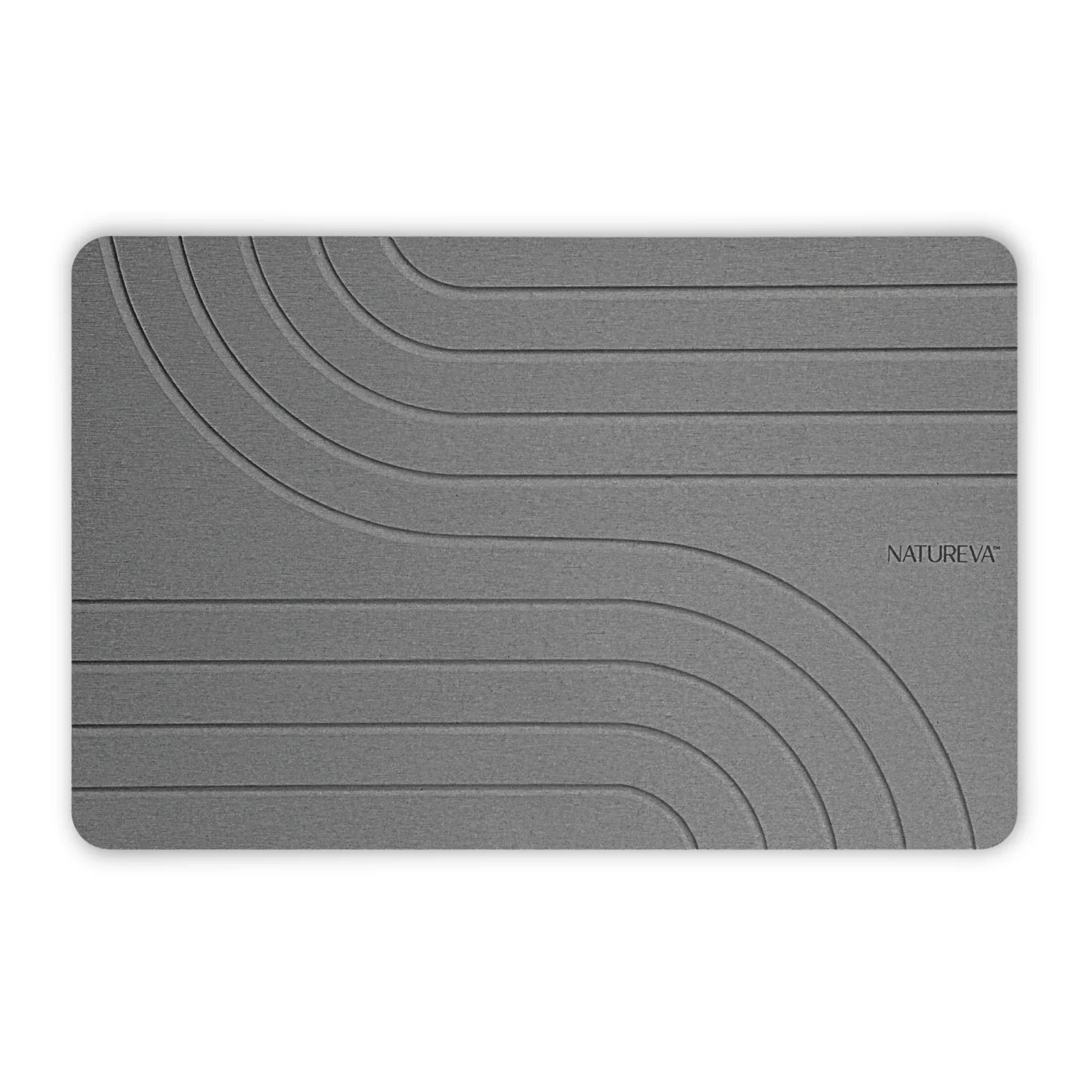
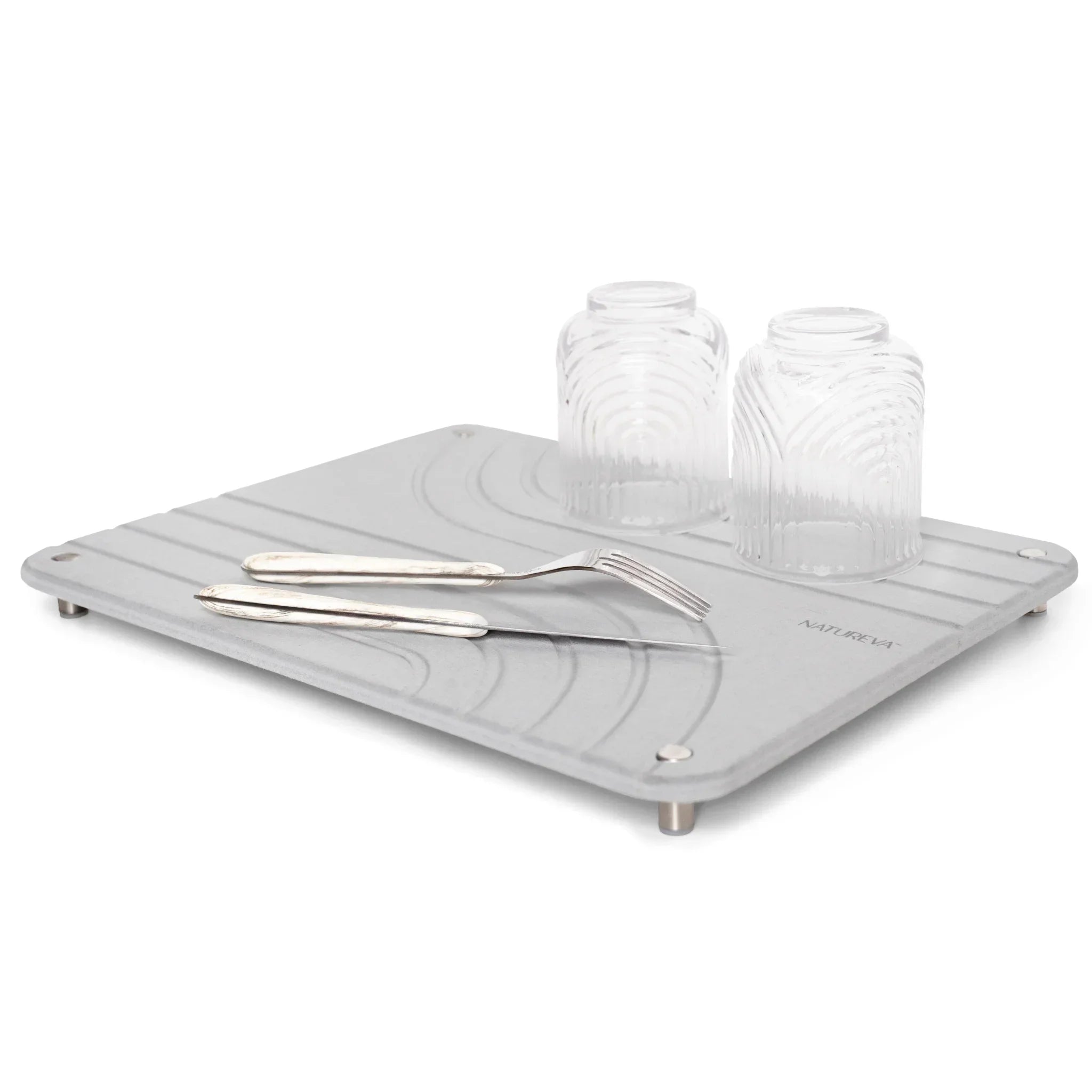
Our Stone Pet Mat uses this natural material to handle the messiest eaters. At $49, it sits in the middle of the price range for quality feeding mats, but the durability means you won't need to replace it like you would with cheaper options. The mat soaks up spills instantly, and because it dries so quickly, you don't get that damp, musty smell that happens with fabric mats.
Maintenance and Longevity
- Wipe with a damp cloth for daily cleaning
- Rinse under water for deeper cleaning when needed
- Air dry naturally without towels or heat
- No special cleaners or treatments required
- Material doesn't degrade or lose absorption over time
Stone mats last for years without losing their absorption capabilities, which makes them more budget-friendly in the long run than mats you need to replace regularly. The surface stays smooth and doesn't crack or peel like rubber or silicone options. Pet care experts recommend stone mats for dogs who are messy drinkers or who tend to splash water around their bowls.
The best part about using a stone mat is how little effort it takes to keep clean. You don't need to remember to throw it in the wash or scrub it with special cleaners. Most of the time, a quick wipe is all it needs, and the natural properties of the material do the rest of the work for you. If you're looking for other ways to use diatomaceous earth around your home, check out our kitchen collection for similar absorption solutions.
Protecting Your Floors Without Breaking the Bank
Dog feeding mats are one of those things you don't think about until you notice the water stains spreading across your kitchen floor. The good news is that protecting your floors doesn't require spending a fortune on professional cleaning or floor repairs. A simple mat under your dog's bowls can save you hundreds of dollars down the road, and most budget options work just fine for everyday messes.
The material you choose really depends on how messy your dog eats and how much time you want to spend cleaning. Silicone mats are cheap and easy to rinse off, but they don't actually absorb anything. Fabric mats soak up water but take forever to dry and can get pretty gross if you're not washing them constantly. Stone mats like our diatomite pet mat handle both absorption and quick drying, which means less work for you and cleaner floors overall.
Here's what matters most when picking a feeding mat:
- It needs to actually absorb water, not just catch it
- It should dry fast enough that bacteria and mold don't become a problem
- It has to be durable enough to handle daily use without falling apart
- The price should make sense for what you're getting
Think of it this way: spending $50 now beats paying $500 later to refinish water-damaged hardwood. The math is pretty simple, but the real benefit is not having to worry about what your dog's dinner is doing to your floors. If you're curious about how stone mats work in other parts of your home, check out our kitchen collection for similar absorption solutions.
Now let's tackle some common questions people have about dog feeding mats.
Common Questions About Dog Feeding Mats
Choosing the right feeding mat brings up a lot of questions, especially when you're trying to protect your floors without spending a fortune. Most dog owners wonder about the same things when shopping for mats, from cleaning schedules to whether their particular pup actually needs one. Here are the answers to the most common questions we hear about dog feeding mats.
How often should I clean my dog's feeding mat?
You should wipe down your dog's feeding mat after every meal to prevent bacteria buildup. A quick rinse or wipe takes less than a minute and keeps things sanitary. For deeper cleaning, wash it with soap and water once a week, though stone mats like the Natureva Stone Pet Mat need less frequent washing since they naturally resist bacteria growth.
What size mat do I need for my dog?
Your mat should extend at least 3-4 inches beyond your dog's bowls on all sides. Bigger dogs who eat messily need larger mats, sometimes up to 24 inches wide. Watch where your dog tends to splash or drop food during a few meals to figure out the right coverage area.
Can feeding mats prevent all floor damage?
Feeding mats catch most spills and splashes, but they can't prevent everything if water sits too long or spills over the edges. The key is choosing a mat with good absorption that dries quickly. Regular cleaning and proper placement help maximize protection for your kitchen floors.
Are stone mats safe for dogs?
Stone mats made from diatomaceous earth are completely safe for dogs and won't harm them if licked or touched. The material is natural and non-toxic, plus the textured surface is gentle on paws. Some dogs actually prefer the cool surface, especially during warmer months.
How long do feeding mats typically last?
Quality dog feeding mats usually last 1-3 years depending on the material and how often you clean them. Silicone and rubber mats wear out faster with daily use, while stone mats can last several years since they don't break down as easily. Proper care extends the life of any mat significantly.
Do I need a mat if my dog isn't messy?
Even neat eaters benefit from feeding mats because water bowls create condensation and minor drips throughout the day. These small amounts of moisture can damage hardwood or cause staining on tile grout over time. A mat provides an extra layer of protection that saves you from dealing with floor repairs later.
The next generation of home essentials: naturally made, cleaner by design, sustainable by nature.
SHOP ALL