
Five Quick Dry Bath Mat Differences You’ll Notice
Stepping out of the shower onto a soggy bath mat is one of those small annoyances that happens every single day. Most fabric bath mats stay damp for hours after you use them, creating that cold, squishy feeling nobody likes. Quick dry bath mats like our Natureva Stone Bath Mat solve this problem by drying in seconds instead of hours, and the differences go way beyond just drying time.
Table of Contents
- The Problem with Traditional Bath Mats
- Difference 1: Instant Water Absorption
- Difference 2: Lightning Fast Drying Time
- Difference 3: Zero Mold and Mildew Growth
- Difference 4: Maintenance and Longevity
- Difference 5: Feel and Bathroom Aesthetics
- Making the Switch to Quick Dry
- Quick Dry Bath Mat Questions
The Problem with Traditional Bath Mats
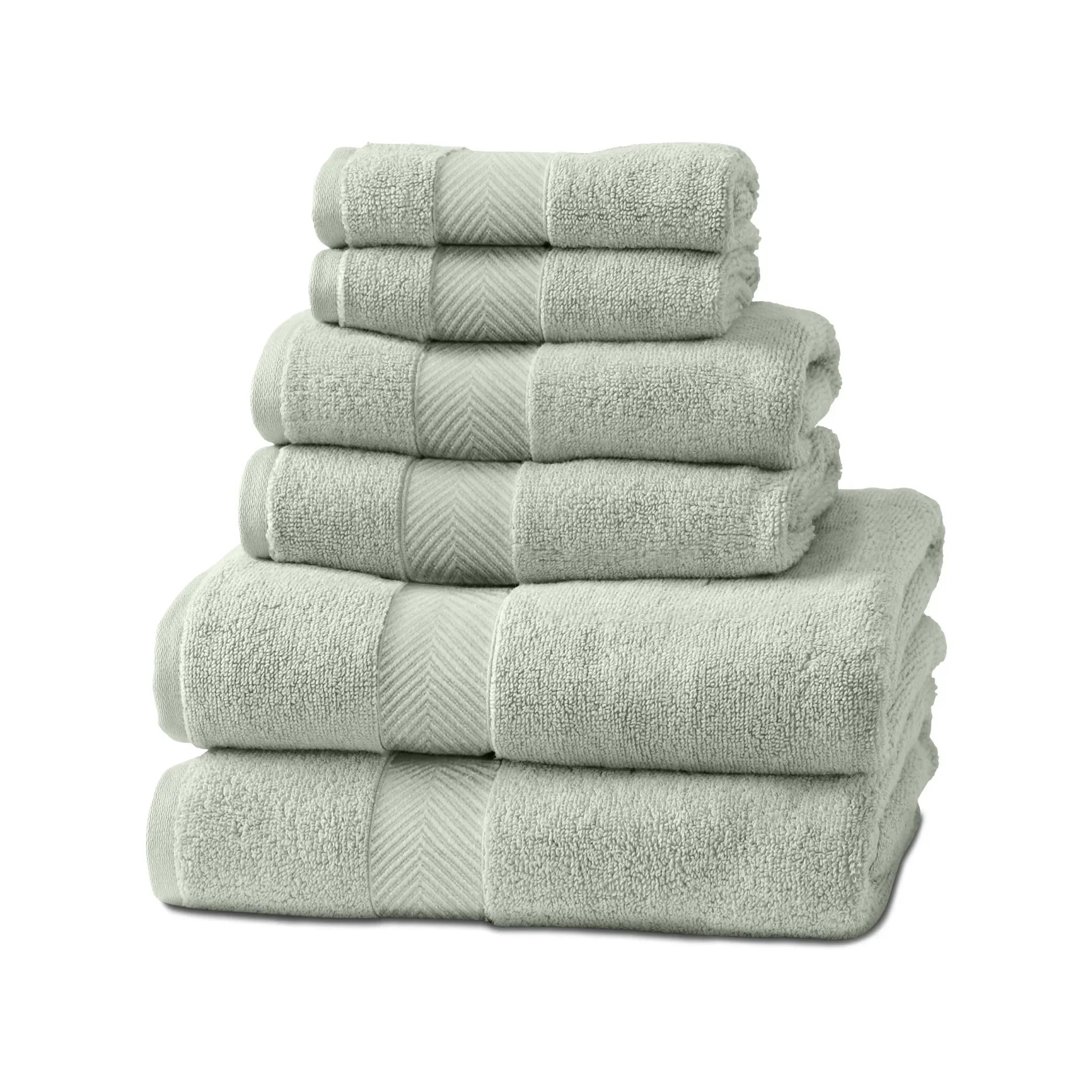
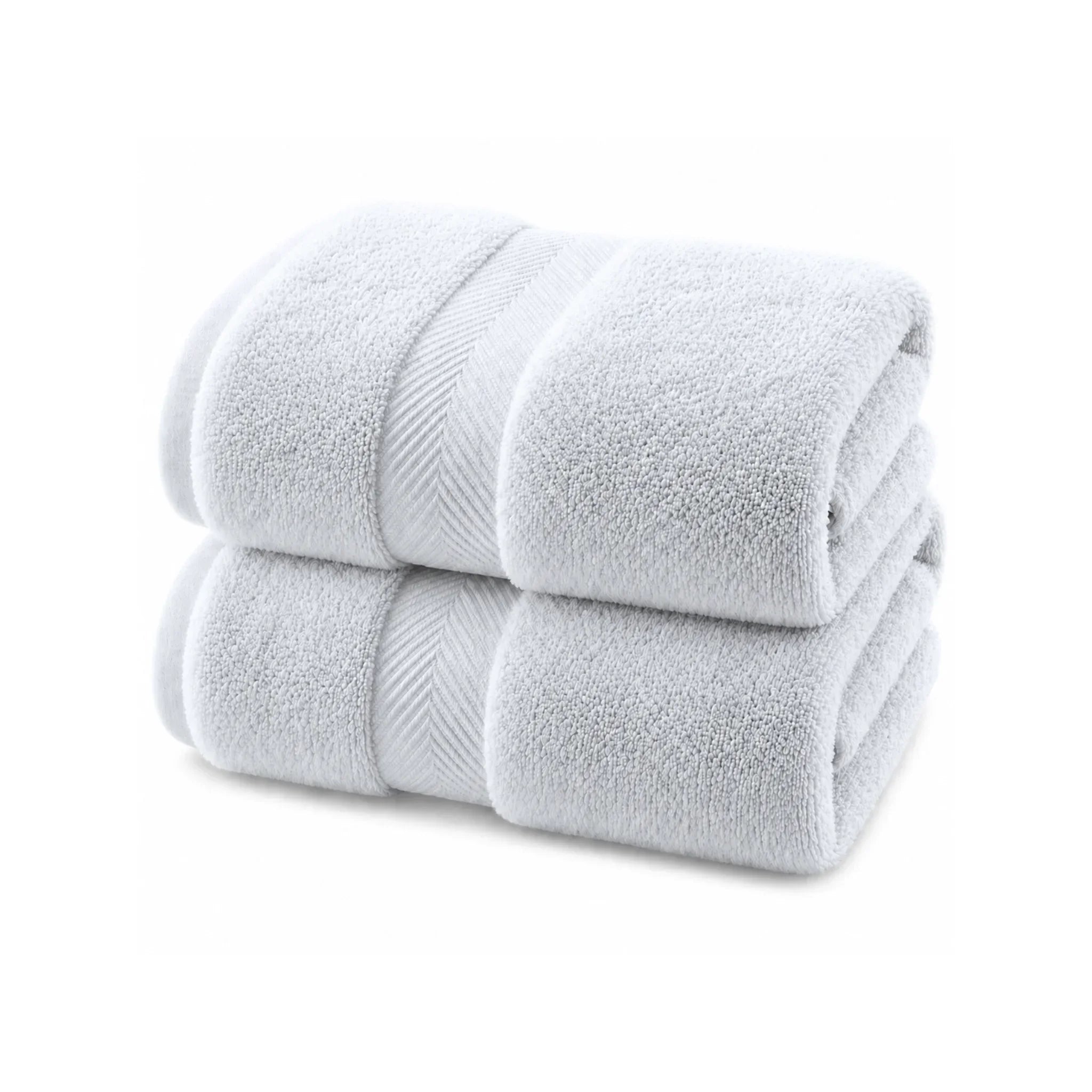
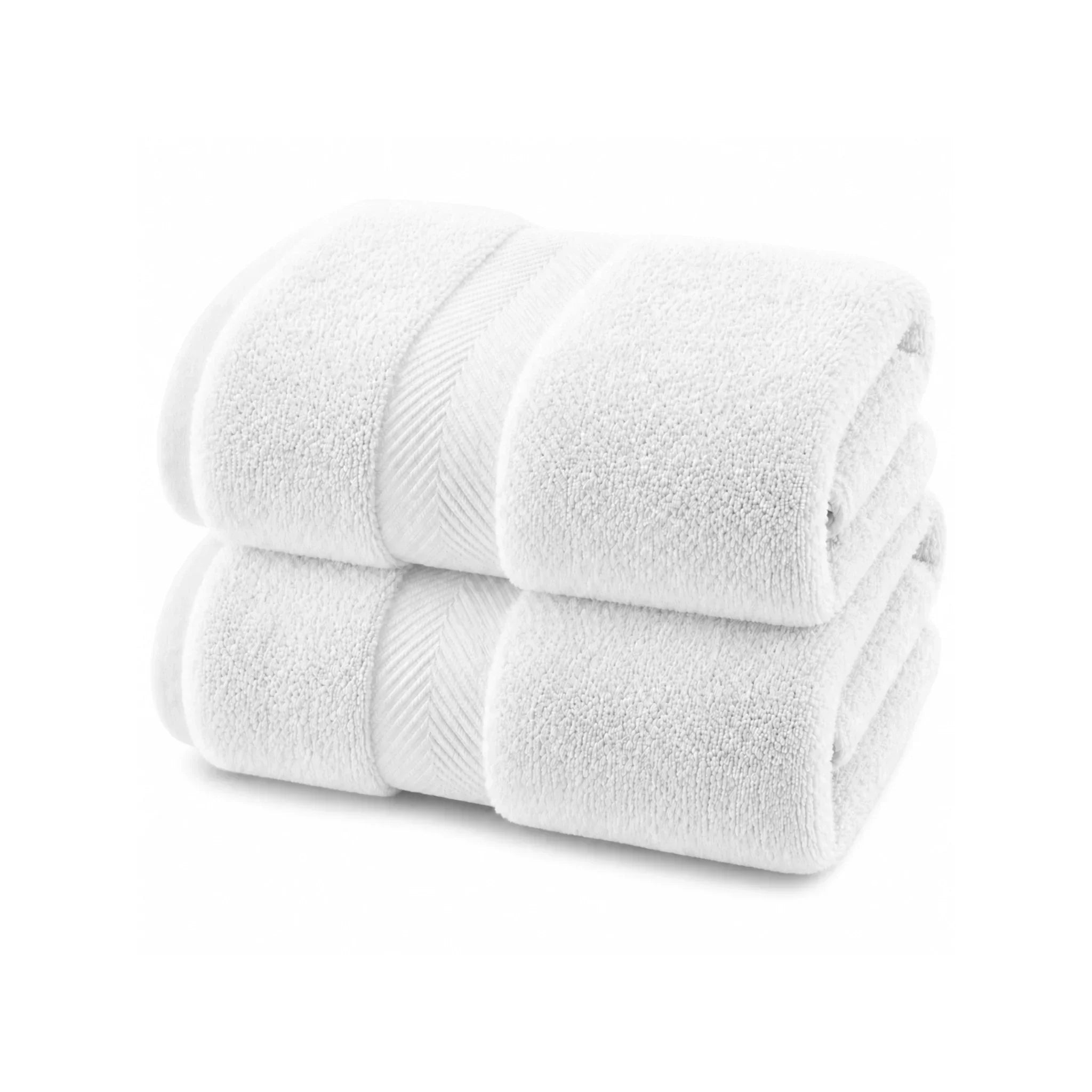
Most people don't realize their bath mat is still wet from yesterday's shower. Fabric bath mats can stay damp for 4 to 8 hours after use, creating a perfect breeding ground for things you definitely don't want in your bathroom. The fibers in cotton, microfiber, and chenille mats act like tiny sponges that trap water deep inside, making it nearly impossible for air to reach and dry them out completely.
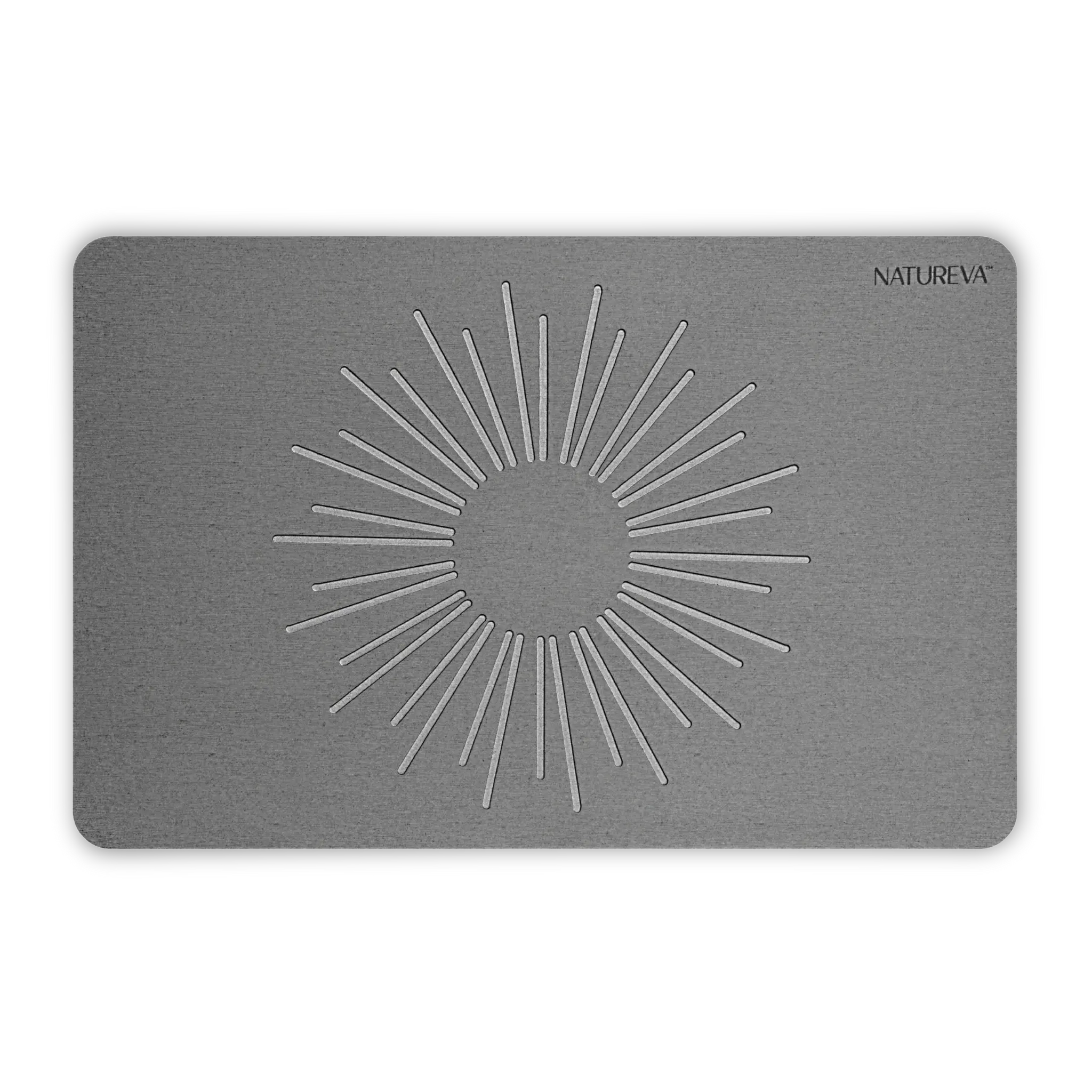
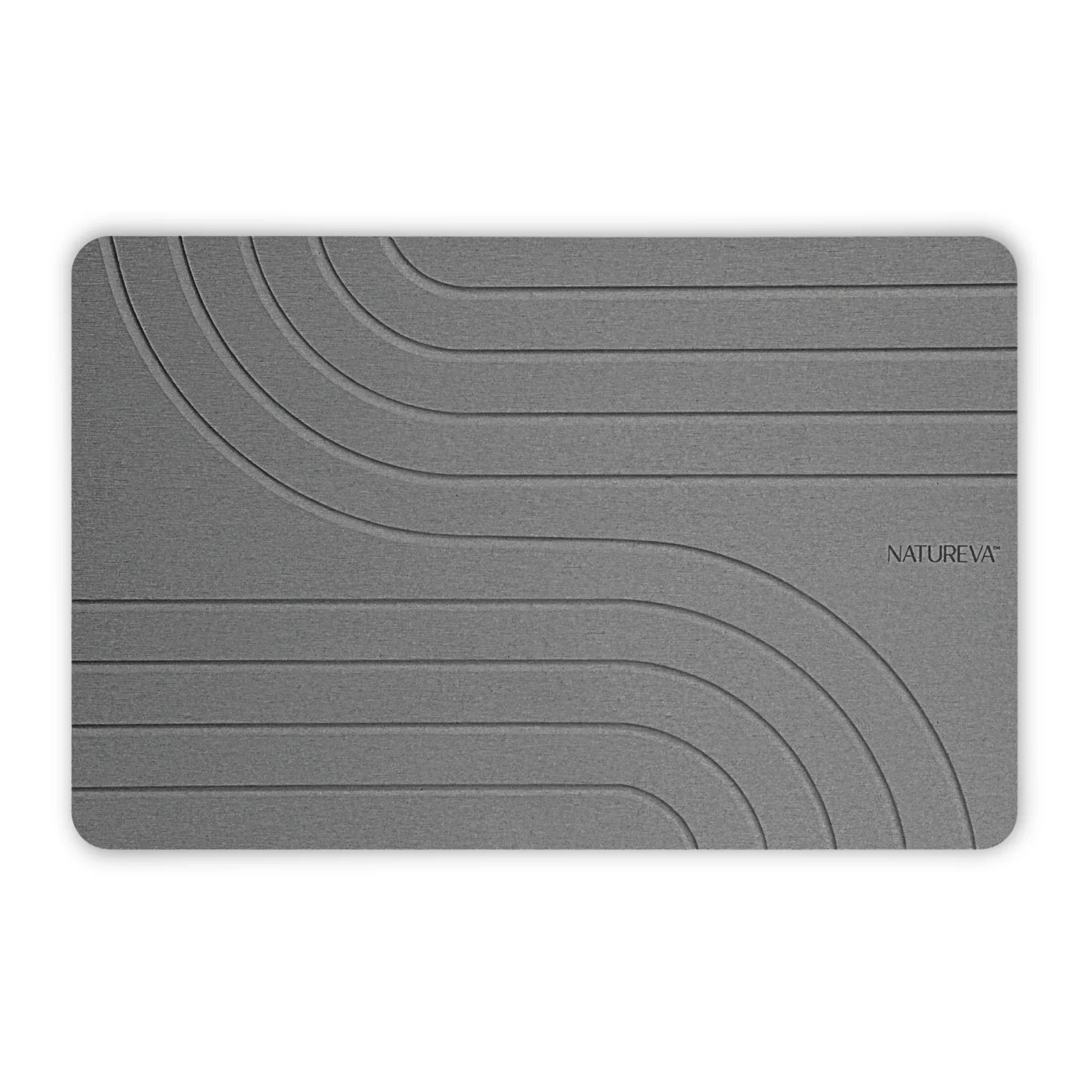
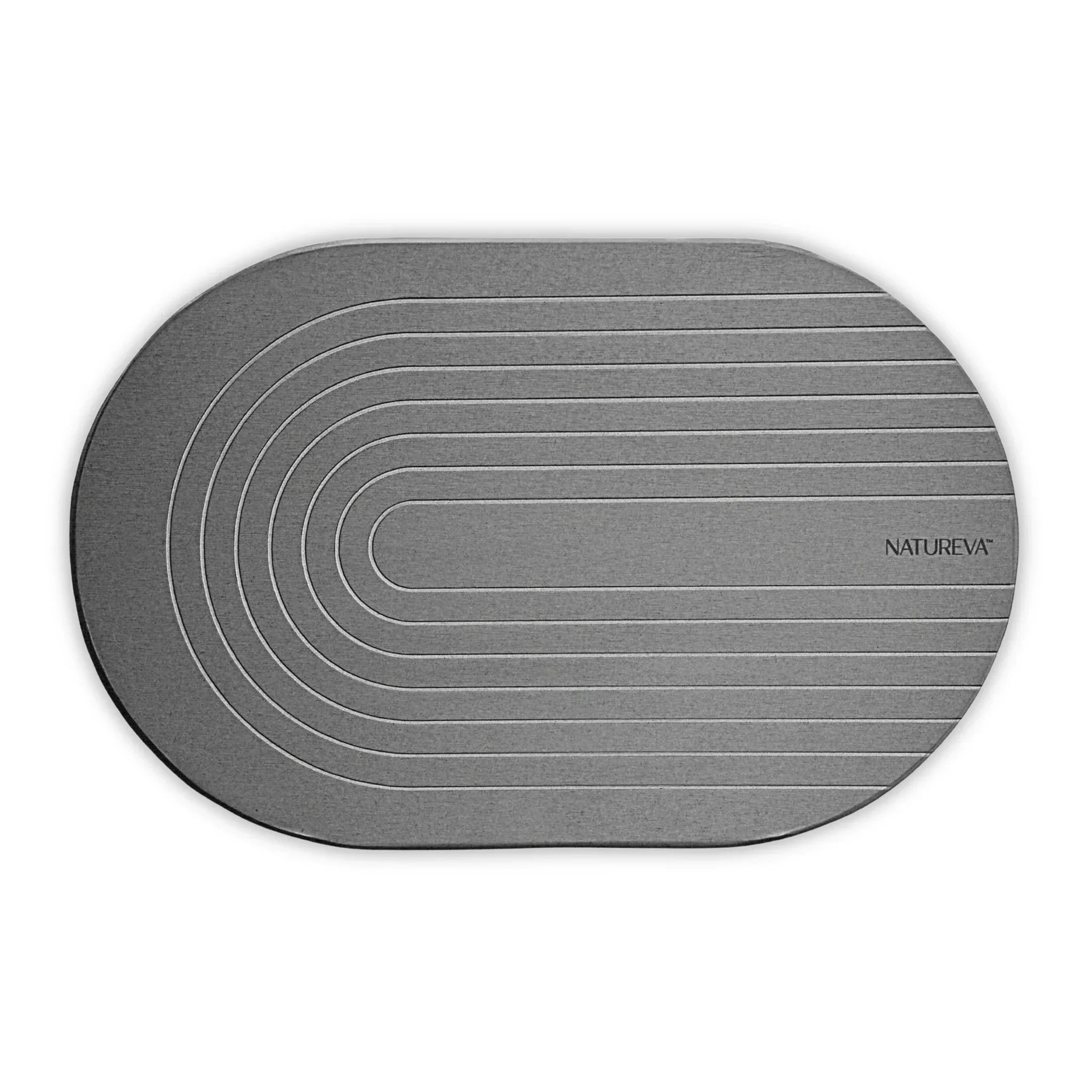
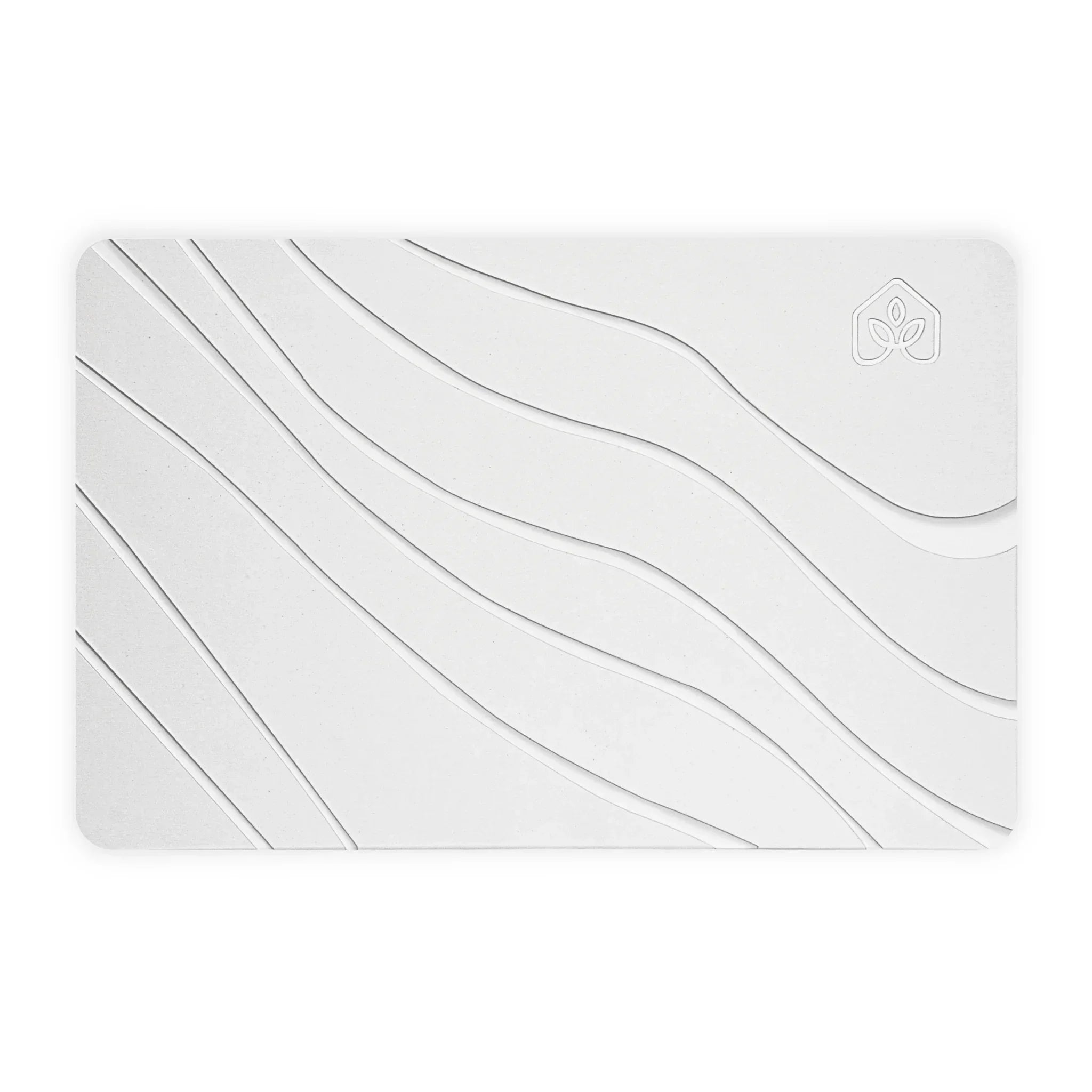
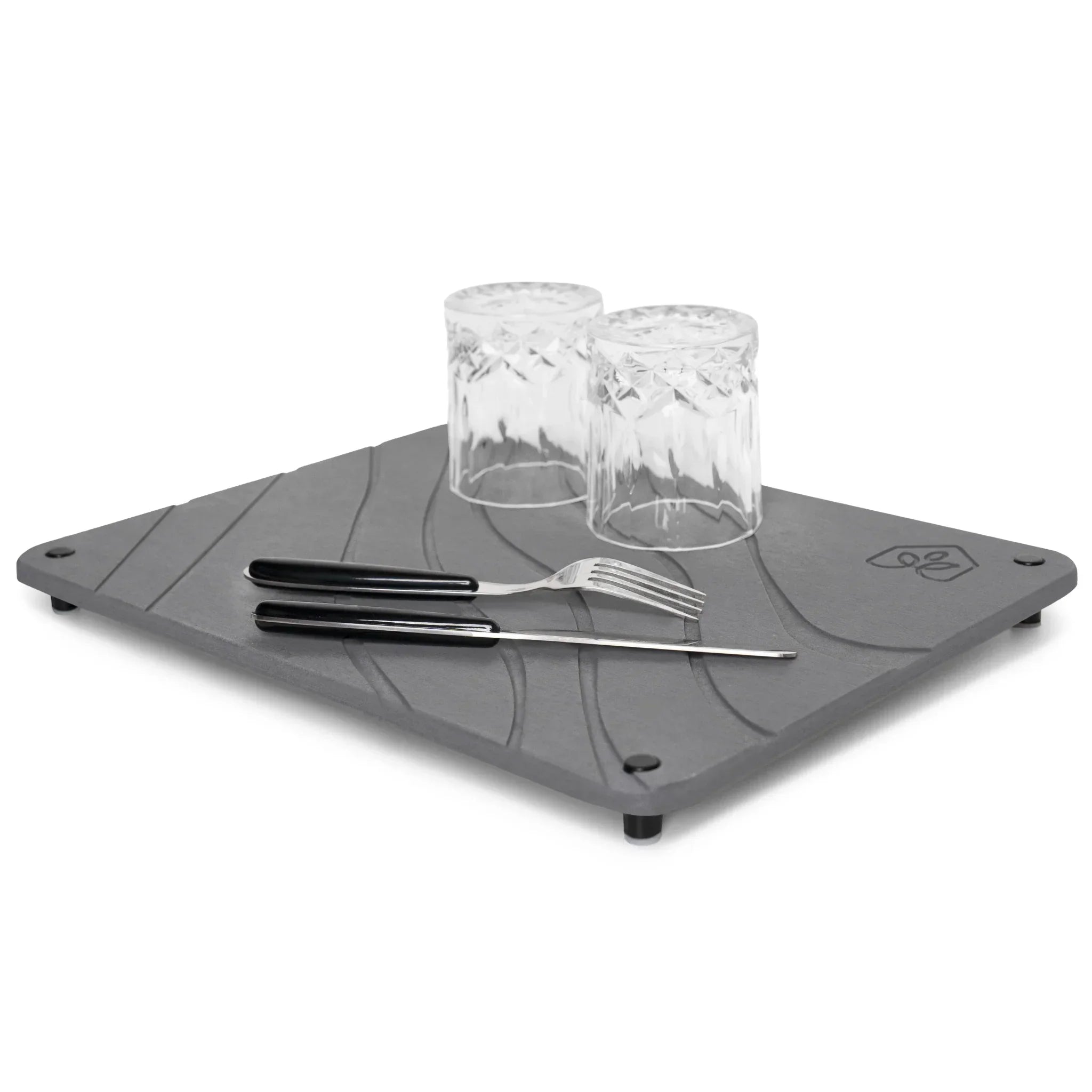
Stone Bath Mat - Aura
Why Fabric Holds Onto Moisture
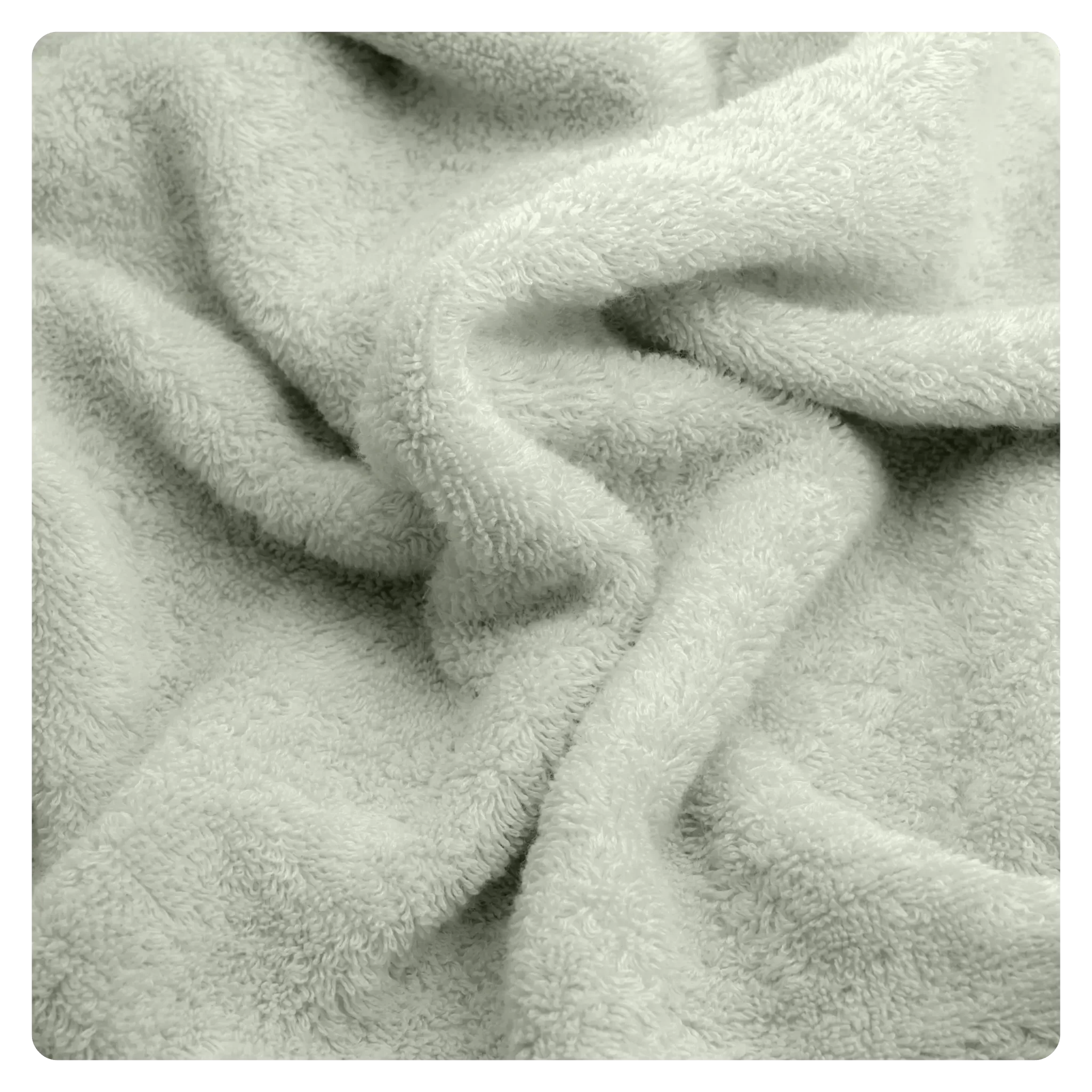
The science behind wet bath mats is pretty simple. Traditional fabric materials have a structure that pulls water in through capillary action and holds it there. Think of it like a paper towel that soaks up a spill but then takes forever to dry out on the counter.
Here's what happens inside a fabric quick dry bath mat that isn't actually quick drying:
- Water gets trapped between thousands of tiny fibers
- Air can't circulate through the dense material
- Humidity in your bathroom slows down evaporation even more
- The rubber backing prevents airflow from underneath
The Hidden Costs of Damp Mats
That musty smell coming from your bath mat isn't just unpleasant. According to testing by home product editors, damp environments in bathrooms create serious hygiene issues. Mold spores can start growing in as little as 24 hours when conditions are right, and your wet bath mat provides exactly what they need.
| Mat Type | Drying Time | Bacteria Growth Risk | Washing Frequency |
|---|---|---|---|
| Cotton Fabric | 4-8 hours | High | Weekly |
| Microfiber | 3-6 hours | Medium-High | Weekly |
| Stone (Diatomaceous Earth) | Under 1 minute | Very Low | Monthly wipe |
The constant dampness means you're washing your bath mat way more often than you should have to. Most fabric mats need cleaning every week to stay fresh, and even then, they start breaking down after 6 to 12 months of regular use.
What Makes Stone Different
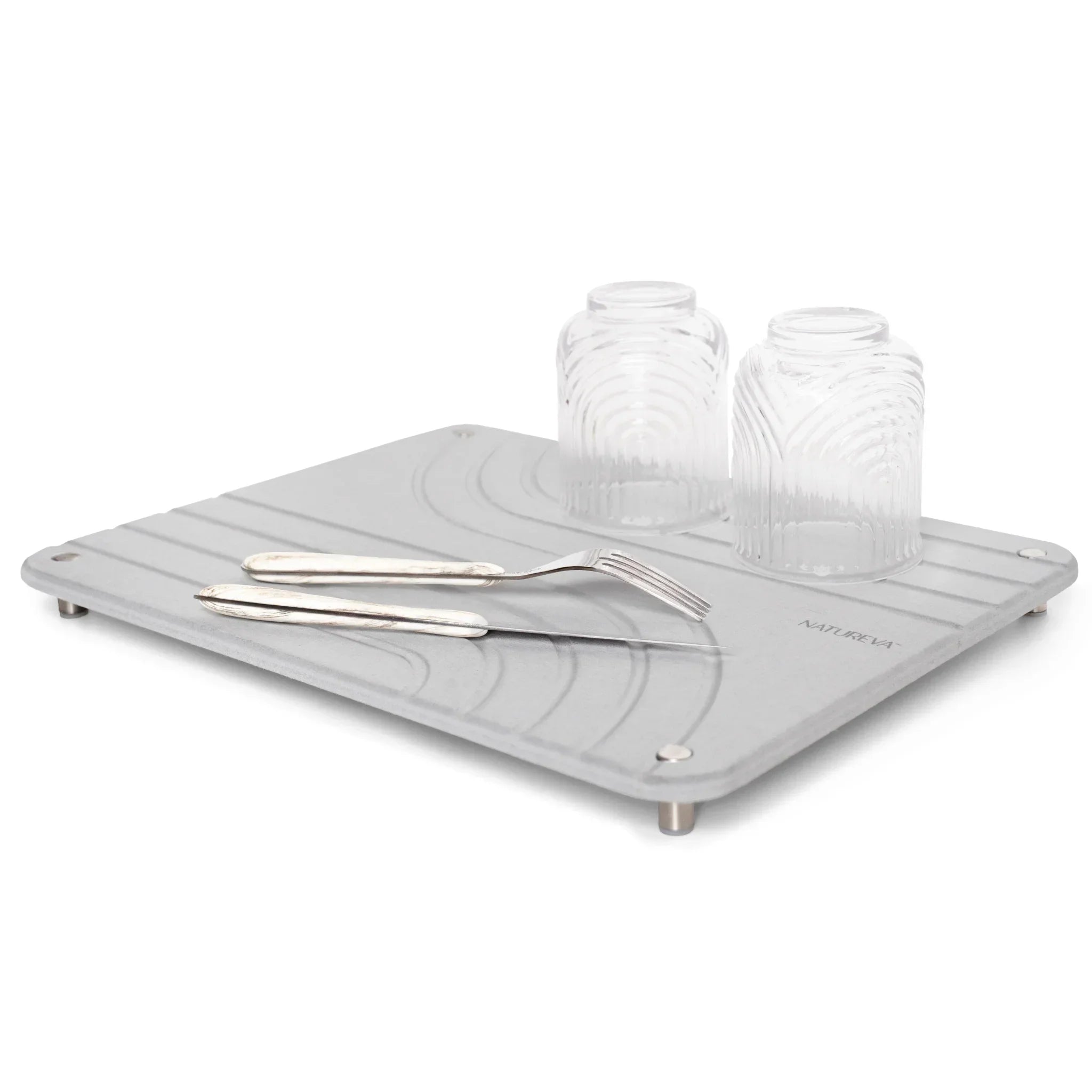
Stone bath mats work on a completely different principle. Materials like diatomaceous earth have millions of microscopic pores that pull water from the surface and release it into the air almost instantly. Our Stone Bath Mat uses this natural process to dry in seconds instead of hours.
The key differences come down to structure:
- Stone has open pores that release moisture quickly
- Fabric has closed fibers that trap moisture inside
- Stone surfaces stay dry to the touch within minutes
- Fabric surfaces remain damp and cold for hours
This isn't just about convenience. When your bath mat dries faster, your entire bathroom stays cleaner and healthier. No more stepping onto a cold, soggy mat that makes you wonder what's growing in there.
Difference 1: Instant Water Absorption
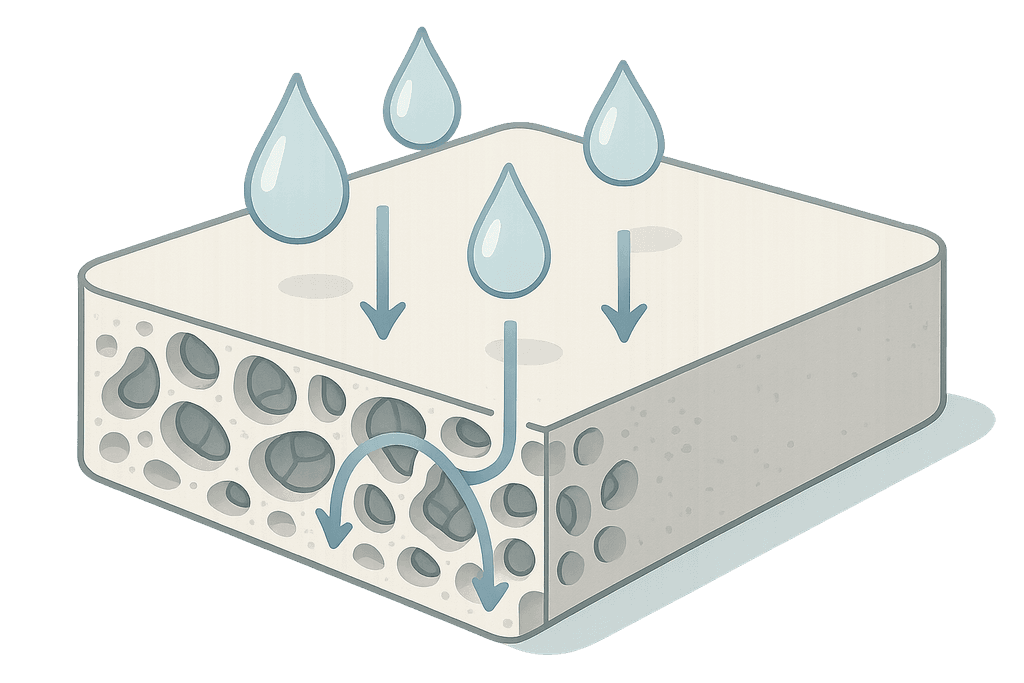
Most people don't realize that the average fabric bath mat can hold water on its surface for up to 30 seconds before it even starts to soak in. That's half a minute of standing on a wet, squishy surface while water pools around your feet. Stone bath mats work completely differently because of their unique material structure. The natural diatomaceous earth used in products like the Natureva Stone Bath Mat contains millions of microscopic pores that create instant capillary action. When water hits the surface, it doesn't sit there waiting to be absorbed.
Difference 1: Instant Water Absorption
The science behind this is actually pretty simple. Diatomaceous earth is made from fossilized algae that lived millions of years ago, and their tiny skeletal remains create a porous structure that pulls water in immediately. Think of it like a super-powered sponge, except it's made of stone.
- Water disappears from the surface within seconds instead of pooling around your feet
- No more wet footprints tracking through your bathroom or hallway
- The porous structure creates natural capillary action that pulls moisture down instantly
- Traditional fabric mats let water sit on top while the fibers slowly absorb it
This difference becomes really obvious when multiple people need to use the bathroom in quick succession. With a fabric mat, the second person is stepping onto an already-wet surface. Bath mats and rugs made from cotton or microfiber can only absorb so much before they become saturated.
Difference 2: Lightning Fast Drying Time
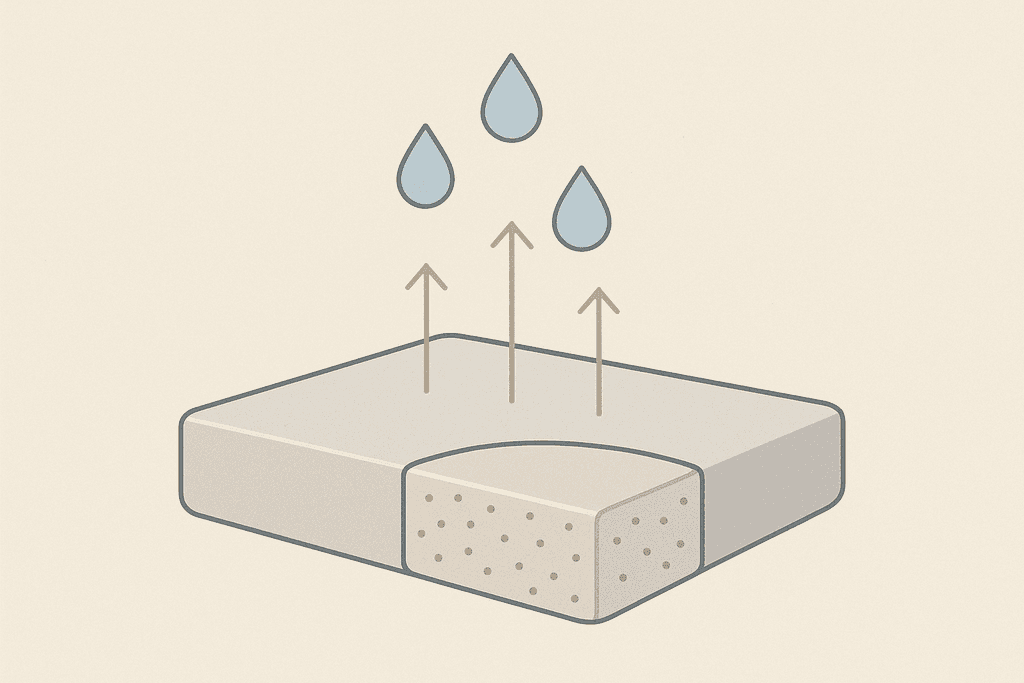
Here's where things get interesting. A typical fabric bath mat takes anywhere from four to six hours to dry completely after a shower. That's assuming you have good air circulation and low humidity in your bathroom. In reality, many fabric mats stay damp for eight hours or more, which means they're still wet when you need them again the next morning. Stone mats operate on a completely different timeline because the same porous structure that absorbs water also releases it rapidly through natural evaporation.
Difference 2: Lightning-Fast Drying Time
The Natureva Stone Bath Mat dries completely in one to three minutes after use. This isn't an exaggeration or marketing speak. The water that gets absorbed into those millions of tiny pores evaporates through the surface almost as fast as it went in.
| Mat Type | Drying Time | Ready for Reuse |
|---|---|---|
| Stone Bath Mat | 1-3 minutes | Immediately |
| Cotton Fabric | 4-6 hours | Next day |
| Microfiber | 3-5 hours | Several hours |
You don't need to hang it over the tub or drape it somewhere to air out. The mat just sits there on your bathroom floor and handles the drying process on its own. Ambient temperature and humidity do affect drying times, but even in a steamy bathroom, stone mats dry exponentially faster than any fabric option.
Difference 3: Zero Mold and Mildew Growth
Mold and mildew need three things to grow: moisture, warmth, and time. Bathrooms provide the warmth naturally, and traditional fabric mats provide the moisture for hours on end. That's why so many bath mats develop that distinctive musty smell after a few weeks of use, even with regular washing. The problem isn't that people aren't cleaning their mats enough. The problem is that fabric mats stay damp long enough for bacteria and mold spores to establish themselves between washings.
Stone bath mats eliminate the sustained moisture that mold needs to grow. When your mat is completely dry within minutes, there's simply no opportunity for mold or mildew to take hold.
The next generation of home essentials: naturally made, cleaner by design, sustainable by nature.
SHOP ALL- No musty smell that develops on damp fabric mats over time
- Healthier bathroom environment, especially important for people with allergies or respiratory issues
- The stone material itself naturally resists bacterial growth
- Reduced need for harsh cleaning chemicals or bleach treatments
This makes a real difference for anyone who's sensitive to mold or has asthma. According to Consumer Reports testing of bath mats, moisture retention is one of the biggest factors in mat hygiene and longevity.
Difference 4: Maintenance and Longevity
Think about how much time you spend dealing with your current bath mat. You probably throw it in the washing machine once a week, maybe more if you have kids or a busy household. Then it goes in the dryer or gets hung up to air dry. After six months to a year, it starts looking worn out or develops permanent stains, so you buy a new one. Stone bath mats require almost no maintenance and last for years without deteriorating. The care routine is simple: wipe it down with a damp cloth every few weeks, and maybe give it a light sanding once or twice a year if you notice the absorption slowing down.
That's it. No weekly washing cycles, no fabric softener, no waiting for it to dry. The mat just keeps working.
Simple Maintenance Checklist:
- Wipe surface with damp cloth every 2-3 weeks
- Light sanding with fine-grit sandpaper every 6-12 months
- Keep mat in well-ventilated area
- Avoid placing heavy objects on top
The initial cost of a stone mat is higher than a fabric one, usually around $59 compared to $15-30 for a decent fabric mat. But when you factor in replacement costs over time, stone mats become more cost-effective within the first year. You're not buying a new mat every six to twelve months, and you're saving on water and electricity from all those washing machine cycles.
Difference 5: Feel and Bathroom Aesthetics
The sensory experience of stepping onto a stone mat is completely different from fabric. The surface feels smooth and cool under your feet, which most people find refreshing right after a hot shower. There's no squishy, damp feeling, no fabric bunching up under your toes. The mat stays perfectly flat on the floor and doesn't slip around like fabric mats often do. Some people worry that stone will feel cold or uncomfortable, but the material actually adjusts to room temperature quickly and the smooth surface feels more like stepping onto a spa floor than a bathroom accessory.
The aesthetic difference is just as noticeable. Stone mats have a sleek, modern appearance that elevates the whole bathroom. They look intentional and designed, not like something you grabbed from the clearance bin. Our bath mat collection includes options like the Aura design, which features clean lines that work with any decor style.
- Natural material adds a spa-like quality to your daily routine
- Stays flat and doesn't bunch up or create tripping hazards
- Available in various colors and finishes to match your bathroom
- Won't fade or discolor over time like fabric mats
The visual impact matters more than you might think. When everything in your bathroom looks clean and intentional, the whole space feels more relaxing. Stone mats contribute to that feeling in a way that a rumpled fabric mat never can. You can explore different styles like the Tide or Arch patterns to find what works best with your bathroom setup.
Making the Switch to Quick Dry
So there you have it, the five big differences between a quick dry bath mat and those old fabric ones sitting in most bathrooms. The stone version dries in seconds instead of hours, stays clean without constant washing, lasts for years instead of months, looks better on your floor, and keeps bacteria from setting up camp in your bathroom. Those aren't small changes when you think about how often you step out of the shower.
The health benefits alone make it worth considering. Nobody wants to step onto a damp surface that's been growing mold since yesterday. Your feet deserve better than that.
If you're tired of dealing with soggy fabric mats, the Natureva Stone Bath Mat handles all five of these issues without much effort on your part. It just sits there and does its job, which is really all you want from a bath mat anyway. The diatomaceous earth material absorbs water instantly and releases it back into the air within seconds, so you're always stepping onto a dry surface.
The switch might seem small, but it's one of those bathroom upgrades that you notice every single day. Once you experience how a proper quick dry bath mat works, going back to fabric feels like a downgrade. You'll probably have some questions about how these stone mats actually work in real life, which is exactly what we'll cover next.
Quick Dry Bath Mat Questions
Stone bath mats are still pretty new to most people, so questions come up all the time. Some folks wonder if they're just another bathroom trend that'll fade away, while others want to know the practical stuff before spending money. Here are the answers to what people actually ask about quick dry bath mats, based on real use and not just marketing hype.
How long do stone bath mats actually last?
A quality stone bath mat should last you 2-3 years with normal use, though some people report using theirs for even longer. The lifespan depends mostly on how you treat it and whether you accidentally drop it, since these mats can crack if they hit tile floors from a height. Our Stone Bath Mat - Aura is made from durable diatomaceous earth that holds up well to daily stepping and water exposure without breaking down like fabric mats do.
Are stone mats safe for kids and elderly users?
Stone mats are actually safer than traditional fabric mats in many ways because they don't bunch up or slide around. The textured surface provides decent grip even when wet, and the instant drying means less slipping hazard overall. That said, the surface is harder than fabric, so if someone has balance issues or sensitive feet, you might want to place it on a rug pad for extra cushioning.
Can stone mats work in humid climates?
Yes, and this is actually where quick dry bath mat technology really shines. Even in humid bathrooms where regular mats stay damp for hours, stone mats still evaporate moisture within minutes. The diatomaceous earth material doesn't rely on air circulation alone, it actively pulls water into its porous structure and releases it through natural evaporation.
How do you clean a stone bath mat?
Cleaning is surprisingly simple compared to washing fabric bath mats every week. Just wipe the surface with a damp cloth when it looks dirty, and once a month you can lightly sand it with fine-grit sandpaper to refresh the surface. Never soak it in water or put it in the washing machine, as this can damage the material's absorbent properties.
Do stone mats feel cold in winter?
Stone does feel cooler than fabric at first touch, but it actually warms up to room temperature pretty quickly. Most people get used to it within a few days and stop noticing. If you live somewhere really cold, you might feel that initial chill more, but the trade-off is never stepping onto a soggy, bacteria-filled fabric mat again.
Are quick dry mats worth the higher price?
It depends on what you value in your bathroom setup. If you're tired of washing bath mats constantly, dealing with mildew smells, or stepping on damp fabric, then yes, the investment makes sense. A stone bath mat pays for itself over time since you're not replacing cheap fabric mats every few months or spending money on extra laundry cycles.
The next generation of home essentials: naturally made, cleaner by design, sustainable by nature.
SHOP ALL