
Water Absorber Mats Explained and How to Choose One
A damp bath mat can harbour mould spores in as little as 24 hours, yet most households rely on fabric options that stay wet for hours after every shower. The difference between a hygienic home and a breeding ground for mildew often comes down to one factor: how quickly moisture leaves the surface. Understanding what makes a water absorber mat actually work means looking beyond marketing claims and into the material science that determines whether your floors stay dry or become a hidden hygiene problem.
What material absorbs the most water in a doormat?
Diatomaceous earth stone mats absorb the most water, capable of holding up to 150% of their weight in moisture and drying within 60 seconds through their porous microstructure. Microfiber fabric mats rank second, absorbing approximately 7 times their weight, while rubber-backed mats absorb the least at roughly 3 times their weight.
How long does a diatomaceous earth bath mat take to dry?
A diatomaceous earth bath mat dries completely in 60 to 90 seconds after use due to its highly porous structure with millions of microscopic holes that facilitate rapid evaporation. This drying speed is approximately 10 times faster than traditional fabric bath mats, which typically require 30 to 60 minutes to dry.
What is the best water absorber mat for high traffic areas?
Microfiber chenille mats with rubber backing are best for high traffic areas because they combine absorption capacity of 5 to 7 times their weight with durability through machine-washable construction that withstands over 500 wash cycles. Stone mats, while more absorbent, are prone to cracking under repeated heavy foot traffic and weigh 5 to 8 pounds, making them impractical for frequently moved locations.
Table of Contents
The Evolution of Moisture Management at Home
For decades, the bathroom floor mat was basically the same thing: a piece of fabric that soaked up water and stayed wet for hours. Most people didn't think twice about it because that's just how mats worked. You stepped out of the shower, the mat got damp, and it sat there slowly drying until someone used it again. The problem is that damp fabric creates the perfect environment for mould, mildew, and that musty smell that never quite goes away no matter how often you wash it.
Why Traditional Mats Fall Short
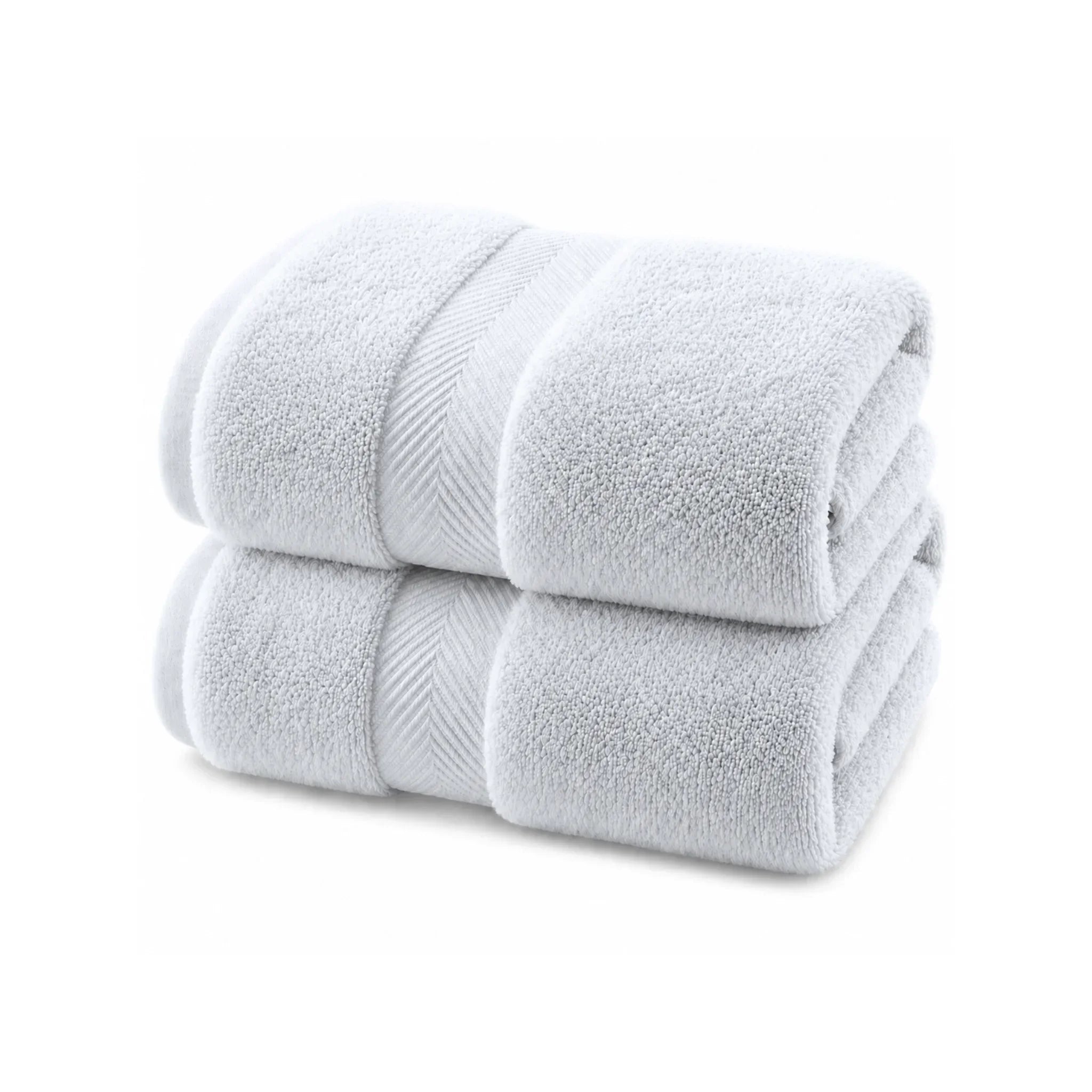
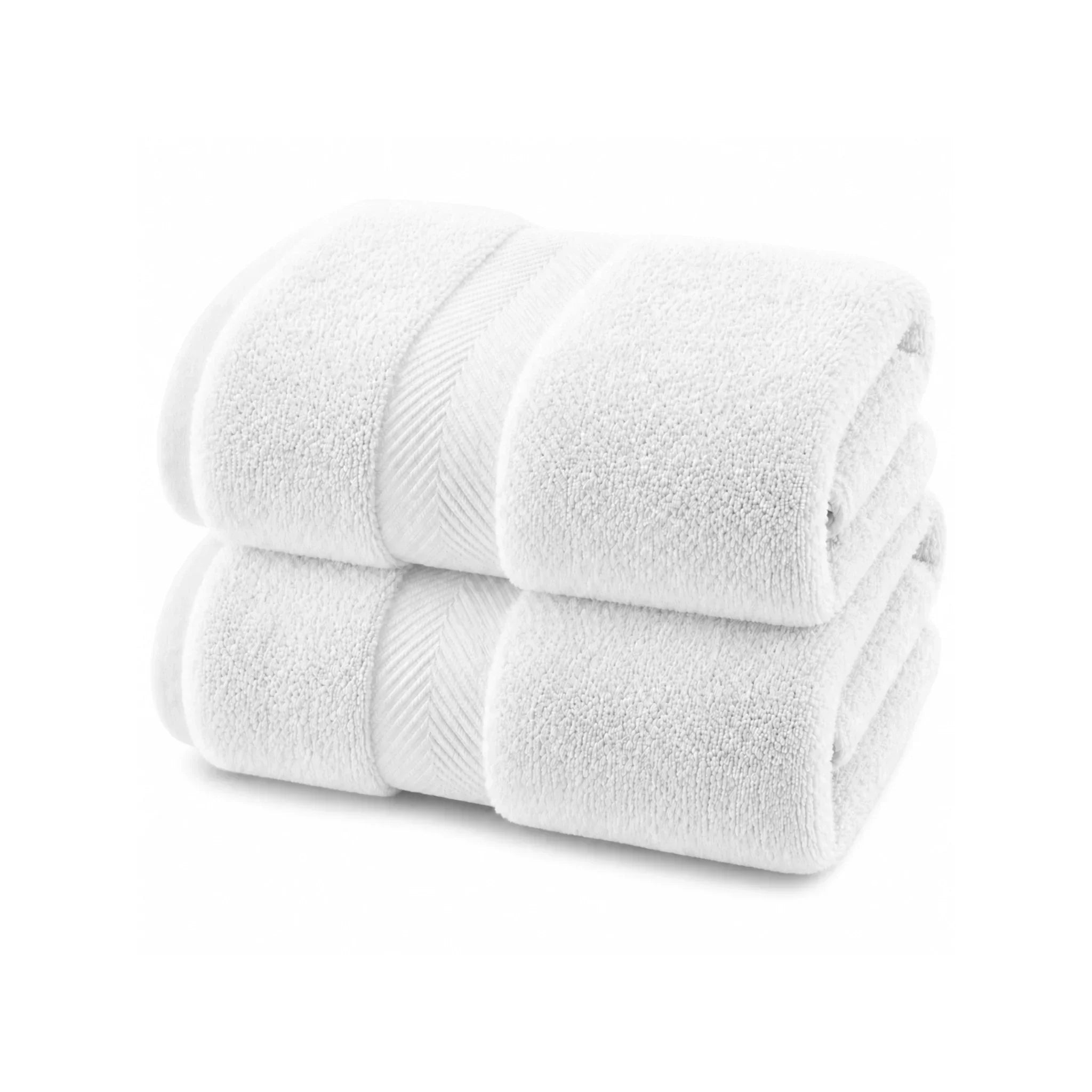
Traditional fabric mats were designed to absorb water, but they weren't designed to get rid of it quickly. The moisture just sits there, trapped in the fibres, creating problems that most homeowners deal with but don't really talk about. Think about how often you've stepped onto a mat that's still damp from someone else's shower, or noticed dark spots forming along the edges where mould is starting to grow.
- Fabric mats can take 4 to 24 hours to fully dry depending on humidity levels
- Rubber-backed mats trap moisture between the floor and the backing, creating hidden damp spots
- Most bathroom mats need washing every week to prevent odour buildup
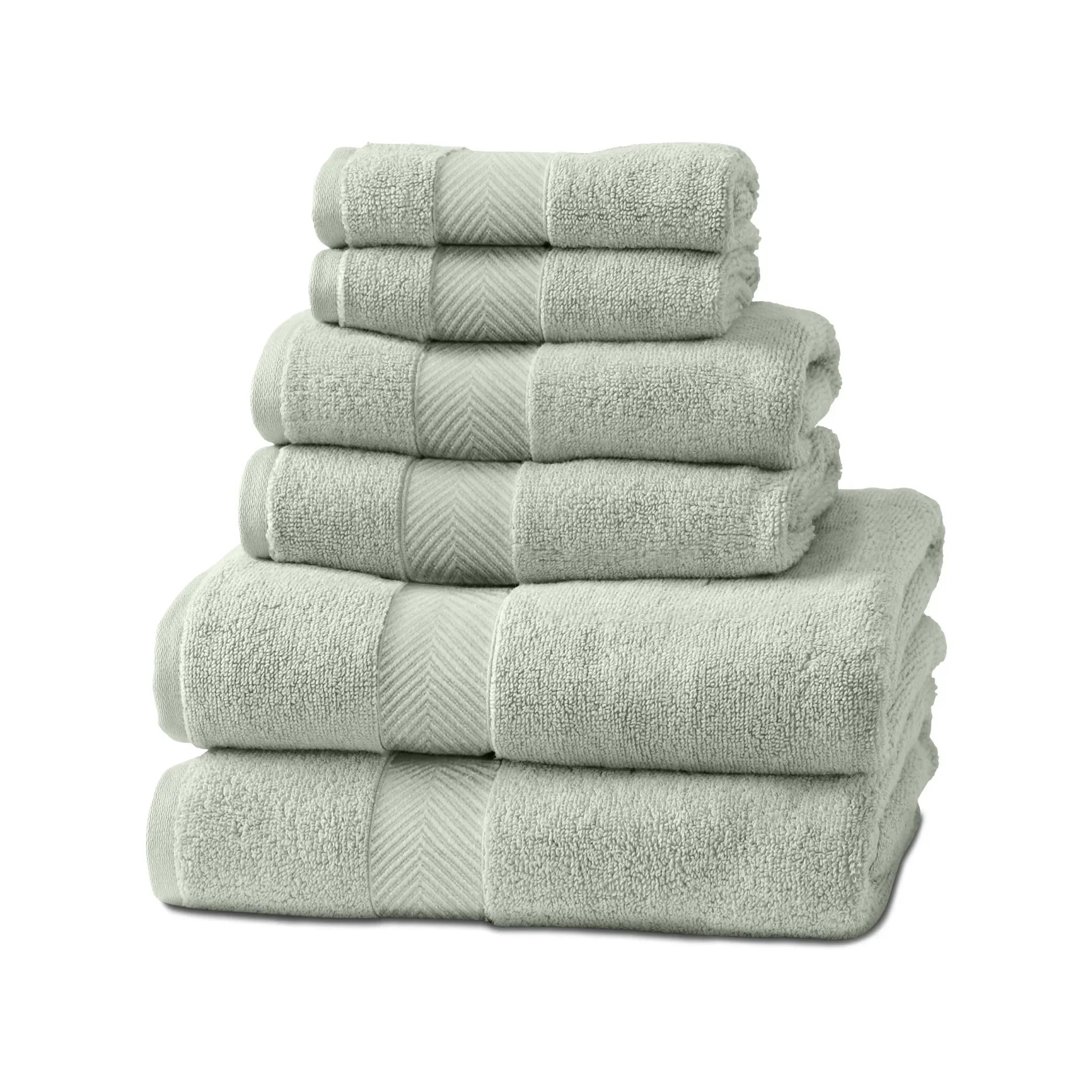
- Microfibre mats absorb well but hold onto moisture even longer than cotton
The Shift Toward Fast-Drying Materials
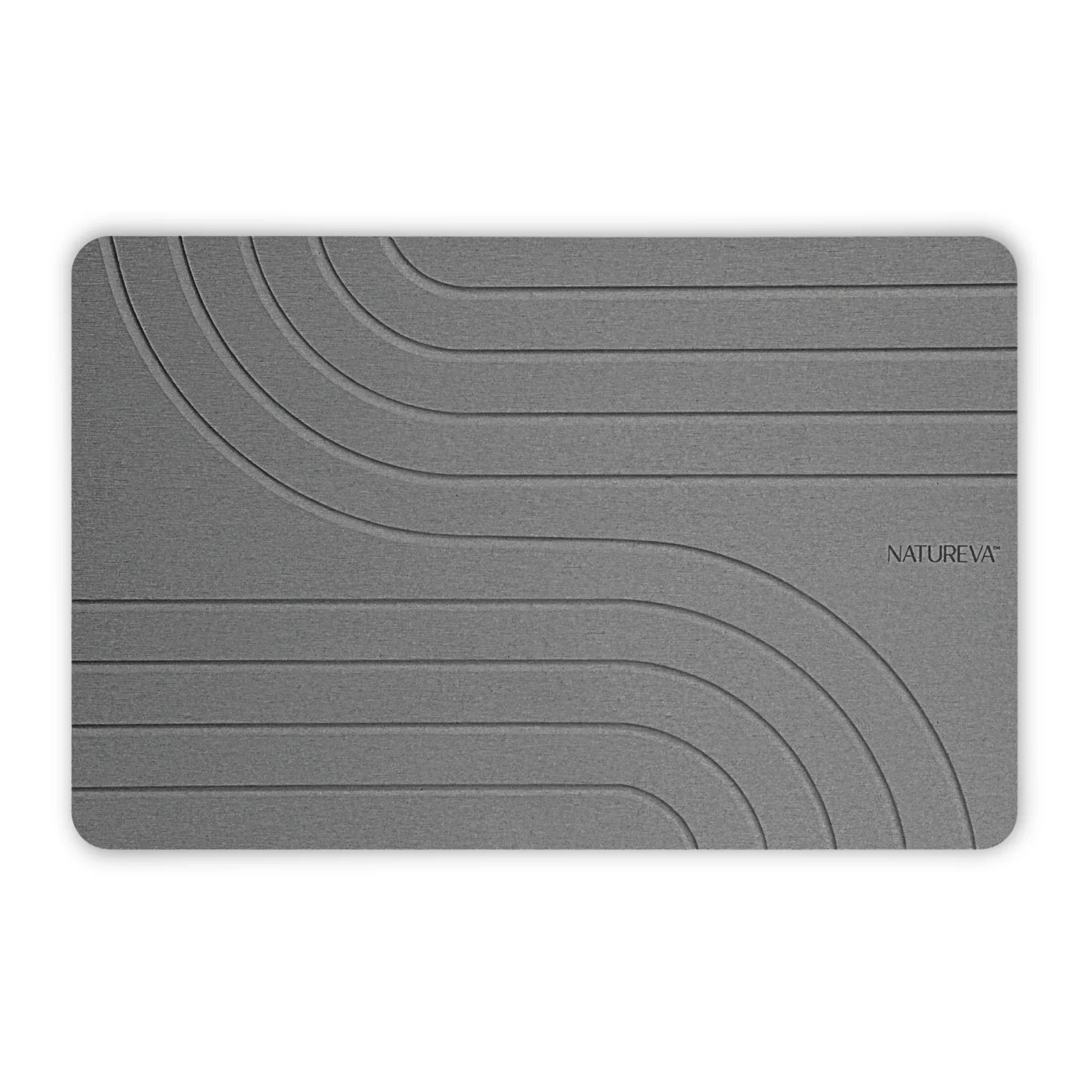
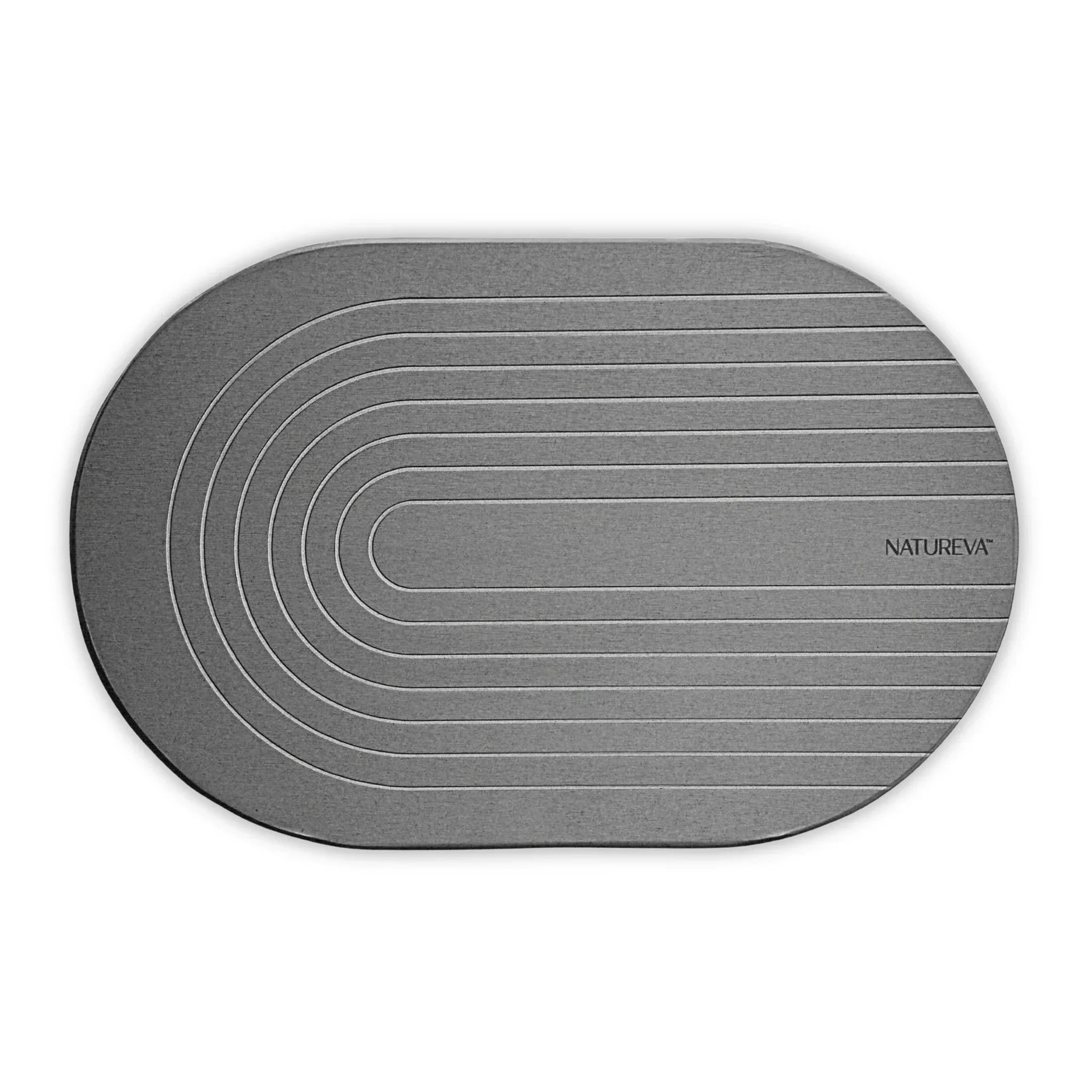
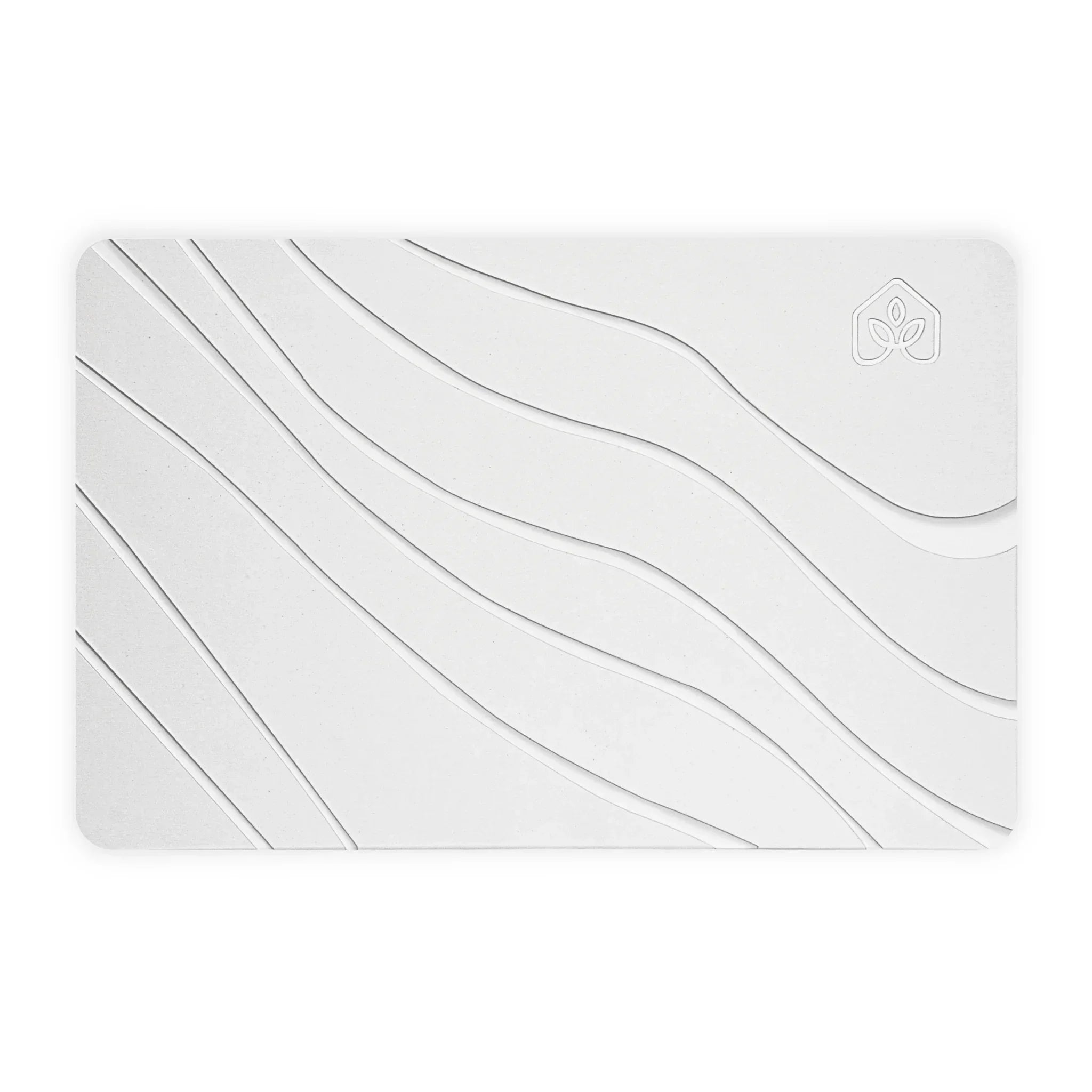
Around 2022, Australian homeowners started seeing a different type of mat appear in bathrooms and kitchens. These weren't fabric at all but solid stone-like slabs made from diatomite, a naturally porous material formed from fossilised algae. The difference was immediate and obvious: water disappeared within minutes instead of hours. Natureva introduced the stone bath mat category to Australia that year, and suddenly people realized their mats didn't have to stay wet all day.
| Mat Type | Drying Time | Maintenance Frequency | Lifespan |
|---|---|---|---|
| Cotton Fabric | 8-24 hours | Weekly washing | 6-12 months |
| Microfibre | 6-12 hours | Weekly washing | 12-18 months |
| Rubber/Silicone | 2-4 hours | Weekly wiping | 12-24 months |
| Diatomite Stone | Under 10 minutes | Monthly wiping | 3+ years |
What Changed Homeowner Expectations
The rise of health-conscious living and cleaner home design pushed people to question why they were keeping damp fabric on their floors in the first place. Social media showed off minimalist bathrooms with sleek stone surfaces, and suddenly the old shaggy mat looked out of place. More importantly, people started connecting the dots between damp surfaces and the mould problems they were constantly fighting.
- Modern apartments and townhouses often have limited ventilation, making moisture management more critical
- Renovation trends favor natural materials over synthetic fabrics and plastics
- Homeowners want products that require less maintenance, not more frequent washing
The water absorber mat category expanded beyond just bathroom floors. Kitchen counters, pet feeding stations, and entryways all became places where fast-drying surfaces made more sense than traditional fabric options. The shift wasn't just about trying something new but about solving a real problem that fabric mats were never designed to handle.
How Different Water Absorber Materials Actually Work
Most people think all water absorber mats do the same thing, but the material underneath your feet changes everything about how fast water disappears and whether your floor stays dry or damp for hours. The difference comes down to what happens after the water hits the surface. Some materials trap moisture inside their fibres, while others pull water in and release it back into the air almost immediately.
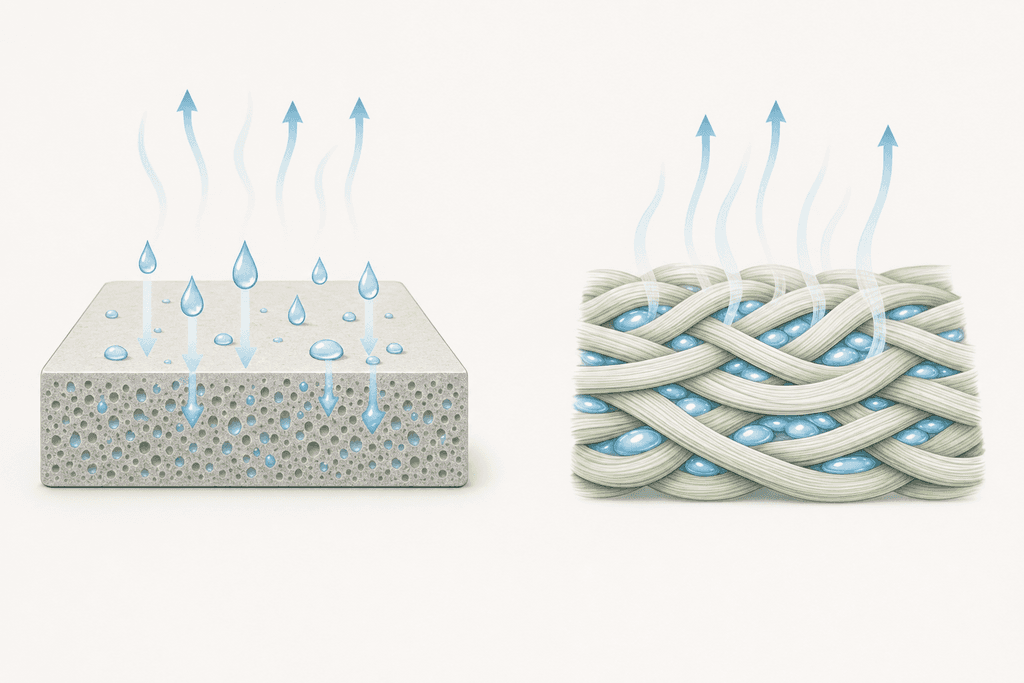
Diatomite is fossilised algae that formed millions of years ago and left behind a structure filled with microscopic pores. When water touches this surface, it gets absorbed on contact because those tiny holes act like thousands of miniature sponges. But here's where it gets interesting: the same pore structure that pulls water in also lets air pass through freely, which means the moisture evaporates within minutes instead of sitting trapped inside the material.
Microfibre fabrics work differently because they use synthetic fibres designed to wick moisture away from the surface. The problem is that the water doesn't go anywhere after that. It just spreads throughout the fabric and stays there until the mat dries naturally or you throw it in the washing machine. That's why fabric mats feel damp to the touch hours after someone steps out of the shower.
- Stone-based mats release moisture through evaporation in under 10 minutes
- Fabric mats hold water within their fibres for hours or even days in humid conditions
- Rubber and silicone mats don't absorb water at all, they just repel it onto your floor
The speed of drying matters more than most people realise. When a mat stays wet, it creates the exact conditions where mould spores settle in and odours start to develop. Diatomite eliminates those conditions by returning to a dry state before any of that can happen, which is why stone mats stay clean through their drying mechanism rather than needing chemical treatments.
Stone vs Fabric vs Rubber Performance Breakdown
If you've ever stepped onto a fabric bath mat that felt cold and damp from the person who showered before you, you already know the main problem with traditional materials. They can't keep up with real household use. A family of four taking morning showers means that mat never fully dries between uses, and that's when hygiene issues start creeping in.
Stone mats dry in under 10 minutes, which means they're ready for the next person without that unpleasant damp feeling. Fabric mats, even the expensive microfibre ones, take hours to dry completely. In a humid bathroom without great ventilation, they might not dry at all between uses. Rubber mats sidestep absorption entirely by repelling water, but that just means the water pools on top or runs underneath where you can't see it.
| Material | Drying Time | Maintenance | Lifespan |
|---|---|---|---|
| Stone (Diatomite) | Under 10 minutes | Weekly wipe | Years |
| Fabric/Microfibre | 4-8 hours | Weekly wash | 6-12 months |
| Rubber/Silicone | Surface only | Frequent scrubbing | 1-2 years |
Maintenance tells the real story of what you're signing up for. Fabric mats need weekly washing to prevent that musty smell from building up, and even then, mould can develop in the fibres where you can't see it. You're basically adding another load of laundry to your routine just to keep your bath mat from becoming a hygiene problem.
Stone surfaces stay hygienic through rapid moisture evaporation rather than relying on hot water washes or chemical treatments. A quick wipe with a damp cloth and some cleaning vinegar once a week is all it takes. Rubber and silicone mats seem low-maintenance at first, but they trap moisture underneath and develop that slimy film that requires serious scrubbing to remove.
- Fabric mats lose their absorbency after months of washing and need replacement
- Rubber mats create slip hazards when water pools on their non-absorbent surface
- Stone mats maintain their performance for years and can be restored with light sanding
The longevity difference is significant. Most fabric mats start looking worn and feeling less absorbent within a year of daily use. Stone mats like our bath mat collection last for years because the material doesn't break down from repeated exposure to water. If the surface ever loses absorbency, the included sanding tool reopens the pores and brings it back to like-new performance.
Choosing Based on Your Space and Lifestyle
The right water absorber mat depends on who's using it and where it's going. A single person living alone has different needs than a family with young kids tracking water everywhere. The same mat that works perfectly in a guest bathroom might fail completely in a high-traffic space where multiple people shower back-to-back every morning.
High-traffic bathrooms need mats that dry fast enough to handle multiple users per day without staying damp between showers. This is where stone becomes non-negotiable. If your household has morning bathroom rushes, a fabric mat will be wet for hours, which means everyone after the first person deals with that cold, soggy surface. Stone resets to dry within minutes, so it's ready for the next person.
- Families with children: Need non-slip surfaces that don't bunch up or create trip hazards
- Pet owners: Benefit from mats that absorb spills without holding odours around feeding stations
- Renters and renovators: Want mats that complement modern, minimalist interiors without looking cheap
- Elderly household members: Require stable surfaces that won't slide or curl on wet floors
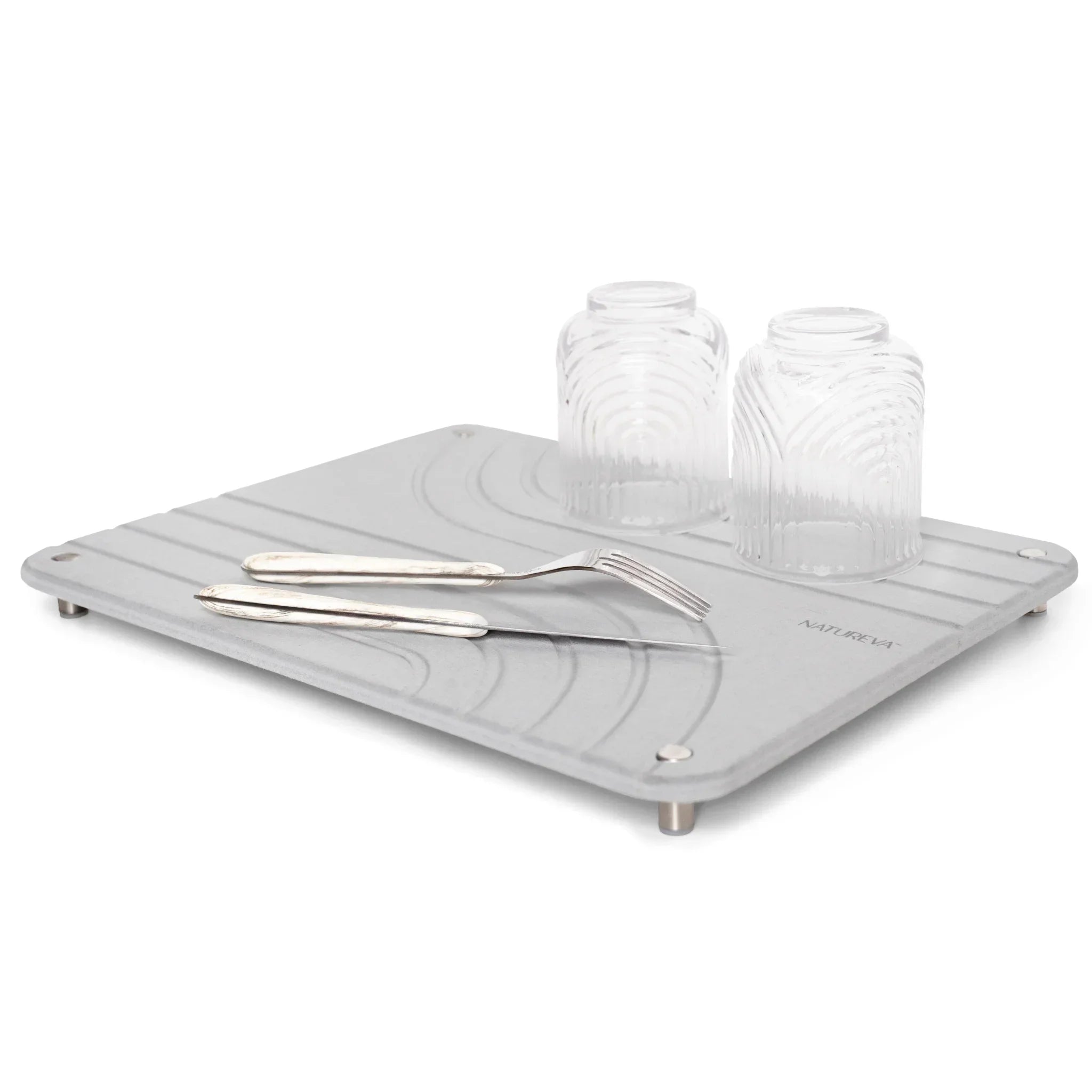
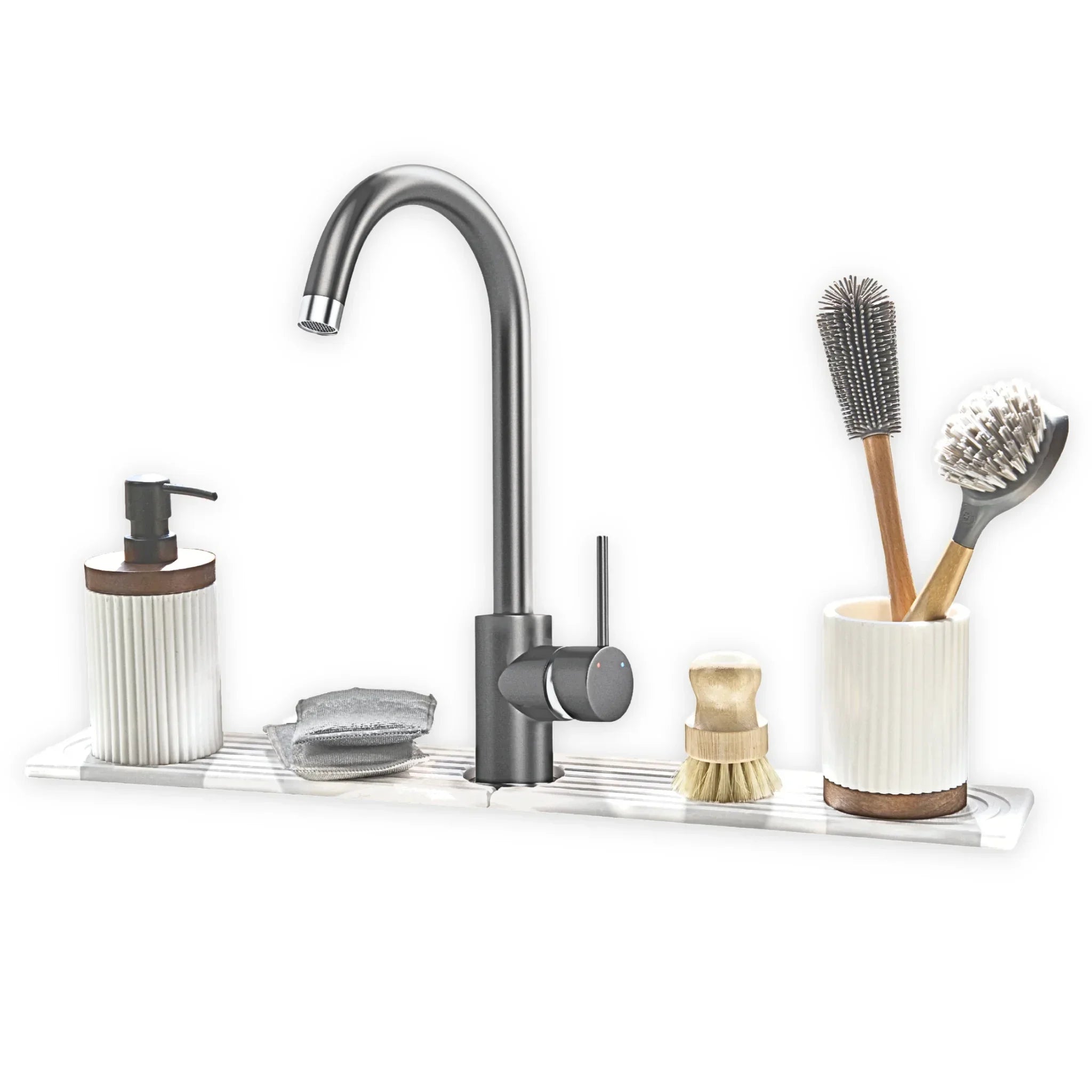
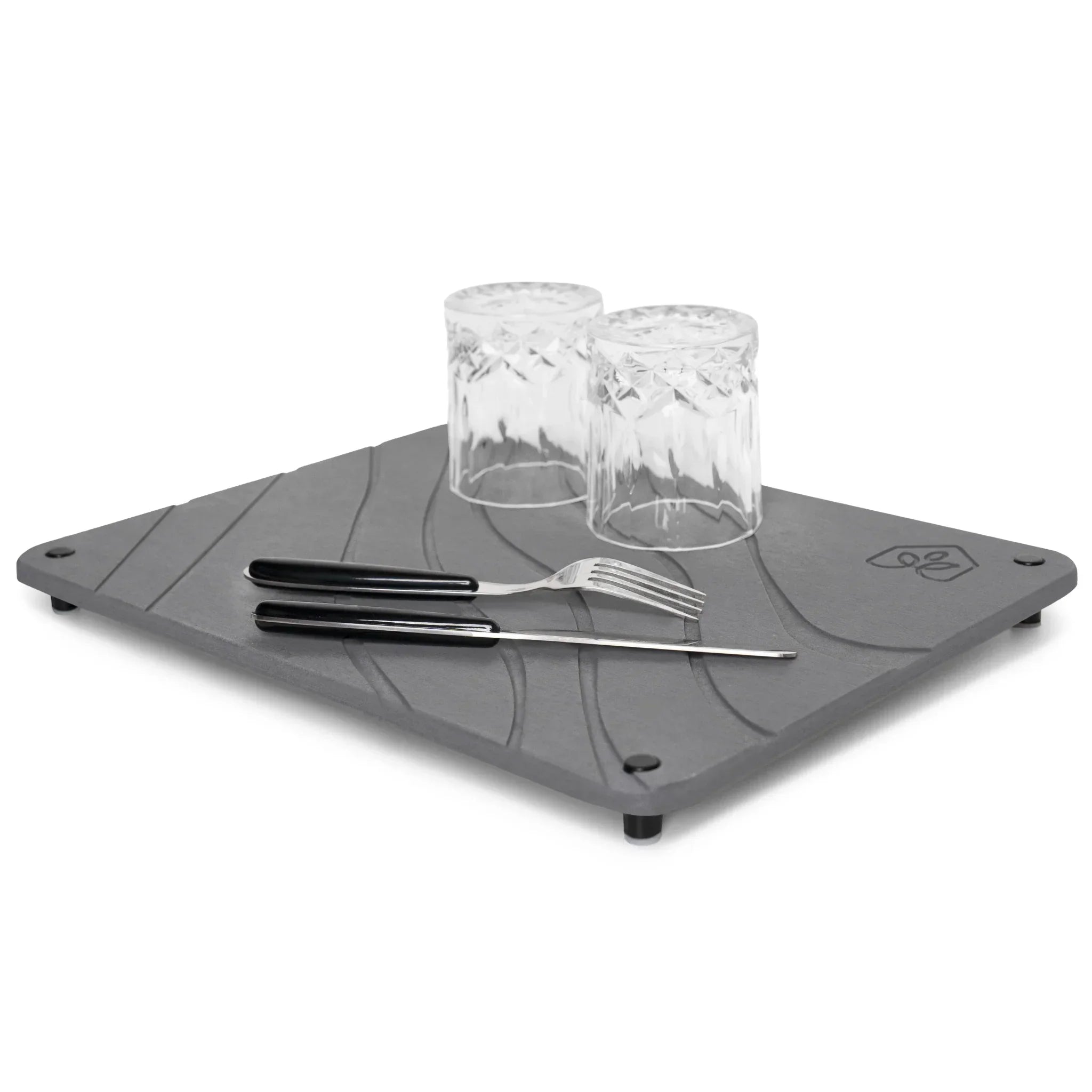
Kitchen mats should elevate dishes off the counter to allow airflow underneath, which is why our stone dish mats sit on stainless steel legs. Flat mats trap moisture against your countertop and can damage wood or laminate surfaces over time. The elevation also speeds up drying because air circulates around the entire mat instead of just the top surface.
Pet owners deal with a specific problem that most mats aren't designed to solve. Water bowls splash, and food bowls get messy, which means the area around feeding stations stays damp and starts to smell. Our stone pet mat absorbs those spills immediately and dries before odours can develop, which keeps the feeding area cleaner without constant mopping.
The next generation of home essentials: naturally made, cleaner by design, sustainable by nature.
SHOP ALLDesign matters more than people admit when choosing home products. You're looking at this mat every single day, and if it clashes with your bathroom or kitchen aesthetic, it becomes an eyesore you resent. Stone mats in neutral colours like Graphite, Slate, and Chalk fit into modern, minimalist, and Japandi-style interiors without competing for attention. They look intentional rather than like an afterthought you grabbed at a discount store.
If you're still deciding which type makes sense for your space, check the key features to look for in diatomite mats before making a purchase. The material quality and construction details separate mats that perform well from ones that crack or lose absorbency after a few months of use.
Why Material Science Matters More Than Marketing
The water absorber mat market has exploded in recent years, but not all products are created equal. While many brands make bold claims about instant drying and superior absorption, the reality is that most diatomite products sold online have never been independently tested for safety or performance. This gap between marketing promises and actual quality has led to serious consequences, including product recalls and health concerns that most shoppers never hear about until it's too late.
The Hidden Safety Crisis
Diatomite products sourced from unverified suppliers have faced recalls due to asbestos contamination. The material itself is safe when properly sourced and processed, but without third-party laboratory testing, there's no way to verify what you're actually bringing into your home. This isn't a theoretical risk, it's a documented problem that affects products from multiple retailers.
- NATA-accredited laboratory certification confirms that diatomite contains no asbestos or harmful contaminants
- Regular testing maintains safety standards as production batches change over time
- Certified products provide traceable documentation that unverified alternatives cannot match
- The certification process costs manufacturers significantly more but protects consumers from hidden health risks
Performance Claims Versus Real World Results
Beyond safety, there's the question of whether a water absorber mat actually works as advertised. Independent testing by publications like Australia's Homes To Love provides objective validation that goes beyond manufacturer claims. When a product is tested in real bathroom conditions and measured with actual timing, you get data you can trust.
- Independent reviews measure exact drying times rather than vague "fast-drying" promises
- Third-party testing reveals how products perform after weeks of use, not just when brand new
- Verified performance data helps consumers compare products based on facts instead of marketing language
The True Cost of Cutting Corners
Certified water absorber mats cost more upfront because testing, quality control, and verified sourcing add real expenses to production. But the alternative is replacing a mat that stops absorbing water after a few months, or worse, discovering you've been using a product with safety concerns. Natureva stone bath mats carry both NATA-accredited asbestos-free certification and independent performance validation, which is why they maintain consistent absorption even after years of daily use. The initial price difference disappears quickly when you're not replacing products every season or dealing with the health implications of contaminated materials.
According to water quality experts, moisture management in the home directly impacts indoor air quality and mould prevention. Choosing products that actually dry quickly isn't just about convenience, it's about creating a healthier living environment.
Making the Switch to Smarter Moisture Management
The best water absorber mat is the one that dries faster than moisture can build up. When water sits on a surface for hours, that's when you get the damp smell, the mildew spots, and the constant need to throw things in the wash. Stone-based options solve this by pulling water into millions of microscopic pores and releasing it back into the air within minutes, which means the surface never stays wet long enough for problems to develop.
Material matters more than price when you're choosing something that touches your bare feet every day. Certified, tested materials protect your household from safety risks that cheaper alternatives might carry. Our stone bath mats are NATA-accredited asbestos-free and tested regularly, which isn't standard across the category.
The right water absorber mat reduces how often you need to clean, improves hygiene without chemicals, and actually looks good in your space. Whether you're upgrading your bathroom with a Tide bath mat or managing kitchen spills with a stone dish mat, the goal is the same: less maintenance, better performance, and a home that stays drier without extra effort.
If you've been dealing with fabric mats that never quite dry or rubber ones that trap moisture underneath, switching to diatomite changes how your floors feel after every shower. It's not about spending more, it's about spending once on something that actually works.
Common Questions About Water Absorber Mats
Choosing a water absorber mat brings up a lot of practical questions, especially if you've never used one before. The technology is different from traditional fabric mats, so it's normal to wonder how they actually perform in real life. Here are the answers to the most common questions people ask before making the switch.
How long does a stone mat take to dry after use?
A quality diatomite stone mat typically dries within 5 to 10 minutes after stepping off it. The porous structure pulls moisture from your feet instantly, then releases it into the air through rapid evaporation. Natureva's Stone Bath Mats were independently tested by Homes To Love Australia and dried fully in under 8 minutes, which means the surface is ready for the next person almost immediately.
Do water absorber mats work in humid climates?
Yes, stone water absorber mats still work well in humid environments, though drying times may extend slightly compared to drier climates. The material's natural porosity continues to absorb moisture on contact regardless of ambient humidity. The key difference is that stone mats don't trap water like fabric does, so even in humid bathrooms, they won't stay damp for hours or develop that musty smell.
How do you clean and maintain a diatomite mat?
Maintenance is surprisingly simple. Wipe the surface weekly with a warm damp cloth and cleaning vinegar to remove any soap residue or body oils. For deeper stains, rinse under water or use hydrogen peroxide. If absorbency decreases over time, use the included sanding tool to gently buff the surface and reopen the pores. Most people find they need to sand their mat once every few months depending on use.
Are stone mats safe for children and elderly users?
Stone mats are actually safer than fabric alternatives for these groups. They include non-slip base pads that keep them firmly in place, unlike fabric mats that bunch, slide, or curl when wet. The solid, stable surface reduces fall risk, which is especially important for elderly users navigating wet bathroom floors. The material itself is chemical-free and stays hygienic by design through rapid drying rather than synthetic treatments.
What happens when a stone mat loses absorbency?
When you notice water pooling instead of absorbing instantly, it means the surface pores have become clogged with soap residue, oils, or mineral deposits. This is completely reversible. Use the sanding tool included with your mat to lightly buff the surface in circular motions, which reopens the microscopic pores and restores full absorbency. Think of it like sharpening a knife rather than replacing it.
Can you use water absorber mats on heated floors?
Yes, diatomite stone mats are safe to use on heated floors. The material is heat-resistant and won't warp or degrade from underfloor heating systems. In fact, the gentle warmth can actually help speed up the evaporation process, making the mat dry even faster between uses. Just make sure the non-slip base pad is clean and properly positioned to maintain stability.
The next generation of home essentials: naturally made, cleaner by design, sustainable by nature.
SHOP ALL