

Four Ways Best Towels Stay Soft Wash After Wash
Nothing feels worse than stepping out of a warm shower and reaching for a towel that feels like sandpaper against your skin. Most towels lose their softness within just 10 to 20 washes, turning from plush and cozy to rough and scratchy. The good news is that the best towels can stay soft for years when you understand the four key factors that preserve their feel, and it starts with choosing quality materials like our Bamboo Cotton Towels that blend sustainable bamboo viscose with long-staple cotton for lasting softness.
Table of Contents
What Makes Towels Lose Their Softness
Most people don't realize that the average towel loses about 30% of its softness after just ten washes. That fluffy, cloud-like feeling you get when you first bring home new towels seems to disappear faster than you'd expect. The problem isn't just in your head, and it's not because you're doing something terribly wrong. There are actually several scientific reasons why even the best towels can turn rough and scratchy over time.
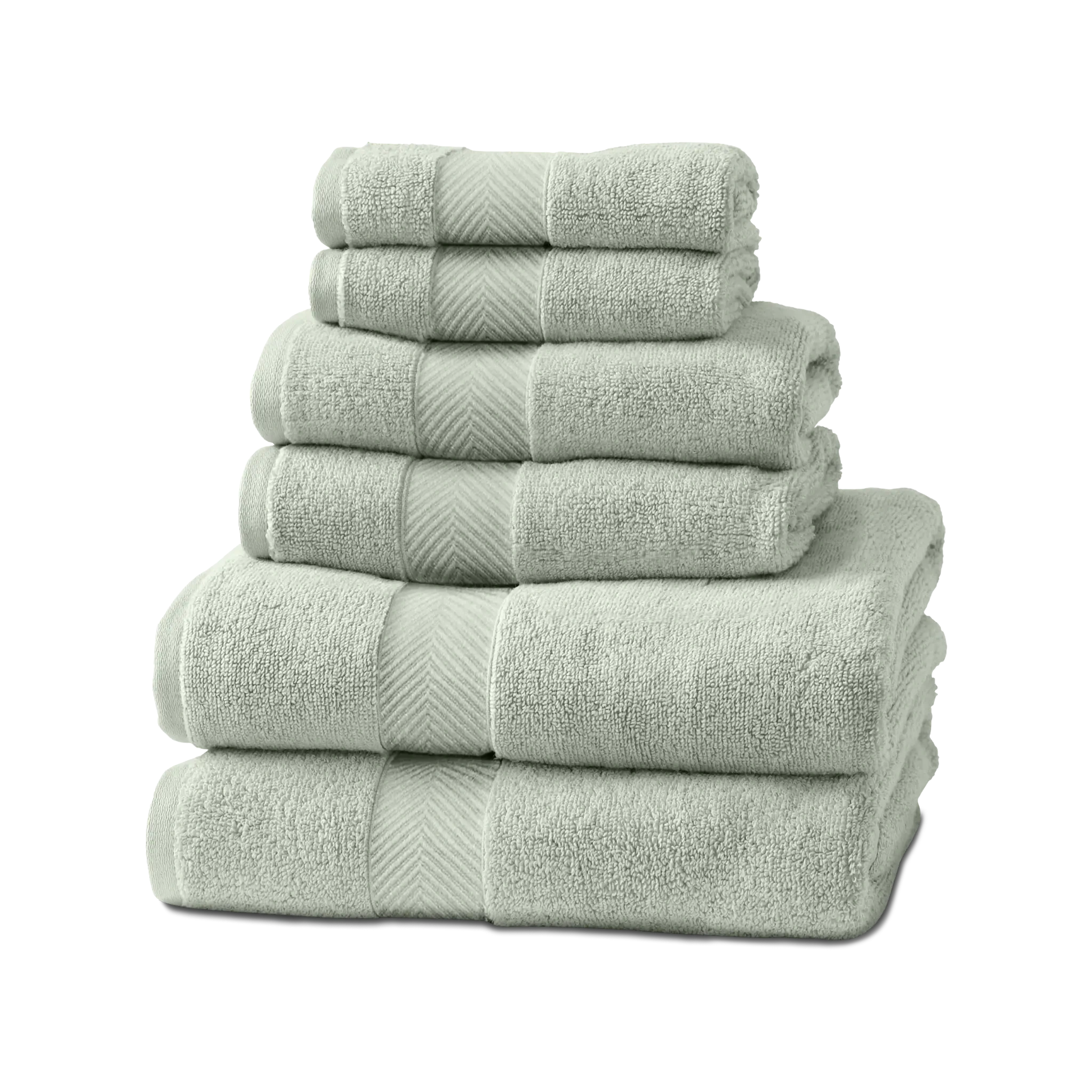
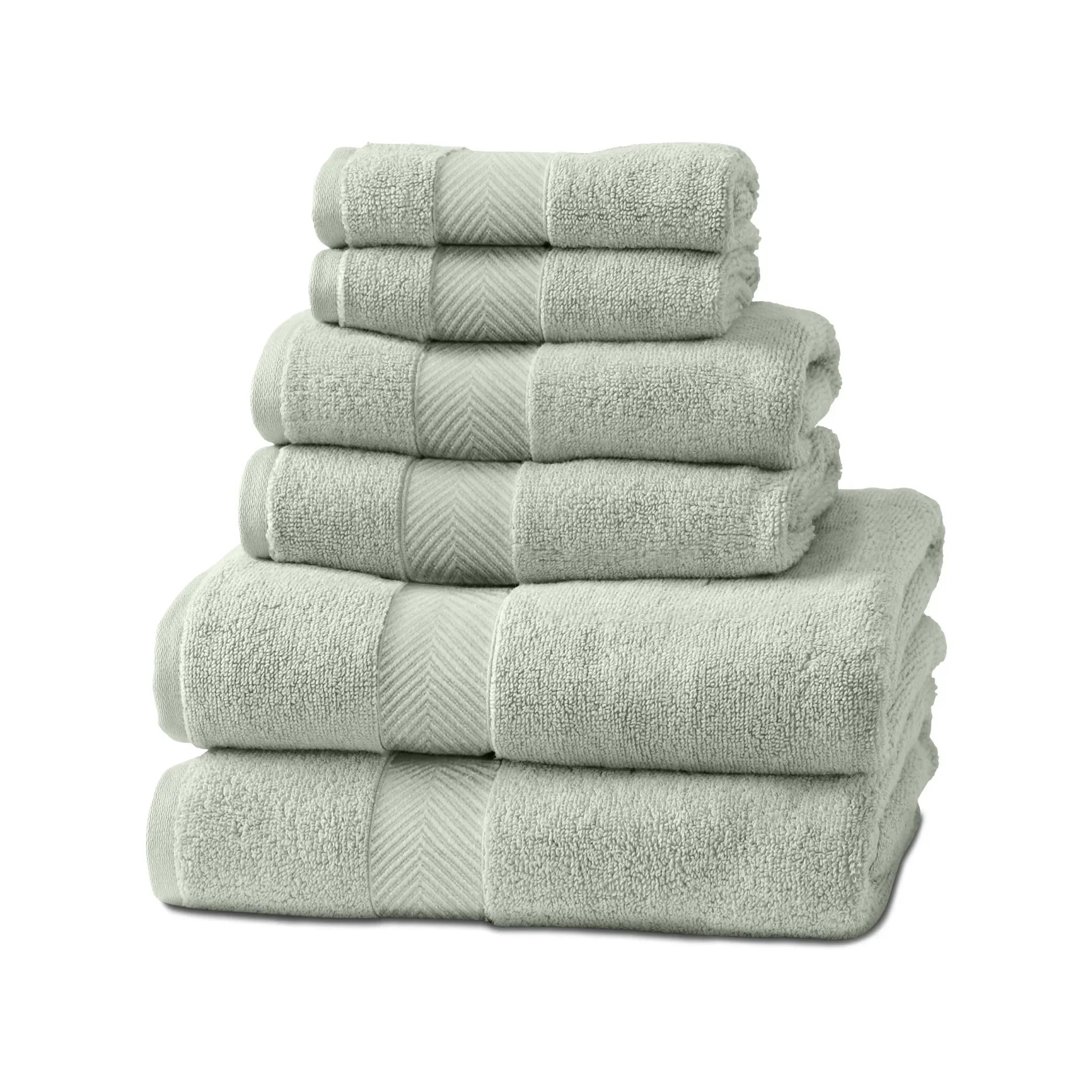
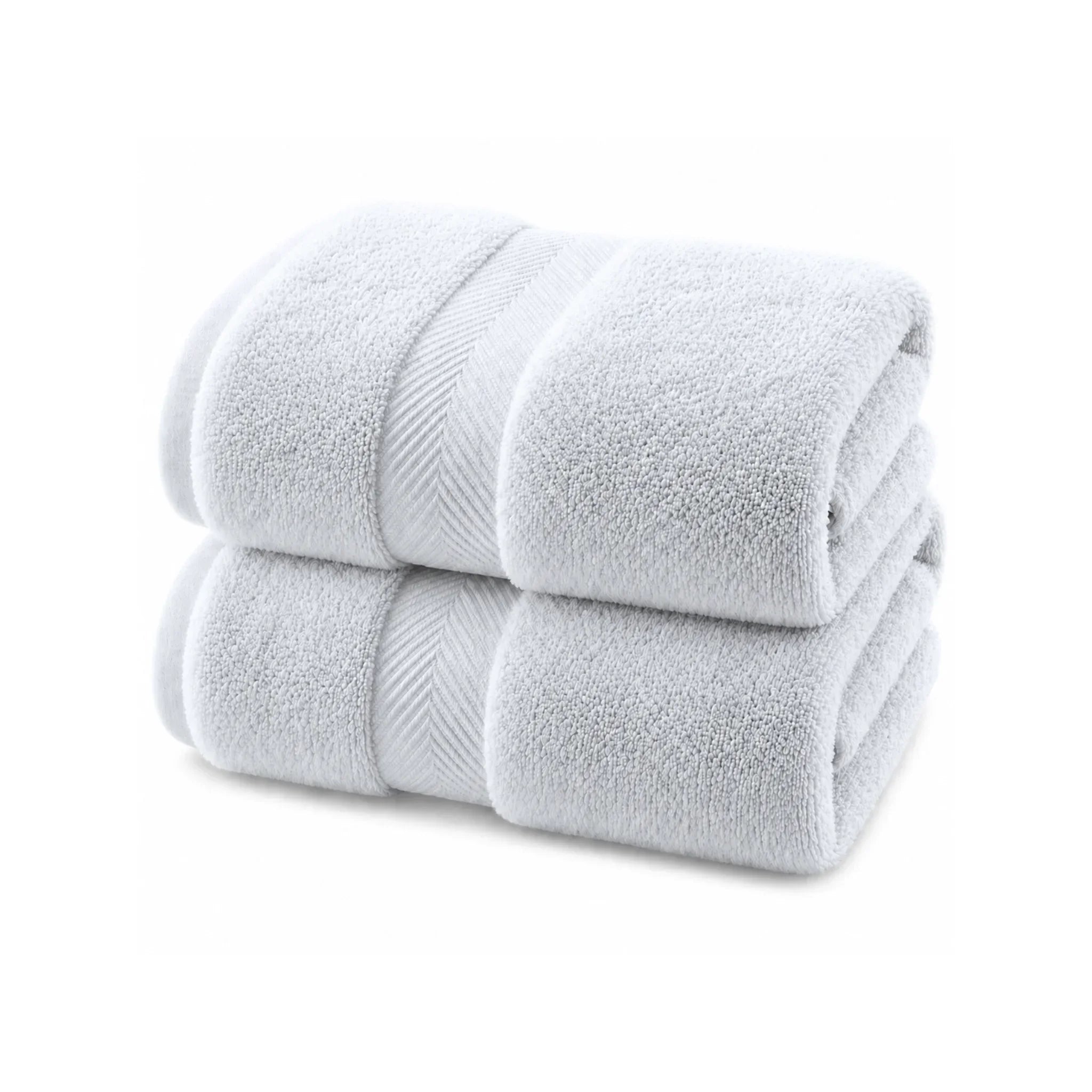
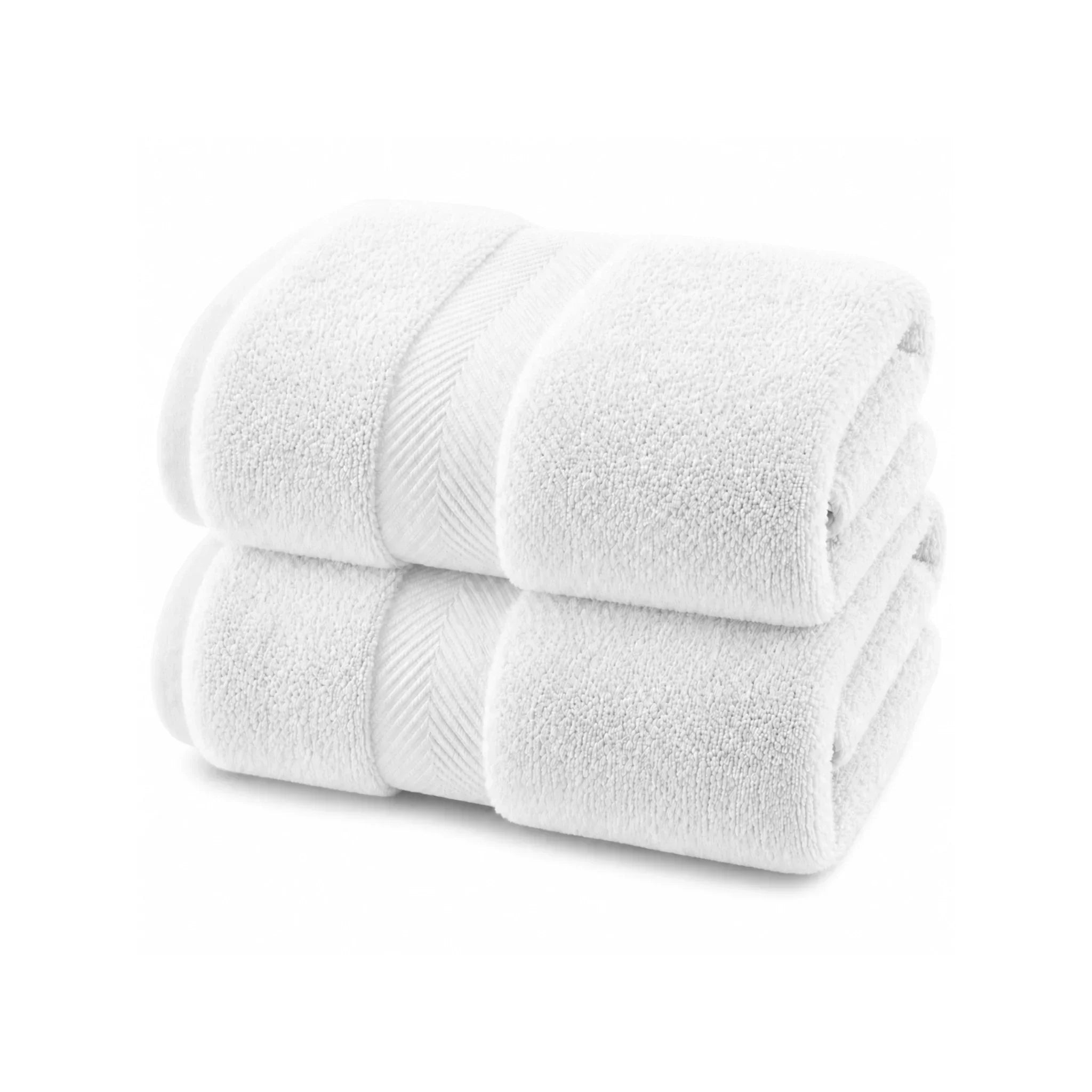
Bamboo Cotton Towels - Set of 6
How Cotton Fibers Break Down
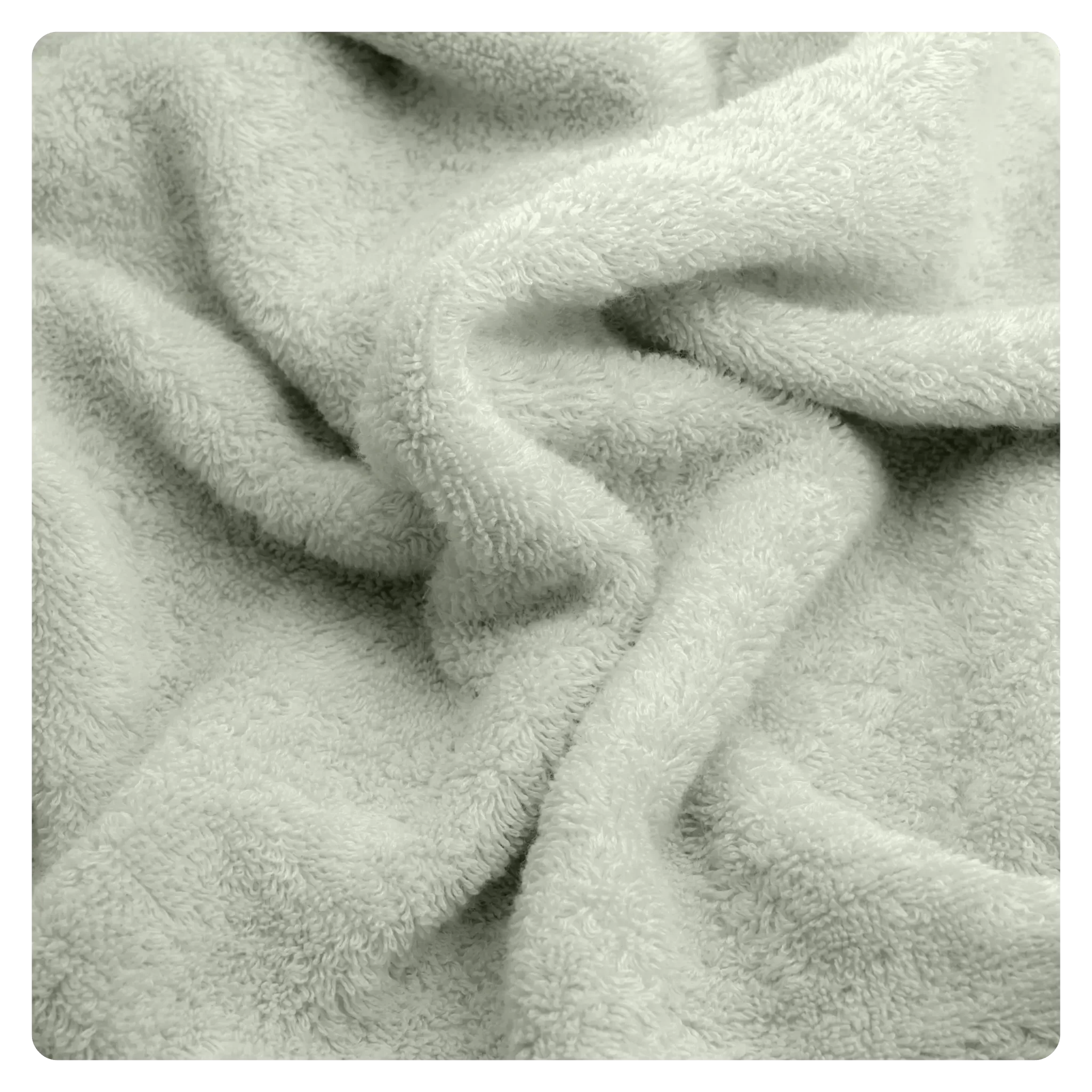
Cotton towels are made of natural fibers that look like tiny twisted ribbons under a microscope. Every time you wash and dry your towels, these fibers go through a lot of stress. The combination of water, spinning, and heat causes them to compress and lose their natural bounce.
Here's what happens to your towel fibers with each wash:
- The natural oils in cotton fibers wash away, making them brittle
- Mechanical action in the washing machine causes fibers to flatten and mat together
- High heat from the dryer weakens the fiber structure permanently
- Repeated stress causes tiny breaks in the fiber strands
The Buildup Problem
Even if your towels look clean, they might be covered in invisible layers of stuff that makes them feel stiff. Detergent residue is one of the biggest culprits. Most people use way more detergent than they actually need, and that extra soap doesn't rinse out completely.
Hard water minerals create another layer of problems. Calcium and magnesium in your water supply stick to towel fibers like tiny rocks. Over time, these minerals build up and create a crusty coating that blocks the natural softness of the fabric. This is why towels in some cities stay softer than others, even with the same washing routine.
- Fabric softener leaves a waxy coating that reduces absorbency
- Detergent buildup traps dirt and bacteria in the fibers
- Mineral deposits make towels feel scratchy and look dull
Common Towel Problems Explained
Different washing mistakes lead to different problems. Understanding what causes each issue helps you figure out what's going wrong with your towels. Research shows that proper towel care affects both softness and hygiene, making it worth paying attention to these details.
| Problem | Main Cause | How It Feels |
|---|---|---|
| Stiffness | Detergent buildup | Rough and cardboard-like |
| Reduced absorbency | Fabric softener coating | Water beads up |
| Musty smell | Bacteria growth | Damp and unpleasant |
| Scratchy texture | Hard water minerals | Rough on skin |
| Thin and worn | High heat damage | Weak and threadbare |
Cheap manufacturing shortcuts make these problems worse. Many towels use short-staple cotton fibers that break down faster than long-staple varieties. Some manufacturers skip important finishing steps to save money, which means the towels start out less durable. Our Bamboo Cotton Towels use long-staple zero-twist cotton specifically to resist this kind of breakdown, combined with bamboo viscose that naturally resists mineral buildup.
The good news is that understanding these problems means you can actually do something about them. Not all towel damage is permanent, and some simple changes to your washing routine can bring back that soft feeling you're missing.
The Fabric Blend Makes All the Difference
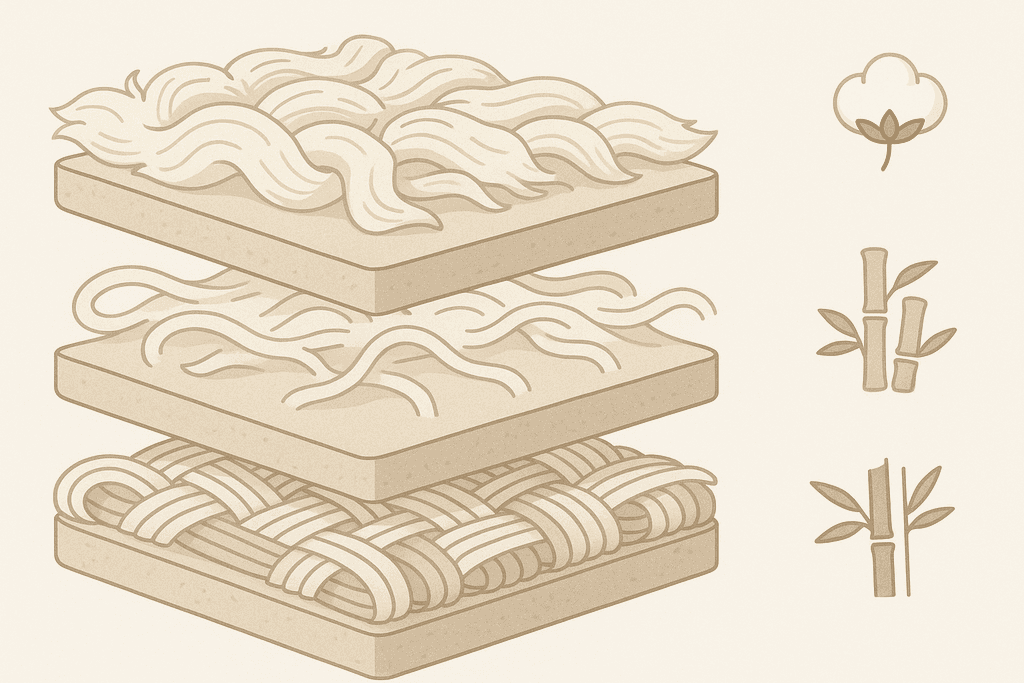
Most people think all cotton towels are created equal, but the truth is that what happens to your towels after a few months depends almost entirely on the fibers used to make them. The best towels use long-staple cotton fibers instead of the short-staple variety found in cheaper options. These longer fibers are naturally stronger and softer, which means they hold up better through countless wash cycles. But there's more to the story than just cotton length.
The Fabric Blend Makes All the Difference
The construction method matters just as much as the fiber itself. Zero-twist construction keeps the cotton fibers fluffy and loose instead of tightly compressed, which is why some towels feel like clouds while others feel like cardboard after a few washes.
| Fabric Type | Softness Retention | Durability | Absorbency |
|---|---|---|---|
| 100% Cotton | Good | Moderate | High |
| Bamboo Blend | Excellent | High | Very High |
| Microfiber | Poor | Low | Moderate |
| Turkish Cotton | Very Good | High | High |
Adding bamboo viscose to the mix brings natural softness and antimicrobial properties that pure cotton can't match. The Natureva Bamboo Cotton Towels use a 70/30 cotton-bamboo ratio that balances durability with that luxury hotel feel. This specific blend resists matting and maintains its loft through hundreds of washes, which is exactly what you want from the best towels.
Washing Techniques That Preserve Softness
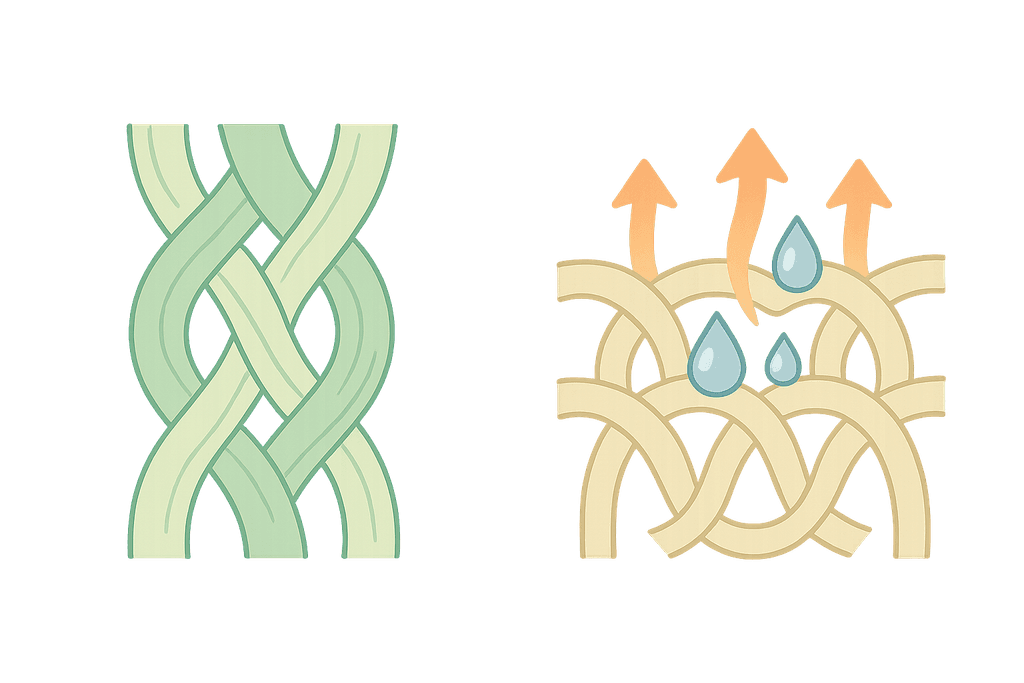
Here's something most people get wrong: they use way too much detergent. Using half the recommended amount actually works better because excess detergent builds up in the fibers and makes towels stiff and scratchy. The buildup traps dirt and oils, which is the opposite of what you're trying to achieve. Warm water works better than hot for protecting the fibers, and your energy bill will thank you too.
Washing Techniques That Preserve Softness
One trick that really works is adding white vinegar to the rinse cycle to remove mineral deposits from hard water. Just a quarter cup does the job without leaving any smell behind.
- Skip the fabric softener completely (it coats fibers and kills absorbency)
- Separate towels from clothes with zippers or hooks that can snag fibers
- Wash new towels separately for the first 3-4 washes to set the fibers properly
- Use a gentle cycle when possible to reduce friction damage
According to towel care experts, these simple changes can double the lifespan of your towels. The key is being gentle with the fibers instead of beating them up with harsh chemicals and high heat.
Drying Methods That Keep Towels Fluffy
The next generation of home essentials: naturally made, cleaner by design, sustainable by nature.
SHOP ALLThe dryer is where most towels meet their doom, but it doesn't have to be that way. Low heat settings prevent the fiber breakdown and shrinkage that happens when you blast towels with high temperatures. Think of it like cooking: low and slow wins the race. The fibers stay intact and maintain their structure when you're patient with the drying process.
Remove your towels while they're still slightly damp to avoid over-drying, which makes fibers brittle and rough. They'll finish air-drying in your bathroom within an hour or two.
- Shake towels vigorously before putting them in the dryer to separate fibers
- Toss in a few dryer balls to maintain fluffiness without chemicals
- Check towels every 20 minutes to prevent over-drying
- Remove immediately when cycle ends to prevent wrinkles
Quick-drying fabrics like the bamboo blends in quality towel sets need less time in the dryer anyway. Line drying in the shade preserves color beautifully, though towels might feel a bit stiffer initially until you use them. A quick five-minute tumble in the dryer after line drying solves that problem.
Storage and Maintenance Between Washes
What you do between washes matters more than you'd think. Allowing towels to dry completely between uses prevents mildew and that musty smell that ruins even the best towels. Hang them spread out on a towel bar instead of bunched up on a hook. Air circulation is your friend here, and it only takes a few hours for a good towel to dry properly.
When it comes to storage, fold loosely instead of rolling towels tight like you're packing a suitcase. Tight rolls compress the fibers and flatten that fluffy texture you're trying to preserve.
- Store in well-ventilated areas away from moisture and humidity
- Rotate between multiple towel sets to distribute wear evenly
- Deep clean every 3-4 months with baking soda to refresh fibers
- Replace towels showing permanent stiffness or visible thinning
The research on towel longevity shows that proper storage can extend towel life by years. If you notice your towels staying damp for too long, it might be time to invest in a better quality set that dries faster naturally. The right fabric blend makes all the difference in how quickly moisture evaporates, which keeps bacteria and odors at bay.
Wrap-up
Keeping the best towels soft really comes down to four simple things. First, you need to start with quality fabric that's built to last, like the blend of bamboo viscose and long-staple cotton in our Bamboo Cotton Towels. Second, skip the fabric softener and use less detergent than you think you need. Third, dry your towels on medium heat instead of high, and give them a good shake before tossing them in the dryer. Fourth, wash them every three to four uses and keep them stored in a way that lets air flow around them.
The truth is that most people ruin their towels without even knowing it. They use too much detergent, add fabric softener because they think it helps, and crank up the dryer to high heat. Then they wonder why their towels feel like sandpaper after a few months.
But here's the thing about starting with quality materials. When you invest in towels made from premium fibers, they can handle regular washing without falling apart. The 30% bamboo viscose and 70% long-staple zero-twist cotton blend stays naturally soft because the fibers themselves are longer and stronger than regular cotton.
You might have questions about specific washing scenarios or how to fix towels that have already gone stiff. Maybe you're wondering if cold water works just as well as warm, or whether you should use dryer balls. The details matter when you're trying to make your bath towels last for years instead of months.
Common Questions About Towel Softness
Keeping towels soft isn't rocket science, but there are some tricks most people don't know about. These questions come up all the time from folks trying to figure out why their once-fluffy towels now feel like sandpaper. Let's clear up the confusion so you can actually enjoy drying off after a shower.
How often should you wash towels to maintain their softness?
Wash your towels every three to four uses to keep them fresh and soft. Waiting too long lets bacteria and detergent residue build up in the fibers, which makes them stiff and scratchy. Regular washing with the right technique actually helps maintain softness rather than wearing towels out.
Can you bring back softness to old rough towels?
Yes, you can often restore softness by washing them in hot water with a cup of white vinegar and no detergent. The vinegar strips away built-up detergent and mineral deposits that make towels feel rough. Follow up with a second wash using just half your normal detergent amount, then tumble dry on low heat.
Why do towels feel rough after air drying?
Air drying causes the cotton fibers to dry flat and stiff instead of staying fluffy and separated. When you tumble dry towels, the movement keeps the fibers loose and soft. If you prefer air drying for environmental reasons, give your towels a quick 10-minute tumble on low heat afterward to fluff them up.
Is fabric softener actually good for towels?
Skip the fabric softener completely because it coats towel fibers and reduces their ability to absorb water. The waxy buildup might feel soft at first, but it makes your towels less effective at their main job. Instead, add half a cup of white vinegar to the rinse cycle every few washes to naturally soften fibers without the coating.
How long should quality towels stay soft?
The best towels should stay soft for several years with proper care, typically three to five years of regular use. Cheaper towels might only last a year before getting rough and thin. Our Bamboo Cotton Towels use long-staple cotton and bamboo viscose that holds up better than standard cotton, so they maintain that soft feel wash after wash.
What water temperature works best for washing towels?
Warm water around 40°C (104°F) cleans effectively while being gentle on fibers and preserving softness. Hot water can break down fibers faster over time, while cold water doesn't remove oils and bacteria as well. Warm water hits the sweet spot between cleaning power and fabric care for maintaining soft towels long-term.
The next generation of home essentials: naturally made, cleaner by design, sustainable by nature.
SHOP ALL