
Quick Dry Stone Bath Mat Guide for Faster, Cleaner Drying
Fabric bath mats can stay damp for hours or even days after a shower, creating the perfect environment for mould, mildew, and that musty smell no one wants in their bathroom. A quick dry stone bath mat solves this problem by absorbing water instantly and drying within minutes, thanks to diatomite, a naturally porous fossilised material that pulls moisture from the surface and releases it back into the air through rapid evaporation. Understanding how this material works and what affects its drying speed helps you keep your bathroom cleaner with far less effort.
How long does a stone bath mat take to dry?
A diatomite stone bath mat typically dries in 1 to 3 minutes after use, absorbing moisture from wet feet and evaporating it rapidly through its porous structure. This is approximately 10 to 20 times faster than traditional fabric bath mats, which can take 30 minutes to several hours to dry completely.
What is a diatomite stone bath mat made of?
Diatomite stone bath mats are made from diatomaceous earth, a naturally occurring sedimentary rock composed of fossilized remains of diatoms (microscopic algae) that lived in oceans and lakes millions of years ago. The material contains up to 80-90% silica and features millions of microscopic pores that create exceptional absorbency and rapid evaporation properties.
How do you maintain a stone bath mat for best drying performance?
To maintain peak drying performance, sand the stone bath mat surface lightly with fine-grit sandpaper (220-400 grit) every 2 to 3 months to unclog pores and restore absorbency. Additionally, store the mat upright in a well-ventilated area between uses and wipe away excess water or soap residue immediately to prevent pore blockage.
Table of Contents
The Science Behind Diatomite Stone
Most people step out of the shower onto a damp fabric mat that stays wet for hours, creating the perfect environment for mould and mildew. But there's a material that changes this completely, and it comes from something that lived millions of years ago. Diatomite, also called diatomaceous earth, forms from fossilised microscopic algae known as diatoms that accumulated on ancient ocean and lake beds over countless generations. When these tiny organisms died, their silica-based skeletons settled and compressed into mineral-rich deposits that we now shape into quick dry stone bath mats and other moisture-managing home products.
How the Porous Structure Works
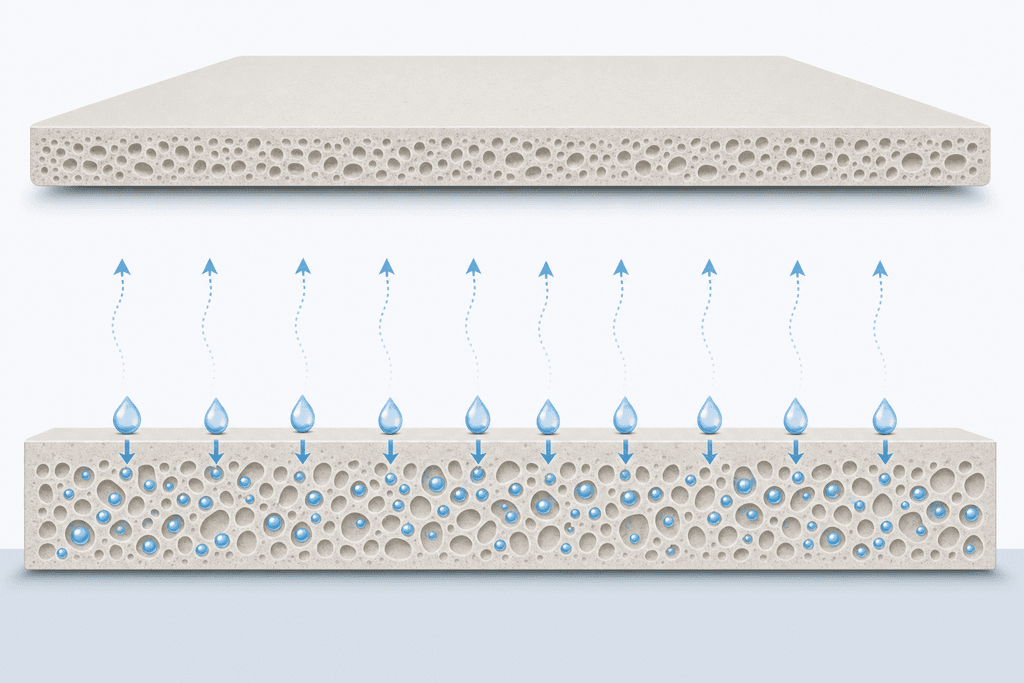
The secret to diatomite's performance lies in its internal architecture. Each microscopic diatom skeleton contains millions of tiny pores that act like a network of air channels throughout the material. When water touches the surface of a quick dry stone bath mat, these pores pull moisture inward instantly through capillary action, the same force that helps plants draw water up their stems. The water doesn't just sit there though, it spreads throughout the porous network and releases back into the air through natural evaporation.
This process happens remarkably fast. Independent testing shows that stone bath mats can dry completely in under 10 minutes, leaving no damp surface where bacteria or mould can develop.
Natural Composition Without Chemicals
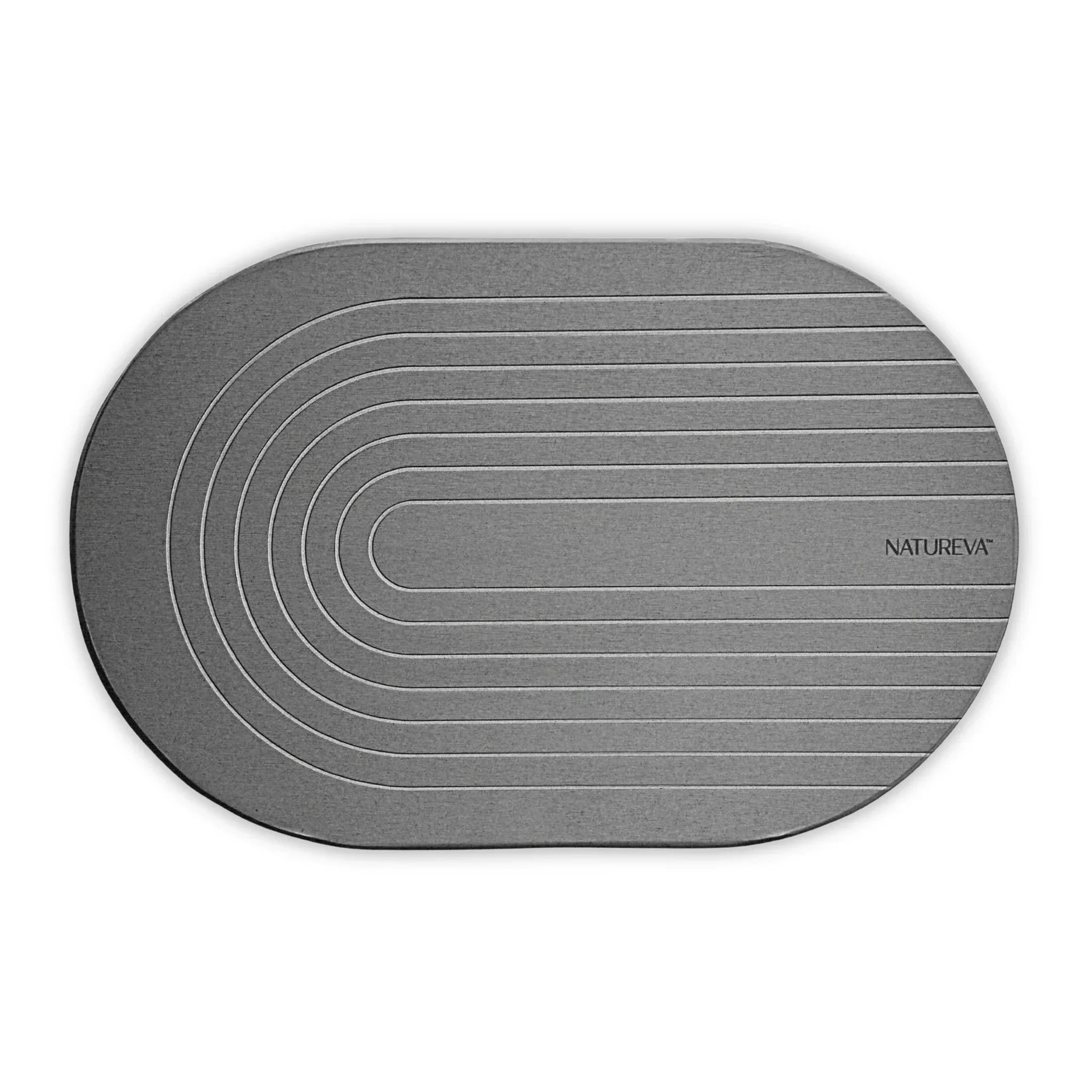
Natureva shapes diatomite into solid, usable forms by combining diatomaceous earth with recycled paper, creating a dense composite material that feels like stone underfoot. No synthetic coatings, moisture-trapping finishes, or chemical treatments are added to the surface. The material stays hygienic through its rapid drying mechanism rather than relying on antibacterial additives or treatments that wear off over time.
Here's how diatomite compares to conventional bath mat materials:
| Material Type | Drying Time | Maintenance Level | Mould Risk |
|---|---|---|---|
| Diatomite Stone | Under 10 minutes | Low (wipe weekly) | Minimal |
| Cotton/Fabric | 4-8 hours | High (wash weekly) | High |
| Microfibre | 2-4 hours | High (wash frequently) | Moderate |
| Rubber/Silicone | 1-2 hours | Moderate (scrub often) | Moderate |
Why Faster Drying Matters
The speed at which a bath mat dries directly affects your home's hygiene and your maintenance workload. Fabric mats trap moisture in their fibres, creating damp conditions that last for hours after each shower. During this time, bacteria multiply, odours develop, and mould spores find the perfect breeding ground. Stone bath mats eliminate this window of opportunity by returning to a completely dry state within minutes.
This isn't just about convenience. It's about reducing the constant cycle of washing, replacing, and dealing with musty bathroom smells that come with traditional mats. Our Natureva stone bath mats use this natural evaporation process to stay cleaner between maintenance, requiring only a weekly wipe with warm water and vinegar instead of frequent machine washing.
How Stone Bath Mats Dry Faster Than Fabric
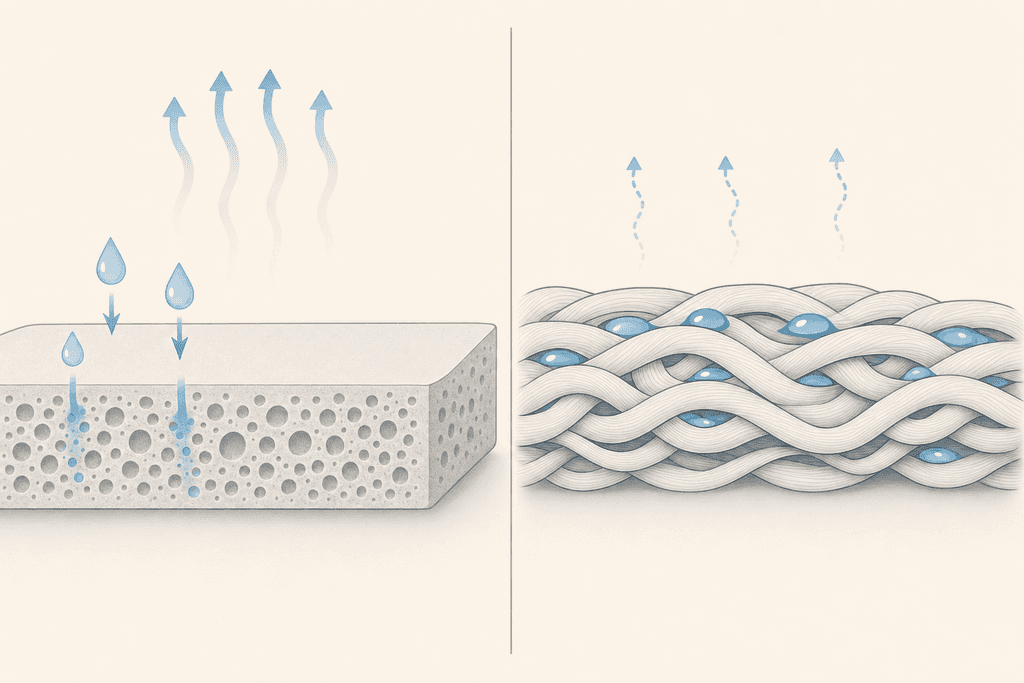
A fabric bath mat can stay damp for 6 to 12 hours after a single shower, creating the perfect environment for mould and mildew to develop. The fibres in traditional mats trap water deep inside, where air can't reach it easily. Even when you think the surface feels dry, moisture is still sitting in the layers underneath. This is why fabric mats start to smell musty after just a few days of use, and why you end up washing them constantly just to keep them fresh.
Stone bath mats work completely differently. They're made from diatomite, a naturally porous material created from fossilised microscopic algae. The internal structure is filled with millions of tiny pores that pull water in the moment your feet touch the surface. Instead of trapping moisture like fabric does, the stone releases it back into the air through rapid evaporation. Most stone mats dry fully within 8 to 10 minutes, leaving no damp environment where odour or mould can form.
| Feature | Fabric Mat | Stone Mat |
|---|---|---|
| Drying Time | 6-12 hours | 8-10 minutes |
| Moisture Retention | Trapped in fibres | Released through evaporation |
| Washing Frequency | Weekly or more | Simple wipe down |
| Mould Risk | High in damp conditions | Low due to fast drying |
The difference comes down to how each material handles water. Fabric absorbs moisture into fibres that hold onto it, while stone absorbs moisture into pores that release it. This fast-drying mechanism is what keeps stone mats hygienic by design. There's no need to wash them between uses because the surface doesn't stay wet long enough for bacteria or mould to take hold.
Our stone bath mats were independently tested by Australia's Homes To Love publication and earned a 9 out of 10 rating, with the mat drying fully in under 8 minutes. That's the kind of performance you just can't get from fabric, no matter how many times you throw it in the washing machine.
What Affects Stone Bath Mat Drying Speed
Not all bathrooms are created equal when it comes to drying conditions. The same stone mat that dries in 8 minutes in one bathroom might take 15 minutes in another. Understanding what slows down or speeds up evaporation helps you get the most out of your mat and keep it performing at its best. The good news is that most of these factors are easy to control once you know what to look for.
Airflow is the biggest factor in drying speed. When air moves across the surface of the mat, it carries away the moisture that's evaporating from the pores. A bathroom with good ventilation, whether from an exhaust fan, open window, or even just leaving the door open after your shower, will dry a stone mat much faster than a closed, still room.
- Bathroom ventilation and airflow accelerate evaporation by moving moisture away from the surface
- Humidity levels affect how quickly moisture can release into the air (dry air absorbs moisture faster than humid air)
- Room temperature influences evaporation rate, with warmer rooms drying faster than cold ones
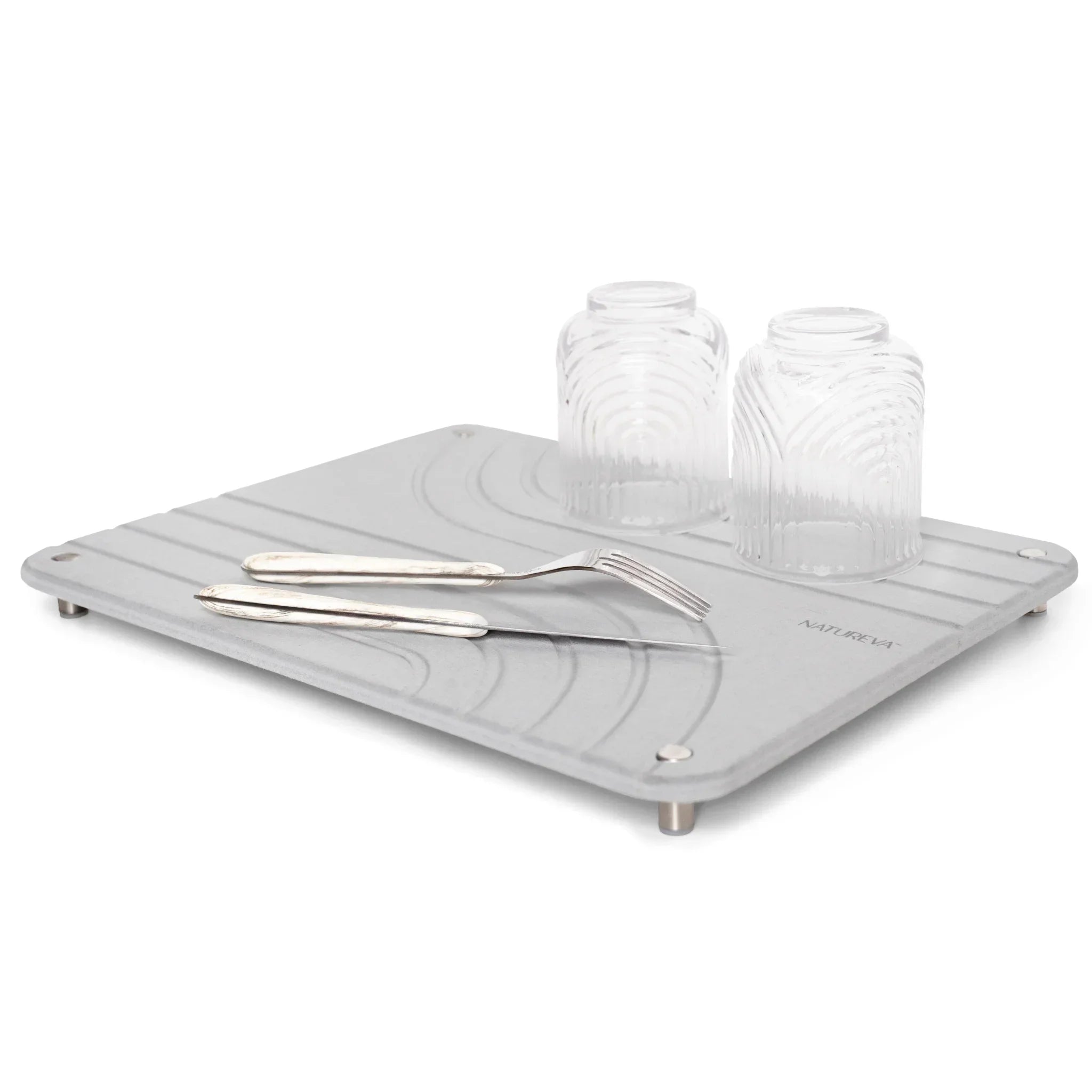
- Non-slip base pad creates airflow underneath the mat, preventing moisture from getting trapped against the floor
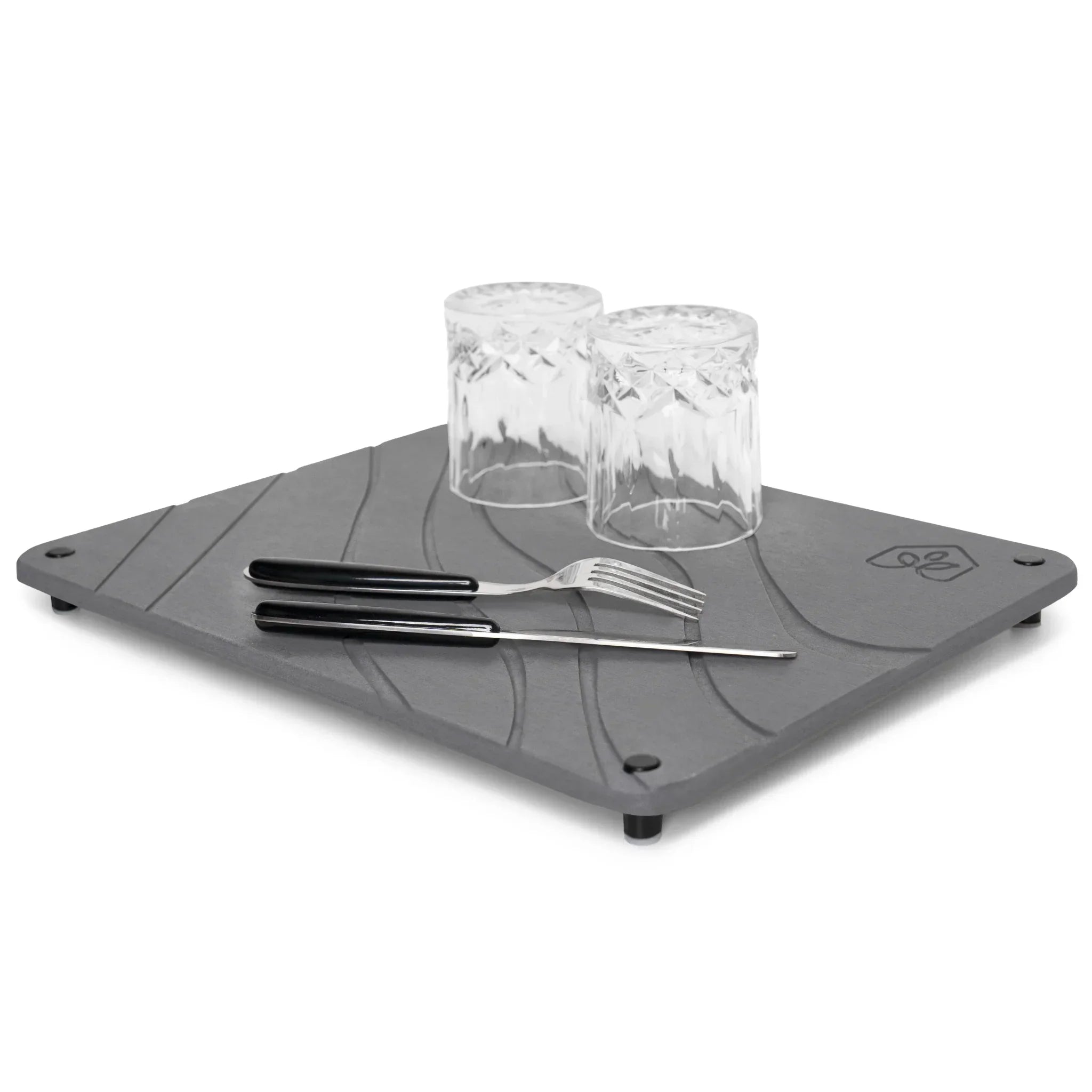
The non-slip base pad that comes with each mat isn't just for safety. It lifts the mat slightly off the floor, creating a gap that lets air circulate underneath. This prevents the bottom surface from staying damp and helps the entire mat dry evenly from both sides.
Surface saturation is the one thing that changes the drying timeline. If multiple people use the same mat back-to-back, or if you step on it with dripping wet feet several times in a row, the pores can reach their absorption limit. When this happens, the mat needs a bit more time to release all that moisture. Standing it upright against a wall lets air reach both sides and speeds up the process significantly.
Most households won't hit this saturation point during normal daily use. But if you notice the mat feels slower to dry than usual, it's usually a sign that it needs better airflow or a quick wipe down to clear the pores. You can learn more about what to look for in a quality diatomite bath mat to make sure you're getting one that performs well in different conditions.
Maintaining Peak Drying Performance
Even the best quick dry stone bath mat will slow down over time if you don't take care of it. The microscopic pores that make diatomite so absorbent can get clogged with soap residue, body oils, and mineral deposits from hard water. When that happens, water can't move through the material as quickly, and drying times start to creep up. The good news is that keeping a stone mat in peak condition takes less effort than washing a fabric mat every week.
A weekly wipe with a warm damp cloth and cleaning vinegar keeps the pores clear and the surface absorbing like new. This simple step removes the buildup that slows down performance. Avoid using coloured soaps or harsh cleaners, as these can leave residue that clogs the pores even more. Plain water and vinegar are all you need for regular maintenance.
- Weekly cleaning: Wipe with warm damp cloth and cleaning vinegar to keep pores clear
- Stain removal: Rinse stains immediately under water to prevent absorption into the material
- Deep cleaning: Use hydrogen peroxide for stubborn marks without damaging the stone
- Surface restoration: Use the included P320 grit sanding tool to reopen clogged pores
- Full saturation: Air dry upright when the mat reaches its absorption limit
The sanding tool that comes with every Natureva stone mat is your reset button. If you notice the mat isn't absorbing as quickly as it used to, a light sanding with the included disc reopens the surface pores and brings back full performance. This takes about 30 seconds and works better than any cleaning product. You're literally removing the top layer of buildup and exposing fresh, porous material underneath.
For detailed care instructions and tips on extending the life of your mat, check out our seven easy care tips for stone bath mat longevity. The guide covers everything from dealing with hard water stains to knowing when it's time to sand versus when a simple wipe is enough.
The next generation of home essentials: naturally made, cleaner by design, sustainable by nature.
SHOP ALLMost people find that a quick weekly wipe and occasional sanding every few months is all it takes to keep their stone mat performing like new. Compare that to washing a fabric mat multiple times a week, and the maintenance difference becomes pretty clear. The mat stays hygienic through its fast-drying mechanism, not through constant washing, which means less work for you and better performance over time.
Stone vs Fabric Bath Mats for Modern Bathrooms
Most fabric bath mats stay damp for hours after a single shower, creating a breeding ground for mildew while you're still getting ready for the day. The difference between stone and fabric comes down to one simple fact: fabric traps moisture in its fibres, while stone releases it back into the air within minutes. This isn't just about comfort or convenience. It's about whether your bathroom floor stays dry enough to prevent the kind of humidity damage that shows up as peeling paint, warped baseboards, and that musty smell that never quite goes away.
Maintenance Effort Comparison
Fabric mats demand a washing cycle every few days to stay fresh. Stone mats need a quick wipe with vinegar once a week. The time difference adds up fast when you're already juggling laundry, dishes, and everything else that keeps a home running.
- Fabric mats require machine washing every 3-5 days to prevent odour buildup
- Stone surfaces stay clean through rapid evaporation without any washing cycles
- Weekly vinegar wipes maintain stone performance versus constant fabric laundering
- No detergent, no dryer time, no folding or storage between uses
Safety and Stability Factors
Fabric mats bunch, slide, and curl at the edges when they get wet. Stone mats sit flat with a non-slip base that doesn't shift underfoot, even on tile or polished concrete. For anyone who's ever stepped out of the shower onto a mat that moved beneath them, the difference is immediate and obvious.
| Feature | Stone Mat | Fabric Mat |
|---|---|---|
| Drying Time | Under 10 minutes | 4-8 hours |
| Washing Frequency | Weekly wipe | Every 3-5 days |
| Surface Stability | Flat, non-slip base | Bunches and curls |
| Lifespan | Years with sanding | 6-12 months |
Design Integration in Modern Spaces
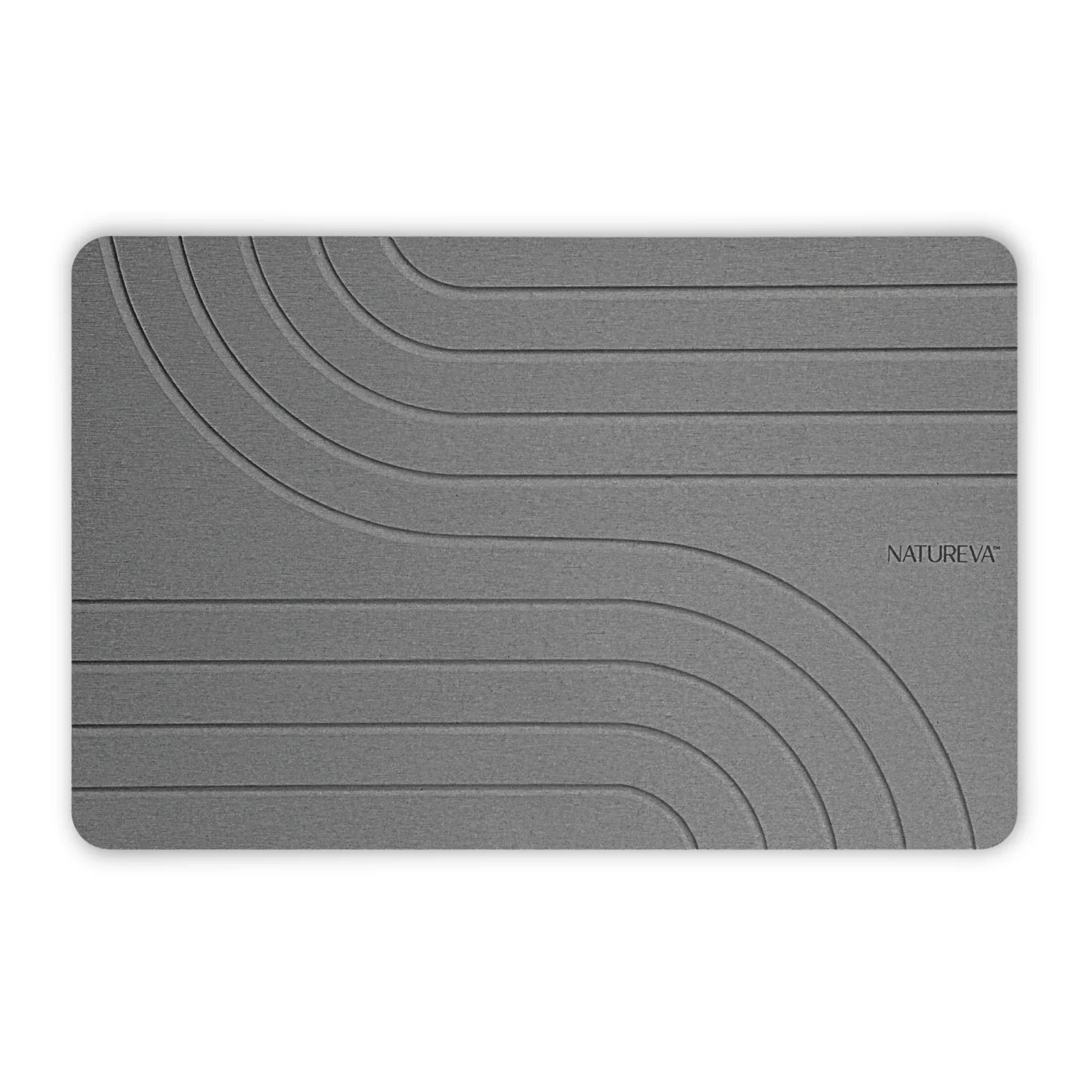
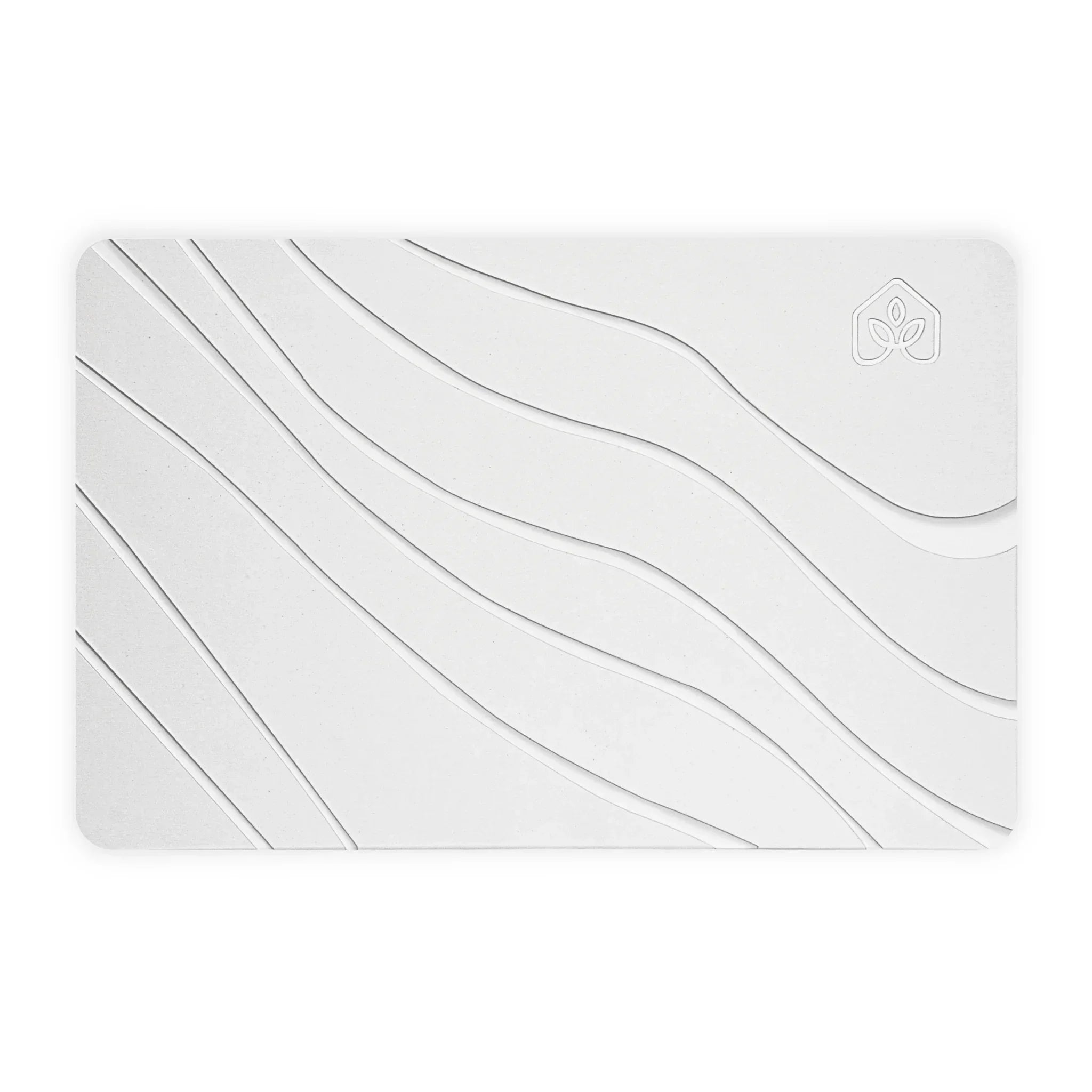
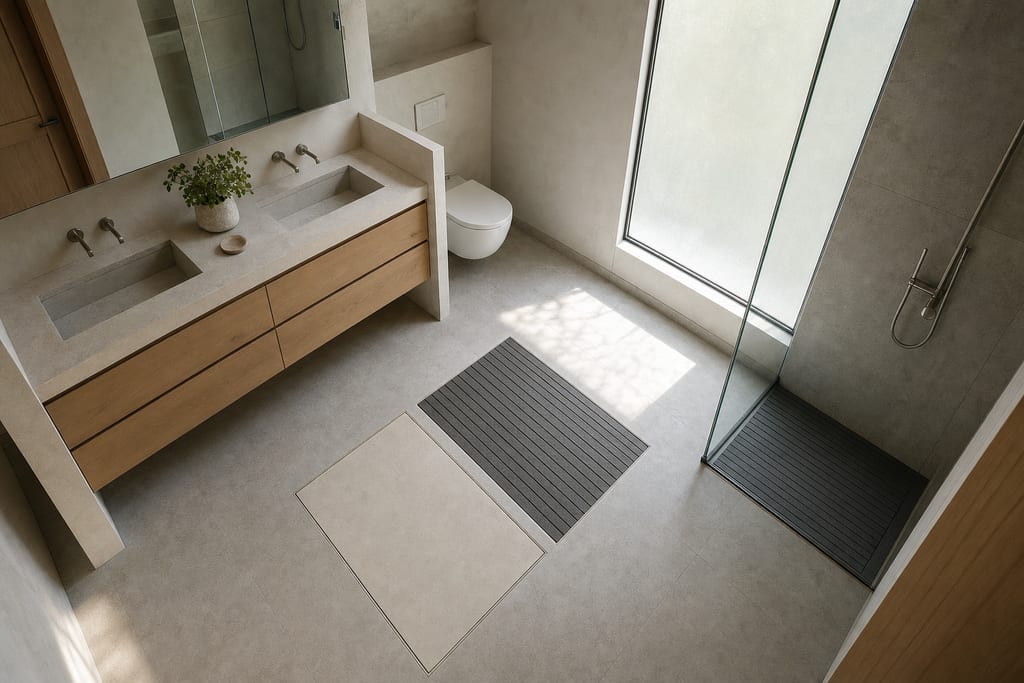
Minimalist bathrooms don't have room for bulky, colourful fabric that clashes with clean lines and neutral palettes. Stone mats like Natureva's Tide, Flow, Arch, and Rain designs use carved geometric patterns that read as architectural details rather than bathroom accessories. They work with the space instead of against it, available in Graphite, Slate, and Chalk to match modern finishes.
The durability question matters more than most people realize. Fabric mats deteriorate visibly after a few months of washing, losing their shape and absorbency. Stone mats maintain their structure for years, and when surface pores eventually fill with mineral deposits, the included sanding tool restores full performance in minutes. For more detailed guidance on how stone mats function and perform over time, this comprehensive stone bath mat guide breaks down the material science and care requirements.
Faster Drying Means Less Maintenance
A quick dry stone bath mat solves the moisture problem that fabric mats can't fix. The diatomite material is filled with millions of microscopic pores that pull water from your feet the moment you step on the surface. Those same pores release moisture back into the air through rapid evaporation, which means the mat dries in minutes instead of staying damp for hours. When water doesn't stick around, you don't get the damp conditions where mould and odour start to develop.
The difference between stone and fabric comes down to how the material handles water. Fabric traps moisture in its fibres and holds it there until you wash and dry the mat. Stone absorbs water and then releases it through evaporation without any help from you. That's why our stone bath mats stay clean through their drying mechanism rather than needing constant trips to the washing machine.
Maintenance becomes simpler when the material does the work. A quick wipe with a damp cloth and cleaning vinegar once a week keeps the surface fresh. If absorbency slows down over time, the included sanding tool reopens the pores and brings performance back to new. No chemical treatments, no fabric softener, no waiting for the dryer to finish.
The real benefit shows up in what you don't have to do anymore. Less washing, less drying, less time spent managing a bathroom mat. The stone handles moisture on its own, which means you can focus on other things. If you want to see how the different surface patterns work across your bathroom and kitchen, check out what to look for before buying a diatomite mat.
Common Questions About Stone Bath Mat Drying
Stone bath mats work differently than fabric or rubber alternatives, and that difference raises some practical questions. Most people want to know if the quick dry claims are real, what happens when performance drops, and whether these mats actually work in real bathrooms with real moisture problems. Here's what you need to know about how quick dry stone bath mats perform day to day.
How long does a stone bath mat take to dry completely?
A properly functioning stone bath mat dries in under ten minutes. The diatomite material absorbs water on contact and releases it back into the air through rapid evaporation. Independent testing showed Natureva's stone bath mat dried fully in under eight minutes, which is why you can step on it right after someone else showers without standing in a damp puddle.
What do I do if my stone mat stops absorbing water quickly?
When absorbency slows down, the surface pores are likely clogged with soap residue, body oils, or mineral deposits from hard water. Wipe the mat with a warm damp cloth and cleaning vinegar to remove buildup. If that doesn't restore performance, use the included sanding tool to lightly sand the surface and reopen the pores. This brings back full absorption without needing to replace the mat.
Can I use a stone bath mat in a humid bathroom?
Yes, and that's actually where stone mats perform better than fabric alternatives. Humid environments slow evaporation for all materials, but diatomite still dries faster than fabric because it doesn't trap moisture inside fibres. The mat releases water into the air rather than holding it, so even in a steamy bathroom, it won't stay wet for hours like a traditional bath mat would.
How often should I clean my stone bath mat?
Wipe it down weekly with a warm damp cloth and cleaning vinegar. This prevents soap scum and oil buildup that can block the pores over time. Unlike fabric mats that need washing every few days to avoid mildew, stone mats stay hygienic through rapid drying, so maintenance is lighter and less frequent.
Do stone mats work for families with multiple daily showers?
They handle back-to-back showers better than fabric mats because they dry between uses. A fabric mat stays damp all day when multiple people shower in the morning, but a quick dry stone bath mat resets within minutes. That means the third person stepping out of the shower isn't standing on accumulated moisture from the first two.
When should I use the sanding tool to restore performance?
Use the sanding tool when you notice water pooling on the surface instead of absorbing immediately. This usually happens after several months of use, depending on water hardness and how often you clean the mat. Sanding removes the top layer of buildup and exposes fresh porous material underneath, bringing absorption back to like-new performance without replacing the entire mat.
The next generation of home essentials: naturally made, cleaner by design, sustainable by nature.
SHOP ALL