

The Hidden Hygiene Problem in Most Australian Bathrooms
A bathroom can look spotless and still have a bath mat hygiene problem sitting right underfoot. The issue isn't always visible, and could be happening underneath, in the fibres of your mat, around the base of your taps, and in the puddle that collects by the sink after every wash.
Across Australia's humid coastal cities and steamy inland summers, bathrooms retain moisture far longer than most people assume. That lingering dampness is usually behind the musty smell that keeps coming back, no matter how often you clean.
Quick Answer
- A bathroom can look clean and still harbour mould and bacteria growth, because moisture hides in bath mats, around sinks, taps and accessories long after the floor looks dry.
- Ventilation helps, but in humid conditions, it often isn't fast enough to dry these areas before bacteria and mould get a foothold.
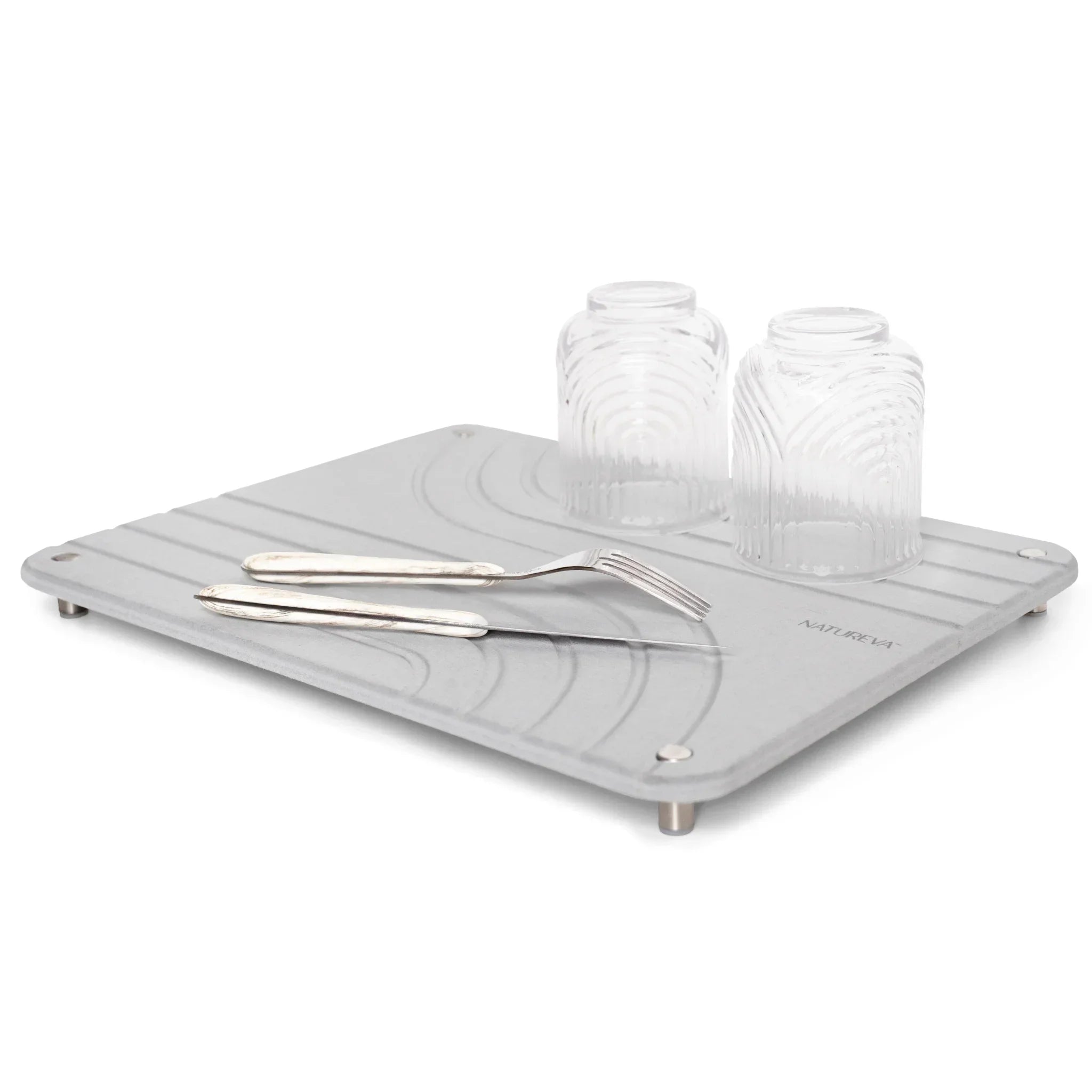
- Fast-drying, micro-porous materials like diatomite absorb and evaporate water in minutes rather than hours, cutting down the window bacteria have to multiply.
- Choosing absorbent, quick-drying, low-maintenance bathroom essentials is one of the simplest ways to improve bath mat hygiene and reduce daily upkeep.
Table of Contents
Quick Answer
- Wet bathroom floors are a real safety hazard, especially for kids, older adults and pets.
- Standard fabric bath mats absorb some water, but stay damp for hours and let moisture spread across the tile.
- A better bath mat is absorbent, fast-drying, stable underfoot and generously sized.
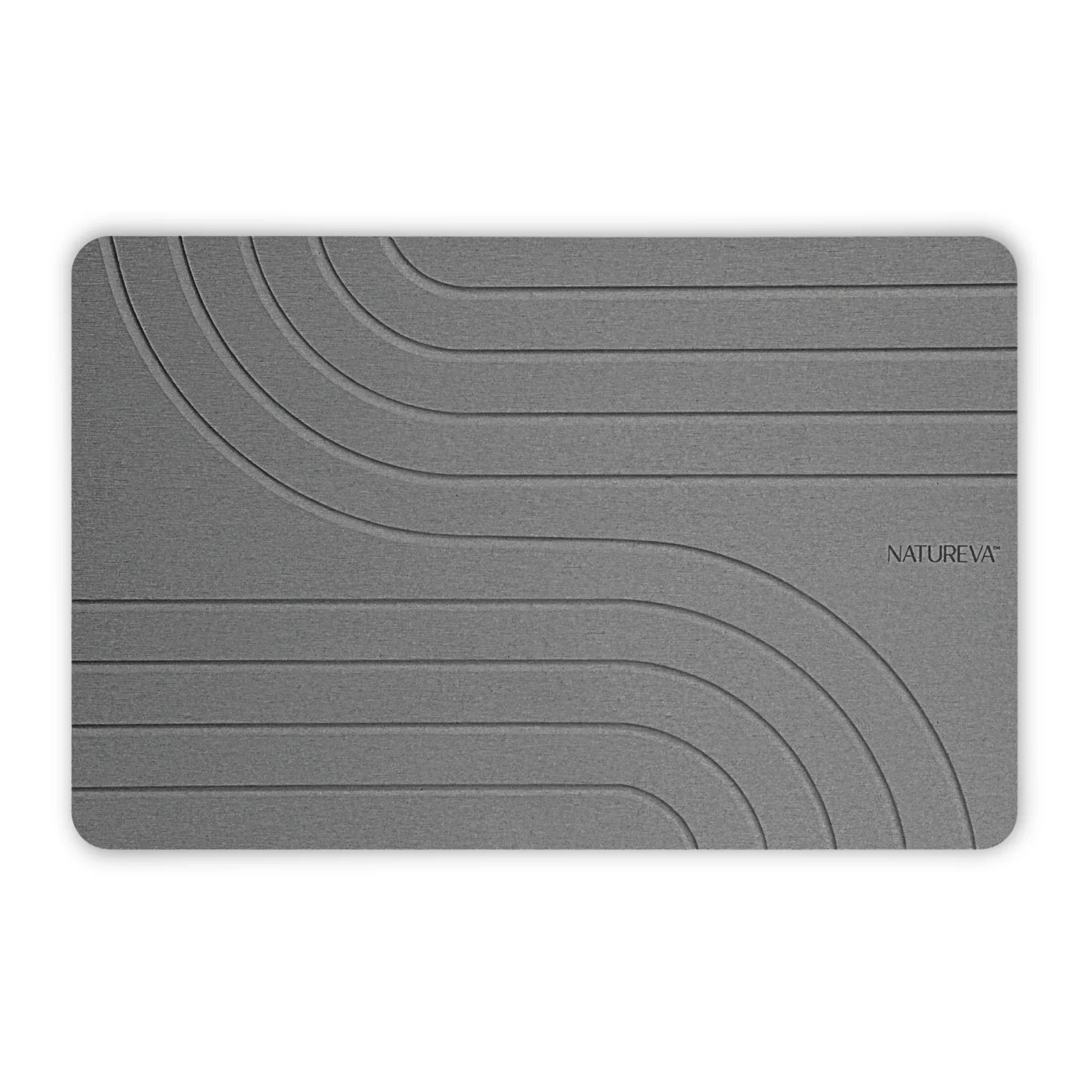
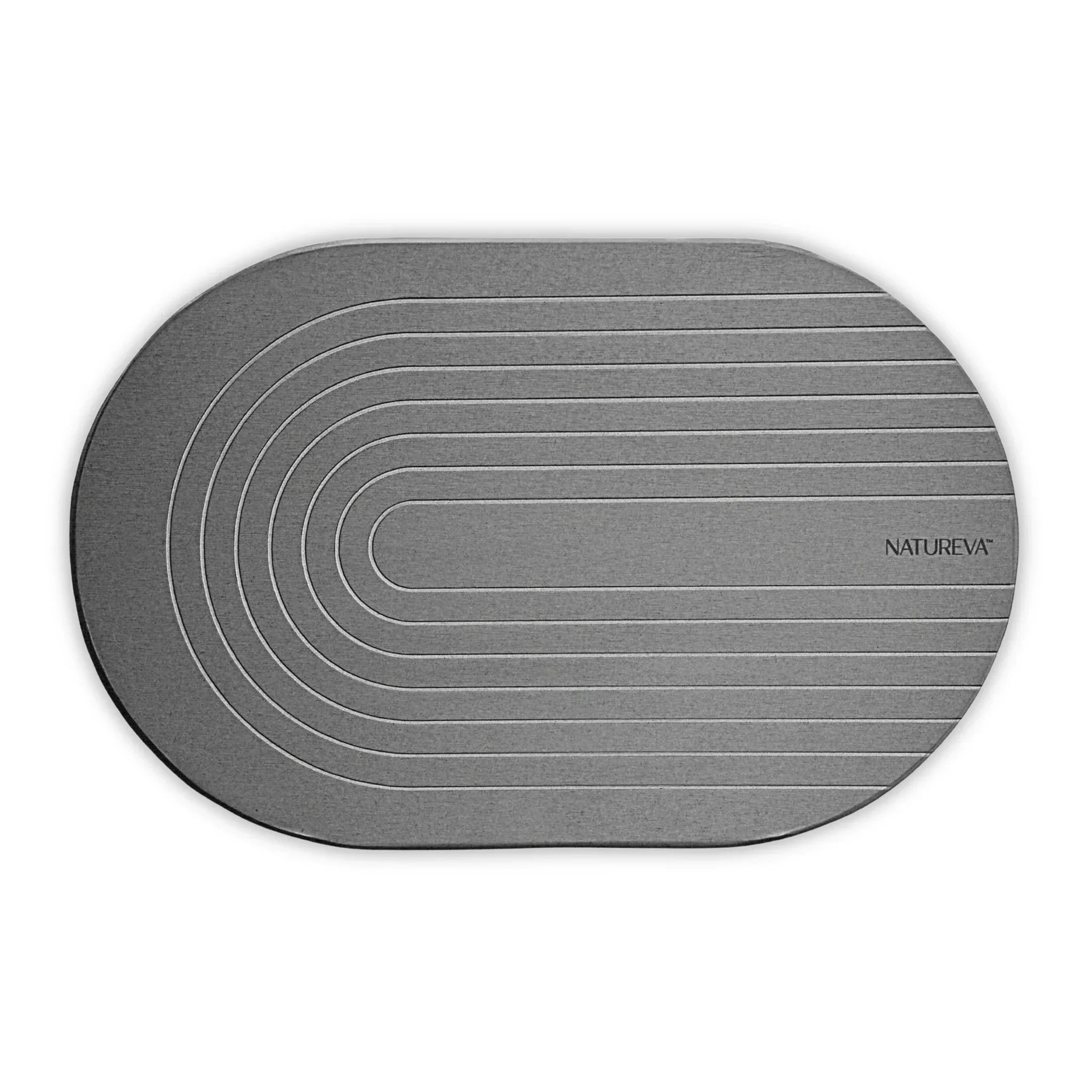
- Diatomite stone draws water into the mat and evaporates it within minutes, keeping the surrounding floor dry.
- Pair a stone bath mat with a shower squeegee and a hook per person for a bathroom that stays dry between uses.
The Hidden Dangers of Wet Bathroom Floors
Bathrooms are one of the most common places for slips and falls at home. The Victorian Government's Better Health Channel lists wet floors as a major fall risk, particularly for older people and young children.
Beyond the immediate risk, moisture that sits on tile grout and around skirting boards over time can cause the same damp, musty conditions that lead to mould and mildew. That's a slower problem, but just as costly to fix.
Why Traditional Bath Mats Fall Short
Most people already own a fabric or microfibre bath mat, and yet the floor still ends up wet. The reason is simple: those materials hold moisture instead of removing it. A cotton or chenille mat can absorb a fair amount of water, but it stays saturated for hours afterwards, which means the water is still there when the next person steps out of the shower.
A damp mat also becomes less effective at gripping the tile. Once the fabric is soaked, it can shift underfoot, which is the opposite of what a bath mat is supposed to do.
What to Look for in a Better Bath Mat
A bath mat that actually keeps your floor dry needs to do more than just sit there and look nice. Here's what to look for:
- Fast absorbency that pulls water off your feet the moment you step on it
- Quick drying, so the mat itself doesn't become the wet patch
- Non-slip base that stays put even when the surrounding floor is wet
- Generous size to catch drips well past your feet
- Easy to clean, so it stays hygienic without going through the wash every week
The next generation of home essentials: naturally made, cleaner by design, sustainable by nature.
SHOP ALLHow a Diatomite Bath Mat Solves the Slippery Floor Problem
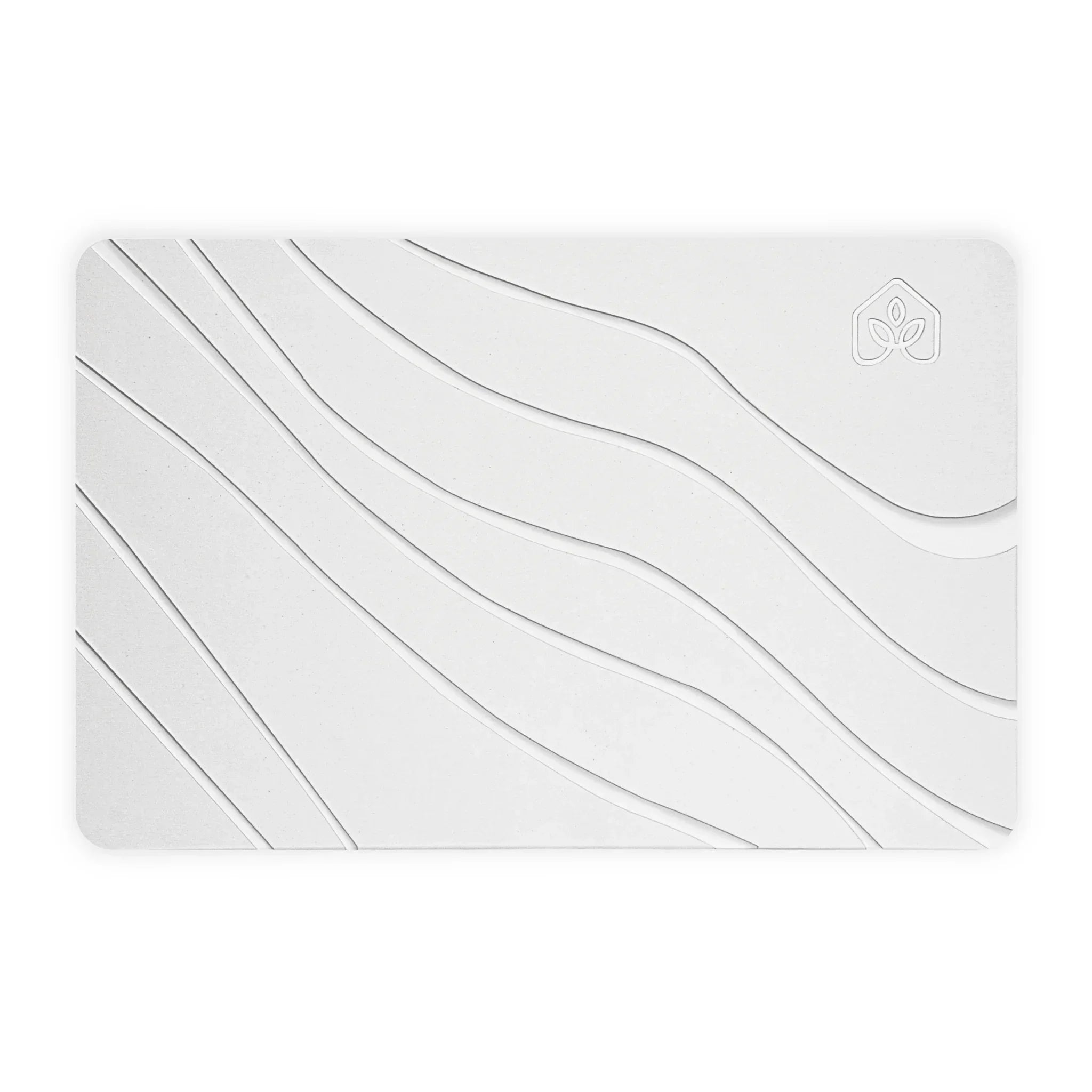
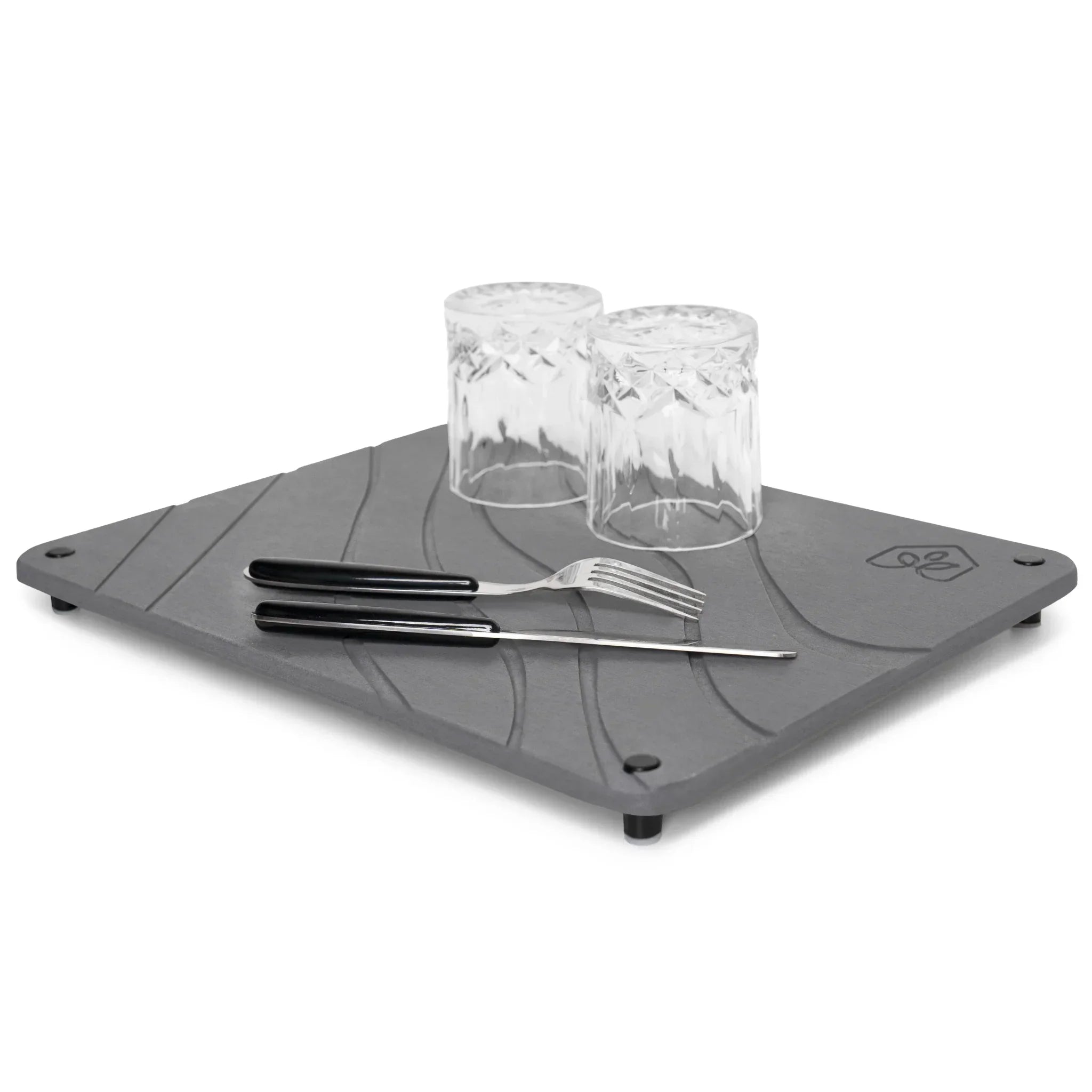
Diatomite is a naturally porous stone material made from fossilised algae, and it behaves very differently to fabric. Its surface is filled with millions of microscopic pores that draw water in on contact, then release it back into the air through evaporation. Instead of holding moisture for hours, it dries within minutes.
That combination of fast drying and a stable base is what keeps the surrounding floor dry between uses. Because the water isn't spreading past the mat, the tile stays grippy and the risk of slipping drops significantly. Our stone bath mats come in Graphite, Slate and Chalk, so you can match them to the rest of the bathroom without breaking the palette.

Other Ways to Keep Your Bathroom Floor Dry
A better bath mat is the biggest single change, but a few habits will make it easier to keep things dry between showers:
- Use a squeegee on the shower walls and glass after each shower. Thirty seconds is enough to clear most of the water.
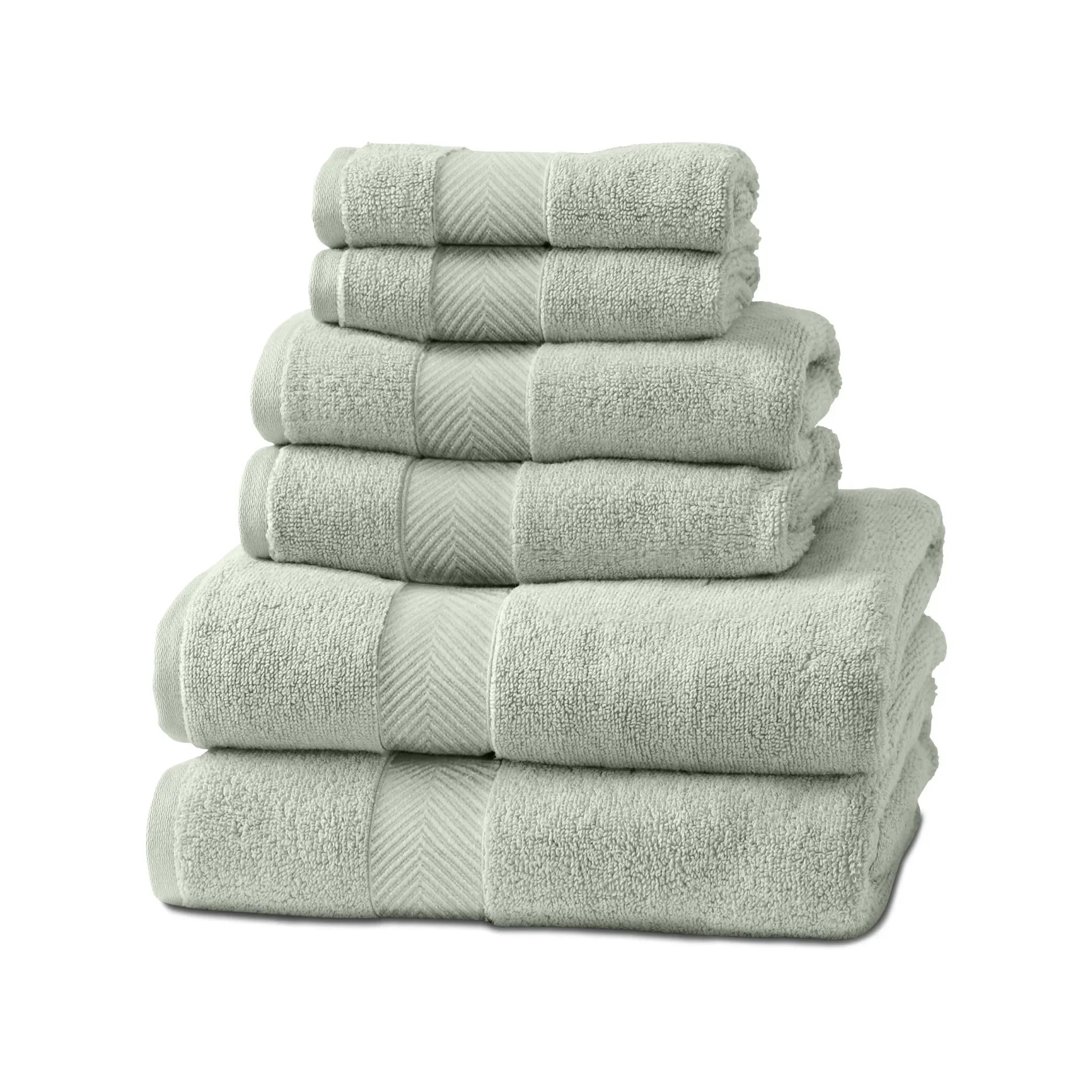
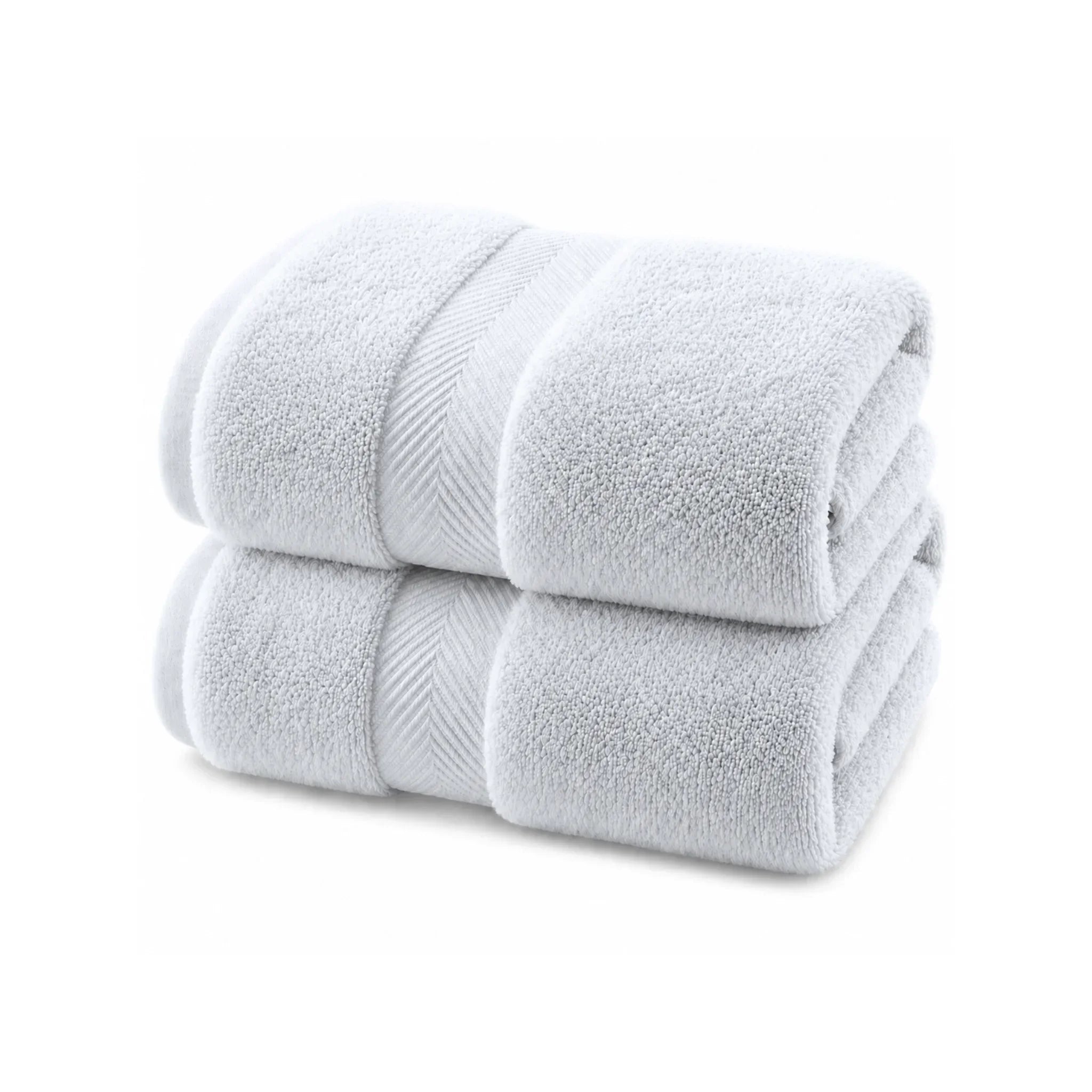
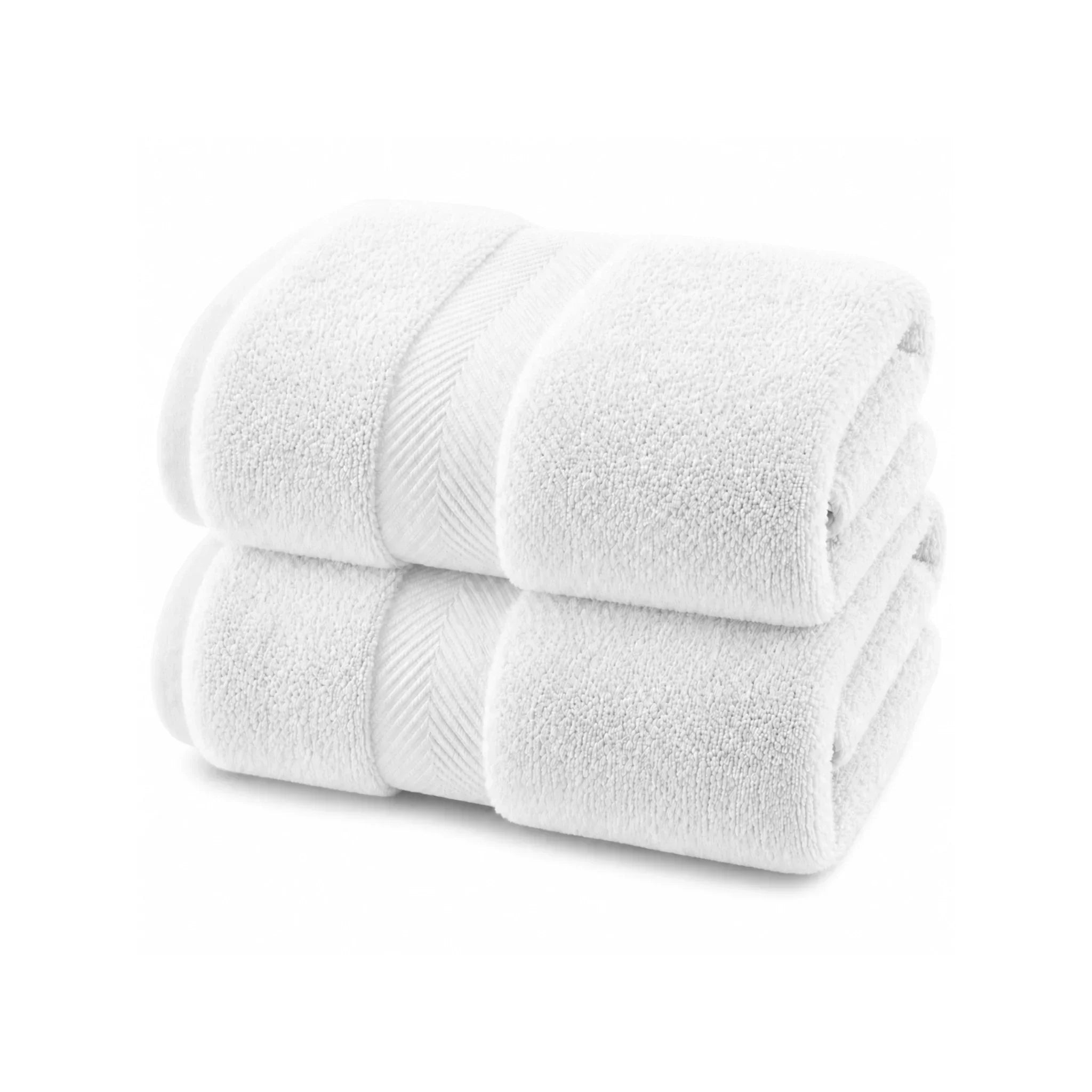
- Give each person their own hook rather than sharing a rail. Towels dry properly when they can hang open, instead of trapping moisture in overlapping folds.
- Open the door or run the fan for 10 minutes after every shower. It clears the humidity that condenses on walls, mirrors and the floor.
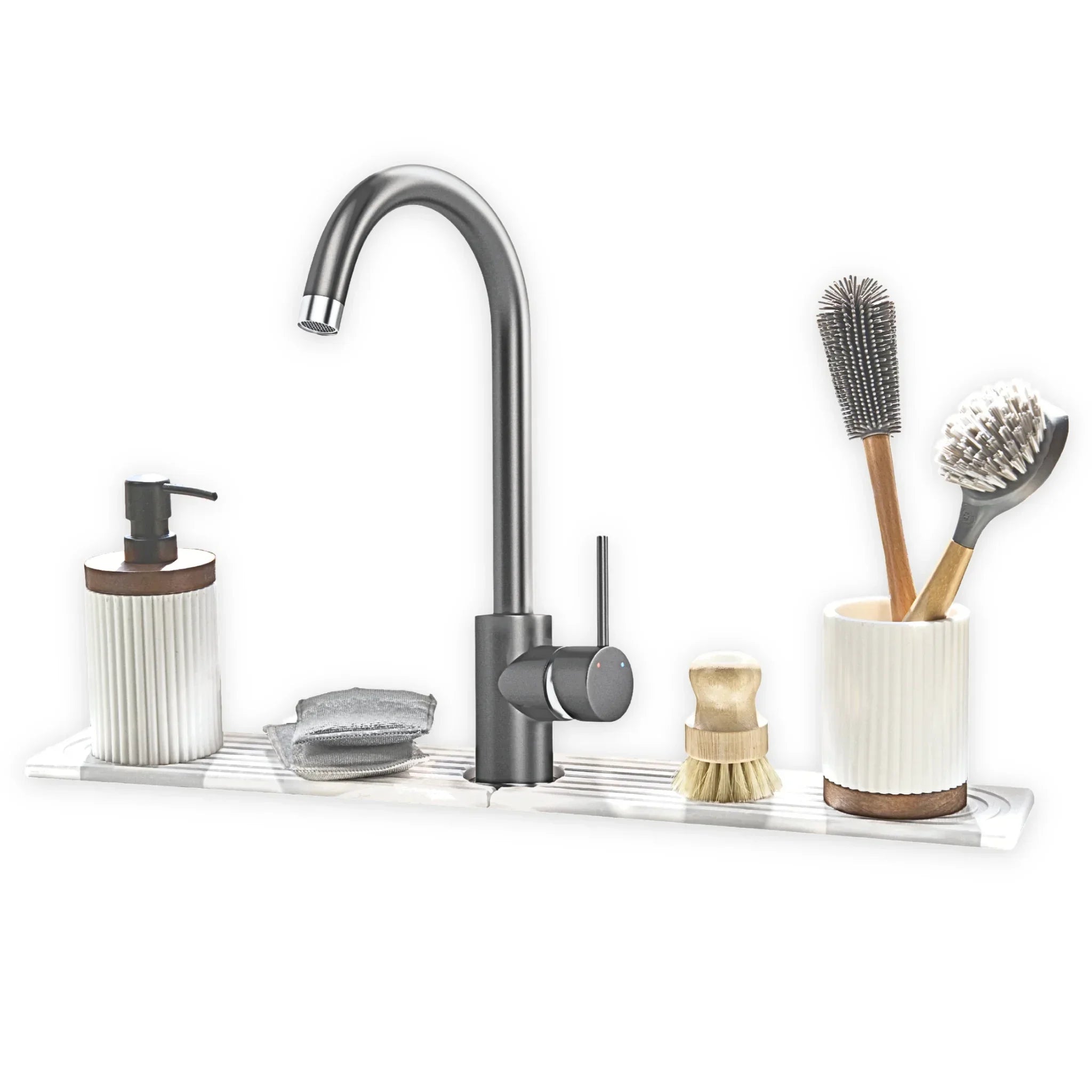
- Wipe the vanity down once a day. A puddle behind the taps is often what's making the bench, and eventually the floor around it, damp.
The Easy Way to a Safer, Cleaner Bathroom
You shouldn't have to plan your day around a wet floor. A better bath mat, combined with a few simple habits, is enough to turn a slippery bathroom into a safer, more comfortable one. It's a small change, but it fixes a problem you deal with every single day.
If you're ready to make the switch, explore our stone bath mat range and see the difference for yourself.
The next generation of home essentials: naturally made, cleaner by design, sustainable by nature.
SHOP ALL