
How Long Does a Stone Bath Mat Last and When Should You Replace It
So you’re thinking about using a diatomite bath mat, but you’re wondering how long a stone bath mat lasts.
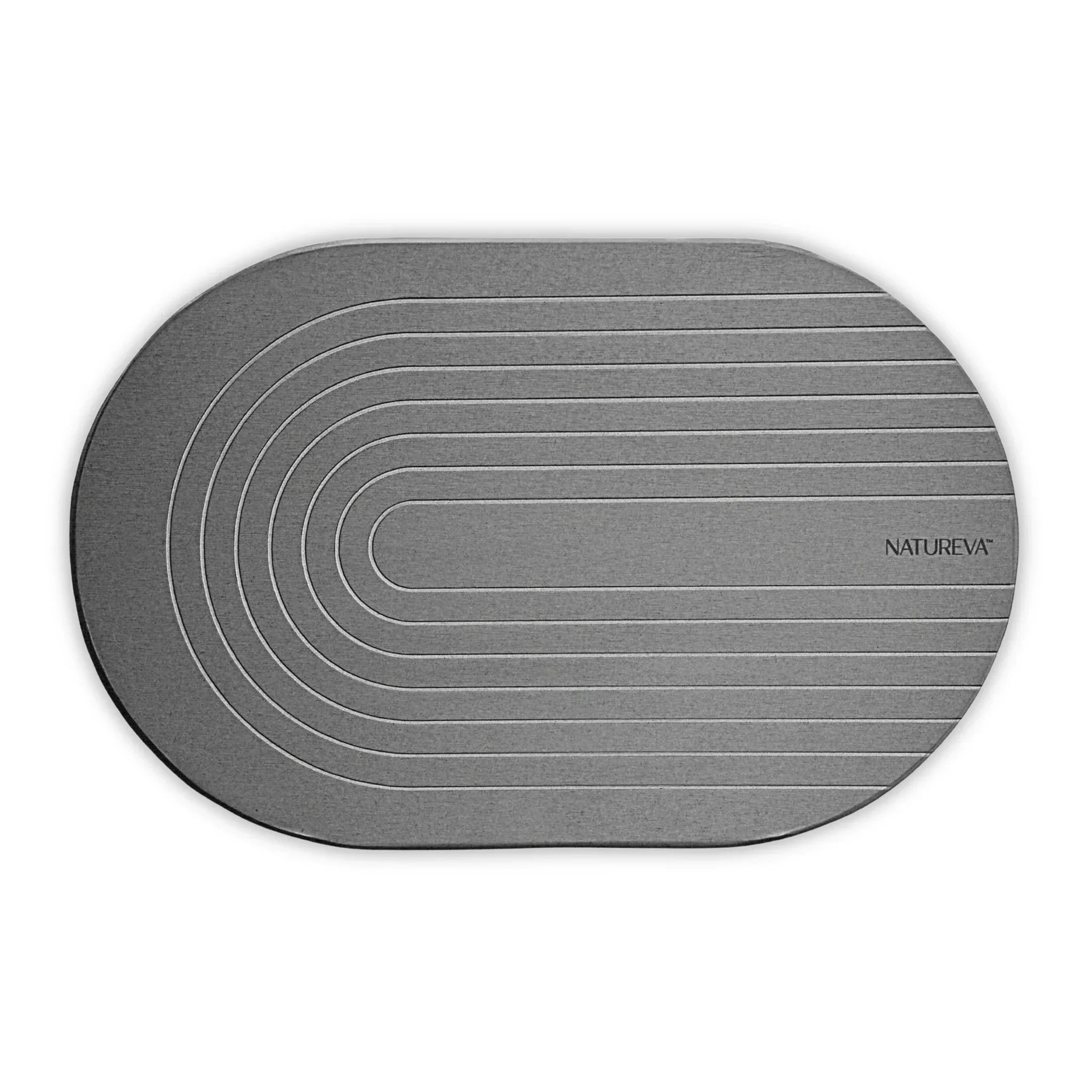
A quality diatomite stone bath mat typically lasts between two and five years. The range depends on how it's used, how well it's maintained, and whether the mat was well-made to begin with. Get those three things right, and you'll be closer to the five-year end of that scale.
Key Takeaways
- Most quality stone bath mats last 2–5 years with regular use
- Diatomite's naturally porous structure makes it far more durable and hygienic than fabric alternatives
- Simple maintenance (light sanding and wiping) can significantly extend its lifespan
- Signs it's time to replace: persistent slow absorption, deep cracks, or staining that won't clean out
- Quality matters at purchase; high-purity diatomite holds up significantly longer than budget alternatives
How Stone Bath Mats Work
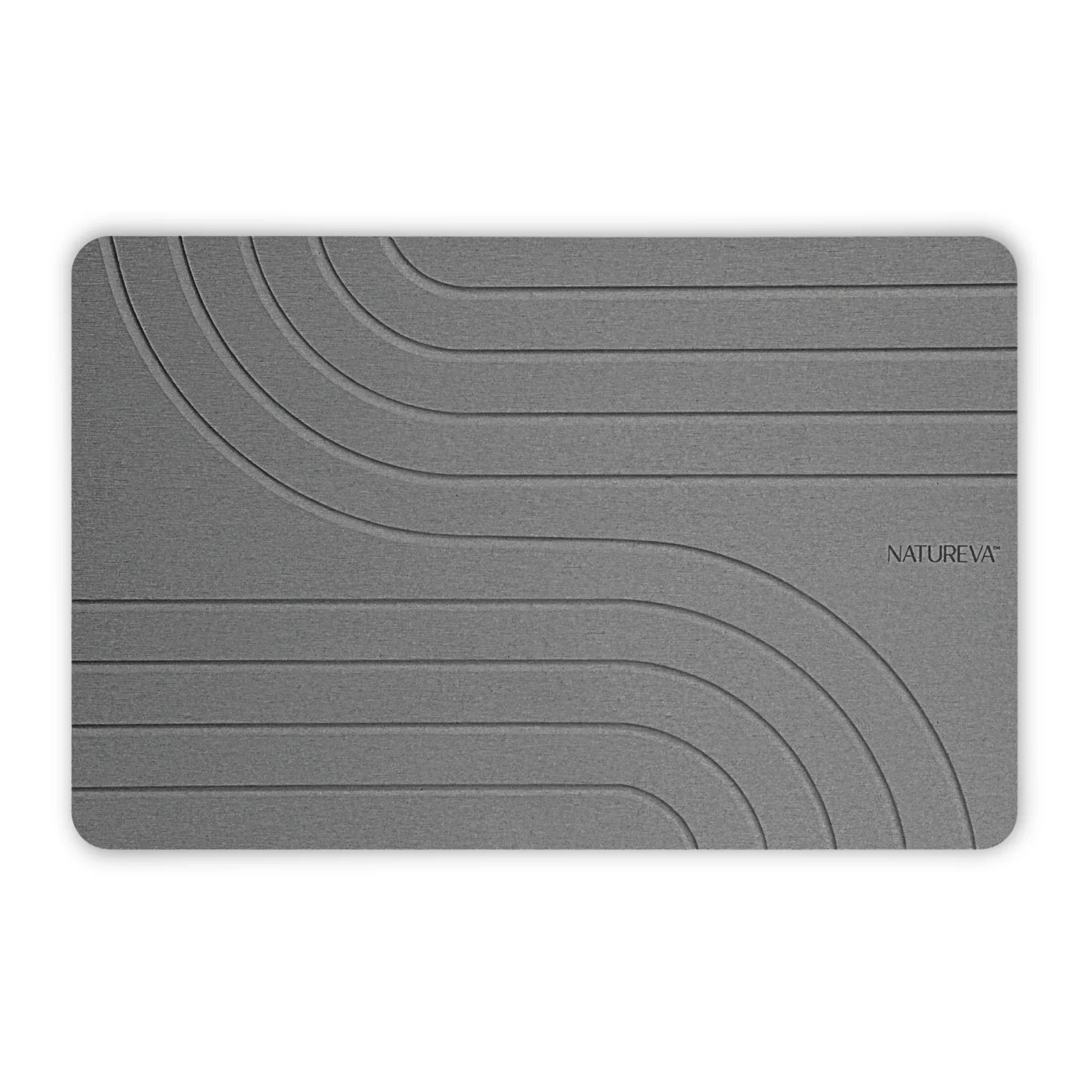
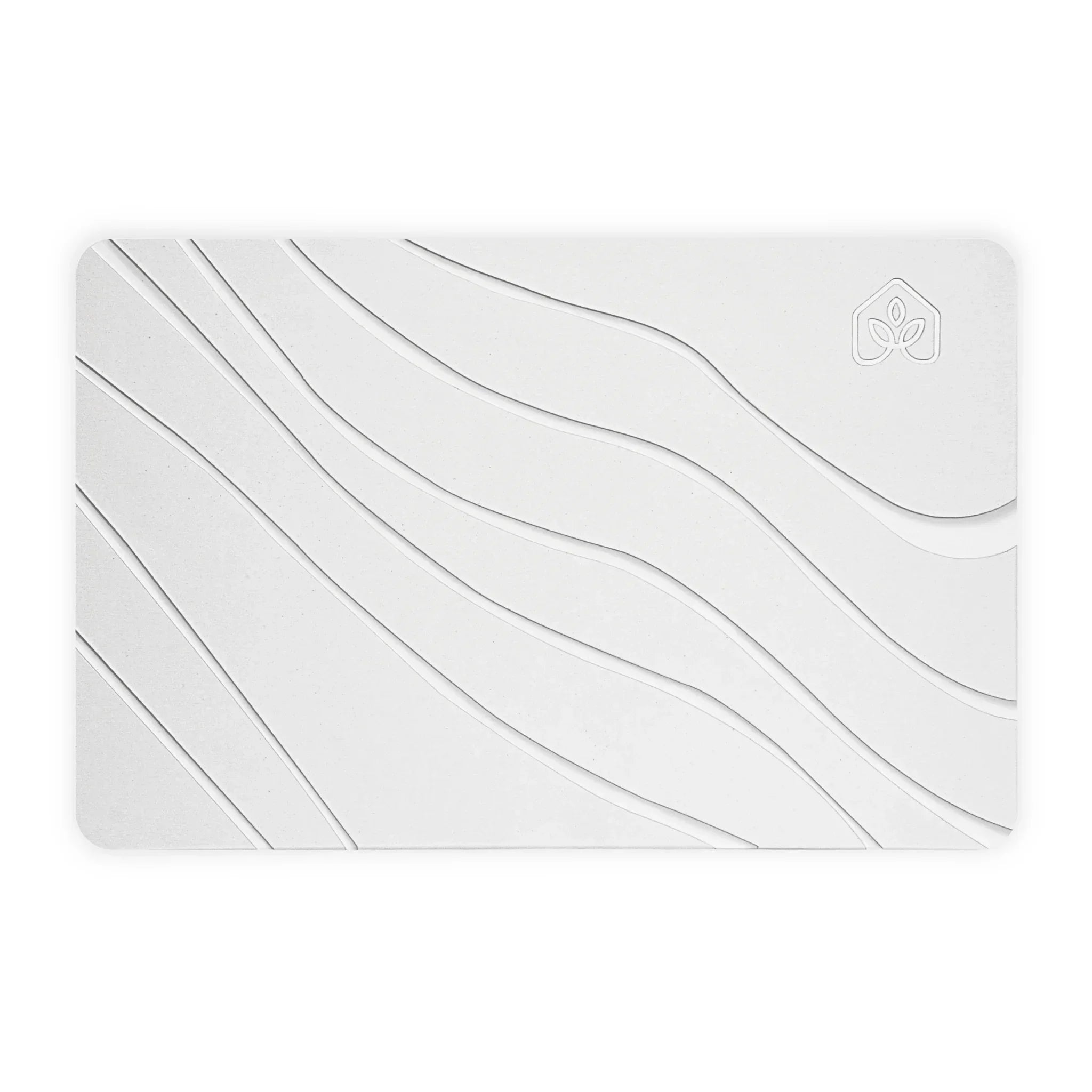
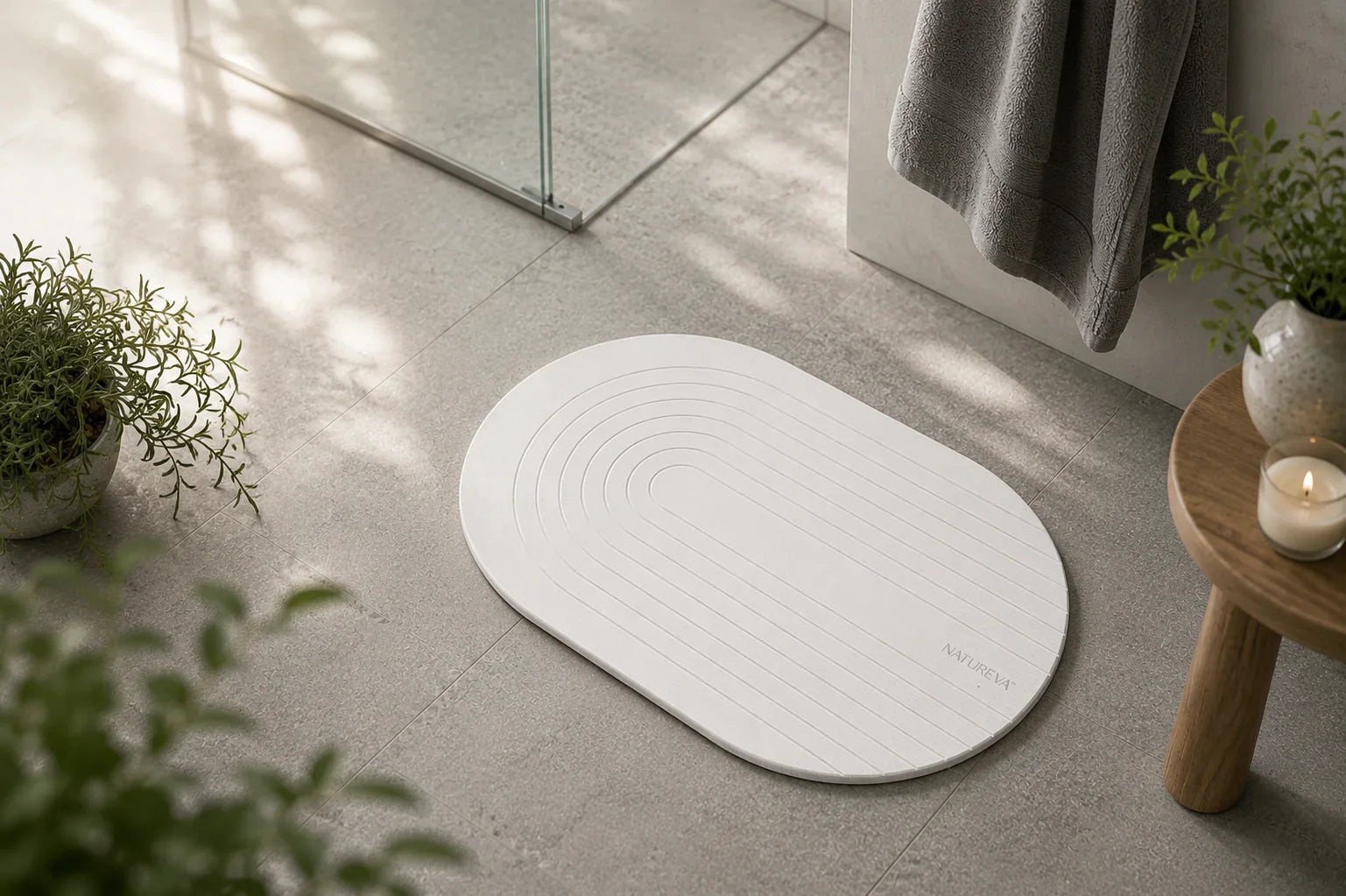
Stone bath mats are made from diatomite, a naturally occurring sedimentary rock formed from millions of years of fossilised diatom shells. Diatomite is characterised by a highly porous microstructure with 80–90% porosity, a large surface area, and a high adsorption capacity, which gives it near-instant water absorption when you step out of the shower.
Unlike a fabric mat that soaks water into its fibres and holds it there, diatomite pulls moisture in through its micropores and releases it rapidly into the air. The mat surface stays dry to the touch within minutes. That same inorganic, silica-based structure that makes it so effective at absorbing water also makes it resistant to mould, bacteria, and the chemical degradation that shortens the life of fabric and rubber alternatives.
Why Stone Bath Mats Outlast Fabric Options
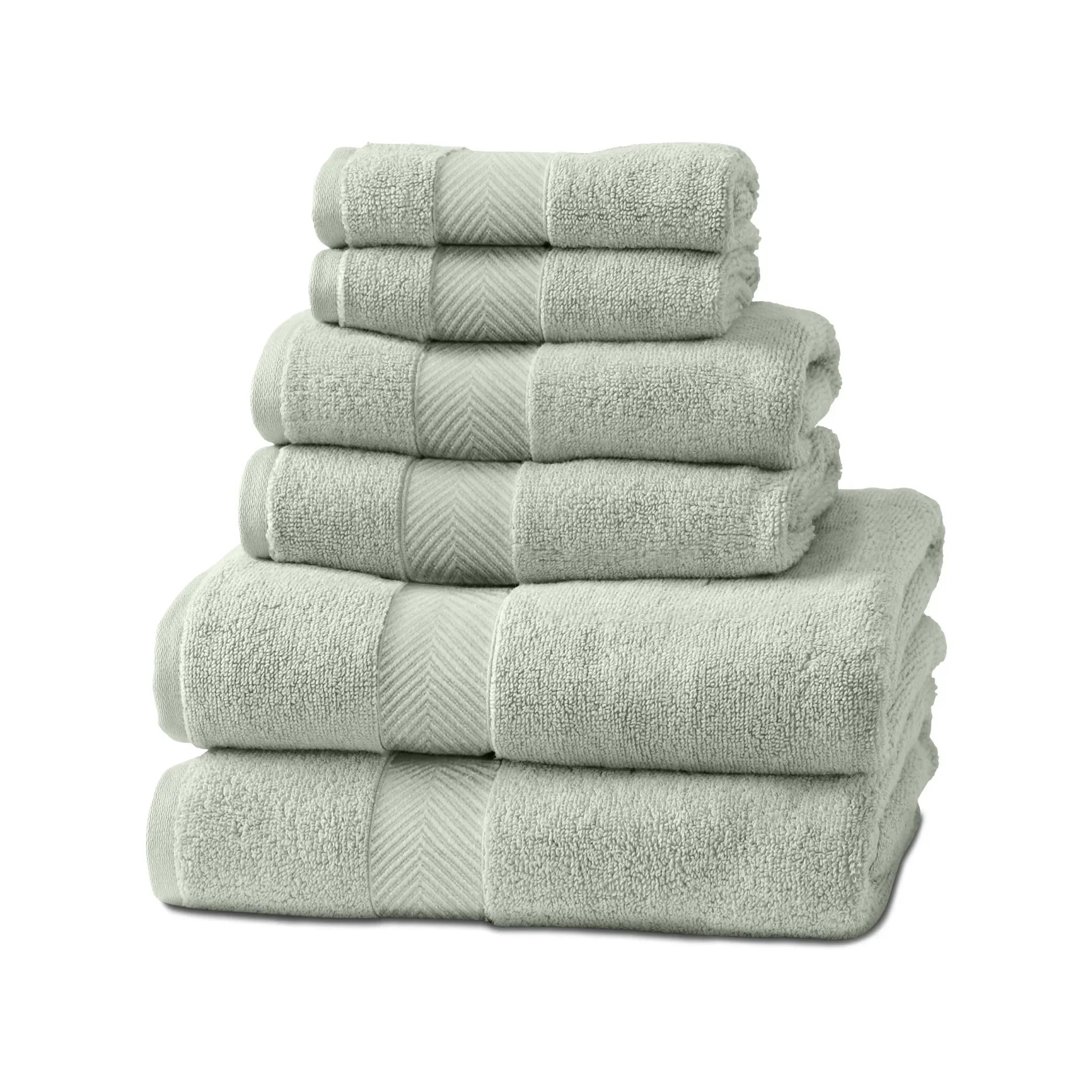
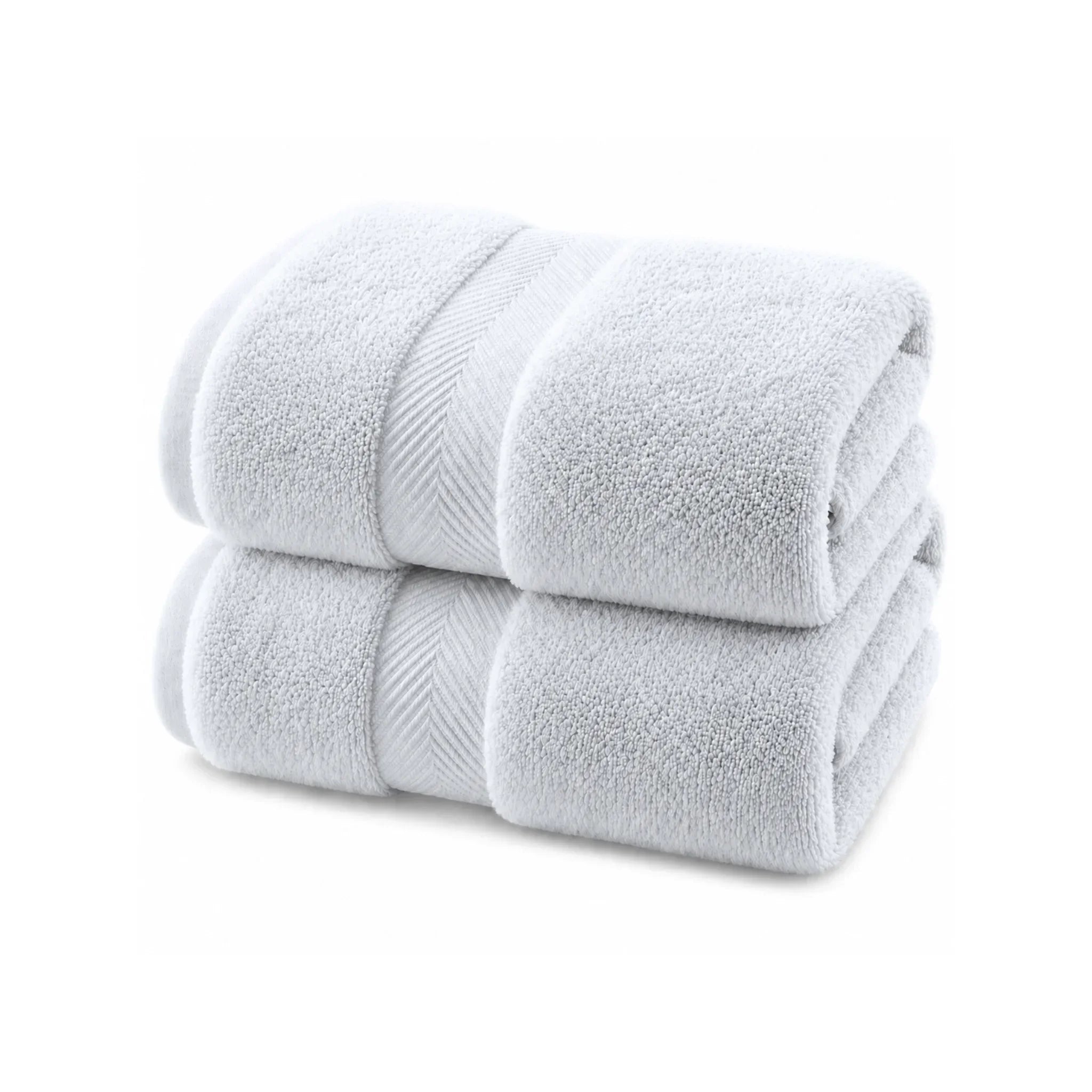
It’s generally recommended that fabric bath mats be replaced every 1 to 2 years. Moisture retention accelerates mould growth and fibre breakdown, and frequent machine washing wears them down faster.
How long does a stone bath mat last compared to fabric? They can last anywhere from two to five years, and their porous material soaks up water while keeping the surface dry, which is the core reason they stay cleaner for longer with far less effort.
A diatomite stone bath mat doesn't need constant washing and doesn't develop a musty odour. And because it's made from an inorganic mineral, it's not susceptible to the same kind of biological degradation that affects organic materials. The same diatomite properties that make it useful in water filtration and as an industrial absorbent make it exceptionally well-suited to a bathroom environment.
What Affects How Long a Stone Bath Mat Lasts
Product Quality
High-purity diatomite with a dense, uniform pore structure performs and lasts considerably better than budget versions that use lower diatomite content mixed with fillers. If a mat shows weak absorption when new, its lifespan will reflect that.
Household Usage
A mat used daily by a family of four will experience more wear than one in a guest bathroom. Even with heavy use, a quality mat should remain functional for at least two to three years.
Maintenance
The pores that make diatomite so absorbent can gradually clog with soap residue, body oils, and bathroom buildup. Poor maintenance can affect performance well before the end of their natural lifespan.
Physical Handling
Dropping your mat on a hard floor or knocking it against tiles can crack it. Be careful when moving it around to prevent accidents.

How to Care for a Stone Bath Mat and Extend Its Life
- Weekly: Wipe the surface with a damp cloth and a vinegar-water solution to remove soap residue and surface debris. Stand it upright in a ventilated spot to dry completely.
- Monthly (or when absorption slows): Lightly sand the surface with fine-grit sandpaper. This removes the top layer of buildup and reopens the pores, restoring absorbency. Rinse and dry thoroughly afterwards.
- Storage: When not in use, keep your mat in a well-ventilated area. Prolonged exposure to enclosed, humid spaces accelerates deterioration.
- Handling: Lift rather than drag. Avoid placing heavy objects on it and keep it away from sharp impacts.
Natureva Tip: Rotating the mat 180° every couple of months helps distribute wear evenly across the surface, particularly in high-traffic households.
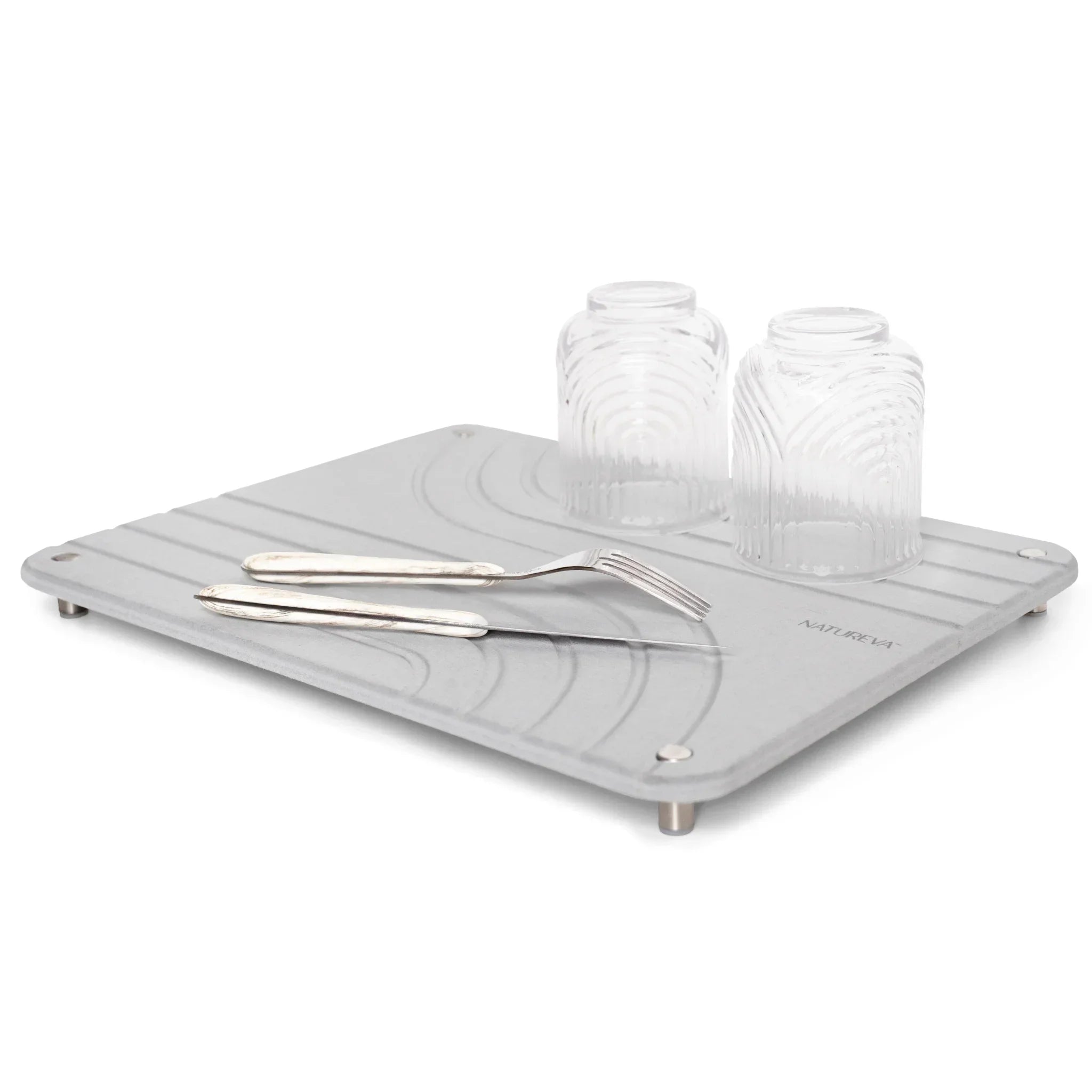
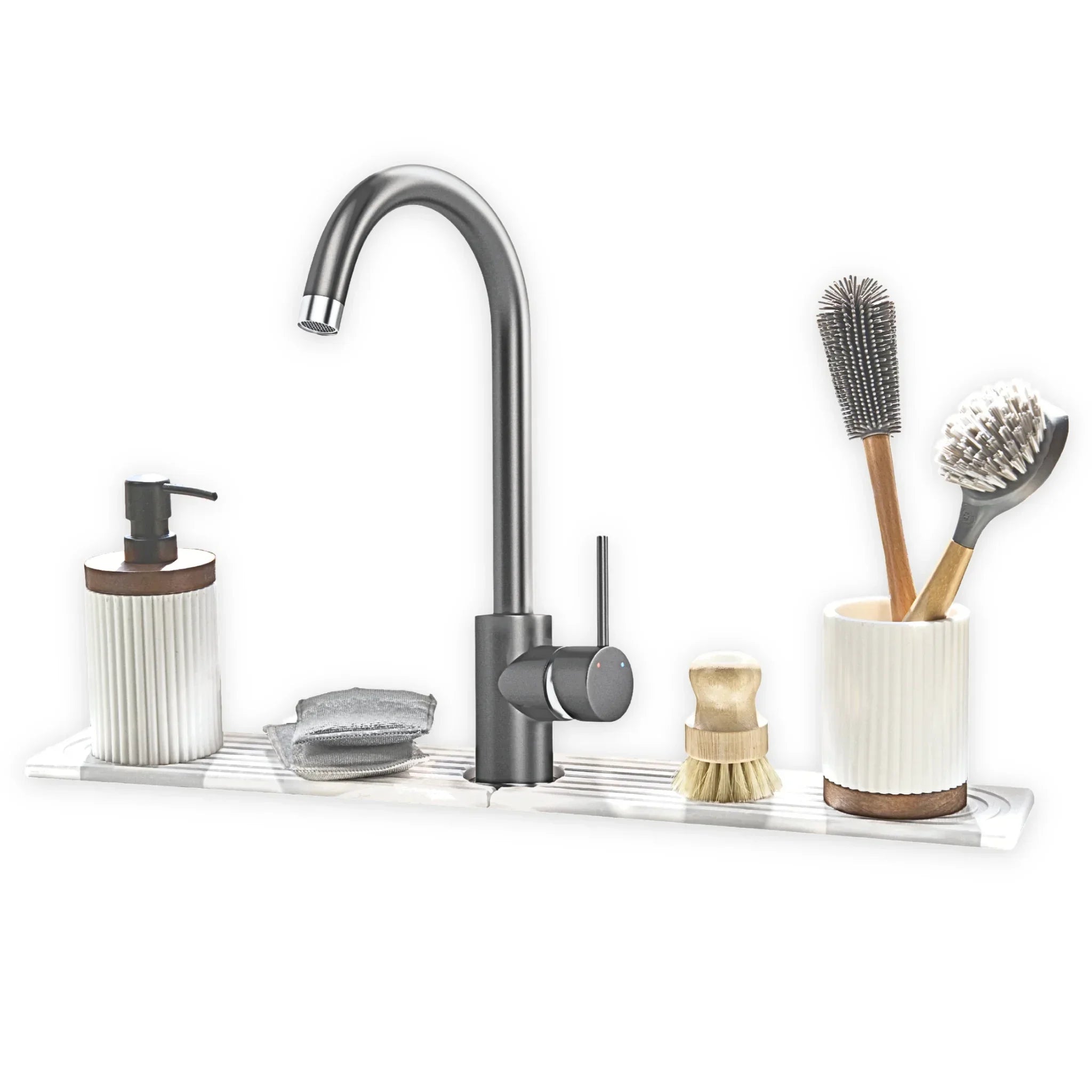
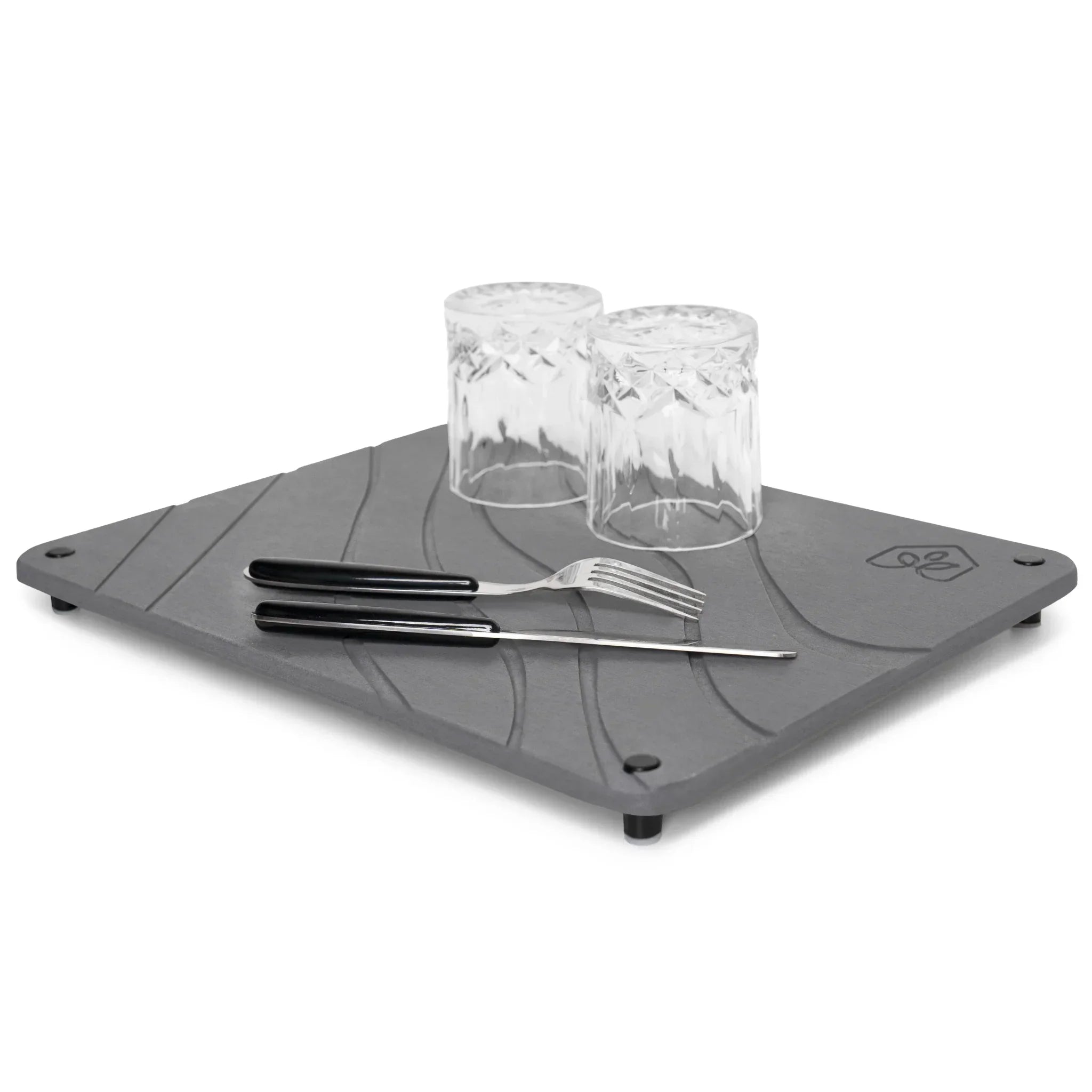
This same care method applies across our diatomite range, from the bath mat to the stone faucet mat and stone drink coaster.
Signs It's Time to Replace Your Stone Bath Mat
- Persistent slow absorption: If the surface takes noticeably longer to absorb water even after sanding, the pore structure may be beyond restoration
- Visible cracks or fractures: Surface cracks accumulate dirt and compromise the structural integrity of the mat
- Deep staining: Some discolouration is normal over time, but staining that doesn't respond to cleaning can indicate material breakdown
- Powdering or surface loss: If the surface is flaking or chalking, the material has deteriorated, and performance will continue to decline
If sanding and cleaning no longer restore absorbency, that's the clearest indicator that the mat has reached the end of its life.
Upgrade Your Home with Natureva
A stone bath mat is a considered purchase, rather than something you replace each season. Treat it well, and it should serve your bathroom for years.
When you're ready to invest in one built for long-term performance, browse our range of stone bath mats in Australia, or contact Natureva, and we’ll guide you on the best pick for your home.