
Article: How to Prevent Bath Mat Mold in Humid Bathrooms
How to Prevent Bath Mat Mold in Humid Bathrooms
Bath mat mold forms in as little as 24 to 48 hours once a damp mat sits without drying, and most bathroom mats stay wet for hours after every shower. A standard cotton or microfibre mat traps water deep in its fibres, holds that moisture against a warm bathroom floor, and gives mold exactly what it needs to grow: dampness and time. Washing the mat more often does not fix this, because the mat is wet again within minutes of the next shower. The actual fix is choosing a mat made from a material that dries on its own, fast, every single time.
Not all bath mats dry at the same rate, and that difference is the whole story. Some materials shed water in minutes, others hold it for the better part of a day, and that gap is what separates a mat that stays fresh from one that needs constant washing. Ranking mats by how fast they actually dry, rather than by softness or price, shows which ones keep the damp conditions mold needs from forming in the first place.
Table of Contents
Why Humid Bathrooms Turn Mats Moldy So Fast
A bathroom with poor ventilation holds humidity in the air long after a shower ends, and that humid air settles straight into whatever mat is on the floor. Fabric fibres act like tiny sponges, pulling moisture deep inside where room air can't reach it to evaporate. A rubber backing makes this worse by sealing the bottom of the mat against the tiles, so water gets trapped between two surfaces with zero airflow.
Warm, wet, and sealed off from air is the exact combination mold needs, and a bathroom supplies all three without any extra effort from you. According to Schluter's guide on bathroom mould prevention, controlling moisture and airflow is the main defence against growth, not scrubbing after the fact. The material under your feet decides how long that moisture sits there.
| Material | Average dry time | Mold risk |
|---|---|---|
| Cotton | 6 to 10 hours | High |
| Microfibre | 4 to 8 hours | High |
| Rubber-backed | 8 to 12 hours | Very high |
| Stone (diatomite) | Under 10 minutes | Low |
Stone Bath Mats That Resist Mold For Good
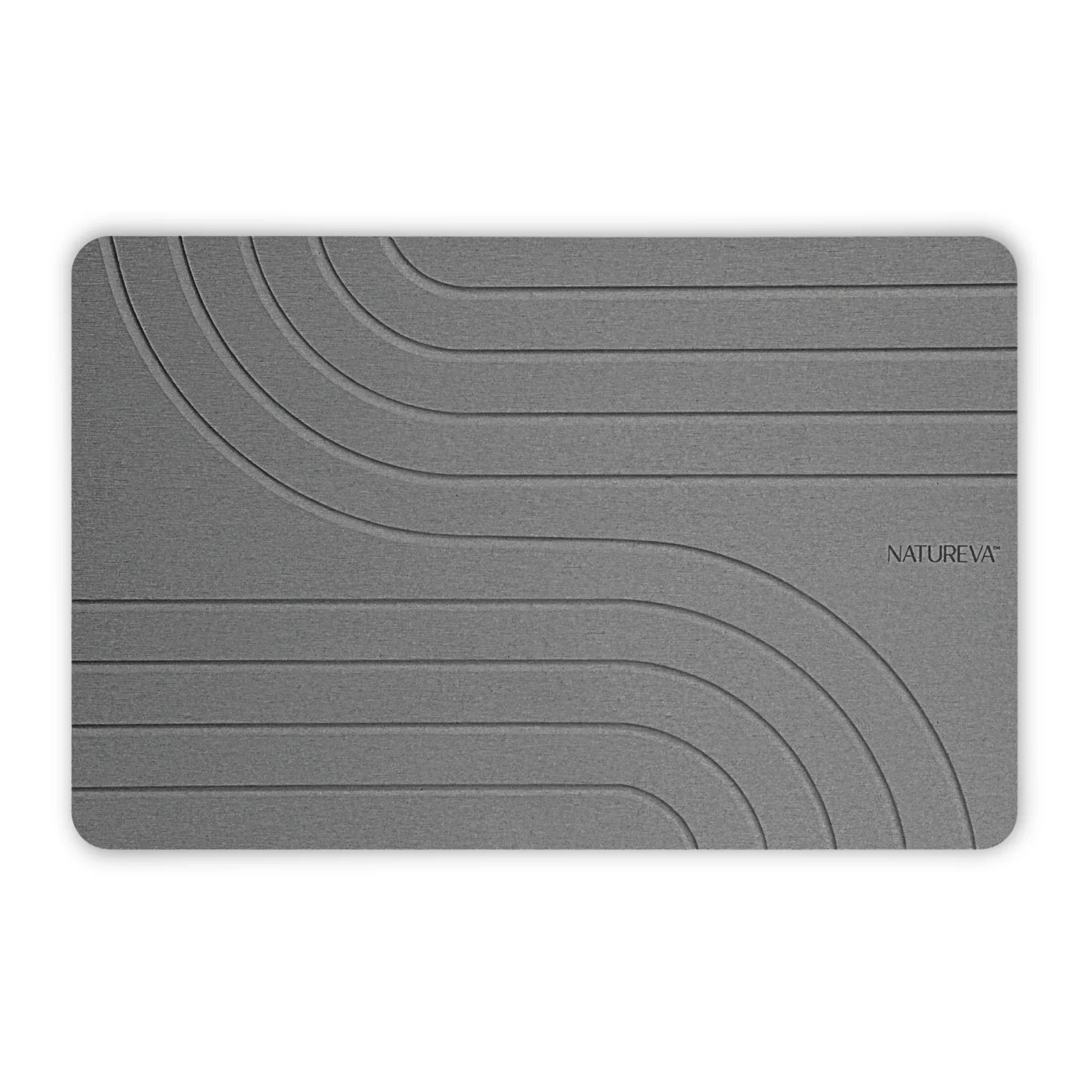
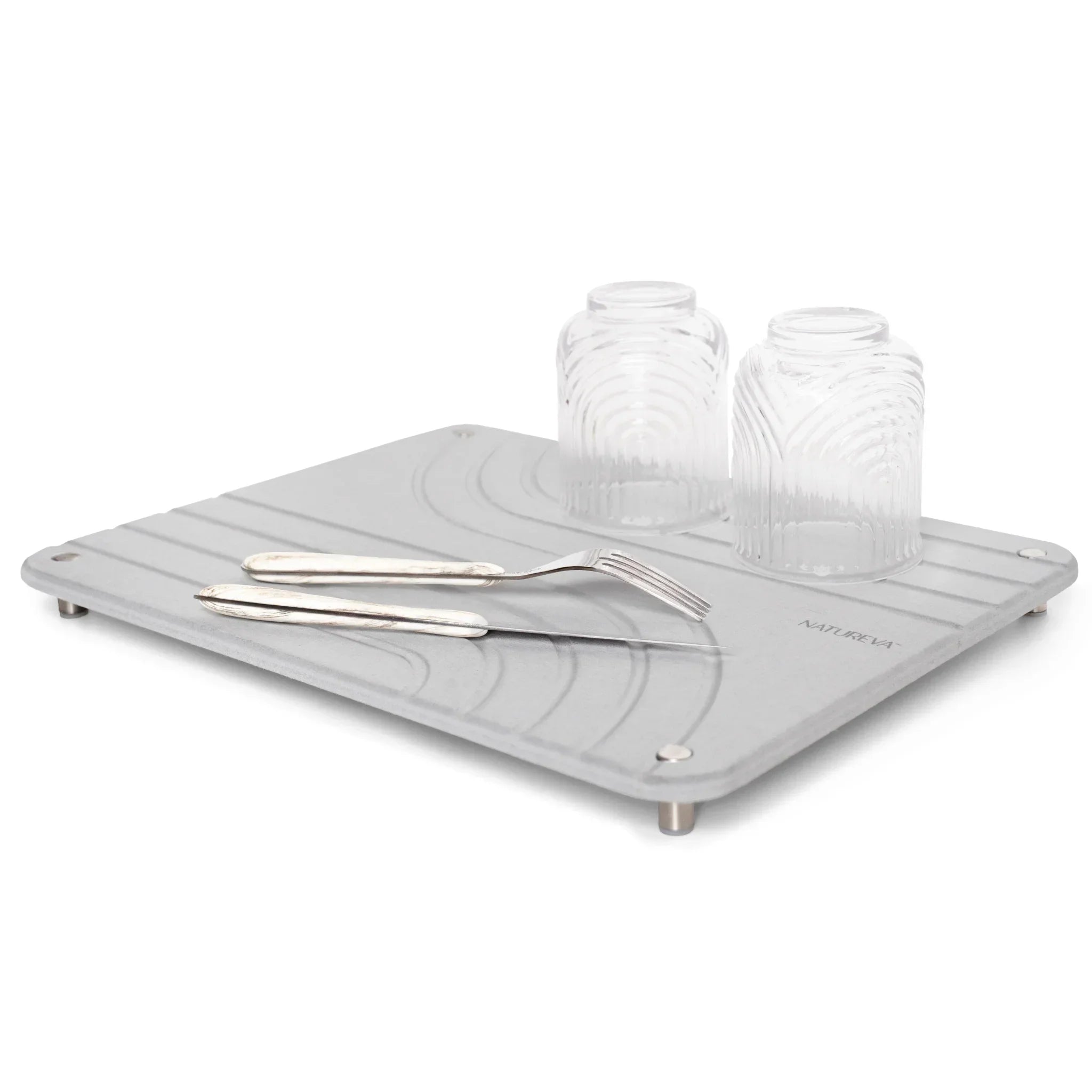
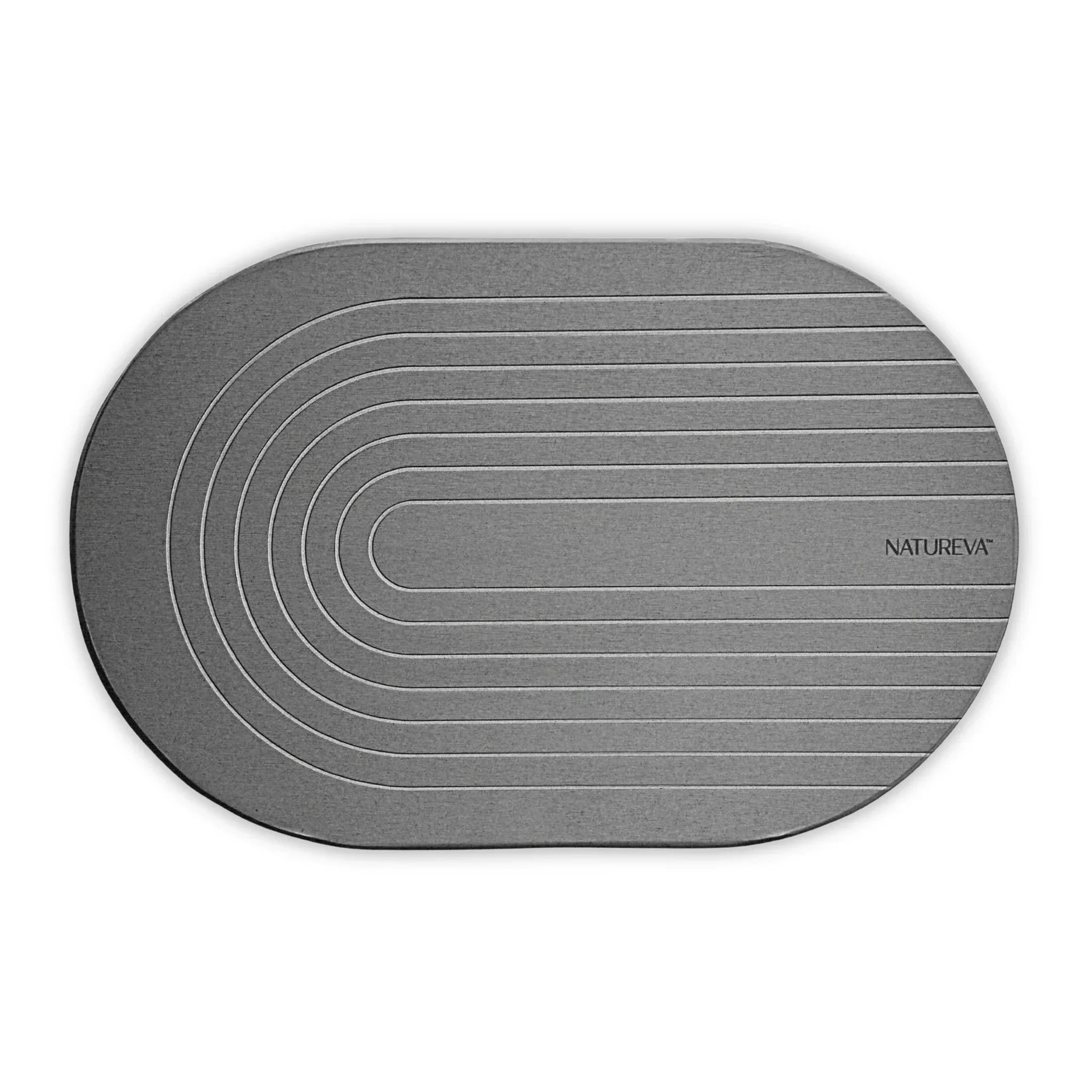
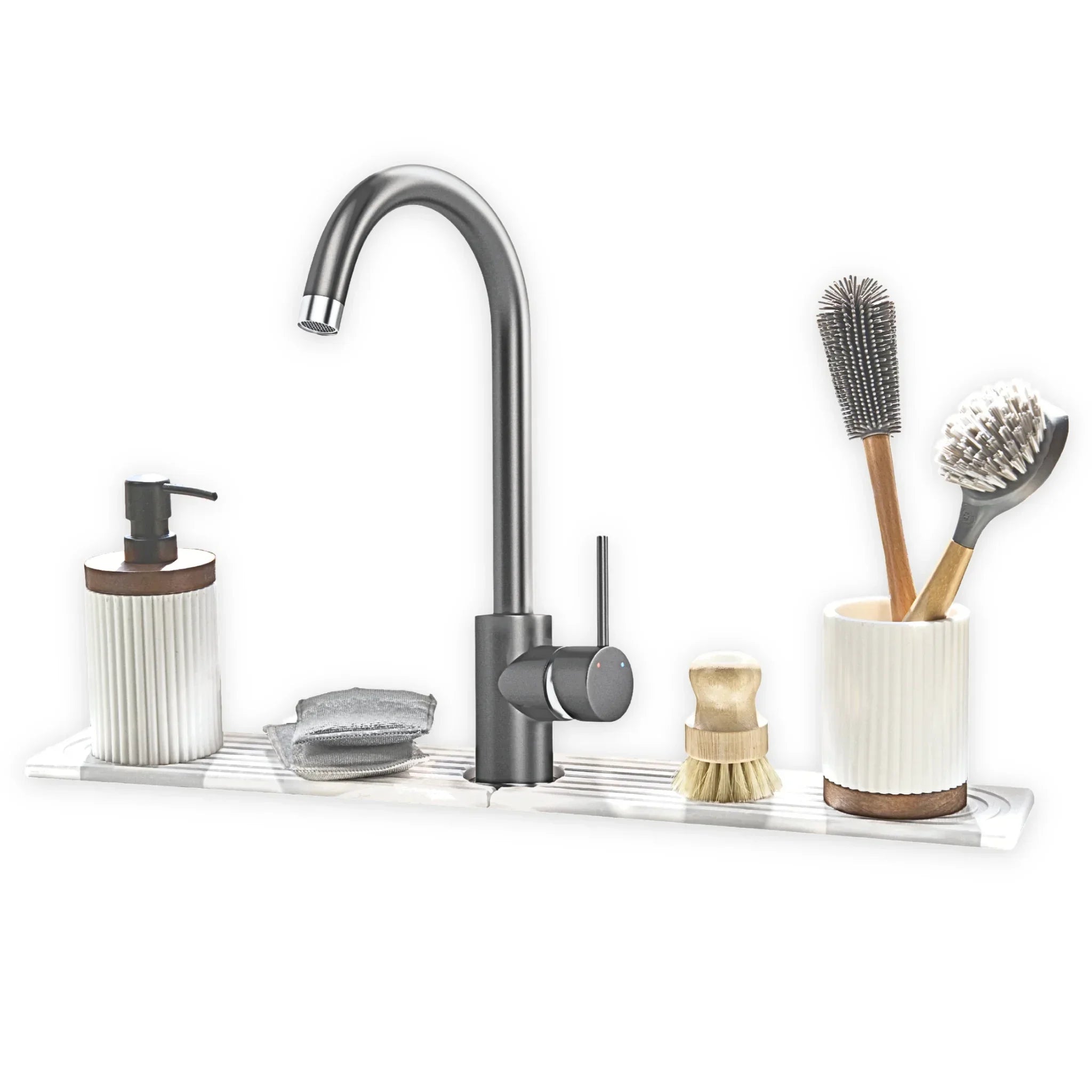
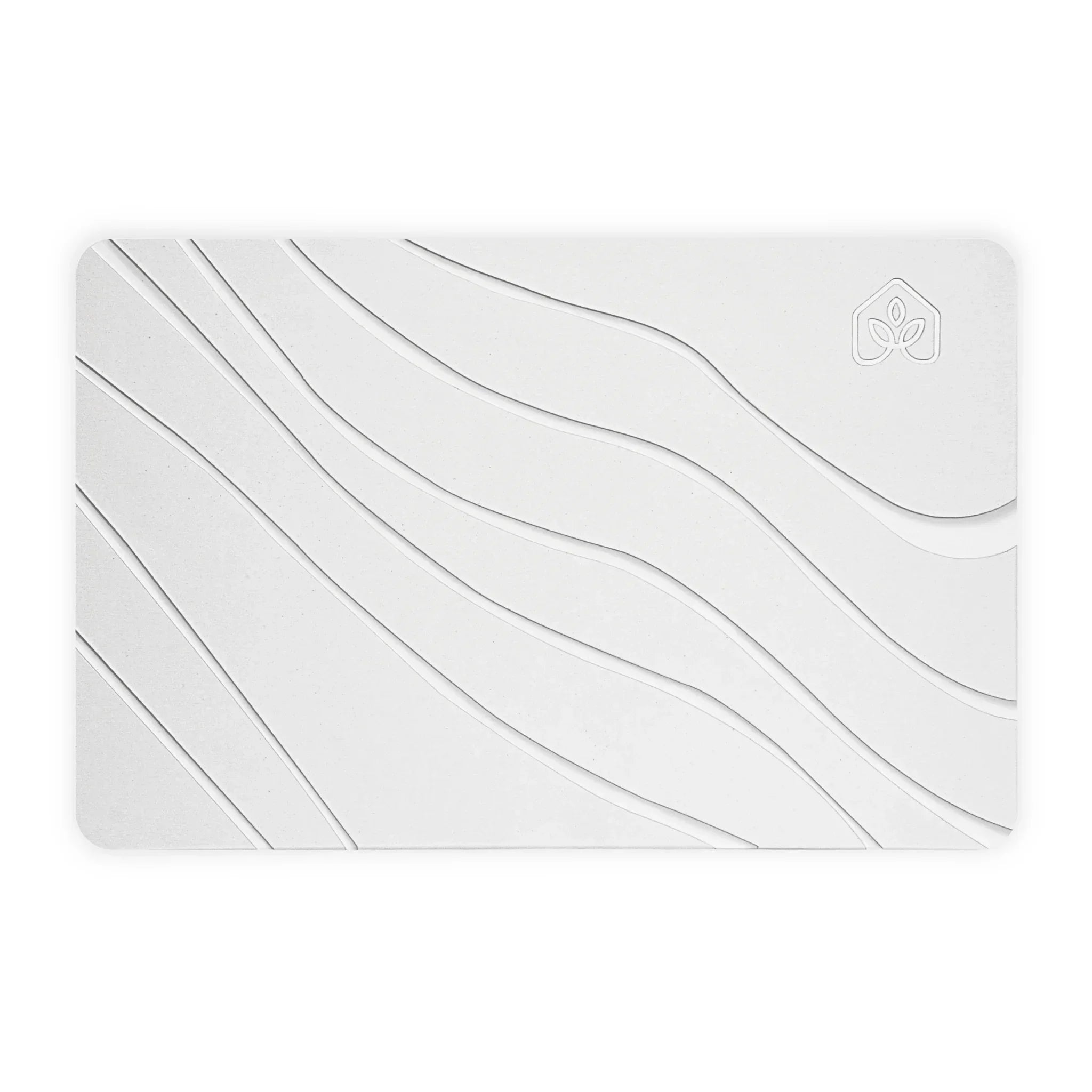
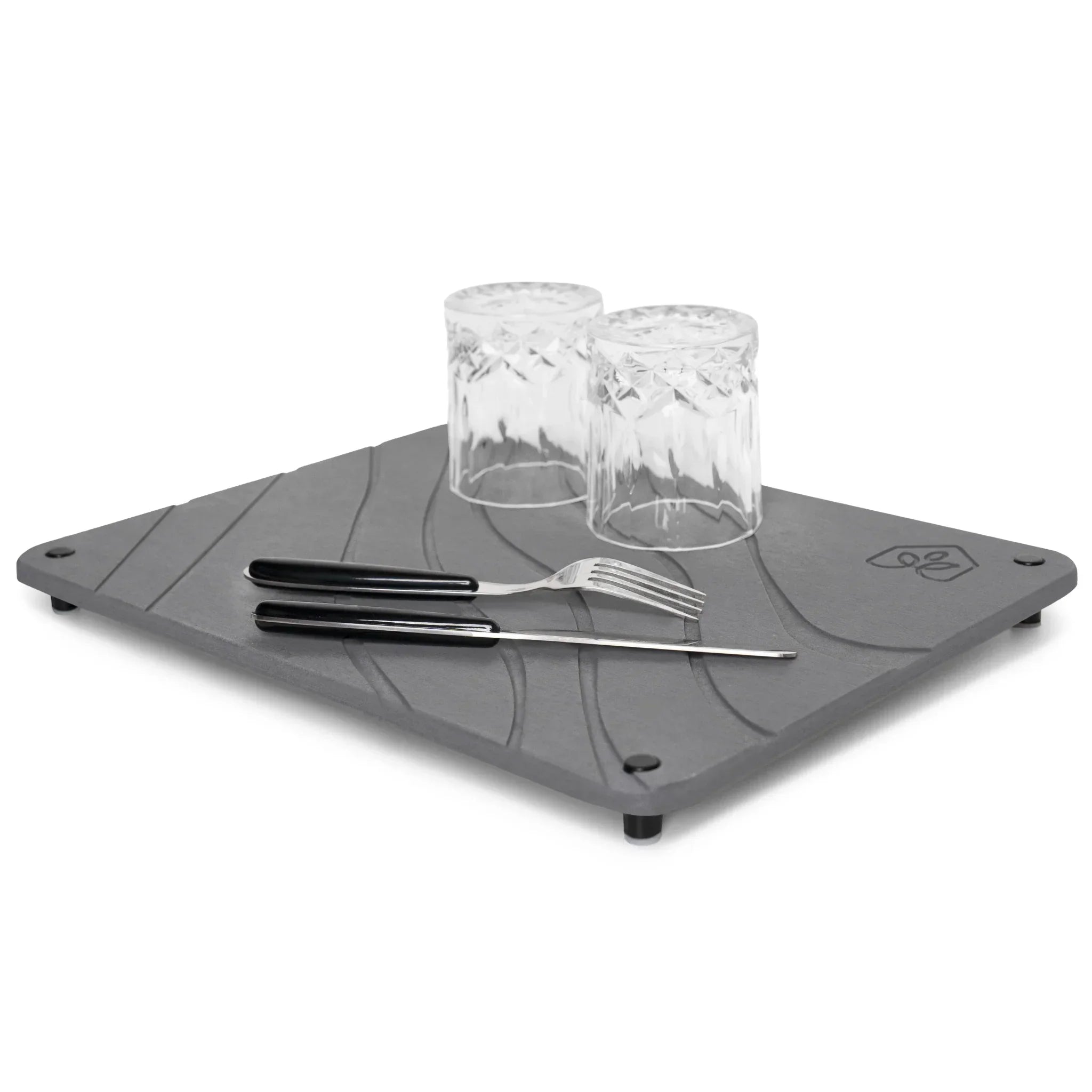
Diatomite stone slabs pull water into millions of microscopic pores the second feet hit the surface, then release it back into the air through evaporation. The Tide, Flow, Arch, and Rain mats from Natureva dry within minutes, leaving no damp environment for mold or mildew to form. Each mat ships with a non-slip base pad and carries NATA-accredited asbestos-free certification, tested at an Australian lab and checked again on a regular basis.
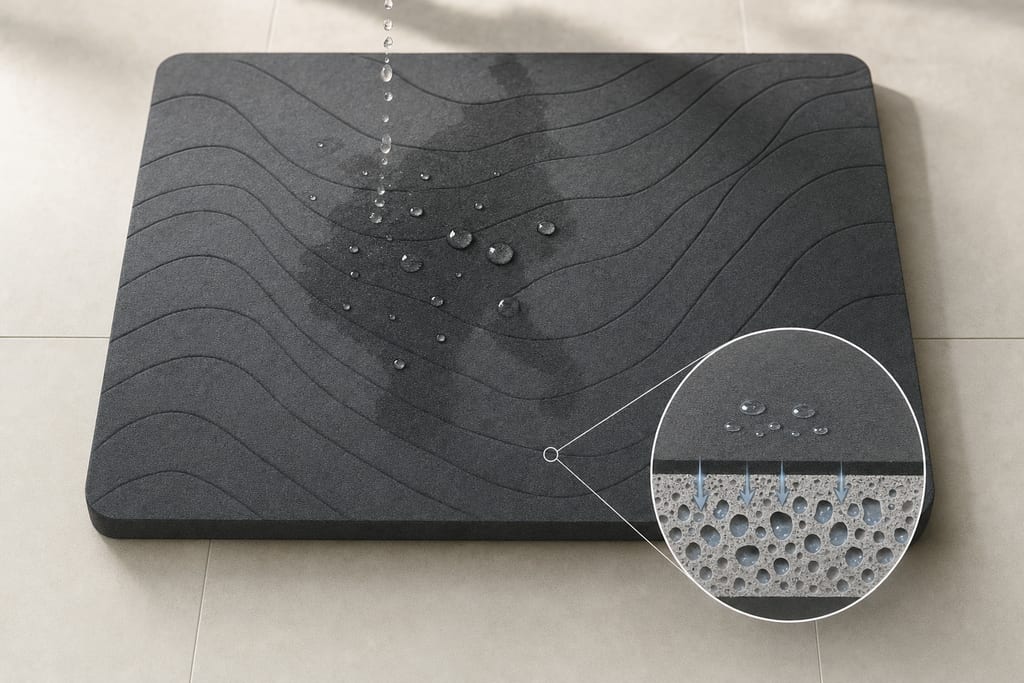
A stone mat works best for anyone tired of washing a mat every few days. A surface that dries in under 10 minutes never gives mold the 24 to 48 hour window it needs to start growing. Consider a stone mat if you fit one of these groups:
- Renters who want a low-maintenance mat with no washing routine
- Busy households where the bathroom floor gets wet five or six times a day
- Gift buyers looking for a housewarming or birthday present that solves a real problem
- Older homeowners who need a stable, non-slip surface on wet tile
Browse the full stone bath mat range to compare the four surface patterns side by side.
Quick-Dry Microfiber Mats Worth Considering
Microfiber mats dry faster than plush cotton because the fine synthetic fibres hold less water per gram, but the dense pile still keeps moisture trapped for hours after a shower. A microfiber mat needs a full machine wash on a weekly basis to stay free of the mildew smell that builds up inside the fibres, something a surface that air-dries on its own never requires. The soft, cushioned feel underfoot is real, but it comes with an ongoing laundry habit the mat can't skip.
Microfiber suits a specific kind of buyer, not everyone chasing the lowest possible maintenance. Weigh these points before choosing one:
- Dry time of 4 to 8 hours, still long enough for odour to build between washes
- Machine washing required weekly, not monthly, to prevent mildew smell
- A plush, cushioned feel that stone surfaces don't replicate
- Lower material cost upfront, higher ongoing laundry effort over time
Microfiber works best for someone who values a soft feel underfoot over skipping laundry altogether, and who will actually keep up the weekly wash.
The next generation of home essentials: naturally made, cleaner by design, sustainable by nature.
SHOP ALLBamboo Cotton Towels As A Bath Mat Alternative
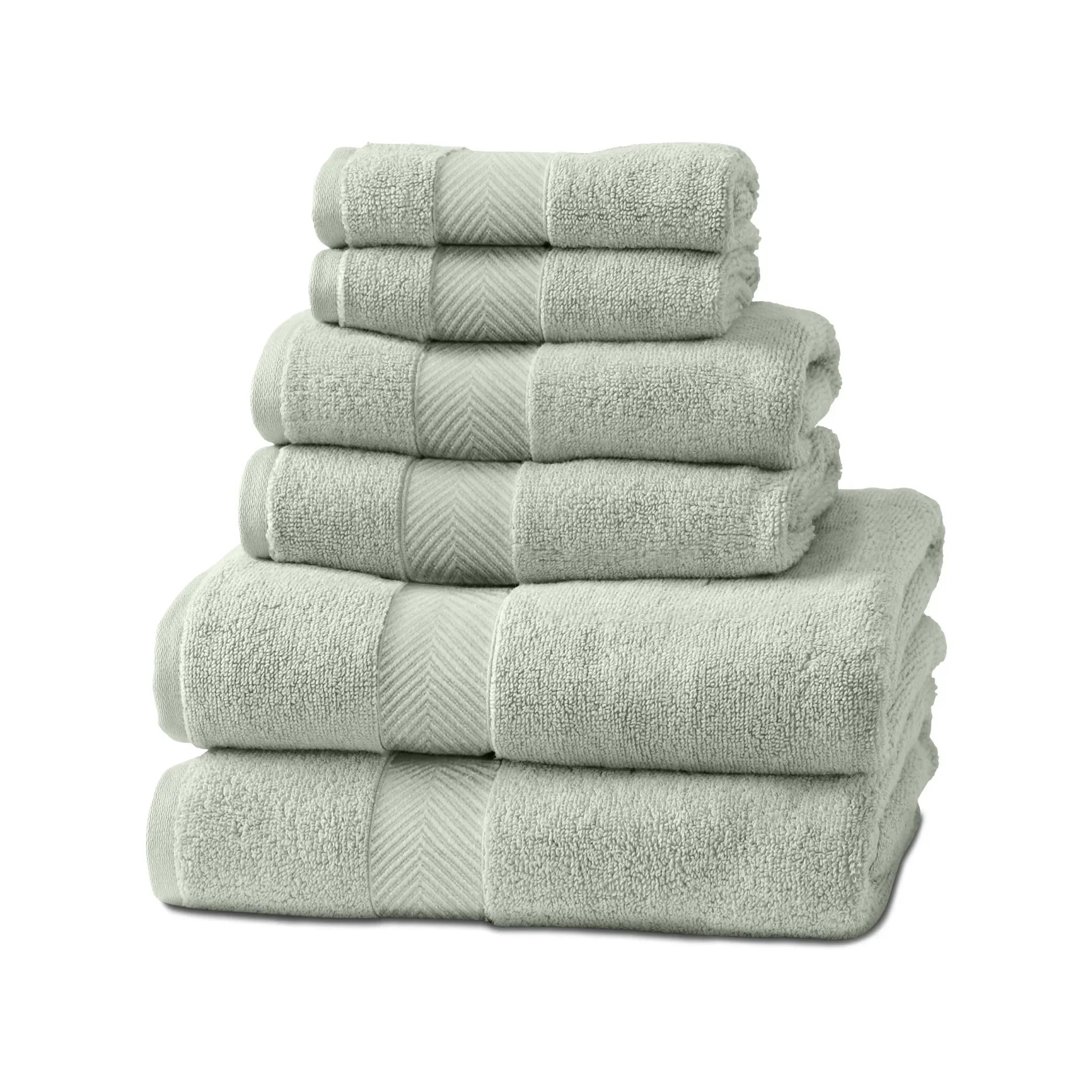
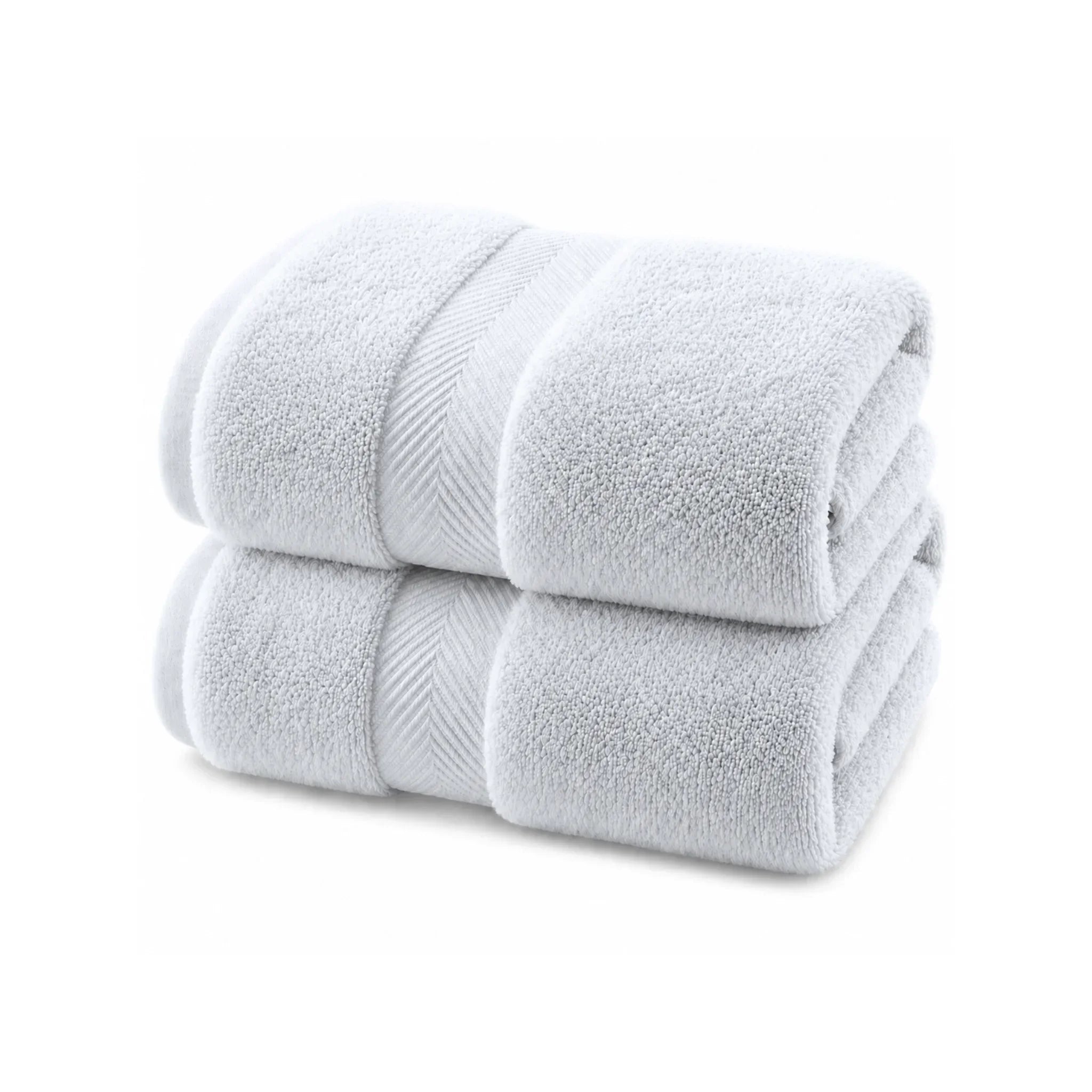
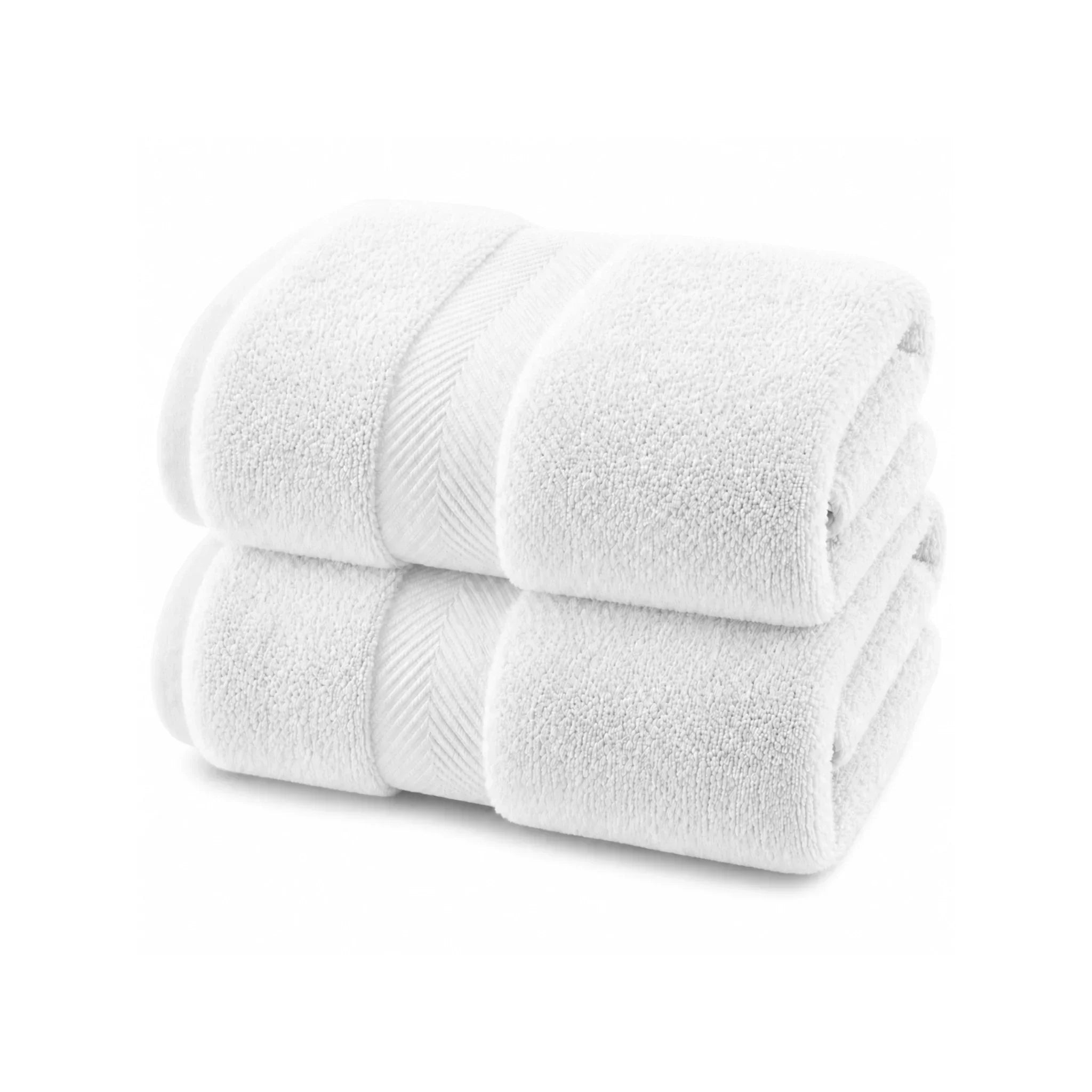
A bamboo cotton bath towel or bath sheet laid flat near the shower edge absorbs standing water fast and resists staying saturated compared with a standard cotton mat. Natureva's towel range blends 70% long-staple zero-twist cotton with 30% bamboo viscose at 700 gsm, a mix that pulls in more water per pass and releases it back into the air quicker than conventional cotton fibres. The entire production chain carries OEKO-TEX Made in Green certification, testing for harmful substances and confirming the towel is safe against sensitive skin.
Laying a towel down works as a short-term layer, not a permanent floor mat, but it solves a specific problem well:
- Catching splash-back right at the shower edge where floors stay wettest
- Matching a towel set to a stone mat in the same colourway for a coordinated look
- Washing on a gentle warm cycle instead of hand-rinsing a stone surface
- Covering a larger floor area with a bath sheet when two people share one bathroom
This approach suits households that already own a bamboo cotton towel set and want a coordinated bathroom rather than a dedicated stone mat in every spot.
Rubber-Backed And Treated Mats To Watch Out For
Rubber or latex backing blocks airflow between the mat and the floor, which traps the exact moisture the backing is supposed to manage. Water that should evaporate instead sits sealed against the tile, and that warm, sealed pocket is where mold takes hold first, not on the visible top surface. The EPA's guide on mold and moisture notes that controlling airflow and moisture together, not one or the other, is what keeps mold from establishing itself.
Coatings marketed as mold-resistant wear off after repeated machine washes, leaving the base rubber or fabric exposed again within a few months. No coating survives dozens of wash cycles, so the protection it promises is temporary at best. Before buying a treated or rubber-backed mat, check these points:
- Whether the backing allows airflow or seals flush against the floor
- How many wash cycles the coating is rated to survive before it wears off
- Whether the mat needs full air drying after every wash, not just a quick wring
- Whether the care label restricts bleach, since treated coatings often do
A rubber-backed or treated mat can work in a well-ventilated bathroom paired with a strict weekly wash and full dry routine, but it asks for more ongoing effort than a surface built to dry on its own.
Pick By Your Actual Shower Habits, Not The Label
Drying speed decides mold risk more than any word printed on the packaging. A mat that says "quick-dry" but still holds water for four hours gives mold most of the window it needs, because the 24 to 48 hour clock starts the moment a mat goes damp and stays running until it's fully dry.
A weekly wash routine only protects a mat if it actually happens every week, on schedule, with no skipped weeks during a busy month. Anyone who has ever found a forgotten mat in the laundry basket three weeks late already knows how that plan fails in practice.
A stone surface removes that dependency on memory entirely. Where a standard fabric mat holds moisture for 6 to 10 hours, a diatomite surface dries in under 10 minutes, so there's no window of dampness for a missed wash to turn into a mildew smell.
- Forget laundry days often: a surface that dries alone removes the risk entirely
- Wash on schedule without fail: microfiber or bamboo cotton can work if the routine holds
- Want zero routine: a stone mat needs no weekly wash step at all
- Share a bathroom with multiple showers a day: faster dry time matters more than softness
| Option | Dry time | Upkeep needed | Best fit |
|---|---|---|---|
| Cotton mat | 6 to 10 hours | Weekly wash, strict | Low-traffic bathroom, rarely used |
| Microfiber mat | 4 to 8 hours | Weekly wash, strict | Buyer who wants a soft feel underfoot |
| Rubber-backed mat | 8 to 12 hours | Weekly wash plus full air dry | Well-ventilated bathroom only |
| Stone mat | Under 10 minutes | Occasional wipe | Anyone who forgets laundry or showers often |
The trade-off is upfront cost against ongoing effort. A fabric or rubber-backed mat asks less of your wallet and more of your weekly schedule, while a stone surface asks more upfront and almost nothing afterward.
Deciding What Your Bathroom Floor Actually Needs
Check how your bathroom handles air first, not how soft you want the mat to feel. A bathroom with no window or extractor fan needs a surface that dries on its own, because the air in the room won't help pull moisture out of fabric fibres. A well-ventilated bathroom with one shower a day gives you more room to choose based on feel, as long as the weekly wash actually happens. If you're not sure which camp you're in, pick the option that asks less of your memory. A stone mat from Natureva's bathroom range is a fair way to test that trade-off before changing anything else in the room, since swapping one mat costs far less effort than replacing an entire set.
The next generation of home essentials: naturally made, cleaner by design, sustainable by nature.
SHOP ALLMold And Mat Lifespan Questions
Can mold be removed from a mat once it's already set in, or does the mat need replacing?
Surface mold on a fabric mat can sometimes come out with a hot wash and full air dry, but mold growing inside rubber backing or deep in dense pile usually stays. Once spores have colonised the backing material, washing only removes what's visible on top. A stone mat avoids this problem because moisture never sits long enough for mold to establish itself inside the material.
Does a bathroom exhaust fan make mat choice less important?
A fan reduces humidity in the air but does nothing for water sitting directly on or inside the mat. The fan clears moisture from the room, not from fabric fibres or the sealed space under a rubber backing. A mat that dries in minutes still outperforms one that holds water for hours, fan running or not.
How often should a bath mat be replaced regardless of material?
A fabric or rubber-backed mat typically needs replacing every 6 to 12 months once the backing starts cracking or the pile stays permanently damp-smelling. Stone mats don't wear out on the same schedule, since there's no fibre breakdown or backing to degrade. A sanding tool restores surface absorbency when the stone starts drying more slowly, rather than requiring a full replacement.
Can two different mat types be used together in one bathroom without issues?
Yes, pairing a stone mat at the shower exit with a bamboo cotton towel near the sink or tub edge works well and causes no conflict. Each surface handles a different job: the stone mat manages the heaviest foot traffic and water volume, while a towel catches lighter splash-back in a second spot. Natureva's coordinated colourways make this pairing easy to match visually across one bathroom.