
Plant Pot Saucers That Save You Floor Cleaning
Water rings on your favorite wooden table are probably the most annoying side effect of keeping indoor plants. Most plant pot saucers just trap the water in a puddle, which either overflows onto your furniture or sits there creating a breeding ground for mold and gnats. Stone Plant Saucers from Natureva Home actually absorb that excess water instead of letting it pool, which means you can stop wiping down surfaces every time you water your plants.
Table of Contents
Why Regular Plant Saucers Fail You
Most plant owners have dealt with the same frustrating problem at least once. You water your plants, walk away feeling accomplished, and then come back to find a puddle spreading across your hardwood floor or leaving rings on your furniture. Traditional plant pot saucers seem like they should solve this problem, but they often make things worse instead of better.
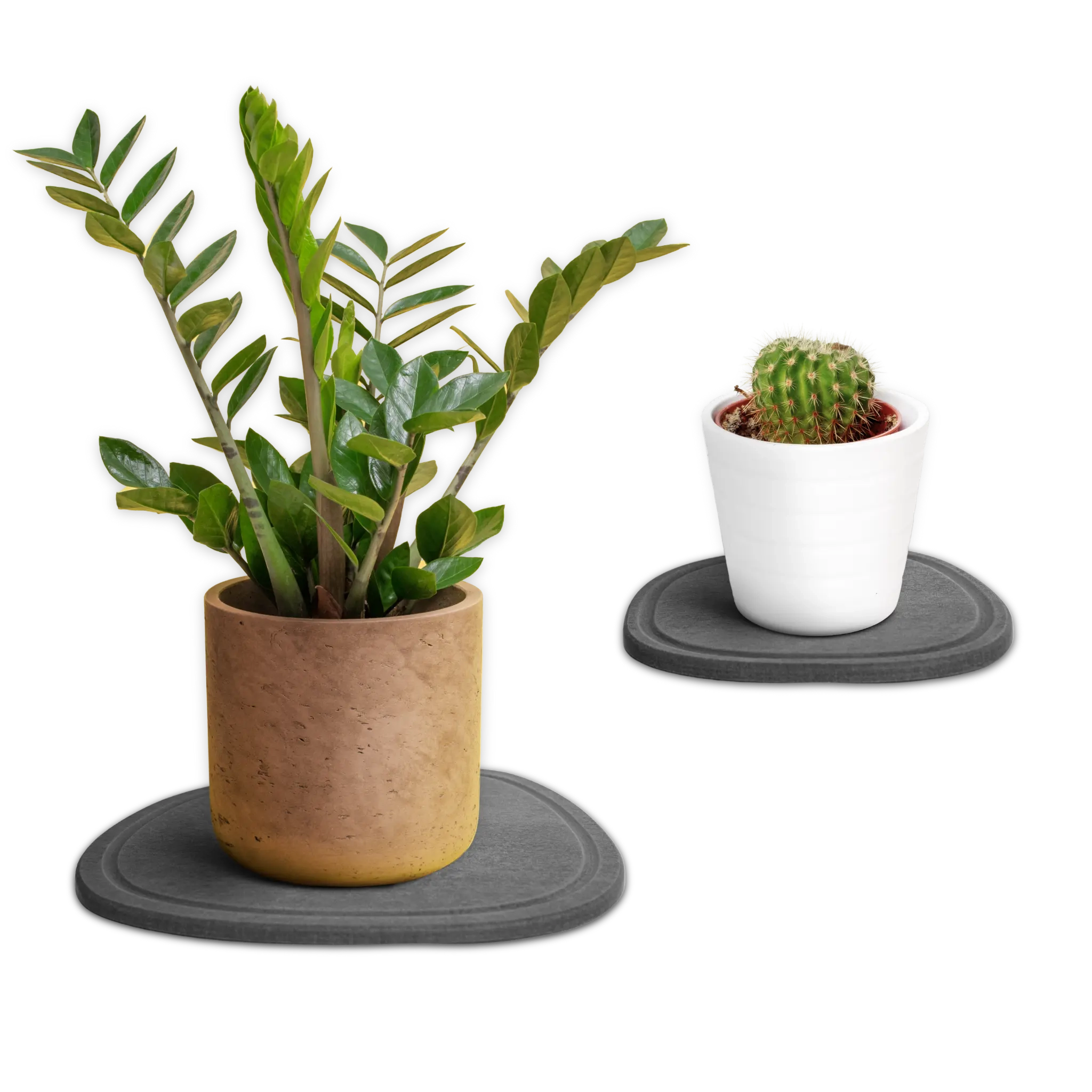
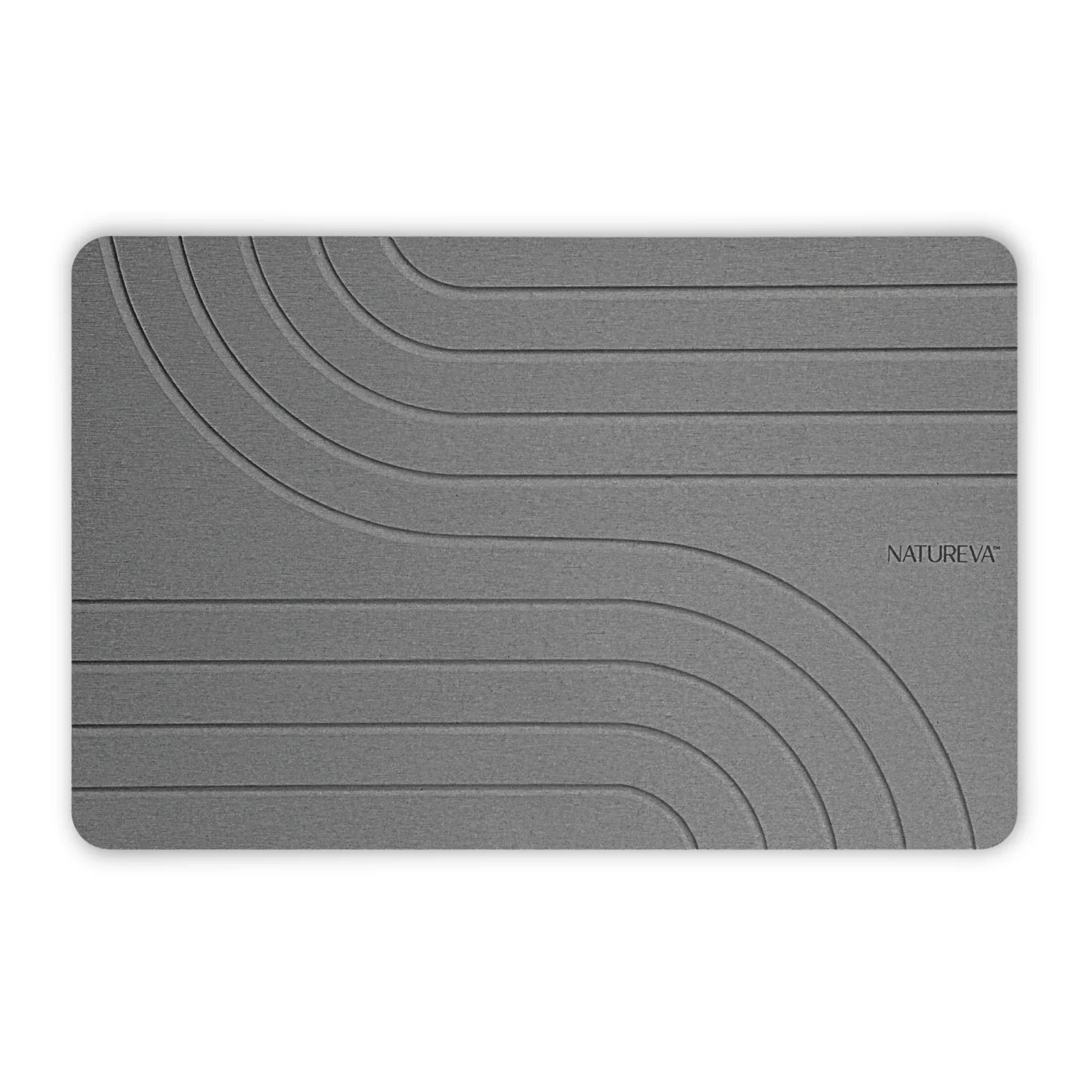
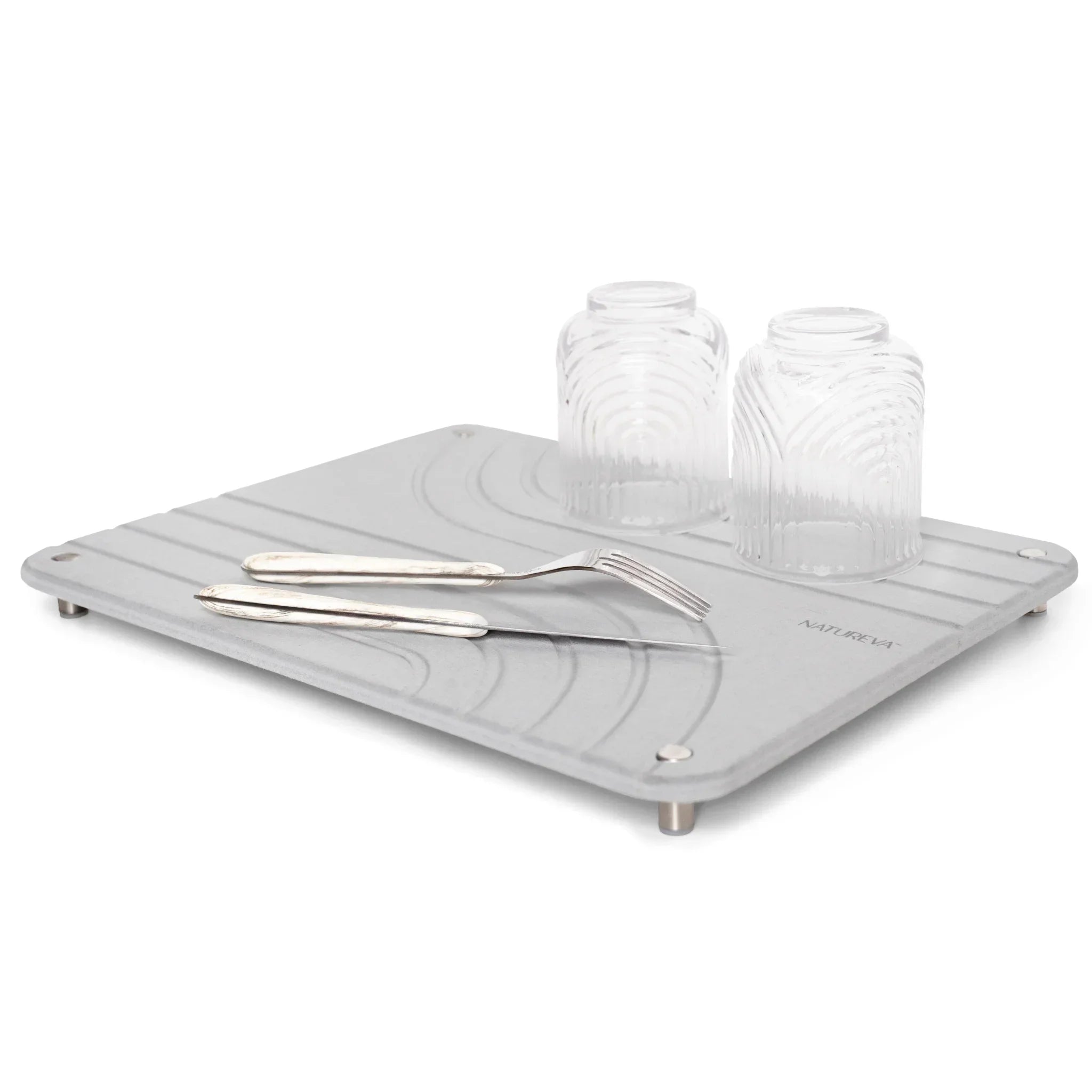
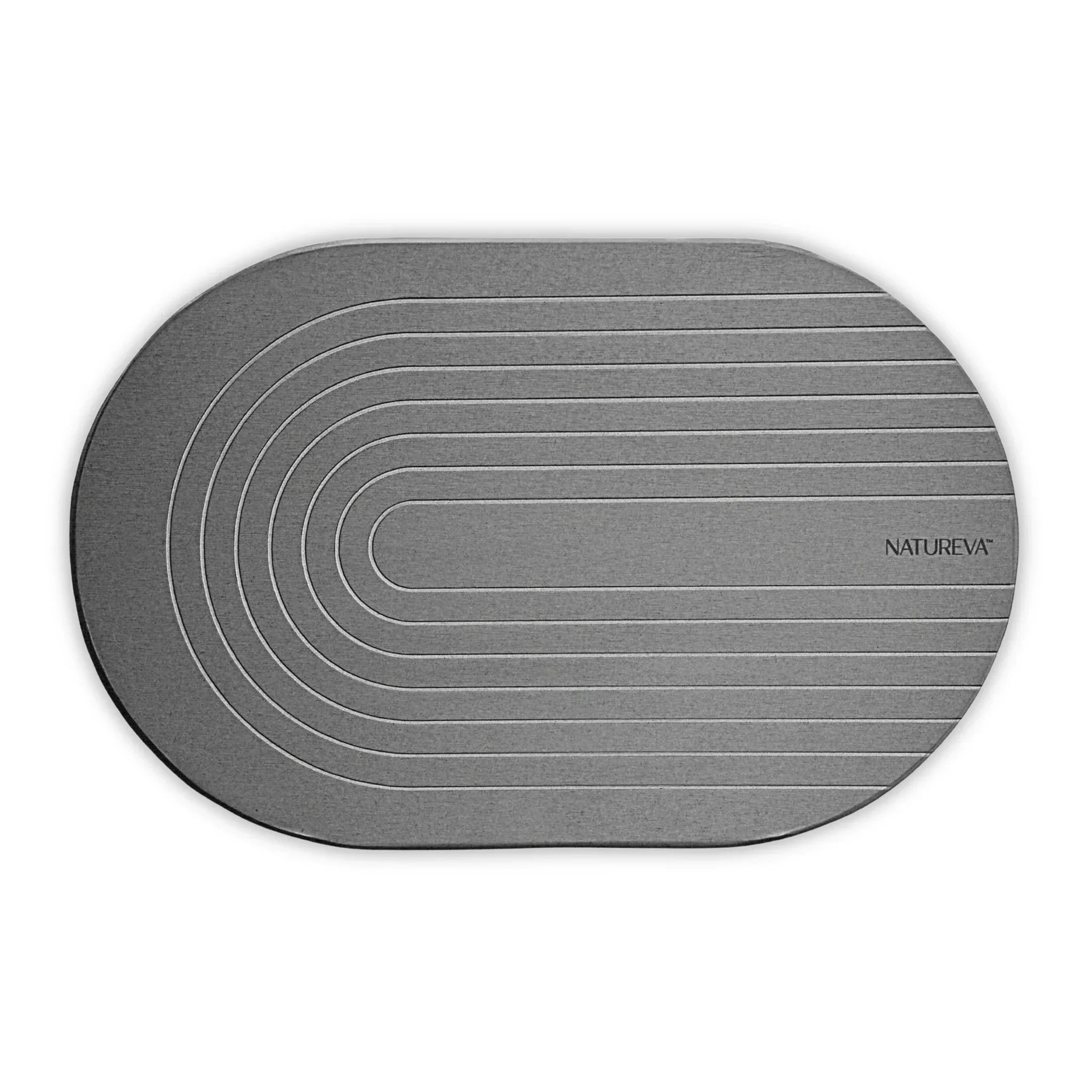
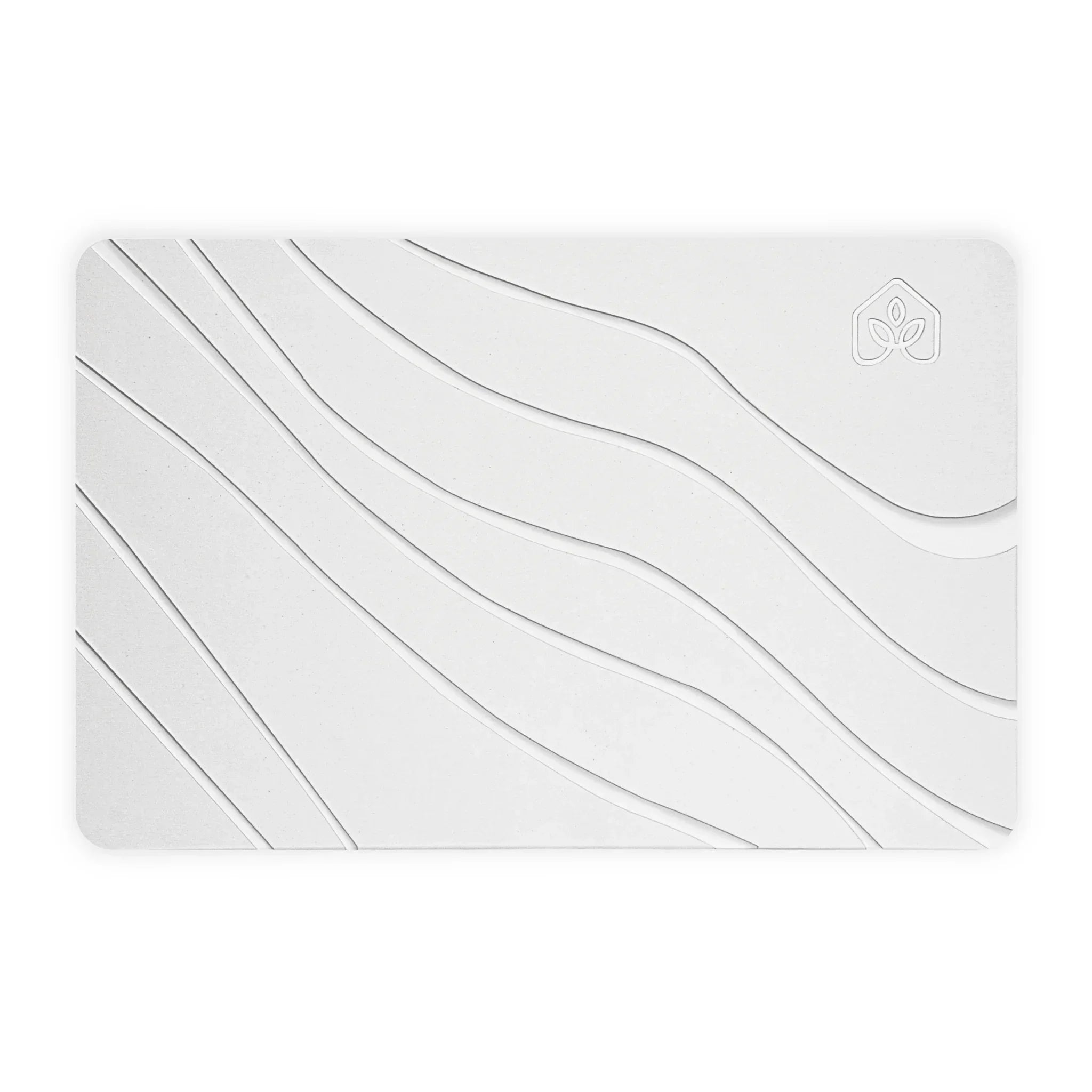
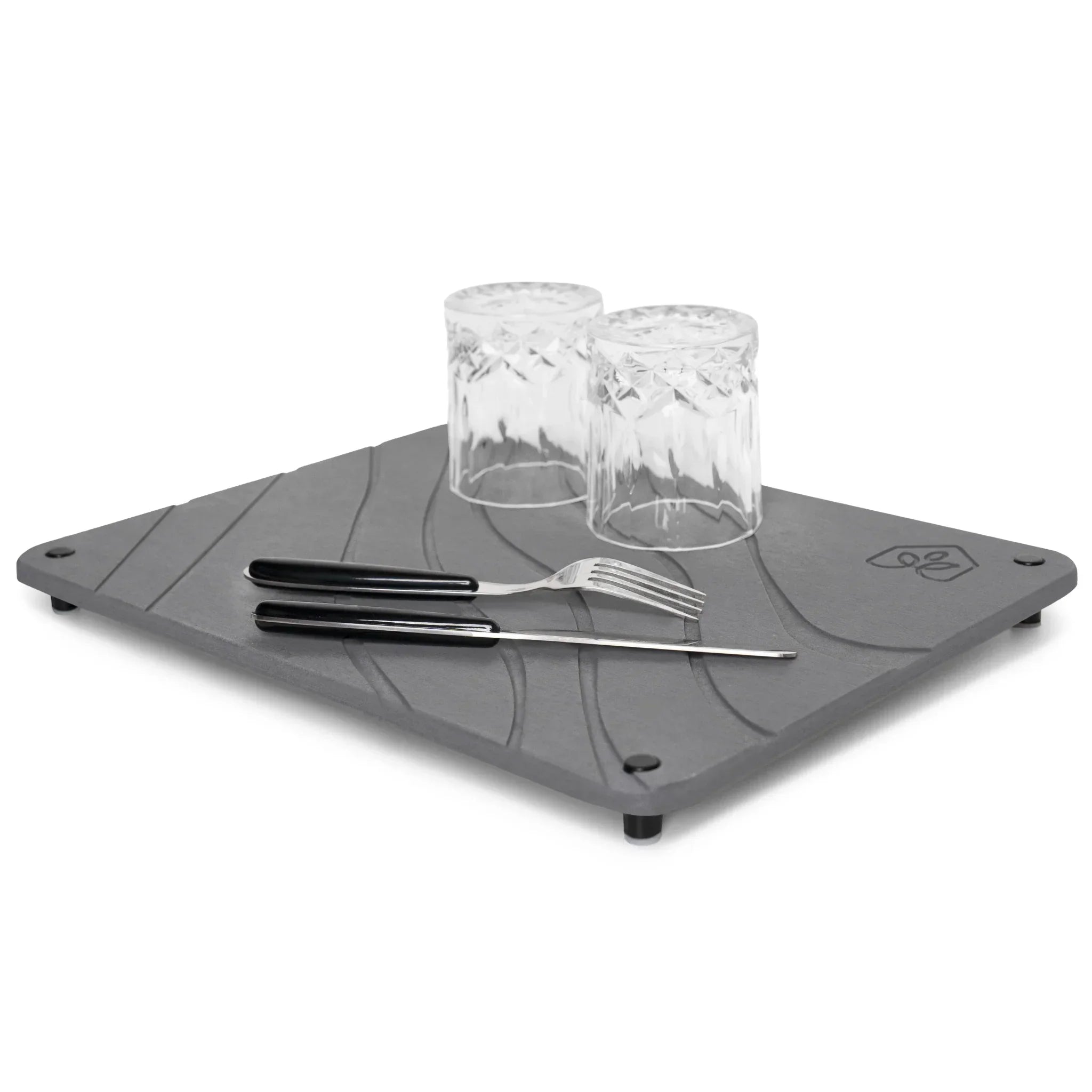
Stone Plant Saucers - Set of 2
The Standing Water Problem
Plastic and ceramic saucers work like tiny swimming pools under your plants. They catch the water that drains through, which sounds great in theory. But here's what actually happens when water just sits there with nowhere to go.
- Water sloshes over the edges when you move the plant or bump the pot
- Pets and kids can easily knock over saucers filled with standing water
- The water becomes a breeding ground for mosquitoes in outdoor settings
- Mineral deposits build up and create crusty white rings that are hard to clean
The real issue is that traditional materials weren't designed to manage moisture. They just hold it in place and hope you remember to empty them.
Slow Evaporation Creates Bigger Issues
Water sitting in regular saucers can take days to evaporate, especially in cooler or humid conditions. During that time, all sorts of problems start developing around your plants and home.
- Excess humidity around plant roots can lead to root rot
- Mold and mildew start growing on the saucer surface and nearby areas
- Moisture seeps underneath the saucer, damaging wood and other surfaces
- Unpleasant musty odors develop in poorly ventilated spaces
According to research on plant care and floor protection, moisture damage from plant watering is one of the top causes of hardwood floor deterioration in homes with indoor plants.
Why Water Sits Instead of Disappearing
The science behind this is pretty simple. Plastic and glazed ceramic have smooth, non-porous surfaces that repel water instead of absorbing it. These materials were never meant to handle moisture beyond just containing it temporarily.
| Feature | Traditional Saucers | Stone Saucers |
|---|---|---|
| Water Absorption | Zero | Instant |
| Evaporation Speed | 2-4 days | 1-2 hours |
| Surface Protection | None | Complete |
| Spill Risk | High | Minimal |
| Mold Growth | Common | Rare |
Stone plant saucers made from diatomaceous earth work differently because they have millions of microscopic pores. Our Stone Plant Saucers pull water into these tiny spaces immediately, then release it gradually into the air through natural evaporation. This means no standing water and no damage to your floors or furniture.
How Absorbent Stone Saucers Actually Work
Most people don't realize that the puddles under their plants are slowly destroying their furniture. Traditional plastic saucers just catch water and let it sit there, which means you're constantly wiping up spills or dealing with water rings on your nice wood surfaces. But there's a different approach that actually solves the problem instead of just containing it. Diatomaceous earth saucers work differently because they absorb water instantly rather than letting it pool on the surface.
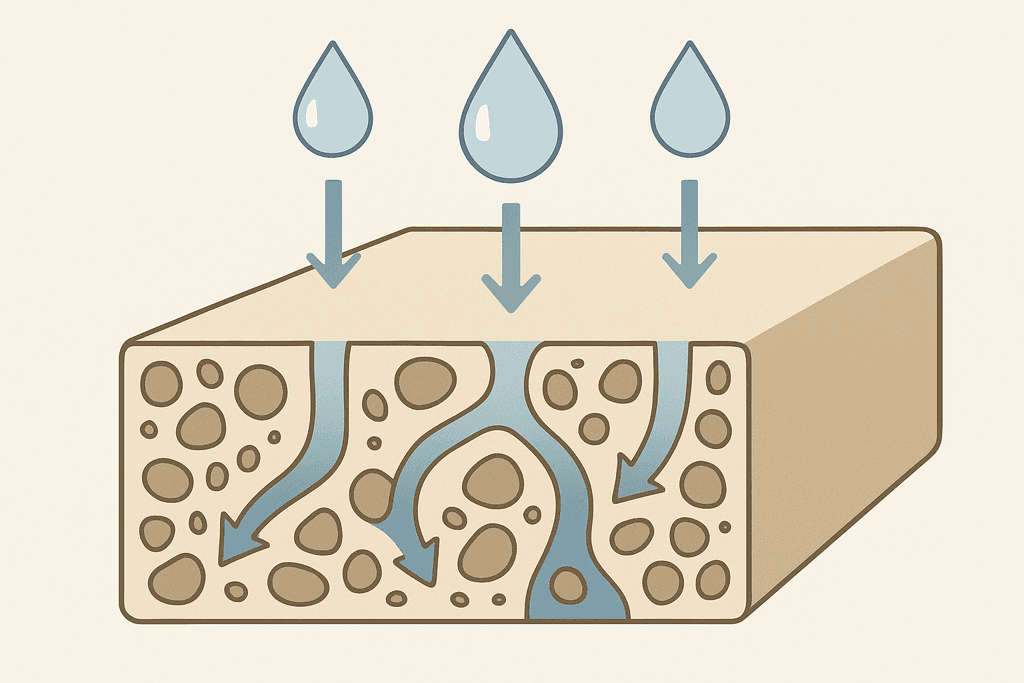
How Absorbent Stone Saucers Actually Work
The secret is in the material itself. Diatomaceous earth contains millions of microscopic pores that pull water in through capillary action, kind of like how a sponge works but much faster. When excess water drips through your pot's drainage holes, the saucer absorbs it in seconds instead of leaving a puddle sitting there for hours.
- Millions of tiny pores create massive surface area for absorption
- Water disappears in seconds rather than pooling on the surface
- Natural evaporation happens faster due to increased air exposure
- The surface stays dry to the touch even while actively absorbing moisture
Our Stone Plant Saucers use this natural composition to keep your surfaces protected. The material doesn't just trap water, it actually helps it evaporate faster because all those microscopic pores expose the moisture to air. You won't find yourself checking under pots every few hours anymore.
Real Benefits Beyond Just Catching Water
Water stains on hardwood floors can cost hundreds of dollars to repair, and most people don't realize the damage is happening until it's too late. The white rings on furniture, the warped floorboards near your favorite plant corner, the musty smell that develops when water sits too long. These aren't just cosmetic issues. Standing water creates the perfect environment for mold and mildew, which can spread beyond just the area under your plants.
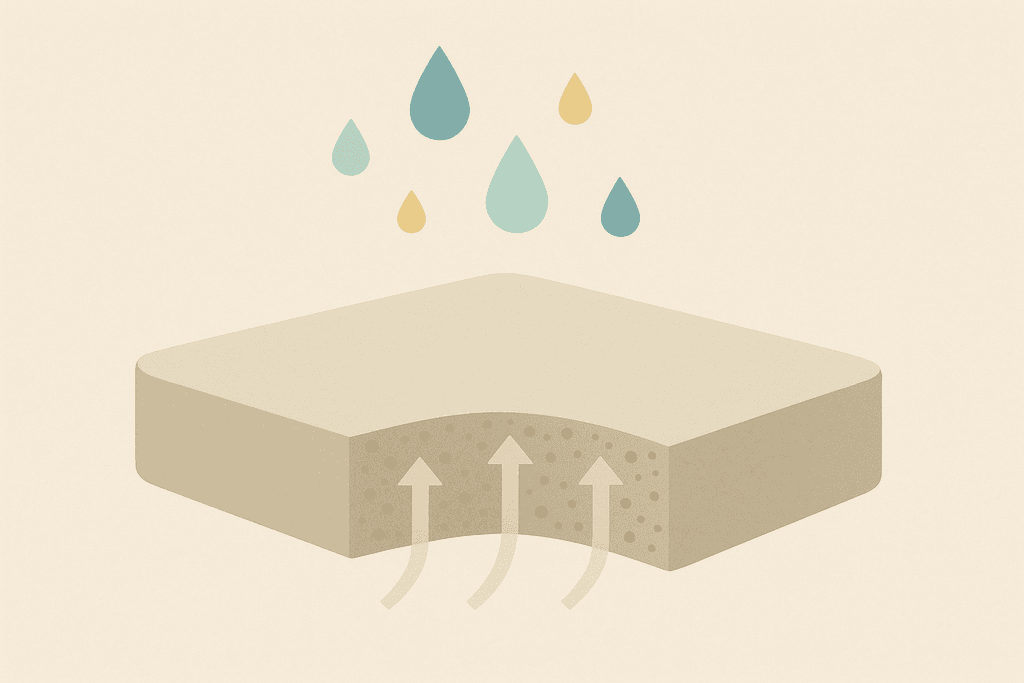
Real Benefits Beyond Just Catching Water
But the benefits go deeper than just protecting your floors. When you're not worried about water damage, you actually water your plants better. No more under-watering because you're scared of spills, or frantically grabbing paper towels every time you give your plants a drink.
| Traditional Saucers | Absorbent Stone Saucers |
|---|---|
| Water pools for hours | Absorbs in seconds |
| Requires constant wiping | Self-drying surface |
| Promotes mold growth | Prevents standing water |
| Causes water stains | Protects surfaces |
Your plants actually benefit too. Root rot happens when roots sit in water for too long, and traditional saucers can create this problem even if you're careful about watering. According to plant care experts, proper drainage is one of the most important factors in keeping houseplants healthy. When excess water gets absorbed and evaporated quickly, your plant's roots stay healthier.
The next generation of home essentials: naturally made, cleaner by design, sustainable by nature.
SHOP ALLThe time savings add up more than you'd think. No more daily checks under every pot, no more emergency cleanups when guests are coming over, no more moving plants around to clean underneath them. You save maybe five minutes per plant per week, which doesn't sound like much until you have ten or fifteen plants scattered around your home.
Choosing the Right Saucer for Your Space
The wrong size saucer defeats the whole purpose, but most people just guess and hope for the best. Your saucer should be slightly larger than your pot's base diameter, giving you about an inch of coverage around the edges. This catches any water that might run down the outside of the pot when you're watering, not just what drips through the drainage holes. Measure your pot's bottom diameter before buying, not the top rim where it's widest.
Different plants need different approaches. A thirsty fern that you water frequently needs more absorption capacity than a succulent you water once a month. Location matters too.
- Windowsills need saucers that won't show water marks on painted wood
- Hardwood floors require maximum protection from any moisture
- Shelves and furniture benefit from saucers that stay completely dry on the bottom
- High-traffic areas work better with saucers that don't need constant emptying
The aesthetic side matters more than people admit. You probably spent time picking out nice pots, so why ruin the look with cheap plastic saucers. Stone saucers have that natural, earthy look that works with modern minimalist spaces and cozy plant-filled rooms alike. They don't scream "functional item" the way bright plastic does.
For plant collections, think about your watering routine. If you water everything on Sunday mornings, you might want matching saucers for visual consistency. The right plant saucer setup makes the whole process smoother.
Maintenance is simpler than you'd expect. The saucers naturally dry out between waterings, and you can wipe them down occasionally to keep them looking fresh. Unlike plastic that gets grimy or ceramic that chips, stone saucers age well. They develop a subtle patina that actually looks better over time, not worse.
Your Floors Will Thank You
Water damage from plant pots is one of those annoying problems that sneaks up on you. One day your floors look fine, and the next you're dealing with stains, warped wood, or mold growing under your favorite planter. Regular plastic saucers just don't cut it because they trap water instead of dealing with it. The puddles sit there waiting for you to notice, and by then the damage might already be done.
The fix is actually pretty simple. Plant pot saucers made from absorbent stone materials handle the water problem before it becomes a floor problem. Our Stone Plant Saucers soak up excess water right away and let it evaporate naturally, which means no more mopping up mystery puddles or worrying about what's happening under your pots.
Think about how much time you spend checking plant trays and wiping up water rings. Now think about the cost of fixing water-damaged floors or replacing furniture with permanent stains. A good set of absorbent saucers pays for itself pretty quickly when you add up all the cleaning time and potential repair bills you avoid.
You shouldn't have to choose between having plants in your home and keeping your floors in good shape. The right saucers let you enjoy your indoor garden without the constant worry about what's happening underneath. If you're using the same absorbent stone materials in other parts of your home, you already know how well they work.
Still have questions about how these saucers work or which size you need? Let's cover some common concerns.
Common Questions About Plant Saucers
Switching from regular plastic trays to absorbent stone saucers raises a lot of practical questions. Most people want to know if these actually work better than what they're already using, and whether the maintenance is worth it. The good news is that stone plant saucers are pretty straightforward once you understand how they function. Here are the most common questions we hear from plant owners making the switch.
How often do stone saucers need cleaning or replacing?
Stone saucers typically need a quick rinse every 2-3 weeks depending on how much water they absorb. You'll notice they start looking a bit dingy or take longer to dry when it's time for cleaning. As for replacement, a quality stone saucer can last years if you take care of it properly, which makes them way more cost-effective than constantly buying cheap plastic ones.
Can they handle water from large plants?
The absorption capacity depends on the size and thickness of the saucer. Our Stone Plant Saucers can absorb a surprising amount of water thanks to millions of tiny pores in the diatomaceous earth material. For really big plants that need heavy watering, you might want to use a larger saucer or be mindful not to completely drench the soil all at once.
Do they work on all surface types?
Stone saucers work great on hardwood, tile, laminate, and countertops where water damage is a real concern. They're not ideal for carpet since the saucer itself needs airflow underneath to promote evaporation. The flat bottom sits nicely on hard surfaces without scratching, unlike some ceramic options.
How do you clean dirty stone saucers?
Cleaning is simple. Just rinse the saucer under warm water and use a soft brush or sponge to scrub away any dirt or mineral deposits. Let it air dry completely before putting it back under your plant. Avoid using soap or harsh chemicals since the porous material can absorb them, and you don't want that near your plant roots.
Are they safe for all plant types?
Yes, stone saucers work with any plant type since they're made from natural materials. The diatomaceous earth doesn't leach chemicals or affect soil pH. They're especially helpful for plants that are sensitive to sitting in water, since the quick-drying properties prevent root rot better than traditional plastic trays.
What's the difference between stone and traditional saucers?
Traditional plastic or ceramic saucers just collect water and sit there until you remember to empty them. Stone saucers actually absorb the excess water and help it evaporate naturally. This means less standing water, fewer mosquitoes in summer, and no more water rings on your furniture. Plus they look a lot nicer than basic plastic trays sitting under your plants.
The next generation of home essentials: naturally made, cleaner by design, sustainable by nature.
SHOP ALL