

How to Use Plant Saucers Without Damp Mark Worries
You water your favorite houseplant, walk away for a few minutes, and return to find a white ring permanently etched into your wooden table. Most plant pot saucers trap water underneath instead of managing it, leaving you with damaged furniture and constant cleanup. The good news is that choosing the right saucer material can stop this problem before it starts.
Table of Contents
Why Regular Saucers Create Water Problems
Most plant owners don't realize their saucers are slowly damaging their furniture until it's too late. Water sits in traditional plant pot saucers after you water your plants, and that's where the trouble starts. The water doesn't just disappear on its own. Instead, it creates a humid microclimate between the saucer and whatever surface it's sitting on, leading to those frustrating rings and stains that seem impossible to remove.
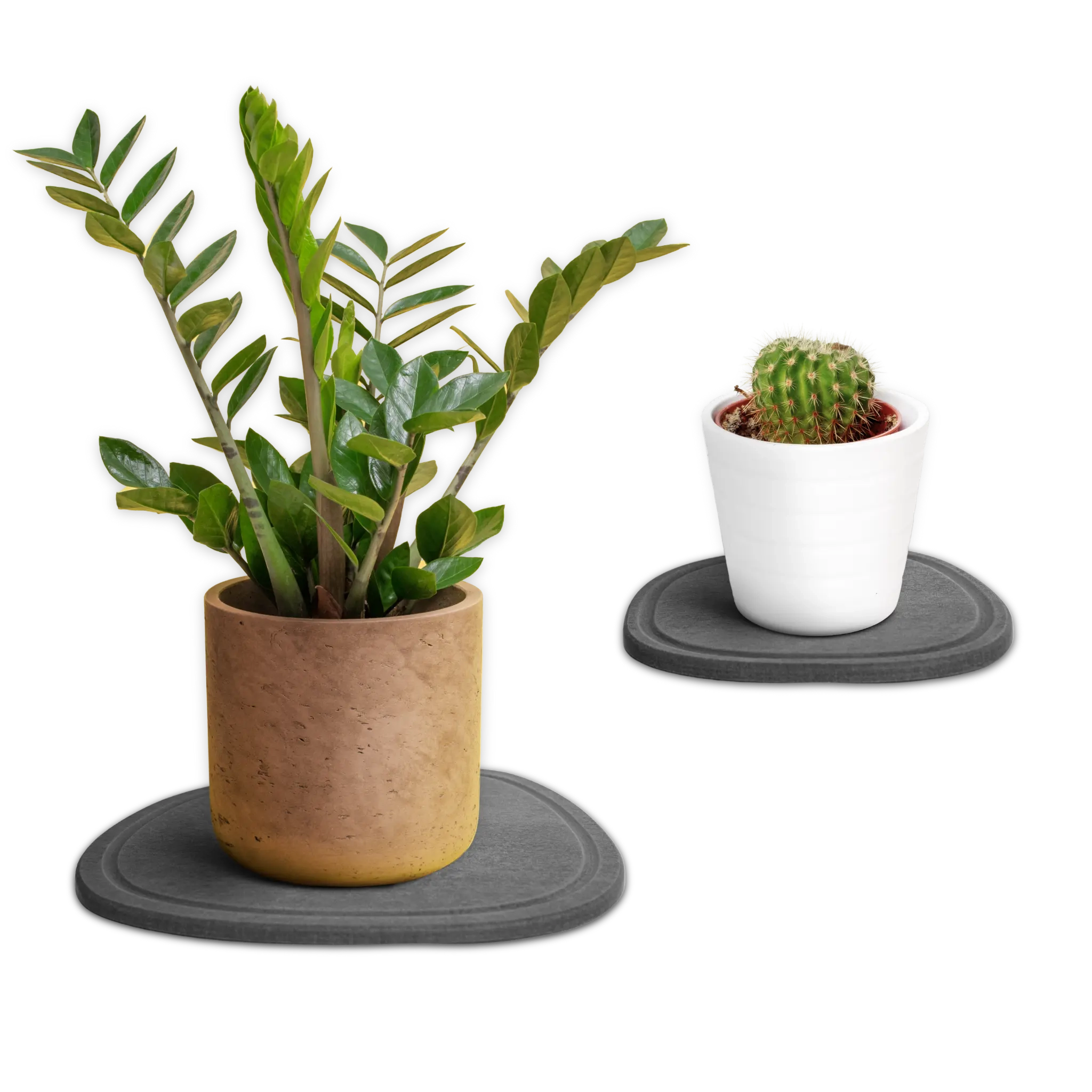
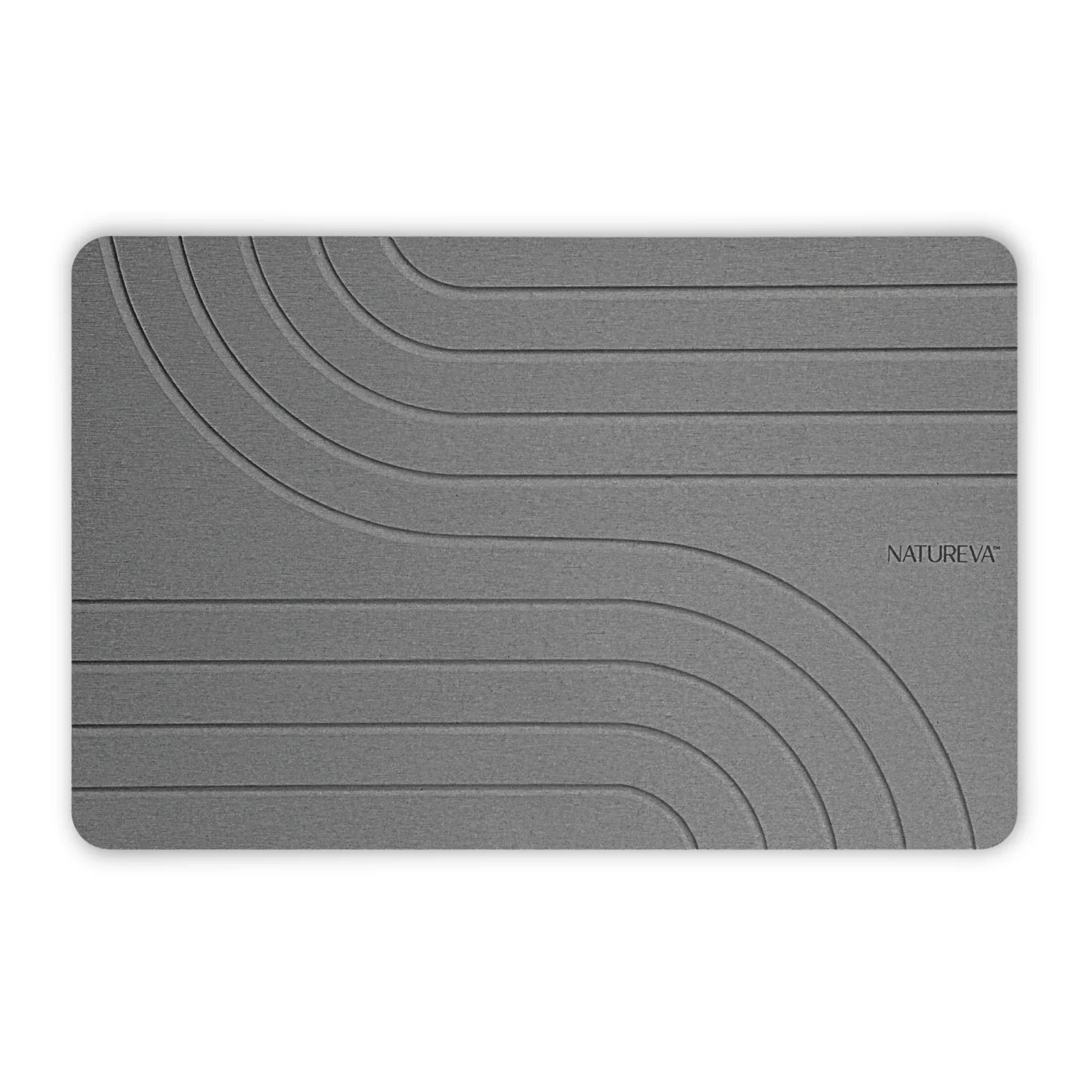
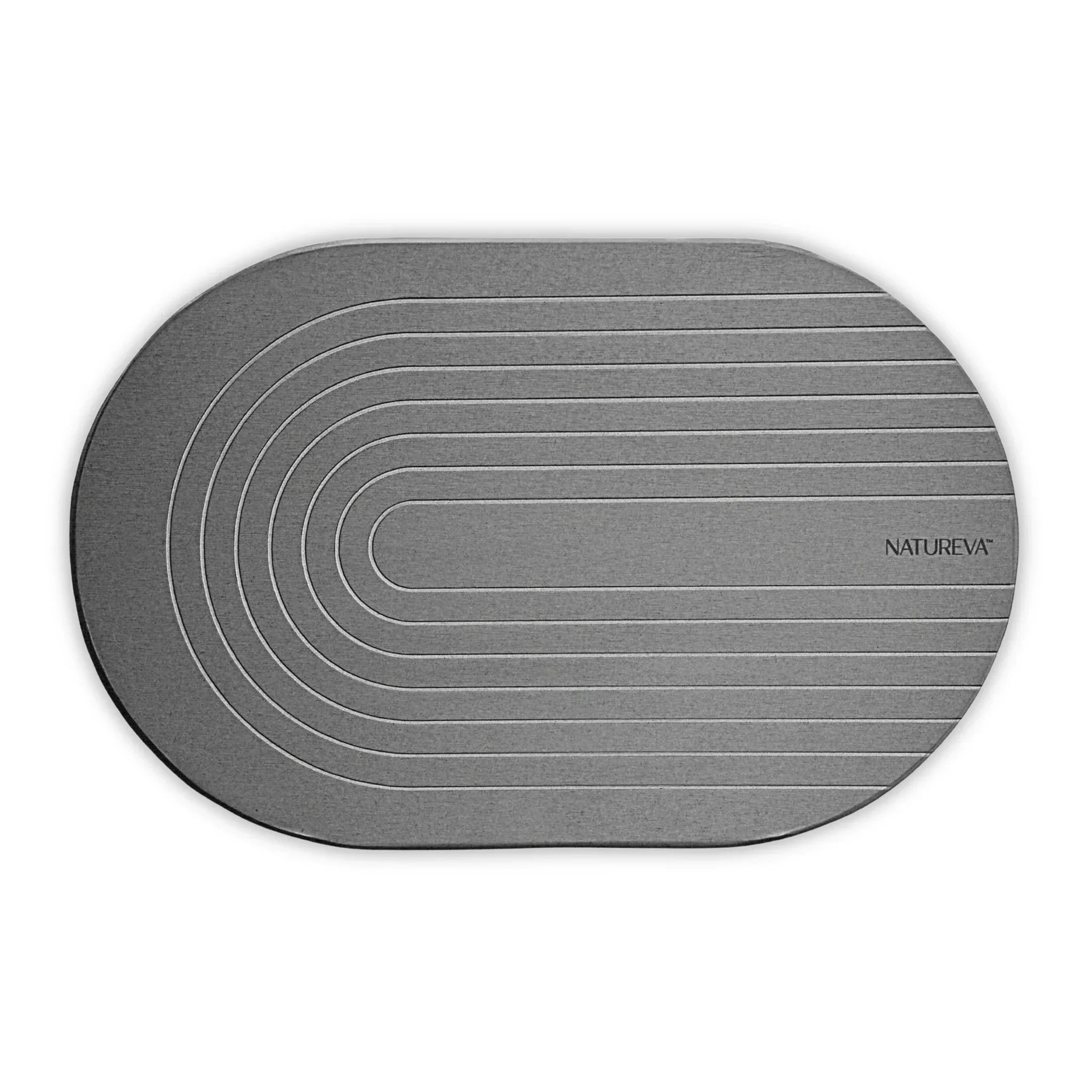
Stone Plant Saucers - Set of 2
How Water Gets Trapped Under Saucers
When you water your plants, excess water drains into the saucer below. This seems like a good thing at first, but here's what actually happens. The water pools in the saucer and creates a seal against your table or floor. Air can't circulate underneath, so the water just sits there for hours or even days.
The trapped moisture has nowhere to go. It slowly seeps through tiny imperfections in the saucer material or condenses on the bottom surface. According to home improvement experts, this trapped water is the main culprit behind permanent damage to wood surfaces and discoloration on countertops.
Different Materials Handle Water Differently
Not all plant pot saucers are created equal when it comes to protecting your surfaces. The material makes a huge difference in how water behaves and how quickly problems develop. Understanding these differences can save you from costly furniture repairs down the road.
| Material Type | Water Absorption | Drying Time | Surface Protection |
|---|---|---|---|
| Plastic | None | 24+ hours | Poor |
| Ceramic | Minimal | 12-24 hours | Fair |
| Metal | None | 18+ hours | Poor |
| Terracotta | Low | 8-12 hours | Fair |
| Diatomaceous Stone | High | 1-2 hours | Excellent |
Plastic and metal saucers are the worst offenders because they don't absorb any water at all. Every drop stays pooled in the dish, creating maximum contact with your furniture. Ceramic and terracotta are slightly better, but they still hold water for way too long.
Common Mistakes That Make Things Worse
Even with decent saucers, people make simple mistakes that lead to water damage. Where you place your plants matters just as much as what you put under them. Some spots in your home are basically asking for trouble.
Here are the most common placement errors:
- Putting plants directly on unfinished wood without any protective barrier
- Placing saucers on porous surfaces like unsealed stone or concrete
- Setting plants in corners or against walls where air circulation is limited
- Using saucers that are too small, causing water to overflow onto surfaces
Temperature and humidity play a bigger role than most people think. In humid rooms like bathrooms or kitchens, water takes much longer to evaporate from traditional saucers. The moisture just hangs around, increasing the chance of damage with every watering cycle.
Cold surfaces are another problem. When a room-temperature saucer sits on a cold windowsill or tile floor, condensation forms on the bottom. This happens even if you're careful about not overwatering. The temperature difference alone creates moisture that can stain and warp surfaces over time.
Our Stone Plant Saucers solve this problem by absorbing water instantly instead of letting it pool. The natural diatomaceous earth material pulls moisture away from your surfaces and releases it into the air through millions of tiny pores. No more waiting around for water to evaporate or worrying about what's happening underneath your plants.
Choosing the Right Material for Zero Water Marks
Most people don't realize that the average plant saucer can leave a water ring on your furniture in less than 30 minutes. The material you choose makes all the difference between a protected surface and a permanent stain. Traditional plastic and ceramic saucers just sit there, letting water pool underneath and seep onto whatever's below. But some materials actually work with you to keep things dry.
Choosing the Right Material for Zero Water Marks
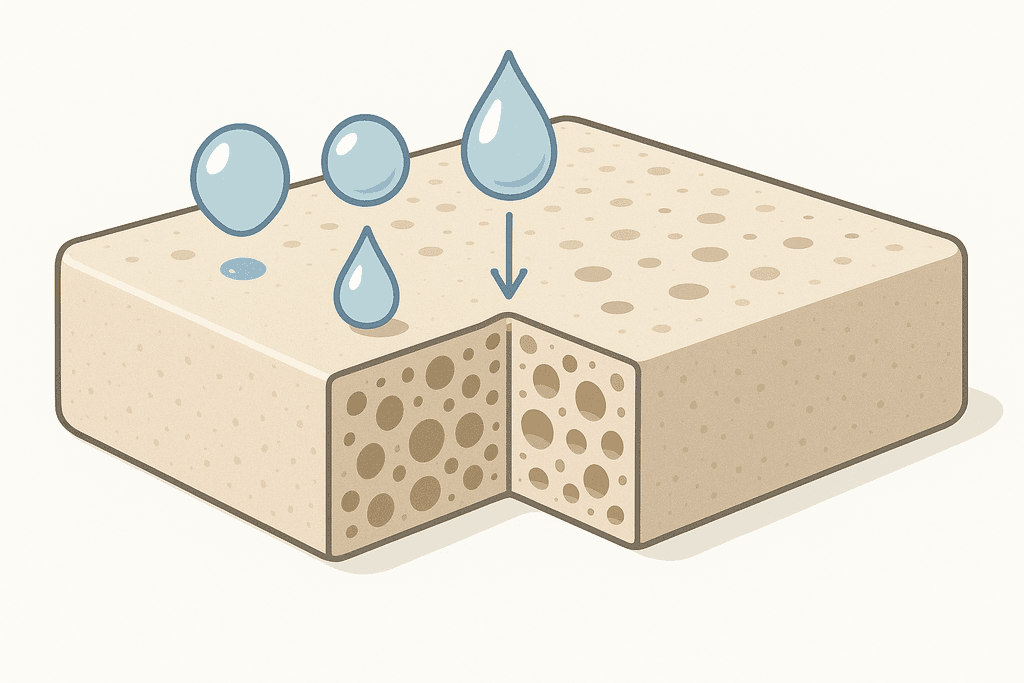
Diatomaceous earth stone is different because it's made from millions of tiny fossilized algae. These microscopic pores act like thousands of little sponges, pulling water away from the bottom of your pot instantly. While a plastic saucer might take hours to dry, stone saucers start evaporating moisture right away. The science is pretty simple but effective.
How Different Materials Stack Up
| Material | Water Absorption | Drying Time | Surface Protection |
|---|---|---|---|
| Plastic | None | N/A | Poor |
| Ceramic | Minimal | 4-6 hours | Fair |
| Terracotta | Moderate | 2-3 hours | Good |
| Diatomaceous Stone | High | 15-30 minutes | Excellent |
The Stone Plant Saucers from NaturevaHome use this natural diatomaceous earth material. They're not glazed or coated, which means those millions of pores stay open and ready to absorb. You can actually watch water disappear into the surface instead of sitting there waiting to cause problems.
Porous materials promote rapid evaporation because air can move through them. Think of it like the difference between a sealed plastic bag and a paper towel. One traps moisture, the other lets it escape. Leaving water sitting in traditional saucers can lead to root rot and pest problems, but absorbent stone saucers handle overflow before it becomes an issue.
Smart Placement Strategies That Keep Surfaces Dry
Even the best plant pot saucers won't protect your surfaces if you don't position them correctly. The relationship between your pot size and saucer size matters more than most people think. A saucer that's too small will overflow, while one that's too large can collect water around the edges where you can't see it. Getting this right from the start saves you from discovering water damage weeks later.
Smart Placement Strategies That Keep Surfaces Dry
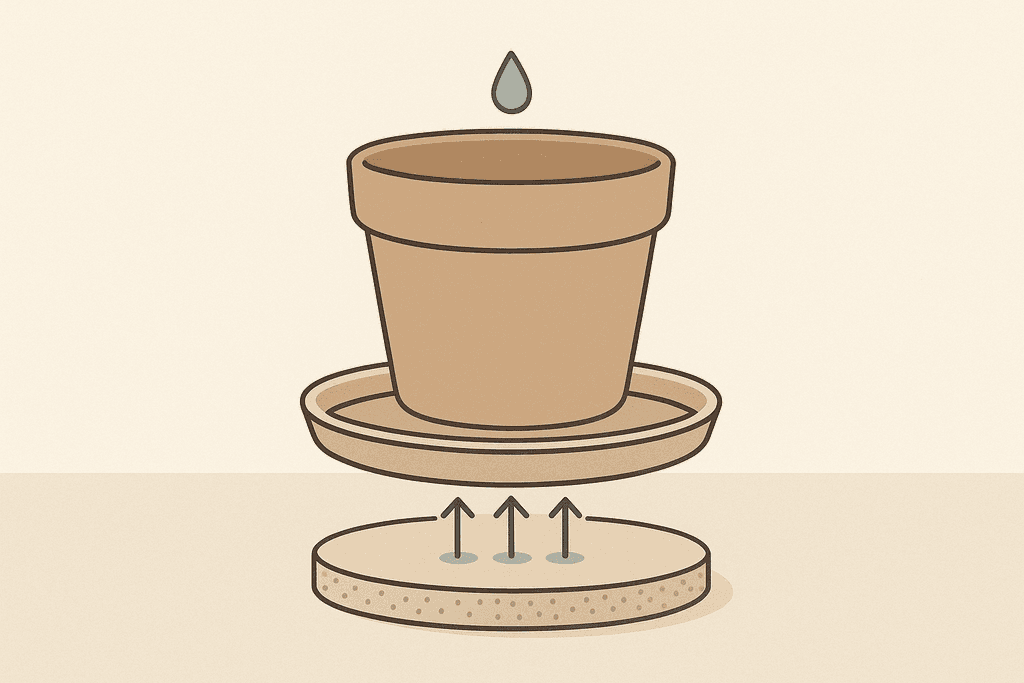
Your saucer should be about one to two inches wider than your pot's base. This gives you enough room to catch drips without creating a mini swimming pool. But here's what most guides don't tell you about placement.
Surface-Specific Placement Tips
- Wooden furniture: Always create a small air gap using felt pads or cork risers, even with absorbent saucers
- Tile or stone floors: Direct placement works fine, but check for water migration along grout lines
- Carpet: Use a waterproof barrier underneath any saucer, no matter how absorbent
- Painted surfaces: Test a small area first, as some finishes react to prolonged moisture exposure
Air circulation underneath your saucer is something people forget about. Even a tiny gap of a quarter inch lets air flow and prevents condensation buildup. This is especially important near windows where temperature changes create moisture. Plants near heat sources like radiators need extra attention because the heat can actually pull moisture out of absorbent saucers and deposit it on nearby surfaces.
Some surfaces need extra protection no matter what. Antique wood, unsealed concrete, and certain types of marble can stain even from minimal moisture exposure. For these situations, you might want to add a thin cork mat between your stone saucer and the surface. It's not always necessary, but better safe than refinishing your grandmother's table.
The next generation of home essentials: naturally made, cleaner by design, sustainable by nature.
SHOP ALLQuick Placement Checklist
- Measure your pot's base diameter
- Choose a saucer 1-2 inches wider
- Check the surface type and sensitivity
- Add risers or barriers if needed
- Position away from direct heat sources
- Ensure good air circulation around the plant
Maintenance Habits That Prevent Water Buildup
The best saucer in the world won't help if you ignore basic maintenance. Most water damage happens slowly over time, not from one big spill. It's the daily habits that make the difference between surfaces that stay pristine and ones that develop those telltale rings. The good news is that keeping things dry doesn't require much effort once you know what to look for.
Empty any standing water within 30 minutes of watering your plants. This is the single most important habit you can develop. Even absorbent stone saucers have limits, and if you dump a gallon of water through your pot, some of it will pool. Just tip it into the sink and you're done.
Cleaning Different Saucer Types
- Stone saucers: Rinse with water and let air dry completely, avoid soap which can clog pores
- Plastic saucers: Wash with mild soap weekly to prevent algae buildup
- Ceramic saucers: Scrub with a soft brush to remove mineral deposits
- Terracotta saucers: Soak in vinegar solution monthly to dissolve salt buildup
Your watering schedule needs to change with the seasons. Plants drink less in winter, which means more water ends up in your saucer. Cut back on how much you water rather than how often. In summer, increased evaporation means you might need to water more frequently but can use larger amounts safely. Pay attention to how quickly water disappears from your saucers as a guide.
Watch for these signs that your saucer needs attention or replacement. White crusty buildup around the edges means mineral deposits are blocking absorption. Cracks or chips create pathways for water to escape. If you notice your stone saucer isn't absorbing as quickly as it used to, it might need a deep clean or replacement. Most quality stone saucers last years with proper care, but nothing lasts forever.
Weekly and Monthly Maintenance
Weekly tasks:
- Check for standing water after each watering
- Wipe down saucer edges and bottoms
- Inspect surfaces underneath for moisture
- Adjust watering amounts based on absorption speed
Monthly tasks:
- Deep clean all saucers according to material type
- Check for cracks, chips, or wear
- Rotate plants to prevent uneven moisture exposure
- Reassess placement based on seasonal changes
Quick fixes matter when you spot moisture accumulation. If you notice condensation under a saucer, lift it immediately and dry both the saucer and surface. Place a folded paper towel underneath temporarily while everything dries completely. Some experts suggest alternatives to traditional saucers, but with the right material and maintenance, saucers work perfectly fine. The key is staying aware and addressing small issues before they become big problems.
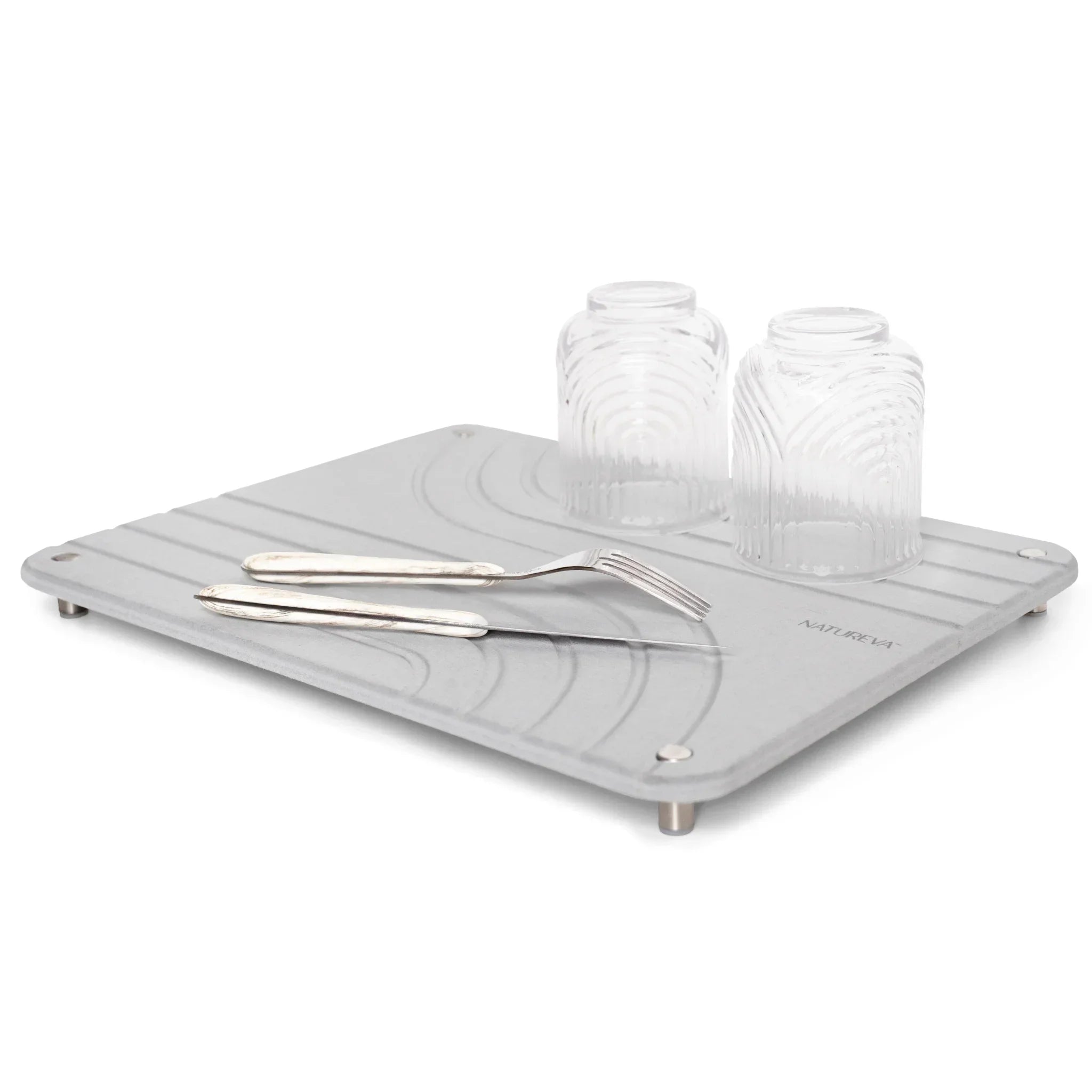
If you're looking for more ways to protect surfaces around your home, check out our full collection of absorbent stone accessories. The same material that makes our plant saucers effective also works great for drink coasters and dish mats. Once you see how well diatomaceous earth handles moisture, you'll wonder why everything isn't made from it.
Your Surfaces Deserve Better Protection
Protecting your surfaces from water damage really comes down to three simple things. First, you need to pick the right material for your plant pot saucers. Second, you need to think about where you place them. Third, you need to keep them clean so they keep working properly. Most people skip one or more of these steps and end up with water rings on their furniture or mold growing under their pots.
The good news is that absorbent stone materials handle most of these problems without you having to think about them. Our Stone Plant Saucers soak up water automatically and dry fast, which means you don't have to empty them constantly or worry about overflow. The same diatomaceous earth material works great for other wet areas too, like bathroom accessories or kitchen items.
Take a minute to look at your current setup. Are you using plastic saucers that trap water underneath? Do you see any water stains on your windowsills or tables? These are signs that your current plant pot saucers aren't doing their job.
The best part is that protecting your surfaces doesn't mean your plants suffer. When excess water gets absorbed quickly, your plant roots stay healthier because they're not sitting in standing water. You still water normally, but the drainage works better. Some questions probably come to mind about how these saucers work in different situations, so let's address those next.
Common Questions About Plant Saucers and Water Marks
Water damage from plant pots is one of those problems that sneaks up on you until you notice the rings on your favorite table. Most people don't think much about their plant pot saucers until it's too late. Here are the questions we hear most often about keeping surfaces safe and dry.
How fast do stone saucers dry compared to plastic?
Stone saucers made from diatomaceous earth dry in minutes, while plastic saucers just hold water until you remember to empty them. The difference comes down to absorption versus containment. Plastic traps moisture and creates those dreaded water rings, but stone materials like our Stone Plant Saucers actually pull water away from your surfaces and let it evaporate naturally through millions of tiny pores.
Can stone saucers be used on wood furniture safely?
Yes, stone saucers work great on wood, marble, and pretty much any surface you want to protect. The key is that they absorb water instead of letting it pool underneath. You won't get the moisture buildup that causes warping or staining on wooden surfaces. Just make sure the saucer is completely dry before moving it to avoid any residual dampness.
What size saucer should you get for your pots?
Your saucer should be about the same diameter as your pot or slightly larger. Too small and water spills over the edge, too large and it looks awkward. Most people go with saucers that match their pot size exactly or add an inch for extra coverage. The goal is catching all the drainage without taking up unnecessary space.
How do you clean stone plant saucers?
Rinse them with water and let them air dry completely. That's really it. Avoid soap or harsh cleaners because they can clog up those absorbent pores that make stone saucers work so well. If you notice mineral buildup from hard water, a quick rinse with diluted vinegar works without damaging the material.
Are expensive saucers actually worth the cost?
Cheap plastic saucers cost less upfront but they don't prevent water damage at all. You're basically choosing between a few dollars now or replacing damaged furniture later. Stone saucers cost more initially but they actually protect your surfaces instead of just catching water. Think of it as insurance for your tables and floors.
What should you do about existing water marks?
For fresh water rings on wood, try rubbing them gently with mayonnaise or a paste of baking soda and water. Let it sit for a few hours before wiping clean. Older stains might need light sanding and refinishing. The better solution is preventing new marks by switching to absorbent plant pot saucers that keep moisture away from surfaces in the first place.
The next generation of home essentials: naturally made, cleaner by design, sustainable by nature.
SHOP ALL