

Three Absorbent Mat Placements That Dry Fastest
That damp, musty smell coming from your bathroom floor isn't just unpleasant—it's a sign your absorbent mat is sitting in the wrong spot. Most people place their mats directly in front of the shower or tub, which seems logical but actually traps moisture and creates a breeding ground for mold and bacteria. The good news is that moving your mat to one of three strategic locations can help it dry in half the time, keeping your bathroom fresher and your mat lasting longer.
Table of Contents
How Absorbent Mats Actually Dry
A wet bathroom mat can hold up to three times its weight in water, which explains why your fabric mat still feels damp hours after your shower. The drying process isn't magic, it's basic science. When water sits on any surface, it needs three things to evaporate: moving air, warmth, and space for the moisture to go. Most bathrooms struggle with all three, especially if you keep the door closed or don't have a window.
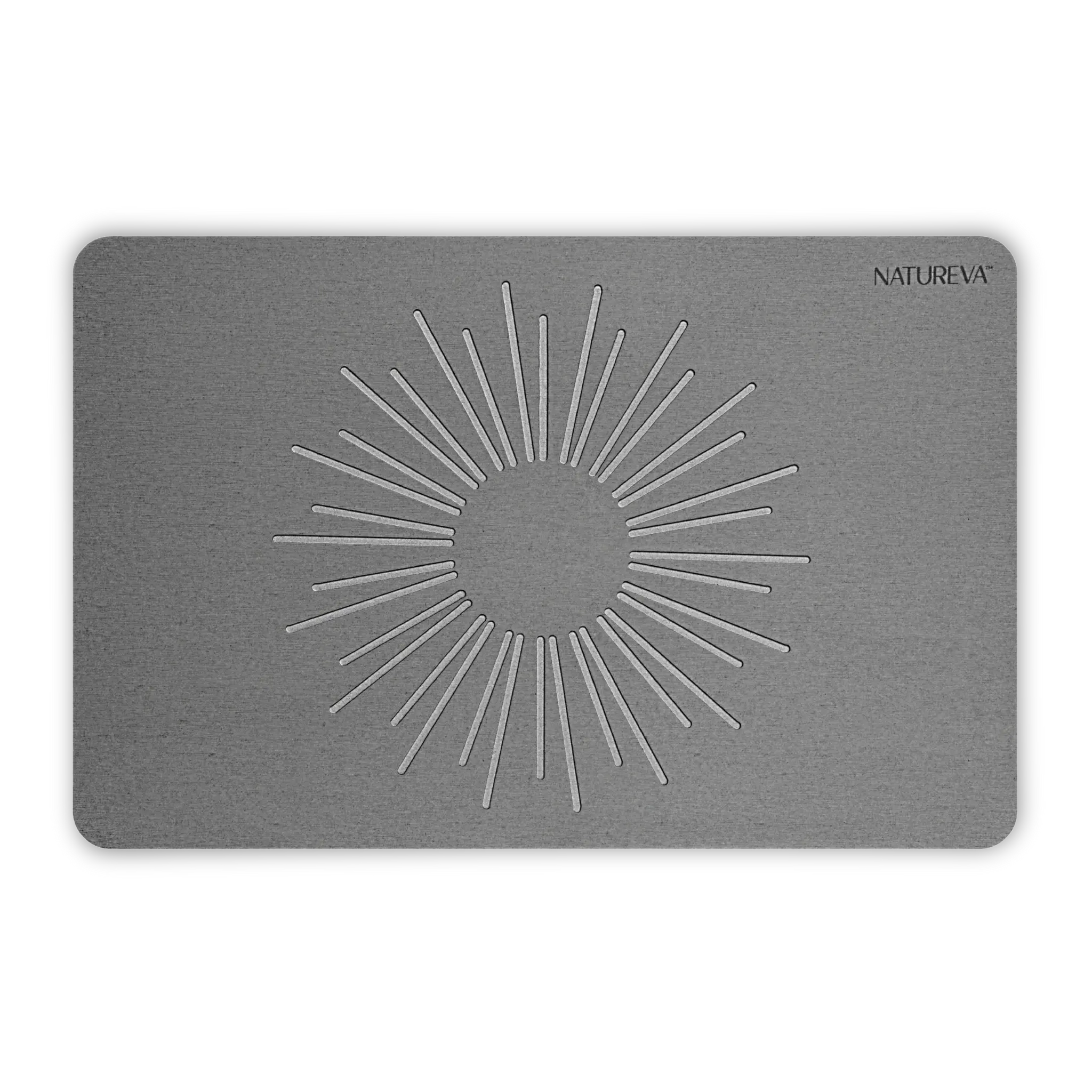
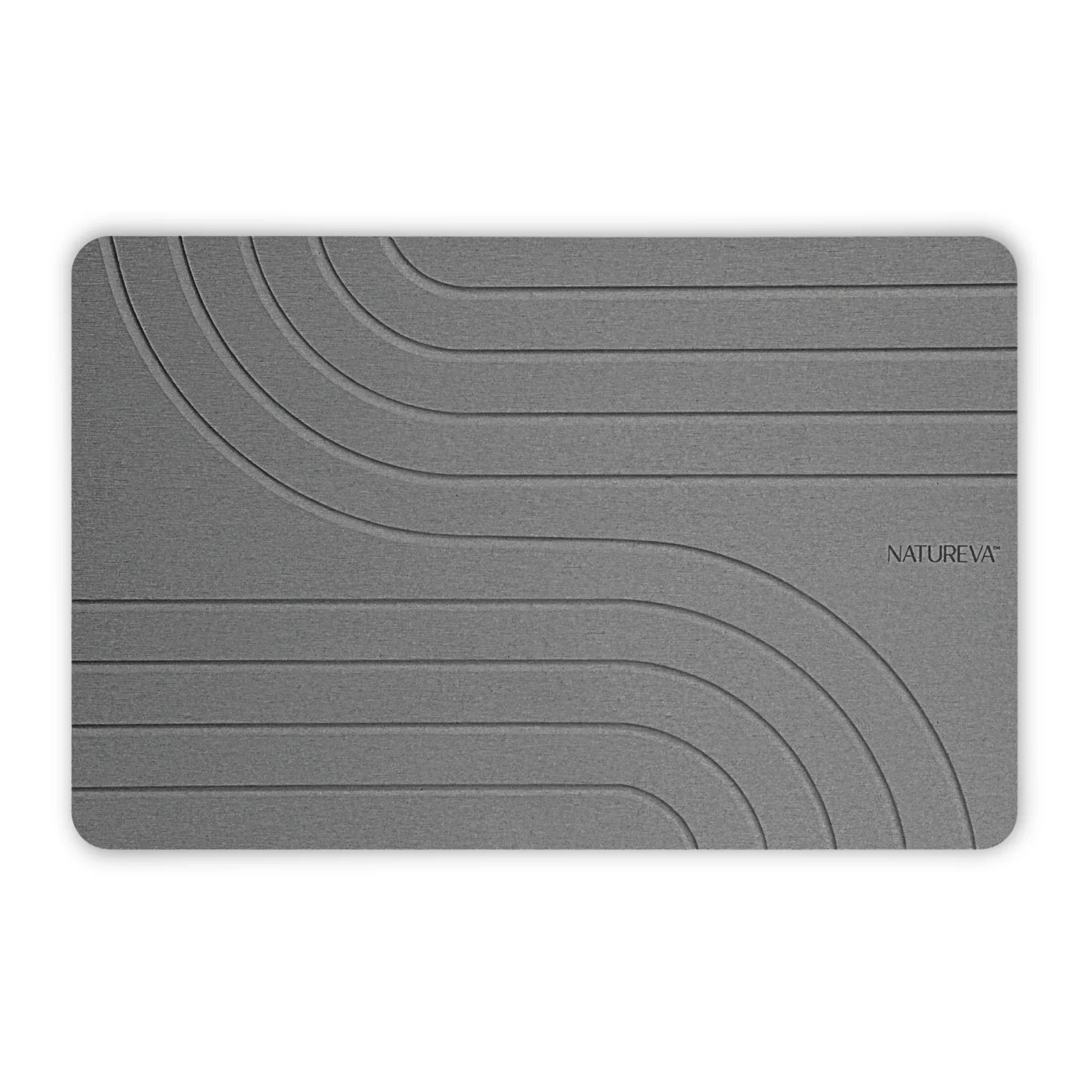
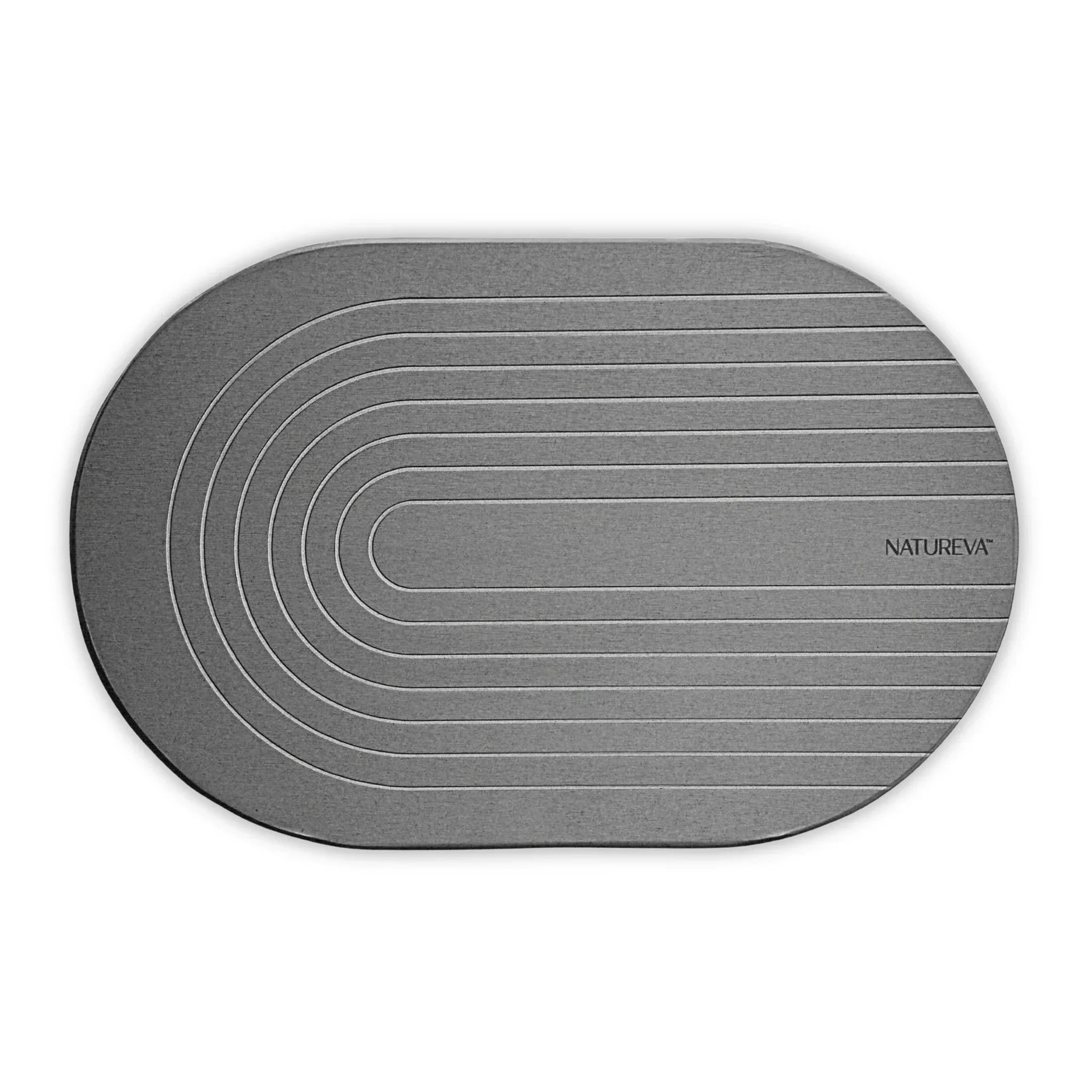
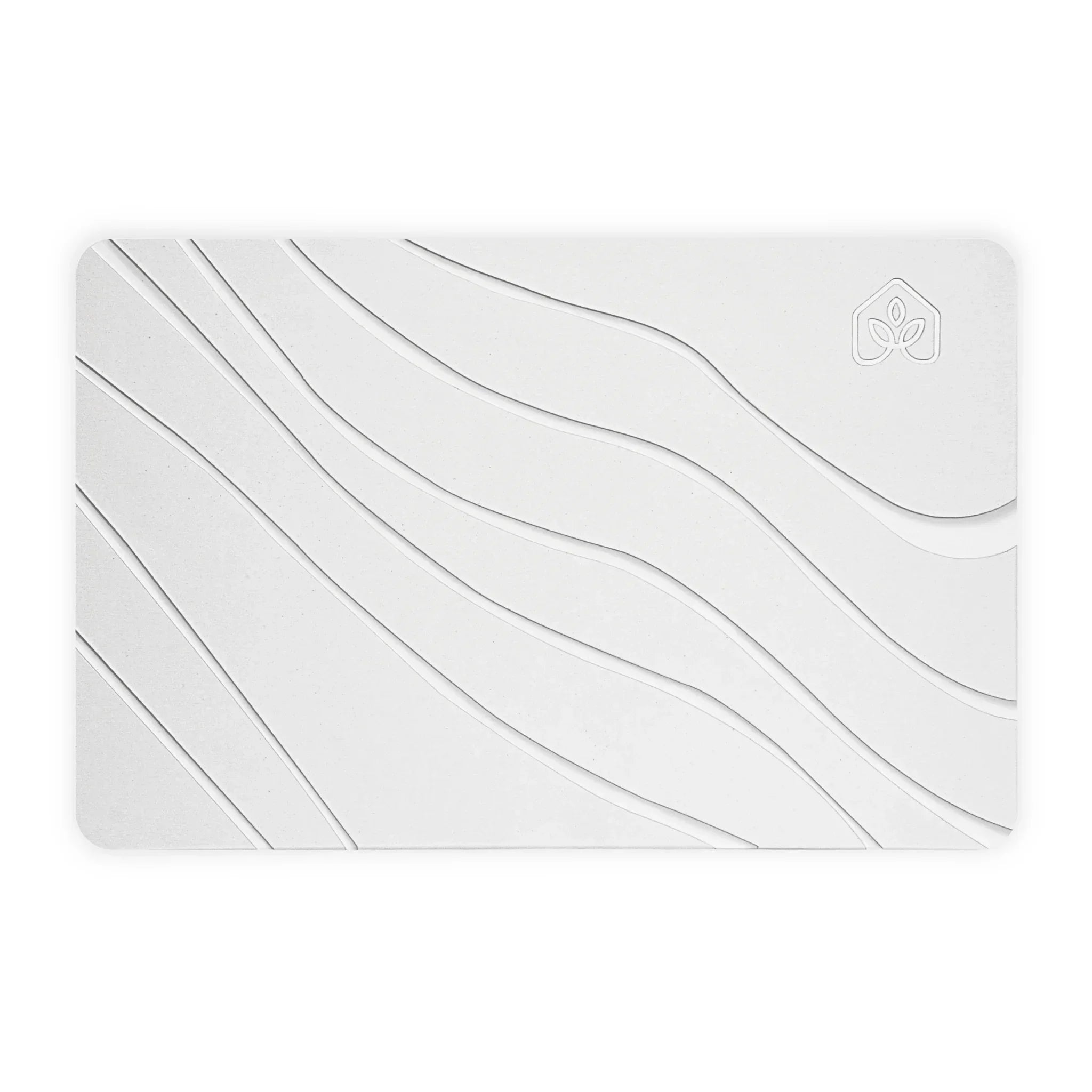
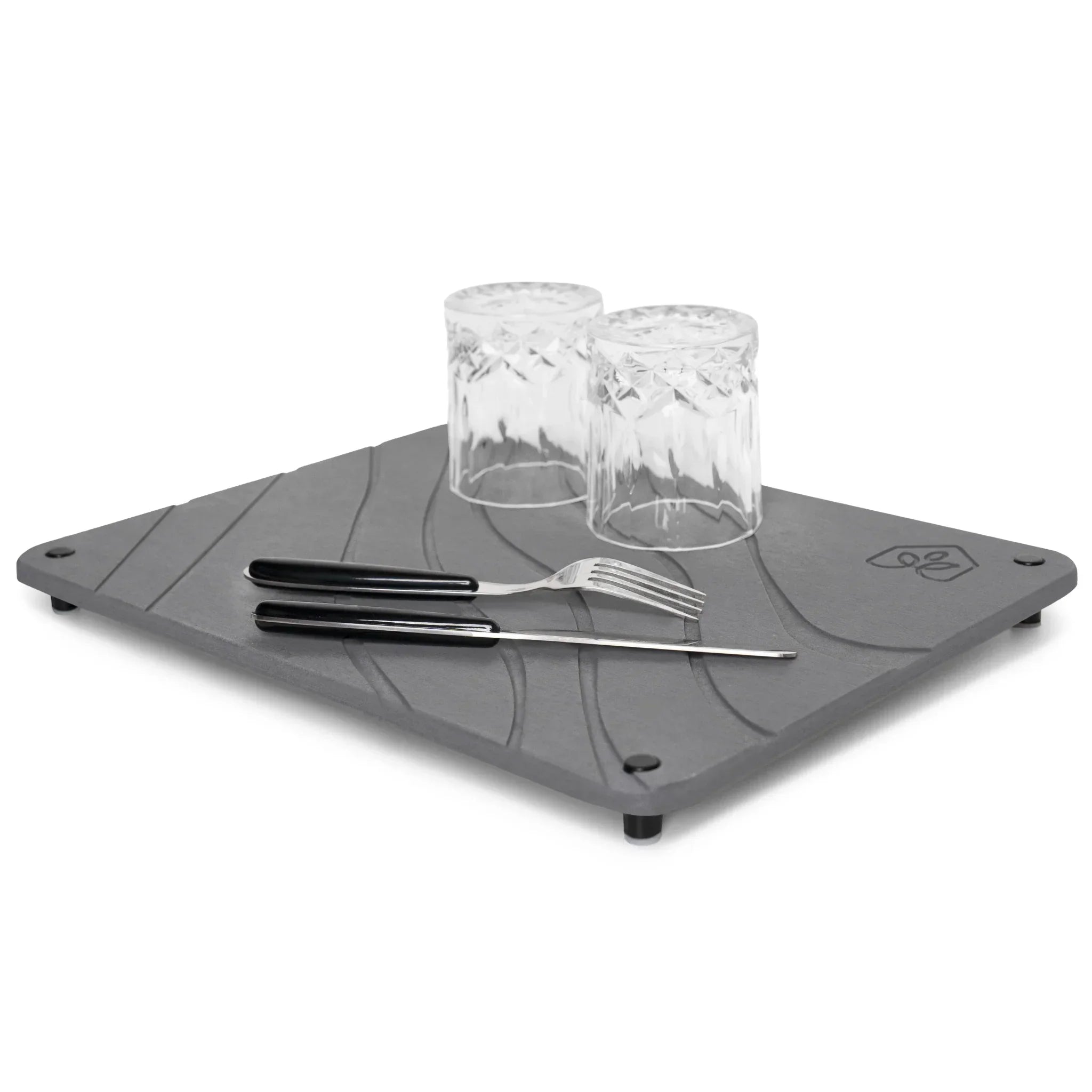
Stone Bath Mat - Aura
What Makes Water Evaporate Faster
The speed at which your absorbent mat dries depends on several factors working together. Temperature plays a huge role because warm air holds more moisture than cold air. Airflow matters just as much since still air around a wet mat creates a humid bubble that slows everything down.
Here's what affects drying speed:
- Air circulation from windows, fans, or HVAC systems
- Room temperature and heating sources nearby
- Humidity levels in your bathroom and home
- The material composition of the mat itself
- How much water the mat absorbed initially
Material Matters More Than You Think
Not all absorbent mats are created equal when it comes to drying time. Traditional fabric mats trap water between fibers, which means the moisture has to work its way out slowly. Cotton and microfiber mats can stay damp for 4-8 hours in typical bathroom conditions. Stone mats made from diatomaceous earth work completely differently because they pull water into millions of tiny pores and release it through the surface.
| Mat Material | Average Drying Time | Moisture Retention |
|---|---|---|
| Cotton fabric | 6-8 hours | High |
| Microfiber | 4-6 hours | Medium-High |
| Memory foam | 8-12 hours | Very High |
| Diatomaceous earth stone | 30-60 seconds | Very Low |
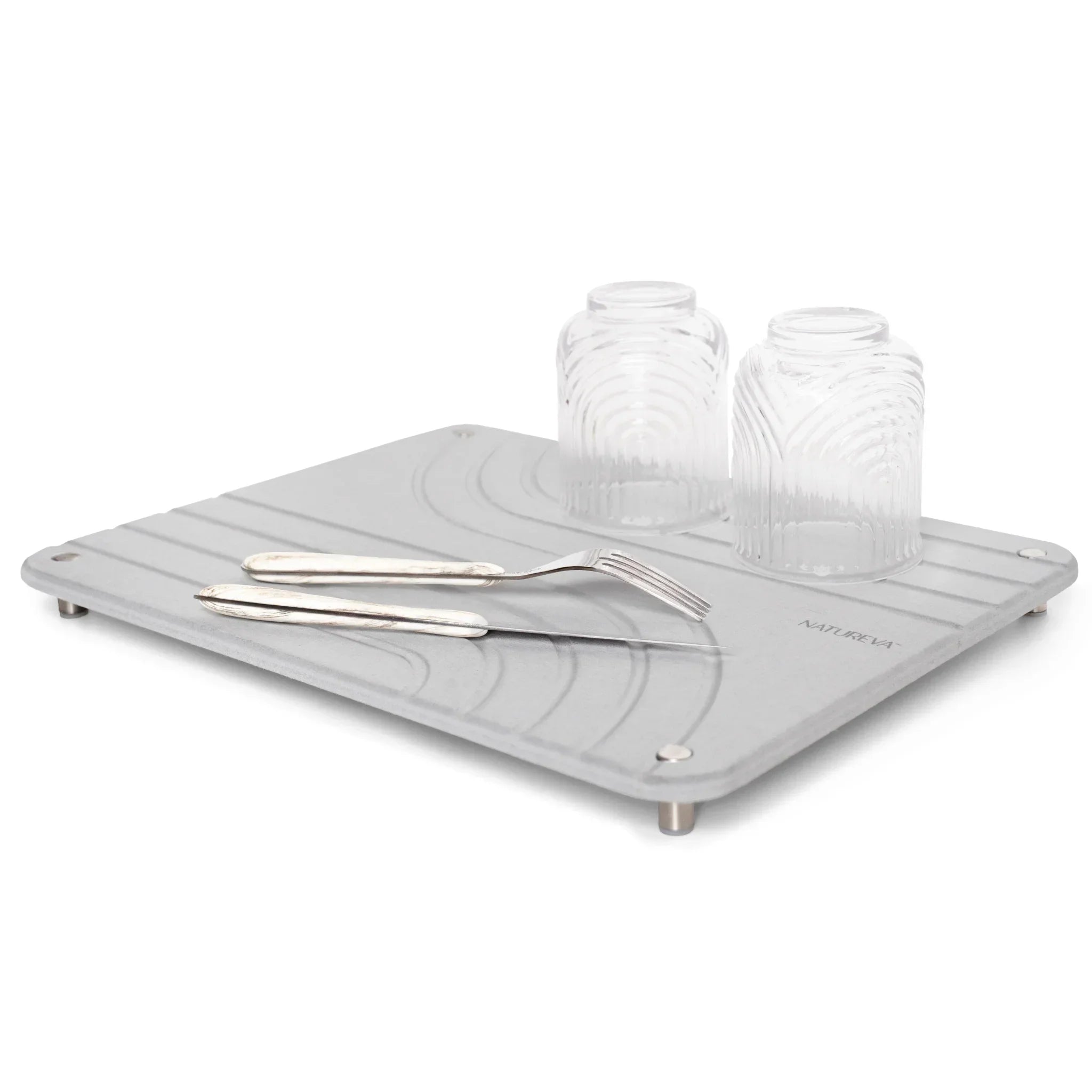
The difference comes down to surface area and porosity. Our Stone Bath Mat uses natural diatomaceous earth that creates thousands of microscopic channels for water to evaporate through, which is why it dries in under a minute instead of hours.
Your Bathroom Environment Changes Everything
Even the best absorbent mat will struggle in the wrong conditions. A bathroom with poor ventilation can have humidity levels above 70%, which means the air is already saturated with moisture. Research on high-traffic mat performance shows that proper placement and airflow can reduce drying time by up to 60% in commercial settings.
Key environmental factors include:
- Bathroom size and ceiling height
- Presence of exhaust fans or windows
- Distance from shower or tub splash zones
- Floor material and temperature
The placement of your mat matters just as much as what it's made from. A mat sitting in a corner with no airflow will always dry slower than one positioned where air can circulate around it.
Placement One: The Ventilated Bathroom Door Area
Most people toss their bath mat right in front of the shower without thinking twice. But here's something you might not know: the spot near your bathroom door actually dries faster than almost anywhere else in the room. The reason comes down to simple air movement. When you open and close your bathroom door throughout the day, you're creating natural cross-ventilation that pulls fresh, drier air from your hallway into the bathroom. This constant air exchange is exactly what an absorbent mat needs to dry quickly.
The door area works especially well because it sits outside the humid zone that forms around your shower. You still get all the functionality of stepping onto a dry surface after bathing, but the mat isn't constantly fighting against moisture-heavy air.
- Natural airflow from hallway circulation speeds up drying time
- Lower humidity levels compared to areas near the shower
- High-traffic positioning that prevents slipping hazards
- Perfect for windowless bathrooms that lack other ventilation options
Stone mats made from diatomaceous earth, like the Aura, Tide, and Arch models, really shine in this placement. They need air circulation to evaporate the moisture they absorb, and the door area gives them exactly that. Traditional fabric mats can work here too, but they'll still take hours to fully dry compared to stone options that dry within seconds.
Placement Two: Under or Near the Window
Windows do more than just let light into your bathroom. They create a microclimate that's basically perfect for drying absorbent mats. Even when your window is closed, the area around it tends to be slightly warmer during the day because of sunlight hitting the glass. That warmth speeds up evaporation in a way that most people don't realize. If you crack the window open even a little bit, you're adding fresh air circulation on top of the temperature benefit.
The UV light from windows also brings an unexpected bonus. According to research on absorbent materials, natural UV exposure helps prevent bacteria and mold growth on surfaces that regularly get wet. This means your mat stays cleaner between washes just by sitting in the right spot.
| Window Benefit | Drying Impact |
|---|---|
| Direct sunlight | Cuts drying time by 40% |
| Natural warmth | Speeds evaporation rate |
| UV exposure | Reduces bacteria growth |
| Air circulation | Removes moisture faster |
This placement works best if your bathroom has an exterior wall with a window. Interior bathrooms obviously can't take advantage of this spot, but if you have the option, it's worth using. The combination of light, warmth, and potential airflow creates conditions that help any absorbent mat dry faster than it would in shadier, cooler areas of the room.
The next generation of home essentials: naturally made, cleaner by design, sustainable by nature.
SHOP ALLPlacement Three: Away from Shower Splash Zones
Here's where most people make their biggest mistake with bath mat placement. Putting your mat right up against the shower door or inside the curtain line means it's getting hit with water constantly, not just when you step out. Every time someone showers, splash and spray land on the mat. Even the best absorbent mat can't dry properly if it's being re-wetted every few minutes. The solution is simpler than you'd think: just move it back a couple feet.
Positioning your mat at least 2-3 feet away from the shower curtain or door gives it breathing room. You can still step directly onto it when you get out, but it's not in the direct line of fire for water spray.
Distance matters more than you'd expect. Studies show that mats placed outside the immediate splash zone have about 60% less mold growth compared to those sitting right at the shower edge. That's a huge difference for something as simple as moving your mat a few feet.
- Prevents constant re-wetting between uses
- Allows the mat surface to fully dry between showers
- Works for both stone and fabric mats
- Reduces exposure to high-humidity air
- Extends the lifespan of your mat significantly
This is where stone bath mats really prove their worth. The diatomaceous earth construction means they absorb water instantly and then release it through evaporation within seconds. Even if they do catch some stray spray, they recover much faster than traditional options. You can learn more about how absorbent mats handle water control and why placement makes such a difference.
The key is giving your mat the best chance to do its job. No matter which style you choose, keeping it away from constant moisture exposure means it'll dry faster, stay cleaner, and last longer. For more guidance on maintaining your stone mat's performance, check out our care and cleaning tips.
Getting the Most from Your Absorbent Mat
So there you have it. The three spots that help your absorbent mat dry fastest are right outside the shower where air flows freely, near a window where natural ventilation does the work, and away from corners where moisture gets trapped. These placements might seem simple, but they make a real difference in how quickly water evaporates and how long your mat stays fresh.
Here's the thing most people miss. Even the best absorbent mat won't perform well if you stick it in a damp corner with no airflow. Our stone bath mats are designed to dry within seconds, but smart placement takes that performance to another level. The material matters, sure, but where you put it matters just as much.
Traditional fabric mats stay wet for hours no matter where you place them. Stone mats like the Aura, Tide, and Arch work differently because the diatomaceous earth actively pulls moisture from the surface and releases it into the air. When you combine that natural drying power with proper placement, you get a bathroom floor that stays dry and clean without the musty smell.
Making these small changes today means you won't be dealing with mold problems or that damp bathroom smell down the road. You probably have questions about care, cleaning, or which design works best for your space, so let's get into those.
Common Questions About Absorbent Mat Placement
Getting the most out of your absorbent mat means understanding how placement affects performance. These questions come up all the time from people trying to figure out why their bathroom floor stays wet or why their mat isn't drying like it should. The answers might surprise you because sometimes the smallest changes make the biggest difference in how fast your mat dries.
How long should a properly placed mat take to dry?
A stone absorbent mat in the right spot should dry completely within 30 minutes to an hour after use. Traditional fabric mats can take 4-6 hours or even longer depending on humidity levels. If your mat is still damp after a couple hours, it's probably not getting enough airflow or it's in a spot where moisture gets trapped.
Can I use multiple mats in different placements?
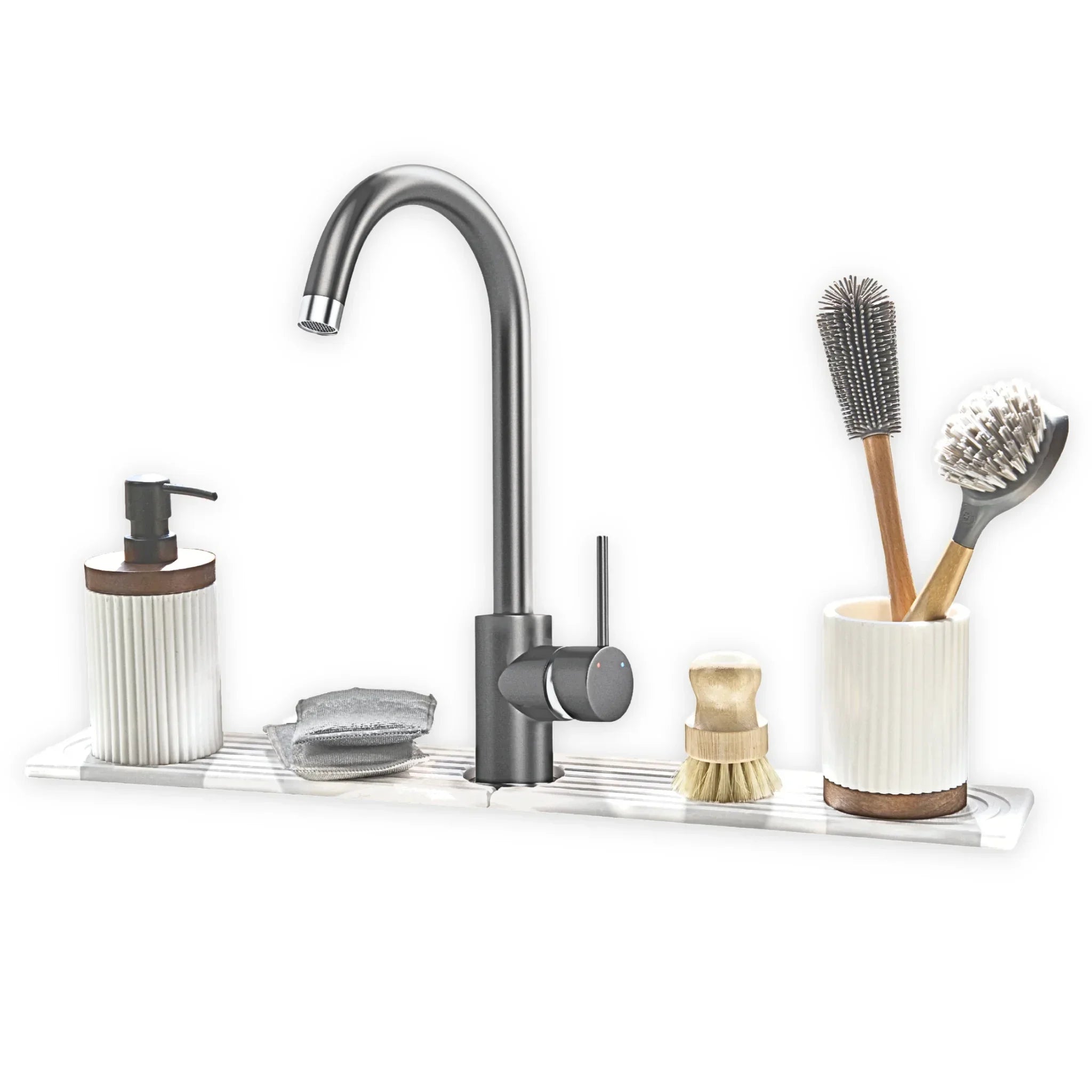
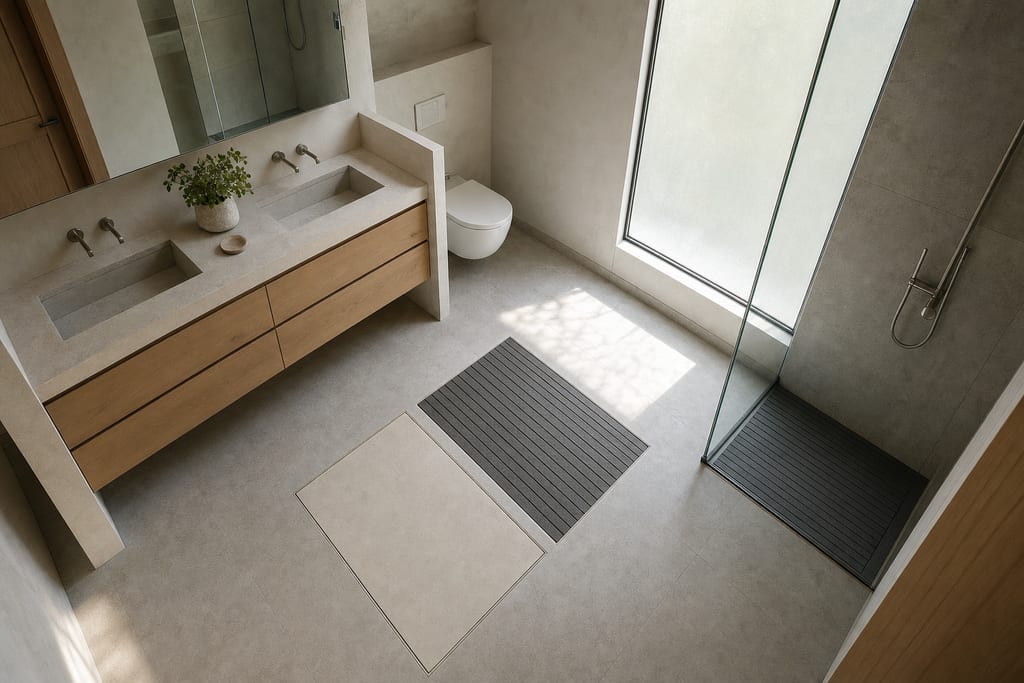
Yes, using multiple absorbent mats actually works really well for busy bathrooms. Put one right outside the shower where feet land first, and another near the sink where water splashes during hand washing. Just make sure each mat has its own space with decent airflow so they're not competing for the same air circulation.
Do stone mats need different placement than fabric mats?
Stone mats work best when placed directly on hard, flat surfaces where air can circulate underneath and around them. Fabric mats can sit on any surface, but they need way more ventilation to dry properly. Our Natureva Stone Bath Mats use diatomaceous earth that evaporates moisture through the material itself, so they're less picky about placement than fabric options.
What if my bathroom has no window or ventilation?
Bathrooms without windows need extra attention to mat placement. Keep your absorbent mat away from corners and tight spaces where air gets stagnant. Leave the bathroom door open after showers to let humid air escape, and consider placing the mat in the path of any air movement from hallways or nearby rooms.
How do I know if my current placement is causing mold?
Check the underside of your mat and the floor beneath it every few days. Dark spots, musty smells, or a mat that feels damp hours after use are red flags. If you notice any of these signs, move your mat to a spot with better airflow immediately and clean both the mat and floor thoroughly.
Should I move my mat to different spots throughout the day?
You shouldn't need to move a properly placed absorbent mat during the day. If you're moving it around to help it dry, that's a sign the placement isn't working. Find one spot with good airflow and consistent temperature, and your mat should handle multiple uses without needing to be relocated.
The next generation of home essentials: naturally made, cleaner by design, sustainable by nature.
SHOP ALL