
Six Mistakes That Attract Mould With Bath Towels
That musty smell coming from your bath towels isn't just unpleasant—it's mould, and it's thriving because of a few simple mistakes most people make every day. The good news is that preventing mould doesn't require expensive solutions or complicated routines. Once you understand what creates the perfect breeding ground for mould, you can keep your towels fresh and safe with just a few easy changes.
Table of Contents
- What Makes Bath Towels a Mould Magnet
- Mistake 1: Leaving Wet Towels Bunched Up
- Mistake 2: Using Towels Too Many Times Between Washes
- Mistake 3: Washing Towels Incorrectly
- Mistake 4: Poor Bathroom Ventilation
- Mistake 5: Storing Damp Towels in Closed Spaces
- Mistake 6: Choosing the Wrong Towel Material
- Keep Your Towels Fresh and Mould-Free
- Common Questions About Mould on Bath Towels
What Makes Bath Towels a Mould Magnet
Mould spores are everywhere in your home, just waiting for the right conditions to settle down and multiply. When it comes to bath towels, these tiny organisms find everything they need to thrive. The combination of moisture from your body, warmth from the bathroom, and the organic fibers in your towels creates a perfect breeding ground. Most people don't realize that a damp towel hanging in a steamy bathroom is basically a five-star hotel for mould.
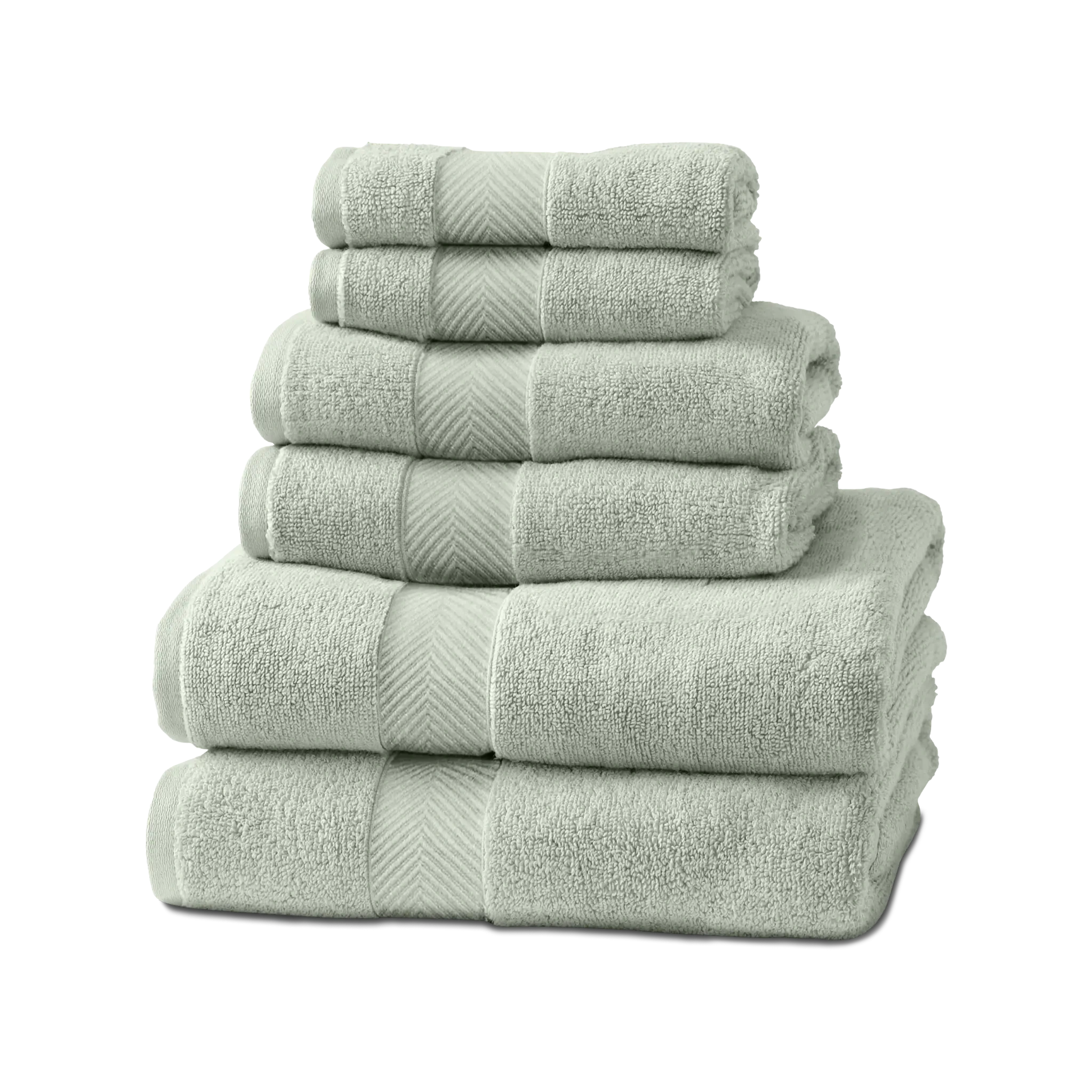
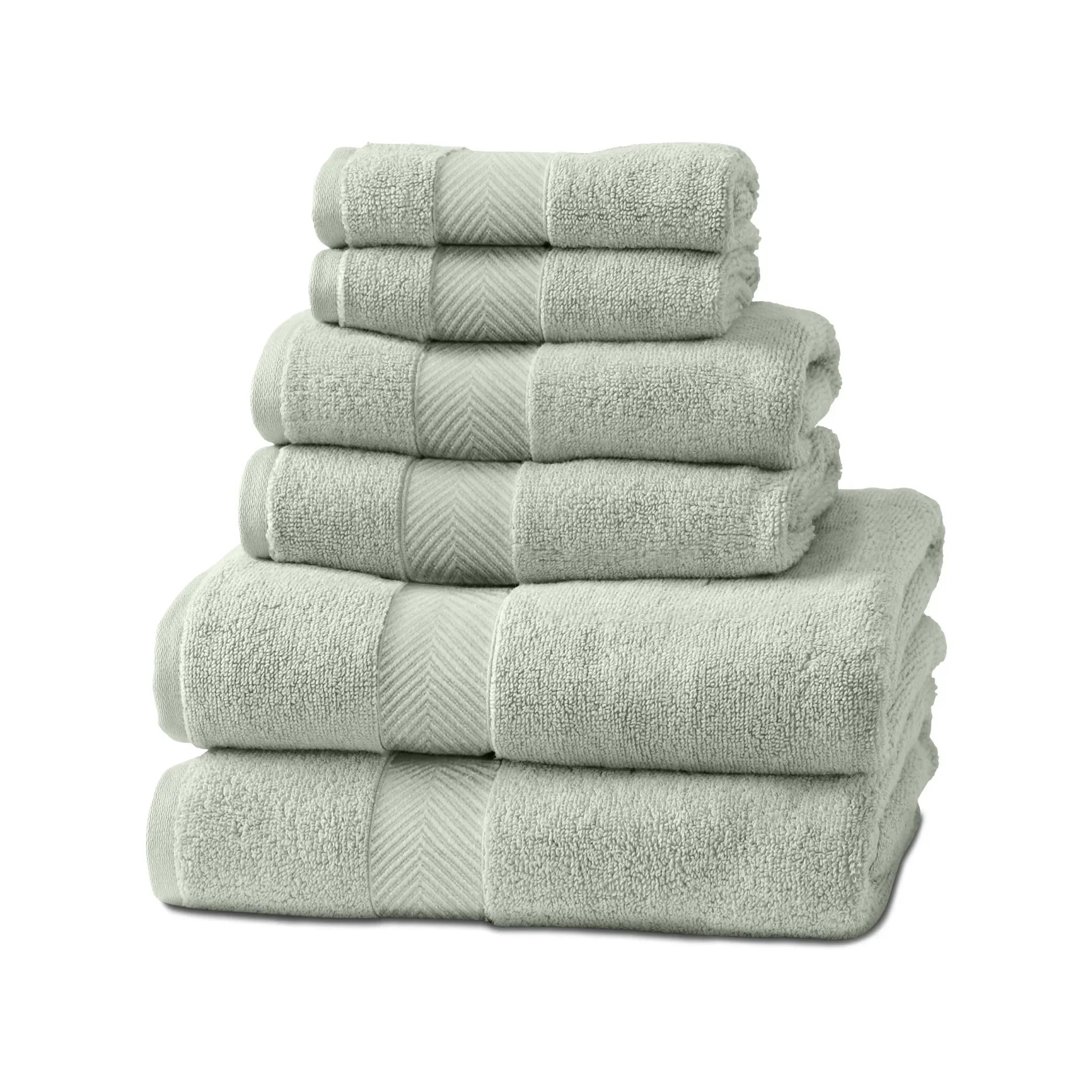
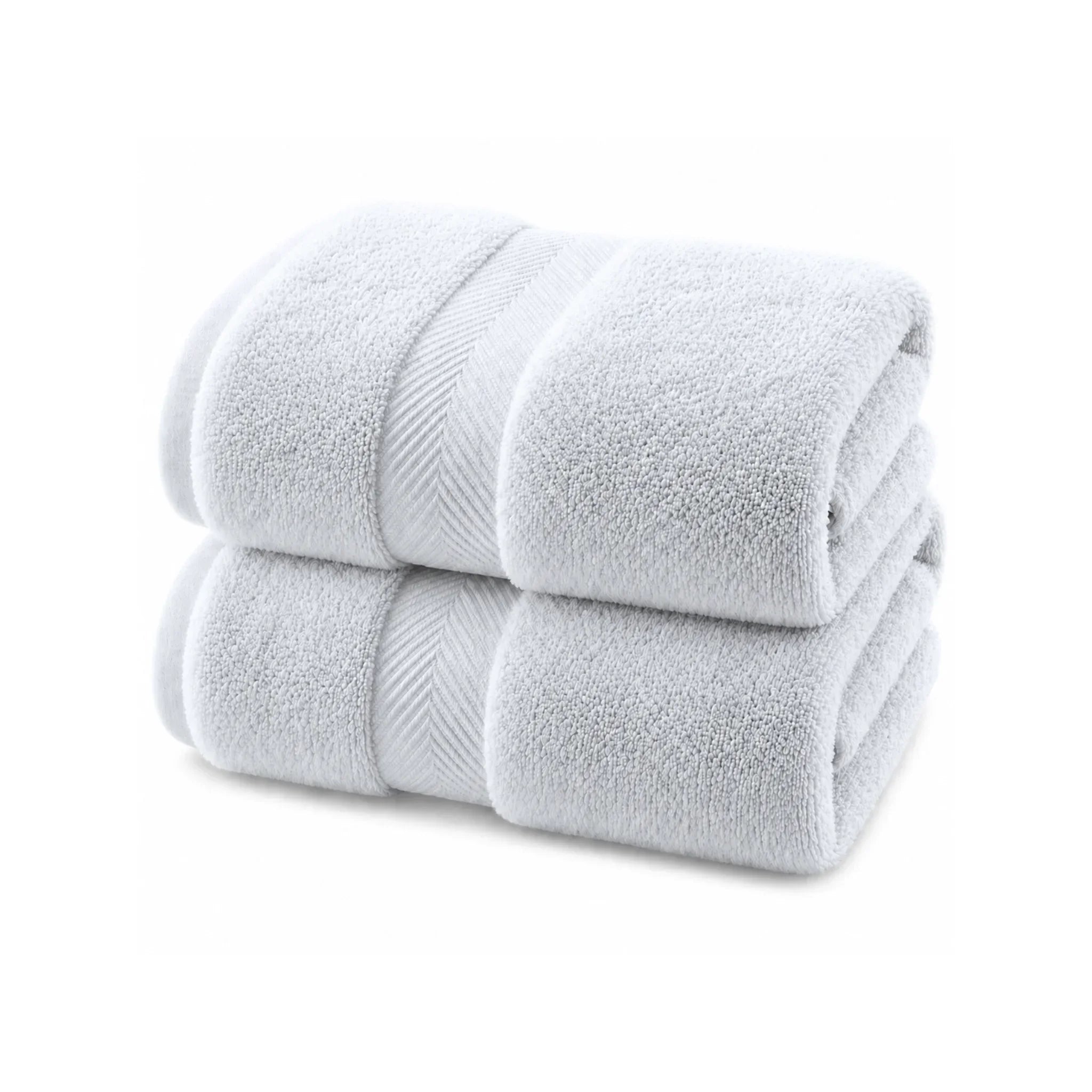
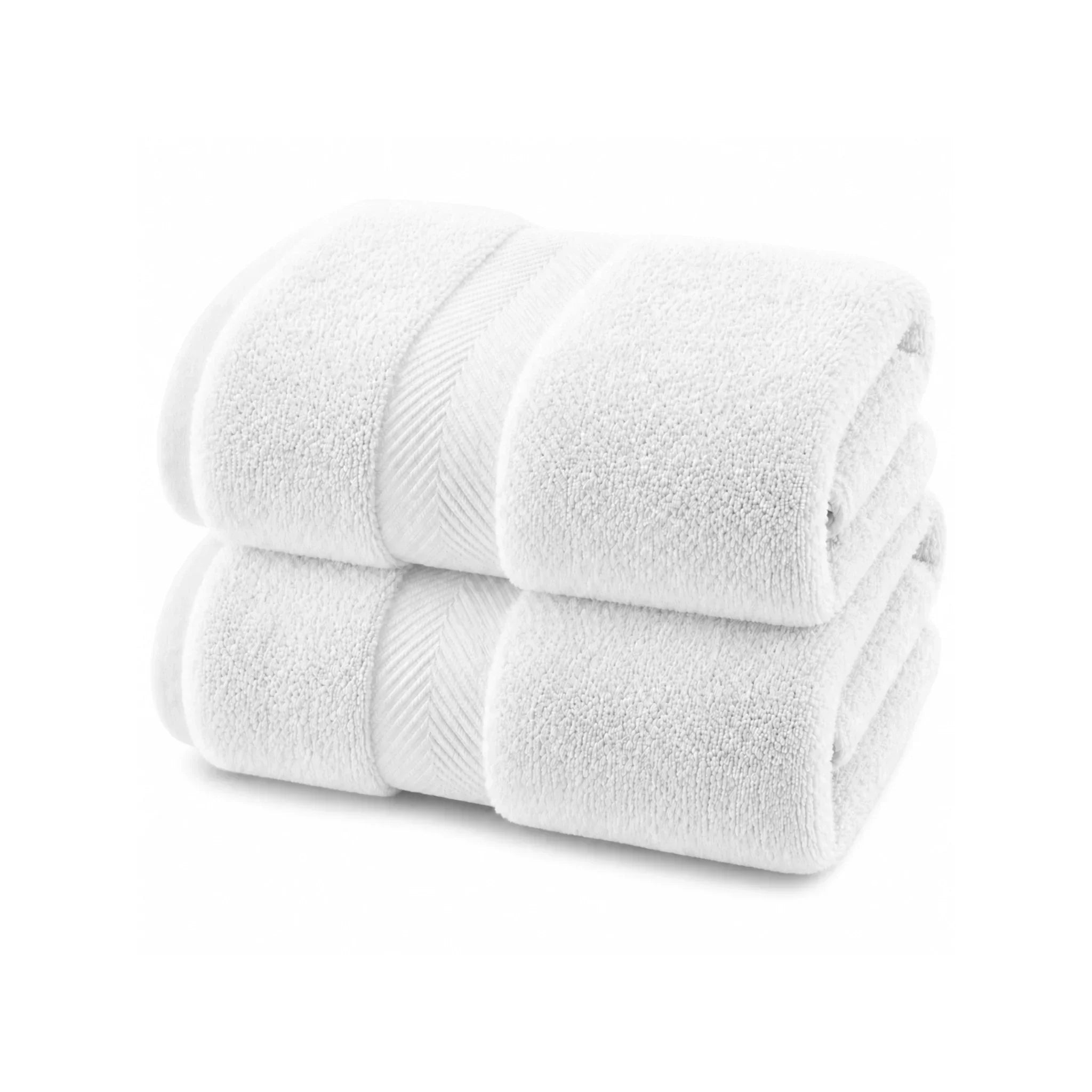
Bamboo Cotton Towels - Set of 6
The Three Things Mould Needs to Grow
Understanding what mould requires helps you stop it before it starts. Think of these three elements as mould's survival checklist.
- Moisture - Mould can't grow in dry conditions, which is why wet towels are such easy targets
- Warmth - Temperatures between 60-80°F are ideal, and most bathrooms fall right in this range
- Organic material - Cotton and other natural fibers provide the food source mould needs
- Poor air circulation - Stagnant air keeps moisture trapped in towel fibers longer
Why Bathrooms Are Mould Paradise
Your bathroom checks every box on mould's wish list. Hot showers create humidity that lingers for hours, especially in bathrooms without proper ventilation. The warm, damp environment doesn't just affect your towels either.
| Bathroom Scenario | Humidity Level | Drying Time | Mould Risk |
|---|---|---|---|
| No ventilation fan | 70-90% | 8-12 hours | Very High |
| Fan, door closed | 50-70% | 4-6 hours | Medium |
| Fan, door open | 40-60% | 2-4 hours | Low |
| Window open, fan on | 30-50% | 1-2 hours | Very Low |
How Towel Materials Affect Mould Growth
Not all bath towels are created equal when it comes to fighting mould. The material your towel is made from plays a huge role in how quickly it dries and how resistant it is to mould growth.
- 100% cotton towels hold moisture longer and take more time to dry completely
- Synthetic materials dry faster but may not feel as soft or absorbent
- Bamboo cotton blends, like our Bamboo Cotton Towels, combine quick-drying properties with natural absorbency
- Thicker, plush towels trap more water between fibers than thinner options
The fiber structure matters too. According to best practices for laundering towels, towels that dry within 2-3 hours significantly reduce mould risk. Quick-drying materials give mould less time to establish itself in the fibers, which is why choosing the right towel material is your first line of defense.
Mistake 1: Leaving Wet Towels Bunched Up
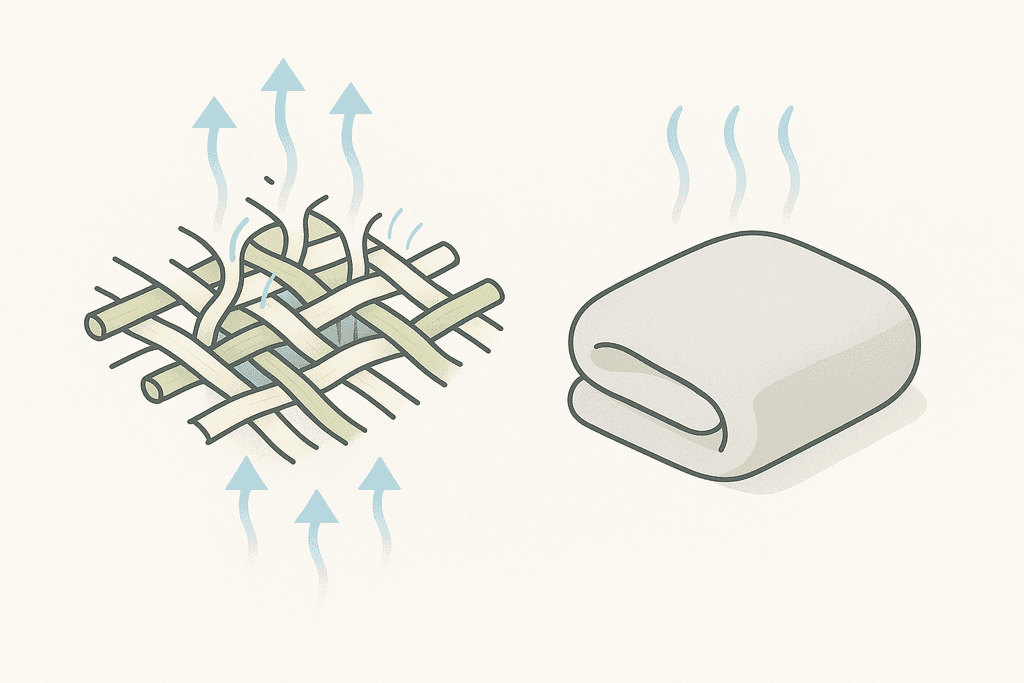
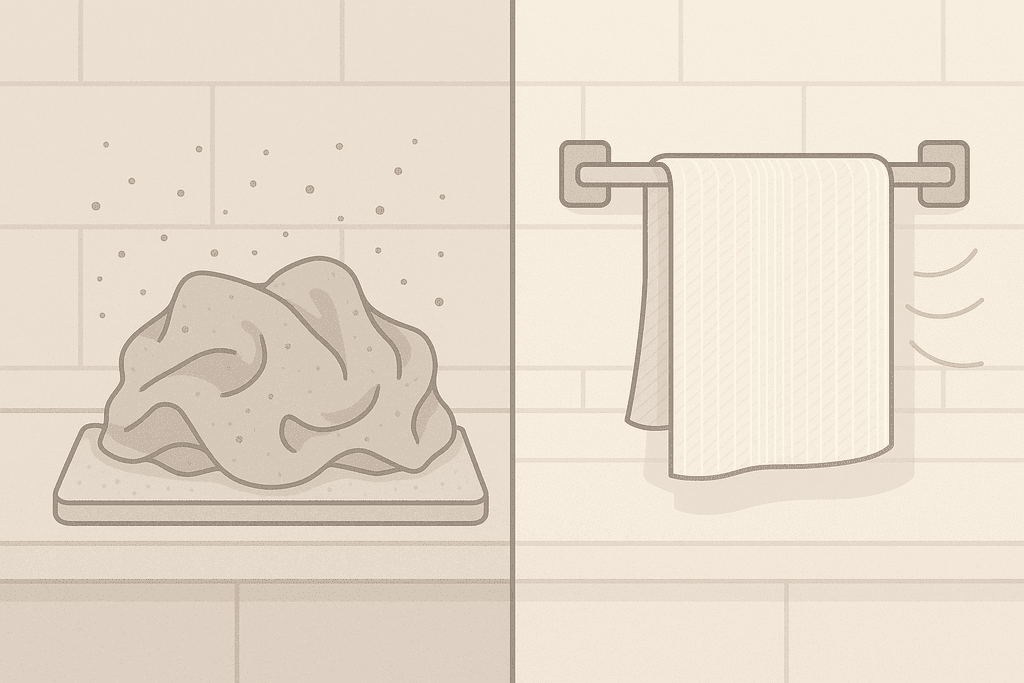
That damp towel you tossed over the shower rod this morning is creating the perfect home for mould spores right now. When you bunch up a wet towel or leave it crumpled on a hook, you're trapping moisture in all those folds and creases. The fabric can't breathe, air can't circulate, and what happens next isn't pretty. Most people don't realize that mould can start growing in as little as 24 to 48 hours when conditions are right, and a bunched-up wet towel gives mould everything it needs to thrive.
Mistake 1: Leaving Wet Towels Bunched Up
The way you hang your bath towels makes a bigger difference than you might think. A towel bar lets the fabric spread out flat so air can reach both sides, while hooks bunch everything together in one spot. That's why towels hung on hooks stay damp way longer than ones spread across a bar.
Proper Towel Hanging Checklist:- Shake out your towel completely before hanging to remove wrinkles and folds
- Spread it flat across a towel bar instead of bunching it on a hook
- Make sure no part of the towel is touching the wall or folded over itself
- Leave space between multiple towels so air can flow around each one
- Check that the towel isn't touching the floor or sitting in any puddles
Mistake 2: Using Towels Too Many Times Between Washes
Every time you dry off with a towel, you're leaving behind dead skin cells, body oils, and bacteria. These things build up fast, and they create a feast for mould and mildew. Most experts say you should wash bath towels after three to four uses, but many people go way longer than that. The warm, damp environment of your bathroom combined with all that organic matter turns your towel into a science experiment you definitely don't want.
Mistake 2: Using Towels Too Many Times Between Washes
Face towels need even more attention than bath towels because they touch the sensitive skin on your face. You should wash these after every one to two uses. Research shows that towels can harbor significant bacterial contamination, which is why proper washing frequency matters so much.
Signs Your Towel Needs Washing Right Now:- It smells musty or sour even when dry
- You notice any visible spots or discoloration
- The towel feels slimy or doesn't seem to dry properly
- It's been more than a week since you washed it
Mistake 3: Washing Towels Incorrectly
You might be washing your towels regularly but still dealing with that musty smell. The problem could be how you're washing them, not how often. Using too much detergent actually makes things worse because the excess soap gets trapped in the towel fibers and creates a residue that holds onto moisture and bacteria. Cold water might save energy, but it doesn't kill mould spores or bacteria effectively, which means they survive the wash and keep multiplying.
Fabric softener seems like it would make towels better, but it creates a waxy coating on the fibers that reduces absorbency and traps moisture. For bath towels, you want hot water (around 140°F if your towels can handle it) and just the recommended amount of detergent, nothing more.
| Washing Method | Mould Removal | Fiber Damage | Best For |
|---|---|---|---|
| Hot Water (140°F) | Excellent | Minimal | White towels, mould prevention |
| Warm Water (90°F) | Good | Very Low | Colored towels, regular washing |
| Cold Water (60°F) | Poor | None | Energy saving only |
Mistake 4: Poor Bathroom Ventilation
The next generation of home essentials: naturally made, cleaner by design, sustainable by nature.
SHOP ALLYour bathroom probably has higher humidity than any other room in your house, and that moisture doesn't just disappear on its own. When you take a hot shower, the humidity level can spike to 70% or higher. Mould loves humidity levels above 60%, which is why bathrooms are such common problem areas. According to EPA guidelines on mould and moisture, controlling humidity is one of the most important steps in preventing mould growth.
That exhaust fan in your bathroom isn't just for getting rid of odors. It's actually your best defense against mould on towels and everywhere else. The problem is most people either don't use it or don't run it long enough.
Simple Ventilation Improvements:- Run your exhaust fan for at least 20 minutes after every shower
- Open a window when weather permits to create cross-ventilation
- Keep the bathroom door open when not in use to let air circulate
- Consider a timer switch for your fan so you don't forget to turn it off
- Clean your exhaust fan regularly so it works at full capacity
Mistake 5: Storing Damp Towels in Closed Spaces
Tossing a damp towel into a closed hamper is basically creating a mould incubator. The enclosed space traps all that moisture and warmth, and with zero air circulation, mould spores have everything they need to multiply fast. Closed hampers in humid bathrooms are one of the worst places you can put a used towel. The same goes for storing clean towels in bathroom cabinets where humidity from showers can seep in and create problems over time.
If you can't wash a towel immediately, you need a storage solution that allows airflow. An open basket works better than a closed hamper, but the best option is to hang the towel until it's completely dry before putting it in the laundry.
Safe Towel Storage Practices:- Never put damp towels in closed hampers or cabinets
- Use open wire baskets for dirty laundry instead of solid containers
- Store clean towels in a linen closet outside the bathroom if possible
- Make sure towels are 100% dry before folding and storing them
- Keep stored towels away from pipes and areas prone to moisture
Mistake 6: Choosing the Wrong Towel Material
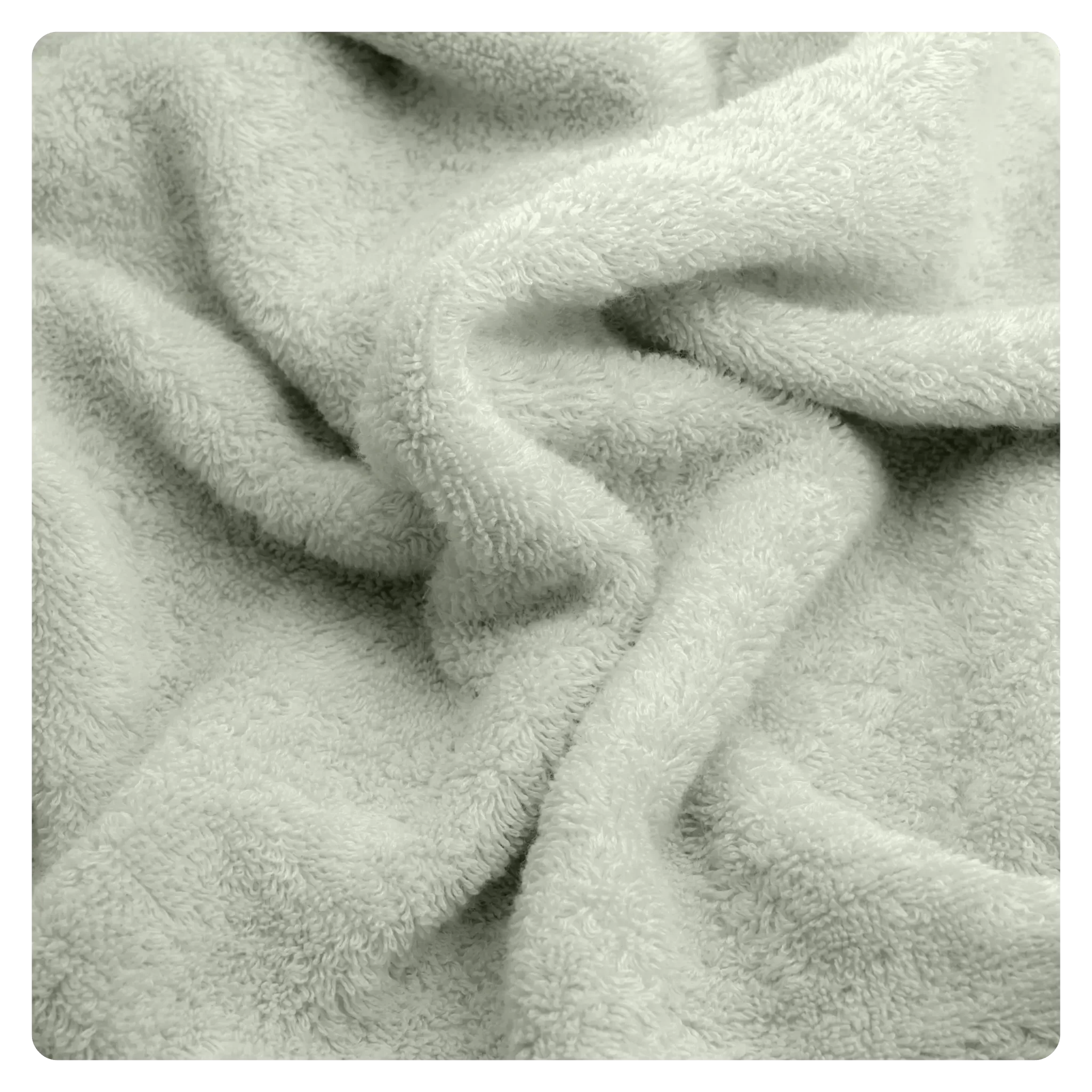
Not all towels are created equal when it comes to fighting mould. Traditional 100% cotton towels are super absorbent, which sounds great until you realize that also means they hold onto moisture for a long time. The thicker and fluffier your cotton towel, the longer it takes to dry completely. That extended drying time gives mould more opportunity to take hold, especially in humid bathrooms. The fabric you choose makes a real difference in how quickly your towels dry and how resistant they are to mould growth.
This is where bamboo cotton blends change the game. Our Bamboo Cotton Towels combine 30% bamboo viscose with 70% long-staple cotton to give you the best of both worlds. The bamboo fibers naturally wick moisture away and dry faster than regular cotton, while the cotton provides that soft, absorbent feel you want in a bath towel.
| Feature | Traditional Cotton | Bamboo Cotton Blend |
|---|---|---|
| Drying Time | 4-6 hours | 2-3 hours |
| Absorbency | High | High |
| Mould Resistance | Moderate | Better |
| Softness | Good | Excellent |
The quick-drying property of bamboo cotton means your towels spend less time damp, which directly reduces mould growth. You can check out our full collection of bath towels and other bathroom essentials that are designed with these same principles in mind.
Keep Your Towels Fresh and Mould-Free
So there you have it. The six mistakes that turn your bath towels into mould magnets are leaving them bunched up, hanging them in poorly ventilated spaces, using too much detergent, washing them in cold water only, keeping them damp for too long, and choosing towels that trap moisture. Most of these problems come down to one thing: how quickly your towels can dry.
The good news is that fixing these issues doesn't require a complete bathroom makeover. Small changes like spreading towels out properly, cracking a window, and switching to a lighter detergent can make a real difference. But here's something most people don't think about: the towels themselves matter just as much as how you care for them.
Traditional cotton towels can take hours to dry, which gives mould plenty of time to settle in. Our Bamboo Cotton Towels are made with 30% bamboo viscose and 70% long-staple zero-twist cotton, which means they dry faster than regular towels while still being super absorbent. The bamboo fibers naturally resist bacteria and mould growth too.
If you're tired of dealing with musty smells and that weird spotting on your towels, it might be time to look at your bath towel situation. The right material combined with better habits can keep your bathroom fresher without extra work. You've got questions about this stuff, and we've got answers below.
Common Questions About Mould on Bath Towels
Dealing with mouldy bath towels raises a lot of questions. Most people aren't sure if they should toss them or try to save them. The good news is that you have options, and understanding what works can save you money and keep your towels fresh. Here are the answers to the most common questions about mould and bath towels.
Can you actually remove mould from towels?
Yes, you can remove mould from towels if you catch it early. Wash them in hot water with white vinegar or baking soda, then run them through another cycle with regular detergent. For stubborn mould, soak the towels in a mixture of one part vinegar to four parts water for an hour before washing. Just make sure the mould hasn't eaten through the fabric fibers, which means it's time to replace them.
Should you throw away mouldy towels or try to save them?
It depends on how bad the mould is. Surface mould that appears as small spots can usually be washed out completely. But if the towel has deep black stains that won't come out after two wash cycles, or if the fabric feels weak and thin, it's safer to toss it. Mould spores can stick around even after washing if the damage is too severe.
How often should you replace your bath towels?
Most bath towels should be replaced every one to three years, depending on quality and care. Signs it's time for new towels include a persistent musty smell that won't wash out, reduced absorbency, or visible wear and tear. Higher quality towels like bamboo cotton blends tend to last longer because they resist bacteria buildup better than standard cotton.
What causes that musty smell and how do you get rid of it?
That musty smell comes from bacteria and mildew growing in damp towels. To get rid of it, wash your towels in hot water with one cup of white vinegar instead of detergent. Then run a second cycle with half a cup of baking soda. Skip the fabric softener, which actually traps moisture and makes the problem worse.
Are bamboo towels really better for preventing mould?
Bamboo towels do have natural antimicrobial properties that help resist bacteria and mould growth. They also dry faster than regular cotton towels, which means less time for mould to develop. Our Bamboo Cotton Towels combine bamboo viscose with long-staple cotton for quick-drying performance without sacrificing that soft, plush feel you want after a shower.
How can you dry towels faster in humid climates?
In humid areas, spread towels out completely on the rack instead of bunching them up. Use a fan or dehumidifier in your bathroom to keep air moving. You can also hang towels near a window or in direct sunlight when possible. Choosing quick-drying materials makes the biggest difference though, since some fabrics naturally release moisture faster than others.
The next generation of home essentials: naturally made, cleaner by design, sustainable by nature.
SHOP ALL