

What To Do When Water Pools Under Plant Pots
You water your favorite houseplant, walk away for a few minutes, and come back to find a puddle spreading across your wooden floor or leaving rings on your furniture. Most plant owners deal with this frustrating cycle weekly, and the damage adds up fast when water sits under pots. The good news is that simple solutions like proper plant trays can protect your surfaces while keeping your green friends healthy and thriving.
Table of Contents
Why Water Pools Under Your Plant Pots
Most plant owners have dealt with that annoying puddle of water sitting under their favorite potted plant. It's not just messy, it can actually damage your furniture and floors over time. Understanding why this happens is the first step to fixing it for good. The good news is that water pooling isn't some mysterious plant curse, it's usually caused by a few simple things that are easy to spot once you know what to look for.
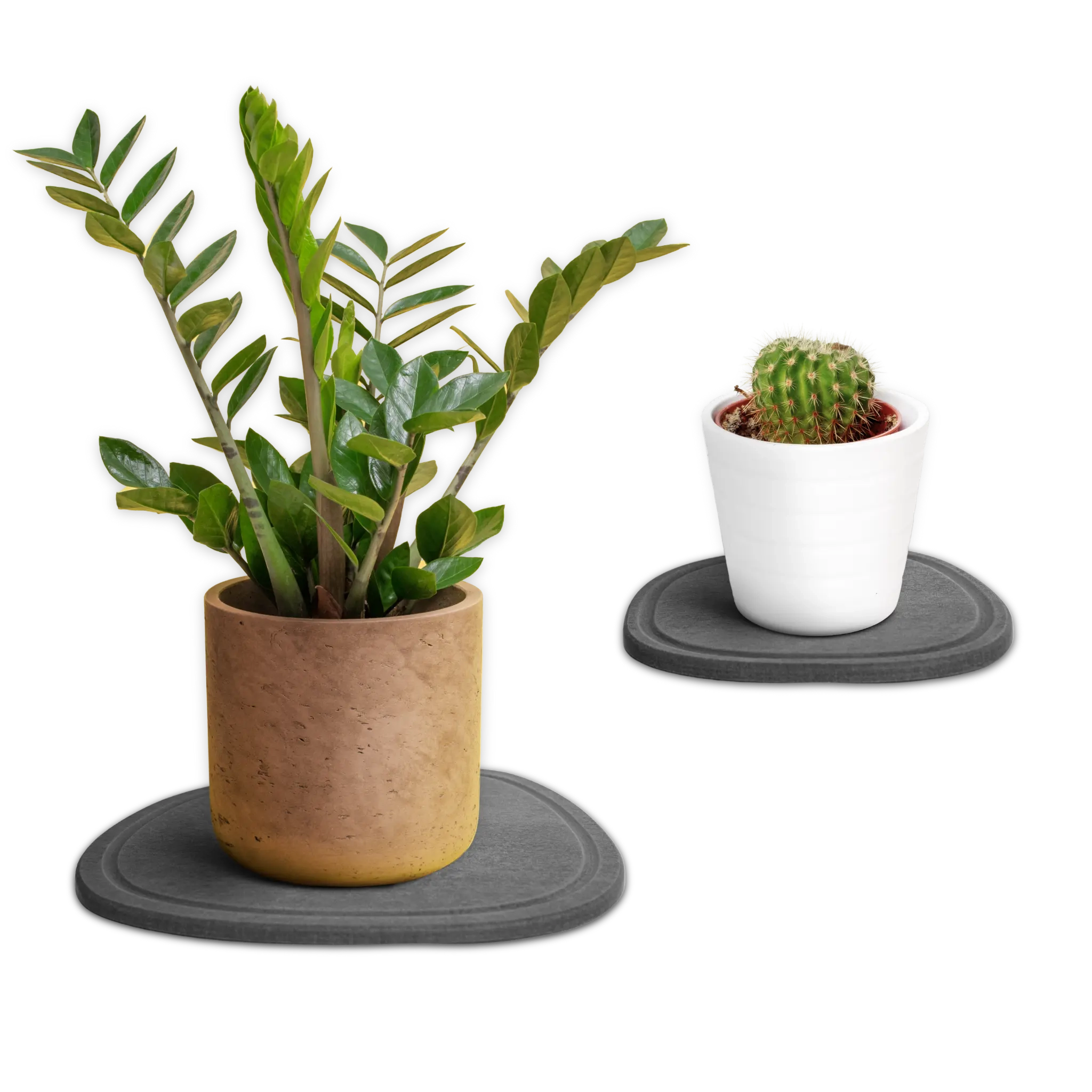
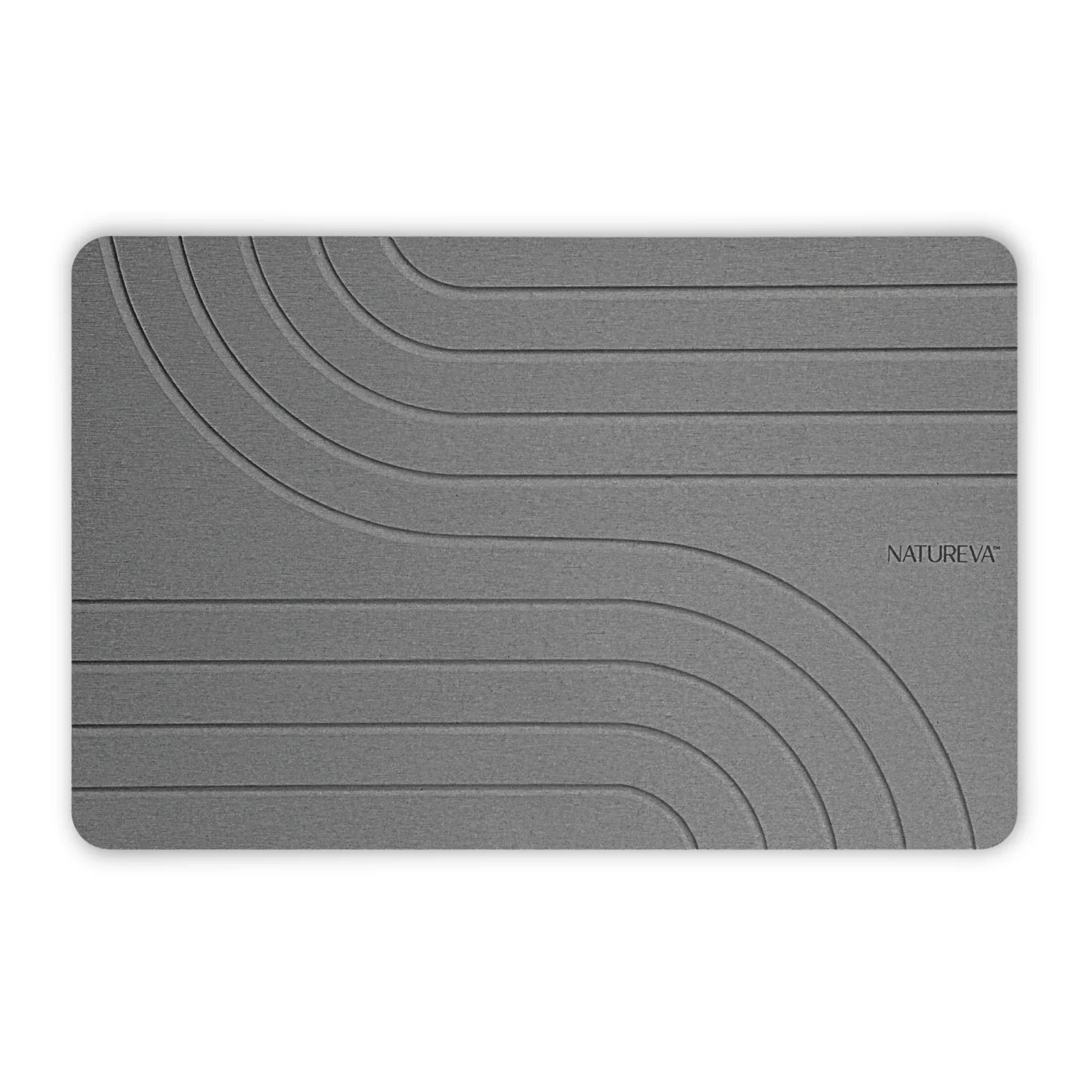
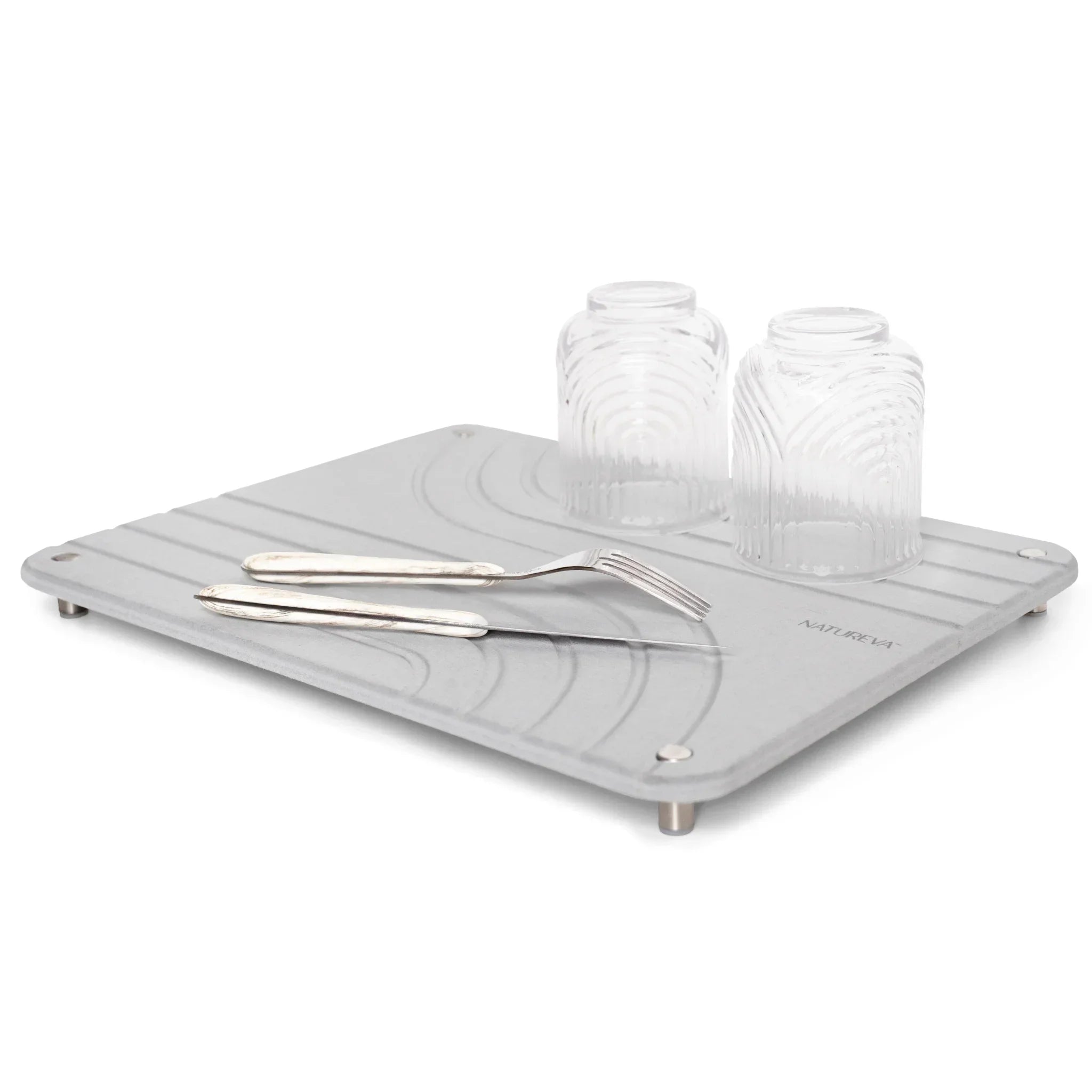
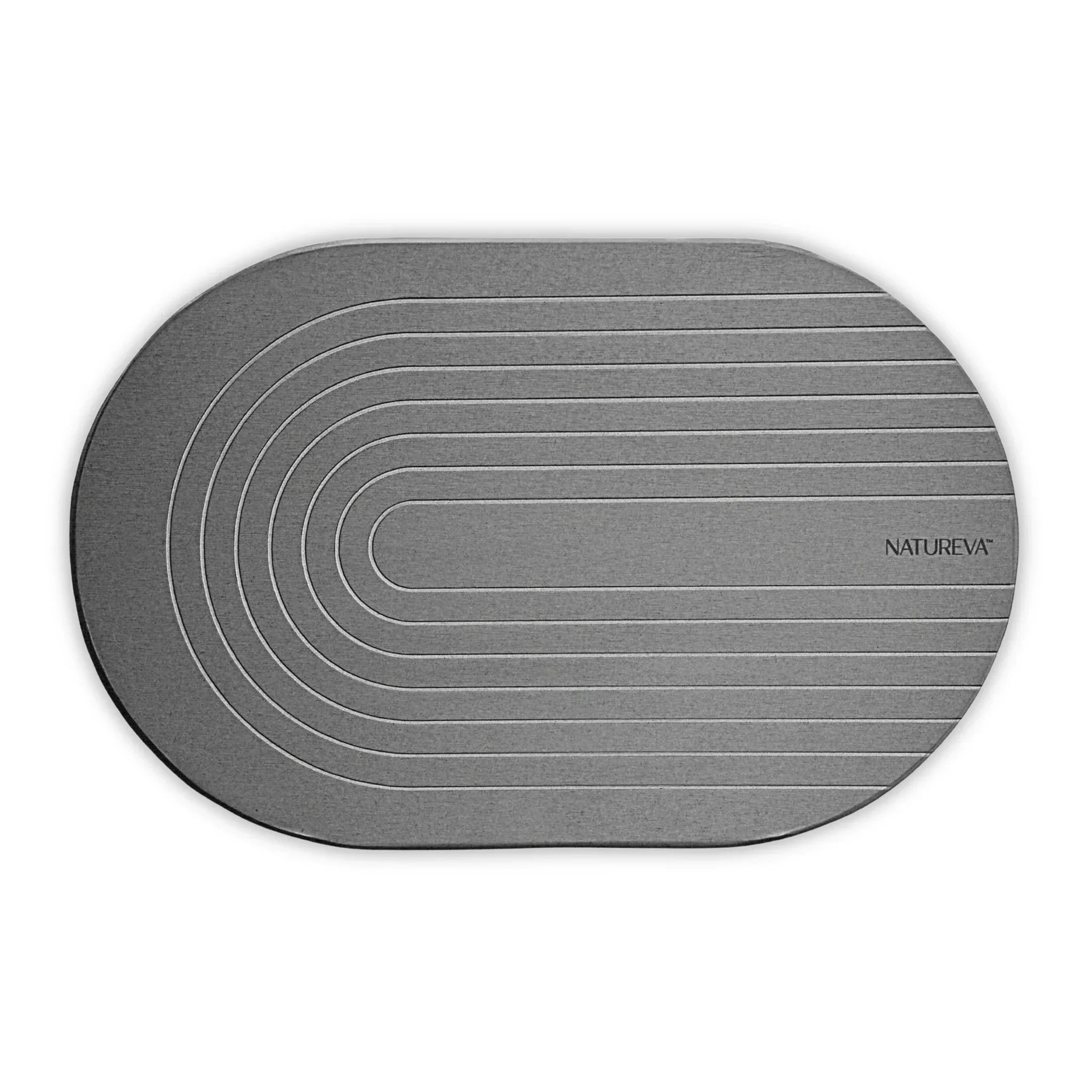
Stone Plant Saucers - Set of 2
The Main Culprits Behind Water Pooling
Overwatering tops the list as the number one reason you'll find water sitting in your plant trays. Many people think more water equals healthier plants, but that's not how it works. When you pour too much water into a pot, the soil can only hold so much before the excess drains out the bottom.
Your pot's drainage system matters more than you might think. Even if you're watering the right amount, blocked or insufficient drainage holes mean water has nowhere to go except pooling underneath.
- Plastic pots tend to trap moisture longer than porous materials
- Ceramic and terracotta pots allow some water to evaporate through the sides
- Metal containers can rust when sitting in water for extended periods
- Glass pots look nice but offer zero breathability
Environmental Factors You Might Not Consider
The air around your plants plays a bigger role than most people realize. Temperature and humidity directly affect how quickly water evaporates from plant trays. A humid bathroom will keep water sitting around much longer than a dry living room with good air circulation.
Different plants need different amounts of water, which seems obvious but gets overlooked all the time. Your succulent and your fern shouldn't be on the same watering schedule, yet many people treat all their plants the same way.
- Tropical plants generally need more frequent watering
- Succulents and cacti prefer dry conditions between waterings
- Seasonal changes affect how much water plants actually use
Quick Identification Guide
Figuring out why water pools under your specific plants doesn't have to be complicated. This simple table helps you identify the most common causes based on what you're seeing.
| What You See | Likely Cause | Quick Check |
|---|---|---|
| Water immediately after watering | Overwatering | Reduce water amount |
| Constant dampness in tray | Poor drainage | Check drainage holes |
| Water takes days to evaporate | Low air circulation | Move to airier spot |
| Pooling only in winter | Seasonal overwatering | Adjust watering schedule |
| Stains on furniture | No proper saucer | Use absorbent plant trays |
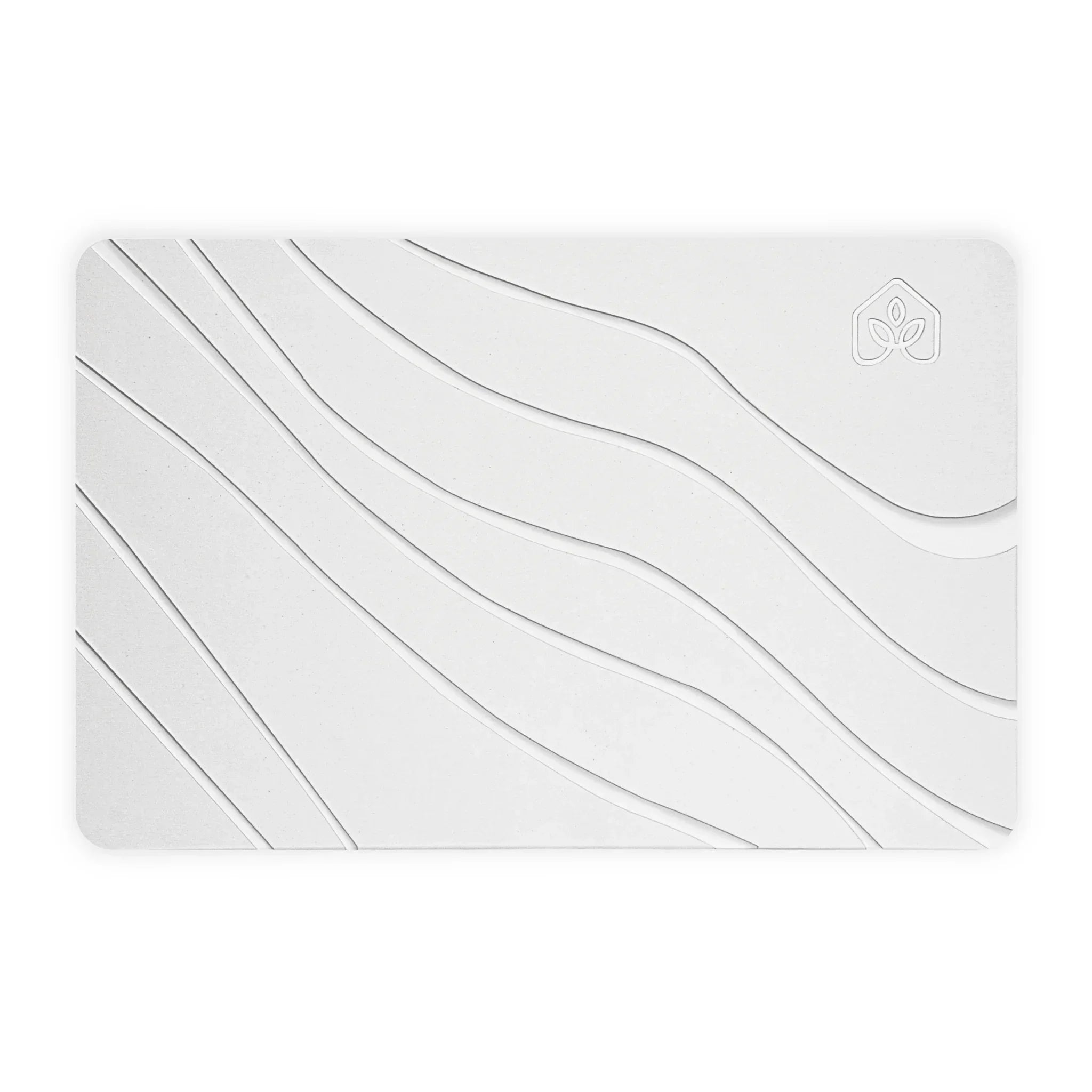
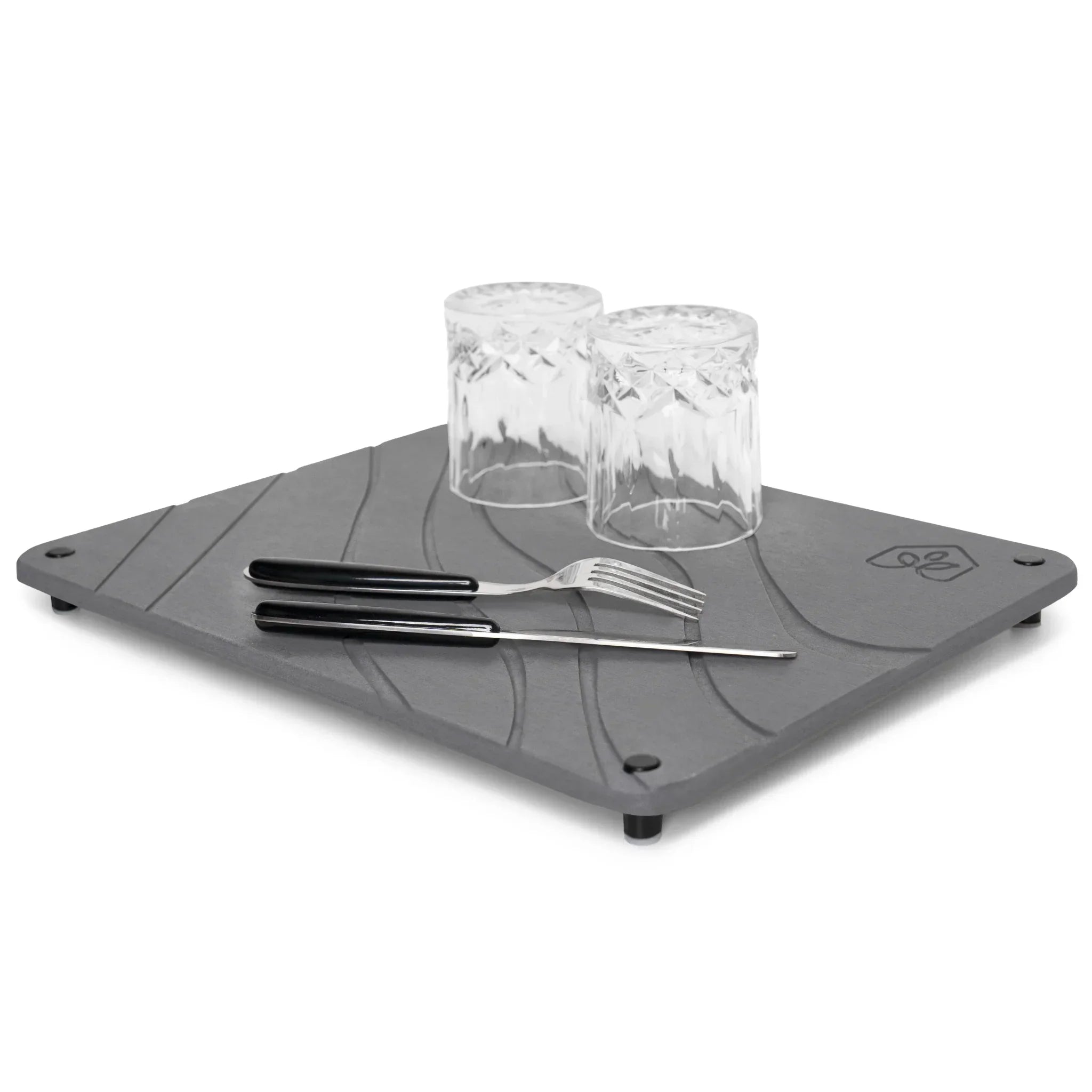
Traditional plant trays just catch the water and let it sit there, which doesn't really solve the problem. That's where absorbent solutions like our Stone Plant Saucers come in handy, since they actually soak up excess water instead of letting it pool. The material matters when you're trying to keep surfaces dry and protect your floors from water damage.
Immediate Steps to Handle Water Pooling
Water pooling under your plant pots is more common than you think, and it happens to even the most experienced plant parents. That puddle sitting under your favorite fiddle leaf fig isn't just unsightly. It can damage your floors, create mold problems, and even harm your plant's roots if left unchecked. The good news is that you can fix this problem right now with a few simple steps, and then set up a system so it never happens again.
First things first, you need to remove that excess water immediately. Grab a towel or sponge and soak up every drop you can see. Don't just wipe the surface either, because water has a sneaky way of spreading under furniture and into cracks you can't easily see.
Emergency Response Checklist
- Soak up all visible water with towels or a sponge
- Lift the pot and check underneath for hidden moisture
- Inspect your floor or surface for water damage or discoloration
- Empty any water sitting in the saucer or tray
- Let the area air dry completely before replacing the pot
Once you've cleaned up the mess, take a closer look at what caused it. Check your plant's drainage system by looking at the bottom of the pot. Does it have drainage holes? Are they clogged with soil or roots? Sometimes the problem isn't how much you're watering, but where that water is supposed to go.
Your watering schedule might need some adjusting too. Most people water their plants too often, not too much at once. Assess how frequently you've been watering and consider spacing it out more. Stick your finger about two inches into the soil before watering. If it feels damp, wait another day or two.
The final step is often overlooked but super important. Clean and dry the area thoroughly to prevent mold from taking hold. Mold loves damp, dark spaces, and the area under a plant pot is basically a five-star hotel for spores. Use a mild cleaning solution if needed, and make sure everything is bone dry before you put your plant back.
Long-Term Solutions for Water Management
Now that you've handled the immediate crisis, let's talk about preventing it from happening again. The secret to keeping your floors dry and your plants happy comes down to having the right setup from the start. You don't need expensive equipment or complicated systems, just a few smart choices about plant trays, pots, and watering methods that actually work with your lifestyle.
Traditional plastic plant trays do catch water, but they don't do anything with it. The water just sits there until it overflows or you remember to empty it. Absorbent materials like diatomaceous earth saucers actually pull moisture away from your pot and help it evaporate naturally. Our Stone Plant Saucers use millions of tiny pores to soak up excess water instantly, which means no more puddles and no more dumping out trays.
Plant Tray Material Comparison
| Material | Water Absorption | Evaporation Rate | Maintenance |
|---|---|---|---|
| Plastic | None | Very Slow | Frequent Emptying |
| Ceramic | Minimal | Slow | Regular Cleaning |
| Diatomaceous Earth | High | Fast | Minimal |
Your pot selection matters just as much as what you put under it. Choose pots with proper drainage holes at the bottom, not just one tiny hole but several. Some decorative pots look great but have zero drainage, which means you're basically creating a swimming pool for your plant's roots. If you love a pot that doesn't have drainage, use it as a decorative cover and keep your plant in a plastic nursery pot inside it.
The soil you use plays a bigger role than most people realize. Use the right soil mix for better water management by adding perlite or orchid bark to regular potting soil. This creates air pockets that help water drain through instead of sitting around the roots. According to research on container drainage, the soil composition affects water movement more than drainage layers at the bottom of pots.
The next generation of home essentials: naturally made, cleaner by design, sustainable by nature.
SHOP ALLSmart watering techniques can prevent most pooling problems before they start. Water slowly and stop when you see water coming out the drainage holes. Wait a few minutes, then empty any water that collected in the saucer. Better yet, water your plants in the sink or bathtub, let them drain completely, then return them to their spots.
Protecting Your Surfaces While Keeping Plants Happy
Here's something most plant care guides don't tell you: what works for protecting a tile countertop won't work for your hardwood floors. Different surfaces require different protection strategies, and understanding this can save you from some expensive repairs down the road. The key is finding a solution that protects your home without creating a barrier between your plant and the air circulation it needs to thrive.
Hardwood floors need extra care and protection because water damage can warp the wood and ruin the finish. Even small amounts of moisture sitting for a few hours can leave marks that won't come out. Stone or absorbent saucers work better here than plastic trays because they prevent that constant contact between moisture and wood.
Traditional vs Absorbent Saucers
- Plastic Trays: Cheap and waterproof, but water sits until you empty it, can crack over time, and often look cheap
- Ceramic Saucers: Look nice and catch water, but heavy, can chip easily, and still require regular emptying
- Stone Absorbent Saucers: Instantly absorb water, promote natural evaporation, protect surfaces, and add a clean modern look
Indoor and outdoor plants have completely different needs when it comes to drainage. Outdoor plants have different drainage needs than indoor plants because rain, wind, and temperature changes affect how quickly soil dries out. Outdoor pots often need less aggressive drainage solutions since nature handles a lot of the evaporation work. Indoor plants, stuck in climate-controlled rooms with less air movement, need more help managing moisture.
Don't forget that seasonal changes affect water management too. Your plants need less water in winter when they're not actively growing, and the air in heated homes is often drier. Summer means more frequent watering but also faster evaporation. Adjust your routine with the seasons instead of watering on autopilot year-round.
The best solution combines plant health with surface protection. Absorbent plant saucers provide dual benefits by keeping your floors safe while also preventing that soggy soil situation that leads to root rot. When water can evaporate naturally through the saucer instead of sitting in a plastic tray, your plant's roots get better air circulation. You can learn more about how absorbent materials work to understand why this makes such a difference for both your plants and your home.
The reality is that water pooling doesn't have to be a constant battle. With the right setup using quality plant trays and some adjusted watering habits, you can keep your plant collection growing without worrying about what's happening underneath those pots.
Keep Your Home Dry and Your Plants Thriving
Water pooling under your plant pots doesn't have to be a constant headache. With the right approach, you can protect your surfaces and keep your plants healthy at the same time. The key is catching the problem early before water damage sets in and stains become permanent.
Most water pooling issues come down to three things: proper drainage, smart watering habits, and having the right plant trays underneath your pots. Regular plastic trays just hold water in place, which creates more problems than it solves. You need something that actually deals with the moisture.
That's where absorbent materials make a real difference. Our Stone Plant Saucers use natural diatomaceous earth to soak up excess water instantly, then let it evaporate through millions of tiny pores. No more puddles sitting under your pots for hours or days.
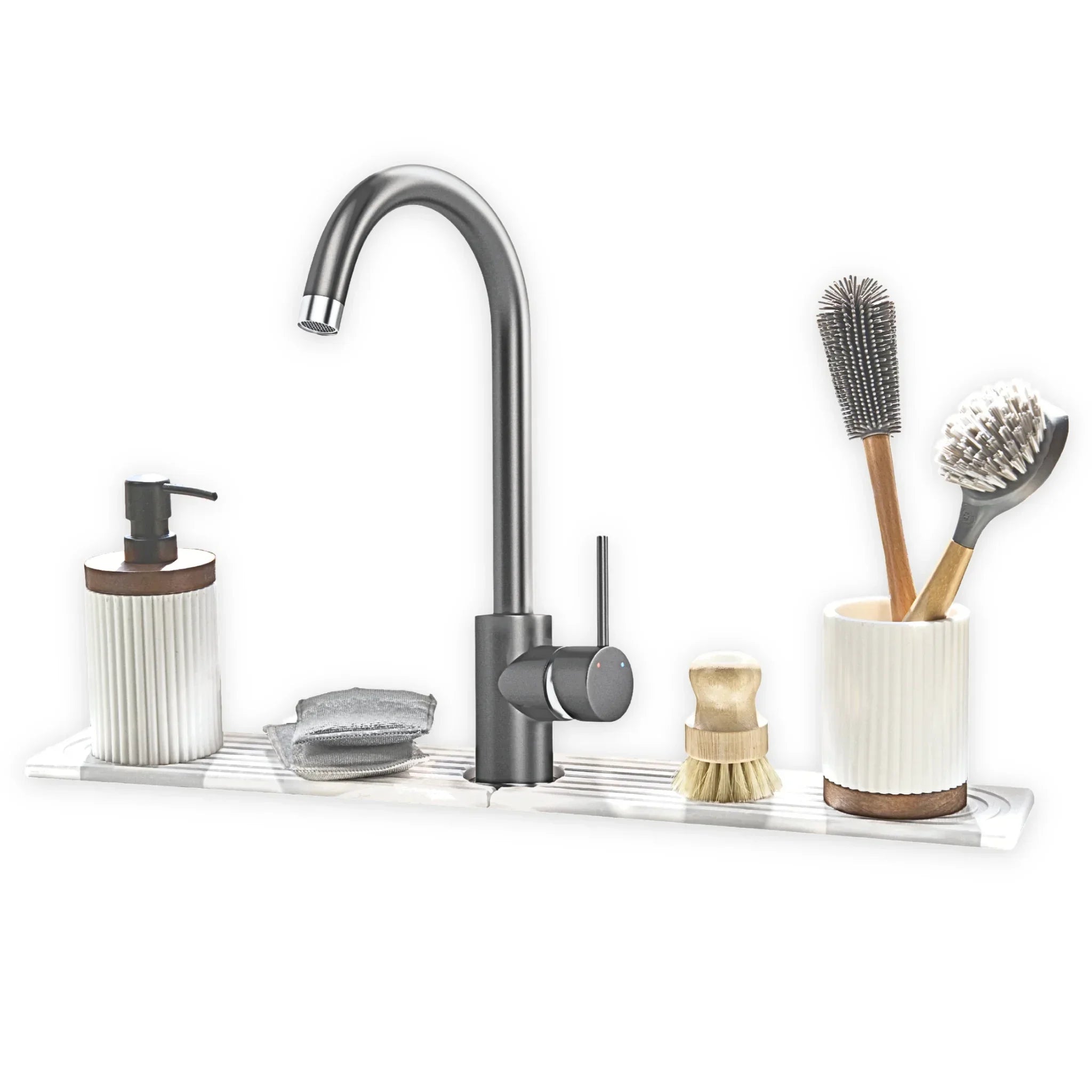
The same material works throughout your home too. If you're dealing with moisture issues in other areas, check out our bathroom collection or kitchen products that use the same quick-drying technology.
Taking care of water pooling now saves you from bigger problems later. Your floors stay protected, your plants get better air circulation, and you don't have to worry about mold or mildew creeping in. But you might still have some questions about specific situations.
Common Questions About Water Pooling
Water pooling under plant pots raises a lot of questions for plant owners. Some worry about their floors, others about their plants, and many just want to know if they're doing something wrong. The good news is that most of these issues have simple solutions once you understand what's happening.
How often should I empty plant saucers?
You should empty regular plant trays within 15-30 minutes after watering your plants. Letting water sit longer than that creates a breeding ground for mosquitoes and can lead to root rot. If you're using absorbent plant trays made from materials like diatomaceous earth, the water evaporates naturally so you don't need to empty them at all.
Can water pooling harm my plants?
Yes, standing water under your pots can actually kill your plants over time. When roots sit in water for too long, they can't get the oxygen they need and start to rot. Root rot is one of the most common reasons houseplants die, and it all starts with too much moisture around the roots. The plant might look fine on top while the roots are dying underneath.
What's the best material for plant trays?
The best plant trays depend on where you're using them. Plastic trays are cheap but hold water, which means you need to empty them constantly. Stone or diatomaceous earth saucers absorb excess water and let it evaporate naturally, which keeps your surfaces dry without any extra work. Our Stone Plant Saucers use natural diatomaceous earth that soaks up water instantly and promotes quick drying through millions of tiny pores.
How do I know if I'm overwatering?
Your plant will tell you if you're giving it too much water. Look for yellow leaves, soft stems, or a musty smell coming from the soil. If water pools in the saucer for hours after watering, that's another clear sign. Most plants need way less water than people think, and it's better to underwater than overwater.
Are absorbent saucers better than regular trays?
Absorbent saucers solve the main problem with regular trays, which is standing water. Regular plastic or ceramic trays just collect water and sit there until you empty them. Absorbent materials like diatomaceous earth pull moisture away from your plant's roots and release it into the air through evaporation. This keeps your floors dry and your plants healthier without you having to do anything extra.
How do I remove water stains from wood floors?
Water stains on wood floors can be tricky to fix once they set in. For light stains, try rubbing the area with a mixture of equal parts white vinegar and olive oil. For darker stains, you might need to sand and refinish that section of floor. The easier solution is preventing stains in the first place by using absorbent plant trays that keep water from ever reaching your floors.
The next generation of home essentials: naturally made, cleaner by design, sustainable by nature.
SHOP ALL