
Which Bath Mat Is Most Absorbent for Fast Drying?
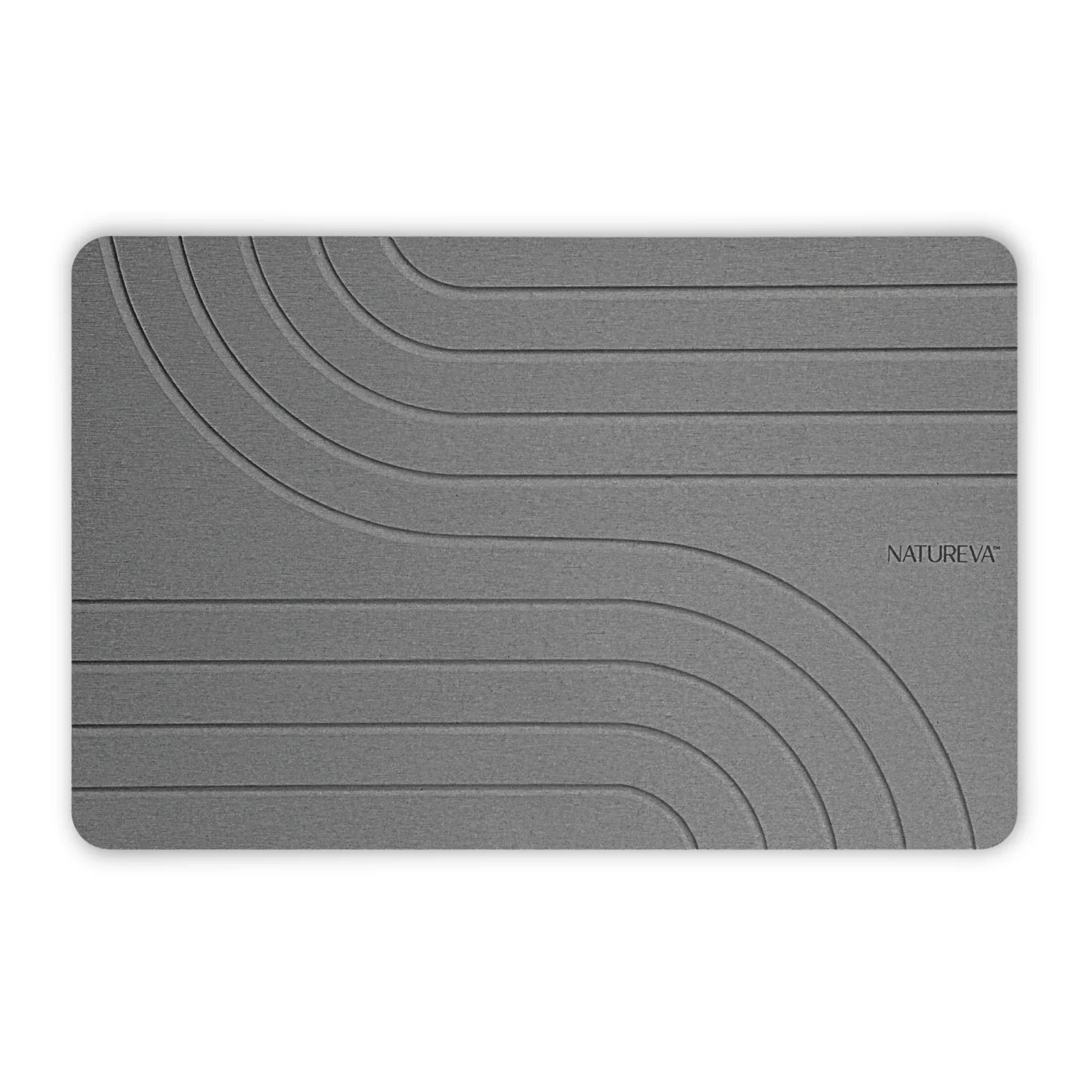
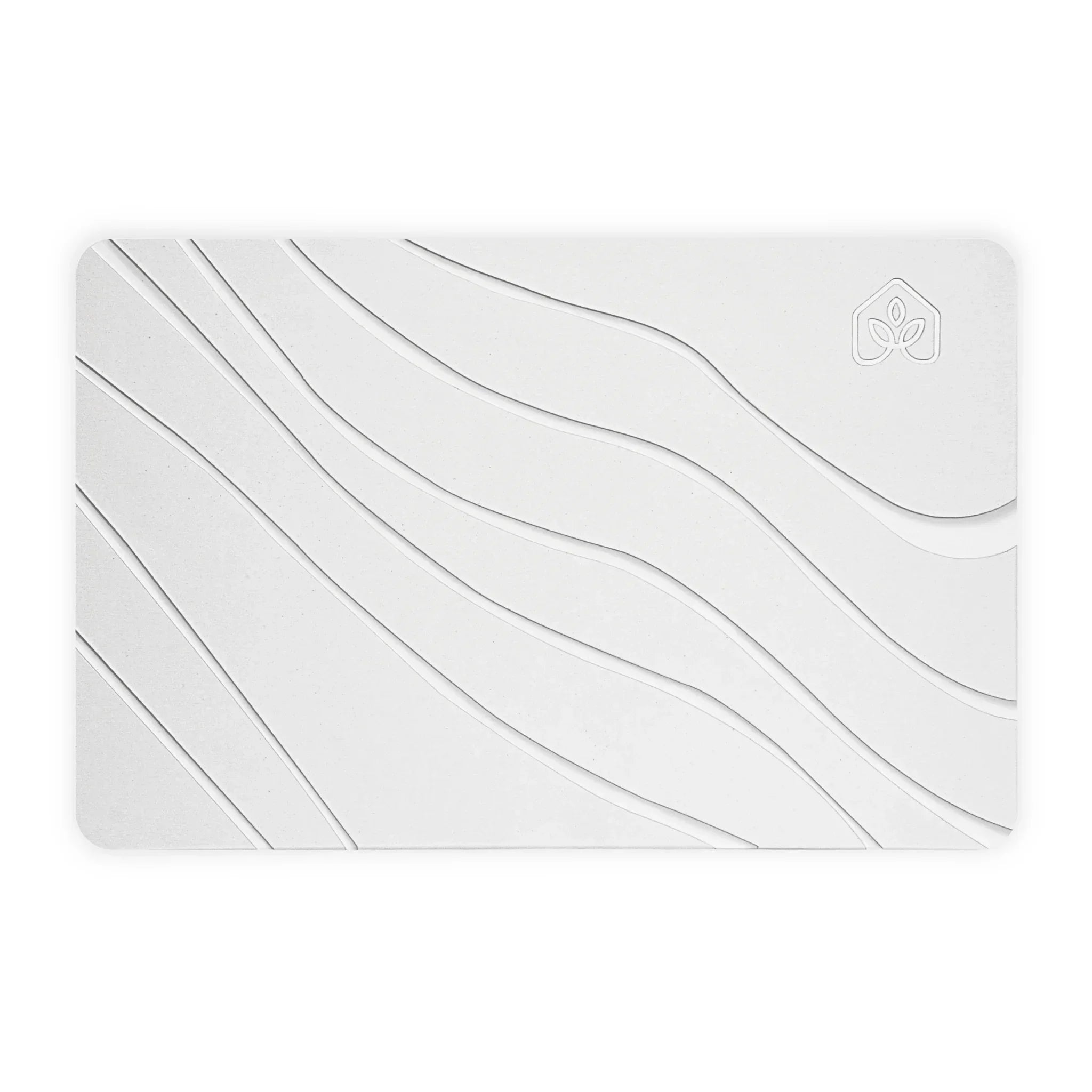
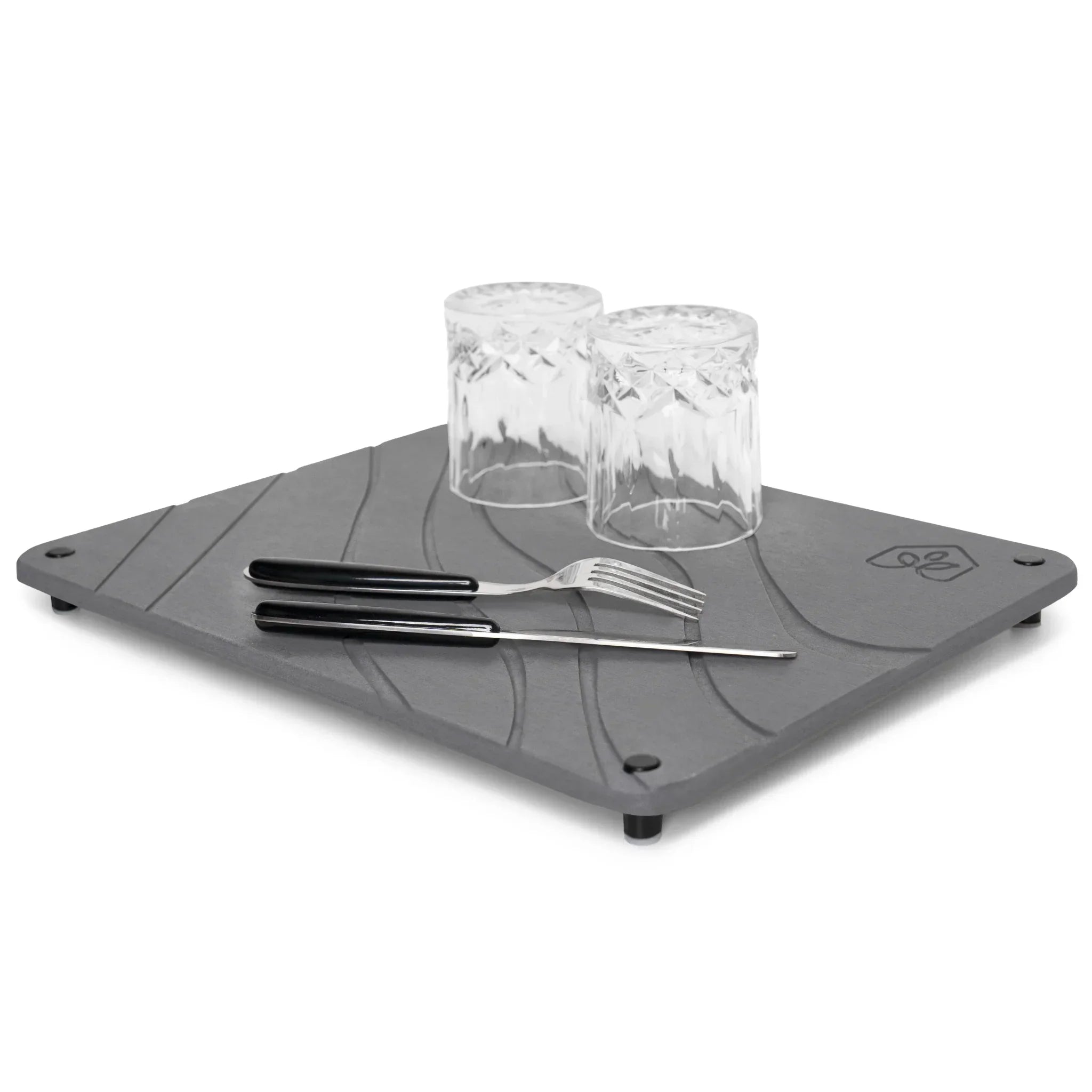
The most absorbent bath mat on the market right now is made from diatomite stone, not cotton or microfiber, because its surface pulls water in on contact instead of just soaking it up slowly. Independent testing from Homes To Love confirmed a diatomite stone mat dried fully in under 8 minutes, which is something a fabric mat simply cannot do no matter how thick or fluffy it feels. If you have ever stepped onto a damp, musty mat first thing in the morning, you already know why drying speed matters more than softness. Natureva's stone bath mats are built on this exact science, and understanding how diatomite works will help you see why stone is winning the fight against fabric, rubber, and silicone mats.
What is the most absorbent type of bath mat?
Diatomite stone bath mats are the most absorbent, drying to the touch within 30-60 seconds due to the material's porous, sponge-like structure. Fabric mats, by comparison, can take several hours to fully dry.
Why do stone bath mats absorb water faster than fabric mats?
Diatomite stone contains millions of microscopic pores from fossilized diatoms that pull water in through capillary action almost instantly. Fabric mats rely on surface fibers to soak up water, which absorbs moisture more slowly and traps it inside the material.
What makes a bath mat dry fast?
A fast-drying bath mat needs high porosity, a non-woven or mineral-based surface, and quick evaporation rather than moisture retention. Materials like diatomite stone dry fastest because they pull water into surface pores and release it through evaporation instead of holding it like fabric fibers do.
Table of Contents
Why Diatomite Stone Absorbs Water Faster Than Fabric
Diatomite is made from fossilised algae called diatoms, and it's been sitting in sediment for millions of years building a structure full of tiny holes. Under a microscope, one piece of diatomite looks like a sponge with millions of microscopic pores packed into every square inch. Those pores are the whole reason this material works the way it does.
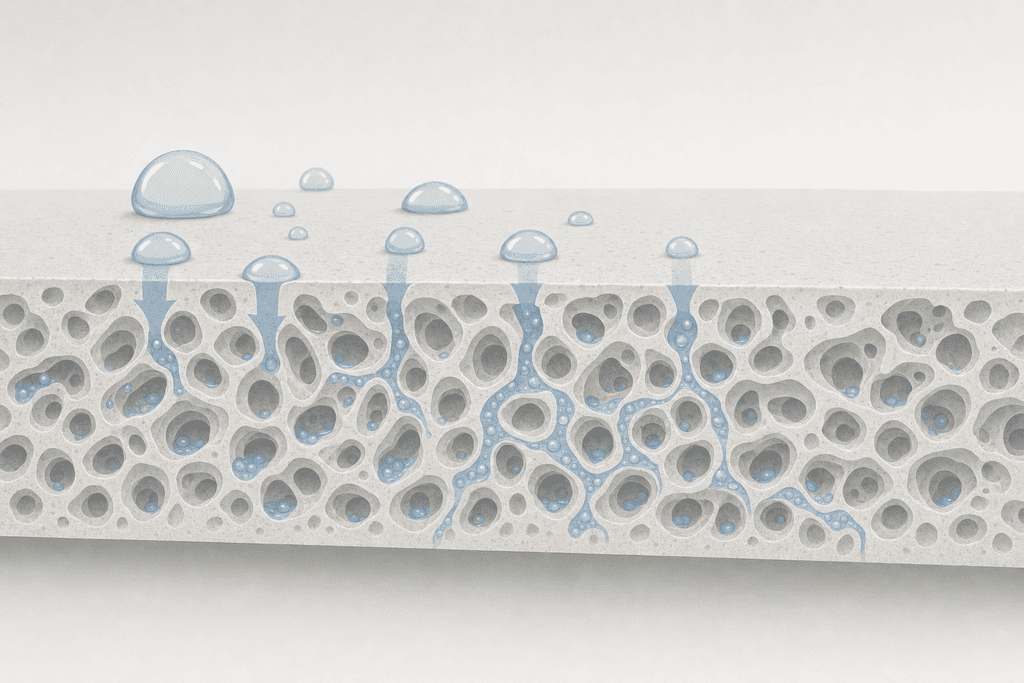
When water hits the surface, it doesn't sit there. It gets pulled in immediately and then pushed back out through rapid evaporation, so the surface resets itself in minutes instead of hours.
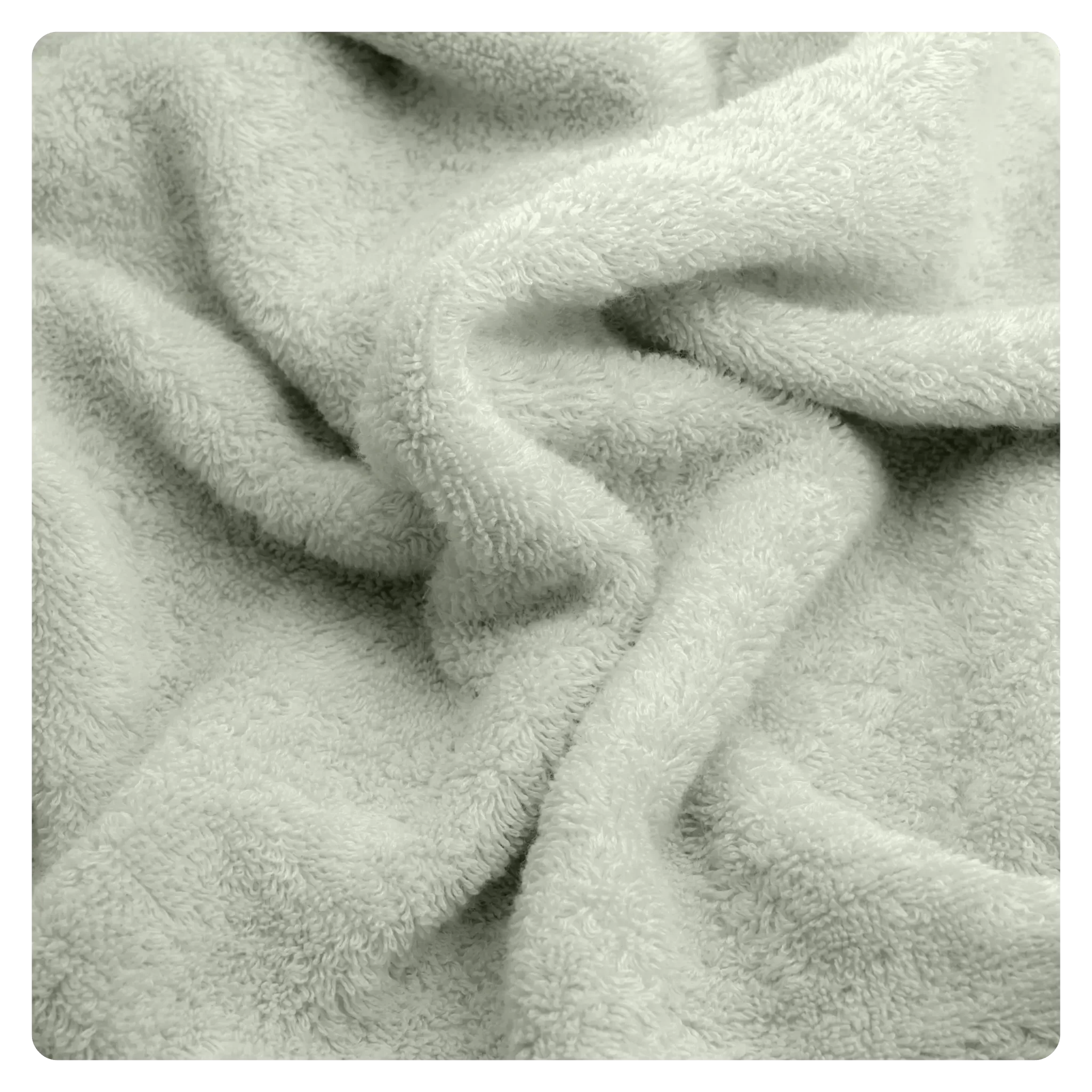
Fabric works completely differently. Cotton and microfibre mats soak up water through their woven threads, but those threads hold onto moisture instead of letting it go.
- Fabric fibres trap water between strands
- Trapped moisture takes hours to evaporate on its own
- This is why fabric mats often smell damp by the next morning
If you want the deeper breakdown on what to check before buying a stone mat, this guide covers the five features that actually matter.
Stone Mats vs Fabric, Rubber, and Silicone Mats
Fabric, rubber, silicone, and stone all handle water in totally different ways, and that difference shows up fast once you actually use them daily. Fabric mats stay damp for hours after a shower, which means they need washing every few days just to stay hygienic. Rubber and silicone mats take a different approach entirely; they don't absorb water at all, they just repel it, which means puddles sit right on top of the surface until someone wipes them up.
| Material | Drying Time | Maintenance |
|---|---|---|
| Fabric | Several hours | Wash weekly |
| Rubber/Silicone | Water pools, no drying | Wipe after each use |
| Stone (diatomite) | Under 8 minutes | Wipe weekly |
Stone wins here, clearly. No chemical coating, no trapped water, no waiting around for a mat to dry before the next person steps out of the shower. If you're comparing categories more broadly, this materials guide breaks down the same categories from a different angle.
Browse the full stone bath mat collection to see how the designs stack up side by side.
What Actually Makes a Bath Mat Dry Fast
The next generation of home essentials: naturally made, cleaner by design, sustainable by nature.
SHOP ALLSurface porosity, not thickness or weight, is what determines how fast a bath mat dries. A thick, heavy mat with dense fibres or a sealed coating will hold moisture longer than a thin, porous stone slab, because the pores are doing the actual work, not the mass of the material.
Independent testing backs this up. Homes To Love tested the Natureva stone bath mat and confirmed it dried fully in under 8 minutes, earning a 9 out of 10 rating in their review.
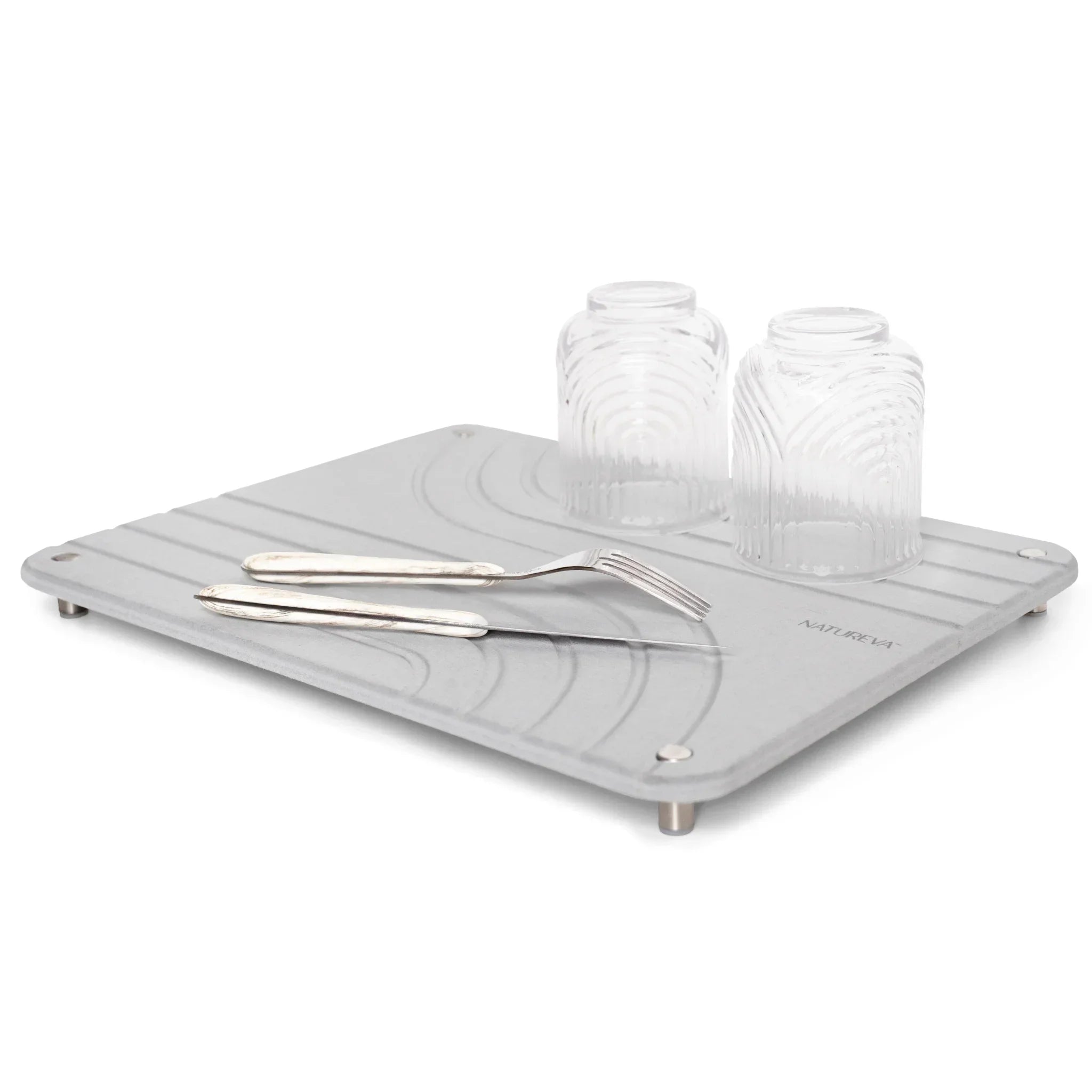
Airflow underneath the mat matters just as much as the surface on top. That's why every stone mat ships with a non-slip base pad that lifts it slightly, letting air circulate underneath instead of trapping moisture against the floor.
- Non-slip base pad included with every mat
- Elevation prevents moisture buildup underneath
- P320 grit sanding tool restores pores when absorbency slows
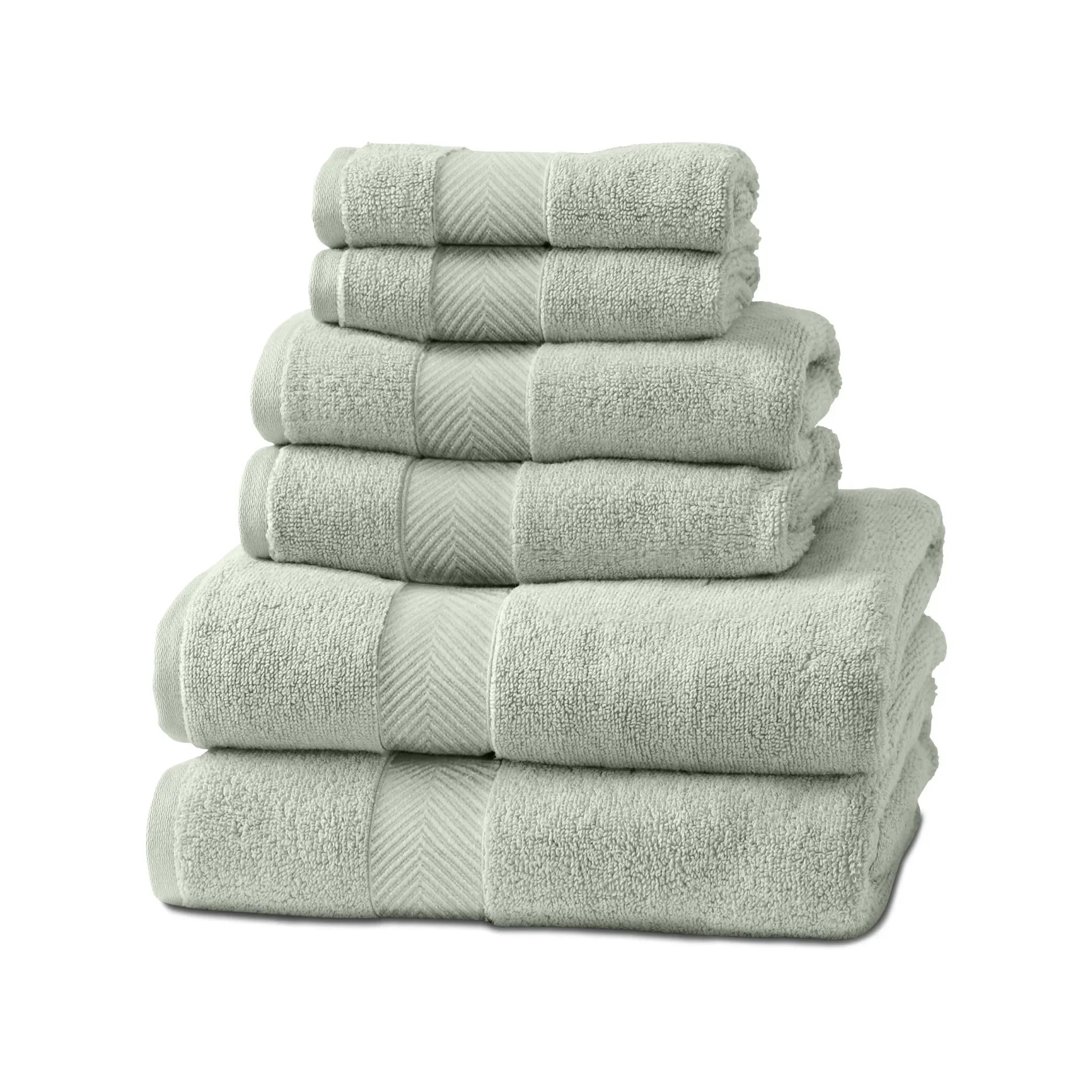
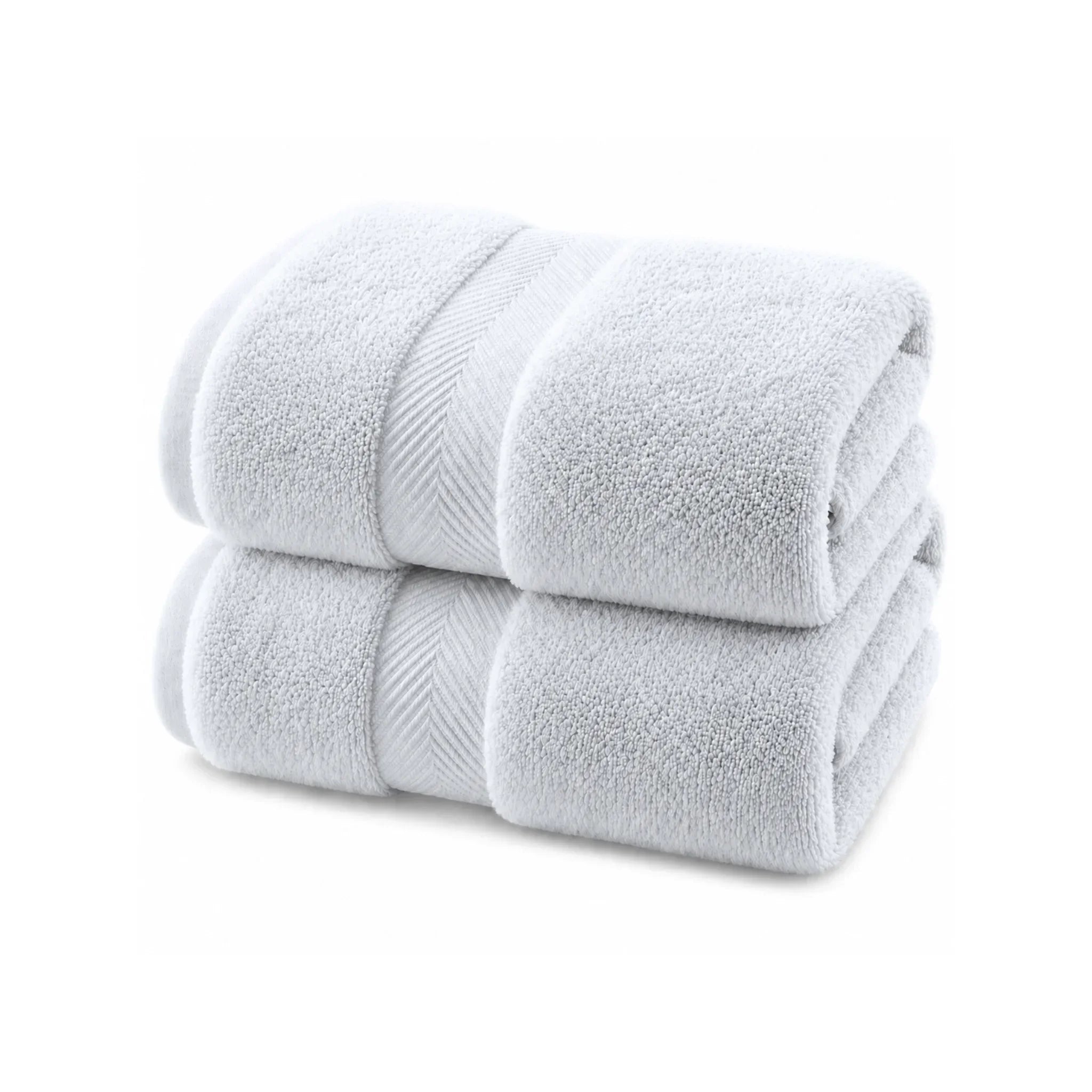
Over time, pores can get clogged with soap residue or skin oils, which slows absorption down. The included sanding tool reopens those pores in a couple of minutes, so the mat performs the same on day 500 as it did on day one. For a closer look at specific designs, check out the Tide, Flow, or Rain bath mats, and pair one with a set of bamboo cotton towels for a matching bathroom setup.
Wrap-Up Choosing the Fastest Drying Bath Mat
Here's the short version. Fabric soaks up water then sits there wet for hours, rubber and silicone barely absorb anything at all, and stone dries in minutes because it actually pulls moisture in and lets it evaporate right back out. The material matters more than the brand name on the tag, so look for something porous with a base that lets air move underneath.
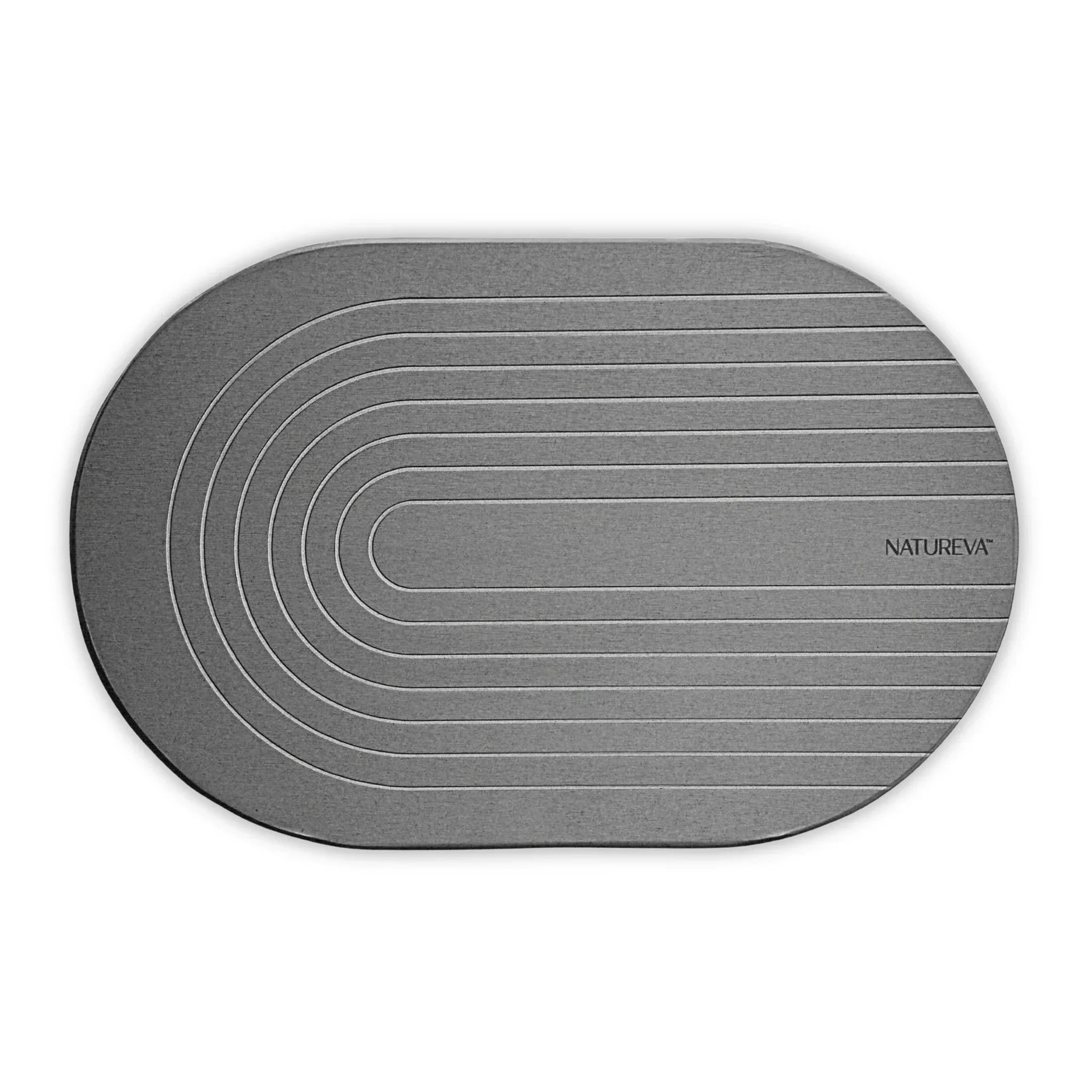
That's exactly what Natureva's diatomite bath mats are built around, from patterns like Tide and Flow to the oval-shaped Arch. If you're still weighing your options, our guide on what to check before buying a stone mat breaks down the details worth paying attention to before your next damp bathroom floor problem shows up again.
Frequently Asked Questions About Absorbent Bath Mats
How long do stone bath mats take to dry
Most diatomite mats dry within 8 minutes after stepping off them, since the surface pulls water in and releases it back into the air right away. Independent testing on the Natureva Stone Bath Mat confirmed full drying in under 8 minutes. That's much faster than fabric or memory foam, which can stay damp for hours.
Do stone bath mats need special care
Not really, but a little upkeep keeps them working well. Wipe weekly with a damp cloth and cleaning vinegar, and skip coloured soaps that can stain the surface. If the mat ever feels less absorbent, the included sanding tool reopens the pores in a few minutes.
How does stone compare to memory foam or bamboo mats
Memory foam traps water inside its cushioning, which keeps it damp long after use and creates conditions where mould and mildew develop. Bamboo mats dry faster than foam but still hold moisture in the grooves between slats. Stone stays hygienic by design, absorbing water instantly and drying without a damp environment left behind.
The next generation of home essentials: naturally made, cleaner by design, sustainable by nature.
SHOP ALL