
Bath Stone vs Bath Mat Which Dries Faster and Stays Cleaner
Stepping out of the shower onto a cold, damp bath mat is one of those small frustrations that happens every single day, yet most people just accept it as normal. Traditional fabric mats can stay wet for hours, creating the perfect environment for mildew and bacteria while leaving your feet uncomfortably moist. Stone bath mats like those from Natureva Home promise to solve this problem by drying in minutes instead of hours, but understanding exactly how bath stone vs bath mat performance differs requires looking at how each material actually handles moisture.
Table of Contents
How Different Materials Handle Moisture
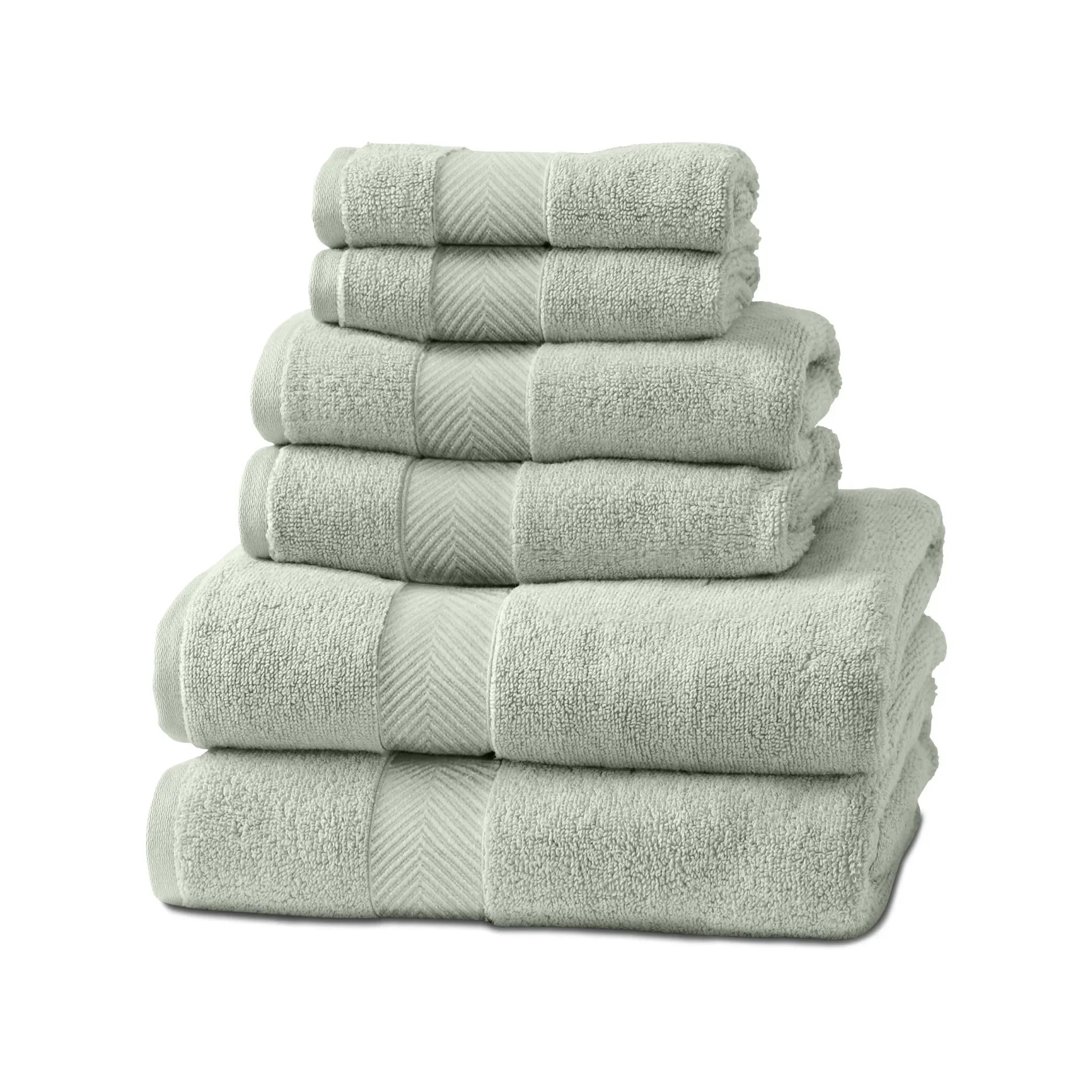
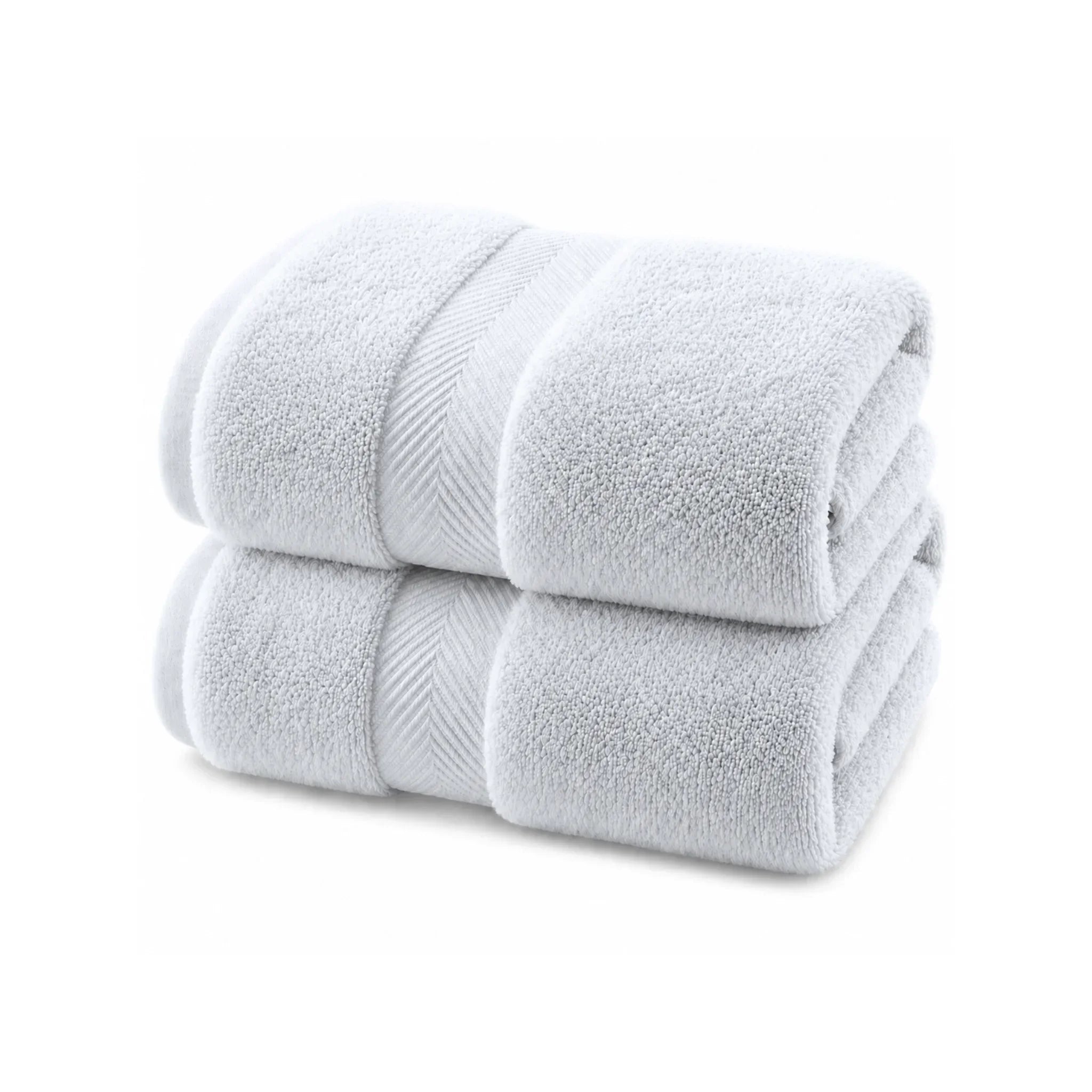
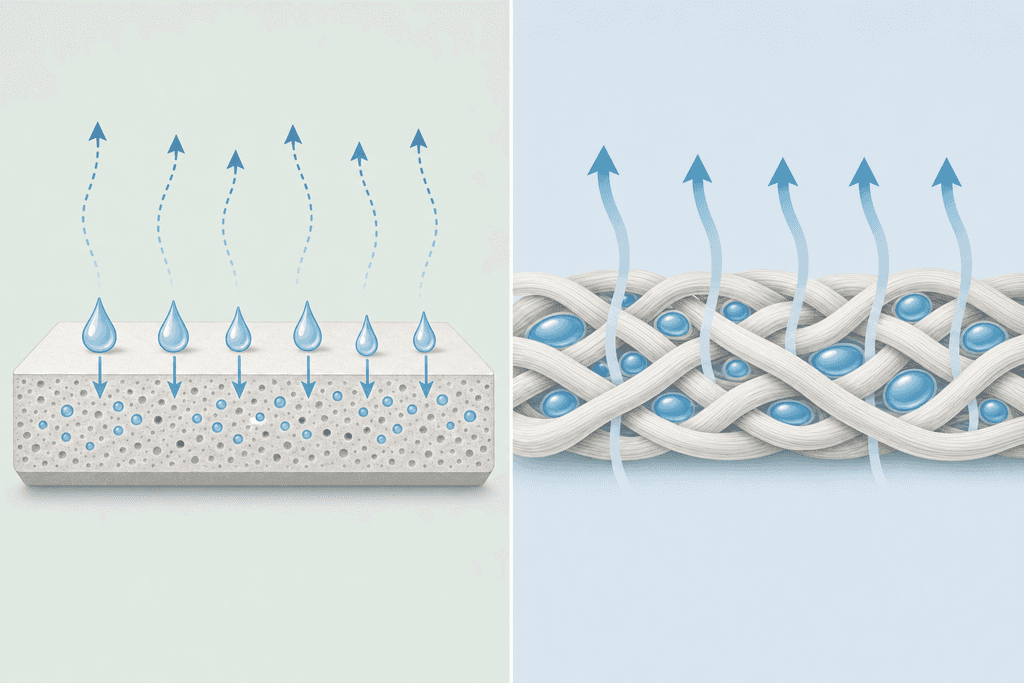
Step out of the shower onto a regular bath mat and you'll notice your feet stay wet for a while. That's because most bathroom mats are made from cotton, microfiber, or memory foam, materials that work by trapping water inside their fibers. The water doesn't disappear, it just sits there until the air slowly pulls it out over several hours. This is why traditional mats feel damp or soggy between uses, especially in bathrooms without great ventilation.
Why Fabric Holds Onto Water
Fabric bath mats absorb moisture through a process called capillary action. Water gets pulled into tiny spaces between the fibers and stays trapped there. The problem is that once the water is inside, it has nowhere to go except slowly evaporate into the surrounding air.
Here's what happens with traditional fabric mats:
- Water soaks deep into the material and spreads throughout
- The mat's thickness actually works against it, creating more space for moisture to hide
- Drying depends entirely on room temperature and air circulation
- Multiple uses before the mat fully dries leads to that musty smell
The Science Behind Stone Bath Mats
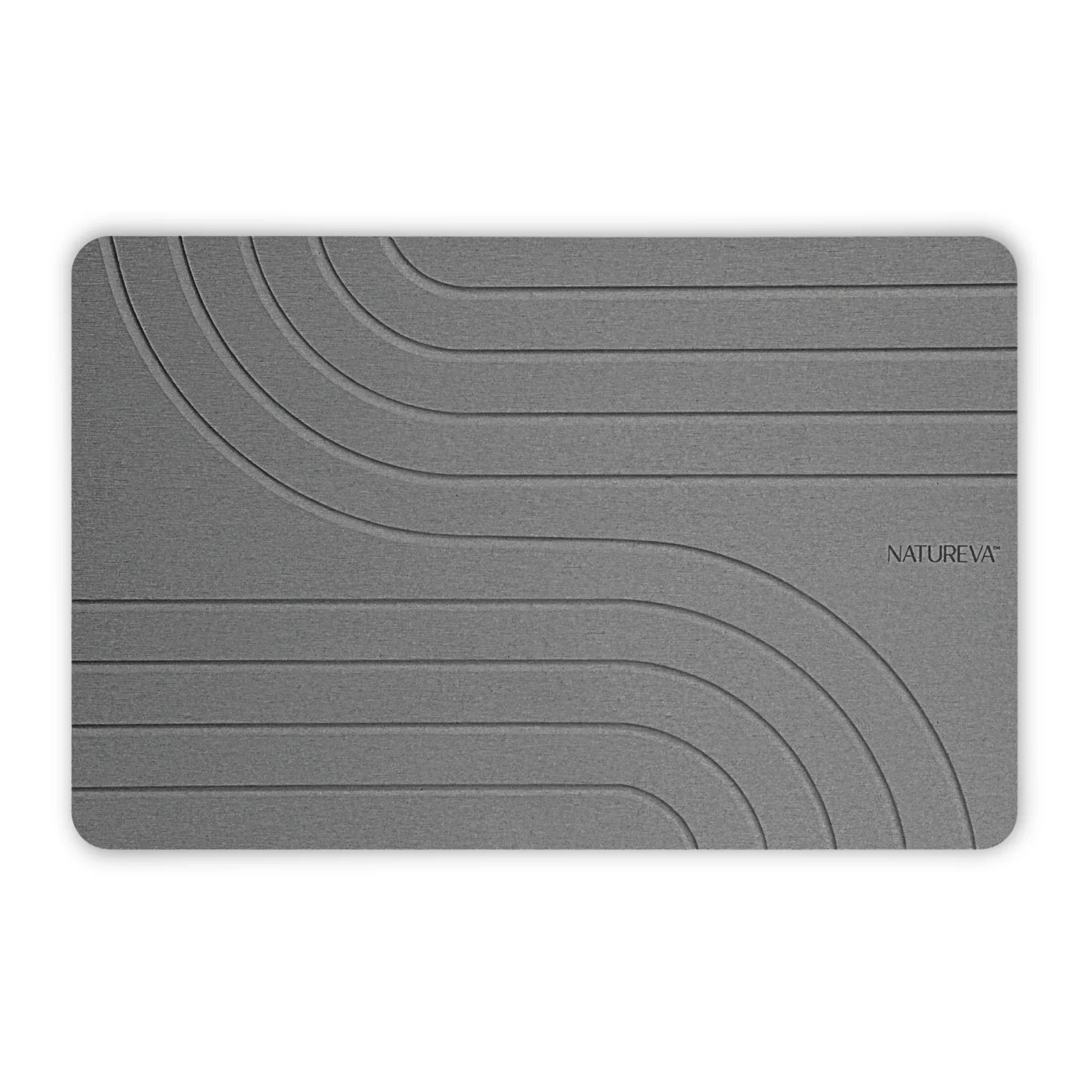
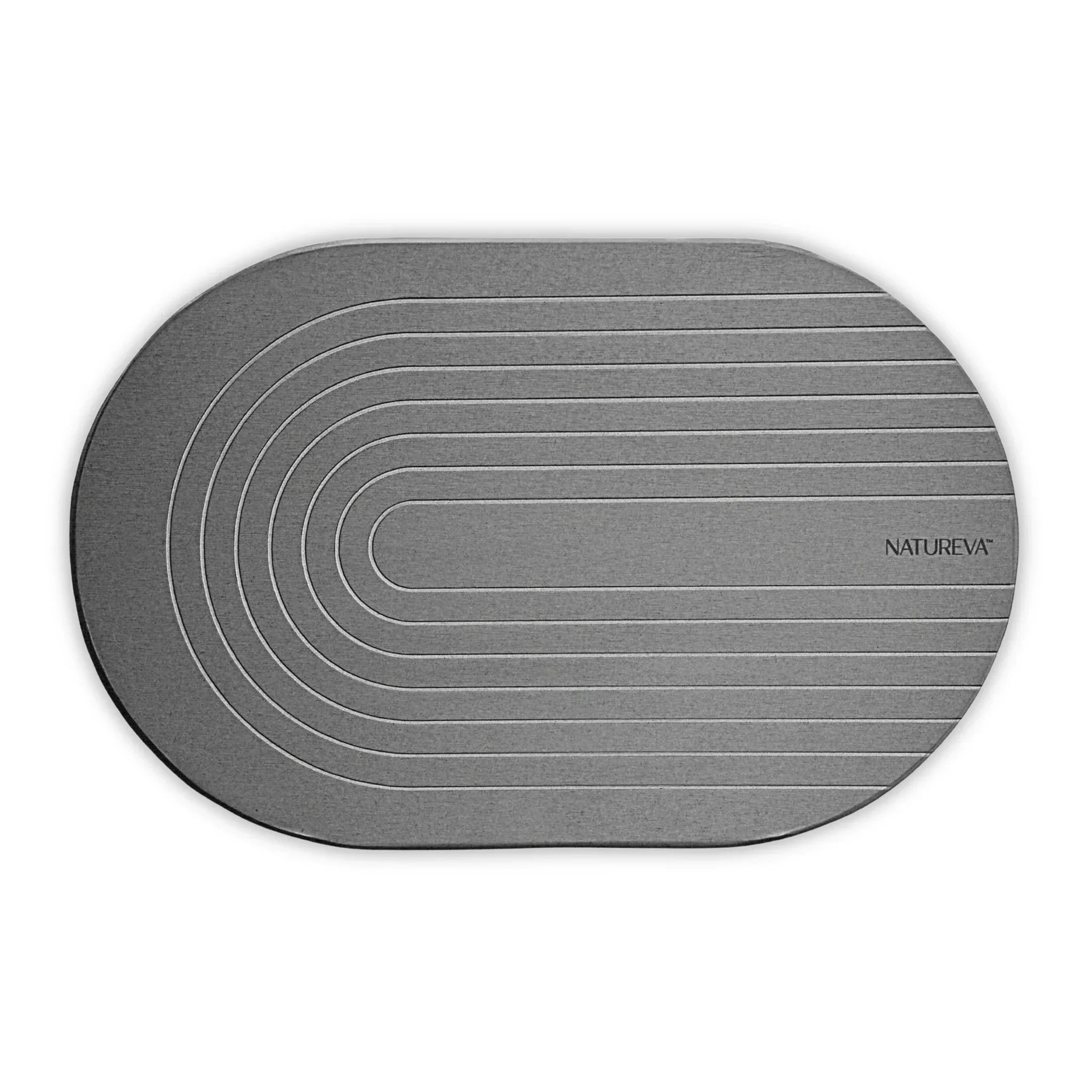
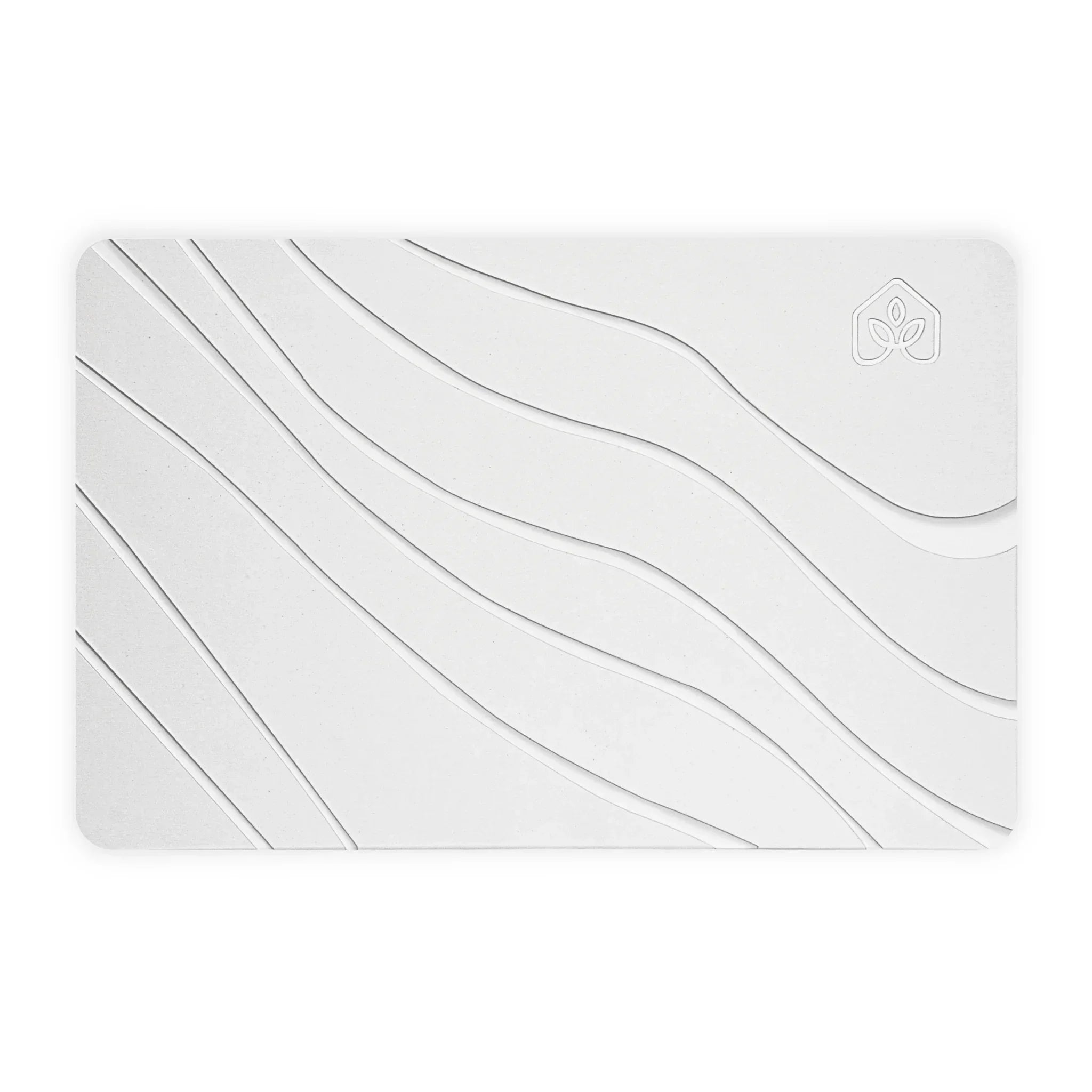
Stone bath mats work completely differently because they're made from diatomite, a material formed from fossilized algae that lived millions of years ago. Under a microscope, diatomite looks like a honeycomb filled with millions of microscopic pores. When water hits the surface, it gets pulled into these tiny holes instantly, but here's the key difference: the pores are connected to the surface, so air can reach the water and pull it back out through evaporation.
The Natureva stone bath mats use this natural material to create a surface that feels dry within minutes instead of hours. According to research on porous materials, diatomite can absorb up to 150% of its weight in moisture while maintaining surface dryness.
Airflow Makes All the Difference
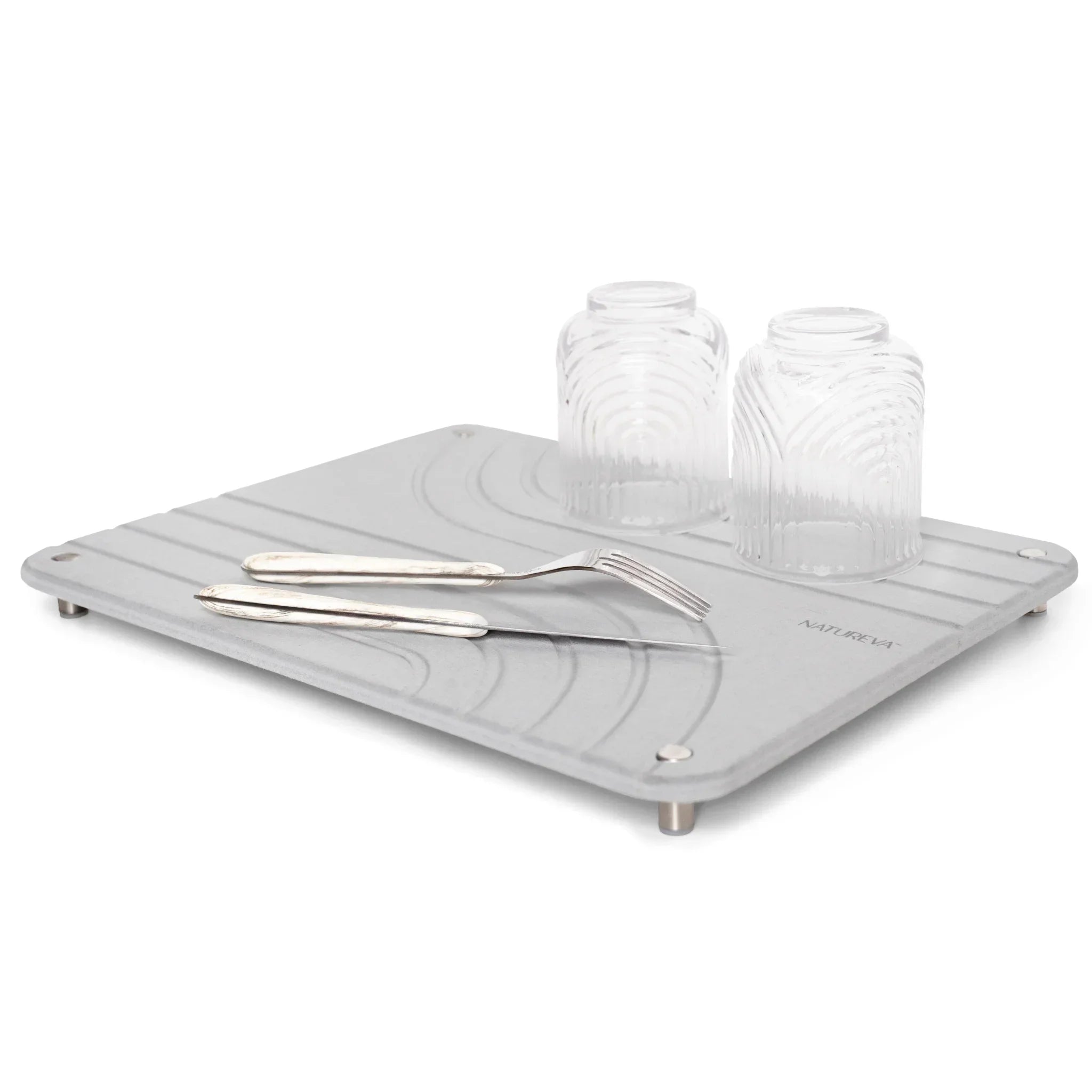
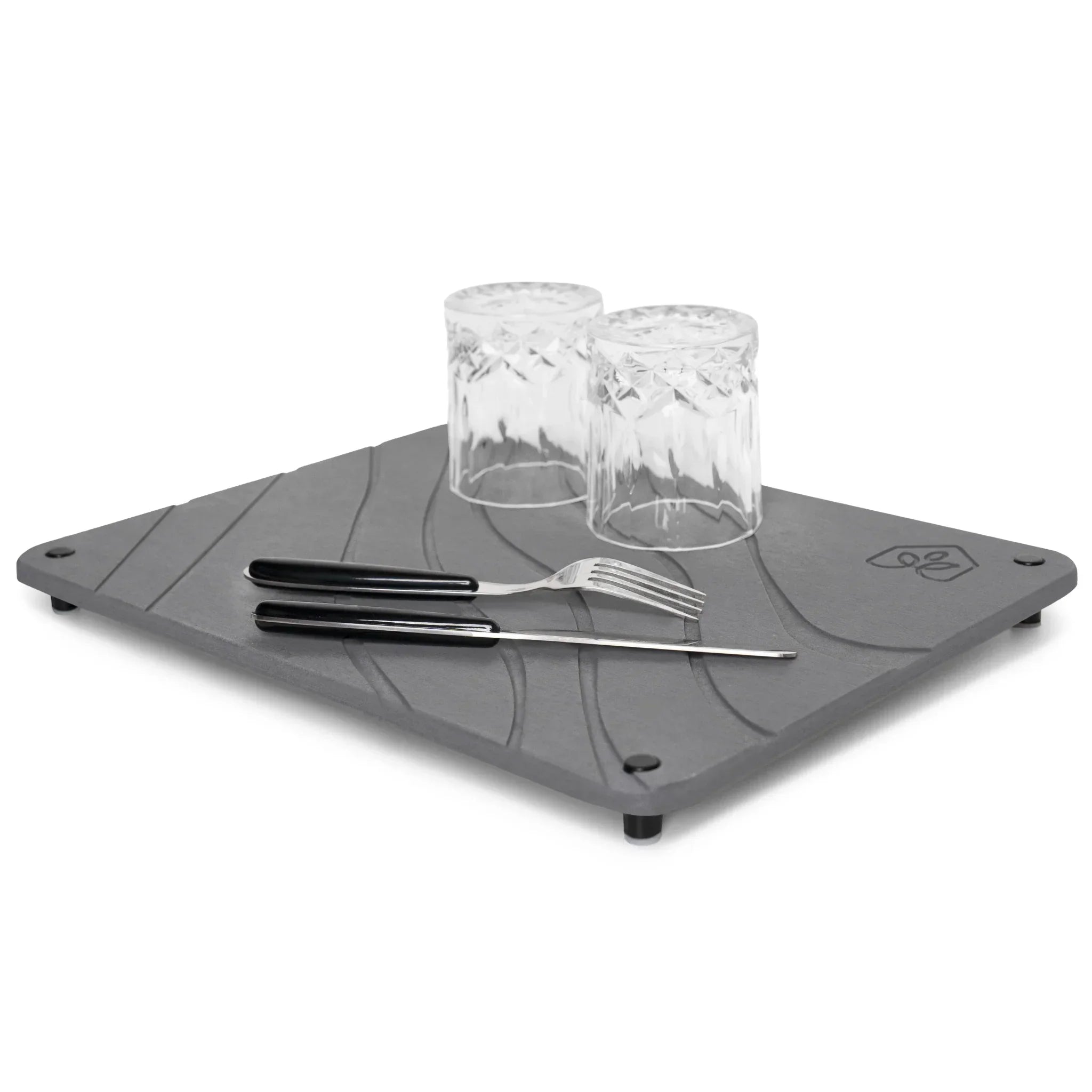
Material composition is only part of the story. The way a mat sits on your floor affects how fast it dries. Fabric mats lay flat against the ground, trapping moisture between the mat and the floor. Stone mats like those from brands including Natureva often include non-slip base pads that create slight elevation, allowing air to circulate underneath.
This matters because:
- Air movement speeds up evaporation by carrying moisture away
- Both sides of the mat can release water vapor instead of just the top
- The floor underneath stays dry and protected
| Property | Fabric Mats | Stone Mats |
|---|---|---|
| Water Storage | Trapped in fibers | Held in open pores |
| Surface Feel | Wet for hours | Dry in minutes |
| Airflow | Blocked underneath | Elevated base |
| Drying Method | Slow evaporation | Rapid release |
| Odor Risk | High when damp | Low due to quick drying |
Understanding these differences helps explain why some bathroom mats need washing every few days while others stay fresh for weeks. The benefits of stone bath mats come down to how the material interacts with water at a microscopic level, not just surface absorption.
Drying Speed Head to Head
Most fabric bath mats stay damp for hours after you step out of the shower, creating a soggy mess that never quite feels clean. Stone bath mats work differently because of their unique material structure. The diatomite surface absorbs water instantly and releases it back into the air within minutes, not hours. This happens because millions of microscopic pores pull moisture away from your feet and push it out through natural evaporation.
A stone bath mat typically dries completely in 5 to 15 minutes depending on room conditions. Fabric mats can stay damp for 4 to 8 hours, sometimes longer if your bathroom doesn't get much airflow. That's a massive difference when you think about multiple people using the same mat throughout the day.
- Stone mats dry in 5-15 minutes after use
- Fabric mats stay damp for 4-8 hours minimum
- Humidity levels affect both but impact fabric more severely
- Poor ventilation can double drying times for fabric
- Stone performance stays consistent across different climates
Temperature and airflow play a role in how fast any mat dries. A warm bathroom with a window or exhaust fan helps both types, but stone mats still outperform fabric by hours even in less ideal conditions. Cold, humid bathrooms are where fabric mats really struggle, staying wet well into the afternoon or evening.
For busy households where multiple people shower back to back, this speed difference matters more than you'd think. Nobody wants to step onto a cold, wet mat that someone else just used. Stone mats reset between uses, so each person gets a dry surface. Our stone bath mat collection includes designs like Rain, Tide, and Flow that all deliver this same rapid drying performance.
Cleanliness and Bacteria Growth
Bacteria need three things to grow: warmth, moisture, and time. Fabric bath mats provide all three in abundance. When a mat stays damp for hours, it becomes a breeding ground for microorganisms that cause odours and potential health issues. The longer moisture sits trapped in fabric fibres, the more opportunity bacteria have to multiply. This is why fabric mats start smelling musty even when you wash them regularly.
Stone mats eliminate the moisture problem entirely by drying so fast that bacteria don't get the environment they need. According to Baptist Health, the rapid evaporation process in diatomite mats naturally limits bacterial growth without any chemical treatments.
| Factor | Stone Mat | Fabric Mat |
|---|---|---|
| Moisture retention | Minutes | Hours |
| Odour development | Minimal | Common |
| Mould risk | Very low | Moderate to high |
| Antibacterial method | Rapid drying | Chemical treatments |
Mould and mildew are bigger concerns than most people realize. These fungi thrive in damp environments and can trigger allergies, respiratory issues, and skin irritation. Fabric mats that never fully dry between uses create perfect conditions for mould spores to settle and spread. You might not see visible mould, but that musty smell is often the first warning sign.
Families with young children or anyone with sensitive skin benefit most from the natural antibacterial properties of stone. There are no chemical coatings or treatments that can wear off or irritate skin. The material itself prevents bacterial growth through its physical structure and drying speed, which you can learn more about from this explanation of how diatomaceous earth works.
Maintenance and Long Term Care
Fabric bath mats demand constant attention to stay clean and functional. You need to wash them weekly at minimum, which means pulling them off the floor, running a full washing machine cycle, and either tumble drying or hanging them to dry. Each wash takes time, energy, and water. If you skip a week, the odour and bacteria buildup become noticeable fast. Over a year, that's roughly 52 wash cycles just for one bath mat.
Stone mats need a simple weekly wipe with vinegar water and nothing more under normal use. No washing machine, no drying time, no fabric softener or detergent. The maintenance routine takes about 60 seconds compared to the 30-45 minutes required for washing and drying fabric.
- Fabric: weekly machine wash, 30-45 minutes per cycle
- Stone: weekly vinegar wipe, 1 minute
- Fabric: monthly deep clean recommended
- Stone: occasional sanding if absorption slows
- Fabric: replace every 1-2 years due to wear
- Stone: lasts years with proper care
When a stone mat's surface gets clogged from soap residue or hard water minerals, you can restore it with the included sanding tool. This takes about 5 minutes and reopens the microscopic pores that handle absorption. Most users only need to sand their mat once or twice a year, making it far less demanding than the constant washing cycle fabric requires.
The next generation of home essentials: naturally made, cleaner by design, sustainable by nature.
SHOP ALL| Timeframe | Stone Mat Care | Fabric Mat Care |
|---|---|---|
| Weekly | 1 minute wipe | 45 minutes wash/dry |
| Monthly | Same routine | Deep clean cycle |
| Yearly | 5-10 minutes sanding | 26+ hours washing |
The time investment adds up significantly over months and years. Fabric mats also wear out faster from repeated washing, losing their absorbency and softness. Stone mats maintain their performance indefinitely when cared for properly. Our mats come with everything you need including the sanding tool and non-slip base, so maintenance stays simple from day one.
Consumer Reports has tested various stone bath mats and found that proper care extends their lifespan well beyond traditional fabric options. Whether you choose the Arch design or the Aura pattern, the care routine stays the same across all our stone products.
Which Mat Makes Sense for Your Home
The choice between a bath stone and a traditional fabric mat isn't just about drying speed anymore. It's about matching your bathroom's reality with the right material. A stone mat like Natureva's diatomite options works best in high-traffic bathrooms where multiple people shower daily, because the surface resets between uses instead of staying damp for hours. Fabric mats need time to dry completely, which rarely happens in busy households. If you live alone or have excellent bathroom ventilation with windows that stay open, a fabric mat might still do the job without turning into a mildew farm.
Bathroom size and airflow matter more than most people think. Small bathrooms with poor ventilation trap moisture, which means fabric mats never fully dry between showers. Stone mats handle this better because they release moisture into the air quickly, even in stuffy spaces.
When Stone Makes the Most Sense
- Families with kids who shower back-to-back and leave puddles everywhere
- Bathrooms without windows or exhaust fans that actually work
- Anyone tired of washing mats weekly or dealing with musty smells
- Homes in humid climates where nothing dries properly
- People with allergies or sensitivities to mold and bacteria
Some brands like Dorah Home and Dry Sorb offer stone options, but the quality of the diatomite composite varies. Cheaper versions can crack or lose absorbency faster than expected, according to industry discussions about diatomaceous earth products.
When Fabric Might Still Work
- Single-person households with infrequent shower schedules
- Guest bathrooms that see minimal use
- Spaces with exceptional natural ventilation and sunlight
- Budgets under $30 where upfront cost matters most
The longevity factor shifts the math though. A $59 stone mat that lasts years without washing beats replacing $20 fabric mats every six months. Plus you save time not doing laundry.
Quick Decision Checklist
| Your Situation | Best Choice |
|---|---|
| 3+ people, daily showers | Stone mat |
| Poor ventilation | Stone mat |
| Live alone, good airflow | Either works |
| Humid climate year-round | Stone mat |
| Guest bathroom, low use | Fabric acceptable |
The real question isn't which dries faster on paper. It's which one actually stays dry in your specific bathroom conditions. Stone wins in most real-world scenarios, especially where moisture management matters for health and convenience.
The Clear Winner for Dry, Clean Bathrooms
When you compare bath stone vs bath mat drying speed, the difference is pretty dramatic. Stone bath mats made from diatomite dry in minutes, while fabric mats can stay damp for hours or even days depending on your bathroom's humidity. That moisture sitting around creates the perfect environment for bacteria, mildew, and those musty smells nobody wants in their home. The faster something dries, the cleaner it stays without you having to do extra work.
Traditional fabric mats need constant washing and rotating just to stay somewhat fresh. Stone mats handle moisture differently because of their porous structure. Water gets absorbed instantly, then evaporates back into the air instead of sitting trapped in fibers. Our stone bath mats use this natural process to stay dry and hygienic without any chemical treatments or special care routines.
The daily impact matters more than you might think. Every shower creates moisture that either dries quickly or lingers. When your bath mat is still wet from the morning shower by evening, that's hours of dampness affecting your bathroom's overall cleanliness. Stone options like the Tide, Flow, or Rain patterns solve this by staying ready for the next person within minutes.
If you're tired of dealing with soggy mats that need constant attention, the choice becomes pretty clear. But you probably still have questions about how these work in real life, which is exactly what we'll cover next.
Common Questions About Bath Stones and Mats
Switching from fabric to stone can feel like a big leap, especially when you're used to the soft pile of a traditional bath mat. Most people have the same handful of questions before making the switch, and they're all worth addressing head on. The good news is that stone bath mats are simpler than they look, and once you understand how they work, the choice becomes pretty straightforward.
How long do stone bath mats actually last?
A quality stone bath mat can last several years with proper care, far outlasting fabric mats that need replacing every six to twelve months. The diatomite composite used in products like Natureva's stone bath mats is durable enough to handle daily foot traffic without breaking down. If absorption slows over time, a quick sand with the included P320 grit tool reopens the pores and restores performance.
Do stone mats feel cold or uncomfortable?
Stone mats feel cool to the touch but not shockingly cold, similar to stepping on tile or concrete. The surface warms slightly with body heat and dries your feet so quickly that most people stop noticing the temperature after a few uses. The carved patterns like Tide or Flow also add subtle texture underfoot, which feels more natural than standing on a flat slab.
Can stone mats handle heavy daily use?
Yes, stone mats are built for high traffic households and perform better under heavy use than fabric alternatives. Because they dry in minutes rather than hours, they're ready for the next person almost immediately. Fabric mats stay damp between uses, which slows drying and creates hygiene issues in busy bathrooms. Stone eliminates that problem entirely.
Are fabric mats ever better than stone?
Fabric mats might make sense if you prioritize softness above all else or need something lightweight for travel. But for everyday home use, especially in shared or humid bathrooms, stone outperforms fabric in speed, hygiene, and longevity. The trade off in plushness is minor compared to the gain in dryness and cleanliness.
How do you clean a stone bath mat?
Wipe the mat weekly with a vinegar and water solution to prevent buildup, and rinse any visible stains under running water. For deeper marks, apply hydrogen peroxide or use the sanding tool to refresh the surface. Avoid coloured soaps and fabric softeners, which can clog the pores and reduce absorption.
What happens if a stone mat gets saturated?
If a stone mat feels damp or stops absorbing, it just needs airflow to release trapped moisture. Stand it upright against a wall or lean it in a dry spot for a few hours, and it'll return to full function. This rarely happens with normal use, but it's an easy fix when it does.
The next generation of home essentials: naturally made, cleaner by design, sustainable by nature.
SHOP ALL