

Clean Thirstystone Coasters Without Damaging the Stone
Your stone coaster just left a water ring on your table, and now you're wondering if it's broken or just dirty. The truth is, most people accidentally ruin their stone coasters by cleaning them the wrong way, clogging up the tiny pores that make them work in the first place. Understanding how to clean Thirstystone coasters properly keeps them absorbing moisture for years, and it's simpler than you think.
Table of Contents
What Makes Stone Coasters Different
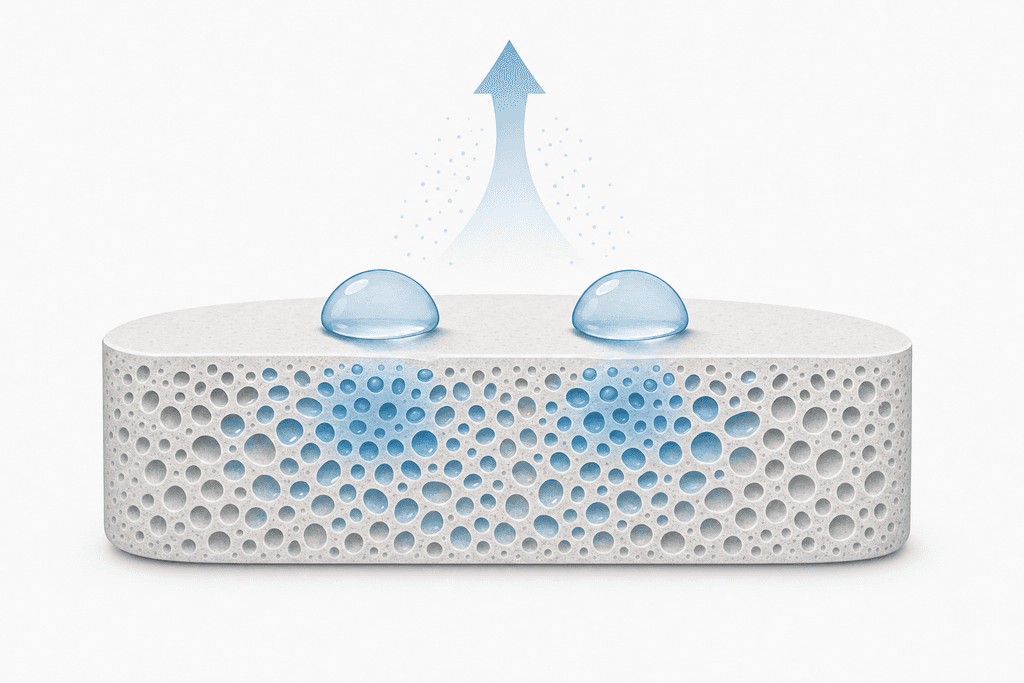
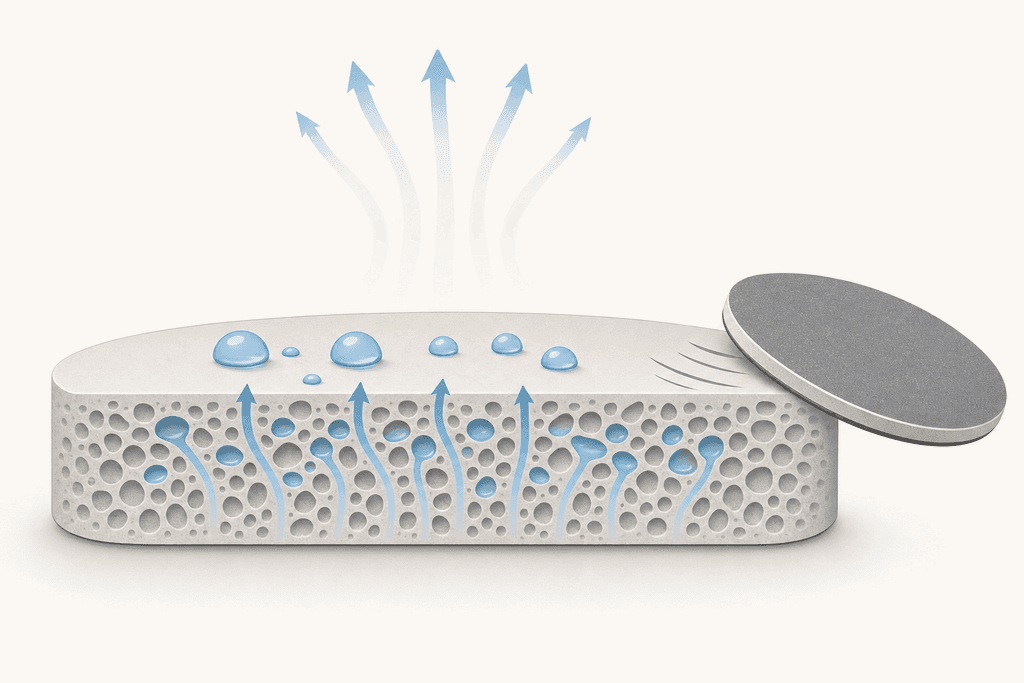
Most people think all coasters work the same way, but stone coasters made from diatomite operate on a completely different principle than cork, wood, or silicone versions. Diatomite is a natural material formed from fossilized microscopic algae called diatoms that lived millions of years ago. When these tiny organisms died, their silica-based skeletons accumulated on ocean floors and lake beds, eventually compressing into the porous stone we use today. The internal structure contains millions of microscopic pores that create a natural sponge effect, absorbing moisture instantly and releasing it back into the air through rapid evaporation.
This porous network is what makes diatomite coasters so effective at keeping surfaces dry. When you place a cold glass on a regular coaster, condensation pools on top and eventually seeps onto your table. Stone coasters pull that moisture directly into their structure within seconds, leaving the surface dry to the touch. The same pores that make this absorption possible also make these coasters vulnerable to improper cleaning methods.
How Pores Affect Cleaning Needs
The microscopic pore structure that gives diatomite its absorbent power can easily become clogged with the wrong cleaning products. Chemical cleaners, oils, and even some soaps contain ingredients that coat the internal channels and block airflow. Once these pores get sealed, the coaster loses its ability to absorb moisture and essentially becomes a regular piece of stone. Understanding this helps explain why you can't just spray any cleaner on these coasters and expect them to keep working properly.
- Diatomite pores measure just a few micrometers in diameter
- Oil-based substances create a waterproof film inside pores
- Chemical residues can crystallize and permanently block channels
- Even fabric softener residue from towels can transfer and clog pores
Comparing Stone Coaster Materials
Not all stone coasters are created equal, and the material composition directly impacts how you should clean them. Natural stone varieties like marble and granite have different porosity levels and chemical sensitivities compared to diatomite composite materials. The table below shows how different stone coaster types stack up when it comes to maintenance requirements.
| Material Type | Porosity Level | Water Absorption | Chemical Sensitivity | Cleaning Difficulty |
|---|---|---|---|---|
| Diatomite Composite | Very High | Instant | High | Moderate |
| Natural Marble | Medium | Slow | Very High | High |
| Granite | Low | Minimal | Low | Easy |
| Sandstone | High | Moderate | Medium | Moderate |
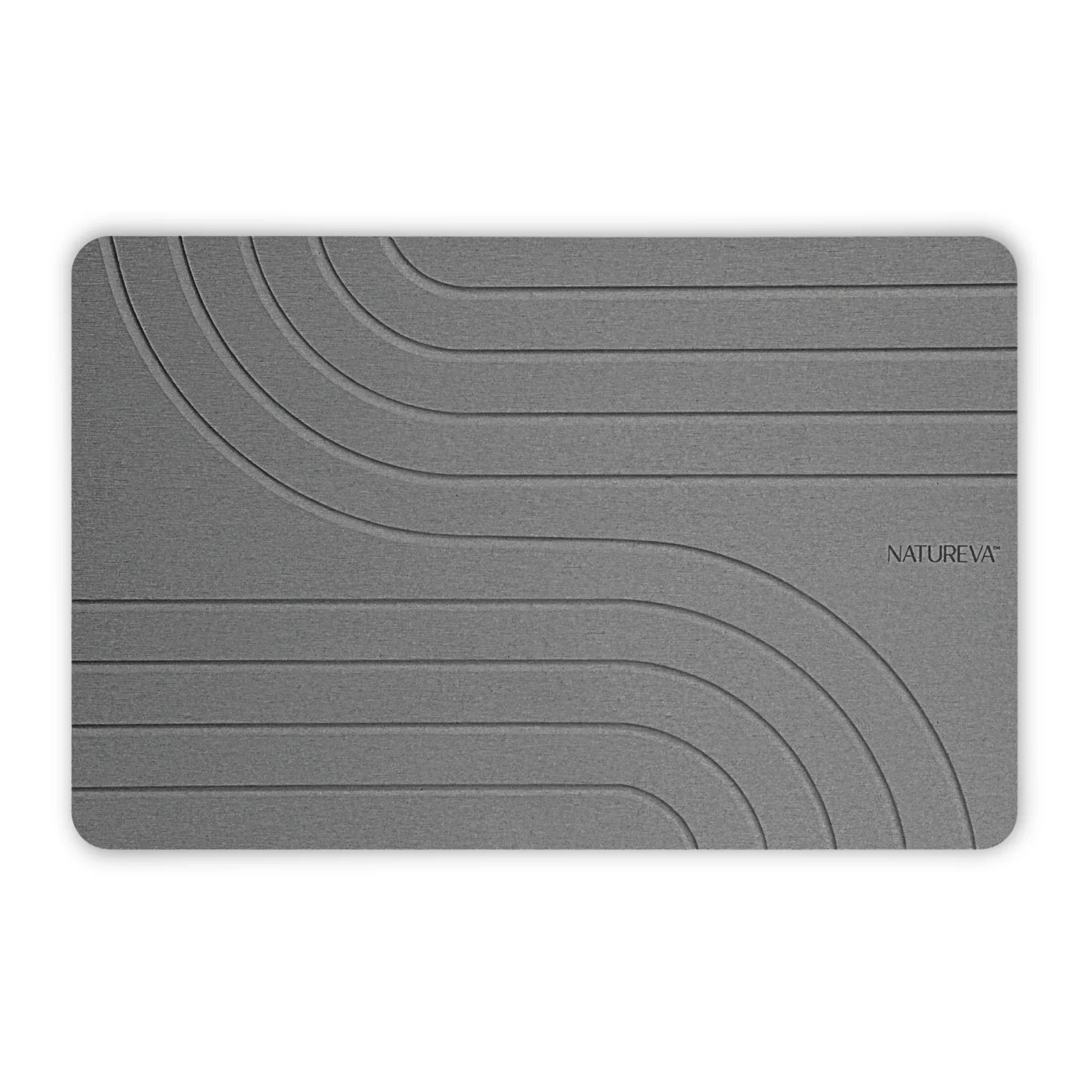
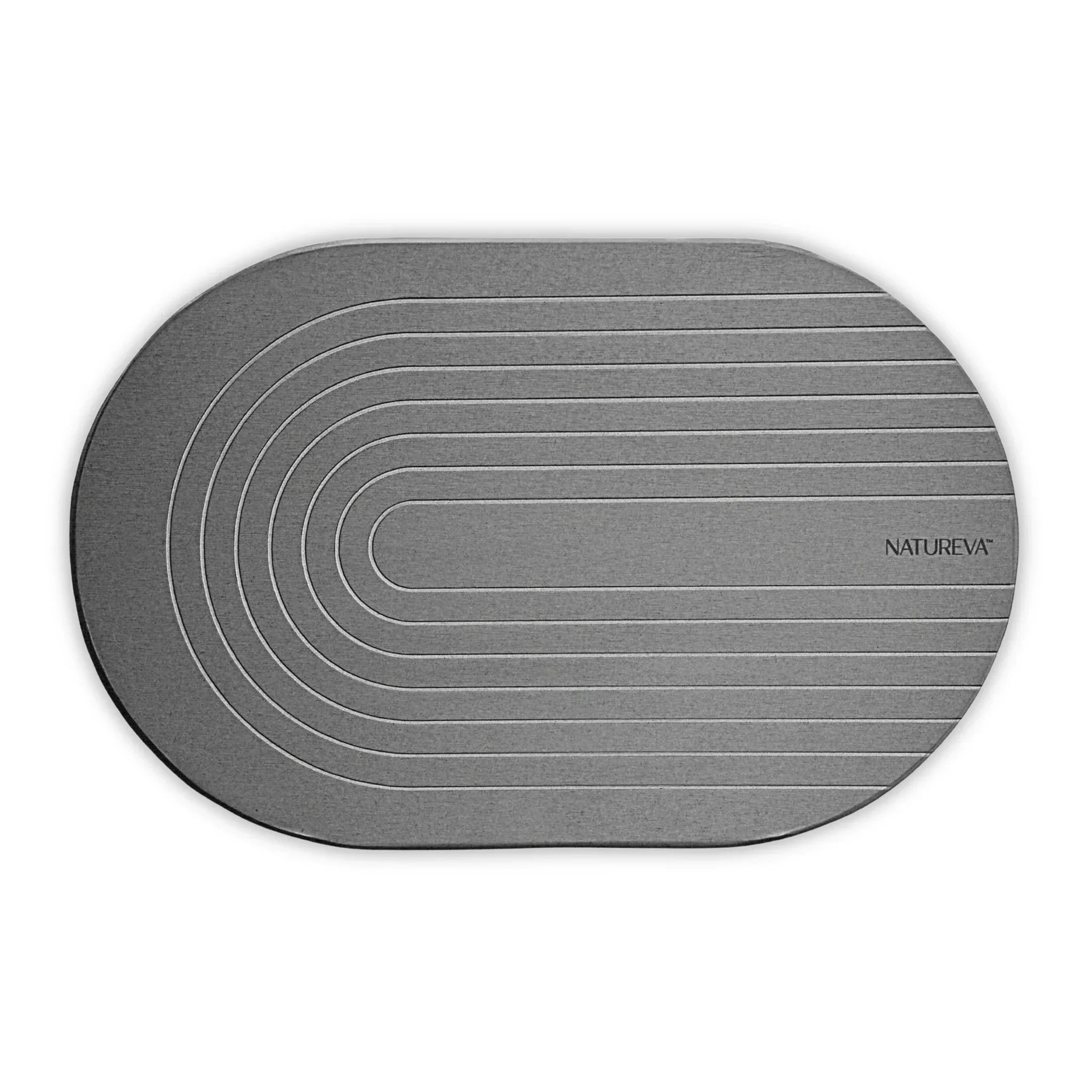
Diatomite coasters like the Natureva stone coaster set require gentler cleaning methods than sealed granite but are more forgiving than delicate marble. The composite construction combines diatomaceous earth with recycled paper, creating a durable material that maintains its porous structure without chemical coatings. This means you need to avoid harsh cleaners while still being able to restore performance through simple maintenance techniques.
Why Traditional Cleaning Fails
Most household cleaning products are designed to leave behind protective residues or pleasant scents, which is exactly what you don't want on porous stone. Dish soap contains moisturizers and fragrance oils that coat surfaces. All-purpose cleaners often include waxes or polymers that create shine. Even natural cleaners with essential oils can leave behind compounds that block the microscopic channels in diatomite.
- Dish soap leaves moisturizing agents in pores
- Glass cleaners contain ammonia that can damage stone
- Disinfecting wipes leave chemical residues
- Scented cleaners deposit fragrance oils
The essential care guidelines for natural stone emphasize avoiding acidic and oil-based products, which applies even more strictly to highly porous materials like diatomite. When you understand that the goal is to keep those millions of tiny pores open and clear, the cleaning approach becomes much more straightforward.
Daily and Weekly Maintenance
Most people don't realize that stone coasters need way less cleaning than fabric or cork versions. The porous surface of diatomite naturally resists bacteria because it dries so fast. But that doesn't mean you can ignore them completely. A quick rinse under water after a particularly messy spill keeps things fresh and prevents buildup from settling into those microscopic pores that make the material work so well.
The real maintenance happens once a week. A simple vinegar water wipe prevents mineral deposits from tap water and keeps the surface looking clean. Mix equal parts white vinegar and water in a spray bottle, give each coaster a quick wipe, then let them air dry. The whole process takes maybe two minutes for a set of six.
- Rinse fresh spills immediately under running water to prevent staining
- Weekly vinegar solution wipe stops mineral buildup before it starts
- Skip colored soaps entirely since they can stain the porous stone
- Air dry upright when saturated to maximize airflow through the material
- Clean the EVA pads underneath occasionally to maintain grip
One thing worth mentioning is those small black EVA pads on the bottom of each coaster. They create that slight elevation for airflow, but they also collect dust and grime over time. A damp cloth wipes them clean in seconds.
If your coasters feel saturated after a particularly humid week or heavy use, prop them upright against a wall or dish rack. The vertical position lets air circulate around the entire surface, which speeds up the drying process and keeps the material performing at its best.
Weekly Maintenance Checklist
- Mix equal parts white vinegar and water
- Wipe down each coaster surface
- Clean EVA pads on the bottom
- Air dry completely before stacking
- Check for any stains that need attention
Removing Stains and Deep Marks
Coffee rings happen. Wine spills too. The good news is that diatomite stone doesn't trap stains the same way other materials do because of how quickly it dries. But sometimes a dark mark settles in before you notice it, especially if someone left a wet glass sitting for hours. When that happens, you need something stronger than just water.
Hydrogen peroxide works surprisingly well on organic stains like coffee, tea, and wine. Pour a small amount directly onto the stain, let it sit for about ten minutes, then rinse thoroughly under running water. The peroxide breaks down the organic compounds without damaging the stone structure underneath.
| Stain Type | Cleaning Solution | Wait Time |
|---|---|---|
| Coffee or Tea | Hydrogen Peroxide | 10 minutes |
| Wine or Juice | Hydrogen Peroxide | 10 minutes |
| Surface Residue | Baking Soda Paste | 5 minutes |
| Oil or Grease | Sanding Tool | N/A |
For lighter surface stains, a baking soda paste does the job without any harsh chemicals. Mix three parts baking soda with one part water until you get a thick paste. Spread it over the stain, let it sit for five minutes, then scrub gently with a soft cloth. Rinse thoroughly after any cleaning solution to make sure no residue stays behind in the pores.
Here's something most people don't know. Some stains actually fade on their own as the stone continues its natural drying cycle. The material breathes constantly, pulling moisture in and pushing it back out. That process can gradually lighten marks that seem permanent at first. Give it a few days before you try aggressive cleaning methods.
The next generation of home essentials: naturally made, cleaner by design, sustainable by nature.
SHOP ALLNever use bleach or harsh chemical cleaners on diatomite stone. They damage the porous structure and can leave behind residues that actually reduce absorbency. Stick with gentle, natural solutions that work with the material instead of against it. If you're dealing with stubborn marks that won't respond to peroxide or baking soda, that's when you need the sanding tool.
Restoring Absorbency with Sanding
After a few months of regular use, you might notice your coasters don't absorb water quite as fast as they used to. The surface starts to feel slightly glazed or smooth in certain spots. That's completely normal and happens because oils from hands, residue from drinks, and microscopic particles gradually fill in those tiny pores that make the material work. The fix is simple and takes about five minutes.
Every set of Natureva stone coasters includes a sanding tool specifically designed for this purpose. It's a P320 grit disc in a light grey color, about 10 cm across. The sanding process reopens clogged surface pores and brings the absorbency back to like-new performance.
- Use light circular motions with gentle pressure across the surface
- Focus on areas that feel less absorbent or look slightly shiny
- Sand for 30-60 seconds per coaster until the surface feels slightly rough again
- Rinse away all sanding dust under running water before using
- Let coasters dry completely before testing absorbency
- Repeat every few months or whenever performance drops
The key is not to press too hard. You're not trying to remove material, just refresh the top layer. Light pressure with consistent circular motions works better than aggressive scrubbing. You'll see a fine dust appear as you work, which is normal. That's just the clogged material being lifted away from the pores.
Step-by-Step Sanding Process
- Place coaster on a flat, stable surface
- Hold sanding disc flat against the stone
- Apply light pressure and move in small circles
- Cover the entire surface evenly
- Rinse thoroughly under running water
- Air dry completely before testing
After rinsing off the dust, let the coaster dry for at least an hour before you test it. The material needs time to fully dry out so you can accurately judge whether the absorbency is back. Most people find they only need to sand their coasters every three to four months with regular use.
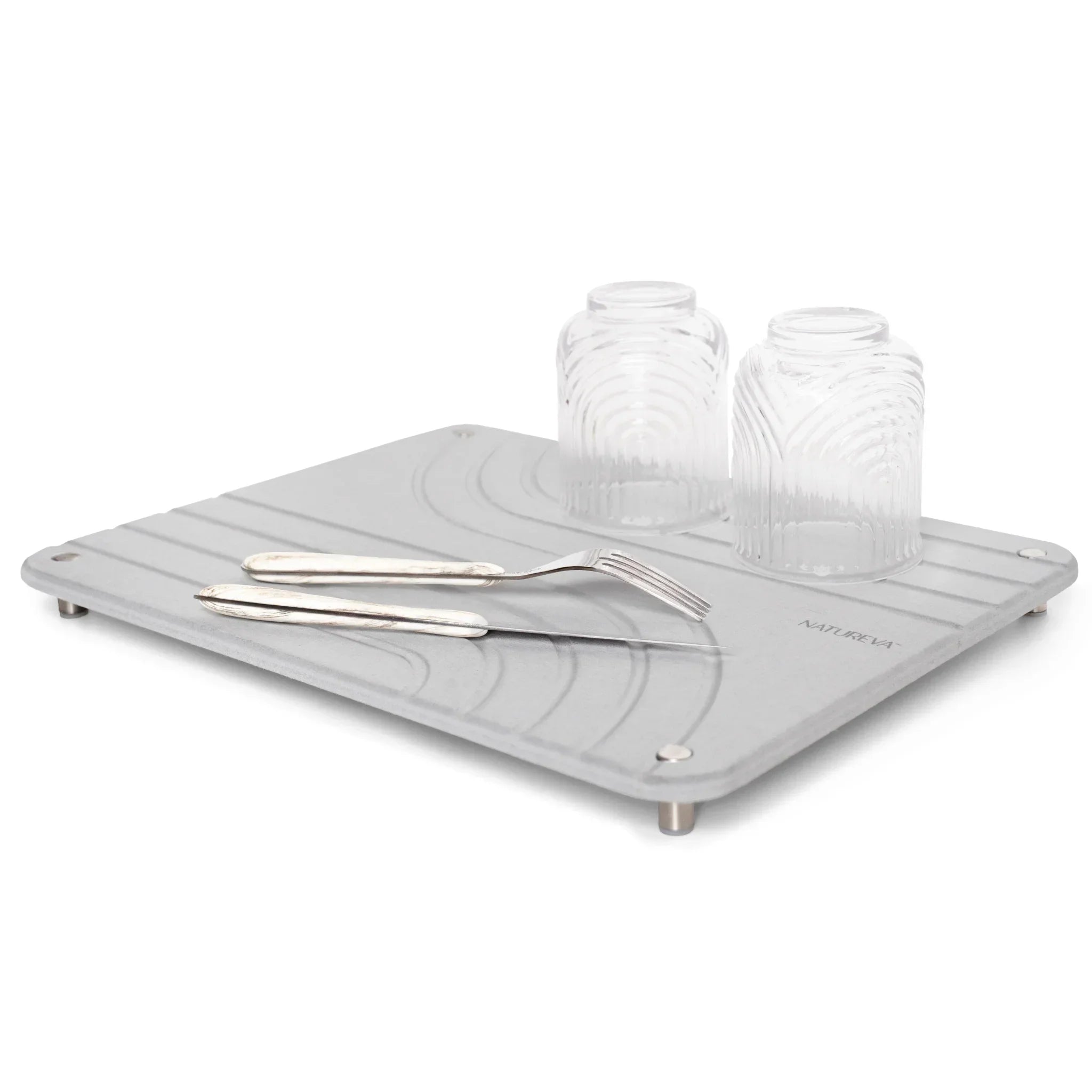
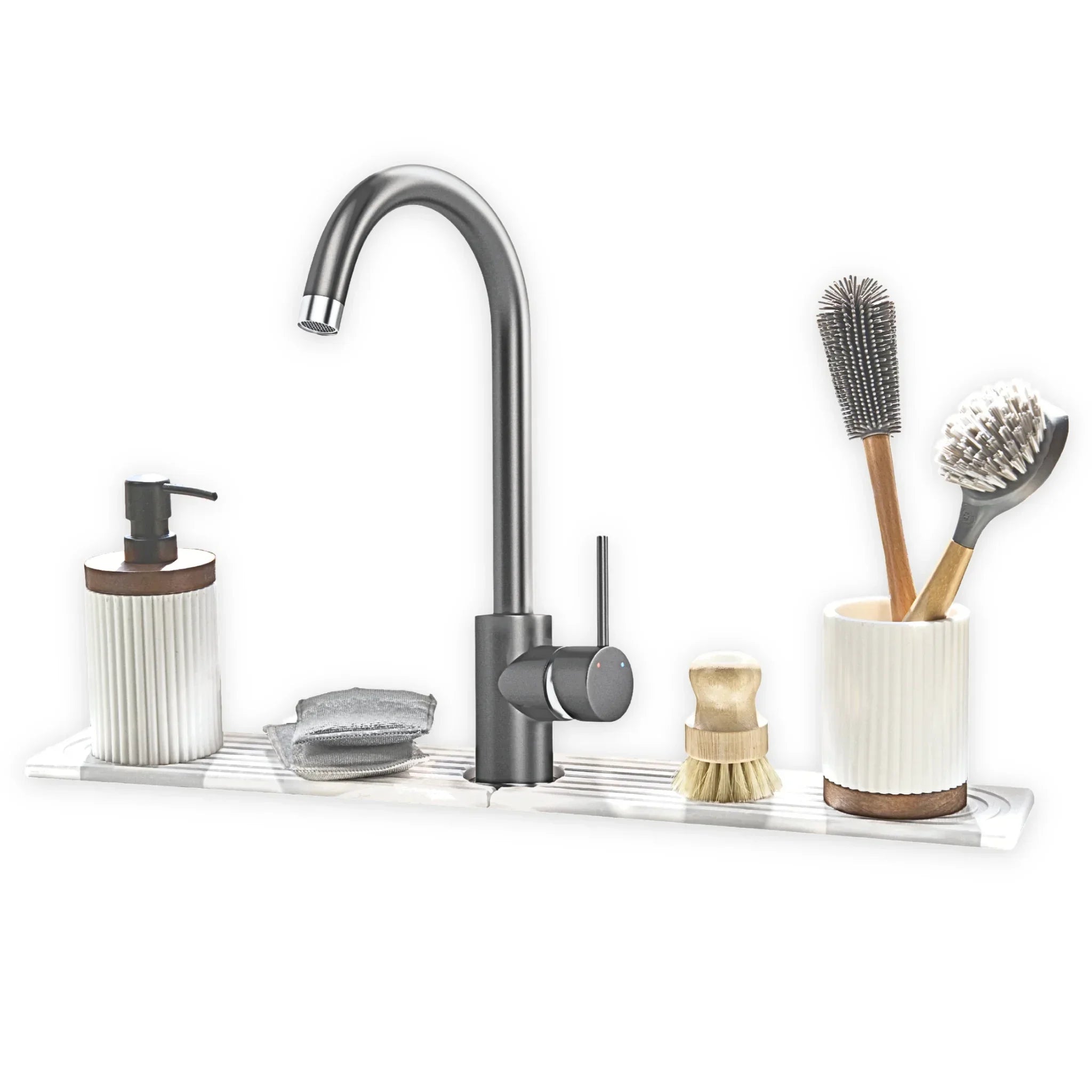
This same maintenance approach works for all diatomite products, not just coasters. The stone dish mats and sink caddies use the same material and benefit from occasional sanding when performance drops. You can find more detailed care instructions on the care and cleaning page, which covers maintenance for the entire product range.
The beauty of this system is that it extends the life of your coasters indefinitely. Instead of throwing them out when they stop working well, a quick sanding session brings them back to full performance. It's a simple maintenance step that keeps the material functioning exactly as designed for years of daily use.
Wrap-up
Keeping your stone coasters clean doesn't need to be complicated. A quick wipe with vinegar water once a week handles most everyday mess, and rinsing off fresh spills right away stops stains before they settle in. The key is treating diatomite like the natural material it is, which means skipping harsh chemicals and letting it breathe between uses.
When your coasters start feeling less absorbent, that's just surface buildup blocking those tiny pores. A light sanding brings them back to life in under a minute. Our stone coaster set includes the sanding tool you need, so you're covered from day one.
The same care approach works across all diatomite products, whether you're maintaining dish mats, sink caddies, or bath mats. Natural materials reward simple maintenance with years of reliable performance.
Most people wonder about specific stain types or how often they really need to sand. The answers depend on how you use your coasters and what you're setting on them. Below, we've answered the most common questions that come up after people start using stone coasters at home.
Common Questions About Cleaning Stone Coasters
Stone coasters made from diatomite are different from regular coasters, which means people often have questions about the best way to care for them. The porous structure that makes these coasters so good at absorbing moisture also means they need specific cleaning approaches. Most concerns come down to understanding what the material can handle and what might damage its natural properties. Here are the most common questions we hear about keeping stone coasters clean and working properly.
Can you put stone coasters in the dishwasher?
No, you should never put diatomite stone coasters in the dishwasher. The high heat and harsh detergents can damage the porous structure and reduce the coaster's ability to absorb moisture. Hand cleaning with water and mild soap is always the safer choice.
How often should you clean stone coasters?
A quick wipe with a damp cloth after each use prevents buildup, but a deeper clean with vinegar water once a week keeps them working their best. If you notice stains or reduced absorption, clean them right away rather than waiting for your weekly routine.
What if the coaster stops absorbing moisture?
When a stone coaster stops soaking up water like it used to, the surface pores are likely clogged with residue or oils. Light sanding with fine grit sandpaper reopens these pores and restores the absorption. Our Natureva stone coasters include a P320 grit sanding tool specifically designed for this purpose, making it easy to refresh the surface whenever needed.
Are cleaning products safe for diatomite stone?
Most household cleaners are too harsh for diatomite and can leave residue in the pores. Stick with natural options like diluted white vinegar, mild dish soap, or hydrogen peroxide for tougher stains. Avoid anything with bleach, oils, or heavy chemicals.
How do you remove coffee stains from stone coasters?
Coffee and tea stains are common but manageable. Rinse the coaster under water first, then apply a paste of baking soda and water directly to the stain. Let it sit for 10 minutes before scrubbing gently with a soft brush. For stubborn marks, hydrogen peroxide works well without damaging the stone.
Can you use vinegar on stone coasters?
Yes, diluted white vinegar is one of the best cleaning solutions for stone coasters. Mix equal parts vinegar and water, wipe the surface, and rinse thoroughly. This method breaks down residue without leaving harmful chemicals behind. Just make sure to let the coaster dry completely upright after cleaning so moisture doesn't get trapped in the base.
The next generation of home essentials: naturally made, cleaner by design, sustainable by nature.
SHOP ALL