
Best Drying Pad for Dishes to Keep Benches Dry
That puddle spreading across your kitchen bench after washing dishes isn't just annoying, it's a sign your current setup is failing at its one job. Traditional fabric dish mats trap moisture underneath, leaving surfaces wet for hours and creating the perfect breeding ground for bacteria and mildew. A proper drying pad for dishes needs to do more than just sit there, it should actively pull water away from your bench and dry fast enough to stay clean between uses.
Table of Contents
The Problem with Traditional Dish Mats
Most kitchen dish mats are made from fabric, microfibre, or foam materials that seem like a good idea until you actually use them. They soak up water from your freshly washed dishes, but then that water just sits there, trapped in the fibres for hours. The mat stays damp and heavy, creating the perfect environment for things you definitely don't want growing near your clean dishes. What starts as a helpful kitchen tool quickly becomes a breeding ground for bacteria and mould, especially in humid climates or during warmer months.
Why Fabric Stays Wet So Long
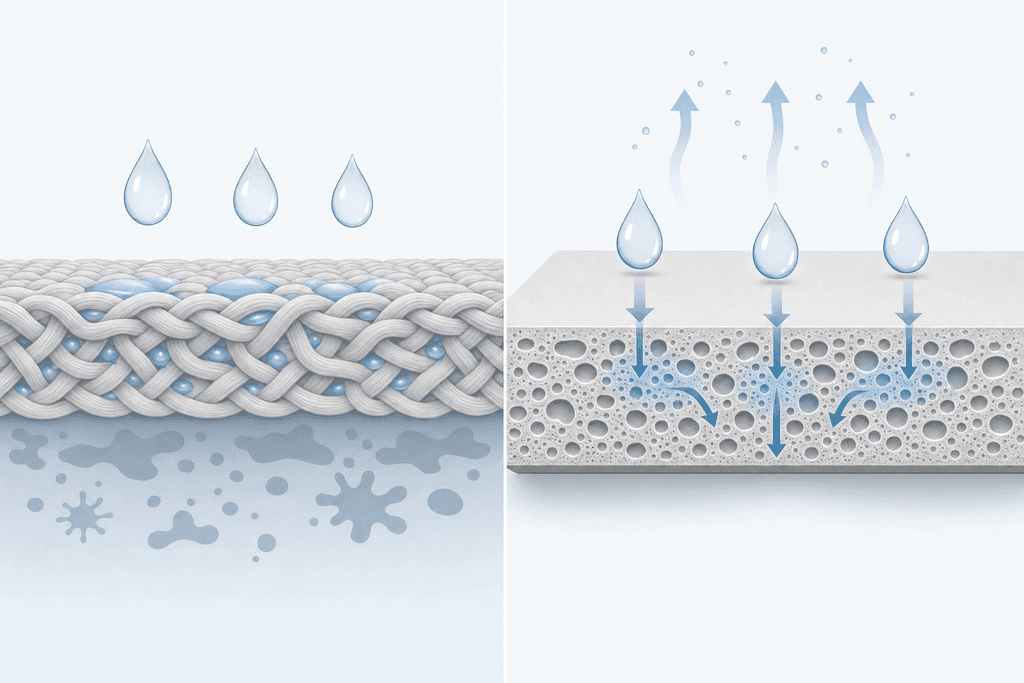
Traditional fabric dish mats work by absorbing water into their fibres, but they have no way to release that moisture quickly. Unlike a drying pad for dishes made from stone materials, fabric relies entirely on slow air evaporation. This means your mat can stay damp for 6 to 12 hours after a single dish washing session.
The moisture retention creates several problems:
- Water gets trapped deep in the fabric layers where air can't reach it
- The underside of the mat stays wet against your benchtop, potentially causing water damage or staining
- Humid kitchens slow down evaporation even more, leaving mats damp overnight
- Stacked dishes on wet mats prevent airflow, making the problem worse
The Hidden Hygiene Issue
A recent kitchen product review highlighted how traditional mats can harbour bacteria despite regular washing. When fabric stays damp for extended periods, bacteria multiply rapidly in the warm, moist environment. You're essentially placing your clean dishes on a surface that's growing microorganisms.
The cycle becomes exhausting:
- Wash dishes and place them on the mat
- Mat stays wet for hours, developing musty smells
- Throw the mat in the washing machine every few days
- Replace the mat every few months when it starts falling apart or smelling permanently damp
Bench Damage Nobody Talks About
Beyond the hygiene concerns, wet fabric mats can actually damage your kitchen surfaces. Water pools underneath the mat, especially if your benchtop isn't perfectly level. Prolonged moisture exposure can stain laminate counters, warp wooden surfaces, and leave water marks on stone benchtops. Some fabric mats also have rubber backing that can leave residue or discolouration over time.
| Mat Type | Drying Time | Bacteria Risk | Bench Protection |
|---|---|---|---|
| Fabric/Microfibre | 6-12 hours | High | Poor |
| Foam/Silicone | 4-8 hours | Medium | Medium |
| Stone (Diatomite) | Under 1 hour | Low | Excellent |
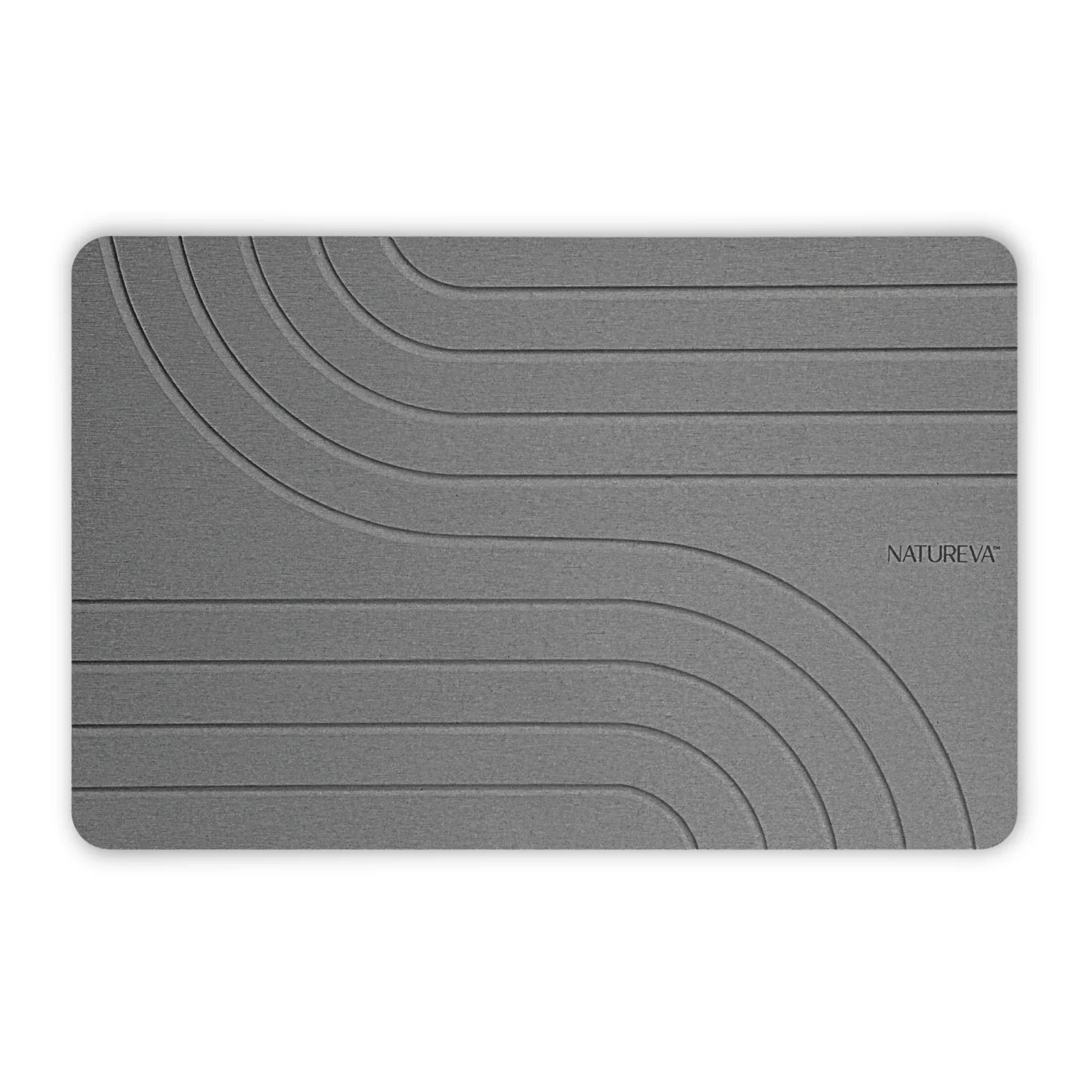
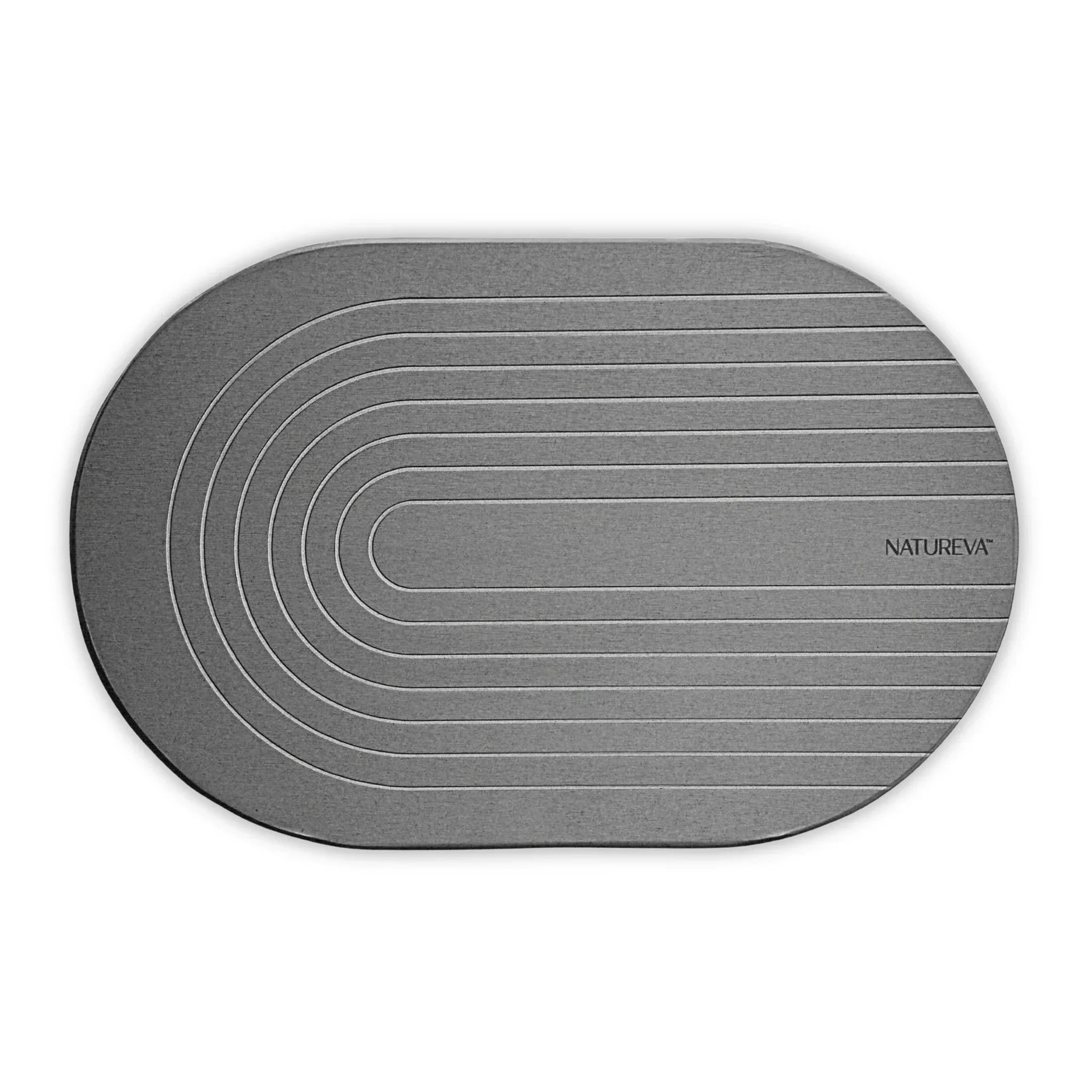
Stone dish mats like the Natureva Flow and Tide models solve these problems by absorbing water instantly and releasing it through rapid evaporation. The elevated design on stainless steel legs creates airflow underneath, protecting your bench while keeping the surface dry. No more soggy mats, no more constant washing, and no more wondering what's growing in the damp fabric next to your dinner plates.
What Makes a Good Drying Pad for Dishes
Most people don't realize their dish drying pad is actually making their kitchen wetter, not drier. A good drying pad needs to do more than just catch water. It has to absorb moisture quickly, release it back into the air fast enough to stay dry between uses, and keep your bench completely protected from puddles and water rings. The difference between a pad that works and one that just sits there soaking comes down to a few key features that most traditional options completely miss.
Absorption speed matters more than capacity. A pad that holds tons of water but takes hours to dry will leave you with a soggy mess by dinner time. The best materials pull moisture away from dishes instantly and start evaporating it right away.
- Look for materials with natural pore structures that create airflow
- Elevation design that lifts the pad off the counter prevents moisture from getting trapped underneath
- Durability should mean years of use, not months before replacement
- Size needs to match your actual dish washing habits, not just your counter space
- Natural materials often outperform synthetic ones because they breathe instead of trap
The problem with most fabric or microfiber pads is they become moisture sponges. They absorb well at first, but then they just sit there wet for hours. Airflow underneath the drying surface is what separates pads that actually dry from ones that stay damp. Without elevation, moisture has nowhere to go except sideways onto your bench.
Maintenance requirements tell you a lot about how well a pad actually works. If you need to wash it every other day or treat it with special cleaners, the material probably isn't managing moisture properly on its own. Consumer testing shows that materials requiring constant washing often harbor more bacteria than self-drying alternatives.
Essential Features Checklist
- Absorbs water within seconds of contact
- Dries completely between morning and evening dish loads
- Elevated design with visible airflow space underneath
- Non-slip base that won't scratch countertops
- Easy to clean without daily washing requirements
- Large enough to handle your typical dish volume
Material Comparison for Dish Drying Pads
The material your drying pad is made from determines everything about how it performs. Different materials handle moisture in completely different ways, and understanding these differences explains why some pads leave your bench soaking while others stay bone dry. Most kitchens have tried at least three different types before finding one that actually works.
Diatomite stone is made from fossilized algae with millions of microscopic pores. These tiny holes pull water in instantly and release it back into the air through rapid evaporation. The stone stays dry to the touch even minutes after you place wet dishes on it.
| Material | Absorption Speed | Drying Time | Antibacterial | Lifespan |
|---|---|---|---|---|
| Diatomite Stone | Instant | Minutes | Natural | Years |
| Microfiber | Fast | Hours | Chemical | Months |
| Silicone | None (drains) | N/A | None | Years |
| Plastic Racks | None (drains) | N/A | None | Years |
Microfiber pads absorb well initially but they trap moisture in their fibers. The water has to evaporate through the entire thickness of the fabric, which can take half a day or more. By the time you need to use it again, it's still damp from the last load.
Silicone and plastic options don't absorb at all. They're designed to let water drain through or run off, which sounds good until you realize that water is now pooling on your counter. Testing by kitchen experts shows these materials work better with drainage trays, but that adds bulk and cleaning requirements.
Natural antibacterial properties come from materials that don't stay wet long enough for bacteria to grow. Chemical treatments wear off over time and need reapplication. Diatomite's rapid drying behavior means bacteria simply don't have the moist environment they need to multiply.
Replacement frequency matters for your budget and the environment. Fabric pads typically need replacing every few months as they lose absorbency and develop odors. Stone materials like the ones in Natureva's dish mat collection can be restored with simple sanding and last for years without degrading.
How Elevated Stone Dish Mats Work
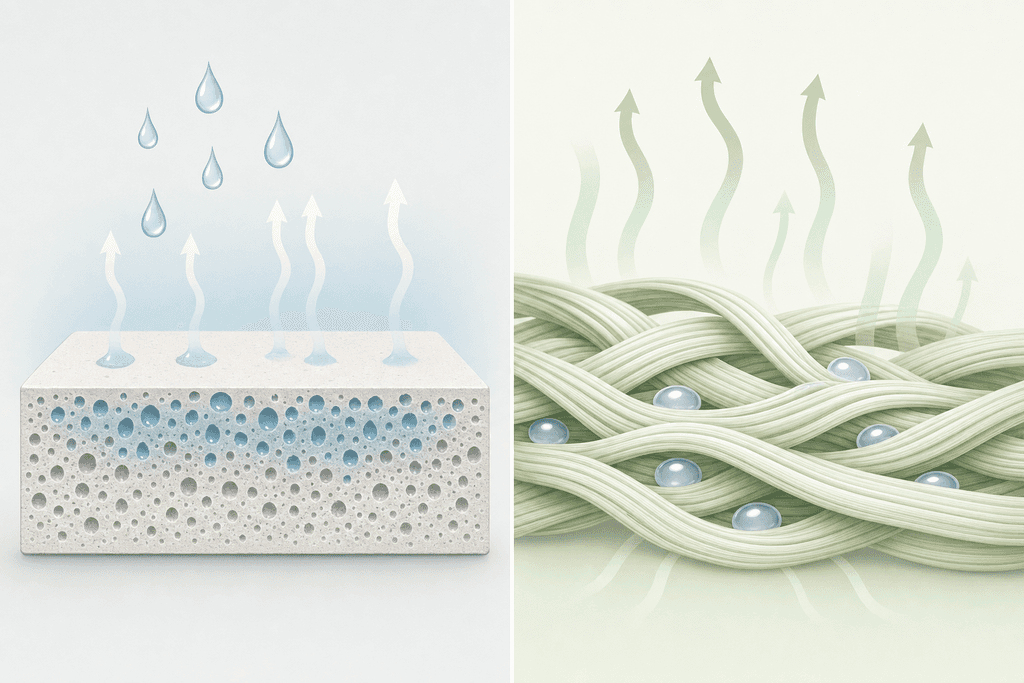
The science behind diatomite explains why it outperforms every other drying pad material. Those millions of microscopic pores aren't just for show. They create a massive internal surface area that pulls water molecules in through capillary action, then releases them back into the air almost immediately. The stone feels dry because moisture doesn't pool on the surface or get trapped inside like it does with fabric.
Elevation changes everything about how moisture behaves. When a drying pad sits flat on your counter, any water it releases has nowhere to go. It just sits there between the pad and the bench, creating the exact wet mess you were trying to avoid.
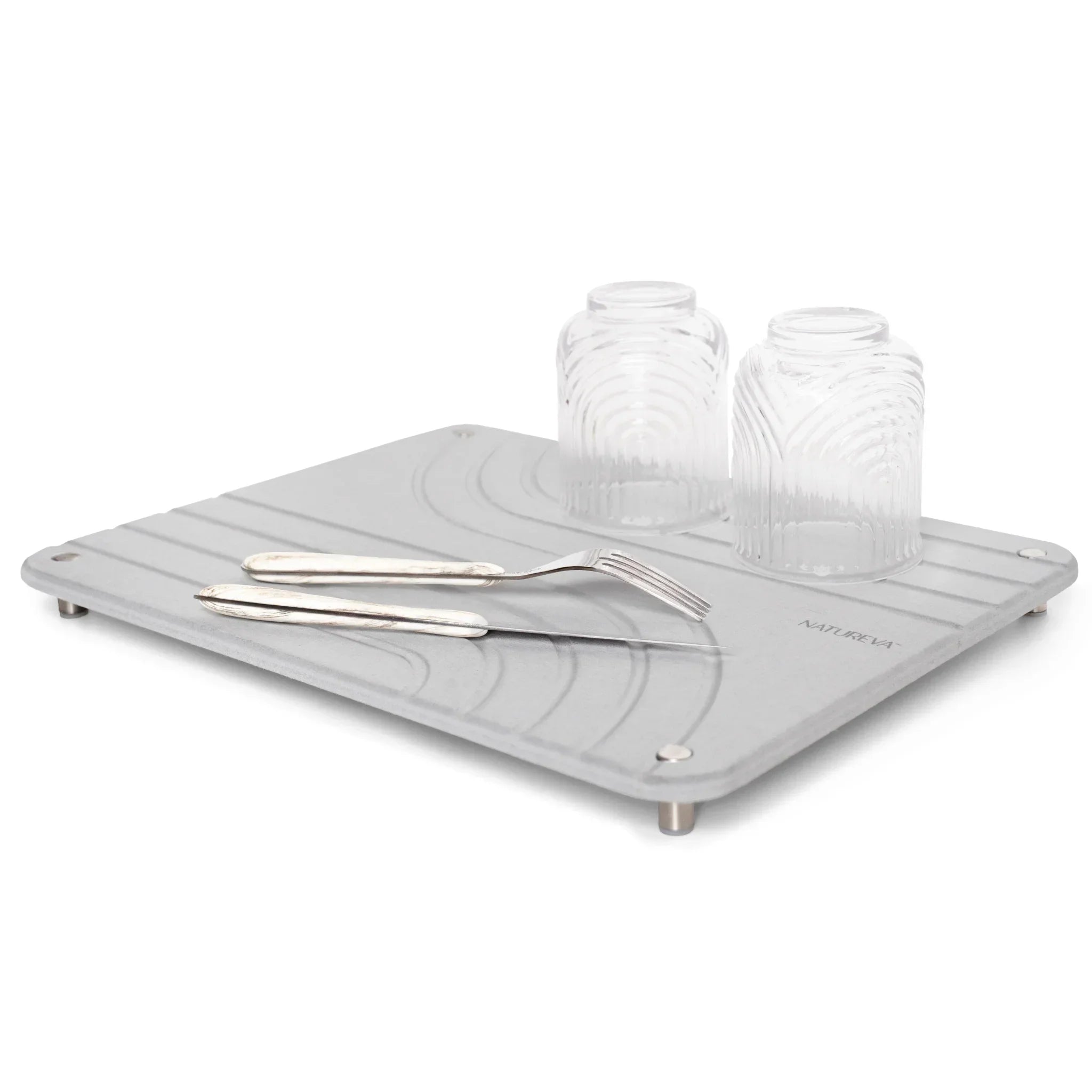
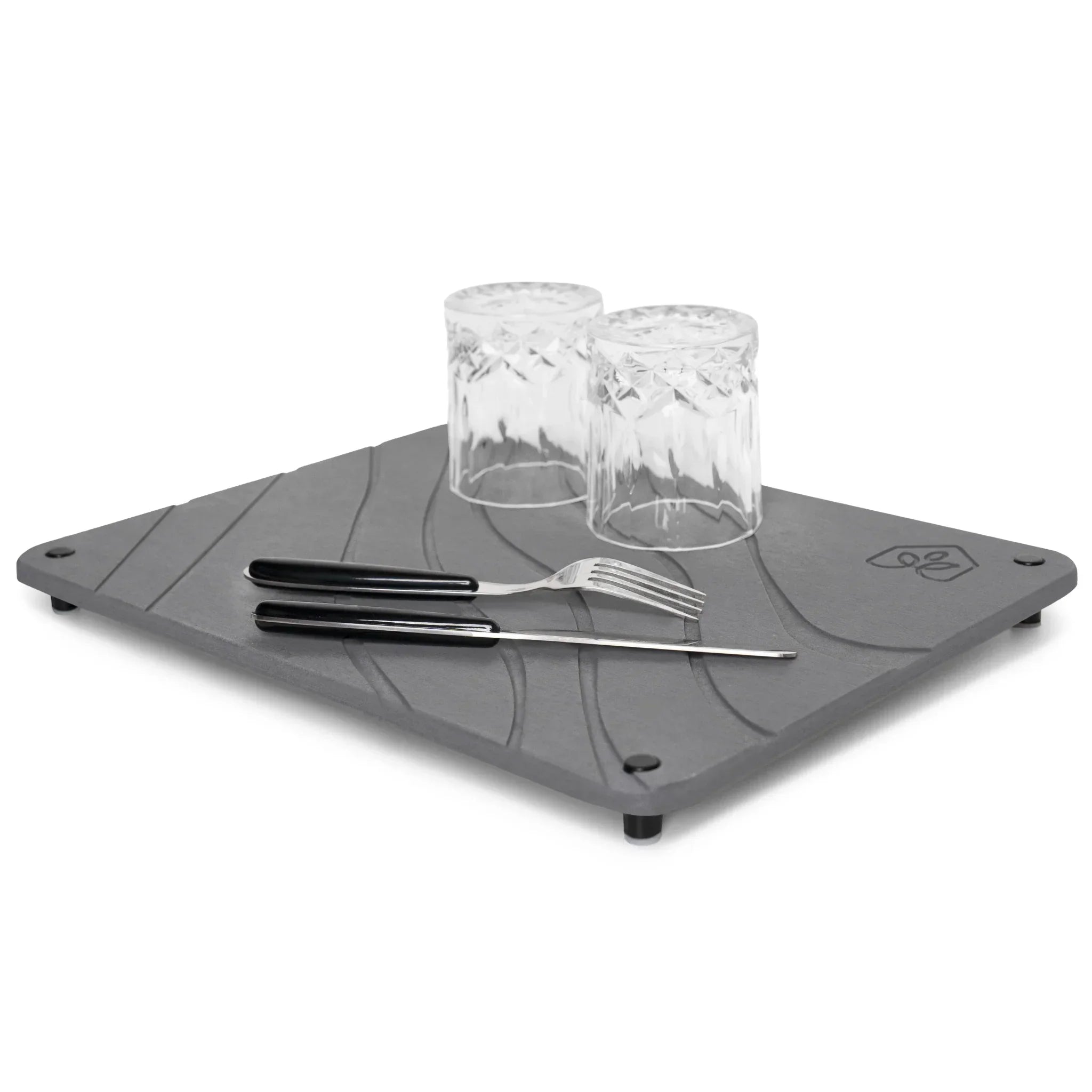
Natureva's Stone Dish Mats sit 2.5 cm above your counter on stainless steel legs. This creates a complete airflow channel underneath the entire mat. As the diatomite releases moisture through evaporation, air circulates freely and carries that moisture away instead of letting it condense on your bench.
The next generation of home essentials: naturally made, cleaner by design, sustainable by nature.
SHOP ALL- Water absorbs into the stone surface within seconds
- Microscopic pores spread moisture throughout the internal structure
- Evaporation happens from the entire surface area, not just the top
- Air flowing underneath prevents moisture buildup
- The mat stays dry enough to use again in under an hour
The silicone pads underneath each stainless steel leg serve two purposes most people don't think about. They keep the mat from sliding around when you're placing wet dishes on it, which matters more than you'd expect with a stone surface. They also protect your countertop from pressure marks and scratches that metal legs could cause over time.
The pads are precision sized at 1.2 cm diameter to match the exact width of the legs. They sit flush underneath without any visible overhang, so the whole setup looks clean and intentional rather than like you stuck random bumpers on the bottom. Budget alternatives often skip this detail and end up scratching surfaces or sliding around.
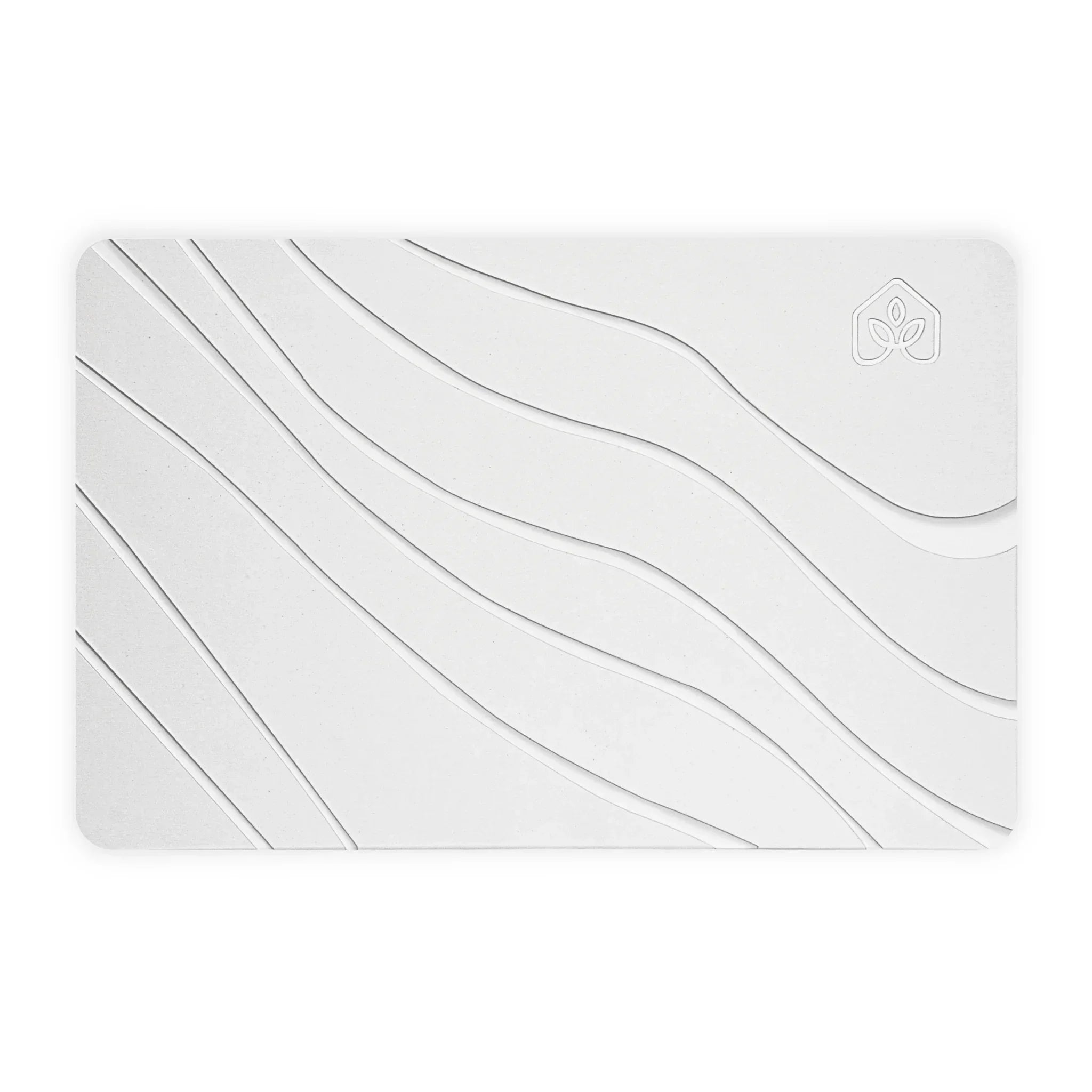
The composite construction of diatomaceous earth and recycled paper creates a material that's both lightweight and incredibly durable. At 39.5 × 29.5 cm, the Tide and Flow dish mats handle a full sink's worth of dishes without taking up your entire counter. The stone weighs around 0.9 kg, which is solid enough to stay put but light enough to move when you need to wipe down your counter.
No chemical coatings or synthetic finishes means the material works exactly as nature designed it. When the surface eventually gets saturated from heavy use, the included sanding tool reopens those microscopic pores and restores full absorbency. You're not replacing the pad, just refreshing it.
Real Kitchen Performance and Maintenance
Most people don't think about how much water their dish drying setup actually handles until they're wiping down puddles for the third time in a day. A typical household washes dishes at least twice daily, and each session can leave behind anywhere from 100 to 500 milliliters of water depending on what you're drying. That water has to go somewhere, and the difference between materials becomes obvious fast when you're dealing with real kitchen conditions instead of marketing claims.
Fabric mats absorb water initially but then sit there holding moisture for hours. The average cotton or microfiber dish mat takes 4 to 8 hours to fully dry in normal kitchen humidity, which means it's still damp when you need it again for the next meal. Stone-based options like diatomite work differently because they release moisture through evaporation within 30 to 60 minutes, keeping the surface functional throughout the day.
Daily Capacity Differences
- Fabric mats saturate after 2-3 dish loads and need replacement or washing
- Stone pads handle 5-6 loads before needing a quick rinse and air dry
- Silicone mats don't absorb at all, they just pool water that drips onto counters
- Bamboo mats absorb moderately but develop mildew smell within weeks
Cleaning frequency tells you everything about long-term convenience. Fabric versions need washing every 2 to 3 days to avoid bacterial buildup and odor, while stone options like the Natureva dish mat only need a weekly vinegar wipe to stay fresh. That difference adds up to roughly 120 fabric mat washes per year versus 50 quick wipes for stone.
Cost Breakdown Over Time
| Material Type | Initial Cost | Replacement Cycle | 3-Year Total |
|---|---|---|---|
| Fabric mat | $15-25 | Every 6 months | $90-150 |
| Stone pad | $45-50 | 3+ years | $45-50 |
| Silicone mat | $20-30 | Every 12 months | $60-90 |
Fabric mats degrade noticeably after 4 to 6 months of daily use. The fibers compress, absorption drops by 40 to 60 percent, and stains become permanent even with bleaching. Stone materials maintain their performance for years because the porous structure doesn't break down from water exposure, and surface sanding restores full function when needed.
Environmental Impact Comparison
- Average household discards 6-8 fabric dish mats per year into landfills
- Stone pads last 3-5 years with minimal maintenance, reducing replacement waste
- Washing fabric mats 120 times yearly uses approximately 180 liters of water
- Stone options require no machine washing, only occasional rinsing
The performance gap becomes clear when you track actual bench dryness. Homes using fabric report wiping counters 2 to 3 times daily, while stone pad users rarely need to wipe at all because moisture doesn't migrate off the elevated surface. That's the difference between managing a problem and actually solving it.
Choosing the Right Drying Solution
The best drying pad for dishes comes down to three things: how fast it dries, whether it keeps your bench protected, and if it'll last longer than a few months. Fabric mats trap moisture underneath and create the exact conditions where bacteria and mould love to grow. Stone based options like our dish mats solve this by sitting on elevated legs that let air flow freely while the diatomite surface absorbs water instantly and releases it back into the air.
Material matters more than most people think. Diatomite isn't just absorbent, it's naturally antibacterial because it doesn't stay wet long enough for anything to grow. The Tide and Flow dish mats both use this same composite material with stainless steel legs that lift them 2.5 cm off your counter.
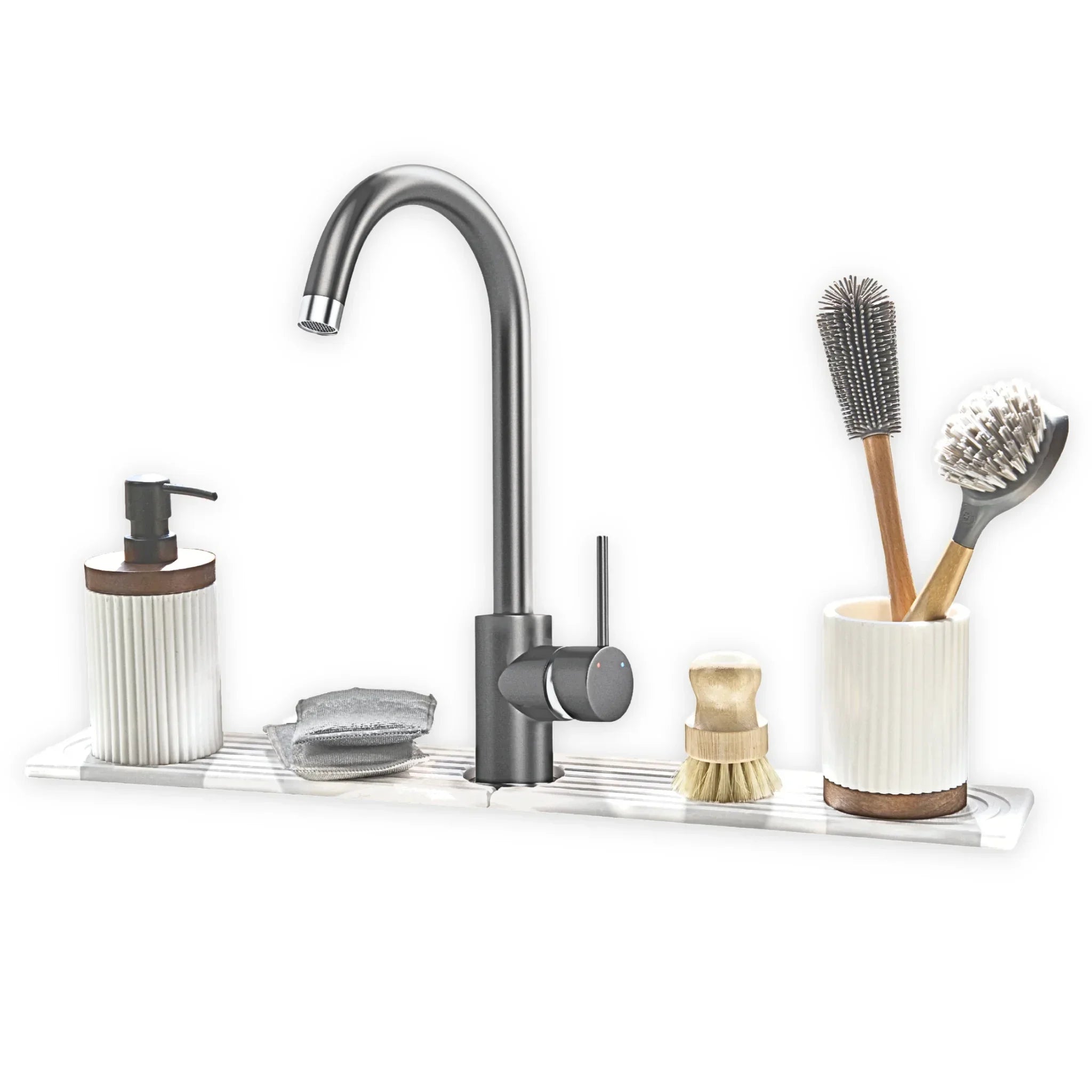
If you're dealing with smaller spaces or just need something for bottles and sponges, a sink caddy works the same way on a compact scale. Same elevation system, same fast drying stone, just sized for tighter spots around the faucet.
Investing in a durable drying solution means you're not replacing soggy fabric mats every few months or dealing with water rings on your benchtop. Stone options cost more upfront but they don't wear out the same way. You can sand the surface if it ever loses absorbency, which basically resets it to new.
The right drying pad keeps your kitchen cleaner without adding extra work to your routine. It just sits there, does its job, and doesn't need much attention beyond a quick wipe down now and then.
Common Questions About Dish Drying Pads
Choosing the right drying pad for dishes means understanding how different materials perform in real kitchens. Most people have questions about durability, maintenance, and whether these products actually work better than traditional dish towels. Here are the answers to the most common concerns about dish drying pads and how they hold up to daily use.
How long do different drying pad materials last?
Fabric dish mats typically last six months to a year before they start holding odours or losing absorbency. Microfibre versions might stretch to 18 months with careful washing. Stone dish mats made from diatomite can last several years because the material doesn't break down from moisture exposure. When a stone mat loses absorbency, you can restore it by sanding the surface to reopen the pores, something you can't do with fabric.
Can drying pads handle heavy pots and pans?
Most fabric mats aren't designed for heavy cookware and will compress or stay damp under weight. Stone dish mats are solid enough to support cast iron pans and large pots without damage. The Natureva stone dish mat sits on stainless steel legs that distribute weight evenly, so even your heaviest kitchen items dry without issue.
How do you clean and maintain stone dish mats?
Stone dish mats need a weekly wipe with vinegar water to prevent buildup. If you notice any stains from coloured liquids, rinse the mat under water or use hydrogen peroxide for deeper marks. When the surface stops absorbing as quickly, use the included sanding tool to refresh the pores. The maintenance is simpler than washing fabric mats every few days.
Do elevated dish mats work on all counter types?
Elevated mats with silicone pads underneath work on granite, marble, laminate, and wood counters without scratching. The airflow gap prevents moisture from sitting against your benchtop, which is especially important for wood or sealed stone surfaces. Just make sure the mat has proper stabilisers under the legs to prevent sliding when wet.
What size drying pad do I need for my kitchen?
A standard drying pad around 40 by 30 cm handles dishes for two to four people comfortably. If you cook large meals or have a big family, look for something closer to 50 cm wide. The Natureva dish mat measures 39.5 by 29.5 cm, which fits most standard sinks and leaves room for plates, bowls, and utensils without crowding.
Are stone dish mats safe for delicate glassware?
Stone mats have a smooth surface that won't scratch glass when you set items down gently. The carved patterns add texture without creating sharp edges. Because the stone absorbs water instantly, glasses don't sit in puddles that could cause them to tip or slide.
The next generation of home essentials: naturally made, cleaner by design, sustainable by nature.
SHOP ALL