
How to Choose a Dog Water Mat That Keeps Floors Drier
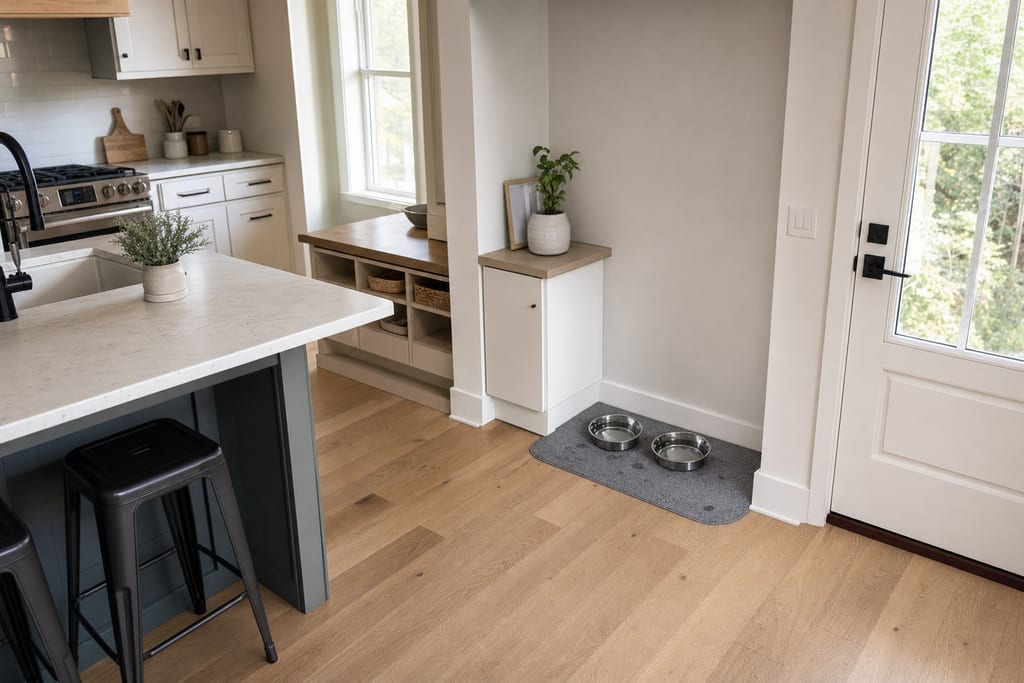
A good dog water mat keeps the floor underneath it dry within minutes, not hours. Fabric and foam mats under water bowls often look fine on top while the floor beneath stays damp long after the last drink, sometimes for three or four hours. That lag is where odour and soft, mouldy patches in timber or laminate flooring start. A mat that dries fast on the surface but traps water against the floor hasn't solved the problem, it's just hidden it.
The real test of a dog water mat isn't how it looks five minutes after a spill, it's what the floor underneath looks like after the bowl has been knocked around all day. Dense, absorbent materials pull water in and release it back into the air quickly, so there's nothing left sitting against the floorboards or tiles. Loose weaves and foam pads do the opposite, holding moisture close to the surface they're meant to protect. The mats worth buying are the ones built to solve that specific problem, not just the ones that wipe clean easily.
Table of Contents
Why Water Bowl Spills Damage Floors Faster Than You Think
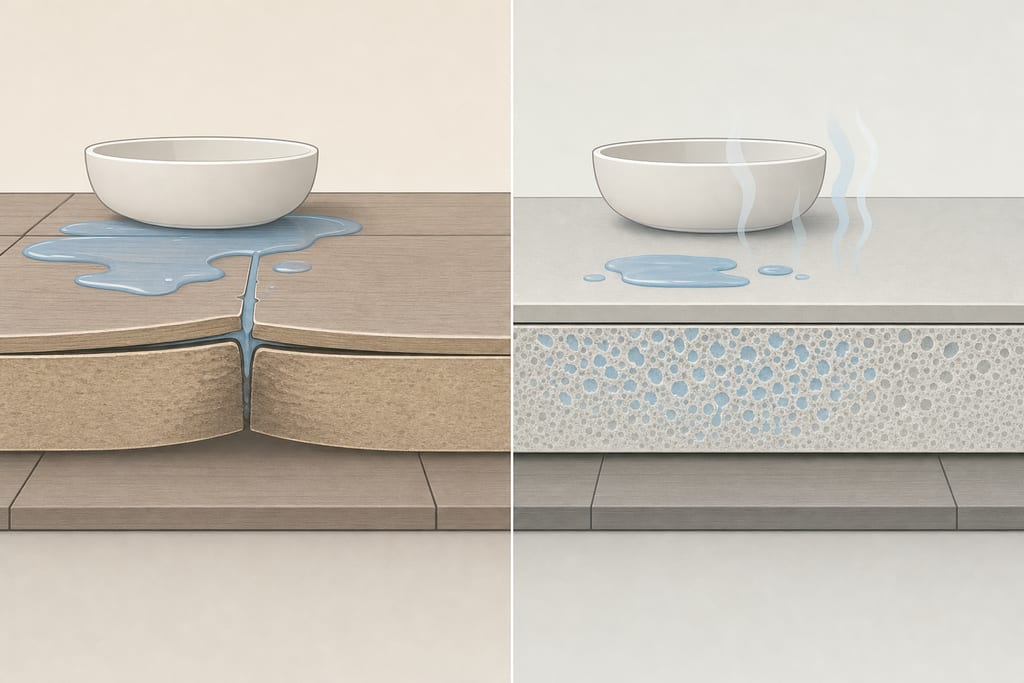
Hardwood and laminate planks start to cup or swell when water sits on them for as little as two to three hours, especially at the seams where panels meet. The finish on hardwood acts as a barrier, but once water works into a seam or scratch, the wood underneath absorbs moisture and swells unevenly. Laminate is worse: its core is compressed wood fibre, and once water gets past the top layer, the board can warp permanently and won't flatten back out.
Tile holds up better than wood, but the grout between tiles is porous and stains within a day of repeated damp exposure. Left wet for several days in a row, grout lines can grow visible mildew spots that scrubbing alone won't fully remove. Sealed grout slows this down, but most bowl stations sit on grout that hasn't been resealed in years.
| Floor Type | Risk Level | Time to Visible Damage |
|---|---|---|
| Laminate | High | 2-3 hours of standing water |
| Hardwood | Medium-High | Several hours to 1 day |
| Tile grout | Medium | 1-3 days of repeated exposure |
| Vinyl/LVP | Low | Rarely warps, but edges can lift over weeks |
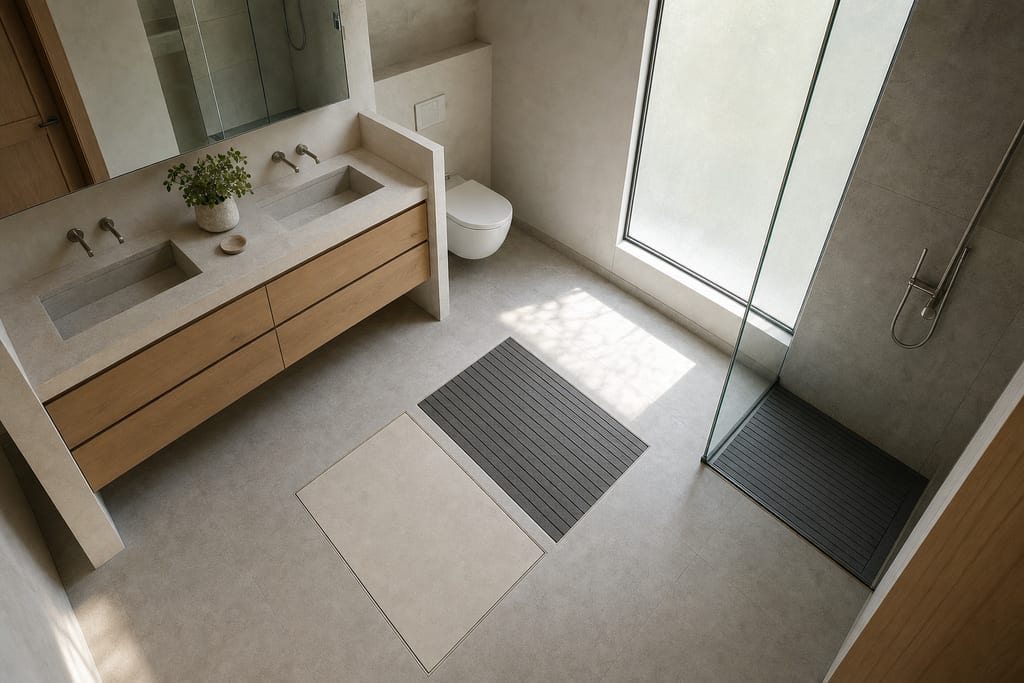
A diatomite bath mat uses the same moisture-pulling material that works for dog water stations, showing how dense stone surfaces handle standing water differently than fabric or foam.
Best Dog Water Mats You Can Buy Right Now
The right pick depends on how your dog drinks and how much floor space you have near the bowl. A fast-drying surface matters more than any other feature, because a mat that stays wet underneath is just moving the mess instead of solving it.
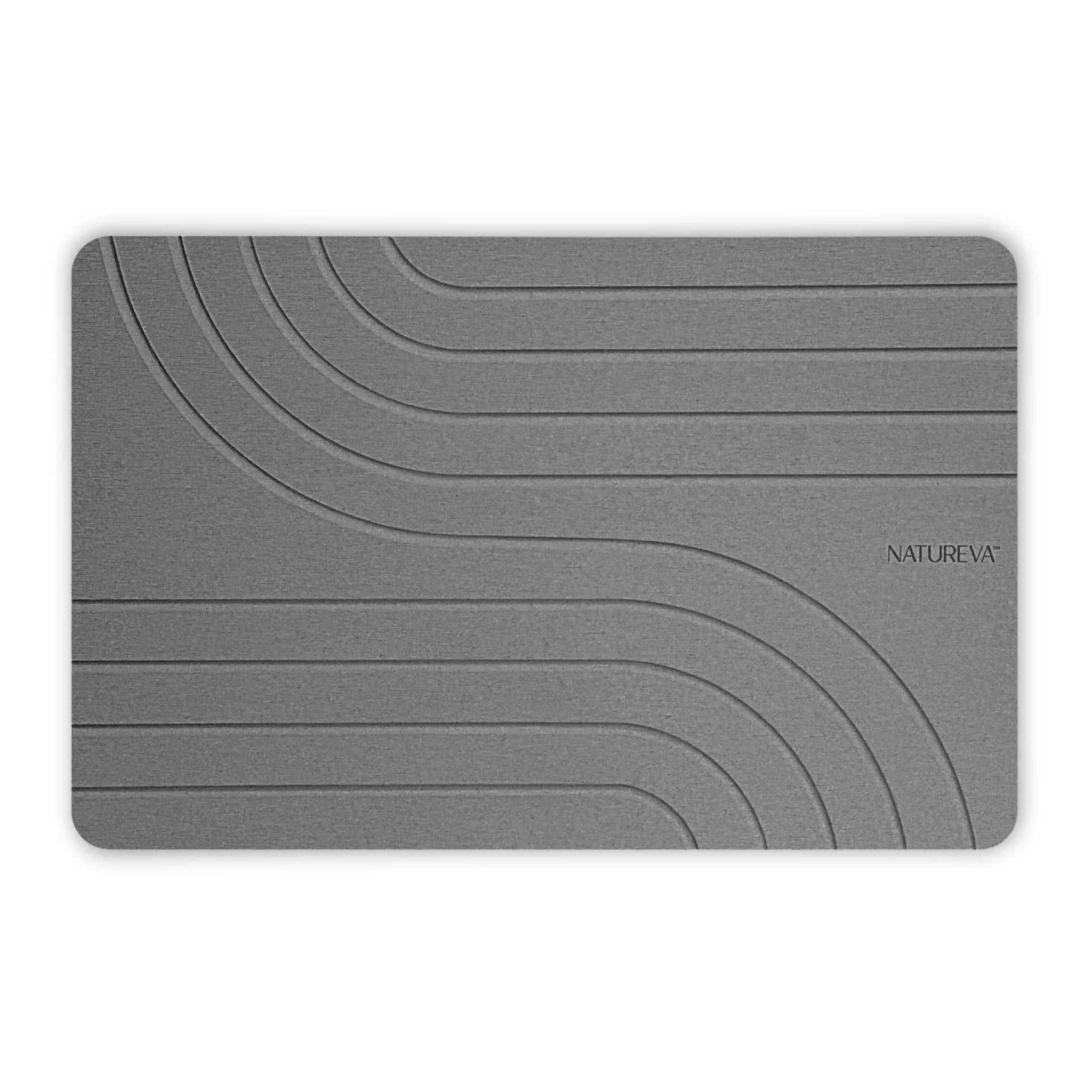
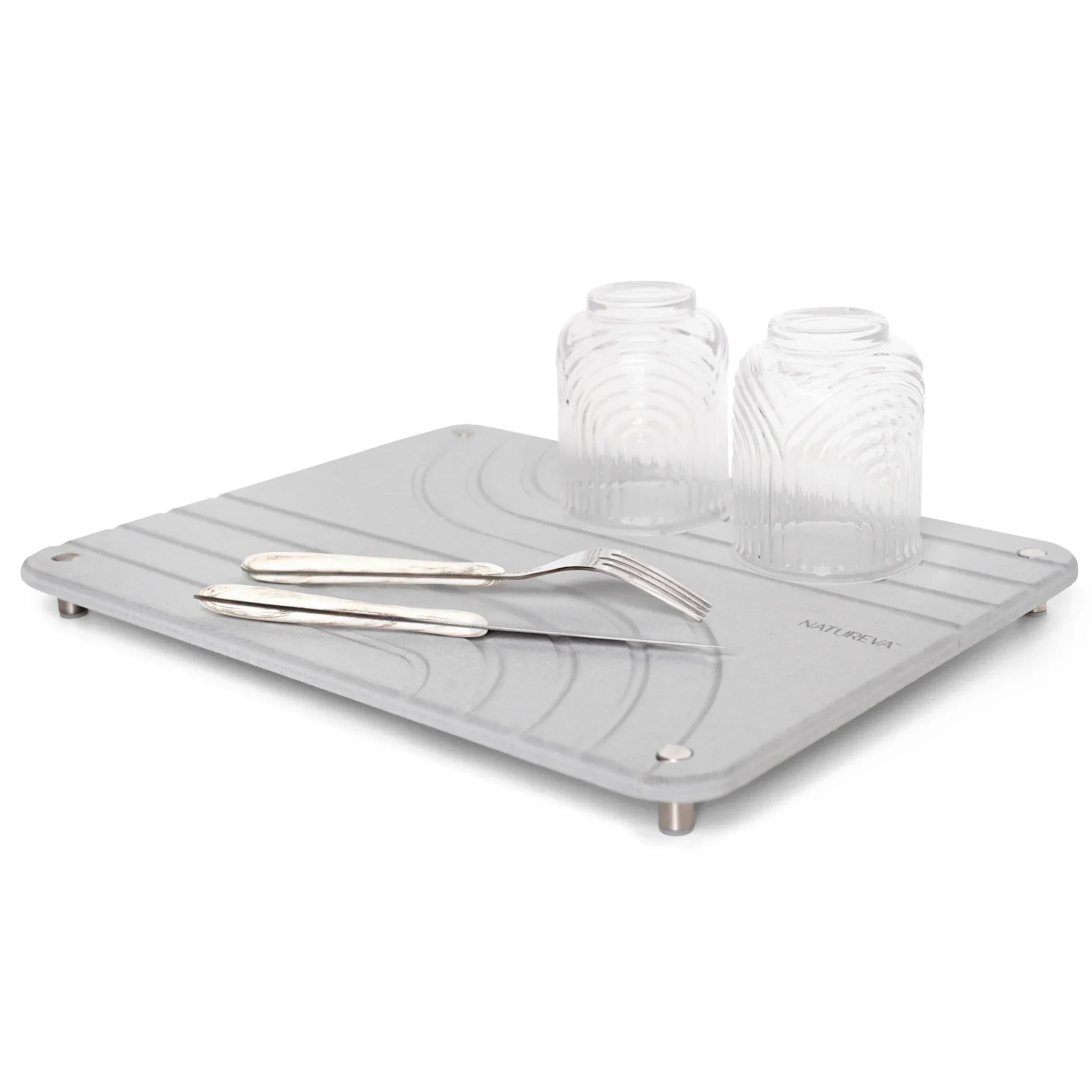
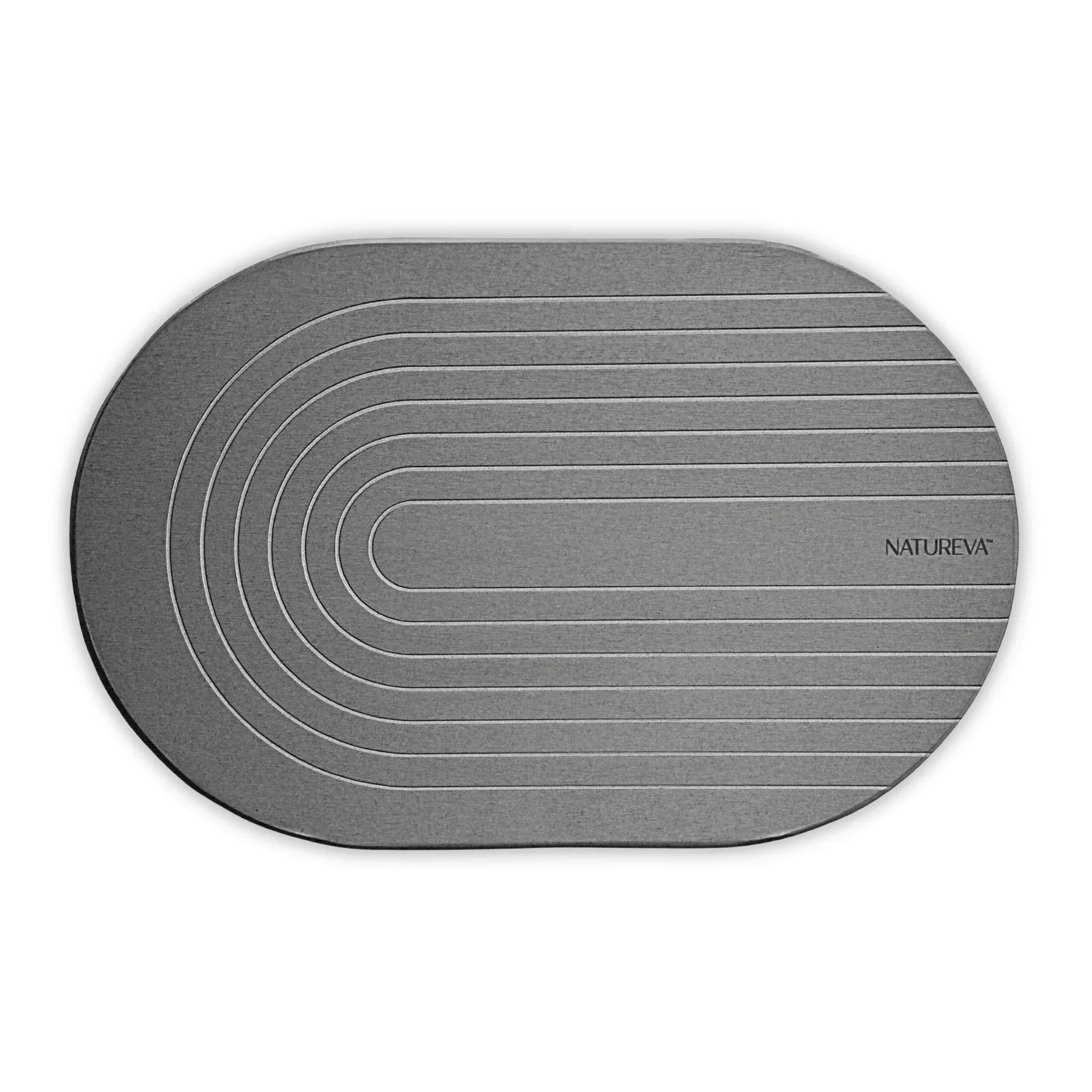
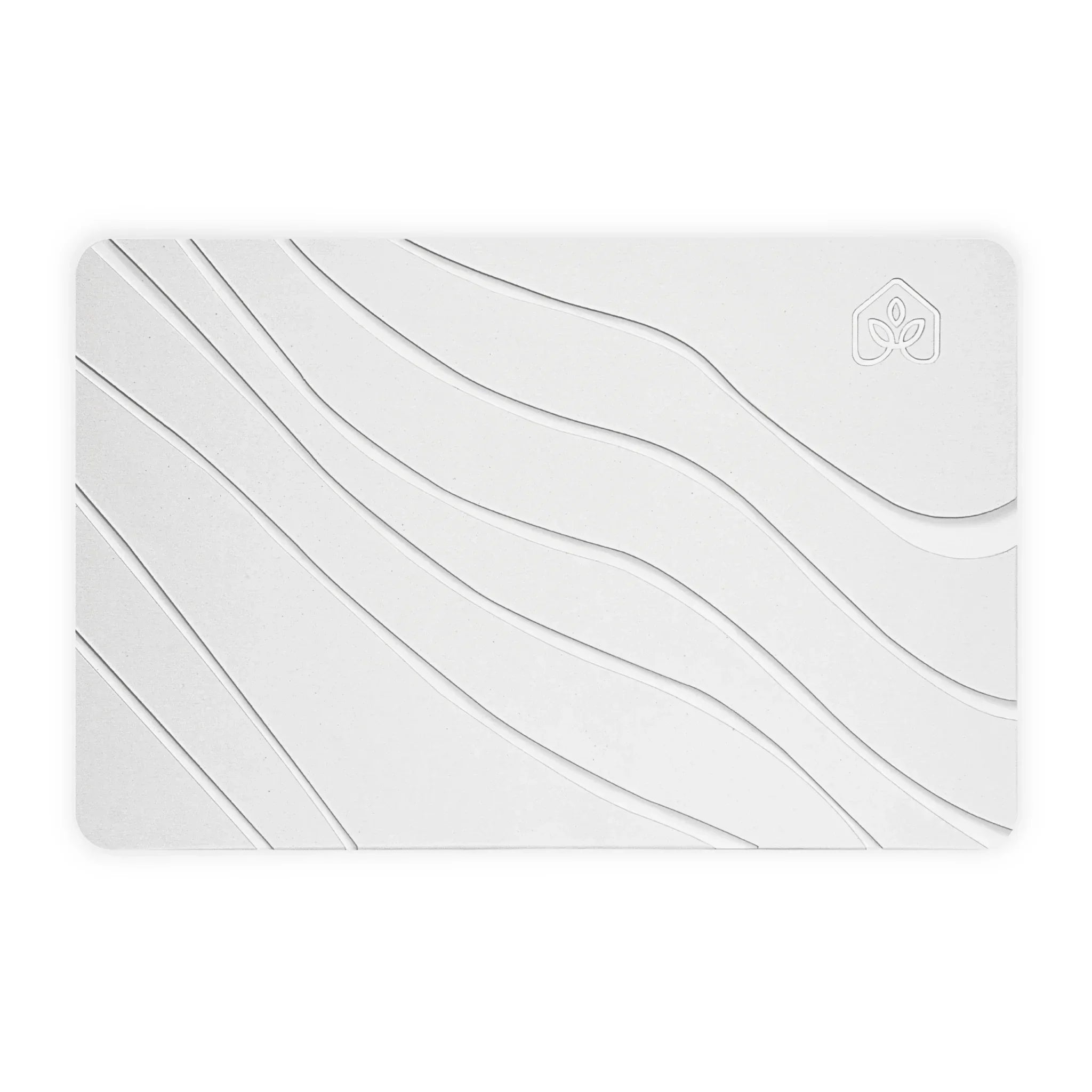
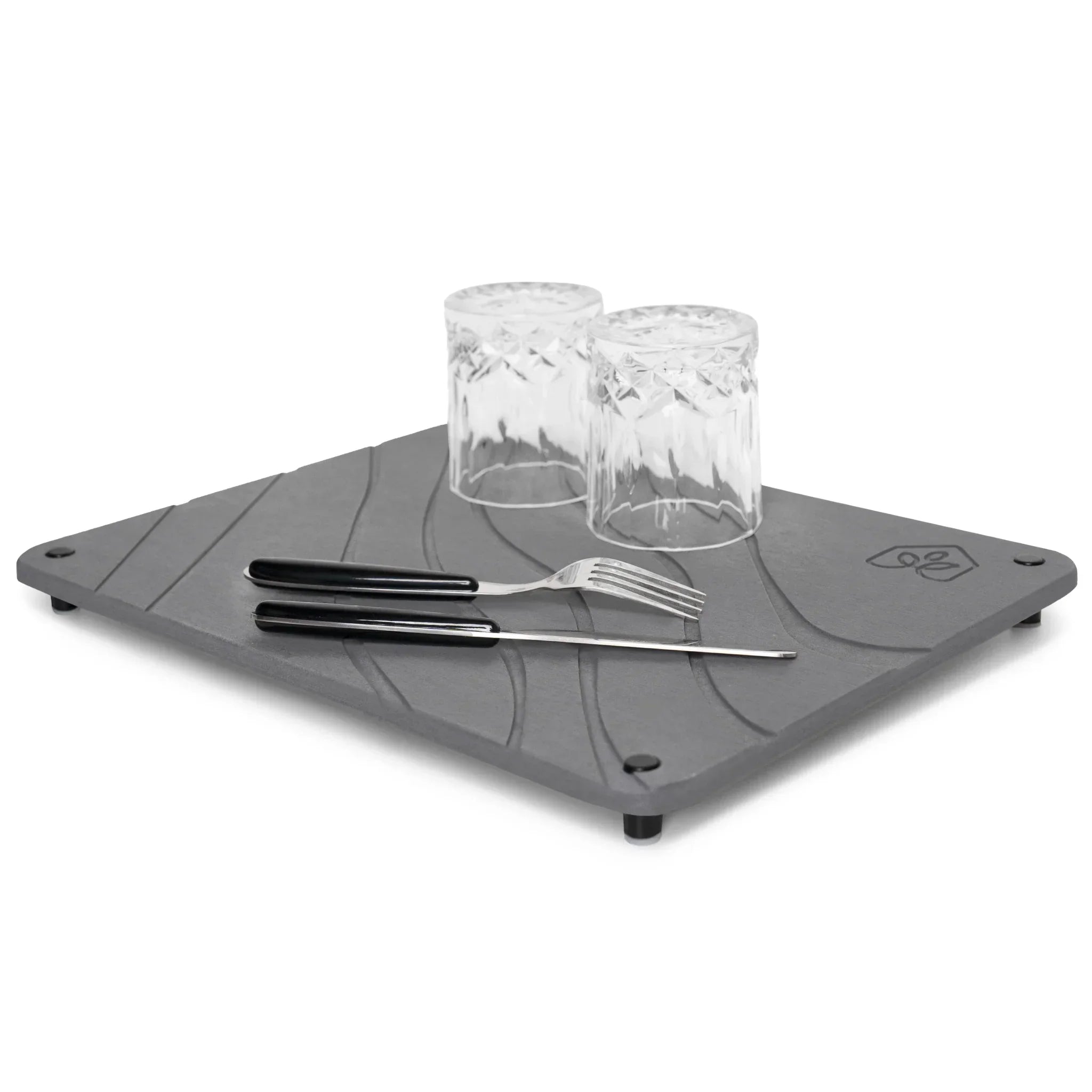
- Best for fast drying: the Natureva Diatomite Stone Pet Mat dries through evaporation instead of soaking water in and holding it. Pro: nothing left damp against the floor. Con: heavier to move than a foam pad.
- Best for large breeds or multi-bowl setups: a wider stone or hard-surface mat with a full non-slip base. Pro: covers wider splash zones without shifting. Con: takes up more kitchen floor.
- Best silicone pick: a raised-lip silicone tray for dogs that splash heavily. Pro: contains big spills with a physical wall. Con: water pools and sits until someone wipes it, trading looks for containment.
- Best for small spaces: a compact mat under 50cm wide with a non-slip base. Pro: fits tight laundry nooks. Con: not enough coverage for dogs that drink messily.
Buy link placeholder for each pick goes here once final product URLs are confirmed.
What Actually Makes a Mat Dry Fast
Drying speed comes down to what the material does with water once it lands, not how it looks when it's new. Fabric and foam mats absorb water into their fibres but trap it there, so the mat itself can stay damp for hours even after the surface feels dry to the touch. Silicone and rubber mats don't absorb anything at all, they just pool water on top until someone wipes it off.
- Fabric and foam: absorbs, but holds moisture inside the material for hours
- Silicone and rubber: no absorption, water sits until wiped
- Diatomite stone: pulls water into microscopic pores and releases it back into the air fast
Diatomite is a mineral material formed from fossilised algae, filled with pores that pull water in on contact and push it back out through evaporation. That mechanism is what keeps the surface dry within minutes, leaving no damp environment for odour or mould to form. A fast-drying surface reduces the conditions where mould and mildew develop around feeding stations, which matters more with a dog than almost anywhere else in the house.
The next generation of home essentials: naturally made, cleaner by design, sustainable by nature.
SHOP ALLSizing a Mat to Your Dog and Bowl Setup
Mat size should match how your dog drinks, not just how big the dog is. A small dog with one bowl needs far less coverage than a large breed with a double feeding station, and matching size to habit keeps the mat doing its job without wasting floor space.
- Small dog, single bowl: a compact mat under 50cm wide is usually enough
- Large breed or dunker: choose a mat that extends well past the bowl's edge on all sides
- Two-bowl setups: look for a mat built with dual zones rather than one flat surface
- Small kitchens or laundry nooks: oversized mats waste space without adding function
The Stone Pet Mat measures 47 x 29cm with dual circular zones engraved into the slab, built specifically for two-bowl setups where food and water sit side by side. Dogs that dunk their whole muzzle in before drinking need that extra width so splash lands on the mat instead of the floor around it.
Keeping the Mat Safe and Easy to Clean
A water mat only works if it stays put and stays clean with minimal effort. A non-slip base stops the mat sliding when a dog pushes against the bowl to eat or drink, which matters most with larger dogs that lean their full weight into the bowl.
- Check for a full non-slip base pad, not just a rubberised edge
- Wipe stone mats weekly with a damp cloth and cleaning vinegar, avoiding coloured soaps
- Rinse stains under water and use a sanding tool for deeper marks
- Wash fabric mats frequently, since trapped moisture in fibres builds odour faster than stone does
Stone surfaces stay clean through rapid moisture evaporation rather than trapping bacteria in fibres the way fabric does. That difference shows up most clearly around feeding stations, where spilled water sits several times a day rather than once.
Fabric or Stone, Which Costs Less Over Time
A fabric dog water mat gets replaced every few months once it starts smelling or fraying at the edges. That's the real cost of fabric, not the sticker price but the repeat purchase every time the fibres break down from sitting wet near a bowl.
A stone mat costs more to buy once, but there's nothing to replace. When the surface stops absorbing as fast as it used to, a sanding tool restores it in a few minutes, and the mat keeps working for years instead of months.
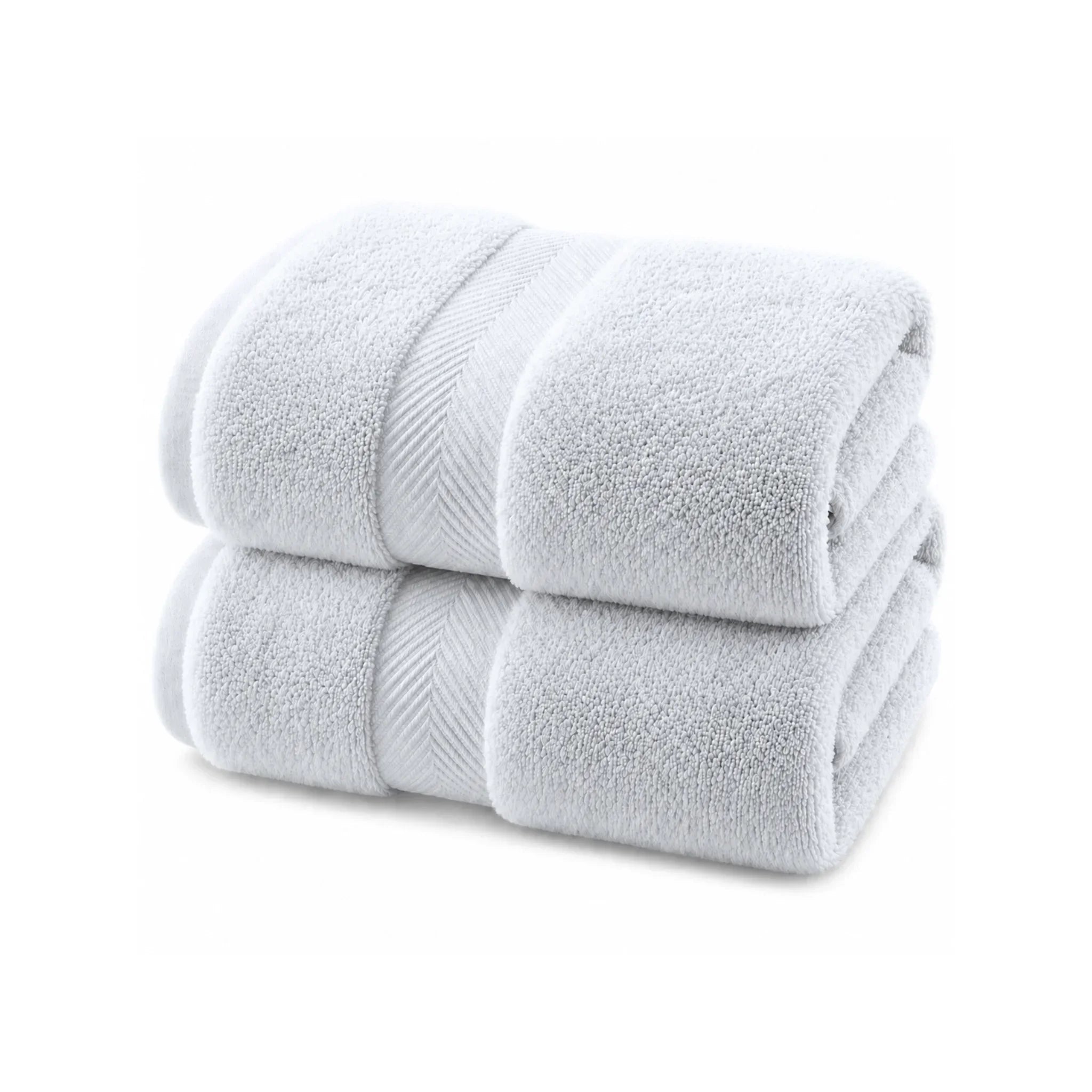
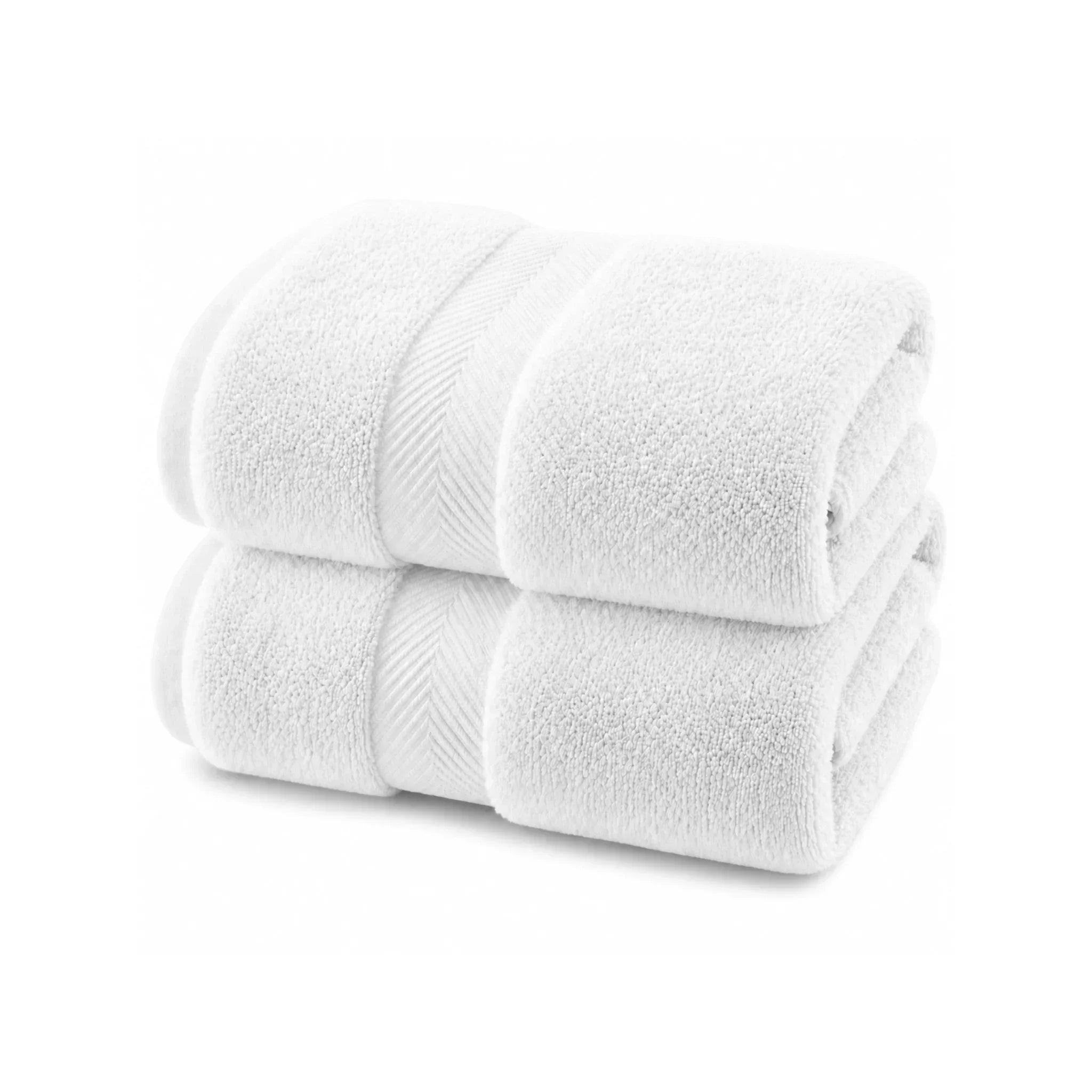
Drying speed is the part worth checking before comparing price at all. An independently tested stone bath mat in the same diatomite material dried fully in under 8 minutes, and that drying mechanism is what keeps a mat from needing constant washing in the first place.
| Factor | Fabric Mat | Stone Mat |
|---|---|---|
| Upfront cost | Lower | Higher |
| Replacement cycle | Every few months | Not required |
| Maintenance | Frequent washing | Occasional sanding |
| Cost per year | Adds up with each replacement | Lower once replacements are factored in |
Once you add up what a fabric mat costs across a year of replacements, stone works out cheaper even with the higher price tag at checkout. The stone bath mat collection uses the same material and the same sanding-based restoration, which is where that 8-minute drying figure comes from.
Pet owners who dunk bowls daily and wipe floors twice a day get the most value from skipping the replacement cycle entirely. Anyone who only fills a bowl once in the morning and barely sees a puddle might not notice the difference enough to justify the upfront spend.
Match the Mat to Your Floor and Stop Mopping
Check your floor type and your dog's habits against what's above, then order today instead of browsing more options. Laminate or hardwood near the bowl means standing water is already a risk every time the bowl gets knocked, so a surface that dries within minutes matters more than price or colour. Dunkers and large breeds need width past the bowl's edge, small dogs with one bowl need far less. If drying speed and low upkeep top your list, the Natureva stone pet mat covers both without a weekly wash. Pick the one that fits your floor and your dog, order it, and let the mat handle the puddle before it ever reaches the boards.
The next generation of home essentials: naturally made, cleaner by design, sustainable by nature.
SHOP ALLDog Water Mat Questions and Answers
How much should I expect to pay for a good dog water mat?
A fabric or foam dog water mat usually runs under $20, while a stone mat built for fast drying sits closer to $50. The Natureva Stone Pet Mat is $49, which covers both feeding zones for a two-bowl station. The higher upfront cost reflects a surface built to last years instead of months.
Can a stone water mat crack if my dog steps on it hard?
Diatomite stone mats are dense and rigid, not brittle, so normal paw traffic and bowl movement won't crack them. The material is compressed from diatomaceous earth and recycled paper, which holds up under daily weight from most dog breeds. Dropping something heavy and sharp directly on an edge is the main risk, not everyday use.
Will a stone mat work for two dogs sharing one feeding station?
A single wide mat works for two dogs if it covers both bowls with room to spare on each side. A dual-zone design built for two bowls handles shared stations better than a single flat slab, since each dog gets its own drinking area without splash crossing over. For dogs that eat and drink at separate times, one wider mat is usually enough.
Does a stone water mat get cold or slippery for paws in winter?
Stone surfaces feel cooler to the touch than fabric, but a non-slip base pad underneath keeps the mat from sliding regardless of temperature. The surface itself isn't smooth or glassy, so grip for paws stays consistent year round. Dogs that spend time outdoors in cold weather won't notice a meaningful difference once they're back inside near the bowl.