
Best Placement for Plant Drip Trays in Apartments
Water rings on hardwood floors can cost renters hundreds of dollars in lost security deposits, yet most apartment dwellers don't realize their houseplants are slowly damaging surfaces beneath them. A plant drip tray seems like a simple solution, but placement matters just as much as having one at all. Understanding where and how to position these protective barriers can save your floors while keeping your green friends healthy and thriving.
Table of Contents
Understanding Water Damage in Apartment Living
A single overwatered plant can cause hundreds of dollars in floor damage within just a few hours. When you're renting an apartment, that water stain on the hardwood could mean losing your security deposit or worse. The problem isn't just about wiping up spills quickly enough. It's about understanding how different surfaces in your apartment react to moisture and why a simple plant drip tray might not be doing its job the way you think it is.
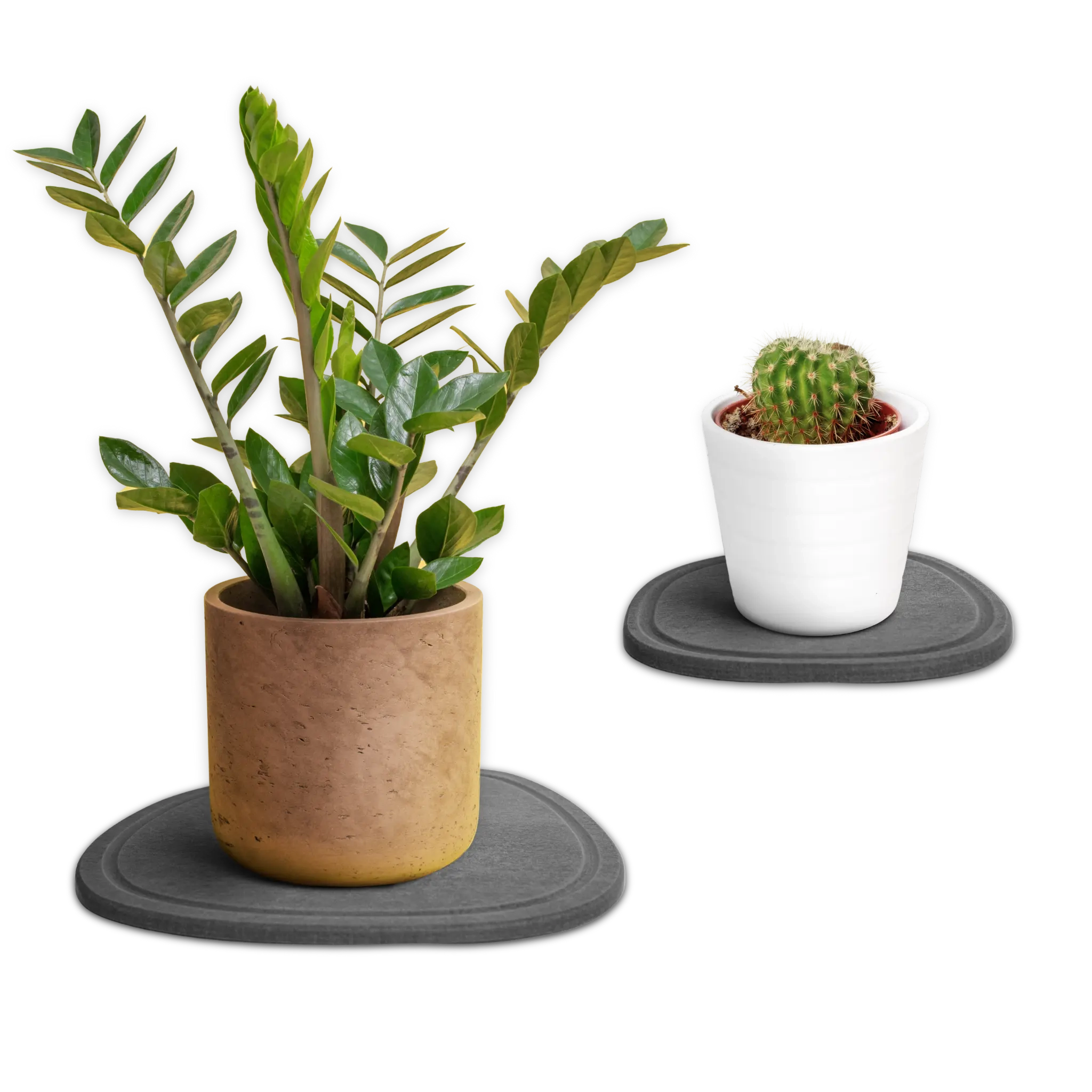
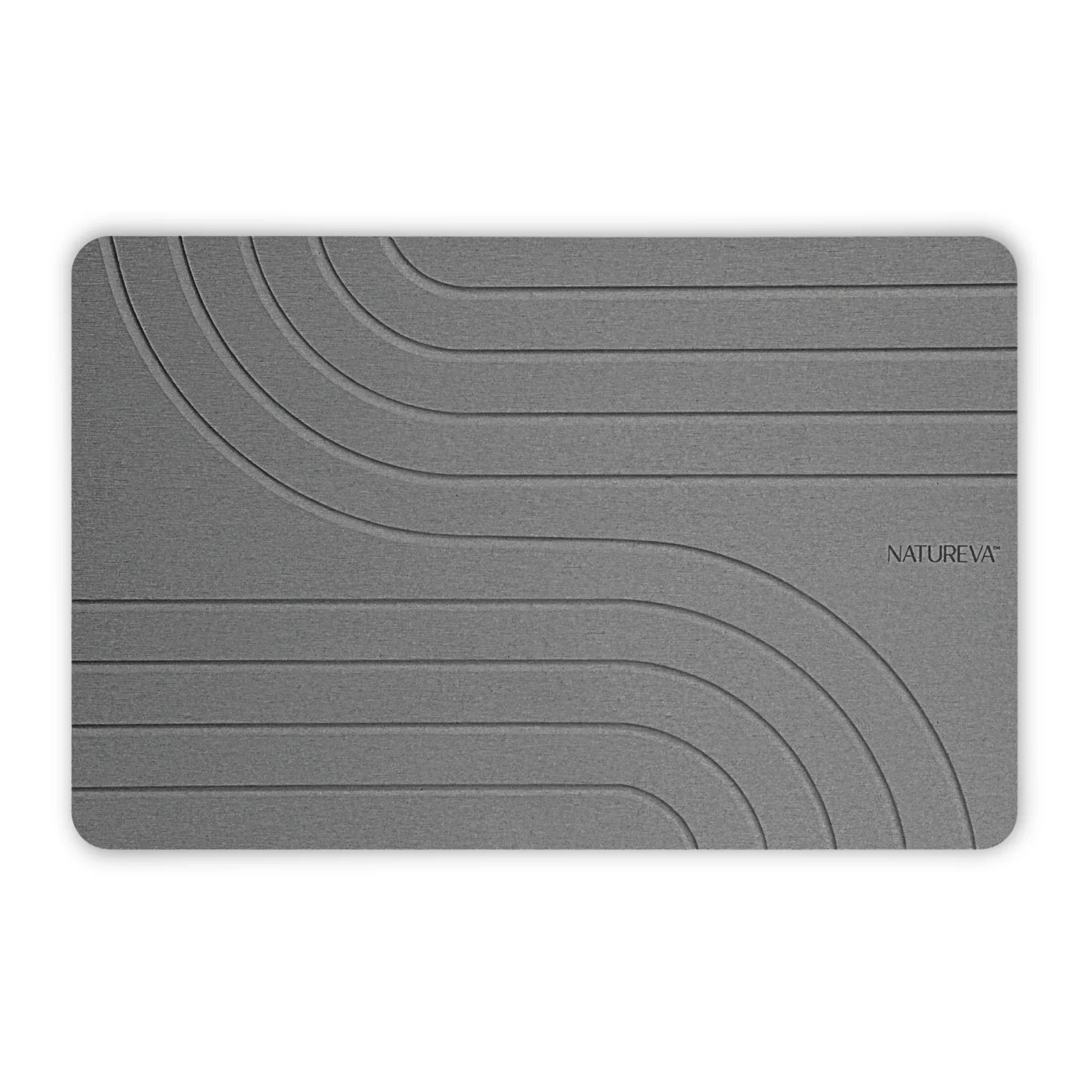
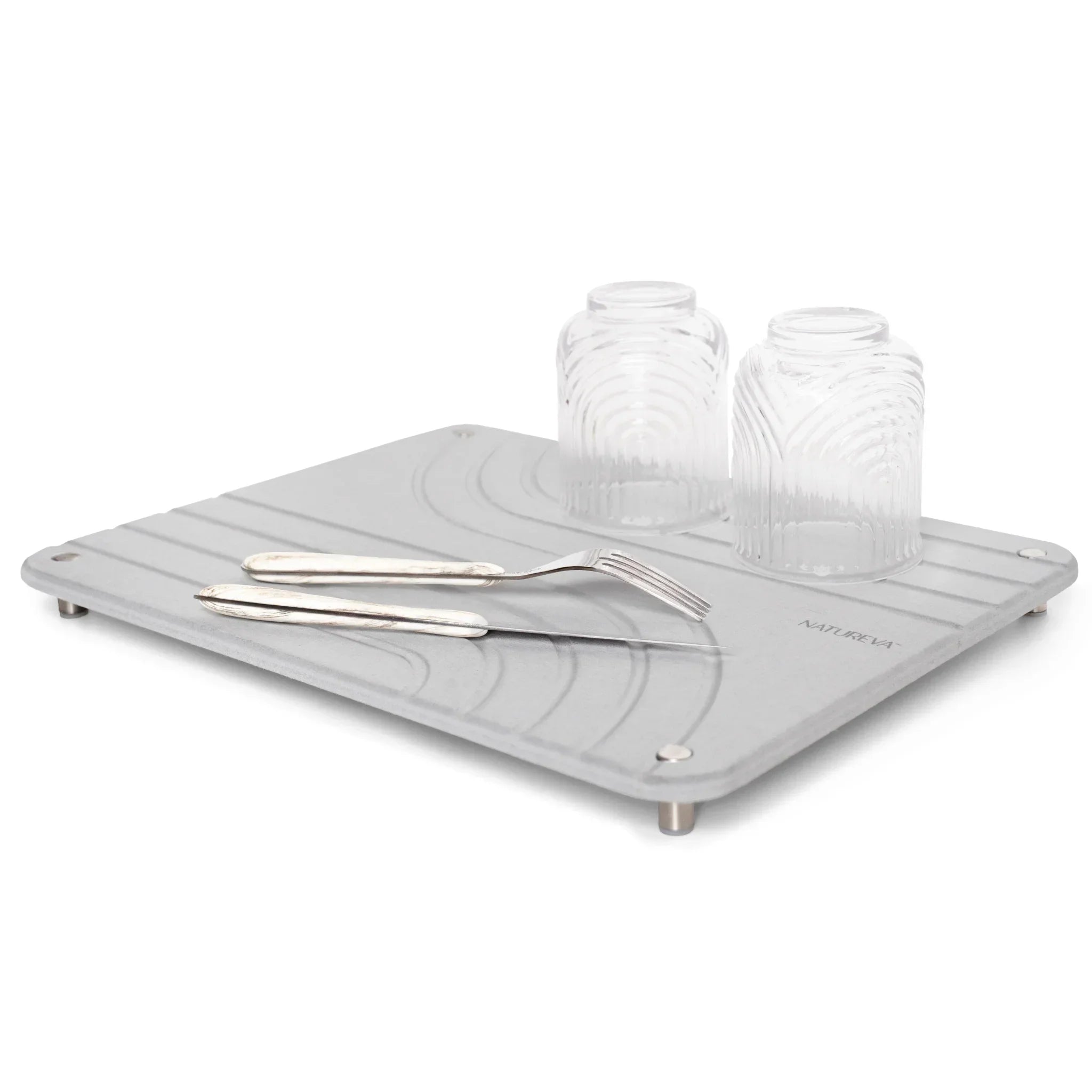
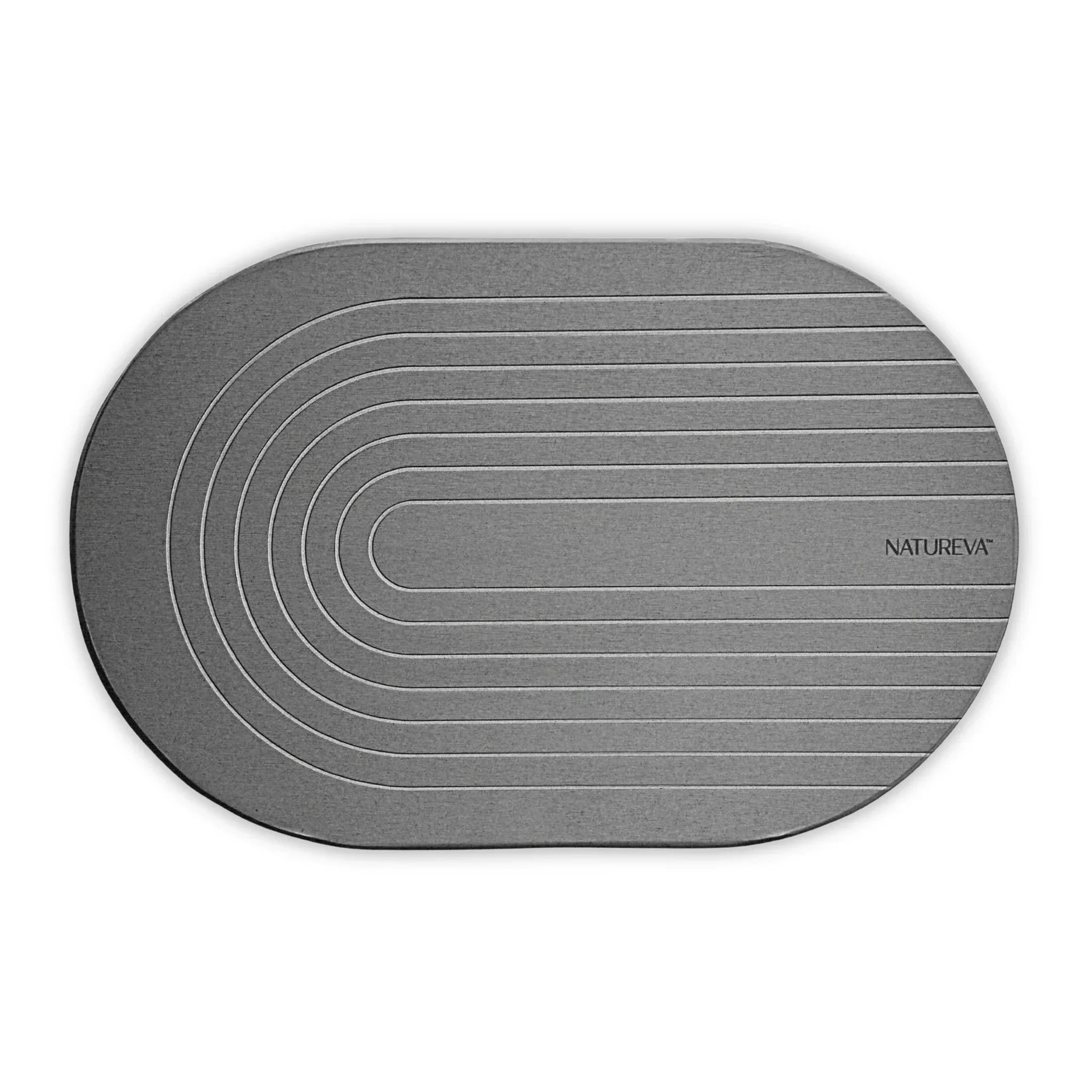
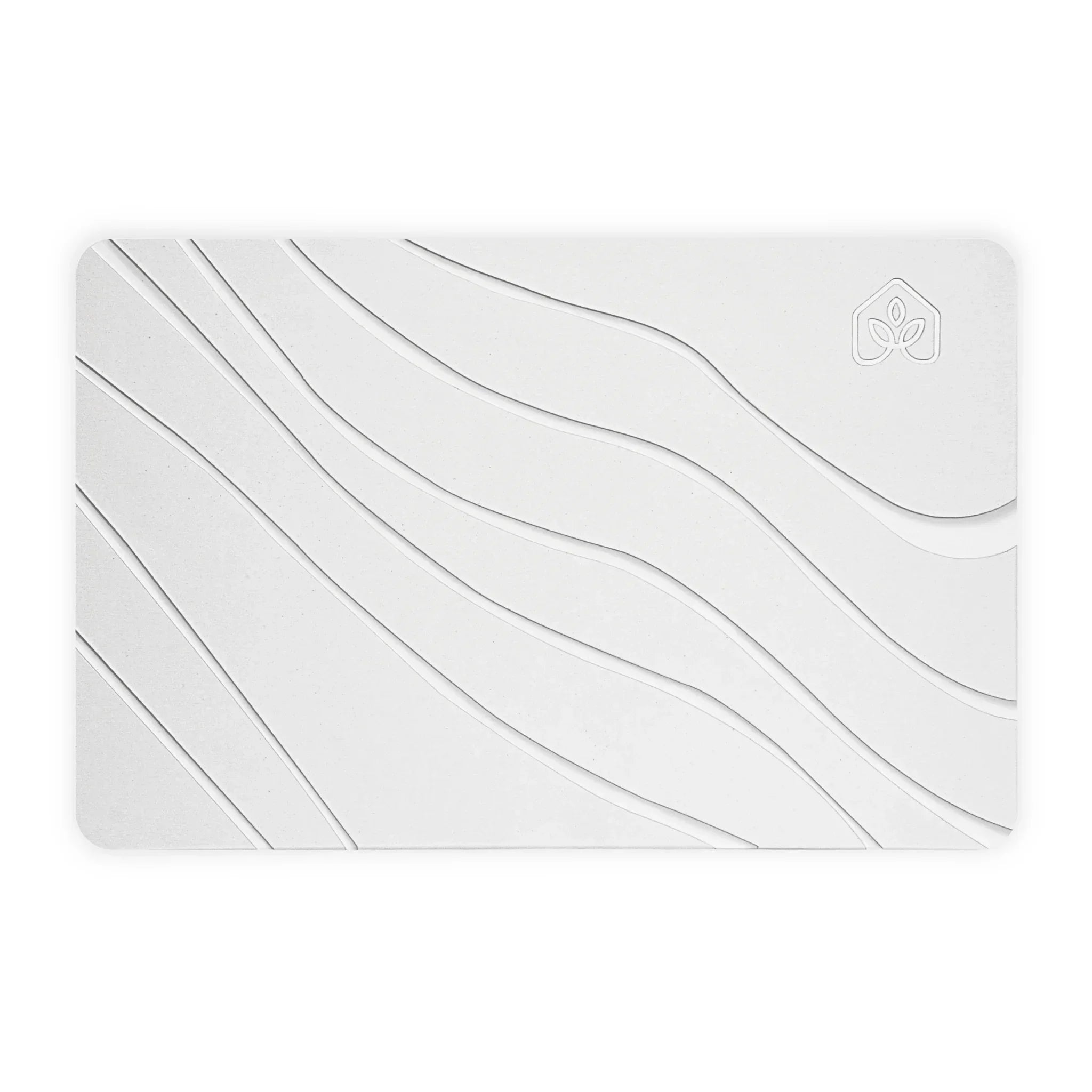
Stone Plant Saucers - Set of 2
Why Apartments Face Unique Moisture Challenges
Apartment living creates a perfect storm for water damage from houseplants. Most apartments have limited airflow compared to houses, which means water takes longer to evaporate naturally. Add in the fact that many apartments use cheaper flooring materials that weren't designed to handle regular moisture exposure, and you've got a recipe for trouble.
The humidity levels inside apartments typically range between 30-50%, but this can spike much higher in bathrooms, kitchens, and rooms with multiple plants. When water sits in a traditional plastic plant drip tray, it doesn't just stay there quietly. It creates a humid microclimate around your plant that can seep into nearby surfaces.
- Sealed apartment environments trap moisture longer than houses with better ventilation
- Central heating and cooling systems can actually increase condensation around plant trays
- Multiple plants in one room compound the humidity problem
- Window placement affects how quickly water evaporates from trays
How Different Floors React to Water
Not all apartment flooring is created equal when it comes to water resistance. Some materials can handle occasional splashes without issue, while others start showing damage within minutes of exposure. Understanding your floor type helps you choose the right protection strategy.
| Flooring Type | Damage Timeline | Repair Cost Range | Risk Level |
|---|---|---|---|
| Hardwood | 2-4 hours | $200-$1000 | Very High |
| Laminate | 1-2 hours | $150-$800 | High |
| Vinyl | 24+ hours | $50-$300 | Medium |
| Tile | Grout damage varies | $100-$400 | Low to Medium |
| Carpet | 4-8 hours | $300-$1500 | Very High |
Hardwood and laminate floors are especially vulnerable because water seeps between the planks and causes warping from underneath. According to ceramic planter care guidelines, proper drainage management is essential for both plant health and surface protection.
The Plastic Tray Problem
Most people assume that placing a plastic plant drip tray under their pots solves the water damage issue. The reality is more complicated. Plastic trays actually trap moisture rather than managing it effectively, creating a sealed environment where water sits for hours or even days.
- Water pools in plastic trays with no way to evaporate efficiently
- Condensation forms on the outside of plastic trays, dripping onto floors
- Trapped moisture encourages mold and mildew growth
- Plants sitting in stagnant water develop root rot
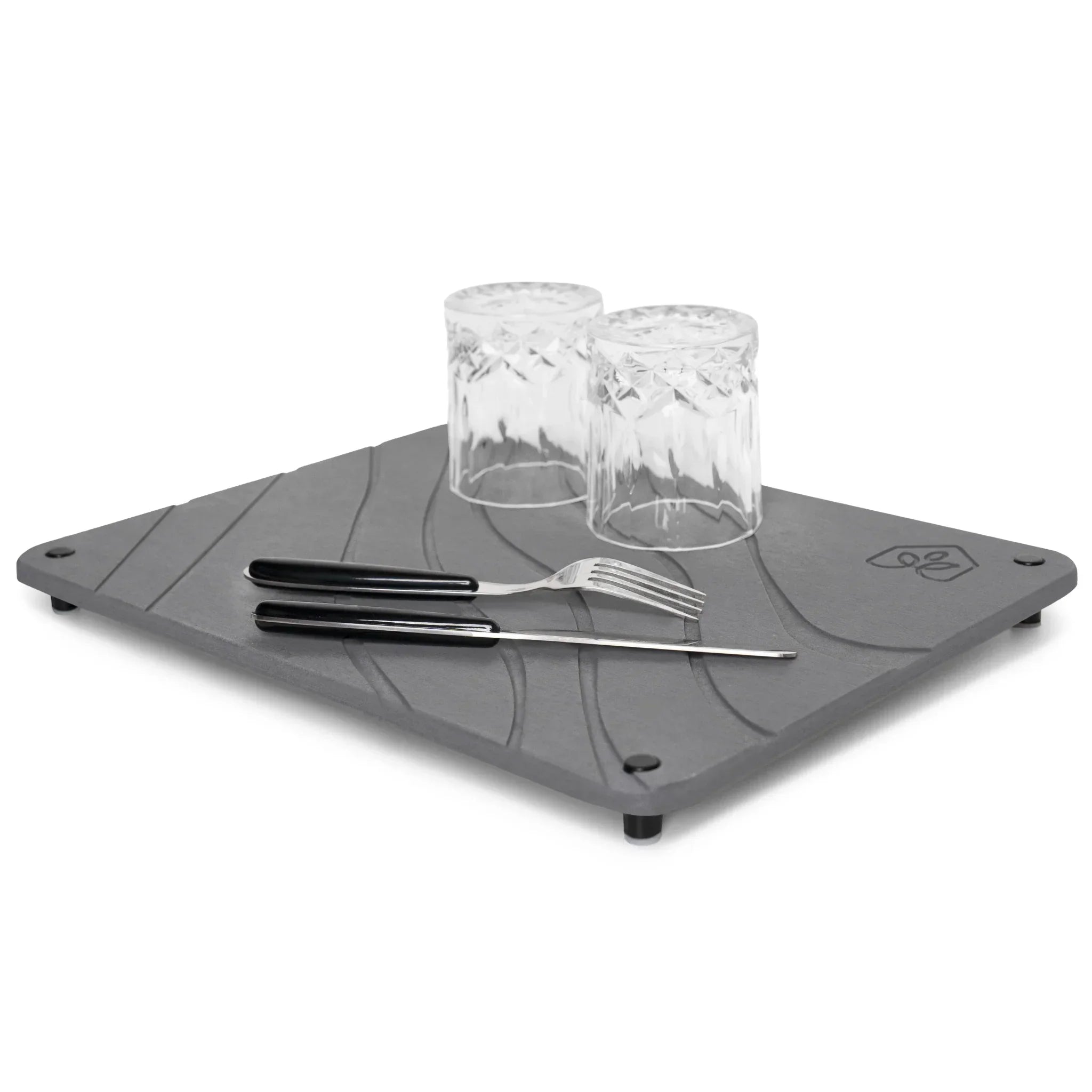
The solution isn't just about catching water. It's about managing moisture in a way that protects both your floors and your plants. Materials like diatomaceous earth, which our Stone Plant Saucers use, actively absorb and release moisture through millions of tiny pores. This keeps surfaces dry while maintaining healthier conditions for your plants.
High-Risk Zones That Need Drip Trays Most
Water damage from houseplants sneaks up on you in ways most people don't expect. You water your plants, a little excess drips out, and over time that moisture seeps into surfaces you thought were safe. The problem is that some areas in your apartment are way more vulnerable than others, and knowing where to focus your protection efforts can save you from expensive repairs or losing your security deposit.
Hardwood floors and laminate are the biggest victims of plant water damage. These surfaces look tough, but they're actually super sensitive to moisture. Even small amounts of water sitting underneath a pot can cause warping, discoloration, or permanent staining within weeks. The damage often happens so slowly that you don't notice until it's too late.
- Window sills create a double threat because they already collect condensation from temperature differences, and when you add plant watering to the mix, you're basically asking for water damage
- Carpeted areas are sneaky problem zones since moisture gets trapped in the fibers where you can't see it, creating the perfect environment for hidden mold growth
- Kitchen and bathroom counters deal with high humidity levels on top of regular plant watering, which means surfaces stay damp longer
- Furniture surfaces like shelves and tables are especially at risk for water rings and permanent stains that can ruin expensive pieces
The tricky part is that apartment living means you're working with limited space, so plants often end up in these vulnerable spots by necessity. You need your window sills for light, your counters for herbs, and your furniture for display. That's exactly why having the right plant drip tray system matters so much in apartments compared to houses where you might have more flexibility.
Room by Room Placement Strategy
Each room in your apartment has its own quirks when it comes to plant placement and water protection. The living room usually gets the most plant traffic because that's where you want things to look nice, but it's also where you have the most expensive furniture at risk. Near windows and on entertainment centers are the most common spots, which means you're dealing with both direct sunlight (good for plants, bad for water evaporation on certain surfaces) and valuable electronics nearby.
Bedrooms need a different approach since plants on nightstands and dressers are right next to where you sleep. You want protection that works quietly overnight when condensation builds up. The last thing you need is waking up to find water damage on the furniture right next to your bed.
| Room | Best Spots | Main Risk | Priority Level |
|---|---|---|---|
| Living Room | Window sills, shelves | Furniture stains | High |
| Bedroom | Nightstands, dressers | Wood damage | Medium |
| Kitchen | Counters, windowsills | Humidity buildup | High |
| Bathroom | Counter, shelves | Mold growth | Very High |
| Balcony | Floor, railings | Weather exposure | Medium |
Kitchen herb gardens are super popular in apartments, but counters and windowsills in this room face constant humidity from cooking. Your plant drip tray needs to handle not just watering overflow but also the general moisture in the air. Bathrooms take this challenge even further since they're the most humid rooms in any apartment. Plants love it there, but your surfaces definitely don't love the combination of steam and plant water.
For those lucky enough to have a balcony or patio, outdoor placement brings its own considerations. You're dealing with weather, temperature changes, and sometimes unique challenges that balcony gardeners face in urban settings. The key is positioning trays to catch all drainage while still looking good, because let's be honest, nobody wants their apartment to look like a greenhouse experiment gone wrong.
The next generation of home essentials: naturally made, cleaner by design, sustainable by nature.
SHOP ALLChoosing the Right Drip Tray Material
Here's something most people get wrong about drip trays. They think any tray that catches water is doing its job, but in apartments, collection isn't enough. You need absorption and evaporation, or else you're just creating a little pool of standing water under your plant. Plastic trays are the worst offenders here because they trap moisture against your surfaces instead of dealing with it. The water just sits there, creating exactly the problem you were trying to avoid.
Traditional ceramic trays look nice but they have the same issue. They hold water without really managing it. In a house with good airflow and lots of space, maybe that's fine. But in an apartment where air circulation is limited and every surface counts, you need materials that actively work to get rid of excess moisture.
- Absorbent materials like diatomaceous earth actually pull water away from plant pots and your surfaces
- Stone saucers promote rapid evaporation through millions of tiny pores that release moisture into the air
- Natural materials last longer than plastic alternatives that crack or discolor over time
- Modern designs match apartment aesthetics better than clunky plastic trays
Our Stone Plant Saucers use natural diatomaceous earth to instantly absorb excess water, which means the moisture doesn't just sit there waiting to damage your stuff. The material pulls it in and lets it evaporate naturally, keeping both your plants and your surfaces happy. It's the kind of solution that makes sense when you're working with limited space and can't afford to have water damage eating away at your security deposit.
The durability factor matters more in apartments than people realize. You're not going to replace drip trays every few months, and cheap plastic ones start looking gross pretty quickly. Materials that can handle long-term use while still looking decent are worth the investment. Plus, when you're trying to make an apartment feel like home, having plant accessories that actually look good instead of like afterthoughts makes a real difference in your space.
If you're serious about protecting your apartment while keeping plants healthy, check out our plant saucers collection to see how absorbent stone materials compare to what you might be using now. The difference in how they handle moisture isn't just noticeable, it's the kind of thing that prevents those "oh no" moments when you realize water has been slowly damaging your furniture for weeks.
Protecting Your Space While Plants Thrive
Getting your plant drip tray placement right makes all the difference between enjoying your indoor garden and dealing with water damage that could cost you your security deposit. The spots we covered, from windowsills to bathroom shelves, each need their own approach based on light exposure, humidity levels, and how much traffic they get. What works perfectly on a sunny kitchen counter might be a disaster on your bedroom nightstand.
The biggest mistake most apartment dwellers make is using traditional plastic trays that just collect water and sit there. That standing water eventually finds its way onto your surfaces no matter how careful you are. Absorbent plant saucers solve this problem by actually soaking up the excess moisture instead of letting it pool.
Our Stone Plant Saucers use natural diatomaceous earth that pulls water in through millions of tiny pores, then lets it evaporate naturally. No more checking if your tray is about to overflow or finding mystery water rings on your furniture days later.
The key takeaway is simple. Match your plant drip tray to the room conditions, keep them on stable surfaces away from edges, and choose materials that handle water actively rather than passively. Your plants will be just as happy, but your floors and furniture will thank you. If you want to learn more about how these absorbent materials actually work, check out our detailed breakdown of the science behind quick-drying stone products.
Now let's tackle some common questions that come up when setting up plant drip trays in apartments.
Common Questions About Plant Drip Trays
Living in an apartment means protecting your floors and furniture from water damage is pretty important. Plant drip trays seem simple enough, but people have a lot of questions about using them correctly. Whether you're dealing with hardwood floors, rental restrictions, or just trying to keep your space looking nice, these answers should help clear things up. Most problems with plant drip trays come from not knowing how to use them properly or picking the wrong type for your situation.
How often should you empty or clean plant drip trays?
Empty traditional plastic trays within 30 minutes after watering to prevent root rot and mosquito breeding. Clean them weekly with soap and water to remove mineral deposits and algae buildup. Absorbent stone trays like our Stone Plant Saucers work differently since they evaporate water naturally, so you just need to wipe them down every few weeks to remove dust.
Can you use drip trays on all surface types?
Most drip trays work on any surface, but plastic ones can still leave water rings if they overflow or condensation forms underneath. Wood floors and furniture need extra protection since even small amounts of moisture can cause staining or warping. Stone-based absorbent trays are safer for delicate surfaces because they pull water away from the bottom instead of letting it pool.
What size drip tray do you need for different pot sizes?
Your plant drip tray should be at least 1-2 inches wider than your pot's base diameter to catch water that runs down the sides. For pots 6 inches or smaller, add 1 inch to the diameter. For larger pots over 10 inches, add 2-3 inches to handle more water volume during watering sessions.
Do drip trays work for self-watering planters?
Self-watering planters have built-in reservoirs, so they don't usually need drip trays during normal use. You still want one underneath for when you refill the reservoir or if the water level indicator fails and causes overflow. It's basically insurance for those occasional spills.
How do you prevent drip trays from staining surfaces?
Never let water sit in plastic trays for extended periods, and always check underneath for condensation. Place a thin cork mat or felt pad under plastic trays on wood surfaces for extra protection. Absorbent materials like diatomaceous earth naturally prevent staining because they dry quickly and don't trap moisture against your furniture.
Are absorbent trays better than traditional plastic ones?
Absorbent stone trays eliminate the main problems with plastic versions since water evaporates instead of sitting there growing bacteria. They're better for apartment living because you don't have to constantly empty them or worry about forgetting and coming home to a mess. The downside is they cost more upfront, though many apartment dwellers find them worth it for the convenience and surface protection.
The next generation of home essentials: naturally made, cleaner by design, sustainable by nature.
SHOP ALL