
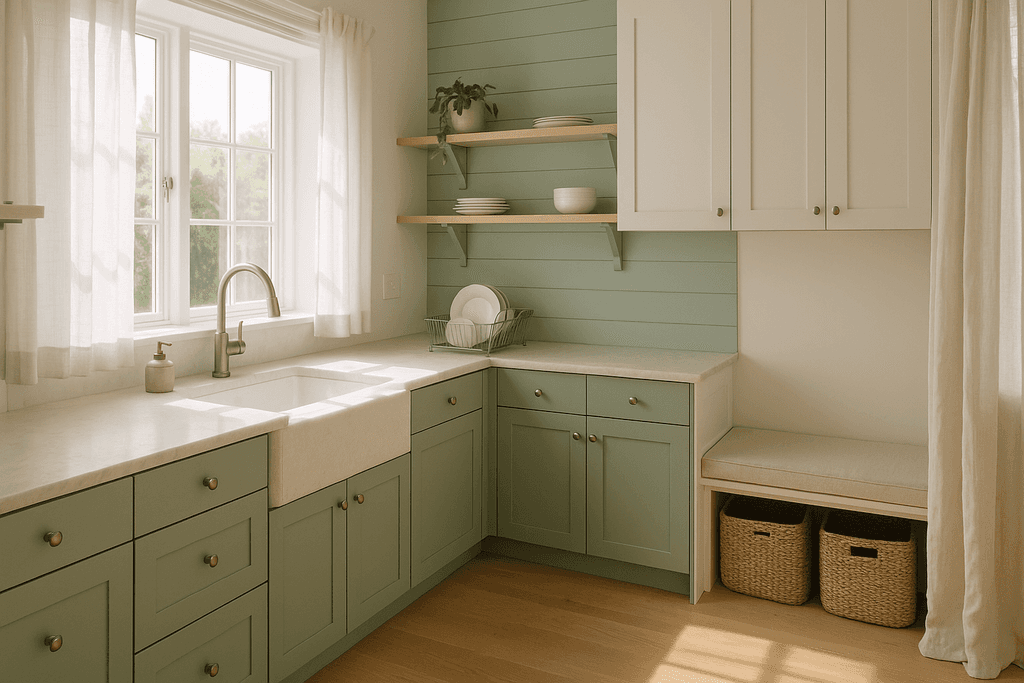
Three Sink Caddy Setups That Stop Water Rings
That puddle around your dish soap bottle is doing more than staining your counter. Every time water sits trapped under traditional sink organizers, it creates the perfect breeding ground for mold and bacteria that regular wiping can't fix. The good news is that sink caddies made from diatomaceous earth actually absorb and evaporate water in seconds, and three simple setups can eliminate those water rings for good.
Table of Contents
Why Regular Sink Trays Make the Problem Worse
Most people buy sink caddies thinking they'll solve the water ring problem, but they actually make things worse. Traditional plastic and metal trays sit there collecting puddles of water instead of getting rid of them. That soggy sponge or soap dispenser just keeps dripping, and the water has nowhere to go except sit there and create a breeding ground for stuff you don't want near your dishes.
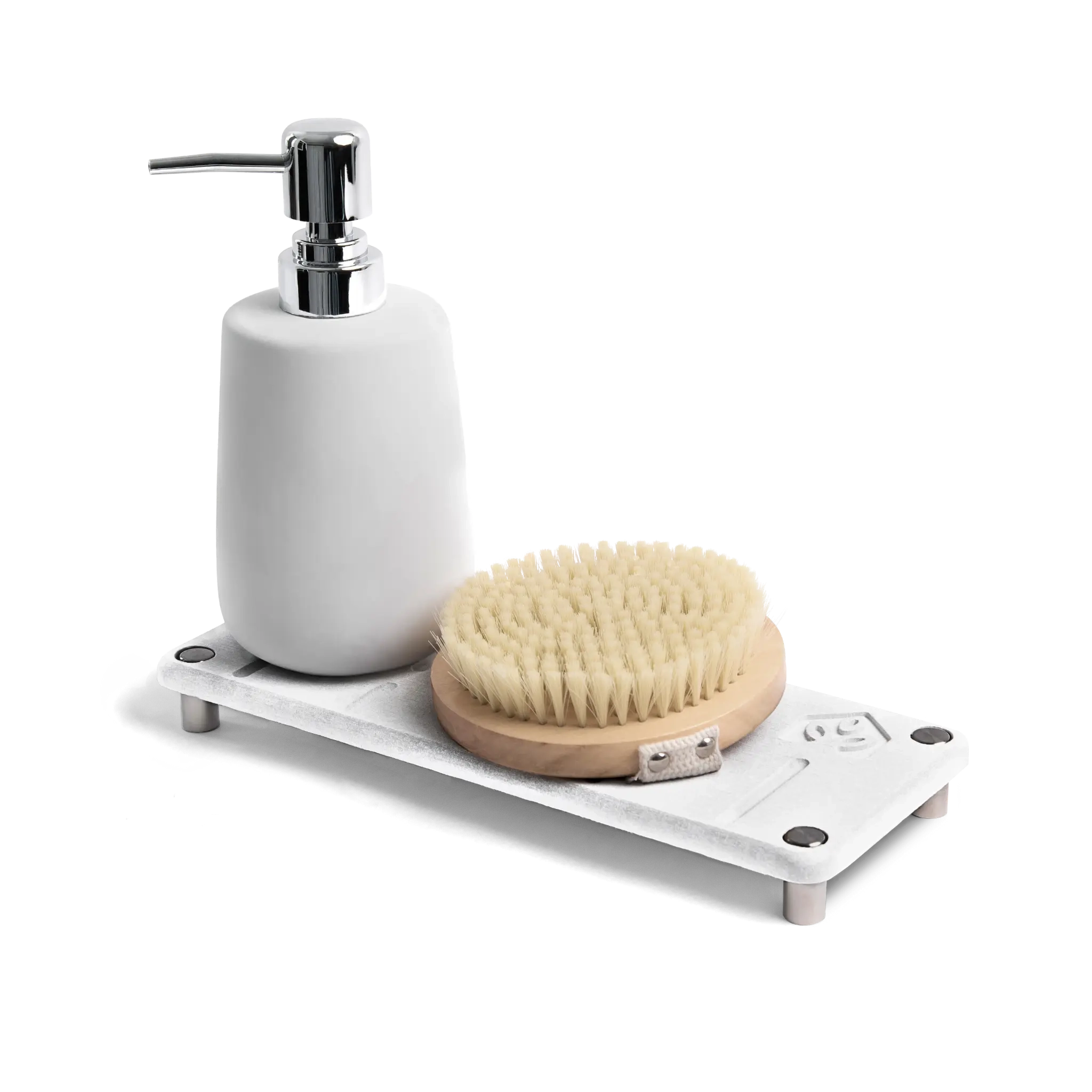
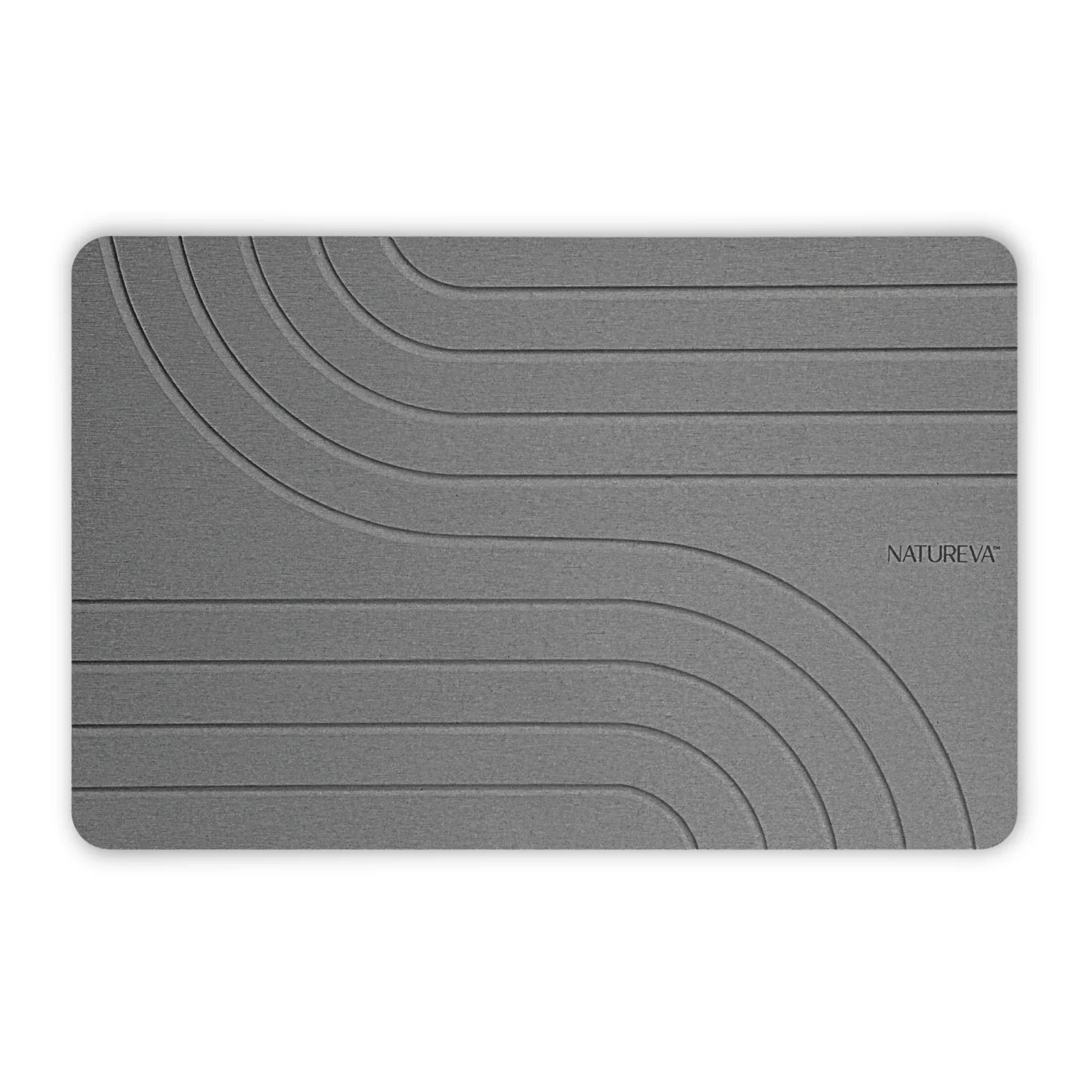
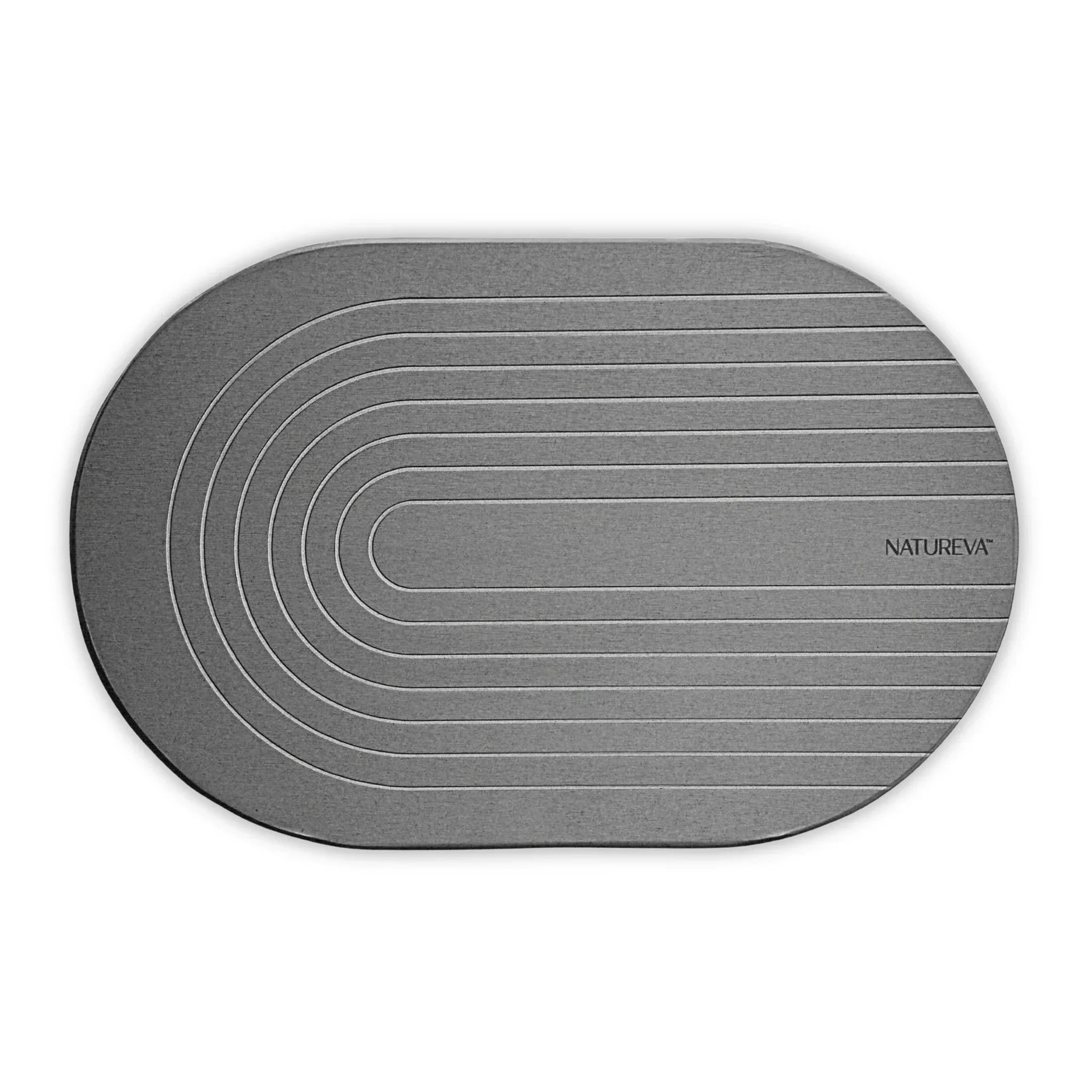
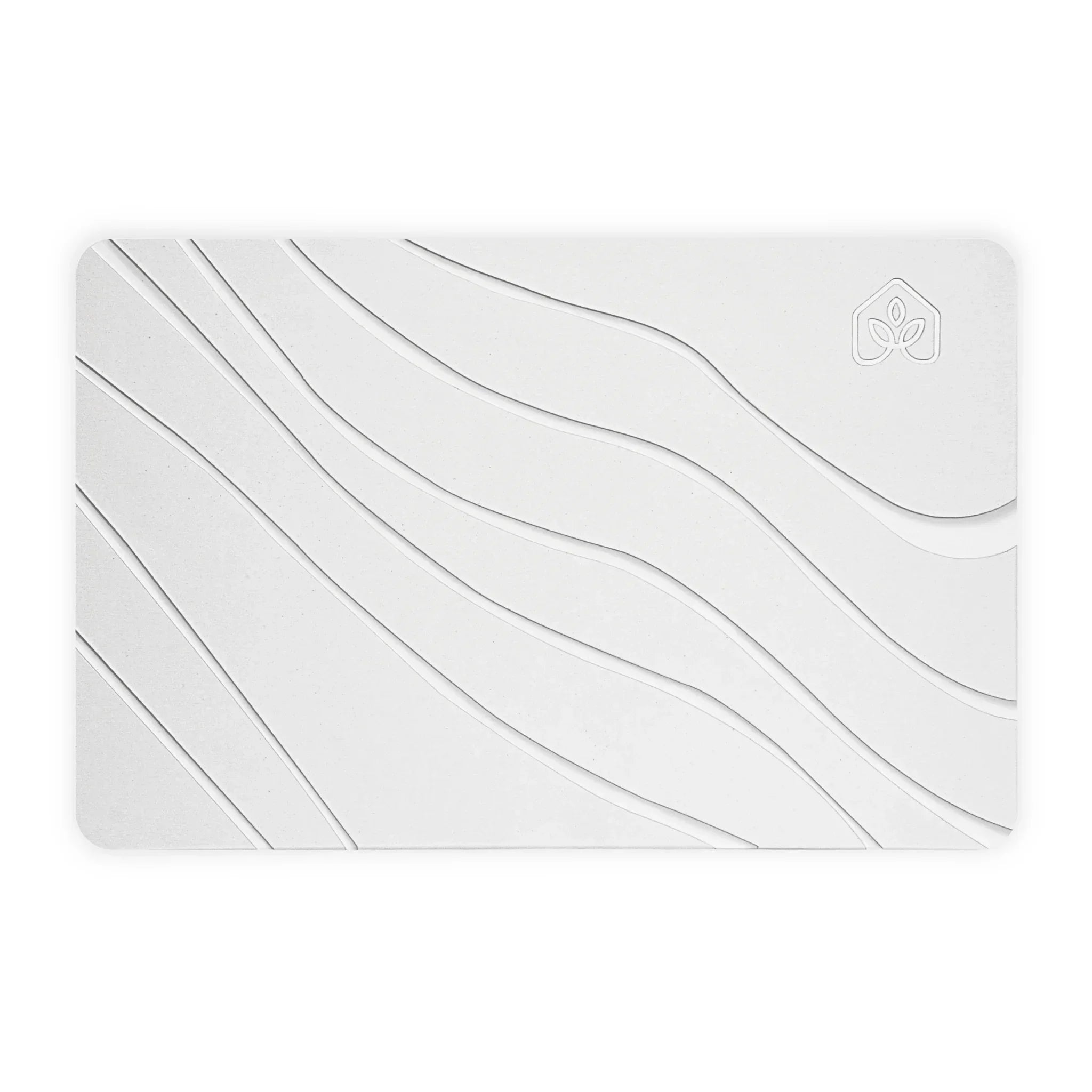
Stone Sink Caddy - Rain
The Water Collection Trap
Here's what happens with regular sink caddies. Water drips off your dish soap, hand soap, or sponge and lands on the tray surface. Since plastic and metal don't absorb anything, that water just sits there until you physically wipe it away or it slowly evaporates over hours.
The real problems start when you don't notice the water pooling:
- Mold spores love damp, dark spaces and start growing within 24-48 hours
- Bacteria multiply quickly in standing water, especially near food prep areas
- Water eventually overflows onto your countertop, creating those annoying rings you were trying to avoid
- The bottom of your soap bottles and sponges stay wet, getting slimy and gross
How Diatomite Stone Works Differently
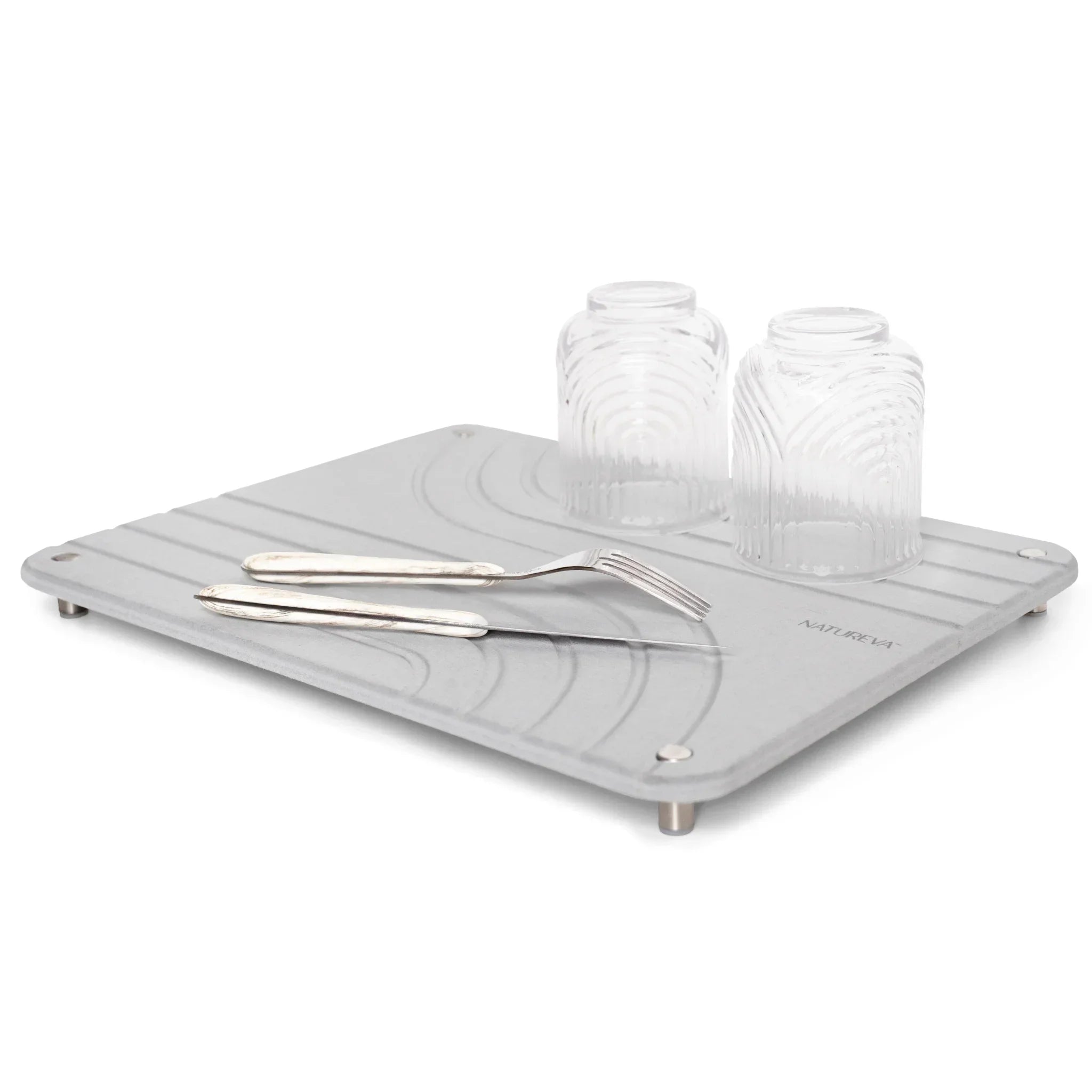
Diatomite stone caddies work on a completely different principle. Instead of being water-resistant like plastic or metal, diatomite is super absorbent and pulls water into thousands of tiny pores. Our Stone Sink Caddy uses this natural material to soak up drips instantly, then releases the moisture into the air through evaporation.
The difference between water-resistant and water-absorbent materials matters more than most people think:
- Water-resistant materials (plastic, metal, silicone) repel water and force it to pool on the surface
- Water-absorbent materials (diatomite stone) pull water in and dry naturally through air exposure
- Absorbent surfaces stay dry to the touch within minutes instead of hours
Comparing Traditional vs Stone Sink Caddies
The performance gap between regular trays and diatomite stone caddies is pretty significant. Here's how they stack up against each other in real-world use:
| Feature | Plastic/Metal Trays | Diatomite Stone Caddies |
|---|---|---|
| Water Absorption | None | Instant |
| Drying Time | 2-4 hours | 30-60 minutes |
| Mold Risk | High | Very Low |
| Maintenance | Daily wiping needed | Self-drying |
| Counter Protection | Poor | Excellent |
Understanding why traditional sink caddies fail helps explain why so many people deal with water rings and mold issues. The material choice makes all the difference between a tray that collects problems and one that actually solves them.
Setup One: The Minimalist Dish Soap Station
Water rings around your dish soap bottle are one of those annoying things that seem impossible to avoid. You wipe them up, and within hours they're back, leaving sticky residue and sometimes even mold if you're not careful. The minimalist approach solves this with a single caddy that keeps your most-used items dry without taking up half your counter. This setup works best when you have limited space or just want to keep things simple and clean.
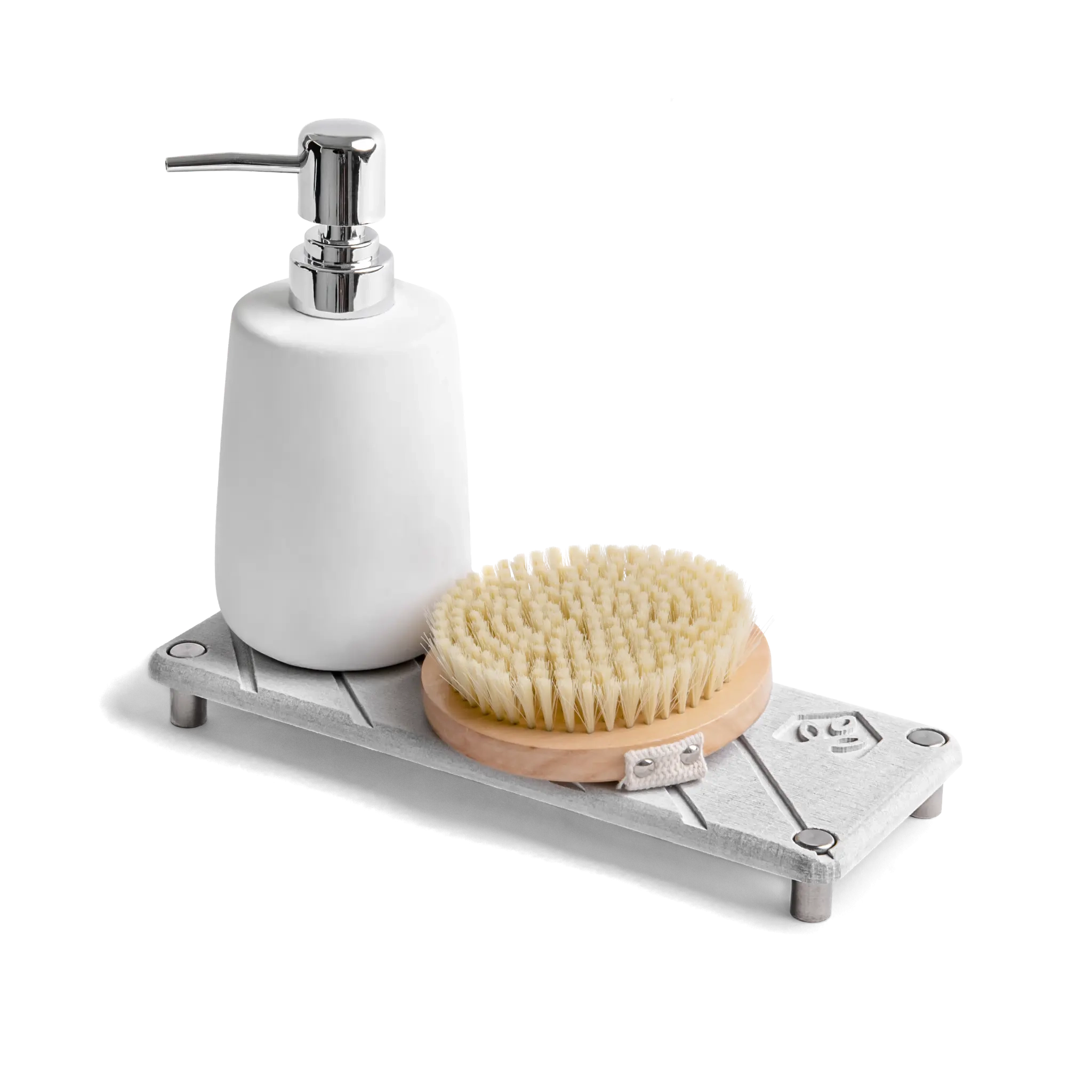
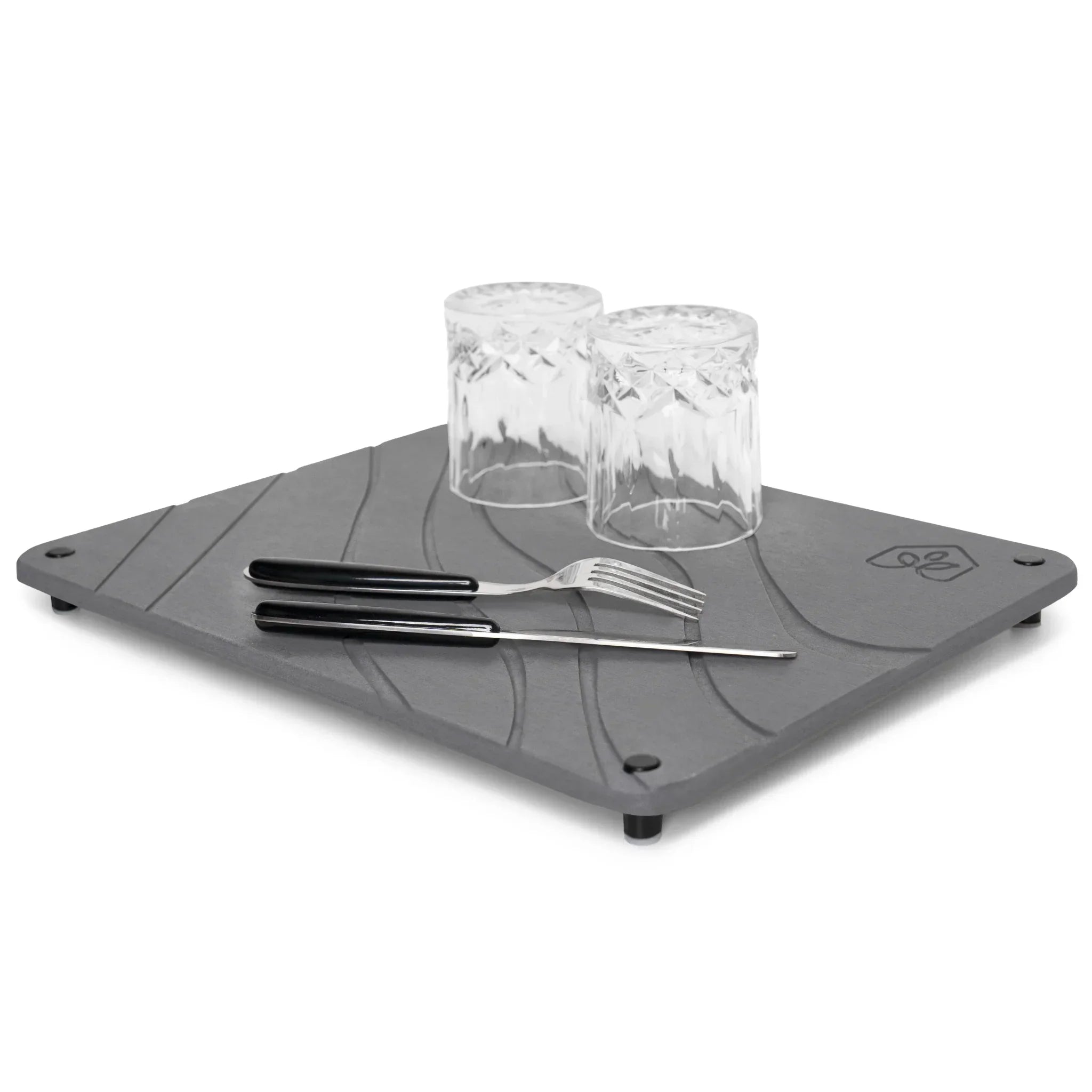
Stone Sink Caddy - Flow
The Rain design caddy fits perfectly for this configuration because of its narrow shape. It holds your dish soap and hand soap bottles without wasting space, and the diatomaceous earth material absorbs water the second it drips down the sides of your bottles.
Setting Up Your Minimalist Station
- Place the caddy directly next to your sink, within easy reach
- Position your most-used soap bottle on one end
- Add your hand soap or a small scrub brush on the other side
- Keep the center clear for any wet items you need to set down temporarily
- Make sure bottles aren't touching each other so water can evaporate properly
The key is strategic placement near where you actually use these items. If you're constantly reaching across the sink, you'll end up with water everywhere anyway. Keep it close but not so close that splashing water hits it directly.
This setup handles about two to three items comfortably. Any more than that and you'll want to consider adding a second caddy or switching to one of the larger configurations below.
Setup Two: The Complete Cleaning Command Center
Most people need more than just soap bottles by their sink. Sponges, scrub brushes, and dish wands all need a home, and they're usually the wettest items in your kitchen. Traditional plastic caddies trap moisture underneath these items, which is exactly how you end up with that gross slimy feeling and weird smells. A two-caddy system changes everything by separating wet cleaning tools from your soap dispensers, and the stone material actually helps things dry instead of sitting in puddles.
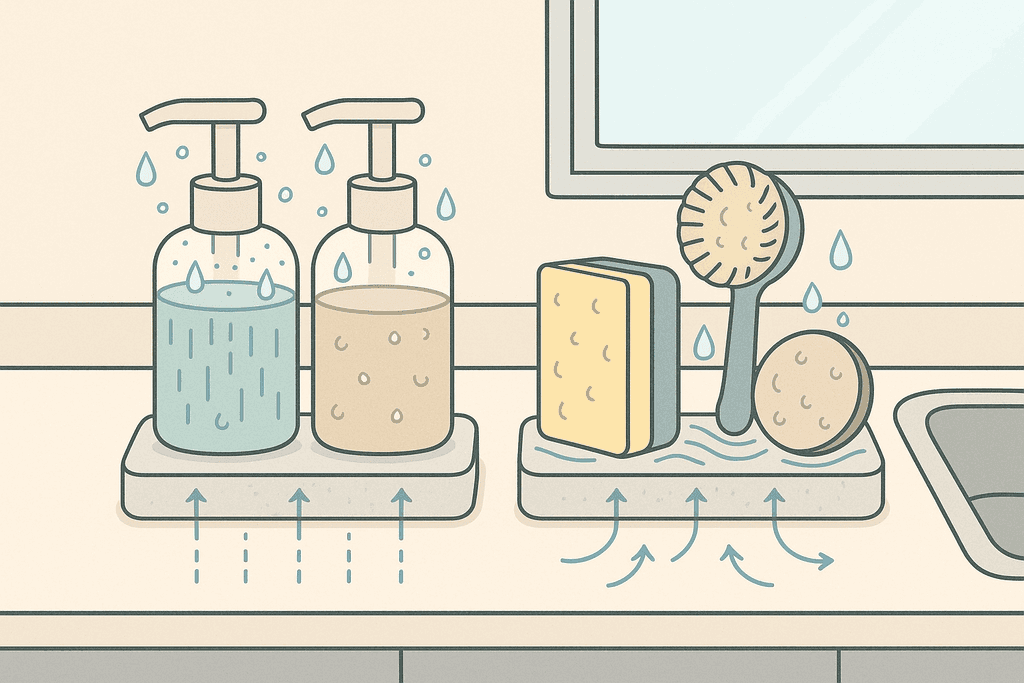
Setup Two: The Complete Cleaning Command Center
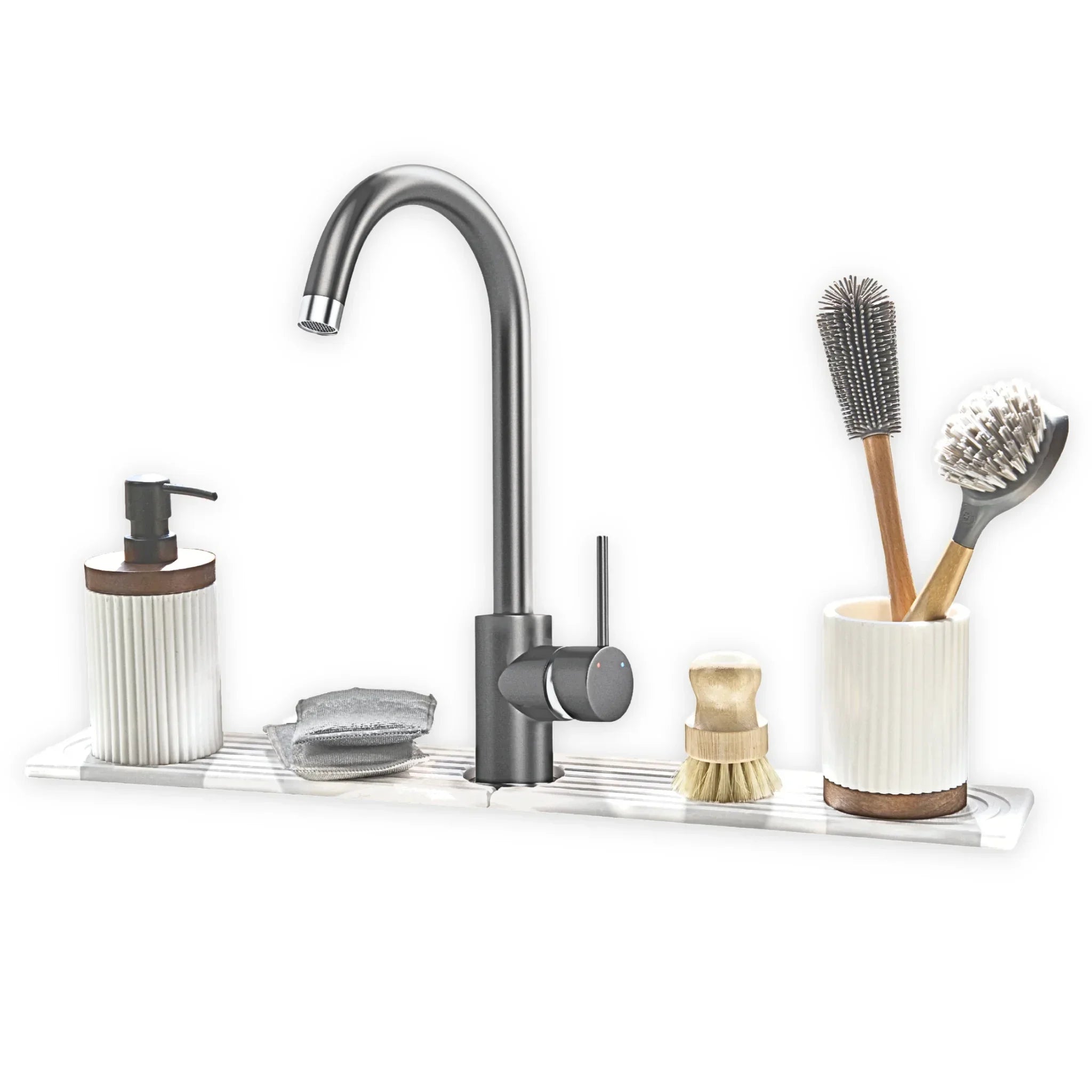
Using both the Rain and Flow designs together gives you the best organization. The Rain caddy holds your soap bottles while the Flow caddy, with its slightly different shape, works perfectly for sponges and brushes that need more airflow.
Organizing Your Command Center
| Caddy Type | Best For | Placement |
|---|---|---|
| Rain | Soap bottles | Back corner |
| Flow | Wet sponges & brushes | Front, near sink edge |
Place your Flow caddy closer to where you actually wash dishes. This catches drips immediately when you set down a wet sponge. The Rain caddy can sit slightly behind it with your soap bottles, creating a two-tier system that maximizes counter space.
The real benefit here is that your sponges and brushes actually dry between uses. According to proper kitchen hygiene guidelines, keeping cleaning tools dry prevents bacterial growth that can spread to your dishes.
The next generation of home essentials: naturally made, cleaner by design, sustainable by nature.
SHOP ALLTwo-Caddy System Considerations
Benefits: You get dedicated space for different item types, better water absorption across more surface area, and items dry faster because they're not crowded together. Everything has its place, so your sink area stays organized even during busy cooking sessions.
Things to consider: This takes up more counter space than the minimalist setup, and you'll need to think about the layout more carefully. But for most households, the extra organization is worth the space.
Setup Three: The Double-Sink Solution
Double sinks create their own challenges because water can end up anywhere across a large counter area. You might wash dishes on one side and prep food on the other, which means you need protection in multiple spots. The double-sink solution uses two caddies positioned strategically at each sink to create separate zones that stay dry no matter what you're doing. This setup works especially well in busy kitchens where multiple people might be using the sink area at the same time.
Each sink gets its own caddy, which means no more water spreading from one side to the other. You can customize what goes on each caddy based on how you actually use your sinks.
Setting Up Your Double-Sink Area
- Identify which sink you use most for washing dishes
- Place a Flow caddy next to that sink for wet cleaning tools
- Put a Rain caddy by your other sink for hand soap and prep items
- Adjust positions based on your specific workflow
- Leave some counter space between caddies for working room
Many people use one sink for dirty dishes and one for rinsing or food prep. Your caddy placement should match this workflow. The washing side needs more capacity for sponges and brushes, while the prep side might just need soap and maybe a small brush.
This configuration also works great if you have kids who use one sink while you use the other. Each person gets their own organized space, and the stone material from the Stone Sink Caddy keeps everything dry regardless of how much water gets splashed around.
The flexibility here is what makes it work. You're not locked into one arrangement. Move the caddies around until you find what feels natural for your kitchen routine, and the water absorption takes care of itself.
Your Counter Deserves Better Than Water Rings
Water rings around your sink don't have to be part of your daily routine anymore. All three setups we covered work because they use the same basic principle: diatomite stone absorbs water instantly instead of letting it pool on your counter. Whether you go with the single caddy setup, the double caddy arrangement, or the full sink station, you're getting rid of those annoying rings for good.
The setup you pick really depends on how much counter space you have and how many cleaning items you keep by your sink. If you've got a small sink area, start with one Stone Sink Caddy and see how it goes. You can always add another one later if you need more space.
Here's something most people don't think about: these sink caddies actually protect your countertop from water damage over time. That constant moisture sitting on your counter can stain certain materials or even cause wood counters to warp. At $25, a caddy pays for itself pretty quickly when you consider what counter repairs cost.
The best part is you don't need to commit to a full setup right away. Grab one caddy and test it out with your dish soap and sponge. Once you see how much cleaner your counter stays, you'll probably want to expand your setup. Now let's answer some common questions people have about using these caddies.
Common Questions About Sink Caddy Setups
Switching to a diatomite stone caddy brings up a lot of practical questions. Most people wonder if these natural stone trays really work as well as advertised, and whether they'll hold up to daily kitchen use. The good news is that diatomite stone has been used for water absorption in various applications for years, so the technology isn't new. Here are the answers to the most common questions we hear about sink caddies and how to get the most out of them.
How do you clean a diatomite stone sink caddy?
Cleaning is super simple and takes about two minutes. Just rinse the caddy under warm water and use a soft brush or sponge to gently scrub away any soap residue or buildup. Let it air dry completely before putting it back near your sink. Avoid using harsh chemicals or abrasive scrubbers since they can damage the porous surface that makes the stone so absorbent.
Which setup works best for small versus large sinks?
Small sinks do better with a single compact caddy placed right next to the faucet where you can reach it easily. Larger sinks give you more flexibility to use two caddies or spread items out more. The key is keeping your most-used items like your dish brush and soap on the caddy so water doesn't pool on your countertop.
How long do these caddies last with daily use?
With proper care, a quality diatomite stone caddy should last you one to two years of daily use. The stone naturally wears down over time as it absorbs and releases water thousands of times. You'll notice it's time for a replacement when the surface becomes less absorbent or starts to crack.
Do diatomite caddies work with all countertop types?
Yes, they work on any countertop material including granite, marble, laminate, and wood. The stone has a smooth bottom that won't scratch surfaces. Our Stone Sink Caddy sits flat and stable on any surface without needing adhesives or special placement.
What should you do if water absorption slows down?
Slow absorption usually means the pores are clogged with soap scum or mineral deposits. Light sanding with fine-grit sandpaper can restore the surface and bring back that quick-drying action. Sand gently in circular motions, rinse thoroughly, and let it dry completely before using again.
Can you use stone caddies for other wet items beyond dish supplies?
Absolutely, and many people do. They work great for bathroom items like toothbrushes and razors, bar soap in the shower, or even wet sponges in the laundry room. Any place where you need to keep wet items from creating puddles or water rings is a good spot for a diatomite caddy.
The next generation of home essentials: naturally made, cleaner by design, sustainable by nature.
SHOP ALL