
Dish Drying Mat Pricing What You Pay For And Why
You've probably noticed that dish drying mats come with wildly different price tags. Some cost less than your morning coffee, while others run fifty dollars or more. What gives?
The truth is, you're not just paying for a place to set your dishes. You're investing in materials, durability, and how well that mat actually dries your kitchenware. Understanding these differences helps you avoid wasting money on cheap options that need replacing every few months.
Let's break down exactly what you're paying for and why stone dish drying mats consistently deliver the best value despite their higher upfront cost.
Walk into any home goods store and you'll find dish mats ranging from five to fifty dollars. That's a huge spread for what seems like a simple product.
Material Quality Makes All the Difference
The biggest factor in pricing? What the mat is actually made from. Cheap materials mean cheap prices, but they also mean poor performance and short lifespans.
- Budget mats use basic microfiber or thin foam that breaks down quickly
- Mid-range options incorporate silicone or treated fabrics for better durability
- Premium mats use natural stone or high-grade materials built to last years
- Manufacturing quality affects how well seams hold and surfaces perform
Why Stone Mats Justify the Investment
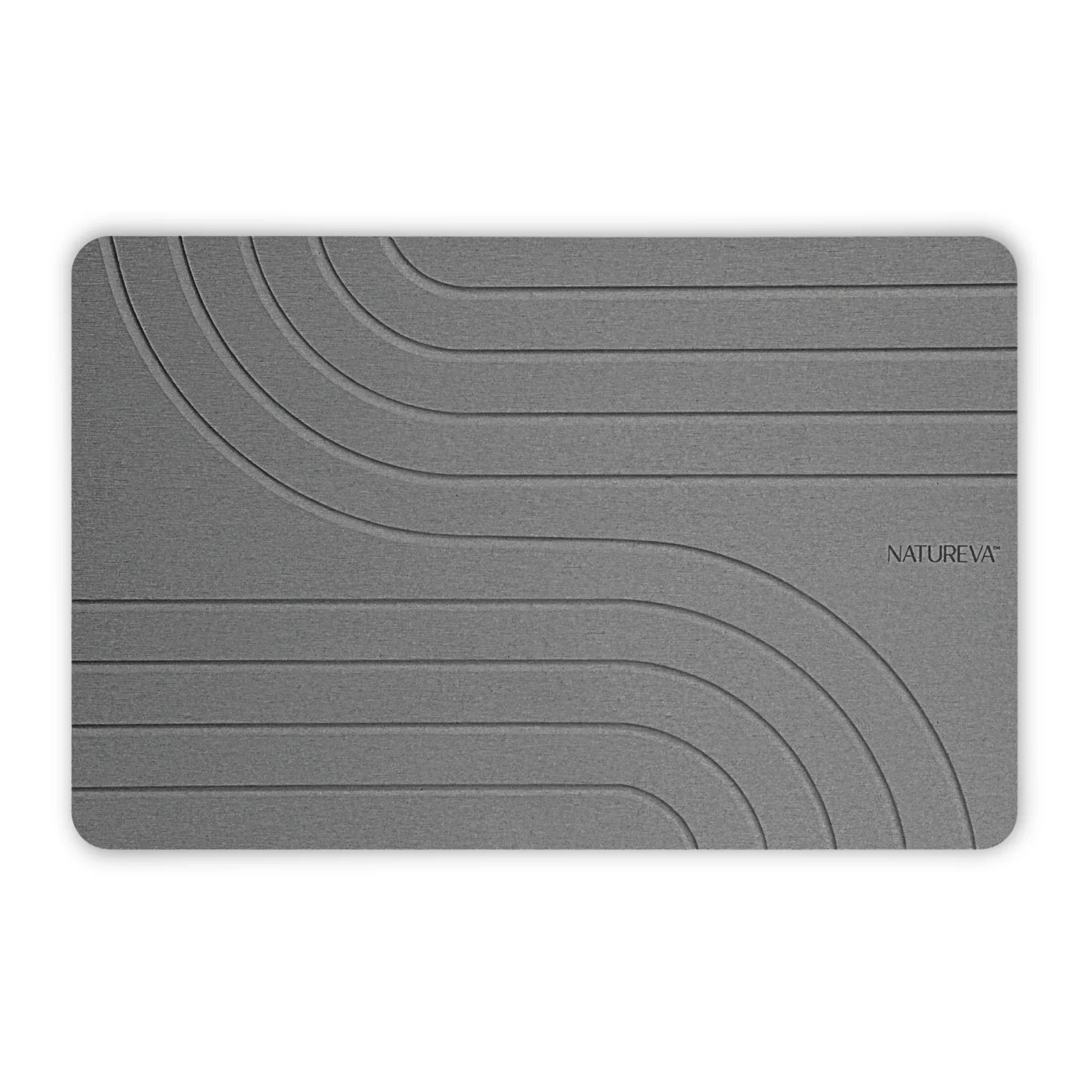
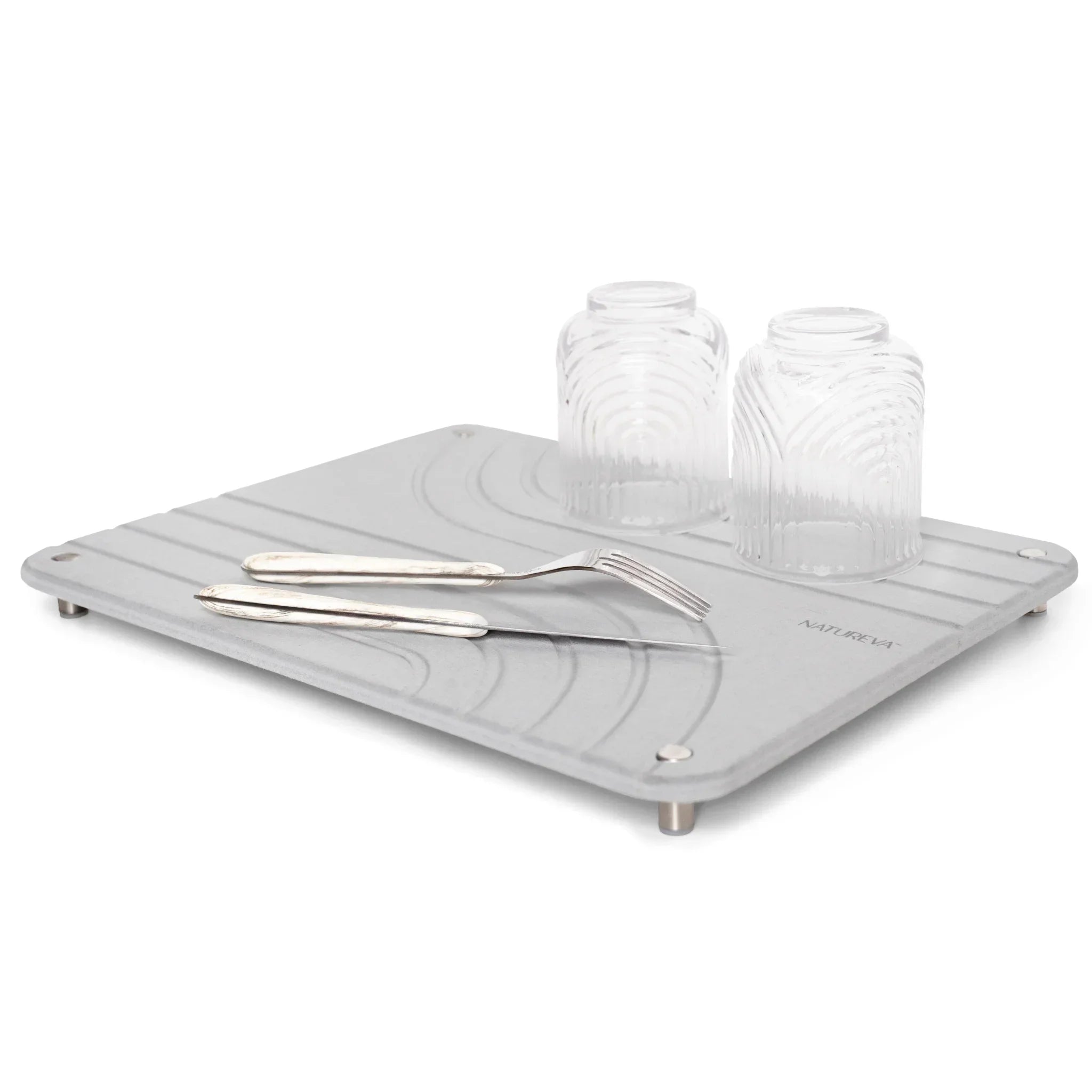
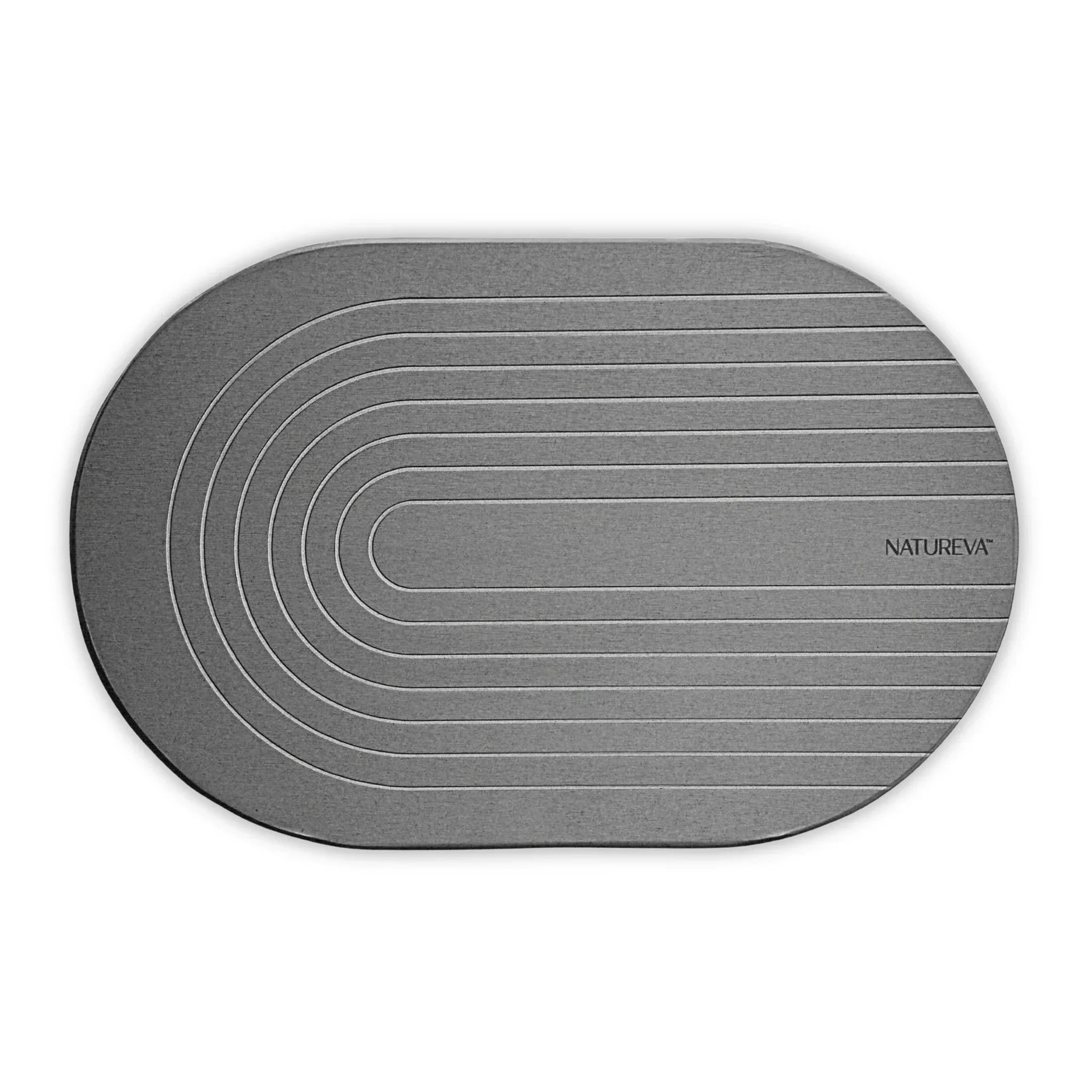
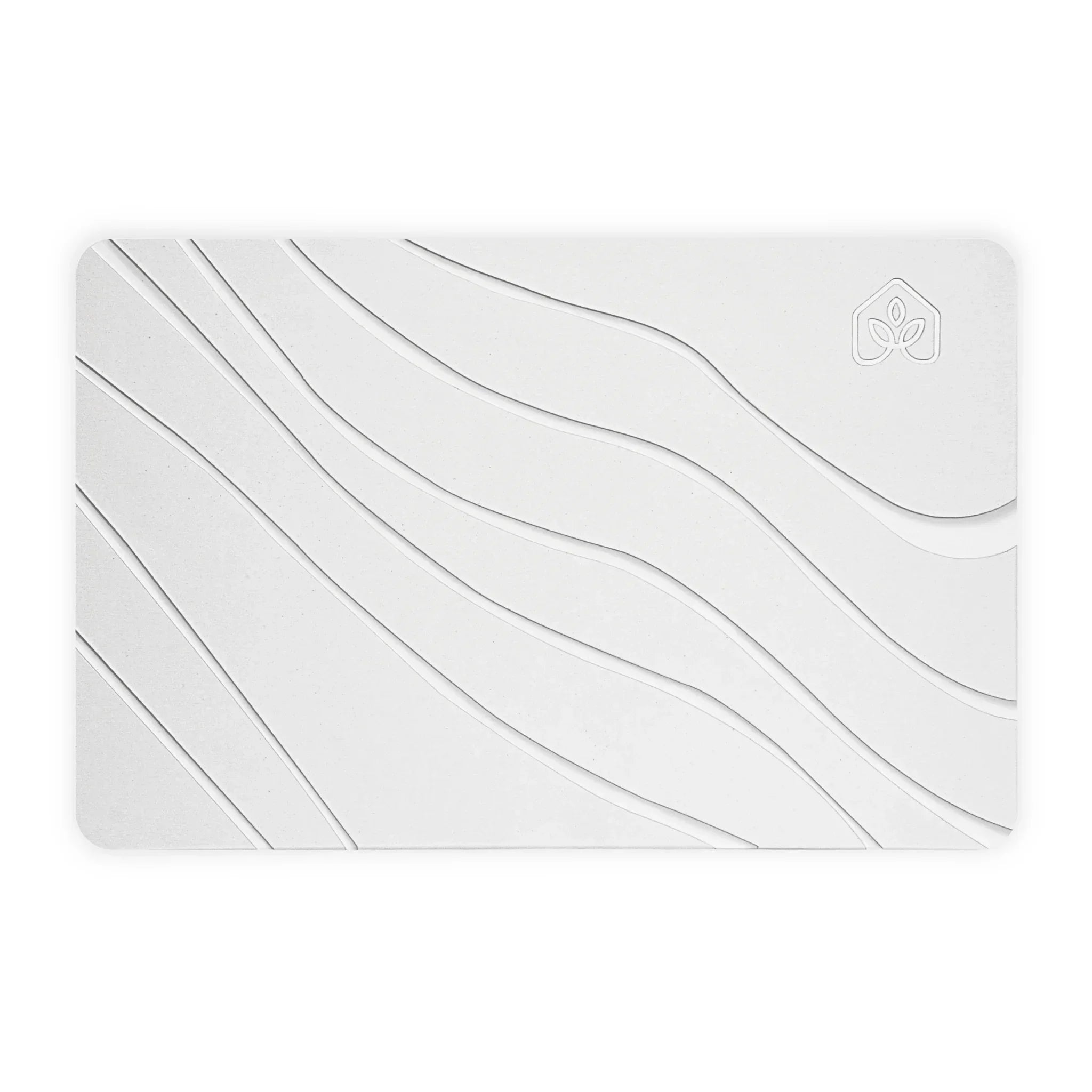
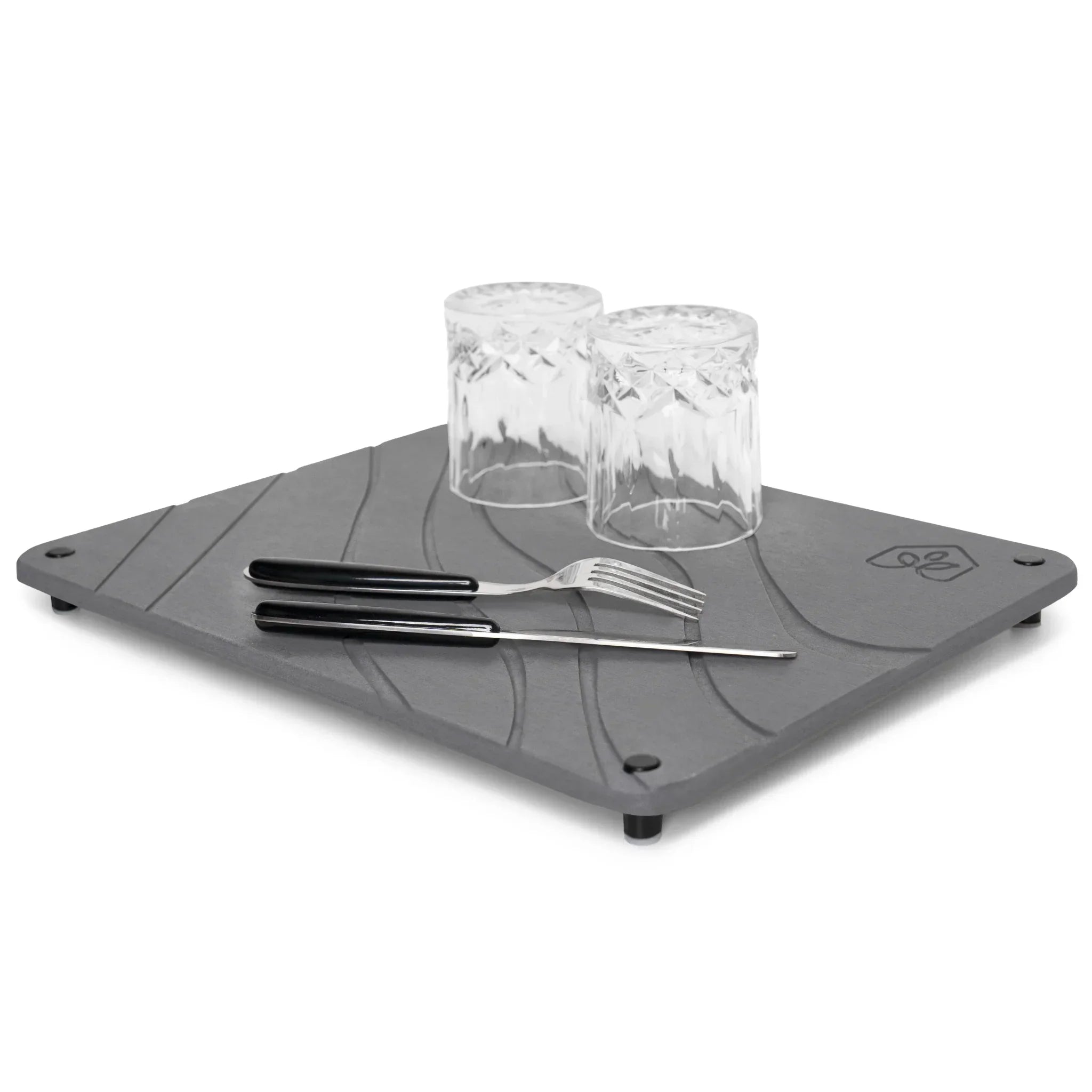
A diatomite stone dish mat might cost more initially, but the math works in your favor. These mats absorb water instantly, dry completely between uses, and resist the mold and mildew that destroy cheaper alternatives.
You're paying for natural absorption technology that actually works. Stone mats don't just sit there collecting water—they actively pull moisture away from your dishes and evaporate it into the air. That's worth the extra investment.
- Stone composition creates millions of microscopic pores for superior absorption
- Natural materials mean no chemical treatments or synthetic fibers
- Solid construction eliminates the wear points that cause other mats to fail
Check out the full dish mat collection to see how different materials compare in both price and performance.
Let's get specific about what each material type offers and what you'll actually pay over time.
Microfiber: Cheap Upfront, Expensive Long-Term
Those $5-$10 microfiber mats seem like a bargain until you're replacing them every three months. They absorb water poorly, stay damp for hours, and develop that musty smell faster than you'd think.
- Initial cost: $5-$15
- Lifespan: 3-6 months before they're gross
- Annual replacement cost: $20-$60
- Require frequent washing that wears them out faster
Silicone: The Middle Ground
Silicone mats hit a middle price point around $15-$25. They're easy to clean and last longer than microfiber, but they don't actually absorb water—they just provide a surface for it to pool on.
- Water sits on top instead of being absorbed
- Need regular wiping to prevent puddles
- Last 1-2 years with proper care
- Can develop stains and odors over time
Stone Mats: Premium Price, Premium Performance
A quality stone dish mat runs $30-$50, but here's what makes it worth every penny. The diatomaceous earth composition absorbs water on contact and dries completely within minutes.
Unlike other materials, stone mats actually get better with proper care. A quick sand with fine-grit sandpaper refreshes the surface and restores full absorption capacity. Learn more about how stone mats work to understand the science behind their superior performance.
- Initial cost: $30-$50
- Lifespan: 3-5+ years with minimal maintenance
- Annual cost: $6-$17 when averaged over lifespan
- No washing required—just wipe and air dry
- Natural antibacterial properties prevent mold growth
Bamboo: Pretty But High-Maintenance
Bamboo mats look gorgeous on your counter, but they demand regular oiling and careful drying to prevent warping and cracking. Prices range from $20-$40.
- Require monthly oil treatments to maintain
- Can warp if left wet too long
- Slats create gaps where water pools
- More decorative than functional for serious dish drying
The sticker price tells only part of the story. Smart shoppers look at the total cost of ownership, not just the initial purchase.
The Replacement Cycle Adds Up Fast
Buy a $10 mat that lasts four months, and you're spending $30 annually on replacements. Do that for five years and you've dropped $150 on dish mats. A single quality stone mat costs $40 and lasts the entire five years.
- Cheap mats need replacing 3-4 times per year
- Mid-range options last 6-12 months
- Stone mats provide 3-5+ years of service
- Factor in the hassle of shopping for replacements
Health Risks Cost More Than Money
Mats that stay damp become breeding grounds for mold and bacteria. That's not just gross—it's a genuine health concern, especially if you have kids or anyone with respiratory sensitivities.
Stone mats dry so quickly that microorganisms can't establish themselves. You're paying for peace of mind along with performance.
- Damp fabric mats can harbor E. coli and salmonella
- Mold spores trigger allergies and respiratory issues
- Stone's quick-dry properties eliminate these risks
- Natural antibacterial qualities provide extra protection
Size and Counter Space Considerations
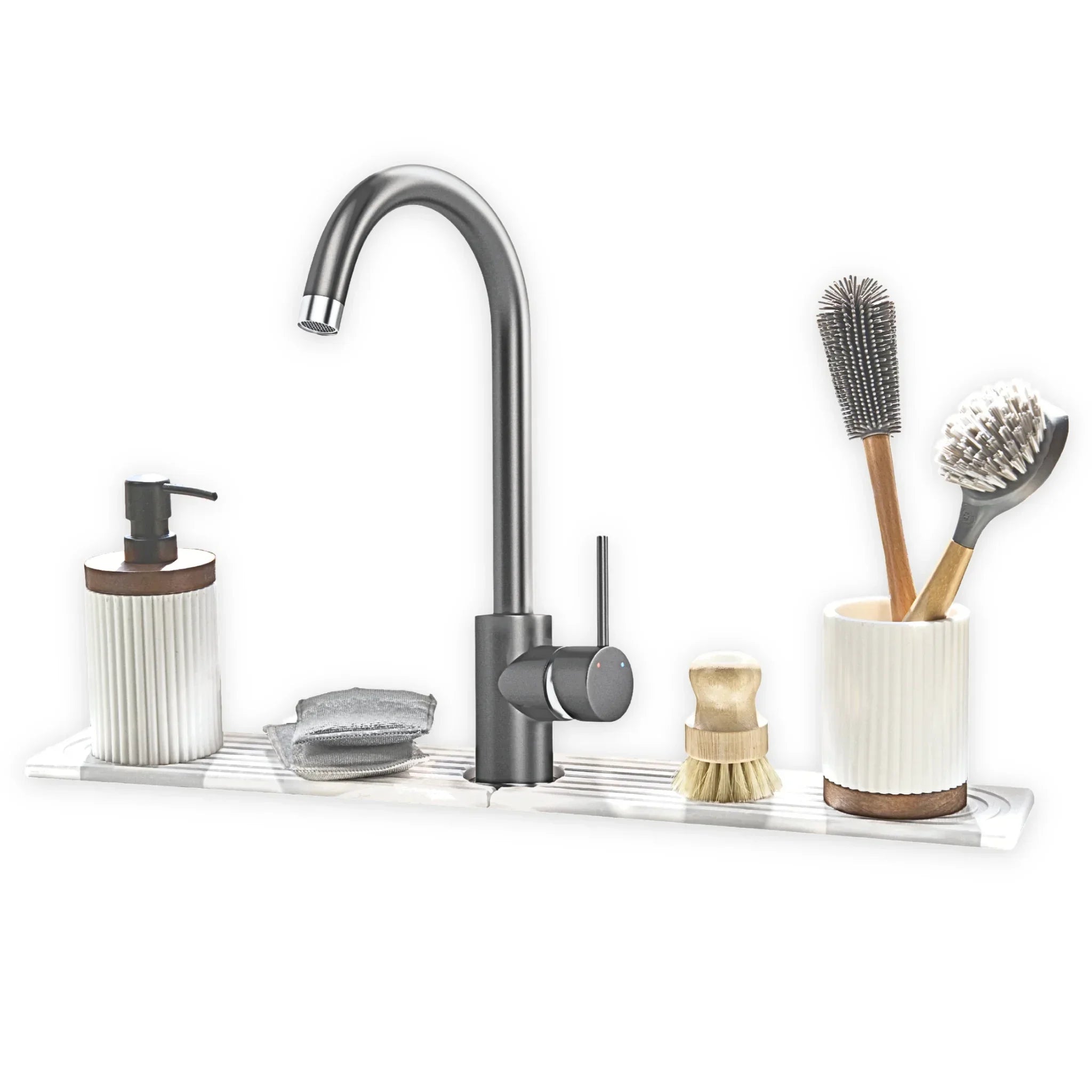
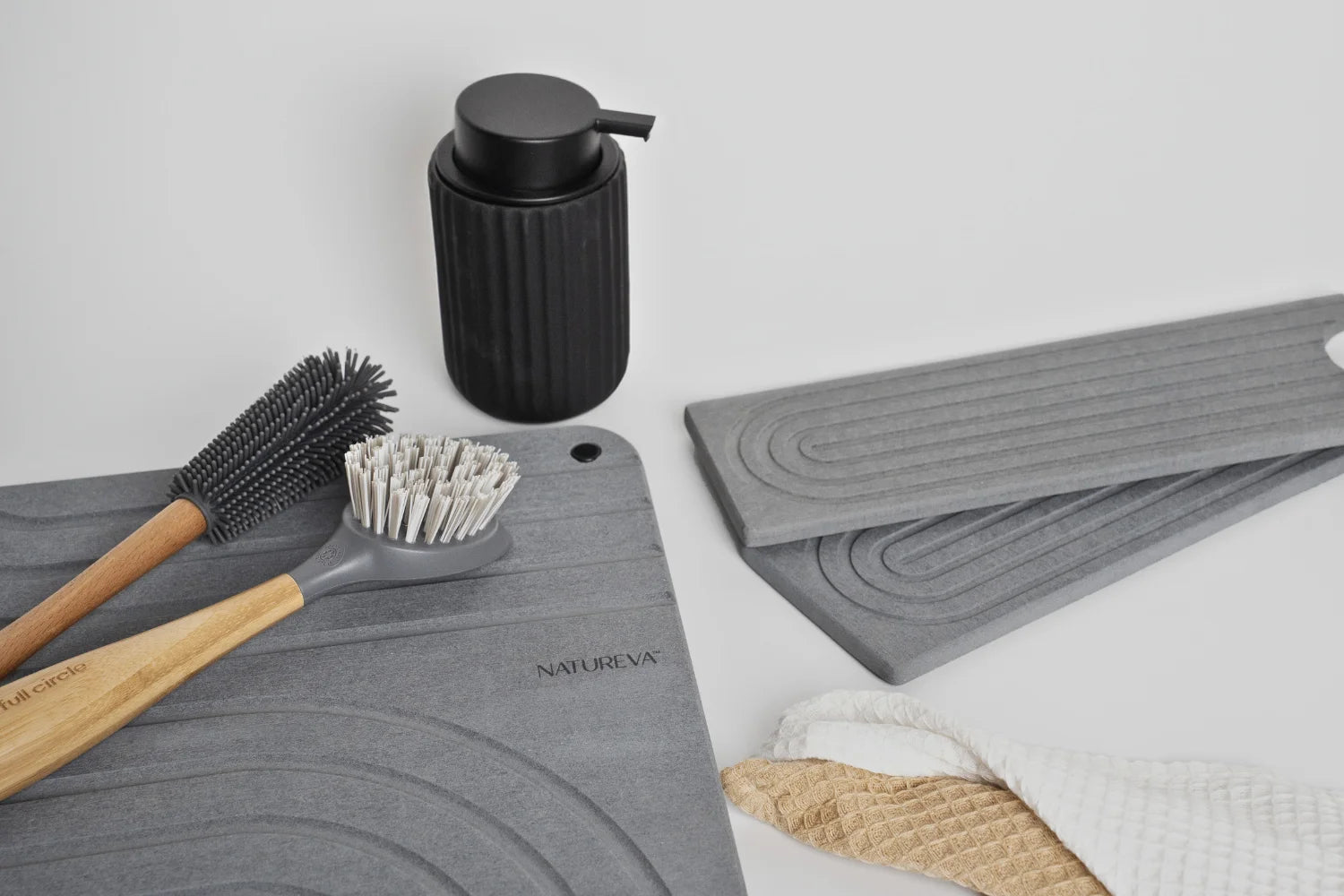
A mat that's too small means water on your counters. Too large and it dominates your workspace. Premium mats come in multiple sizes designed for different kitchen layouts.
The Tide design offers a different size and aesthetic than the Flow version, letting you match your specific needs without compromising on quality.
- Measure your typical dish load before buying
- Consider counter space when dishes aren't drying
- Larger mats cost more but prevent overflow
- Stone mats look clean enough to leave out permanently
Brand Names vs. Generic: What You're Really Paying For
Generic stone mats exist, but quality varies wildly. Established brands invest in proper diatomite sourcing, quality control, and customer support.
Browse the complete dish mat selection to compare options from a trusted source that stands behind their products.
- Reputable brands test for purity and absorption rates
- Quality control ensures consistent performance
- Customer service helps with questions and issues
- Warranty coverage protects your investment
The Long-Term Savings of Stone
Let's do the final math. A premium stone mat at $40 that lasts five years costs you $8 per year. Cheap mats at $10 each, replaced quarterly, run $40 annually.
Over five years, you save $160 by choosing stone. Plus you get better performance, zero mold risk, and a cleaner kitchen every single day.
- Stone mats pay for themselves within the first year
- No ongoing costs for replacements or special cleaning products
- Minimal maintenance keeps them performing like new
- Resale value if you move—quality mats are worth keeping