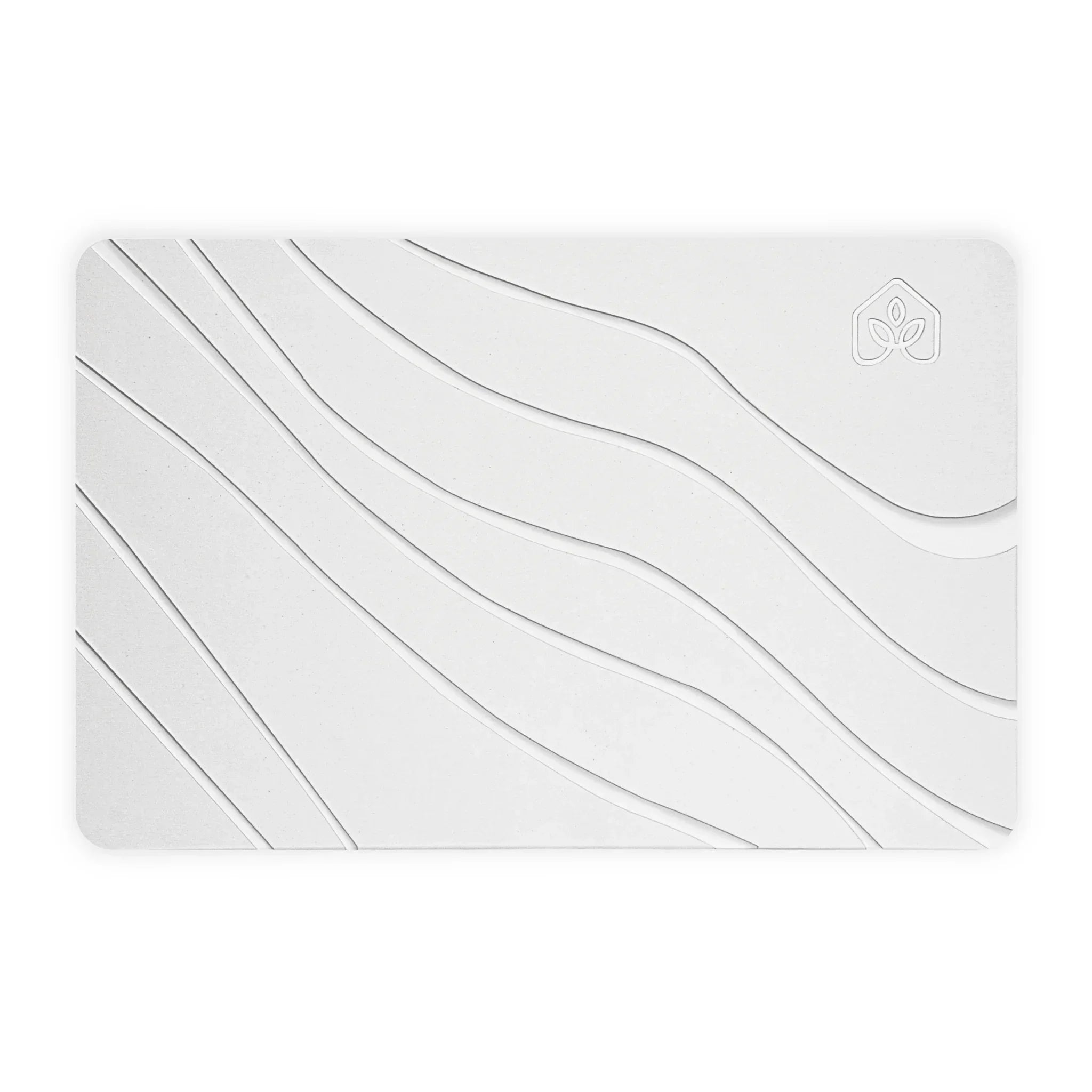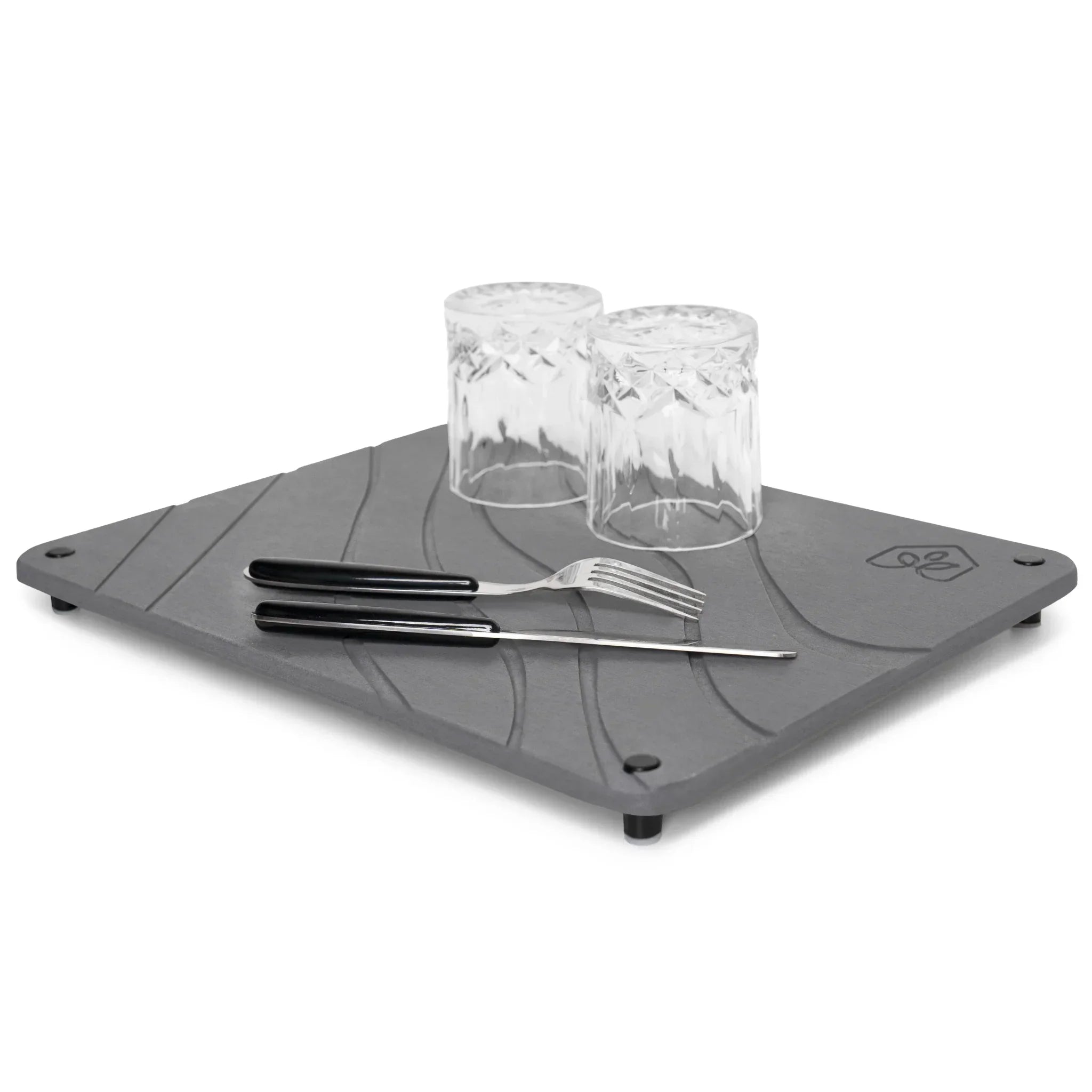


2 Ways Stone Coasters Outlast Cork On Dining Tables
You set down a cold drink on your cork coaster, and ten minutes later there's still a water ring on your dining table. Cork coasters might seem like the classic choice, but they often fail at their one job: keeping moisture off your surfaces. Stone coasters made from diatomaceous earth solve this problem with instant absorption and years of reliable performance, making them a smarter upgrade for any dining table.
Table of Contents
What Makes Stone Coasters Different
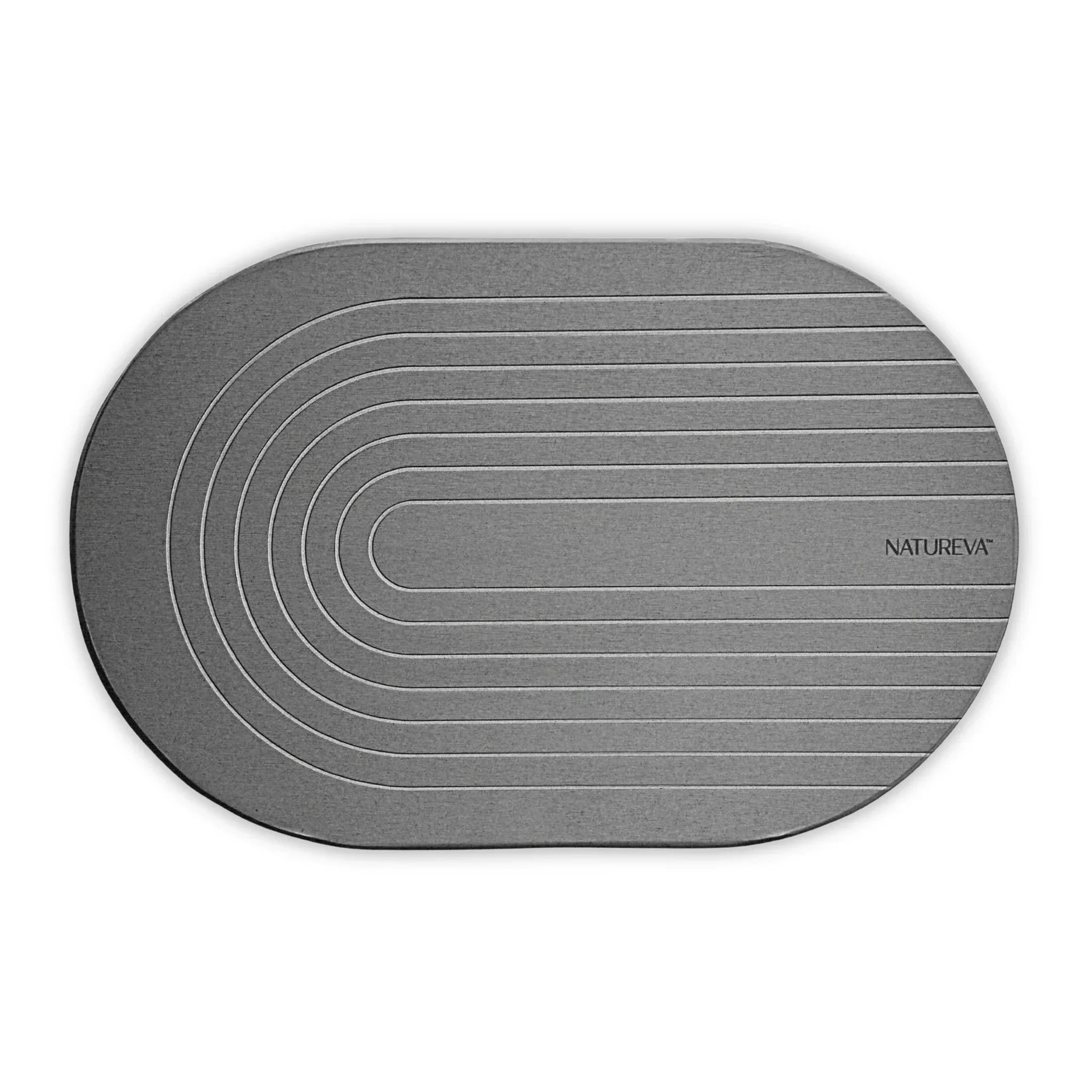
Most people think all coasters do the same job, but the material they're made from changes everything. Stone coasters use diatomaceous earth, which is basically fossilized algae that lived in oceans millions of years ago. When these tiny organisms died, their skeletons piled up on the ocean floor and turned into a chalky, porous rock. This natural material has millions of microscopic holes that work like tiny sponges, pulling moisture away from your glass in seconds.
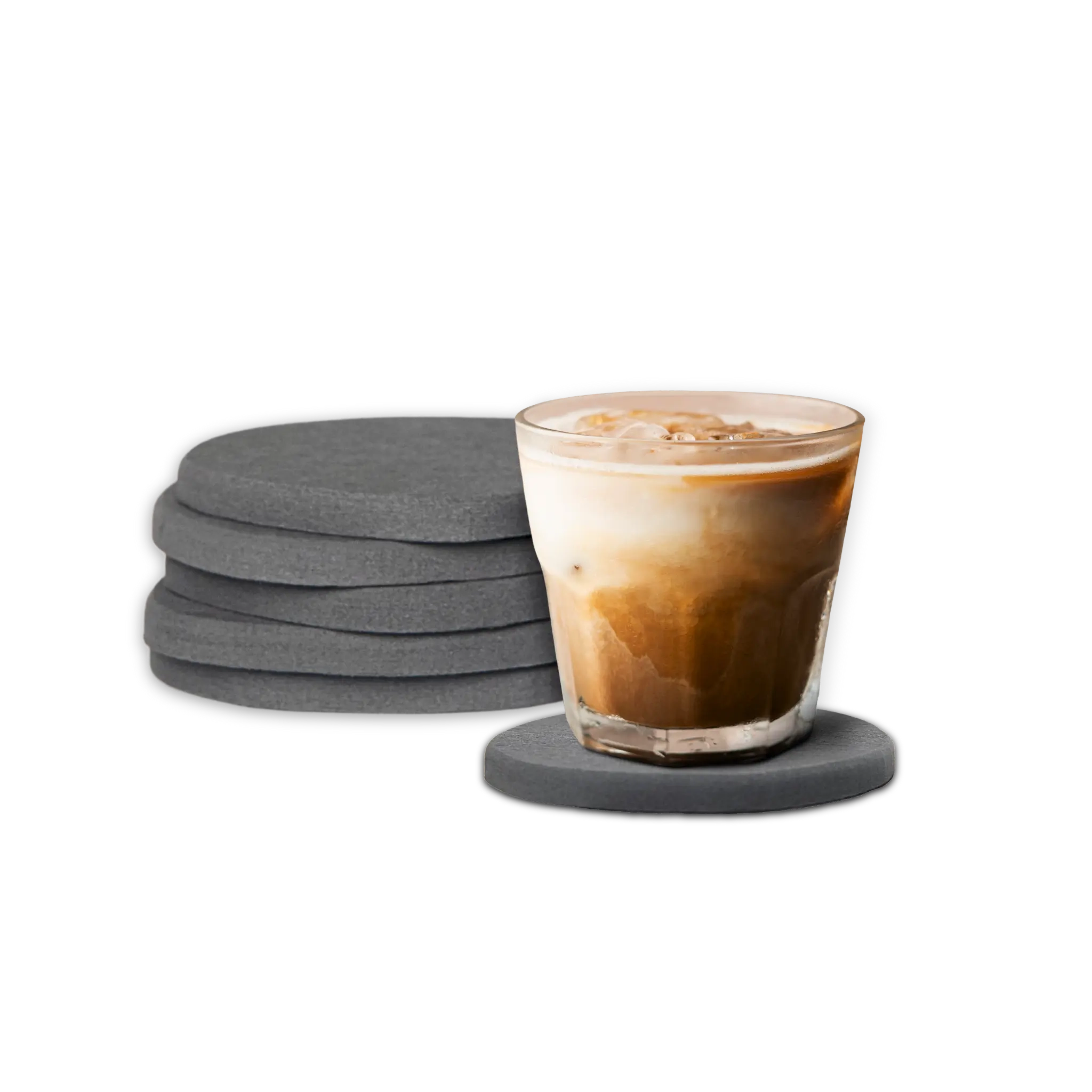
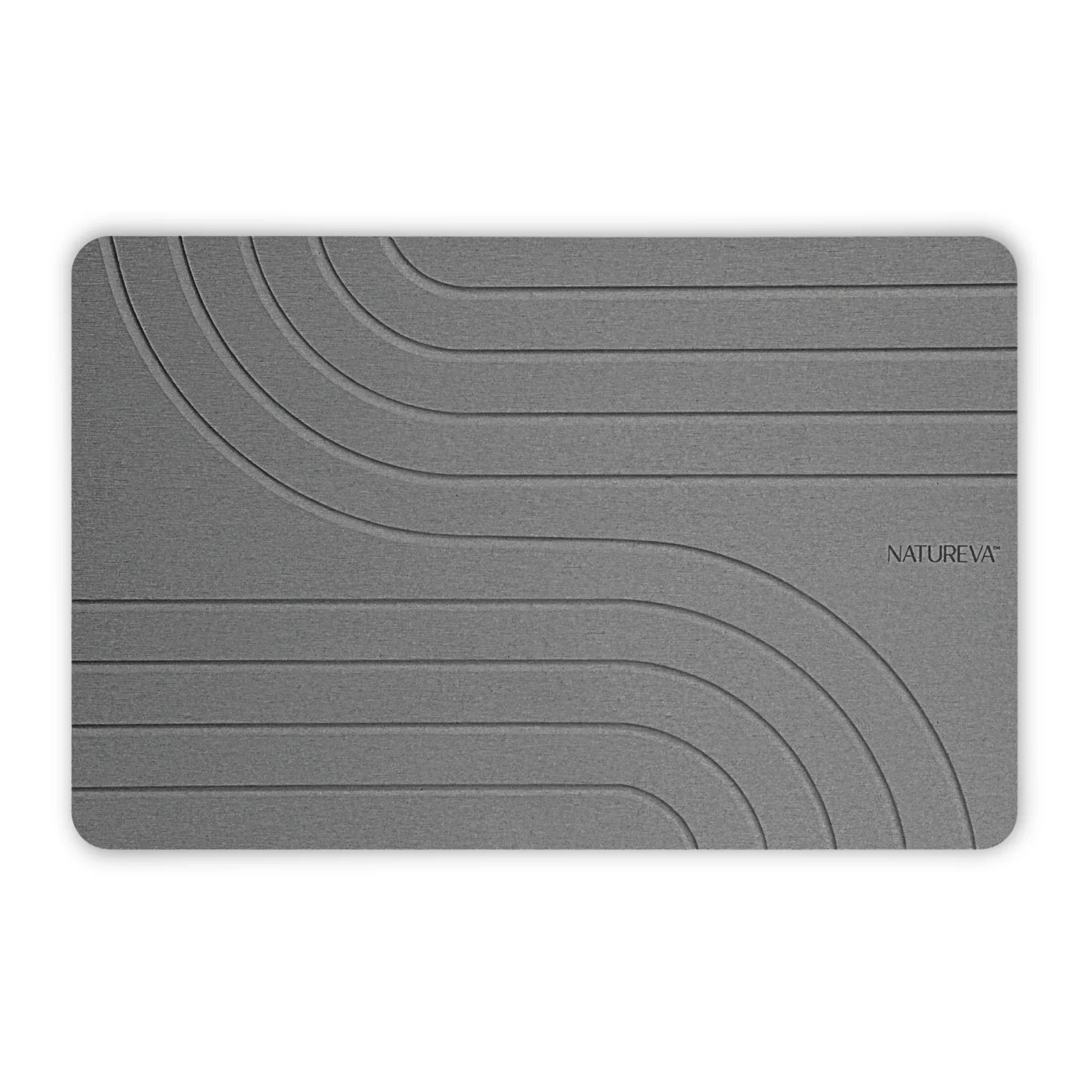
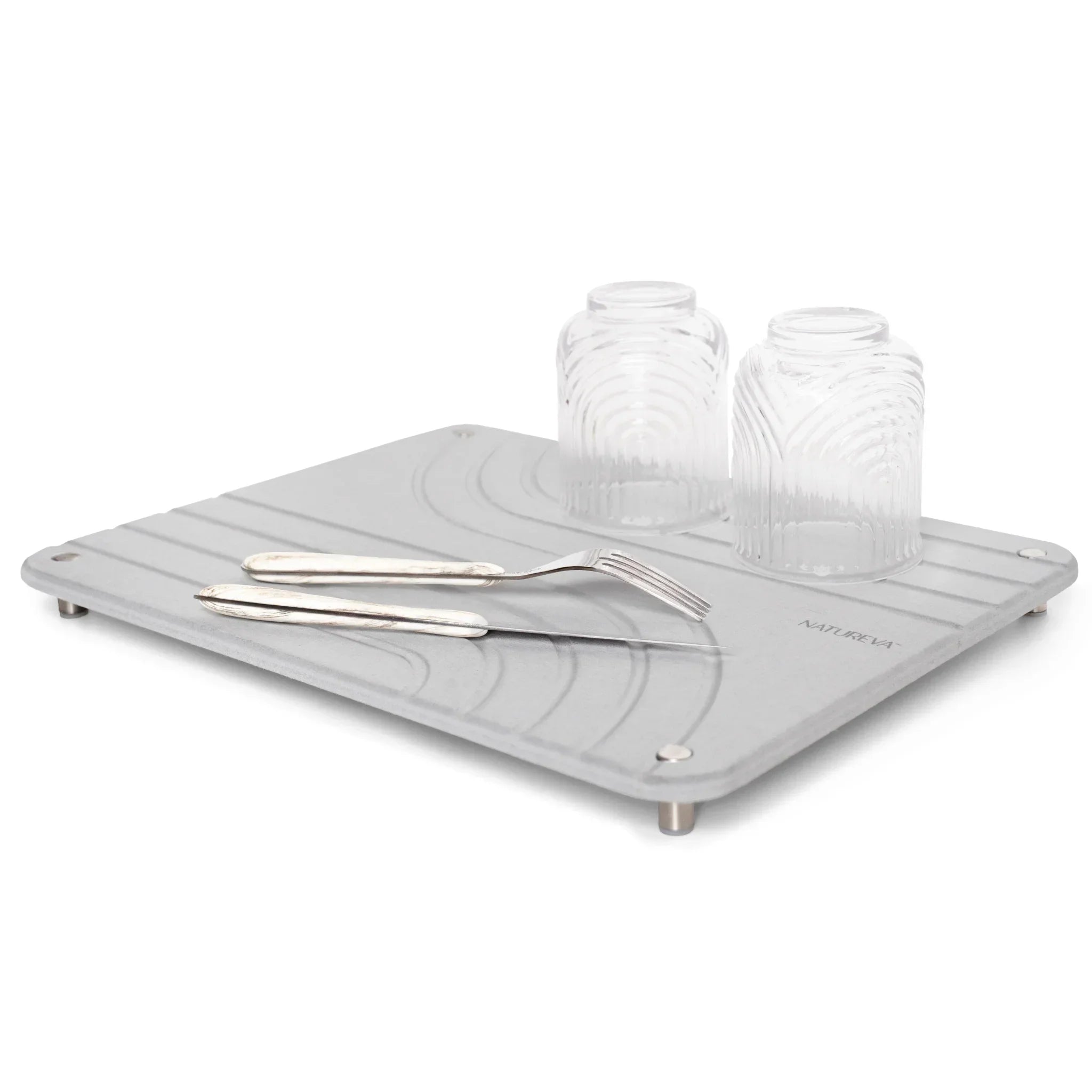
Stone Coasters - Set of 6
Cork coasters come from a completely different place. They're made from the bark of cork oak trees, which gets harvested every nine years without hurting the tree. Cork has air pockets trapped inside that make it soft and cushiony, but these pockets don't connect to each other the same way stone does. That means water sits on top of cork instead of getting pulled through it.
How the Materials Stack Up
The science behind these materials explains why they act so differently on your table. Here's what you need to know about each one.
| Property | Stone Coasters | Cork Coasters |
|---|---|---|
| Base Material | Diatomaceous earth | Tree bark |
| Absorption Speed | Under 30 seconds | 5-10 minutes |
| Drying Time | 1-2 hours | 4-8 hours |
| Pore Structure | Interconnected channels | Closed air pockets |
| Water Capacity | Up to 150% of weight | Up to 60% of weight |
Why Pore Structure Matters
The way moisture moves through a coaster depends entirely on how the tiny holes inside are arranged. Stone coasters have what scientists call an "open pore structure," which means all those microscopic holes connect to each other like a network of tunnels. Water gets sucked in and spreads throughout the whole coaster.
Cork works differently because its pores are mostly closed off from each other. Think of it like bubble wrap versus a sponge. Our Stone Coasters use this rapid-drying technology to keep condensation from pooling on your furniture, which is something cork just can't match.
What Rapid Drying Actually Means
When companies talk about rapid-drying, they're describing how fast moisture evaporates back into the air. Stone coasters pull water in quickly and release it just as fast because air can flow through those connected pores. This is why you can use the same stone coaster multiple times in one evening without it feeling soggy.
Cork holds onto moisture longer because the water has nowhere to go once it soaks in. The closed pores trap it inside, which means you're waiting hours for your cork coaster to dry out completely. Some brands like Dorah Home and Dry Sorb have tried to improve absorption rates with stone materials, but the basic science stays the same across all diatomaceous earth products.
Superior Water Absorption Keeps Tables Dry
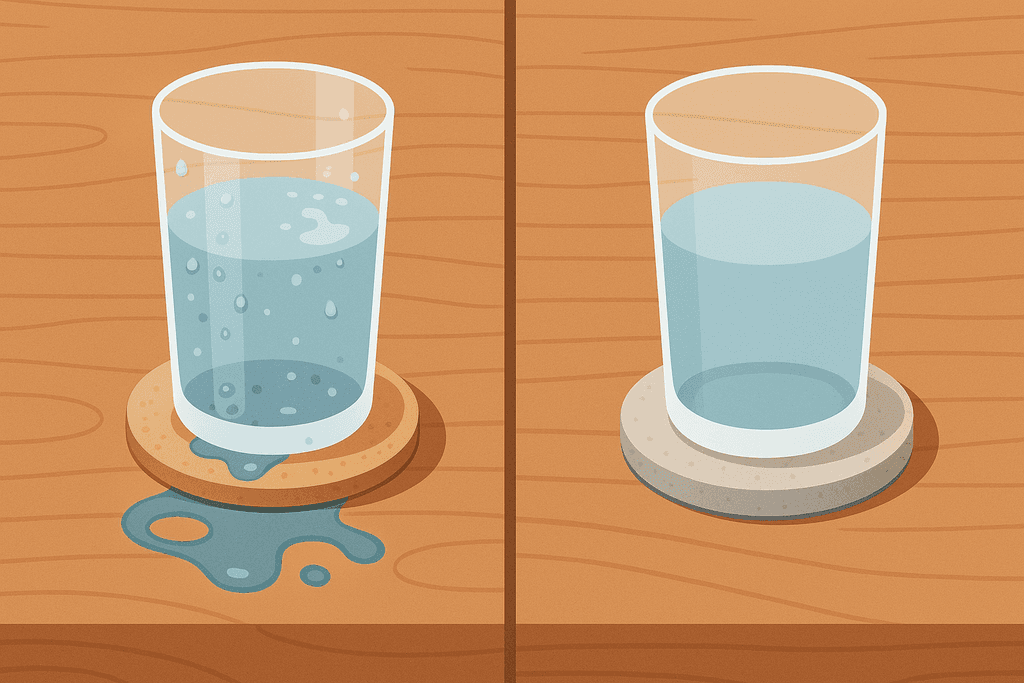
Most people don't realize that cork coasters stop working after just a few uses. The material gets saturated with moisture and then it's basically useless, leaving wet rings all over your dining table. You've probably seen it happen during dinner parties when someone sets down a cold glass and the cork coaster just sits there, doing nothing while condensation pools around it. This is where stone coasters made from diatomaceous earth completely change the game, but not in the way you might expect.
Superior Water Absorption Keeps Tables Dry
The secret is in how the material actually works. Diatomaceous earth absorbs water in seconds because of its porous structure, which pulls moisture away from your glass almost instantly. Cork, on the other hand, becomes a soggy mess that stops absorbing after it reaches capacity.
- Stone coasters dry themselves between uses, so they're ready for the next drink
- Condensation from cold drinks is handled instantly without leaving marks
- Cork becomes saturated and stops absorbing, requiring replacement
- The rapid absorption technology in stone coasters keeps working drink after drink
What really matters here is consistency. When you're hosting guests or just relaxing with a cold beverage, you don't want to worry about whether your coaster is actually protecting your table. Stone coasters maintain their absorption power throughout their entire lifespan, while cork coasters lose effectiveness within weeks of regular use. The NatureVa stone coasters feature this rapid absorption technology, which means your tables stay dry and ring-free without any extra effort on your part.
Durability That Lasts Years Not Months
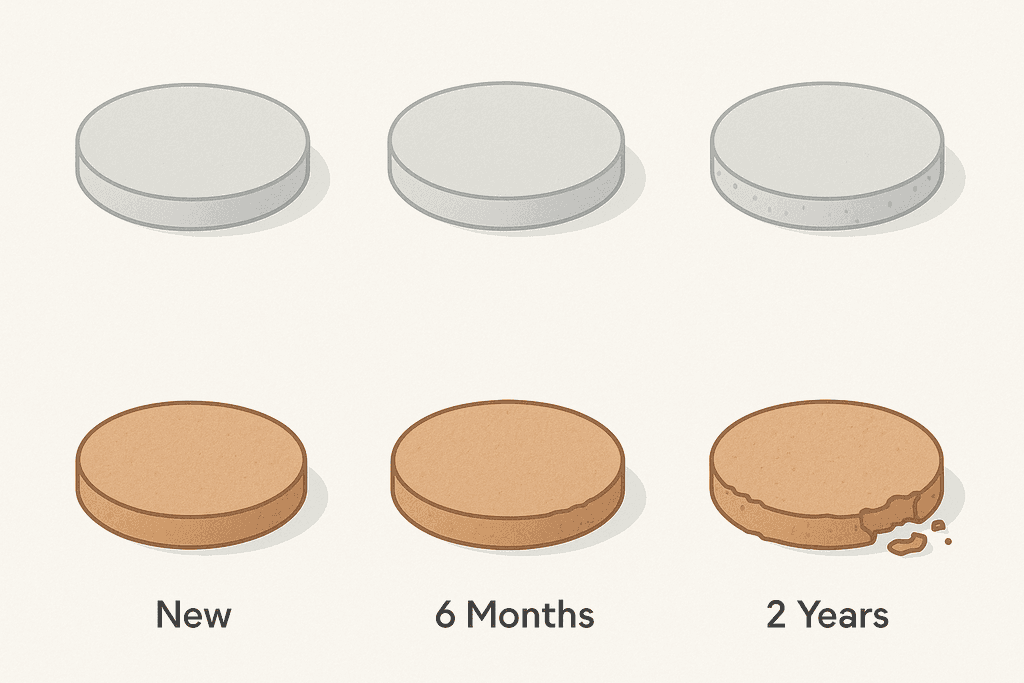
Cork coasters have a shelf life that most people don't talk about. They start crumbling at the edges after a few months of use, especially if you're using them regularly with cold drinks. The constant exposure to moisture breaks down the cork fibers, causing them to crack and fall apart. You end up replacing them every few months, which seems cheap at first but adds up over time. Stone coasters resist cracking and chipping because the material itself is designed to handle moisture without degrading.
Durability That Lasts Years Not Months
The next generation of home essentials: naturally made, cleaner by design, sustainable by nature.
SHOP ALLThe difference becomes obvious when you compare them side by side after six months of use. Cork coasters look worn out, with visible damage and reduced thickness. Stone coasters maintain their appearance without special care, looking almost identical to the day you bought them.
| Material | Lifespan | Maintenance Needed | Cost Over 2 Years |
|---|---|---|---|
| Cork | 3-6 months | Frequent replacement | $40-60 |
| Stone | 2+ years | Minimal | $29 |
The cost-effectiveness becomes clear when you do the math. Buying cork coasters multiple times per year costs more than investing in a quality set of stone coasters that last for years. According to Wirecutter's guide on gifts that last, investing in durable home goods saves money and reduces waste over time.
Material degradation is the real issue with cork coasters. The organic material breaks down naturally when exposed to moisture repeatedly, which is exactly what coasters are designed to handle. Stone coasters don't have this problem because diatomaceous earth is already a fossilized material that won't degrade further. This means you're not just buying coasters, you're buying the last set of coasters you'll need for a long time.
The practical benefits extend beyond just durability. When you have guests over, you don't need to worry about whether your coasters look presentable or if they're still functional. Stone coasters keep their clean, sophisticated appearance without needing replacement or special treatment. You can find more durable home solutions in our accessories collection, which features products designed to last.
Making the Switch to Stone Coasters
Stone coasters solve the two problems that make cork coasters such a pain to deal with. They don't fall apart when they get wet, and they actually dry your glasses instead of just sitting there soaking. That's a pretty big deal when you think about how often you use coasters every single day.
The thing about investing in quality coasters is that you stop thinking about them. Cork coasters need replacing every few months, but stone coasters just keep working. You're not constantly buying new sets or dealing with crumbly messes on your table.
Your dining table probably cost a decent amount of money. Water rings and heat damage can ruin the finish, and refinishing isn't cheap. A simple upgrade to better coasters makes more sense than dealing with damage later.
The diatomaceous earth material in stone coasters absorbs moisture in seconds, which means your table stays dry even when condensation drips down the side of a cold glass. Cork just can't do that, no matter how thick it is or how many layers you stack together.
If you're curious about how the absorption actually works or wondering about maintenance, the questions below cover the practical stuff most people want to know. The care and cleaning process is simpler than you'd think, and there are other diatomite stone products that work the same way throughout your home.
Common Questions About Stone Coasters
Switching from cork to stone coasters brings up a lot of practical questions. People want to know if they're making the right choice before spending money on something new. Here are the answers to the most common questions we hear about stone coasters and how they stack up against traditional options.
How do you clean stone coasters?
Cleaning stone coasters is surprisingly simple. Just rinse them under warm water and let them air dry completely before using them again. For stubborn stains, you can gently scrub with a soft brush and mild soap, but avoid harsh chemicals that might clog the porous surface.
Will stone coasters scratch my table?
Stone coasters won't scratch your table as long as they have a smooth bottom surface. Most quality stone coasters, including our Stone Coasters set, are designed with a flat base that protects your furniture. The diatomaceous earth material is actually softer than wood or glass, so it's gentler on surfaces than you might think.
How long do stone coasters last?
Stone coasters can last for years with proper care, which is one of the main reasons they outlast cork alternatives. Cork coasters typically need replacing every 6-12 months as they break down, warp, or develop mold. Stone coasters maintain their absorption and appearance for much longer because the material doesn't degrade the same way organic materials do.
Do stone coasters work with hot drinks?
Yes, stone coasters handle both hot and cold drinks without any issues. The diatomaceous earth material is heat-resistant and won't warp or crack from your morning coffee. This versatility gives them an edge over cork, which can sometimes leave a musty smell when exposed to heat and moisture repeatedly.
Are stone coasters more expensive than cork?
Stone coasters typically cost more upfront than cork options. A quality set of six stone coasters runs around $29, while cork sets might be $10-15. However, the longer lifespan means you'll actually spend less over time since you won't need to replace them as often.
Where can you buy quality stone coasters?
You can find stone coasters from various retailers, though quality varies significantly between brands. Some companies like Dorah Home and Drysorb offer similar products, but it's worth comparing materials and reviews. Our Stone Coasters set uses premium diatomaceous earth with rapid absorption designed specifically for daily use on dining tables.
The next generation of home essentials: naturally made, cleaner by design, sustainable by nature.
SHOP ALL