
Stone Bath Mats Worth It for Faster Drying and Cleaner Floors
Stepping out of a warm shower onto a cold, soggy bath mat is one of those small frustrations that happens every single day. Traditional fabric mats can stay damp for hours, creating a breeding ground for mildew and leaving your bathroom floor perpetually wet. Stone bath mats made from diatomite promise to solve this problem by absorbing water instantly and drying within minutes, but are stone bath mats worth it compared to the fabric options you're used to?
Table of Contents
What Makes Stone Bath Mats Different
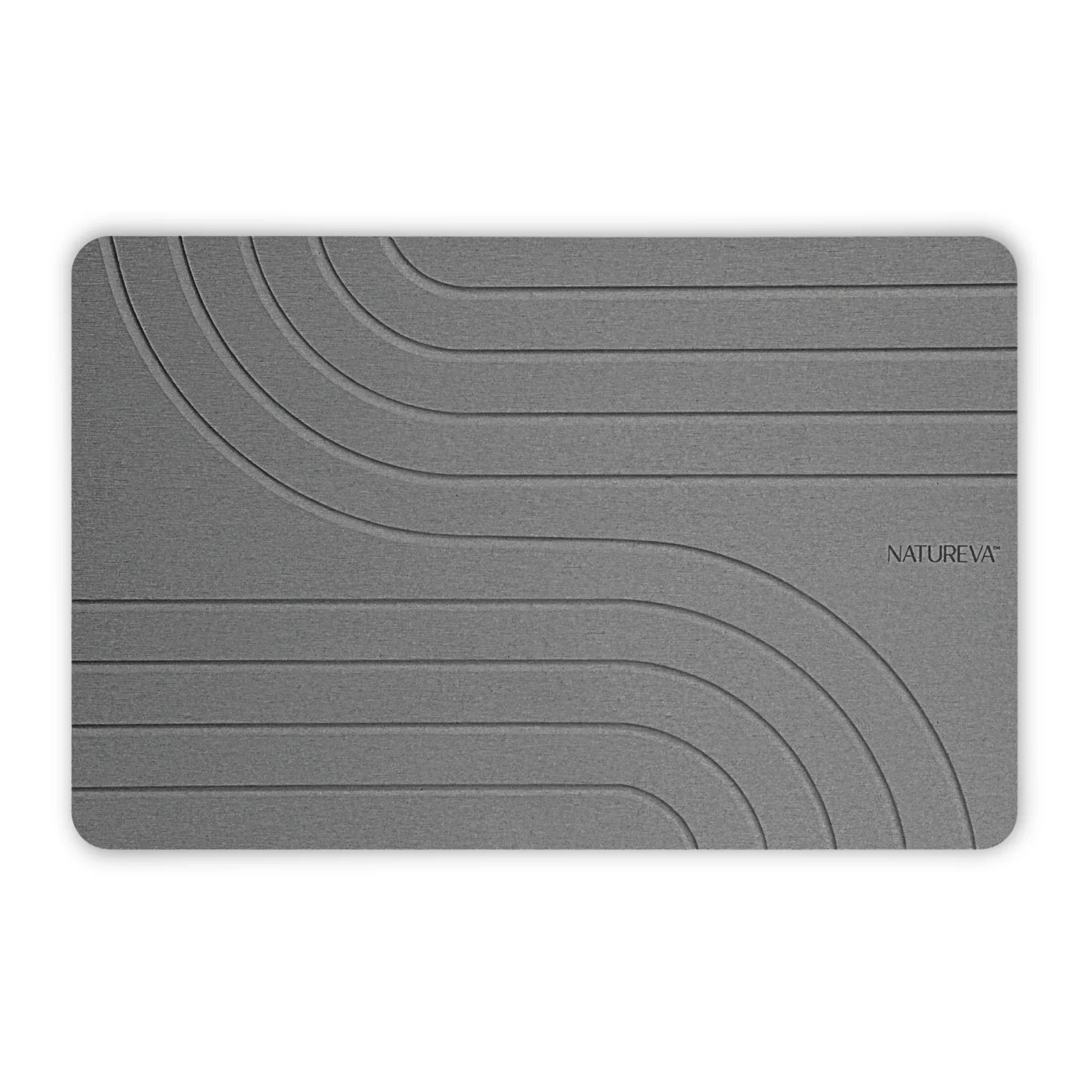
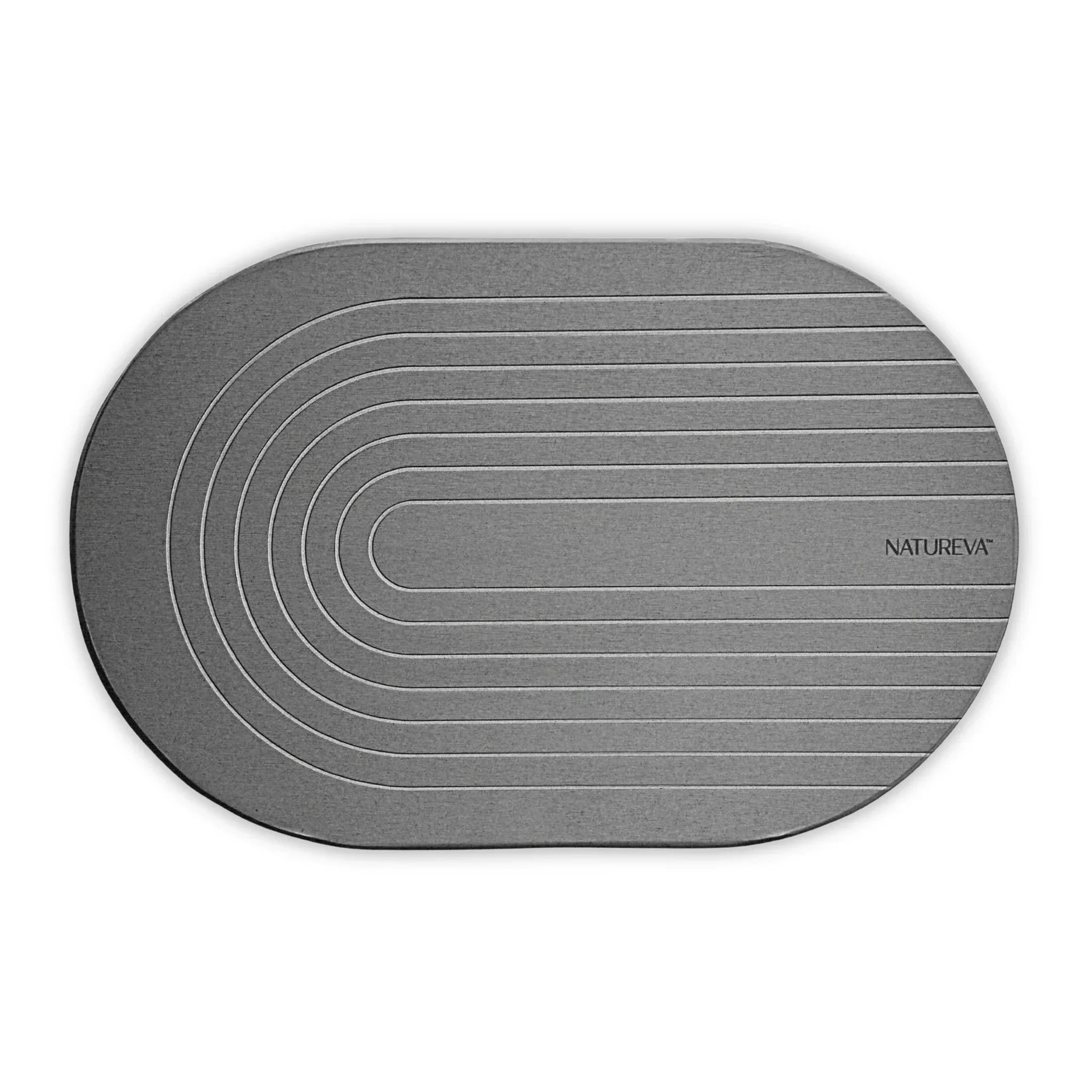
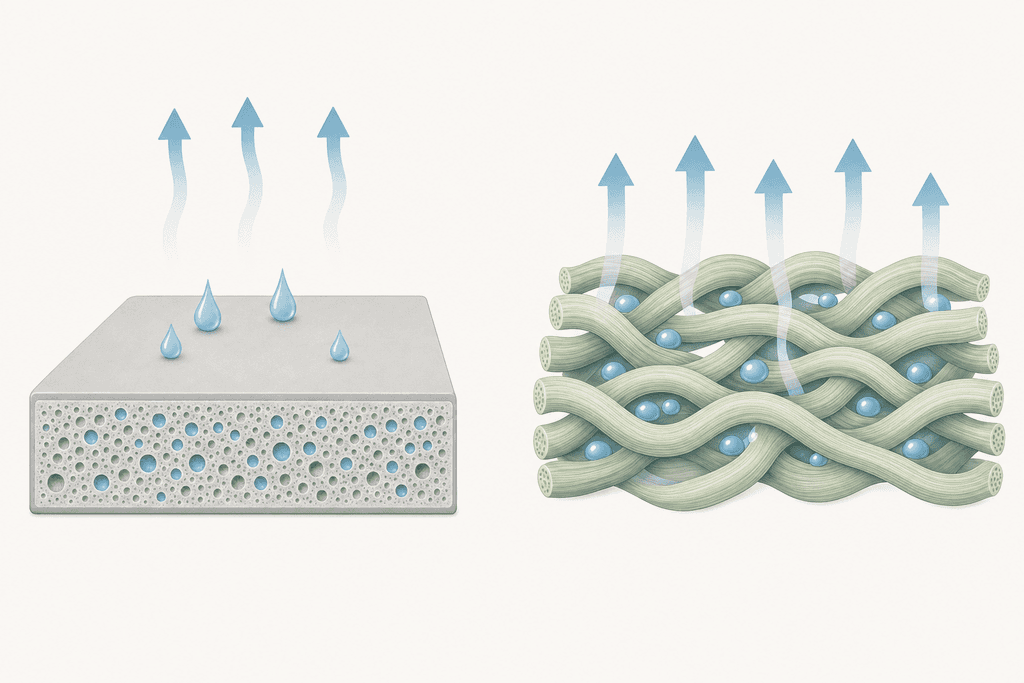
Most people don't realize their bathroom mat is still damp hours after their morning shower. Traditional fabric and memory foam mats trap moisture in their fibers, creating a breeding ground for mildew and bacteria. Stone bath mats work completely differently because they're made from diatomite, a natural material formed from fossilised microscopic algae called diatoms. These ancient organisms left behind a porous structure filled with millions of tiny air pockets that pull water away from your feet the second you step on them.
How Diatomite Absorbs and Releases Water
The science behind stone mats is pretty straightforward. When water hits the diatomite surface, it gets sucked into those microscopic pores instantly. Then the material releases that moisture back into the air through natural evaporation, usually within minutes. This rapid drying process is what makes stone mats naturally antibacterial, not any chemical treatment or coating.
Regular bath mats work against you because they hold onto water. Fabric mats can stay damp for 6 to 12 hours depending on your bathroom's humidity. Memory foam versions might dry slightly faster, but they still trap moisture in their cushioned layers. Stone mats from brands like Natureva dry in under an hour in most conditions, and the surface feels dry to the touch within minutes.
Comparing Bath Mat Materials
Here's how different mat types stack up when it comes to drying speed and upkeep:
| Material Type | Drying Time | Washing Frequency | Odor Risk |
|---|---|---|---|
| Cotton Fabric | 6-12 hours | Weekly | High |
| Memory Foam | 4-8 hours | Every 2 weeks | Medium |
| Microfiber | 3-6 hours | Weekly | Medium |
| Diatomite Stone | Under 1 hour | Never (wipe only) | Very Low |
The difference becomes obvious when you look at maintenance needs. Fabric mats need regular washing to prevent mildew buildup, which means more laundry cycles and wear over time. Stone mats just need a quick wipe with vinegar water once a week. This shift away from traditional bathroom rugs reflects how people are prioritizing hygiene and convenience in their homes.
Why Faster Drying Matters
The speed at which your bath mat dries affects more than just comfort. When moisture lingers, several problems develop:
- Bacteria and mold spores multiply in damp environments
- Unpleasant musty odors develop within days
- The mat itself degrades faster from constant moisture exposure
- Your bathroom floor underneath can develop water damage or discoloration
Stone mats eliminate these issues because they don't stay wet long enough for problems to start. The composite construction used in products like Natureva's bath mats combines diatomaceous earth with recycled paper, creating a dense slab that feels solid but stays breathable. No synthetic coatings or moisture-trapping finishes get in the way of the natural drying process.
How Fast Stone Mats Actually Dry
Most fabric bath mats stay damp for hours after you step out of the shower, creating that cold, soggy feeling nobody likes. Stone bath mats work differently because they're made from diatomite, a material with millions of microscopic pores that pull water in and release it back into the air almost immediately. The difference in drying time isn't just noticeable, it changes how your bathroom feels throughout the day.
Stone mats feel dry to the touch within 5 to 10 minutes after use. That's not an exaggeration. The surface absorbs water on contact, then releases moisture through rapid evaporation. Meanwhile, fabric mats can stay damp for 4 to 8 hours depending on your bathroom's humidity level and airflow.
- Stone mats use natural evaporation instead of trapping moisture in fibres
- Fabric mats hold water between threads, which takes hours to fully dry
- High-humidity bathrooms slow down fabric drying even more
- Well-ventilated spaces help both types, but stone still wins by a wide margin
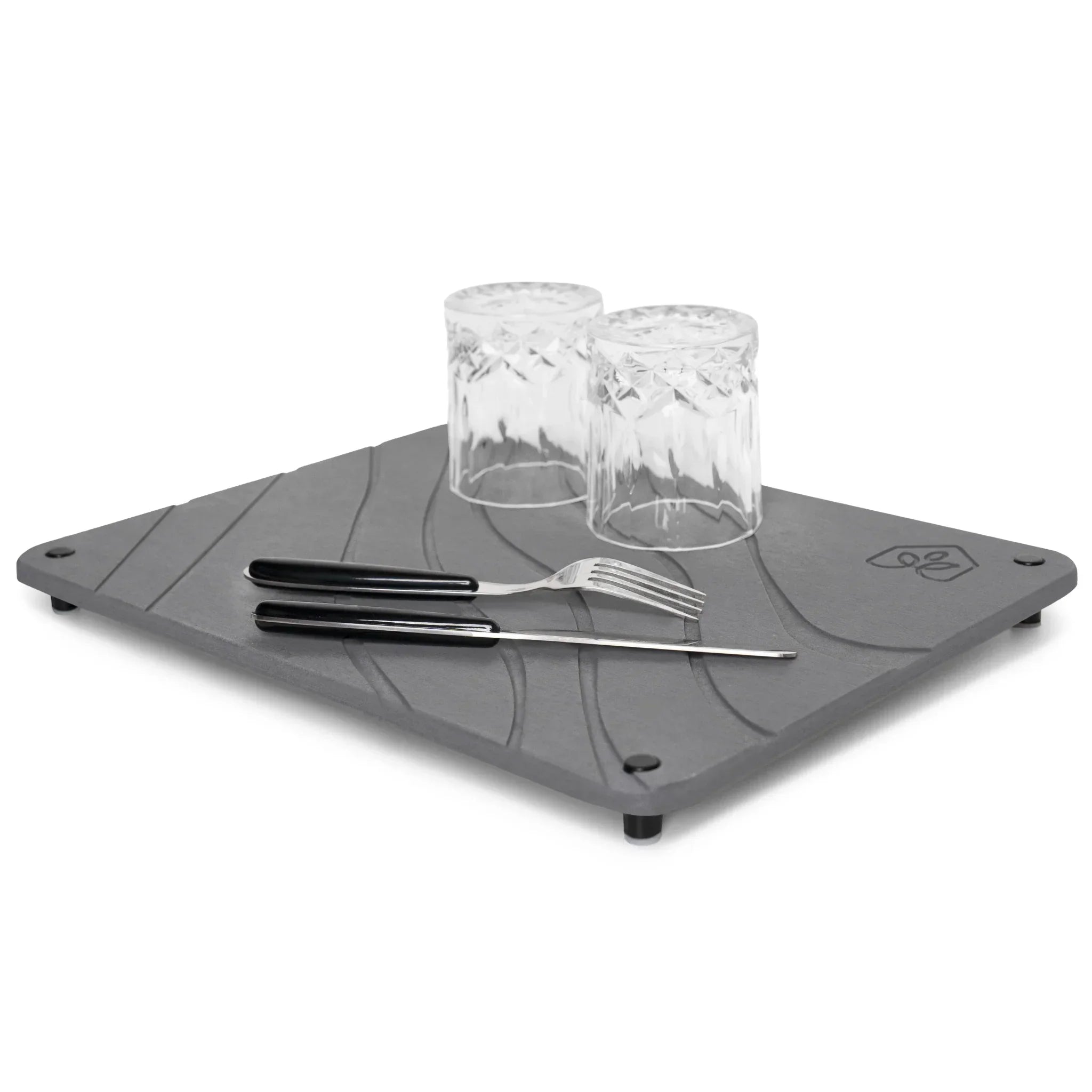
The non-slip base pads on stone mats do more than keep them secure. They create a small gap between the mat and your floor, allowing air to circulate underneath. This prevents moisture from getting trapped at the base, which would slow down drying and potentially damage your flooring over time.
Performance varies slightly based on your bathroom setup. If you have a window or exhaust fan, stone mats dry even faster. But even in a small, humid bathroom with poor ventilation, they still outperform fabric options by hours. Consumer Reports tested several stone bath mats and found consistent fast-drying performance across different conditions.
Hygiene Benefits Beyond Just Drying
Damp fabric creates the perfect environment for bacteria and mould to grow, which is why bath mats start smelling musty after a few days. Stone mats eliminate this problem entirely because they don't stay wet long enough for anything to take hold. Rapid drying removes the conditions where bacteria and mould thrive, which means your bathroom stays cleaner without extra effort on your part.
Fabric mats have another hidden problem. Those soft fibres trap everything: dirt, skin cells, soap residue, and whatever else lands on them. Over time, this builds up deep in the material where you can't see it. Stone mats have a smooth, solid surface with no fabric fibres to trap debris. What you see is what you get, and cleaning is straightforward.
- Weekly vinegar wipe keeps the surface fresh
- Stains rinse off under running water
- No need to throw it in the washing machine every few days
- Sanding tool restores absorbency when pores get clogged
Natureva stone bath mats use a chemical-free diatomite composite made from diatomaceous earth and recycled paper. There are no synthetic coatings or moisture-trapping finishes. The antibacterial properties come from the material's natural behaviour, not from added chemicals that wear off over time.
Baptist Health notes that reducing moisture in bathrooms helps prevent respiratory issues and allergic reactions caused by mould exposure. If you've ever dealt with a musty-smelling bathroom, you know how unpleasant it gets. Stone mats cut that problem off at the source.
Maintenance is minimal. When the surface starts absorbing slower, you sand it lightly with the included tool to reopen the pores. This takes about two minutes and brings the mat back to like-new performance. Compare that to washing, drying, and replacing fabric mats every year or two.
Long-Term Value and Durability
The upfront cost of a stone mat is higher than a basic fabric one, but the math changes when you look at how long each option lasts. Stone mats last 3 to 5 years with proper care, while fabric mats typically need replacing every 1 to 2 years. That's before accounting for the time and money spent washing fabric mats weekly.
Fabric mats require constant washing to stay hygienic, which adds up in water and energy costs. Stone mats need a quick vinegar wipe once a week and occasional rinsing. No washing machine cycles, no dryer time, no detergent purchases. The time savings alone make a difference if you're managing a busy household.
| Cost Factor | Stone Mat (5 Years) | Fabric Mat (5 Years) |
|---|---|---|
| Initial Purchase | $59 | $20 × 3 = $60 |
| Washing Costs | $0 | ~$78 |
| Replacement Frequency | 0 times | 2-3 times |
| Total Cost | $59 | $138+ |
The sanding tool extends the lifespan by restoring surface absorbency whenever it starts to slow down. This simple maintenance step means you're not throwing away the entire mat when performance dips. With fabric, once it starts getting worn or permanently stained, replacement is your only option.
Environmental impact matters too. Fabric mats end up in landfills every year or two, while a single stone mat serves you for years. Gaia Ecological points out that durable products reduce waste and resource consumption over time. The diatomite composite in Natureva mats includes recycled paper, making the material itself more sustainable from the start.
The next generation of home essentials: naturally made, cleaner by design, sustainable by nature.
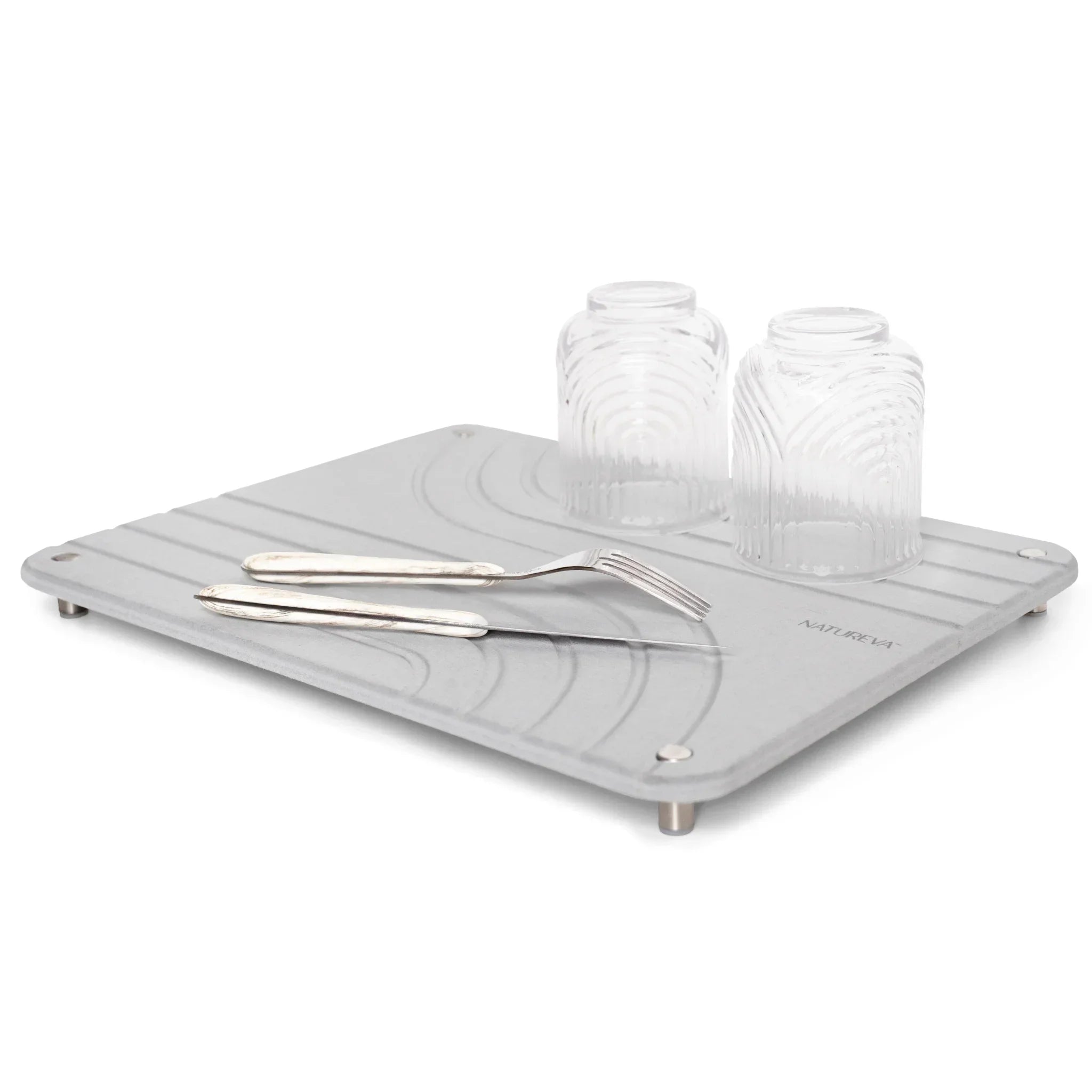
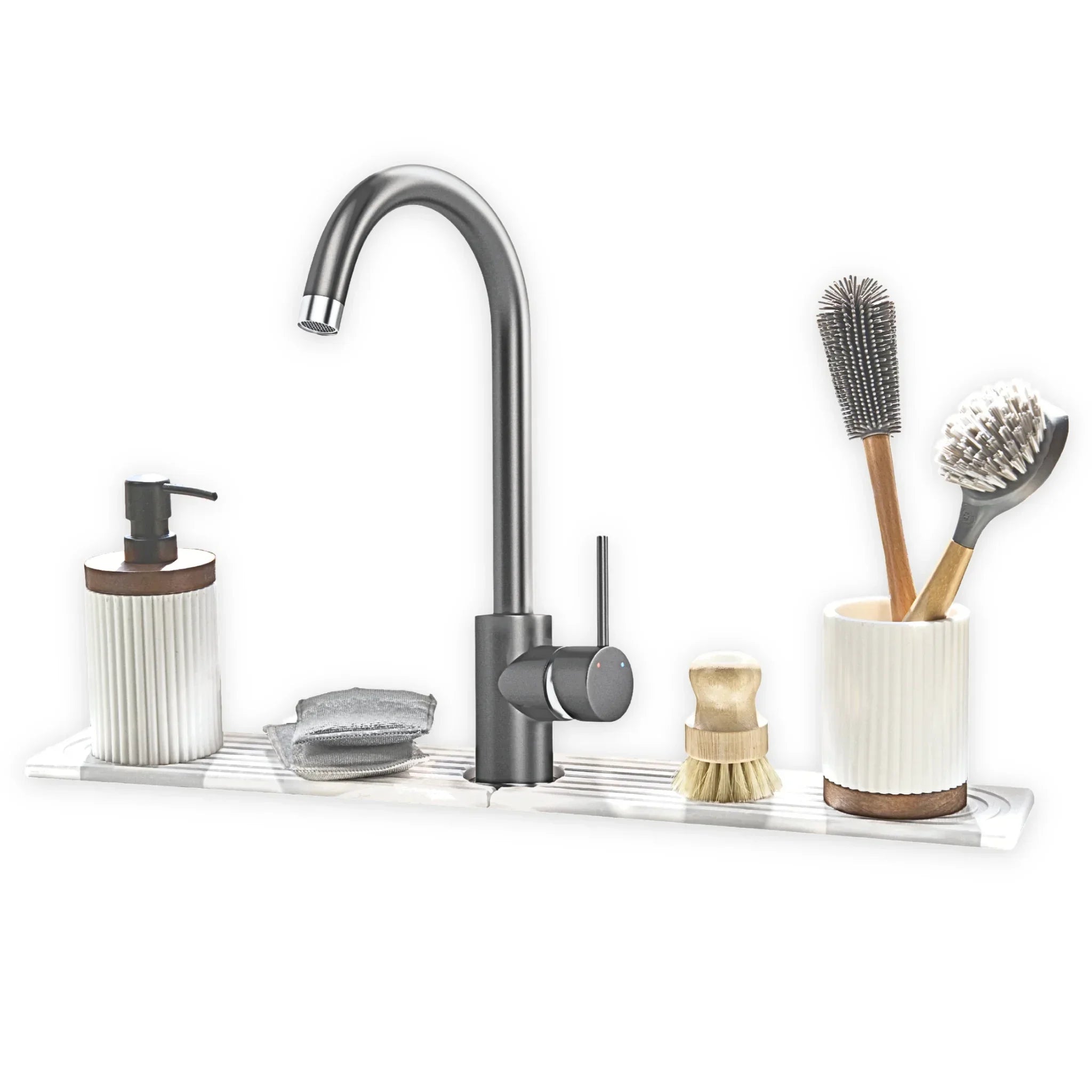
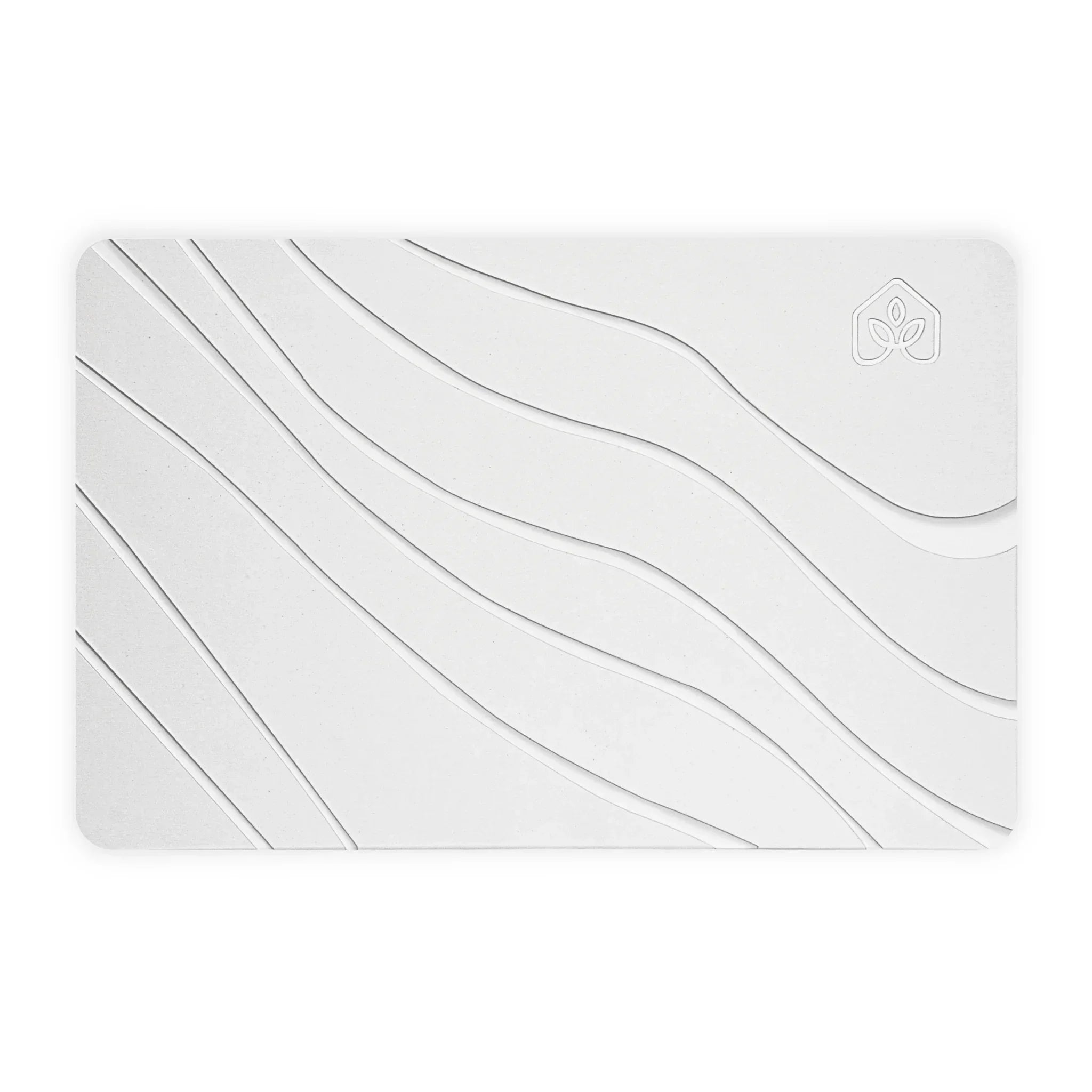
SHOP ALLIf you're looking at stone bath mat options, consider which design fits your space. The Rain pattern offers minimal vertical lines, while the Tide design features horizontal contours. Each one performs the same way, so it comes down to which aesthetic you prefer. The same fast-drying technology extends to other products like the stone dish mat and faucet mat, bringing moisture management to your kitchen and sink areas too.
When Stone Mats Make the Most Sense
Not every bathroom needs a stone bath mat, but certain situations make them almost essential. The decision comes down to how much moisture your bathroom deals with and who's using it daily. If you're constantly battling damp fabric mats that never seem to dry, or if you've noticed that musty smell creeping in after a few days, you're probably dealing with more moisture than traditional mats can handle. Stone mats work best when rapid drying is a necessity, not just a nice-to-have feature.
High-traffic bathrooms see the most benefit from stone technology. When three or four people shower back-to-back in the morning, fabric mats stay wet for hours. Stone absorbs each person's water and dries between uses, which means the last person out gets the same dry surface as the first.
Ideal Household Situations
- Families with multiple morning routines happening within short timeframes
- Humid climates where bathroom ventilation struggles to keep up with moisture
- Homes with poor air circulation or bathrooms without windows
- Anyone dealing with mould sensitivity or respiratory concerns
- Households that prioritize low-maintenance cleaning routines
Climate plays a bigger role than most people realize. Coastal areas and tropical regions create perfect conditions for mould growth on fabric mats. Stone mats eliminate the damp environment where bacteria and allergens thrive, which is why they've become popular in places like Queensland and coastal New South Wales.
Practical Considerations Before Buying
Weight matters if you move frequently or rent. Stone mats like the Natureva Tide or Flow weigh around 1.8 kg, which isn't heavy but definitely more substantial than rolling up a cotton mat. Renters who relocate often might find this less convenient, though the durability of stone mats means they last through multiple moves without wearing out.
- Households with young children benefit from the non-slip surface and instant drying
- Elderly users appreciate the stable, flat surface that doesn't bunch or shift
- Design-conscious homeowners find stone mats fit minimalist and modern aesthetics better than fabric
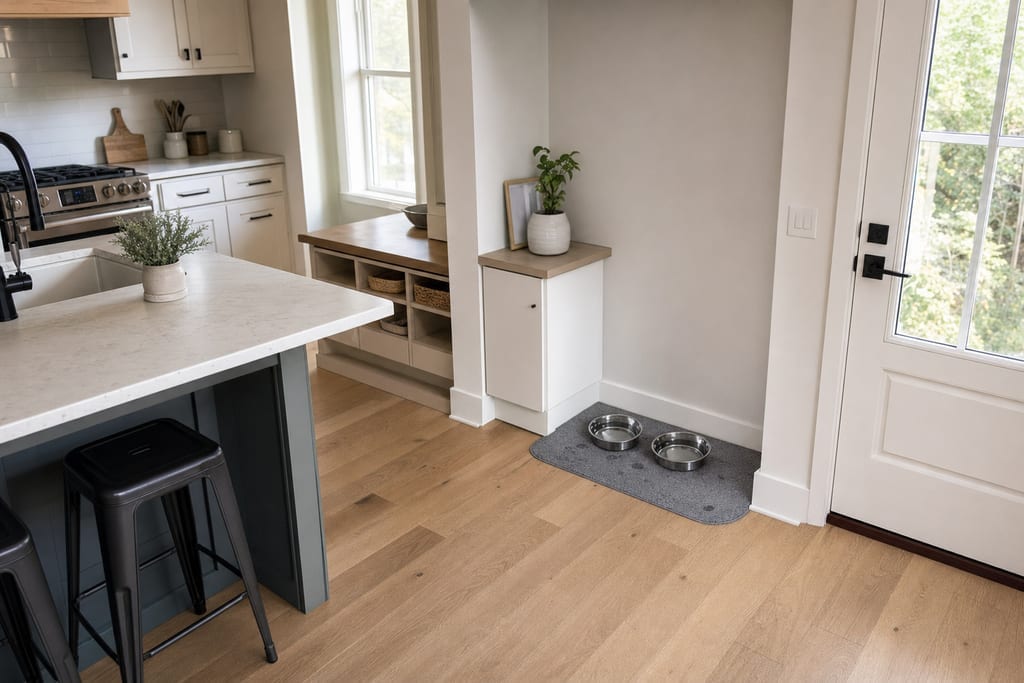
- Pet owners dealing with wet paws after bath time see faster cleanup
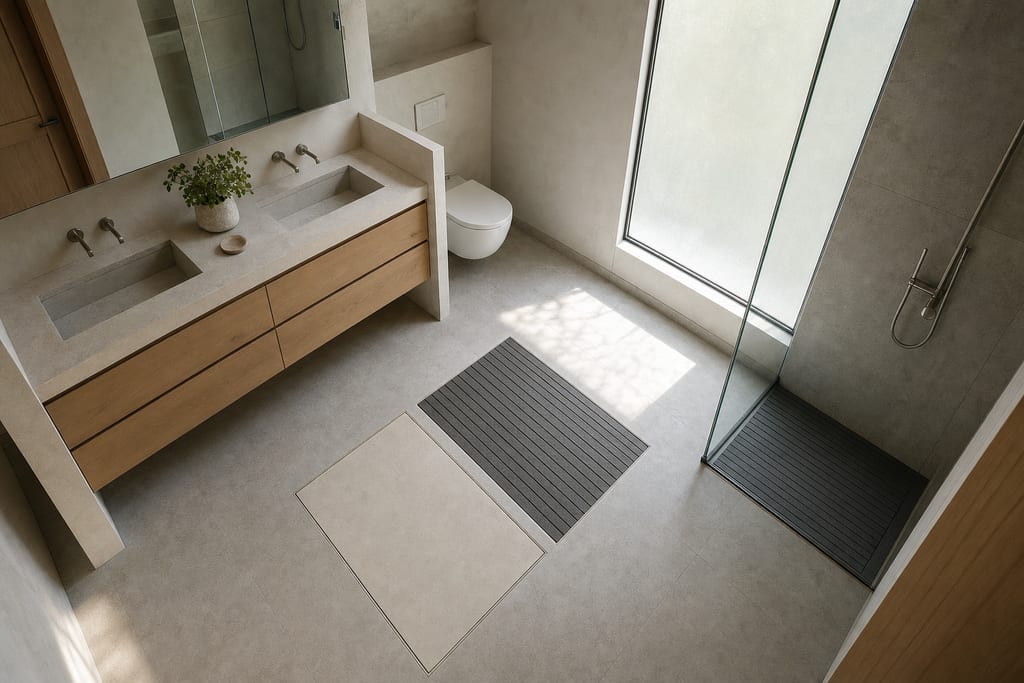
The aesthetic factor shouldn't be overlooked either. Stone mats sit flush against the floor with clean lines and neutral tones. They don't need constant fluffing or repositioning like fabric mats that curl at the edges. For bathrooms designed around natural materials and simple geometry, stone mats complete the look while actually improving function.
Quick Assessment Checklist
| Your Situation | Stone Mat Fit |
| 3+ daily users | Excellent |
| Humid climate | Excellent |
| Mould concerns | Excellent |
| Frequent moves | Moderate |
| Budget under $40 | Consider alternatives |
Stone mats aren't universal solutions, but they solve specific problems that fabric simply can't address. When moisture management becomes a daily frustration rather than an occasional inconvenience, that's when the investment makes practical sense.
The Bottom Line on Stone Bath Mats
So are stone bath mats worth it? If you're tired of damp fabric mats that smell weird after a few days, then yes. The upfront cost is higher than a regular mat, but you're paying for something that actually stays dry and doesn't turn into a bacteria hotel. Most people find that the lack of maintenance and the fact that you never step onto a soggy surface makes the investment worth it pretty quickly.
The real value shows up in bathrooms that struggle with moisture. If you deal with mould on walls, foggy mirrors that take forever to clear, or that musty smell that never quite goes away, a stone mat helps break that cycle. It dries in minutes instead of hours, which means less humidity hanging around your bathroom.
Our Natureva stone bath mats come in five different patterns, from the minimal Rain design to the shoreline inspired Tide. All of them are made from diatomite composite with a non slip base, and they're available in Graphite, Slate, or Chalk to match whatever your bathroom looks like. Each one includes a sanding tool to refresh the surface when needed.
The same fast drying material works beyond the bathroom too. We use it in dish mats, sink caddies, and even pet mats for the same reason. Anywhere moisture sits too long becomes a problem, and stone solves that without chemicals or constant washing.
Common Questions About Stone Bath Mats
Stone bath mats are still relatively new to most households, which means people have plenty of questions before making the switch. The material feels different, the care routine isn't what you're used to, and the price point makes you want to be sure it's the right choice. Here are the most common concerns we hear from people considering a stone mat for their bathroom.
Are stone bath mats slippery when wet?
No, stone bath mats are not slippery when wet. The diatomite surface has a naturally textured feel that provides grip, and the material absorbs water so quickly that puddles don't form on top. Natureva stone bath mats also include a full non slip base pad underneath to keep the mat stable on tile or smooth floors.
How do you clean a stone bath mat?
Cleaning a stone bath mat is simple. Wipe it down weekly with a vinegar and water solution to prevent buildup, and rinse any visible stains under running water. For deeper marks, you can use hydrogen peroxide or lightly sand the surface with the included sanding tool to reopen the pores and restore absorbency.
Can stone bath mats crack or break?
Stone bath mats are durable but not indestructible. They can crack if dropped on a hard surface or if heavy objects fall on them. Treat them like you would a ceramic dish, and they'll last for years. The composite construction used in Natureva mats makes them more resilient than pure diatomite, but they still need reasonable care.
Do stone mats work in cold bathrooms?
Yes, stone mats work in cold bathrooms, though the surface may feel cool to the touch in winter. The absorption and drying performance isn't affected by temperature. Some people actually prefer the cool feel in warmer months, while others place the mat in a spot where it can warm slightly from ambient heat.
How long does a stone bath mat stay absorbent?
A stone bath mat can stay absorbent for years with proper care. Over time, soap residue and oils can clog the microscopic pores, which reduces performance. Regular cleaning and occasional sanding will keep the mat working like new. Most users find that a quick sand every few months is enough to maintain full absorbency.
Are stone mats safe for children and elderly users?
Stone mats are generally safe for all ages because they dry quickly and include non slip backing. The firm surface provides stable footing, which can actually be safer than a soggy fabric mat. However, the mat is solid and won't cushion a fall the way a thick towel might, so consider your household's specific needs when deciding if stone is the right fit.
The next generation of home essentials: naturally made, cleaner by design, sustainable by nature.
SHOP ALL