
Guest sink splash protector Ideas for Shared Bathrooms
Water splashes everywhere when multiple people share a bathroom sink, leaving puddles that never seem to dry and creating a constant cleaning headache. A good sink splash protector changes everything by catching those drips before they spread across your counter. Simple solutions like our Stone Faucet Mat can keep shared bathroom surfaces dry without adding extra work to your routine.
Table of Contents
The Real Cost of Bathroom Water Damage
Water damage from bathroom sinks costs homeowners an average of $2,500 to $5,000 in repairs each year, yet most people don't realize the problem until it's too late. That puddle sitting around your guest bathroom sink isn't just annoying to wipe up. It's slowly eating away at your countertops, cabinets, and even the floor underneath. Shared bathrooms face even bigger challenges because multiple people use the same space, which means more water splashing and less time for surfaces to dry between uses. The worst part is that the damage happens so gradually that you might not notice until you're facing a major repair bill.
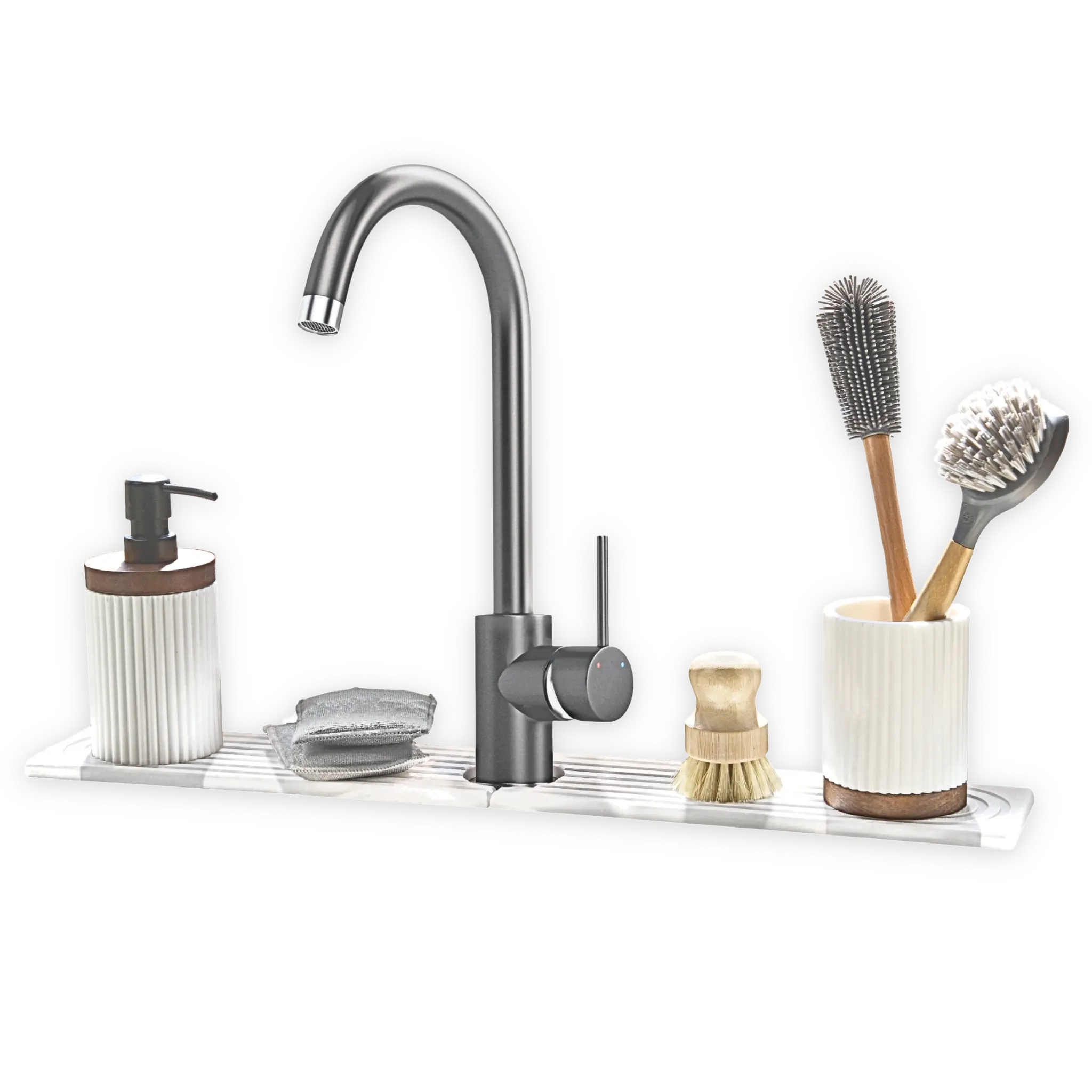
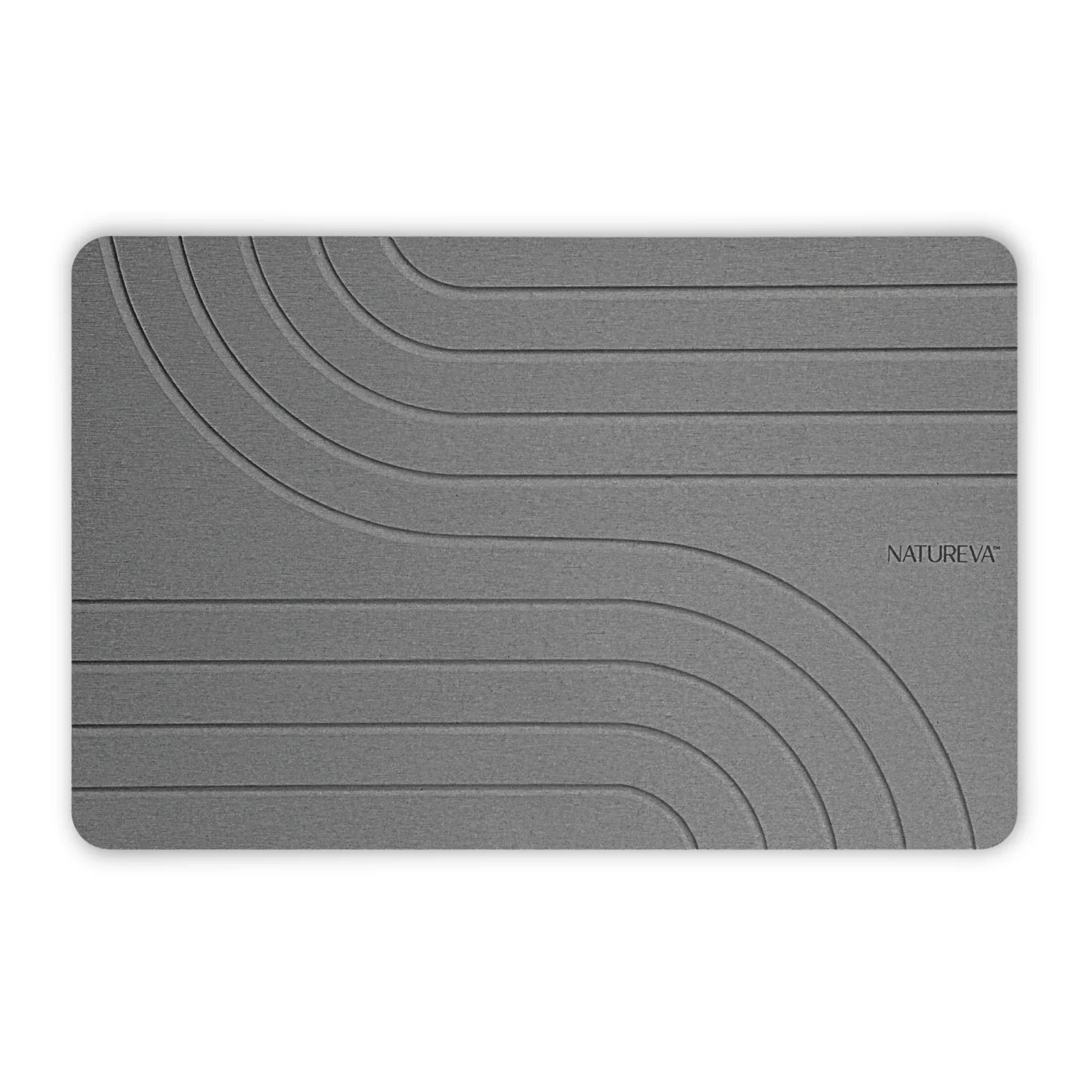
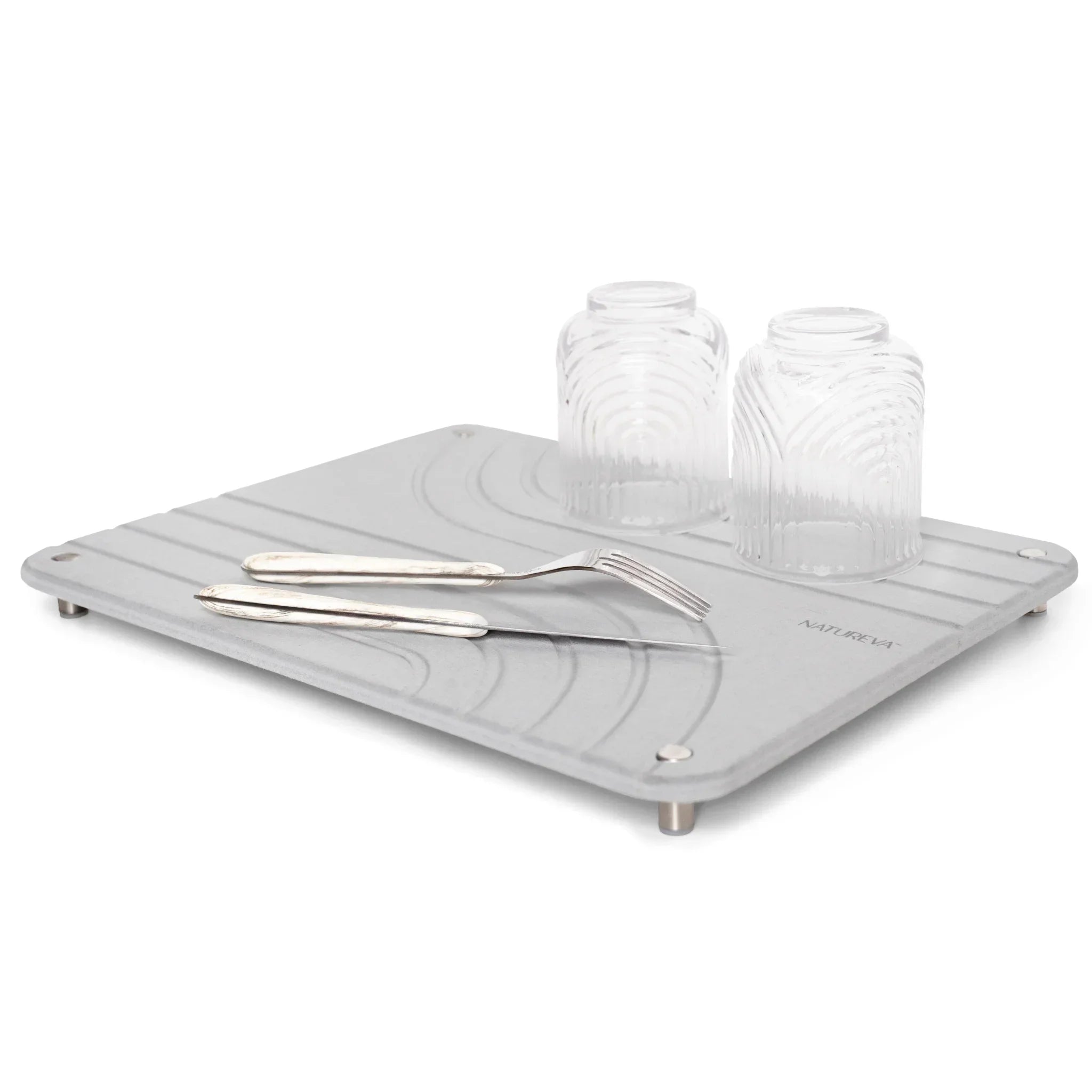
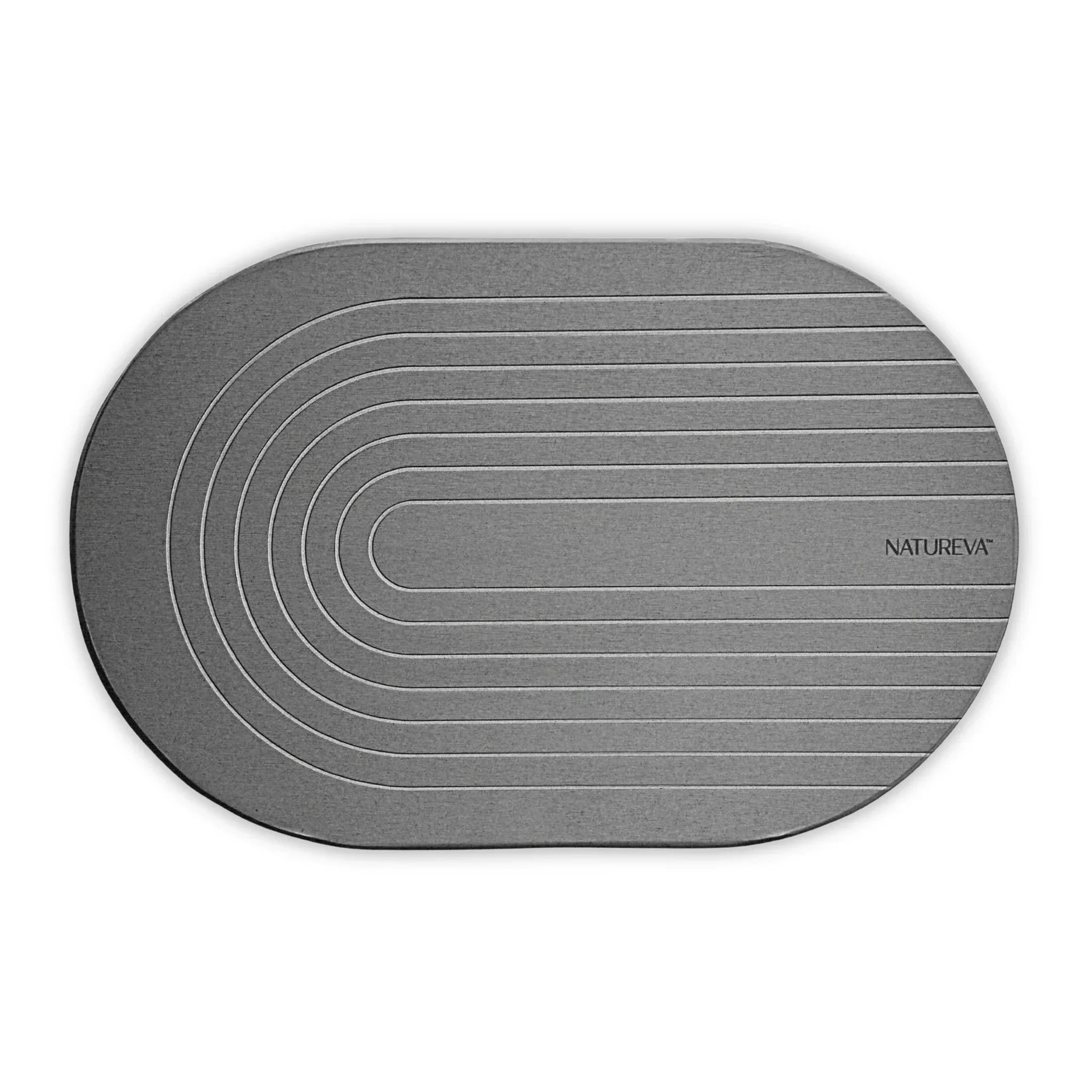
Stone Faucet Mat - Arch
How Water Destroys Different Surfaces
Not all bathroom counters handle water the same way. Some materials start breaking down within months of constant exposure, while others take a bit longer but still end up damaged.
- Laminate counters peel and bubble when water seeps into the seams
- Wood vanities rot from the inside out, often without visible signs until it's severe
- Granite and marble develop stains and lose their shine from mineral deposits
- Even sealed surfaces eventually fail when water sits in the same spot day after day
The area right around the faucet takes the biggest beating. Every time someone washes their hands or brushes their teeth, water splashes onto the counter and just sits there. A sink splash protector can stop this damage before it starts, which is way cheaper than replacing your entire vanity.
The Hidden Health Risks
Standing water isn't just bad for your counters. It creates the perfect home for bacteria and mold that you definitely don't want in a shared bathroom.
- Mold spores start growing in as little as 24 hours on wet surfaces
- Bacteria multiply rapidly in moisture, especially around soap residue
- Guest bathrooms often lack proper ventilation, making the problem worse
When you're sharing a bathroom with roommates, family, or Airbnb guests, these health concerns multiply. Our Stone Faucet Mat uses diatomaceous earth that absorbs water instantly and dries quickly, so bacteria and mold never get the chance to settle in.
Prevention Versus Repair Costs
The math is pretty simple when you compare what it costs to protect your sink area versus fixing water damage later. Most people spend way more time cleaning up water spots and dealing with damage than they would if they just prevented the problem in the first place.
| Counter Material | Average Repair Cost | Prevention Cost | Time to Damage |
|---|---|---|---|
| Laminate | $800-$1,500 | $29 | 6-12 months |
| Wood Vanity | $1,200-$3,000 | $29 | 12-18 months |
| Granite/Marble | $500-$1,200 | $29 | 18-24 months |
| Tile Counter | $600-$1,800 | $29 | 12-24 months |
These repair costs don't even include the time you'll spend without a working bathroom or the hassle of finding a contractor. If you're thinking about updating your bathroom anyway, check out this guide on painting sinks for budget-friendly renovation ideas. But before you start any project, make sure you're protecting your investment from water damage first.
- Daily wiping takes 5-10 minutes that adds up to hours each month
- Water stains require special cleaners and serious scrubbing effort
- Mold removal needs harsh chemicals and protective equipment
- Replacing damaged sections means living with construction mess
A good sink splash protector pays for itself within the first few months just in cleaning time saved. Plus you won't be dealing with the stress of watching your bathroom slowly fall apart from something as simple as water splashes.
Absorbent Mat Solutions That Actually Work
Shared bathrooms see about three times more water splashing than single-user spaces, and most of that moisture ends up damaging countertops or creating slippery messes. The right sink splash protector makes all the difference between a bathroom that stays clean and one that constantly needs wiping down. Traditional fabric mats might seem like the obvious choice, but they actually create more problems than they solve in high-traffic areas. Stone-based materials made from diatomaceous earth have changed how we think about protecting sink areas because they work with water instead of just soaking it up and staying damp.
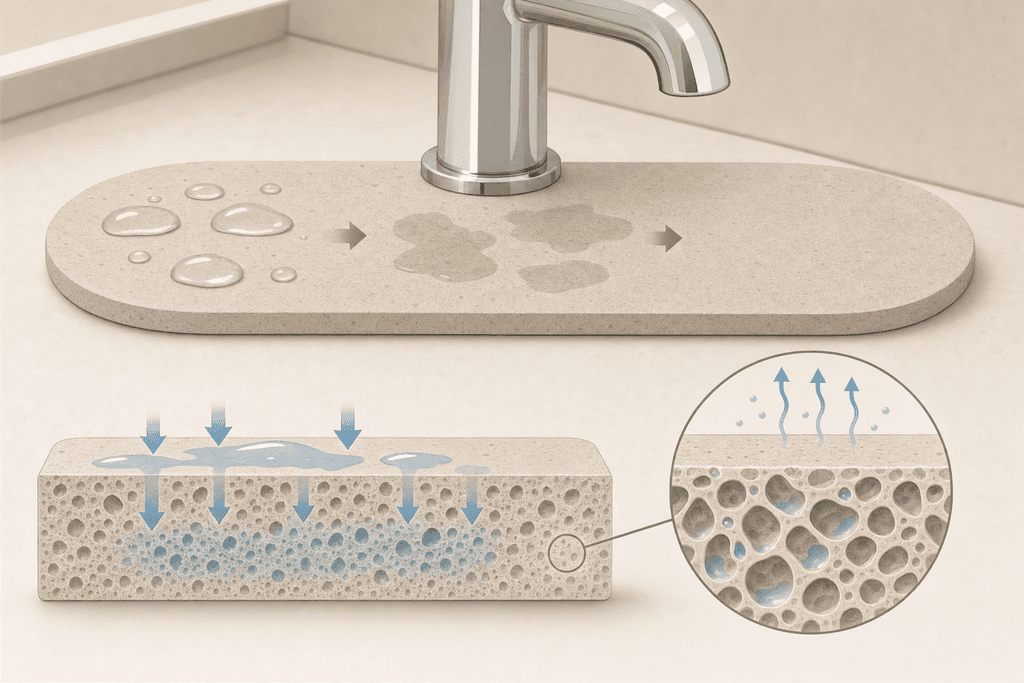
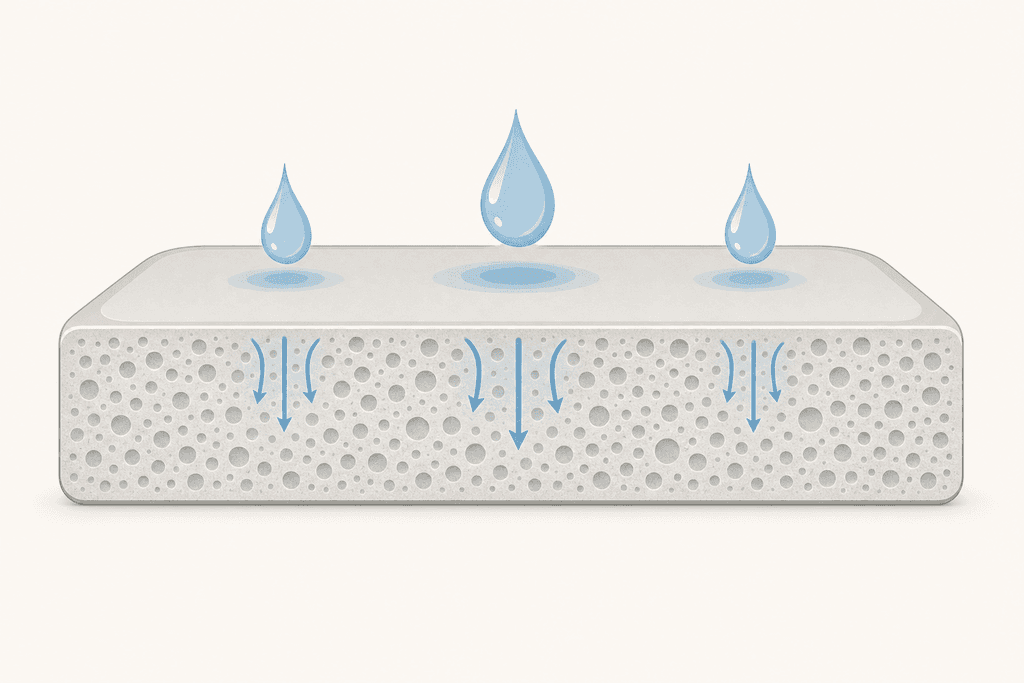
The science behind why stone mats work better is pretty straightforward. Diatomaceous earth contains millions of tiny pores that pull water in through capillary action, then release it into the air almost immediately. Fabric mats trap moisture between fibers where bacteria love to grow, but stone surfaces stay dry to the touch within minutes.
Stone Mats vs Fabric Mats vs No Protection
| Feature | Stone Mats | Fabric Mats | No Protection |
|---|---|---|---|
| Drying Time | 2-5 minutes | 2-4 hours | 10-15 minutes |
| Bacteria Growth | Minimal | High | Medium |
| Maintenance | Weekly wipe | Daily washing | Constant wiping |
| Lifespan | 2-3 years | 3-6 months | N/A |
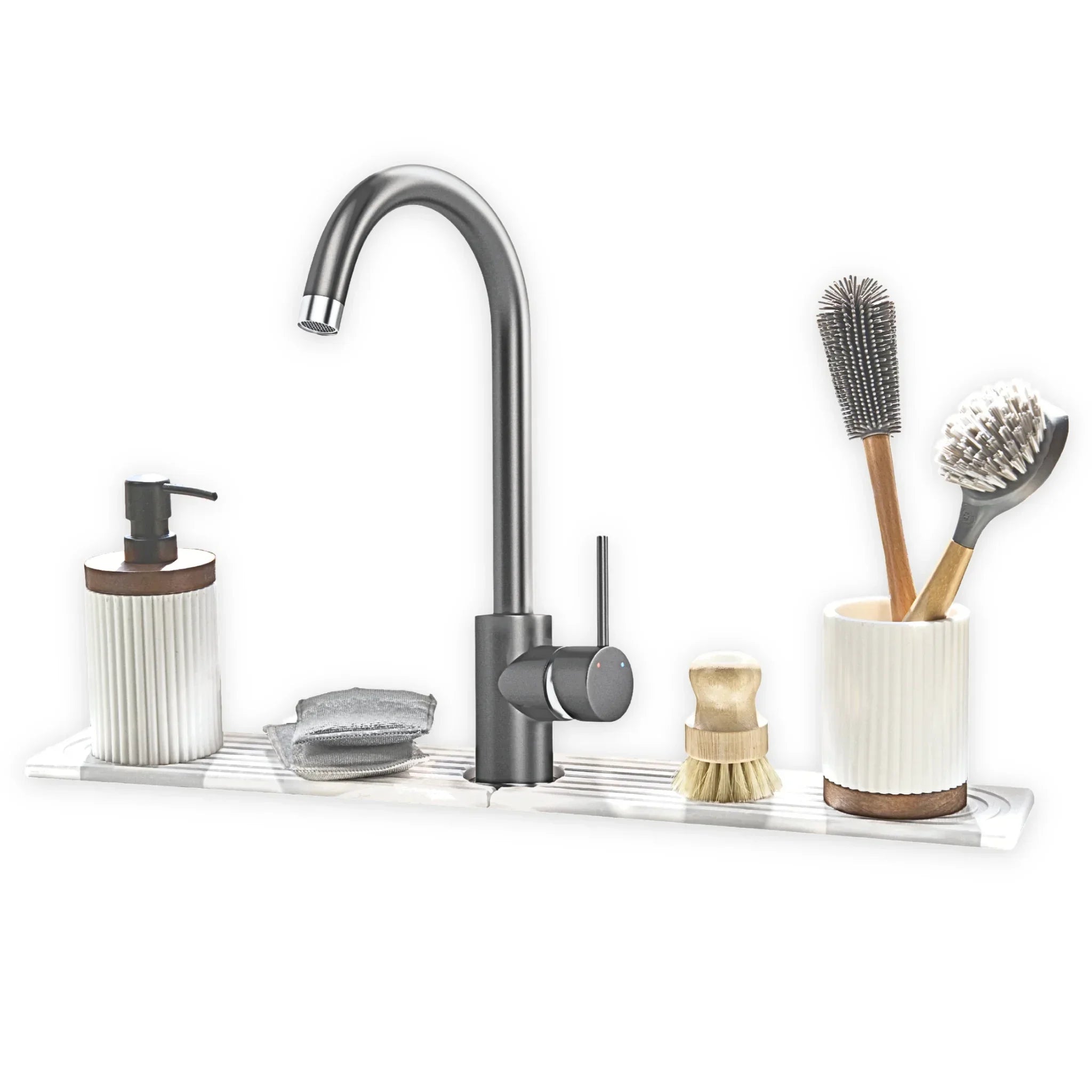
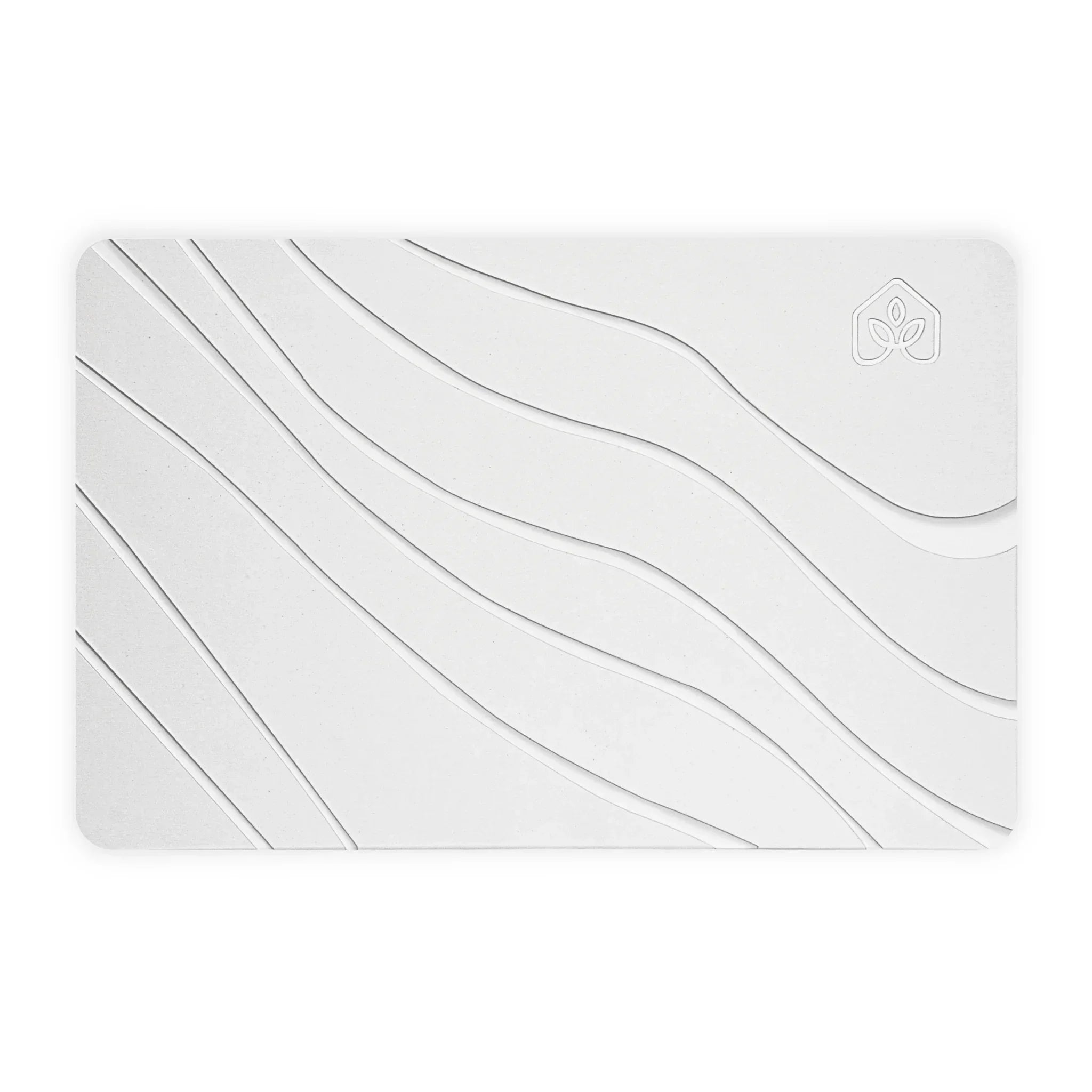
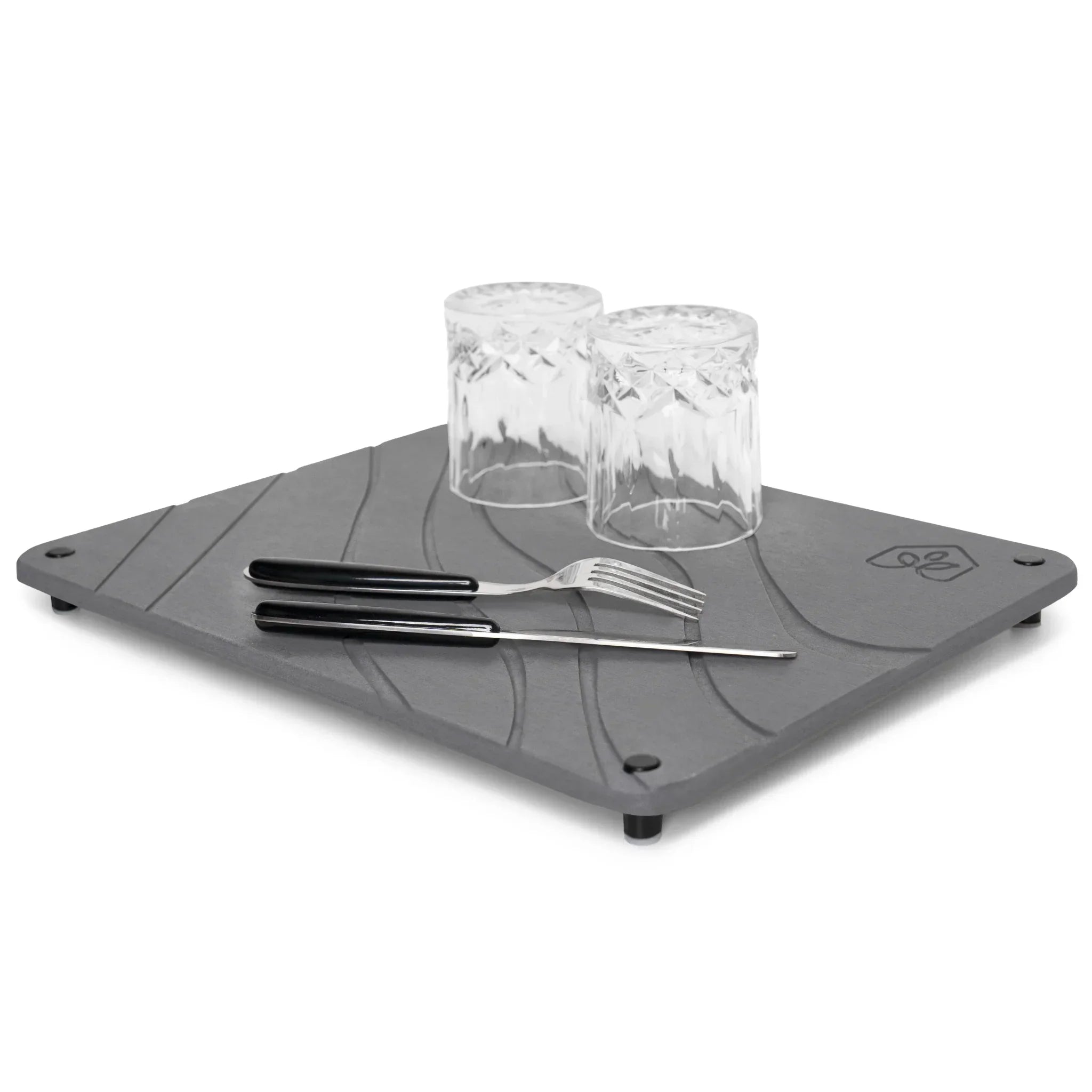
Placement matters just as much as material choice. The area right behind your faucet handles catches the most splash from hand washing, so that's where protection needs to start. Our Stone Faucet Mat fits perfectly in this zone and handles everything from toothbrush drips to soap dispenser overflow. The arch shape works with most standard faucet setups without blocking access to the handles.
Size and shape depend on your sink style more than you'd think. Vessel sinks need wider coverage because water bounces off the raised bowl at different angles. Undermount sinks create less splash overall but still need protection around soap dispensers and toothbrush holders where water pools.
Strategic Placement for Maximum Protection
Every shared bathroom has invisible splash zones that only become obvious after water damage appears. The space between your faucet and mirror gets hit from multiple angles as different users wash their hands with varying levels of care. Left-handed users tend to splash more on the right side of the sink, while right-handed folks do the opposite. Understanding these patterns helps you position protection where it actually does something useful instead of just looking decorative.
According to bathroom design research, high-traffic bathrooms benefit most from layered protection strategies. This means thinking beyond just one mat and considering how water moves through your entire sink area during typical use.
Splash Zone Protection Checklist
The next generation of home essentials: naturally made, cleaner by design, sustainable by nature.
SHOP ALL- Behind the faucet - catches 60% of daily splashes from hand washing
- Soap dispenser area - prevents sticky buildup and water rings
- Toothbrush zone - stops drips from reaching countertops
- Mirror base - protects against splashing during face washing
- Sink edges - guards corners where water tends to pool
Corner protection often gets overlooked but matters more than most people realize. Water naturally flows toward edges and sits there until it either evaporates or seeps into grout lines. Placing small protective pieces in these spots prevents the kind of damage that shows up months later as discoloration or loose tiles.
Creating a complete system doesn't mean covering every inch of counter space. It means identifying the three or four spots where water actually lands in your bathroom and protecting those specific areas. Watch how water moves during normal use for a day or two, and you'll see exactly where coverage matters most.
Low-Maintenance Options for Busy Households
Nobody wants to add another chore to their cleaning routine, especially in bathrooms that already need constant attention. The best sink splash protector works quietly in the background without demanding daily washing or special care. Self-drying materials eliminate the biggest maintenance headache because they never stay wet long enough to develop that musty smell fabric mats get. Stone-based options need nothing more than a quick wipe with a dry cloth once a week to remove any soap residue that might build up over time.
Soap scum sticks to porous surfaces differently than smooth ones. The natural composition of diatomaceous earth resists buildup better than plastic or fabric because water doesn't sit on the surface long enough for soap to bond. When residue does appear, it wipes away with plain water instead of requiring harsh cleaners.
Maintenance Time Comparison
| Material Type | Weekly Time | Monthly Deep Clean | Replacement Frequency |
|---|---|---|---|
| Stone Mats | 2 minutes | 5 minutes | Every 2-3 years |
| Fabric Mats | 15 minutes | 30 minutes | Every 3-6 months |
| Plastic Trays | 10 minutes | 20 minutes | Every 1-2 years |
Durability in high-traffic bathrooms comes down to how materials handle constant moisture exposure. Fabric breaks down from repeated washing, plastic cracks from temperature changes, but stone maintains its structure through thousands of wet-dry cycles. The initial cost might seem higher, but replacement frequency tells the real story about long-term value.
Quick maintenance routines work best when they fit into existing habits. Wiping down your stone mat while you're already cleaning the mirror takes no extra time and keeps everything working properly. The material doesn't need to be completely dry before the next use, which matters in busy households where the bathroom never really gets a break. For more ways to keep your bathroom organized and protected, stone-based solutions offer practical benefits that actually match how real families use their spaces.
Keeping Shared Bathrooms Dry and Clean
A good sink splash protector doesn't need to be complicated to work well. When multiple people share a bathroom, the simple act of placing something absorbent near the faucet can save you from constant wiping and water damage. The key is finding something that actually dries fast between uses, because nobody wants to touch a soggy mat when they're getting ready in the morning.
Spending a bit more on quality protection now means less time cleaning and fewer worries about water stains or mold later. Our Stone Faucet Mat uses diatomaceous earth that soaks up water instantly and dries in minutes, which matters when the next person needs the sink right away. It's the kind of thing that makes shared spaces work better without anyone having to think about it.
The right sink splash protector improves everyone's experience in small but noticeable ways. No more puddles on the counter, no more grabbing a towel just to wipe down the sink area, and no more tension about who left water everywhere. These little frustrations add up when you're sharing space with roommates or family.
Your bathroom surfaces deal with water exposure every single day, and that wear shows up eventually. Taking action now with proper protection means your countertops and cabinets stay in better shape for longer. You might also want to check out our full bathroom collection for other ways to keep shared spaces cleaner with less effort.
Now let's look at some common questions people have about using sink splash protectors in shared bathrooms.
Common Questions About Sink Splash Protectors
Shared bathrooms come with their own set of challenges, and finding the right sink splash protector can feel overwhelming with so many options out there. These questions come up all the time from people trying to keep their guest bathrooms clean and dry. Whether you're dealing with messy kids or just want to protect your countertops, these answers should help you figure out what works best for your space.
What material works best for high-traffic bathrooms
Diatomaceous earth stands out as the top choice for bathrooms that get a lot of use. This natural stone material absorbs water instantly and dries in minutes, which means it won't stay soggy between guests. Unlike fabric mats that can get mildewy or silicone options that just push water around, stone-based protectors like our Stone Faucet Mat actually pull moisture away from your surfaces and release it back into the air.
How do you clean and maintain different types of protectors
Stone sink splash protectors need the least maintenance of any option. Just rinse them under water once a week and let them air dry. If you notice the absorption slowing down after months of use, a light sanding with fine-grit sandpaper brings back the surface texture. Fabric protectors need washing every few days in shared bathrooms, and rubber mats require scrubbing to prevent soap scum buildup.
Do splash protectors fit all sink styles
Most sink splash protectors work with standard bathroom sinks, but the area around your faucet matters more than the sink itself. Measure the flat counter space behind and around your faucet before buying. Arch-shaped protectors fit nicely around most single-handle faucets, while rectangular ones work better for widespread faucet setups. The key is having enough flat surface for the mat to sit stable without rocking.
How long do quality splash protectors last
A good diatomaceous earth protector can last two to three years with proper care in a shared bathroom. That's significantly longer than fabric options that wear out in months or develop permanent stains. The natural stone material doesn't break down from water exposure like other materials do.
What size protector do you need for your sink
Look for a protector that covers at least 12 inches of counter space around your faucet. This catches splashes from hand washing and toothbrushing. Smaller mats might look neat but won't protect much, while oversized ones can crowd your counter space and make it hard to place soap dispensers or toothbrush holders.
Do splash protectors work well in kids bathrooms
Yes, and they're actually more important in kids' bathrooms where water goes everywhere. Stone-based protectors handle the constant splashing better than any other material because they dry so fast between uses. Kids can wash their hands back-to-back without the mat staying wet, which prevents that gross damp smell that fabric mats get in busy bathrooms.
The next generation of home essentials: naturally made, cleaner by design, sustainable by nature.
SHOP ALL