
Apartment eco friendly products for Damp Rooms
You step out of the shower onto your bath mat, and hours later it's still cold and damp under your feet. Traditional fabric mats trap moisture against your bathroom floor, creating the perfect breeding ground for mold and mildew that thrives in poorly ventilated spaces. The good news is that eco friendly products made from natural stone materials can solve this problem by absorbing water instantly and drying within minutes, keeping your floors clean and your air healthier.
Table of Contents
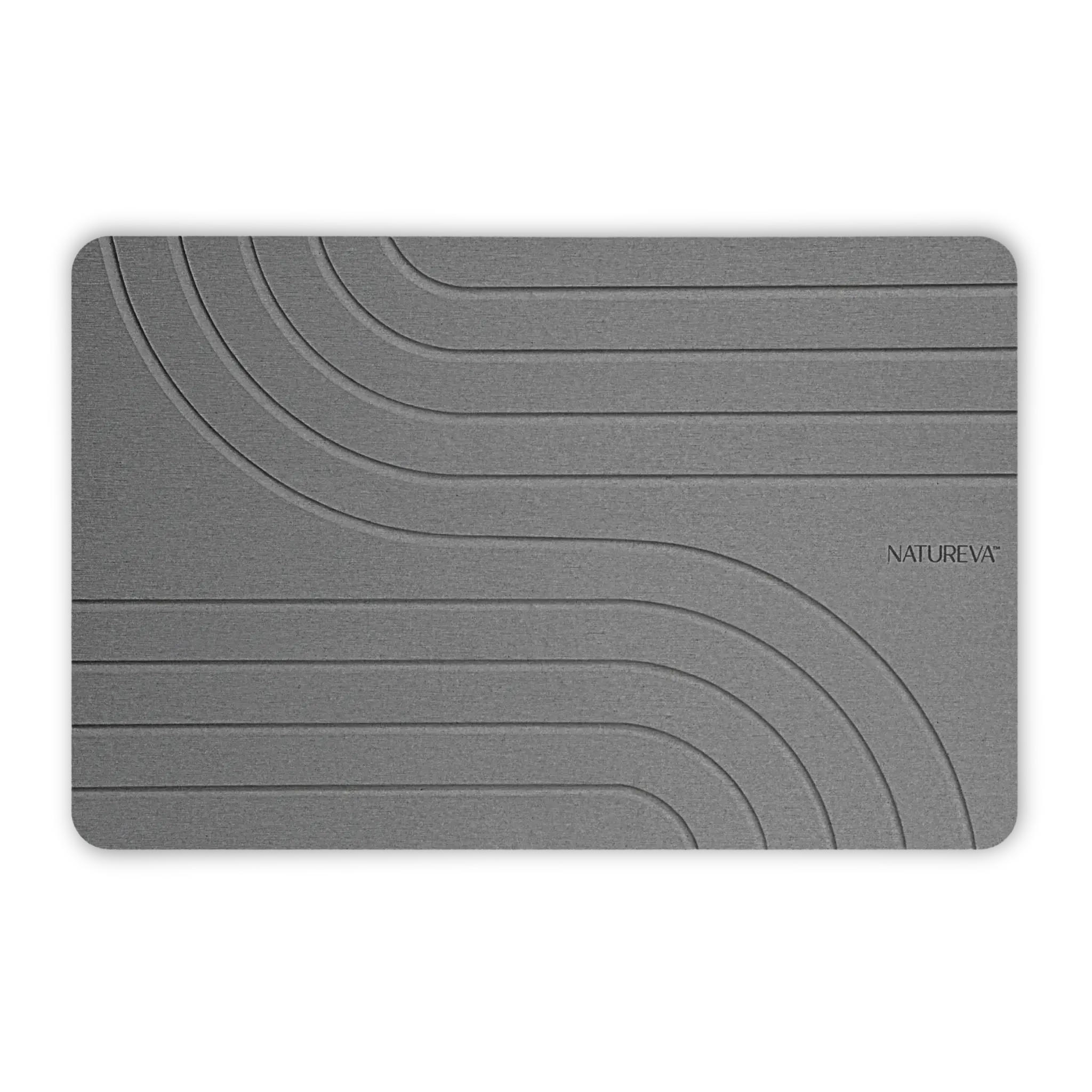
How Diatomaceous Earth Solves Moisture Problems
Most people don't realize that the average bathroom floor stays damp for hours after a shower, creating the perfect breeding ground for mold and bacteria. Traditional fabric bath mats soak up water but then just sit there, wet and musty, until they eventually dry out. This is where diatomaceous earth changes everything, though not in the way you might expect.
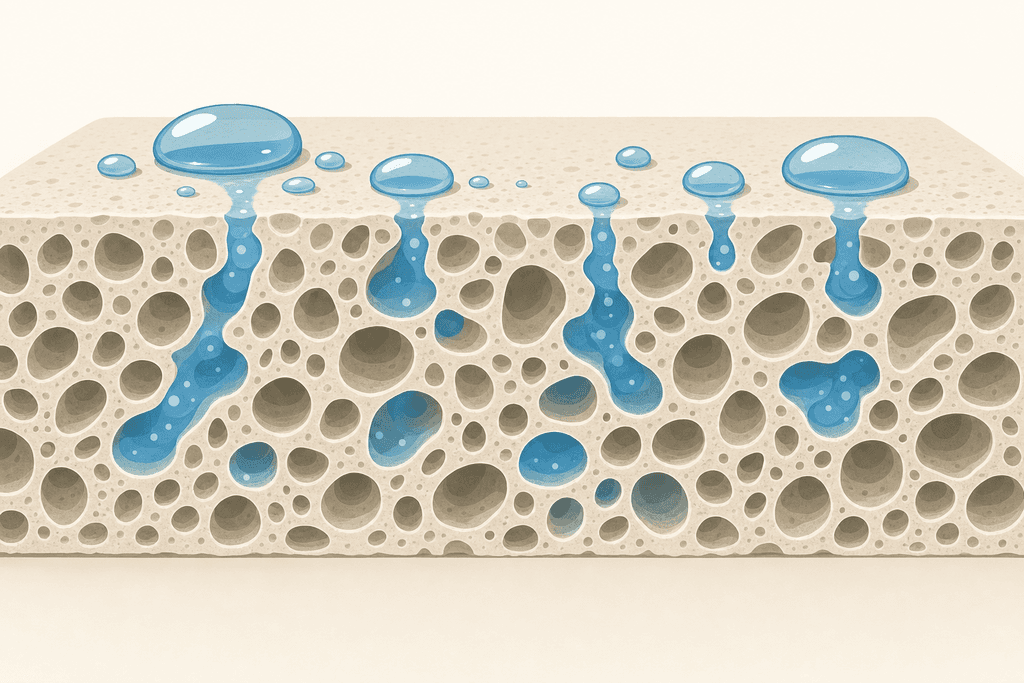
Diatomaceous earth is a natural sedimentary rock made from fossilized algae. What makes it special for moisture control is its structure. The material contains millions of microscopic pores that work like tiny sponges, absorbing water the instant it makes contact. But here's the interesting part: those same pores don't just hold water, they actively release it back into the air through natural evaporation.
- Instant absorption happens because of the porous structure at a microscopic level
- Quick drying occurs within seconds as moisture evaporates through millions of tiny channels
- No bacterial growth since the stone surface doesn't stay wet like fabric materials
- Zero chemicals needed because the absorption is purely mechanical, not chemical
- Long-lasting performance that doesn't degrade over years of daily use
Unlike fabric mats that need constant washing and replacement, stone products made from diatomaceous earth maintain their absorption power indefinitely. The material doesn't break down or lose effectiveness because the physical structure stays intact. According to research on sustainable home materials, natural stone solutions often outlast synthetic alternatives by decades.
| Feature | Diatomaceous Earth | Traditional Fabric |
|---|---|---|
| Drying Time | Seconds | Hours |
| Bacterial Growth | Minimal | High |
| Lifespan | Years | Months |
| Maintenance | Light cleaning | Frequent washing |
| Odor Issues | None | Common |
The science behind this isn't complicated. Water molecules get pulled into the porous structure through capillary action, then the large surface area inside those millions of pores allows for rapid evaporation. This natural process requires no electricity, no chemicals, and no special treatment. It just works, day after day, without losing effectiveness.
Three Essential Products for Damp Spaces
Every home has specific spots where moisture accumulates and causes problems. Bathrooms get soaked after showers, kitchen sinks create constant puddles, and indoor plants leave water rings on furniture. The good news is that you don't need different solutions for each problem. The same diatomaceous earth technology works across all these moisture challenges, just shaped differently for each application.
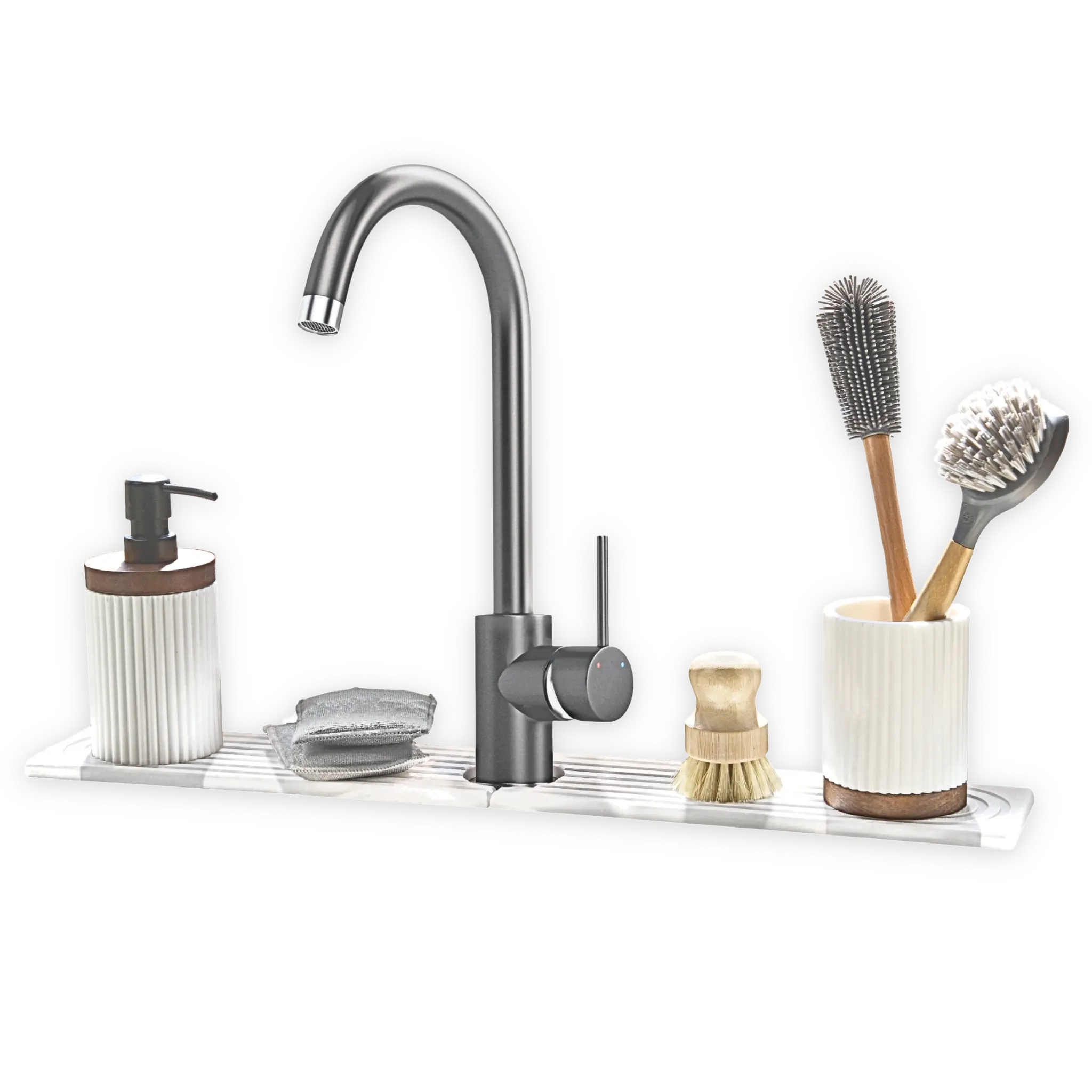
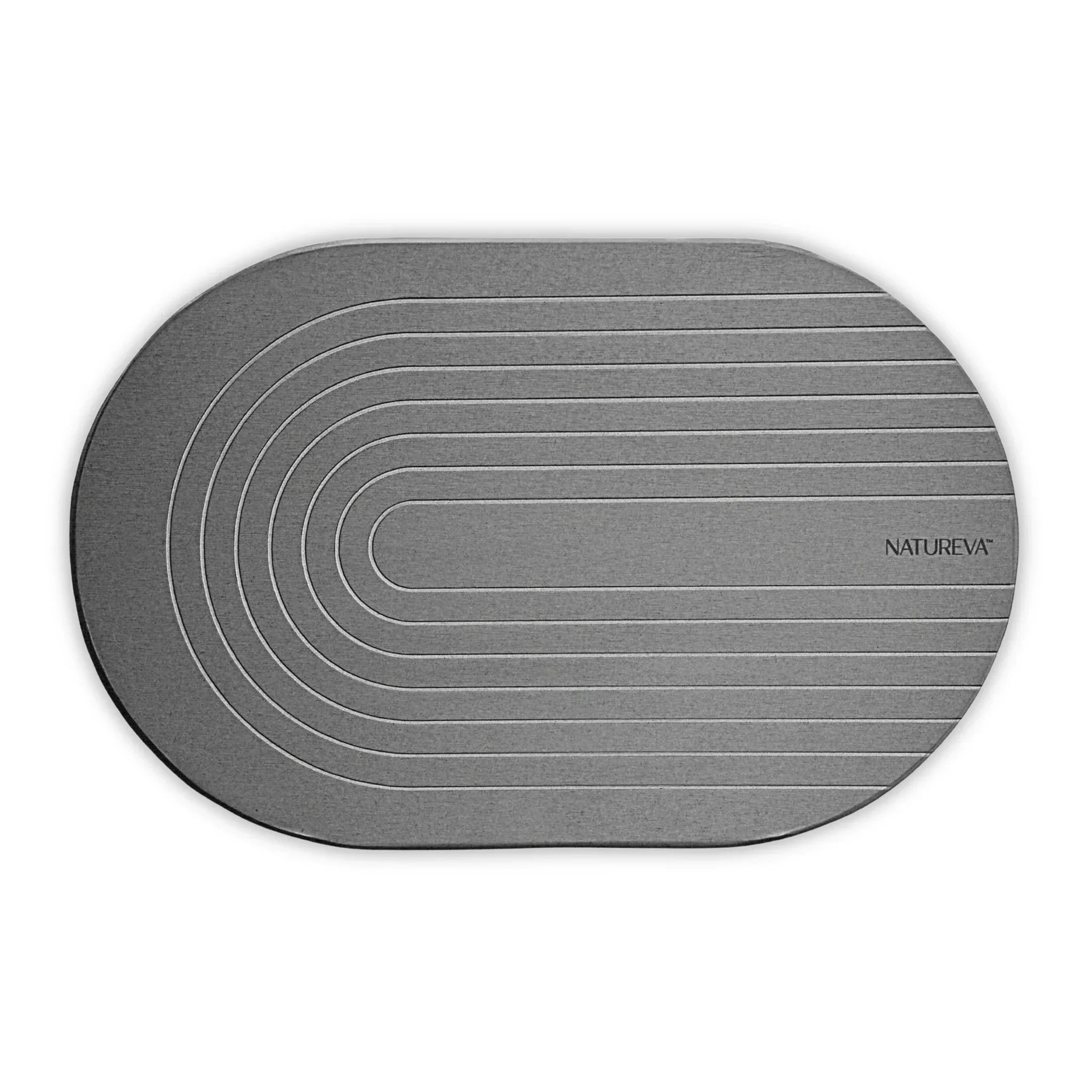
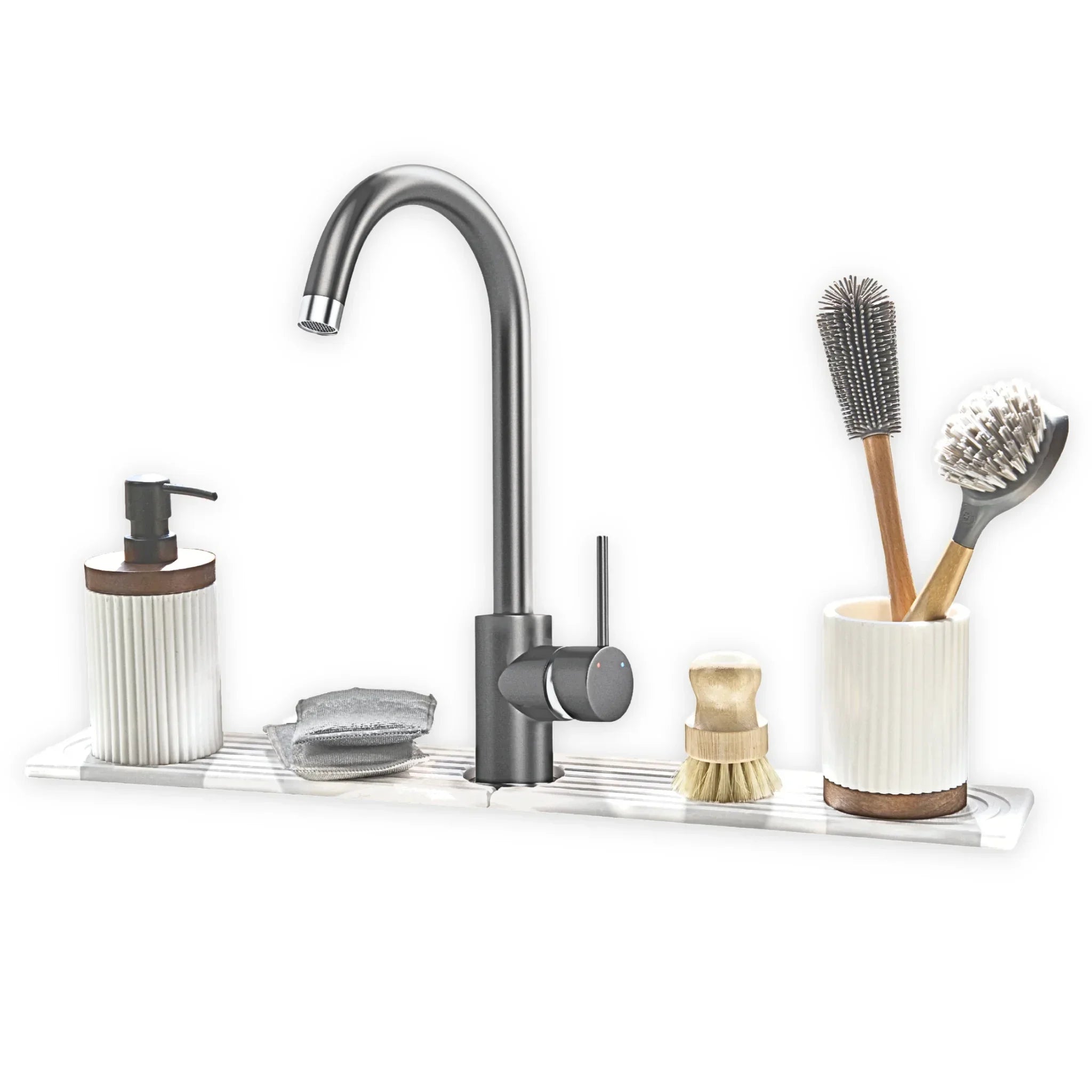
Stone Faucet Mat - Arch
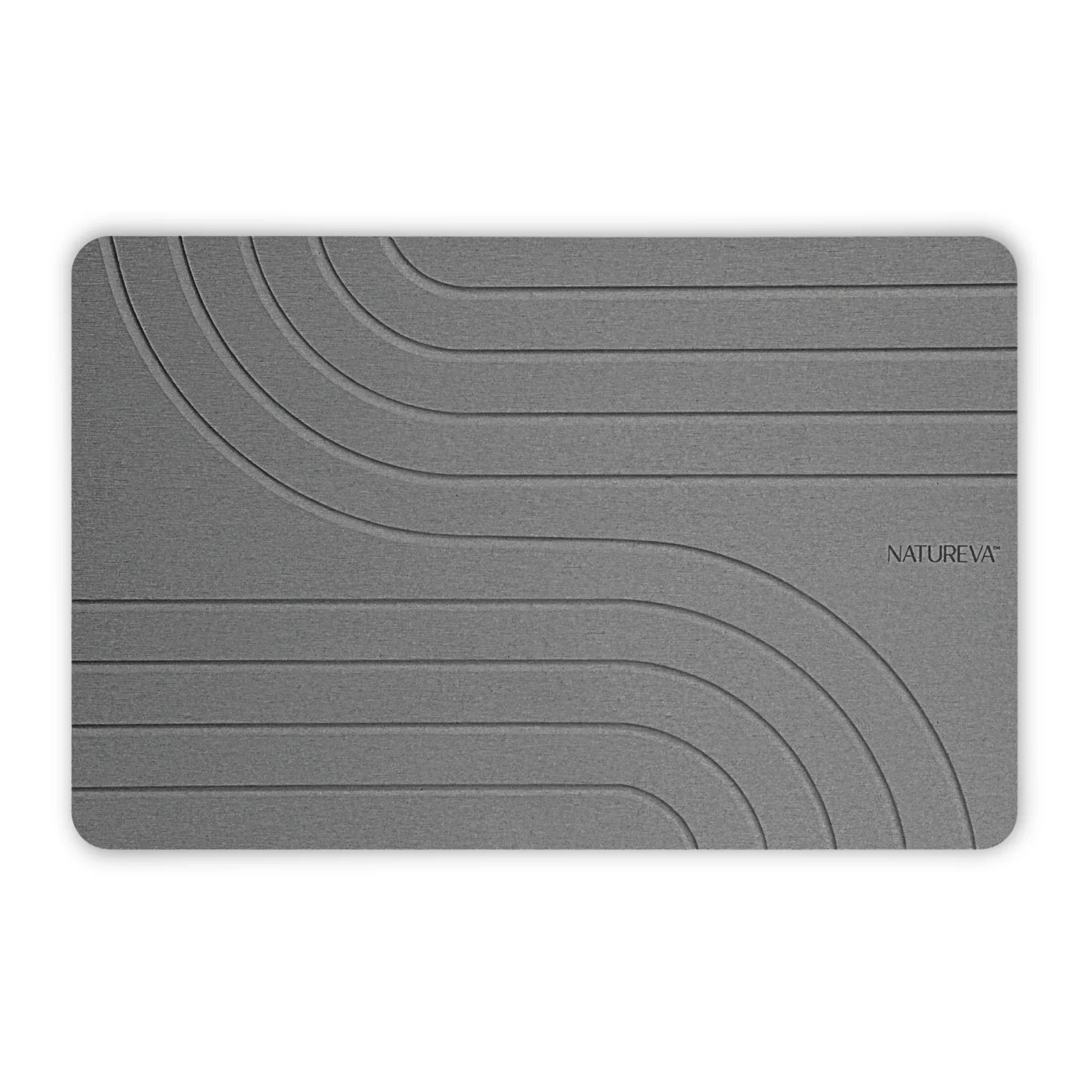
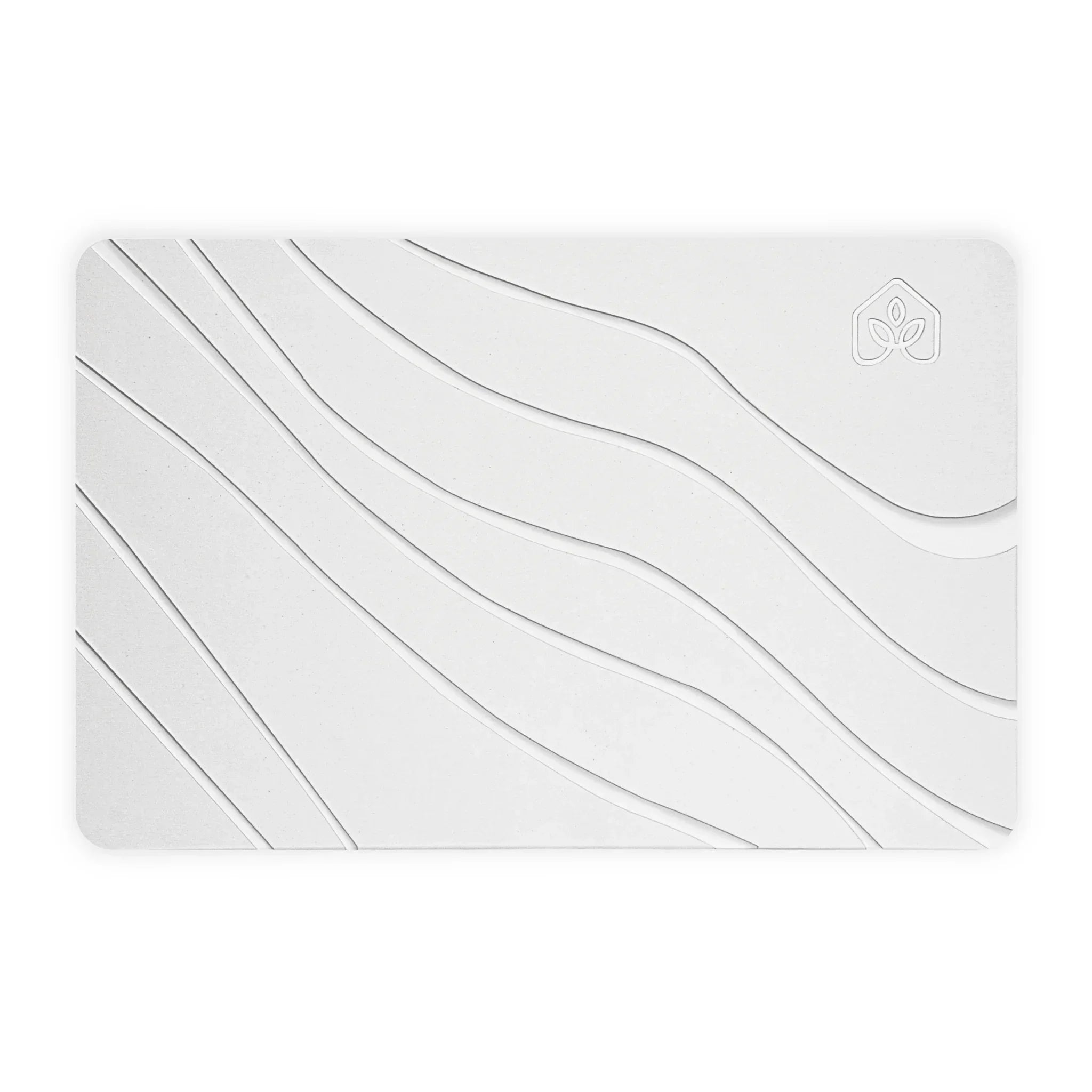
The Stone Bath Mat handles the biggest moisture problem in most homes. Step out of the shower onto this mat and the water disappears from your feet almost instantly. No more wet footprints across the bathroom floor or that gross feeling of stepping on a damp fabric mat. The stone surface stays dry to the touch even seconds after absorbing water, which means no slipping hazards either.
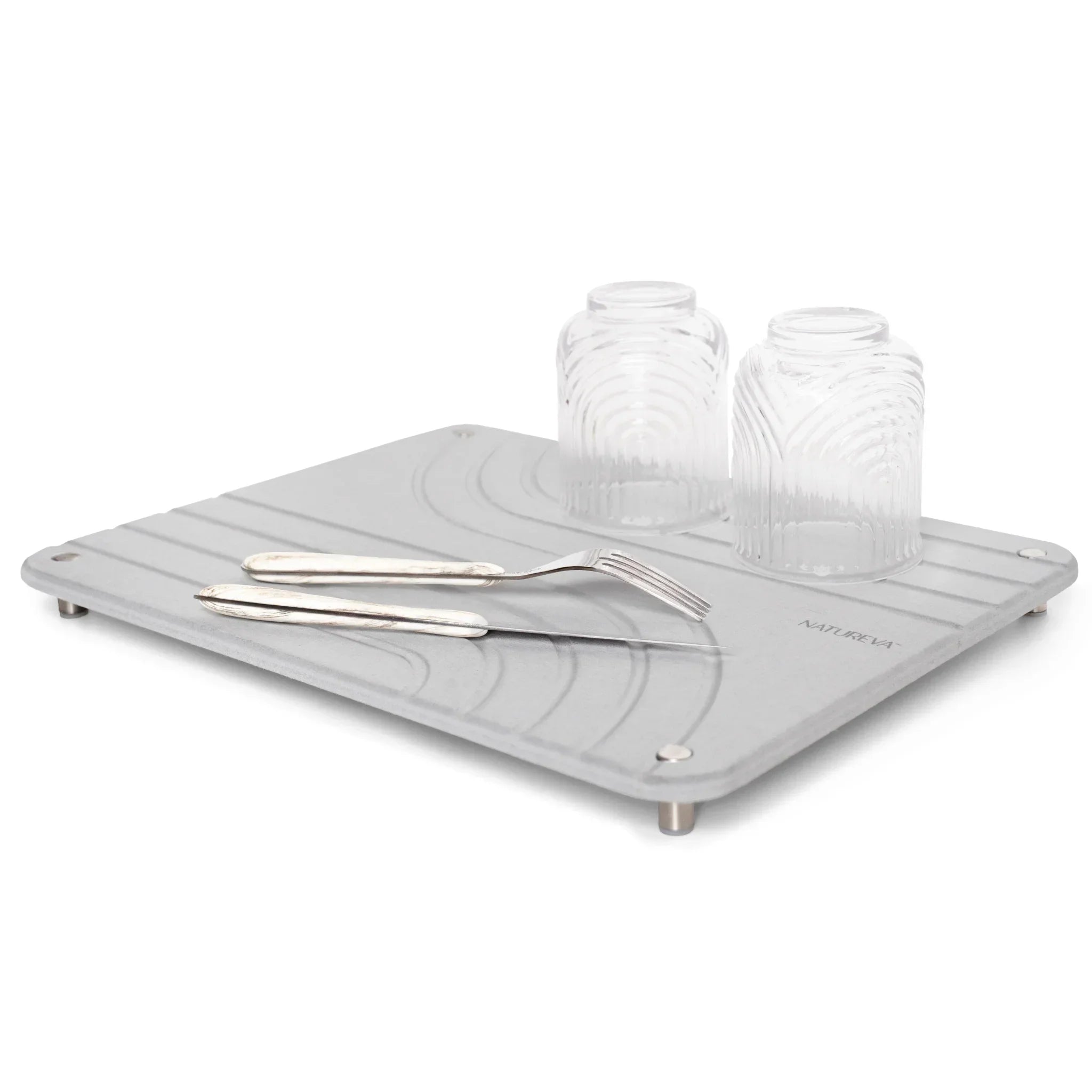
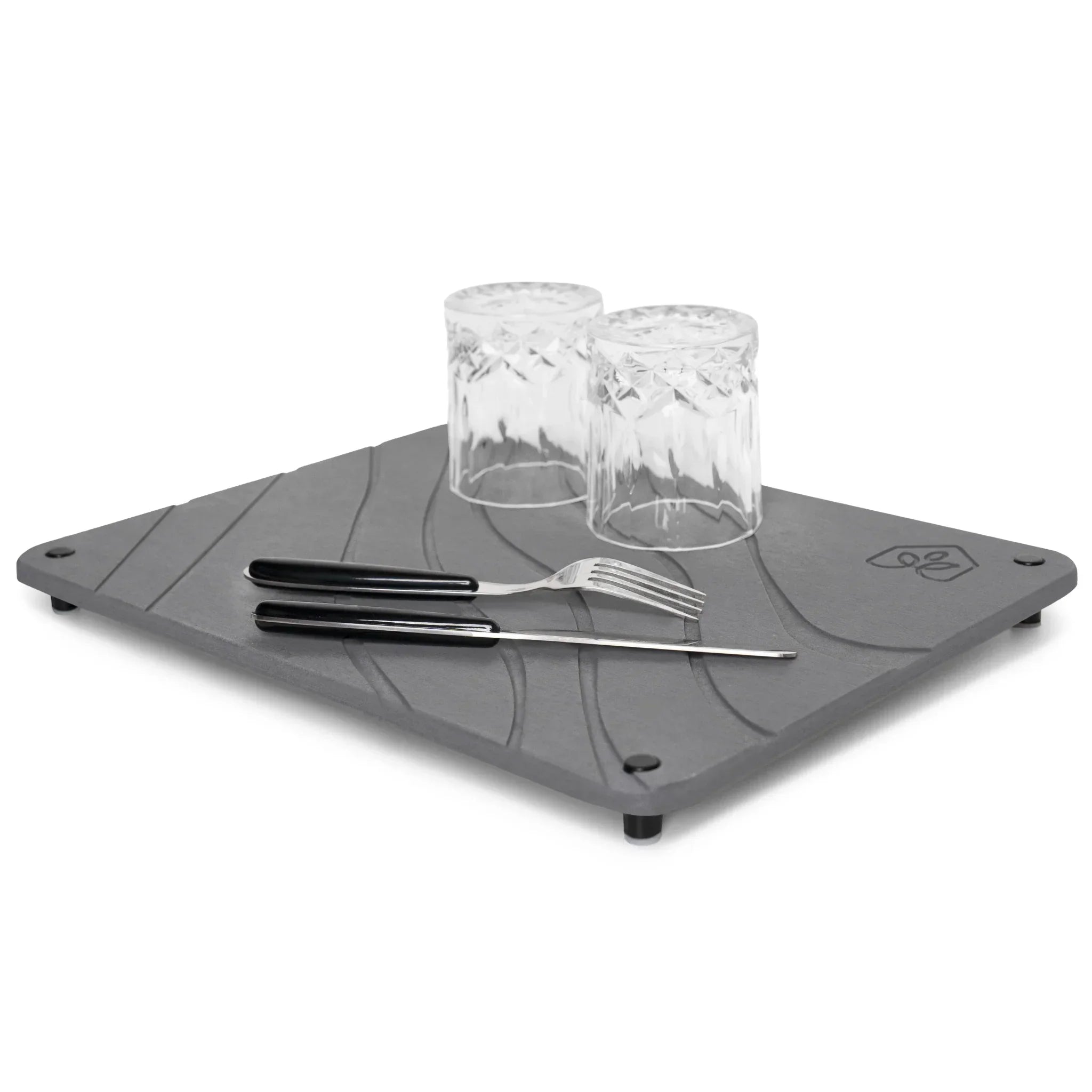
Kitchen and bathroom sinks create their own moisture problems that most people just accept as normal. Water splashes, soap residue, and constant dampness around faucets lead to countertop damage and that perpetual wet feeling. The Stone Faucet Mat sits right around your sink area and catches every drop before it can pool on your countertop. At just $29, it's a simple fix for a problem that can cause hundreds of dollars in water damage over time.
The next generation of home essentials: naturally made, cleaner by design, sustainable by nature.
SHOP ALL- Bath mats eliminate wet floors and prevent the slipping hazards that send thousands to emergency rooms each year
- Faucet mats protect expensive countertops from water stains and warping
- Plant saucers stop those annoying water rings on windowsills and furniture
- All three products use identical absorption technology, just sized for different spaces
- Strategic placement creates a complete system that manages moisture throughout your home
Indoor plants add life to your space but they also add moisture problems. Every time you water them, excess liquid seeps through drainage holes and sits in traditional plastic saucers. Stone Plant Saucers absorb that excess water immediately, protecting your surfaces while the moisture evaporates naturally. You get the benefits of proper plant drainage without the water damage.
What makes this approach work is consistency. Each product uses the same natural material and absorption process, so you know exactly what to expect. There's no learning curve or special maintenance requirements. Studies on eco-friendly home design show that natural materials often perform better than synthetic alternatives while lasting significantly longer.
Where to Place Stone Products for Maximum Impact
Placement matters more than most people think when it comes to moisture control. You can have the best absorption products in the world, but if they're not positioned where water actually lands, they won't help much. The key is thinking about your daily routine and where moisture shows up consistently. Most homes have five to seven high-moisture zones that need attention, and covering just three of them eliminates about 80% of dampness problems.
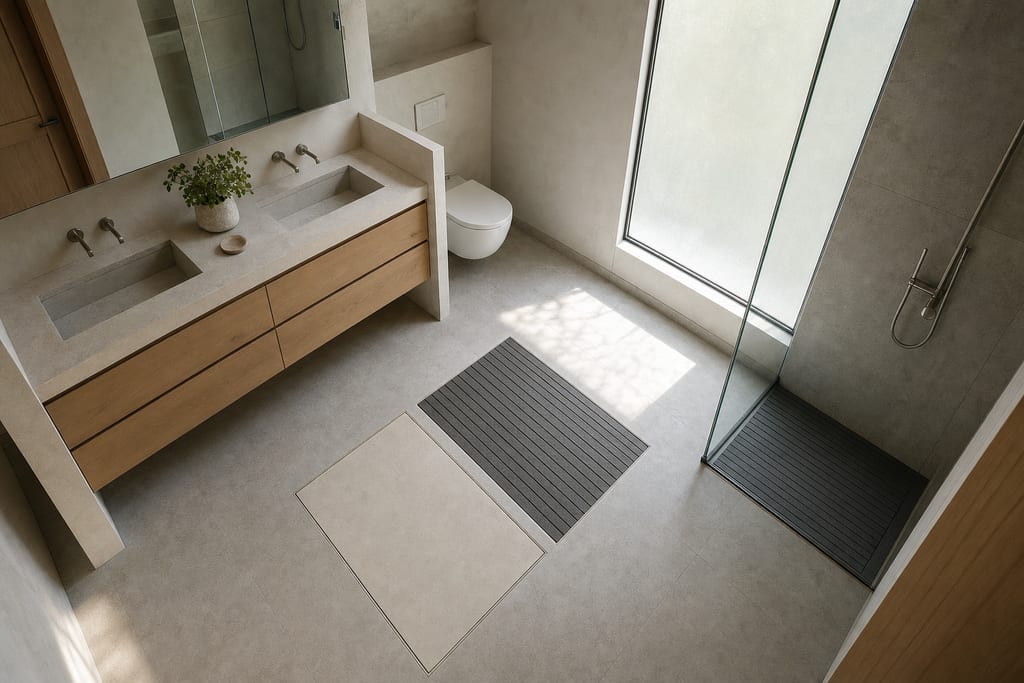
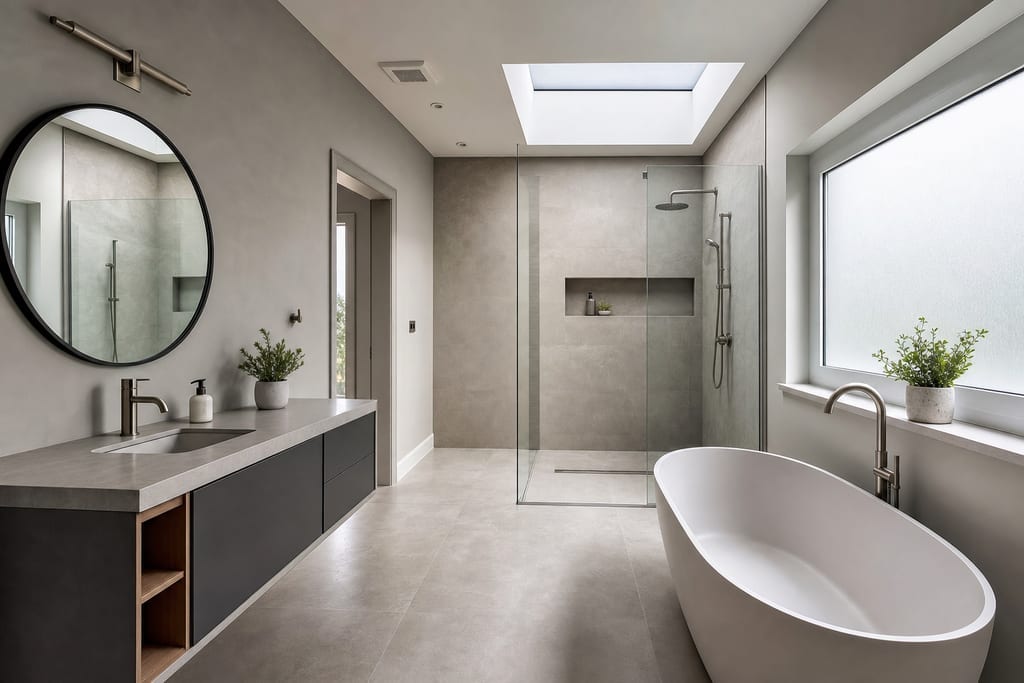
Start with your bathroom since that's where the most water accumulates. Position a bath mat directly outside your shower or tub, right where your feet land when you step out. This catches water before it can spread across the floor. If you have a double sink, consider placing a faucet mat between them to catch splashes from both sides. The goal is creating barriers that intercept moisture at its source.
- Place bath mats at every shower and tub exit point for immediate water absorption
- Position faucet mats around all sinks, especially in kitchens where splashing is constant
- Set plant saucers under every indoor plant, particularly those near windows or on wooden furniture
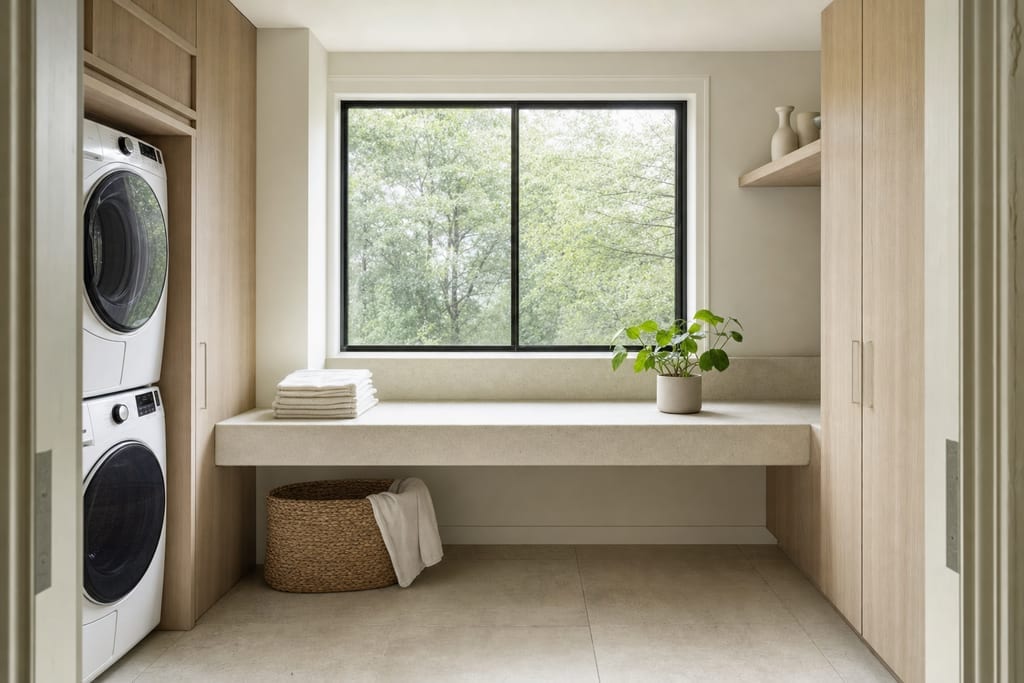
- Add extra mats in laundry areas where humidity tends to build up
- Consider high-traffic bathroom areas where multiple people create repeated moisture exposure
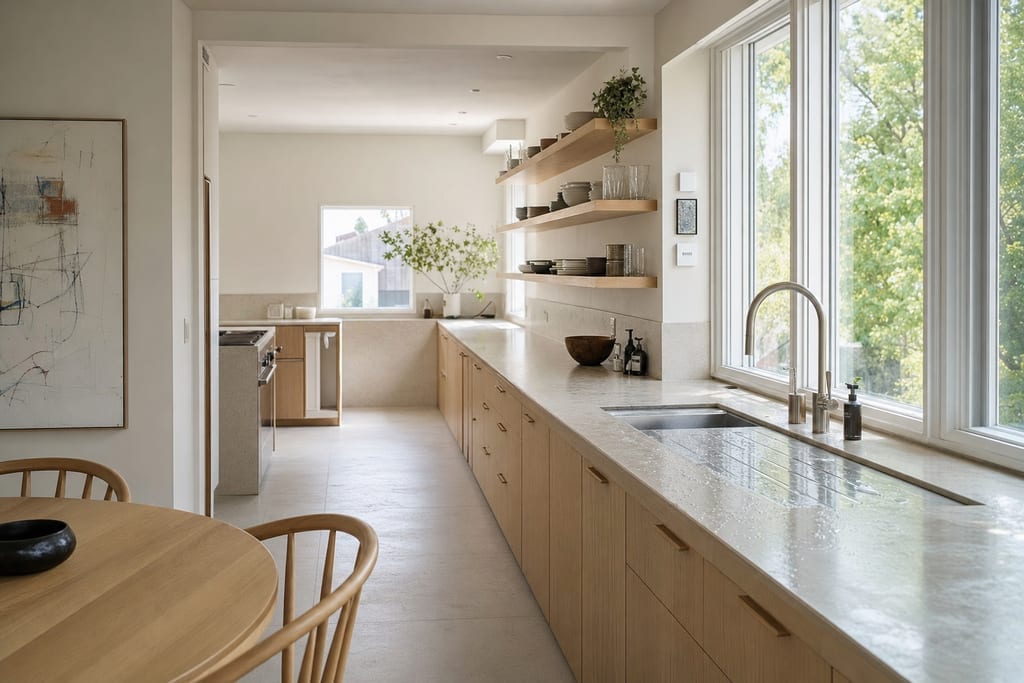
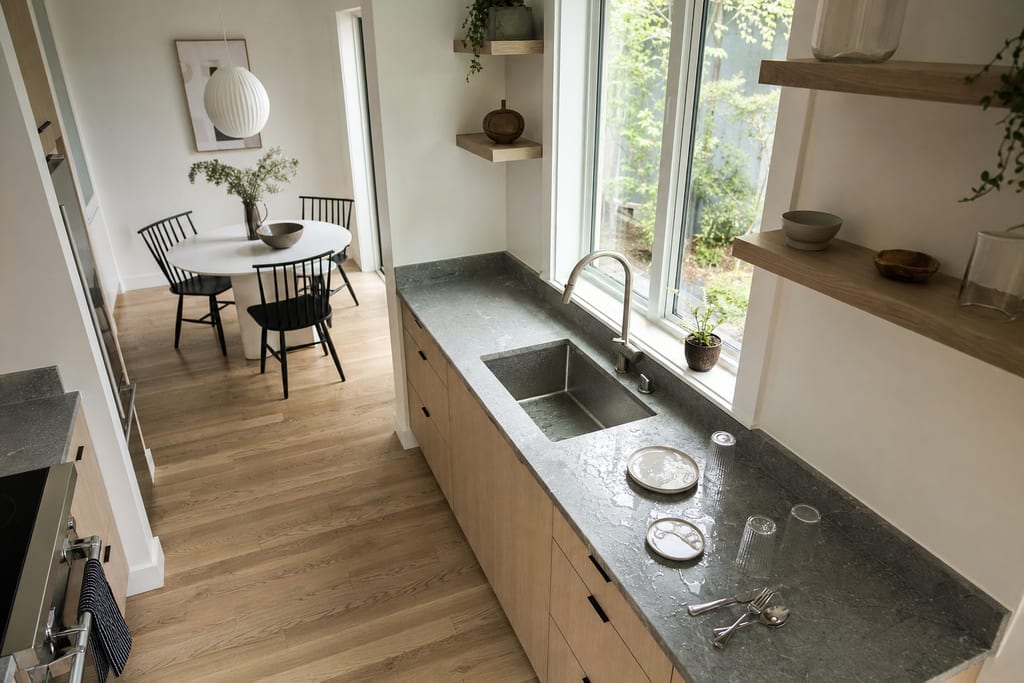
Kitchen sinks need attention too, especially if you hand-wash dishes. A faucet mat around your main sink catches the constant drips and splashes that happen during food prep and cleanup. This single placement can prevent the countertop warping and cabinet damage that costs homeowners thousands in repairs. The mat works silently in the background, absorbing moisture you didn't even know was there.
For plant lovers, the placement strategy is simple but effective. Put a stone saucer under every potted plant, especially those sitting on windowsills, side tables, or any wooden surface. When you water your plants, excess moisture gets absorbed immediately instead of pooling in plastic trays or seeping onto furniture. You can check out the full bathroom collection to see how different products work together in moisture-prone spaces.
The real power comes from combining multiple products strategically. A bathroom with both a bath mat and faucet mat stays significantly drier than one with just a single product. Think of it as creating layers of protection where each product handles moisture in its specific zone. This layered approach, combined with other eco friendly products throughout your home, creates an environment where dampness simply doesn't have a chance to accumulate and cause problems.
Creating a Healthier Home Environment
Dealing with damp rooms doesn't have to mean buying endless fabric mats that never really dry or using harsh chemicals that make you worry about what you're breathing in. The truth is, moisture problems in your home create the perfect breeding ground for mold and bacteria, but the solution can be surprisingly simple. Natural stone products made from diatomaceous earth work with nature instead of against it, absorbing water instantly and drying within seconds without any electricity or chemical treatments needed.
What makes eco friendly products like stone bath mats different is how they handle moisture at the source. Traditional fabric mats sit there wet for hours, but stone mats from our bathroom collection actively evaporate water through millions of tiny pores. You buy them once and they keep working year after year, which means less waste in landfills and more money staying in your pocket.
The maintenance part is almost too easy to believe. A quick wipe down every now and then keeps them working like new. No washing machines, no dryers, no waiting around for things to dry before you can use them again.
Whether you're dealing with a steamy bathroom, a wet sink area, or plant pots that leave rings on your furniture, these stone products tackle the moisture before it becomes a problem. The Stone Bath Mat handles bathroom floors while the Stone Faucet Mat keeps countertops dry and protected. Even your plants can benefit from Stone Plant Saucers that catch excess water without creating that gross soggy mess underneath.
You might still have questions about how these products work in real life situations or how to care for them properly. That's completely normal when you're considering switching from what you've always used.
Common Questions About Stone Moisture Products
Switching to eco friendly products made from diatomaceous earth can feel like a big change from regular fabric mats and plastic trays. People usually have similar questions about how these stone products actually work in real life, especially when dealing with damp room problems. Here are the answers to what most folks want to know before making the switch.
How do you clean stone bath mats and faucet mats?
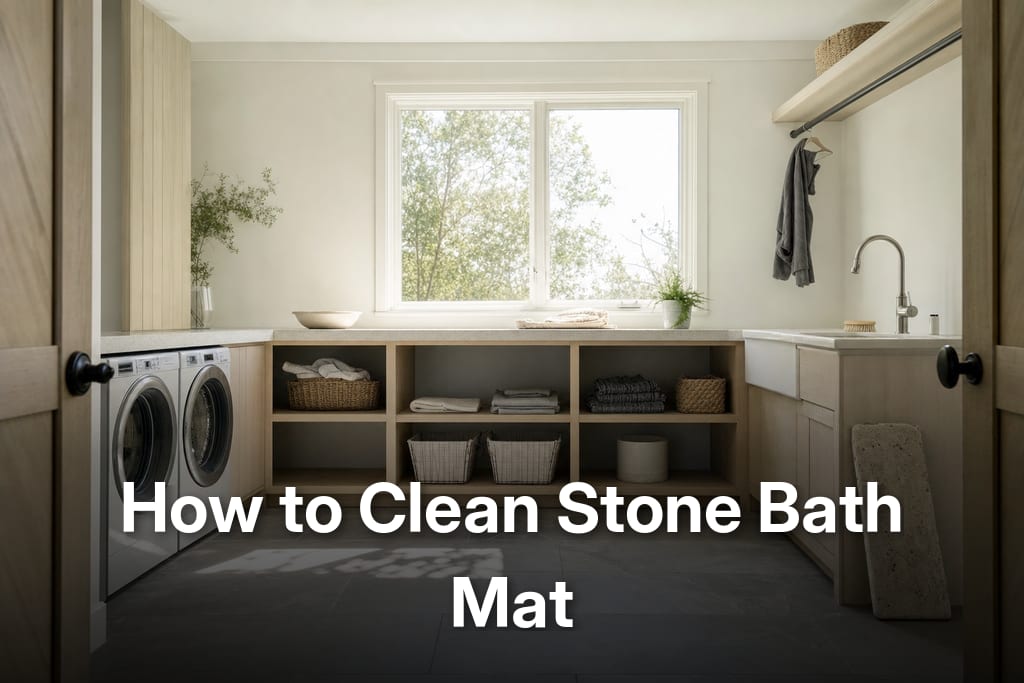
Cleaning is actually easier than traditional fabric mats. Just rinse the mat under water and wipe it down with a damp cloth every week or two. If you notice the absorption slowing down over time, lightly sand the surface with fine-grit sandpaper to open up the pores again. Never use soap or cleaning chemicals because they can clog those tiny pores that make the mat work so well.
How long do diatomaceous earth products last?
Most stone mats and saucers last between 2 to 5 years with regular use, which is actually longer than fabric bath mats that need replacing every year. The lifespan depends on how often you use them and how well you maintain them. Our Stone Bath Mat is built to handle daily use and won't fall apart like cheaper alternatives you might find from other brands.
Are stone mats safe for kids and pets?
Yes, diatomaceous earth is completely natural and non-toxic for both children and pets. The material is the same stuff used in food-grade products and water filters. The surface can feel rough compared to fabric, but it's not sharp or harmful. Just make sure younger kids don't try to bite or chew on it, though it wouldn't cause serious harm if they did.
Do these products work in really humid bathrooms?
Stone products work even better in high-humidity environments compared to fabric options. While traditional mats stay damp and grow mold in humid spaces, diatomaceous earth actively pulls moisture from the air and evaporates it. That's why our Stone Faucet Mat works so well in steamy bathrooms where regular mats would stay wet for hours.
How do stone products compare to other eco friendly alternatives?
Bamboo and cork mats are popular eco friendly products, but they still hold moisture and can develop mold over time. Stone mats made from diatomaceous earth don't have this problem because the material naturally prevents bacterial growth. They're also more durable than plant-based options that can crack or warp when they get wet repeatedly.
Where should you place stone mats for best results?
Put your stone bath mat right outside the shower or tub where wet feet land first. For faucet mats, place them directly under the faucet and soap dispenser to catch drips and splashes. Plant saucers work best on flat surfaces away from direct sunlight. The key is making sure air can circulate around the mat so moisture evaporates quickly instead of getting trapped underneath.
The next generation of home essentials: naturally made, cleaner by design, sustainable by nature.
SHOP ALL