
Easiest Sink Caddies to Install Without Drilling
That puddle of water around your dish soap bottle isn't just annoying, it's a breeding ground for bacteria and grime that makes your whole kitchen feel messy. Most people think they need to drill holes or deal with suction cups that fall off every other day, but modern sink caddies have changed the game completely. The secret is in materials that actually absorb water instead of trapping it, and our Stone Sink Caddies use natural diatomaceous earth to keep your counter dry without any installation at all.
Table of Contents
The Problem with Traditional Sink Storage
Most people have dealt with a sink caddy that just won't stay put. You stick it to your counter, and within a week it's sliding around or completely fallen off. Traditional sink caddies come with a bunch of installation headaches that make you wonder if they're even worth the trouble. The worst part is that many of these options either damage your surfaces or create the perfect breeding ground for mold and mildew.
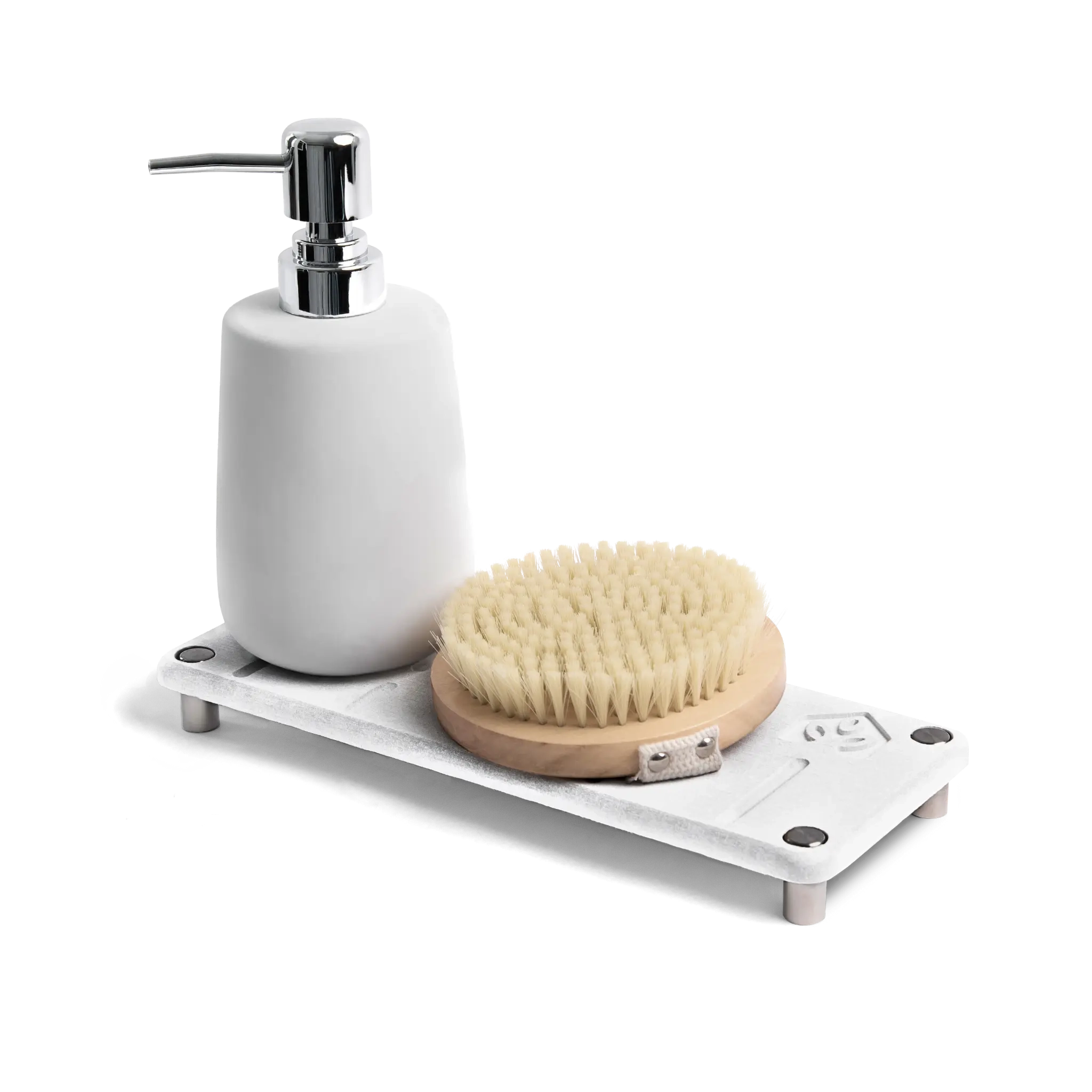
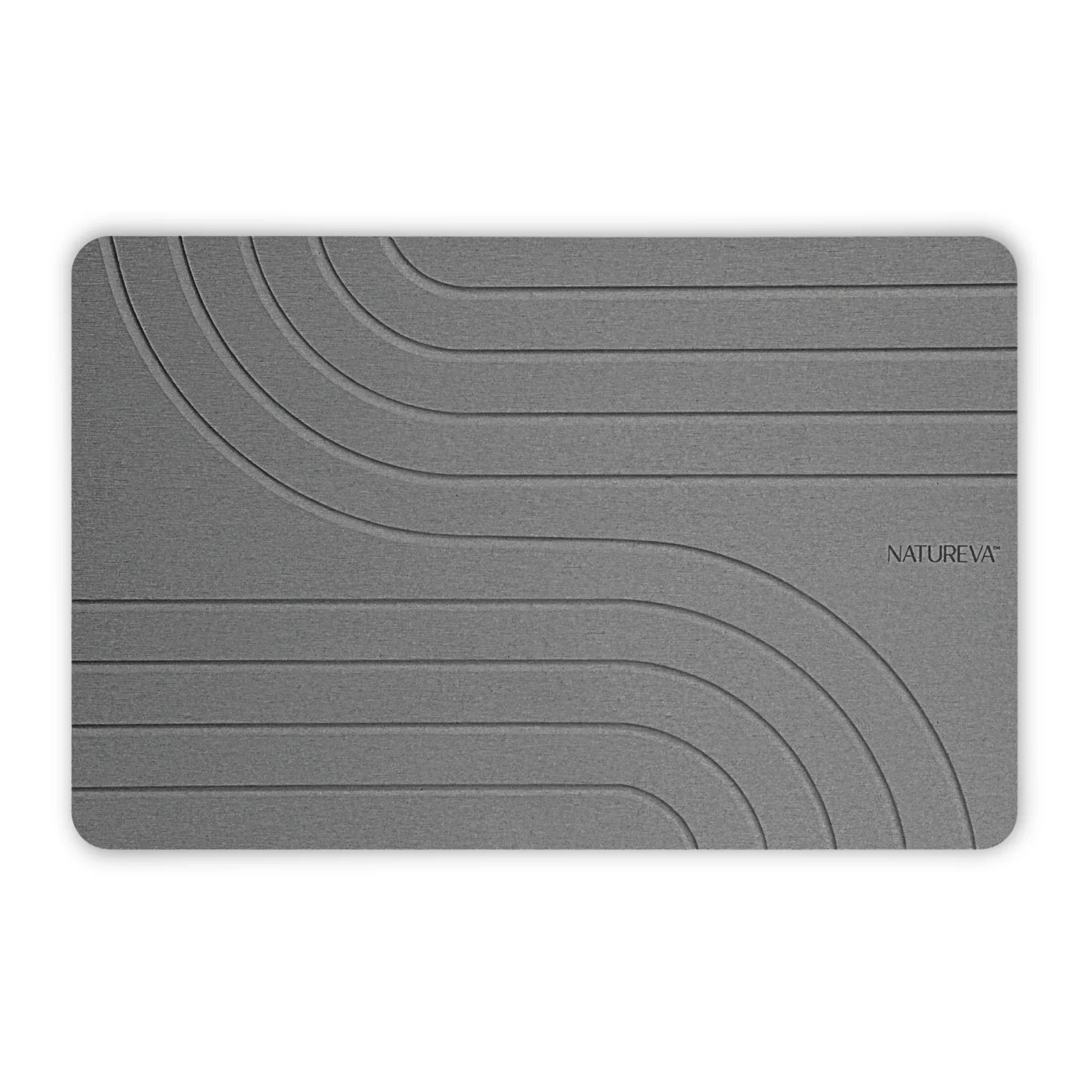
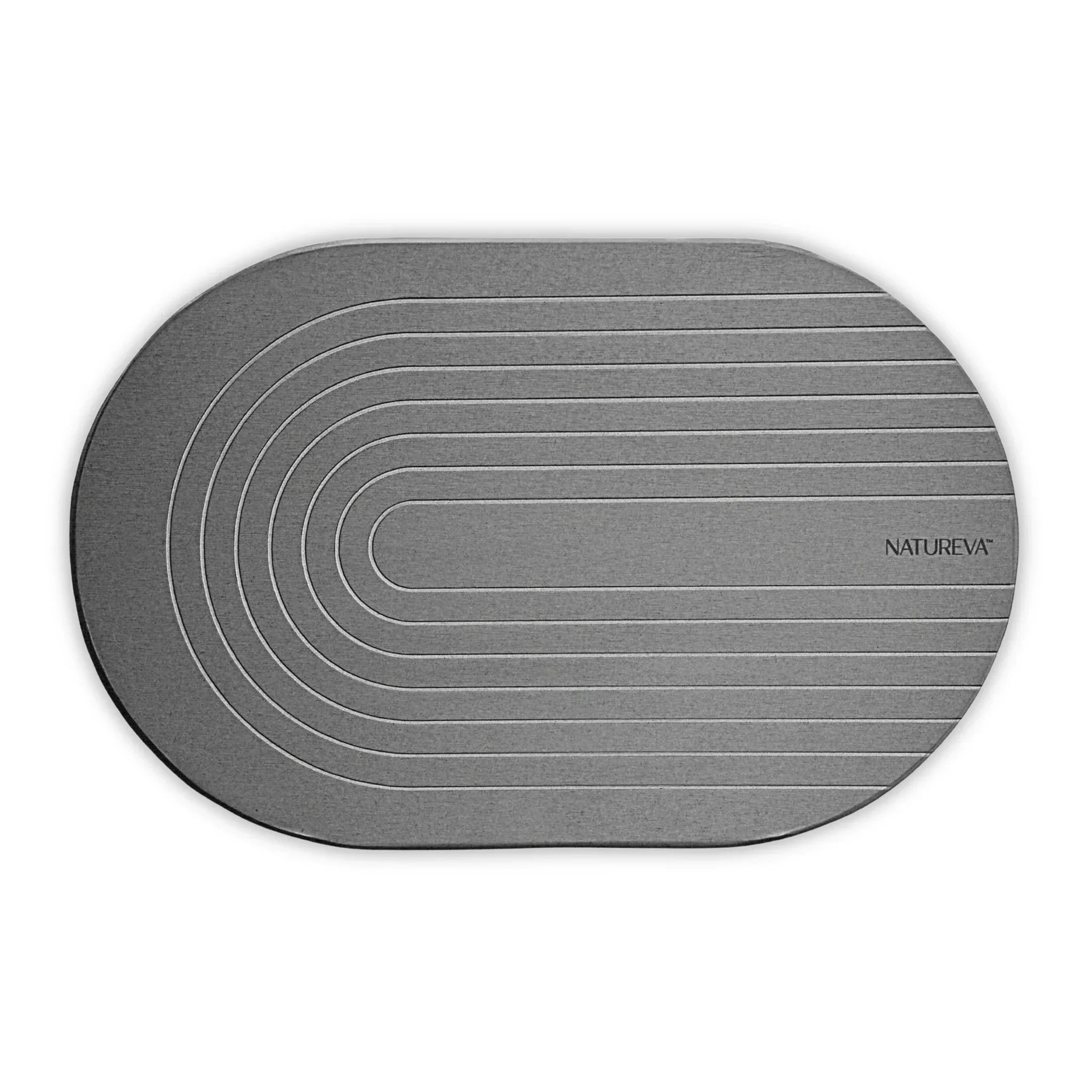
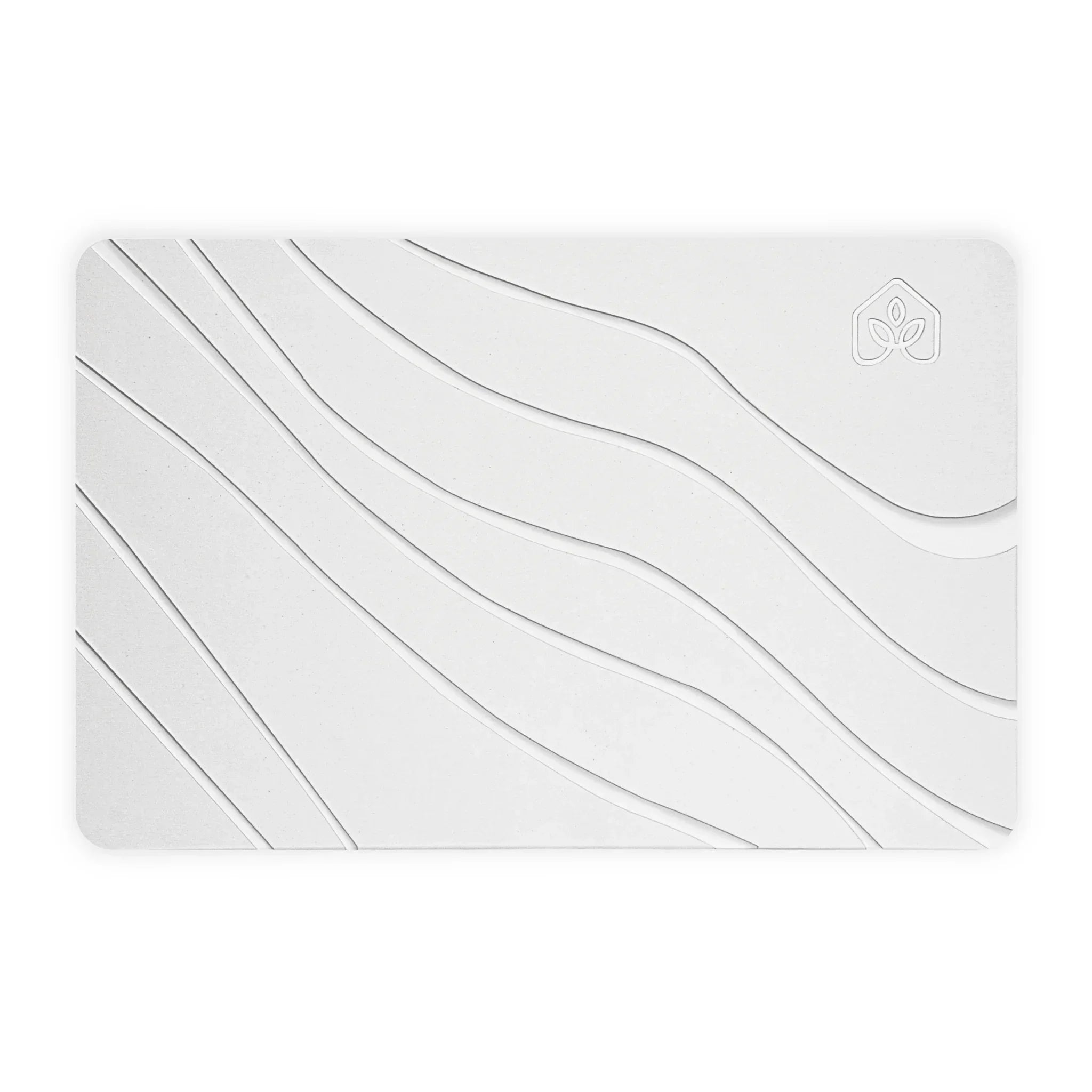
Stone Sink Caddy - Rain
Why Suction Cups Always Fail
Suction cup sink caddies seem like a great idea until you actually use them. They promise easy installation without any tools, but the reality is much different.
- They lose grip within days, especially in humid bathroom environments
- Water and soap residue break down the suction seal quickly
- You have to constantly reattach them, which gets old fast
- Heavy items like full soap bottles make them fall even faster
The constant falling creates more mess than having no caddy at all. Plus, you're always worried about glass bottles breaking when they crash into the sink.
The Adhesive Nightmare
Adhesive-mounted sink caddies sound more permanent, but they come with their own set of problems. These sticky solutions often cause more damage than they prevent, especially if you're renting or plan to move someday.
- Strong adhesives leave stubborn residue that's hard to remove
- They can peel paint or damage countertop finishes
- Once installed, you're stuck with that exact placement forever
- Removing them often requires harsh chemicals that smell terrible
Drilling Isn't an Option for Everyone
Some sink caddies require drilling holes into your walls or countertops. This might work if you own your home, but it's a dealbreaker for renters and anyone who doesn't want permanent modifications.
- Landlords typically don't allow drilling into rental property surfaces
- Permanent holes decrease your flexibility to rearrange your space
- You need special tools and skills to install them correctly
- Mistakes mean visible holes that are expensive to repair
The Hidden Moisture Problem
Here's something most people don't think about until it's too late. Traditional sink caddies with solid plastic or metal bases trap water underneath, creating a gross situation you can't see.
| Installation Method | Main Drawback | Renter-Friendly | Moisture Issues |
|---|---|---|---|
| Suction Cups | Constantly falls off | Yes | Traps water underneath |
| Adhesive Strips | Damages surfaces | No | Creates mold spots |
| Drilling Required | Permanent holes | No | Water pools around base |
| Freestanding Stone | None | Yes | Absorbs and evaporates |
Trapped moisture leads to mold, mildew, and bacteria growth that you don't notice until you lift the caddy. That slimy feeling and musty smell are signs of a bigger hygiene problem. Our Stone Sink Caddy actually absorbs water instead of trapping it, which keeps things cleaner without any installation hassle.
What Makes a Sink Caddy Truly No-Drill
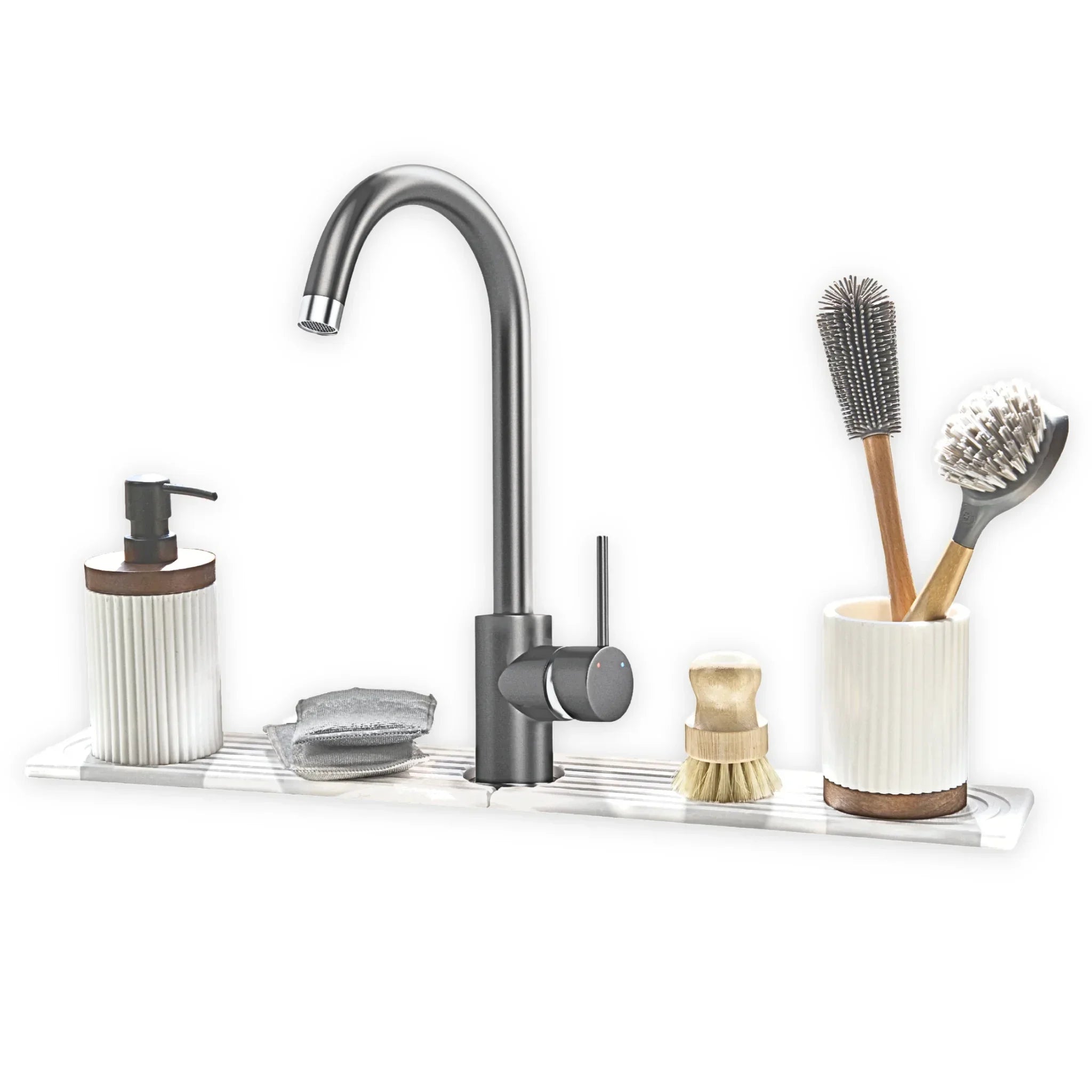
Most people think installing anything near their sink means grabbing a drill and making permanent holes in their countertop or backsplash. The truth is, the best sink caddies don't need any of that. A truly no-drill sink caddy is one that sits directly on your counter without adhesives, suction cups, or mounting hardware of any kind. It's just a simple, freestanding design that stays put through its own weight and material properties.
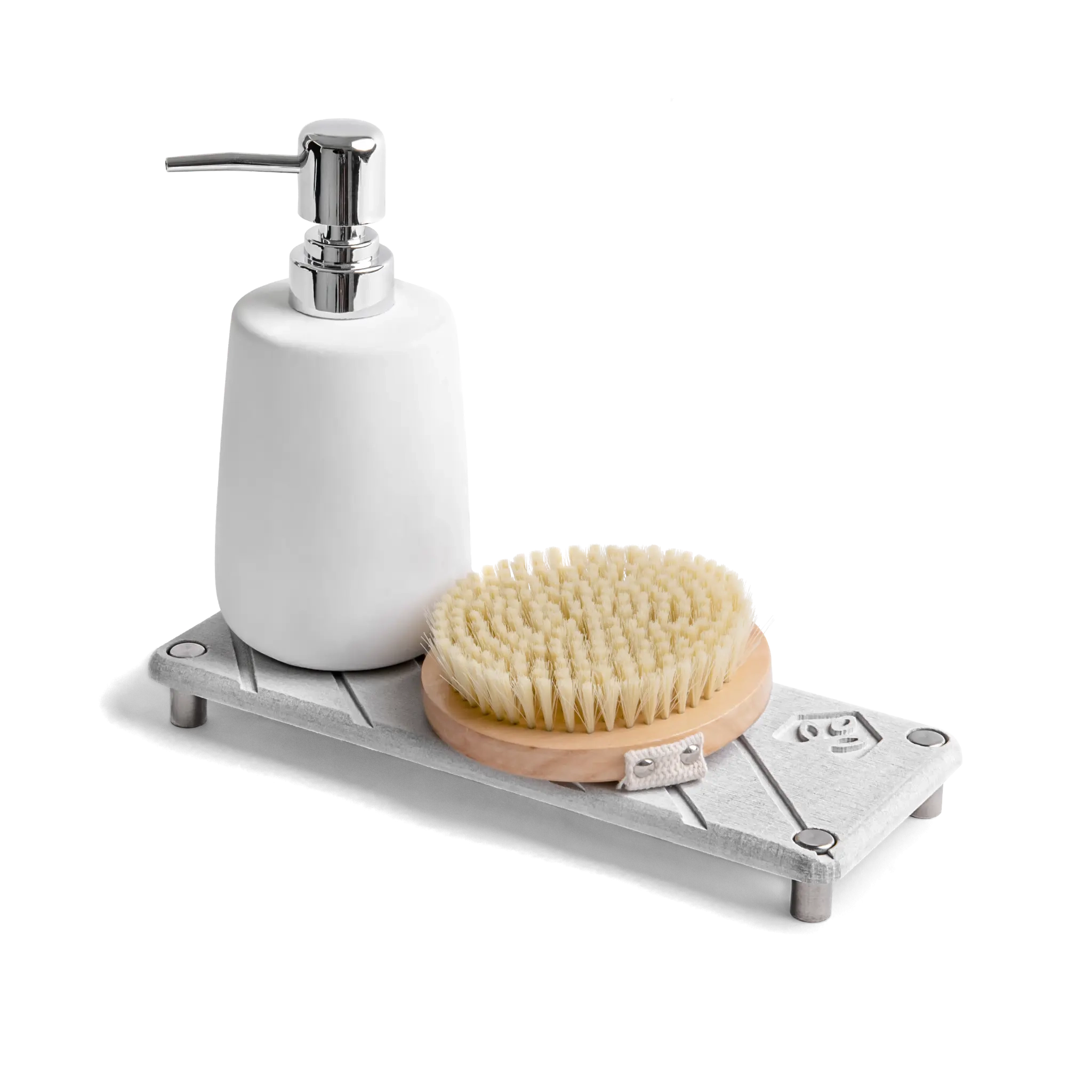
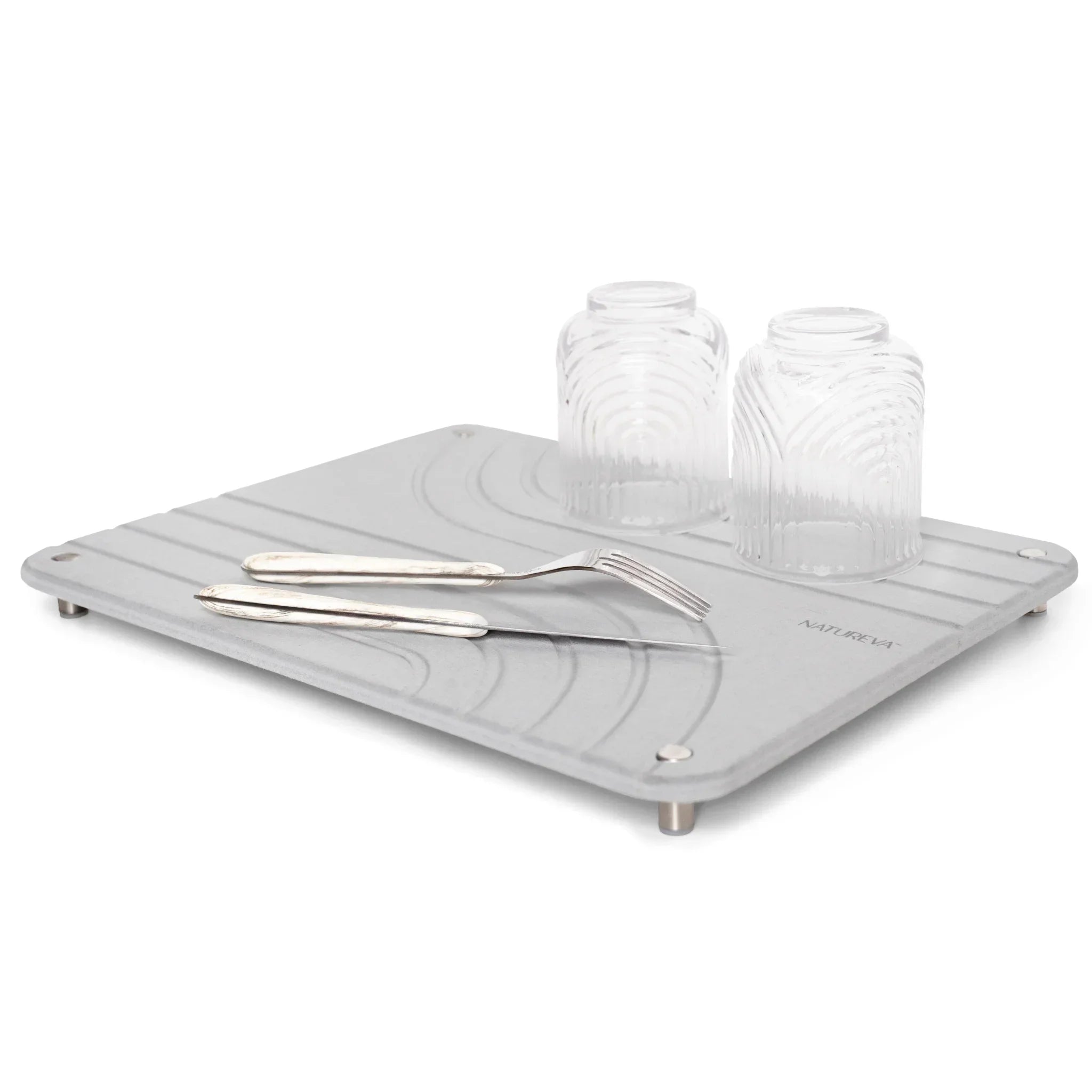
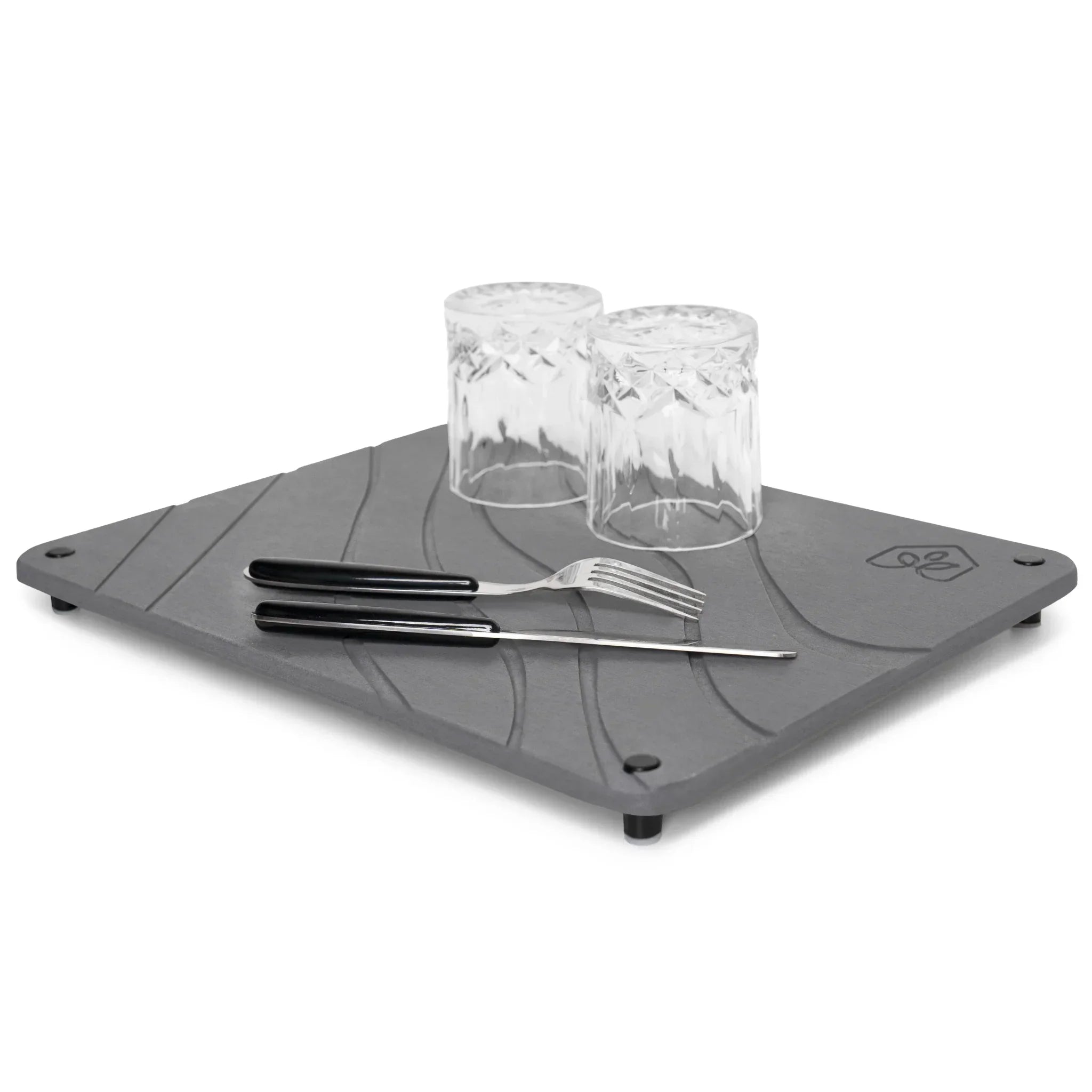
Stone Sink Caddy - Flow
The secret lies in how these caddies are built. Stone sink caddies made from diatomaceous earth work differently than traditional plastic or metal trays because they actively absorb water instead of letting it pool around your soap and sponges.
- Freestanding design that requires zero installation steps
- Natural weight and stability from stone materials keeps them firmly in place
- No adhesives or hardware means no damage to your countertops
- Instant water absorption through microscopic pores in diatomaceous earth
- Quick evaporation that happens within seconds of contact
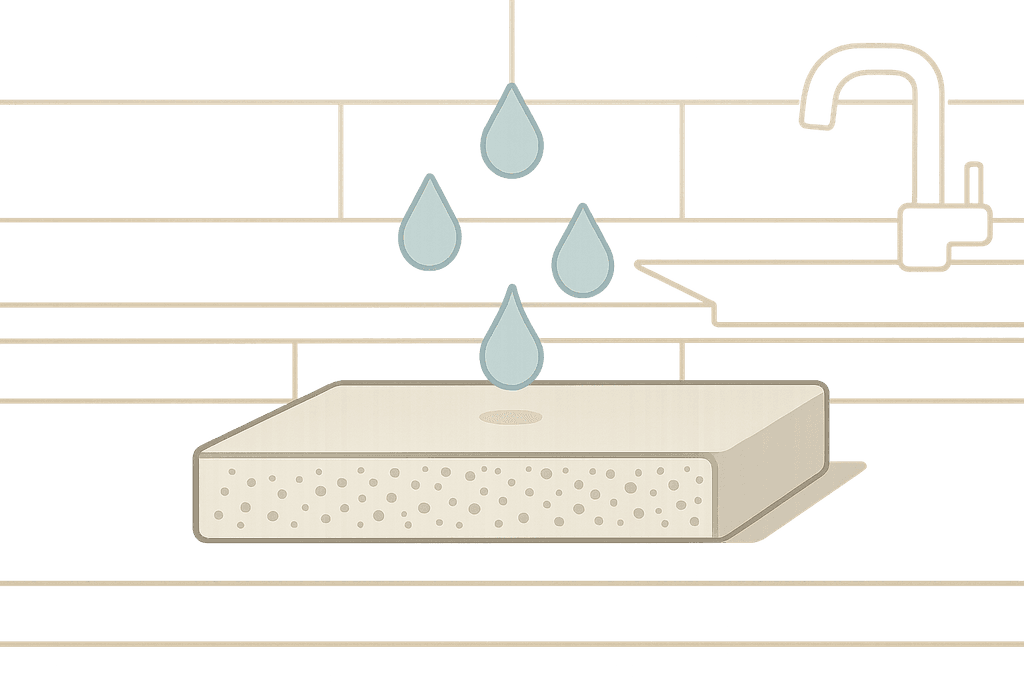
Diatomaceous earth is made from fossilized algae that lived millions of years ago. The material has thousands of tiny pores that pull water in like a sponge, but unlike a sponge, it releases that moisture back into the air almost immediately. This means your caddy stays dry to the touch even when you've just placed a dripping soap dispenser on it.
According to research on sink caddy materials, stone-based options absorb water up to three times faster than traditional materials. The science is pretty straightforward: water molecules get trapped in those microscopic pores and spread out across the surface area, which speeds up evaporation dramatically.
Setting Up Your No-Drill Sink Caddy in Seconds
Here's the entire setup process: take it out of the box and put it on your counter. That's it. There's no assembly, no reading complicated instructions, and definitely no hunting for your toolbox. The simplicity is what makes these caddies so practical for anyone who wants to organize their sink area without committing to permanent changes.
Setting Up Your No-Drill Sink Caddy in Seconds
Choosing the right spot matters more than you might think. You want your caddy close enough to the sink that water drips onto it instead of your counter, but not so close that it gets in the way when you're washing dishes or filling pots.
- Unbox your caddy and rinse it briefly with water (this activates the absorption properties)
- Place it within 6-8 inches of your sink edge
- Arrange your most-used items on top
- That's literally all there is to it
The items that work best in sink caddies are the ones that tend to stay wet: liquid soap dispensers, dish brushes, sponges, and scrubbers. These are the things that usually create puddles on your counter and make everything look messy. When you arrange items on a stone caddy, try to space them out a bit so water can evaporate from all sides.
The next generation of home essentials: naturally made, cleaner by design, sustainable by nature.
SHOP ALLFor first-time use with diatomaceous earth caddies, give them a quick rinse under water before placing your items. This opens up the pores and gets the absorption working at full capacity. After that, the caddy maintains itself through normal use.
Why Stone Sink Caddies Beat Every Other Option
Walk into any home goods store and you'll find dozens of sink caddies made from plastic, silicone, or metal. They all do the same basic job of holding your stuff, but they share one annoying problem: water pools in the bottom and creates a gross, slimy mess. You end up cleaning the caddy more often than it actually helps keep things clean. Stone caddies solve this through natural absorption instead of just containing the water.
The difference between water pooling and water evaporating is huge when it comes to preventing mold and bacteria growth. Traditional trays create the perfect environment for germs because they trap moisture. Stone caddies from materials like diatomaceous earth actively pull water away and release it into the air, which means there's nothing for bacteria to grow in.
| Feature | Stone Caddies | Plastic/Metal Caddies |
|---|---|---|
| Water Management | Absorbs and evaporates | Pools and traps |
| Mold Prevention | Natural resistance | Requires frequent cleaning |
| Durability | Years of use | Cracks or rusts |
| Appearance | Minimalist and clean | Can look cluttered |
Durability is another area where stone wins. Plastic caddies crack, discolor, and look cheap after a few months. Metal ones rust or develop water stains. A quality stone caddy maintains its appearance for years because the material doesn't degrade from constant water exposure.
The aesthetic appeal matters too. Stone caddies look intentional, like part of your kitchen design, rather than just another piece of clutter sitting by your sink. Our Stone Sink Caddy in Rain and Flow designs both feature minimalist patterns that complement modern kitchens without screaming "I'm a storage solution."
Maintenance is surprisingly simple. When your stone caddy eventually needs cleaning (usually after several weeks), just rinse it with water and let it air dry. Some people lightly sand the surface every few months to refresh the absorption, but that's optional. Compare that to plastic trays that need scrubbing with bleach to remove buildup and odors.
For those interested in eco-friendly kitchen solutions, stone caddies check that box too. They're made from natural materials, last significantly longer than plastic alternatives, and don't contribute to microplastic pollution. At $25, they're priced competitively with quality plastic options but offer way more functionality and longevity.
If you're looking to expand the same water-absorbing benefits throughout your home, check out our full collection of kitchen accessories and bathroom products made from diatomaceous earth stone.
Wrap-up
The best part about sink caddies is how simple they are to use. You don't need to drill holes in your counter or call someone to install anything. Just place it by your sink and you're done. No tools, no mess, no permanent changes to your kitchen.
A dry counter makes everything easier. Your sponges and brushes have a proper home instead of sitting in puddles. You're not wiping up water rings every time you do dishes. The area around your sink just stays cleaner without you having to think about it.
Most people don't realize how much those little wet spots bother them until they're gone. Once you have a proper place for your dish soap and scrubbers, you'll wonder why you waited so long. Our Stone Sink Caddy - Rain and Stone Sink Caddy - Flow both absorb water instantly, so nothing sits in moisture.
The same diatomaceous earth material works great in other spots too. Check out our kitchen collection for more ways to keep surfaces dry, or browse our bathroom products if you want to tackle wet counters in other rooms.
Still have questions about how these work or which style fits your space better? We've got answers below.
Common Questions About No-Drill Sink Caddies
Switching to a no-drill sink caddy seems simple enough, but most people have a few questions before making the switch. The good news is that these products are way more straightforward than the complicated installation systems you might be used to. Here are the answers to the most common questions we hear about sink caddies that don't require any drilling or mounting.
Do stone sink caddies really not need any installation?
Yes, they're completely freestanding. You literally just place them on your counter next to the sink and start using them. There's no drilling, no adhesive strips, and no complicated mounting hardware to deal with. Our Stone Sink Caddy works right out of the box because it sits flat on any surface.
How do you clean a diatomaceous earth sink caddy?
Cleaning is super easy and takes about two minutes. Just rinse the caddy under warm water and use a soft brush or sponge to remove any soap residue or buildup. Let it air dry completely before using it again, which usually takes less than an hour. Avoid using harsh chemicals or abrasive scrubbers since they can damage the natural stone material.
Will a freestanding caddy slide around on my counter?
Not if it's made from quality materials. Stone sink caddies have enough weight and a flat bottom surface that keeps them stable during normal use. The natural texture of diatomaceous earth also creates a slight grip against most countertop surfaces. You won't be chasing it around your kitchen like those flimsy plastic trays.
What's the difference between stone and plastic sink caddies?
The main difference is how they handle water. Plastic caddies trap moisture underneath your soap and sponges, which creates that gross slimy feeling and encourages bacteria growth. Stone caddies made from diatomaceous earth actually absorb the water and let it evaporate naturally, keeping everything dry and clean. Plus, stone looks way better on your counter than cheap plastic.
How long do stone sink caddies last?
With proper care, a quality stone sink caddy can last for years. The diatomaceous earth material is naturally durable and doesn't break down like plastic does. You might notice the absorption slow down after many months of use, but a quick light sanding with fine sandpaper brings it right back to life.
Can I use a stone caddy with any type of countertop?
Yes, stone sink caddies work on all countertop materials including granite, marble, laminate, wood, and tile. The flat bottom won't scratch or damage your surfaces. Just make sure your counter is relatively level so water drains properly into the caddy instead of pooling around it.
The next generation of home essentials: naturally made, cleaner by design, sustainable by nature.
SHOP ALL