
Five Sink Caddy Styles for Low Maintenance Homes
That puddle around your dish soap bottle isn't just annoying—it's a breeding ground for bacteria and grime that makes cleaning your kitchen feel like a never-ending chore. Most sink organizers actually make this problem worse by trapping water underneath, which means you're constantly wiping down surfaces or dealing with that slimy film that builds up overnight. The right caddy for sink areas can flip this script entirely, turning your messiest spot into one that practically takes care of itself.
Table of Contents
- What Makes a Sink Caddy Low Maintenance
- Stone Sink Caddies with Diatomaceous Earth
- Bamboo Sink Caddies with Drainage
- Silicone Sink Mats and Caddies
- Stainless Steel Caddies with Elevated Design
- Ceramic and Porcelain Sink Trays
- Choosing Your Low Maintenance Sink Caddy
- Common Questions About Sink Caddies
What Makes a Sink Caddy Low Maintenance
Most people don't realize their sink caddy is creating more work until they spot that telltale ring of mold underneath. Traditional caddies made from plastic or metal seem convenient at first, but they trap water in ways that turn your kitchen into a breeding ground for bacteria. That puddle sitting under your dish soap bottle isn't just gross, it's a maintenance nightmare waiting to happen.
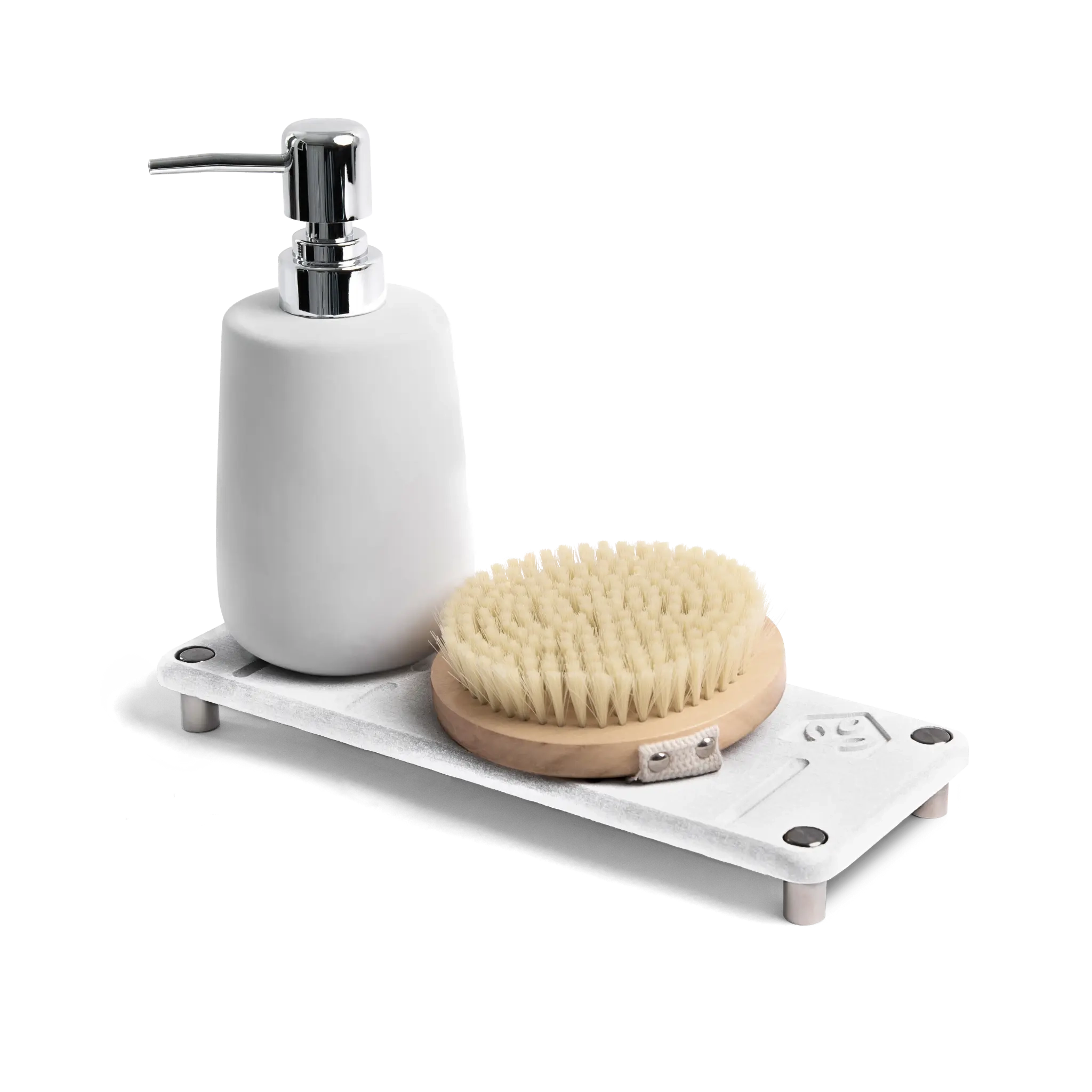
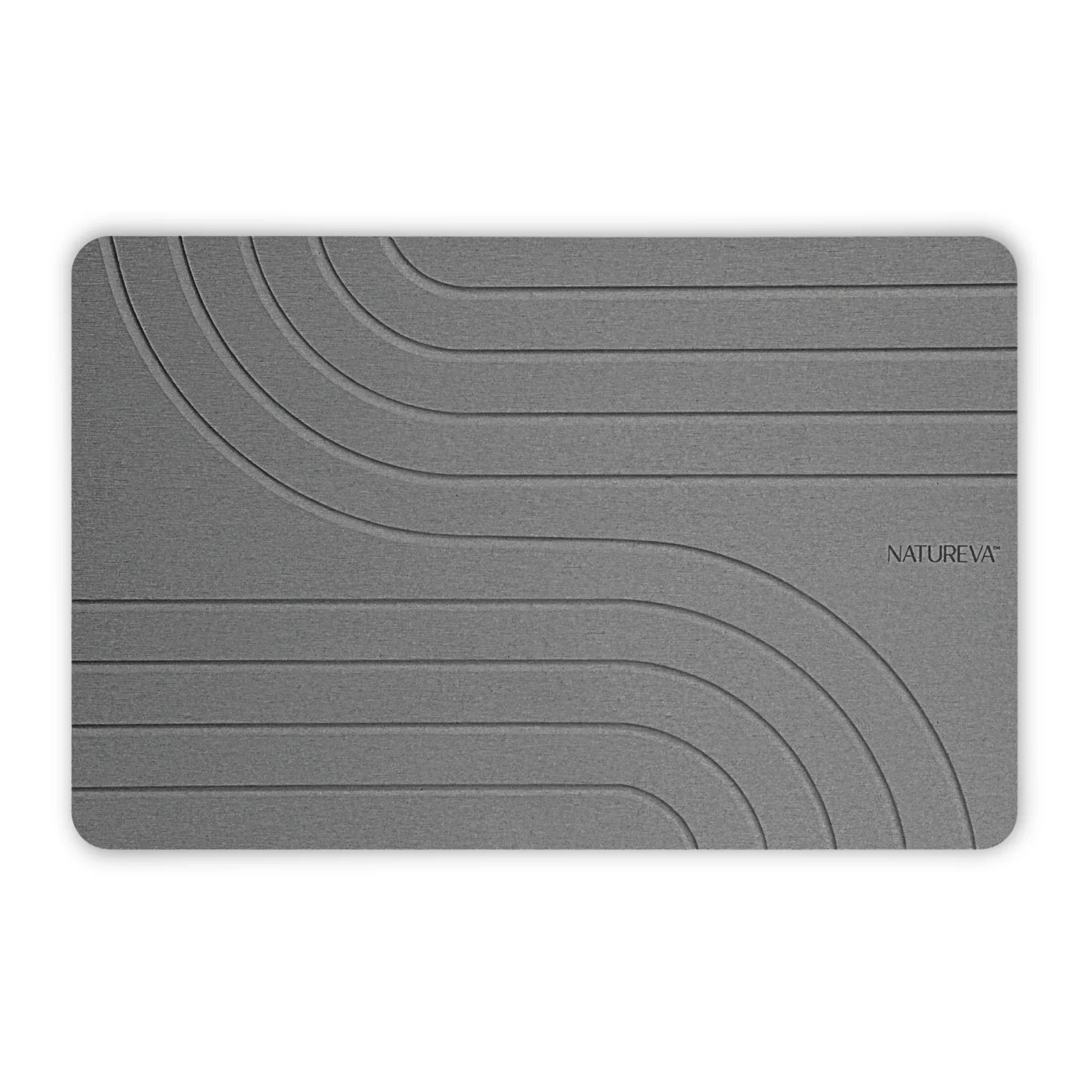
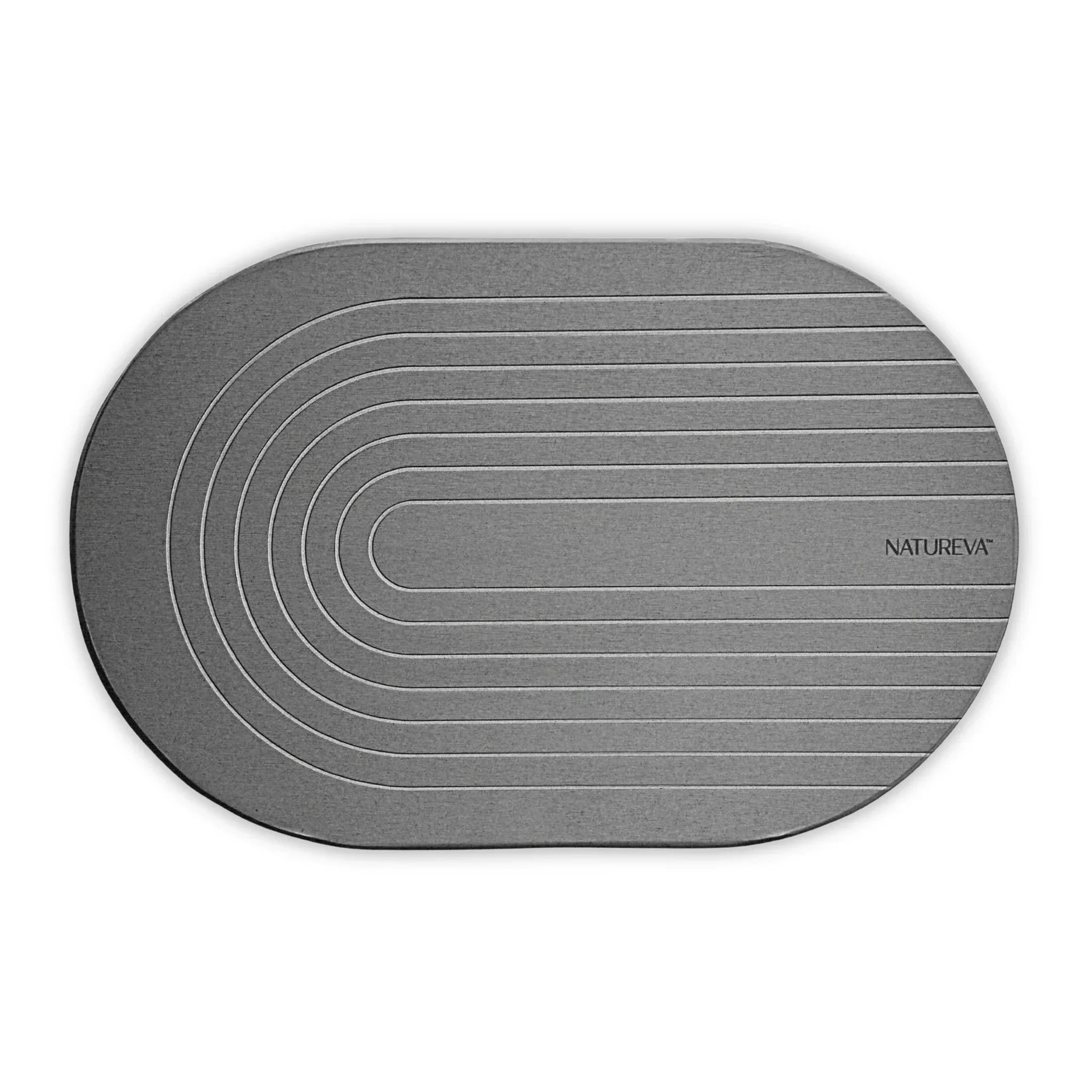
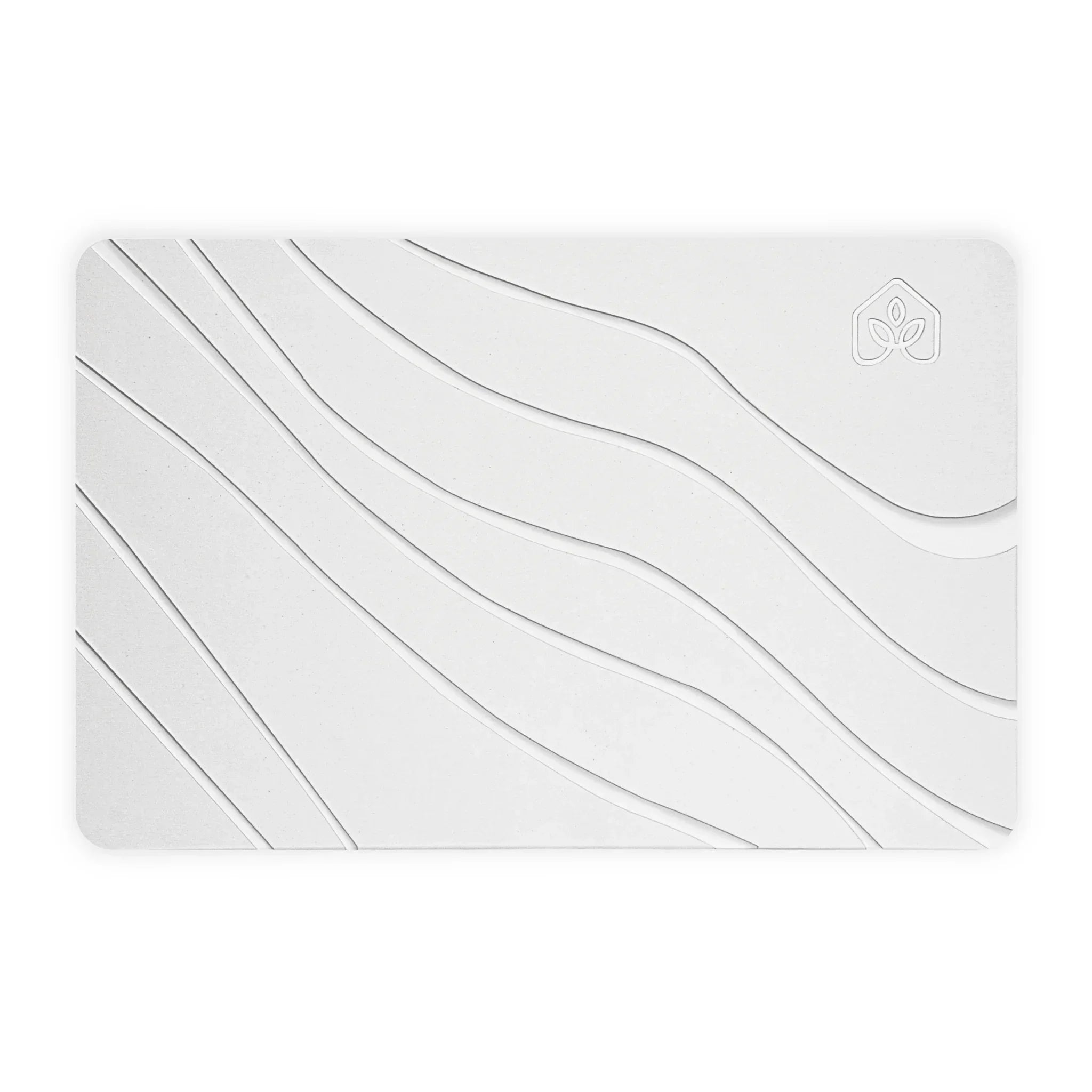
Stone Sink Caddy - Rain
The Hidden Problem with Standard Materials
Regular plastic and metal caddies have a design flaw that nobody talks about. They don't absorb or evaporate water, they just collect it. Every time you use your soap or sponge, water drips down and sits there for hours.
Here's what happens with traditional caddy for sink options:
- Water pools at the bottom and stays wet for 6-12 hours
- Mold and mildew start growing within 24-48 hours of constant moisture
- Bacteria multiply in the damp environment, especially around soap residue
- You end up wiping down or washing the caddy every few days just to keep it clean
What Actually Makes a Caddy Low Maintenance
The best low-maintenance caddies solve the moisture problem at its source. Instead of letting water sit around, they either absorb it quickly or let it drain away completely. Materials matter more than design when it comes to reducing your cleaning time.
Look for these features in a truly low-maintenance caddy:
- Quick-drying materials that absorb moisture instead of trapping it
- Self-cleaning properties that prevent bacterial growth naturally
- No grooves or corners where soap scum can build up
- Surfaces that don't need scrubbing or special cleaning products
Comparing Maintenance Requirements Across Materials
Different materials require wildly different amounts of upkeep. Some need daily attention while others can go weeks without any cleaning at all.
| Material Type | Drying Time | Cleaning Frequency | Mold Risk |
|---|---|---|---|
| Plastic | 6-12 hours | Every 2-3 days | High |
| Stainless Steel | 4-8 hours | Every 3-4 days | Medium |
| Silicone | 8-10 hours | Every 2-3 days | High |
| Diatomaceous Stone | 30-60 seconds | Every 2-3 weeks | Very Low |
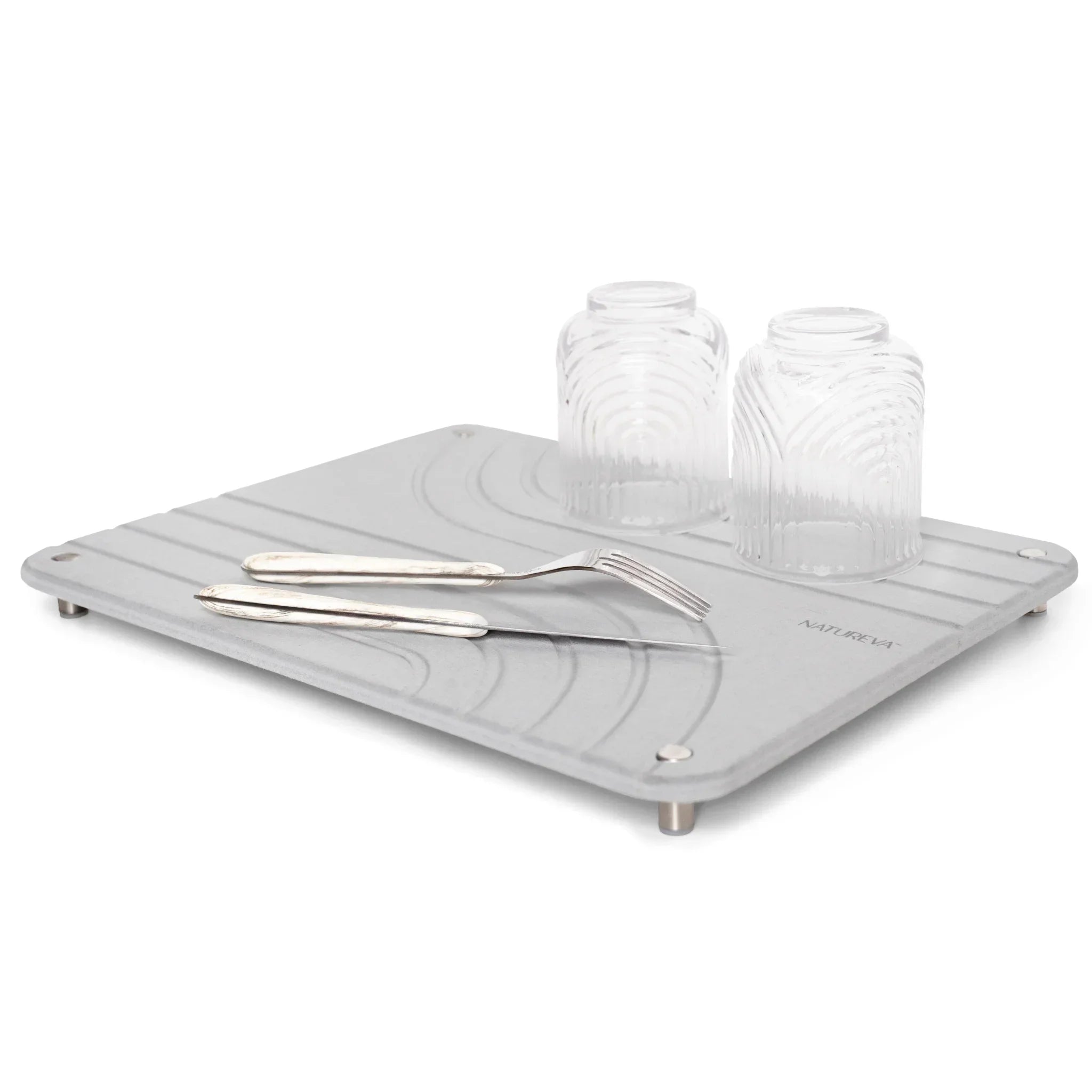
Stone-based caddies like our Natureva Stone Sink Caddy use diatomaceous earth that absorbs water in seconds and dries almost instantly. According to research on sink caddy materials, this natural absorption process prevents the moisture buildup that causes most maintenance headaches. The difference in cleaning time adds up to hours saved every month.
Stone Sink Caddies with Diatomaceous Earth
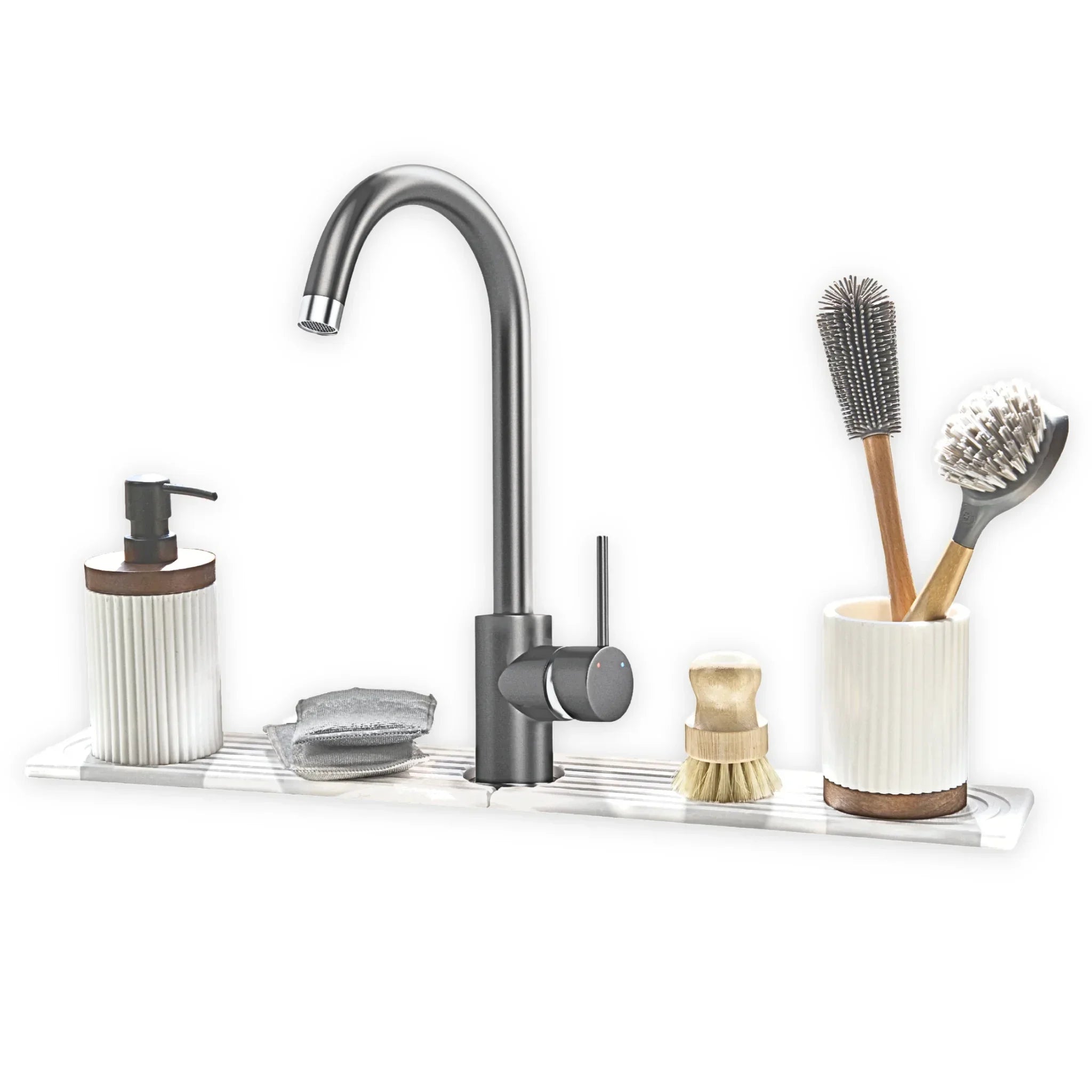
Most people don't realize that the average kitchen sponge holder traps enough moisture to grow bacteria within 24 hours. That's where diatomaceous earth changes everything about how we think about sink organization. This natural material comes from fossilized algae and has microscopic pores that pull water away from surfaces faster than you can dry them with a towel. The best part is that once the water gets absorbed, it evaporates within seconds, leaving your caddy completely dry and ready for the next use. Unlike plastic or ceramic trays that sit there holding puddles of gross water, stone caddies made from diatomaceous earth actively work to keep your space clean.
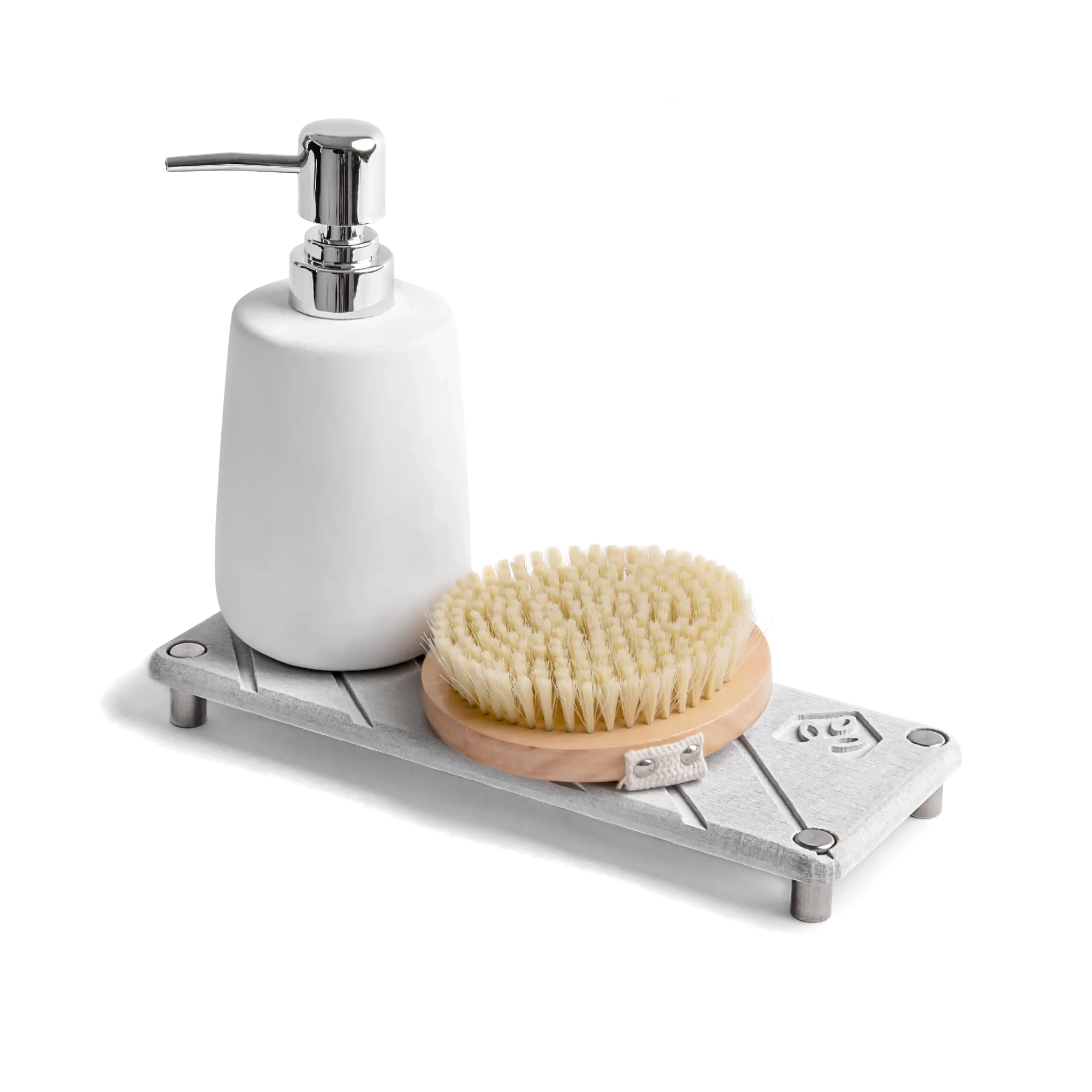
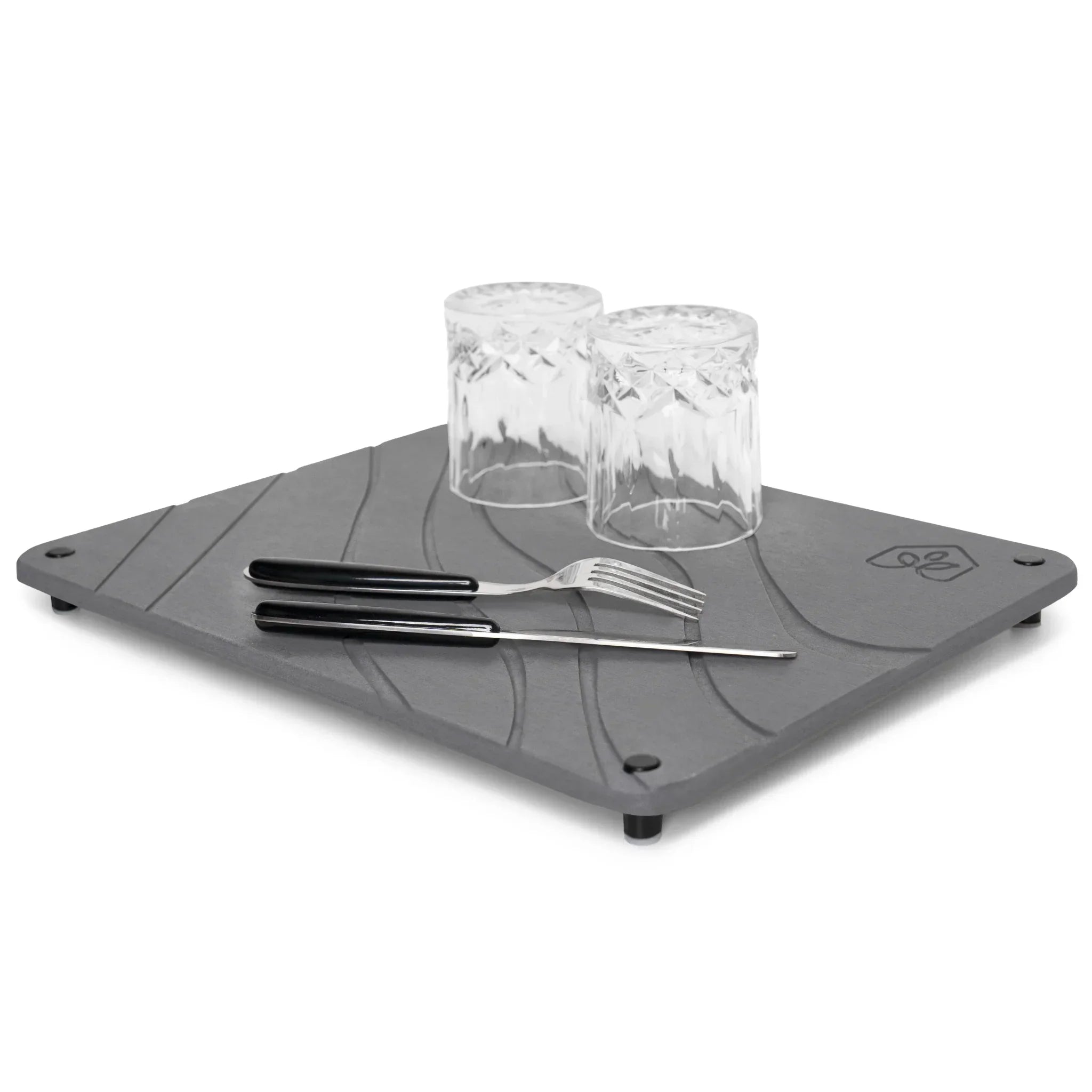
Stone Sink Caddy - Flow
The maintenance level here is basically zero. You don't need to empty water, wipe it down daily, or worry about that slimy film that builds up on regular trays.
- Instant water absorption means no puddles or drips on your counter
- Natural mold and bacteria prevention without any chemicals or sprays
- Self-drying technology that requires zero daily maintenance
- Durable construction that lasts years longer than bamboo or silicone options
The Stone Sink Caddy in Rain pattern and the Flow design both offer this same technology with different aesthetic styles. The Rain pattern has a more organic, flowing look while Flow features clean geometric lines. Both are priced at $25 and deliver the same performance, so it really comes down to which design fits your kitchen better.
| Feature | Stone (Diatomite) | Bamboo | Silicone | Stainless Steel | Ceramic |
|---|---|---|---|---|---|
| Daily Maintenance | None | Low | Medium | Medium | High |
| Water Management | Self-drying | Drains | Resists | Drains | Traps |
| Mold Prevention | Natural | Antimicrobial | Resistant | Resistant | Poor |
| Durability | 5+ years | 2-3 years | 3-4 years | 5+ years | 5+ years |
What makes stone caddies stand out is how they handle the long game. Other materials might look good at first, but they all require regular attention to stay functional and clean. Stone just keeps doing its job day after day without asking for anything in return.
Bamboo Sink Caddies with Drainage
Bamboo brings a natural, warm aesthetic to your sink area and comes with some built-in benefits that make it better than plastic alternatives. The material itself has antimicrobial properties, which means it naturally resists some bacteria growth without any treatment. Most bamboo caddies feature slatted designs that let water drain through to a tray below or directly into your sink. This drainage system definitely helps reduce the standing water problem that plagues solid trays. According to testing by home organization experts, bamboo caddies with proper drainage can stay relatively dry between uses.
But here's what they don't tell you in the product descriptions. Bamboo needs occasional oiling to maintain its water resistance, usually every few months depending on how wet your environment is. Without this maintenance, the wood can start to crack, warp, or develop dark water stains that won't come out.
- Natural antimicrobial properties reduce bacteria compared to plastic
- Drainage slats prevent most water pooling issues
- Requires oiling every 2-3 months to maintain condition
- Can warp or crack in consistently wet environments
- Best for sinks that don't see heavy water exposure
The durability question is real with bamboo. In high-moisture environments like busy family kitchens, you're looking at maybe 2-3 years before replacement becomes necessary. The constant wet-dry cycles eventually take their toll, no matter how well you maintain it. For low-traffic sinks or guest bathrooms, bamboo works great and looks beautiful doing it.
Silicone Sink Mats and Caddies
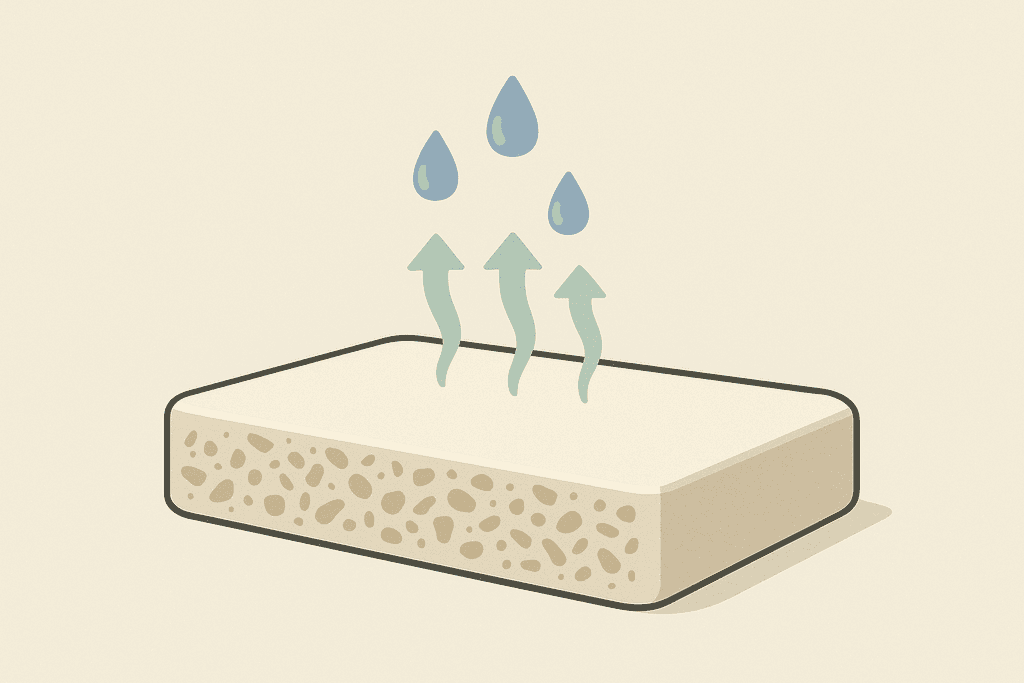
Silicone offers flexibility that rigid materials can't match, which makes it popular for people with oddly shaped sink areas or those who want custom coverage. The material itself resists mold growth better than traditional rubber or fabric options, and most silicone products can go straight into the dishwasher when they need cleaning. This flexibility extends to design too, with silicone mats available in various sizes that can be trimmed to fit your exact space. Kitchen organization specialists note that silicone works well for protecting surfaces from scratches while managing moisture.
Silicone Sink Mats and Caddies
The catch is that silicone doesn't actually absorb or evaporate water. It just sits there, water-resistant but not water-managing.
You still need to clean silicone caddies regularly because soap scum, food particles, and mineral deposits build up on the surface. The good news is that cleaning is easy since most are dishwasher safe. The bad news is that you have to remember to do it, usually once a week for active kitchens.
The next generation of home essentials: naturally made, cleaner by design, sustainable by nature.
SHOP ALL- Flexible design fits irregular spaces and sink shapes
- Mold-resistant but not mold-proof
- Dishwasher safe for easy cleaning
- Requires weekly washing to prevent buildup
- Works best as protective mats rather than drainage solutions
Silicone makes sense for specific applications, like protecting the bottom of your sink from dish scratches or creating a soft landing pad for glassware. But for actual sink caddy use where you're storing wet sponges and brushes, it falls into that middle maintenance zone where it's not terrible but definitely not hands-off.
Stainless Steel Caddies with Elevated Design
Stainless steel brings that modern, professional kitchen look that some people really want. The elevated design philosophy here is smart because it lifts your items off the surface, allowing water to drain away and air to circulate underneath. Quality stainless steel resists rust much better than cheaper metals, especially if you go with 304-grade stainless or higher. The material itself is non-porous, so bacteria can't penetrate the surface like they can with wood or some plastics. From a pure aesthetics standpoint, stainless steel matches most modern appliances and gives your sink area a cohesive, intentional look.
But water spots are the enemy of stainless steel's good looks. Hard water leaves mineral deposits that show up as white spots or streaks.
- Elevated design prevents water pooling under items
- Rust-resistant when made from quality materials
- Requires regular wiping to prevent water spots
- Soap buildup shows clearly on shiny surfaces
- Modern aesthetic matches contemporary kitchens
The maintenance level sits somewhere between bamboo and ceramic. You don't need to oil it or empty standing water, but you do need to wipe it down every few days to keep it looking good. Soap scum builds up in the corners and joints, requiring occasional deep cleaning with vinegar or specialized stainless steel cleaner. Compared to stone options that handle all this automatically, stainless steel asks for regular attention even if it's just a quick wipe-down.
Ceramic and Porcelain Sink Trays
Ceramic and porcelain trays win the beauty contest hands down, with gorgeous glazes, patterns, and colors that can match any kitchen decor. You can find everything from minimalist white to hand-painted designs that look like art pieces. The smooth, glazed surface feels premium and cleans up nicely when you actually get around to it. For people who prioritize aesthetics above all else, ceramic delivers that decorative element that other materials struggle to match. These trays work beautifully in spaces where they're more decorative than functional, like holding a pretty soap dispenser on a powder room sink.
The problem is that ceramic trays are basically fancy bowls that collect water. They don't absorb it, drain it, or evaporate it.
- Beautiful aesthetic options with various colors and patterns
- Smooth glazed surface is easy to wipe clean
- Traps water that requires frequent emptying
- Develops soap scum and hard water stains quickly
- Best for decorative use rather than active wet storage
You're looking at daily or every-other-day maintenance if you're actually using a ceramic tray to hold wet items. The water just sits there, getting progressively grosser as soap residue and who-knows-what-else accumulates. Hard water stains show up clearly on light-colored glazes, and removing them requires scrubbing with acidic cleaners. For a low-maintenance home, ceramic ranks at the bottom of the list unless you're using it purely for decoration.
When you compare all five options, the maintenance hierarchy becomes pretty clear. Stone caddies like the diatomaceous earth options require essentially zero daily maintenance because they handle water automatically. Bamboo and stainless steel sit in the middle, needing occasional attention but not constant care. Silicone requires regular cleaning, and ceramic demands the most frequent maintenance to stay functional and attractive. For truly low-maintenance homes, choosing materials that work with water instead of just holding it makes all the difference in how much time you spend on kitchen upkeep.
Choosing Your Low Maintenance Sink Caddy
So we've covered five different caddy for sink styles, each with its own maintenance requirements. Traditional plastic and metal caddies need regular wiping and drying to prevent mold buildup. Silicone options are easier to clean but still trap water underneath. Bamboo looks nice but requires occasional oiling to prevent cracking. Then there are diatomaceous earth stone caddies, which basically take care of themselves by absorbing and evaporating water naturally.
The right choice really depends on how much time you want to spend cleaning around your sink. If you're someone who forgets to wipe things down or just doesn't want another chore on your list, stone is probably your best bet. Our Stone Sink Caddy - Rain and Stone Sink Caddy - Flow both work the same way, just with different patterns to match your style.
The main thing to remember is that moisture-trapping caddies create more work for you down the line. You might not notice the mold growing underneath until it becomes a real problem. Stone options prevent that issue from happening in the first place because water doesn't stick around long enough to cause trouble.
If you're already using diatomaceous earth products elsewhere in your home, you might want to check out our full kitchen collection to see what else could make your life easier. But if you still have questions about which caddy style works best for your specific situation, the answers below should help clear things up.
Common Questions About Sink Caddies
Choosing the right caddy for sink areas can feel overwhelming with so many options out there. Most people wonder about maintenance requirements, durability, and whether certain materials actually live up to their promises. These questions come up constantly because nobody wants to invest in something that creates more work or falls apart quickly.
How often do different caddy types need cleaning?
Plastic and silicone caddies typically need cleaning every few days because water pools underneath and creates a breeding ground for bacteria. Metal caddies require weekly scrubbing to prevent rust and soap scum buildup. Stone caddies made from diatomaceous earth, like our Stone Sink Caddy - Rain, only need a light sand every few months since they actively evaporate water instead of trapping it.
What's the best material for preventing mold?
Natural diatomaceous earth stone is the clear winner for mold prevention because it absorbs water instantly and dries within seconds. Traditional materials like plastic, bamboo, and even stainless steel can trap moisture in hard-to-reach spots where mold loves to grow. The porous nature of stone allows air to circulate and water to evaporate naturally, which means bacteria and mold never get the damp environment they need to thrive.
Do stone caddies really not need daily maintenance?
Yes, stone caddies genuinely require almost zero daily upkeep. You don't need to wipe them down, empty trapped water, or worry about residue building up. The only maintenance involves lightly sanding the surface every 2-3 months if you notice the absorption slowing down, which takes about 30 seconds with fine sandpaper.
How long do different caddy materials last?
Plastic caddies usually last 6-12 months before cracking or staining permanently. Bamboo versions might give you 1-2 years if you're diligent about drying them out. Metal caddies can last several years but often show rust or corrosion around the 18-month mark. Stone caddies can last 3-5 years or longer with minimal care since they don't rust, crack, or harbor bacteria the way other materials do.
Can you put soap directly on a stone caddy?
You can place bar soap directly on a stone caddy without any issues. The absorbent surface keeps the soap dry between uses, which actually makes your soap last longer and prevents that mushy bottom that happens with regular soap dishes. Just avoid leaving liquid soap bottles directly on the stone since they won't benefit from the absorption properties.
What's the difference between Rain and Flow stone caddy styles?
The Rain and Flow styles differ mainly in their surface patterns and aesthetic design. Both use the same high-quality diatomaceous earth material and offer identical absorption and drying properties. The choice between them comes down to which pattern fits better with your kitchen or bathroom decor, since they both perform exactly the same way.
The next generation of home essentials: naturally made, cleaner by design, sustainable by nature.
SHOP ALL