
How a Non Slip Bath Mat Boosts Bathroom Safety
Every year, over 230,000 people end up in the emergency room because they slipped and fell in their bathroom. Most of these accidents happen when stepping out of the shower or tub onto a wet floor, and the scary part is that a good non slip bath mat could have prevented nearly all of them. Your bathroom might look safe, but that slippery floor is actually one of the most dangerous spots in your home.
Table of Contents
The Real Cost of Bathroom Slips and Falls
Every year, over 230,000 people end up in the emergency room because they slipped and fell in their bathroom. That's more than car accidents in parking lots. The bathroom might seem like the safest room in your house, but it's actually where most home injuries happen. Wet floors, smooth tiles, and rushing around in the morning create the perfect recipe for accidents that can change lives in seconds.
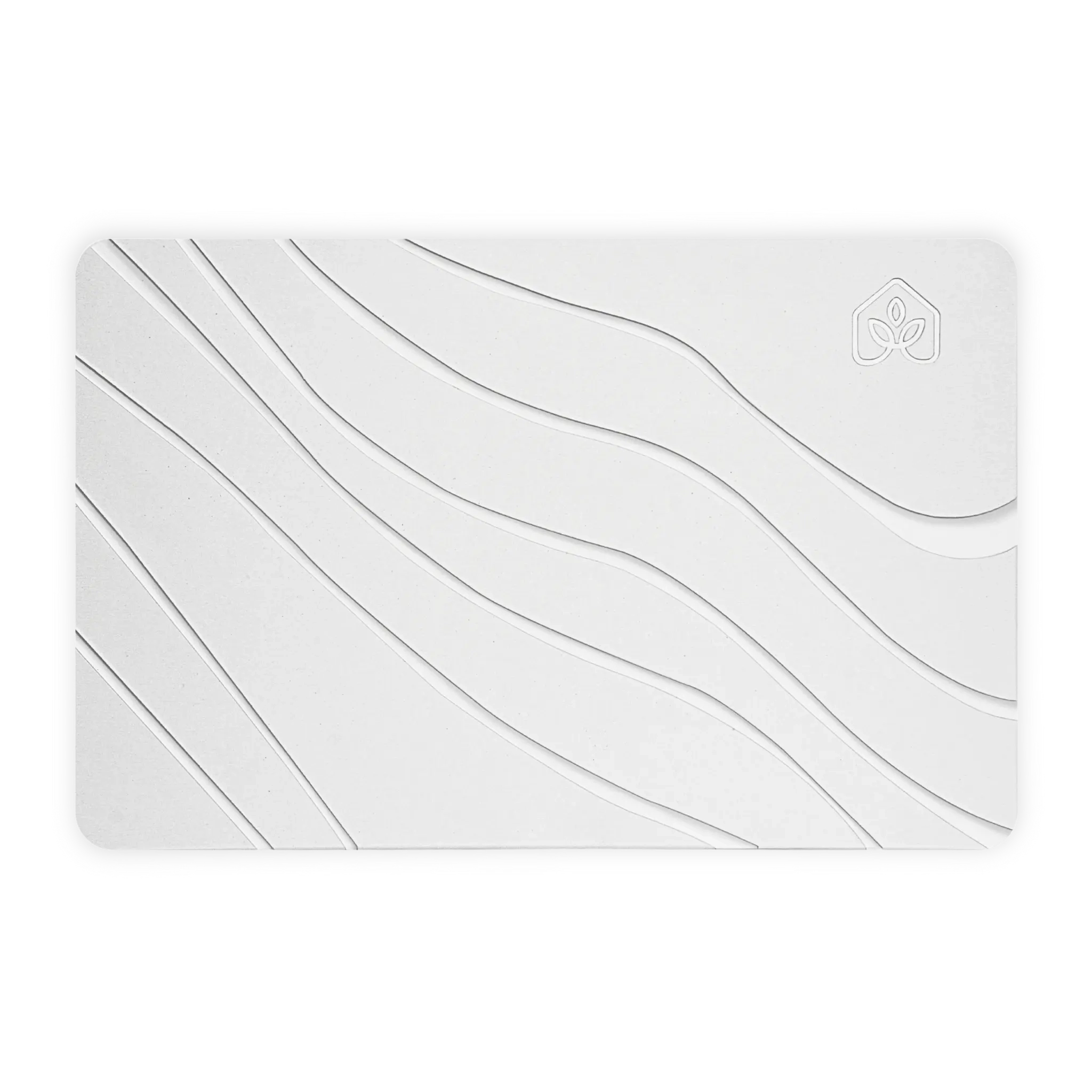
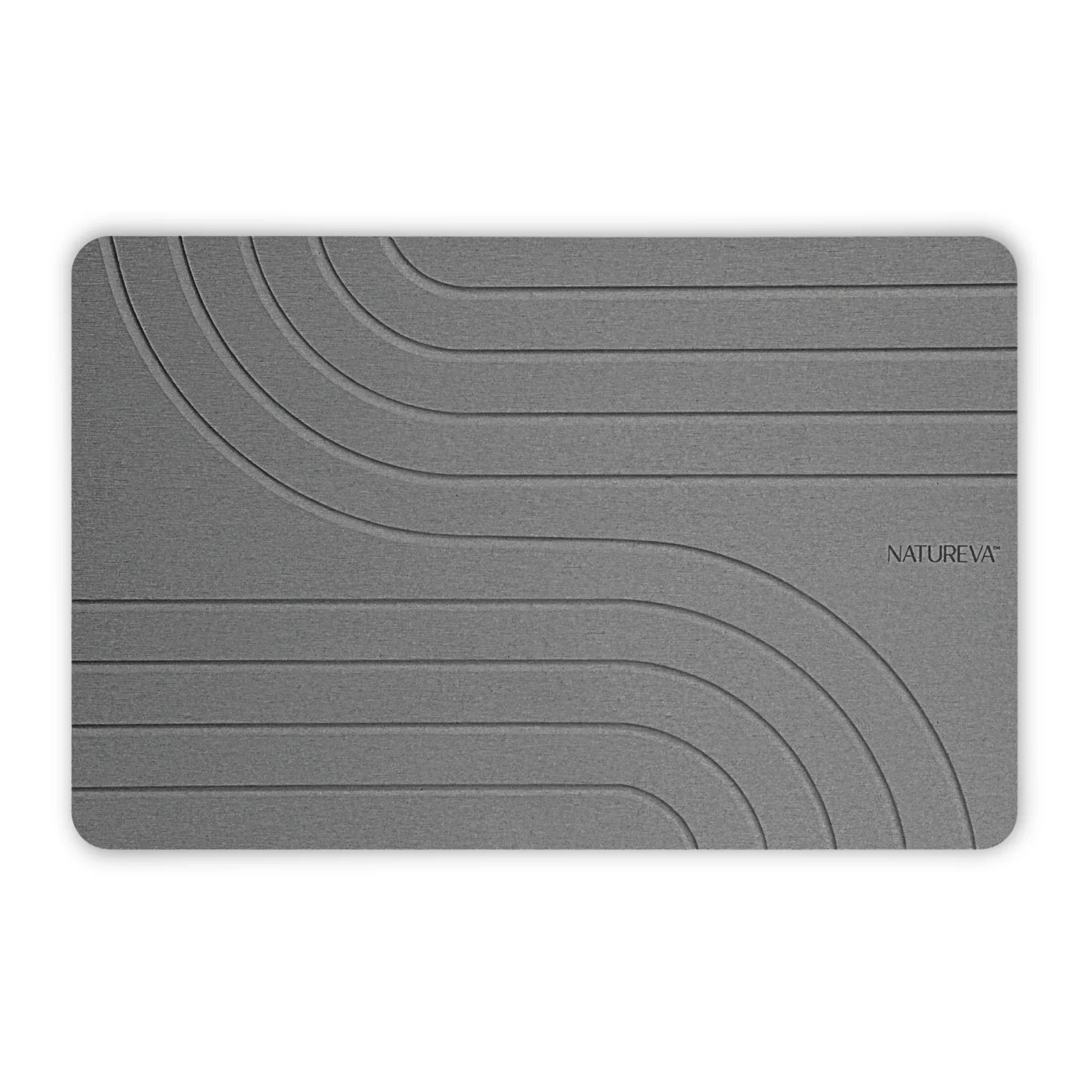
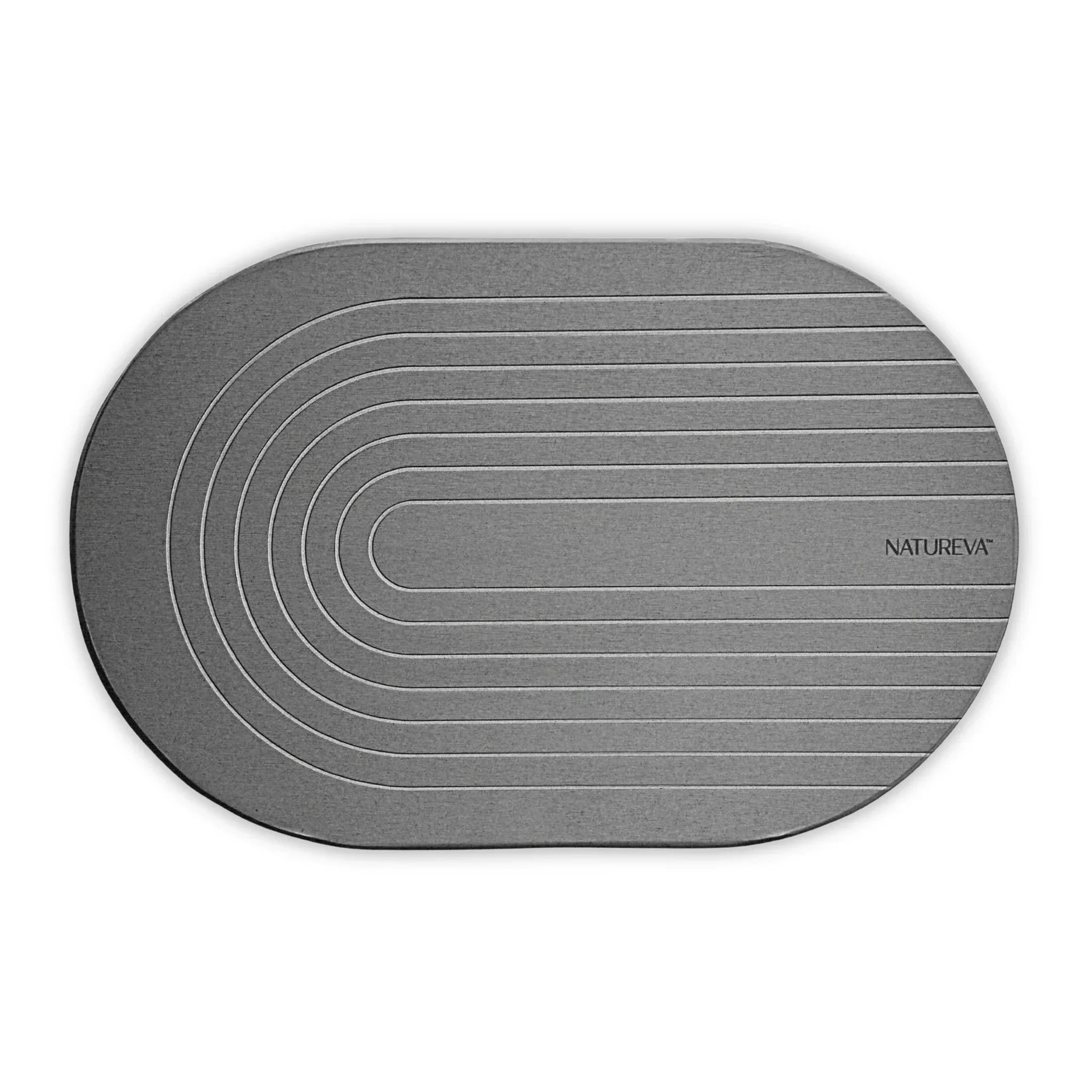
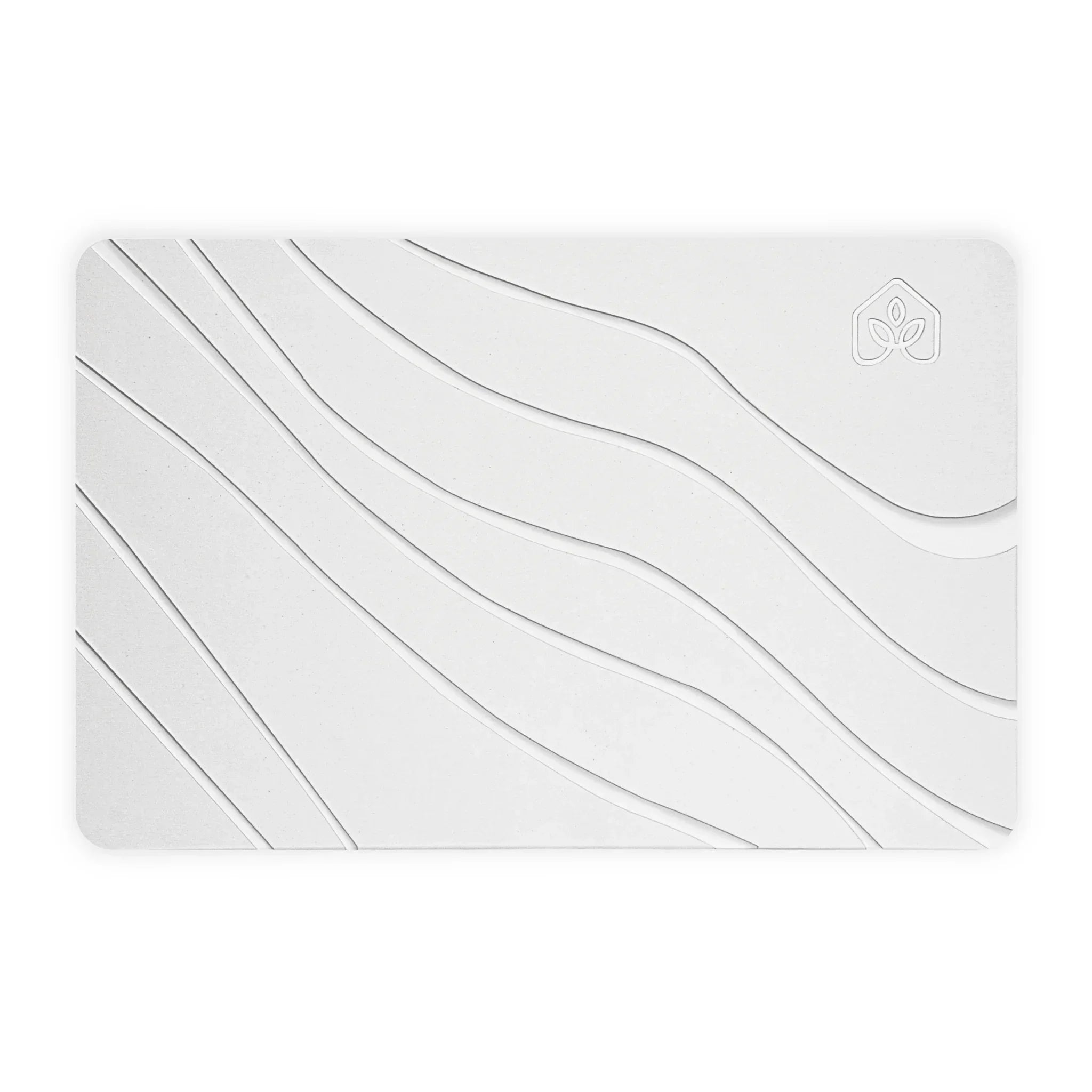
Stone Bath Mat - Flow
Who Gets Hurt Most
Bathroom falls don't pick favorites, but some people face bigger risks than others. The numbers tell a story that most of us don't think about until it's too late.
| Age Group | Annual Bathroom Injuries | Most Common Injury Type |
|---|---|---|
| Children (0-14) | 43,000 | Head injuries and cuts |
| Adults (15-64) | 112,000 | Sprains and fractures |
| Seniors (65+) | 75,000 | Hip fractures and head trauma |
Seniors face the scariest outcomes. One out of every three adults over 65 who breaks a hip from a bathroom fall never fully recovers. Kids slip because they're moving fast and not paying attention. Adults usually fall when they're getting out of the shower or tub.
Why Bathrooms Are So Dangerous
The bathroom combines everything that makes falling easy. Water goes everywhere when you shower or wash your hands. Soap makes surfaces even more slippery. Most people walk around barefoot, which means less grip on smooth tiles.
- Wet tile and linoleum floors become ice-rink slippery
- Soap residue creates an invisible slick layer
- Steam and humidity make everything damp
- Rushing during morning routines means less careful steps
Traditional fabric bath mats seem like they'd help, but they often make things worse. They stay wet for hours, get bunched up under your feet, and slide around on smooth floors. Some people try rubber mats, but those trap water underneath and grow mold.
What a Fall Really Costs
A bathroom fall costs way more than a bruised ego. The average emergency room visit for a bathroom injury runs about $8,000. That's just the hospital bill. Many people miss work for weeks or even months recovering.
- Hospital bills ranging from $3,000 to $30,000 depending on injury severity
- Lost wages during recovery periods
- Physical therapy sessions at $100-200 each
- Long-term mobility issues that require ongoing care
The physical toll hits even harder than the financial one. Hip fractures in older adults often lead to permanent disability. Younger people might deal with chronic back pain or knee problems for years. Even minor falls can shake your confidence so much that you become afraid of your own bathroom. That's where something as simple as a non slip bath mat makes a real difference, like our Stone Bath Mat that dries in seconds and stays firmly in place.
What Makes a Bath Mat Actually Non Slip
Every year, over 230,000 people end up in the emergency room because of bathroom falls. Most of these accidents happen right after stepping out of the shower or tub, when your feet are wet and the floor is slippery. The right bath mat can prevent these falls, but not all mats are created equal. Understanding what actually makes a mat non slip can help you choose one that keeps your family safe.
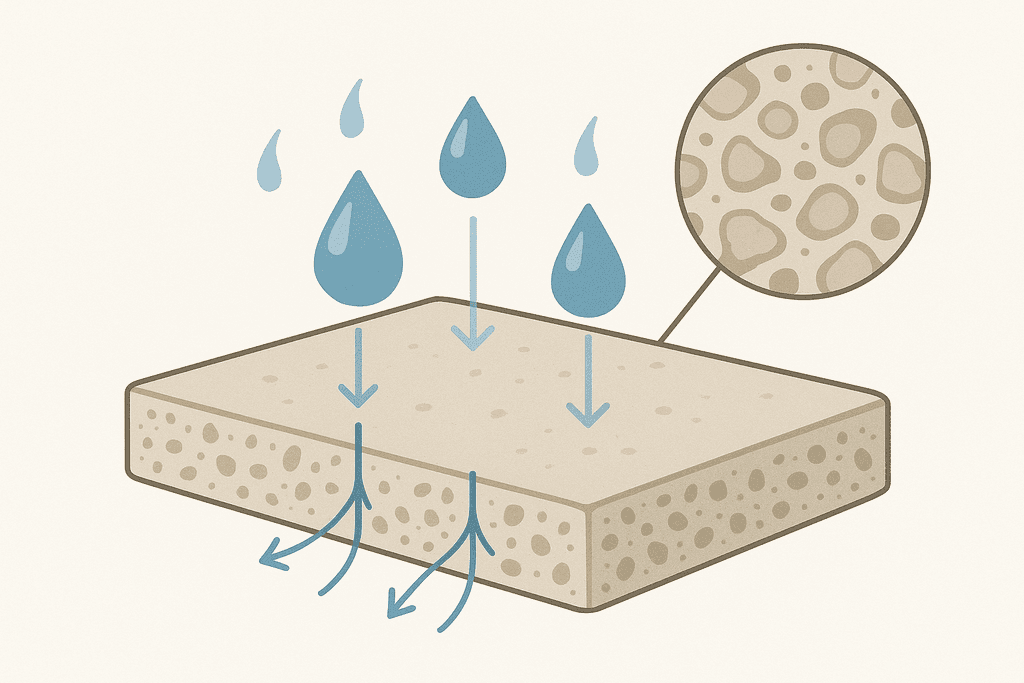
What Makes a Bath Mat Actually Non Slip
The secret to a truly non slip bath mat comes down to two main things: surface texture and how quickly it handles water. Traditional fabric mats rely on rubber backing to grip the floor, but that doesn't help your wet feet from sliding on the fabric surface itself.
| Material Type | Water Absorption | Drying Time | Slip Resistance |
|---|---|---|---|
| Fabric/Cotton | Moderate | Hours | Low when wet |
| Rubber/Vinyl | Poor | 30-60 minutes | Moderate |
| Diatomaceous Earth Stone | Excellent | Seconds | High |
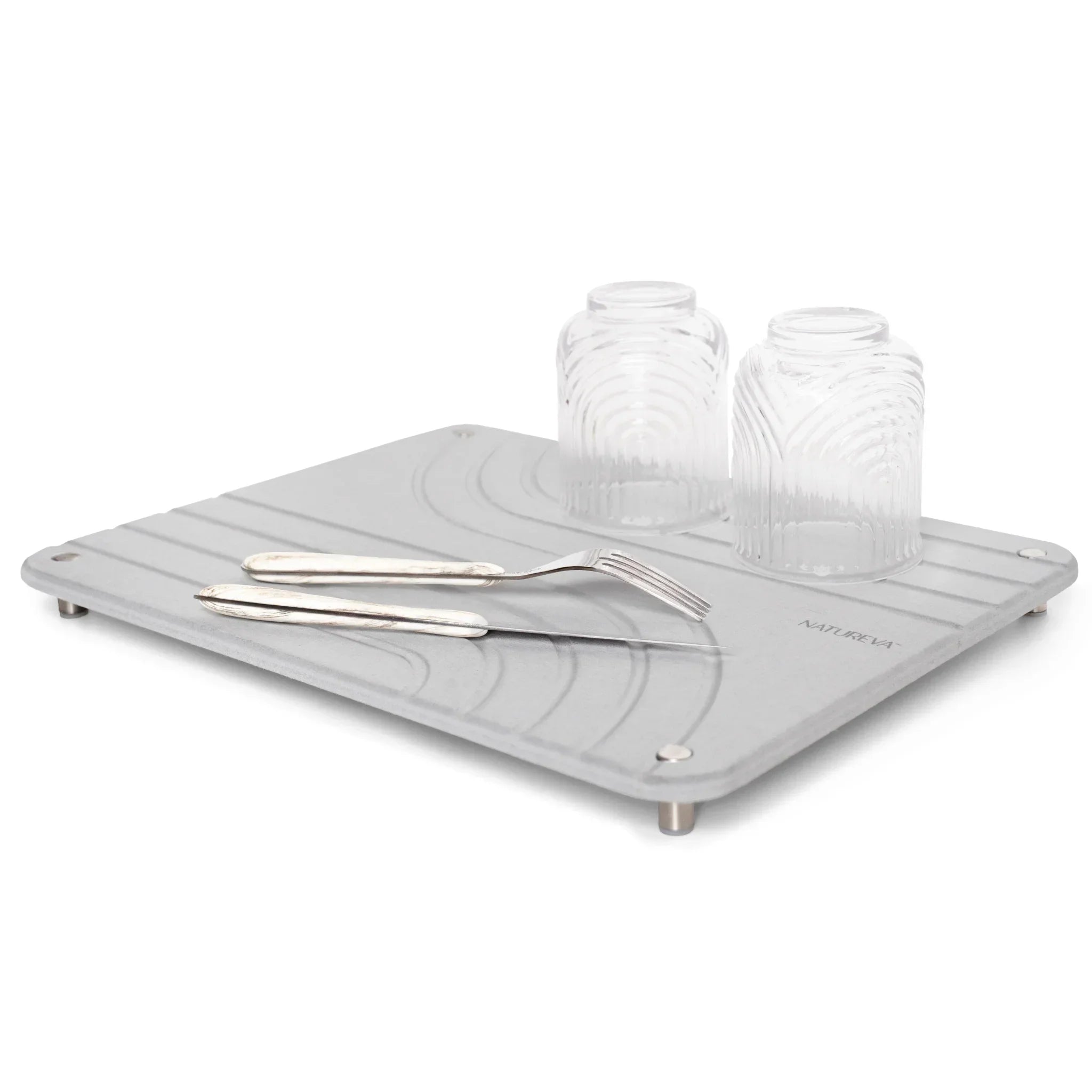
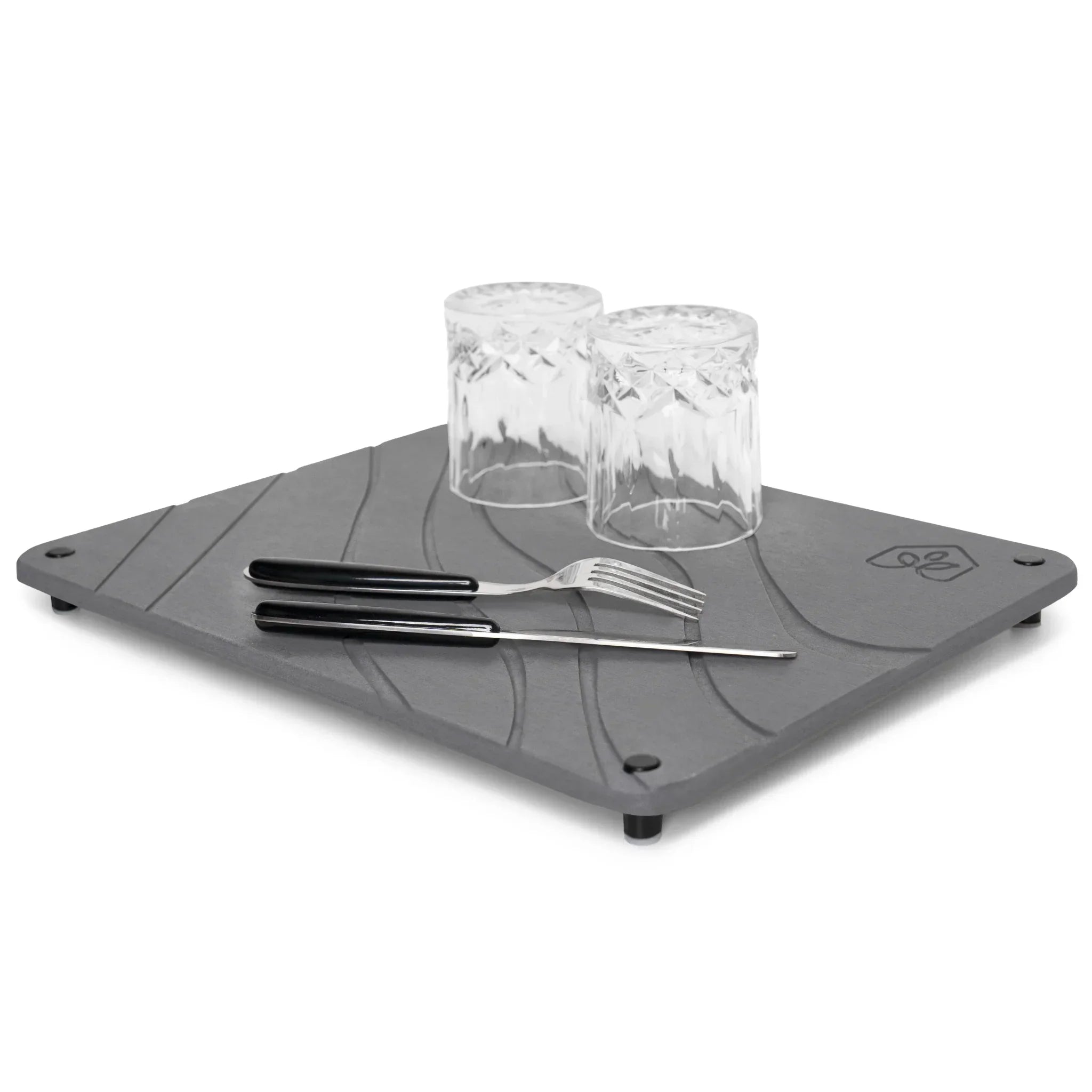
Stone bath mats made from diatomaceous earth work differently than anything else. The material has millions of tiny pores that absorb water instantly and release it through evaporation within seconds. This means your feet land on a dry surface almost immediately, which is the key to preventing slips. The Natureva Stone Bath Mat uses this natural material to keep your bathroom floor safer than traditional options.
The texture matters too. A good non slip surface needs enough grip to hold your feet steady, but not so rough that it's uncomfortable to stand on. Stone mats naturally have a slightly textured surface that provides excellent traction without feeling harsh.
Hidden Dangers of Traditional Fabric Bath Mats
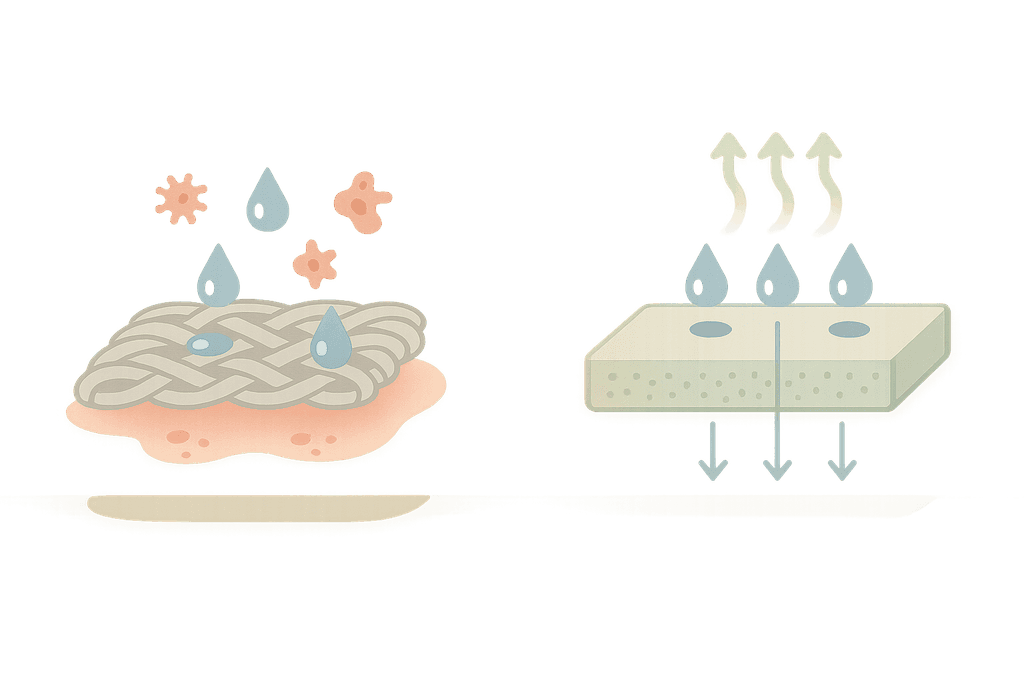
That fluffy fabric bath mat sitting in your bathroom right now might be creating more problems than you realize. Most people think a soft, absorbent mat is the safest choice, but fabric mats actually become slip hazards the moment they get wet. The fibers hold onto moisture for hours, creating a damp surface that your feet can easily slide across. What's worse is that this constant dampness creates the perfect environment for something you definitely don't want in your bathroom.
Hidden Dangers of Traditional Fabric Bath Mats
Bacteria and mold love wet fabric. Every time someone uses the shower, that mat soaks up water and stays damp until it finally dries hours later. Studies show that bathroom mats can harbor millions of bacteria, including some pretty nasty ones that can cause skin infections and respiratory issues.
- Damp fabric loses its grip and becomes slippery when saturated with water
- Mold and mildew start growing within 24-48 hours of constant moisture exposure
- Bacteria multiply rapidly in the warm, wet environment of a bathroom mat
- Washing doesn't solve the problem because the mat gets wet again immediately after use
- Rubber backing deteriorates over time, making the mat slide around on the floor
The washing cycle creates its own set of problems. You're supposed to wash fabric mats frequently to prevent bacteria buildup, but each wash cycle breaks down the fibers and rubber backing. After a few months, that non slip backing starts to crack and peel, making the mat slide around on your bathroom floor.
The next generation of home essentials: naturally made, cleaner by design, sustainable by nature.
SHOP ALLHere's something most people don't think about: prolonged exposure to mold spores can trigger allergies and asthma, especially in kids and older adults. That musty smell coming from your bath mat isn't just unpleasant, it's a sign of active mold growth.
Traditional Fabric Mats: Stay damp for hours, harbor bacteria, lose effectiveness over time, require constant washing
Stone Bath Mats: Dry within seconds, naturally antimicrobial, maintain grip indefinitely, require minimal maintenance
Key Safety Features to Look For
Shopping for a non slip bath mat shouldn't be complicated, but knowing what features actually matter can save you from making a purchase you'll regret. The most important feature is instant water absorption because a mat that stays wet is a mat that stays dangerous. Look for materials that can handle the amount of water that drips off a person after a shower and dry quickly enough to be ready for the next person. This is especially important in busy households where multiple people use the same bathroom.
Quick-dry technology isn't just about convenience. A mat that dries within seconds prevents the entire chain of problems that come with moisture: slipping, bacteria growth, mold, and that damp smell that never quite goes away.
Essential safety features checklist:
- Instant absorption - Should soak up water on contact, not let it pool on the surface
- Rapid evaporation - Needs to dry within minutes, not hours
- Textured grip surface - Provides traction without being uncomfortable to stand on
- Antimicrobial properties - Naturally resists bacteria and mold growth
- Stable base - Stays in place without sliding around on tile or linoleum
- Long-term durability - Maintains effectiveness without degrading over time
The surface texture needs to strike a balance. Too smooth and your feet will slide. Too rough and it's uncomfortable to use. Natural stone materials tend to hit this sweet spot perfectly because their texture comes from the material itself, not from added coatings that wear off.
Antimicrobial properties are often overlooked but they're crucial for bathroom safety. Some materials naturally resist bacterial growth, while others require chemical treatments that fade over time. Diatomaceous earth is naturally antimicrobial because it doesn't hold moisture where bacteria can thrive.
The Natureva Stone Bath Mat collection checks all these boxes. Made from natural diatomaceous earth, it absorbs water instantly and dries within seconds. The stone surface provides excellent grip while staying comfortable underfoot, and because it never stays damp, bacteria and mold don't have a chance to grow. Unlike fabric mats that need replacing every few months, stone mats maintain their effectiveness for years with minimal care. You can learn more about how diatomaceous earth works to keep your bathroom safer and cleaner.
Making Your Bathroom Safer Today
Bathroom falls happen more often than most people think, and a good non slip bath mat is one of the easiest ways to prevent them. The right mat creates a stable surface when you step out of the shower or tub, which matters whether you're rushing to get ready in the morning or helping kids with their bath time. Traditional fabric mats can actually make things worse when they bunch up or stay soaking wet for hours.
Stone bath mats offer something different because they dry in seconds and stay flat on your floor. The Stone Bath Mat - Flow uses natural diatomaceous earth that pulls water away from your feet almost instantly, so you're not standing in puddles or tracking water across tile floors. That quick-dry feature also means less mold and fewer bacteria growing in your bathroom.
The benefits go beyond just preventing slips. You'll spend less time cleaning, your bathroom will smell fresher, and you won't need to wash a soggy mat every few days. Stone mats last for years with basic care, which makes them a better long-term choice than replacing fabric mats that wear out or start to smell.
If you're still using an old fabric mat, it might be time to think about what's actually keeping your family safe. Small changes in bathroom safety can make a real difference, especially for homes with young kids or older family members. You probably have questions about how these mats work and whether they're right for your space.
Common Questions About Non Slip Bath Mats
Choosing the right non slip bath mat brings up a lot of questions, especially when you're comparing different materials and styles. Stone mats are still pretty new to most people, so it makes sense to wonder how they stack up against the fabric ones you've used for years. Here are the answers to the most common questions we hear about bath mat safety and maintenance.
How often should you replace a bath mat?
Traditional fabric bath mats should be replaced every one to two years, or sooner if they start to smell or show signs of mold. Stone bath mats like our Stone Bath Mat - Flow last much longer because they don't absorb moisture the same way. Most stone mats can last three to five years with proper care, making them a better long-term investment.
Do stone bath mats really work better than fabric?
Stone bath mats dry within seconds after you step off them, while fabric mats stay damp for hours. This quick-drying feature means less bacteria growth and no musty smell in your bathroom. The natural diatomaceous earth material also provides a naturally grippy surface that doesn't get slippery when wet, unlike fabric mats that can bunch up or slide around.
How do you clean a non slip bath mat?
Cleaning a stone non slip bath mat is actually easier than washing fabric ones. Just wipe it down with a damp cloth once a week, and let it air out in the sun every month or so to refresh its absorbency. You don't need to throw it in the washing machine or use any special cleaners, which saves time and keeps things simple.
Are stone bath mats safe for kids and elderly?
Yes, stone bath mats are particularly good for kids and elderly family members because they eliminate the wet, slippery surface that causes most bathroom falls. The textured surface provides grip even with wet feet, and there's no fabric to bunch up and create a tripping hazard. The instant-dry feature means no one is stepping onto a soggy mat that could slide out from under them.
What size bath mat do you need?
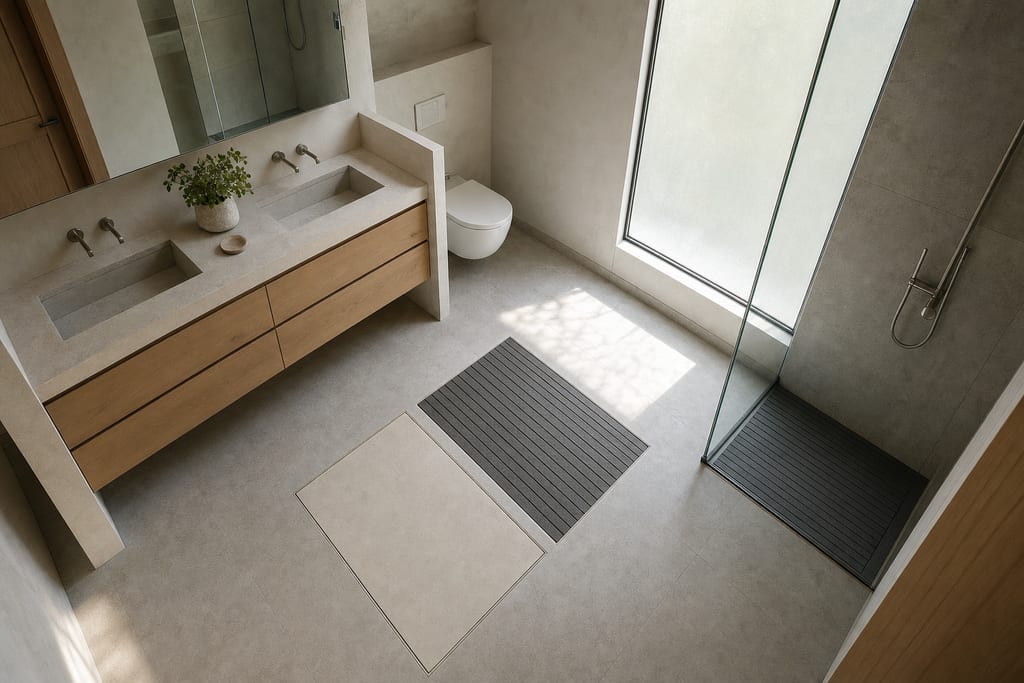
Your bath mat should be large enough to catch water when you step out of the shower or tub, typically at least 20 by 30 inches. Consider the layout of your bathroom and where water tends to pool. A larger mat gives you more coverage, but make sure it fits comfortably in your space without blocking doors or creating obstacles.
Can a bath mat prevent all bathroom falls?
No single product can prevent every fall, but a quality non slip bath mat significantly reduces one of the biggest risk factors in your bathroom. Most bathroom falls happen on wet floors right after showering, which is exactly where a good mat makes the biggest difference. Combine it with other safety features like grab bars and good lighting for the best protection.
The next generation of home essentials: naturally made, cleaner by design, sustainable by nature.
SHOP ALL