

How Bamboo Towels Stay Soft After Many Washes
You pull your favorite towel from the dryer, expecting that fresh fluffy feel, but instead it's stiff and scratchy like sandpaper. Most regular towels lose their softness after just a few months of washing, turning what should be a cozy moment into an uncomfortable experience. Bamboo towels work differently though, and understanding why they stay soft through hundreds of washes can help you keep that luxury feeling for years.
Table of Contents
What Makes Bamboo Towels Different
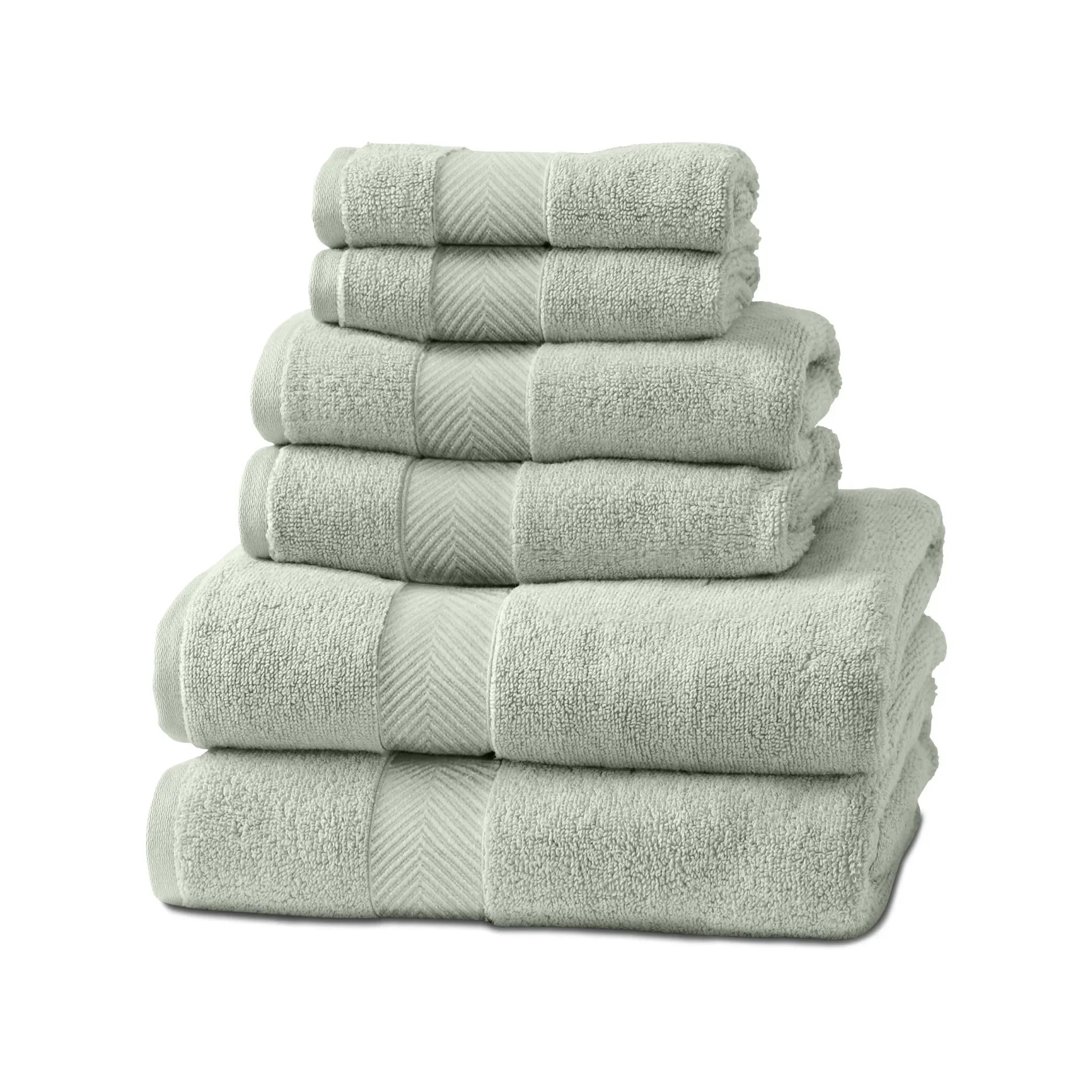
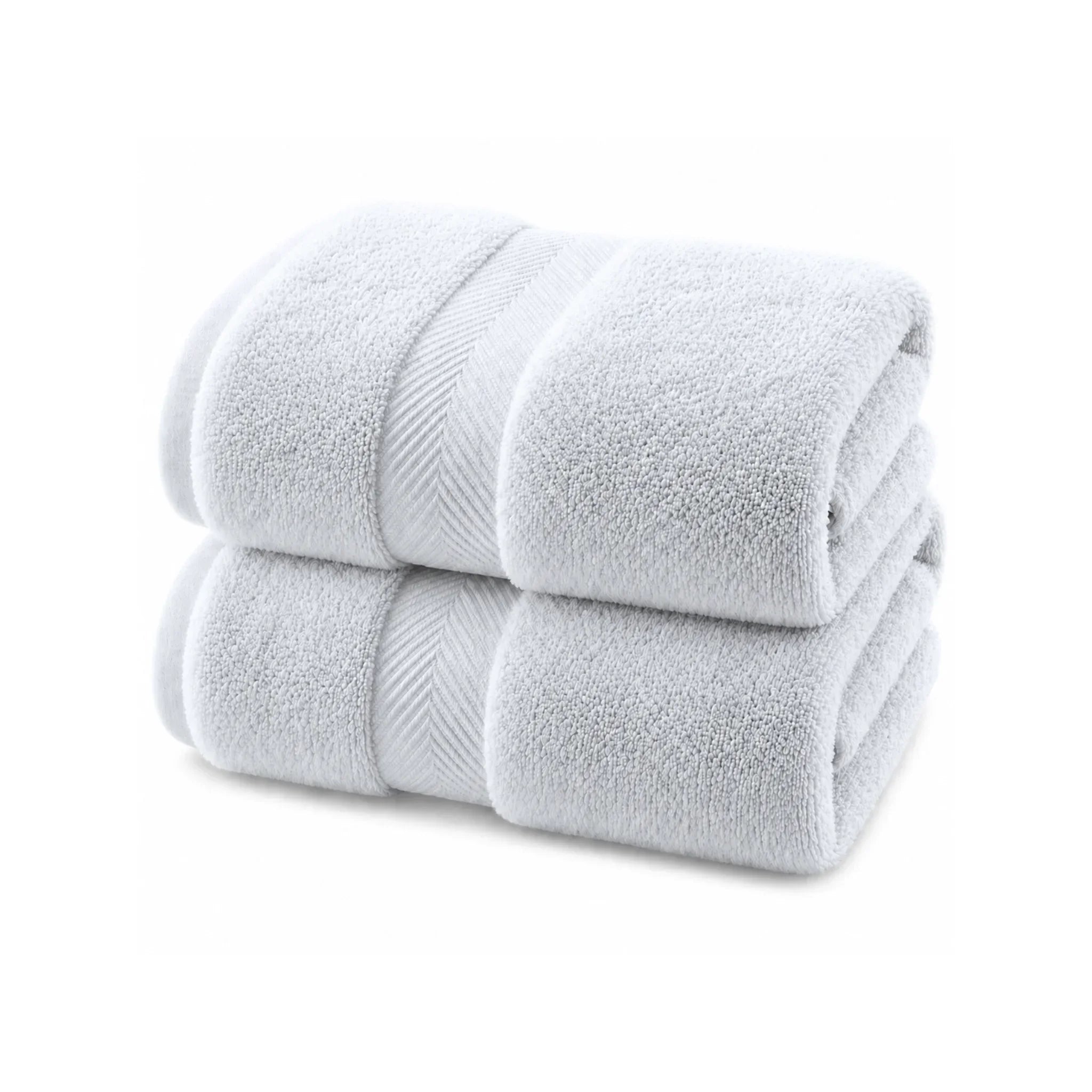
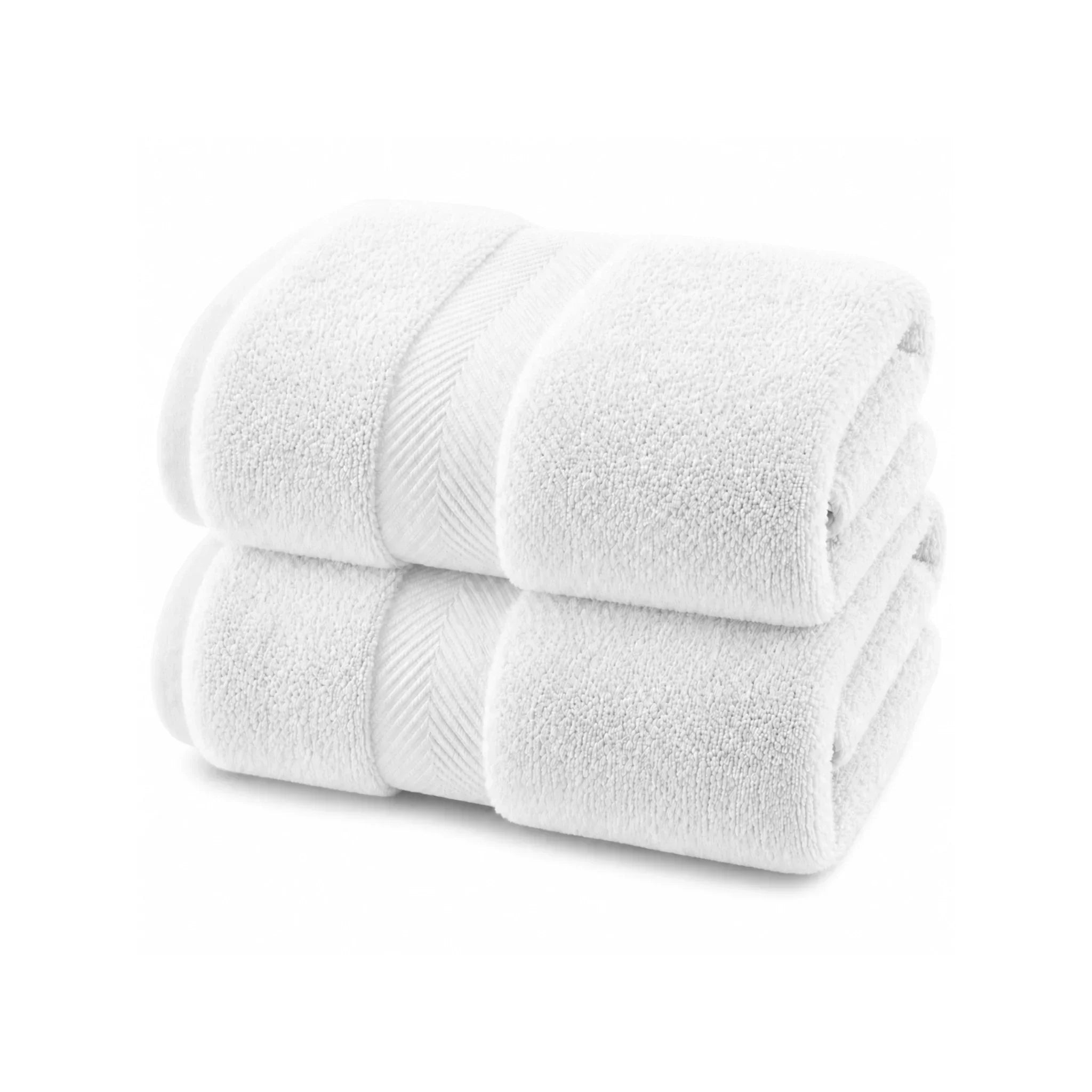
Most people don't realize that the fiber structure of a towel determines how soft it stays over time. Regular cotton towels start out fluffy, but after a few dozen washes, they often feel rough and scratchy. Bamboo towels work differently because of how the fibers are built at a microscopic level. The bamboo viscose used in quality towels has a naturally smooth, round surface that resists the wear and tear that makes cotton towels feel old and worn out. When you combine bamboo with long-staple cotton, like in our Bamboo Cotton Towels, you get the best of both worlds.

Bamboo Cotton Towels - Set of 6
Fiber Structure Basics
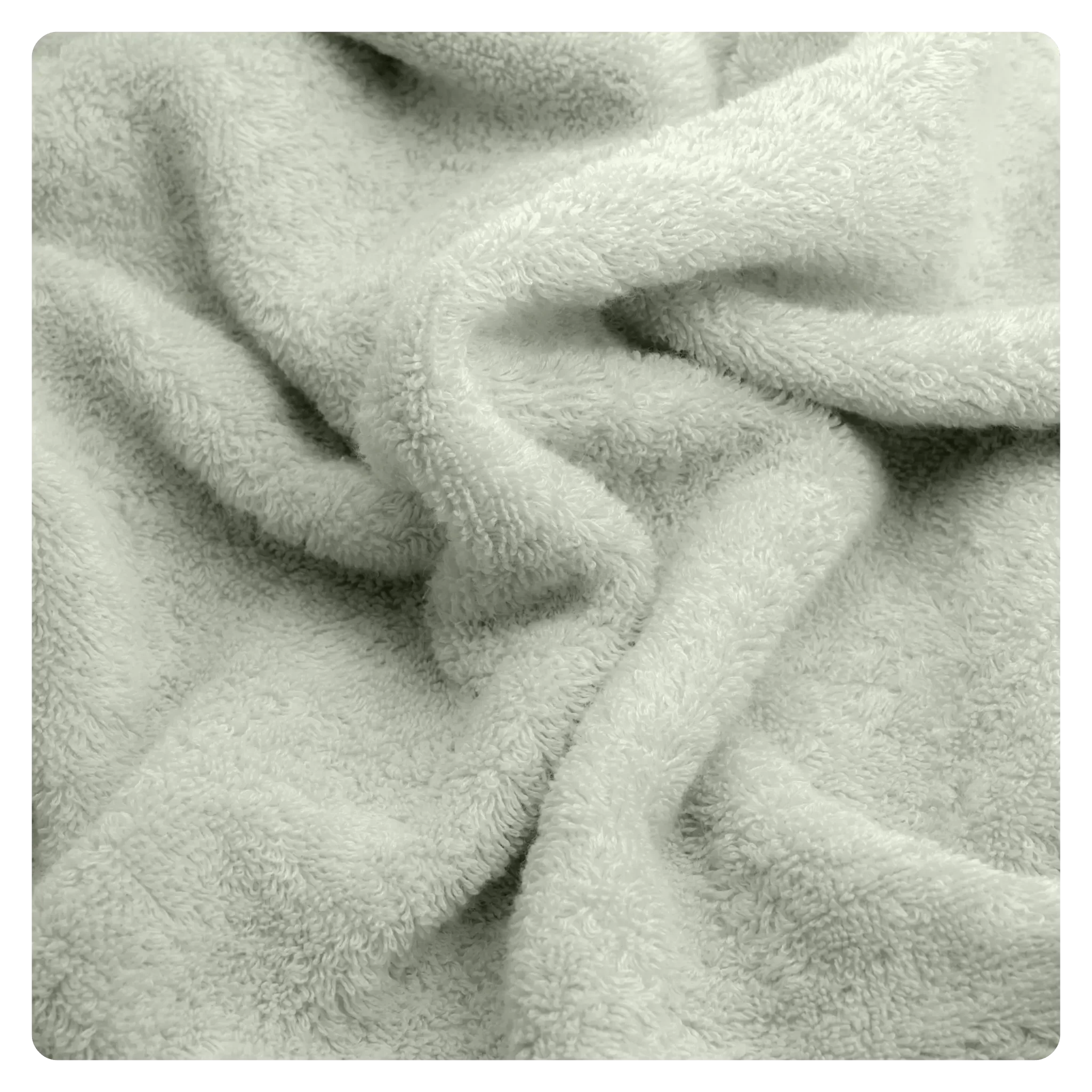
Think of bamboo fibers like smooth glass rods compared to cotton fibers that look more like twisted ropes under a microscope. This difference matters more than you might think. The smoother surface of bamboo means less friction when the towels rub against each other in the wash, which keeps them softer longer.
Here's what makes bamboo fibers special:
- Bamboo viscose fibers have a naturally round and smooth surface without the rough edges found in cotton
- The fiber length in bamboo is typically longer than regular cotton, reducing pilling and breakdown
- Bamboo naturally contains a substance called bamboo kun that resists bacteria growth and odors
- The hollow structure of bamboo fibers makes them more absorbent while staying lightweight
Comparing Bamboo and Cotton Properties
When you look at the actual differences between bamboo towels and regular cotton towels, the numbers tell an interesting story. Research on bamboo towel performance shows some clear advantages in how these materials hold up over time.
| Property | Bamboo Towels | Regular Cotton Towels |
|---|---|---|
| Fiber Surface | Smooth and round | Rough and twisted |
| Absorbency Rate | 40% more absorbent | Standard absorption |
| Drying Speed | 2x faster | Standard drying time |
| Antibacterial | Natural resistance | No natural resistance |
| Softness After 50 Washes | Maintains 85-90% | Drops to 60-70% |
The Blend Advantage
Pure bamboo towels can sometimes feel too silky and slippery for some people. That's where blending comes in. A mix of 30% bamboo viscose and 70% long-staple cotton creates the ideal balance of softness and absorbency. The long-staple cotton adds structure and that familiar towel feel, while the bamboo keeps everything soft and quick-drying.
The key factors that help these blended towels stay soft include:
- Long-staple cotton fibers are stronger and less likely to break down compared to short-staple varieties
- The bamboo component maintains its smooth texture even after repeated washing cycles
- Zero-twist construction preserves the natural softness of both fiber types
- The combination resists the buildup of detergent residue that makes towels stiff
The Science of Bamboo Fiber Durability
Most people think all towels eventually turn rough and scratchy after a few months of use. But bamboo towels work differently at a fiber level, and understanding why helps explain their lasting softness. The secret lies in how bamboo viscose and long-staple cotton interact when blended together, creating a fabric that actually resists the wear and tear that ruins regular towels.
Bamboo viscose has a naturally smooth surface that doesn't catch and fray like regular cotton fibers do. When you wash a typical cotton towel, the fibers rub against each other and the washing machine drum, creating tiny breaks and rough spots. Bamboo fibers slide past obstacles instead of catching on them, which means they stay intact wash after wash.
- Long-staple cotton fibers are significantly stronger than short-staple varieties
- Zero-twist construction keeps fibers loose and fluffy instead of tightly wound
- Natural moisture-wicking properties prevent mildew growth that breaks down fabric
- The 30/70 bamboo-cotton blend combines bamboo's smoothness with cotton's durability
The zero-twist construction used in quality bamboo towels like the Natureva Bamboo Cotton Towels makes a bigger difference than most people realize. Traditional towels twist fibers tightly together, which makes them strong initially but causes them to become stiff over time. Zero-twist fibers stay loose and airy, maintaining that cloud-like softness even after dozens of washes. Blended fabrics perform better because they combine the best properties of each material.
The moisture-wicking aspect matters more than you'd think. When towels stay damp too long, bacteria and mildew start breaking down the fibers from the inside out. Bamboo naturally pulls moisture away from the fabric surface and releases it into the air faster, which keeps the towels fresher and prevents that musty smell that signals fiber damage.
Proper Care Techniques That Preserve Softness
Taking care of bamboo towels isn't complicated, but a few simple changes to your washing routine can add years to their lifespan. The biggest mistake people make is treating bamboo towels exactly like their old cotton ones. While bamboo is durable, it responds better to gentler care methods that protect those smooth fibers we talked about earlier.
Water temperature makes a huge difference. Hot water might feel like it cleans better, but it actually weakens bamboo viscose fibers over time. Warm water gets your towels just as clean while keeping the fiber structure intact.
Washing Checklist for Bamboo Towels
- Set your machine to warm water, not hot
- Use a mild detergent without bleach or harsh chemicals
- Skip the fabric softener completely
- Shake each towel vigorously before putting it in the dryer
- Tumble dry on low heat or hang to air dry
- Don't pack the washing machine too full
Here's something that surprises most people: fabric softeners are actually terrible for bamboo towels. They coat the fibers with a waxy residue that makes towels feel soft at first but reduces their absorbency and causes buildup over time. Bamboo towels stay naturally soft without any additives, so you're better off skipping the softener entirely.
The next generation of home essentials: naturally made, cleaner by design, sustainable by nature.
SHOP ALLThe shake-before-drying trick works wonders. When towels sit wet in a pile, the fibers compress and mat together. A good shake fluffs them back up and helps them dry evenly, which maintains that plush texture. It takes five seconds per towel and makes a noticeable difference.
Common Mistakes That Ruin Towel Softness
Even with the best towels, certain habits will destroy their softness faster than normal wear and tear. Most of these mistakes happen because people assume all towels need the same care, but bamboo blends have different needs than standard cotton. The good news is that once you know what to avoid, keeping your towels soft becomes almost automatic.
Using too much detergent is the number one culprit. More soap doesn't mean cleaner towels. It means soap residue trapped in the fibers, making them stiff and scratchy. Bamboo fibers are so absorbent that they hold onto excess detergent, which builds up over multiple washes.
| Common Mistake | Why It Damages Towels | Better Alternative |
|---|---|---|
| Too much detergent | Creates stiffening residue | Use half the recommended amount |
| Fabric softener | Coats fibers, reduces absorbency | Skip it completely |
| High heat drying | Breaks down bamboo structure | Low heat or air dry |
| Washing with jeans | Friction damage from rough fabric | Wash towels separately |
High heat is another silent killer of towel softness. Your dryer's high setting might save time, but it literally melts and damages the bamboo viscose fibers. Those fibers are what give bamboo towels their signature softness, so protecting them from heat damage keeps your towels feeling new longer.
Washing towels with rough items like jeans or items with zippers causes friction damage you can't see until it's too late. The rough surfaces catch on the smooth bamboo fibers and create tiny tears. Over dozens of washes, this adds up to noticeably rougher towels.
One mistake people don't think about is skipping the first wash for new towels. That initial wash removes manufacturing residues and allows the fibers to fully bloom and soften. The Natureva Bamboo Cotton Towels are designed to get softer after that first wash, not stiffer like some towels do.
The 30% bamboo viscose and 70% long-staple cotton blend in quality bamboo towels helps them resist these common problems better than pure cotton or pure bamboo options. The benefits of bamboo towels become clear when you compare how they hold up versus traditional options. Cotton provides structure and durability while bamboo adds that lasting softness and quick-drying performance that makes daily use so much better.
Wrap-up
The secret to keeping bamboo towels soft really comes down to understanding what makes them different from regular cotton towels. While traditional towels get rough and scratchy because their fibers break down and trap minerals, bamboo towels naturally resist this kind of wear. The bamboo fibers stay smooth even after dozens of washes, which is why they keep that hotel-quality feel much longer than you'd expect.
Taking care of them isn't complicated either. Skip the fabric softener, wash in warm water instead of hot, and give them a vinegar rinse every few months. These simple steps work with the natural properties of bamboo instead of fighting against them.
The real value shows up over time. Most people replace their regular towels every year or two because they get too rough to use comfortably. Quality bamboo towels can stay soft for years with basic care, which means you're actually saving money in the long run.
Our Bamboo Cotton Towels combine 30% bamboo viscose with 70% long-staple zero-twist cotton to get the best of both materials. The bamboo keeps things soft and naturally resistant to odors, while the cotton adds that absorbency you need from a good towel. It's a blend that holds up wash after wash without losing what makes it comfortable.
You probably still have questions about caring for bamboo towels or how they compare to what you're using now. Let's look at some of the most common things people wonder about.
Common Questions About Bamboo Towel Care
Taking care of bamboo towels isn't rocket science, but a few common questions pop up again and again. Most people worry they'll accidentally ruin their towels with the wrong detergent or washing method. The good news is that bamboo towels are actually pretty forgiving if you follow some basic guidelines. Understanding these care basics helps you get the most out of your investment and keeps those towels feeling cloud-soft for years.
How many washes can bamboo towels handle while staying soft?
Quality bamboo towels like our Natureva Bamboo Cotton Towels can easily handle hundreds of washes while maintaining their softness. Most bamboo towels actually get softer after the first few washes as the fibers relax and open up. The key is using proper washing techniques, which means skipping fabric softeners and avoiding high heat in the dryer.
Do bamboo towels need special detergent?
You don't need anything fancy, just a mild liquid detergent without added dyes or heavy fragrances. Avoid detergents with fabric softeners built in, as these coat the bamboo fibers and reduce absorbency over time. Regular gentle detergent works perfectly fine and keeps your towels in great shape.
Can you use bleach on bamboo towels?
Bleach is a big no for bamboo towels. It breaks down the natural fibers and causes them to become brittle and rough. If you need to brighten white bamboo towels, try adding half a cup of white vinegar to the rinse cycle instead, which naturally whitens without the harsh chemicals.
Why do my bamboo towels feel stiff after washing?
Stiff towels usually mean one of three things happened: you used fabric softener, dried them on high heat, or have hard water buildup. The fix is simple: wash them again with a cup of white vinegar and no detergent, then tumble dry on low heat. This strips away any residue and restores the natural softness.
How often should you wash bamboo towels?
Wash bath towels after three to four uses, and hand towels every one to two days. Bamboo's natural antimicrobial properties mean they stay fresher longer than regular cotton towels, but you still need regular washing to maintain hygiene. Always make sure towels dry completely between uses to prevent any musty smells.
Are bamboo towels worth the higher price?
The upfront cost is higher, but bamboo towels last significantly longer than standard cotton towels when cared for properly. They maintain their softness and absorbency through many more wash cycles, which means you're not replacing them as often. Plus, the quick-drying feature and natural antimicrobial properties add real everyday value that cheaper towels just can't match.
The next generation of home essentials: naturally made, cleaner by design, sustainable by nature.
SHOP ALL