

How Plant Saucers Save Floorboards During Watering
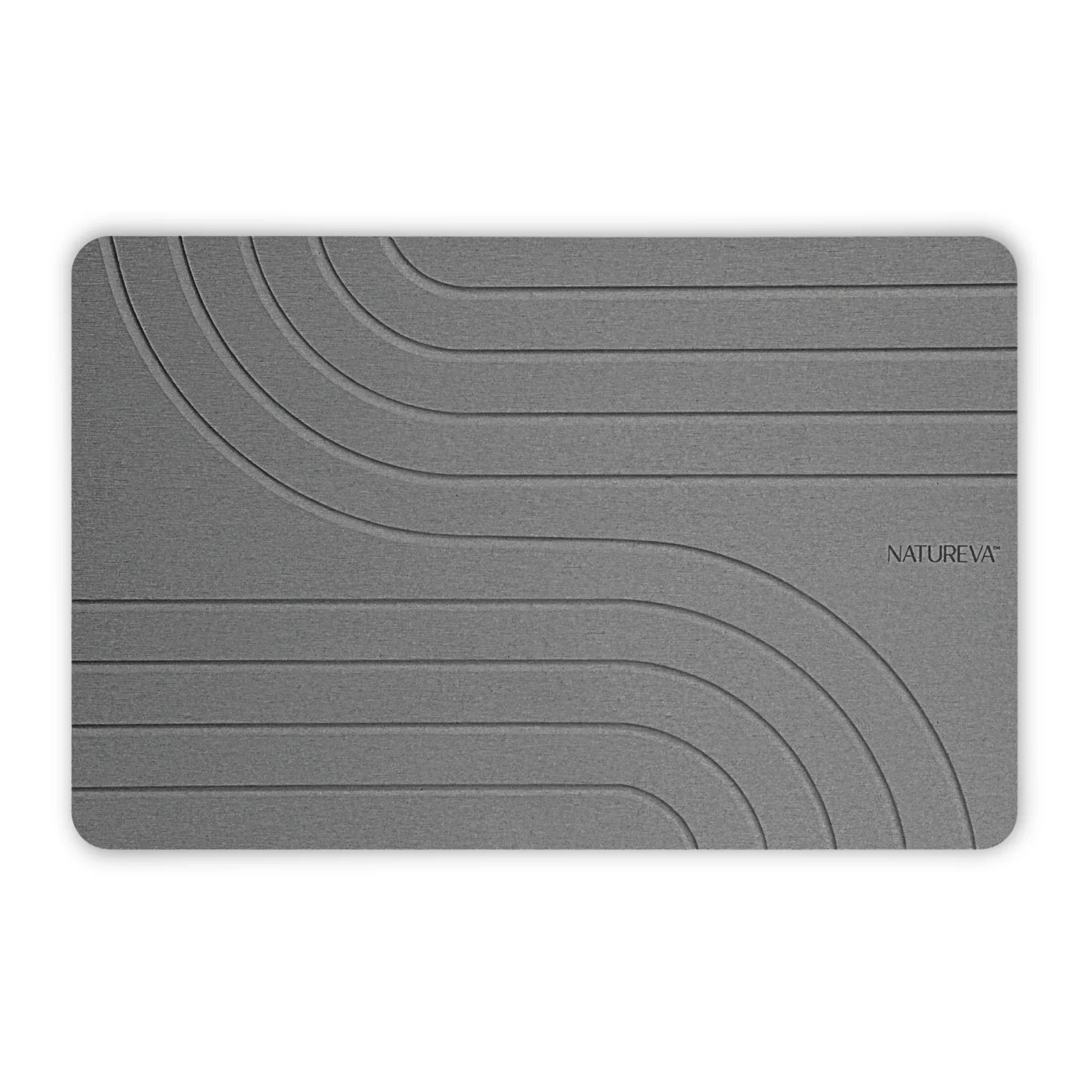
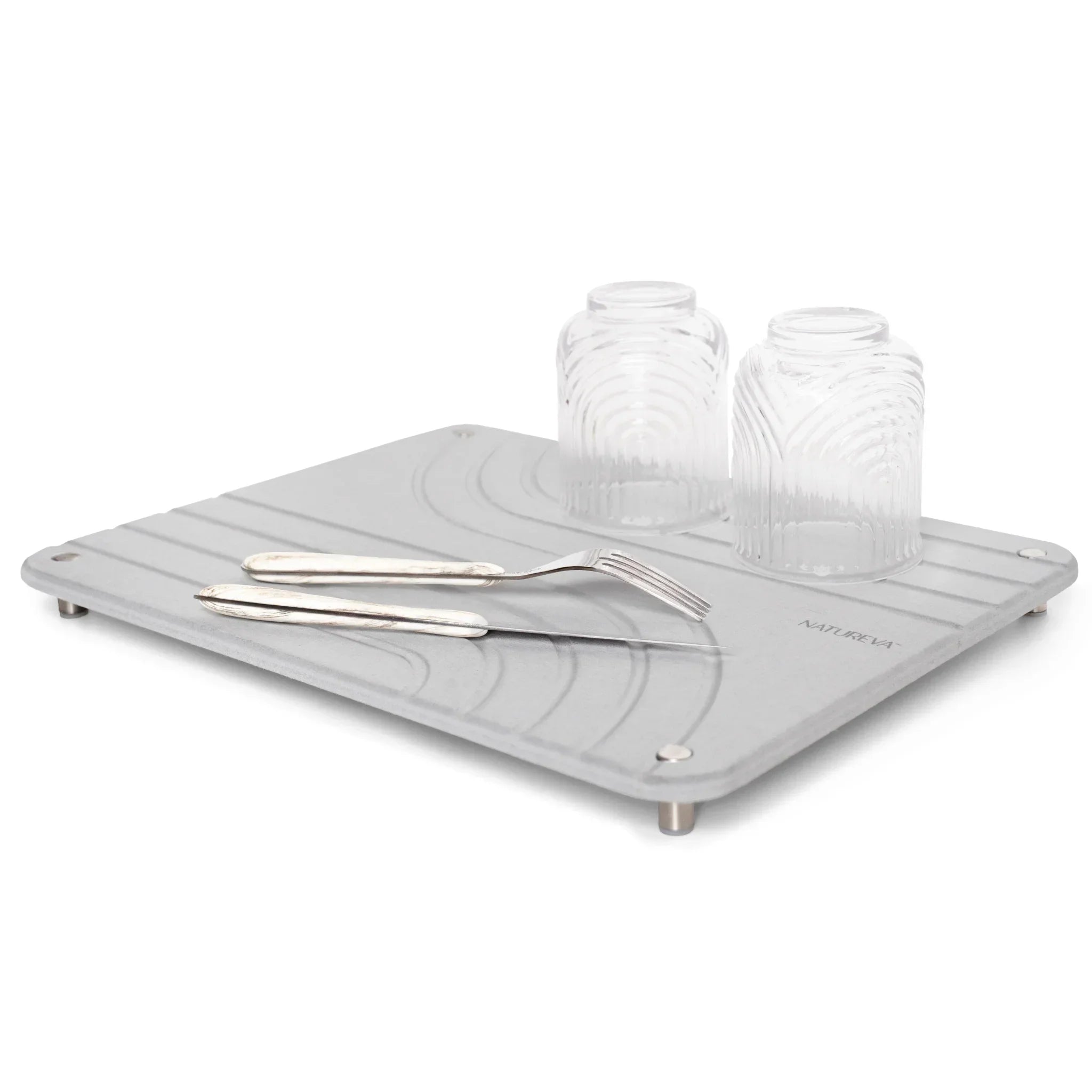
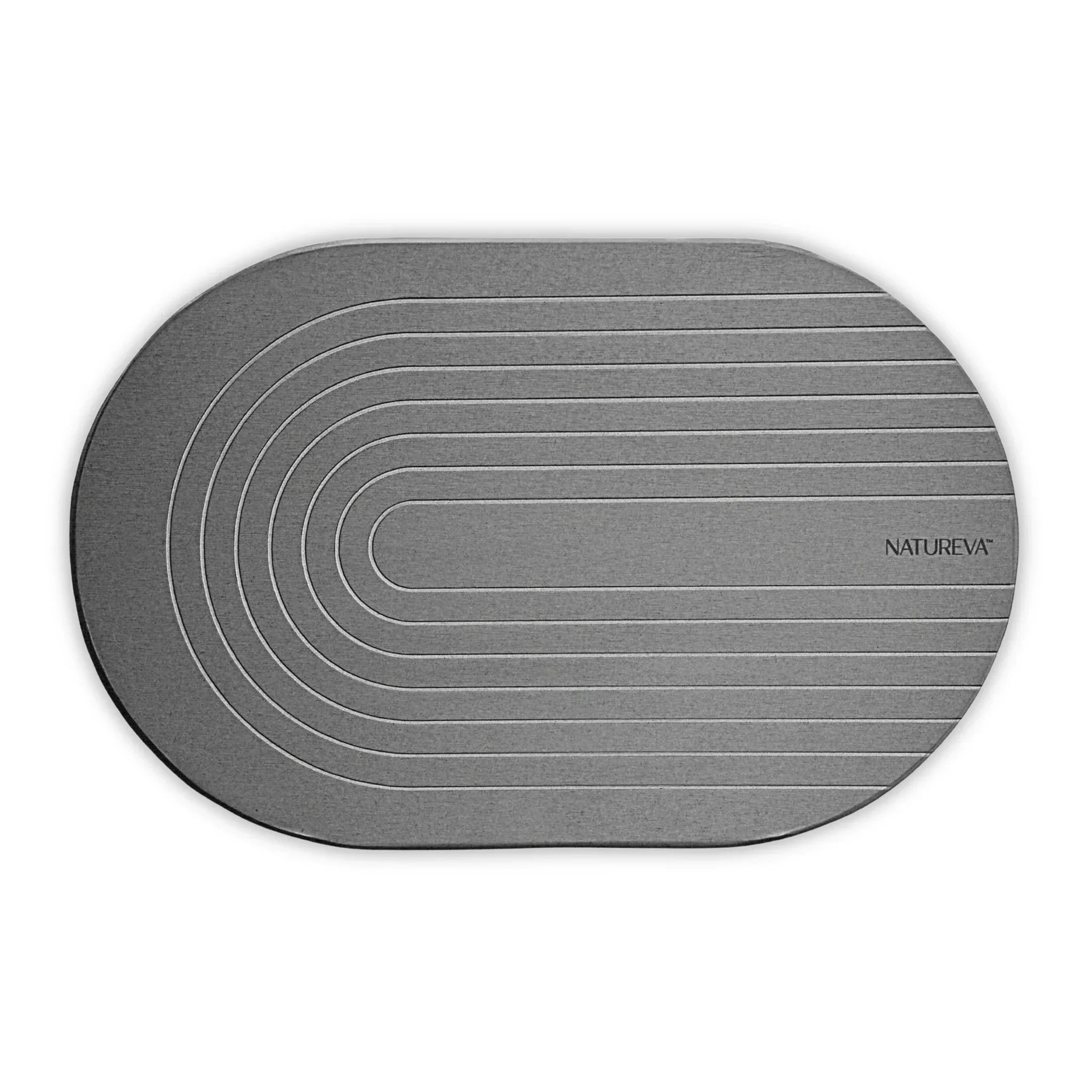
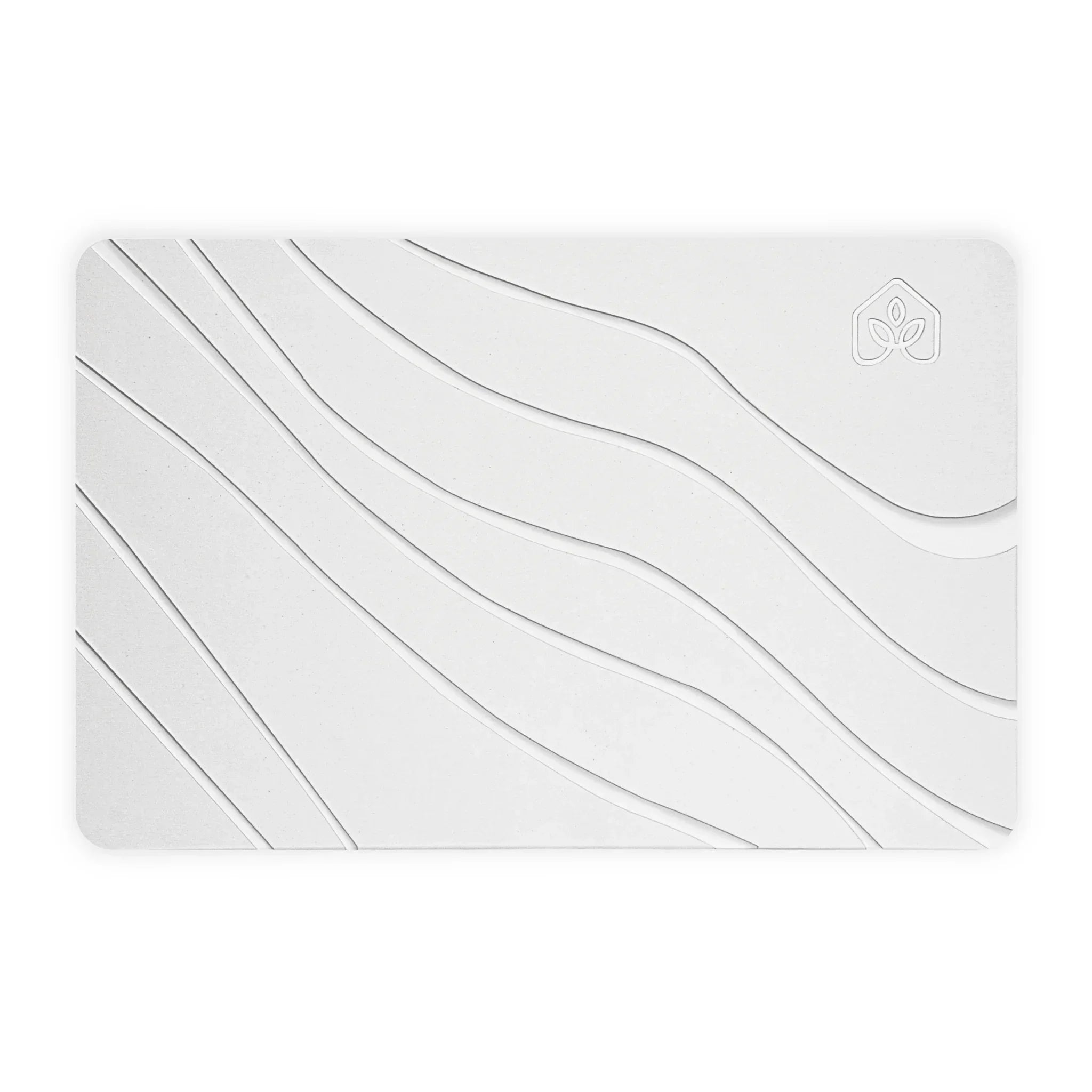
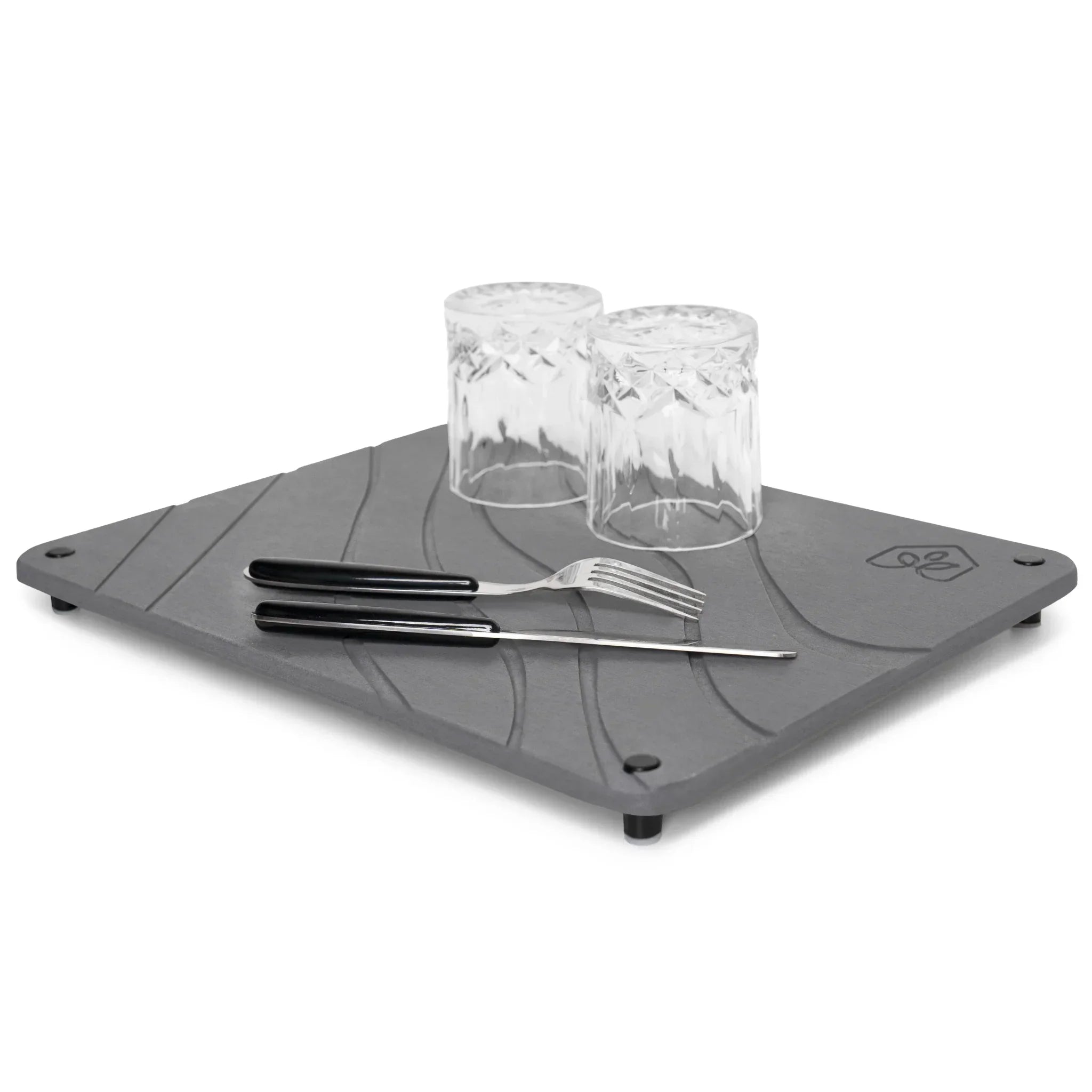
Water rings on hardwood floors can cost anywhere from $200 to $800 to repair, and most of that damage comes from something as simple as watering your houseplants. The problem isn't the plants themselves but what happens when excess water seeps out from underneath pots and sits on your floors for hours. Plant trays designed to absorb moisture, like our Stone Plant Saucers made from natural diatomaceous earth, catch that water before it ever touches your floorboards.
Table of Contents
Why Water Damage Happens When You Water Plants
Most people don't realize that a single watering session can release up to half a cup of water onto their floors. When you water your indoor plants, gravity pulls the excess water straight through the drainage holes at the bottom of the pot. This water has to go somewhere, and without proper plant trays or saucers underneath, it goes directly onto your flooring. The problem gets worse because this isn't just plain water anymore—it's mixed with soil particles, minerals, and organic matter that can leave stubborn stains.
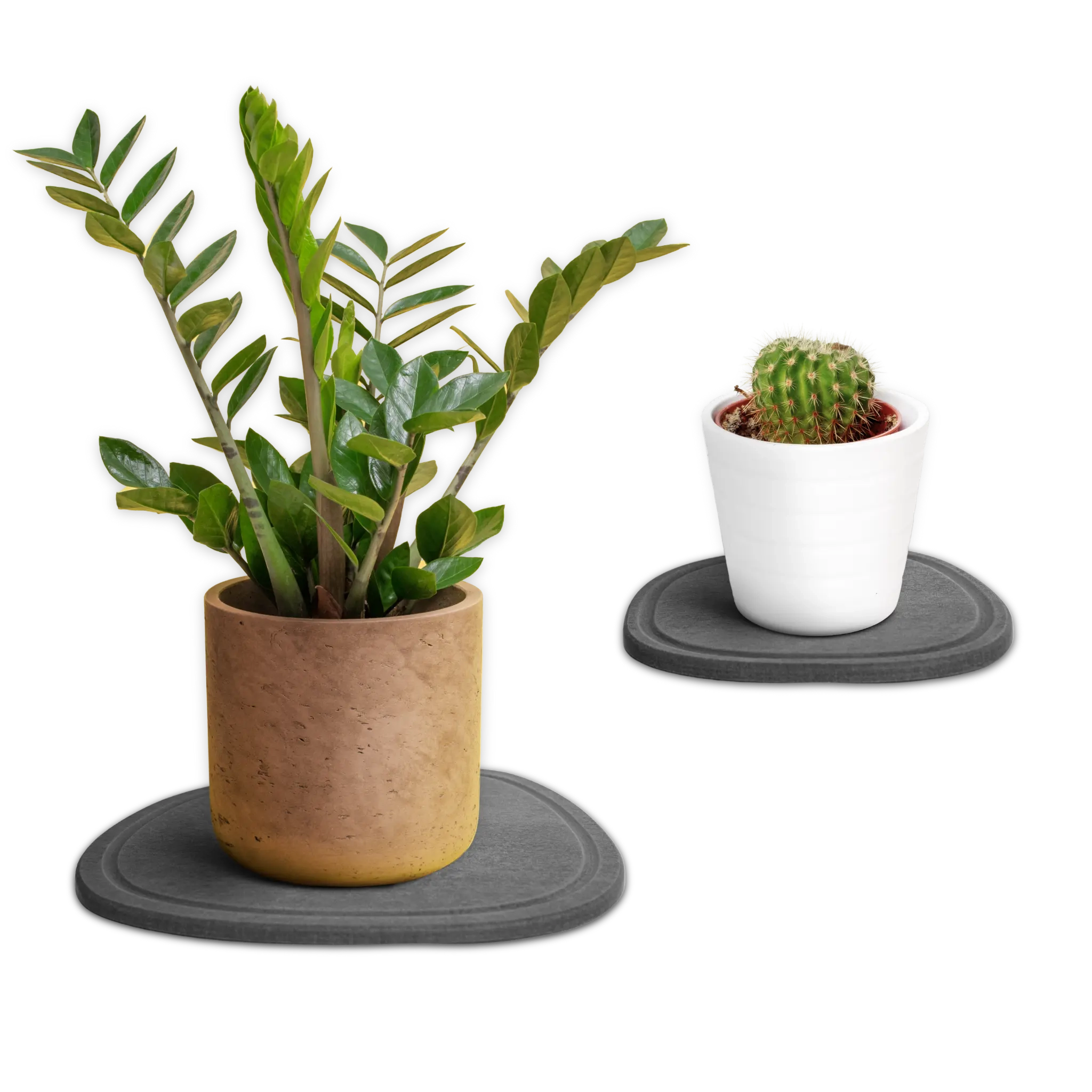
Stone Plant Saucers - Set of 2
How Water Escapes During Watering
The drainage process starts the moment water hits the soil. Here's what actually happens beneath your plant pot:
- Water flows through the soil and reaches the drainage holes within 30 seconds to 2 minutes
- Excess water continues dripping for 10-15 minutes after you finish watering
- Soil particles and minerals get carried along with the water, creating a muddy residue
- Temperature changes cause condensation to form on the outside of ceramic and terra cotta pots
Many people make the mistake of thinking the dripping stops right away. It doesn't. That's why even careful waterers end up with floor damage over time.
What Happens to Different Floor Types
Not all floors react the same way to water exposure. Some materials can handle a little moisture, while others start showing damage within minutes. Hardwood floors are especially vulnerable to water damage from houseplants, which is why understanding your flooring type matters so much.
| Flooring Type | Damage Timeline | Common Problems |
|---|---|---|
| Hardwood | 24-48 hours | Warping, dark stains |
| Laminate | 2-6 hours | Swelling, bubbling |
| Tile | Several days | Grout discoloration |
| Carpet | 12-24 hours | Mold, odors |
| Concrete | Weeks | Mineral deposits |
Mistakes That Make Damage Worse
Even experienced plant owners fall into these common traps. The biggest mistake is using regular plastic saucers that trap water instead of absorbing it, creating a perfect environment for stains and moisture damage.
- Watering plants while they're still in their decorative spot instead of moving them to a sink
- Using saucers that are too small to catch all the runoff water
- Forgetting to empty standing water from saucers after watering
- Placing plants directly on wood surfaces without any protection
Our Stone Plant Saucers solve this problem by instantly absorbing excess water through natural diatomaceous earth. The material pulls moisture away from your floors and promotes quick evaporation, so you don't have to worry about emptying trays or dealing with standing water.
What Happens to Your Floors Without Protection
Most people don't realize that a single watering session can start damaging their floors within just a few hours. When water drips from plant pots onto unprotected surfaces, it doesn't just sit there harmlessly. The moisture begins working its way into the material almost immediately, and what starts as a small puddle can turn into a costly repair job. Different flooring types react in different ways, but none of them handle repeated water exposure well.
Water stains penetrate deep into wood grain within hours of contact, creating dark marks that can't be wiped away with a cloth. Once the moisture gets below the surface, you're looking at sanding and refinishing as your only real option.
Hardwood floors can warp and buckle from repeated exposure, especially around the edges of plant pots where water tends to pool. The wood expands when wet and contracts when dry, and this constant cycle weakens the boards over time. You might notice the floor starting to feel uneven or see gaps forming between planks. Laminate flooring swells at seams and becomes permanently damaged because it's made from compressed wood particles that act like a sponge when exposed to moisture.
Even tile floors aren't safe from water damage. Tile grout absorbs water and develops mold growth in those tiny spaces between tiles, creating dark stains and potential health concerns. The grout becomes discolored and crumbly, requiring complete removal and replacement.
Repair Cost Reality: Average repair costs range from $200 to $2000 depending on damage severity. A small section of hardwood refinishing might run you $200-$500, while replacing warped boards in a larger area can easily hit $1500-$2000. Laminate replacement typically costs $800-$1200 for a standard room.
The timeline for repairs matters too. Most floor damage from plants doesn't happen overnight, which means you might not notice the problem until it's already serious. By the time you see visible warping or staining, the damage has usually spread beyond what's visible on the surface.
How Absorbent Plant Saucers Work
The secret to protecting your floors lies in a material that's been around for millions of years but only recently became popular for home use. Diatomaceous earth contains millions of microscopic pores that absorb water instantly, making it perfect for catching drips and overflow from plant watering. This natural material comes from fossilized algae, and those tiny pores create a surface area that's much larger than what you see with your eyes.
When water hits a diatomaceous earth saucer, something interesting happens. The material wicks moisture away from the plant base and floor surface through capillary action, pulling the water into those microscopic spaces. This isn't like a paper towel that gets soggy and stays wet for hours.
Instead, the natural evaporation process keeps saucers dry and ready for the next watering. The same pores that absorb the water also allow air to circulate through the material, speeding up drying time significantly. Most stone saucers dry completely within 30-60 minutes, depending on humidity levels in your home.
| Feature | Plastic Trays | Stone Saucers |
|---|---|---|
| Water Absorption | None, pools water | Instant absorption |
| Drying Time | Requires manual emptying | 30-60 minutes |
| Floor Protection | Can overflow or leak | Complete protection |
| Maintenance | Frequent cleaning needed | Minimal upkeep |
Unlike plastic trays that pool water, creating a breeding ground for bacteria and fungus gnats, stone saucers eliminate standing water entirely. This is better for your plants too, since sitting in water can lead to root rot. According to plant care experts, leaving water in traditional saucers can harm plant health over time.
The next generation of home essentials: naturally made, cleaner by design, sustainable by nature.
SHOP ALLOur Stone Plant Saucers use this natural diatomaceous earth material to give you maximum protection without any of the hassle. They work the same way our other diatomite stone products do, just sized perfectly for plant pots.
Choosing the Right Plant Tray for Your Space
Picking the right plant trays isn't complicated, but a few simple guidelines can help you avoid problems down the road. The size of your saucer matters more than most people think, and getting it wrong means you're not actually protecting your floors at all. You want the saucer to extend at least an inch beyond the pot's diameter on all sides to catch any water that runs down the outside of the pot during watering.
Match saucer size to pot diameter for proper coverage, but also think about how much water your specific plants need. A cactus that gets watered once a month has different requirements than a fern that needs moisture several times a week.
- Consider water needs of different plant types when selecting absorbency levels
- Location matters because high-traffic areas need more protection from accidental bumps and spills
- Aesthetic considerations for visible plant displays mean choosing saucers that complement your decor
- When to use multiple saucers vs single large trays depends on your plant arrangement and available space
For plants in entryways or living rooms where guests can see them, you want something that looks good while doing its job. Stone saucers have that natural, earthy look that works with most decor styles without drawing too much attention. Gardening experts recommend using protective barriers under all indoor plants, especially on wood surfaces.
Think about your watering habits too. If you tend to be generous with the watering can, you need saucers with higher absorption capacity. Plants grouped together on a shelf or stand might benefit from individual saucers rather than one large tray, since this gives you flexibility to move plants around and ensures each one gets proper drainage.
Quick Selection Checklist:
- Measure your pot diameter and add 2 inches
- Check the plant's water requirements
- Consider the floor type you're protecting
- Think about visibility and aesthetics
- Account for seasonal watering changes
The good news is that quality plant trays last for years with minimal care, making them a one-time investment that pays off every time you water your plants. You can learn more about proper care and cleaning to keep your saucers working like new.
Protecting Your Floors Is Simple
Water damage to your floors adds up fast, and most people don't realize how much money they're risking every time they water their plants. A single water stain on hardwood can cost hundreds to repair, while warped floorboards might mean replacing entire sections. The good news is that preventing this damage doesn't require any special skills or expensive renovations. You just need the right plant trays between your pots and your floors.
Traditional plastic saucers create their own problems because water sits in them for hours or even days. That standing water can overflow with one accidental bump, and the moisture trapped underneath the saucer can still damage your floors over time. Materials that actually absorb water work much better for real protection.
Our Stone Plant Saucers use natural diatomaceous earth that soaks up excess water right away and dries quickly through millions of tiny pores. This means you can water your plants the way they actually need it, without holding back or worrying about spills. When you're not constantly stressed about water damage, you tend to take better care of your plants.
The same absorbent stone material works throughout your home, which is why you'll find it in our bathroom collection and kitchen products too. Natural materials solve practical problems while looking better than plastic alternatives.
A small investment in proper protection now saves you from expensive repairs later. But you probably still have questions about how these saucers work in different situations.
Common Questions About Plant Saucers
Plant saucers seem simple enough, but people have lots of questions about how to pick the right ones and keep them working properly. Whether you're worried about your hardwood floors or just trying to figure out if your carpet can handle a potted plant, these answers should help clear things up. The right plant trays can make a huge difference in protecting your home while keeping your plants healthy.
How often do stone saucers need cleaning?
Stone plant saucers made from diatomaceous earth need cleaning about once a month with regular use. Just rinse them with water and let them air dry completely before using them again. If you notice they're not absorbing water as quickly as they used to, a gentle scrub can help clear the pores and restore their absorbency.
Can you use plant saucers on carpet?
You can use plant trays on carpet, but you need to be extra careful about overflow. Regular plastic saucers can trap moisture underneath and create mold problems on carpet fibers. Absorbent stone saucers work better on carpet because they pull water away from the bottom surface and promote faster drying, though you should still check underneath occasionally to make sure no moisture is seeping through.
Do all plants need drainage saucers?
Any plant in a pot with drainage holes needs a saucer if you're keeping it indoors. Without one, water will leak straight onto your floors or furniture every time you water. Even plants that don't need much water can benefit from a saucer since it catches any excess and prevents damage to whatever surface the pot is sitting on.
How long do absorbent plant trays last?
Quality stone plant saucers can last for years with proper care. Our Stone Plant Saucers are made from durable diatomaceous earth that maintains its absorbent properties through hundreds of uses. The key is cleaning them regularly and letting them dry completely between waterings so the pores don't get clogged with mineral deposits or algae.
What's the difference between stone and plastic saucers?
Plastic saucers just collect water in a pool that sits there until it evaporates or you dump it out. Stone saucers actually absorb the excess water into millions of tiny pores, which speeds up evaporation and keeps surfaces drier. This makes stone options much better at preventing water rings and floor damage since moisture doesn't sit in direct contact with your furniture or floors.
Can plant saucers prevent overwatering damage?
Plant trays help manage excess water but they won't fix overwatering problems on their own. They catch runoff so it doesn't damage your floors, and absorbent versions can help soil dry out faster between waterings. But if you're consistently pouring too much water, your plants will still suffer from root rot regardless of what kind of saucer you use.
The next generation of home essentials: naturally made, cleaner by design, sustainable by nature.
SHOP ALL