
Numbers Illustrate Plant Pot Trays Saving Floors
Water damage from houseplants costs homeowners an average of $2,500 to repair, yet most people don't realize their favorite fiddle leaf fig is slowly destroying their hardwood floors. Every time you water your plants, excess moisture seeps through drainage holes and sits on surfaces, creating stains, warping wood, and even promoting mold growth. Plant pot trays offer a simple barrier between your greenery and expensive repairs, and options like our Stone Plant Saucers actually absorb that excess water instead of just collecting it.
Table of Contents
What the Data Shows About Plant Water Damage
Insurance companies report that water damage from houseplants costs homeowners an average of $2,800 per incident when floors need replacing. That's a lot of money for something as simple as forgetting to use plant pot trays. Most people don't realize how fast water can ruin their floors, furniture, and countertops. A single overwatered plant can cause permanent damage in just 24 hours on hardwood floors. The numbers tell a story that every plant owner needs to hear.

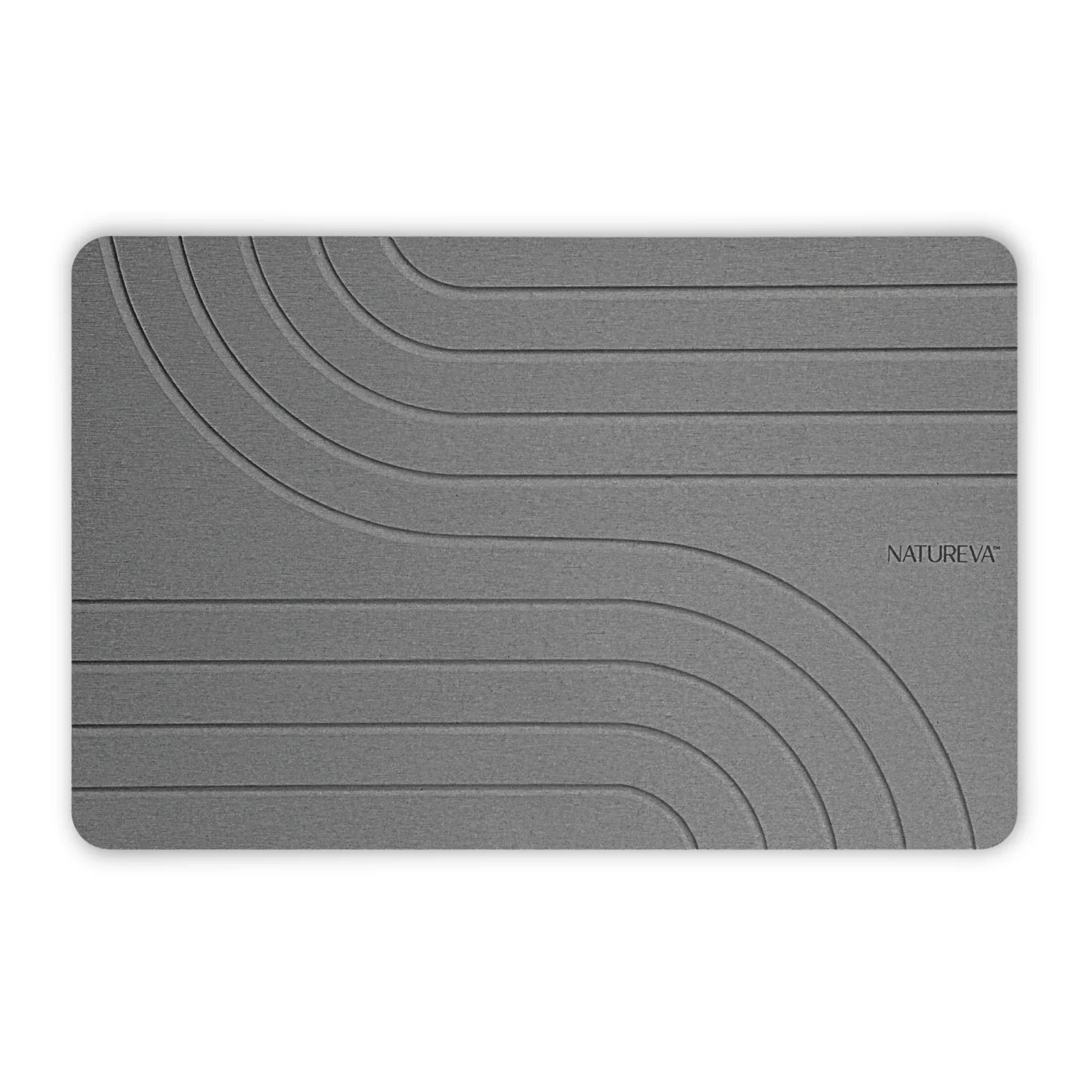
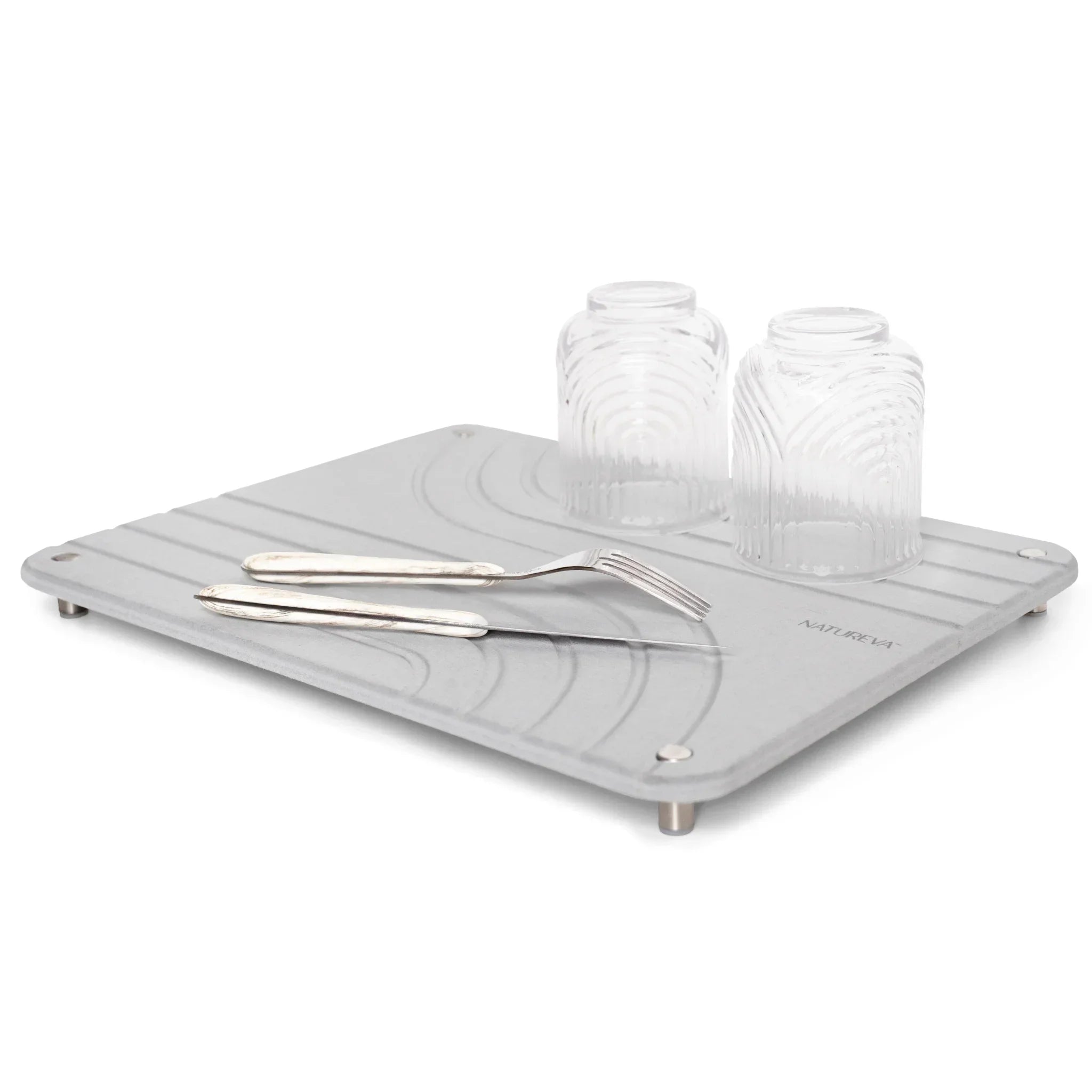
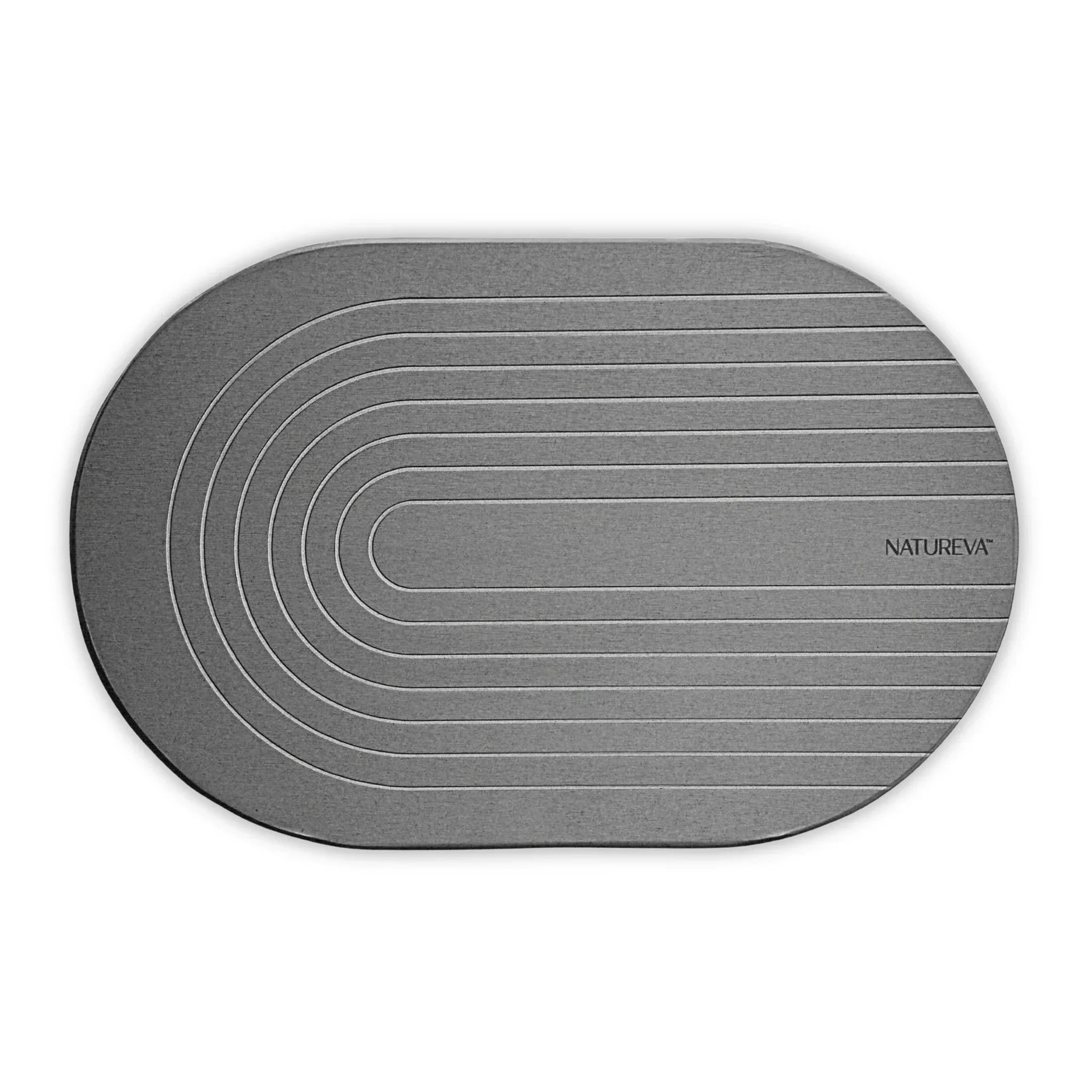
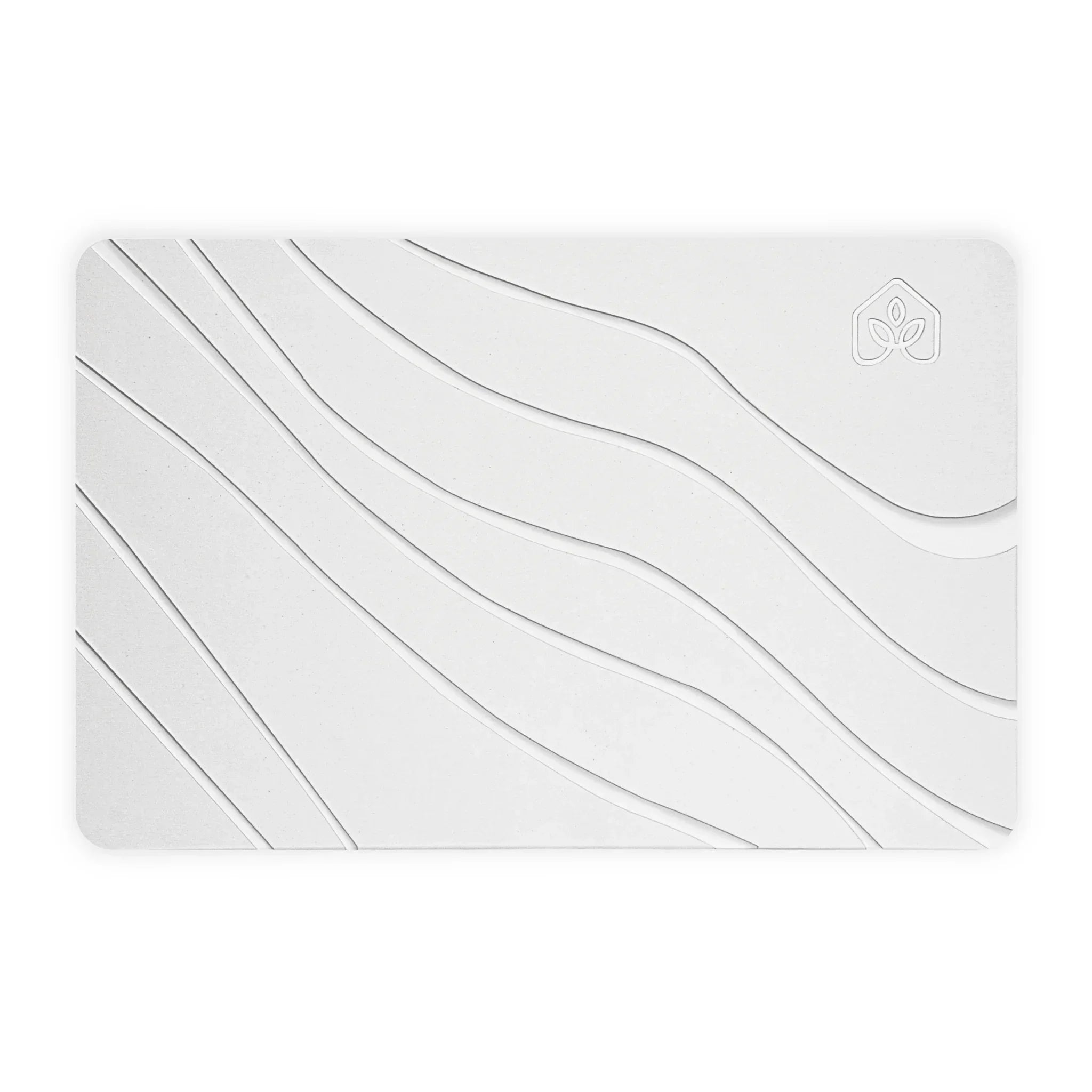
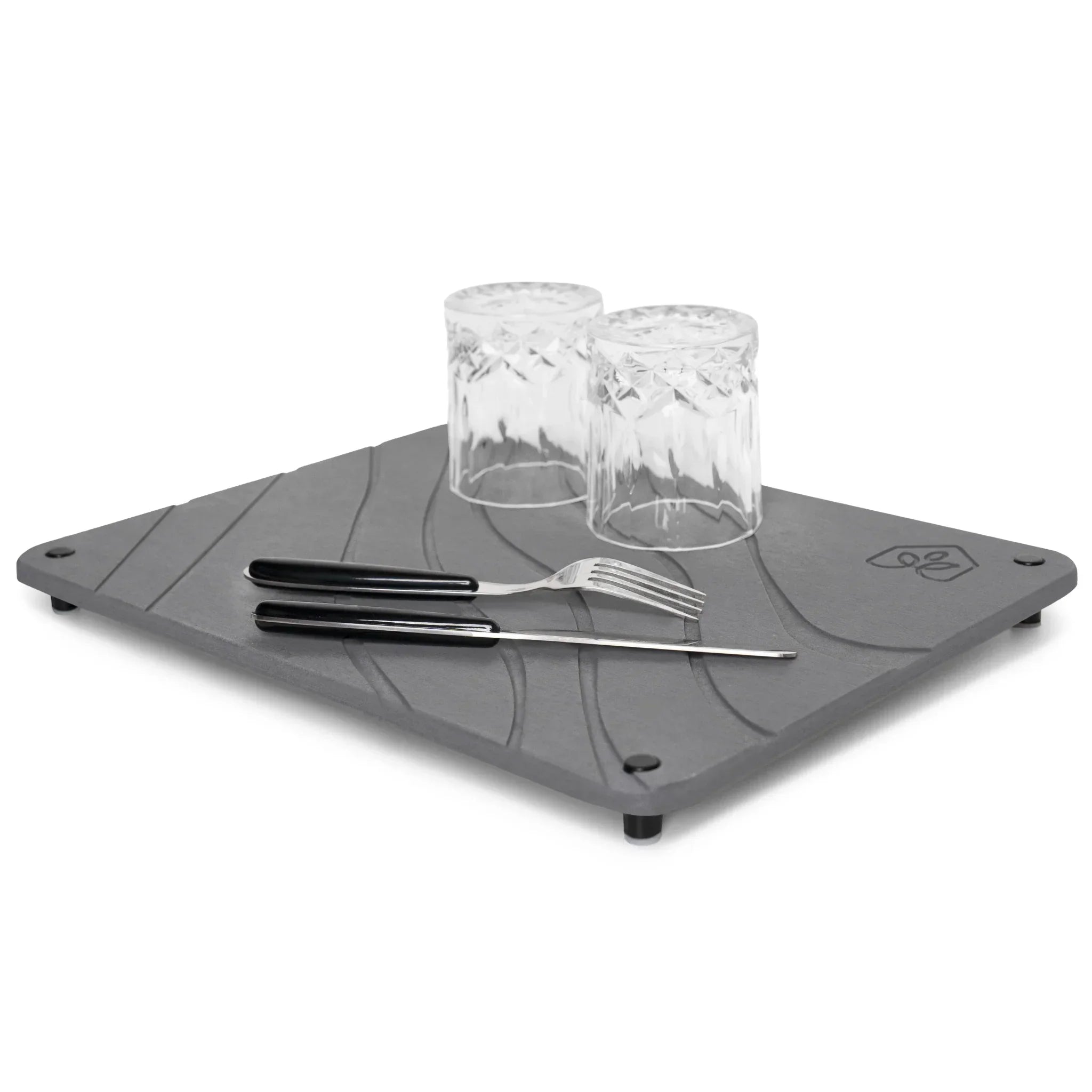
Stone Plant Saucers - Set of 2
How Common Is Plant Water Damage
Home repair surveys show that 1 in 4 plant owners deal with water damage at least once a year. The problem happens more often than you'd think, and it's not just about spills.
- 67% of indoor plant owners have experienced water stains on furniture or floors
- Plant-related water damage claims increased 34% between 2020 and 2023
- Most damage happens during routine watering, not from accidents
- Renters face an average of $450 in security deposit deductions for plant water damage
The worst part is that most of this damage is completely preventable with basic protection. Even something as simple as our Stone Plant Saucers can stop water before it reaches your surfaces.
Repair Costs By Surface Type
Different materials react to water in different ways, and the repair bills vary wildly. Here's what you're looking at if water gets through.
| Surface Type | Minor Damage | Moderate Damage | Severe Damage |
|---|---|---|---|
| Hardwood Floors | $200-400 | $800-1,500 | $2,500-5,000 |
| Laminate Floors | $150-300 | $600-1,200 | $1,800-3,500 |
| Carpet | $100-250 | $400-800 | $1,200-2,500 |
| Wood Furniture | $75-200 | $300-600 | $800-2,000 |
| Tile/Grout | $50-150 | $200-500 | $600-1,500 |
Prevention Versus Repair Costs
Here's where the math gets interesting. Quality plant pot trays cost between $15 and $50, depending on size and material. Compare that to the repair costs above and the choice seems obvious.
- Average cost of plant pot trays: $25-40 per set
- Average cost of minor water damage repair: $300-500
- Time for water to damage hardwood: 24-48 hours
- Time for water to damage laminate: 12-24 hours
The data shows that investing in protection now saves you from much bigger bills later. Most homeowners who've dealt with water damage say they wish they'd used proper trays from the start.
Key Stat: For every $1 spent on plant pot trays, homeowners avoid an average of $12 in potential water damage repairs.
How Fast Damage Happens
Water doesn't wait around. Different surfaces start showing damage at different speeds, but none of them give you much time to react.
- Hardwood floors show water rings within 2-4 hours of exposure
- Laminate flooring begins warping after 6-12 hours of moisture contact
- Carpet develops mold and mildew within 24-48 hours if not dried
- Wood furniture finishes cloud and crack within 4-8 hours
- Drywall and baseboards absorb water in under 1 hour
These timelines explain why prevention matters so much. Once water sits for even a few hours, the damage starts adding up fast.
Critical Finding: 89% of plant water damage occurs during the first 12 hours after watering, when excess water overflows from pots without proper drainage protection.
How Much Water Actually Escapes Your Pots
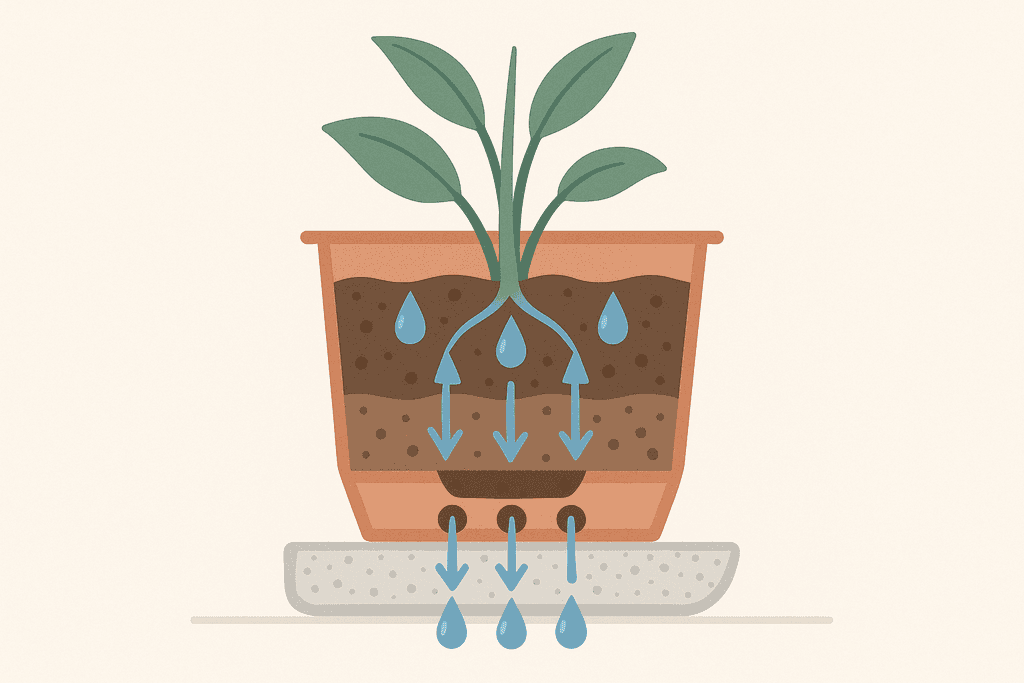
A typical 6-inch plant pot can release anywhere from 2 to 4 tablespoons of water after a single watering session. That might not sound like much, but when you water multiple plants throughout the week, those tablespoons add up fast. Most people don't realize how much moisture is actually pooling under their favorite potted plants until they spot the first water ring on their furniture.
How Much Water Actually Escapes Your Pots
The amount of overflow depends heavily on your watering technique and pot size. Bottom watering methods tend to create more runoff than top watering, while larger 10-inch pots can release up to half a cup of excess water. Without proper drainage solutions, this water sits on your surfaces for hours, sometimes days.
Here's what happens to that water over time:
- On sealed hardwood floors, water can take 6-12 hours to fully evaporate
- Porous surfaces like unsealed wood absorb moisture within 30 minutes
- Laminate flooring starts showing damage after just 2-3 hours of exposure
- Stone and tile surfaces develop mineral deposits and staining
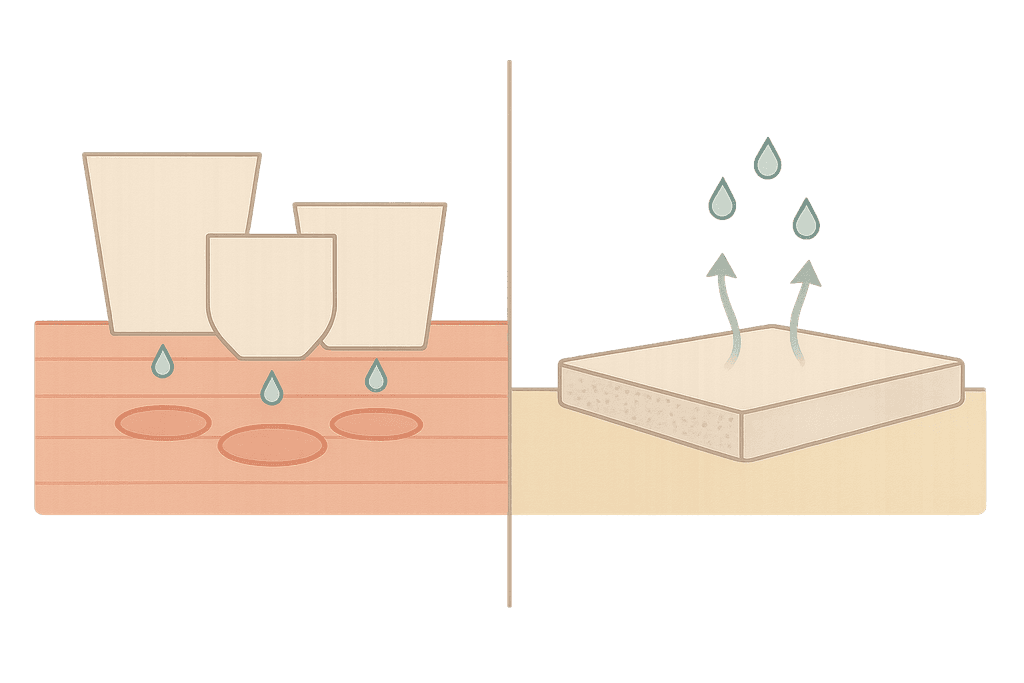
The science behind this is pretty straightforward. Water naturally seeks the path of least resistance, which means it flows right through your drainage holes and onto whatever surface is below. Diatomaceous earth, a natural material made from fossilized algae, contains millions of tiny pores that can absorb water almost instantly. This is the same material used in our stone plant saucers, which work differently than traditional plastic trays that just collect water.
Regular plastic or ceramic saucers simply hold the water in place, creating a breeding ground for bacteria and leaving you to manually empty them. Materials like diatomite actually pull moisture away from your surfaces and promote rapid evaporation through those microscopic pores.
The Real Cost of Ignoring Plant Drainage
Water damage from plant pots isn't just about ugly stains. Professional hardwood floor refinishing costs between $3 to $8 per square foot, and most water rings affect at least a 2-foot radius around each plant. That's potentially $50 to $100 per damaged spot, and many plant lovers have multiple indoor plants scattered throughout their homes. The numbers get worse when you factor in that some hardwood damage can't be sanded out and requires full board replacement.
The Real Cost of Ignoring Plant Drainage
Laminate flooring presents an even bigger problem because it can't be refinished at all. Once water seeps into the seams and causes swelling, you're looking at complete plank replacement. The average cost runs $800 to $2,500 for a single room, depending on the quality of materials you originally installed.
| Surface Type | Repair Cost | Prevention Cost |
|---|---|---|
| Hardwood Floor | $50-$100 per spot | $39 for saucers |
| Laminate Room | $800-$2,500 | $39 for saucers |
| Wood Furniture | $150-$400 | $39 for saucers |
| Mold Remediation | $500-$3,000 | $39 for saucers |
Countertop damage tells a similar story. Water stains on granite or marble require professional polishing at $200 to $400 per session. Wood countertops or furniture pieces need refinishing that costs $150 to $400 depending on the size and finish type.
The hidden costs go beyond just repairs. Mold growth from prolonged moisture exposure requires professional remediation ranging from $500 for small areas to over $3,000 for extensive problems. According to the EPA's guidelines on mold, even minor moisture issues can develop into serious health hazards within 24 to 48 hours.
Insurance claims add another layer of complexity. Most homeowner policies don't cover gradual water damage from plant watering, classifying it as maintenance neglect rather than an accident. You'll likely pay out of pocket for every repair.
How Plant Pot Trays Pay for Themselves
Let's do some simple math. A set of quality plant pot trays costs around $39, while fixing just one water-damaged hardwood spot runs $50 to $100. If you prevent even a single stain over the lifetime of your trays, you've already broken even. Most plant owners water their indoor plants at least once a week, which means 52 opportunities per year for water to damage your floors or furniture.
The next generation of home essentials: naturally made, cleaner by design, sustainable by nature.
SHOP ALLThe break-even timeline is surprisingly short. With just 4-5 plants in your home, you're preventing potential damage worth hundreds of dollars annually. Over a five-year period, that's thousands in avoided repair costs.
Beyond the obvious financial savings, quality plant pot trays offer:
- Zero time spent wiping up water spills after each watering session
- No need to move plants to "safe" watering locations
- Protection for rental properties where damage means lost security deposits
- Peace of mind when traveling and others water your plants
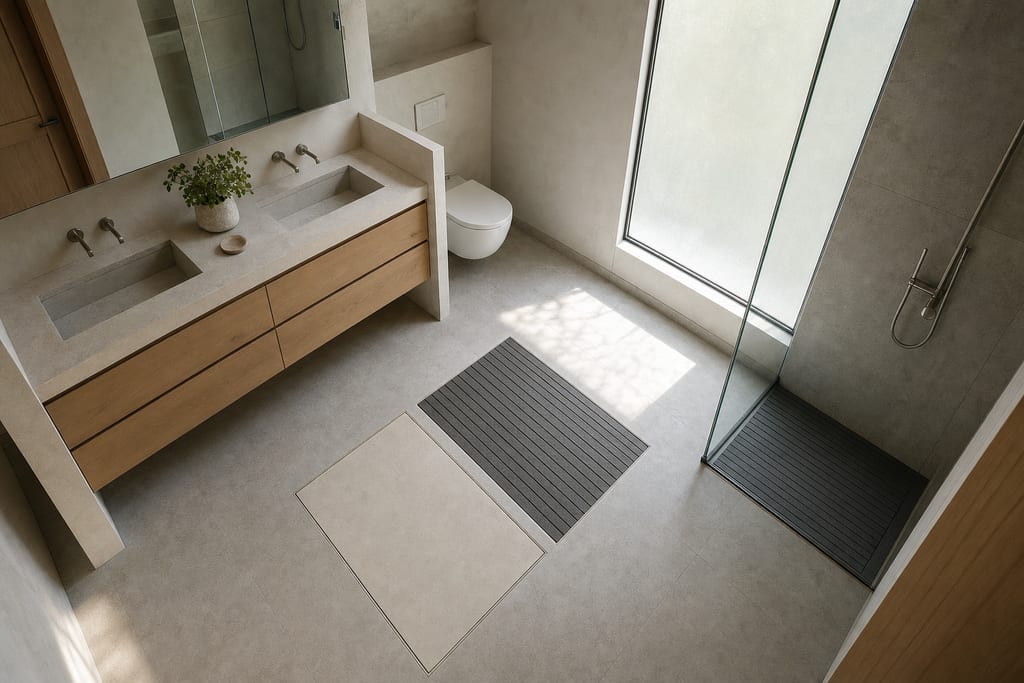
Stone plant saucers made from diatomite provide superior absorption compared to standard plastic trays. The Stone Plant Saucers we offer instantly soak up excess water instead of letting it pool, which means your surfaces stay completely dry. Traditional plastic trays require you to remember to empty them, and one forgotten tray can lead to overflow damage.
The maintenance cost savings add up too. You won't need to replace water-damaged furniture, reseal hardwood floors prematurely, or deep clean mold from grout lines. These ongoing expenses easily total $100 to $300 per year for active plant parents.
When you factor in the time saved from not dealing with water cleanup and damage control, the return on investment becomes even clearer. Most people spend 5-10 minutes per week managing plant water overflow. That's 4-8 hours annually that you could spend actually enjoying your plants instead of cleaning up after them.
Why Stone Saucers Outperform Traditional Trays
When you compare plant pot trays side by side, the differences become pretty obvious. Most people grab whatever plastic tray comes with their plant, but that's like using a paper towel to mop up a spill and expecting it to work long-term. The material your tray is made from determines how well it protects your floors, how long it lasts, and whether you'll be dealing with standing water that attracts bugs. Stone saucers made from diatomaceous earth work differently than traditional options because they actually absorb moisture instead of just catching it.
Material Performance Breakdown
The absorption capacity between materials tells you everything you need to know. Plastic trays hold zero water because they're non-porous, which means every drop sits there until you empty it or it evaporates slowly. Ceramic trays might look nice, but they're basically fancy plastic in terms of function.
| Material | Absorption Rate | Evaporation Speed | Average Lifespan |
|---|---|---|---|
| Plastic | 0% | Slow | 2-3 years |
| Ceramic | 0% | Slow | 5-7 years |
| Diatomaceous Stone | 150% of weight | Fast | 10+ years |
The Real Cost Over Time
Durability matters more than most people think. A cheap plastic tray might cost five bucks, but you'll replace it multiple times over a decade as it cracks, discolors, or warps from sun exposure.
- Plastic trays crack within 2-3 years from UV exposure and temperature changes
- Ceramic options chip easily and can't handle outdoor conditions
- Stone saucers last 10+ years with minimal maintenance required
- Natural materials like our Stone Plant Saucers maintain their appearance without fading
Environmental Impact Comparison
The environmental angle isn't just about feeling good. Plastic trays end up in landfills every few years, while stone options are made from natural earth materials that don't break down into microplastics.
- Diatomaceous earth is a naturally occurring sedimentary rock
- Stone trays require no chemical treatments or synthetic coatings
- One stone saucer replaces 3-5 plastic trays over its lifetime
The aesthetic value shouldn't be overlooked either. Stone plant pot trays blend into modern, minimalist, and natural home decor styles without looking like an afterthought. They work on wood floors, marble countertops, and outdoor patios equally well because the neutral tone complements rather than clashes.
The Bottom Line on Plant Tray Protection
The math is pretty simple when you look at it. Replacing damaged hardwood floors can cost thousands of dollars, while a good set of plant pot trays runs about $39. Even if you're just dealing with water stains on furniture, professional refinishing isn't cheap. The numbers make it clear that prevention costs way less than repair.
Getting started with surface protection doesn't require a complete overhaul of your plant setup. Just grab some quality plant pot trays for your indoor plants and you're already ahead of the game. Our Stone Plant Saucers use natural diatomaceous earth to absorb water instantly, which means your surfaces stay dry without any extra effort on your part.
Beyond just saving money on repairs, using proper trays means you can actually enjoy your plants without stress. No more checking under pots every few hours or worrying about what's happening while you're at work. You can water your plants properly without holding back because you're scared of overflow.
The long-term benefits add up in ways you might not expect. Your furniture lasts longer, your floors stay in better shape, and you don't have to deal with mold or mildew growing in hidden spots. Plus, the same diatomite stone technology works throughout your home for other moisture problems too.
If you're still dealing with water rings and worried floors, it might be time to rethink your setup. The right plant pot trays make the whole thing easier, and the cost difference between cheap plastic and quality stone options is minimal compared to what you're protecting.
Common Questions About Plant Pot Trays
Plant pot trays seem simple enough, but people have a lot of questions about how they actually work in real life. Whether you're worried about water damage or just trying to figure out which tray goes with which pot, these answers should clear things up. Most of the confusion comes from not knowing what different materials can handle or how much maintenance they really need. Here's what people ask us most often about keeping their floors safe from plant water.
How much water can plant trays hold before they overflow?
Most standard plastic trays hold between 1 to 3 cups of water depending on their size and depth. The problem is that water just sits there until you remember to dump it out. Stone-based trays like our Stone Plant Saucers work differently because they absorb and evaporate water instead of pooling it, which means you don't have to worry as much about overflow situations.
Do all indoor plants actually need trays?
Any plant that drains water needs a tray unless you want water stains on your surfaces. Even plants that don't need much water will occasionally drip through drainage holes. The only exception would be plants in pots without drainage holes, but those come with their own problems like root rot.
How often should you clean or maintain plant pot trays?
Plastic and ceramic trays need cleaning every week or two to prevent algae and mineral buildup from standing water. Stone trays made from diatomaceous earth need way less maintenance because they dry out naturally. You might need to rinse them monthly or give them a light sand if they start absorbing slower over time.
What size tray should you use for different pot sizes?
Your tray should be at least an inch wider than your pot's base on all sides. This catches water that runs down the outside of the pot when you water. Going too big looks weird and takes up unnecessary space, while too small defeats the whole purpose of protecting your floors.
Can plant trays actually affect your plant's health?
Yes, and not in a good way if you're not careful. Trays that hold standing water can cause root rot if roots sit in moisture too long. This is why absorption matters more than capacity. Materials that wick away excess moisture help prevent overwatering issues that kill more houseplants than anything else.
How do you choose between plastic, ceramic, and stone tray materials?
Plastic is cheap but looks cheap and doesn't absorb anything. Ceramic looks nice but still pools water and breaks easily. Stone materials absorb water and evaporate it naturally, plus they don't look out of place in any room. The trade-off is usually price, but stone trays last longer and actually protect your surfaces instead of just catching water temporarily.
The next generation of home essentials: naturally made, cleaner by design, sustainable by nature.
SHOP ALL