

Numbers Reveal Why Drink Coasters Block Water Marks
Your favorite wooden coffee table probably has a story to tell, and it's written in faint white rings that won't buff out. Furniture experts estimate that a single water mark can drop resale value by 20 to 30 percent, yet most people don't realize the damage happens in just minutes. The science behind why drink coasters work isn't complicated, but the numbers might surprise you enough to finally use them.
Table of Contents
What Actually Happens When Water Meets Wood
A cold drink on a hot day creates more than just refreshment. The temperature difference between your icy beverage and the warm air around it triggers a process called condensation. Water vapor in the air hits the cold glass surface, turns into liquid droplets, and starts pooling at the bottom of your glass. Within minutes, that water finds its way onto your table, and the damage clock starts ticking.
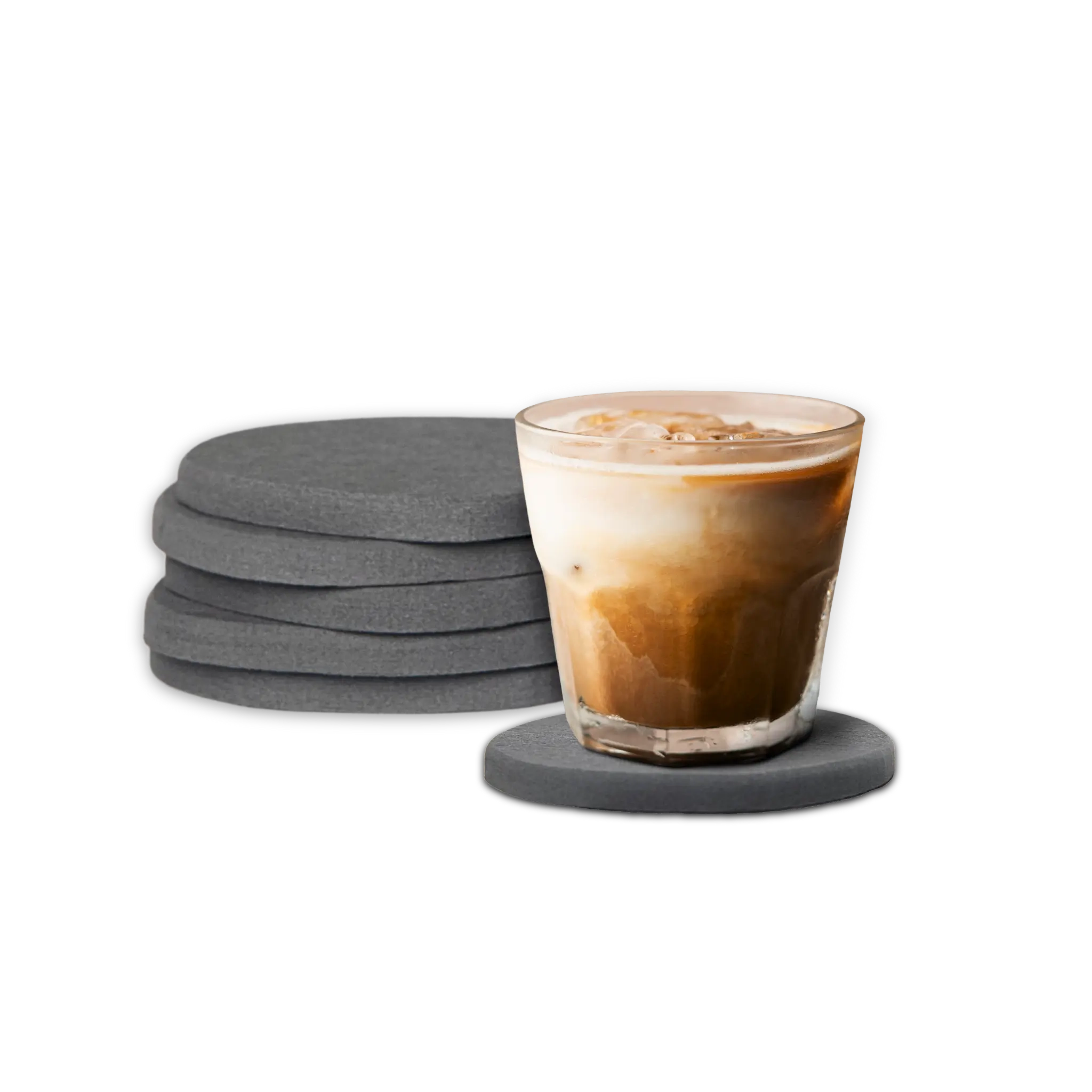
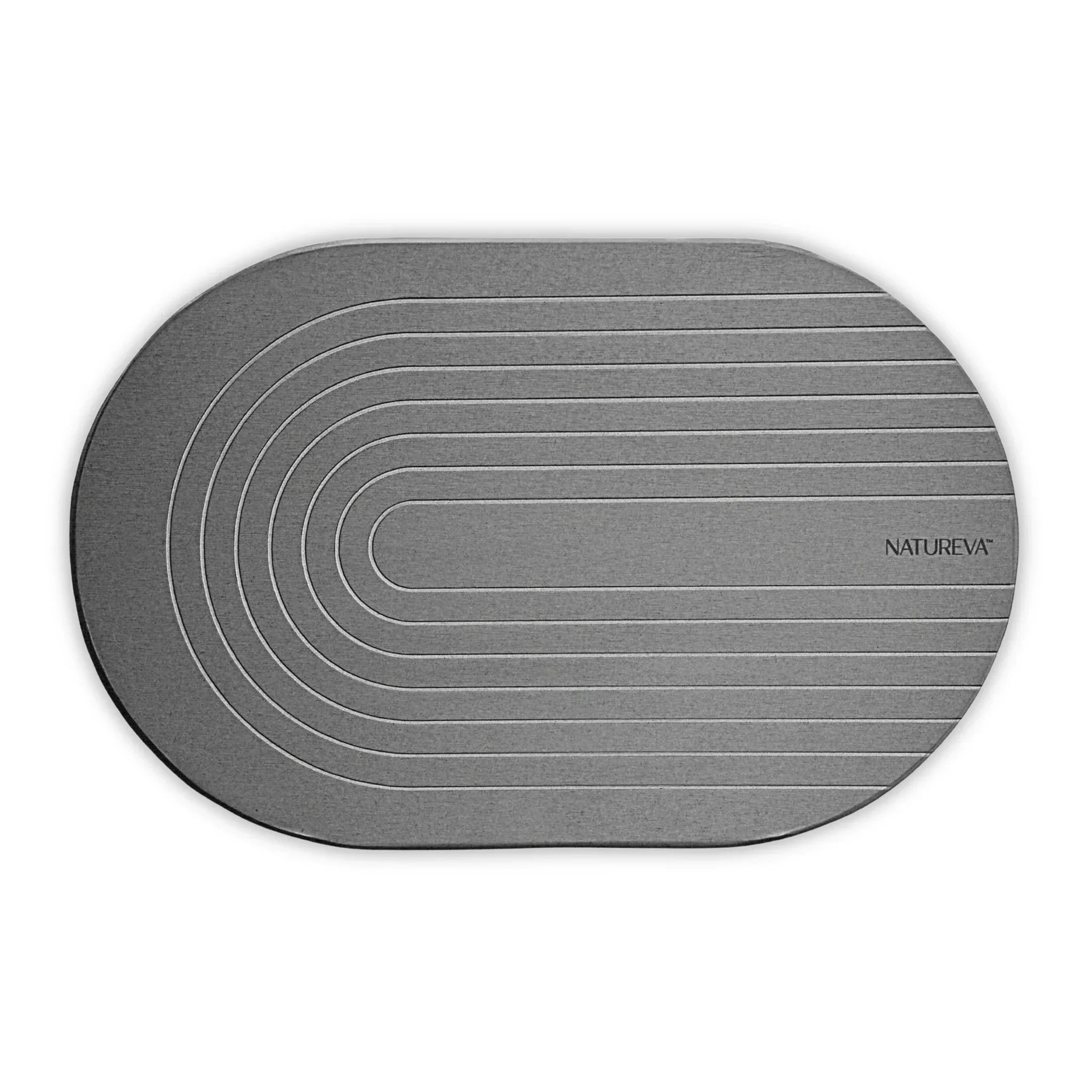
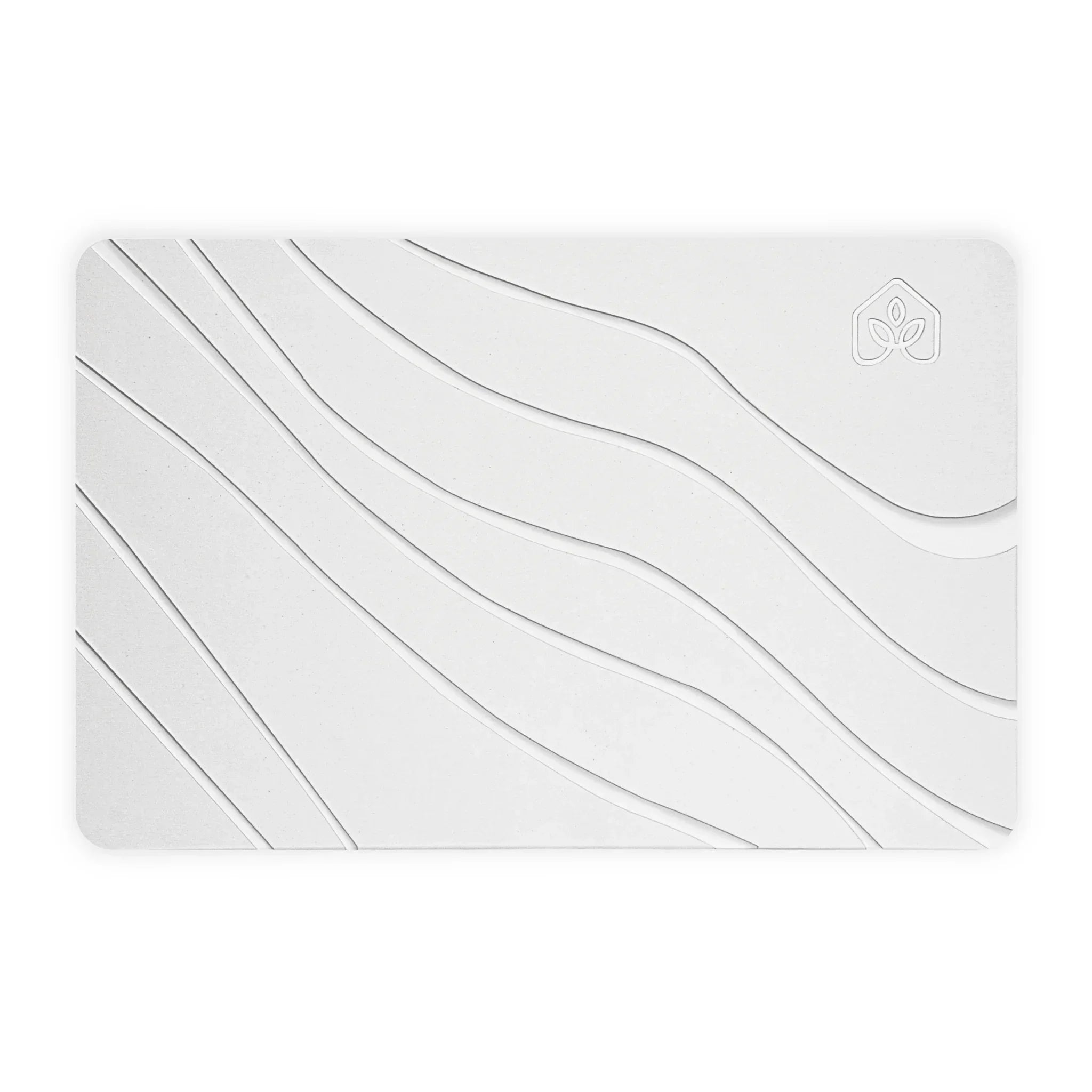
Stone Coasters - Set of 6
How Wood Absorbs Moisture
Wood isn't as solid as it looks. Under a microscope, you'd see thousands of tiny pores that act like straws, pulling moisture deep into the material. When water sits on wood, these pores start working immediately. The wood fibers swell up, push against each other, and change the surface structure in ways you can see and feel.
Different types of wood react at different speeds. Softwoods like pine absorb water faster than hardwoods like oak, but both will show damage if water sits long enough. The finish on your furniture matters too.
Surface Finishes and Protection Levels
Not all table surfaces fight water the same way. Here's what you're working with:
- Unfinished wood offers zero protection and absorbs water in under a minute
- Oil-based finishes provide light protection but still allow moisture through over time
- Polyurethane creates a plastic-like barrier that holds up better but can still fail
- Lacquer finishes look great but develop white rings quickly when exposed to heat and moisture
The white rings you see on tables aren't actually water damage to the wood itself. They're moisture trapped in the finish layer, which clouds up and turns milky white. That's why some old tricks with heat and oil can remove fresh rings, but only if you catch them fast.
The Damage Timeline
Time is your enemy when water meets wood. Damage doesn't wait for you to finish your drink. Here's what research and furniture experts have documented:
| Time Elapsed | Surface Type | Damage Level |
|---|---|---|
| 5 minutes | Unfinished wood | Visible darkening |
| 15 minutes | Oil finish | Light water marks |
| 30 minutes | Lacquer finish | White ring formation |
| 1 hour | Polyurethane | Possible clouding |
| 2+ hours | Any finish | Permanent damage risk |
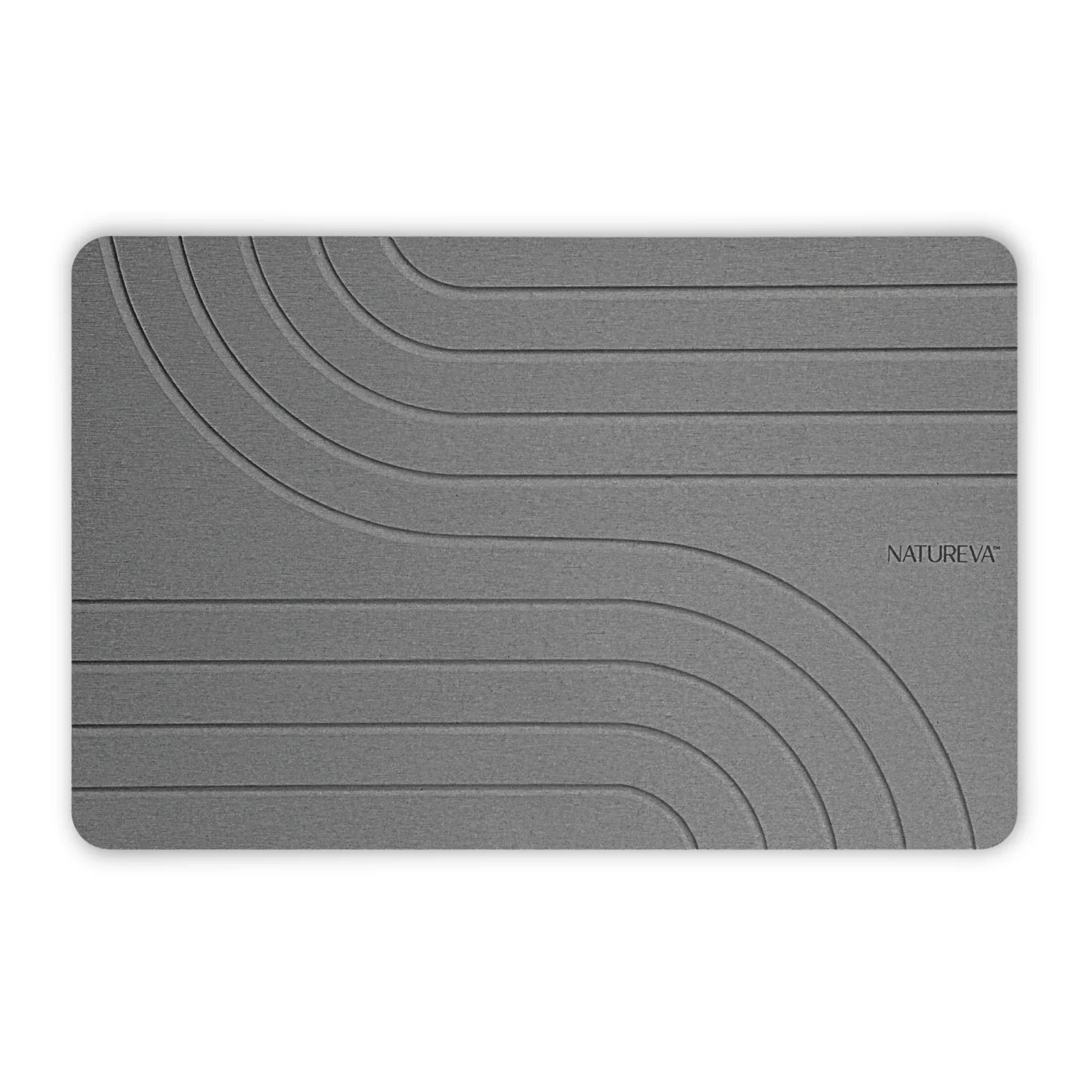
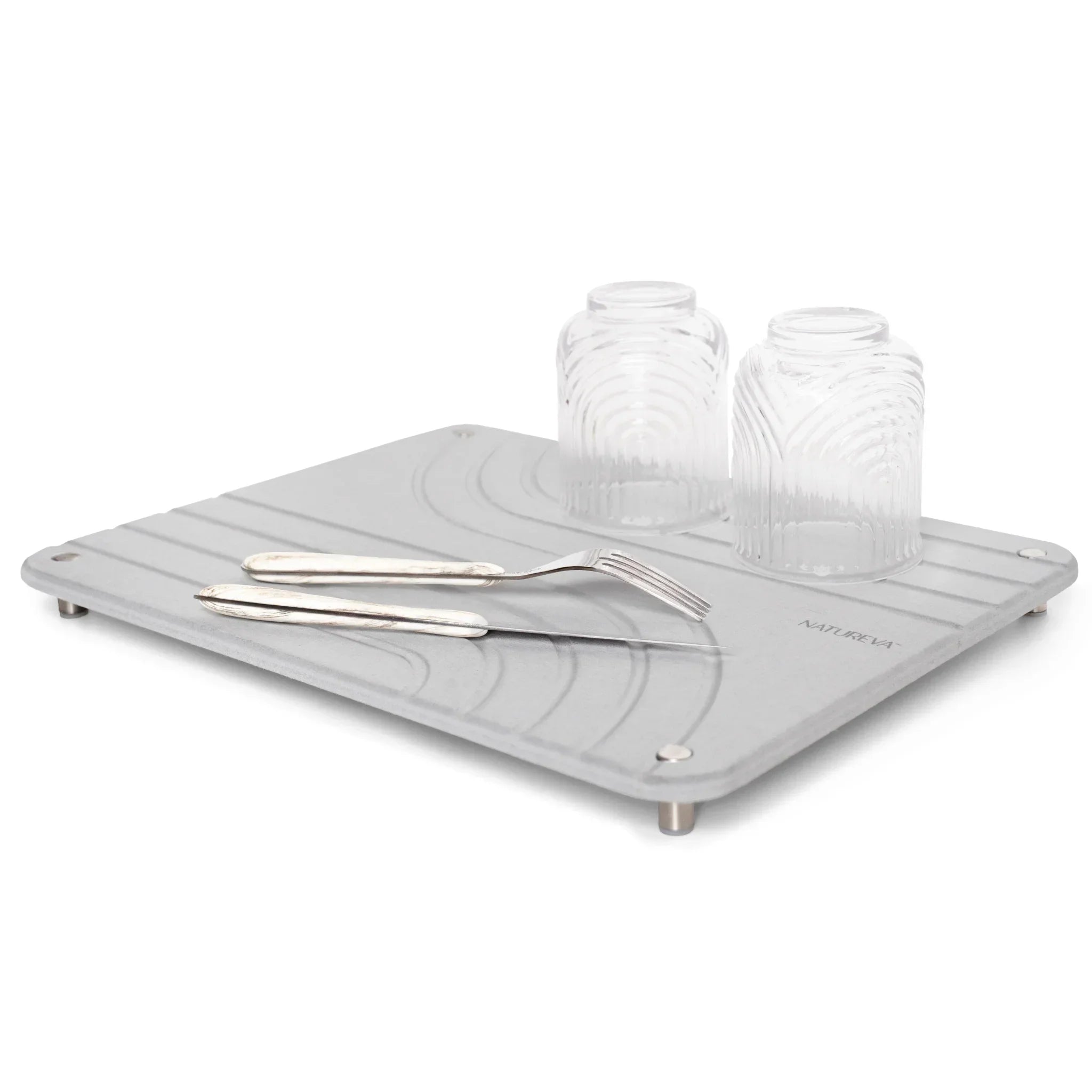
According to testing by Wirecutter, the best defense is stopping water before it reaches your furniture. That's where drink coasters come in. Our Stone Coasters use diatomaceous earth to absorb condensation instantly, keeping moisture away from your surfaces completely. The material pulls water in so fast that droplets disappear in seconds, not minutes.
The Math Behind Condensation
A single cold drink sitting on your table produces way more water than you'd think. When you place a 16oz glass at 40°F in a typical 72°F room, it creates between 1 and 2 tablespoons of water every hour. That's enough moisture to seep into wood grain, leave permanent rings on furniture, or create those annoying sticky spots that attract dust. The temperature difference between your drink and the air around it causes water vapor to condense on the glass surface, and that water has to go somewhere.
The amount of water your drink produces depends heavily on the conditions around it. Humidity levels can increase condensation by up to 300%, which explains why summer gatherings create so much more mess than winter ones. Ice-cold drinks are even worse offenders, creating 50% more condensation than refrigerated drinks because of the larger temperature gap.
- A 16oz glass at 40°F produces 1-2 tablespoons of water per hour
- High humidity can triple the amount of condensation
- Ice-cold beverages create 50% more water than refrigerated ones
- The surface area of your glass bottom determines how far water spreads
The surface area of your glass matters more than most people realize. A wide-bottomed tumbler spreads that condensation across a larger area of your table, while a narrow glass concentrates the damage in one spot. Either way, without proper protection, you're looking at water damage that adds up over time.
Absorption Rates That Matter
Not all drink coasters handle water the same way, and the differences are pretty dramatic when you look at the actual numbers. Cork coasters absorb about 0.5ml per square inch, which sounds decent until you realize they dry incredibly slowly. That means the moisture just sits there, sometimes for hours, creating a damp surface that can transfer water right back to your table. Fabric coasters have an even bigger problem because they hold water like a sponge but don't keep it contained, often transferring moisture directly to the surface underneath.
Stone coasters absorb up to 150% of their weight in water, which puts them in a completely different category. The real magic happens with diatomaceous earth, a type of stone material that absorbs water in under 3 seconds. But absorption speed is only half the story.
| Material | Absorption Rate | Drying Time |
|---|---|---|
| Cork | 0.5ml per sq inch | 2-4 hours |
| Fabric | High but transfers | 4-6 hours |
| Stone | 150% of weight | 10-15 minutes |
| Diatomaceous Earth | Under 3 seconds | 10-15 minutes |
Drying time affects whether your coaster actually protects your surfaces or just traps moisture against them. A coaster that stays wet becomes part of the problem instead of the solution. Research shows that proper coasters need both fast absorption and quick drying to truly protect furniture from water damage.
Why Stone Coasters Win the Numbers Game
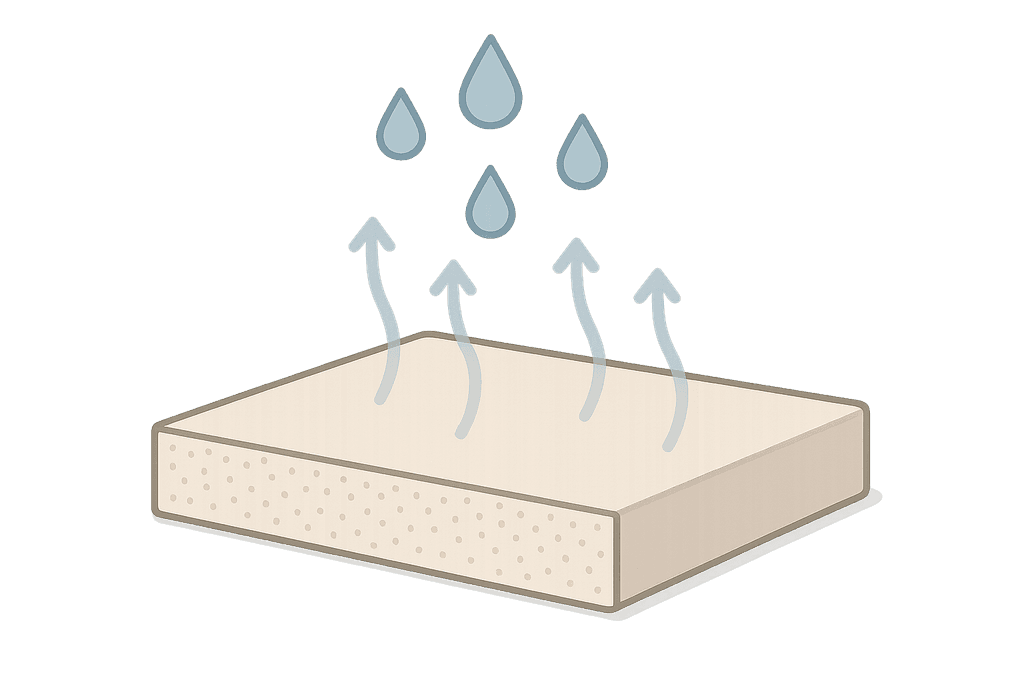
Diatomaceous earth has millions of microscopic pores per square inch, which is what makes it so effective at handling moisture. These tiny pores create channels that pull water away from the surface through capillary action in under 5 seconds. Once the water enters these pores, it spreads throughout the material and begins evaporating immediately. The whole process happens so fast that you can actually watch water disappear into the surface.
Stone coasters dry completely in 10-15 minutes through natural evaporation, which means they're ready for your next drink almost immediately. Compare that to cork or fabric coasters that can stay damp for hours, and the difference becomes obvious. Natural stone also doesn't harbor bacteria the way fabric or cork materials do, since moisture doesn't linger long enough for anything to grow.
- Millions of microscopic pores per square inch create absorption channels
- Capillary action pulls water into the material in under 5 seconds
- Complete drying happens in 10-15 minutes
- No bacterial growth due to quick drying time
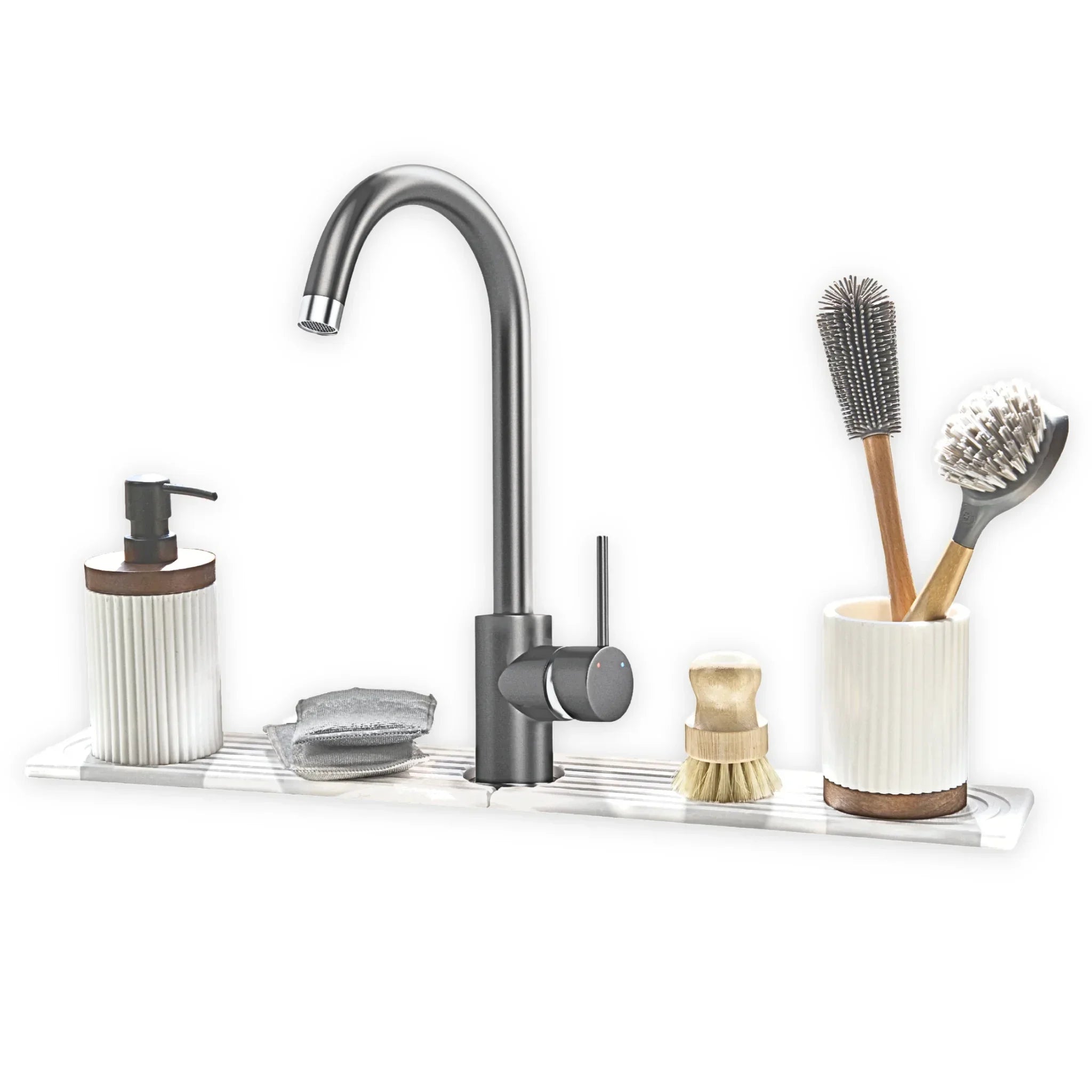
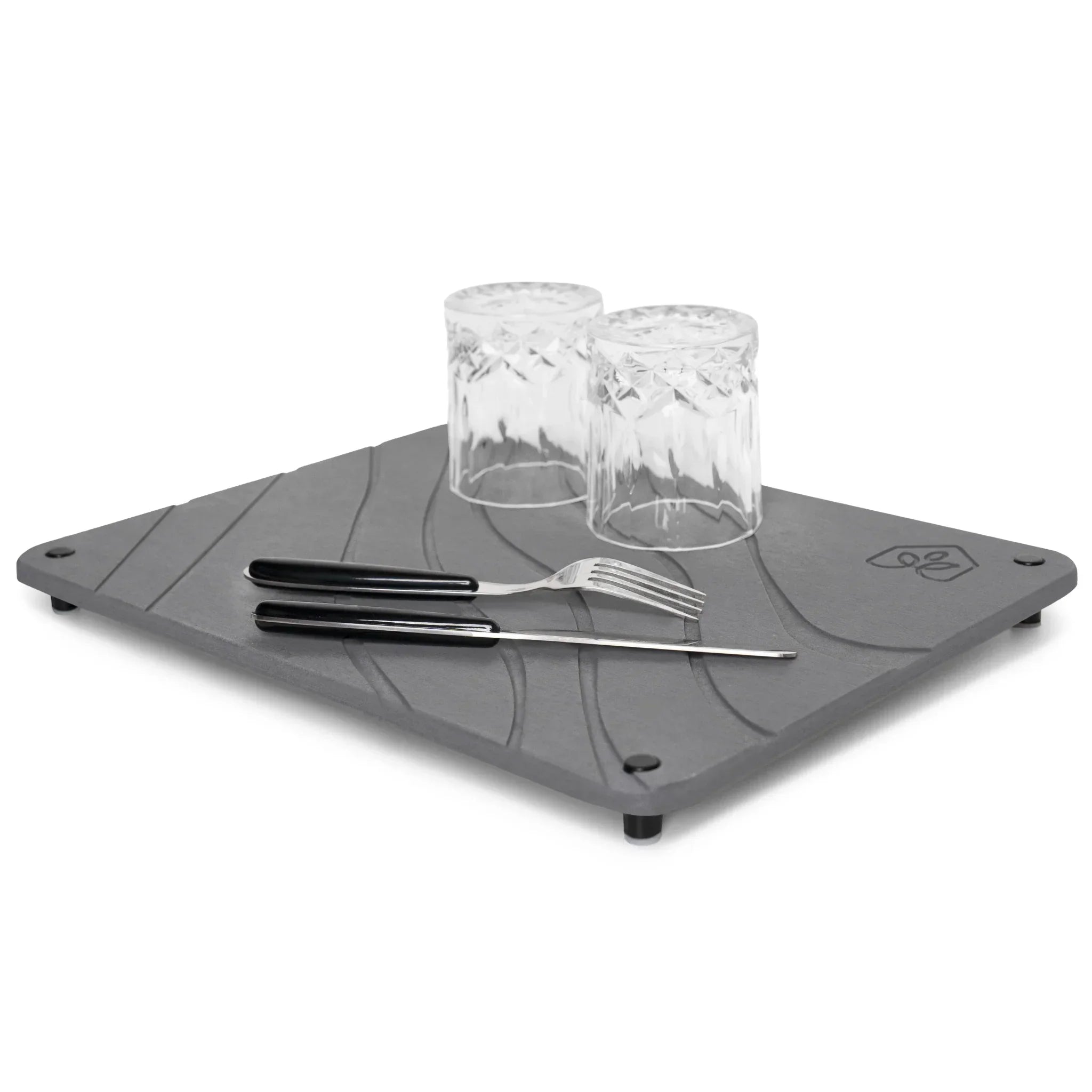
Our Stone Coasters use this same diatomaceous earth technology for instant absorption. The set of 6 coasters handles everything from morning coffee condensation to evening cocktails, and they dry fast enough that you never have to worry about moisture building up. At $29 for the set, you're getting the same material properties that make bath mats and dish mats so effective at moisture control, just sized perfectly for your drinks.
The next generation of home essentials: naturally made, cleaner by design, sustainable by nature.
SHOP ALLThe numbers don't lie when it comes to protecting your surfaces. Fast absorption plus quick drying equals real protection, and that's exactly what stone coasters deliver every single time you set down a cold drink.
The Real Cost of Skipping Coasters
The math behind coaster use tells a pretty clear story when you look at actual repair costs. Most people don't think about the long-term damage happening to their furniture until white rings and water stains become permanent fixtures on their favorite coffee table. Professional furniture refinishing runs between $200 and $500 per piece, which suddenly makes a $30 investment in quality drink coasters seem like a no-brainer. Water-damaged furniture also takes a serious hit in resale value, dropping 20-30% below market price when those telltale marks show up.
| Item | Cost | Lifespan |
|---|---|---|
| Stone Coasters Set | $29 | 3-5 years |
| Furniture Refinishing | $200-$500 | Per piece |
| Resale Value Loss | 20-30% | Permanent |
Why Prevention Beats Repair
The numbers get even more interesting when you factor in maintenance costs over time. Cork coasters need replacing every year or two as they crack and crumble. Fabric versions require regular washing and still end up moldy or stained.
- Stone coasters require zero ongoing maintenance
- No washing, no replacing worn-out materials
- Daily use for years without performance loss
- One-time purchase protects multiple furniture pieces
Our Stone Coasters made from diatomaceous earth handle the absorption job without any upkeep hassle. They dry fast between uses and don't harbor bacteria like fabric options do.
The Hidden Costs Add Up
Beyond direct repair expenses, there's the time factor most people overlook. Scheduling furniture repair appointments, waiting weeks for refinishing work, and moving pieces in and out of your home all eat up valuable time. Using drink coasters consistently eliminates these headaches entirely.
- No scheduling repair appointments
- No temporary furniture replacements needed
- No explaining damage to potential buyers
The prevention versus repair equation isn't complicated. Spending under $30 now saves hundreds later, plus you keep your furniture looking good for its entire lifespan instead of watching it deteriorate one water ring at a time.
Protection Through Science
The numbers don't lie when it comes to water damage on your furniture. A single cold drink can produce up to 2 tablespoons of condensation in just an hour, and that water has to go somewhere. Without proper protection, it seeps into wood grain, leaves white rings, and causes damage that costs hundreds to repair. The math is pretty simple when you think about it.
What really matters with drink coasters comes down to two key measurements. First, how fast they absorb water, and second, how quickly they dry out for the next use. Regular cork or fabric coasters might soak up some moisture, but they stay wet for hours and can actually transfer water back to your table.
Stone coasters made from diatomaceous earth change that equation completely. Our stone coasters absorb water in seconds and dry in minutes, not hours. The porous structure pulls moisture away from your glass and holds it until it evaporates naturally.
For less than the cost of refinishing one water-damaged table, a set of quality drink coasters protects every surface in your home. The same diatomaceous earth technology works across different products too, from bath mats to dish mats, all using rapid absorption to keep surfaces dry.
The science behind water absorption isn't complicated, but the results make a real difference. You probably have questions about how these coasters work in daily use, which brings us to some common things people ask.
Common Questions About Coasters and Water Marks
People ask us about drink coasters all the time, especially when they're trying to figure out if they really work or if they're just decorative. The truth is that not all coasters are created equal, and understanding the differences can save your furniture from permanent damage. Here are the most common questions we hear about water marks and how to prevent them.
How long does it take for water rings to form?
Water rings can start forming in as little as 5 to 10 minutes on unprotected wood surfaces. The moisture from a cold glass penetrates the finish and gets trapped in the wood fibers underneath. Temperature plays a big role too, since colder drinks create more condensation that speeds up the damage.
Can you remove water marks once they appear?
Light water marks that only affect the finish can sometimes be removed with heat from a hairdryer or an iron over a cloth. Deep water marks that have penetrated into the wood itself are usually permanent and require professional refinishing. Prevention with proper drink coasters is way easier than trying to fix the damage later.
Do all coasters actually prevent water damage?
Not really, and this surprises most people. Regular cork or fabric coasters can get saturated and actually transfer moisture to your table instead of protecting it. Stone coasters made from diatomaceous earth, like our Stone Coasters, absorb water instantly and dry quickly so moisture never reaches your furniture. The material matters more than most people think.
How often should coasters be replaced?
It depends on the material and how well you maintain them. Cheap paper or cardboard coasters need replacing after just a few uses since they fall apart when wet. Quality stone coasters can last for years if you clean them occasionally and let them dry between uses.
What makes stone coasters better than other materials?
Stone coasters made from diatomaceous earth have tiny pores that pull moisture away from your glass in seconds. They hold way more water than cork or fabric without feeling wet to the touch. Plus they dry out naturally between uses, so they're always ready to protect your surfaces again.
Will coasters work on all surface types?
Yes, drink coasters protect pretty much any surface including wood, glass, marble, and laminate. Some surfaces like sealed granite are less vulnerable to water damage, but condensation can still leave annoying rings and spots. Using coasters consistently keeps all your surfaces looking clean regardless of the material.
The next generation of home essentials: naturally made, cleaner by design, sustainable by nature.
SHOP ALL