
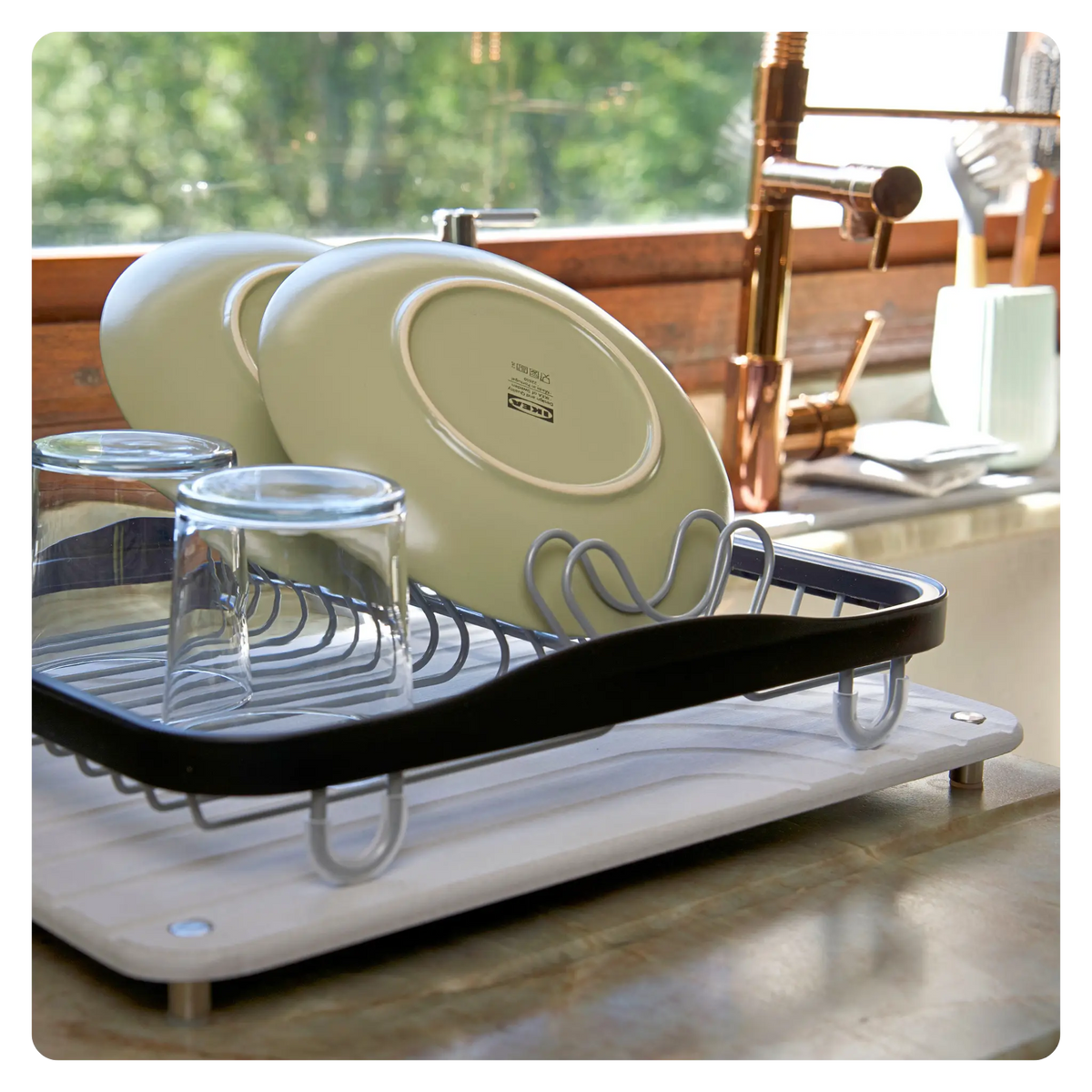
Stop Using Fabric Dish Mats: The Clean Kitchen Guide to Diatomite Stone
Home is meant to be a place to relax, so anything that makes even a small task like drying dishes easier is worth having. Dish drying mats have become that go-to helper in kitchens across the country, especially when counter space is at a premium. But not all mats are the same. Some can trap moisture, harbour bacteria, or fall apart after a few months of use.
The right pick keeps your bench dry, your kitchen clean, and your routine simple. Here's how to choose one that works for you.
What is the best material for a dish drying mat?
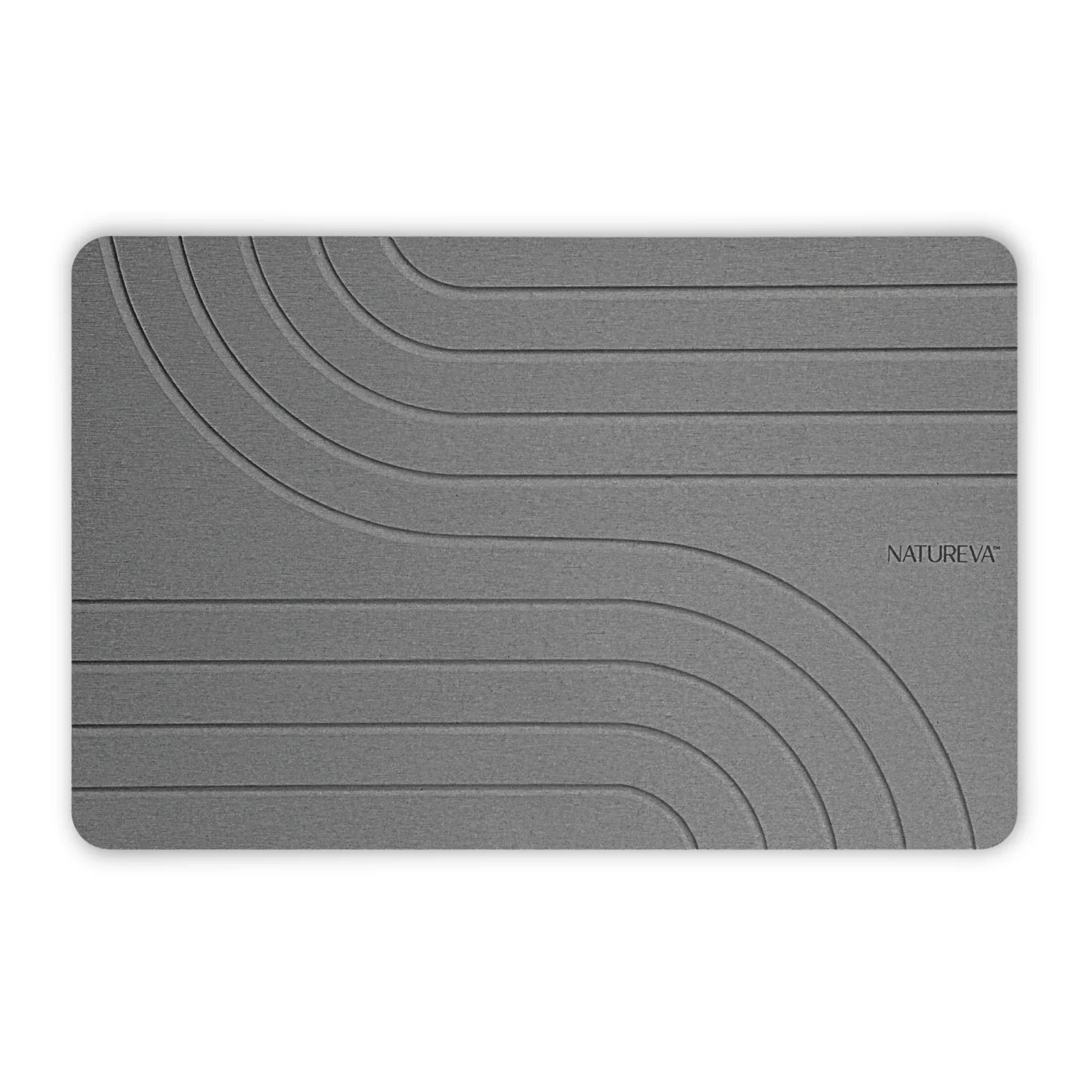
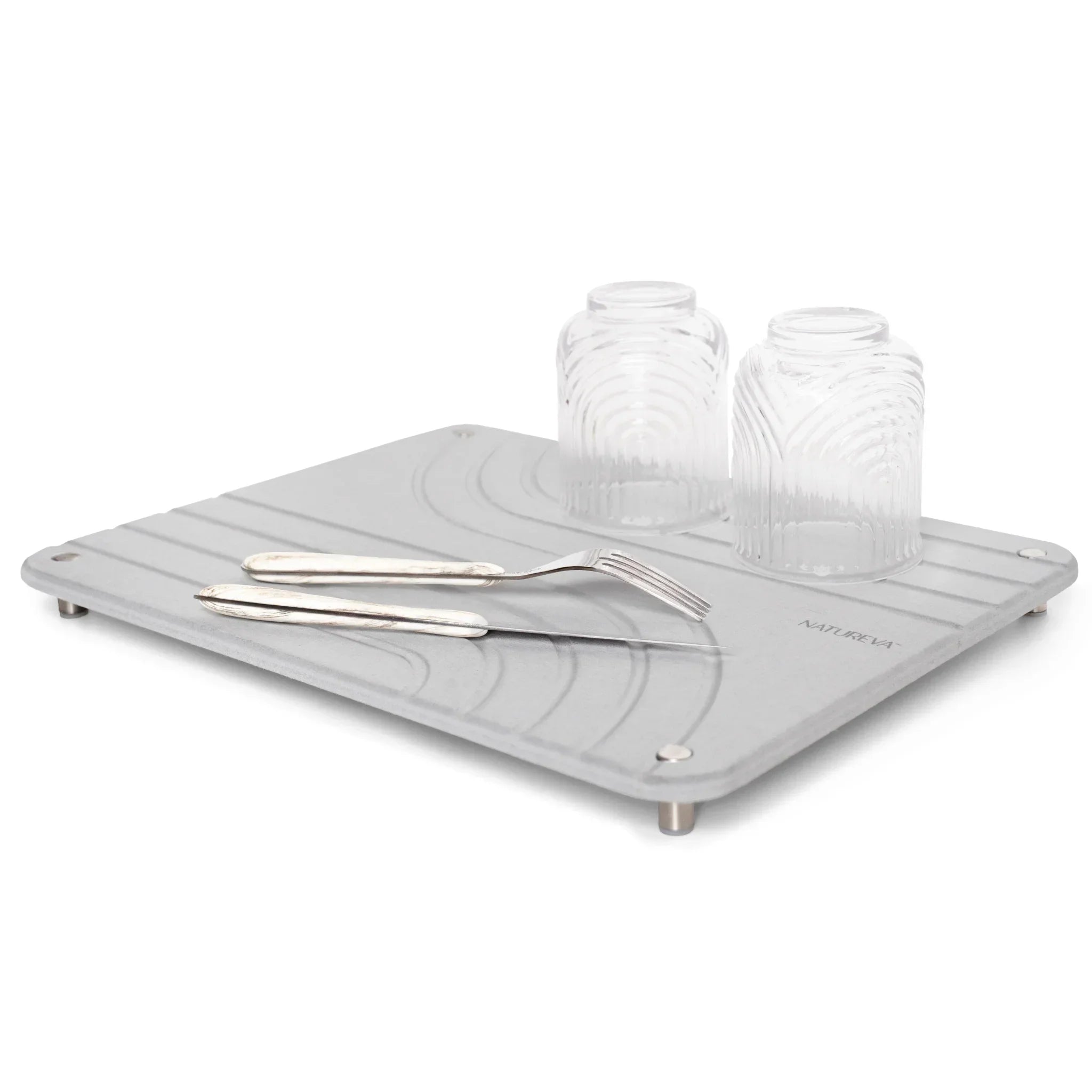
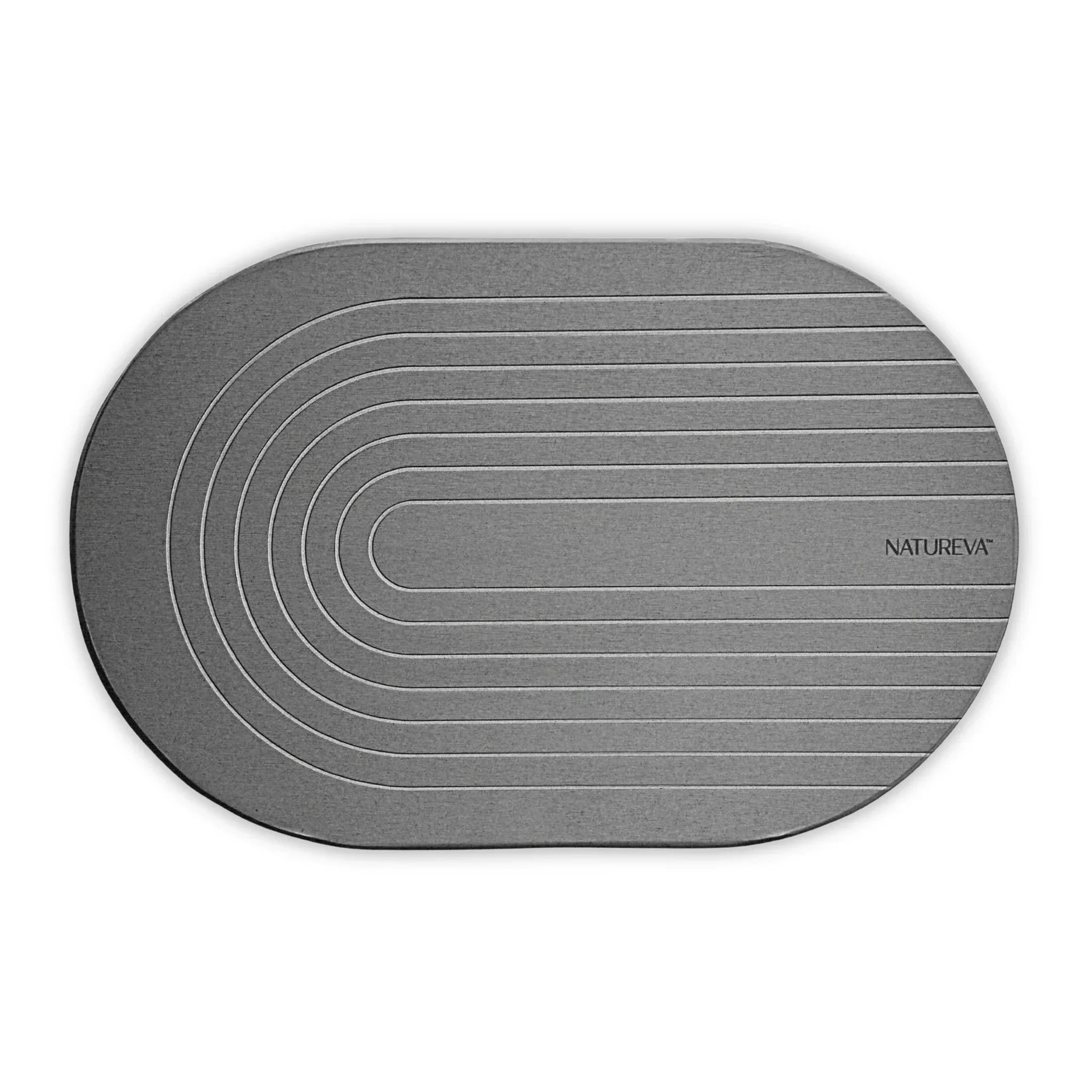
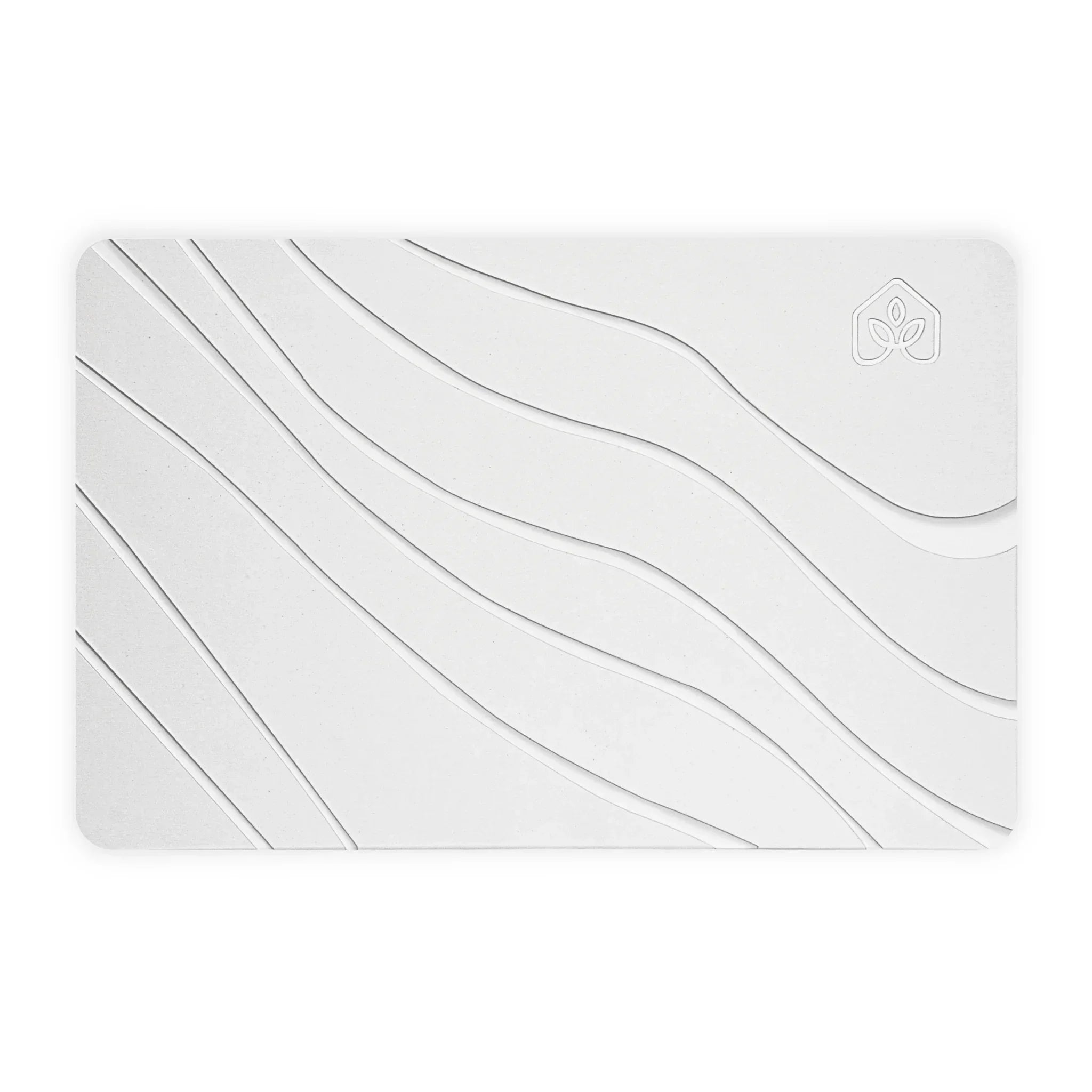
Diatomite stone is the best material for a dish drying mat because it absorbs water on contact through millions of micro-pores and dries within minutes. Fabric microfibre mats stay damp for hours and grow bacteria, while silicone mats don't absorb at all and let water pool underneath dishes.
Are dish drying mats hygienic?
Dish drying mats are only hygienic if they dry fast between uses. A mat that stays wet for hours creates the same damp conditions that mould and bacteria need to grow. Diatomite stone mats are the most hygienic option because they evaporate water in minutes and only need a weekly wipe, unlike fabric mats that need constant washing.
What size dish drying mat do I need?
Choose a dish drying mat large enough to hold your typical dish load without stacking. For most households, a medium mat measuring around 60 × 40 cm suits everyday use. Smaller kitchens or single-person households can use a compact 45 × 30 cm mat, while larger families may need a full-size mat close to 70 cm long.
Table of Contents
Quick Answer
- A good dish drying mat keeps your bench dry, protects the surface, and cuts down on cleaning.
- Material makes the biggest difference: diatomite stone dries in minutes, fabric holds moisture for hours, silicone doesn't absorb at all.
- Look for fast drying, easy cleaning, non-slip stability and a size that suits your typical dish load.
- A quality mat lasts longer, stays hygienic between uses, and doubles as a plant stand, drink coaster or spill catcher.
- Diatomite stone dish mats only need a weekly wipe and last for years.
Why a Dish Drying Mat Matters More Than You Think
It might seem like a small kitchen accessory, but a dish drying mat can make a big difference. It protects your benchtop from water damage, keeps things from sliding around, and creates a designated drying area so puddles don't spread across the kitchen.
The catch is that many traditional mats hold onto moisture. Damp fabric, silicone or rubber can quickly become a breeding ground for bacteria, which defeats the purpose of a clean drying spot. The right material solves that problem.
Compare the Materials
Not all dish drying mats are made the same. The material affects everything from how quickly water evaporates to how easy it is to clean, and how long the mat lasts before it needs replacing.
| Material | How it performs | Best for |
|---|---|---|
| Fabric / Microfibre | Absorbs water but stays damp for hours. Needs frequent washing to stay hygienic. | Occasional use or as a backup mat. |
| Silicone / Rubber | Doesn't absorb water. Dishes sit in shallow pools that need to be tipped out. | Kitchens with a nearby sink for easy draining. |
| Bamboo / Wood | Looks great but can warp, mould or stain when repeatedly wet. | Occasional drying of dry-side items only. |
| Diatomite Stone | Absorbs water on contact and evaporates in minutes. Weekly wipe keeps it clean. | Everyday use in any kitchen. |
Diatomite stone is the standout because it manages moisture without the maintenance load. It's why so many households are making the switch from fabric or silicone.
The next generation of home essentials: naturally made, cleaner by design, sustainable by nature.
SHOP ALLWhat to Look for in a Dish Drying Mat
When comparing options, focus on these features:
- Absorbency — how quickly the mat pulls water off dishes
- Drying speed — how long it takes to dry itself after use
- Non-slip base — so it stays stable on the bench, even under a full dish load
- Right size — big enough for your usual load without stacking
- Easy to clean — a weekly wipe rather than a wash cycle
Everyday Uses Beyond Drying Dishes
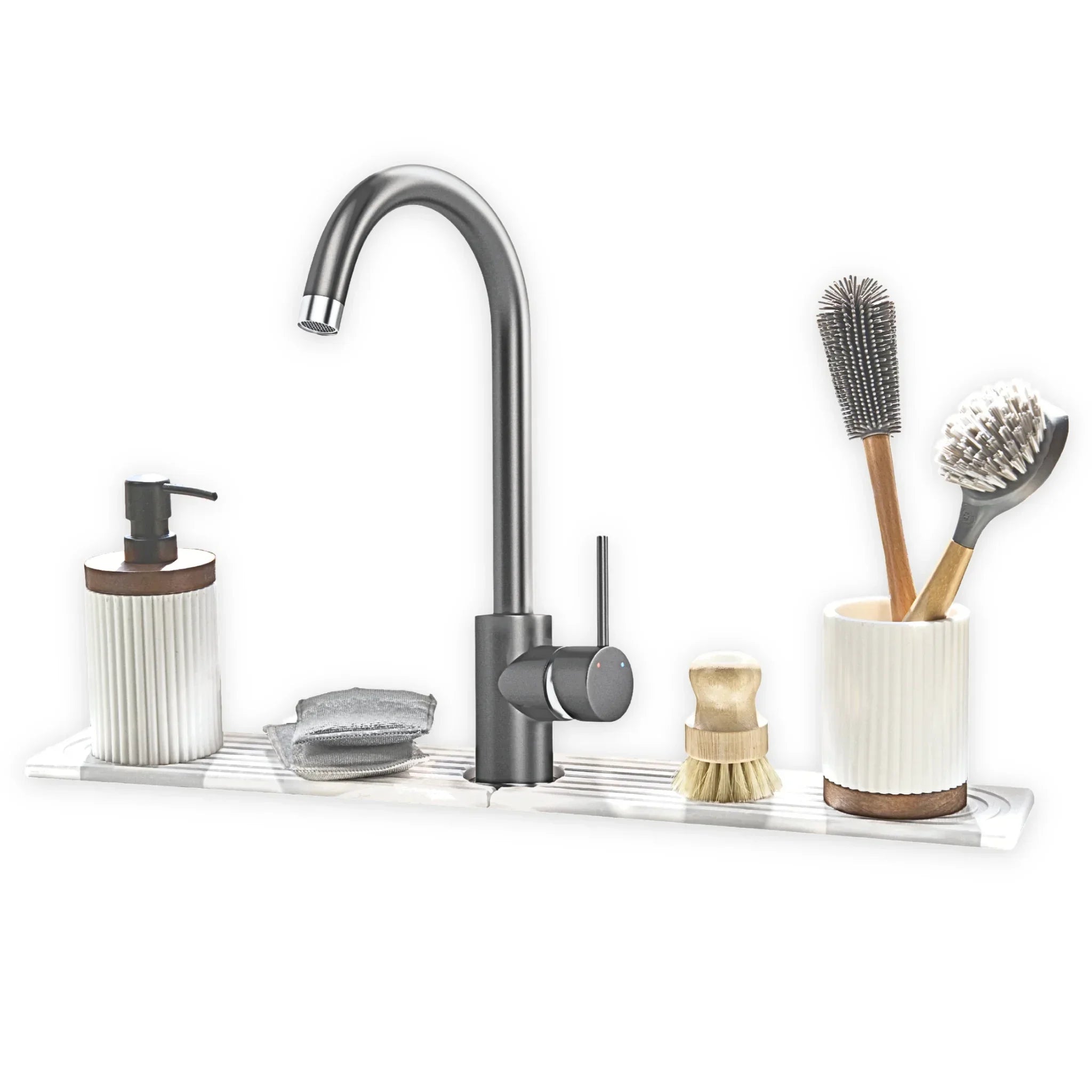
A good dish mat earns its place on the bench, but the versatility of a stone one means it can also work throughout the rest of your kitchen:
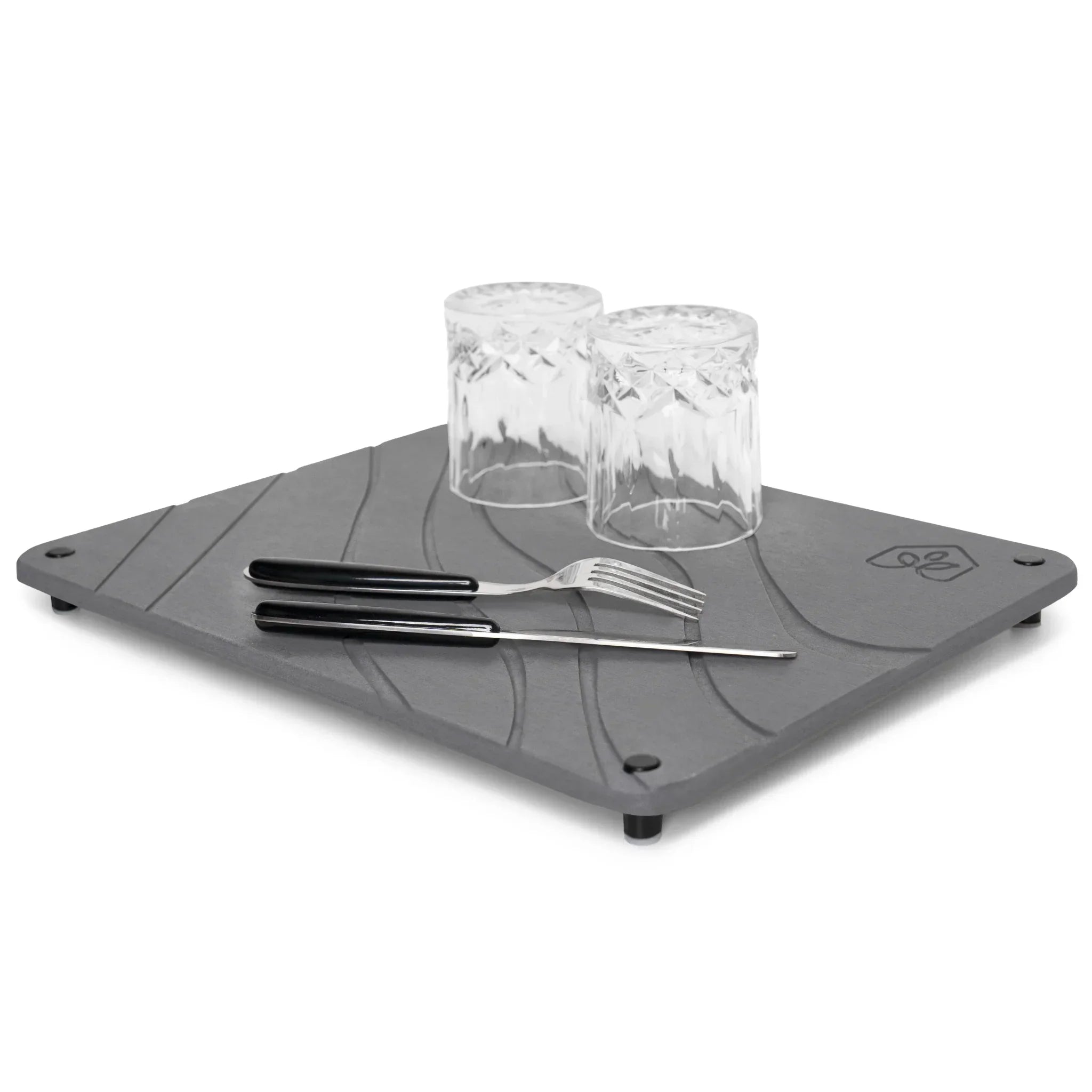
- Under a kettle or coffee machine to catch splashes and drips
- Beneath potted herbs so drainage doesn't stain the bench
- As a drink coaster mat for glasses and mugs during the day
- Under bottles of oil, vinegar or dishwashing liquid to protect the surface from rings
How to Care for Your Dish Drying Mat
Maintenance is straightforward with a stone mat. A weekly wipe with a damp cloth or a mild vinegar-water mix, followed by a full air dry, is usually all it needs.
A faint powdery residue or small marks are normal for diatomite and don't affect performance. For anything more stubborn, a gentle scrub with non-coloured dishwashing liquid works well, with a light sand if a mark won't lift.

Make Clean Up Easier Every Day
The right dish drying mat won't just tidy up your kitchen, it'll take a small daily chore off your list. A fast-drying, low-maintenance mat means less wiping down the bench, less worrying about mould underneath, and more room to just enjoy your kitchen.
If you're ready to upgrade, explore our stone dish mat range and see the difference for yourself.
The next generation of home essentials: naturally made, cleaner by design, sustainable by nature.
SHOP ALL