
We Tested 6 Bath Mat Types in High Humidity Conditions
If you've ever stepped onto a damp, musty-smelling bath mat, you know the problem. In humid bathrooms, traditional fabric mats never fully dry, creating the perfect breeding ground for mildew and bacteria.
We tested six different stone bath mats and traditional alternatives in high-humidity conditions for three months. We measured drying times, checked for mould growth, and evaluated how each mat held up to daily use in a bathroom with poor ventilation and humidity levels consistently above 70%.
The results were clear: not all bath mats are created equal when it comes to humid environments. Here's what we discovered.
Cotton Bath Mats: The Traditional Choice That Failed
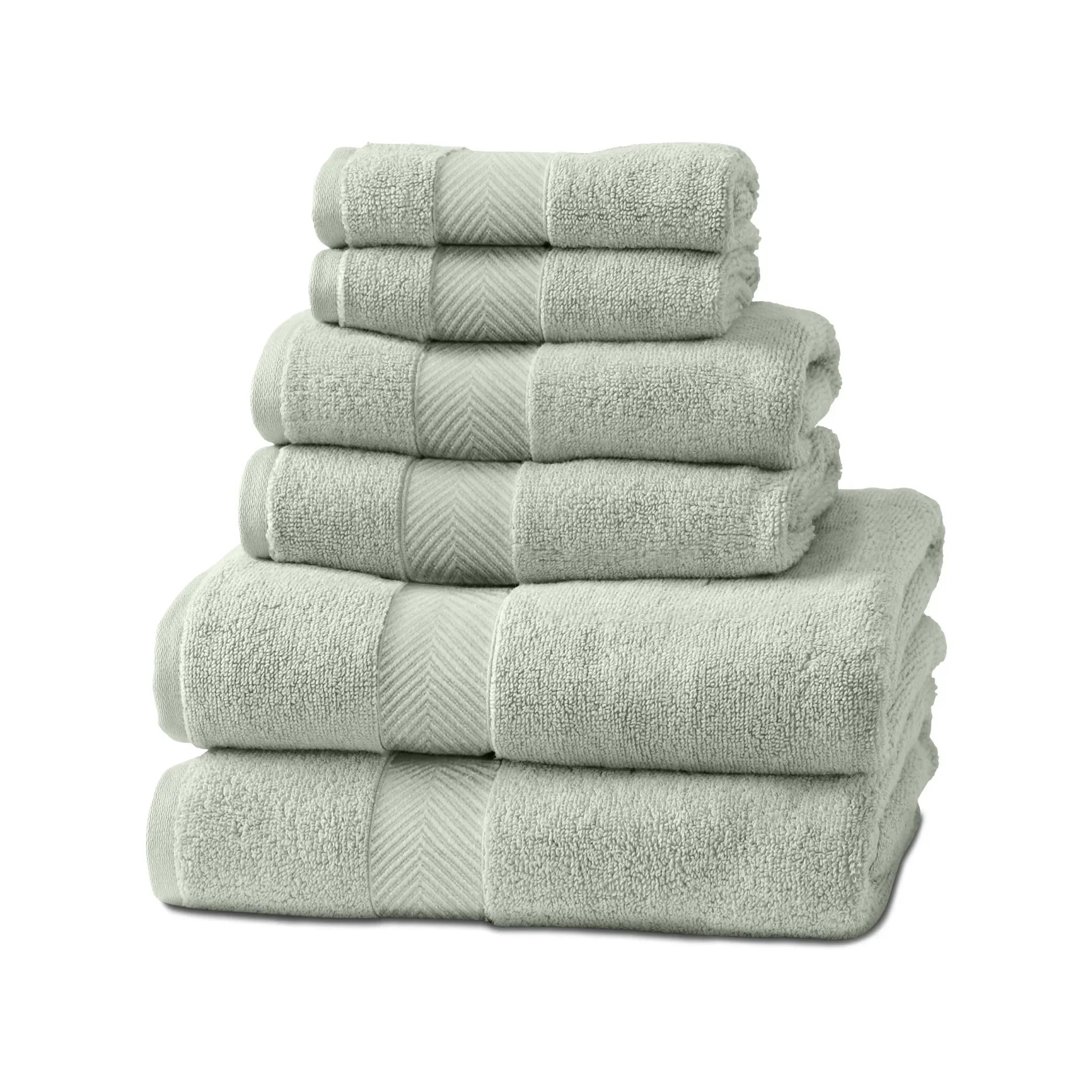
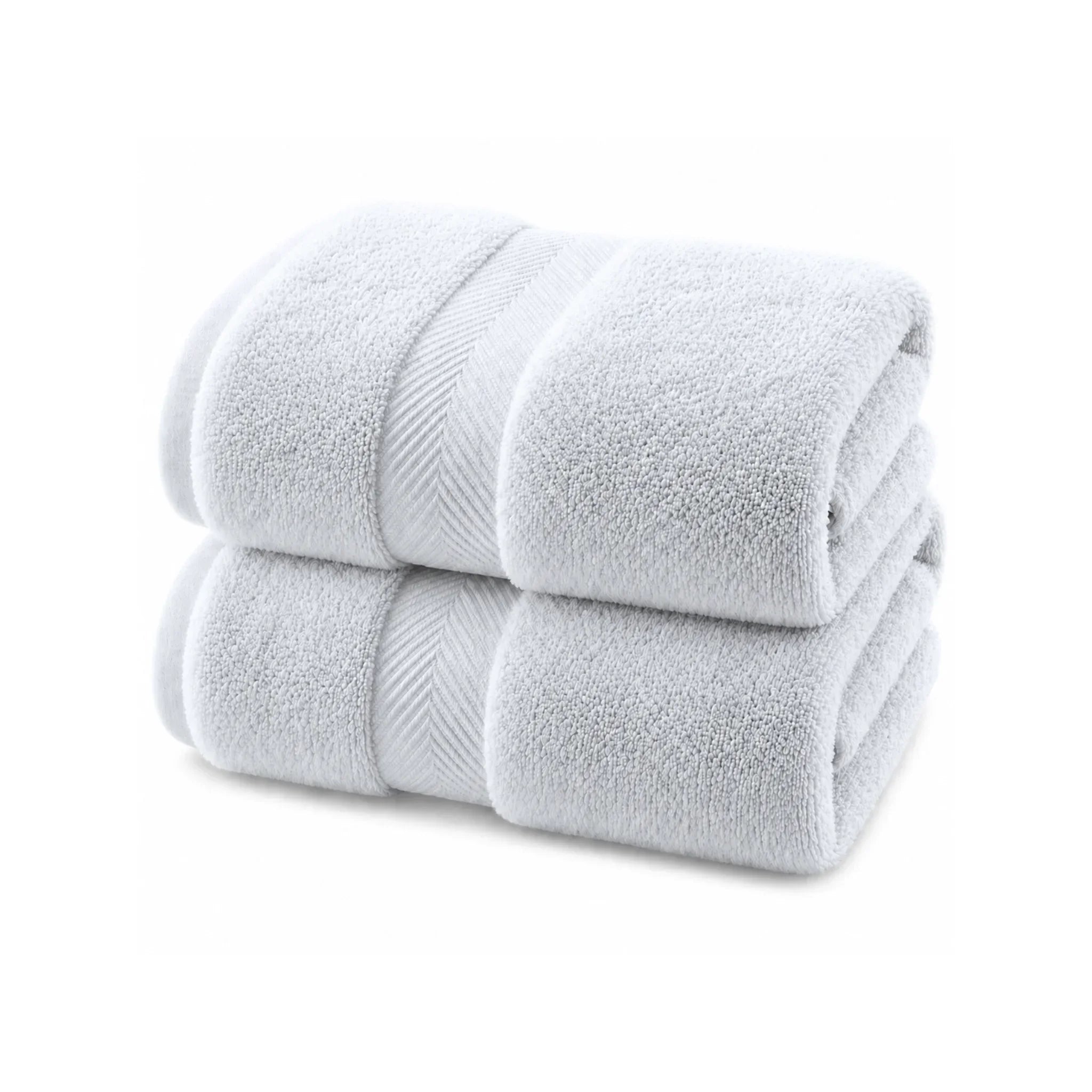
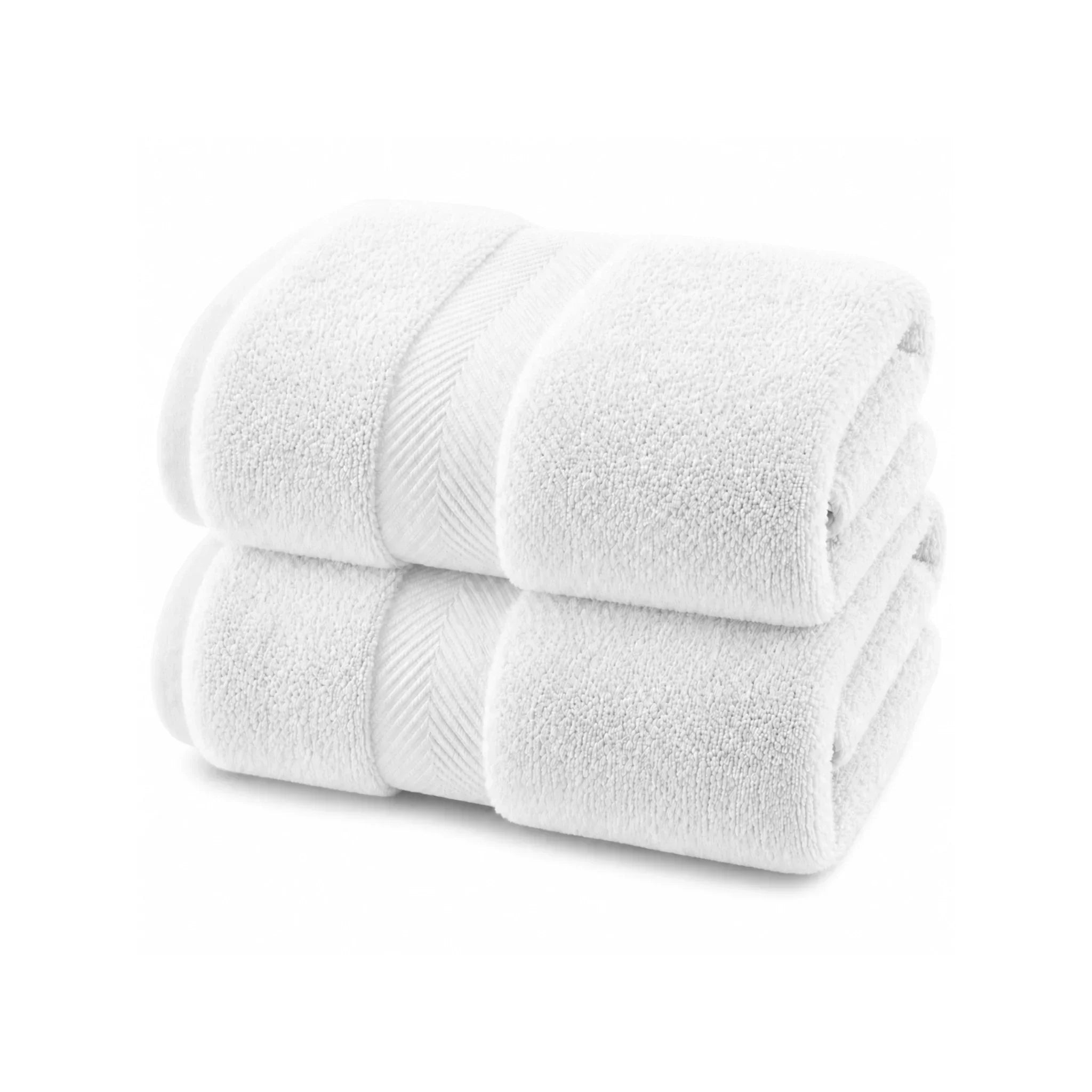
Cotton mats are the most common option, but they performed worst in our humidity test. The thick, absorbent fabric that feels plush underfoot becomes a liability in humid conditions.
- Stayed wet for 4-6 hours after morning showers
- Developed a musty smell within two weeks
- Required washing every 3-4 days to prevent odour
- Never felt completely dry to the touch
Microfibre Mats: Faster Drying But Still Problematic
Microfibre mats dried faster than cotton, but they still retained moisture in high humidity environments. The synthetic fibres absorbed water quickly but released it slowly when the air was already saturated.
- Dried in 2-3 hours under ideal conditions
- Developed a chemical smell when damp
- Started showing mildew spots after one month
- Required frequent machine washing
Bamboo Mats: Natural But Not Durable
We had high hopes for bamboo mats given their natural antimicrobial properties. Unfortunately, the constant moisture exposure caused significant structural problems.
- Warped within the first month of testing
- Developed cracks between slats
- Became unstable and wobbly underfoot
- Trapped water underneath, creating mould issues
Memory Foam Mats: Comfort With Consequences
Memory foam mats felt luxurious initially, but the foam core became a mould magnet. The waterproof backing actually made things worse by trapping moisture underneath.
- Surface dried quickly but foam stayed damp
- Black mould appeared on the underside after 3 weeks
- Impossible to fully dry without direct sunlight
- Had to be discarded due to health concerns
Rubber Mats: Slippery and Unpleasant
Rubber mats don't absorb water, which sounds ideal. In practice, they became slimy and slippery in humid conditions, creating a safety hazard.
- Water pooled on the surface instead of absorbing
- Developed a slimy biofilm within days
- Required daily scrubbing to stay clean
- Felt unpleasant and sticky underfoot
Stone Bath Mats: The Clear Winner
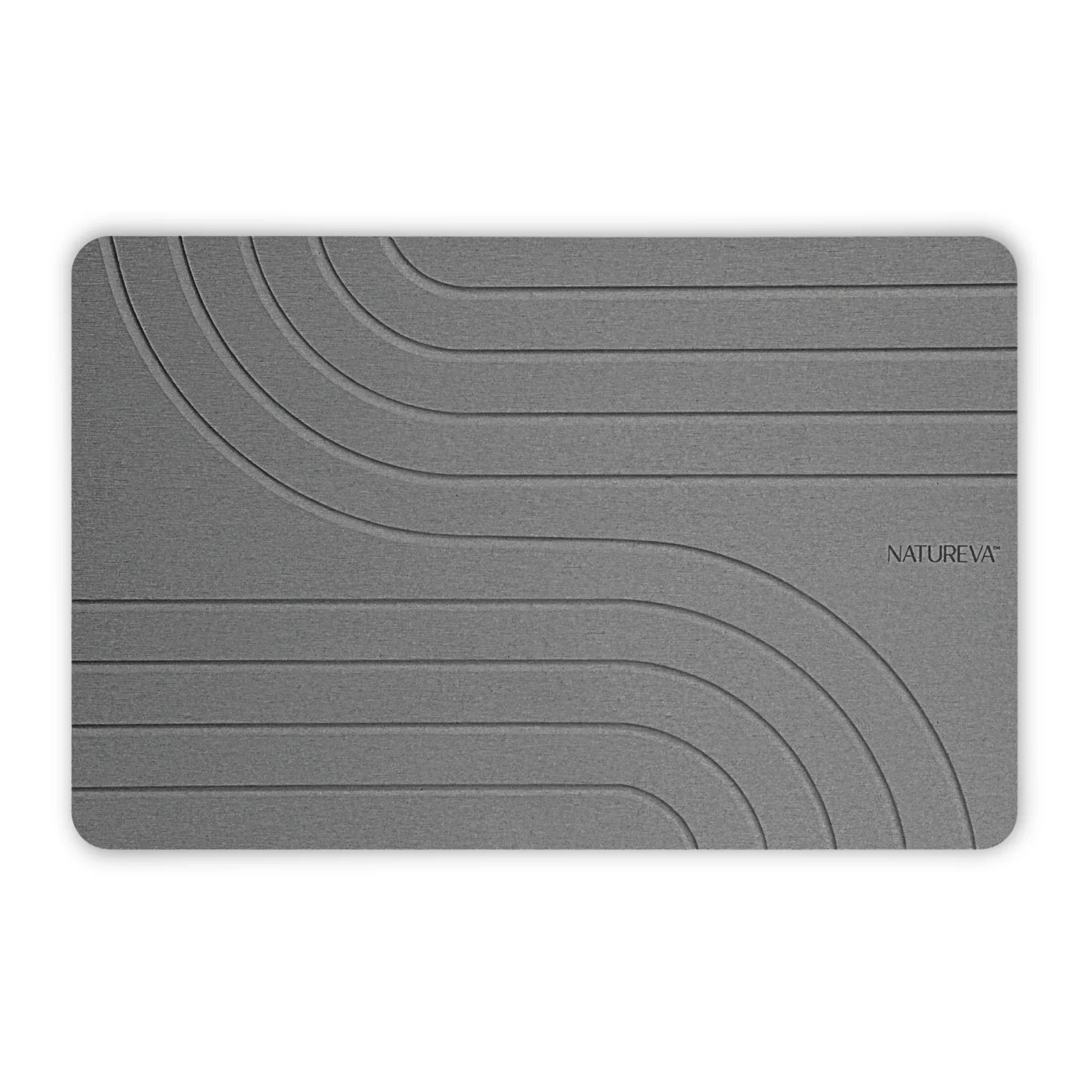
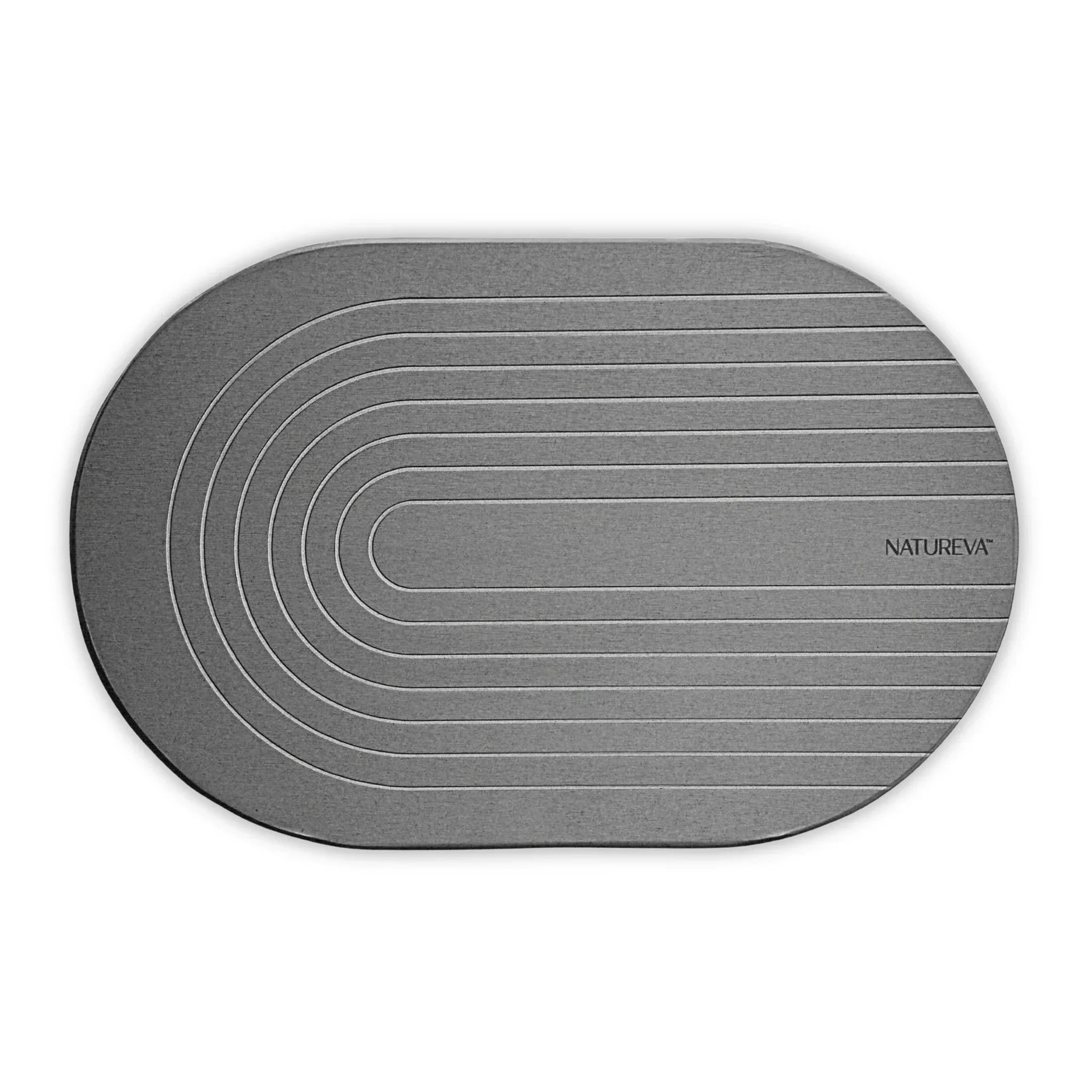
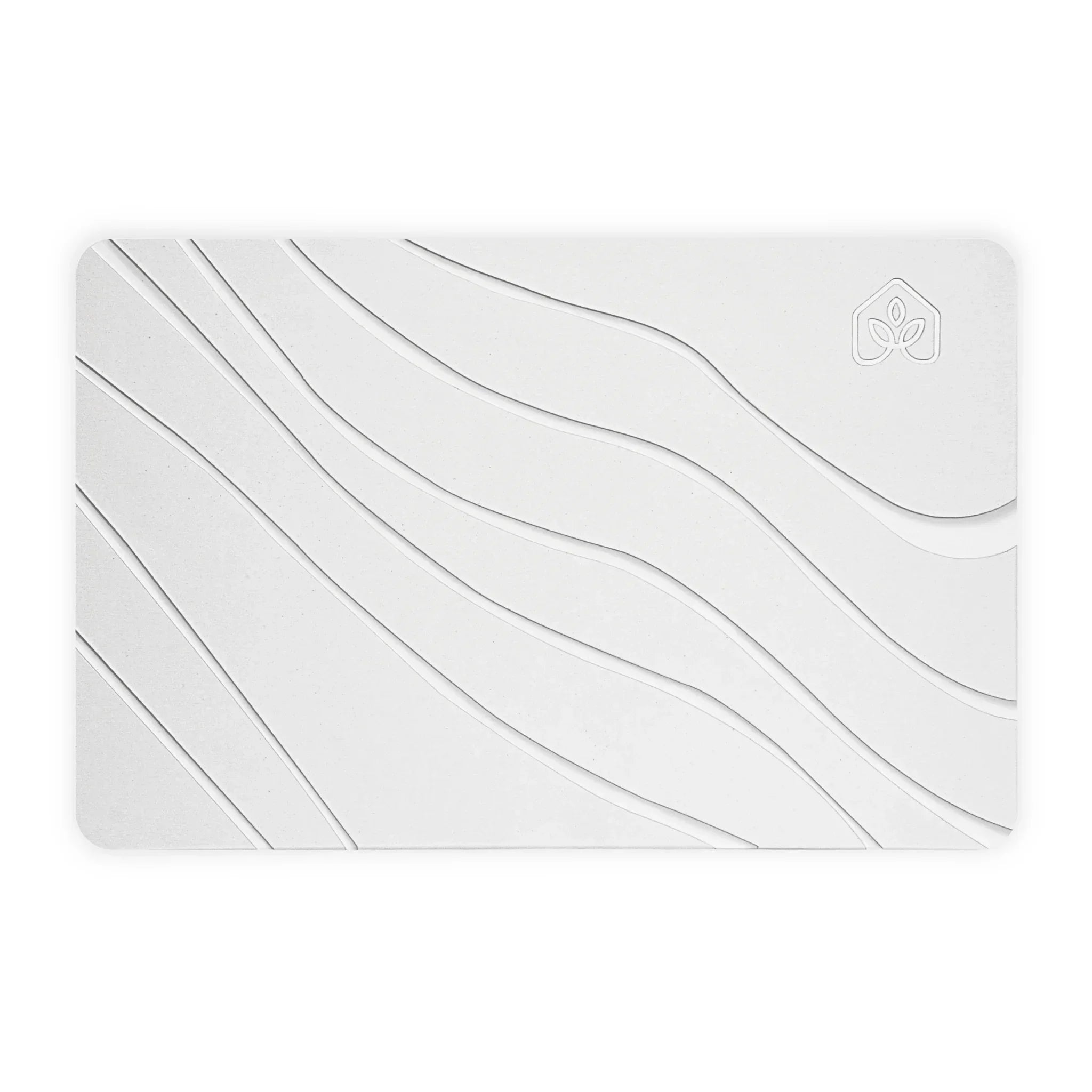
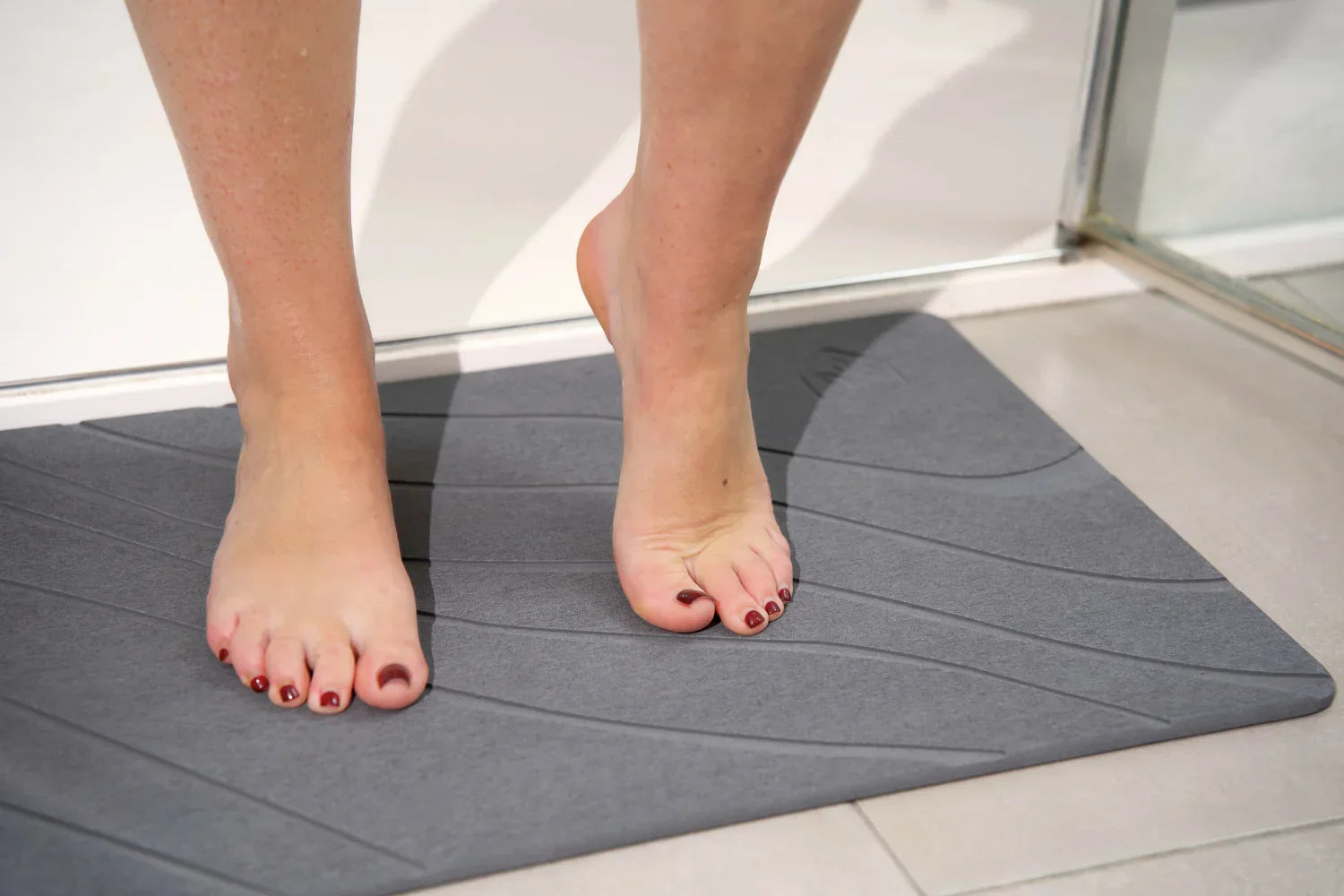
Stone bath mats outperformed every other option by a significant margin. The porous diatomaceous earth material absorbed water instantly and released it through rapid evaporation, making them the ultimate quick drying bath mat. Learn more about how the absorption process works.
- Dried completely in under 10 minutes
- No odour development even after three months
- Zero mould or mildew growth
- Stayed fresh and clean with minimal maintenance
- Surface remained consistently dry to the touch
Water Evaporates Instead of Soaking In
Unlike fabric mats that trap moisture in their fibres, stone bath mats use natural evaporation. The diatomaceous earth material has millions of microscopic pores that pull water from the surface and release it into the air.
This process works even in humid conditions because the mat creates a localised drying effect. The water doesn't need to evaporate into already-saturated air—it moves through the stone's porous structure and disperses gradually.
- Water disappears from the surface in seconds
- Internal moisture evaporates within 5-10 minutes
- No saturation point—always ready for the next use
- Works effectively even at 80%+ humidity levels
No Fabric Means No Mildew Smell
The biggest advantage of stone mats is what they don't have: organic material for bacteria and mould to feed on. Fabric mats provide the perfect environment for microbial growth—moisture, warmth, and organic fibres.
Stone mats eliminate this problem entirely. The mineral composition doesn't support bacterial growth, and the rapid drying prevents the sustained moisture that mould requires.
- No musty odour even after months of use
- Naturally antimicrobial surface
- Doesn't harbour bacteria or fungi
- Stays fresh without chemical treatments
Minimal Maintenance Required
Traditional bath mats require constant washing, which becomes a weekly chore in humid bathrooms. Stone mats need only occasional simple cleaning to maintain their performance. Check out our complete care and cleaning guide.
- Wipe weekly with a damp cloth and a vinegar-water mixture to keep it fresh
- For stains, scrub with a sponge and clear, non-coloured dishwashing liquid, then rinse well
- No machine washing or drying needed
- If absorption slows down, use a sanding tool to restore performance
Cool, Fresh Feeling Every Time
One unexpected benefit we discovered: stone mats feel naturally cool and refreshing underfoot. In humid bathrooms that often feel stuffy and warm, stepping onto a cool stone surface is surprisingly pleasant.
The stone maintains a consistent temperature and never feels clammy or damp like fabric mats do in humid conditions.
- Natural cooling effect on hot, humid days
- Never feels wet or soggy
- Consistent texture and temperature
- Comfortable year-round
Long-Term Durability and Value
While stone mats have a higher upfront cost, they proved to be the most economical choice long-term. Fabric mats needed replacement every 3-6 months due to odour and deterioration, while the stone mat showed no signs of wear.
Our Tide, Arch, and Flow designs all use the same premium diatomaceous earth. Browse our complete diatomite bath mat collection to find the perfect option for your humid bathroom. For help choosing, read our guide on five features to check before buying a diatomite bath mat.
- Lasts for years without replacement
- No ongoing costs for washing or maintenance products
- Doesn't degrade or lose effectiveness over time
- Better investment than replacing fabric mats repeatedly
The Bottom Line
After three months of rigorous testing, stone bath mats are the only option we'd recommend for high-humidity bathrooms. They solve every problem that makes traditional mats fail in these conditions: slow drying, odour development, mould growth, and constant maintenance.
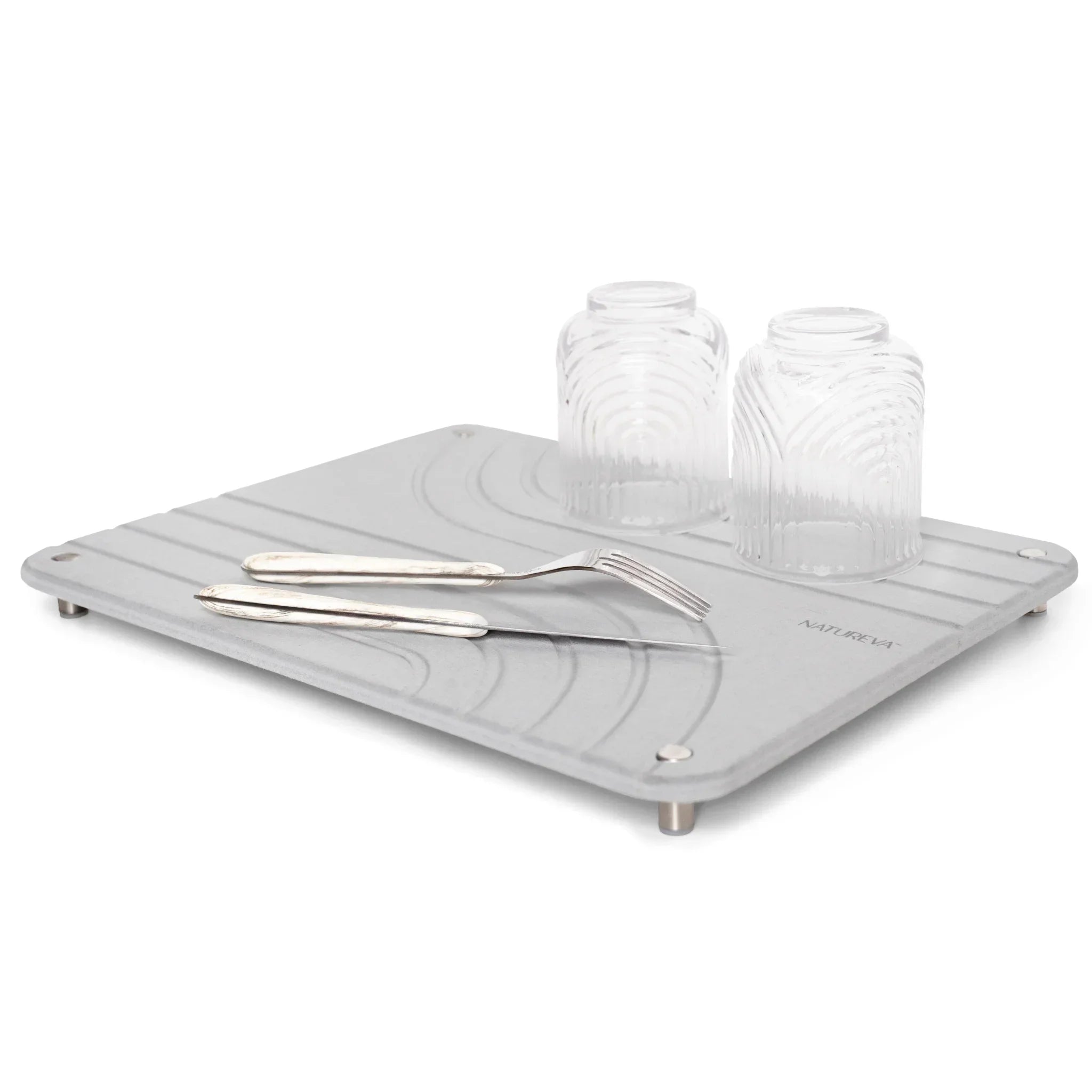
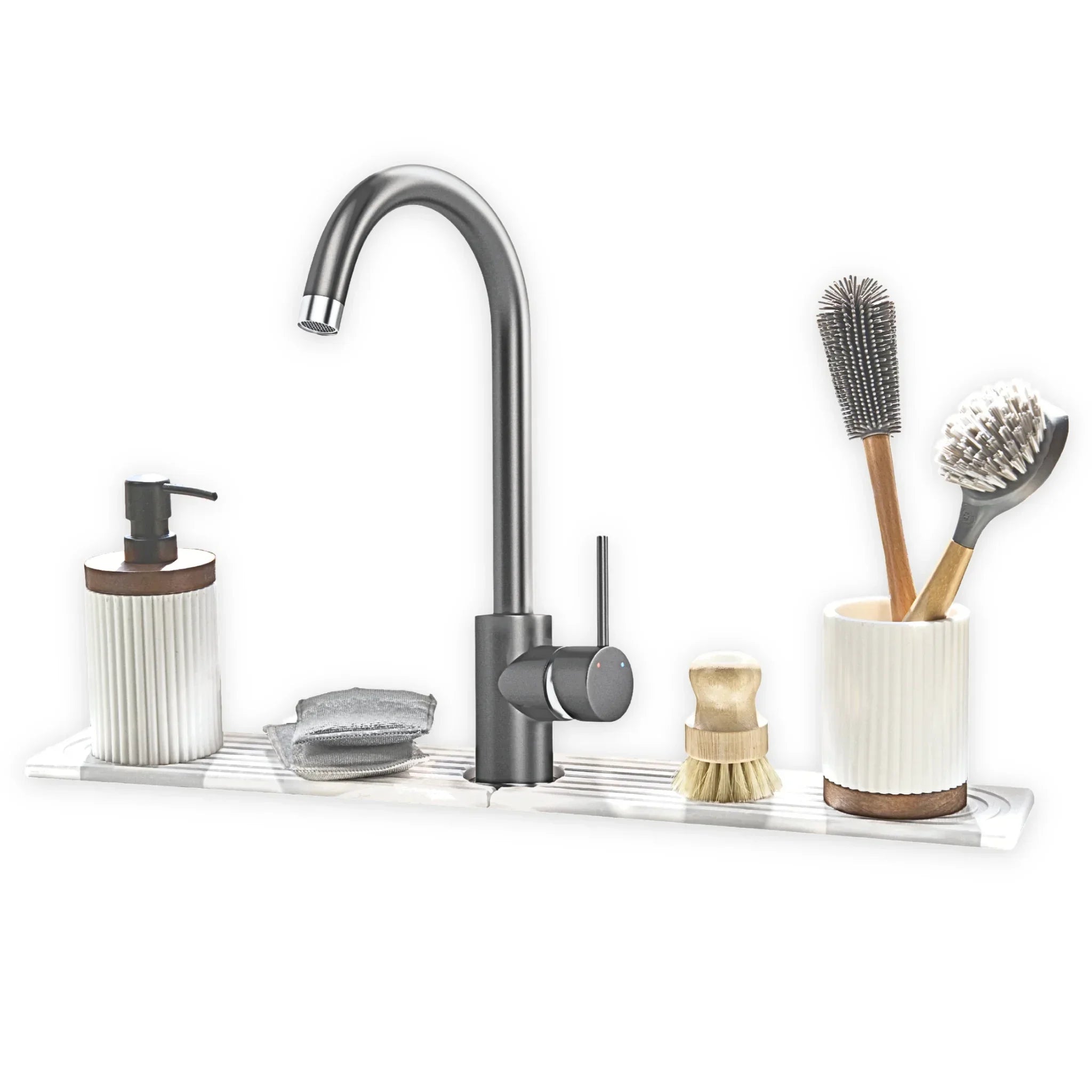
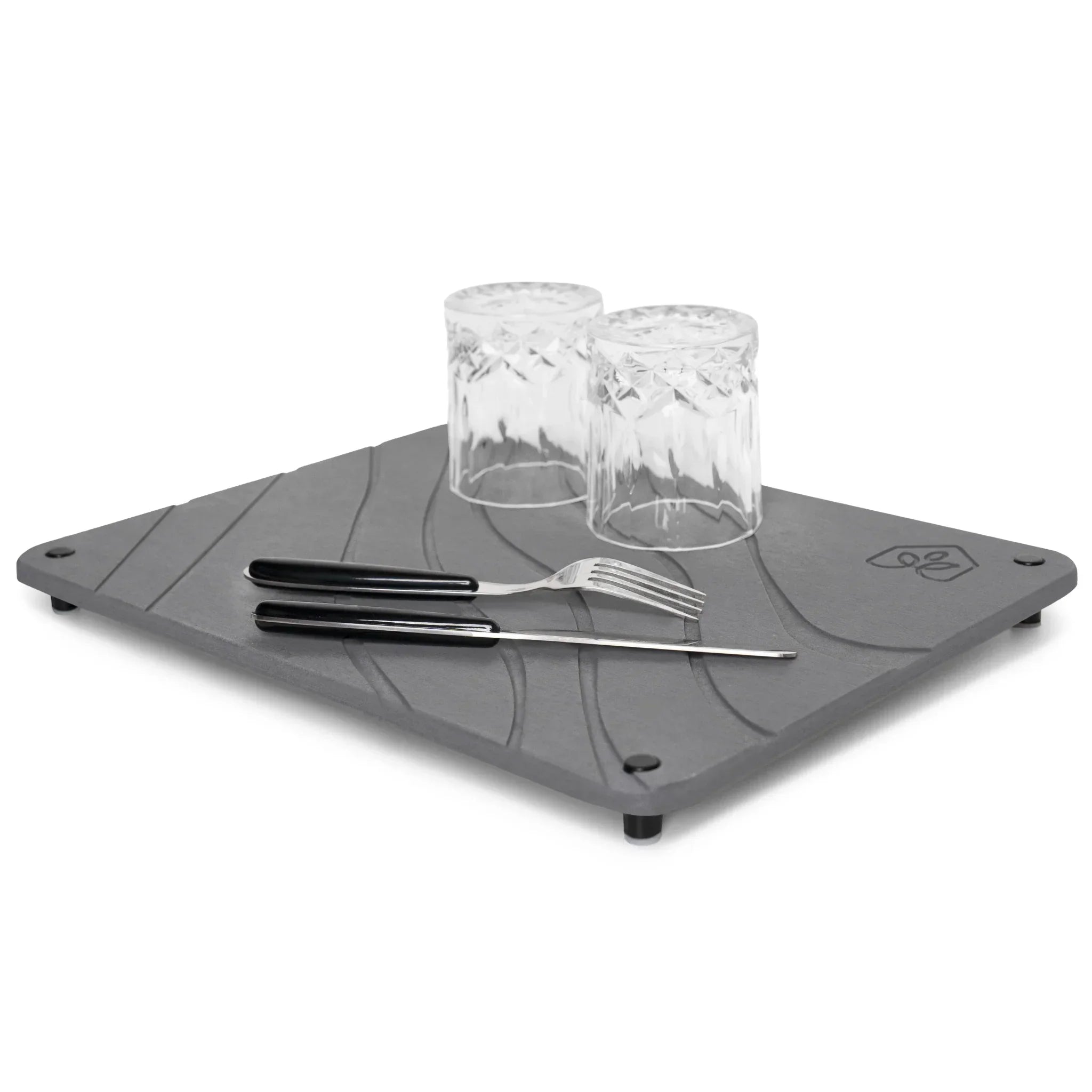
If you're tired of dealing with damp, smelly bath mats, switching to stone is the permanent solution you've been looking for. The same diatomite technology also works in kitchens with our dish mats and stone sink caddies.