

Keep Bathroom Counters Dry With These 7 Simple Fixes
A damp bathroom counter isn't just annoying—it's a breeding ground for water stains, soap scum buildup, and the kind of moisture that damages grout and warps cabinetry over time. Most homeowners blame their habits or their family members, but the real culprit is usually the materials sitting on that counter: fabric mats that trap water, rubber trays that pool moisture underneath, and accessories that never fully dry between uses. The good news is that how to keep bathroom counter dry comes down to seven straightforward fixes that address the root causes, not just the symptoms.
What is the best material for bathroom counter accessories to prevent water buildup?
Fast-drying stone accessories such as diatomaceous stone are the best material for bathroom counters because they absorb moisture within 60 seconds and prevent standing water that leads to mold and mildew growth.
Why do fabric bath mats keep bathroom counters wet?
Fabric and rubber bath mats trap moisture underneath products and retain water for 6 to 12 hours, creating a breeding ground for bacteria and preventing proper air circulation that would otherwise dry the counter surface.
How does airflow prevent wet bathroom counters?
Creating airflow under every product by using elevated organizers or accessories with raised feet allows moisture to evaporate naturally and prevents water from pooling on counter surfaces.
Table of Contents
The Real Cost of Wet Counters
Most people wipe down their bathroom counter at least once a day, sometimes more. That puddle around the soap dispenser, the water spots near the faucet, the damp ring where your toothbrush holder sits. It seems harmless enough, just part of the daily routine. But those wet surfaces are doing more damage than you might think, both to your bathroom materials and to the air quality in your home.
Why Standing Water Matters
When water sits on your bathroom counter for hours, it creates the perfect environment for problems you can't always see right away. The moisture doesn't just evaporate cleanly. It seeps into grout lines, settles into the tiny scratches on your counter surface, and hangs around in the humid air of your bathroom long after you've left for work.
Here's what happens when counters stay damp:
- Mould and mildew spores need moisture to grow, and a damp counter gives them exactly what they're looking for
- Water that sits for extended periods can etch into certain stone surfaces or cause laminate edges to swell and peel
- The constant cycle of wet and dry creates mineral deposits that build up over time, leaving those stubborn white marks
- Grout and caulk lines absorb moisture, which weakens their seal and leads to discolouration
According to research from the EPA, mould can begin developing on damp surfaces within 24 to 48 hours. Your bathroom counter might not stay wet that long in one go, but the repeated exposure adds up.
How Different Materials Handle Moisture
Not all bathroom counters respond to water the same way. Some materials shed moisture quickly, while others hold onto it for hours. The difference matters more than most people realize when choosing or maintaining bathroom surfaces.
| Material | Moisture Retention | Average Dry Time | Damage Risk |
|---|---|---|---|
| Marble | High | 2-4 hours | Etching, staining |
| Granite | Medium | 1-2 hours | Seal degradation |
| Laminate | Very High | 3-6 hours | Edge swelling, peeling |
| Quartz | Low | 30-60 minutes | Minimal |
| Diatomite Stone | Very Low | Under 10 minutes | None |
Materials like marble and laminate can hold moisture on their surface or absorb it into their structure, which is why you'll often see water marks or damage around sinks on these counters. Quartz does better because it's non-porous, but it still needs time to air dry. Diatomite stone products, like our Stone Faucet Mat, work differently by pulling moisture into millions of microscopic pores and releasing it through rapid evaporation, which is why the surface feels dry within minutes instead of hours.
The Maintenance Burden Nobody Talks About
Beyond the material damage, there's the simple fact that wet counters create extra work. You're constantly reaching for a towel to wipe things down, dealing with soap scum that forms more easily on damp surfaces, and scrubbing away the mildew that appears in corners and along the backsplash. Bathroom clutter and moisture management go hand in hand, because the more items sitting in puddles, the more surfaces you need to clean and dry.
The time adds up:
- Daily counter wipe-downs take 2-3 minutes each time
- Deep cleaning to remove buildup happens weekly and takes 15-20 minutes
- Replacing damaged caulk or treating mould spots costs both time and money
Most of this maintenance exists because traditional bathroom materials weren't designed to handle the constant moisture exposure they face. When water has nowhere to go except to sit and slowly evaporate, you end up doing the work that better materials could handle on their own.
Switch to Fast-Drying Stone Accessories
Most bathroom counters stay wet because the products sitting on them trap moisture instead of releasing it. Traditional plastic soap dishes, silicone holders, and ceramic trays create sealed surfaces where water pools and sits for hours. The material underneath can't breathe, so dampness spreads across your counter and never fully dries. This constant wetness is exactly what creates that grimy film you're always wiping away.
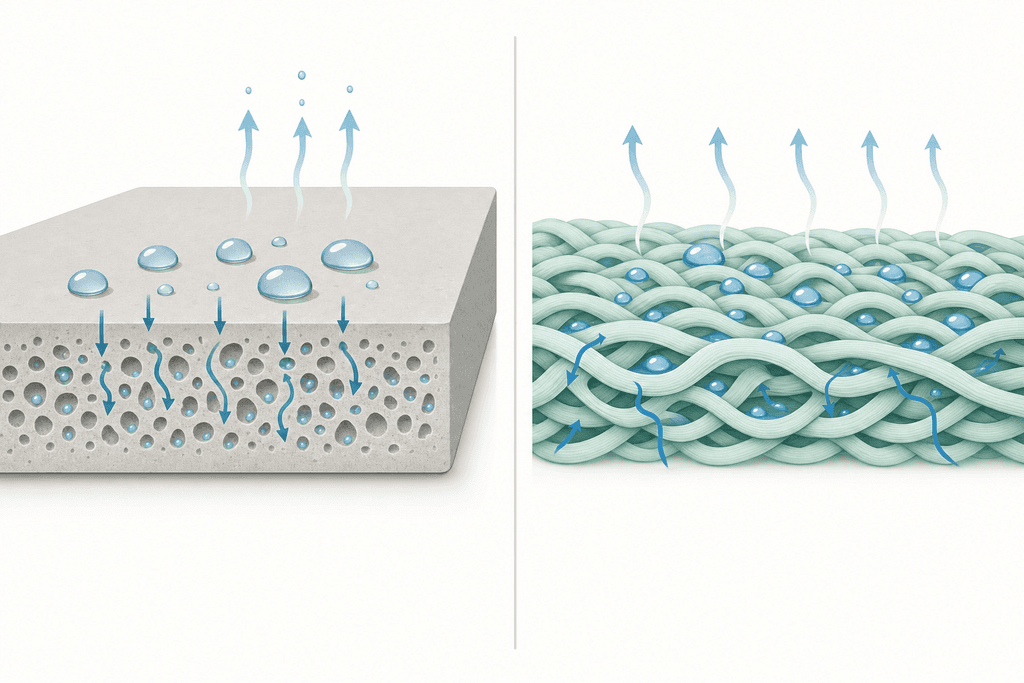
Diatomite stone works differently because of its internal structure. This material forms from fossilised microscopic algae called diatoms, and their remains create millions of tiny pores throughout the stone. When water touches the surface, it gets pulled into these pores instantly. Then the moisture evaporates back into the air within minutes, leaving the surface completely dry.
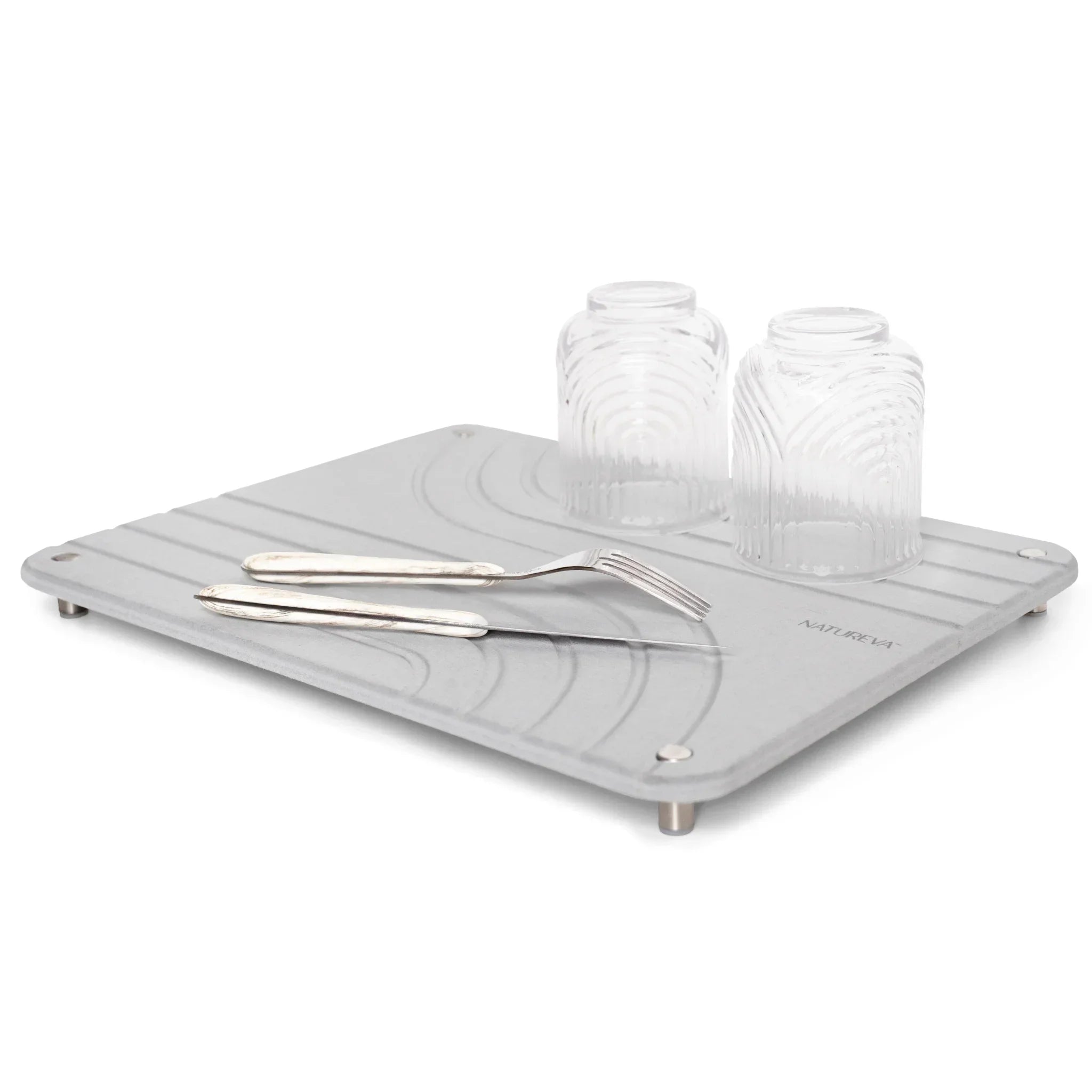
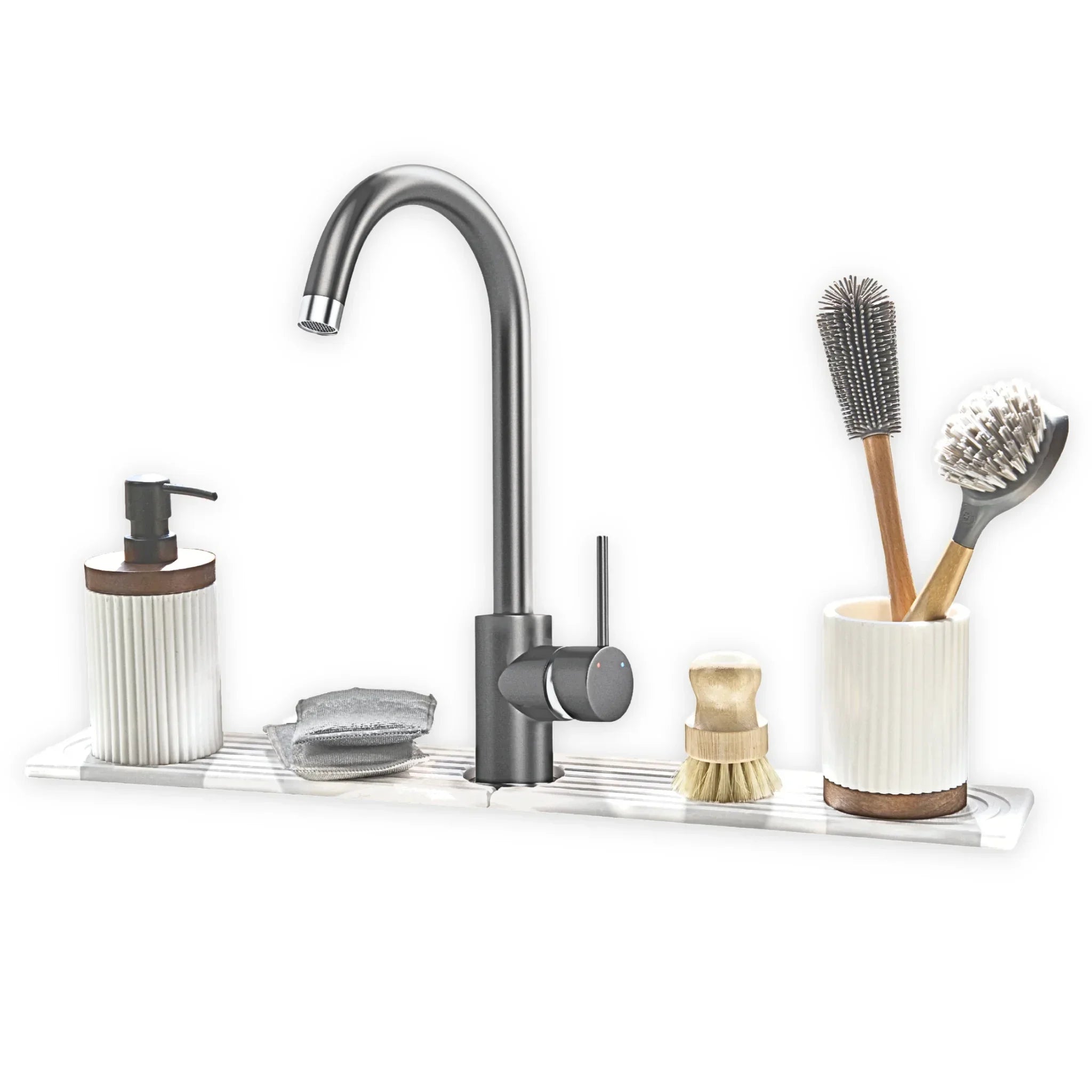
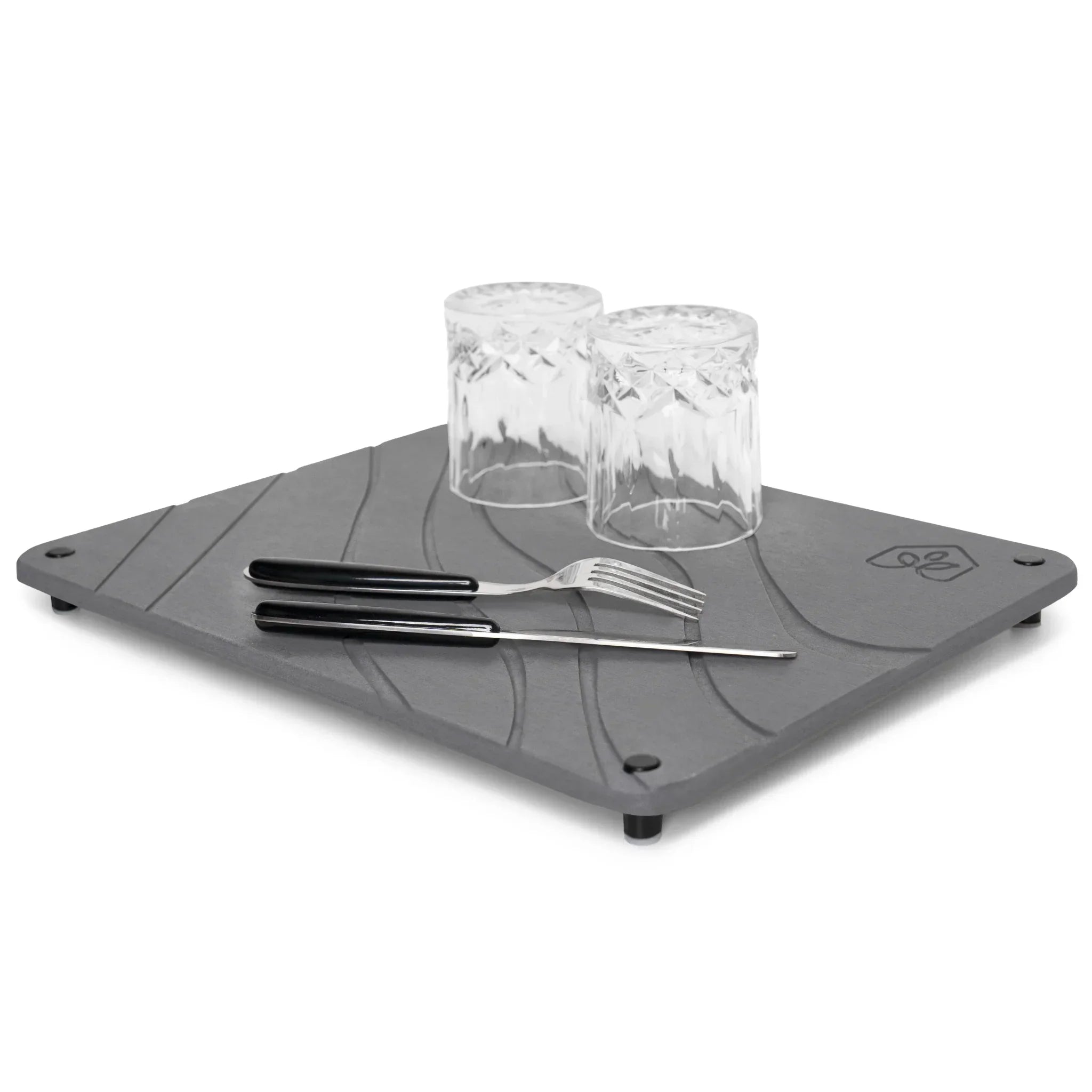
The difference shows up fastest with products designed for wet bathroom environments. A stone sink caddy absorbs drips from soap bottles and hand wash pumps the moment they land, while a plastic tray lets that same water sit in a puddle. Our Rain sink caddy keeps bottles elevated on stainless steel legs while the stone platform underneath handles moisture without staying damp.
How Different Materials Handle Water:- Plastic and ceramic: Water pools on non-porous surfaces and spreads across counters
- Silicone: Traps moisture against the counter, creating sealed damp zones
- Fabric: Absorbs water but stays wet for hours, developing odours
- Diatomite stone: Absorbs on contact and dries within minutes through natural evaporation
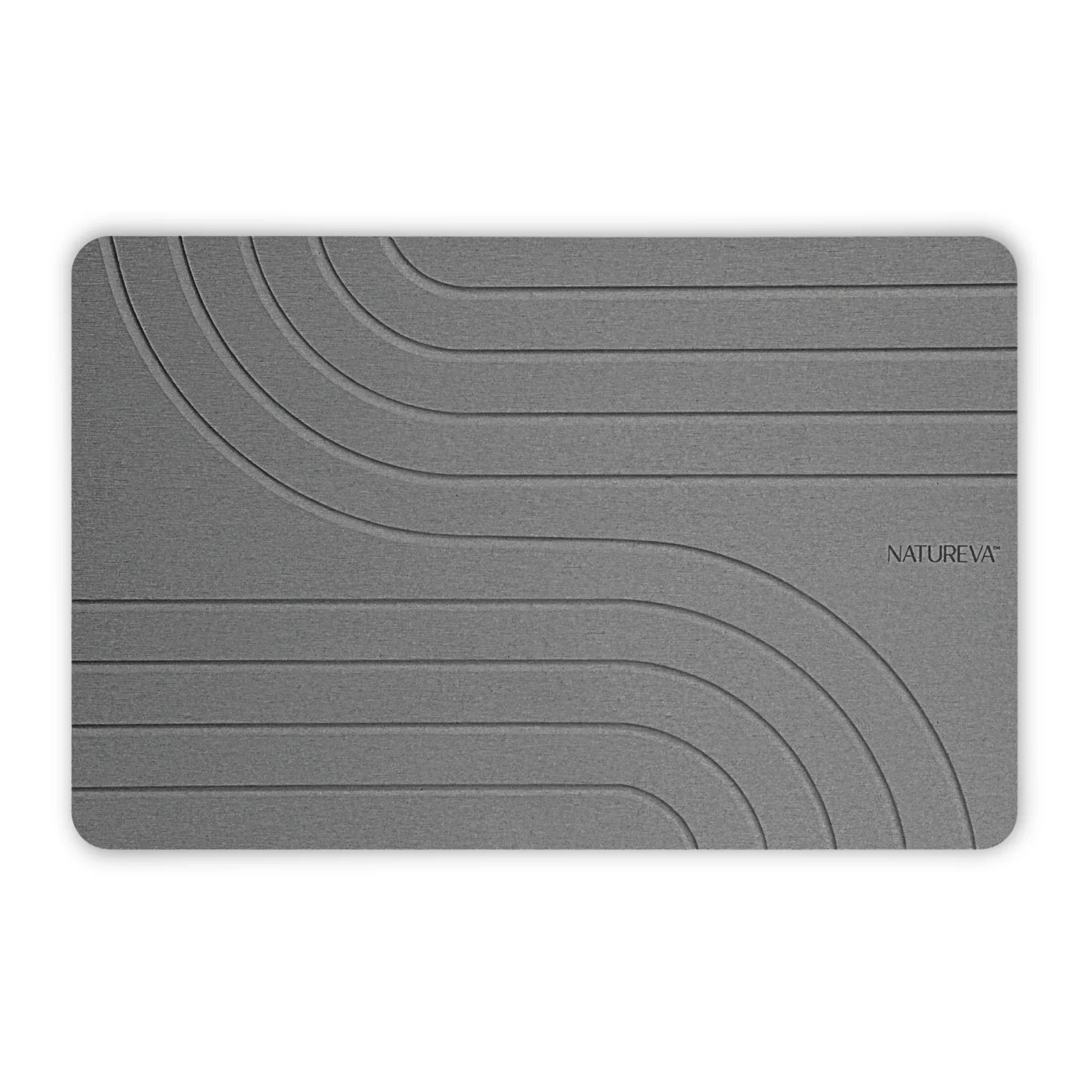
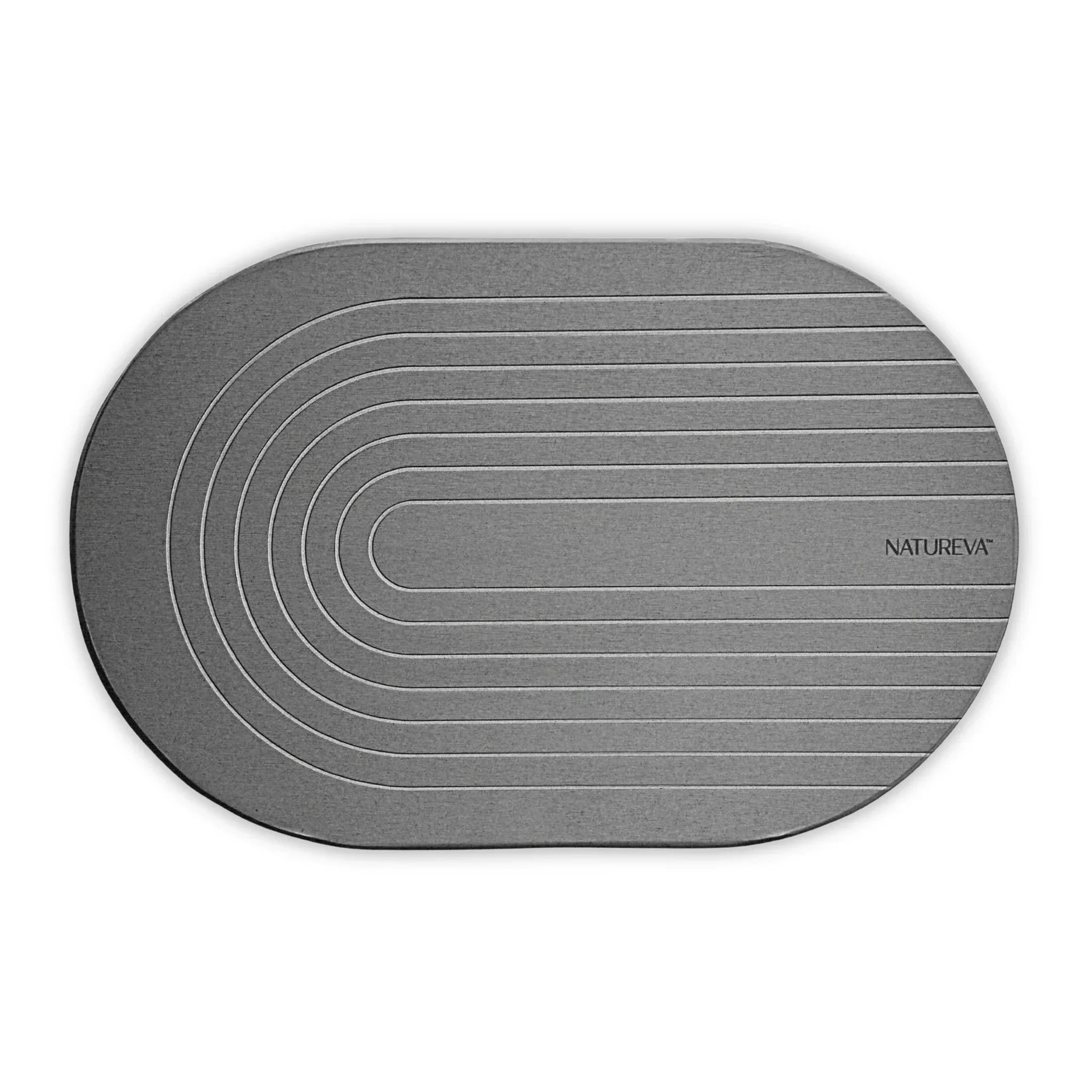
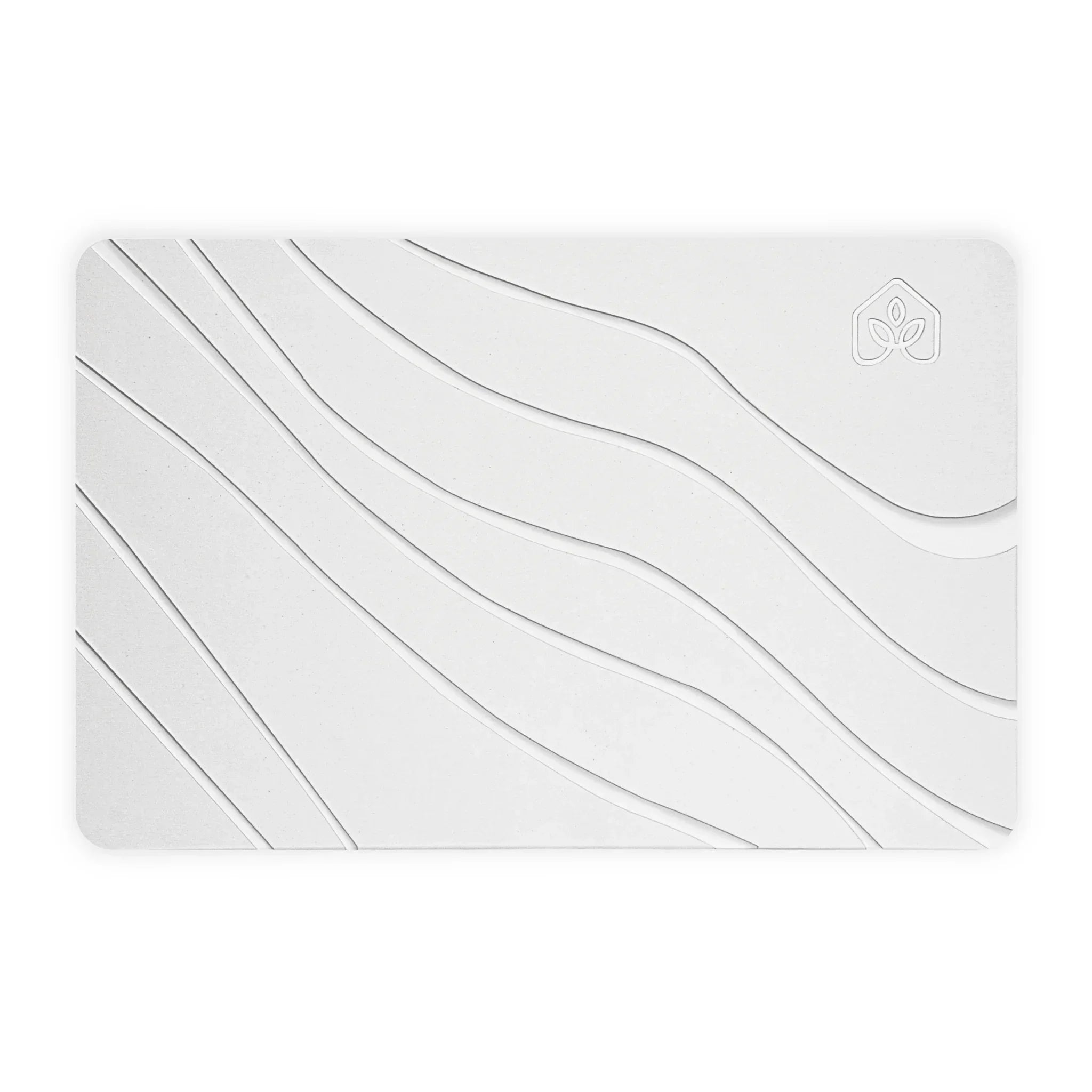
The stone faucet mat sits right behind your tap where water splashes constantly. Instead of wiping up puddles multiple times a day, the stone handles it automatically. The carved channels guide water along the surface while the porous material pulls moisture in and releases it as vapour.
Create Airflow Under Every Product
Even fast-drying materials need air circulation underneath to work properly. When products sit completely flat against your counter, moisture gets trapped in that sealed space between the bottom surface and the countertop. Water can't evaporate if air can't reach it. That's why you find those dark water rings and mildew spots under soap dispensers and toothbrush holders that have been sitting in the same spot for weeks.
Elevation creates the gap that moisture needs to escape. Just a few millimetres of space allows air to flow underneath, which prevents water from pooling and gives trapped moisture a way out. This simple change stops the damp conditions where mould develops and keeps your counter surface actually dry instead of just looking dry on top.
Our stone sink caddies come with precision-sized silicone pads that sit underneath the stainless steel legs. These 2 mm pads create slight elevation while keeping the caddy stable on wet surfaces. The pads measure exactly 1.2 cm in diameter to match the leg width, so they sit flush without visible overhang. The result is 2.5 cm of total elevation that keeps air moving under the stone platform where your products sit.
Steps to Add Elevation to Bathroom Counter Products:- Remove products currently sitting flat on your counter
- Clean and dry the surface completely to see existing water damage
- Add small adhesive pads (2-3 mm thick) to the bottom corners of containers and holders
- Use elevated platforms with built-in legs for frequently wet items like soap and lotion
- Check that air can flow freely underneath by sliding a piece of paper through the gap
- Wipe underneath products weekly instead of waiting for visible buildup
The same principle applies to everything on your counter. Toothbrush holders, cotton pad containers, and cosmetic organisers all benefit from a small gap underneath. You can retrofit existing products with adhesive silicone bumpers, or replace them with designs that include elevation from the start.
Replace Fabric and Rubber Mats
That small fabric mat you keep near the sink seems helpful because it soaks up water. But absorption without evaporation just moves the problem from your counter into the mat itself. Fabric holds moisture against its fibres for hours, creating a damp cloth that sits on your counter all day. The rubber backing that keeps it from sliding also seals the bottom, so water can't escape downward and air can't reach the wet fibres from below.
This trapped dampness is why fabric mats develop that musty smell within days. The material stays wet long enough for odour-causing bacteria to multiply in the moist environment. You end up washing the mat constantly, but it goes right back to being damp as soon as someone washes their hands.
Silicone mats create a different version of the same issue. Water beads on the surface instead of absorbing, so it runs off onto your counter anyway. But moisture that does get underneath the mat stays there because silicone creates an airtight seal against the countertop. According to home organisation experts, this sealed moisture is one of the main causes of permanent water stains on bathroom surfaces.
The next generation of home essentials: naturally made, cleaner by design, sustainable by nature.
SHOP ALL| Material Type | Drying Time | Maintenance Frequency |
|---|---|---|
| Fabric mats | 4-8 hours | Wash every 3-5 days |
| Rubber-backed mats | 6-12 hours | Wash weekly, replace yearly |
| Silicone mats | 2-4 hours | Wipe daily, deep clean weekly |
| Diatomite stone | Under 10 minutes | Wipe weekly with vinegar |
The Arch faucet mat measures 60 × 10 cm and sits in that wet zone right behind your tap. Water absorbs into the stone immediately instead of pooling, and the surface dries completely within minutes. You wipe it down weekly with a damp cloth and cleaning vinegar, which takes less time than constantly washing fabric mats that never quite smell fresh.
The carved contour channels aren't just design details. They guide water along engineered paths across the surface, which increases the exposed area for faster evaporation. More surface contact means moisture releases into the air quicker instead of sitting in puddles.
Organize Products to Minimize Water Contact
Where you place items matters as much as what material they're made from. Keeping your makeup remover right next to the soap dispenser means both products sit in the splash zone, even though only one of them needs to be there. Every item near the sink gets hit with water droplets throughout the day, so anything that doesn't need to be within arm's reach of the tap should move further back on the counter.
Creating designated wet and dry zones reduces how much of your counter stays damp. The area within 15-20 cm of your sink is the wet zone where water naturally lands. This is where soap, hand wash, and your toothbrush belong. Everything else, like cotton pads, cosmetics, and hair products, should sit in the dry zone at least 25 cm away from the tap.
Professional organisers recommend grouping wet-use products together on elevated platforms. Our Flow sink caddy creates a contained space for bottles that drip after use. The 25 × 10 cm platform holds multiple products while the stone absorbs moisture and the stainless steel legs keep everything elevated. This setup contains the wetness to one small area instead of spreading it across your entire counter.
Counter Organisation Steps for Moisture Control:- Move all products at least 30 cm away from the sink temporarily
- Wipe and dry the entire counter to assess current water damage patterns
- Place only daily wet-use items (soap, toothbrush, hand wash) in the immediate sink area
- Use an elevated caddy or stone platform to group these wet items together
- Position dry-use products (cosmetics, cotton pads, hair tools) at the back of the counter
- Leave open space between wet and dry zones to prevent splash transfer
- Check weekly if items have migrated back into the wet zone and reset placement
Strategic placement near the sink edge helps water drain properly. Products sitting in the middle of the counter trap splashes underneath them, but items positioned at the edge let water run off into the sink instead of pooling. This works especially well with stone bathroom accessories that absorb initial contact but benefit from gravity helping excess water drain away.
The less surface area that stays wet, the less often you need to clean. When only your designated wet zone gets damp, you're wiping down 20% of your counter daily instead of the entire surface. That small change cuts your bathroom cleaning time significantly while keeping the space more hygienic between deep cleans.
Material Performance in Humid Environments
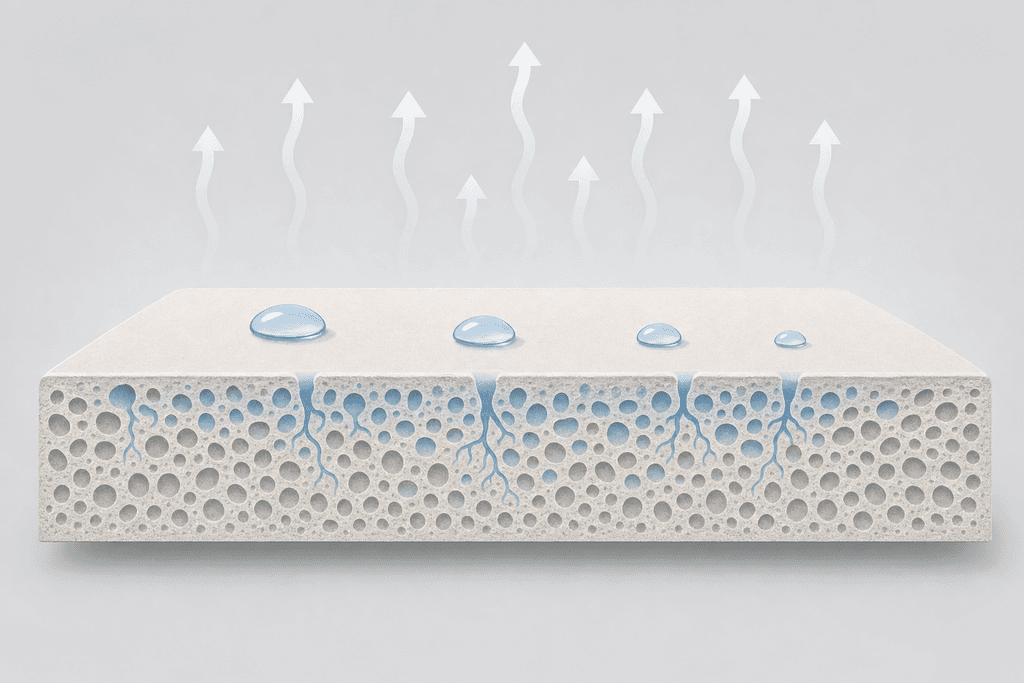
Most bathroom counter materials trap moisture instead of releasing it, which creates the exact conditions where mould and mildew thrive. The difference between a dry counter and a damp one comes down to how quickly water evaporates from the surface, and that depends entirely on the material's internal structure. Natural stone with microscopic pores pulls water inside and releases it back into the air within minutes, while synthetic materials like rubber and silicone create a sealed barrier that keeps moisture sitting on top for hours.
How Porosity Controls Drying Speed
Diatomite stone contains millions of tiny air channels that act like a natural ventilation system. When water hits the surface, it gets pulled into these microscopic pores through capillary action, then evaporates rapidly because air can flow through the entire structure. Fabric mats absorb water too, but they trap it between fibres where air can't reach, so they stay damp for hours or even days.
- Diatomite stone dries completely in 8 to 15 minutes after contact with water
- Fabric mats remain damp for 4 to 12 hours depending on thickness and humidity
- Rubber and silicone surfaces don't absorb at all, leaving water pooled on top until it's wiped away
- Microfibre dish mats hold moisture for 6 to 24 hours in typical bathroom humidity
Drying Time Comparison Across Materials
| Material Type | Average Drying Time | Maintenance Frequency | Hygiene Performance |
|---|---|---|---|
| Diatomite Stone | 8-15 minutes | Weekly wipe | Stays clean through rapid drying |
| Fabric/Cotton | 4-12 hours | Wash every 3-4 days | Requires frequent washing |
| Rubber/Silicone | Water pools indefinitely | Daily wipe required | Needs chemical cleaners |
| Microfibre | 6-24 hours | Wash every 2-3 days | Odour develops quickly |
Why Chemical-Free Materials Stay Cleaner
Synthetic materials often rely on chemical coatings to repel water or resist odour, but those treatments break down over time and need constant replacement through cleaning products. Natural stone stays hygienic by design because it eliminates the damp environment where bacteria and mould need to grow, not by adding chemicals that wear off. Our Stone Sink Caddies and Stone Faucet Mats work this way, absorbing drips around soap bottles and toothbrush holders so counters stay dry without daily wiping.
The texture of a surface also determines how much water it holds. Smooth silicone and rubber create a flat plane where water spreads out and sits, while the carved patterns on diatomite products guide water into channels where airflow speeds up evaporation. According to Rock Solid Tops, proper moisture management is one of the most important factors in maintaining bathroom countertops long-term, which is exactly what fast-drying materials deliver without extra effort.
Dry Counters Start With Better Materials
Keeping bathroom counters dry comes down to seven practical fixes that work together. Swap fabric hand towels for fast-drying alternatives, replace soap bottles with elevated sink caddies that let water evaporate instead of pooling, use absorbent mats under toothbrush holders and cosmetics, wipe surfaces after each use, improve ventilation with fans or open windows, choose materials that don't trap moisture, and keep clutter minimal so water has nowhere to hide. Most people focus on cleaning habits when the real problem is what their counters are made of and what sits on them.
The difference between a damp counter and a dry one usually isn't how often you wipe it down. It's whether the products touching that surface can absorb moisture faster than it spreads. Our stone sink caddies sit on stainless steel legs that create airflow underneath while the diatomite surface pulls water away from bottles and soap bars within seconds.
Small changes add up when you're dealing with water every single day. A faucet mat catches drips before they run across the counter. Fast-drying towels mean less moisture sitting in fabric folds. Better ventilation means humidity doesn't settle on every surface.
The goal isn't to spend more time maintaining your bathroom. It's to set up surfaces that stay dry without constant attention. When materials do the work for you, counters stop being a daily frustration and start being something you barely think about.
Common Questions About Bathroom Counter Moisture
How long should it take for bathroom counters to dry after use?
A properly ventilated bathroom counter should dry within 15 to 30 minutes after water exposure. If puddles are still sitting there an hour later, you've got a ventilation problem or too much moisture being introduced in the first place. The surface material matters too, since porous stone absorbs water while sealed granite or quartz just lets it sit on top.
Can ventilation alone solve bathroom moisture problems?
Ventilation helps but it won't fix everything. Running your exhaust fan during and after showers reduces overall humidity, but it doesn't stop water from pooling around soap dispensers, toothbrush holders, or wet bottles. You need a combination approach that includes better airflow and moisture-absorbing surfaces where water actually lands. Products like our Stone Sink Caddy sit on elevated legs to let air circulate underneath while the diatomite surface absorbs drips instantly.
What causes water rings around bathroom products?
Those annoying rings form when water drips down bottles and sits trapped underneath with nowhere to evaporate. Flat counters create a seal that holds moisture in place, which is why you see discoloration or even mould growth in those spots. Elevating products slightly or placing them on absorbent surfaces breaks that seal and lets everything dry properly.
How do you prevent mould on bathroom counters?
Mould needs three things to grow: moisture, warmth, and time. Your bathroom has the first two covered, so your job is to eliminate the third by keeping surfaces dry. Wipe down counters after use, improve ventilation, and replace products that trap water underneath with options that promote airflow. Materials that dry quickly naturally reduce the damp conditions where mould develops, which is why fast-drying stone surfaces work better than fabric or rubber in humid spaces.
What materials work best in humid bathrooms?
Natural materials with built-in moisture management outperform synthetic options in bathrooms. Diatomite stone absorbs water on contact and releases it through evaporation within minutes, while sealed stone, stainless steel, and treated wood handle humidity without warping or growing mildew. Avoid fabric, untreated wood, and porous rubber that stay damp for hours.
How much maintenance do different counter solutions require?
Fabric mats need weekly washing and take hours to dry completely. Rubber and silicone trays require regular scrubbing to remove soap scum and prevent mould buildup in grooves. Stone products like our diatomite sink caddies just need a quick wipe with warm water and vinegar once a week, and the included sanding tool restores absorbency if needed. Less maintenance usually means better material choice from the start.
The next generation of home essentials: naturally made, cleaner by design, sustainable by nature.
SHOP ALL