7 Hygienic Reasons to Upgrade to a Stone Bath Mat
That fabric bath mat you washed last week is already home to millions of bacteria, thriving in the damp fibers every time someone steps out of the shower. Traditional bath mats trap moisture for hours or even days, creating the perfect breeding ground for germs, mold, and those musty smells that never quite go away. Stone bath mats like those from Natureva solve this problem by drying in minutes instead of hours, cutting off bacteria before it has a chance to multiply.
Table of Contents
- The Hidden Problem with Traditional Bath Mats
- Instant Drying Stops Bacteria Before It Starts
- No More Mold and Mildew Growth
- Eliminates Musty Odors at the Source
- Naturally Antibacterial Without Chemicals
- Easy to Clean and Maintain Hygiene
- Reduces Cross-Contamination in Shared Bathrooms
- Protects Your Floors from Water Damage and Mold
- Making the Switch to Healthier Bathroom Hygiene
- Common Questions About Stone Bath Mat Hygiene
Instant Drying Stops Bacteria Before It Starts
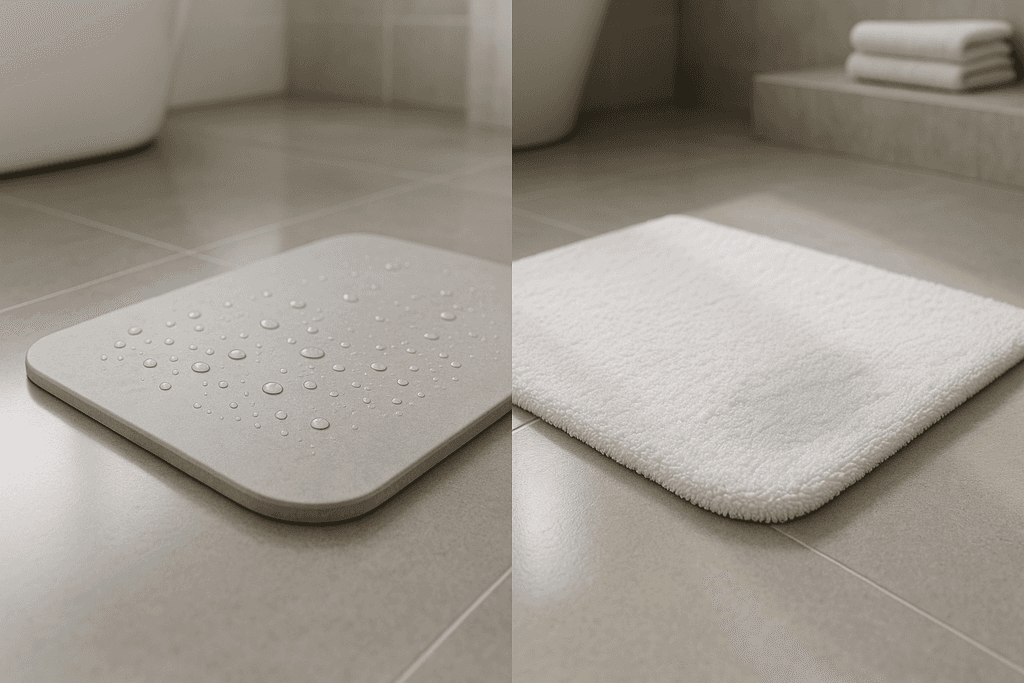
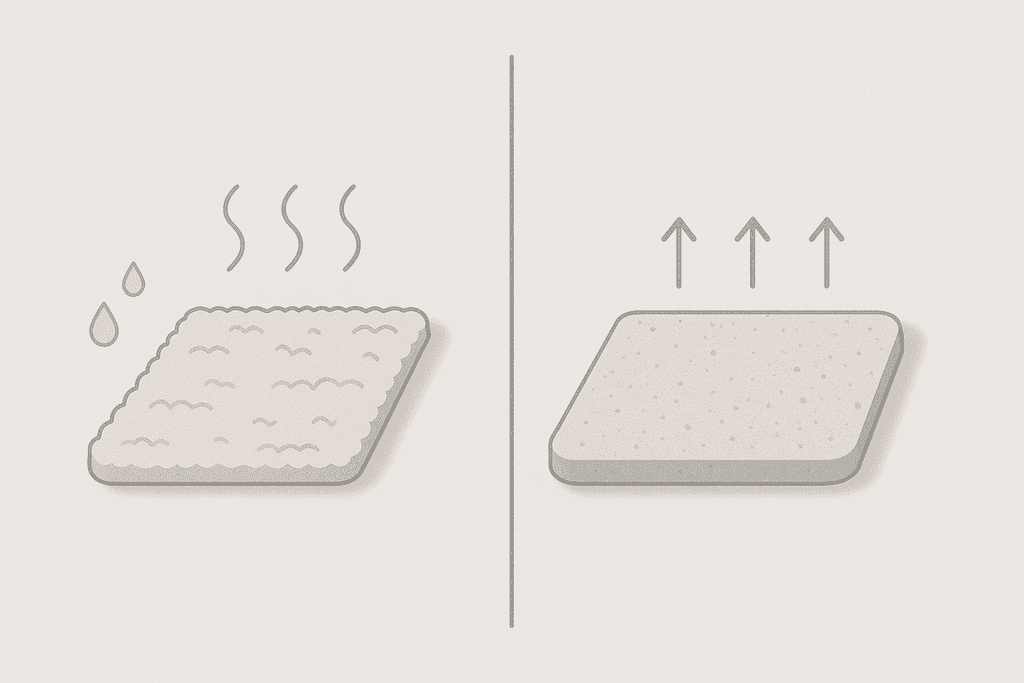
A single bacteria cell can multiply into over 8 million cells in less than 24 hours when conditions are right. The main thing bacteria need to thrive is moisture, which is exactly what traditional fabric bath mats provide all day long. When you step out of the shower onto a regular mat, that water sits there for hours, creating the perfect breeding ground for bacterial colonies to multiply rapidly. Most fabric mats stay damp for 4-6 hours after use, giving bacteria plenty of time to establish themselves and spread across the surface.
Instant Drying Stops Bacteria Before It Starts
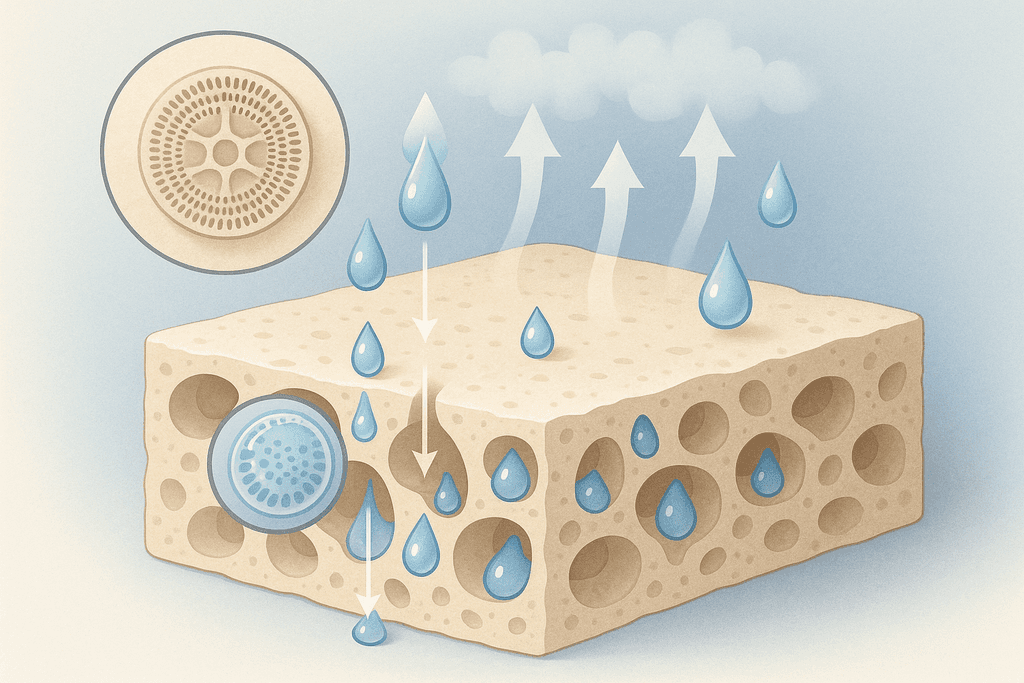
Stone bath mats work differently because of their unique internal structure. Diatomite contains millions of microscopic pores that pull water away from your feet the moment you step down. The material doesn't just absorb moisture, it releases it back into the air through rapid evaporation.
- Water absorption happens instantly on contact
- Complete drying occurs within minutes, not hours
- Dry surfaces cannot support bacterial growth
- No damp conditions means no bacterial colonies
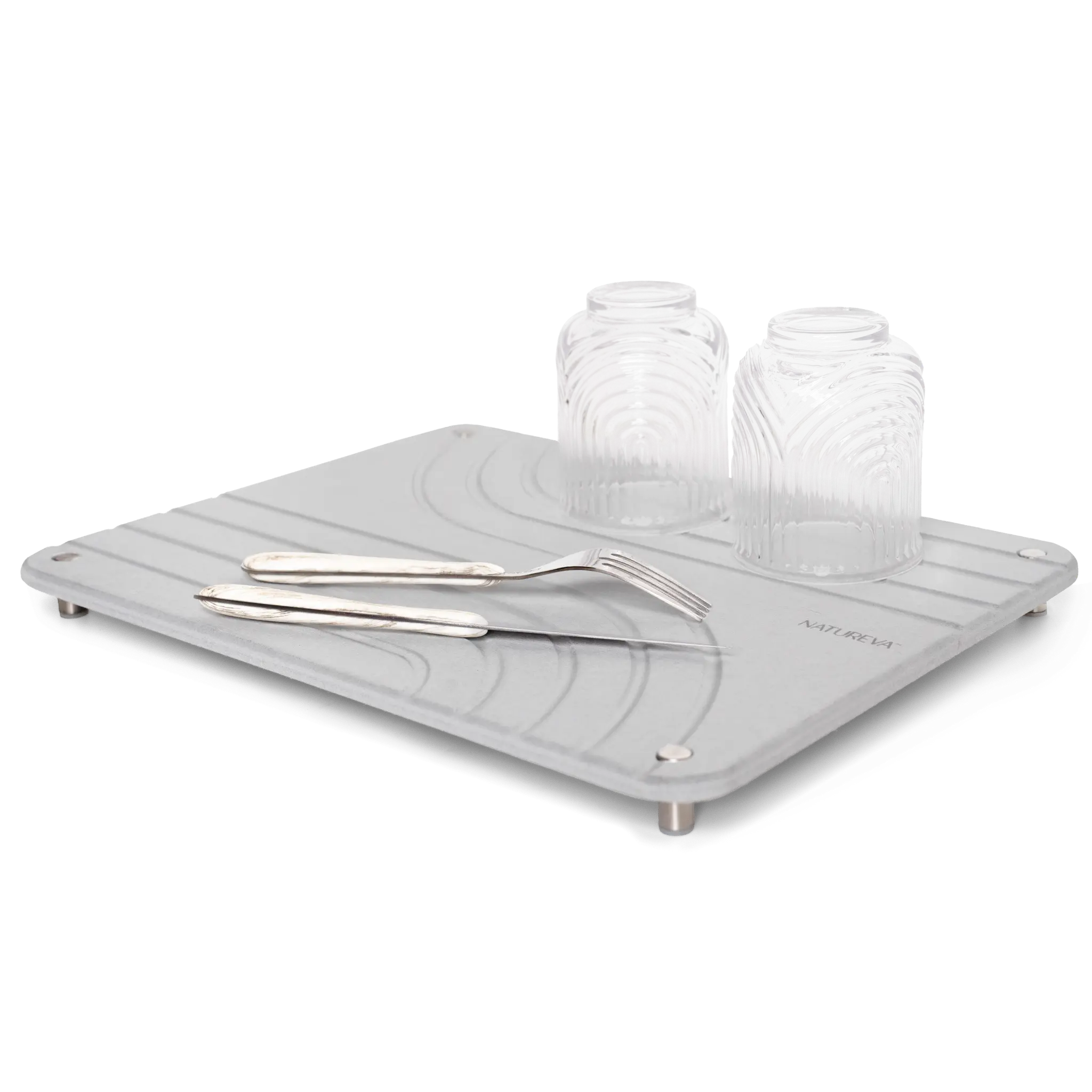
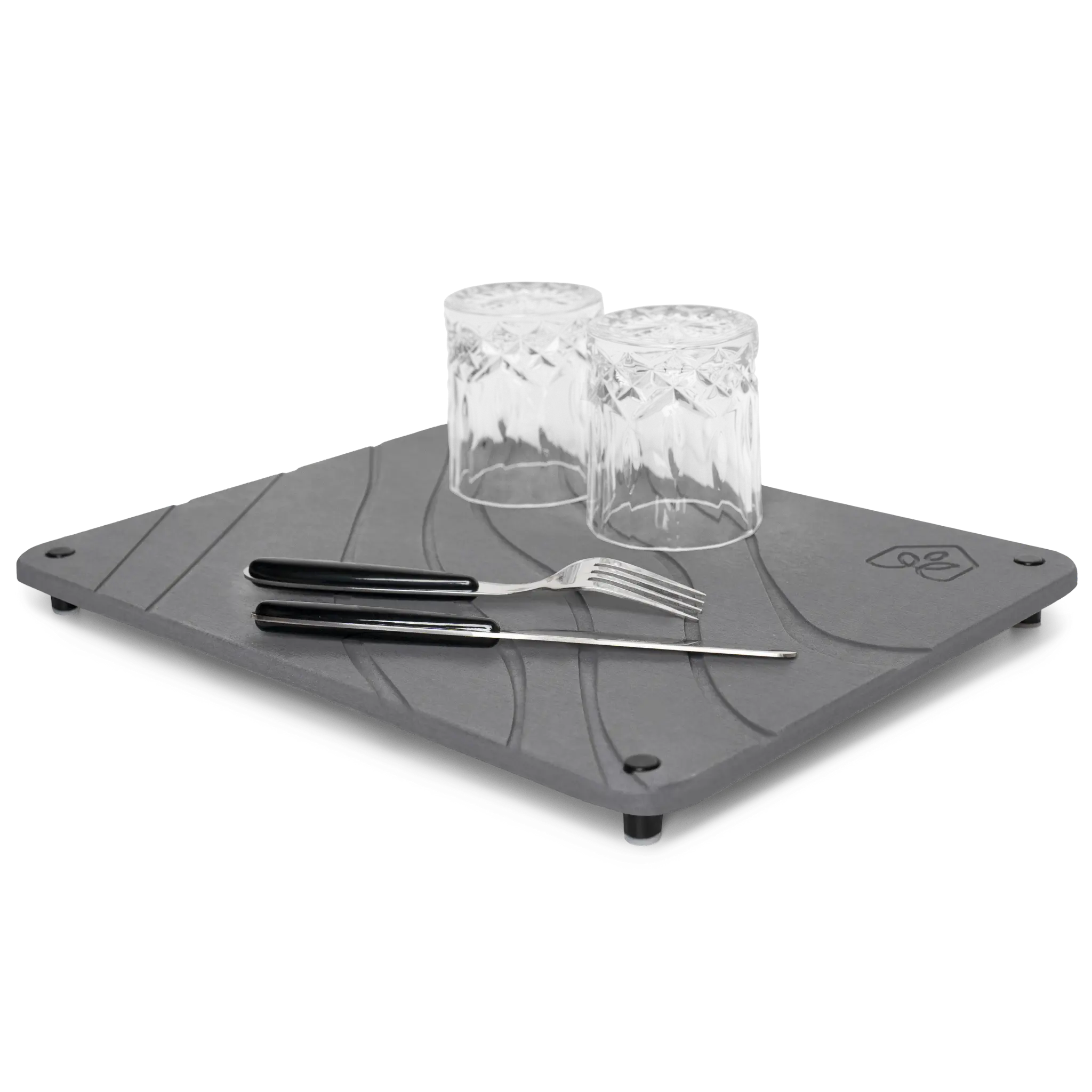
The Natureva stone bath mat collection achieves this rapid evaporation through careful design. Each mat sits on non-slip base pads that create airflow underneath the surface. This circulation prevents moisture from getting trapped and allows the diatomite to dry completely between uses. The result is a surface that stays hygienically dry without any chemical treatments or special maintenance routines.
No More Mold and Mildew Growth
Fabric bath mats develop mold even when you wash them regularly because the material itself traps moisture deep in the fibers. The backing and padding create layers where water gets stuck, and bathroom humidity keeps everything damp enough for mold spores to germinate. You might notice dark spots appearing around the edges or a slightly slimy feeling on the underside. That's mold establishing itself in places your washing machine can't reach. Once mold takes hold in fabric, it's nearly impossible to remove completely without replacing the entire mat.
Mold exposure in bathrooms causes more problems than most people realize. Breathing in mold spores regularly can trigger respiratory issues, worsen allergies, and cause persistent coughing or throat irritation. People with asthma or compromised immune systems face even greater risks from daily mold exposure.
Stone bath mats prevent mold growth by eliminating the one thing mold spores need to germinate: sustained moisture. The diatomite surface dries so quickly that spores never get the chance to establish themselves. There's no fabric to trap water, no backing to stay damp, and no hidden layers where mold can hide and multiply.
- Mold spores need 24-48 hours of moisture to germinate
- Stone mats dry completely in minutes
- No chemical mold inhibitors required
- Surface stays visible and easy to inspect
This chemical-free approach to mold prevention works better than antimicrobial treatments because it addresses the root cause rather than trying to kill mold after it appears. The long-term benefit is a bathroom that stays healthier without constant vigilance or harsh cleaning products.
Eliminates Musty Odors at the Source
That musty smell coming from your bath mat isn't just unpleasant, it's a sign of active bacterial growth. When bacteria break down organic matter in damp fabric, they release volatile organic compounds that create the distinctive odor most people associate with old towels or forgotten laundry. The smell gets worse over time because bacteria colonies grow larger and more established with each use. Even freshly washed fabric mats can develop odors within days if they don't dry completely between uses.
The connection between moisture, bacteria, and odor is direct. Bacteria need water to metabolize and reproduce, and their waste products are what you smell. Traditional fabric mats provide the perfect environment for this cycle to continue indefinitely.
Stone mats stay fresh without washing or deodorizers because they eliminate moisture before bacteria can establish themselves. There's no fabric to absorb body oils or soap residue, and the surface dries too quickly for bacterial colonies to form. The result is a bath mat that doesn't develop odors even after months of daily use.
- No fabric means no trapped organic matter
- Rapid drying prevents bacterial metabolism
- No odor-causing compounds get produced
- Surface stays neutral-smelling indefinitely
Maintenance requirements tell the whole story. Fabric mats need washing every week or two, plus regular replacement when odors become permanent. Stone mats need a quick wipe with vinegar-water solution once a week, and they maintain their hygiene for years. The care and cleaning process takes minutes instead of hours of laundry time.
Naturally Antibacterial Without Chemicals
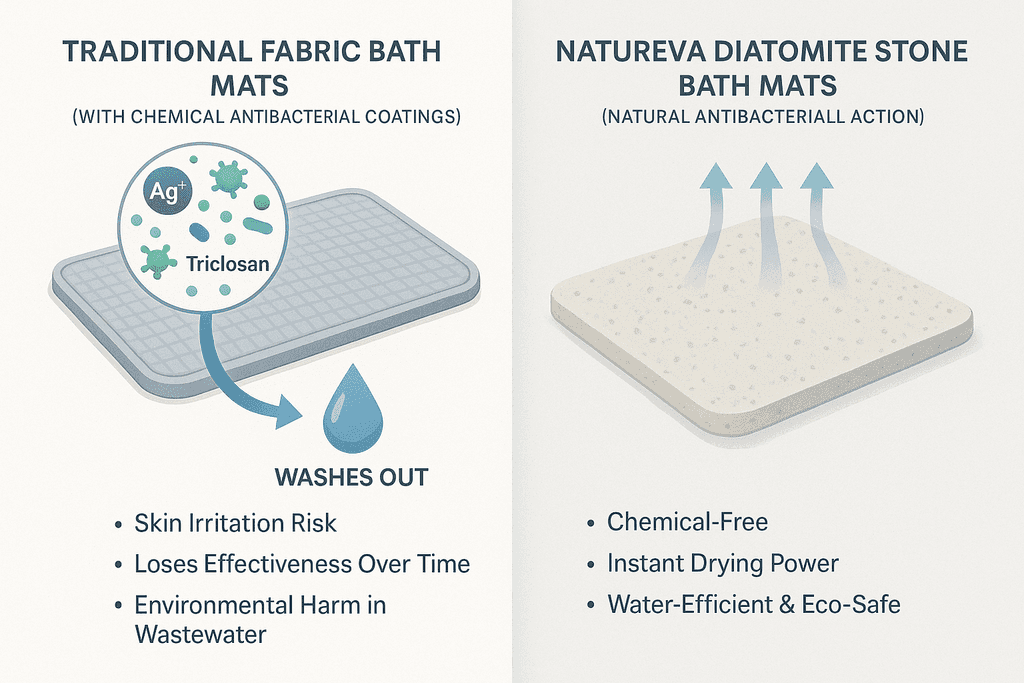
Many fabric bath mats advertise antibacterial treatments, but these chemical coatings come with their own set of problems. The treatments often contain silver ions, triclosan, or other antimicrobial agents that can irritate sensitive skin and cause allergic reactions in some people. These chemicals also wash out over time, losing effectiveness after repeated laundering. Worse, antimicrobial chemicals end up in wastewater where they can harm aquatic ecosystems and contribute to antibiotic-resistant bacteria. The environmental cost of chemical antibacterial treatments extends far beyond your bathroom.
Naturally Antibacterial Without Chemicals
Stone bath mats achieve antibacterial properties through physics rather than chemistry. The diatomite structure creates conditions where bacteria simply cannot survive, not because chemicals kill them, but because the environment lacks the moisture they need to live.
- No chemical treatments applied to the surface
- Antibacterial effect comes from rapid moisture elimination
- Safe for sensitive skin and allergies
- No chemicals entering wastewater systems
The next generation of home essentials: naturally made, cleaner by design, sustainable by nature.
SHOP ALLThis approach benefits people with skin sensitivities who react to chemical treatments in fabrics. The composite construction of diatomaceous earth and recycled paper contains no synthetic coatings or moisture-trapping finishes. Natureva stone bath mats maintain hygiene through material science, creating a surface that stays clean through its natural properties rather than added chemicals.
The environmental advantages matter too. By avoiding antimicrobial chemicals, stone mats reduce the chemical load in household wastewater and eliminate one more source of potentially harmful substances entering ecosystems.
Easy to Clean and Maintain Hygiene
Washing fabric bath mats doesn't eliminate all bacteria, even on hot cycles with strong detergent. Studies show that washing machines themselves harbor bacteria that can transfer to laundry, and the warm, damp environment inside a washer drum actually helps some bacteria survive. The thick padding and rubber backing in traditional mats take hours to dry completely, giving bacteria time to reestablish themselves before the mat even makes it back to your bathroom. You're essentially fighting a losing battle against bacterial growth with fabric mats, no matter how often you wash them.
Stone bath mats require a fraction of the maintenance effort. The simple routine involves wiping the surface with a vinegar-water solution once a week to remove any soap residue or mineral deposits. That's it.
Weekly cleaning takes about two minutes compared to the hours required for washing, drying, and replacing fabric mats. Each stone mat comes with a sanding tool that restores absorbency if the surface ever becomes less effective. Light sanding removes the top layer of material and exposes fresh diatomite pores underneath.
- Weekly wipe-down with vinegar solution
- Occasional sanding to restore absorbency
- No laundry, no drying time, no replacement cycles
- Surface stays hygienic through natural properties
The long-term hygiene benefits compound over time. While fabric mats gradually accumulate bacteria and require more frequent replacement, stone mats maintain their antibacterial properties indefinitely. The material doesn't degrade or lose effectiveness, so the hygiene level stays consistent year after year.
Protects Your Floors from Water Damage and Mold
Fabric bath mats allow water to pool underneath them, creating a hidden problem most people don't notice until damage appears. The water that soaks through the mat sits trapped between the fabric backing and your floor, unable to evaporate properly. Over time, this constant moisture exposure can warp hardwood, damage tile grout, and create perfect conditions for mold growth directly on your flooring. The real problem is that you can't see what's happening under the mat until you lift it up, and by then the damage may already be extensive. Bathroom floors are expensive to repair or replace, and mold remediation costs even more.
The risk of mold growth between mat and floor is particularly serious because it often goes undetected for months. That dark, damp space under a fabric mat provides ideal conditions for mold to spread across a large area before anyone notices the musty smell or visible growth.
Stone bath mats with non-slip bases protect flooring by absorbing water before it can reach the floor surface. The diatomite pulls moisture up and away from the floor, then releases it into the air through evaporation. The non-slip base pads create a small gap that allows air circulation underneath, preventing any moisture from getting trapped.
- Water absorbed into the mat, not through to the floor
- Airflow design prevents moisture saturation
- No hidden damp spots where mold can grow
- Floor surface stays dry and protected
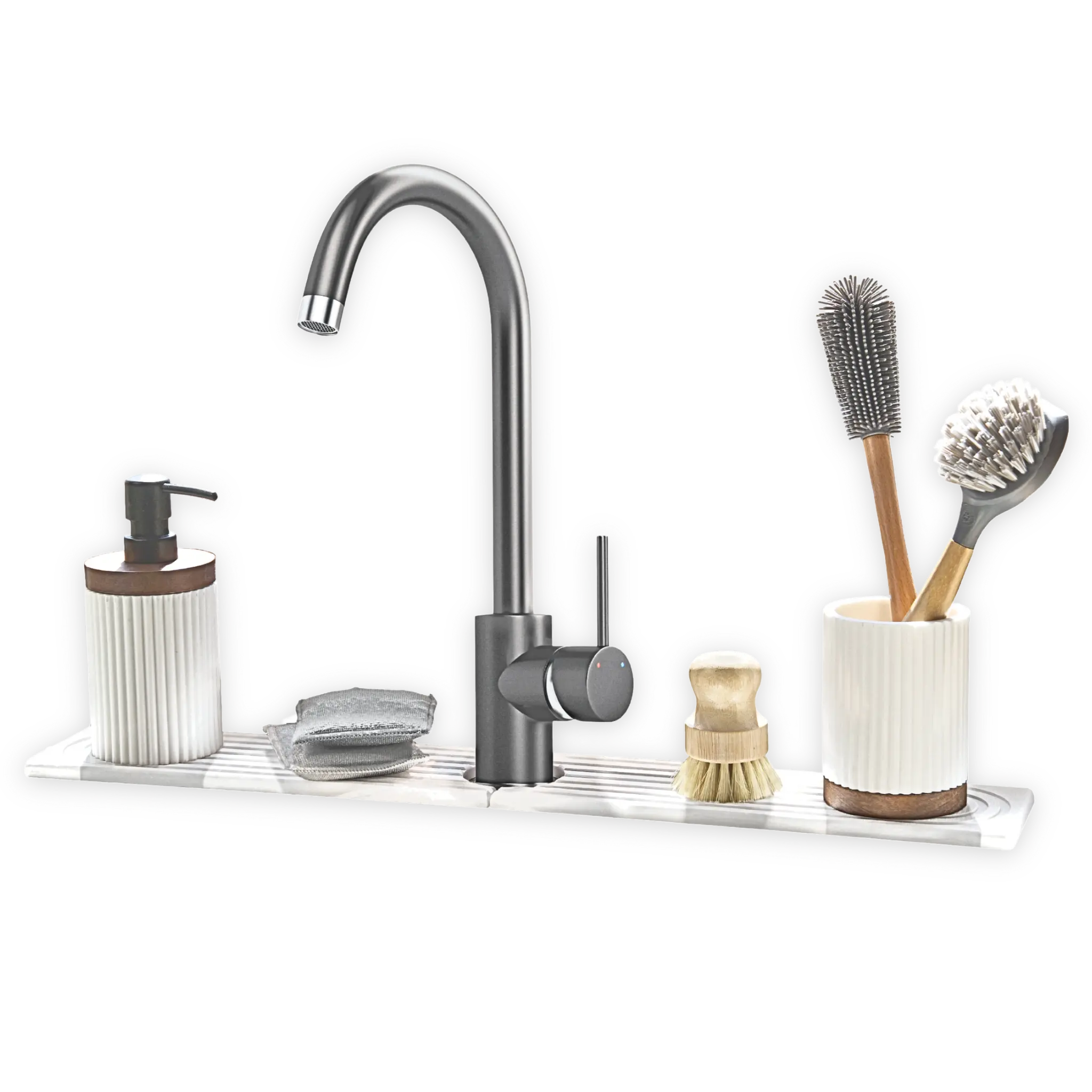
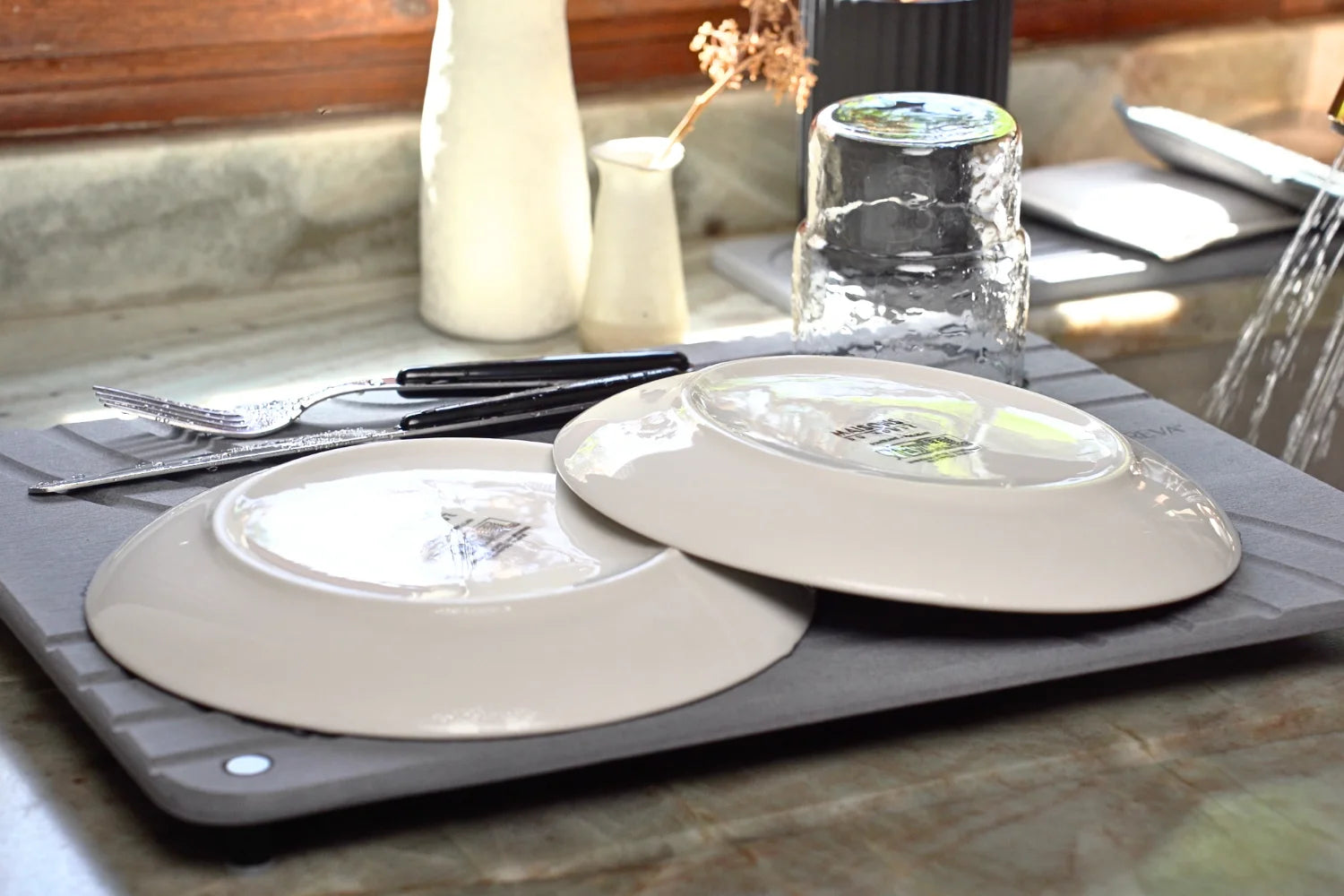
Long-term cost savings from preventing floor damage add up significantly. Replacing water-damaged flooring or dealing with mold remediation can cost thousands of dollars. A stone mat protects that investment by keeping moisture away from vulnerable floor surfaces. The same protection extends to other areas of your home with products like the stone dish mat for kitchen counters or the pet mat for feeding areas. The entire Natureva Home collection uses the same moisture-managing principles to keep surfaces dry and protected throughout your home.
Making the Switch to Healthier Bathroom Hygiene
So there you have it. Seven solid reasons why a stone bath mat makes more sense than fabric when it comes to keeping your bathroom cleaner. The instant drying means bacteria and mould don't get the damp environment they need to grow. The naturally antibacterial surface stays fresh without chemical sprays. And unlike fabric mats that trap moisture and odours, diatomite actually pulls water away from your feet and releases it into the air.
The difference shows up fast. No more musty smell when you step out of the shower. No more worrying about what's growing underneath that soggy fabric. Just a dry surface that's ready to use again within minutes.
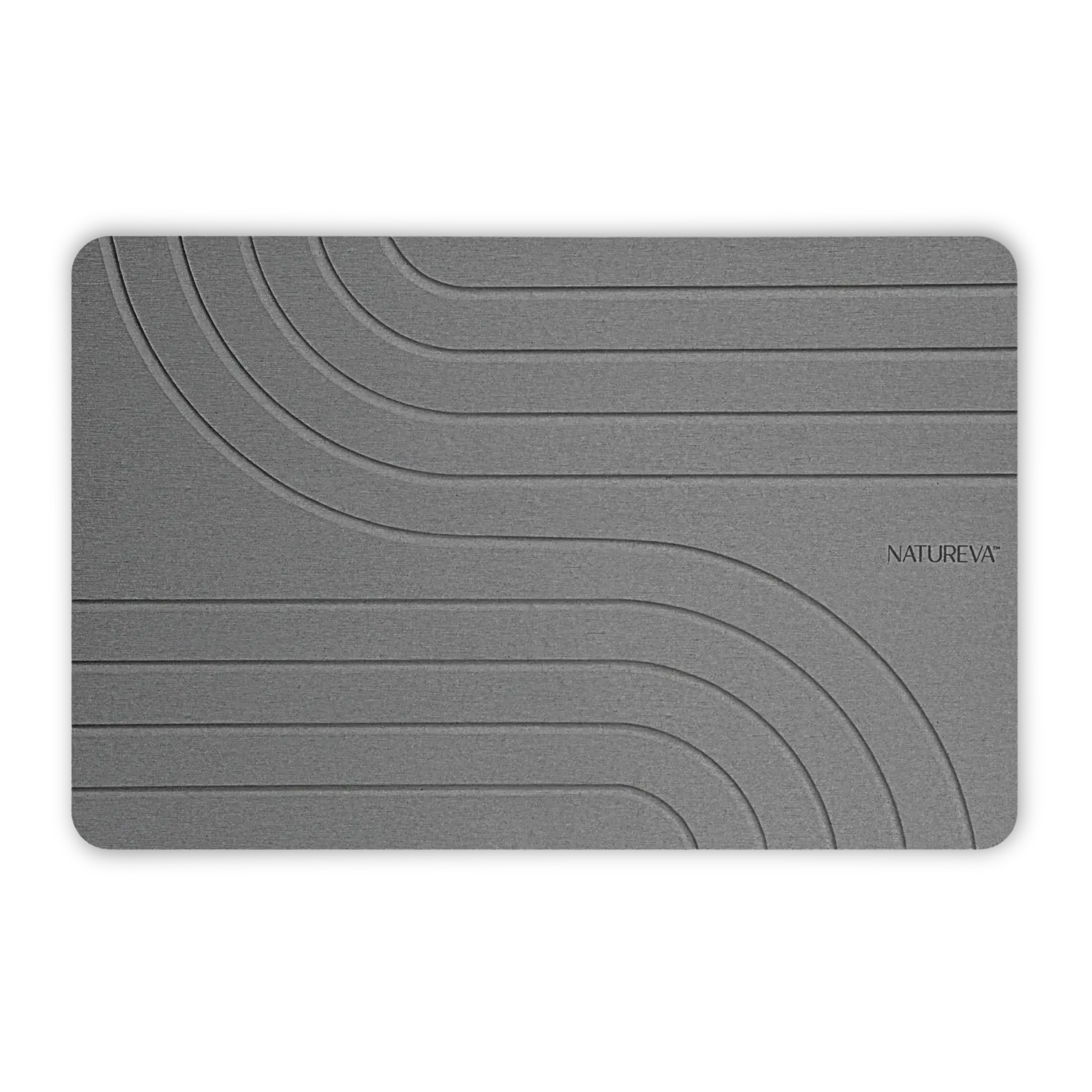
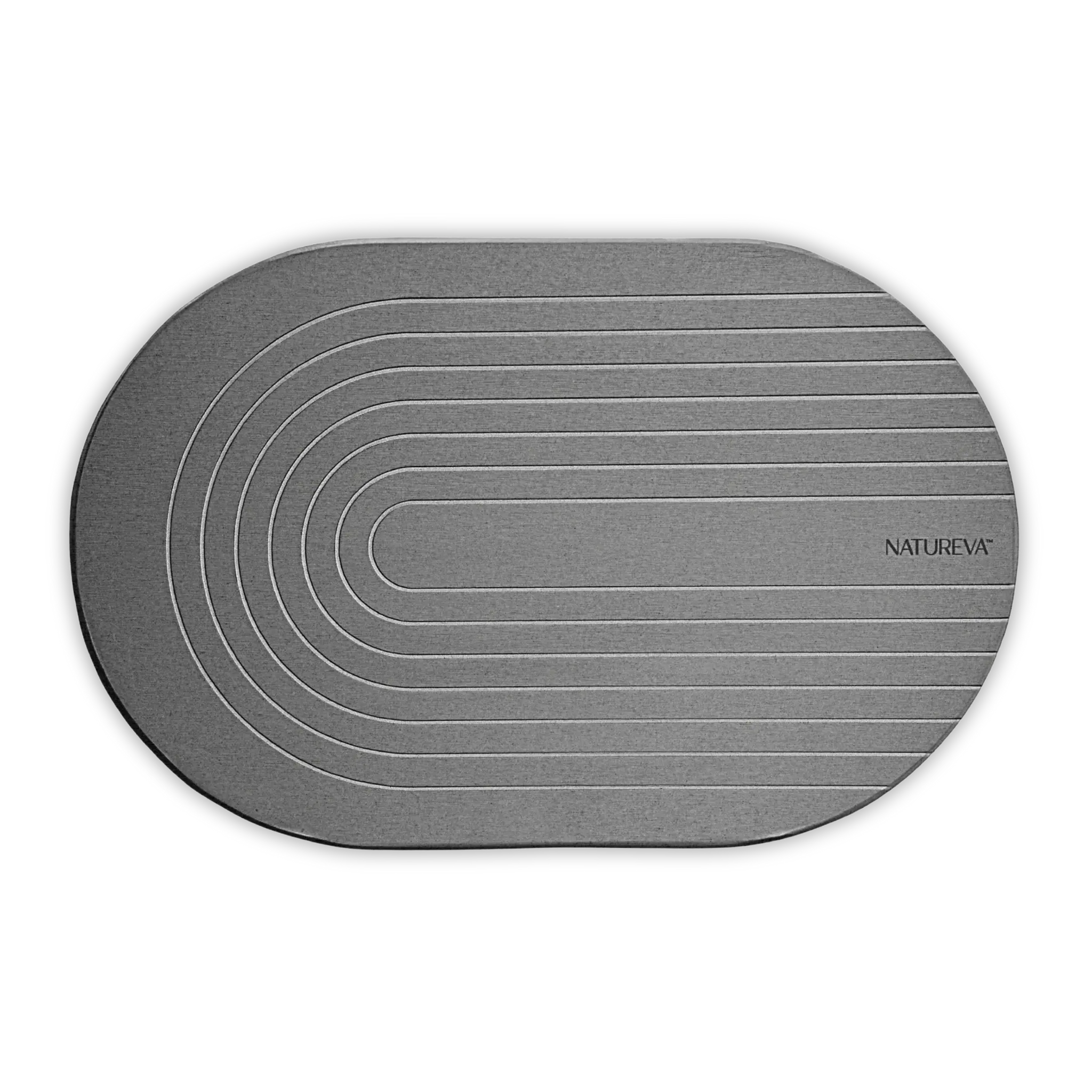
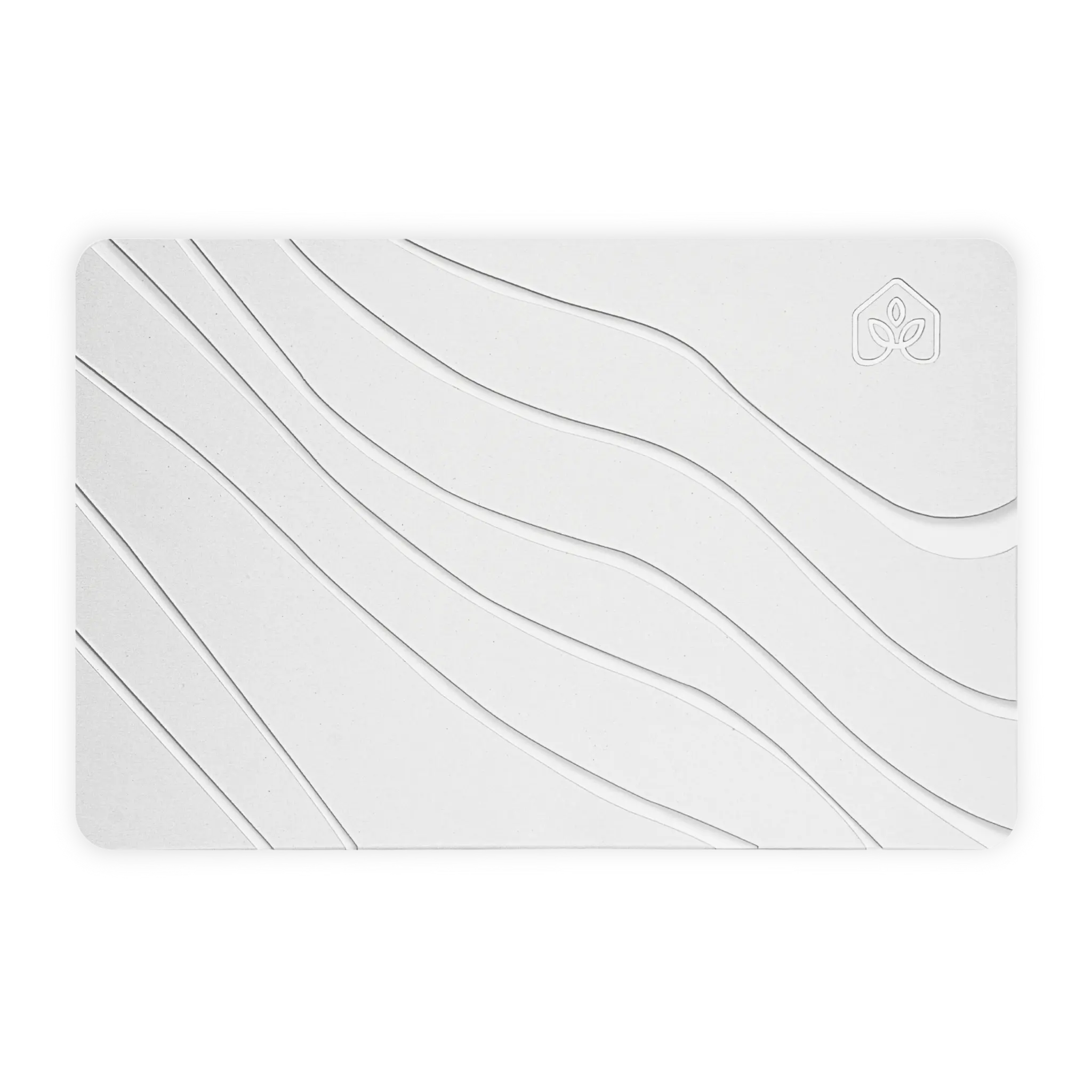
Our stone bath mats come in five different patterns and three neutral colours, so they fit into most bathrooms without looking out of place. They're made from diatomite and recycled paper, nothing synthetic. Each one includes a sanding tool to keep the surface working properly and a non-slip base pad for safety.
Switching from fabric to stone isn't complicated. You just place it where your old mat used to sit. The hygiene benefits start immediately, and the mat itself lasts for years with basic care. If you've been dealing with damp bathroom floors or that lingering wet-towel smell, this might be the simplest fix you haven't tried yet.
Still have questions about how stone bath mats work or whether they're right for your space? The answers below cover the most common things people ask before making the switch.
Common Questions About Stone Bath Mat Hygiene
Switching from fabric to stone can feel like a big change, and most people have similar questions before making the move. The good news is that stone bath mats are actually simpler to maintain than traditional options once you understand how they work. Here are the most common questions we hear about keeping your stone bath mat clean and hygienic.
How do I clean my stone bath mat?
Wipe your stone bath mat weekly with a simple vinegar-water solution to keep it fresh. For stubborn stains, rinse the mat under water and scrub gently, or use hydrogen peroxide for deeper marks. The Natureva stone bath mat comes with a sanding tool that lets you restore the surface if it gets stained or loses absorbency over time.
Will a stone bath mat work in humid climates?
Yes, stone bath mats actually perform better in humid environments than fabric options. The diatomite material absorbs moisture instantly and releases it through evaporation, even when the air is damp. Fabric mats tend to stay wet longer in humidity, which creates the perfect breeding ground for bacteria and mold.
How long does a stone bath mat stay hygienic compared to fabric?
A stone bath mat stays hygienic indefinitely with basic care because it dries within minutes after each use. Fabric bath mats start harboring bacteria within days, even with regular washing, because they hold moisture in their fibers. The rapid drying process of diatomite naturally prevents bacterial growth without any chemical treatments or constant laundering.
Are stone bath mats slippery when wet?
No, stone bath mats are designed with safety in mind. The diatomite surface provides natural grip when wet, and each Natureva bath mat includes a non-slip base pad that keeps it firmly in place on tile or other smooth flooring. The stone texture actually becomes more secure underfoot when it absorbs water.
What if my stone bath mat stops absorbing water?
Reduced absorbency usually means the surface pores are clogged with soap residue or body oils. Use the included sanding tool to lightly buff the surface, which reopens the microscopic pores and restores full absorption. This simple maintenance step takes about a minute and brings your mat back to like-new performance.
Can I use soap or cleaning products on my stone bath mat?
Avoid harsh chemicals and coloured soaps, as these can clog the pores or stain the surface. Stick to vinegar-water solutions for regular cleaning, and use hydrogen peroxide for tougher stains. The material is naturally antibacterial because of how quickly it dries, so you don't need antibacterial cleaners or harsh disinfectants to keep it hygienic.
The next generation of home essentials: naturally made, cleaner by design, sustainable by nature.
SHOP ALL