
Can Your Bath Mat Actually Stay Clean Between Washes
You step out of the shower onto your bath mat, and there it is again—that slightly damp, musty feeling under your feet. The mat never quite dries between showers, and if you're honest with yourself, it hasn't smelled completely fresh in weeks. You know you should wash it more often, but between work, family, and everything else, who has time to constantly throw bath mats in the laundry?
Here's the uncomfortable question most of us avoid: can traditional fabric bath mats actually stay clean between washes? Or are they just sitting there on your bathroom floor, collecting moisture, bacteria, and mildew day after day while looking deceptively innocent?
The reality is that conventional fabric mats face an impossible challenge in the bathroom environment. But there's a fundamentally different approach to bathroom floors that solves these everyday hygiene problems without adding another item to your never-ending laundry pile. Understanding how different materials handle moisture can change the way you think about this overlooked corner of your home.
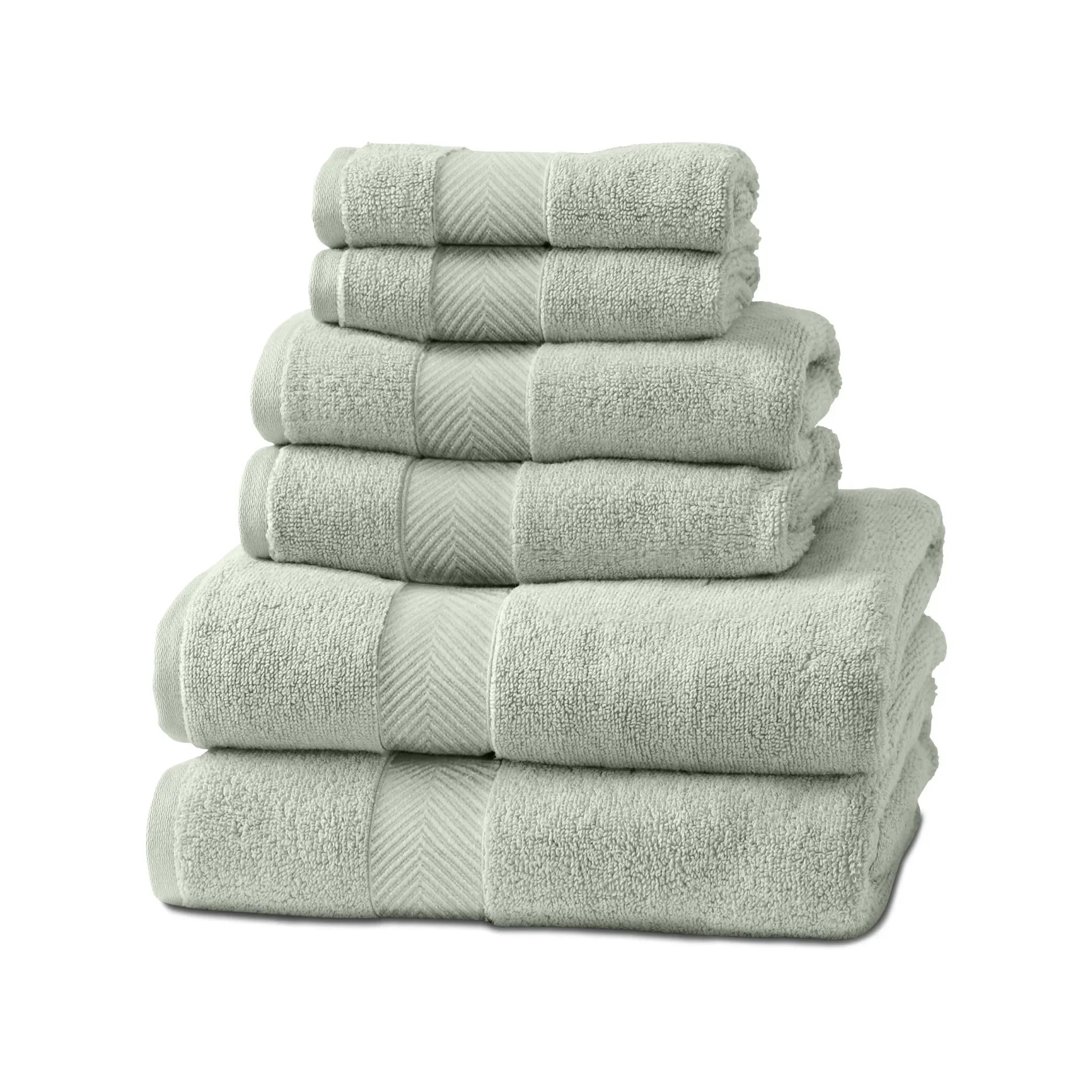
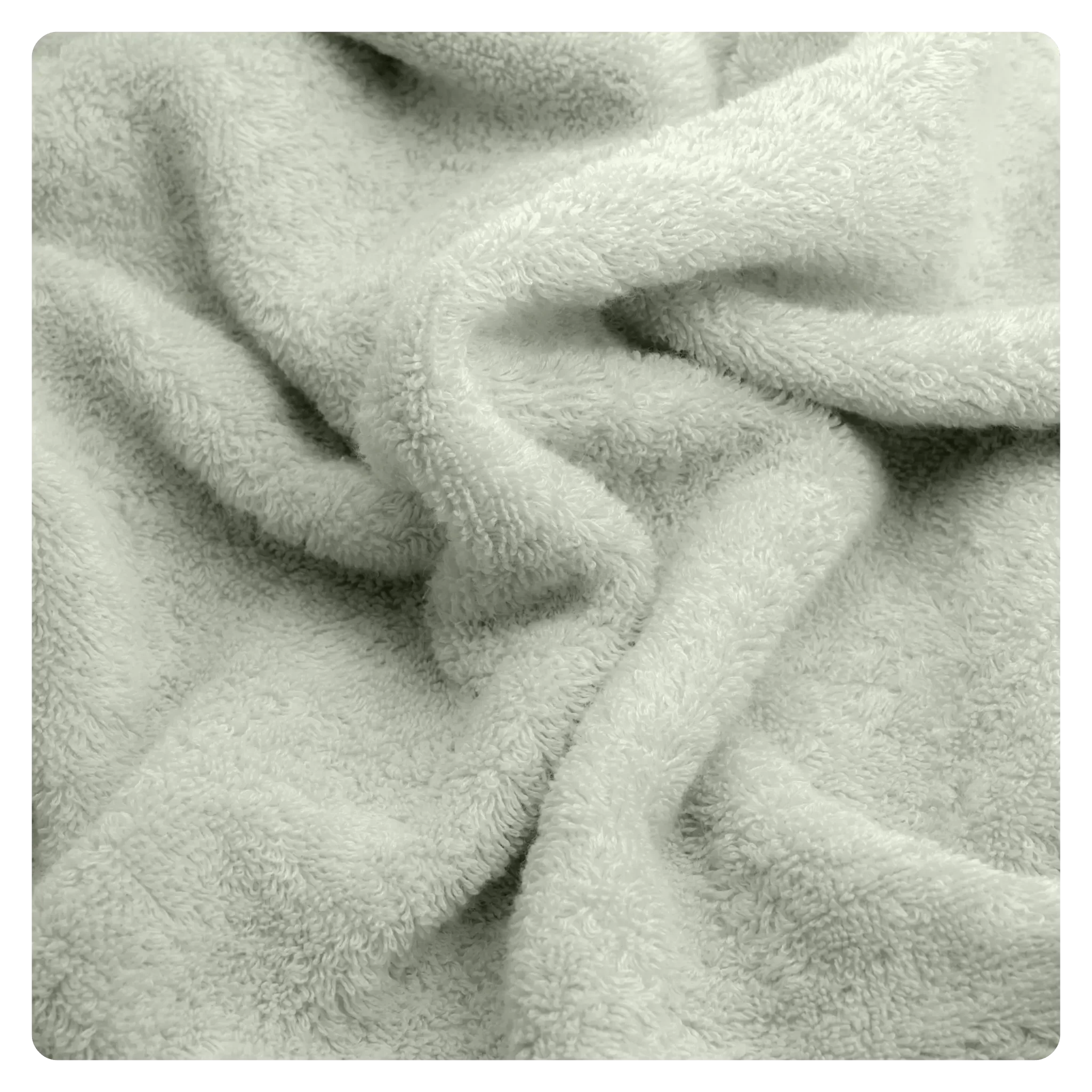
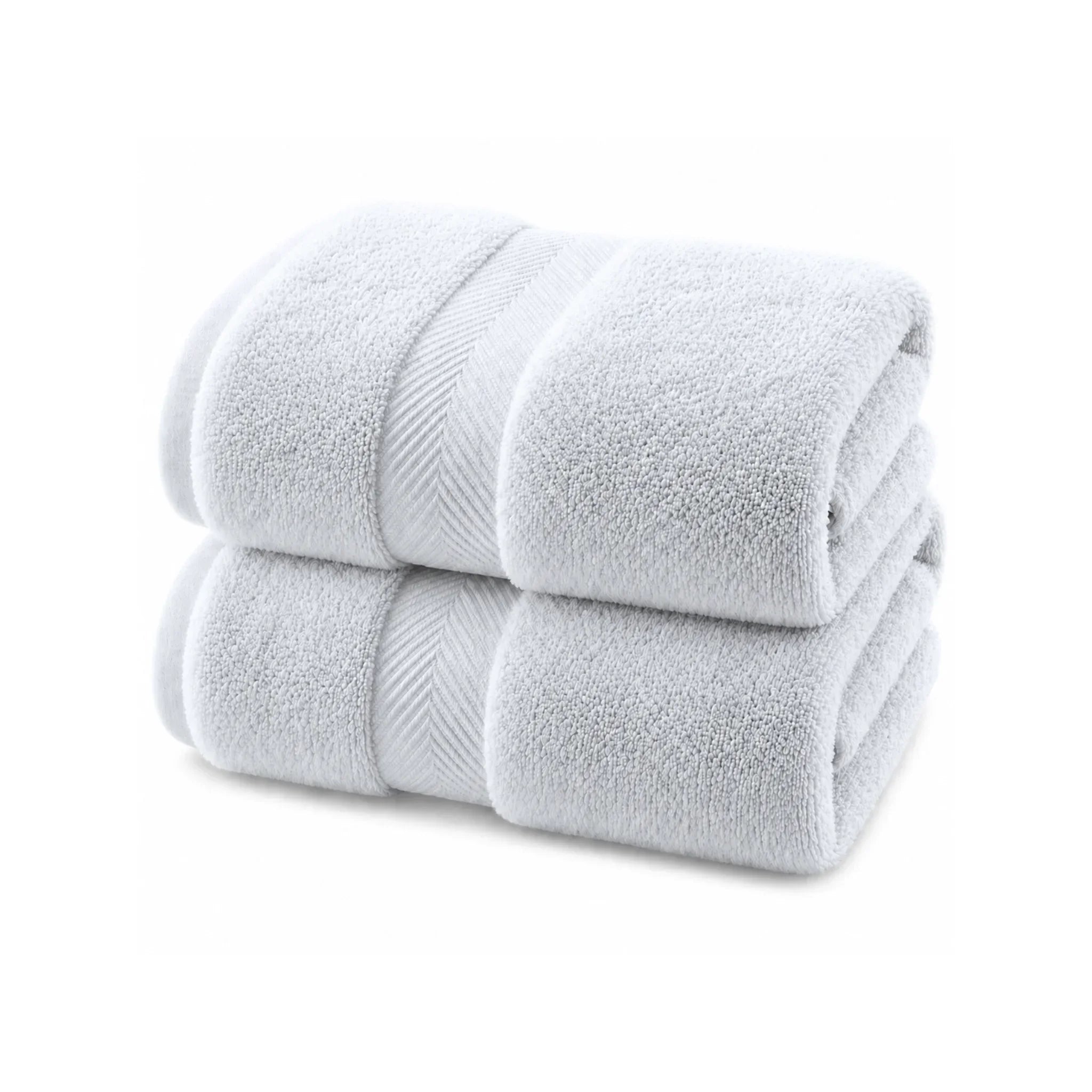
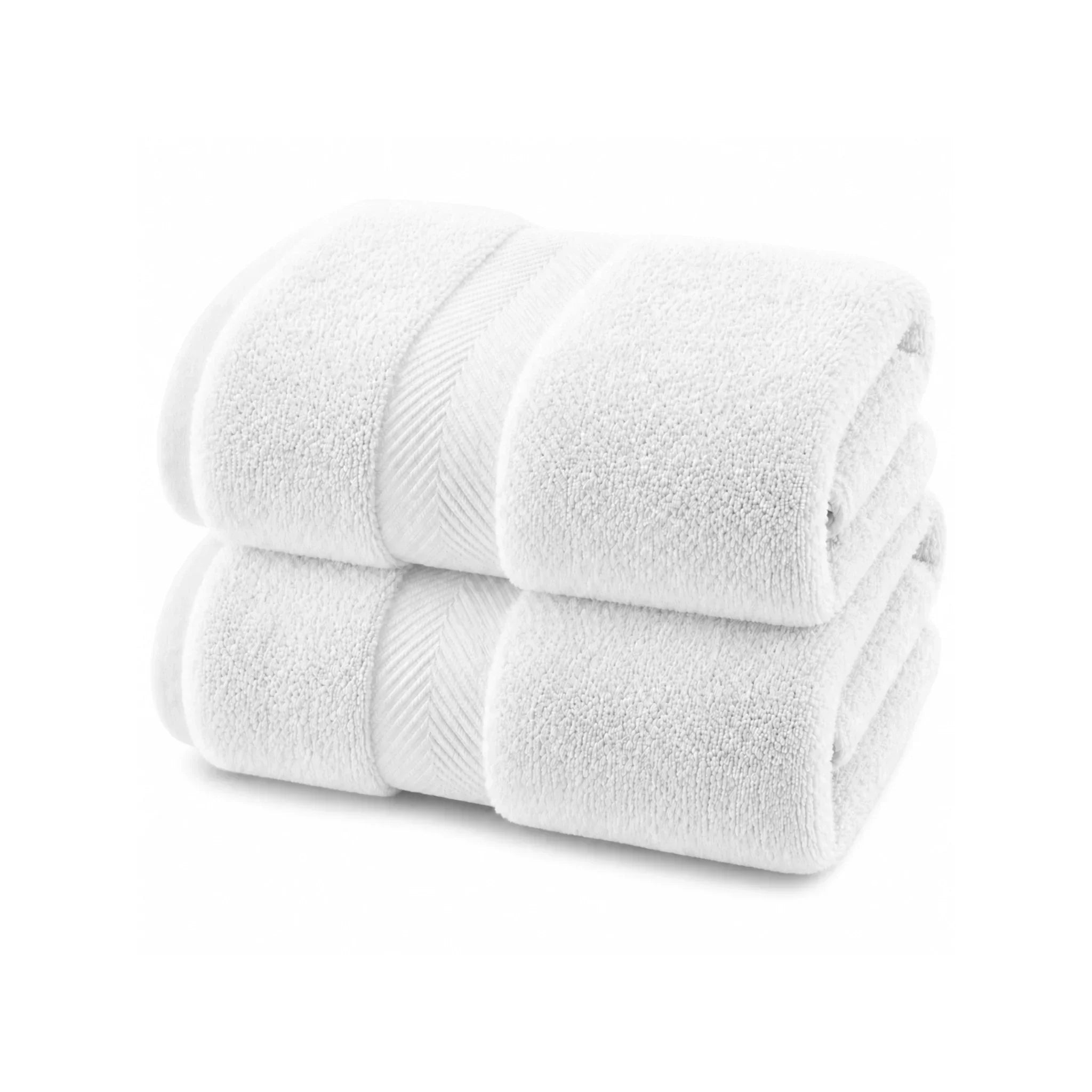
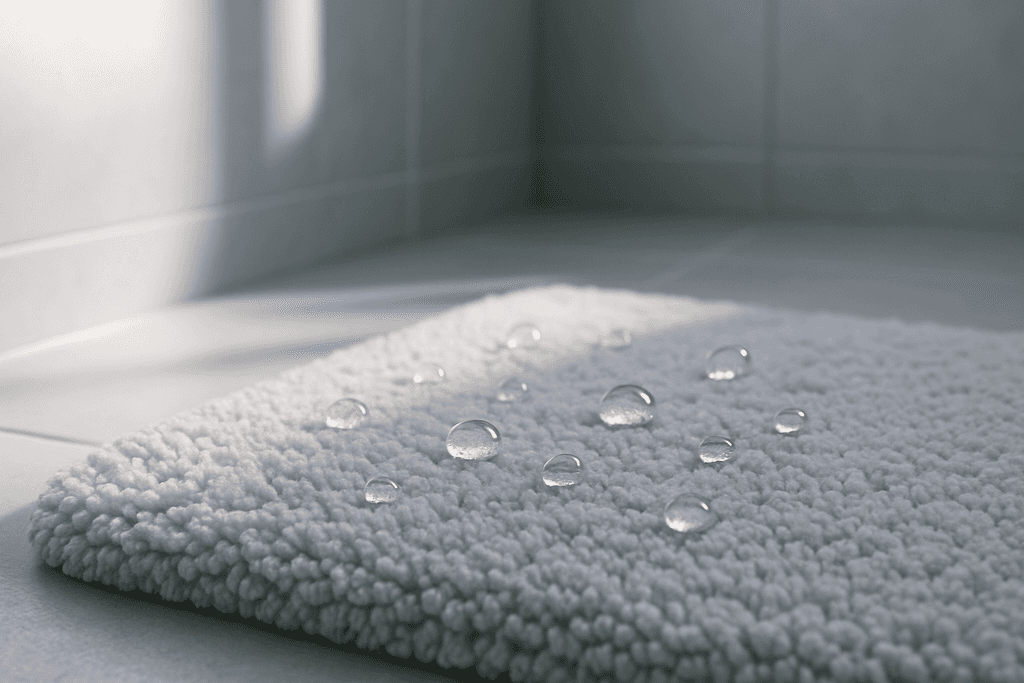
Traditional fabric bath mats are essentially sponges by design. They absorb water deep into their fibers, where it stays trapped for hours or even days depending on your bathroom's ventilation. That thick, plush feeling that seems so luxurious when you first buy them? It's actually working against you, creating the perfect environment for problems you can't see.
According to the Centers for Disease Control and Prevention, mold and mildew thrive in damp environments, and bathrooms provide ideal conditions. When fabric stays wet, bacteria can multiply rapidly in those warm, moist conditions. Research shows that damp textiles can harbor significant bacterial growth within just 24 hours—exactly the timeframe between your daily showers.
The maintenance burden of fabric mats is real. You're supposed to wash them weekly to maintain proper hygiene, which means:
- Running extra laundry cycles that use water, detergent, and energy
- Waiting for them to dry completely (or risking putting a damp mat back on the floor)
- Watching them gradually lose their absorbency and shape over time
- Replacing them every year or two as they wear out
Then there's the smell factor that many people notice but don't discuss openly. That musty odor develops even when mats look clean on the surface because the moisture trapped deep in the fibers creates an environment where odor-causing bacteria flourish. You might wash the mat, but within days, that smell starts creeping back.
Fabric mats can also spread moisture beyond their borders. The rubber or plastic backing doesn't always contain the water, leading to damp spots on your bathroom floor that can cause water damage over time or create slippery conditions. And from an environmental perspective, the cycle of frequent washing and relatively short lifespan before replacement makes fabric mats a surprisingly resource-intensive bathroom accessory.
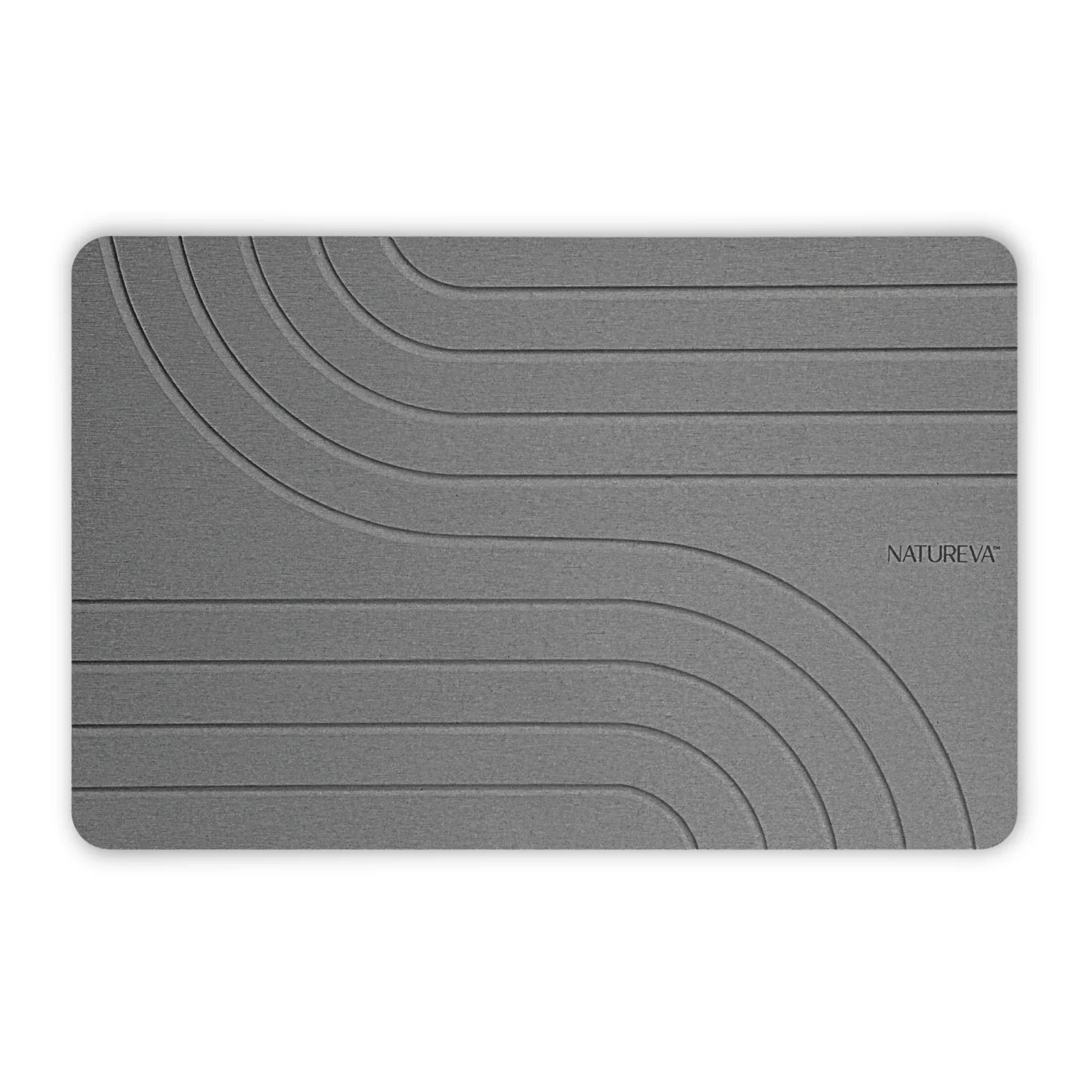
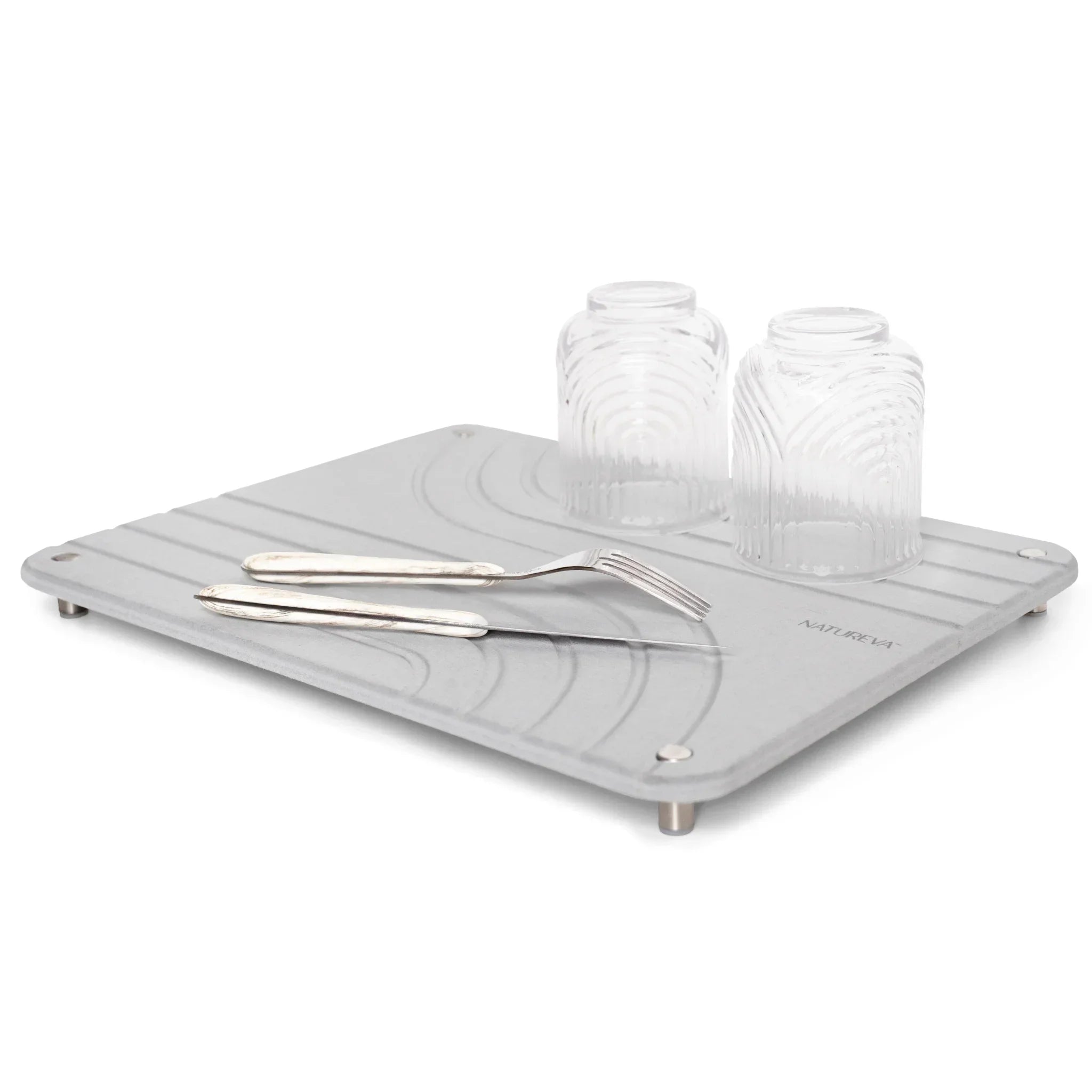
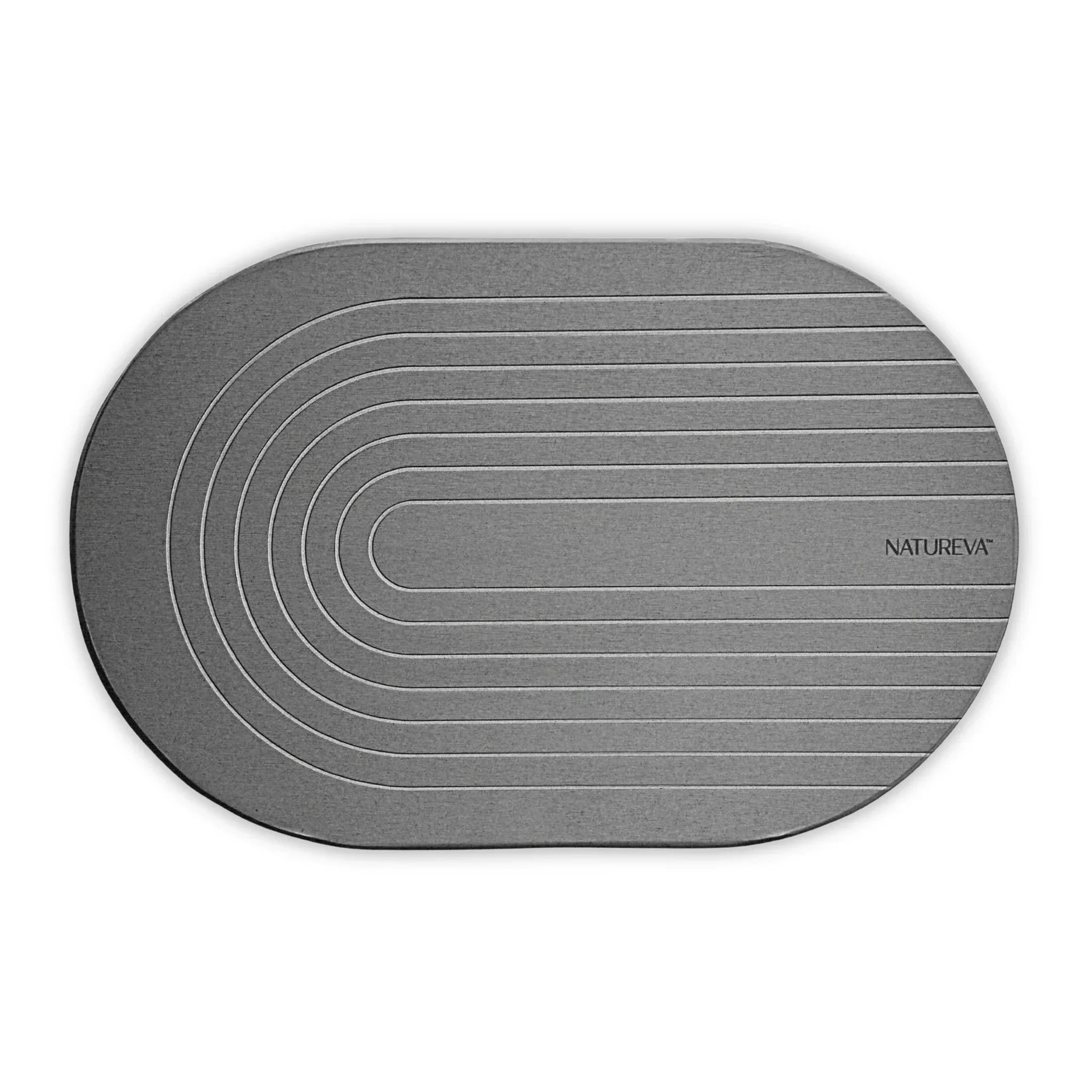
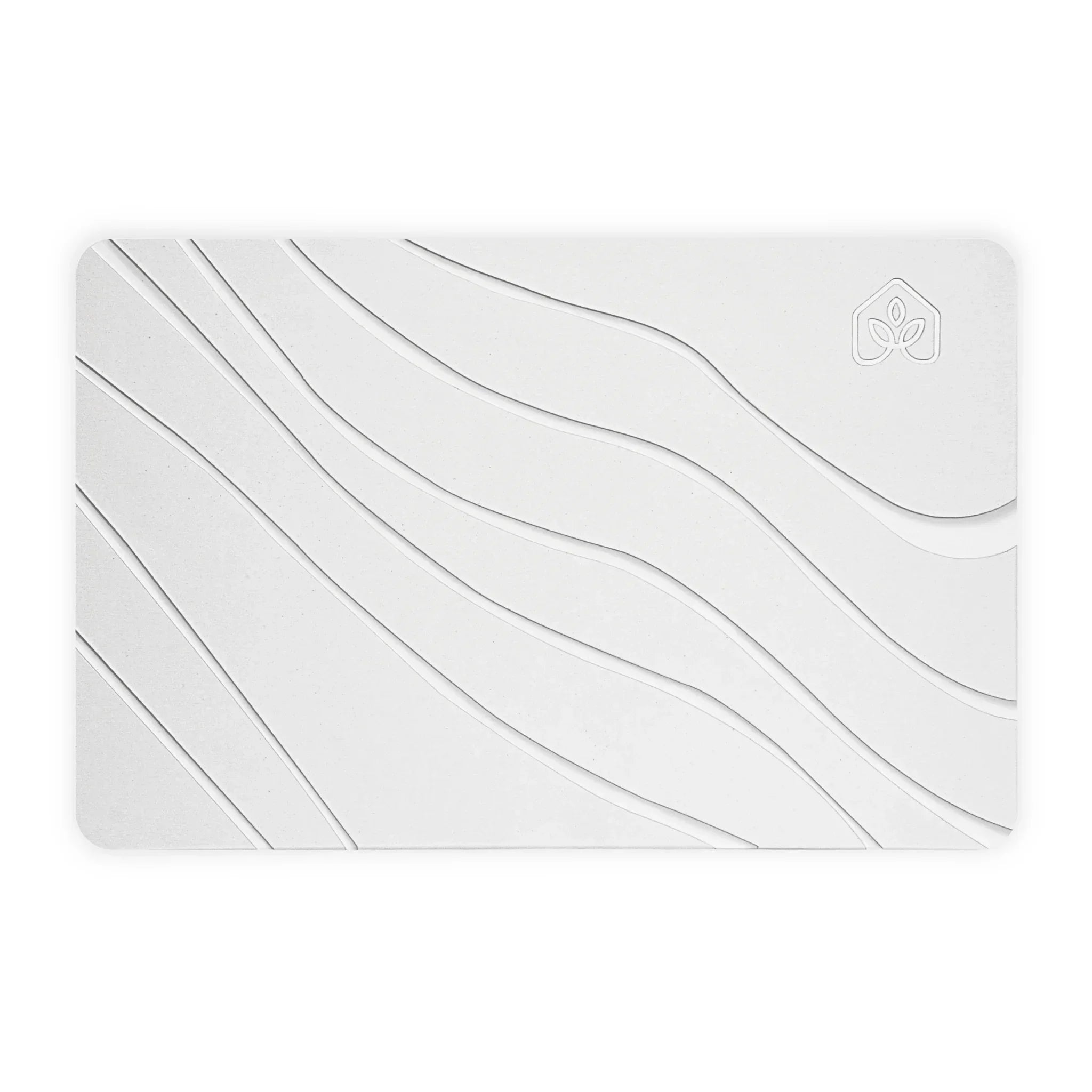
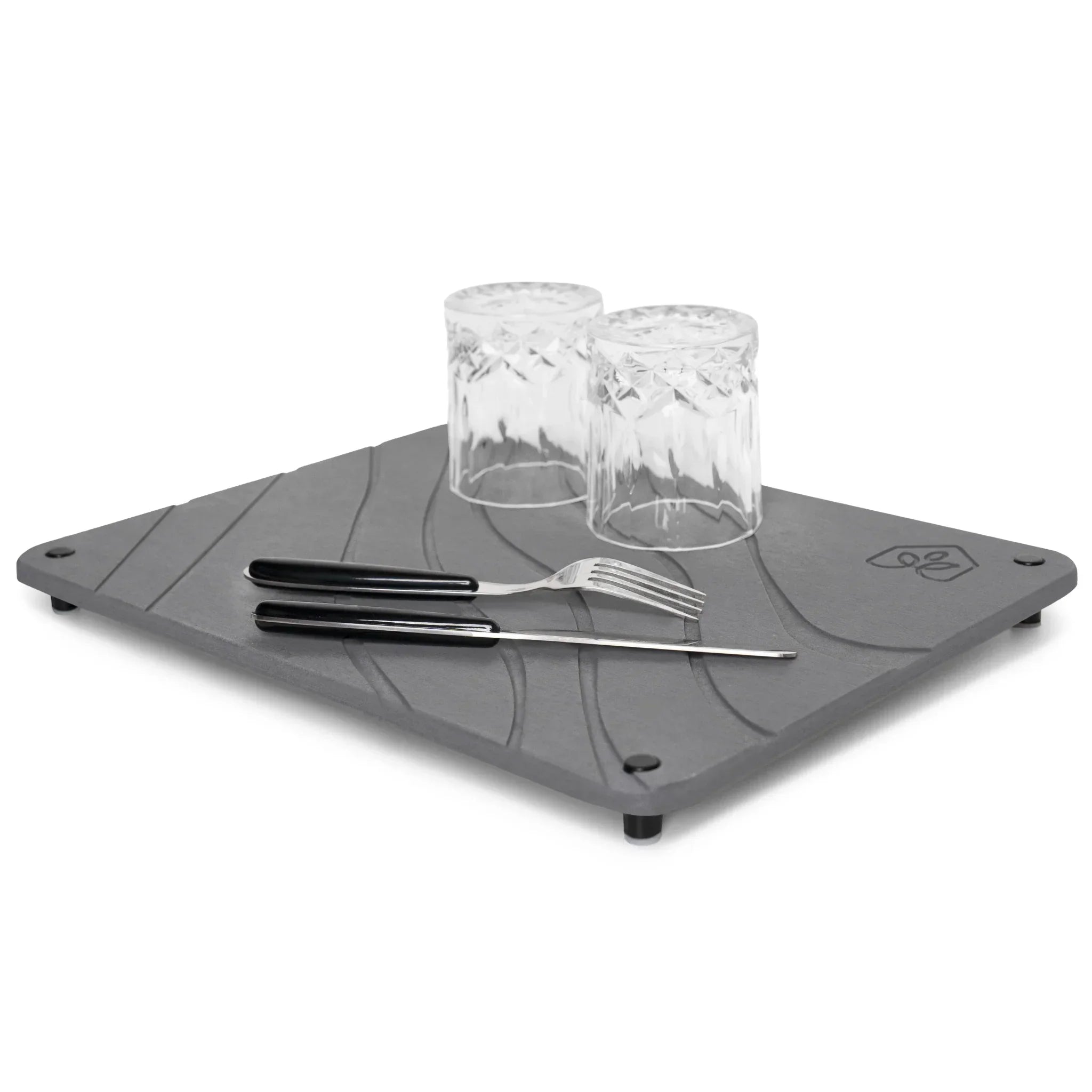
Stone bath mats work on a completely different principle. Materials like diatomaceous earth don't absorb water into their structure the way fabric does. Instead, their natural porosity allows water to evaporate quickly from the surface. It's not about soaking up moisture—it's about letting it disappear.
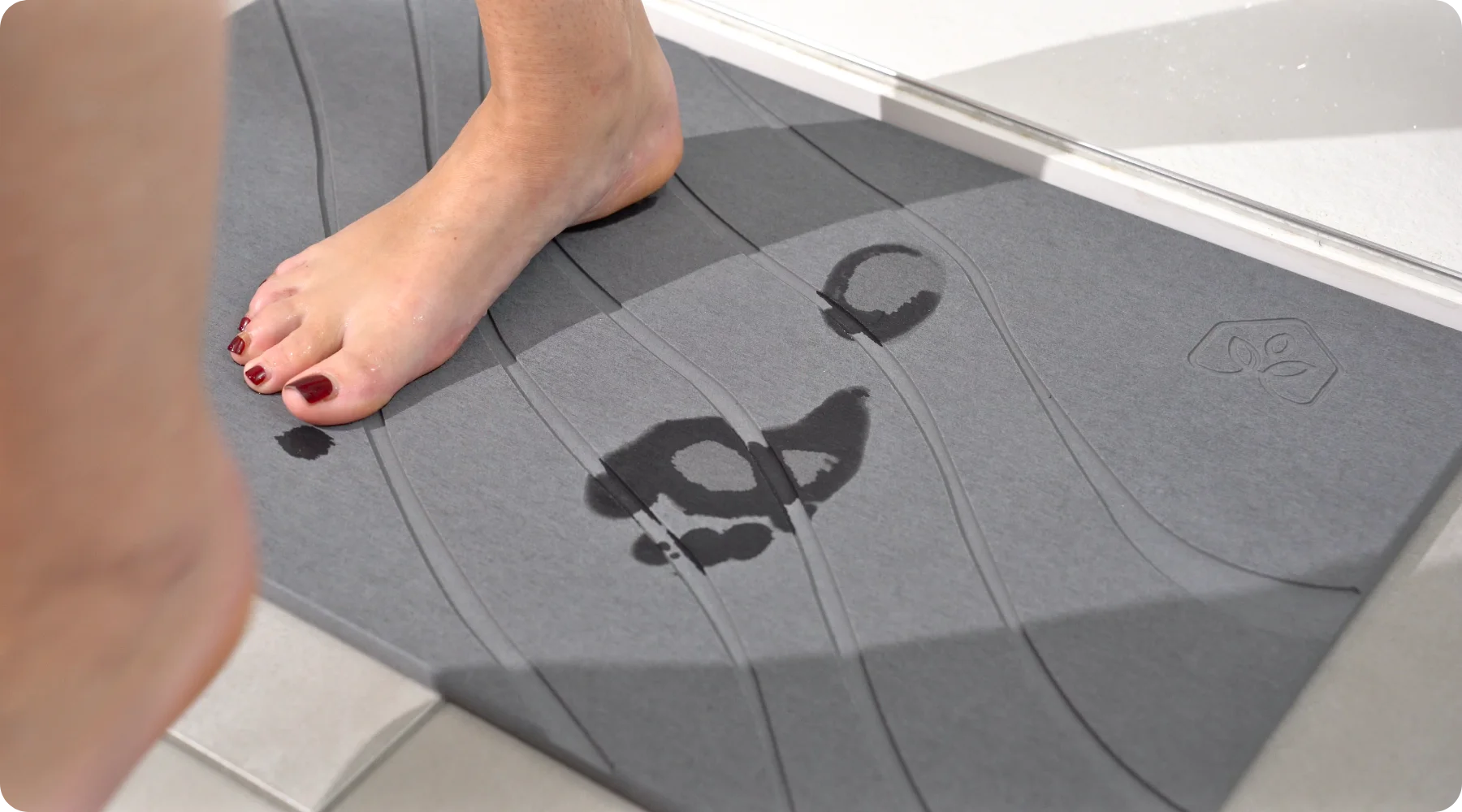
The real-world experience is striking. When you step onto a stone mat with wet feet, the water seems to vanish within minutes rather than hours. Footprints fade quickly, and the surface returns to a completely dry state between each shower. There's no damp feeling when the next person uses the bathroom, no moisture seeping into the material, and no gradual buildup of that telltale musty smell.
This creates a genuine hygiene advantage. Because water doesn't sit and soak in, bacteria and mold have nowhere to establish themselves and grow. The mat stays actually clean—not just surface-level clean—without any washing required. You can learn more about simple maintenance for stone mats, which typically involves nothing more than an occasional quick wipe or rinse.
The maintenance reality is refreshingly simple:
- No machine washing cycles
- No waiting for drying time
- No fabric softener or special detergents
- No schedule to remember or laundry to plan around
Stone mats also offer impressive durability and longevity. They don't break down, lose their function, or develop odors over time the way fabric options inevitably do. This makes them a one-time purchase rather than a recurring expense. According to EPA water conservation guidelines, reducing unnecessary water usage in the home includes eliminating frequent washing of items that don't actually need it—exactly what stone mats accomplish.
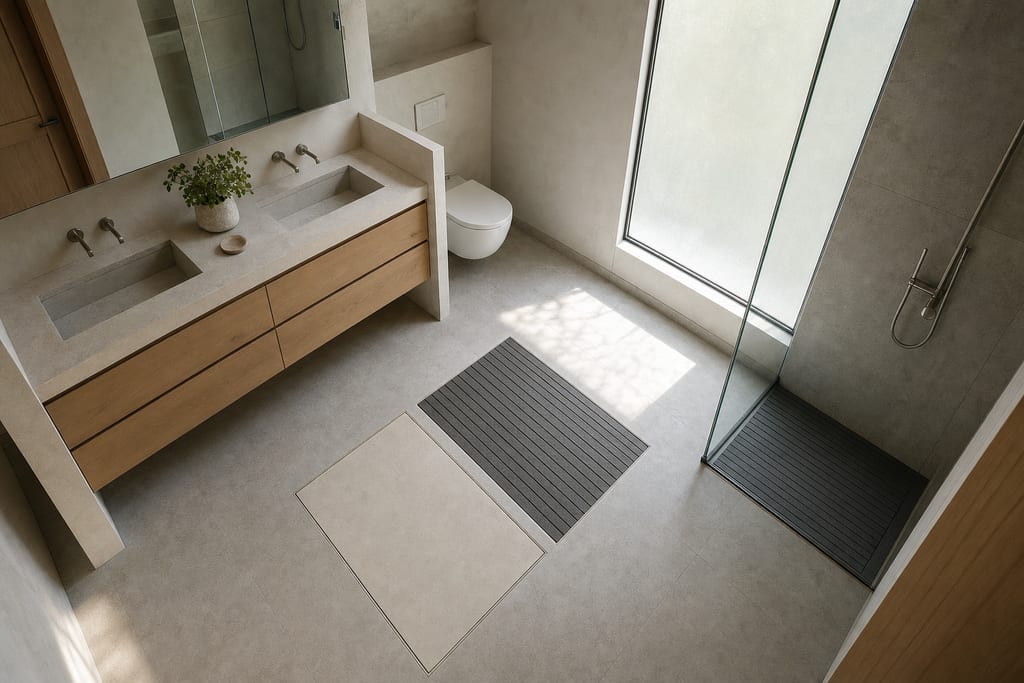
For modern, minimalist bathroom design, stone mats fit naturally with their clean lines and neutral colors. They work equally well for eco-conscious households by eliminating washing cycles and reducing replacement waste. The solid surface is easy to keep visually clean without worrying about stains or discoloration that plague fabric mats.
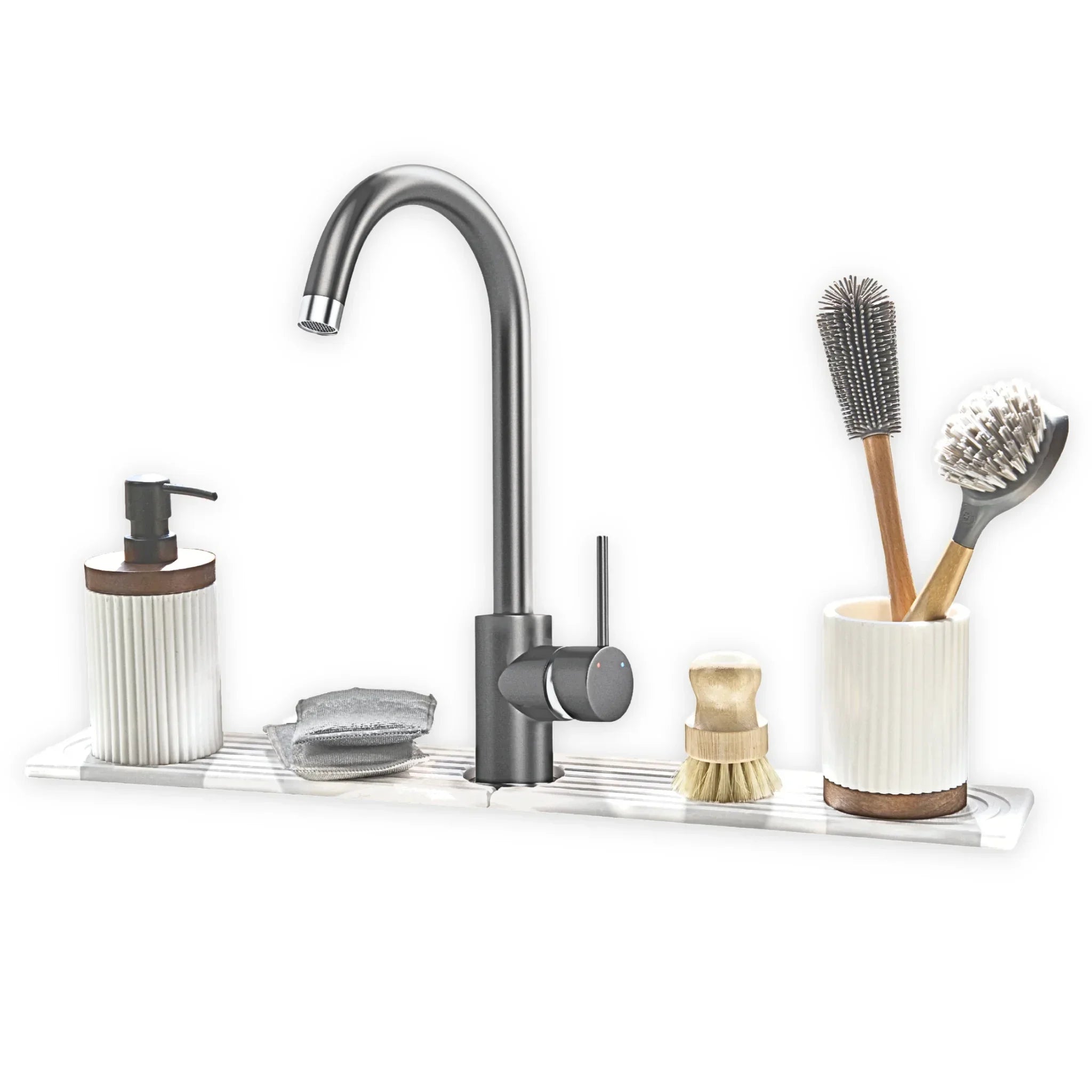
From a practical standpoint, stone mats work on any bathroom floor type, don't slip around like fabric mats often do, and maintain their appearance indefinitely. You can explore different stone bath mat options that suit various bathroom sizes and styles without compromising on the core benefits of fast drying and low maintenance.
A bath mat that actually stays clean between uses isn't just more convenient—it's better for your health and your bathroom environment. When you eliminate the trapped moisture problem, you eliminate the cascade of issues that come with it: bacterial growth, mold risk, persistent odors, and the constant maintenance burden.
Changing from fabric to stone does feel different at first. The solid surface takes a moment to get used to if you've spent years stepping onto plush fabric. But the practical benefits of faster drying and zero maintenance quickly become the new normal. Most people find they don't miss the fabric feeling once they experience the cleanliness and simplicity of a mat that actually dries.
The long-term value adds up in ways that aren't immediately obvious:
- Less time spent doing laundry each week
- Reduced water and energy consumption
- Money saved on replacements every year or two
- A genuinely cleaner bathroom overall
Think about your own bathroom routine for a moment. Is your current mat really serving you, or is it just creating extra work? Does it smell fresh when you step on it, or is there that faint mustiness you've learned to ignore? How often do you think about washing it, feel guilty about not washing it, or finally get around to washing it only to face the same cycle again in a week?
Your bath mat should make your life easier, not add another chore to your weekly cleaning list. The bathroom is supposed to be where you get clean—it makes sense that everything in it, including what you step on when you get out of the shower, should actually stay clean too. Understanding how stone mats maintain hygiene naturally can help you make an informed decision about whether this approach fits your household's needs.
Sometimes the simplest upgrades make the biggest difference in daily life. A bath mat that dries in minutes, never needs washing, and lasts for years isn't a luxury—it's just a smarter way to handle an everyday necessity.