
Diatomite Bath Mat Vs Traditional Bath Mats Which Is Better
Stepping out of the shower onto a soggy, wet bath mat is one of those small annoyances that can ruin your morning. Traditional fabric bath mats have been the standard for decades, but diatomite bath mats are changing the game with their unique properties.
If you're wondering which type deserves a spot in your bathroom, you're in the right place. We'll compare these two options across seven key categories to help you make an informed decision. Check out our full collection of bath mats to see the options available.
Let's dive into a detailed, point-by-point comparison to see which bath mat truly comes out on top.
Drying Speed: How Fast Does Water Disappear?
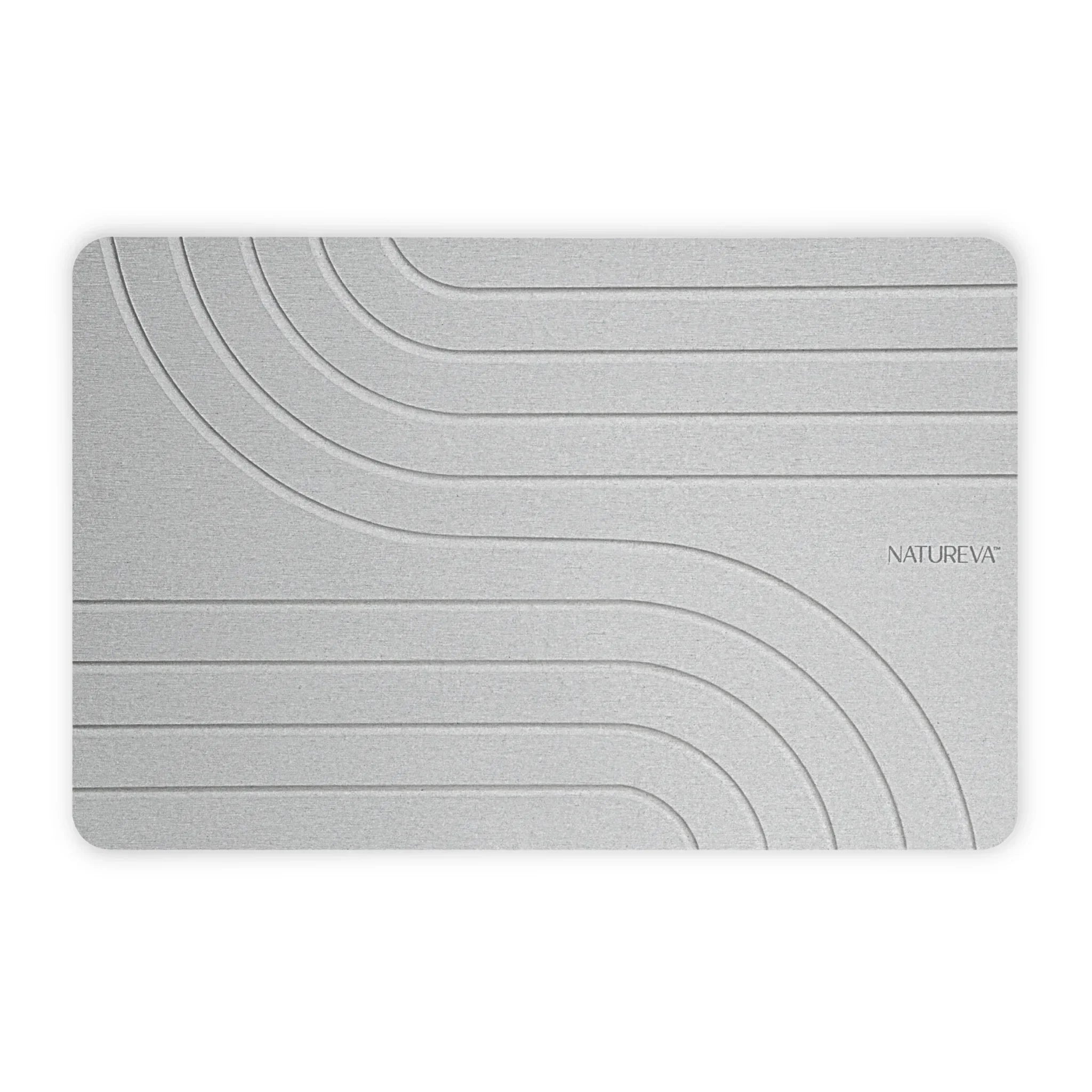
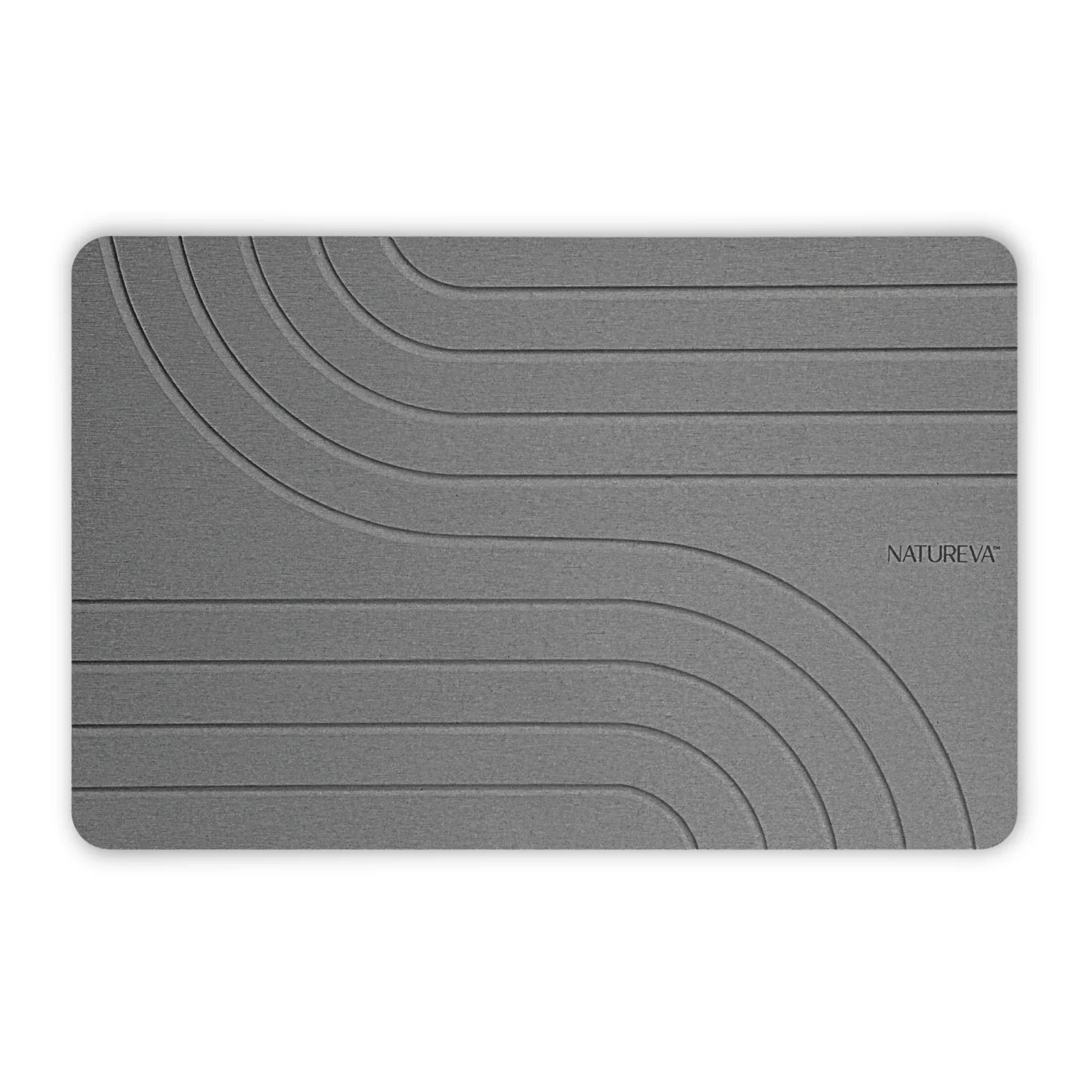
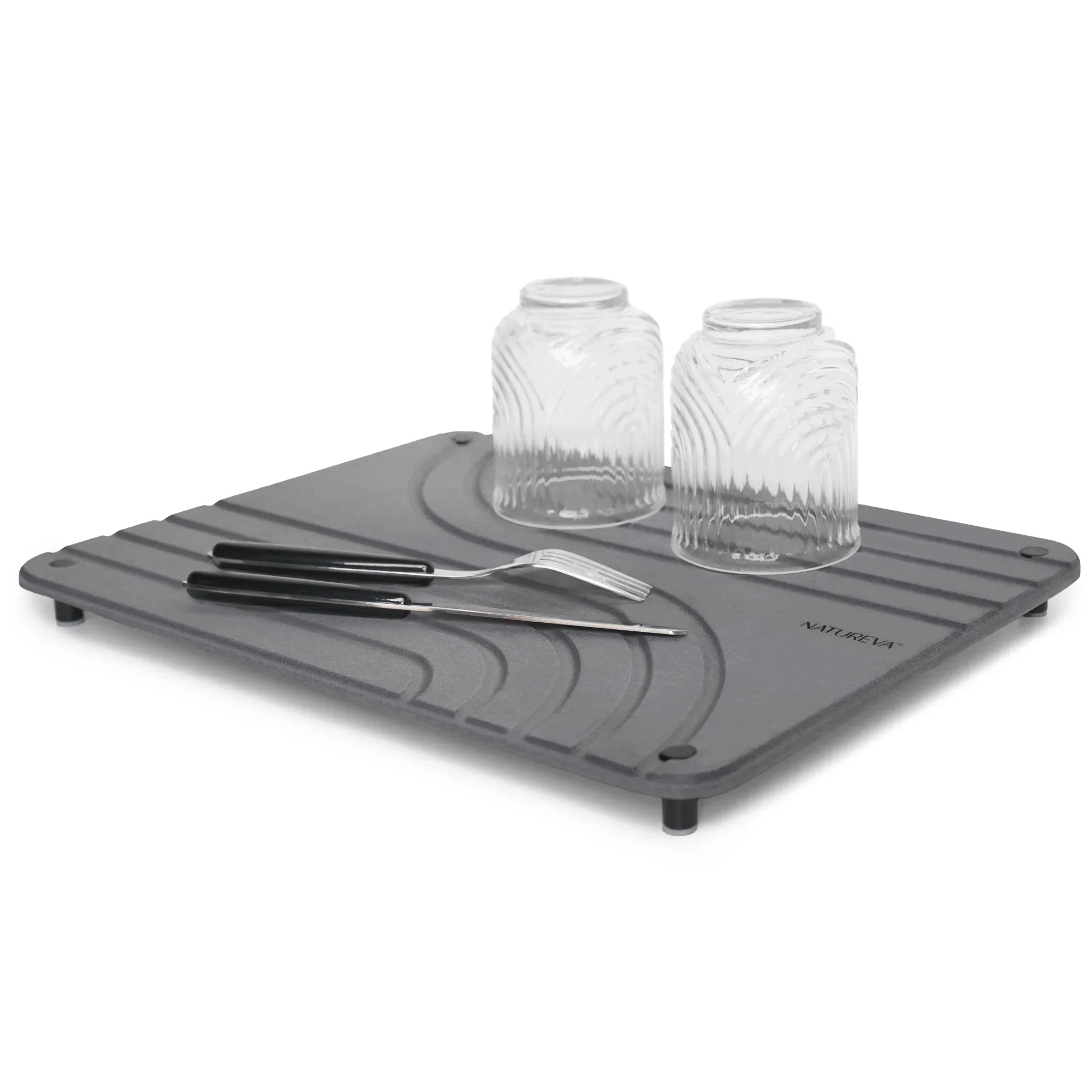
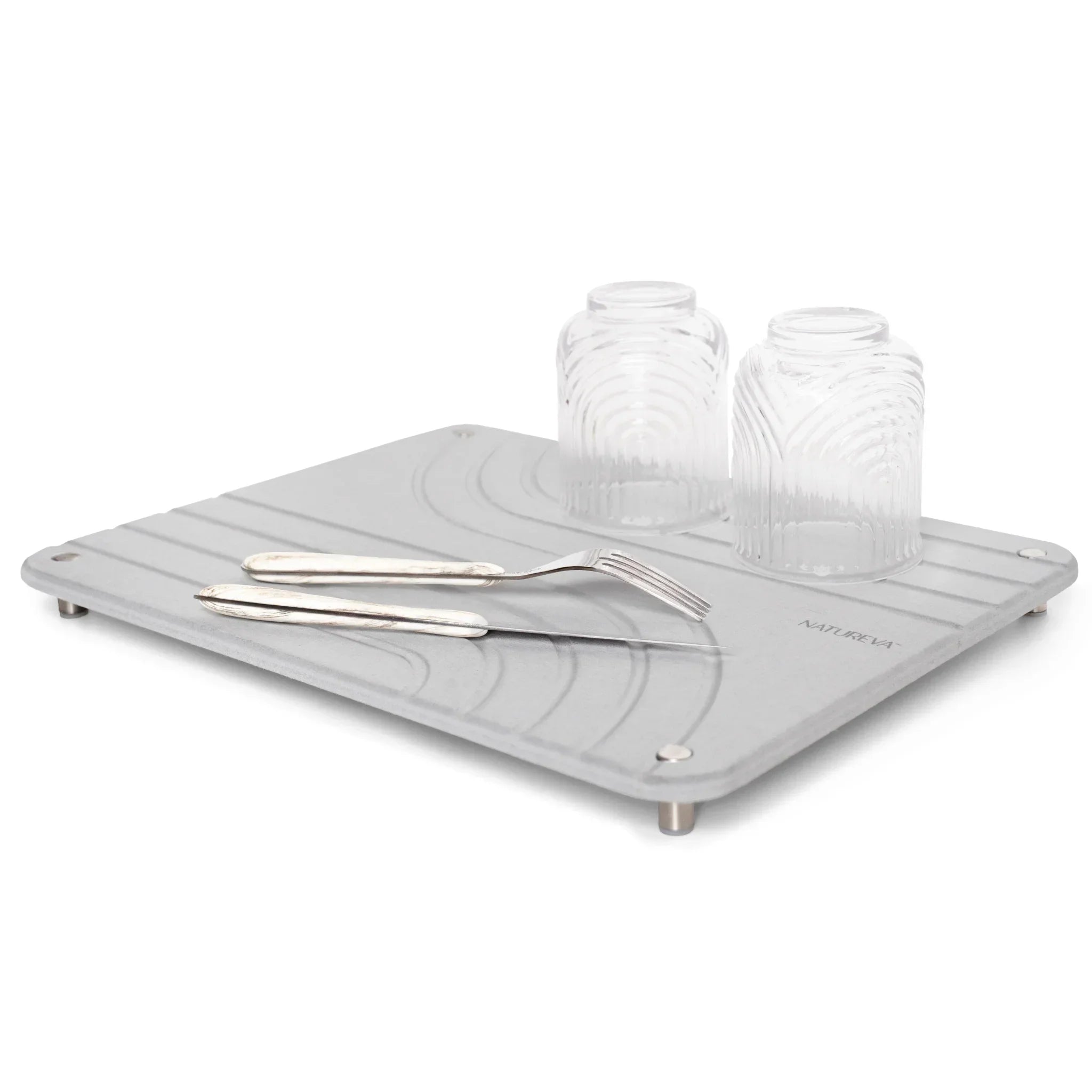
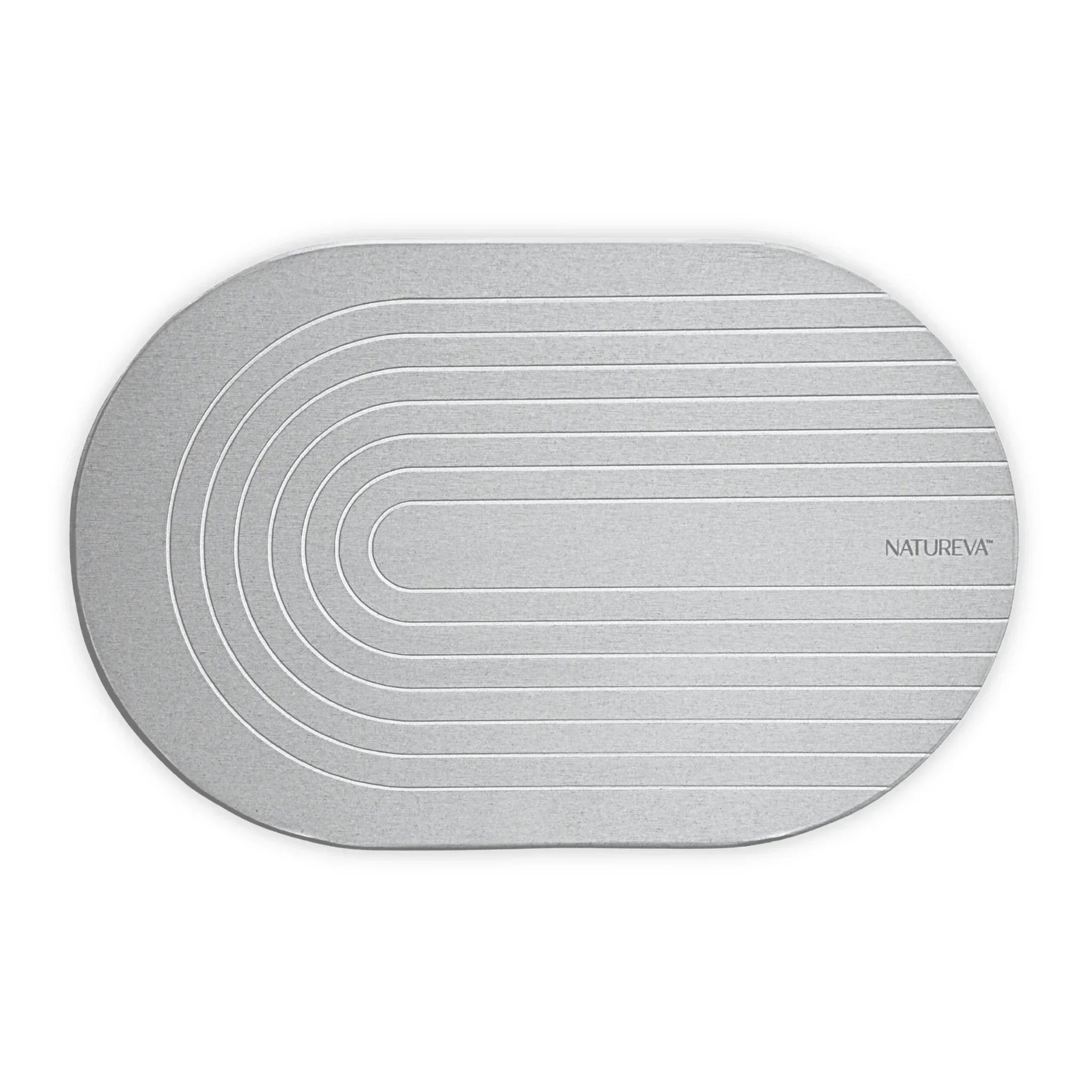
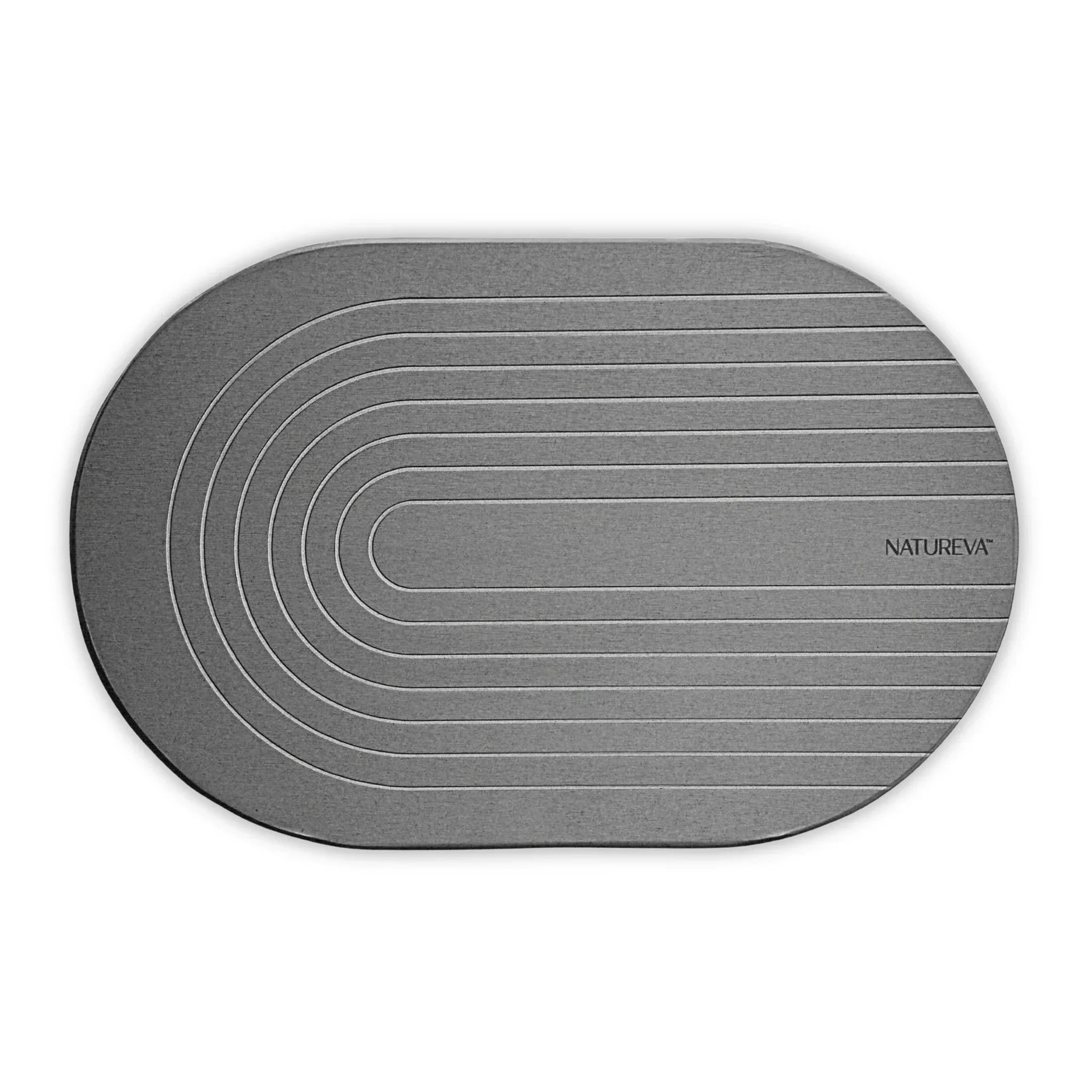
Diatomite bath mats are made from fossilized algae with millions of microscopic pores that absorb water instantly. When you step on one, your feet are dry within seconds.
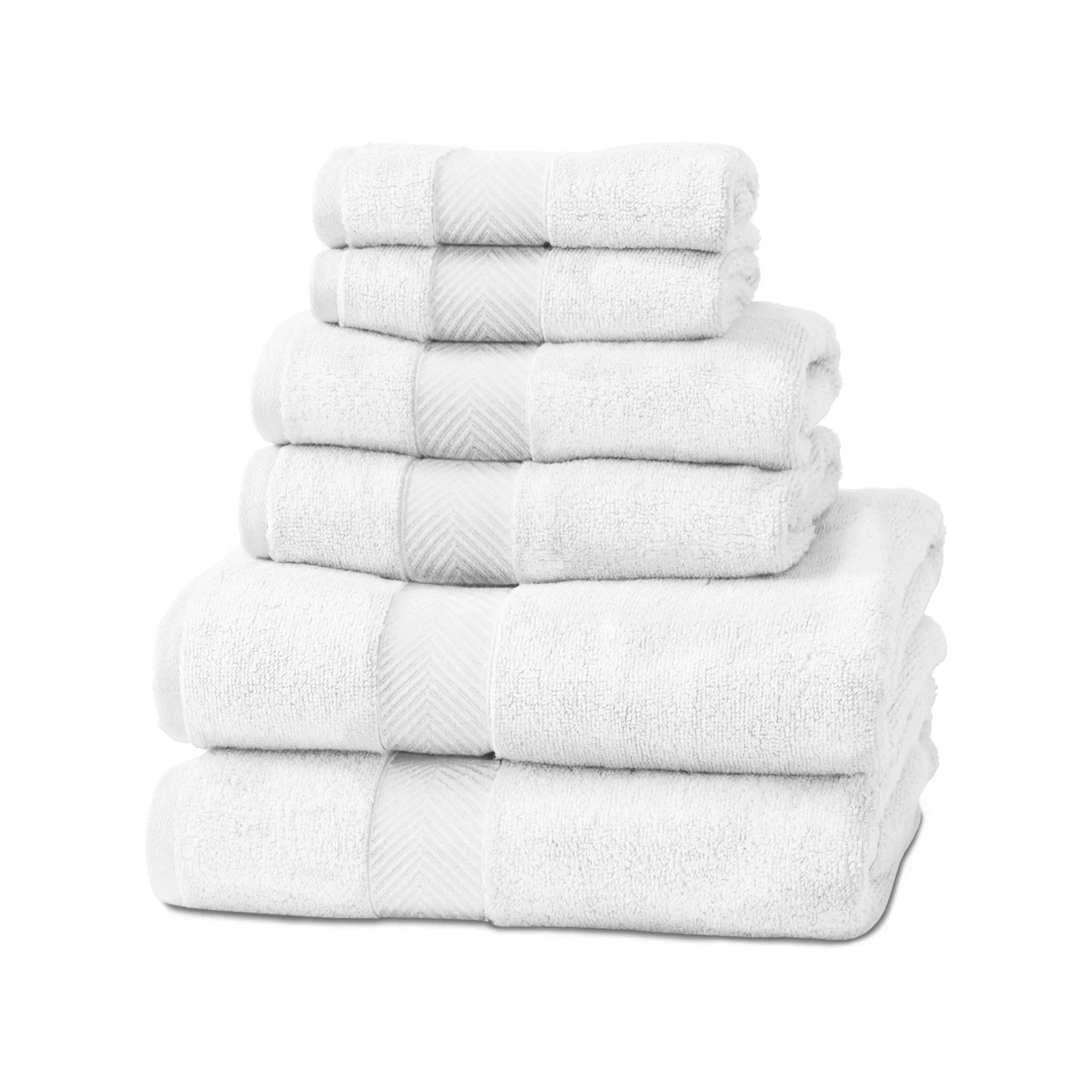
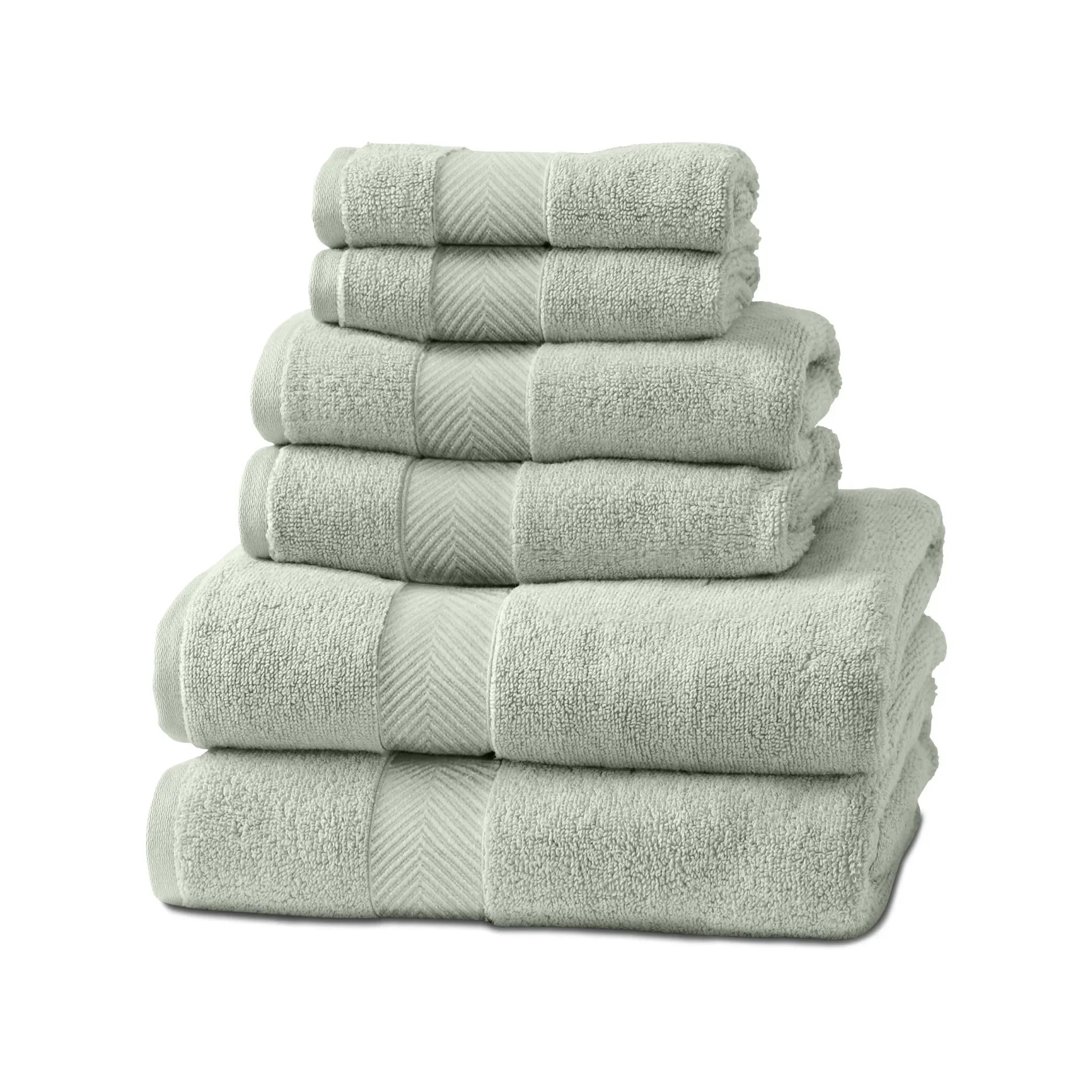
Traditional fabric mats, on the other hand, absorb water but stay wet for hours. They need time to air dry or require machine drying.
- Diatomite: Dries your feet in 5-10 seconds and the mat itself dries in minutes
- Traditional: Absorbs water but remains damp for 2-4 hours
- Multiple users: Diatomite stays effective; fabric becomes saturated
Winner: Diatomite - The instant absorption and quick drying are unmatched.
Mold and Bacteria Growth: Which Is More Hygienic?
Bathrooms are breeding grounds for mold and bacteria, especially on surfaces that stay wet. This is where the difference becomes crucial for your health.
Diatomite mats dry so quickly that mold and bacteria don't have time to establish themselves. The material is naturally antimicrobial and doesn't retain moisture. Learn more about how diatomite works to prevent bacterial growth.
- Diatomite: Natural antimicrobial properties, stays dry between uses
- Traditional: Stays damp, creating ideal conditions for mold and mildew
- Odor issues: Fabric mats develop musty smells; diatomite stays fresh
Winner: Diatomite - Superior hygiene with minimal effort.
Comfort Under Your Feet: The Feel Factor
Comfort is subjective, but there are clear differences in how these materials feel. Traditional fabric mats offer a soft, plush feeling that many people love.
Diatomite mats have a firm, stone-like surface that's smooth but not soft. Some people find this refreshing, while others prefer the cushioned feel of fabric.
- Diatomite: Firm, cool surface with a smooth texture
- Traditional: Soft, plush, cushioned feeling
- Temperature: Diatomite feels cool; fabric feels warmer
Winner: Traditional - For pure comfort and softness, fabric wins this round.
Cleaning and Maintenance: Which Requires Less Effort?
Nobody wants to spend extra time maintaining their bath mat. The maintenance requirements differ dramatically between these two options.
Diatomite mats need occasional wiping with a damp cloth and light sanding every few months to maintain absorption. Traditional mats require regular machine washing, which means hauling them to the laundry room weekly. Check our care and cleaning guide for detailed maintenance tips.
- Diatomite: Wipe clean weekly, light sanding every 2-3 months
- Traditional: Machine wash weekly, tumble dry, replace when worn
- Time investment: Diatomite takes minutes; fabric takes hours monthly
Winner: Diatomite - Significantly less time and effort required.
Durability: How Long Will Each Type Last?
The lifespan of your bath mat affects both convenience and long-term value. Diatomite mats are incredibly durable when properly cared for.
A quality diatomite mat can last 2-5 years with regular use. Traditional fabric mats typically last 6-18 months before they become worn, stained, or permanently musty.
- Diatomite: 2-5 years with proper care, resistant to wear
- Traditional: 6-18 months before replacement needed
- Degradation: Fabric frays and stains; diatomite may crack if dropped
Winner: Diatomite - Lasts significantly longer with minimal degradation.
Price Comparison: Initial Cost vs Long-Term Value
Diatomite mats typically cost more upfront, ranging from $25-$50 for quality options. Traditional fabric mats run $10-$30 depending on size and quality.
However, when you factor in replacement frequency and washing costs, the math changes. Replacing fabric mats 2-3 times in the lifespan of one diatomite mat, plus laundry expenses, makes diatomite more economical.
- Diatomite: $25-$50 initial cost, lasts 2-5 years
- Traditional: $10-$30, needs replacement every 6-18 months
- Hidden costs: Fabric requires ongoing water, detergent, and energy for washing
Winner: Diatomite - Better long-term value despite higher upfront cost.
Eco-Friendliness and Sustainability: Environmental Impact
Environmental considerations matter more than ever. Diatomite is a natural material made from fossilized algae, requiring minimal processing.
Traditional mats are often made from synthetic materials like polyester or nylon, derived from petroleum. They also require frequent washing (water and energy) and end up in landfills more quickly.
- Diatomite: Natural material, biodegradable, no washing required
- Traditional: Often synthetic, requires regular washing, shorter lifespan
- Carbon footprint: Diatomite has minimal ongoing impact; fabric has continuous washing impact
Winner: Diatomite - Significantly more sustainable and eco-friendly.
Tallying the Results
Let's count up the category winners to see which bath mat type comes out on top overall.
- Diatomite wins: Drying speed, hygiene, maintenance, durability, value, eco-friendliness (6 categories)
- Traditional wins: Comfort (1 category)
- Clear victor: Diatomite dominates in practical performance
Why Diatomite Is the Better Choice for Most People
The numbers speak for themselves. Diatomite bath mats win in six out of seven categories, making them the superior choice for most households.
The combination of instant drying, superior hygiene, minimal maintenance, and long-term value makes diatomite the smarter investment. You'll save time on laundry, reduce mold exposure, and enjoy a consistently dry bathroom floor.
- Perfect for busy households that don't want constant laundry
- Ideal for people concerned about bathroom hygiene and mold
- Great for eco-conscious consumers seeking sustainable options
- Excellent for bathrooms with multiple users throughout the day
When Traditional Mats Might Work Better
Despite diatomite's clear advantages, traditional fabric mats still have their place. Some situations favor the classic option.
If you prioritize soft comfort above all else, have mobility issues that require cushioning, or simply prefer the plush feeling under your feet, traditional mats might be your preference.
- Households that prioritize soft, cushioned comfort
- People with joint issues who need extra padding
- Those who don't mind regular laundry maintenance
- Budgets that can't accommodate the higher upfront cost
Best Diatomite Mat Features to Look For
If you're ready to make the switch to diatomite, knowing what to look for ensures you get a quality product. Not all diatomite mats are created equal.
Browse our diatomite bath mat collection to find options with these essential features.
- Thickness: Look for mats at least 0.4 inches thick for durability
- Non-slip backing: Essential for safety on tile or smooth floors
- Size options: Choose dimensions that fit your bathroom layout
- Quality diatomite: Higher-grade material absorbs better and lasts longer
- Proper care instructions: Ensure the manufacturer provides maintenance guidance
The verdict is clear: diatomite bath mats are the overall winner for their superior performance, hygiene, and long-term value. While traditional mats offer unmatched softness, diatomite's practical advantages make it the smarter choice for modern bathrooms.