
Five Reasons Cats Need Dedicated Food Mats
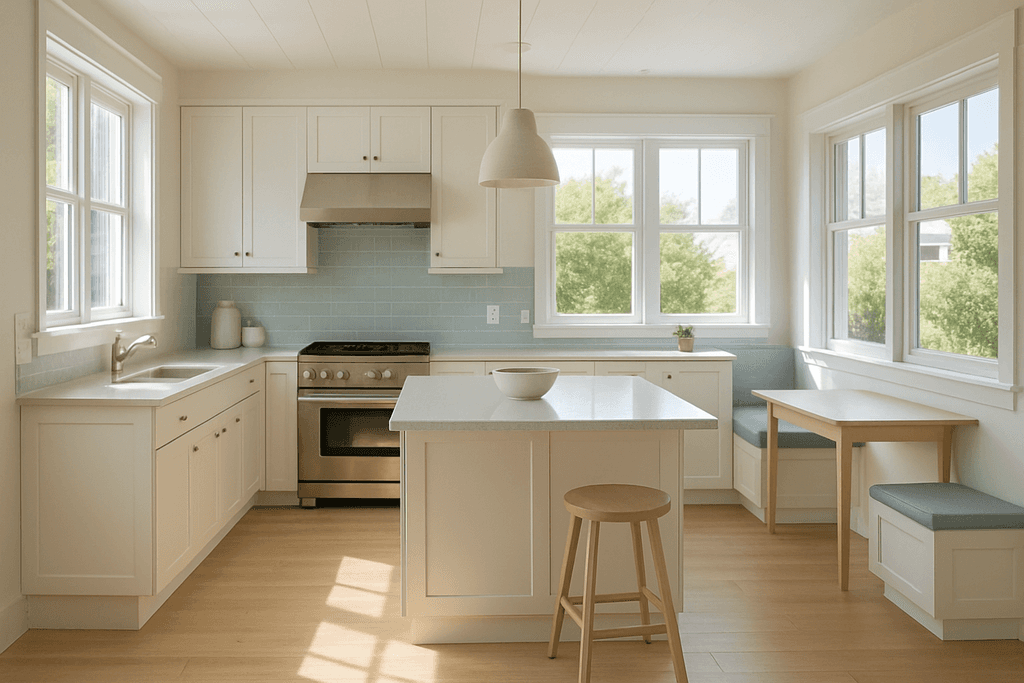
If you've ever stepped in a puddle near your cat's water bowl or found kibble scattered across the kitchen floor, you already know that cats turn every meal into a small disaster zone. Most cat owners spend way too much time wiping up spills and sweeping around feeding areas, dealing with soggy floors that never seem to fully dry. A dedicated cat food mat changes everything by containing the mess and protecting your floors from constant moisture damage.
Table of Contents
- The Hidden Costs of Unprotected Feeding Areas
- Reason 1: Instant Absorption Keeps Floors Dry
- Reason 2: Prevents Bacteria and Mold Growth
- Reason 3: Reduces Daily Cleanup Time
- Reason 4: Protects Expensive Flooring
- Reason 5: Creates a Designated Feeding Zone
- Making Mealtime Cleaner and Easier
- Common Questions About Cat Food Mats
Reason 1: Instant Absorption Keeps Floors Dry
Most cat owners know the struggle of finding puddles around water bowls every single day. Cats are messy drinkers by nature, splashing water with their tongues and paws as they drink. Some cats even dip their paws in the bowl before drinking, creating a wet mess that spreads across your floor. Traditional fabric or rubber mats might seem like a solution, but they often trap moisture underneath, which creates its own set of problems. The water just sits there, soaking into the mat and eventually seeping onto your floor anyway.
Reason 1: Instant Absorption Keeps Floors Dry
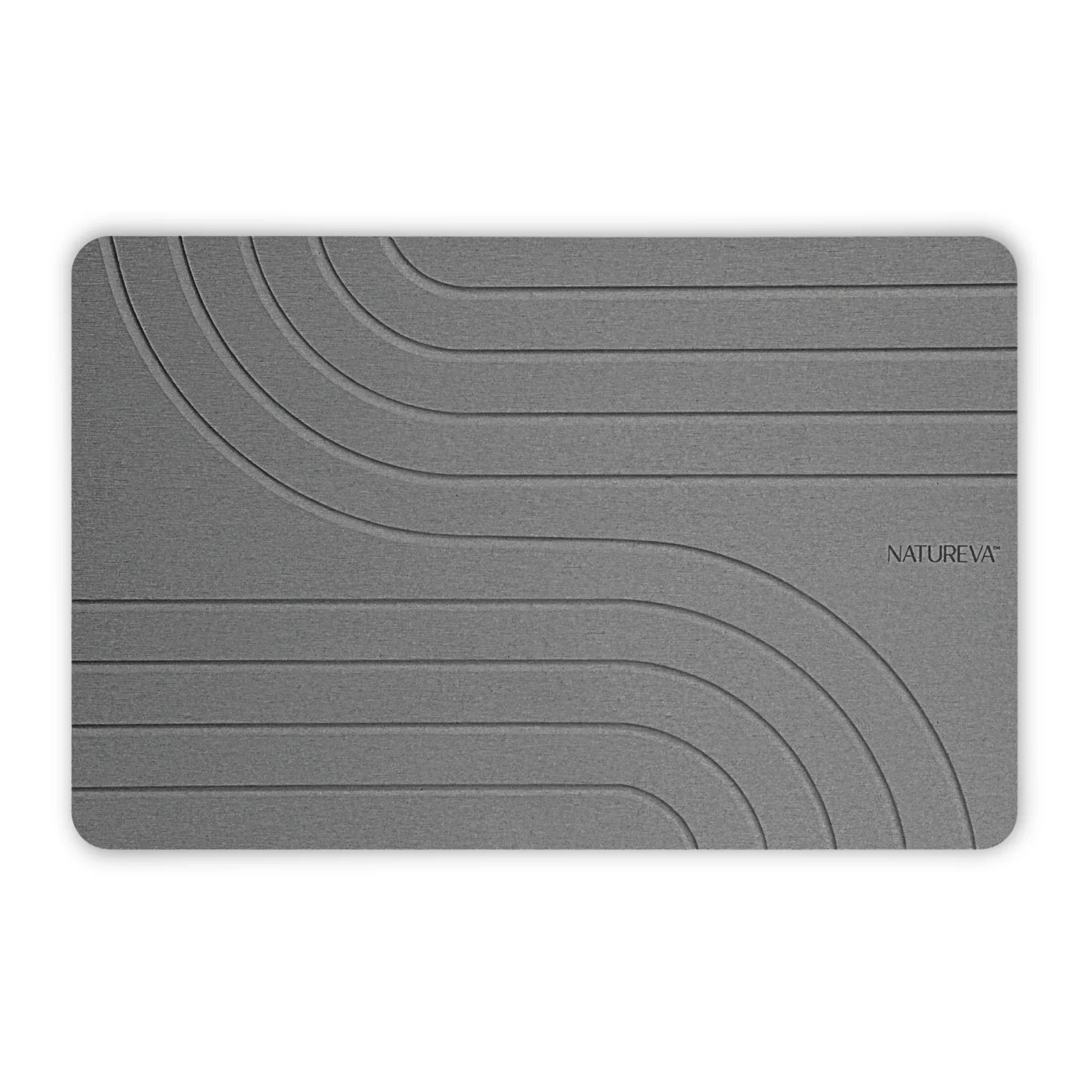
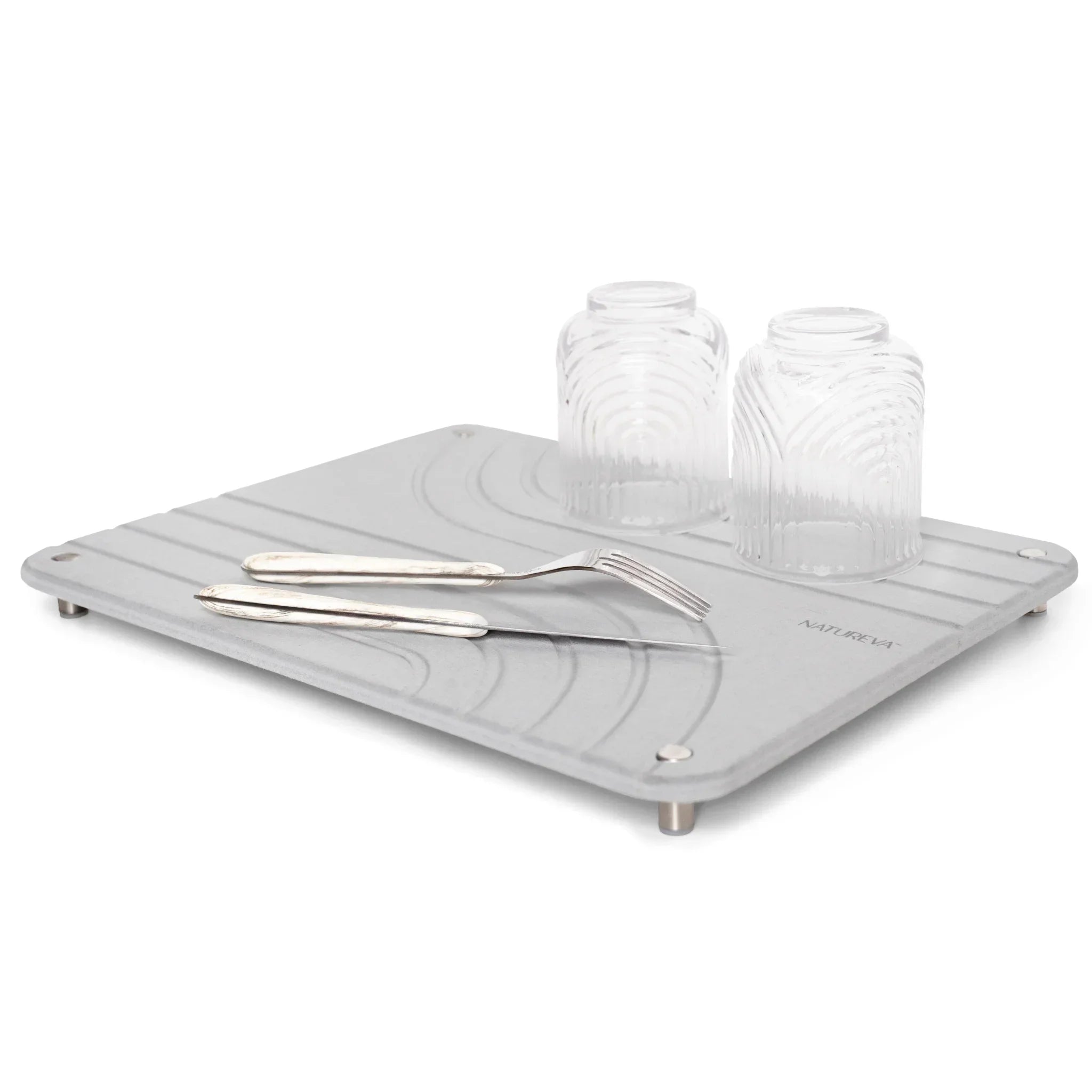
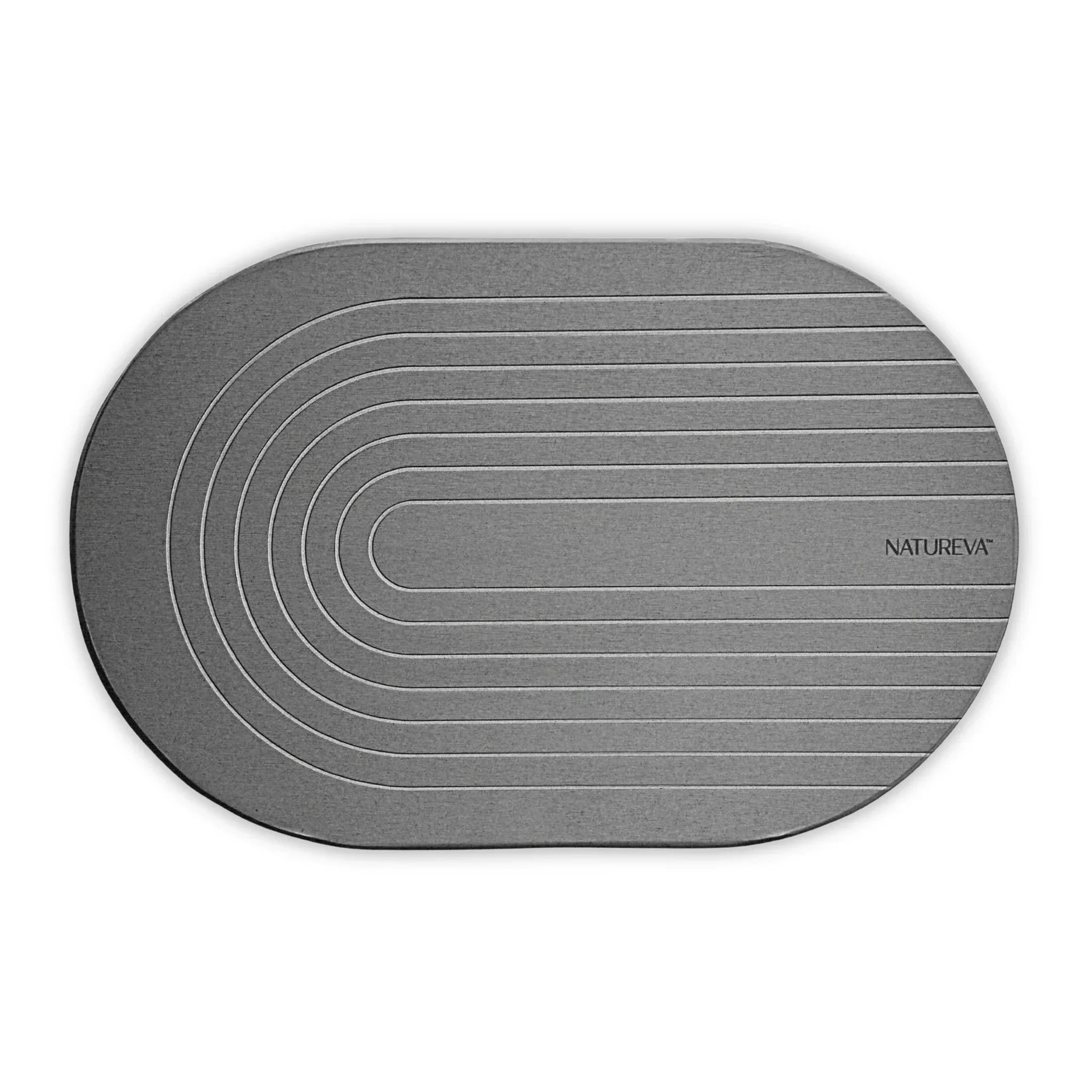
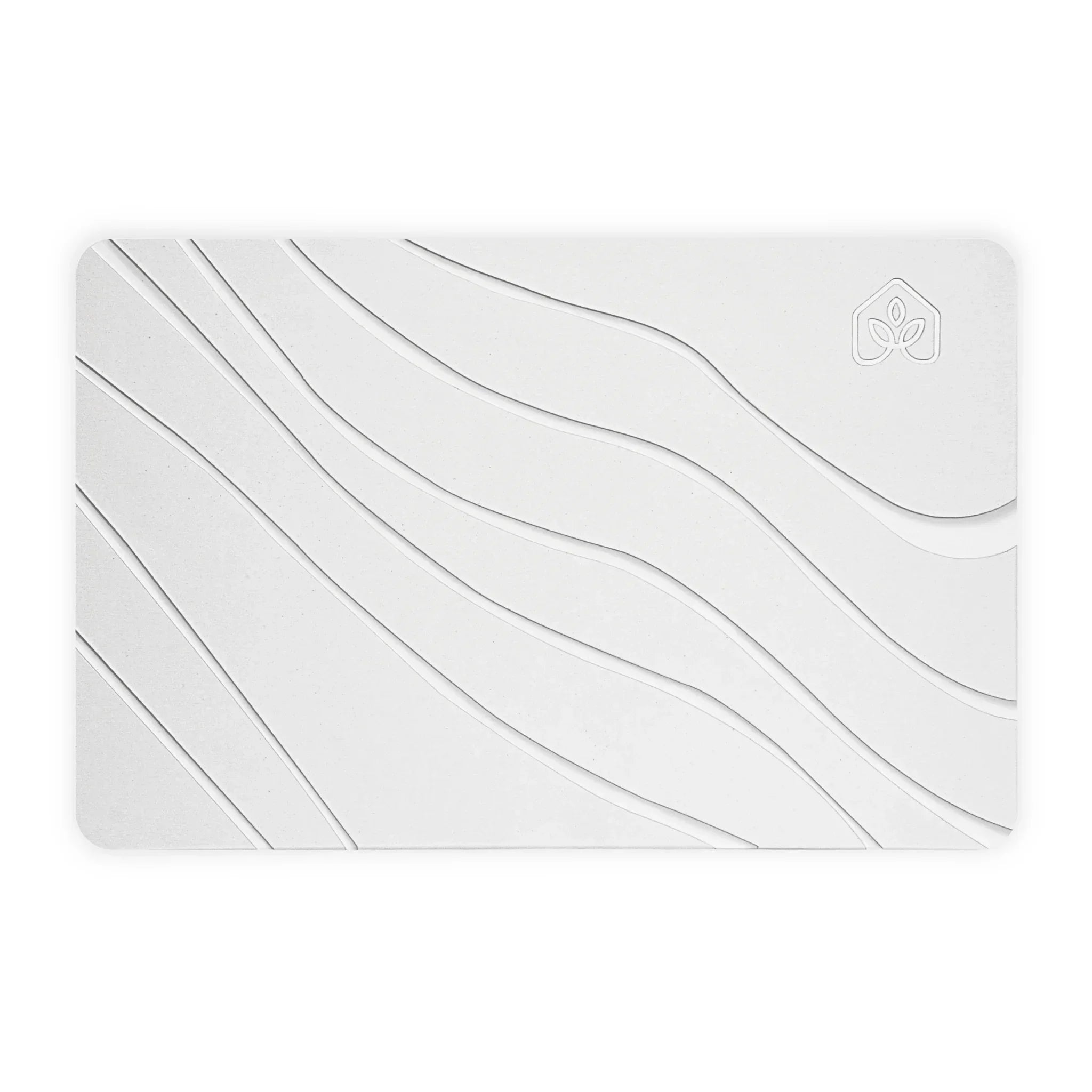
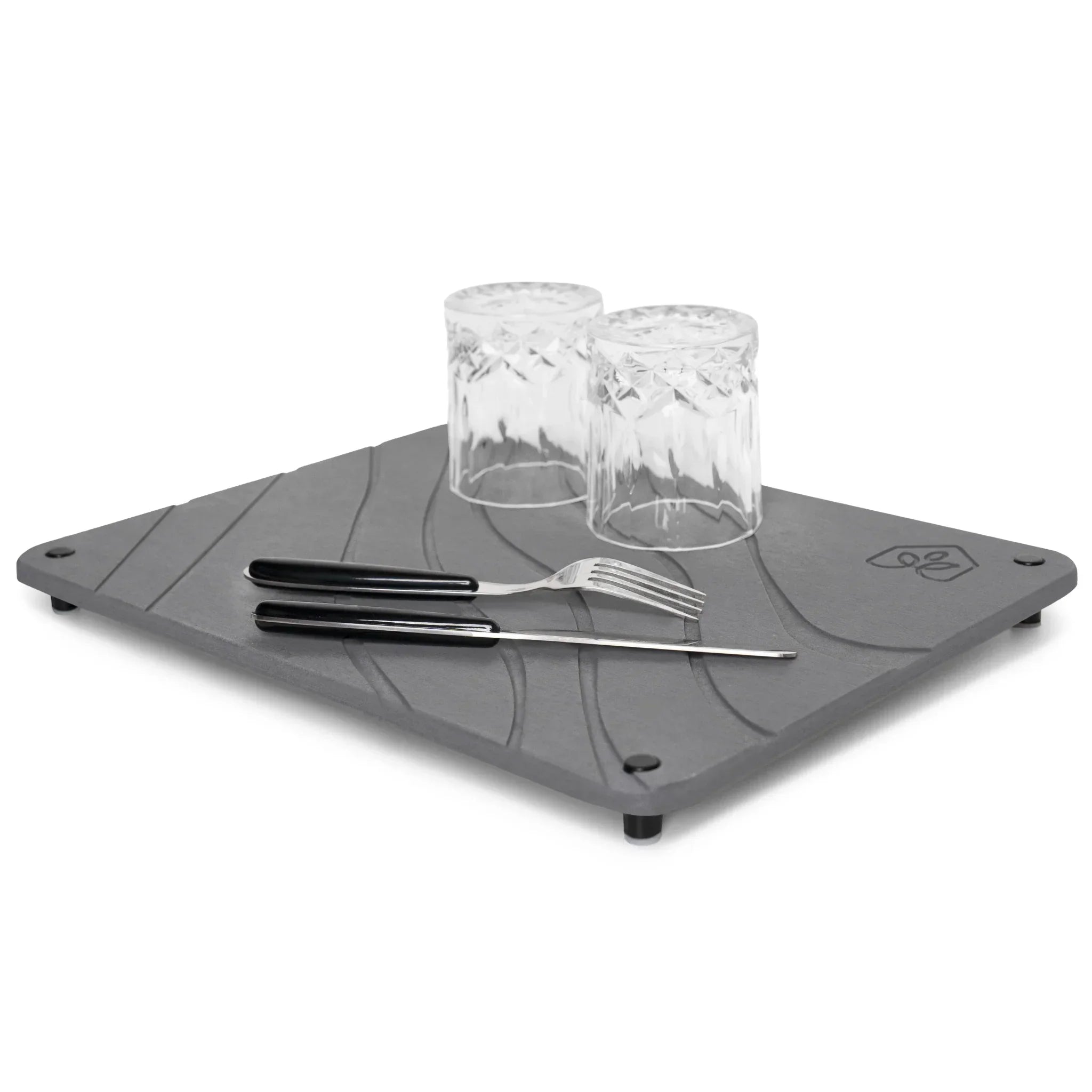
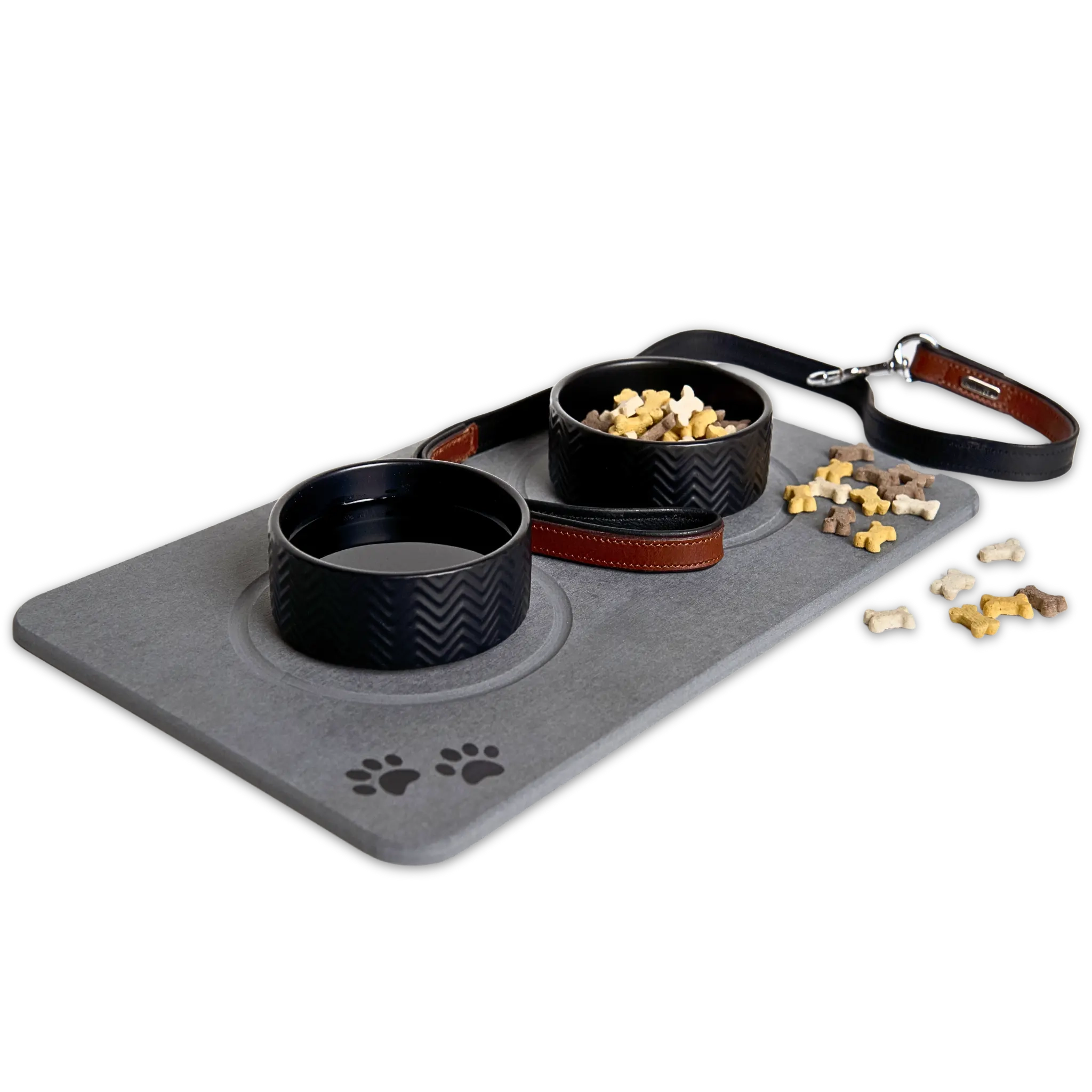
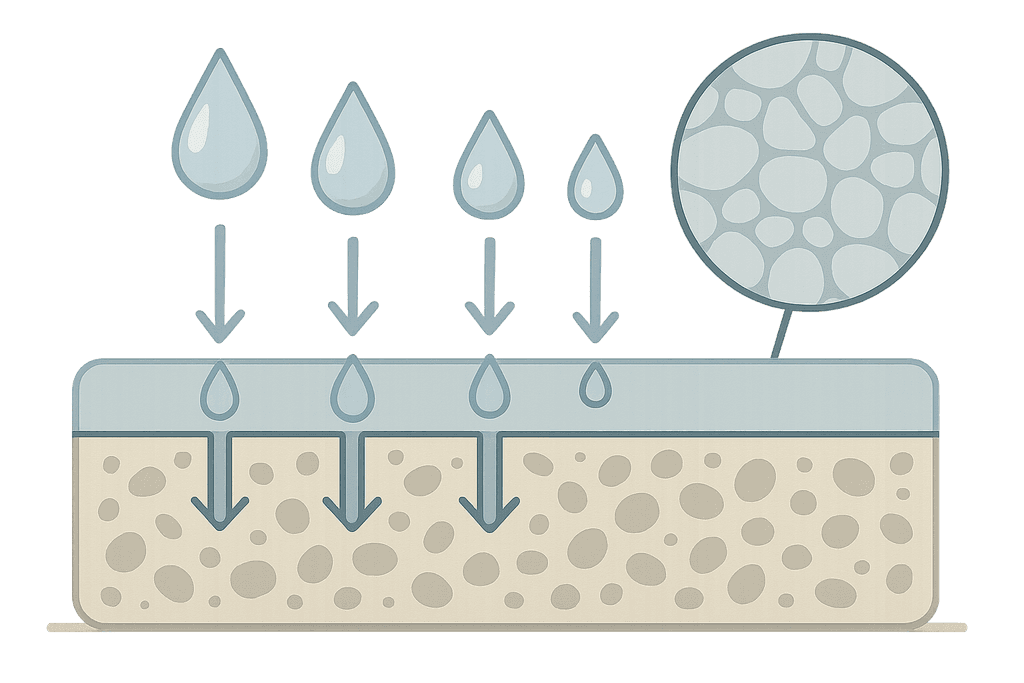
This is where materials matter more than most people realize. Stone mats made from diatomaceous earth work differently than regular mats because they contain millions of tiny pores that pull water in immediately. The Natureva Stone Pet Mat uses this natural material to absorb spills the moment they happen, keeping your floors completely dry.
- Water disappears within seconds instead of pooling on the surface
- Quick-drying properties mean the mat surface stays dry between feedings
- No soggy mat smell that comes with traditional materials
- Your floors stay protected even with the messiest drinkers
The difference becomes obvious after just one day of use. While fabric mats stay damp for hours, stone mats dry so fast you might forget there was even a spill.
Reason 2: Prevents Bacteria and Mold Growth
Here's something that might make you rethink your current feeding setup. Damp areas around food bowls become breeding grounds for bacteria within just a few hours. When moisture sits on a surface, especially near food, harmful bacteria colonies start forming faster than you'd think. Mold spores love these constantly wet environments, and they don't need much time to establish themselves. The worst part is that you often can't see the problem until it's already serious.
Traditional mats trap moisture instead of eliminating it, which creates the perfect environment for these unwanted guests. Fabric mats absorb water but hold onto it, staying damp for extended periods. Rubber mats don't absorb at all, so water just pools on top or slides underneath.
| Mat Type | Moisture Retention | Bacteria Risk | Cleaning Frequency |
|---|---|---|---|
| Fabric Mats | High (stays wet) | High | Daily washing needed |
| Rubber Mats | Medium (traps underneath) | Medium-High | Every 2-3 days |
| Stone Mats | Low (evaporates quickly) | Low | Weekly wipe-down |
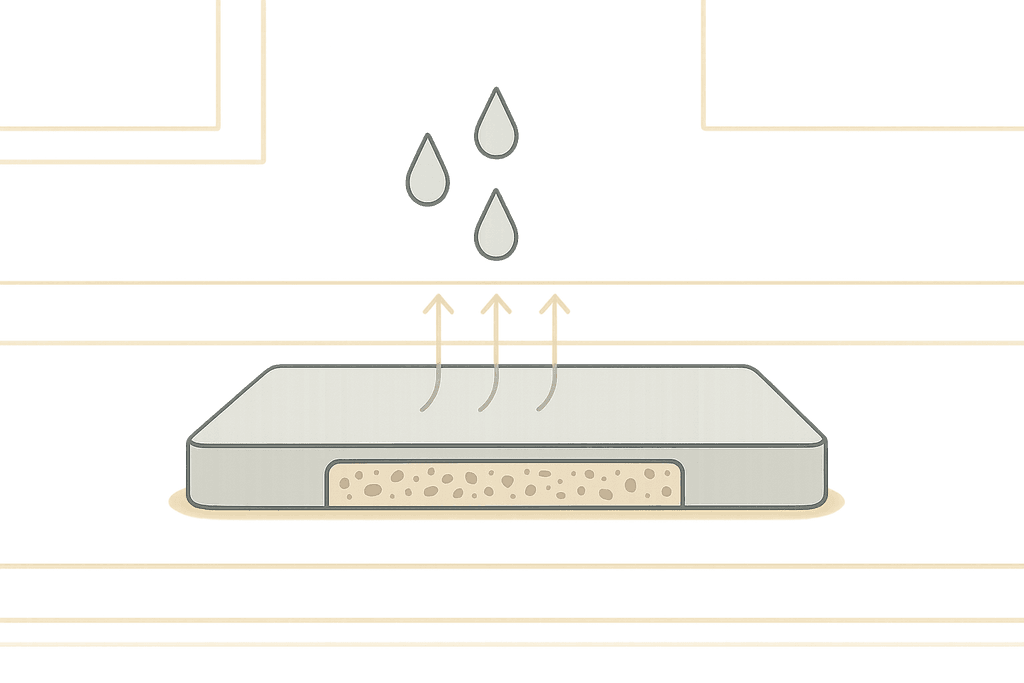
Stone mats actively evaporate moisture instead of holding onto it. The natural properties of diatomaceous earth create a dry surface that prevents bacterial colonies from establishing in the first place. This means a healthier feeding environment for your cat, which can reduce the risk of digestive issues that come from eating in unsanitary conditions.
Plus, stone mats are incredibly easy to clean and sanitize compared to fabric options that need constant washing.
Reason 3: Reduces Daily Cleanup Time
Let's talk about the time you spend cleaning around your cat's food area. If you're mopping around bowls multiple times per day, you're not alone. Between water splashes, scattered kibble, and the occasional knocked-over bowl, the feeding area demands constant attention. Many cat owners spend 10-15 minutes daily just dealing with the mess around food bowls. That adds up to over 90 hours per year spent on this one task.
Reason 3: Reduces Daily Cleanup Time
A proper cat food mat changes this routine completely. Spilled food and water stay contained on the mat surface, making cleanup as simple as a quick wipe-down. The self-drying properties mean you're not dealing with a soggy mat that needs to be hung up to dry after every cleaning.
The next generation of home essentials: naturally made, cleaner by design, sustainable by nature.
SHOP ALL- No more grabbing the mop three times a day
- Spills wipe up in seconds instead of requiring floor cleaner
- Durable materials withstand daily use without falling apart
- Time savings add up to hours each month for other activities
The difference between a quick wipe and a full floor cleaning session might seem small in the moment, but it compounds over time. Research on cat feeding practices shows that maintaining a clean feeding environment matters for your cat's wellbeing, but it shouldn't consume your entire day.
Reason 4: Protects Expensive Flooring
Your floors are probably one of the biggest investments in your home. Hardwood floors can cost $6-12 per square foot to install, and laminate isn't much cheaper. What many people don't realize is how much damage constant water exposure causes to these materials. Hardwood warps and stains when water sits on it repeatedly, even for short periods. Laminate flooring swells and separates when moisture seeps into the seams, and once that happens, the damage is permanent.
The scratches from metal or ceramic bowls sliding across your floor add up too. Tile grout gets damaged, finished surfaces lose their shine, and food stains penetrate porous materials in ways that regular cleaning can't fix.
| Floor Type | Water Damage Risk | Average Repair Cost |
|---|---|---|
| Hardwood | Very High | $1,500-3,000 |
| Laminate | High | $800-2,000 |
| Tile | Medium | $500-1,500 |
| Stone Mat Cost | Prevention | $49 |
A stone mat creates a protective barrier between your cat's bowls and your expensive flooring. Prevention costs far less than floor repair or replacement, and you avoid the hassle of dealing with contractors and living through home repairs. The pet collection at Natureva offers solutions that protect your investment while keeping your cat's feeding area functional.
Reason 5: Creates a Designated Feeding Zone
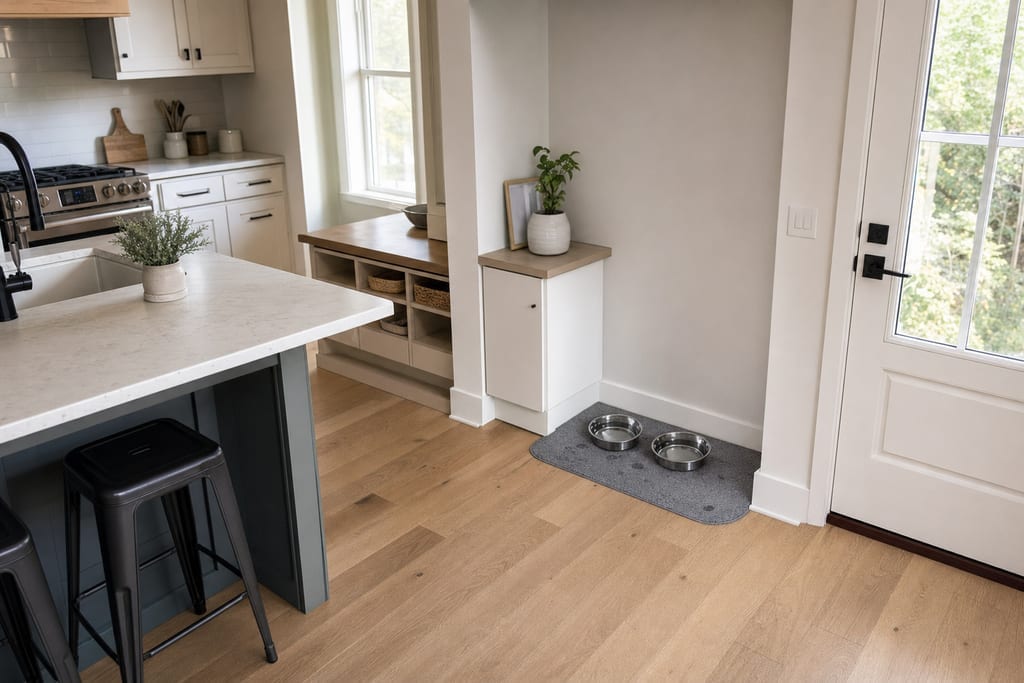
Cats are creatures of habit who thrive on routine and clear boundaries. A dedicated mat establishes a visual boundary that helps your cat understand exactly where their feeding space is located. This might seem like a small detail, but it makes a real difference in how cats interact with their food area. The mat prevents bowls from sliding across smooth floors during meals, which can frustrate cats and make eating less enjoyable.
Having a designated feeding zone keeps everything organized and contained, especially if you have multiple cats. Each cat can have their own mat and feeding station, reducing competition and stress during mealtimes.
- Visual boundaries help cats feel secure in their eating space
- Non-slip surface keeps bowls in place during enthusiastic eating
- Makes managing multiple cat feeding stations much easier
- Looks better than bowls scattered randomly on the floor
- Cats develop positive associations with their designated spot
Studies on cat feeding practices show that environmental factors around feeding areas affect how cats eat and their overall stress levels. A clean, organized feeding zone contributes to better eating habits and helps cats feel more comfortable during meals. The aesthetic improvement is a bonus that makes your home look more put-together instead of having pet supplies taking over your kitchen floor.
Making Mealtime Cleaner and Easier
A cat food mat might seem like a small addition to your home, but it tackles several annoying problems at once. Water bowls that leave puddles on your floor, food bits that get scattered everywhere, and that weird smell that develops around feeding areas all disappear when you use the right mat. The best part is that you don't need to spend hours cleaning anymore, which means more time actually enjoying your cat instead of following them around with paper towels.
Traditional fabric mats and plastic trays just move the problem around instead of solving it. They trap moisture underneath, get gross pretty quickly, and need constant washing. Stone mats work differently because they actually absorb the water and dry themselves out naturally.
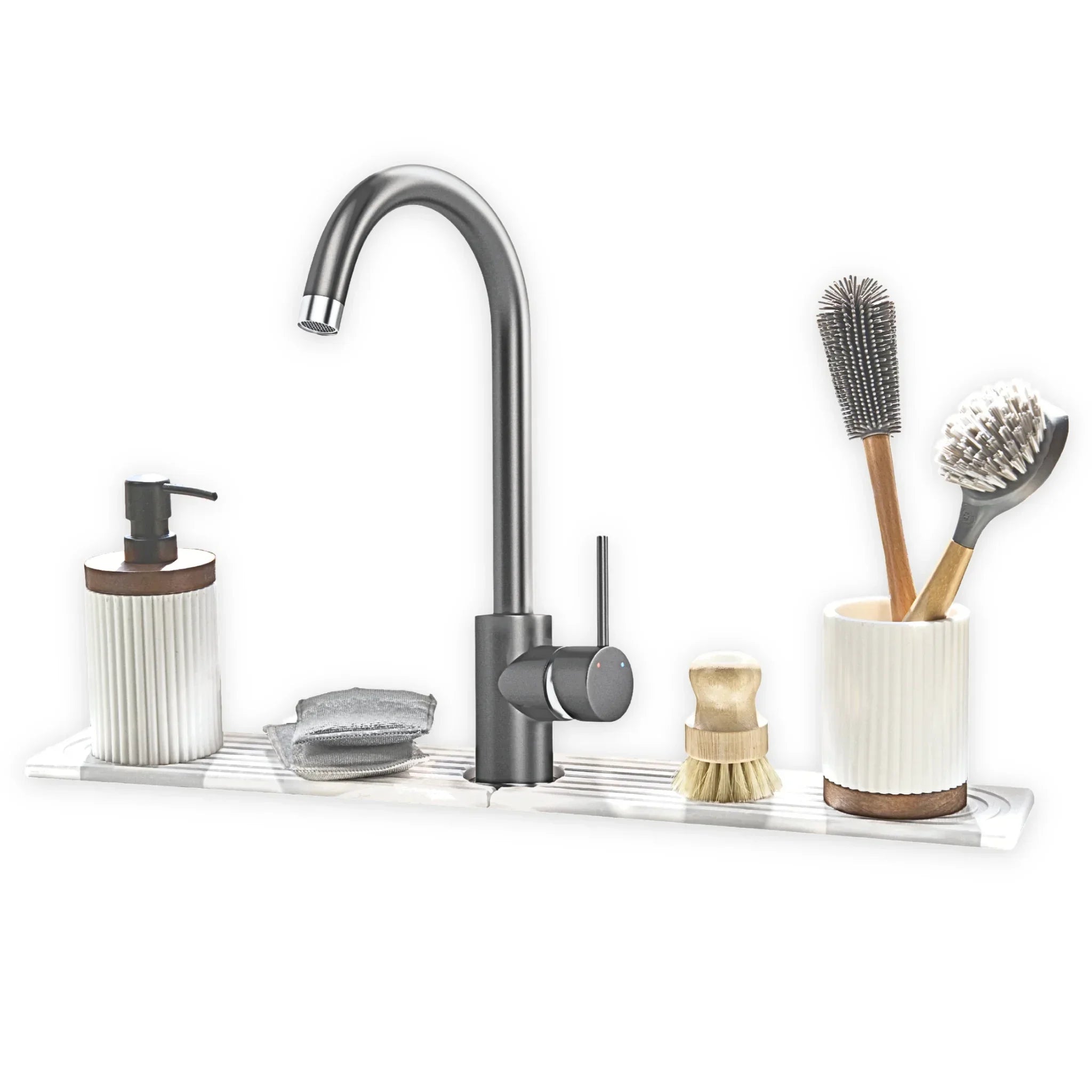
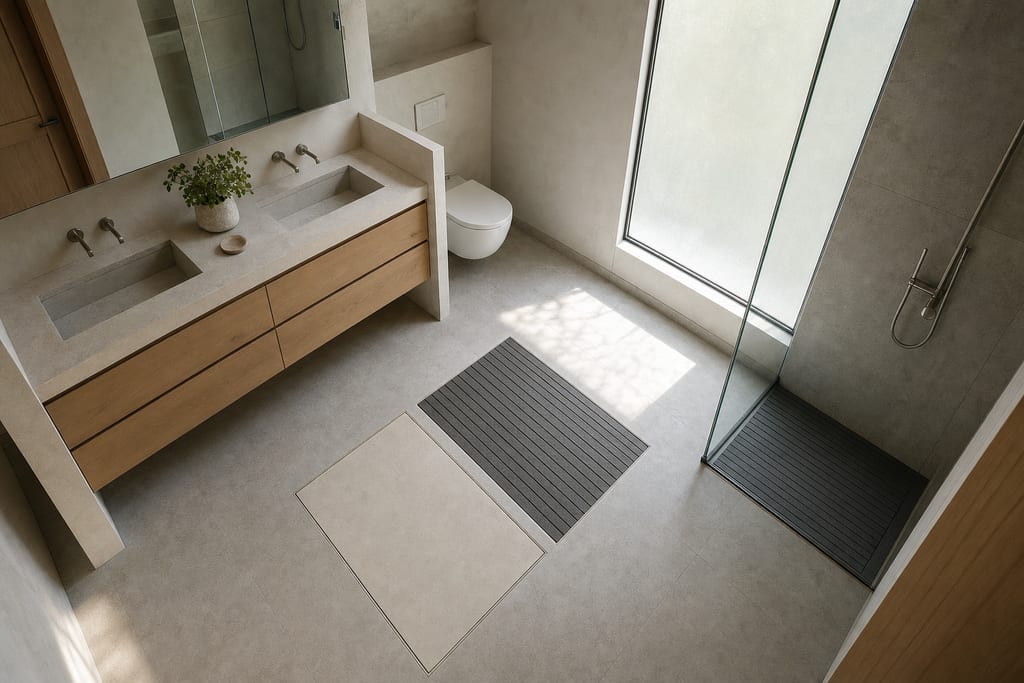
Our Stone Pet Mat uses natural diatomaceous earth that soaks up spills in seconds and dries fast enough that bacteria and mold don't get a chance to grow. The same material works great in other parts of your home too, like our bathroom collection for wet areas around sinks and tubs.
The real question isn't whether your cat needs a food mat. It's whether you want to keep dealing with messy floors and constant cleanup, or if you'd rather have a feeding area that basically takes care of itself. Most cat owners who try a proper mat wonder why they waited so long to get one.
Still have questions about how stone mats work or which size fits your space best? The answers below cover the most common things cat owners ask about pet mats.
Common Questions About Cat Food Mats
Choosing the right cat food mat can feel overwhelming with so many options out there. Most cat owners have similar questions when they're trying to figure out what works best for their furry friends. Here are the answers to the most common questions about cat food mats that come up time and time again. These should help you make a smart choice for your home and your cat's feeding area.
What size mat should I get for my cat's feeding area?
The mat should extend at least 2-3 inches beyond your bowls on all sides to catch spills and splashes effectively. Measure your bowls when they're positioned how you normally place them, then add that extra space around the edges. If your cat tends to push bowls around while eating, go a bit larger to account for movement.
Are stone mats safe for cats?
Stone mats made from diatomaceous earth are completely safe for cats and won't harm them if they walk on the surface or accidentally lick it. The material is natural and non-toxic, which is why products like the Natureva Stone Pet Mat work well in homes with curious cats. The surface is gentle enough that it won't irritate paws but textured enough to provide good traction.
How do I clean and maintain different types of cat food mats?
Silicone and plastic mats usually need regular washing with soap and water, which can be a hassle. Stone mats are different because they just need a quick wipe down or rinse, then they air dry naturally thanks to their porous structure. For deeper cleaning of stone mats, you can lightly sand the surface every few months to refresh the absorption power.
Do food mats work for both food and water bowls?
Yes, most cat food mats are designed to handle both food crumbs and water spills at the same time. Stone mats are especially good for this dual purpose because they absorb water quickly while also catching dry food pieces. You can place both bowls on the same mat without any issues.
Will a mat prevent all mess or just reduce it?
A good mat will significantly reduce mess, but it won't eliminate every single crumb or drop if your cat is a particularly messy eater. The goal is to contain spills and splashes to one easy-to-clean area instead of having them spread across your floor. You'll still need to do some basic maintenance, but it's way less work than cleaning your entire kitchen floor daily.
How long do quality cat food mats typically last?
A well-made cat food mat should last anywhere from 1-3 years depending on the material and how much wear it gets. Silicone mats tend to stain and wear out faster, while stone mats can last longer because they're more durable and resistant to bacteria buildup. The initial investment in a quality stone mat often pays off because you won't need to replace it as frequently as cheaper alternatives.
The next generation of home essentials: naturally made, cleaner by design, sustainable by nature.
SHOP ALL